On this page
Quick Reference
Overview and Recommendations
Background
- •Thrombotic thrombocytopenic purpura ( ) is a thrombotic microangiopathy defined by thrombocytopenia and (MAHA), with platelet-rich microvascular thrombi causing ischemic injury to the brain, heart, kidneys, and other organs. Untreated acute disease is frequently fatal, whereas prompt plasma exchange has transformed survival.
- •ADAMTS13 deficiency is the defining biologic axis. ADAMTS13 normally cleaves ultra-large multimers; severe deficiency, usually activity <10%, permits uncontrolled VWF-platelet adhesion in small vessels, producing platelet consumption, schistocytes, hemolysis, and organ ischemia.
- •Immune-mediated TTP ( ) accounts for most adult cases and results from anti-ADAMTS13 autoantibodies. Congenital TTP ( , Upshaw-Schulman syndrome) results from biallelic pathogenic ADAMTS13 variants and may present in childhood, adulthood, or during pregnancy.
- •TTP is uncommon but clinically important: adult-onset disease has been estimated at roughly 13 cases per million, while genetic studies suggest congenital disease is more prevalent than diagnosis-based registries indicate. Women are affected approximately twice as often as men, and pregnancy is a major trigger for first presentation or relapse.
- •TTP overlaps clinically with Shiga toxin-associated , complement-mediated atypical HUS, disseminated intravascular coagulation, malignant hypertension, HELLP syndrome, preeclampsia, drug-associated TMA, and transplant-associated TMA. Thrombocytopenia and hemolysis alone do not establish the subtype.
- •The therapeutic paradigm is mechanism-directed: plasma exchange replenishes ADAMTS13 and removes pathogenic plasma factors, corticosteroids and suppress autoimmunity, blocks VWF-platelet binding, and recombinant ADAMTS13 provides disease-specific replacement for congenital TTP.
Evaluation
- •Suspect TTP in a patient with new thrombocytopenia plus MAHA, particularly when headache, confusion, focal neurologic findings, fever, abdominal pain, chest pain, renal dysfunction, pregnancy, recent surgery, pancreatitis, or exposure to quinine, , or is present.
- •Ask about the time course, prior episodes, family history, pregnancy or postpartum status, autoimmune disease, infection, cancer, transplant, medications, recent surgery, and symptoms of cerebral, cardiac, renal, or gastrointestinal ischemia. Recurrent childhood episodes or pregnancy-associated episodes increase suspicion for congenital disease.
- •Examine for petechiae or purpura, jaundice, fever, altered cognition, focal neurologic deficits, heart failure, chest pain, hypertension, renal volume abnormalities, and bleeding. A normal neurologic examination does not exclude cerebral ischemia, and occult myocardial injury may occur without cardiac symptoms.
- •Order an urgent complete blood count with reticulocytes, peripheral blood film, LDH, bilirubin, haptoglobin, direct antiglobulin test, creatinine, urinalysis, and coagulation studies. MAHA is supported by schistocytes, elevated LDH and indirect bilirubin, reticulocytosis, and low haptoglobin; a positive direct antiglobulin test suggests an alternative or additional hemolytic process.
- •Draw ADAMTS13 activity, ADAMTS13 inhibitor, and anti-ADAMTS13 IgG samples before plasma exchange or plasma infusion whenever possible. Do not delay treatment while awaiting the send-out result when clinical probability is high.
- •Calculate the while ADAMTS13 testing is pending. A score of 6-7 indicates high probability of severe ADAMTS13 deficiency; a score of 0-5 lowers probability but does not safely exclude TTP when the clinical syndrome is compelling.
- •Assess organ injury with serial neurologic examinations, ECG, cardiac troponin, renal function, urine output, and targeted brain or cardiac imaging when indicated. Troponin elevation, particularly >0.25 micrograms/L, identifies increased risk of death or refractory disease even when symptoms are absent.
- •Interpret ADAMTS13 activity <10% in the context of compatible MAHA and thrombocytopenia as strongly supportive of TTP. Severe deficiency with anti-ADAMTS13 antibodies supports immune-mediated disease; severe deficiency without a functional inhibitor requires genetic evaluation rather than automatic classification as immune-negative iTTP.
- •Distinguish pregnancy-associated TTP from preeclampsia, HELLP syndrome, antiphospholipid syndrome, and complement-mediated atypical HUS using ADAMTS13 activity, blood pressure, liver tests, renal severity, complement assessment, timing, and clinical trajectory. Arrange urgent maternal-fetal medicine and hematology consultation.
- •Consider alternative TMA causes when ADAMTS13 is not severely deficient or when the phenotype is atypical. Evaluate for Shiga toxin infection, complement-mediated disease, malignant hypertension, drugs, cancer, autoimmune disease, disseminated intravascular coagulation, and transplant-associated TMA; bone marrow examination and flow cytometry are not routine diagnostic tests for TTP.
Management
- •Activate emergency hematology care and transfer to a center capable of continuous therapeutic plasma exchange. Treat suspected high-probability TTP before confirmatory ADAMTS13 results return because treatment delay increases mortality and irreversible organ injury.
- •Initiate therapeutic plasma exchange with plasma replacement, commonly approximately 40 mL/kg of plasma per session, and continue daily until platelet recovery, hemolysis, and clinical organ injury have resolved. Adjust frequency and duration with specialist guidance rather than stopping solely because the platelet count begins to rise.
- •Add corticosteroids for suspected or confirmed immune-mediated TTP. Use the local high-dose intravenous or oral glucocorticoid protocol, monitor glucose, blood pressure, infection, psychiatric effects, and gastrointestinal complications, and taper only after sustained clinical control.
- •Administer early when available for acute immune-mediated TTP: 10 mg IV loading dose, followed by 10 mg subcutaneously daily during plasma exchange and generally for 30 days afterward. Extend treatment when ADAMTS13 inhibition or clinical activity persists, while monitoring closely for mucocutaneous, gastrointestinal, and serious bleeding.
- •Add for immune-mediated disease, especially relapse, refractory disease, or persistent severe ADAMTS13 deficiency during remission. A commonly used regimen is 375 mg/m2 IV weekly for 4 doses; screen for hepatitis B, monitor infusion reactions and infection, and avoid routine use during pregnancy unless specialist risk-benefit assessment supports it.
- •Monitor platelet count, LDH, bilirubin, haptoglobin, reticulocytes, creatinine, neurologic status, cardiac status, bleeding, and treatment adherence daily during acute therapy. Failure to normalize platelets by day 7 or failure of LDH to fall substantially by day 5 should trigger reassessment for infection, missed caplacizumab, ongoing inhibitor, organ injury, or an alternative diagnosis.
- •Avoid routine platelet transfusion because platelet supplementation may intensify microvascular thrombosis and has been associated with myocardial infarction and higher mortality. Reserve platelets for life-threatening bleeding or urgent procedures after discussion with an experienced hematologist.
- •Do not use caplacizumab as monotherapy for iTTP; it blocks microthrombus formation but does not remove the autoantibody. Do not delay plasma exchange for rituximab availability, ADAMTS13 results, genetic testing, or transfer logistics.
- •Treat congenital TTP with ADAMTS13 replacement rather than immunosuppression. When available, recombinant prophylaxis is administered at 40 IU/kg IV according to the specialist replacement schedule; if unavailable, use fresh frozen plasma, particularly during pregnancy, instead of unstructured observation in patients who require prophylaxis.
- •Reassess ADAMTS13 activity and inhibitor status during remission in iTTP. Consider pre-emptive rituximab for asymptomatic patients with persistently low ADAMTS13 activity outside pregnancy, using shared decision-making and monitoring for hypogammaglobulinemia, infection, and diminishing durability after repeated courses.
- •Manage relapse or refractory iTTP in a specialist center with renewed plasma exchange, corticosteroids, caplacizumab, and immunosuppression. or splenectomy may be considered for selected recurrent or plasma-dependent cases, but evidence is less robust than for first-line therapy.
- •Assess pregnancy urgently and coordinate hematology, maternal-fetal medicine, transfusion medicine, and neonatology. Use prophylactic plasma exchange for immune-mediated TTP with low ADAMTS13 activity during pregnancy and plasma or recombinant ADAMTS13 replacement for congenital disease; caplacizumab is not approved in pregnancy or breastfeeding.
- •Evaluate post-transplant TMA with ADAMTS13 activity and organ involvement before labeling it TTP. Severe ADAMTS13 deficiency supports classic TTP; activity above the severe-deficiency range favors transplant-associated TMA, for which routine plasma exchange is generally ineffective and not recommended.
- •Refer every patient to a TTP-experienced hematologist for definitive classification, relapse planning, pregnancy counseling, genetic testing when congenital disease is possible, and interpretation of persistent ADAMTS13 deficiency. Provide written emergency instructions because relapse may begin with nonspecific headache, fatigue, cognitive change, abdominal pain, or bruising.
- •Discharge only after clinical stabilization, platelet and hemolysis improvement, no progressive neurologic, cardiac, or renal injury, a documented ADAMTS13 and inhibitor follow-up plan, medication and bleeding counseling, and confirmed rapid access to hematology care. Continue surveillance for relapse, cardiovascular disease, cognitive impairment, depression, anxiety, and silent cerebral injury.
Board Review — High Yield
- •ADAMTS13, Severe activity deficiency, usually <10%, is the defining laboratory abnormality in TTP.
- •PLASMIC score, A score of 6-7 predicts a high probability of severe ADAMTS13 deficiency and should accelerate empiric treatment.
- •Classic triad, Thrombocytopenia plus microangiopathic hemolytic anemia with variable neurologic, cardiac, renal, or fever manifestations.
- •Caplacizumab, A VWF-directed nanobody that rapidly reduces platelet-rich microthrombi but increases mucocutaneous and other bleeding.
- •Congenital TTP, Caused by biallelic ADAMTS13 mutations; treat with ADAMTS13 replacement, not rituximab.
- •Platelet transfusion, Avoid routinely because it may worsen microvascular thrombosis and myocardial injury.
- •Pregnancy-associated TMA, Obtain urgent ADAMTS13 testing; do not assume preeclampsia or HELLP explains severe thrombocytopenia and hemolysis.
- •Cardiac troponin, Elevation may reveal occult myocardial injury and predicts death or refractory disease.
- •Post-transplant TMA, Usually differs from TTP; plasma exchange is generally ineffective unless severe ADAMTS13 deficiency confirms classic TTP.
Deep Dive — Evidence Details
1. Definition, Classification & Nomenclature
- ▸TTP is a thrombotic microangiopathy in which compatible clinical features plus severe ADAMTS13 deficiency support the diagnosis [2][4].
- ▸Immune-mediated TTP and congenital TTP are distinct disease forms, and molecular testing helps separate them [7][20].
- ▸Pregnancy-associated TMA is a clinical context that includes TTP and important mimics, rather than a single mechanistic subtype [6][14].
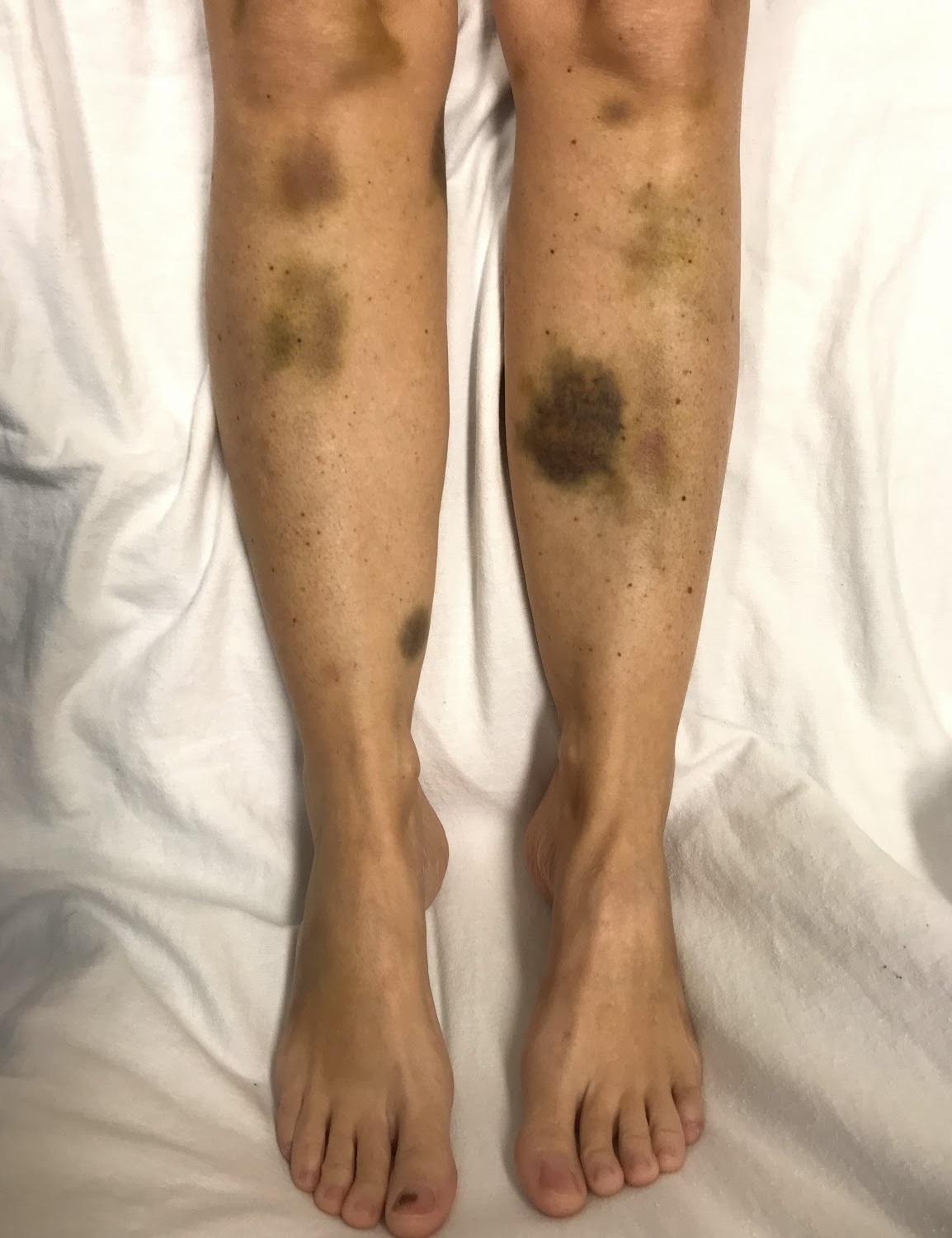
Thrombotic thrombocytopenic purpura ( ) is a defined clinically by and thrombocytopenia, with severe deficiency of the von Willebrand factor-cleaving protease supporting the diagnosis [2]D5[4]D5[16]D5. The International Working Group consensus standardizes terminology for TTP and related TMAs, including diagnostic definitions and criteria for response, remission, and relapse [4]D5.
Also called: TTP; immune-mediated TTP ( ); autoimmune or acquired TTP; congenital TTP ( ). These terms distinguish antibody-mediated disease from inherited ADAMTS13 deficiency [4]D5[7]C4[20]D5.
Clinically relevant classification
The classification below separates the major TTP forms from pregnancy-associated TMA, which is a clinical setting rather than a single TTP subtype and requires distinction from TTP and other TMAs [4]D5[6]C4[14]D5.
| Entity | Defining basis | Terminology and implication |
|---|---|---|
| Immune-mediated TTP | Autoantibodies cause severe ADAMTS13 deficiency [7]C4[9]B3b | Also called autoimmune or acquired TTP; this is the antibody-mediated form [7]C4. |
| Congenital TTP | Inherited ADAMTS13 deficiency [14]D5[20]D5 | Also called cTTP; molecular testing helps distinguish it from acquired immune-mediated TTP [20]D5. |
| Pregnancy-associated TMA with possible TTP | Pregnancy or the postpartum period can accompany TTP, HUS, HELLP syndrome, or other secondary TMAs [4]D5[6]C4[14]D5 | This label describes context, not mechanism; ADAMTS13 assessment remains central when TTP is suspected [4]D5[6]C4. |
The clinical syndrome overlaps with HUS and secondary TMAs, so historical distinctions based only on presentation are unreliable. Molecular classification separates TTP, caused by severe ADAMTS13 deficiency, from Shiga toxin-producing HUS and complement-mediated TMA, also called atypical HUS [16]D5. In suspected TTP, an ADAMTS13 activity level <10% supports the diagnosis when compatible clinical features are present, although the registry found that a small number of patients with characteristic features initially had activity above this level [2]D5.
This distinction matters because immune-mediated and congenital TTP follow different diagnostic, treatment, and monitoring pathways, while pregnancy-associated TMAs include important mimics [4]D5[20]D5. The next section explains the ADAMTS13-centered mechanism that produces these clinically overlapping syndromes.
Pearl: Do not classify a TMA from thrombocytopenia and alone; establish whether severe ADAMTS13 deficiency is immune-mediated or congenital before assigning the TTP subtype [2]D5[20]D5.
2. Pathophysiology & Mechanism
- ▸Severe ADAMTS13 deficiency leaves ultra-large VWF activity insufficiently controlled, allowing VWF-platelet microthrombi to cause thrombocytopenia, hemolysis, schistocytes, and tissue injury.
- ▸Immune-mediated disease is associated with anti-ADAMTS13 IgG targeting multiple protease domains, whereas congenital disease reflects biallelic ADAMTS13 mutations without a functional inhibitor.
- ▸Inflammatory mediators and NETosis-associated products accompany acute immune-mediated disease and correlate with organ damage and adverse outcomes.
The classification established above becomes mechanistically decisive: immune-mediated and congenital disease converge on the same ADAMTS13-VWF axis but disrupt it through different upstream drivers. Severe ADAMTS13 deficiency permits uncontrolled growth of VWF- and platelet-rich microthrombi, producing thrombocytopenia, microangiopathic hemolytic anemia, schistocytes, and tissue injury [31]D5.
The ADAMTS13-VWF axis
is the metalloprotease responsible for cleaving ultra-large multimers [34]D5. When this proteolytic control fails, VWF retains its prothrombotic activity and supports platelet aggregation within the microvasculature, where expanding microthrombi impair tissue perfusion [31]D5[34]D5. Plasmin can also cleave VWF through a biochemical route distinct from ADAMTS13; plasmin-cleaved VWF appears during acute TTP attacks but not remission, supporting its role as a marker of microvascular thrombus turnover [30]D5.
Immune-mediated and congenital mechanisms
Immune-mediated TTP most often reflects anti-ADAMTS13 IgG, with antibodies recognizing multiple regions of the protease. In one study, antibodies from approximately 97% of patients targeted a construct containing the metalloprotease, disintegrin-like, cysteine-rich, and spacer domains; antibody reactivity against additional thrombospondin type 1 repeat and CUB domains was also observed [26]C4. These findings support a broad antibody-mediated disruption of ADAMTS13 rather than a single uniform epitope mechanism [26]C4.
Congenital TTP instead results from biallelic ADAMTS13 mutations, with severely deficient activity in the absence of a functional inhibitor [27]B2b. Mutations can impair protein production or secretion, as demonstrated by a TSP1-6 repeat-domain deletion that caused a secretion-pathway defect in vitro [36]C4. Residual ADAMTS13 activity alone does not determine when disease first manifests, indicating that genotype-phenotype expression depends on more than enzyme activity in isolation [27]B2b.
Inflammation and thrombus biology
Inflammatory and neutrophil-associated pathways amplify acute immune-mediated disease. Acute episodes show increased S100A8/A9, histone-DNA complexes, citrullinated histone H3, and cell-free DNA; S100A8/A9, histone-DNA complexes, and cell-free DNA correlate with organ damage, coagulopathy, and mortality [28]B3b. These observations place inflammation and NETosis-associated mediators alongside defective VWF processing in the thrombotic cascade, rather than treating the microthrombus as an isolated platelet abnormality [28]B3b.
The mechanistic outputs that later sections must recognize are therefore linked: severe ADAMTS13 deficiency or its inhibitor, VWF-rich microthrombi, platelet consumption, red-cell fragmentation, and organ ischemia. These nodes explain why ADAMTS13 activity, anti-ADAMTS13 testing, platelet counts, findings, and the distinction between immune-mediated and congenital disease drive the subsequent diagnostic and clinical framework [21]A1c[24]C4[31]D5.
Pearl: A thrombotic microangiopathy with severe ADAMTS13 deficiency should trigger immediate separation of inhibitor-mediated disease from biallelic ADAMTS13 deficiency, because the same VWF-platelet microthrombus phenotype can arise from fundamentally different mechanisms [21]A1c[27]B2b.
3. Epidemiology, Etiology & Risk Factors
- ▸Adult-onset TTP is predominantly autoimmune, whereas congenital TTP is rare, genetically defined, and often presents in childhood or pregnancy [24,53].
- ▸Genetic estimates indicate that hereditary TTP is more prevalent than diagnosis-based estimates, with marked geographic variation [57].
- ▸Pregnancy, pancreatitis, surgery, and selected drugs are reported precipitants, but validated multivariable risk scores are not reported [42,45,48,56].
That ADAMTS13-centered mechanism creates two epidemiologic patterns: predominantly adult-onset autoimmune disease and rare inherited disease that often declares itself in childhood or during pregnancy [52]D5.
Frequency and distribution
Adult-onset TTP with severe ADAMTS13 deficiency had a prevalence of 13 cases per million people in the French national registry [24]C4. In that cohort, 75% had anti-ADAMTS13 IgG autoimmune disease, 22% had acquired disease of unknown cause, and 3% had inherited ADAMTS13 mutations [24]C4. The evidence supplied does not report a population incidence trend over time; registry and genetic studies provide cross-sectional or enrollment-based estimates rather than serial time-trend analyses [24]C4[54]D5[57]D5.
Hereditary TTP is substantially under-recognized by diagnosis-based estimates. Genetic analysis estimated global prevalence at 40 cases per 10^6 when all pathogenic variants were included and 23 cases per 10^6 when only previously reported variants were included; the highest estimate using previously reported variants was in East Asians, at 42 per 10^6 [57]D5. Reported regional estimates were 32 per 10^6 in Finnish populations, 28 per 10^6 in non-Finnish Europeans, 19 per 10^6 in Admixed Americans, 6 per 10^6 in Africans or African Americans, 4 per 10^6 in South Asians, 1 per 10^6 in Middle Eastern populations, and 0.7 per 10^6 in Ashkenazi Jews [57]D5.
Sex and age shift pretest probability. TTP is approximately twofold more frequent in women, and the first episode usually occurs during adulthood [52]D5. Congenital disease shows peaks in childhood and adulthood, with median diagnosis ages of 3.5 years and 31 years, respectively; 69% of adult congenital presentations were pregnancy-associated [53]D5. Pregnancy is a recognized precipitant of first or recurrent TTP, and distinguishing congenital from acquired disease is essential for interpreting pregnancy-associated episodes [48]C4.
Etiologic and environmental risk factors
The supplied evidence identifies autoimmune predisposition and physiologic or inflammatory triggers, rather than a validated clonal-acquired risk model. The principal associations are summarized below.
| Factor | OR/RR/HR (with CI) | Plain-English meaning | Independent? | Reference |
|---|---|---|---|---|
| HLA class II variant rs6903608 | OR 2.6, 95% CI 2.02-3.27 | About 2.6 times the odds of an acquired TTP episode | Yes, independently associated | [51]B3b |
| Female sex | Not reported | Disease occurs about twice as often in women | Not established as an independent risk factor | [52]D5 |
| Pregnancy | Not reported | A physiologic state that can precipitate first or recurrent TTP | Not established by multivariable analysis | [48]C4 |
| Suspected drug exposure | Not reported | Quinine, , and have the strongest causal evidence among reported drugs | Causality established for specific drugs, independent effect size not reported | [42]B2a |
| Pancreatitis | Not reported | An intense inflammatory illness that can precede an acute episode | Not established | [45]C4 |
| Elective surgery | Not reported | A possible trigger when severe ADAMTS13 deficiency persists during remission | Not established | [56]C4 |
The HLA association supports inherited susceptibility to autoantibody-mediated disease, but it does not identify who will develop an episode. No validated epidemiologic risk score or calculator is reported in the supplied studies [50]B3b[51]B3b. A vaccine-associated trigger remains unproven because the evidence consists of a single case report that could not exclude coincidence [55]C4.
The clinical features that these demographic and trigger patterns produce, particularly pregnancy-associated disease, neurologic symptoms, and laboratory evidence of severe ADAMTS13 deficiency, are developed in the next section on .
Pearl: In an adult with a suspected TTP episode, pregnancy, recent inflammatory illness, surgery, or a culprit drug should raise suspicion, but only ADAMTS13 testing and genetic evaluation can separate acquired autoimmune disease from congenital deficiency.
4. Clinical Presentation
- ▸Symptoms span neurologic, cardiac, abdominal, constitutional, and persistent neurocognitive domains, and congenital disease can produce symptoms despite normal blood counts [53,75].
- ▸Cardiac involvement is often occult, so absent chest pain or an unremarkable examination does not reliably exclude myocardial injury [65,68].
- ▸Pregnancy or postpartum presentation requires urgent consideration of TTP alongside other pregnancy-associated thrombotic microangiopathies [70].
With the major etiologic forms established, bedside expression reflects episodic microvascular ischemia, thrombocytopenia, and , but the pattern varies substantially between immune-mediated and congenital disease [71]D5.
Symptoms
Patients commonly report the following symptoms:
- Headache, lethargy, or abdominal pain, including during periods when the blood count is normal in congenital disease [53]D5.
- Neurologic symptoms, including confusion, neuropsychiatric symptoms, or focal deficits [71]D5.
- Cardiac symptoms, particularly chest pain, congestive heart failure, or symptoms of myocardial infarction [65]C4.
- Cognitive difficulties, anxiety, depression, and fatigue during remission after immune-mediated disease [75]D5.
Signs
The clinician should actively assess for hematologic, neurologic, cardiac, and renal involvement. The reported findings include:
| System | Observable or measurable finding | Clinical significance |
|---|---|---|
| Hematologic | Thrombocytopenia with microangiopathic hemolytic anemia [71]D5 | Core acute phenotype caused by microvascular occlusion and tissue ischemia [71]D5 |
| Neurologic | Neurologic deficits, confusion, or neuropsychiatric manifestations [71]D5[73]D5 | Indicates ischemic organ involvement; stroke and silent cerebral infarction are recognized complications [64]B2b[73]D5 |
| Cardiac | Elevated cardiac troponin, electrocardiographic changes, heart failure, or myocardial infarction [65]C4[68]C4 | Cardiac injury can be clinically occult and reflects myocardial microvascular thrombosis [68]C4 |
| Renal and systemic | Mild renal failure or fever [71]D5 | Supports systemic organ involvement but does not define the phenotype alone [71]D5 |
Cardiac assessment deserves particular attention because clinical examination and electrocardiography can underestimate myocardial injury. In one acquired TTP cohort, 59% had an increased cardiac troponin-I level above 0.1 μg L⁻¹, and 46 of those patients had no clinical cardiac involvement [65]C4.
ECG findings
| Finding | Mechanism | Significance |
|---|---|---|
| Repolarization disorders and other ECG changes | Myocardial microvascular injury [65]C4[68]C4 | May accompany occult cardiac involvement [65]C4[68]C4 |
Onset and progression
Immune-mediated disease usually presents as an acute episode, with the combination of hemolysis, thrombocytopenia, and variable ischemic organ dysfunction; survivors remain vulnerable to relapse and residual cognitive symptoms [62]B2b[71]D5[75]D5. Congenital disease has a broader temporal pattern: the first recognized manifestation ranges from around birth to 70 years, and late presentation is often associated with pregnancy [53]D5. In the United Kingdom cohort, childhood and adulthood formed distinct presentation peaks, with adult presentation typically related to pregnancy [53]D5.
Phenotypic variants
| Phenotype | Bedside pattern | Easily missed feature |
|---|---|---|
| Immune-mediated TTP | Acute thrombocytopenia, microangiopathic hemolytic anemia, fever, renal involvement, and neurologic or cardiac ischemia [65]C4[71]D5 | Cardiac injury may be subclinical [65]C4[68]C4 |
| Congenital TTP | Recurrent or heterogeneous disease, with childhood, adult, or pregnancy-associated onset [27]B2b[53]D5 | Headache, lethargy, or abdominal pain can occur despite normal blood counts [53]D5 |
| Pregnancy-associated TMA | TTP can present during pregnancy or postpartum alongside other pregnancy-associated TMAs [70]D5 | Timing and overlapping features can obscure the diagnosis [70]D5 |
Red flags and atypical presentations
Urgent specialist assessment is warranted for thrombocytopenia with hemolytic anemia plus neurologic change, cardiac symptoms, fever, or renal dysfunction [70]D5[71]D5. Pregnancy or the postpartum period should lower the threshold for urgent evaluation because TTP, preeclampsia, HELLP syndrome, antiphospholipid syndrome, and complement-mediated can overlap clinically [70]D5. Silent cerebral infarction is an easily missed phenotype: 20 of 39 immune-mediated TTP survivors had MRI evidence without focal symptoms [64]B2b. The next section establishes the laboratory and molecular workup that distinguishes these presentations from competing thrombotic microangiopathies.
Pearl: A normal neurologic examination or absent cardiac symptoms does not exclude clinically important ischemic injury; pair the bedside assessment with targeted laboratory evaluation, especially when thrombocytopenia and hemolysis coexist [65]C4[68]C4.
5. Diagnosis & Workup: Smear, Marrow, Flow Cytometry & Molecular Profiling
- ▸ADAMTS13 activity testing, interpreted with anti-ADAMTS13 IgG or inhibitor testing, is the central diagnostic investigation in suspected TTP [21].
- ▸PLASMIC estimates the probability of severe ADAMTS13 deficiency, defined in the supporting study as ≤10% activity, when assay results are delayed [78].
- ▸Congenital TTP requires severe ADAMTS13 deficiency, no functional inhibitor, and ADAMTS13 mutations on both alleles [27].
Once thrombocytopenia and microangiopathic haemolytic anaemia raise concern for a thrombotic microangiopathy, the diagnostic engine must rapidly establish whether severe deficiency is present and whether it is immune-mediated or congenital. The British Society for Haematology describes TTP and related TMAs by thrombocytopenia, microangiopathic haemolytic anaemia, and small-vessel thrombosis [76]A1c. The decisive laboratory investigation is ADAMTS13 activity testing, interpreted with an anti-ADAMTS13 IgG or inhibitor assay when available [21]A1c.
Core diagnostic cascade
The causal diagnostic chain is compact: deficient ADAMTS13 permits accumulation of unusually large multimers, which promotes platelet-rich microvascular thrombosis and produces MAHA and thrombocytopenia. The supplied evidence identifies the ADAMTS13-von Willebrand factor axis and severe ADAMTS13 deficiency, but does not provide additional receptor-level or intracellular pathway detail [21]A1c[81]C4.
The provisional diagnosis should not await a delayed ADAMTS13 result when the clinical probability is high. The ISTH guideline recommends ADAMTS13 activity and anti-ADAMTS13 IgG or inhibitor testing, together with clinical assessment or a risk model such as PLASMIC or the French score [21]A1c. PLASMIC was developed to estimate the probability of severe ADAMTS13 deficiency, defined in its derivation study as ≤10% activity [78]B3b. Its discrimination was strong in the derivation cohort, with a C statistic of 0·96 and 95% CI 0·92-0·98, and remained accurate in internal and external validation cohorts, with C statistics of 0·95 and 0·91, respectively [78]B3b.
Unified hematology workup
The smear, marrow, flow-cytometric, and molecular components should be viewed as complementary tests that exclude competing causes of cytopenia and TMA rather than as substitutes for ADAMTS13 testing. The supplied abstracts identify the expected syndrome-level finding of MAHA, but do not report specific blood-film morphology, marrow findings, flow-cytometric signatures, or diagnostic performance for these tests [76]A1c.
| Test | Expected finding or diagnostic role | Reported performance in supplied evidence |
|---|---|---|
| Blood film | Supports MAHA in the TMA syndrome | Specific morphology and performance not reported [76]A1c |
| Bone marrow examination | No TTP-specific finding is reported; use is not characterized in the supplied evidence | Not reported |
| Flow cytometry | No TTP-specific immunophenotype is reported | Not reported |
| Cytogenetic or molecular profiling | Relevant to congenital disease when ADAMTS13 mutations are sought, but no broader cytogenetic panel is described | Performance not reported [27]B2b |
| ADAMTS13 activity, with inhibitor or anti-ADAMTS13 IgG testing | Identifies severe deficiency and helps distinguish immune-mediated from congenital disease | Emphasized by ISTH; assay performance is not reported [21]A1c |
The molecular distinction is clinically consequential. Congenital TTP is confirmed by severely deficient ADAMTS13 activity, absence of a functional inhibitor, and pathogenic ADAMTS13 mutations on both alleles [27]B2b. In contrast, acquired disease is supported by severe deficiency with anti-ADAMTS13 autoantibodies; in a paediatric cohort, anti-ADAMTS13 autoantibodies were positive in 37 (82%) of 45 patients with acquired TTP [79]B3b. Thus, a negative inhibitor result does not by itself establish congenital disease, because the congenital diagnosis requires biallelic ADAMTS13 mutations and the appropriate activity result [27]B2b.
Pregnancy and the postpartum period require the same urgent ADAMTS13-centered approach, while the workup actively considers preeclampsia, haemolysis elevated liver enzymes low platelets syndrome, antiphospholipid syndrome, and complement-mediated atypical haemolytic uraemic syndrome [70]D5. The international working group specifically recommends urgent ADAMTS13 activity testing to rule TTP in or out and identifies aHUS as a diagnosis of exclusion [70]D5.
The next section builds on the ADAMTS13 threshold, the PLASMIC pretest assessment, and the distinction between immune markers and biallelic ADAMTS13 mutations to structure risk stratification and prognostic interpretation.
Pearl: A TMA-compatible smear establishes the syndrome, not the subtype: classify the episode with urgent ADAMTS13 activity plus inhibitor or antibody testing, and reserve a congenital diagnosis for severe deficiency without a functional inhibitor accompanied by biallelic ADAMTS13 mutations [21]A1c[27]B2b.
6. Staging, Risk Stratification & Prognostic Scoring
- ▸The PLASMIC score estimates severe ADAMTS13 deficiency before the assay returns; scores 6-7 identify the high-risk group [78,101].
- ▸Age, severe cerebral involvement, LDH, creatinine, cardiac troponin, and early platelet or LDH response stratify early death and refractoriness [65,85,89].
- ▸Long-term risk includes silent cerebral infarction, while the supplied evidence does not provide a validated relapse score or a quantified recurrence rate [64,66].
Once the smear and laboratory workup establish a thrombotic microangiopathy, the immediate prognostic task is to estimate the likelihood of severe deficiency and identify patients at risk of early death, refractoriness, or later neurological injury. These tools complement, rather than replace, clinical judgment and definitive ADAMTS13 testing [78]B3b.
Rapid prediction of severe ADAMTS13 deficiency
The PLASMIC score is the best-validated bedside tool in the supplied evidence for estimating severe ADAMTS13 deficiency, defined as activity ≤10% [78]B3b. It uses seven clinical and laboratory components and was developed in adults with suspected thrombotic microangiopathy. Its discrimination was strong in derivation, internal validation, and external validation cohorts, with C statistics of 0.96, 0.95, and 0.91, respectively [78]B3b.
External validation supports a clinically useful threshold. A score of 6-7 defines high risk, whereas 0-5 defines low-intermediate risk; the high-risk category had a positive predictive value of 72%, negative predictive value of 98%, sensitivity of 90%, and specificity of 92% for severe ADAMTS13 deficiency [101]D5. The score therefore helps prioritize urgent disease-directed decisions while ADAMTS13 results are pending, but a low-intermediate score should not independently exclude thrombotic thrombocytopenic purpura [78]B3b[101]D5.
Early mortality and treatment resistance
The French early-death score applies to acquired severe ADAMTS13 deficiency and combines age, severe cerebral involvement, and LDH at least 10 times normal. In its analysis cohort, 30-day mortality was 11%, and increasing score values identified progressively greater early-death risk [89]B2b. Admission adds prognostic information: troponin-I above 0.25 μg/L independently predicted death or refractoriness, with a three-fold increase in risk [65]C4. The reported absolute event rates do not permit calculation of an NNT or NNH.
The AHC model was developed to identify refractory immune-mediated disease early. Its three predictors are age, hemoglobin, and creatinine; discrimination was reported with an area under the curve of 0.886 in internal validation and 0.862 in external validation [90]B2b. Additional adverse markers include failure to normalize platelet counts within 7 days, failure to markedly reduce LDH by day 5, low serum protein or albumin, high troponin, prolonged activated partial thromboplastin time, and elevated fibrinogen or complement-related biomarkers [85]B3b.
| Factor | Good prognosis | Poor prognosis |
|---|---|---|
| Age and presentation | Younger age, without severe cerebral involvement [89]B2b | Older age or severe cerebral involvement [89]B2b |
| and organ injury | Lower LDH and creatinine [89]B2b[85]B3b | LDH at least 10 times normal, higher creatinine, or persistently high LDH [89]B2b[85]B3b |
| Cardiac injury | Troponin-I not above the reported high-risk threshold [65]C4 | Troponin-I above 0.25 μg/L [65]C4 |
| Early response | Platelet normalization within 7 days and marked LDH reduction by day 5 [85]B3b | Failure of either response [85]B3b |
Long-term sequelae and recurrence
Prognosis extends beyond hematologic remission. In a prospective remission cohort, silent cerebral infarction was present in 20 of 39 survivors (51.3%); greater burden was independently associated with older age, diabetes, prior stroke, coronary artery disease, and higher peak LDH during the acute episode [64]B2b. The supplied evidence does not establish a validated relapse score or quantify recurrence risk. Age ≤30 years and severe neuropsychiatric symptoms were associated with increased relapse risk in one retrospective cohort, but their predictive performance was only moderate, and TMEM109 remains investigational [66]C4.
The next section applies these risk signals to urgent treatment decisions, particularly the need to act before confirmatory ADAMTS13 results return [78]B3b.
Pearl: Use a high PLASMIC score to accelerate TTP-directed action, but use the French score, cardiac troponin, and early platelet and LDH trajectories to identify patients who need intensified monitoring for death or refractoriness [65]C4[85]B3b[89]B2b[101]D5.
7. Acute & Emergency Management
- ▸Start therapeutic plasma exchange on high clinical suspicion after drawing ADAMTS13 samples, without waiting for the result [106,111].
- ▸For suspected or confirmed immune-mediated disease, combine plasma exchange with glucocorticoids, caplacizumab, and early rituximab [111,118].
- ▸Avoid routine platelet transfusion because it was associated with higher short-term mortality in ADAMTS13-confirmed TTP [108].
The staging assessment now determines urgency: suspected requires treatment before confirmatory ADAMTS13 results return. Draw blood for ADAMTS13 activity and inhibitor testing before plasma therapy, assess TTP probability with PLASMIC or French scoring, and activate urgent specialist transfer or an on-site exchange pathway [111]D5. Delayed treatment remains a practical hazard, with only 64.8% of patients in a UK review receiving plasma exchange within 24 h; mortality was 9.2%, and 27.8% of deaths were linked to delayed initiation [106]D5.
Emergency protocol
-
Risk-stratify immediately. Treat thrombocytopenia with microangiopathic hemolytic anemia, schistocytes, neurologic change, renal injury, cardiac involvement, or fever as a high-risk thrombotic microangiopathy until TTP is excluded. Severe ADAMTS13 deficiency, defined as activity less than 10%, strongly supports iTTP, whereas TMA without severe deficiency more often reflects disseminated intravascular coagulation, drug-associated disease, or transplant-related disease [111]D5. Age, hemoglobin, and creatinine can help identify patients at risk of refractory iTTP, although the prediction model requires further clinical application [90]B2b.
-
Initiate plasma exchange without waiting. Start when clinical probability is high, while sending ADAMTS13 testing. The 2009 therapeutic-plasma recommendations classify plasma exchange with 40 ml/kg of plasma as the treatment of first choice for acute TTP, with recommendation strength 1 and evidence grade C [107]D5. Continue exchange as the mechanism for replenishing ADAMTS13, while monitoring platelet recovery, , renal and neurologic status, and new ischemic injury [4]D5[111]D5.
-
Treat confirmed or strongly suspected iTTP on all pathophysiologic fronts. Add to suppress autoantibody production, early to reduce anti-ADAMTS13 autoimmunity, and to inhibit VWF-platelet microthrombus formation [111]D5[118]D5. The evidence supplied here does not report doses for these drugs, so dosing should follow the current specialist protocol or drug label. Caplacizumab is the targeted drug adjunct of choice when rapid control of VWF-mediated thrombosis is required, but serious bleeding occurred in 11% versus 1% with placebo in HERCULES, an absolute excess of 10 percentage points, corresponding to an NNH of approximately 10 [111]D5.
-
Monitor for response and failure. Use serial platelet counts, hemolysis markers, renal function, neurologic and cardiac status, and ADAMTS13 activity or inhibitor levels to define response, detect ongoing disease, and guide de-escalation [4]D5[111]D5. Persistent clinical or laboratory activity despite plasma exchange, glucocorticoids, and caplacizumab warrants urgent specialist review for intensified immunosuppression; the provided evidence does not establish a single failure regimen or dose [111]D5[117]D5.
-
Prevent avoidable harm. Do not give platelet transfusions routinely. In ADAMTS13-confirmed TTP, early platelet transfusion was associated with 30.0% versus 13.3% 30-day mortality and increased myocardial infarction [108]B3b. Reserve transfusion decisions for exceptional, life-threatening bleeding after specialist discussion. Plasma administration can cause adverse effects, although these are described as rare [107]D5.
Management pathway
Congenital TTP requires a separate pathway because the supplied evidence supports recombinant ADAMTS13 prophylaxis but does not specify an acute exchange or replacement protocol [109]B3b. Pregnancy-associated TMA also requires specialist multidisciplinary assessment because TTP is only one of several competing causes [4]D5[116]D5. Long-term immunosuppression, relapse prevention, and definitive disease-directed care are addressed in the next section.
Pearl: In a high-probability TMA, a pending ADAMTS13 result is a reason to start the emergency pathway, not a reason to delay plasma exchange [111]D5.
| Priority | Action | Rationale |
|---|---|---|
| Immediate classification | Draw ADAMTS13 activity and inhibitor levels; assess PLASMIC or French score | Treatment should not await ADAMTS13 results when clinical probability is high [111]D5 |
| Treatment of choice | Therapeutic plasma exchange with 40 ml/kg of plasma | The 2009 recommendations identify plasma exchange as first choice in acute TTP [107]D5 |
| Immune control | Add and early | Suppresses anti-ADAMTS13 autoimmunity [111]D5[118]D5 |
| Microthrombus control | Add | Inhibits VWF-platelet microthrombus formation [111]D5 |
| Harm prevention | Avoid routine platelet transfusion | Associated with higher mortality in confirmed TTP [108]B3b |
8. Long-term & Definitive Management
- ▸Persistent low ADAMTS13 activity during immune-mediated remission supports consideration of pre-emptive rituximab outside pregnancy under the conditional 2020 ISTH recommendation [122].
- ▸Recombinant ADAMTS13 is the preferred definitive prophylaxis for congenital TTP in the 2025 ISTH update, with fresh frozen plasma favored over watchful waiting when recombinant treatment is unavailable [121].
- ▸Repeated rituximab courses can become less durable, particularly in Black patients, so relapse surveillance should intensify and alternative immunomodulatory strategies may be needed [124].
After acute control, management turns on the mechanism of ADAMTS13 deficiency and the risk of recurrence. A practical protocol is:
-
Stratify relapse risk and disease form. In immune-mediated TTP, reassess ADAMTS13 activity during remission and identify patients with persistently low activity, because the ISTH guideline conditionally recommends outside pregnancy for asymptomatic patients with low ADAMTS13 activity [122]A1c. In congenital TTP, distinguish remission requiring replacement from patients who can be observed, and involve a specialist center because the 2025 ISTH update now supports ADAMTS13 replacement [121]A1c.
-
Advance treatment when remission is unstable or relapse occurs. For immune-mediated disease, is the principal pre-emptive immunomodulatory option in the guideline pathway, while recurrent or refractory disease may require or in specialist practice. Evidence for bortezomib remains limited, but a systematic review reported complete response in 72% of patients and a durable response without relapse in 85% at last follow-up [128]C4. Splenectomy evidence is also low quality: patients with relapsing disease had 1.80 fewer episodes annually after surgery, while 0.87 achieved clinical remission for plasma-refractory or plasma-dependent disease [129]B2a.
-
Use disease-specific replacement as the definitive strategy for congenital TTP. The 2025 ISTH guideline gives a strong recommendation for recombinant ADAMTS13 over fresh frozen plasma in remission, based on moderate-certainty evidence; when recombinant treatment is unavailable, the panel suggests fresh frozen plasma rather than watchful waiting, although the evidence is very low certainty [121]A1c. In the phase 3 crossover trial, recombinant ADAMTS13 was administered intravenously at 40 IU per kilogram during prophylaxis [61]A1b. No acute TTP event occurred during recombinant prophylaxis, compared with one during standard therapy, and the mean annualized acute-event rate with standard therapy was 0.05 [61]A1b.
-
Monitor for biochemical relapse and treatment toxicity. Continue longitudinal ADAMTS13 activity and inhibitor assessment in immune-mediated disease, with closer follow-up after repeated courses because response durability declines with subsequent treatment. In one registry, median clinical relapse-free survival was 2.1 vs 6.0 years after the second or subsequent versus first rituximab-treated episode [124]B2b. The reported hazard ratio for Black patients was 2.82, with a 95% CI of 1.52-5.24; NNT or NNH is not calculable from the reported data [124]B2b. Recombinant ADAMTS13 prophylaxis produced adverse events in 71%, compared with 84% with standard therapy, while treatment-related adverse events occurred in 9% and 48%, respectively [61]A1b.
-
Manage complications without mistaking treatment effects for disease failure. Bleeding is the principal treatment-related concern with . In the pivotal trial, mucocutaneous bleeding occurred in 65% with caplacizumab versus 48% with placebo, an absolute increase of 17 percentage points, giving NNH = 6 [41]A1b. Delayed platelet recovery during caplacizumab-based therapy should prompt assessment for infection, missed doses, or other causes before escalation, because true refractoriness was rare and no patient was refractory without a confounding factor in a multicenter registry [125]C4.
Controversies and Guideline Disagreement
| Question | Position A | Position B | Strength | Implication |
|---|---|---|---|---|
| cTTP in remission | 2025 ISTH strongly recommends recombinant ADAMTS13 over fresh frozen plasma | If recombinant treatment is unavailable, 2025 ISTH suggests fresh frozen plasma over watchful waiting | Strong for recombinant ADAMTS13; very low certainty for plasma over observation [121]A1c | Do not default to observation when replacement is accessible; otherwise individualize plasma therapy and burden of care |
| Asymptomatic iTTP with low ADAMTS13 activity | 2020 ISTH conditionally recommends rituximab outside pregnancy | The guideline identifies insufficient evidence to compare major treatment approaches directly | Conditional [122]A1c | Use shared decision-making and biochemical surveillance rather than treating every low activity result identically |
The 2020 ISTH guideline strongly recommends corticosteroids with for acute iTTP and conditionally recommends rituximab and caplacizumab, but long-term relapse prevention should be separated from emergency treatment [122]A1c. In the caplacizumab trial, recurrence was 12% vs 38%, an absolute reduction of 26 percentage points, giving NNT = 4; the composite of TTP-related death, recurrence, or thromboembolism was 12% vs 49%, an absolute reduction of 37 percentage points, giving NNT = 3 [41]A1b. These benefits apply to the treatment period and do not replace immune-directed relapse prevention.
Pearl: A falling ADAMTS13 activity during remission is a management signal, not a diagnosis of clinical relapse: confirm the clinical context, assess inhibitor activity, and choose pre-emptive immunotherapy or enzyme replacement according to immune-mediated versus congenital disease.
9. Hematopoietic Cell Transplantation & Cellular Therapy
- ▸Post-HSCT TTP and TA-TMA are distinct syndromes, and severe ADAMTS13 deficiency is the critical treatment fork [143].
- ▸HSCT, CAR-T, and bispecific antibodies are not established therapies for TTP in the supplied evidence [134][140].
- ▸Reverse CAR-T therapy has only in-vitro proof-of-concept evidence for depleting anti-ADAMTS13 autoreactive B cells [134].
When durable disease control is the goal, (HSCT) must be separated from transplant-associated thrombotic microangiopathy (TA-TMA), because the latter is not equivalent to ADAMTS13-deficient (TTP) and responds poorly to conventional TTP therapy [142]D5[143]D5.
Numbered management protocol
-
Risk-stratify the transplant setting first. In a patient who develops a TMA after HSCT, assess ADAMTS13 activity and the pattern of organ injury rather than labeling every post-transplant TMA as TTP. Severe ADAMTS13 deficiency, reported as less than 5% of normal, supports classic TTP, whereas TA-TMA generally has activity above this level [143]D5. Post-allo-HSCT TTP shows more frequent central nervous system and gastrointestinal involvement than high-risk TA-TMA, and survival is worse [86]C4.
-
Initiate the appropriate pathway, but do not advance to HSCT solely to treat TTP. The retrieved evidence does not report a validated transplant-induction or conditioning algorithm for immune-mediated or congenital TTP. HSCT is instead a clinical context in which TA-TMA, graft-versus-host disease (GVHD), infection, renal injury, and drug-associated endothelial injury must be considered [142]D5.
-
Use the treatment of choice supported by the phenotype. For confirmed TTP after HSCT, the evidence supplied here supports managing the patient as TTP when severe ADAMTS13 deficiency is present, while recognizing that plasma exchange is generally ineffective for TA-TMA and is not recommended for that syndrome [143]D5. No supplied guideline identifies autologous HSCT, allogeneic HSCT, CAR-T, or a bispecific antibody as established treatment of choice for TTP. The retrieved evidence therefore does not support transplantation as curative therapy for TTP.
-
Monitor for transplant complications and delayed immune toxicity. No evidence supplied here defines a universally accepted monitoring schedule after HSCT for TTP or TA-TMA. Monitoring should remain focused on the evolving blood-count, , renal, neurologic, gastrointestinal, GVHD, and infection picture, because these organs and complications distinguish post-transplant TTP from TA-TMA [86]C4[142]D5. Patients exposed to require particular vigilance: pharmacovigilance reports associate it with TTP, including cases after HSCT, and the authors recommend prolonged monitoring [137]B2a.
-
Escalate only within an evidence-defined failure pathway. If the syndrome behaves as TA-TMA, changing calcineurin-inhibitor therapy and investigating alternative endothelial or complement-directed approaches has been described, but the supplied evidence does not establish a transplant-specific rescue regimen [142]D5[143]D5. Routine is not recommended for HSCT or for hemolytic uremic syndrome/TTP except in selected life-threatening circumstances [132]A1c.
Cellular therapy and investigational approaches
Engineered cellular therapy remains experimental for immune-mediated TTP. Reverse CAR-T cells directed toward CD19-positive cells and anti-ADAMTS13 autoreactive B cells have shown selective target-cell killing in vitro, including in the presence of high concentrations of ADAMTS13 autoantibodies, but the supplied study reports proof of concept rather than clinical efficacy [134]D5. Bispecific antibodies are discussed in the retrieved literature as a platform, but no clinical TTP regimen or outcome is reported [140]D5.
What not to do
- Do not equate post-HSCT TA-TMA with ADAMTS13-deficient TTP [142]D5[143]D5.
- Do not use routine for HSCT or TTP [132]A1c.
- Do not offer HSCT, CAR-T, or bispecific antibodies as established TTP therapy when the retrieved evidence reports no validated clinical regimen [134]D5[140]D5.
Management flowchart
Post-HSCT thrombocytopenia and microangiopathic hemolysis → assess ADAMTS13 and organ involvement → severe deficiency: follow the TTP pathway; activity above the severe-deficiency range: evaluate TA-TMA and transplant-related triggers → monitor renal, neurologic, gastrointestinal, GVHD, and infectious complications → reserve cellular therapy for a clinical trial or research setting [86]C4[142]D5[143]D5.
Pearl: A post-transplant TMA should trigger an ADAMTS13-based fork in management: treat severe deficiency as TTP, but do not expose TA-TMA to repeated TTP-directed therapy without evidence of severe ADAMTS13 deficiency [143]D5.
| Clinical context | Evidence-supported interpretation | Management implication |
|---|---|---|
| Severe ADAMTS13 deficiency after HSCT | Consistent with TTP [143]D5 | Follow the TTP pathway |
| Post-HSCT TMA without severe ADAMTS13 deficiency | Consistent with TA-TMA, a distinct endothelial-injury syndrome [142]D5[143]D5 | Do not assume plasma exchange will be effective |
| Reverse CAR-T targeting CD19-positive and anti-ADAMTS13 autoreactive B cells | In-vitro proof of concept only [134]D5 | Research setting, not established treatment |
| Bispecific antibodies | No clinical TTP regimen or outcome reported [140]D5 | No evidence-based clinical recommendation |
10. Transfusion, Anticoagulation & Cytoreduction (Hematology-Distinctive Management)
- ▸The 2020 ISTH guideline strongly recommends corticosteroids with therapeutic plasma exchange for acute immune-mediated TTP and conditionally recommends rituximab and caplacizumab. [122]
- ▸Caplacizumab requires simultaneous bleeding surveillance and immune control because platelet recovery can precede ADAMTS13 recovery. [41][153]
- ▸Congenital TTP requires ADAMTS13 replacement, with plasma infusion or recombinant ADAMTS13 strategies distinct from immune-mediated disease. [122][152]
The transplant discussion establishes that replacement therapy remains central when ADAMTS13 is absent; treatment selection now turns on distinguishing immune-mediated from congenital disease and matching platelet-directed therapy to the mechanism. [122]A1c
Management protocol
-
Stratify severity and mechanism first. Treat suspected acute as high risk when platelet recovery is delayed, persists, organ injury is present, or critical care is required. Failure to normalize platelet counts within 7 days or failure to markedly reduce lactate dehydrogenase by day 5 predicts mortality in one cohort. [85]B3b The historical Rose-index model associated scores of 0, 2, 4, and 6 with 6-month mortality rates of 12.5%, 14.0%, 31.3%, and 61.5%, respectively, although its applicability to contemporary caplacizumab-based care is uncertain. [63]A1b
-
Initiate and advance mechanism-directed therapy. The 2020 ISTH guideline gives a strong recommendation for adding corticosteroids to in a first acute episode or relapse of immune-mediated disease, with conditional recommendations for adding and . [122]A1c Plasma exchange both removes pathogenic material and supplies ADAMTS13, whereas caplacizumab interrupts von Willebrand factor-mediated platelet adhesion; immunosuppression addresses the autoantibody process. [122]A1c
-
Use caplacizumab as the platelet-directed treatment of choice for acute immune-mediated disease when available. In the pivotal trial, the regimen was a 10-mg intravenous loading bolus, followed by 10 mg daily subcutaneously during plasma exchange and for 30 days thereafter. [41]A1b The trial reported platelet normalization in 2.69 days versus 2.88 days with placebo, and mucocutaneous bleeding in 65% versus 48%. [41]A1b These bleeding data make caplacizumab an antithrombotic treatment, not a substitute for control of autoantibody production.
-
Replace ADAMTS13 directly in congenital disease. The 2020 ISTH guideline strongly recommends prophylactic plasma infusion during pregnancy in asymptomatic congenital disease and conditionally supports plasma infusion or observation outside pregnancy. [122]A1c Recombinant is an alternative replacement strategy; the supplied modeling study evaluated 40 IU/kg administered once weekly or once every 2 weeks, and predicted fewer thrombocytopenia events than plasma-based therapy. [152]B2b The model reported hazard ratios of 0.47 for the every-2-weeks schedule and 0.18 for the once-weekly schedule, but an NNT is not calculable from the reported data. [152]B2b
-
Monitor response and treatment toxicity in parallel. Follow platelet recovery, hemolysis, organ status, bleeding, and ADAMTS13 activity. One Japanese series assessed these parameters once a week until day 28 after the first plasma exchange; ADAMTS13 activity reached at least 10% after a median of 42 days with caplacizumab versus 23 days without it. [153]C4 Persistent thrombocytopenia should prompt review for missed doses, infection, or other causes before escalation, because no patient in a caplacizumab-treated registry met criteria for true refractoriness without a confounding factor. [125]C4
Transfusion and anticoagulation decisions
Plasma-based therapy remains the relevant blood-product intervention for congenital ADAMTS13 replacement, but the supplied evidence does not establish a routine platelet-transfusion or anticoagulation protocol for acute TTP. Multiple platelet transfusions before the correct diagnosis were identified as a factor that may have impeded immediate response in a caplacizumab-treated cohort. [77]C4 Caplacizumab-associated bleeding requires active surveillance: bleeding episodes represented 17 of 31 (55%) adverse events in one real-world series, while thrombotic events represented 5 of 31 (16%). [149]A1b
Treatment failure and what not to do
Do not label delayed platelet recovery as refractory TTP without reassessing adherence, infection, and competing causes of thrombocytopenia. Do not use caplacizumab alone to suppress immune disease, because persistent ADAMTS13 inhibitors and delayed rituximab were associated with delayed ADAMTS13 recovery. [153]C4 In selected patients, alternate-day caplacizumab has been considered only after 3 to 4 weeks of daily treatment, with close monitoring; five patients in the reported cohort required resumption of daily dosing because of exacerbation or relapse. [155]C4
The historical development of plasma exchange, immunosuppression, and caplacizumab provides the context for the next section on treatment evolution.
Pearl: A normalized platelet count does not prove immune remission: continue to track ADAMTS13 activity and autoantibody control before withdrawing platelet-directed protection or declaring treatment success. [153]C4
| Disease context | Core intervention | Evidence-based rationale |
|---|---|---|
| Acute immune-mediated TTP | Therapeutic plasma exchange plus corticosteroids; consider and | Strong ISTH recommendation for corticosteroids; conditional recommendations for rituximab and caplacizumab [122]A1c |
| Acute immune-mediated TTP with caplacizumab | 10-mg intravenous loading bolus, then 10 mg daily subcutaneously | Pivotal trial regimen during plasma exchange and for 30 days thereafter [41]A1b |
| Congenital TTP | Plasma infusion or recombinant replacement | ISTH recommends prophylactic plasma infusion during pregnancy; recombinant ADAMTS13 modeling used 40 IU/kg once weekly or once every 2 weeks [122]A1c[152]B2b |
| Caplacizumab toxicity or delayed response | Assess bleeding, missed doses, infection, and alternative causes of thrombocytopenia | Bleeding is a frequent adverse event, while true refractoriness was uncommon when confounders were assessed [149]A1b[125]C4 |
History and Evolution of Treatment
- ▸Randomized evidence established plasma exchange over plasma infusion as the foundational acute treatment, with benefit persisting at 6 months [157].
- ▸Rituximab added immune-directed therapy to plasma exchange, while caplacizumab later targeted platelet-von Willebrand factor binding and reduced recurrence in phase 2 and phase 3 trials [123][41].
- ▸Recombinant ADAMTS13 created a separate replacement pathway for congenital TTP and is preferred over FFP during remission when accessible [61][121].
Once plasma products and transfusion choices have been considered, the treatment history of TTP shows a decisive shift from passive replacement toward plasma exchange, immune suppression, targeted interruption of platelet-von Willebrand factor binding, and disease-specific ADAMTS13 replacement.
From plasma infusion to plasma exchange
The first practice-defining transition was from infusion to plasma exchange. In a randomized trial of 102 patients, plasma exchange produced a higher response at the end of the first treatment cycle than plasma infusion, with platelet-count improvement in 24 of 51 versus 13 of 51 patients; mortality was 2 of 51 versus 8 of 51 [157]A1b. The advantage persisted at 6 months, when response occurred in 40 of 51 patients receiving plasma exchange and 25 of 51 receiving plasma infusion, while deaths numbered 11 and 19, respectively [157]A1b. These findings established plasma exchange as the therapeutic foundation for acute TTP.
The search for a superior plasma replacement medium did not displace FFP. A randomized prospective comparison of and FFP found no difference in 1-month survival, and the investigators concluded that the study showed no apparent advantage for cryosupernatant plasma [160]A1b. Earlier practice also added and to plasma exchange, but a randomized trial found similar overall response rates with or without these agents, although early mortality was lower in the antiplatelet group and the difference was not statistically significant [159]A1b. One-year maintenance was associated with fewer relapses in that study, but the authors stated that adequate follow-up was still needed to confirm the observation [159]A1b.
Adding immune-directed therapy
For acquired or immune-mediated TTP, plasma exchange alone did not address the autoimmune process. A phase 2 study therefore combined weekly 375 mg/m2 for 4 doses with plasma exchange and steroids, administered within 3 days of acute admission [158]B2b. Compared with historical controls, the rituximab cohort had a shorter inpatient stay in non-ICU cases and fewer relapses, 10% versus 57%, although this was not a randomized comparison [158]B2b. Rituximab consequently became an important immune-directed component of treatment rather than a replacement for plasma exchange.
Targeted therapy with caplacizumab
Caplacizumab changed the therapeutic sequence by directly limiting platelet binding to ultralarge von Willebrand factor multimers. In the phase 2 TITAN study, patients received subcutaneous caplacizumab 10 mg daily during plasma exchange and for 30 days afterward; platelet response occurred sooner, and exacerbations occurred in 3 caplacizumab-treated patients versus 11 receiving placebo [123]B2b.
The phase 3 HERCULES trial confirmed this approach in 145 patients using a 10-mg intravenous loading bolus followed by 10 mg daily subcutaneously during plasma exchange and for 30 days thereafter [41]A1b. The composite of TTP-related death, recurrence, or thromboembolism occurred in 12% with caplacizumab versus 49% with placebo, while recurrence during the trial occurred in 12% versus 38%; mucocutaneous bleeding occurred in 65% versus 48% [41]A1b. Real-world treatment subsequently showed median platelet normalization in 3 days, median plasma-exchange duration of 7 days, and mortality of 6% among 85 patients [149]A1b.
Disease-specific replacement in congenital TTP
The newest transition separates congenital TTP from immune-mediated disease. In a phase 3 crossover trial, prophylactic at 40 IU per kilogram intravenously produced no acute TTP events during prophylaxis, compared with 1 event during standard therapy; the mean maximum ADAMTS13 activity was 101% versus 19% [61]A1b. The 2025 ISTH focused update therefore issued a strong recommendation for recombinant ADAMTS13 over FFP during remission in congenital TTP, while retaining FFP as an option where recombinant therapy is unavailable [121]A1c.
Pearl: Treatment evolution is diagnosis-dependent: plasma exchange remains the historical backbone for acute immune-mediated TTP, whereas congenital TTP now has a disease-specific replacement strategy with recombinant ADAMTS13 [121]A1c.
Pearl: Recombinant ADAMTS13 created a separate replacement pathway for congenital TTP and is preferred over FFP during remission when accessible [61]A1b[121]A1c.
| Therapeutic stage | Evidence-driven development | Clinical consequence |
|---|---|---|
| Plasma infusion to plasma exchange | Plasma exchange improved response and survival compared with plasma infusion [157]A1b | Plasma exchange became the acute-treatment foundation |
| FFP versus cryosupernatant plasma | No apparent survival advantage for cryosupernatant plasma [160]A1b | FFP was not displaced by cryosupernatant plasma |
| Plasma exchange plus immune suppression | Rituximab with plasma exchange and steroids was associated with fewer relapses than historical treatment [158]B2b | Immune-directed therapy became part of acquired TTP treatment |
| Caplacizumab | Phase 2 and phase 3 trials showed faster platelet response and fewer exacerbations or recurrences [123]B2b[41]A1b | Targeted anti-von Willebrand factor therapy entered acute immune-mediated TTP care |
| Recombinant ADAMTS13 | Prophylaxis prevented acute events in the phase 3 congenital TTP trial [61]A1b | Congenital TTP gained a disease-specific replacement strategy [121]A1c |
11. Complications
- ▸Microvascular ischemia in TTP particularly threatens the brain, heart, and kidneys, requiring organ-focused acute monitoring [176].
- ▸Delayed platelet recovery during caplacizumab treatment is usually associated with confounding clinical conditions, whereas true refractoriness is uncommon [125].
- ▸Cardiovascular disease and relapsed iTTP were each primary causes of 27.6% of deaths during follow-up in one survivor cohort [165].
As treatment has evolved, attention shifts from surviving the acute episode to preventing organ injury, recognizing treatment-related diagnostic traps, and monitoring survivors for late disease sequelae. The dominant injury results from microvascular ischemia, particularly in the brain, heart, and kidneys [176]D5.
Acute and treatment-associated complications
The following complications require active surveillance because persistent thrombocytopenia does not necessarily indicate treatment failure. Delayed platelet recovery in caplacizumab-treated iTTP is usually associated with another clinical condition, such as infection or missed treatment, rather than true refractoriness [125]C4.
| Complication | Frequency | Prevention | Management |
|---|---|---|---|
| Neurologic, cardiac, or renal ischemic injury | Frequency is not reported; these organs are particularly affected by TTP-associated ischemia [176]D5 | Monitor for evolving organ dysfunction during the acute episode [176]D5 | Continue urgent disease-directed care and reassess for ongoing microvascular injury [176]D5 |
| Delayed platelet recovery or apparent refractoriness during caplacizumab-based treatment | Delayed thrombocytopenia lasting 10 days or longer occurred in 3.9% of episodes; laboratory criteria for refractoriness occurred in 1.5% [125]C4 | Review treatment adherence and actively assess for infection or other concurrent causes before intensifying TTP-specific therapy [125]C4 | Correct the contributing condition and interpret platelet recovery in clinical context; unnecessary escalation can expose patients to additional risk [125]C4 |
| Relapsed immune-mediated TTP | Relapsed iTTP accounted for 27.6% of deaths during follow-up in one survivor cohort [165]C4 | Long-term relapse surveillance is required because relapse risk remains after plasma exchange [166]C4 | Confirm relapse promptly and direct the patient to the established acute and relapse-treatment pathway [4]D5[166]C4 |
| Cardiovascular disease after remission | Cardiovascular disease accounted for 27.6% of deaths during follow-up [165]C4 | Survivorship care should include cardiovascular-focused follow-up [165]C4 | Evaluate new cardiovascular symptoms and manage identified cardiovascular disease through longitudinal care [165]C4 |
| Central nervous system or gastrointestinal involvement after allo-HSCT | In post-transplant TTP, central nervous system involvement occurred in 50.0% and gastrointestinal involvement in 65.4% [86]C4 | Monitor these organ systems closely when TTP occurs after allo-HSCT [86]C4 | Distinguish TTP from transplant-associated TMA because the conditions have different clinical patterns and outcomes [86]C4 |
The mortality pattern in survivors makes cardiovascular surveillance more than a routine follow-up task, while recurrent disease remains a competing late threat [165]C4. In the post-transplant setting, central nervous system and gastrointestinal involvement should prompt careful distinction between TTP and transplant-associated TMA [86]C4. These complications connect directly with the next section, which addresses prognosis and natural history.
Pearl: In a caplacizumab-treated patient whose platelet count remains low, investigate infection, missed doses, and other competing causes before labeling the episode refractory or escalating therapy [125]C4.
12. Prognosis & Natural History
- ▸Severe ADAMTS13 deficiency identifies a high-relapse group, with relapse in 34% of survivors versus 4% when activity is 10% or more [62].
- ▸Age, severe cerebral involvement, and LDH 10 N or over form a validated 30-day mortality model in acquired severe ADAMTS13 deficiency [89].
- ▸Long-term mortality among iTTP survivors is 1.8 times that expected, with cardiovascular disease and relapsed TTP each accounting for 27.6% of deaths [165].
After acute organ injury has been controlled, prognosis depends chiefly on the mechanism of disease, the severity of presenting cardiac or neurologic injury, and the persistence of severe deficiency. Untreated is a potentially fatal microangiopathy [120]A1a. With plasma exchange-based treatment, survival improves substantially, but relapse and late mortality remain clinically relevant [62]B2b.
Acute outcome and recovery
Treatment produces platelet recovery within days in most reported cohorts. In a real-world series receiving 10-mg intravenous loading bolus, followed by 10 mg daily subcutaneously, alongside plasma exchange and immunomodulation, the median time to platelet normalization was 3 days, plasma exchange lasted 7 days, and hospital stay lasted 12 days; mortality was 6% (5/85) [149]A1b. In the pivotal trial, median platelet normalization occurred at 2.69 days with caplacizumab versus 2.88 days with placebo, while the composite of TTP-related death, recurrence, or thromboembolism occurred in 12% versus 49% [41]A1b. The source does not report an NNT for this composite outcome.
Congenital follows a different long-term trajectory because replacement of deficient ADAMTS13 can prevent acute events. In a phase 3 trial, no acute event occurred during prophylaxis with recombinant ADAMTS13 40 IU/kg intravenously, compared with one event during standard therapy; the annualized thrombocytopenia event rate was 0.74 versus 1.73 [61]A1b.
Validated prognostic scores and presenting factors
The Canadian index predicts 6-month mortality from age, hemoglobin, and fever. Scores of 0, 2, 4, and 6 corresponded to mortality rates of 12.5%, 14.0%, 31.3%, and 61.5%, respectively [63]A1b. A separate French model for acquired severe ADAMTS13 deficiency uses age, severe cerebral involvement, and LDH 10 N or over to stratify 30-day death [89]B2b. The principal clinical factors are summarized below.
| Factor | Good prognosis | Poor prognosis |
|---|---|---|
| Age | Younger age | Age >40 years [63]A1b |
| Neurologic status | No severe cerebral involvement or reduced | Severe cerebral involvement or reduced GCS [89]B2b[177]B2b |
| Cardiac injury | Normal troponin | Raised troponin, associated with mortality of 12.1% vs 2.0% [177]B2b |
| LDH below 10 N | LDH 10 N or over [89]B2b | |
| Immune profile | Lower antibody and higher antigen levels | Antibody >77% or antigen <1.5% [177]B2b |
Relapse and long-term sequelae
Relapse risk is concentrated among survivors with severe ADAMTS13 deficiency: 34% relapsed versus 4% of those with activity 10% or more, with an estimated relapse risk of 41% at 7.5 years [62]B2b. In children with acquired disease, 24% of survivors relapsed during follow-up [79]B3b. Persistent endothelial and organ injury also shapes survivorship. Among iTTP survivors followed for a median of 4.5 years, mortality was 1.8 times that expected in a matched reference population; cardiovascular disease and relapsed TTP each accounted for 27.6% of deaths [165]C4.
Pearl: A normal platelet count marks hematologic recovery, not necessarily prognostic recovery. Persistent severe ADAMTS13 deficiency, cardiac injury, or neurologic impairment should trigger the highest-intensity follow-up and relapse vigilance [62]B2b[177]B2b.
13. Special Populations & Pregnancy
- ▸Pregnancy-associated TMA requires urgent ADAMTS13 testing and distinction among immune-mediated TTP, congenital TTP, preeclampsia or HELLP syndrome, and atypical hemolytic uremic syndrome.
- ▸The ISTH recommends prophylactic plasma infusion for asymptomatic congenital TTP and prophylactic therapeutic plasma exchange for asymptomatic immune-mediated TTP with low ADAMTS13 activity during pregnancy.
- ▸Pediatric caplacizumab evidence includes children below the adult licensing threshold, but the reported experience is retrospective and does not establish a universal regimen.
Pregnancy and childhood require earlier ADAMTS13-directed decisions because the consequences of misclassifying congenital and immune-mediated disease differ for the mother and fetus. patients and those with renal or hepatic impairment have no host-specific dose or diagnostic threshold established in the supplied evidence.
Pregnancy
Pregnancy-associated TTP requires urgent ADAMTS13 activity testing and separation from preeclampsia, HELLP syndrome, antiphospholipid syndrome, and complement-mediated , because these disorders overlap clinically but require different treatments [70]D5. Pregnancy-onset disease has a higher congenital component than unselected adult TTP, so clinicians should arrange ADAMTS13 genetic evaluation when severe deficiency is present, particularly when the presentation is pregnancy-associated [179]C4.
The treatment pathway differs by mechanism:
- For asymptomatic congenital TTP, the ISTH recommends prophylactic plasma infusion during pregnancy [122]A1c. Subsequent pregnancies managed with careful diagnosis, monitoring, and treatment had no fetal loss in the reported cohort, compared with fetal loss before congenital TTP diagnosis [22]B2b.
- For asymptomatic immune-mediated TTP with low ADAMTS13 activity, the ISTH recommends prophylactic during pregnancy, while recommending outside pregnancy [122]A1c.
- is not approved during pregnancy or ; its use in refractory immune-mediated TTP during pregnancy has been reported off label, including successful delivery without significant thrombotic or hemorrhagic complications [182]C4.
- Fetal and maternal planning should be coordinated before delivery. Case reports describe cesarean delivery after recovery with recombinant ADAMTS13 in congenital TTP and in recurrent immune-mediated TTP, but these reports do not establish a universal delivery route or timing [74]C4[84]C4.
Pregnancy-related treatment must also account for fetal drug exposure. The pregnancy thrombocytopenia literature identifies fetal risks associated with , , and thrombopoietin-receptor agonists, although it does not provide a TTP-specific comparative safety algorithm [88]D5. Breastfeeding decisions require particular caution when caplacizumab is being considered because its use is not approved during breastfeeding [182]C4.
Pediatrics
Pediatric TTP remains rare, and caplacizumab licensing differs from adult practice. It is licensed for immune-mediated TTP in adults and adolescents aged ≥12 years who weigh ≥40 kg; a UK registry reported 5 mg once daily in patients weighing less than 40 kg, including younger children [81]C4. In that registry, all patients achieved platelet-count normalization and no patient was refractory, but the evidence is retrospective and does not define a universal pediatric regimen [81]C4.
Evidence gaps in other host groups
The supplied studies do not establish separate diagnostic thresholds, dose modifications, or outcome-guided algorithms for elderly patients or for renal or hepatic impairment. Renal findings remain useful diagnostically because pregnancy-associated TMA may instead represent atypical hemolytic uremic syndrome, while TTP-like neurological disease can occur without renal impairment and with normal ADAMTS13, requiring reconsideration of the differential [70]D5[39]C4.
Pearl: In pregnancy-associated TMA, obtain ADAMTS13 urgently and do not assume preeclampsia or HELLP explains severe disease; congenital TTP must be actively excluded before planning prophylaxis or a subsequent pregnancy [70]D5[179]C4.
14. Prevention, Screening & Surveillance
- ▸The provided 2021 recommendations do not specify a population-screening program or surveillance interval; testing should therefore be targeted to suspected hereditary disease and individualized during survivorship [186, 189].
- ▸Cascade evaluation is justified when congenital TTP is suspected because hereditary disease reflects ADAMTS13 mutations and can cluster within families [35, 186].
- ▸Survivorship review should include relapse, cardiovascular, neurocognitive, and psychological concerns, although evidence for exact screening methods and intervals remains limited [165, 189, 194].
After pregnancy-associated disease has been considered, prevention focuses on recognizing hereditary disease, reducing relapse triggers, and maintaining structured survivorship follow-up. No population-wide screening program or screening interval is specified in the provided 2021 recommendations, and post-discharge surveillance remains an area in which evidence is limited [186]A1c[189]D5.
Hereditary disease and cascade testing
Targeted genetic evaluation is appropriate when the clinical course or family history raises suspicion of . Hereditary TTP results from pathogenic mutations, and the 2021 recommendations describe massive sequencing as a means of identifying ADAMTS13 variants [35]B3b[186]A1c. Once a pathogenic familial variant is identified, relatives should be referred for genetic counselling and targeted testing rather than subjected to indiscriminate population screening. A central Norway study identified 11 families with hereditary TTP and found a prevalence of 16.7 × 10(-6) persons, illustrating that apparently rare disease can cluster geographically and within families [35]B3b.
Trigger prevention and patient education
Elective surgery requires advance coordination with a TTP-experienced haematology team because surgery can precipitate an acute episode when ADAMTS13 deficiency persists during remission [56]C4. In a case series, prophylactic treatment intended to restore ADAMTS13 activity preceded seven elective operations, and no relapses or surgical complications occurred; this observational evidence does not establish a universal perioperative regimen [56]C4. Patients should be taught to:
- report new symptoms potentially indicating relapse without delay [189]D5;
- tell clinicians about their TTP history before surgery or invasive procedures [56]C4;
- maintain access to prior ADAMTS13 results and treatment records [189]D5;
- discuss persistent cognitive, psychological, or cardiovascular concerns during follow-up [165]C4[194]D5.
Survivorship surveillance
Follow-up should address relapse risk and the chronic sequelae that persist after haematologic remission. In registry cohorts, cardiovascular disease and relapsed iTTP were each leading primary causes of death, while lower ADAMTS13 activity during remission showed a trend toward shorter survival [165]C4. Reviews also identify neurocognitive and psychological morbidity, but emphasize that evidence defining risk factors, screening methods, and treatment remains limited [189]D5[194]D5. Accordingly, the available evidence supports individualized longitudinal surveillance rather than a single evidence-based interval. The provided abstracts do not report a guideline-graded schedule for ADAMTS13 testing, cardiovascular assessment, neurocognitive screening, or psychological review [186]A1c[189]D5.
Pearl: A family history or recurrent unexplained TMA should trigger specialist ADAMTS13-focused genetic evaluation, while elective surgery in a patient with persistent severe deficiency should never proceed without a documented relapse-prevention plan [35]B3b[56]C4.
References
- [1]
Foy BH, Stefely JA, Bendapudi PK et al.. “Computer vision quantitation of erythrocyte shape abnormalities provides diagnostic, prognostic, and mechanistic insight.” Blood advances (2023). PMID: 37146262 ↗
L5OTHERCited in: 1. Definition, Classification & Nomenclature, 6. Staging, Risk Stratification & Prognostic Scoring - [2]
Page EE, Kremer Hovinga JA, Terrell DR et al.. “Thrombotic thrombocytopenic purpura: diagnostic criteria, clinical features, and long-term outcomes from 1995 through 2015.” Blood advances (2017). PMID: 29296701 ↗
L5OTHERCited in: 1. Definition, Classification & Nomenclature - [3]
De Waele L, Sakai K, Mancini I et al.. “Open ADAMTS-13 conformation index predicts earlier relapse in immune-mediated thrombotic thrombocytopenic purpura.” Journal of thrombosis and haemostasis : JTH (2023). PMID: 37866519 ↗
L5OTHERCited in: 1. Definition, Classification & Nomenclature - [4]
Scully M, Cataland S, Coppo P et al.. “Consensus on the standardization of terminology in thrombotic thrombocytopenic purpura and related thrombotic microangiopathies.” Journal of thrombosis and haemostasis : JTH (2017). PMID: 27868334 ↗
L5OTHERCited in: 1. Definition, Classification & Nomenclature, 7. Acute & Emergency Management, 11. Complications - [5]
Soto-Mora JA, Gómez-Espitia LM, Lasalvia P et al.. “Effectiveness and safety of caplacizumab in acquired thrombotic thrombocytopenic purpura: health technology assessment and classification according to the methodology established in Colombia.” International journal of technology assessment in health care (2023). PMID: 37476982 ↗
L2SR_COHORTCited in: 1. Definition, Classification & Nomenclature - [6]
Meibody F, Jamme M, Tsatsaris V et al.. “Post-partum acute kidney injury: sorting placental and non-placental thrombotic microangiopathies using the trajectory of biomarkers.” Nephrology, dialysis, transplantation : official publication of the European Dialysis and Transplant Association - European Renal Association (2020). PMID: 30805631 ↗
L4COHORTCited in: 1. Definition, Classification & Nomenclature - [7]
Falter T, Herold S, Weyer-Elberich V et al.. “Relapse Rate in Survivors of Acute Autoimmune Thrombotic Thrombocytopenic Purpura Treated with or without Rituximab.” Thrombosis and haemostasis (2018). PMID: 30235478 ↗
L4COHORTCited in: 1. Definition, Classification & Nomenclature - [8]
Schönermarck U, Ries W, Schröppel B et al.. “Relative incidence of thrombotic thrombocytopenic purpura and haemolytic uraemic syndrome in clinically suspected cases of thrombotic microangiopathy.” Clinical kidney journal (2019). PMID: 32296526 ↗
L3CROSS_SECTIONALCited in: 1. Definition, Classification & Nomenclature - [9]
Scharenberg AY, Voran JC, Thomsen SY et al.. “Epidemiology, therapy, and outcome of immune-mediated thrombotic thrombocytopenic purpura at population level in Germany.” Research and practice in thrombosis and haemostasis (2026). PMID: 41940237 ↗
L3RETROSPECTIVE_COHORTCited in: 1. Definition, Classification & Nomenclature, 7. Acute & Emergency Management - [10]
Soares Ferreira Junior A, Wang D, Pinheiro Maux Lessa M et al.. “Postpartum Readmission for Pregnancy-Associated Thrombotic Microangiopathy Is Associated With Poor Maternal Outcomes.” Journal of clinical apheresis (2026). PMID: 41539977 ↗
L3RETROSPECTIVE_COHORTCited in: 1. Definition, Classification & Nomenclature - [11]
Liu Y, Zhao W, Huang Q et al.. “von Willebrand factor and fibrin monomer - induced septic shock coagulation typing: Clinical comparison between thrombotic thrombocytopenic purpura - like syndrome and sepsis - induced coagulopathy with prognostic implications.” Thrombosis research (2025). PMID: 41240462 ↗
L3RETROSPECTIVE_COHORTCited in: 1. Definition, Classification & Nomenclature - [12]
Noutsos T, Currie BJ, Isbister GK. “Snakebite associated thrombotic microangiopathy: a protocol for the systematic review of clinical features, outcomes, and role of interventions.” Systematic reviews (2019). PMID: 31439028 ↗
L5STUDY_PROTOCOLCited in: 1. Definition, Classification & Nomenclature - [13]
Cole MA. “Update in the diagnosis of complement-mediated thrombotic microangiopathy/atypical hemolytic uremic syndrome.” Hematology. American Society of Hematology. Education Program (2025). PMID: 41347971 ↗
L5NARRATIVE_REVIEWCited in: 1. Definition, Classification & Nomenclature - [14]
Ghukasyan NN, Gharibyan EE, Poghosyan AP et al.. “Pregnancy and delivery in the context of hemolytic uremic syndrome: A surrogacy case report.” International journal of gynaecology and obstetrics: the official organ of the International Federation of Gynaecology and Obstetrics (2025). PMID: 40183758 ↗
L5NARRATIVE_REVIEWCited in: 1. Definition, Classification & Nomenclature - [15]
Benemei S, Gatto F, Marcucci R et al.. “Emerging Thrombotic Disorders Associated with Virus-Based Innovative Therapies: From VITT to AAV Gene Therapy-Related Thrombotic Microangiopathy.” Thrombosis and haemostasis (2024). PMID: 39260400 ↗
L5NARRATIVE_REVIEWCited in: 1. Definition, Classification & Nomenclature - [16]
Donadelli R, Sinha A, Bagga A et al.. “HUS and TTP: traversing the disease and the age spectrum.” Seminars in nephrology (2023). PMID: 37949684 ↗
L5NARRATIVE_REVIEWCited in: 1. Definition, Classification & Nomenclature - [17]
Kelen K, Horváth O, Kis É et al.. “Immunosuppressive Therapy of Antibody-Mediated aHUS and TTP.” International journal of molecular sciences (2023). PMID: 37762692 ↗
L5OTHERCited in: 1. Definition, Classification & Nomenclature - [18]
Mauermann ML, Southerland AM. “Hematologic Disorders and the Nervous System.” Continuum (Minneapolis, Minn.) (2023). PMID: 37341332 ↗
L5OTHERCited in: 1. Definition, Classification & Nomenclature - [19]
Kim YJ. “A new pathological perspective on thrombotic microangiopathy.” Kidney research and clinical practice (2022). PMID: 35791743 ↗
L5OTHERCited in: 1. Definition, Classification & Nomenclature - [20]
Karsenty CL, Kirk SE, Helber HL et al.. “Molecular Diagnosis Is Vital to the Accurate Classification and Management of Thrombotic Thrombocytopenic Purpura in Children.” Frontiers in immunology (2022). PMID: 35479064 ↗
L5NARRATIVE_REVIEWCited in: 1. Definition, Classification & Nomenclature - [21]
Zheng XL, Vesely SK, Cataland SR et al.. “ISTH guidelines for the diagnosis of thrombotic thrombocytopenic purpura.” Journal of thrombosis and haemostasis : JTH (2020). PMID: 32914582 ↗
L1GUIDELINECited in: 2. Pathophysiology & Mechanism, 5. Diagnosis & Workup: Smear, Marrow, Flow Cytometry & Molecular Profiling, 12. Prognosis & Natural History - [22]
Scully M, Thomas M, Underwood M et al.. “Thrombotic thrombocytopenic purpura and pregnancy: presentation, management, and subsequent pregnancy outcomes.” Blood (2014). PMID: 24859360 ↗
L2PROSPECTIVE_COHORTCited in: 2. Pathophysiology & Mechanism, History and Evolution of Treatment, 13. Special Populations & Pregnancy - [23]
Coppo P, Bubenheim M, Azoulay E et al.. “A regimen with caplacizumab, immunosuppression, and plasma exchange prevents unfavorable outcomes in immune-mediated TTP.” Blood (2021). PMID: 33150928 ↗
L2PROSPECTIVE_COHORTCited in: 2. Pathophysiology & Mechanism, History and Evolution of Treatment, 13. Special Populations & Pregnancy, 14. Prevention, Screening & Surveillance - [24]
Mariotte E, Azoulay E, Galicier L et al.. “Epidemiology and pathophysiology of adulthood-onset thrombotic microangiopathy with severe ADAMTS13 deficiency (thrombotic thrombocytopenic purpura): a cross-sectional analysis of the French national registry for thrombotic microangiopathy.” The Lancet. Haematology (2016). PMID: 27132698 ↗
L4COHORTCited in: 2. Pathophysiology & Mechanism, 3. Epidemiology, Etiology & Risk Factors, 13. Special Populations & Pregnancy - [25]
Stubbs MJ, Coppo P, Cheshire C et al.. “Identification of a novel genetic locus associated with immune-mediated thrombotic thrombocytopenic purpura.” Haematologica (2022). PMID: 33596643 ↗
L2SR_COHORTCited in: 2. Pathophysiology & Mechanism - [26]
Zheng XL, Wu HM, Shang D et al.. “Multiple domains of ADAMTS13 are targeted by autoantibodies against ADAMTS13 in patients with acquired idiopathic thrombotic thrombocytopenic purpura.” Haematologica (2010). PMID: 20378566 ↗
L4PROSPECTIVE_COHORTCited in: 2. Pathophysiology & Mechanism, 10. Transfusion, Anticoagulation & Cytoreduction (Hematology-Distinctive Management) - [27]
van Dorland HA, Taleghani MM, Sakai K et al.. “The International Hereditary Thrombotic Thrombocytopenic Purpura Registry: key findings at enrollment until 2017.” Haematologica (2019). PMID: 30792199 ↗
L2NON_RANDOMIZED_TRIALCited in: 2. Pathophysiology & Mechanism, 4. Clinical Presentation, 5. Diagnosis & Workup: Smear, Marrow, Flow Cytometry & Molecular Profiling - [28]
Sui J, Lu R, Halkidis K et al.. “Plasma levels of S100A8/A9, histone/DNA complexes, and cell-free DNA predict adverse outcomes of immune thrombotic thrombocytopenic purpura.” Journal of thrombosis and haemostasis : JTH (2021). PMID: 33188723 ↗
L3CASE_CONTROLCited in: 2. Pathophysiology & Mechanism, 11. Complications - [29]
Cataland SR, Coppo P, Scully M et al.. “Thrombotic thrombocytopenic purpura: 100 years of research on Moschcowitz syndrome.” Blood (2024). PMID: 38958481 ↗
L5NARRATIVE_REVIEWCited in: 2. Pathophysiology & Mechanism, 5. Diagnosis & Workup: Smear, Marrow, Flow Cytometry & Molecular Profiling, 14. Prevention, Screening & Surveillance - [30]
El Otmani H, Frunt R, Smits S et al.. “Plasmin-cleaved von Willebrand factor as a biomarker for microvascular thrombosis.” Blood (2024). PMID: 38271661 ↗
L5OTHERCited in: 2. Pathophysiology & Mechanism - [31]
Sadler JE. “Pathophysiology of thrombotic thrombocytopenic purpura.” Blood (2017). PMID: 28768626 ↗
L5NARRATIVE_REVIEWCited in: 2. Pathophysiology & Mechanism - [32]
Brodsky RA. “Complement in hemolytic anemia.” Blood (2015). PMID: 26582375 ↗
L5NARRATIVE_REVIEWCited in: 2. Pathophysiology & Mechanism, 5. Diagnosis & Workup: Smear, Marrow, Flow Cytometry & Molecular Profiling - [33]
Masias C, Vasu S, Cataland SR. “None of the above: thrombotic microangiopathy beyond TTP and HUS.” Blood (2017). PMID: 28416509 ↗
L5NARRATIVE_REVIEWCited in: 2. Pathophysiology & Mechanism, History and Evolution of Treatment - [34]
Masias C, Cataland SR. “The role of ADAMTS13 testing in the diagnosis and management of thrombotic microangiopathies and thrombosis.” Blood (2018). PMID: 30006329 ↗
L5NARRATIVE_REVIEWCited in: 2. Pathophysiology & Mechanism - [35]
von Krogh AS, Quist-Paulsen P, Waage A et al.. “High prevalence of hereditary thrombotic thrombocytopenic purpura in central Norway: from clinical observation to evidence.” Journal of thrombosis and haemostasis : JTH (2016). PMID: 26566785 ↗
L3CROSS_SECTIONALCited in: 2. Pathophysiology & Mechanism, 14. Prevention, Screening & Surveillance - [36]
Palla R, Lavoretano S, Lombardi R et al.. “The first deletion mutation in the TSP1-6 repeat domain of ADAMTS13 in a family with inherited thrombotic thrombocytopenic purpura.” Haematologica (2008). PMID: 19116307 ↗
L4CASE_SERIESCited in: 2. Pathophysiology & Mechanism, 4. Clinical Presentation - [37]
Kitano K, Gibo Y, Kamijo A et al.. “Thrombotic thrombocytopenic purpura associated with pegylated-interferon alpha-2a by an ADAMTS13 inhibitor in a patient with chronic hepatitis C.” Haematologica (2006). PMID: 16923518 ↗
L4CASE_SERIESCited in: 2. Pathophysiology & Mechanism - [38]
Ferrari B, Cairo A, Pagliari MT et al.. “Risk of diagnostic delay in congenital thrombotic thrombocytopenic purpura.” Journal of thrombosis and haemostasis : JTH (2019). PMID: 30762934 ↗
L4CASE_SERIESCited in: 2. Pathophysiology & Mechanism - [39]
Peyvandi F, Rossio R, Ferrari B et al.. “Thrombotic microangiopathy without renal involvement: two novel mutations in complement-regulator genes.” Journal of thrombosis and haemostasis : JTH (2016). PMID: 26613809 ↗
L4CASE_SERIESCited in: 2. Pathophysiology & Mechanism, 4. Clinical Presentation, 13. Special Populations & Pregnancy - [40]
DeYoung V, Huang R, Madarati H et al.. “Development of a protease-resistant ADAMTS13 to improve stability against proteolytic degradation.” Blood advances (2025). PMID: 40127394 ↗
L5OTHERCited in: 2. Pathophysiology & Mechanism - [41]
Scully M, Cataland SR, Peyvandi F et al.. “Caplacizumab Treatment for Acquired Thrombotic Thrombocytopenic Purpura.” The New England journal of medicine (2019). PMID: 30625070 ↗
L1RCTCited in: 3. Epidemiology, Etiology & Risk Factors, 8. Long-term & Definitive Management, 10. Transfusion, Anticoagulation & Cytoreduction (Hematology-Distinctive Management), History and Evolution of Treatment, 12. Prognosis & Natural History - [42]
Al-Nouri ZL, Reese JA, Terrell DR et al.. “Drug-induced thrombotic microangiopathy: a systematic review of published reports.” Blood (2014). PMID: 25414441 ↗
L2SR_COHORTCited in: 3. Epidemiology, Etiology & Risk Factors - [43]
Upreti H, Kasmani J, Dane K et al.. “Reduced ADAMTS13 activity during TTP remission is associated with stroke in TTP survivors.” Blood (2019). PMID: 31431443 ↗
L2PROSPECTIVE_COHORTCited in: 3. Epidemiology, Etiology & Risk Factors - [44]
Peyvandi F, Cataland S, Scully M et al.. “Caplacizumab prevents refractoriness and mortality in acquired thrombotic thrombocytopenic purpura: integrated analysis.” Blood advances (2021). PMID: 33881463 ↗
L2NON_RANDOMIZED_TRIALCited in: 3. Epidemiology, Etiology & Risk Factors, 8. Long-term & Definitive Management, 10. Transfusion, Anticoagulation & Cytoreduction (Hematology-Distinctive Management), 12. Prognosis & Natural History - [45]
Swisher KK, Doan JT, Vesely SK et al.. “Pancreatitis preceding acute episodes of thrombotic thrombocytopenic purpura-hemolytic uremic syndrome: report of five patients with a systematic review of published reports.” Haematologica (2007). PMID: 17606444 ↗
L4SR_COHORTCited in: 3. Epidemiology, Etiology & Risk Factors, 5. Diagnosis & Workup: Smear, Marrow, Flow Cytometry & Molecular Profiling - [46]
Peyvandi F, Scully M, Kremer Hovinga JA et al.. “Caplacizumab reduces the frequency of major thromboembolic events, exacerbations and death in patients with acquired thrombotic thrombocytopenic purpura.” Journal of thrombosis and haemostasis : JTH (2017). PMID: 28445600 ↗
L2RCT_PHASE2Cited in: 3. Epidemiology, Etiology & Risk Factors, History and Evolution of Treatment - [47]
Hie M, Gay J, Galicier L et al.. “Preemptive rituximab infusions after remission efficiently prevent relapses in acquired thrombotic thrombocytopenic purpura.” Blood (2014). PMID: 24869941 ↗
L4CROSS_SECTIONALCited in: 3. Epidemiology, Etiology & Risk Factors - [48]
Ferrari B, Peyvandi F. “How I treat thrombotic thrombocytopenic purpura in pregnancy.” Blood (2020). PMID: 32797178 ↗
L4CASE_SERIESCited in: 3. Epidemiology, Etiology & Risk Factors, 5. Diagnosis & Workup: Smear, Marrow, Flow Cytometry & Molecular Profiling, 13. Special Populations & Pregnancy - [49]
Peyvandi F, Siboni SM, Lambertenghi Deliliers D et al.. “Prospective study on the behaviour of the metalloprotease ADAMTS13 and of von Willebrand factor after bone marrow transplantation.” British journal of haematology (2006). PMID: 16846477 ↗
L4COHORTCited in: 3. Epidemiology, Etiology & Risk Factors, 9. Hematopoietic Cell Transplantation & Cellular Therapy, 10. Transfusion, Anticoagulation & Cytoreduction (Hematology-Distinctive Management) - [50]
Scully M, Brown J, Patel R et al.. “Human leukocyte antigen association in idiopathic thrombotic thrombocytopenic purpura: evidence for an immunogenetic link.” Journal of thrombosis and haemostasis : JTH (2009). PMID: 19922436 ↗
L3CASE_CONTROLCited in: 3. Epidemiology, Etiology & Risk Factors - [51]
Mancini I, Ricaño-Ponce I, Pappalardo E et al.. “Immunochip analysis identifies novel susceptibility loci in the human leukocyte antigen region for acquired thrombotic thrombocytopenic purpura.” Journal of thrombosis and haemostasis : JTH (2016). PMID: 27762046 ↗
L3CASE_CONTROLCited in: 3. Epidemiology, Etiology & Risk Factors - [52]
Joly BS, Coppo P, Veyradier A. “Thrombotic thrombocytopenic purpura.” Blood (2017). PMID: 28416507 ↗
L5NARRATIVE_REVIEWCited in: 3. Epidemiology, Etiology & Risk Factors - [53]
Alwan F, Vendramin C, Liesner R et al.. “Characterization and treatment of congenital thrombotic thrombocytopenic purpura.” Blood (2019). PMID: 30770395 ↗
L5NARRATIVE_REVIEWCited in: 3. Epidemiology, Etiology & Risk Factors, 4. Clinical Presentation, 13. Special Populations & Pregnancy - [54]
Tarasco E, Bütikofer L, Friedman KD et al.. “Annual incidence and severity of acute episodes in hereditary thrombotic thrombocytopenic purpura.” Blood (2021). PMID: 33649760 ↗
L5OTHERCited in: 3. Epidemiology, Etiology & Risk Factors - [55]
Laverdure E, Sperlich C, Fox S. “Refractory immune TTP following Pfizer-BioNTech COVID-19 vaccine successfully salvaged with caplacizumab.” Journal of thrombosis and haemostasis : JTH (2022). PMID: 35510743 ↗
L4CASE_SERIESCited in: 3. Epidemiology, Etiology & Risk Factors - [56]
Arcudi S, Ferrari B, Pontiggia S et al.. “Prevention of relapse in patients with acquired thrombotic thrombocytopenic purpura undergoing elective surgery: a case series.” Journal of thrombosis and haemostasis : JTH (2019). PMID: 30629316 ↗
L4CASE_SERIESCited in: 3. Epidemiology, Etiology & Risk Factors, 14. Prevention, Screening & Surveillance - [57]
Seidizadeh O, Cairo A, Mancini I et al.. “Global prevalence of hereditary thrombotic thrombocytopenic purpura determined by genetic analysis.” Blood advances (2024). PMID: 38935915 ↗
L5OTHERCited in: 3. Epidemiology, Etiology & Risk Factors - [58]
George JN. “The remarkable diversity of thrombotic thrombocytopenic purpura: a perspective.” Blood advances (2018). PMID: 29945940 ↗
L5NARRATIVE_REVIEWCited in: 3. Epidemiology, Etiology & Risk Factors - [59]
Huang SS, Pavenski K, Lee TY et al.. “Blood-brain barrier permeability in survivors of immune-mediated thrombotic thrombocytopenic purpura: a pilot study.” Blood advances (2021). PMID: 34521110 ↗
L5OTHERCited in: 3. Epidemiology, Etiology & Risk Factors - [60]
Ladetto M, Cortelazzo S, Ferrero S et al.. “Lenalidomide maintenance after autologous haematopoietic stem-cell transplantation in mantle cell lymphoma: results of a Fondazione Italiana Linfomi (FIL) multicentre, randomised, phase 3 trial.” The Lancet. Haematology (2020). PMID: 33357480 ↗
L1RCTCited in: 4. Clinical Presentation, 8. Long-term & Definitive Management, History and Evolution of Treatment, 11. Complications, 12. Prognosis & Natural History - [61]
Scully M, Antun A, Cataland SR et al.. “Recombinant ADAMTS13 in Congenital Thrombotic Thrombocytopenic Purpura.” The New England journal of medicine (2024). PMID: 38692292 ↗
L1RCTCited in: 4. Clinical Presentation, 8. Long-term & Definitive Management, History and Evolution of Treatment, 12. Prognosis & Natural History - [62]
Kremer Hovinga JA, Vesely SK, Terrell DR et al.. “Survival and relapse in patients with thrombotic thrombocytopenic purpura.” Blood (2009). PMID: 20032506 ↗
L2PROSPECTIVE_COHORTCited in: 4. Clinical Presentation, 12. Prognosis & Natural History - [63]
Wyllie BF, Garg AX, Macnab J et al.. “Thrombotic thrombocytopenic purpura/haemolytic uraemic syndrome: a new index predicting response to plasma exchange.” British journal of haematology (2006). PMID: 16398654 ↗
L1RCTCited in: 4. Clinical Presentation, 10. Transfusion, Anticoagulation & Cytoreduction (Hematology-Distinctive Management), History and Evolution of Treatment, 12. Prognosis & Natural History - [64]
Javed B, Yu J, Brown J et al.. “Risk factors for silent cerebral infarction in immune-mediated thrombotic thrombocytopenic survivors.” British journal of haematology (2025). PMID: 41360721 ↗
L2PROSPECTIVE_COHORTCited in: 4. Clinical Presentation, 6. Staging, Risk Stratification & Prognostic Scoring - [65]
Benhamou Y, Boelle PY, Baudin B et al.. “Cardiac troponin-I on diagnosis predicts early death and refractoriness in acquired thrombotic thrombocytopenic purpura. Experience of the French Thrombotic Microangiopathies Reference Center.” Journal of thrombosis and haemostasis : JTH (2014). PMID: 25403270 ↗
L4PROSPECTIVE_COHORTCited in: 4. Clinical Presentation, 6. Staging, Risk Stratification & Prognostic Scoring - [66]
Wen Q, Chen J, Sun T et al.. “Bone marrow proteomic profiling reveals TMEM109 as a biomarker for relapse in thrombotic thrombocytopenic purpura.” Journal of thrombosis and haemostasis : JTH (2026). PMID: 41617037 ↗
L4RETROSPECTIVE_COHORTCited in: 4. Clinical Presentation, 6. Staging, Risk Stratification & Prognostic Scoring - [67]
Réti M, Farkas P, Csuka D et al.. “Complement activation in thrombotic thrombocytopenic purpura.” Journal of thrombosis and haemostasis : JTH (2012). PMID: 22372946 ↗
L4COHORTCited in: 4. Clinical Presentation - [68]
Hughes C, McEwan JR, Longair I et al.. “Cardiac involvement in acute thrombotic thrombocytopenic purpura: association with troponin T and IgG antibodies to ADAMTS 13.” Journal of thrombosis and haemostasis : JTH (2009). PMID: 19175494 ↗
L4COHORTCited in: 4. Clinical Presentation - [69]
Stubbs M, Keogh L, Gounder P et al.. “Long-term follow-up outcomes in congenital thrombotic thrombocytopenic purpura.” Blood (2025). PMID: 40864978 ↗
L5OTHERCited in: 4. Clinical Presentation - [70]
Fakhouri F, Scully M, Provôt F et al.. “Management of thrombotic microangiopathy in pregnancy and postpartum: report from an international working group.” Blood (2020). PMID: 32808006 ↗
L5OTHERCited in: 4. Clinical Presentation, 5. Diagnosis & Workup: Smear, Marrow, Flow Cytometry & Molecular Profiling, 13. Special Populations & Pregnancy - [71]
Sayani FA, Abrams CS. “How I treat refractory thrombotic thrombocytopenic purpura.” Blood (2015). PMID: 25784681 ↗
L5NARRATIVE_REVIEWCited in: 4. Clinical Presentation - [72]
Tersteeg C, Roodt J, Van Rensburg WJ et al.. “N-acetylcysteine in preclinical mouse and baboon models of thrombotic thrombocytopenic purpura.” Blood (2016). PMID: 28011677 ↗
L5OTHERCited in: 4. Clinical Presentation - [73]
Borogovac A, Tarasco E, Kremer Hovinga JA et al.. “Prevalence of neuropsychiatric symptoms and stroke in patients with hereditary thrombotic thrombocytopenic purpura.” Blood (2022). PMID: 35584244 ↗
L5OTHERCited in: 4. Clinical Presentation - [74]
Cauchois R, Poullin P, Hertig A et al.. “Successful use of recombinant ADAMTS13 in a pregnant patient with immune-mediated thrombotic thrombocytopenic purpura.” Journal of thrombosis and haemostasis : JTH (2025). PMID: 41192567 ↗
L4CASE_SERIESCited in: 4. Clinical Presentation, 13. Special Populations & Pregnancy - [75]
Kelley RA, Cheney MK, Martin CM et al.. “Health following recovery from immune thrombotic thrombocytopenic purpura: the patient's perspective.” Blood advances (2023). PMID: 36287218 ↗
L5OTHERCited in: 4. Clinical Presentation - [76]
Scully M, Rayment R, Clark A et al.. “A British Society for Haematology Guideline: Diagnosis and management of thrombotic thrombocytopenic purpura and thrombotic microangiopathies.” British journal of haematology (2023). PMID: 37586700 ↗
L1GUIDELINECited in: 5. Diagnosis & Workup: Smear, Marrow, Flow Cytometry & Molecular Profiling, History and Evolution of Treatment, 13. Special Populations & Pregnancy - [77]
Kühne L, Knöbl P, Eller K et al.. “Management of immune thrombotic thrombocytopenic purpura without therapeutic plasma exchange.” Blood (2024). PMID: 38838300 ↗
L4RETROSPECTIVE_COHORTCited in: 5. Diagnosis & Workup: Smear, Marrow, Flow Cytometry & Molecular Profiling, 8. Long-term & Definitive Management, 10. Transfusion, Anticoagulation & Cytoreduction (Hematology-Distinctive Management), 11. Complications, 12. Prognosis & Natural History - [78]
Bendapudi PK, Hurwitz S, Fry A et al.. “Derivation and external validation of the PLASMIC score for rapid assessment of adults with thrombotic microangiopathies: a cohort study.” The Lancet. Haematology (2017). PMID: 28259520 ↗
L3COHORTCited in: 5. Diagnosis & Workup: Smear, Marrow, Flow Cytometry & Molecular Profiling, 6. Staging, Risk Stratification & Prognostic Scoring, 8. Long-term & Definitive Management - [79]
Joly BS, Stepanian A, Leblanc T et al.. “Child-onset and adolescent-onset acquired thrombotic thrombocytopenic purpura with severe ADAMTS13 deficiency: a cohort study of the French national registry for thrombotic microangiopathy.” The Lancet. Haematology (2016). PMID: 27720178 ↗
L3COHORTCited in: 5. Diagnosis & Workup: Smear, Marrow, Flow Cytometry & Molecular Profiling, 8. Long-term & Definitive Management, 12. Prognosis & Natural History - [80]
Ly A, Ahmad SA, Liu O et al.. “Acute stroke in children with immune thrombocytopenia: A systematic review and meta-analysis.” British journal of haematology (2025). PMID: 40269507 ↗
L2SR_COHORTCited in: 5. Diagnosis & Workup: Smear, Marrow, Flow Cytometry & Molecular Profiling - [81]
Taylor A, Keogh L, Dickens E et al.. “Caplacizumab in pediatric immune thrombotic thrombocytopenic purpura: the UK TTP Registry experience.” Blood advances (2024). PMID: 38968147 ↗
L4COHORTCited in: 5. Diagnosis & Workup: Smear, Marrow, Flow Cytometry & Molecular Profiling, 8. Long-term & Definitive Management, 10. Transfusion, Anticoagulation & Cytoreduction (Hematology-Distinctive Management), 13. Special Populations & Pregnancy - [82]
Lu R, Sui J, Zheng XL. “Elevated plasma levels of syndecan-1 and soluble thrombomodulin predict adverse outcomes in thrombotic thrombocytopenic purpura.” Blood advances (2020). PMID: 33141886 ↗
L3CASE_CONTROLCited in: 5. Diagnosis & Workup: Smear, Marrow, Flow Cytometry & Molecular Profiling, 10. Transfusion, Anticoagulation & Cytoreduction (Hematology-Distinctive Management), 12. Prognosis & Natural History - [83]
Völker LA, Kaufeld J, Balduin G et al.. “Impact of first-line use of caplacizumab on treatment outcomes in immune thrombotic thrombocytopenic purpura.” Journal of thrombosis and haemostasis : JTH (2022). PMID: 36696206 ↗
L2NON_RANDOMIZED_TRIALCited in: 5. Diagnosis & Workup: Smear, Marrow, Flow Cytometry & Molecular Profiling, 12. Prognosis & Natural History - [84]
Asmis LM, Serra A, Krafft A et al.. “Recombinant ADAMTS13 for Hereditary Thrombotic Thrombocytopenic Purpura.” The New England journal of medicine (2022). PMID: 36546627 ↗
L4CASE_SERIESCited in: 5. Diagnosis & Workup: Smear, Marrow, Flow Cytometry & Molecular Profiling, 10. Transfusion, Anticoagulation & Cytoreduction (Hematology-Distinctive Management), 13. Special Populations & Pregnancy - [85]
Staley EM, Cao W, Pham HP et al.. “Clinical factors and biomarkers predict outcome in patients with immune-mediated thrombotic thrombocytopenic purpura.” Haematologica (2018). PMID: 30171022 ↗
L3CASE_CONTROLCited in: 5. Diagnosis & Workup: Smear, Marrow, Flow Cytometry & Molecular Profiling, 6. Staging, Risk Stratification & Prognostic Scoring, 10. Transfusion, Anticoagulation & Cytoreduction (Hematology-Distinctive Management) - [86]
Li Z, Zhao P, Fu H et al.. “Thrombotic thrombocytopenic purpura following allogeneic hematopoietic stem cell transplantation: a rare but fatal complication.” Journal of thrombosis and haemostasis : JTH (2025). PMID: 41390106 ↗
L4RETROSPECTIVE_COHORTCited in: 5. Diagnosis & Workup: Smear, Marrow, Flow Cytometry & Molecular Profiling, 9. Hematopoietic Cell Transplantation & Cellular Therapy, 11. Complications - [87]
Scully M, Carter MA, Subhan M. “Thrombotic thrombocytopenic purpura: celebrating 25 years of ADAMTS13.” Blood (2026). PMID: 41770788 ↗
L5NARRATIVE_REVIEWCited in: 5. Diagnosis & Workup: Smear, Marrow, Flow Cytometry & Molecular Profiling - [88]
Cines DB, Levine LD. “Thrombocytopenia in pregnancy.” Blood (2017). PMID: 28637667 ↗
L5NARRATIVE_REVIEWCited in: 5. Diagnosis & Workup: Smear, Marrow, Flow Cytometry & Molecular Profiling, 13. Special Populations & Pregnancy - [89]
Benhamou Y, Assié C, Boelle PY et al.. “Development and validation of a predictive model for death in acquired severe ADAMTS13 deficiency-associated idiopathic thrombotic thrombocytopenic purpura: the French TMA Reference Center experience.” Haematologica (2012). PMID: 22580997 ↗
L2PROSPECTIVE_COHORTCited in: 6. Staging, Risk Stratification & Prognostic Scoring, 8. Long-term & Definitive Management, 12. Prognosis & Natural History - [90]
Gui RY, Huang QS, Cai X et al.. “Development and validation of a prediction model (AHC) for early identification of refractory thrombotic thrombocytopenic purpura using nationally representative data.” British journal of haematology (2020). PMID: 32452543 ↗
L2NON_RANDOMIZED_TRIALCited in: 6. Staging, Risk Stratification & Prognostic Scoring, 7. Acute & Emergency Management - [91]
Cuker A, Cataland SR, Coppo P et al.. “Redefining outcomes in immune TTP: an international working group consensus report.” Blood (2021). PMID: 33529333 ↗
L4CASE_SERIESCited in: 6. Staging, Risk Stratification & Prognostic Scoring - [92]
Schooling CM, Luo S, Johnson G. “ADAMTS-13 activity and ischemic heart disease: a Mendelian randomization study.” Journal of thrombosis and haemostasis : JTH (2018). PMID: 30099840 ↗
L3CASE_CONTROLCited in: 6. Staging, Risk Stratification & Prognostic Scoring, 14. Prevention, Screening & Surveillance - [93]
Kremer Hovinga JA, Zeerleder S, Kessler P et al.. “ADAMTS-13, von Willebrand factor and related parameters in severe sepsis and septic shock.” Journal of thrombosis and haemostasis : JTH (2007). PMID: 17764538 ↗
L3CASE_CONTROLCited in: 6. Staging, Risk Stratification & Prognostic Scoring - [94]
Cines DB, McCrae KR, Zheng XL et al.. “Antigen and substrate withdrawal in the management of autoimmune thrombotic disorders.” Blood (2012). PMID: 22966172 ↗
L5NARRATIVE_REVIEWCited in: 6. Staging, Risk Stratification & Prognostic Scoring - [95]
Feys HB, Roodt J, Vandeputte N et al.. “Thrombotic thrombocytopenic purpura directly linked with ADAMTS13 inhibition in the baboon (Papio ursinus).” Blood (2010). PMID: 20551375 ↗
L5OTHERCited in: 6. Staging, Risk Stratification & Prognostic Scoring - [96]
Schelpe AS, Roose E, Joly BS et al.. “Generation of anti-idiotypic antibodies to detect anti-spacer antibody idiotopes in acute thrombotic thrombocytopenic purpura patients.” Haematologica (2018). PMID: 30523052 ↗
L5OTHERCited in: 6. Staging, Risk Stratification & Prognostic Scoring - [97]
Barton JC, Anderson C, Miranda FZ et al.. “Cattle-FRETS71, a novel fluorogenic substrate with broad applicability for characterizing ADAMTS13 properties and function.” Journal of thrombosis and haemostasis : JTH (2023). PMID: 37633642 ↗
L5OTHERCited in: 6. Staging, Risk Stratification & Prognostic Scoring - [98]
Coppo P, Wolf M, Veyradier A et al.. “Prognostic value of inhibitory anti-ADAMTS13 antibodies in adult-acquired thrombotic thrombocytopenic purpura.” British journal of haematology (2006). PMID: 16371021 ↗
L5NARRATIVE_REVIEWCited in: 6. Staging, Risk Stratification & Prognostic Scoring - [99]
Dekimpe C, Roose E, Tersteeg C et al.. “Anti-ADAMTS13 autoantibodies in immune-mediated thrombotic thrombocytopenic purpura do not hamper ELISA-based quantification of ADAMTS13 antigen.” Journal of thrombosis and haemostasis : JTH (2020). PMID: 31989742 ↗
L5OTHERCited in: 6. Staging, Risk Stratification & Prognostic Scoring - [100]
Lotta LA, Valsecchi C, Pontiggia S et al.. “Measurement and prevalence of circulating ADAMTS13-specific immune complexes in autoimmune thrombotic thrombocytopenic purpura.” Journal of thrombosis and haemostasis : JTH (2014). PMID: 24354764 ↗
L5OTHERCited in: 6. Staging, Risk Stratification & Prognostic Scoring - [101]
Li A, Khalighi PR, Wu Q et al.. “External validation of the PLASMIC score: a clinical prediction tool for thrombotic thrombocytopenic purpura diagnosis and treatment.” Journal of thrombosis and haemostasis : JTH (2017). PMID: 29064619 ↗
L5OTHERCited in: 6. Staging, Risk Stratification & Prognostic Scoring - [102]
Al-Kuwari HM, Al-Hamed D, Al-Balushi A et al.. “Artificial intelligence applications in thrombotic thrombocytopenic Purpura: A systematic review of diagnostic, risk stratification, and prognostic models.” Blood reviews (2026). PMID: 42350211 ↗
L2SR_COHORTCited in: 6. Staging, Risk Stratification & Prognostic Scoring - [103]
Ono T, Mimuro J, Madoiwa S et al.. “Severe secondary deficiency of von Willebrand factor-cleaving protease (ADAMTS13) in patients with sepsis-induced disseminated intravascular coagulation: its correlation with development of renal failure.” Blood (2005). PMID: 16189276 ↗
L5OTHERCited in: 7. Acute & Emergency Management - [104]
Skeith L, Baumann Kreuziger L, Crowther MA et al.. “A practical approach to evaluating postoperative thrombocytopenia.” Blood advances (2020). PMID: 32097460 ↗
L5OTHERCited in: 7. Acute & Emergency Management, 11. Complications - [105]
Bendapudi PK, Li A, Hamdan A et al.. “Impact of severe ADAMTS13 deficiency on clinical presentation and outcomes in patients with thrombotic microangiopathies: the experience of the Harvard TMA Research Collaborative.” British journal of haematology (2015). PMID: 26314936 ↗
L5OTHERCited in: 7. Acute & Emergency Management - [106]
. “Diagnostic uncertainty presented barriers to the timely management of acute thrombotic thrombocytopenic purpura in the United Kingdom between 2014 and 2019.” Journal of thrombosis and haemostasis : JTH (2022). PMID: 35189012 ↗
L5OTHERCited in: 7. Acute & Emergency Management - [107]
Heim MU, Meyer B, Hellstern P. “Recommendations for the use of therapeutic plasma.” Current vascular pharmacology (2009). PMID: 19355994 ↗
L5NARRATIVE_REVIEWCited in: 7. Acute & Emergency Management - [108]
O'Brien J, Schmaier AH, Patel MJ et al.. “Platelet Transfusion in Patients With Low ADAMTS13-Confirmed Thrombotic Thrombocytopenic Purpura Is Associated With Increased Mortality.” European journal of haematology (2026). PMID: 42503431 ↗
L3RETROSPECTIVE_COHORTCited in: 7. Acute & Emergency Management - [109]
Zhang L, Huang W, Yang F et al.. “Experience in emergency management of first-episode immune thrombotic thrombocytopenic purpura over the past 21 years: a single-center retrospective study.” Frontiers in immunology (2026). PMID: 41613148 ↗
L3COHORTCited in: 7. Acute & Emergency Management - [110]
Liu Z, Ye X. “Systemic immune inflammation index guides machine learning for rapid TTP diagnosis: a retrospective cohort study.” Frontiers in medicine (2025). PMID: 41179877 ↗
L3RETROSPECTIVE_COHORTCited in: 7. Acute & Emergency Management - [111]
Laurence J. “Refining the standard of care in immune thrombotic thrombocytopenic purpura.” Clinical advances in hematology & oncology : H&O (2024). PMID: 39356816 ↗
L5NARRATIVE_REVIEWCited in: 7. Acute & Emergency Management - [112]
Aranzazu Ceballos AD, María Martínez Sánchez L, Pamplona Sierra AP et al.. “Primary Thrombotic Microangiopathy in Pediatric Patients.” Global pediatric health (2024). PMID: 39691204 ↗
L3COHORTCited in: 7. Acute & Emergency Management - [113]
Kulu UA, Kalkan IA, Keskin H. “Lyme disease as a rare trigger for autoimmune hemolytic anemia.” BMC infectious diseases (2026). PMID: 41484709 ↗
L4CASE_SERIESCited in: 7. Acute & Emergency Management - [114]
Liu Y, Lu F, Ji B et al.. “Dynamic Monitoring of ADAMTS-13 Activity for Differential Diagnosis Across the Spectrum of Sepsis-Associated Thrombotic Microangiopathies.” Mediterranean journal of hematology and infectious diseases (2026). PMID: 41821568 ↗
L2PROSPECTIVE_COHORTCited in: 7. Acute & Emergency Management - [115]
McCraney E. “Thrombotic Thrombocytopenic Purpura in a 33-Year-Old Female Presenting to a Rural Emergency Department: A Case Report.” Journal of emergency nursing (2026). PMID: 42386265 ↗
L4CASE_SERIESCited in: 7. Acute & Emergency Management - [116]
Dengo NG, Ferrier C, Robert T et al.. “Real-time, Multidisciplinary Approach of Women With Pregnancy-Associated Thrombotic Microangiopathy.” Kidney international reports (2026). PMID: 42502667 ↗
L5OTHERCited in: 7. Acute & Emergency Management - [117]
Al-Shibly R, Ghasoub R, AlRasheed M et al.. “Precision medicine in thrombotic thrombocytopenic purpura: a narrative review.” Therapeutic advances in hematology (2026). PMID: 41970181 ↗
L5NARRATIVE_REVIEWCited in: 7. Acute & Emergency Management - [118]
Völker LA, Brinkkötter PT. “Tailored treatment of acute immune-mediated thrombotic thrombocytopenic purpura.” Hematology. American Society of Hematology. Education Program (2025). PMID: 41348038 ↗
L5NARRATIVE_REVIEWCited in: 7. Acute & Emergency Management - [119]
Pflock S, Mücke HC, Somasundaram R et al.. “Common features of rare disease patients in the emergency department: a systematised literature review.” Orphanet journal of rare diseases (2025). PMID: 41233813 ↗
L5NARRATIVE_REVIEWCited in: 7. Acute & Emergency Management - [120]
Djulbegovic M, Tong J, Xu A et al.. “Adding caplacizumab to standard of care in thrombotic thrombocytopenic purpura: a systematic review and meta-analysis.” Blood advances (2023). PMID: 36053773 ↗
L1SR_MA_RCTCited in: 8. Long-term & Definitive Management, 12. Prognosis & Natural History - [121]
Zheng XL, Al-Housni Z, Cataland SR et al.. “2025 focused update of the 2020 ISTH guidelines for management of thrombotic thrombocytopenic purpura.” Journal of thrombosis and haemostasis : JTH (2025). PMID: 40533296 ↗
L1GUIDELINECited in: 8. Long-term & Definitive Management, History and Evolution of Treatment, 12. Prognosis & Natural History - [122]
Zheng XL, Vesely SK, Cataland SR et al.. “ISTH guidelines for treatment of thrombotic thrombocytopenic purpura.” Journal of thrombosis and haemostasis : JTH (2020). PMID: 32914526 ↗
L1GUIDELINECited in: 8. Long-term & Definitive Management, 10. Transfusion, Anticoagulation & Cytoreduction (Hematology-Distinctive Management), 13. Special Populations & Pregnancy - [123]
Peyvandi F, Scully M, Kremer Hovinga JA et al.. “Caplacizumab for Acquired Thrombotic Thrombocytopenic Purpura.” The New England journal of medicine (2016). PMID: 26863353 ↗
L2RCT_PHASE2Cited in: 8. Long-term & Definitive Management, 10. Transfusion, Anticoagulation & Cytoreduction (Hematology-Distinctive Management), History and Evolution of Treatment, 12. Prognosis & Natural History - [124]
Fatola A, Evans MD, Brown J et al.. “Relapse-free survival is progressively shortened in a subset of Black patients with immune-mediated TTP treated in the rituximab era.” Blood advances (2025). PMID: 39626301 ↗
L2PROSPECTIVE_COHORTCited in: 8. Long-term & Definitive Management - [125]
Kühne L, Osterholt T, Suer M et al.. “Revisiting clinical response and refractoriness in immune thrombotic thrombocytopenic purpura.” Blood (2026). PMID: 41671477 ↗
L4COHORTCited in: 8. Long-term & Definitive Management, 10. Transfusion, Anticoagulation & Cytoreduction (Hematology-Distinctive Management), 11. Complications - [126]
Deshpande SR, Tarawneh H, Deitelzweig C et al.. “Rapid ADAMTS13 activity assays for thrombotic thrombocytopenic purpura: a systematic review and meta-analysis.” Blood (2025). PMID: 40258188 ↗
L2SR_COHORTCited in: 8. Long-term & Definitive Management, 12. Prognosis & Natural History - [127]
Samad AA, Qureshi SI, Khan AS et al.. “Recombinant ADAMTS13 in thrombotic thrombocytopenic purpura: a systematic review and meta-analysis.” Blood coagulation & fibrinolysis : an international journal in haemostasis and thrombosis (2026). PMID: 41934124 ↗
L1SR_MA_RCTCited in: 8. Long-term & Definitive Management - [128]
Lee NCJ, Yates S, Rambally S et al.. “Bortezomib in relapsed/refractory immune thrombotic thrombocytopenic purpura: A single-centre retrospective cohort and systematic literature review.” British journal of haematology (2023). PMID: 37571963 ↗
L4SR_COHORTCited in: 8. Long-term & Definitive Management - [129]
Deshpande SR, Tarawneh H, Tong J et al.. “Splenectomy for immune thrombotic thrombocytopenic purpura: a systematic review and meta-analysis.” Journal of thrombosis and haemostasis : JTH (2025). PMID: 40685137 ↗
L2SR_COHORTCited in: 8. Long-term & Definitive Management, 14. Prevention, Screening & Surveillance - [130]
Kangro K, Roose E, Joly BS et al.. “Anti-ADAMTS13 autoantibody profiling in patients with immune-mediated thrombotic thrombocytopenic purpura.” Blood advances (2021). PMID: 34495312 ↗
L3COHORTCited in: 8. Long-term & Definitive Management - [131]
Pan T, Qi J, Tang Y et al.. “N-Acetylcysteine as Prophylactic Therapy for Transplantation-Associated Thrombotic Microangiopathy: A Randomized, Placebo-Controlled Trial.” Transplantation and cellular therapy (2022). PMID: 35940529 ↗
L1RCTCited in: 9. Hematopoietic Cell Transplantation & Cellular Therapy, 14. Prevention, Screening & Surveillance - [132]
Anderson D, Ali K, Blanchette V et al.. “Guidelines on the use of intravenous immune globulin for hematologic conditions.” Transfusion medicine reviews (2007). PMID: 17397769 ↗
L1GUIDELINECited in: 9. Hematopoietic Cell Transplantation & Cellular Therapy - [133]
. “Amotosalen: Allogeneic Cellular Immunotherapies system, INTERCEPT Plasma System, INTERCEPT Platelet System, S 59.” BioDrugs : clinical immunotherapeutics, biopharmaceuticals and gene therapy (2003). PMID: 12534321 ↗
L4PHASE_1_TRIALCited in: 9. Hematopoietic Cell Transplantation & Cellular Therapy - [134]
Gupte RS, Puig SR, Loureiro LR et al.. “Establishing reverse chimeric antigen receptor T cells for precise targeting of immunemediated thrombotic thrombocytopenic purpura.” Haematologica (2026). PMID: 41988771 ↗
L5OTHERCited in: 9. Hematopoietic Cell Transplantation & Cellular Therapy - [135]
Elhadad S, Chapin J, Copertino D et al.. “MASP2 levels are elevated in thrombotic microangiopathies: association with microvascular endothelial cell injury and suppression by anti-MASP2 antibody narsoplimab.” Clinical and experimental immunology (2020). PMID: 32681658 ↗
L2NON_RANDOMIZED_TRIALCited in: 9. Hematopoietic Cell Transplantation & Cellular Therapy - [136]
Kersting S, Koomans HA, Hené RJ et al.. “Acute renal failure after allogeneic myeloablative stem cell transplantation: retrospective analysis of incidence, risk factors and survival.” Bone marrow transplantation (2007). PMID: 17342159 ↗
L3COHORTCited in: 9. Hematopoietic Cell Transplantation & Cellular Therapy - [137]
Jacobs JW, Binns TC, Schlafer D et al.. “Alemtuzumab and thrombotic thrombocytopenic purpura: Analysis of an international surveillance database and systematic literature review.” Transfusion and apheresis science : official journal of the World Apheresis Association : official journal of the European Society for Haemapheresis (2025). PMID: 39883995 ↗
L2SR_COHORTCited in: 9. Hematopoietic Cell Transplantation & Cellular Therapy - [138]
Keller F, Wiesner S, Bunjes D et al.. “Safety and efficacy of everolimus after kidney and hematopoietic stem cell transplantation.” Annals of transplantation (2012). PMID: 23274324 ↗
L4COHORTCited in: 9. Hematopoietic Cell Transplantation & Cellular Therapy - [139]
Naviglio S, Soncini E, Vairo D et al.. “Long-Term Survival After Hematopoietic Stem Cell Transplantation for Complete STAT1 Deficiency.” Journal of clinical immunology (2017). PMID: 28815344 ↗
L4CASE_SERIESCited in: 9. Hematopoietic Cell Transplantation & Cellular Therapy - [140]
Rashid MH. “Full-length recombinant antibodies from Escherichia coli: production, characterization, effector function (Fc) engineering, and clinical evaluation.” mAbs (2022). PMID: 36018829 ↗
L5NARRATIVE_REVIEWCited in: 9. Hematopoietic Cell Transplantation & Cellular Therapy - [141]
Werion A, Storms P, Zizi Y et al.. “Epidemiology, Outcomes, and Complement Gene Variants in Secondary Thrombotic Microangiopathies.” Clinical journal of the American Society of Nephrology : CJASN (2023). PMID: 37094330 ↗
L5OTHERCited in: 9. Hematopoietic Cell Transplantation & Cellular Therapy - [142]
Batts ED, Lazarus HM. “Diagnosis and treatment of transplantation-associated thrombotic microangiopathy: real progress or are we still waiting?” Bone marrow transplantation (2007). PMID: 17603513 ↗
L5NARRATIVE_REVIEWCited in: 9. Hematopoietic Cell Transplantation & Cellular Therapy - [143]
Choi CM, Schmaier AH, Snell MR et al.. “Thrombotic microangiopathy in haematopoietic stem cell transplantation: diagnosis and treatment.” Drugs (2009). PMID: 19228075 ↗
L5NARRATIVE_REVIEWCited in: 9. Hematopoietic Cell Transplantation & Cellular Therapy - [144]
Reeves HM, Maitta RW. “Immature Platelet Dynamics in Immune-Mediated Thrombocytopenic States.” Frontiers in medicine (2020). PMID: 33392220 ↗
L5NARRATIVE_REVIEWCited in: 9. Hematopoietic Cell Transplantation & Cellular Therapy - [145]
Terrell DR, Vesely SK, Kremer Hovinga JA et al.. “Different disparities of gender and race among the thrombotic thrombocytopenic purpura and hemolytic-uremic syndromes.” American journal of hematology (2010). PMID: 20799358 ↗
L5OTHERCited in: 9. Hematopoietic Cell Transplantation & Cellular Therapy - [146]
Yanagisawa R, Ishii E, Motoki N et al.. “Pretransplant-corrected QT dispersion as a predictor of pericardial effusion after pediatric hematopoietic stem cell transplantation.” Transplant international : official journal of the European Society for Organ Transplantation (2015). PMID: 25644234 ↗
L5OTHERCited in: 9. Hematopoietic Cell Transplantation & Cellular Therapy - [147]
Henrique-Neto Á, Vasconcelos MYK, Dias JBE et al.. “Hematopoietic stem cell transplantation for systemic sclerosis: Brazilian experience.” Advances in rheumatology (London, England) (2021). PMID: 33549135 ↗
L4COHORTCited in: 9. Hematopoietic Cell Transplantation & Cellular Therapy - [148]
Moya R, Espigado I, Parody R et al.. “Evaluation of readmissions in hematopoietic stem cell transplant recipients.” Transplantation proceedings (2006). PMID: 17098011 ↗
L4RETROSPECTIVE_COHORTCited in: 9. Hematopoietic Cell Transplantation & Cellular Therapy - [149]
Dutt T, Shaw RJ, Stubbs M et al.. “Real-world experience with caplacizumab in the management of acute TTP.” Blood (2021). PMID: 33150355 ↗
L1RCTCited in: 10. Transfusion, Anticoagulation & Cytoreduction (Hematology-Distinctive Management), History and Evolution of Treatment, 12. Prognosis & Natural History, 13. Special Populations & Pregnancy - [150]
Yassin M, Ghasoub R, Jafari N et al.. “An updated systematic review and meta-analysis of Caplacizumab for immune thrombotic thrombocytopenic purpura: Insights into efficacy and safety.” Blood reviews (2025). PMID: 41478741 ↗
L1SR_MA_RCTCited in: 10. Transfusion, Anticoagulation & Cytoreduction (Hematology-Distinctive Management), 14. Prevention, Screening & Surveillance - [151]
Völker LA, Brinkkoetter PT, Cataland SR et al.. “Five years of caplacizumab - lessons learned and remaining controversies in immune-mediated thrombotic thrombocytopenic purpura.” Journal of thrombosis and haemostasis : JTH (2023). PMID: 37562668 ↗
L1RCTCited in: 10. Transfusion, Anticoagulation & Cytoreduction (Hematology-Distinctive Management) - [152]
McBride C, Jiang J, Zhang Z et al.. “Quantitative Systems Pharmacology Modeling of Platelet Responses to Recombinant ADAMTS13 in Patients With Congenital Thrombotic Thrombocytopenic Purpura.” CPT: pharmacometrics & systems pharmacology (2025). PMID: 40614125 ↗
L2NON_RANDOMIZED_TRIALCited in: 10. Transfusion, Anticoagulation & Cytoreduction (Hematology-Distinctive Management) - [153]
Saito K, Sakai K, Kubo M et al.. “Persistent ADAMTS13 inhibitor delays recovery of ADAMTS13 activity in caplacizumab-treated Japanese patients with iTTP.” Blood advances (2024). PMID: 38386976 ↗
L4COHORTCited in: 10. Transfusion, Anticoagulation & Cytoreduction (Hematology-Distinctive Management) - [154]
Hassan S, Westwood JP, Ellis D et al.. “The utility of ADAMTS13 in differentiating TTP from other acute thrombotic microangiopathies: results from the UK TTP Registry.” British journal of haematology (2015). PMID: 26359646 ↗
L3COHORTCited in: 10. Transfusion, Anticoagulation & Cytoreduction (Hematology-Distinctive Management), 14. Prevention, Screening & Surveillance - [155]
Kühne L, Kaufeld J, Völker LA et al.. “Alternate-day dosing of caplacizumab for immune-mediated thrombotic thrombocytopenic purpura.” Journal of thrombosis and haemostasis : JTH (2022). PMID: 35000278 ↗
L4RETROSPECTIVE_COHORTCited in: 10. Transfusion, Anticoagulation & Cytoreduction (Hematology-Distinctive Management) - [156]
O'Shaughnessy DF, Atterbury C, Bolton Maggs P et al.. “Guidelines for the use of fresh-frozen plasma, cryoprecipitate and cryosupernatant.” British journal of haematology (2004). PMID: 15198728 ↗
L1GUIDELINECited in: History and Evolution of Treatment - [157]
Rock GA, Shumak KH, Buskard NA et al.. “Comparison of plasma exchange with plasma infusion in the treatment of thrombotic thrombocytopenic purpura. Canadian Apheresis Study Group.” The New England journal of medicine (1991). PMID: 2062330 ↗
L1RCTCited in: History and Evolution of Treatment - [158]
Scully M, McDonald V, Cavenagh J et al.. “A phase 2 study of the safety and efficacy of rituximab with plasma exchange in acute acquired thrombotic thrombocytopenic purpura.” Blood (2011). PMID: 21636861 ↗
L2RCT_PHASE2Cited in: History and Evolution of Treatment - [159]
Bobbio-Pallavicini E, Gugliotta L, Centurioni R et al.. “Antiplatelet agents in thrombotic thrombocytopenic purpura (TTP). Results of a randomized multicenter trial by the Italian Cooperative Group for TTP.” Haematologica (1997). PMID: 9299856 ↗
L1RCTCited in: History and Evolution of Treatment - [160]
Rock G, Anderson D, Clark W et al.. “Does cryosupernatant plasma improve outcome in thrombotic thrombocytopenic purpura? No answer yet.” British journal of haematology (2005). PMID: 15801959 ↗
L1RCTCited in: History and Evolution of Treatment - [161]
Scully M, de la Rubia J, Pavenski K et al.. “Long-term follow-up of patients treated with caplacizumab and safety and efficacy of repeat caplacizumab use: Post-HERCULES study.” Journal of thrombosis and haemostasis : JTH (2022). PMID: 36138517 ↗
L1RCTCited in: History and Evolution of Treatment - [162]
Knoebl P, Cataland S, Peyvandi F et al.. “Efficacy and safety of open-label caplacizumab in patients with exacerbations of acquired thrombotic thrombocytopenic purpura in the HERCULES study.” Journal of thrombosis and haemostasis : JTH (2019). PMID: 31691462 ↗
L1RCTCited in: History and Evolution of Treatment - [163]
Chaturvedi S, Yu J, Brown J et al.. “Silent cerebral infarction during immune TTP remission: prevalence, predictors, and impact on cognition.” Blood (2023). PMID: 37216688 ↗
L4COHORTCited in: History and Evolution of Treatment - [164]
Pillai VG, Bao J, Zander CB et al.. “Human neutrophil peptides inhibit cleavage of von Willebrand factor by ADAMTS13: a potential link of inflammation to TTP.” Blood (2016). PMID: 27207796 ↗
L4CASE_CONTROLCited in: 11. Complications - [165]
Sukumar S, Brodsky M, Hussain S et al.. “Cardiovascular disease is a leading cause of mortality among TTP survivors in clinical remission.” Blood advances (2022). PMID: 34461629 ↗
L4COHORTCited in: 11. Complications, 12. Prognosis & Natural History, 14. Prevention, Screening & Surveillance - [166]
Schaller M, Vogel M, Kentouche K et al.. “The splenic autoimmune response to ADAMTS13 in thrombotic thrombocytopenic purpura contains recurrent antigen-binding CDR3 motifs.” Blood (2014). PMID: 25261198 ↗
L4CASE_SERIESCited in: 11. Complications - [167]
Giannotta JA, Artoni A, Mancini I et al.. “Bortezomib for rituximab-refractory immune-mediated thrombotic thrombocytopenic purpura in the caplacizumab era: an Italian multicenter study.” Journal of thrombosis and haemostasis : JTH (2024). PMID: 39549837 ↗
L4COHORTCited in: 11. Complications - [168]
Fox TA, Troy-Barnes E, Kirkwood AA et al.. “Clinical outcomes and risk factors for severe COVID-19 in patients with haematological disorders receiving chemo- or immunotherapy.” British journal of haematology (2020). PMID: 32678948 ↗
L4RETROSPECTIVE_COHORTCited in: 11. Complications - [169]
Fuchs TA, Kremer Hovinga JA, Schatzberg D et al.. “Circulating DNA and myeloperoxidase indicate disease activity in patients with thrombotic microangiopathies.” Blood (2012). PMID: 22611154 ↗
L5OTHERCited in: 11. Complications - [170]
Stefanescu R, Bassett D, Modarresi R et al.. “Synergistic interactions between interferon-gamma and TRAIL modulate c-FLIP in endothelial cells, mediating their lineage-specific sensitivity to thrombotic thrombocytopenic purpura plasma-associated apoptosis.” Blood (2008). PMID: 18339897 ↗
L5OTHERCited in: 11. Complications - [171]
Jodele S, Licht C, Goebel J et al.. “Abnormalities in the alternative pathway of complement in children with hematopoietic stem cell transplant-associated thrombotic microangiopathy.” Blood (2013). PMID: 23814021 ↗
L5OTHERCited in: 11. Complications - [172]
Ratnasingam S, Walker PA, Tran H et al.. “Bortezomib-based antibody depletion for refractory autoimmune hematological diseases.” Blood advances (2016). PMID: 29296693 ↗
L5OTHERCited in: 11. Complications - [173]
Vishnu P, Aboulafia DM. “Haematological manifestations of human immune deficiency virus infection.” British journal of haematology (2015). PMID: 26452169 ↗
L5NARRATIVE_REVIEWCited in: 11. Complications - [174]
Lester W. “Immune thrombotic thrombocytopenic purpura in patients over 60 years of age: Diagnostic pitfalls and treatment strategy.” British journal of haematology (2023). PMID: 37749067 ↗
L5NARRATIVE_REVIEWCited in: 11. Complications - [175]
Garvey B. “Rituximab in the treatment of autoimmune haematological disorders.” British journal of haematology (2008). PMID: 18318765 ↗
L5NARRATIVE_REVIEWCited in: 11. Complications - [176]
Kremer Hovinga JA, Heeb SR, Skowronska M et al.. “Pathophysiology of thrombotic thrombocytopenic purpura and hemolytic uremic syndrome.” Journal of thrombosis and haemostasis : JTH (2018). PMID: 29356300 ↗
L5NARRATIVE_REVIEWCited in: 11. Complications - [177]
Alwan F, Vendramin C, Vanhoorelbeke K et al.. “Presenting ADAMTS13 antibody and antigen levels predict prognosis in immune-mediated thrombotic thrombocytopenic purpura.” Blood (2017). PMID: 28576877 ↗
L2NON_RANDOMIZED_TRIALCited in: 12. Prognosis & Natural History - [178]
Muller R, Cauchois R, Lagarde M et al.. “Reduction of mortality, cardiac damage, and cerebral damage by IL-1 inhibition in a murine model of TTP.” Blood (2024). PMID: 38598839 ↗
L3COHORTCited in: 12. Prognosis & Natural History - [179]
Moatti-Cohen M, Garrec C, Wolf M et al.. “Unexpected frequency of Upshaw-Schulman syndrome in pregnancy-onset thrombotic thrombocytopenic purpura.” Blood (2012). PMID: 22547583 ↗
L4CROSS_SECTIONALCited in: 13. Special Populations & Pregnancy - [180]
Neave L, Thomas M, de Groot R et al.. “Alterations in the von Willebrand factor/ADAMTS-13 axis in preeclampsia.” Journal of thrombosis and haemostasis : JTH (2023). PMID: 37926193 ↗
L3CASE_CONTROLCited in: 13. Special Populations & Pregnancy - [181]
Avnon T, Rabinovich A, Pikovsky O et al.. “Recombinant a disintegrin-like and metalloproteinase with thrombospondin type 1 motifs 13 (ADAMTS-13) for acute and prophylactic treatment of congenital thrombotic thrombocytopenic purpura in pregnancy.” Journal of thrombosis and haemostasis : JTH (2025). PMID: 40379103 ↗
L4CASE_SERIESCited in: 13. Special Populations & Pregnancy - [182]
Schimmer RR, Sutter T, Bachofner A et al.. “Successful management of refractory immune-mediated thrombotic thrombocytopenic purpura during pregnancy and delivery using the anti-VWF nanobody caplacizumab.” British journal of haematology (2024). PMID: 38168722 ↗
L4CASE_SERIESCited in: 13. Special Populations & Pregnancy - [183]
De Cock E, Hermans C, De Raeymaecker J et al.. “The novel ADAMTS13-p.D187H mutation impairs ADAMTS13 activity and secretion and contributes to thrombotic thrombocytopenic purpura in mice.” Journal of thrombosis and haemostasis : JTH (2015). PMID: 25442981 ↗
L4CASE_SERIESCited in: 13. Special Populations & Pregnancy - [184]
Zhang Q, Zheng L, Chai Z et al.. “Rat models of thrombotic thrombocytopenic purpura reveal crucial role of placental ADAMTS13 in perinatal survival.” Blood advances (2026). PMID: 41915891 ↗
L5OTHERCited in: 13. Special Populations & Pregnancy - [185]
Forzley BR, Sontrop JM, Macnab JJ et al.. “Treating TTP/HUS with plasma exchange: a single centre's 25-year experience.” British journal of haematology (2008). PMID: 18691172 ↗
L1RCTCited in: 14. Prevention, Screening & Surveillance - [186]
Mingot Castellano ME, Pascual Izquierdo C, González A et al.. “Recommendations for the diagnosis and treatment of patients with thrombotic thrombocytopenic purpura.” Medicina clinica (2021). PMID: 34266669 ↗
L1GUIDELINECited in: 14. Prevention, Screening & Surveillance - [187]
Paydary K, Banwell E, Tong J et al.. “Diagnostic accuracy of the PLASMIC score in patients with suspected thrombotic thrombocytopenic purpura: A systematic review and meta-analysis.” Transfusion (2020). PMID: 32757237 ↗
L2SR_COHORTCited in: 14. Prevention, Screening & Surveillance - [188]
Miyakawa Y, Imada K, Ichikawa S et al.. “The efficacy and safety of caplacizumab in Japanese patients with immune-mediated thrombotic thrombocytopenic purpura: an open-label phase 2/3 study.” International journal of hematology (2022). PMID: 36427162 ↗
L2NON_RANDOMIZED_TRIALCited in: 14. Prevention, Screening & Surveillance - [189]
Akwaa F, Antun A, Cataland SR. “How I treat immune-mediated thrombotic thrombocytopenic purpura after hospital discharge.” Blood (2022). PMID: 35667044 ↗
L5NARRATIVE_REVIEWCited in: 14. Prevention, Screening & Surveillance - [190]
Shao B, Hoover C, Shi H et al.. “Deletion of platelet CLEC-2 decreases GPIbα-mediated integrin αIIbβ3 activation and decreases thrombosis in TTP.” Blood (2022). PMID: 35157766 ↗
L5OTHERCited in: 14. Prevention, Screening & Surveillance - [191]
Feng S, Eyler SJ, Zhang Y et al.. “Partial ADAMTS13 deficiency in atypical hemolytic uremic syndrome.” Blood (2013). PMID: 23847193 ↗
L5OTHERCited in: 14. Prevention, Screening & Surveillance - [192]
Feys HB, Roodt J, Vandeputte N et al.. “Inhibition of von Willebrand factor-platelet glycoprotein Ib interaction prevents and reverses symptoms of acute acquired thrombotic thrombocytopenic purpura in baboons.” Blood (2012). PMID: 22855603 ↗
L5OTHERCited in: 14. Prevention, Screening & Surveillance - [193]
Feys HB, Vandeputte N, Palla R et al.. “Inactivation of ADAMTS13 by plasmin as a potential cause of thrombotic thrombocytopenic purpura.” Journal of thrombosis and haemostasis : JTH (2010). PMID: 20553378 ↗
L4CASE_SERIESCited in: 14. Prevention, Screening & Surveillance - [194]
Shaw RJ, Dutt T. “Mind and matter: The neurological complications of thrombotic thrombocytopenic purpura.” British journal of haematology (2022). PMID: 35277972 ↗
L5NARRATIVE_REVIEWCited in: 14. Prevention, Screening & Surveillance