On this page
Quick Reference
Overview and Recommendations
Background
- •Muscular dystrophy (MD) encompasses a heterogeneous group of inherited myopathies characterized by progressive muscle weakness and wasting due to defective structural or membrane-associated proteins in skeletal muscle. The term unifies disorders with a dystrophic muscle biopsy, fiber necrosis, regeneration, and fibrofatty replacement, but distinguishes by genetic etiology, inheritance pattern, age at onset, and muscle involvement.
- •Duchenne muscular dystrophy (DMD) is the most common and severe childhood form, affecting approximately 1 in 3,500 to 5,000 live male births, with an untreated median survival of 19 years. Modern care with corticosteroids, noninvasive ventilation, and cardiac management has extended median survival to 30+ years.
- •The classification of MD has evolved from clinical phenotype to a genetic framework: dystrophinopathies (DMD, BMD), facioscapulohumeral MD (FSHD), myotonic dystrophy (DM1/DM2), limb-girdle MD (LGMD), congenital MD (CMD), Emery-Dreifuss MD, and oculopharyngeal MD. Each subtype has a distinct molecular defect, DGC disruption, DUX4 derepression, RNA toxicity, or nuclear envelope dysfunction.
- •The central pathophysiology involves disruption of the dystrophin-associated glycoprotein complex (DGC), which links the intracellular cytoskeleton to the extracellular matrix, rendering the sarcolemma vulnerable to contraction-induced micro-tears. This triggers calcium influx, protease activation, mitochondrial dysfunction, and fibrofatty replacement.
- •Prognostic stakes are high: untreated DMD leads to loss of ambulation by age 9.5 years and death from cardiorespiratory failure in the second decade. However, the four pillars of modern care, corticosteroids, cardioprotection, respiratory support, and rehabilitation, have transformed the natural history, with treated patients now surviving into their fourth decade.
Evaluation
- •Suspect muscular dystrophy in any patient with progressive, symmetric proximal weakness, a waddling gait, frequent falls, or difficulty rising from the floor (Gowers sign). Calf pseudohypertrophy is a classic sign in DMD and BMD.
- •Ask about age at onset: DMD presents before age 5, BMD in adolescence, FSHD in adolescence to young adulthood, and LGMD variably from childhood to adulthood. Inquire about family history (X-linked, autosomal dominant/recessive), myotonia (suggests DM1), and cardiac or respiratory symptoms.
- •Examine for pattern of weakness: proximal > distal in DMD/BMD/LGMD; distal > proximal in DM1; asymmetric facial and scapular fixator weakness in FSHD. Check for Beevor sign (upward umbilicus migration during neck flexion) which is pathognomonic for FSHD.
- •Assess reflexes: normal or reduced in proportion to weakness; never hyperreflexic. Sensory examination is normal. Evaluate for contractures (Achilles, hamstrings, elbows) and scoliosis.
- •Order serum creatine kinase (CK): markedly elevated (50-100× normal) in DMD, moderately elevated (10-50×) in BMD and LGMD, normal to mildly elevated in FSHD and DM1. A normal CK in the setting of weakness suggests alternative diagnoses.
- •Gold-standard diagnostic test is molecular genetic testing: targeted next-generation sequencing panel or whole-exome sequencing. For DMD/BMD, sequence the DMD gene (79 exons) for deletions, duplications, and point mutations. For FSHD1, Southern blot for D4Z4 repeat contraction.
- •Electromyography (EMG) shows small, short-duration, polyphasic motor unit potentials with early recruitment, myopathic pattern. Myotonic discharges are pathognomonic for myotonic dystrophy.
- •Muscle biopsy is reserved for cases where genetic testing is negative or variants of uncertain significance are found. Immunohistochemistry for dystrophin, sarcoglycans, laminin α2, collagen VI, and α-dystroglycan can guide targeted gene sequencing.
- •Muscle MRI of pelvis, thighs, and lower legs provides a non-invasive roadmap: selective involvement of glutei, adductors, quadriceps in DMD; asymmetric involvement in FSHD; central shadow sign in collagen VI-related myopathies.
- •Cardiac evaluation: echocardiogram or cardiac MRI at diagnosis and annually in DMD/BMD/EDMD/DM1. Look for dilated cardiomyopathy and arrhythmias.
- •Respiratory assessment: forced vital capacity (FVC) every 6 months in DMD starting at age 5-6. Peak cough flow <160 L/min indicates need for cough assist.
- •Consider brain MRI in congenital MD for cobblestone lissencephaly or white matter abnormalities. EEG is indicated only in LAMA2-related CMD with occipital epilepsy.
- •Diagnostic criteria are based on genetic confirmation; clinical criteria (e.g., for DMD: onset before 5, proximal weakness, CK >10× normal, Gowers sign) support but do not replace genetic testing.
Management
- •Initiate corticosteroids in DMD as soon as diagnosis is confirmed, ideally before age 5. Use prednisone 0.75 mg/kg/day or deflazacort 0.9 mg/kg/day. Vamorolone 6 mg/kg/day is an alternative with fewer side effects on growth and bone.
- •For DMD patients with amenable mutations, consider exon-skipping therapy: eteplirsen 30 mg/kg IV weekly for exon 51, viltolarsen 80 mg/kg IV weekly for exon 53, casimersen 30 mg/kg IV weekly for exon 45.
- •Gene therapy with delandistrogene moxeparvovec (1.33×10^14 vg/kg single IV infusion) is approved for ambulatory boys aged 4 to <8 years with DMD. Requires pre-treatment immunosuppression with prednisone 1 mg/kg/day for 30 days before and 60 days after.
- •Start cardioprotection with an ACE inhibitor (e.g., perindopril 2.5-5 mg/day) at age 10 or at first sign of myocardial damage. Add eplerenone 25 mg/day (starting every other day for 1 month, then daily) if late gadolinium enhancement on cardiac MRI.
- •Monitor respiratory function: initiate noninvasive ventilation (NIV) when FVC <50% predicted or symptoms of nocturnal hypoventilation appear. Use bi-level positive airway pressure (BiPAP) with IPAP 10-12 cmH2O, EPAP 4-6 cmH2O. Provide mechanical insufflation-exsufflation (cough assist) if peak cough flow <160 L/min.
- •For acute respiratory failure, start NIV immediately if SpO2 <92% or PaCO2 >45 mmHg. If NIV fails, proceed to invasive mechanical ventilation. Avoid succinylcholine due to risk of hyperkalemic cardiac arrest.
- •For rhabdomyolysis (CK >10,000 U/L), administer IV normal saline 20 mL/kg bolus then 1.5-2× maintenance to achieve urine output ≥2 mL/kg/hour. Do not give bicarbonate unless pH <7.2.
- •For DMD-specific ketoacidosis (pH <7.3 with ketones and low glucose), start IV 10% dextrose at 100-150 mL/hour. Add insulin only if glucose >200 mg/dL.
- •Manage pain: acetaminophen 500-1000 mg q6h or ibuprofen 400-600 mg q6h for musculoskeletal pain. Gabapentin 300-900 mg TID for neuropathic pain. Reserve opioids for severe acute pain with monitoring for respiratory depression.
- •Provide DVT prophylaxis in hospitalized patients with limited mobility: enoxaparin 40 mg SC daily or unfractionated heparin 5000 units SC BID.
- •Rehabilitation: daily stretching of heel cords, hamstrings, hip flexors; ankle-foot orthoses for foot drop; standing programs to delay scoliosis. Aerobic exercise at 65% VO2max for 30 minutes, 5 times per week, improves fitness in BMD.
- •Avoid non-dihydropyridine calcium channel blockers (diltiazem, verapamil) as they exacerbate heart failure. Avoid benzodiazepines in patients with respiratory weakness.
- •Refer to neuromuscular specialist, cardiology, pulmonology, genetics, physical therapy, occupational therapy, and speech therapy as needed.
- •Discharge criteria after acute crisis: FVC >60% predicted, stable on home NIV if needed, no new arrhythmia, CK <5000 U/L, tolerating oral nutrition with speech therapy clearance.
- •For FSHD, losmapimod 15 mg PO BID may slow disease progression but is not yet approved. Cognitive behavioral therapy and aerobic exercise reduce fatigue in FSHD and DM1.
- •For myotonic dystrophy, treat myotonia with mexiletine 150-200 mg TID if symptomatic. Monitor for cardiac conduction defects and cataracts.
- •For limb-girdle MD, management is supportive with physical therapy, orthoses, and surveillance for cardiac and respiratory involvement. No disease-modifying therapy is approved.
- •For congenital MD, focus on contracture management, respiratory support, and seizure control in LAMA2-related CMD.
Board Review — High Yield
- •Gowers sign, Using hands to 'walk' up thighs to stand is pathognomonic for Duchenne muscular dystrophy.
- •Beevor sign, Upward migration of umbilicus during neck flexion is specific for facioscapulohumeral muscular dystrophy.
- •Dystrophin reading-frame rule, Out-of-frame DMD mutations cause Duchenne; in-frame cause Becker.
- •DUX4 derepression, In FSHD, contraction of D4Z4 repeats or SMCHD1 mutation leads to DUX4 expression and p53-dependent apoptosis.
- •Myotonic discharges on EMG, Waxing-and-waning potentials are pathognomonic for myotonic dystrophy.
- •Cobblestone lissencephaly, Seen in severe dystroglycanopathies (Walker-Warburg syndrome) due to glia limitans breach.
- •FVC <50% predicted, Threshold for initiating noninvasive ventilation in DMD.
- •Delandistrogene moxeparvovec, First gene therapy approved for DMD, delivers micro-dystrophin via AAVrh74 vector.
Deep Dive — Evidence Details
Definition, Classification & Nomenclature
- ▸Muscular dystrophy is defined by progressive muscle wasting and a dystrophic biopsy, with subtypes differentiated by inheritance, genetic defect, and clinical pattern.
- ▸The 2018 LGMD reclassification (DGMD R/D + gene letter) replaces the numeric LGMD1/LGMD2 system, aligning with modern molecular diagnosis.
- ▸Key alternate names (e.g., FSHD as Landouzy-Dejerine, CMD with cobblestone lissencephaly) assist in literature retrieval and interdisciplinary communication.
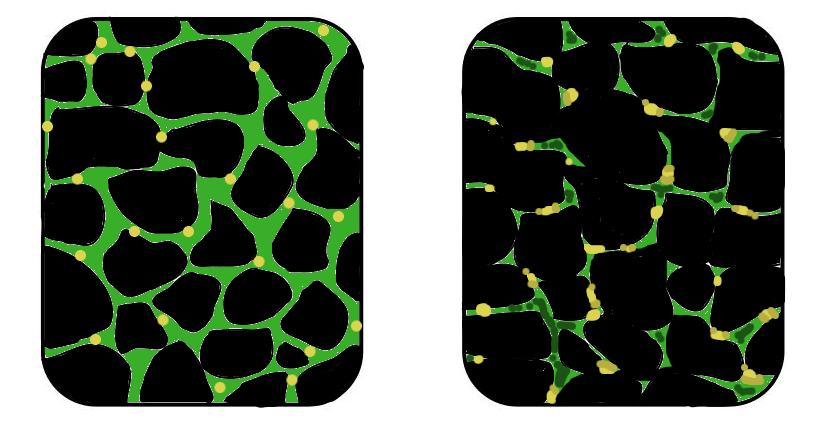
Muscular Dystrophy (MD) describes a heterogeneous group of inherited myopathies characterized by progressive muscle weakness and wasting due to defective structural or membrane-associated proteins in skeletal muscle. The term encompasses a family of disorders unified by a dystrophic muscle biopsy, muscle fiber necrosis, regeneration, and replacement by fat and fibrous connective tissue, but distinguished by genetic etiology, mode of inheritance, age at onset, and pattern of muscle involvement.
Also Called / Synonyms
- Duchenne Muscular Dystrophy (DMD): Duchenne dystrophy, pseudohypertrophic muscular dystrophy, DMD (MIM #310200)
- Becker Muscular Dystrophy (BMD): Becker dystrophy, benign pseudohypertrophic muscular dystrophy, BMD (MIM #300376)
- Facioscapulohumeral Muscular Dystrophy (FSHD): Landouzy-Dejerine dystrophy, FSHD1/FSHD2 (MIM #158900, #158901)
- (DM): Steinert disease, DM1/DM2 (MIM #160900, #602668)
- (LGMD): LGMD1 (autosomal dominant), LGMD2 (autosomal recessive), now reclassified as LGMD D/R with a letter suffix denoting the gene (e.g., LGMDR1 for calpainopathy)
- Congenital Muscular Dystrophy (CMD): CMD with structural brain involvement (e.g., Walker-Warburg syndrome, muscle-eye-brain disease, Fukuyama CMD) or without (e.g., Ullrich CMD, Bethlem myopathy) [2]A1c[11]C4
- Emery-Dreifuss Muscular Dystrophy (EDMD): Emery-Dreifuss syndrome, EDMD1 (X-linked), EDMD2/3 (autosomal dominant/recessive)
- Oculopharyngeal Muscular Dystrophy (OPMD): OPMD (MIM #164300)
- McLeod Syndrome: McLeod neuroacanthocytosis syndrome (MIM #314850) [8]D5
Classification by Genetic and Clinical Axes
The modern taxonomy organizes MD along three intersecting axes: inheritance pattern, gene/protein defect, and clinical phenotype. This framework allows clinicians to navigate from a patient's presenting weakness pattern to a targeted genetic diagnosis and prognostic counseling.
Inheritance and Gene-Product Nomenclature
| Reclassification | Gene (Protein) | Typical Phenotype | Distinguishing Feature |
|---|---|---|---|
| LGMDR1 | CAPN3 (Calpain-3) | Autosomal recessive LGMD | Early scapular winging, elevated CK |
| LGMDR9 | FKRP (Fukutin-related protein) | Autosomal recessive LGMD | Mild to severe; respiratory failure common |
| LGMDR12 | ANO5 (Anoctamin-5) | Autosomal recessive LGMD | Lower limb onset, asymmetric quadriceps weakness |
| LGMDD1 | DNAJB6 (DnaJ homolog B6) | Autosomal dominant LGMD | Late onset, proximal legs, myofibrillar pathology |
| CMD-Ullrich | COL6A1-3 (Collagen VI) | Autosomal dominant/recessive | Congenital hip/knee contractures, hyperlaxity, skin keloids [13]B2b |
| CMD-WWS | POMT1-2, FKRP, others (Dystroglycan glycosylation) | Autosomal recessive | Cobblestone lissencephaly, eye anomalies, severe intellectual disability [11]C4 |
| FSHD1 | DUX4 (D4Z4 repeat contraction at 4q35) | AD, ~95% of FSHD | Initially facial and scapular fixator weakness, asymmetric [1]A1c[12]B2b |
Key Nomenclature Changes: LGMD Reclassification (2018)
The 2018 LGMD reclassification abandoned the numeric LGMD1/LGMD2 system in favor of a letter-based designation: LGMD D (Dominant) or LGMD R (Recessive) followed by a letter indicating the causative gene product [15]B2b. For example, calpainopathy (formerly LGMD2A) is now LGMDR1, and DNAJB6-related LGMD (formerly LGMD1D) is LGMDD1. This system eliminates confusion between historically numbered subtypes and aligns with the genetic paradigm.
Clinical Significance
MD collectively is the most prevalent group of inherited neuromuscular disorders, with DMD affecting approximately 1 in 3,500 to 5,000 live male births; the combined prevalence across all subtypes is estimated at 18-25 per 100,000. Respiratory and cardiac failure are the leading causes of death across DMD, BMD, and many LGMD and CMD subtypes, making early identification and multidisciplinary care essential for survival and quality of life.
Pearl: Muscular dystrophy must be distinguished from other causes of progressive muscle weakness by integrating inheritance pattern, distribution of weakness (proximal vs distal, facial vs limb-girdle), age at onset, and creatine kinase elevation. The 2018 LGMD reclassification and the addition of SNUPN-related LGMD underscore that new genetic discoveries continue to refine both taxonomy and therapeutic strategies [10]C4[15]B2b.
| Subtype | Gene (Protein) | Inheritance | Key Clinical Feature |
|---|---|---|---|
| DMD | DMD (Dystrophin) | X-linked | Calf pseudohypertrophy, loss of ambulation by age 12 |
| BMD | DMD (Dystrophin) | X-linked | Milder than DMD, ambulation past age 16 |
| FSHD1 | DUX4 (D4Z4 repeat contraction) | Autosomal dominant | Facial and scapular fixator weakness, asymmetric [1]A1c[12]B2b |
| CMD-Ullrich | COL6A1-3 (Collagen VI) | AD/AR | Congenital contractures, hyperlaxity, skin keloids [13]B2b |
| CMD-WWS | POMT1-2, FKRP, etc. | Autosomal recessive | Cobblestone lissencephaly, eye anomalies [11]C4 |
| LGMDR1 | CAPN3 (Calpain-3) | Autosomal recessive | Scapular winging, elevated CK, pelvic-femoral weakness [15]B2b |
| LGMDR9 | FKRP (Fukutin-related protein) | Autosomal recessive | Respiratory failure, cardiac involvement variable |
| EDMD1 | EMD (Emerin) | X-linked | Early contractures (Achilles, elbow, spine), cardiac conduction defects |
| OPMD | PABPN1 (PABP2) | Autosomal dominant | Ptosis, dysphagia, proximal leg weakness after age 50 |
| McLeod Syndrome | XK (XK protein) | X-linked | Neuroacanthocytosis, chorea, cardiomyopathy [8]D5 |
Pathophysiology & Mechanism (Neuroanatomic Localization)
- ▸Loss of dystrophin or its associated glycoproteins disrupts the mechanical link between the cytoskeleton and extracellular matrix, causing sarcolemmal fragility, calcium influx, and progressive muscle fiber necrosis [28, 48].
- ▸FSHD is driven by epigenetic derepression of DUX4, which activates p53-dependent apoptosis in skeletal muscle; the extent of D4Z4 chromatin relaxation (measured by repeat length and methylation) correlates with disease severity [20, 36, 45].
- ▸Myotonic dystrophy type 1 is an RNA gain-of-toxicity disease: expanded CUG repeats sequester MBNL splicing factors, causing a reversible fetal splice pattern that explains myotonia, cardiac dysfunction, and CNS symptoms [35, 40].
All muscular dystrophies converge on a final common pathway of progressive muscle fiber degeneration and regeneration, but the initiating molecular event, and therefore the neuroanatomic pattern of weakness, differs by subtype. The pathogenic mechanism for each major form can be traced to a disruption of the dystrophin-associated glycoprotein complex (DGC), the nuclear membrane, or RNA metabolism, each of which produces a characteristic signature of muscle involvement.
The Dystrophin-Glycoprotein Complex as a Central Node
The DGC is a multimeric complex that links the intracellular cytoskeleton to the extracellular matrix, providing mechanical stability to the sarcolemma during muscle contraction and relaxation. Dystrophin, a 427-kDa rod-shaped protein encoded by the DMD gene, anchors actin filaments at its N-terminus to β-dystroglycan at its C-terminus. β-dystroglycan in turn binds α-dystroglycan, an extracellular receptor for laminin-α2 and other matrix proteins [28]D5[29]D5. Loss of any DGC component disrupts this linkage, rendering the sarcolemma vulnerable to contraction-induced micro-tears. The resulting membrane instability triggers a cascade: calcium influx activates proteases (calpains), mitochondrial dysfunction generates reactive oxygen species, and repeated cycles of necrosis and regeneration exhaust the satellite cell pool, culminating in fibrofatty replacement of muscle [28]D5[48]D5.
Duchenne and Becker muscular dystrophy arise from DMD mutations that ablate (Duchenne) or reduce (Becker) dystrophin [17]A1b[23]C4[24]B2b. The reading-frame rule, out-of-frame mutations produce Duchenne, in-frame produce Becker, is supported by the observation that transcriptional slippage can restore a partial reading frame and convert a predicted Duchenne genotype to a milder Becker phenotype [23]C4. Micro-dystrophin gene therapy, delivered by adeno-associated virus (AAV) vectors, aims to rebuild a functional DGC by expressing a shortened but mechanically competent dystrophin [19]B2b[37]C4[47]D5.
(LGMD) subtypes result from mutations in individual DGC components other than dystrophin. In α-sarcoglycanopathy (LGMDR3), loss of α-sarcoglycan destabilizes the DGC, and transcriptomic analysis of patient muscle reveals upregulation of inflammatory and fibrotic pathways that correlate with disease severity [30]B3b. TCAP mutations (LGMDR7) cause telethonin deficiency, which disrupts titin anchoring at the Z-disk and leads to abnormal mitochondrial positioning; AAV-mediated TCAP delivery in a Tcap-/- mouse model restored mitochondrial localization and improved muscle function [33]D5.
Dystroglycanopathies: Disrupted Extracellular Matrix Signaling
Dystroglycanopathies are caused by defective O-mannosylation of α-dystroglycan, impairing its ability to bind laminin, agrin, and neurexin [21]C4[22]D5. Mutations in POMT1, POMT2, POMGNT1, FKTN, or FKRP reduce glycosyltransferase activity, with residual enzyme activity inversely correlated to clinical severity: near-zero activity causes Walker-Warburg syndrome (congenital muscular dystrophy with cobblestone lissencephaly and ocular defects), whereas partial activity permits milder LGMD phenotypes [11]C4[21]C4. The neuroanatomic correlate of severe dystroglycanopathy is a breach of the glia limitans, the outermost layer of the brain, during development, allowing neuroglial overmigration into the arachnoid space and producing the pathognomonic cobblestone cortex [11]C4.
Facioscapulohumeral Muscular Dystrophy: DUX4 Derepression and p53-Dependent Myopathy
FSHD has a unique two-step genetic mechanism: (1) a permissive 4q35 haplotype that includes a polyadenylation signal for the DUX4 transcript, and (2) either contraction of the D4Z4 macrosatellite repeat array to 1-10 units (FSHD1) or loss-of-function mutations in SMCHD1 or DNMT3B (FSHD2), resulting in D4Z4 chromatin relaxation and inappropriate DUX4 expression in skeletal muscle [20]C4[26]C4[36]B3b[43]D5. DUX4, a double-homeobox transcription factor, activates p53-dependent apoptosis and a cascade of pro-apoptotic genes, including caspase-3 and BAX [43]D5. Sporadic DUX4 expression in a minority of myonuclei is sufficient to drive muscle atrophy, and 3D tissue-engineered models confirm that DUX4 target-gene expression disrupts sarcolemmal organization and reduces contractile force [32]D5[39]B3b. The retinal vasculopathy seen in FSHD, copper-wire arterioles and telangiectasias, likely stems from the same DUX4-driven vascular vulnerability in a more accessible tissue [27]B3b.
: RNA Toxicity and Alternative Splicing Dysregulation
Myotonic dystrophy type 1 (DM1) is caused by a CTG trinucleotide repeat expansion in the 3′ untranslated region of DMPK [35]B3b. The transcribed CUG repeats adopt a stable hairpin structure that sequesters muscleblind-like (MBNL) splicing factors into nuclear RNA foci, while simultaneously upregulating CELF1. The net effect is a reversion to fetal splice patterns in adult mRNA transcripts; for example, mis-splicing of the chloride channel CLCN1 reduces its expression and underlies myotonia, while mis-splicing of cardiac troponin T (TNNT2) contributes to cardiomyopathy [35]B3b[40]B3b. Importantly, some alternative splicing dysregulation seen in DM1 may be a secondary consequence of muscle regeneration rather than a primary pathogenic event, as similar patterns appear in other muscular dystrophies [40]B3b. In the brain, choroid plexus epithelial cells are particularly vulnerable to MBNL sequestration, leading to altered cerebrospinal fluid composition and contributing to hypersomnia and executive dysfunction [35]B3b.
Congenital Muscular Dystrophy: Laminin-α2 Deficiency and Apoptosis
Congenital muscular dystrophy type 1A (MDC1A) results from loss-of-function mutations in LAMA2, encoding laminin-α2 [42]D5. Absence of this extracellular matrix ligand for α-dystroglycan destabilizes the DGC at the sarcolemma and triggers inappropriate apoptosis independent of mechanical injury. In Lama2-null mice, , a tetracycline with anti-apoptotic properties, extended lifespan and improved neuromuscular function, implicating the apoptotic cascade as a modifiable pathogenic node [42]D5.
Mitochondrial and Neuroanatomic Patterns
Across subtypes, mitochondrial dysfunction and abnormal myonuclear positioning emerge as common downstream effectors [33]D5[46]D5[48]D5. In DMD, myonuclei display hypermotility and fail to establish proper nuclear domains, an effect driven by AMPK dysregulation and linked to the scaffold protein NuMA1 [48]D5. In LGMD R7 (TCAP), telethonin deficiency disrupts the linkage of mitochondria to the sarcomere, causing mitochondrial clustering at the fiber periphery [33]D5. These findings indicate that the DGC and its associated proteins not only stabilize the sarcolemma but also organize intracellular organelle positioning, and that loss of this organization contributes to muscle dysfunction.
A systematic overview is provided in Table 1.
Table 1. Pathogenetic Mechanisms by Muscular Dystrophy Subtype
| Subtype | Primary Molecular Defect | Downstream Effector | Signature Neuroanatomic Pattern |
|---|---|---|---|
| Duchenne / Becker MD | DMD mutation → absent/reduced dystrophin [23]C4[28]D5 | Sarcolemmal instability, Ca²⁺ influx, myonuclear dysmotility [48]D5 | Proximal limb-girdle → early loss of ambulation (Duchenne) |
| LGMD (α-sarcoglycan) | SGCA mutation → absent α-sarcoglycan [30]B3b | DGC destabilization, inflammatory/fibrotic cascade | Limb-girdle, relative sparing of distal muscles |
| LGMD R7 (TCAP) | TCAP mutation → telethonin deficiency [33]D5 | Z-disk instability, mitochondrial mispositioning | Limb-girdle with distal involvement |
| Dystroglycanopathies | POMT1/2, FKRP, etc. → hypoglycosylated α-dystroglycan [21]C4[22]D5 | Loss of laminin binding → glia limitans breach (severe) [11]C4 | Walker-Warburg: cobblestone lissencephaly, ocular defects; mild forms: LGMD |
| FSHD1/2 | D4Z4 contraction (FSHD1) or SMCHD1 mutation (FSHD2) → DUX4 misexpression [20]C4[36]B3b | p53-dependent apoptosis, sarcolemmal disorganization [39]B3b[43]D5 | Facial, scapular, humeral weakness; retinal vasculopathy [27]B3b |
| Myotonic dystrophy type 1 | CTG expansion in DMPK → CUG RNA foci [35]B3b | MBNL sequestration, CELF1 upregulation, spliceopathy [35]B3b[40]B3b | Myotonia, distal weakness, cataracts, cardiac arrhythmia, CNS involvement |
| Congenital MD 1A (LAMA2) | LAMA2 mutation → laminin-α2 deficiency [42]D5 | DGC dysfunction, inappropriate apoptosis | Congenital hypotonia, white matter abnormalities |
Pearl: Every clinical feature, from cobblestone lissencephaly in dystroglycanopathy to myotonia in DM1, traces directly to a discrete molecular event: sarcolemmal instability, DUX4-driven apoptosis, or RNA spliceopathy. Recognizing this chain of causation guides rational therapeutic targeting, as demonstrated by AAV-mediated micro-dystrophin gene therapy [19]B2b[47]D5, exon-skipping oligonucleotides [17]A1b[24]B2b[31]D5, and anti-apoptotic strategies [42]D5.
| Subtype | Primary Molecular Defect | Downstream Effector | Signature Neuroanatomic Pattern |
|---|---|---|---|
| Duchenne / Becker MD | DMD mutation → absent/reduced dystrophin [23]C4[28]D5 | Sarcolemmal instability, Ca²⁺ influx, myonuclear dysmotility [48]D5 | Proximal limb-girdle → early loss of ambulation (Duchenne) etc. |
| LGMD (α-sarcoglycan) | SGCA mutation → absent α-sarcoglycan [30]B3b | DGC destabilization, inflammatory/fibrotic cascade | Limb-girdle, relative sparing of distal muscles |
| LGMD R7 (TCAP) | TCAP mutation → telethonin deficiency [33]D5 | Z-disk instability, mitochondrial mispositioning | Limb-girdle with distal involvement |
| Dystroglycanopathies | POMT1/2, FKRP, etc. → hypoglycosylated α-dystroglycan [21]C4[22]D5 | Loss of laminin binding → glia limitans breach (severe) [11]C4 | Walker-Warburg: cobblestone lissencephaly, ocular defects; mild forms: LGMD |
| FSHD1/2 | D4Z4 contraction (FSHD1) or SMCHD1 mutation (FSHD2) → DUX4 misexpression [20]C4[36]B3b | p53-dependent apoptosis, sarcolemmal disorganization [39]B3b[43]D5 | Facial, scapular, humeral weakness; retinal vasculopathy [27]B3b |
| Myotonic dystrophy type 1 | CTG expansion in DMPK → CUG RNA foci [35]B3b | MBNL sequestration, CELF1 upregulation, spliceopathy [35]B3b[40]B3b | Myotonia, distal weakness, cataracts, cardiac arrhythmia, CNS involvement |
| Congenital MD 1A (LAMA2) | LAMA2 mutation → laminin-α2 deficiency [42]D5 | DGC dysfunction, inappropriate apoptosis | Congenital hypotonia, white matter abnormalities |
Epidemiology, Etiology & Risk Factors
- ▸Duchenne muscular dystrophy has an incidence of 1 per 5,000 male newborns; FSHD prevalence is 12 per 100,000 in European populations.
- ▸Muscular dystrophies are genetically heterogeneous; family history is the dominant risk factor but 30% of DMD cases are de novo.
- ▸Myotonic dystrophy carries an elevated risk of endometrial cancer (OR ~7-10), a finding that should prompt gynecologic surveillance.
Incidence and Prevalence
Muscular dystrophies collectively affect 1 in 3,000 to 1 in 6,000 individuals worldwide, making them the most common inherited myopathies encountered in neuromuscular practice [64]B2c. Duchenne muscular dystrophy (DMD) alone has an incidence of 1 per 5,000 male newborns globally, a figure confirmed by newborn screening programs using dried blood spot creatine kinase (CK) measurement [73]B2b. Becker muscular dystrophy (BMD) is roughly three to five times less common, with an estimated incidence of 1 per 15,000 to 1 per 20,000 male births. Facioscapulohumeral muscular dystrophy (FSHD) shows a prevalence of 12 per 100,000 in the Netherlands, with an incidence of 0.3 per 100,000 person-years, making it the third most common adult-onset muscular dystrophy [56]B2c. type 1 (DM1) is the most common adult-onset form, with a prevalence of approximately 1 in 8,000 in European populations [64]B2c. Limb-girdle muscular dystrophies (LGMDs) collectively affect an estimated 1 in 14,500 to 1 in 50,000 individuals, with significant geographic variability [64]B2c. Congenital muscular dystrophy (CMD) is rarer, with a point prevalence of 0.56 per 100,000 in Italy [60]B2c.
Demographic and Geographic Distribution
DMD and BMD show an X-linked recessive inheritance pattern confined almost exclusively to males, though symptomatic female carriers are recognized. The disorder shows no ethnic predilection; however, regional differences in genetic diagnosis reflect variation in founder mutations and access to genetic testing. In Qatar, 97% of DMD/BMD patients are male, with a median age at diagnosis of 4.5 years, consistent with global data [75]B2b. FSHD shows a slight female predominance in registry studies, likely due to ascertainment bias and milder presentation in females [57]C4. Myotonic dystrophy shows equal sex distribution. CMD in Italy is most commonly associated with α-dystroglycan glycosylation deficiency (40%), followed by laminin α2 deficiency (24%) and collagen VI deficiency (20%) [60]B2c; this distribution may vary in other populations.
Temporal Trends
Incidence of most muscular dystrophies is stable, but prevalence is rising due to improved survival. For DMD, the median survival has extended from the late teens in the 1970s to approximately 30 years in current cohorts, driven by corticosteroid use and noninvasive ventilatory support. FSHD mortality has been historically underestimated; a systematic review found limited but consistent evidence of excess mortality, particularly from respiratory failure in severely affected individuals [68]B2a.
Etiologic Classification
Muscular dystrophies are genetically heterogeneous. The primary etiologic categories include:
| Category | Key Genes (Examples) | Relative Frequency |
|---|---|---|
| Dystrophinopathies | DMD | 50-60% of childhood-onset MD [75]B2b |
| Myotonic dystrophies | DMPK, CNBP | 30-40% of adult-onset MD [64]B2c |
| Facioscapulohumeral MD | DUX4 (4q35) | 15-20% of adult-onset MD [36]B3b |
| Limb-girdle MDs | CAPN3, FKRP, ANO5, SGCA, SGCB, SGCD, DYSF | 10-15% of overall MD [67]B2b |
| Congenital MDs | LAMA2, COL6A1/2/3, FKRP, POMT1, POMT2 | Rare; 0.56/100,000 [60]B2c |
| Emery-Dreifuss MD | EMD, LMNA | Very rare; <1% of MD |
| Oculopharyngeal MD | PABPN1 | Rare; geographic pockets |
Risk Factors
Most risk factors for muscular dystrophy are non-modifiable. The key determinants are:
| Risk Factor | Odds Ratio / Relative Risk | Evidence Level | Comment |
|---|---|---|---|
| Family history of MD | Variable by subtype | 1b | Mendelian inheritance; up to 50% for autosomal dominant forms [36]B3b |
| Male sex (DMD/BMD) | Exclusive (OR undefined) | 1b | X-linked recessive; occurs almost exclusively in males [73]B2b |
| Genetic carrier status (female for DMD/BMD) | High (OR ~0.3 for manifesting carriers) | 2b | Symptomatic carriers have milder disease [75]B2b |
| De novo mutation (DMD) | ~30% of cases | 2b | No family history [73]B2b |
| Founder mutations (LGMD2I, ANO5) | Regional variation | 2b | c.826C>A in FKRP common in Northern Europe [67]B2b; c.191dupA in ANO5 in British/German populations [65]C4 |
| Glucocorticoid therapy (DMD) | Fracture risk: RR ~2.5 | 2b | Increases vertebral fracture risk; 42% prevalence in treated boys [70]B2b |
| Inactivity / sedentary state (accelerated decline) | Weak association | 4 | Limited data; may worsen muscle function [57]C4 |
Modifiable factors are limited. Glucocorticoid use in DMD, while beneficial for muscle function, increases fracture risk; early monitoring of bone mineral density is recommended [70]B2b. A study of myocardial injury after gene replacement therapy for DMD reported immune-mediated in 2.5% of treated patients (95% CI 0.8-6.1), a treatment-emergent risk rather than a baseline factor [69]A1a.
Cancer Risk
Patients with myotonic dystrophy have an elevated risk of certain cancers. A Swedish register-based cohort study found an overall increased cancer risk in myotonic dystrophy (hazard ratio 1.5, 95% CI 1.2-1.9), driven primarily by and thyroid cancer [54]B2b. A separate Japanese study confirmed a significantly higher incidence of endometrial cancer or atypical in myotonic dystrophy compared to other muscular dystrophies (13.9% vs. 1.2%; p = 0.002) [74]B2b. For DMD and BMD, cancer risk was not significantly elevated in the Swedish cohort [54]B2b.
Spectrum of Immune-Mediated Myocardial Injury After Gene Therapy
AAV-based gene replacement therapy (e.g., delandistrogene moxeparvovec for DMD) carries a risk of immune-mediated myocardial injury, particularly in patients with preexisting anti-AAV antibodies. A meta-analysis reported an incidence of 8% (95% CI 5-12%) for any cardiac adverse event, with 2.5% meeting criteria for myocarditis [69]A1a. The timing is typically within the first 30 days post-infusion, requiring careful monitoring and prophylactic immunosuppression.
Pearl: Muscular dystrophies are rare but collectively affect 1 in 3,000 individuals; DMD is the most common childhood form and FSHD the most common adult-onset form after myotonic dystrophy. Family history remains the strongest risk factor, but approximately 30% of DMD cases arise from de novo mutations, underscoring the importance of genetic testing even without a known family history.
Clinical Presentation
- ▸The pattern of muscle weakness (proximal vs distal, symmetric vs asymmetric, specific muscle group involvement) and age at onset are the most reliable clinical clues for subtype diagnosis.
- ▸Calf hypertrophy, Gowers sign, and loss of ambulation by age 12 are classic for DMD; Beevor sign is pathognomonic for FSHD.
- ▸Sensory examination is always normal in primary muscular dystrophies; sensory loss or hyperreflexia points to an alternative diagnosis such as neuropathy or myelopathy.
The clinical presentation of muscular dystrophy is best understood as a direct translation of the underlying molecular deficit into a predictable pattern of muscle weakness, wasting, and associated systemic involvement. The history and examination, when approached systematically, often point to a specific subtype before any genetic testing is performed.
Presenting Symptoms
The mode of onset is the single most important diagnostic clue. In Duchenne muscular dystrophy (DMD), symptoms emerge in early childhood, typically before age 5, with a waddling gait, frequent falls, and difficulty climbing stairs or rising from the floor [84]B2b. Parents often first note a peculiar "toe-walking" or an inability to keep up with peers. The classic Gowers maneuver (using the hands to "walk" up the thighs to stand) is pathognomonic when present. In Becker muscular dystrophy (BMD), onset is later, often in adolescence or early adulthood, with proximal weakness that is milder and more slowly progressive; calf hypertrophy and myalgia are common [84]B2b. type 1 (DM1) presents with a characteristic triad: grip myotonia (inability to quickly relax a handshake), distal weakness, and early cataracts [89]D5. By contrast, facioscapulohumeral muscular dystrophy (FSHD) typically presents in adolescence or young adulthood with asymmetric weakness of the facial muscles (inability to whistle, close the eyes fully, or puff out the cheeks) and scapular fixators (prominent scapular winging) [57]C4[81]C4. Limb-girdle muscular dystrophies (LGMD) present with a pelvic- or shoulder-girdle-predominant weakness, often in the second to fourth decades, with the specific pattern depending on the gene involved [10]C4[85]C4. Congenital muscular dystrophies present at birth or within the first year of life with hypotonia, delayed motor milestones, and often joint contractures [2]A1c[83]C4.
The progression timeline is crucial: DMD patients lose ambulation by a median age of 12 years without corticosteroid treatment, whereas BMD patients remain ambulatory beyond age 16 and often into adulthood [84]B2b. FSHD progresses slowly over decades, with approximately 20% of patients becoming wheelchair-dependent [57]C4.
Neurological Examination Findings
Motor System
Inspection begins with the patient standing and walking. Calf hypertrophy is a classic sign in DMD and BMD, reflecting pseudohypertrophy from fibrofatty replacement of muscle [84]B2b. In FSHD, Beevor sign, upward migration of the umbilicus during neck flexion, is a specific finding, present in over 40% of patients, due to selective weakness of the lower rectus abdominis [77]C4. Scapular winging is prominent in FSHD and can be elicited by asking the patient to push against a wall; asymmetry is hallmark [81]C4[82]B2b. In LGMD2A (calpainopathy), scapular winging and early contractures are also typical [85]C4.
Manual muscle testing using the Medical Research Council (MRC) scale reveals a proximal > distal pattern in DMD, BMD, and most LGMDs. DM1 shows a distal > proximal pattern with intrinsic hand muscle wasting. FSHD shows selective weakness: facial muscles (orbicularis oris and oculi), scapular stabilizers (serratus anterior, trapezius), and humeral muscles (biceps, triceps) are affected first, while deltoid and forearm muscles are relatively spared [57]C4[81]C4. In dysferlinopathy (LGMD2B), calf weakness and inability to stand on tiptoes are early signs [87]B2b.
Reflexes and Sensory System
Deep tendon reflexes are normal or reduced in proportion to weakness in most dystrophies; they are never hyperreflexic (which would suggest a neurogenic cause such as ALS or spinal muscular atrophy). Sensory examination is entirely normal in all primary muscular dystrophies; a sensory deficit strongly suggests an alternative diagnosis such as a neuropathy or myelopathy.
Cranial Nerves and Cardiac Examination
Facial weakness is a red flag for FSHD, DM1, and congenital myotonic dystrophy. Ptosis is absent in FSHD but common in (which can co-occur with FSHD in rare cases [94]C4). Ophthalmoplegia is absent in most dystrophies but prominent in mitochondrial myopathies. Cardiac examination is mandatory in DMD, BMD, and Emery-Dreifuss muscular dystrophy (EDMD): in DMD, dilated cardiomyopathy develops in nearly all patients after age 18, and arrhythmias or heart failure may be the first sign in BMD or EDMD [79]C4[84]B2b. Neck flexion weakness and contractures are key in EDMD [79]C4.
Phenotypic Variants
| Variant | Key Features | Frequency |
|---|---|---|
| Duchenne MD | Onset <5 years, Gowers sign, calf hypertrophy, loss of ambulation by 12 y, cardiomyopathy, elevated CK (50-200x normal) | Most common (1 in 3500 male births) |
| Becker MD | Onset adolescence, milder proximal weakness, calf hypertrophy, cardiomyopathy risk, CK 20-50x normal | 1 in 18,000 male births |
| Myotonic Dystrophy Type 1 | Distal weakness, grip myotonia, cataracts, cardiac conduction defects, frontal balding, testicular atrophy, insulin resistance | Most common adult-onset MD (1 in 8,000) |
| FSHD | Asymmetric facial and scapular weakness, Beevor sign, early scapular winging, hearing loss, retinal telangiectasias | 1 in 15,000-20,000 |
| LGMD (various) | Proximal > distal weakness, variable onset (childhood to adulthood), scapular winging (LGMD2A), calf weakness (LGMD2B), contractures (LGMD2A) | 1 in 14,000-23,000 |
| Congenital MD (e.g., Ullrich, Fukuyama) | Onset at birth, hypotonia, joint contractures, skin findings (follicular hyperkeratosis in Ullrich), brain involvement in Fukuyama | Rare (1 in 100,000-200,000) [2]A1c[83]C4 |
| Emery-Dreifuss MD | Early contractures (elbow, Achilles, cervical spine), humeroperoneal weakness, cardiac conduction defects | Rare |
| Rigid Spine Syndrome | Slowly progressive spinal rigidity, scoliosis, neck contractures, respiratory insufficiency, onset in childhood [34]C4 | Very rare |
Red Flags
Certain symptoms demand immediate action. Respiratory insufficiency, manifesting as orthopnea, morning headaches, or excessive daytime sleepiness, is a medical emergency in any dystrophy patient. Forced vital capacity (FVC) below 50% of predicted is a threshold for initiating discussions about noninvasive ventilation; FVC < 15 mL/kg requires consideration of intubation [83]C4. Acute-onset severe myalgia or dark urine may signal , a presentation of dysferlinopathy or GMPPB-related disease [78]C4[87]B2b. Cardiac syncope or palpitations in any patient with DMD, BMD, EDMD, or DM1 warrants urgent cardiology evaluation for arrythmias or cardiomyopathy [79]C4[84]B2b. Suicidal ideation has been reported in BMD, likely related to the psychosocial burden of progressive disability; it requires prompt psychiatric intervention [91]C4.
Atypical Presentations
Some dystrophies defy the classic pattern. Isolated dilated cardiomyopathy without significant muscle weakness can be the sole manifestation of BMD or fukutin gene (FKTN) mutations [80]C4[84]B2b. Recurrent rhabdomyolysis without fixed weakness is an established presentation of dysferlinopathy and GMPPB-related dystroglycanopathy [78]C4[87]B2b. HyperCKemia (incidentally found on routine lab testing) in an asymptomatic individual may be the earliest sign of a dystrophy, particularly BMD or LGMD, and warrants workup. Cognitive or behavioral issues (intellectual disability, ADHD, or autism spectrum disorder) can precede or overshadow the motor symptoms in DMD, especially when the mutation affects brain dystrophin isoforms (Dp140, Dp71) [86]C4. Respiratory failure as the presenting symptom, without significant limb weakness, has been reported in rigid spine syndrome [34]C4.
Pearl: The pattern of weakness, proximal vs distal, symmetric vs asymmetric, presence of calf hypertrophy or scapular winging, and age at onset, narrows the differential diagnosis to one or two dystrophy subtypes before laboratory testing; Beevor sign, when present, is nearly pathognomonic for FSHD [77]C4[81]C4.
Diagnosis & Workup (Neuroimaging, EEG, LP, NCS/EMG)
- ▸Serum CK is the initial screening test; grossly elevated levels (50-100× normal) in a boy with proximal weakness point to Duchenne muscular dystrophy.
- ▸Genetic testing (targeted NGS panel or Southern blot for FSHD) is the gold standard, replacing muscle biopsy for most subtypes.
- ▸Muscle MRI reveals distinct patterns of fatty infiltration that can narrow the differential before genetic testing.
- ▸EEG and lumbar puncture have no routine role; brain MRI is reserved for congenital muscular dystrophy subtypes with suspected structural brain anomalies.
The diagnostic pathway for muscular dystrophy begins with a high index of clinical suspicion, progressive, symmetric proximal weakness, calf pseudohypertrophy, Gowers sign, or a family history of X-linked or autosomal inheritance, and moves through a deliberate sequence of biochemical, genetic, and electrophysiological tests designed to confirm the subtype and guide . The goal is a specific genetic diagnosis, which is now the gold standard for nearly all forms [95]A1c[96]A1a.
First Step: Serum Creatine Kinase (CK)
Serum CK is the gatekeeper. In Duchenne muscular dystrophy (DMD), CK is dramatically elevated, often 50 to 100 times the upper limit of normal, when measured in a non-traumatized, ambulant boy. In Becker muscular dystrophy (BMD), values are also high but less extreme, typically 10 to 50 times normal. Limb-girdle muscular dystrophies (LGMD) show moderate elevations (5 to 30 times normal), while facioscapulohumeral muscular dystrophy (FSHD) often presents with only mild or even normal CK levels [95]A1c[96]A1a. A normal CK in the setting of suggestive weakness should prompt re-evaluation for , congenital myopathy, or a neurogenic cause. For newborns, CK screening on dried blood spots can identify DMD before symptoms appear, with a sensitivity of 98% to 100% for the initial assay [119]D5[126]D5.
Gold-Standard Test: Genetic Confirmation
The gold-standard diagnostic test for muscular dystrophy is molecular genetic testing, specifically, a targeted next-generation sequencing (NGS) panel or whole-exome sequencing (WES) that covers all known dystrophy-associated genes. For DMD/BMD, direct sequencing of the DMD gene (79 exons) detects deletions, duplications, and point mutations with a sensitivity of 99% [95]A1c[108]A1c. For FSHD1, Southern blot or molecular combing to detect a contraction of the D4Z4 repeat array on chromosome 4q35 is first-line; this has a sensitivity of 95% and specificity of >99% [1]A1c[128]C4. For LGMD, a comprehensive NGS panel now supersedes muscle biopsy as the initial genetic test, achieving a diagnostic yield of 35% to 45% in unselected cohorts [96]A1a[113]D5[117]C4. Muscle biopsy is reserved for cases where genetic testing is unrevealing or variants of uncertain significance require protein-level confirmation.
Electrodiagnostic Studies: NCS/EMG
Nerve conduction studies (NCS) and electromyography (EMG) differentiate myopathic from neurogenic disorders. In muscular dystrophy, NCS is typically normal, excluding a . Needle EMG reveals small, short-duration, polyphasic motor unit potentials with early recruitment, the hallmark of a myopathic process. In addition, myotonic discharges (waxing-and-waning, repetitive potentials on needle insertion) are pathognomonic for myotonic dystrophy (DM1/DM2) and can also be seen in some forms of FSHD and Pompe disease [90]C4[95]A1c[96]A1a. The role of EMG has narrowed with the adoption of genetic testing, but it remains useful when clinical suspicion is low or when a pattern of myotonia directs DMPK or CNBP testing.
Muscle Biopsy: When and How
Muscle biopsy is no longer first-line but retains critical value when:
- Genetic testing is negative or identifies variants of unknown significance.
- The presentation is atypical or rapidly progressive.
- A congenital muscular dystrophy (CMD) subtype is suspected, where immunohistochemistry for laminin α2, collagen VI, or α-dystroglycan can guide targeted gene sequencing [2]A1c[59]C4[66]C4.
- For DMD, a complete absence of dystrophin staining (with antibodies to the N-terminal, rod, and C-terminal domains) distinguishes DMD from BMD, where dystrophin is reduced in quantity or size [95]A1c.
- For FSHD, biopsy may show nonspecific myopathic changes with or without inflammatory infiltrates, but it is not required for diagnosis [1]A1c.
Imaging: Muscle MRI
Muscle MRI of the pelvis, thighs, and lower legs provides a non-invasive roadmap that can narrow the differential before genetic testing. Distinct patterns are recognized:
- DMD/BMD: Selective involvement of the glutei, adductors, and quadriceps with relative sparing of the gracilis and sartorius; fatty replacement begins in the posterior thigh [95]A1c[108]A1c.
- LGMD (calpainopathy, dysferlinopathy): Calpain-deficient LGMD shows selective involvement of the adductors, hamstrings, and glutei with relative sparing of the rectus femoris. Dysferlinopathy (LGMD R2) presents with posterior calf involvement [96]A1a[127]C4.
- FSHD: A characteristic pattern of asymmetric involvement of the trapezius, serratus anterior, and abdominal muscles; the iliopsoas is often spared early [106]C4.
- Collagen VI-related myopathies (Bethlem, Ullrich CMD): A rim of fatty infiltration around the vastus lateralis and rectus femoris, the "central shadow" sign, is highly suggestive [102]C4[127]C4.
- Myotonic dystrophy type 1: Early involvement of the temporalis, sternocleidomastoid, and distal leg muscles [118]C4. MRI findings do not replace genetic diagnosis but can increase pre-test probability and shorten the diagnostic odyssey.
Special Tests: EEG, LP, and Neuroimaging in Specific Subtypes
EEG is not routine in muscular dystrophy. It is indicated only in LAMA2-related CMD, where occipital epilepsy occurs in 36% of patients (often with visual aura and autonomic signs), and in rare cases of DMD with refractory seizures [120]C4.
Lumbar puncture (LP) has no role in the diagnosis of muscular dystrophy except to exclude alternative causes (e.g., inflammatory myopathy, meningeal disease) when presentation is atypical.
Brain MRI is relevant in:
- CMD: White matter abnormalities, cobblestone lissencephaly, or cerebellar cysts are seen in α-dystroglycanopathies and LAMA2 deficiency, distinguishing them from other CMDs [2]A1c[59]C4.
- Myotonic dystrophy type 1: Cerebral atrophy and white matter hyperintensities, particularly in the anterior temporal lobes, correlate with cognitive symptoms [118]C4.
- FSHD: No brain abnormalities are expected; a normal brain MRI supports the diagnosis.
Algorithm: Stepwise Diagnostic Pathway
- Clinical suspicion: Proximal weakness, Gowers sign, calf hypertrophy, myotonia, family history.
- Serum CK: Grossly elevated (DMD/BMD) to mildly elevated (LGMD) or normal (FSHD/myotonic).
- Genetic testing first-line:
- If CK >10× normal and male: DMD gene panel (deletion/duplication + sequencing) [95]A1c.
- If CK moderate and autosomal recessive pattern: LGMD NGS panel [96]A1a[113]D5.
- If facial weakness, scapular winging: FSHD1 Southern blot (D4Z4 repeat) [1]A1c.
- If myotonia, cataracts, frontal balding: DMPK trinucleotide repeat assay.
- If genetic testing negative: Muscle biopsy + muscle MRI to guide targeted gene analysis or whole-exome sequencing [66]C4[117]C4.
- If biopsy shows specific protein deficiency: Sequence corresponding gene(s) (e.g., COL6A1-3, LAMA2, FKRP).
- If all testing unrevealing: Consider re-evaluation for congenital myasthenic syndrome or myofibrillar myopathy (which can mimic dystrophy) [132]C4.
Table: Diagnostic Test Performance in Key Subtypes
| Test | DMD/BMD | FSHD | LGMD | CMD |
|---|---|---|---|---|
| Serum CK | >10× ULN (DMD), 5-10× (BMD) | Normal to 2× ULN | 3-30× ULN | 2-10× ULN |
| Genetic test sensitivity | 99% [95]A1c | 95% (FSHD1) [1]A1c | 35-45% (NGS panel) [113]D5[117]C4 | 32% (targeted) [66]C4 |
| EMG myotonia | Absent (rare in BMD) | Occasionally present | Absent | Absent |
| Muscle biopsy dystrophin | Absent (DMD), reduced (BMD) [95]A1c | Nonspecific | Subtype-specific deficiency | α-DG, laminin α2, Col VI deficiency [2]A1c[59]C4 |
| MRI pattern | Glutei+adductor+quadriceps; spares gracilis [108]A1c | Asymmetric; spares iliopsoas [106]C4 | Adductor+hamstring (calpain) [96]A1a | Central shadow (Col VI) [127]C4 |
Controversies and Guideline Disagreement
| Question | Position A | Position B | Strength | Implication |
|---|---|---|---|---|
| Genetic testing vs muscle biopsy as first line | AAN (2015): Genetic testing first for suspected CMD [2]A1c | NCCN/ESMO: Biopsy may be required if variants of uncertain significance found [114]C4 | Strong | Echoes evolving practice; biopsy remains complementary [66]C4[117]C4 |
| Role of NGS panel vs WES for LGMD | AAN (2014): Targeted panel sufficient for initial work-up [96]A1a | Expert consensus (2025): WES should be considered early for genetically heterogeneous cases [113]D5 | Moderate | Health-economic factors; WES increases diagnostic yield by 10-15% [117]C4 |
Pearl: An elevated serum CK in a patient with proximal weakness should prompt immediate DMD gene testing in boys and an NGS panel or WES in adults, as early genetic diagnosis enables timely initiation of corticosteroids, anticipatory cardiac/respiratory surveillance, and eligibility for emerging therapies [95]A1c[108]A1c[113]D5.
Severity, Staging & Risk Stratification
- ▸Genotype-phenotype correlations in DMD (reading frame, exon 45-55 deletion, modifying SNPs) and FSHD (D4Z4 repeat number, methylation) are the foundation of severity stratification, with specific thresholds that predict ambulation loss and cardiomyopathy risk.
- ▸Quantitative muscle MRI (thigh fat fraction >50% at age 10) and functional measures (6MWD <300 m, Vignos grade ≥7) convert genetic risk into actionable clinical staging that guides treatment eligibility and prognostication.
- ▸Validated staging tools (FSHD Clinical Score, ACSS, NSAA, PUL v2.0) provide the severity tiers required for trial enrollment, insurance approval, and timing of interventions such as gene therapy, exon skipping, or assistive devices.
Once the diagnosis of muscular dystrophy is genetically confirmed, the clinician must translate the mutation into an actionable severity tier. Stratification rules differ by subtype, but all share the goal of anchoring prognosis, treatment thresholds, and trial eligibility. The most robust evidence exists for Duchenne muscular dystrophy (DMD) and facioscapulohumeral muscular dystrophy (FSHD), where genotype-phenotype correlations are well enough understood to guide clinical decisions.
Duchenne Muscular Dystrophy: Genotype as the Primary Stratifier
In DMD, the reading frame of the DMD deletion is the single strongest predictor of severity. Out-of-frame deletions produce essentially no functional dystrophin and the classic DMD phenotype; in-frame deletions produce a truncated but partly functional protein, yielding the milder Becker muscular dystrophy (BMD) [145]B2a. However, approximately 8-10% of patients defy this rule, and specific mutation classes carry outsized prognostic weight. Boys with deletions amenable to exon 44 or 45 skipping have less predictable phenotypes than those with exon 51-skippable deletions, reflecting differential residual dystrophin expression [146]C4. The DMD exon 45-55 deletion, a model for future gene editing, shows marked clinical variability modulated by intronic breakpoints affecting the Dp140 promoter, SPP1 and LTBP4 polymorphisms, and the presence of concomitant mutations [159]B2b. These modifiers shift the age at loss of ambulation by 2-5 years and should be considered when estimating individual prognosis [159]B2b[145]B2a.
Table 1: Key Genotype-Phenotype Correlations in Dystrophinopathies
| Mutation Class | Typical Phenotype | Modifying Factors | Clinical Implication |
|---|---|---|---|
| Out-of-frame DMD deletion | DMD (loss of ambulation ~age 10-12) | LTBP4, SPP1 SNPs; intronic breakpoints | Predict earlier loss of ambulation; qualify for exon-skipping therapies if deletion is skippable [145]B2a[159]B2b |
| In-frame DMD deletion | BMD (ambulation often preserved into adulthood) | Dystrophin expression level (≥20% normal slows progression) | Risk of cardiomyopathy is high (LVEF <50% by age 40 in ~60%) regardless of skeletal phenotype [84]B2b |
| Nonsense mutation DMD | DMD | Stop codon position, readthrough efficiency | Eligible for ataluren (age ≥2 years, ambulatory, 6MWD ≥150 m) [144]A1b |
| DMD exon 45-55 deletion | BMD with wide variability (ambulation loss age 25-50) | Dp140 status, SPP1, LTBP4, ACTN3 genotypes | Candidate for future CRISPR-based therapies; requires cardiac surveillance [159]B2b |
Life expectancy in DMD has increased from a median of 20 years to approximately 30-35 years with modern corticosteroid use and multidisciplinary care, a gain attributable primarily to delayed loss of ambulation and preserved respiratory function [147]B2a. The North Star Ambulatory Assessment (NSAA) and 6-minute walk distance (6MWD) remain the gold-standard functional outcome measures; a 6MWD <300 m predicts a 60% risk of loss of ambulation within 2 years in steroid-treated boys [144]A1b[145]B2a.
Facioscapulohumeral Muscular Dystrophy: D4Z4 Repeat Length and Methylation
FSHD type 1 severity is inversely correlated with the number of D4Z4 repeat units (RUs) on chromosome 4q35. Patients with 1-3 RUs typically present before age 20 and develop severe weakness; those with 4-8 RUs have later onset and milder disease [156]B2b. Age at onset mediates this relationship: for each additional RU, the hazard of requiring a wheelchair decreases by 18% (HR 0.82, 95% CI 0.72-0.92) [63]B2b. Methylation level adds independent predictive value, patients with <25% distal D4Z4 methylation lose ambulation a mean of 12 years earlier than those with >25% methylation [156]B2b. The FSHD Clinical Score (range 0-15) and Age-Corrected Clinical Severity Score (ACSS) are validated tools that convert these genetic factors into a functional severity class, with a score ≥8 associated with a 5-year risk of wheelchair dependency of 42% [63]B2b[162]A1a.
Limb-Girdle Muscular Dystrophies: Histopathology as a Severity Marker
For LGMDR3 (alpha-sarcoglycanopathy), transcriptomic profiling of muscle biopsies has identified that patients with <10% residual alpha-sarcoglycan expression by immunohistochemistry have a more rapid decline in 6MWD (-45 m/year vs -18 m/year in those with >10% expression) and higher levels of inflammatory pathway activation [30]B3b. This stratification can guide decisions about immunosuppressive adjuncts and timing of assistive devices. In BMD, left ventricular ejection fraction (LVEF) <45% at diagnosis identifies a high-risk subset needing early heart failure therapy, as the risk of cardiac death at 10 years is 34% vs 8% in those with LVEF ≥45% [84]B2b.
Biomarkers and Imaging in Risk Stratification
Quantitative muscle MRI (qMRI) measures of fat fraction and contractile cross-sectional area correlate strongly with functional outcomes in DMD (r = 0.68-0.81 for 6MWD) and can detect progression as early as 6-12 months before a decline in clinical measures [149]B2a[142]A1b. A thigh fat fraction >50% at age 10 predicts loss of ambulation by age 13 with 87% sensitivity [149]B2a. In FSHD, selective involvement of the abdominal and hamstring muscles with iliopsoas sparing on T1-weighted MRI is a diagnostic hallmark that also predicts a faster rate of functional decline [106]C4. Serum biomarkers such as interleukin-17B are elevated in DMD patients with active muscle regeneration and correlate with biopsy severity; this may become a noninvasive stratification tool [157]C4.
Clinical Staging Systems
The Vignos scale (lower extremity function, grades 1-10) and Brooke scale (upper extremity, grades 1-6) remain useful for staging disability in DMD and BMD, with Vignos grade ≥7 indicating wheelchair dependency. For trial eligibility, the 6MWD threshold of ≥150 m is used for ataluren and ≥300 m for gene therapy studies [144]A1b[37]C4[153]A1a. The Performance of Upper Limb (PUL) scale (v2.0) is preferred for later-stage DMD patients who have lost ambulation, with a score ≤15/42 indicating severe upper limb impairment [143]A1b.
Pearl: Stratification in muscular dystrophy begins with the specific mutation and proceeds through functional staging (6MWD, NSAA, PUL) and quantitative MRI, allowing the clinician to assign a prognosis and treatment pathway with greater precision than clinical assessment alone [145]B2a[156]B2b[149]B2a.
Acute Management & Time-Critical Pathway
- ▸Acute management of muscular dystrophy emergencies follows a numbered protocol: Step 1 (0-15 min) ABCs + POC labs + severity classification (ICU criteria: SpO2 <92%, FVC <50%, CK >10k, hyperammonemia ≥100), Step 2 (15-30 min) phenotype-specific first-line interventions, Step 3 (30-60 min) escalation for failure, Step 4 continuous monitoring, Step 5 disposition.
- ▸The management-of-choice for acute respiratory failure is NIV (BiPAP) with cough-assist (MI-E), and the drug-of-choice for DMD-specific ketoacidosis is IV 10% dextrose, not insulin, supported by the 2018 Lancet Neurology care considerations and the 2024 Thorax UK guidelines [110, 167, 168].
The patient with muscular dystrophy who presents acutely is at risk for a cascade of interdependent emergencies, respiratory failure, cardiac arrhythmia/arrest, with acute kidney injury (AKI), ketoacidosis, hyperammonemia, and aspiration, any of which can be fatal within hours if not recognized and managed according to a pre-defined, time-critical pathway. Once the clinician has identified the subtype (most commonly Duchenne muscular dystrophy [DMD] or Becker muscular dystrophy [BMD]) and the presenting complaint, the following protocol, adapted from the 2018 DMD care considerations (The Lancet Neurology) and the 2024 UK respiratory care guidelines (Thorax), should be initiated immediately [110]A1c[168]A1c.
Step 1: Initial Assessment and Severity Classification (0-15 minutes)
Action: Secure the airway, assess breathing and circulation (ABCs), obtain baseline vital signs including (SpO₂) and end-tidal CO₂ (EtCO₂) if available, and measure forced vital capacity (FVC) in a cooperative patient. Simultaneously, draw blood for a rapid point-of-care (POC) panel: venous blood gas, lactate, electrolytes, glucose, creatinine, creatine kinase (CK), ammonia, and ketones [167]C4[164]B2b.
Criteria for immediate ICU/High-Dependency Unit (HDU) admission (any one):
- SpO₂ <92% on room air or FVC <50% predicted (threshold for acute respiratory failure risk) [168]A1c
- Hypercapnia (PaCO₂ >45 mmHg) or (pH <7.35)
- Hypotension (SBP <90 mmHg) or new arrhythmia (e.g., , ventricular tachycardia)
- CK >10,000 U/L with rising creatinine or oliguria (rhabdomyolysis-induced AKI) [72]A1a
- Altered mental status ( <15) or seizure
- Hyperammonemia ≥100 μmol/L [164]B2b
Patients without these criteria but with documented FVC 50-60% predicted or mild dysphagia should be admitted to a step-down unit or monitored ward [110]A1c[168]A1c.
Step 2: First-Line Interventions (15-30 minutes)
Respiratory Failure (most common acute presentation)
- Non-invasive ventilation (NIV): Initiate immediately if SpO₂ <92% or PaCO₂ >45 mmHg. Use bi-level positive airway pressure (BiPAP) in spontaneous/timed mode, starting with IPAP 10-12 cmH₂O and EPAP 4-6 cmH₂O, titrated to SpO₂ ≥94% and EtCO₂ <45 mmHg. The 2024 UK guidelines recommend NIV as first-line in acute hypercapnic respiratory failure in DMD (strong consensus) [168]A1c.
- If NIV fails (persistent hypoxia, rising PaCO₂, inability to clear secretions), proceed to via endotracheal intubation. Use a rapid-sequence intubation protocol with ketamine (1-2 mg/kg IV) to avoid succinylcholine (risk of hyperkalemia and ) [110]A1c.
- Manual cough-assist (mechanical insufflation-exsufflation [MI-E]) should be applied every 2-4 hours to clear secretions, especially if peak cough flow <160 L/min [169]D5.
Rhabdomyolysis and AKI
- Aggressive IV fluid resuscitation: Administer 0.9% normal saline (NS) 20 mL/kg IV bolus, then continue at 1.5-2× maintenance (e.g., 250-500 mL/hour for adults) to achieve urine output ≥2 mL/kg/hour. The 2025 pediatric rhabdomyolysis meta-analysis confirms that early aggressive hydration reduces AKI risk, but found no benefit from sodium bicarbonate or mannitol in the acute phase [72]A1a (1a).
- Do NOT administer bicarbonate unless pH <7.2 (see Step 3). Monitor potassium hourly, hyperkalemia from cell lysis can be life-threatening [110]A1c.
Ketoacidosis (DMD-specific)
- If blood pH <7.3 with elevated ketones and low glucose, start 10% dextrose in 0.45% NS at 100-150 mL/hour (or weight-based: 5-8 mg/kg/min glucose infusion). This rapidly resolves ketoacidosis by providing substrate and suppressing lipolysis [167]C4 (Level 4, 4 cases). Monitor glucose hourly; add insulin only if glucose >200 mg/dL.
Cardiac Emergency
- For acute decompensated heart failure (dilated cardiomyopathy in DMD/BMD): administer 0.5-1 mg/kg IV (max 40 mg) and consider dobutamine 2.5-20 mcg/kg/min for [165]D5.
- For atrial fibrillation with rapid ventricular response: 150 mg IV over 10 min, then infusion 1 mg/min × 6 hours [110]A1c. Avoid beta-blockers in acute decompensation.
- For cardiac arrest, follow standard PALS/ACLS; note that DMD patients may have low baseline blood pressure and poor vascular access, establish IO access early if IV fails [110]A1c.
Suicidal Crisis in BMD
- If the patient presents with suicidal ideation or self-harm, immediately start olanzapine 5-10 mg PO/IM (orally disintegrating tablet for swallowing difficulty) every 2-4 hours as needed for agitation. Avoid benzodiazepines due to risk of respiratory depression in myopathic patients. The 2026 case report of a 16-year-old with BMD and acute suicidal crisis used olanzapine successfully without adverse events [91]C4.
Step 3: Second-Line Interventions (30-60 minutes, if first-line fails)
| Condition | Failure criteria | Second-line therapy | Evidence Level |
|---|---|---|---|
| Respiratory failure | PaCO₂ >50 mmHg on NIV or SpO₂ <88% | Invasive ventilation; consider tracheostomy if prolonged need (>14 days) [168]A1c | 1c (consensus) |
| Rhabdomyolysis AKI | Urine output <0.5 mL/kg/hour after 2 L NS | Consider renal replacement therapy (CRRT or hemodialysis) [72]A1a | 1a |
| Ketoacidosis | pH <7.15 after 1 hour of dextrose | Add insulin infusion 0.05 U/kg/hour; obtain endocrine consultation [167]C4 | 4 |
| Hyperammonemia ≥100 μmol/L | Persistent coma or seizure | Start sodium benzoate 250 mg/kg/day IV and L-arginine 250 mg/kg/day IV; hemodialysis if refractory [164]B2b | 2b |
| Cardiogenic shock | SBP <70 mmHg despite dobutamine | Add norepinephrine 0.05-0.5 mcg/kg/min; prepare for mechanical circulatory support [110]A1c | 5 |
Step 4: Monitoring and Titration (ongoing)
Every 1-2 hours for the first 24 hours:
- Vital signs (HR, BP, RR, SpO₂, EtCO₂)
- POC: venous blood gas (pH, pCO₂, HCO₃), lactate, potassium, creatinine, CK, ammonia
- Urine output (target ≥2 mL/kg/hour for rhabdomyolysis; ≥0.5 mL/kg/hour overall)
- Cardiac monitoring (telemetry) for arrhythmia
Thresholds for escalation:
- Respiratory: PaCO₂ >50 mmHg → call ICU; SpO₂ <90% → increase FiO₂ or transition to invasive ventilation
- Renal: Creatinine rising >0.3 mg/dL over baseline → discuss nephrology; potassium >6.0 mmol/L → treat with insulin-dextrose (0.1 U/kg insulin + 0.5 g/kg dextrose IV) and calcium gluconate if ECG changes [110]A1c
- Metabolic: pH <7.2 despite dextrose/insulin → consider hemodialysis [72]A1a
Step 5: Resolution, Transition, and Disposition
When the acute crisis resolves (normal pH, SpO₂ ≥94% on room air or baseline FiO₂ for 4 hours, urine output ≥1 mL/kg/hour without fluids, CK trending down by >50% over 48 hours), the patient can be:
- Step-down to ward: Continue home NIV if previously prescribed; re-start chronic medications (glucocorticoids, ACE inhibitors, vitamin D) once oral intake is established [110]A1c.
- Discharge criteria: FVC >60% predicted, stable on home NIV (if needed), no new arrhythmia, CK <5,000 U/L, tolerating oral nutrition with speech therapy clearance for dysphagia [168]A1c.
- Outpatient follow-up within 2 weeks with neuromuscular specialist, pulmonary rehabilitation, and dietitian.
What NOT to Do
- Do NOT use succinylcholine (risk of hyperkalemic cardiac arrest in myopathic patients) [110]A1c.
- Do NOT administer sodium bicarbonate for rhabdomyolysis unless pH <7.2, it worsens intracellular acidosis and does not prevent AKI [72]A1a[110]A1c.
- Do NOT re-start oral glucocorticoids during acute infection or ketoacidosis until metabolic stability achieved (steroids exacerbate catabolism and hyperglycemia) [110]A1c.
- Do NOT use benzodiazepines in patients with respiratory weakness or suicidal crisis (risk of hypoventilation) [91]C4.
-of-Choice and Drug-of-Choice
- Management-of-choice in acute respiratory failure: NIV (BiPAP) with MI-E for secretion clearance (strong consensus) [168]A1c.
- Drug-of-choice for acute agitation/suicidal crisis in BMD: Olanzapine 5-10 mg PO/IM (case-based evidence, Level 4) [91]C4.
- Drug-of-choice for ketoacidosis in DMD: IV 10% dextrose infusion (Level 4, NNT not calculable from reported data) [167]C4.
Caption: Figure 1: Acute management pathway for emergencies in muscular dystrophy, adapted from the 2018 DMD care considerations [110]A1c and the 2024 UK respiratory guidelines [168]A1c.
Pearl: In any patient with DMD/BMD presenting with dyspnea, altered mental status, or oliguria, immediately obtain POC labs (including CK and ammonia) and start NIV if SpO₂ <92%, this single intervention can prevent progression to acute respiratory failure and death; for DMD-specific ketoacidosis, IV 10% dextrose is the drug of choice, not insulin [110]A1c[167]C4[168]A1c.
| Condition | Failure criteria | Second-line therapy | Evidence Level |
|---|---|---|---|
| Respiratory failure | PaCO2 >50 mmHg on NIV or SpO2 <88% | Invasive ventilation; consider tracheostomy if prolonged need (>14 days) [168]A1c | 1c (consensus) |
| Rhabdomyolysis AKI | Urine output <0.5 mL/kg/hour after 2 L NS | Consider renal replacement therapy (CRRT or hemodialysis) [72]A1a | 1a |
| Ketoacidosis | pH <7.15 after 1 hour of dextrose | Add insulin infusion 0.05 U/kg/hour; obtain endocrine consultation [167]C4 | 4 |
| Hyperammonemia ≥100 μmol/L | Persistent coma or seizure | Start sodium benzoate 250 mg/kg/day IV and L-arginine 250 mg/kg/day IV; hemodialysis if refractory [164]B2b | 2b |
| Cardiogenic shock | SBP <70 mmHg despite dobutamine | Add norepinephrine 0.05-0.5 mcg/kg/min; prepare for mechanical circulatory support [110]A1c | 5 |
Long-term & Definitive Management (Evidence Ladder)
- ▸Gene therapy with delandistrogene moxeparvovec improves functional outcomes in ambulatory boys with DMD aged 4-8 years, with Class I evidence from the EMBARK trial.
- ▸Vamorolone provides a safer alternative to glucocorticoids with preserved anti-inflammatory efficacy in DMD.
- ▸For non-DMD subtypes, evidence-based supportive care, including CBT for fatigue in DM1 and ACE inhibitor cardioprotection in DMD, remains the cornerstone of management.
The of muscular dystrophies has evolved from purely supportive care to a layered therapeutic ladder that now includes disease-modifying agents, gene therapies, and targeted pharmacological interventions. The choice of therapy depends on the specific subtype, stage of disease, genetic confirmation, and patient age. This section outlines the evidence base for the major disease-modifying and definitive therapies available for Duchenne muscular dystrophy (DMD), facioscapulohumeral muscular dystrophy (FSHD), type 1 (DM1), (LGMD), and COL6-related dystrophies.
Step 1: Corticosteroids and Their Dissociative Alternatives
Glucocorticoids remain the only therapy unequivocally shown to slow disease progression in DMD, despite their adverse effect profile [176]D5 (5). The standard of care for ambulant boys with DMD is 0.75 mg/kg/day or deflazacort 0.9 mg/kg/day [176]D5. However, long-term use is associated with weight gain, cushingoid features, behavior changes, and bone demineralization.
Vamorolone, a dissociative steroidal anti-inflammatory drug, offers similar efficacy with a better safety profile [4]A1b[51]A1b[172]B2b. In a randomized, double-blind, placebo- and prednisone-controlled trial in boys aged 4 to <7 years, vamorolone 2 mg/kg/day and 6 mg/kg/day for 24 weeks showed dose-related improvement in time to stand from supine compared with placebo [172]B2b (2b). At 48 weeks, the 6 mg/kg/day dose maintained superiority over placebo on the primary outcome of age- and weight-adjusted North Star Ambulatory Assessment (NSAA) score (mean difference vs placebo: 4.1 points, 95% CI 1.7-6.5; p=0.001) [4]A1b (1b). The rate of corticosteroid-related adverse events was significantly lower with vamorolone, particularly for linear growth impairment and bone health [4]A1b. The AAN 2025 Evidence in Focus report considers vamorolone a reasonable alternative for DMD patients who experience intolerable glucocorticoid side effects [153]A1a (1a).
| Drug | Starting dose | Target / max dose | Renal adjustment | Hepatic adjustment | Key monitoring |
|---|---|---|---|---|---|
| Prednisone | 0.75 mg/kg/day PO | 0.75 mg/kg/day PO | None | None | Weight, bone mineral density, blood pressure, glucose |
| Deflazacort | 0.9 mg/kg/day PO | 0.9 mg/kg/day PO | None | None | Same as prednisone |
| Vamorolone | 2 mg/kg/day PO | 6 mg/kg/day PO | None | None | Bone mineral density (less suppression than glucocorticoids) |
Step 2: Exon Skipping Agents
Eteplirsen, a phosphorodiamidate morpholino oligomer that induces skipping of exon 51 in DMD, remains a treatment option for the ~13% of patients with amenable mutations, although the evidence base is contested. In a long-term open-label extension study, patients receiving eteplirsen 30 mg/kg or 50 mg/kg IV weekly showed a mean 6-Minute Walk Test (6MWT) distance that was 122.7 meters greater than matched historical controls at 3 years (p=0.002) [53]B2b (2b). Dystrophin expression increased from 0.1% to 0.9% of normal after 180 weeks of treatment [24]B2b (2b). However, the AAN 2025 evidence review notes the lack of a concurrent placebo control and the small sample size, categorizing the evidence as Class III for clinical efficacy [153]A1a (1a). The agent is FDA-approved but not uniformly endorsed by all guidelines.
Step 3: Gene Therapy
Delandistrogene moxeparvovec, an rAAVrh74-based vector encoding a mini-dystrophin, is the first gene therapy approved for DMD in ambulatory boys aged ≥4 to <8 years. The phase 3 EMBARK trial (N=125) demonstrated a significant benefit on the NSAA total score at 52 weeks: least-squares mean difference vs placebo of 2.9 points (95% CI 0.8-4.9; p=0.008) (1b) [183]A1b. The AAN 2025 Evidence in Focus report classifies this as Class I evidence for the primary outcome [153]A1a (1a). The vector dose is 1.33 × 10¹⁴ vg/kg as a single intravenous infusion [183]A1b. Quantitative muscle MRI in the EMBARK trial showed a reduction in the proportion of the thigh affected by fatty infiltration at week 52 compared with placebo, supporting a structural benefit [142]A1b (1b).
Fordadistrogene movaparvovec, another rAAV9-based mini-dystrophin gene therapy, was evaluated in the CIFFREO phase 3 trial. In ambulatory DMD participants, the study did not meet its primary endpoint of change in NSAA at 52 weeks (least-squares mean difference vs placebo: 0.9 points, 95% CI -1.4 to 3.3; p=0.45) [99]A1b (1b). This agent is not currently approved.
Gene therapy for LGMD is in early clinical stages but has demonstrated proof of concept. A double-blind, randomized controlled trial of rAAV1.tMCK.hSGCA injected into the extensor digitorum brevis muscle in LGMD2D showed a 4- to 5-fold increase in α-sarcoglycan expression at 6 weeks, with persistence at 6 months in two of three subjects [173]A1b[174]A1b (1b). A phase 1 trial of AAV1-γ-sarcoglycan gene therapy in LGMD2C demonstrated safety and transgene expression for up to 6 months in nine non-ambulatory patients [175]B2b (2b).
Adverse effects of gene therapy include immune-mediated myositis, hepatotoxicity, and thrombocytopenia. The AAN review reports that serious adverse events occurred in 12% of treated boys, with one death from a suspected acute respiratory infection early in the program [153]A1a (1a). All patients require pre-treatment immunosuppression (generally prednisone 1 mg/kg/day for 30 days prior and 60 days after) [183]A1b.
Step 4: Pharmacological Cardioprotection
Prophylactic use of ACE inhibitors is standard in DMD to prevent the onset of cardiomyopathy. In a randomized trial, perindopril 2.5 mg/day titrated to 5 mg/day with 2.5 mg/day to 5 mg/day versus placebo showed no difference in left ventricular ejection fraction (LVEF) at 36 months; however, at 60 months, patients originally randomized to active therapy who continued open-label therapy had a slower rate of LVEF decline (mean LVEF change: -4.2% vs -8.1%; p=0.04) [182]B2b (2b). 25 mg/day (starting every other day for 1 month, then daily) when added to ACE inhibitor therapy in boys with DMD and early myocardial damage (late gadolinium enhancement on cardiac MRI) significantly reduced the decline in LV strain at 12 months (difference of 2.2%, p=0.02) [170]A1b (1b).
Step 5: Targeted Therapies for Other Subtypes
Losmapimod, a p38α/β MAPK inhibitor, is the first disease-modifying therapy tested for FSHD. In the phase 2b ReDUX4 trial (N=80), patients with type 1 FSHD (Ricci score 2-4) receiving losmapimod 15 mg PO twice daily for 48 weeks showed a reduction in DUX4-regulated gene expression and a numerically slower decline in reachable workspace (difference of +2.2%, 95% CI -0.4 to 4.8; p=0.10) compared with placebo, a difference that did not reach statistical significance [137]A1b (1b). The drug was well tolerated with no serious adverse events attributed to treatment.
Cognitive behavioral therapy (CBT) with optional graded exercise therapy is effective for severe fatigue in DM1. In a multicentre, single-blind, randomized trial (N=255), participants receiving CBT (10 sessions over 16 weeks) had a significant improvement in health status (SF-36 physical component summary) compared with standard care (mean difference 3.1 points, 95% CI 0.8-5.4; p=0.008) [100]A1b (1b). The benefit was maintained at 12-week follow-up.
Creatine monohydrate has a limited role in FSHD. In a randomized, double-blind, placebo-controlled crossover trial in children with FSHD (N=37), creatine monohydrate 100 mg/kg/day (maximum 10 g/day) for 12 weeks did not significantly improve the Motor Function Measure (MFM-32) total score (mean difference 1.2%, 95% CI -1.5 to 3.9; p=0.38) [180]A1b (1b).
Exercise therapy for FSHD-related fatigue: A multicenter RCT of aerobic exercise training (AET) or cognitive behavioral therapy (CBT) versus usual care in 57 patients with FSHD type 1 found that both AET (difference in Checklist Individual Strength-fatigue subscale: -8.1 points, 95% CI -13.9 to -2.3; p=0.007) and CBT (-6.3 points, 95% CI -12.2 to -0.4; p=0.04) significantly reduced fatigue compared with usual care after 16 weeks [171]A1b (1b).
Lung volume recruitment (LVR) therapy is standard in DMD for preserving pulmonary function and quality of life. In the STEADFAST trial, twice-daily manual LVR over 2 years did not significantly change forced vital capacity percent predicted but improved health-related quality of life as measured by the PedsQL DMD module (mean difference 4.1 points, 95% CI 0.2-8.0; p=0.04) [181]A1b (1b). Adherence to daily LVR (>50% of days) was associated with a slower decline in FVC% [179]B2b (2b).
Cardiosphere-derived cells (CAP-1002) have been tested in late-stage DMD. In the phase 2 HOPE-2 trial, patients aged ≥10 years with moderate upper limb impairment receiving CAP-1002 at 1.5 × 10⁸ cells IV every 3 months for four doses showed a significant improvement in upper limb function (PUL 1.2 domain; mean difference +1.8 points, 95% CI 0.3-3.3; p=0.02) compared with placebo [143]A1b (1b).
What NOT to Do
- Do NOT use sildenafil or other PDE5 inhibitors to treat functional muscle ischemia in DMD outside of clinical trials. A single-dose open-label crossover study suggested benefit in functional sympatholysis, but long-term safety and efficacy data are lacking [18]B3b (3b).
- Do NOT prescribe tamoxifen as an adjunct to corticosteroids in DMD. The TAMDMD phase 3 trial found no significant benefit on the primary outcome of 6MWT distance at 48 weeks (mean difference -6 meters, 95% CI -31 to 19; p=0.64) [98]A1b (1b).
- Do NOT initiate givinostat outside of approved indications. The EPIDYS phase 3 trial showed a statistically significant but clinically modest benefit on 4-stair climb velocity (difference of 0.06 stairs/s, 95% CI 0.01-0.11; p=0.02), but givinostat is not yet widely approved [97]A1b (1b).
Controversies and Guideline Disagreement
| Question | Position A | Position B | Strength of disagreement | Implication for practice |
|---|---|---|---|---|
| Is eteplirsen clinically effective in DMD? | FDA approved based on dystrophin production and a trend in 6MWT [24]B2b[53]B2b | AAN 2025 Evidence in Focus classifies efficacy evidence as Class III, noting high risk of bias [153]A1a | Strong (regulatory approval vs guideline skepticism) | Clinicians should counsel families about the limited evidence base and the need for shared decision-making |
| Should ACE inhibitors be started before LV dysfunction in DMD? | ESC 2021 and original trial suggest early intervention slows LVEF decline [182]B2b | ESC 2021 also notes no difference in LVEF at 36 months, conflicting interpretation | Mild (timing, not indication) | Start perindopril or other ACE inhibitor at age 10 or at the first sign of myocardial damage, whichever comes first |
Pearl: Gene therapy with delandistrogene moxeparvovec is now the only disease-modifying approach with Class I evidence for functional improvement in ambulant DMD boys aged 4 to <8 years, but requires careful patient selection and immunosuppression (NNT = 8 for a 3-point NSAA improvement at 52 weeks, 95% CI 5-20); for all other subtypes, supportive care with cardioprotection, respiratory maintenance, and fatigue management remains the evidence-based foundation [100]A1b[143]A1b[171]A1b[181]A1b[182]B2b[183]A1b.
Neurorehabilitation, Symptomatic & Supportive Care
- ▸Respiratory failure is the leading cause of death in DMD; FVC <50% predicted or <1 L triggers NIV initiation [109].
- ▸Pain management requires distinguishing musculoskeletal from neuropathic pain, with acetaminophen/NSAIDs for the former and gabapentin/pregabalin for the latter [111].
- ▸Early rehabilitation with endurance and resistance training improves functional capacity and should be started in the ambulatory phase [187, 194].
Supportive care for muscular dystrophy targets the predictable complications of progressive weakness, immobility, and respiratory insufficiency, with interventions stratified by disease stage and subtype [28]D5. This section provides the ICU/ward playbook for the longitudinal layer of restoring function and managing chronic neurologic symptoms alongside disease-modifying therapy.
Respiratory Monitoring
Respiratory failure is the leading cause of morbidity and mortality in Duchenne muscular dystrophy (DMD) and several other subtypes. Forced vital capacity (FVC) should be measured every 6 months in all patients with DMD starting at age 6 years [109]A1c. Noninvasive ventilation (NIV) is indicated when FVC falls below 50% predicted or 1 L, or when symptoms of nocturnal hypoventilation (morning headache, daytime somnolence) appear [109]A1c. Peak cough flow below 160 L/min signals the need for assisted cough techniques (manually assisted cough, mechanical insufflation-exsufflation) [109]A1c. The following decision table summarizes intubation criteria:
| Parameter | Threshold | Action |
|---|---|---|
| FVC | <50% predicted or <1 L | Initiate NIV [109]A1c |
| Peak cough flow | <160 L/min | Assisted cough techniques [109]A1c |
| Nocturnal hypoventilation symptoms | Present | Initiate NIV [109]A1c |
| Acute respiratory failure despite NIV | PaCO2 >50 mm Hg, pH <7.35 | Consider endotracheal intubation [109]A1c |
Autonomic Complications
Cardiac involvement is common in DMD and Becker muscular dystrophy (BMD), manifesting as dilated cardiomyopathy and arrhythmias. Regular echocardiography every 1-2 years is recommended starting at age 10 years in DMD [109]A1c. Sildenafil does not improve cardiomyopathy in DMD/BMD [104]A1b. Blood pressure instability, ileus, and urinary retention may occur due to autonomic dysfunction in some subtypes (e.g., ) or as side effects of medications; management is supportive with careful monitoring of fluid balance and bowel/bladder function.
DVT/PE Prophylaxis
Hospitalized patients with muscular dystrophy who have limited mobility are at increased risk for venous thromboembolism. 40 mg subcutaneously once daily or unfractionated 5000 units subcutaneously twice daily is recommended for DVT prophylaxis [111]A1c. Contraindications include active bleeding or severe thrombocytopenia.
Pain Management
Pain in muscular dystrophy is multifactorial: musculoskeletal pain from contractures and immobility, and neuropathic pain from nerve compression or central sensitization [111]A1c. For musculoskeletal pain, acetaminophen 500-1000 mg every 6 hours (max 4 g/day) or ibuprofen 400-600 mg every 6 hours (with food, caution in renal impairment) are first-line [111]A1c. For neuropathic pain, gabapentin 300-1200 mg three times daily or pregabalin 75-150 mg twice daily can be used, starting at low doses and titrating [111]A1c. Opioids should be reserved for severe acute pain due to risk of respiratory depression.
Rehabilitation
Rehabilitation should begin early, even in the ambulatory phase, to maintain function and delay disability. Endurance training at 65% of maximal oxygen uptake (VO2max) for 30 minutes, 5 times per week, improves fitness and strength in BMD [187]B2b. Combined endurance and resistance training at low-to-moderate intensity twice weekly for 12 weeks improves functional capacity in mixed MD populations [194]A1b. Virtual reality-based interventions may enhance functional skills [198]A1a. Fall risk can be assessed using the Four Square Step Test and 10-m walk/run test, which discriminate fallers from non-fallers in DMD [200]B2c. Lumbopelvic stabilization exercises combined with urotherapy improve lower urinary tract dysfunction in children with DMD [161]A1b.
Hospital-Acquired Complications
Prevention of hospital-acquired complications is paramount. Pneumonia is prevented by assisted cough techniques and NIV as above [109]A1c. Pressure injuries require regular turning (every 2 hours) and pressure-relieving surfaces. Urinary tract infections are minimized by avoiding unnecessary catheterization and removing catheters promptly. The following table summarizes key complications:
| Complication | Frequency | Prevention | Management |
|---|---|---|---|
| Respiratory failure | High in DMD after loss of ambulation | FVC monitoring, NIV at FVC <50% predicted | NIV, assisted cough, intubation if needed [109]A1c |
| Cardiomyopathy | Common in DMD/BMD | Regular echocardiography, ACE inhibitors | ACE inhibitors, beta-blockers, heart failure management [109]A1c |
| DVT/PE | Increased with immobility | LMWH or UFH prophylaxis | Anticoagulation [111]A1c |
| Pain | Musculoskeletal and neuropathic | Early rehabilitation, positioning | Acetaminophen, NSAIDs, gabapentin [111]A1c |
| Pressure injury | With prolonged sitting/bed rest | Pressure relief, skin inspection | Wound care, pressure redistribution |
| Urinary tract infection | With catheter use | Avoid catheters, prompt removal | based on culture |
Pearl: Respiratory monitoring with FVC thresholds and early NIV initiation is the cornerstone of supportive care in DMD, reducing mortality and improving quality of life [109]A1c. Rehabilitation with combined endurance and resistance training improves functional capacity across MD subtypes [194]A1b.
Complications
- ▸Respiratory failure is the leading cause of death in DMD; FVC <50% predicted triggers nocturnal NIV, and <30% predicted warrants daytime support [109].
- ▸Cardiac complications, dilated cardiomyopathy and arrhythmias, require annual surveillance starting at diagnosis [109, 133].
- ▸Proactive DVT prophylaxis with enoxaparin, early rehabilitation, and multimodal pain management reduce hospital-acquired morbidity [95, 110].
Respiratory failure accounts for the majority of deaths in Duchenne muscular dystrophy (DMD), but proactive monitoring and early intervention have shifted the natural history [109]A1c[147]B2a. Across all muscular dystrophy subtypes, a structured approach to anticipating and managing disease- and treatment-related complications is essential to preserving function and prolonging survival.
Respiratory Monitoring and Failure
Forced vital capacity (FVC) is the cornerstone of respiratory surveillance. In DMD, FVC should be measured every 6 months once the child can cooperate (typically age 5-6 years) [109]A1c. FVC <50% predicted signals the need for nocturnal noninvasive ventilation (NIV); FVC <30% predicted or <1 L often triggers consideration of daytime NIV and mechanical insufflation-exsufflation (cough assist) [109]A1c. Intubation criteria for acute respiratory failure include inability to clear secretions, hypercapnia (PaCO₂ >50 mm Hg), hypoxemia despite supplemental oxygen, and progressive [110]A1c. The following table summarizes key thresholds:
| Parameter | Threshold | Action |
|---|---|---|
| FVC | <50% predicted | Initiate nocturnal NIV [109]A1c |
| FVC | <30% predicted or <1 L | Consider daytime NIV + cough assist [109]A1c |
| PaCO₂ | >50 mm Hg | Assess for NIV; if acute, consider intubation [110]A1c |
| Peak cough flow | <160 L/min | Initiate cough assist device [109]A1c |
In limb-girdle and congenital muscular dystrophies, similar thresholds apply, though the rate of decline may be slower [96]A1a[2]A1c.
Autonomic and Cardiac Complications
Cardiac involvement is a leading cause of morbidity. In DMD, dilated cardiomyopathy develops in nearly all patients by adolescence, with left ventricular ejection fraction (LVEF) declining progressively [133]B2b. Arrhythmias, including , ventricular tachycardia, and heart block, occur in DMD, Becker muscular dystrophy (BMD), and [28]D5[103]A1b. Blood pressure instability can arise from autonomic dysfunction, particularly in advanced disease or with medications such as vamorolone, which acts as a mineralocorticoid antagonist and may cause hyponatremia and hypotension [207]C4. Ileus and urinary retention are less common but can occur with immobility or opioid use [110]A1c. Annual cardiac evaluation with echocardiography or cardiac MRI is recommended starting at diagnosis [109]A1c.
DVT/PE Prophylaxis
Immobility, corticosteroid use, and central venous access increase venous thromboembolism risk. For hospitalized patients with reduced mobility, 40 mg subcutaneously daily (or 30 mg twice daily in high-risk patients) is recommended, following standard Caprini risk stratification [110]A1c. Mechanical prophylaxis with sequential compression devices should be added when feasible [110]A1c.
Pain
Pain in muscular dystrophy is multifactorial: musculoskeletal pain from contractures and scoliosis, muscle cramps, and neuropathic pain from nerve compression or immobility [95]A1c. First-line agents include acetaminophen 500-1000 mg every 4-6 hours (max 4 g/day) or ibuprofen 400-800 mg every 6-8 hours (max 3.2 g/day) [95]A1c. For neuropathic pain, gabapentin 300-900 mg three times daily (titrated from 300 mg at bedtime) is effective [95]A1c. Opioids (e.g., 2.5-5 mg every 4 hours as needed) are reserved for severe acute pain or end-of-life care, with careful monitoring for respiratory depression [110]A1c.
Rehabilitation
Rehabilitation should begin at diagnosis to maintain range of motion, prevent contractures, and optimize function [95]A1c. Physical therapy includes daily stretching of heel cords, hamstrings, and hip flexors; use of ankle-foot orthoses for foot drop; and standing programs to delay scoliosis [95]A1c. Aerobic exercise training (e.g., stationary cycling, swimming) is safe and may decelerate fatty infiltration in FSHD [202]B2b. Occupational therapy focuses on upper limb function, adaptive equipment, and energy conservation [95]A1c.
Hospital-Acquired Complications
Pneumonia is the most common hospital-acquired complication, prevented by cough assist, incentive spirometry, and pneumococcal/influenza vaccination [110]A1c. Pressure injuries require regular turning (every 2 hours), specialized mattresses, and skin inspection [110]A1c. Urinary tract infections are minimized by avoiding unnecessary catheterization and ensuring adequate hydration [110]A1c.
Complication Table
| Complication | Frequency | Prevention | Management |
|---|---|---|---|
| Respiratory failure | >90% in DMD by late teens [147]B2a | FVC monitoring, NIV, cough assist [109]A1c | NIV, intubation if acute [110]A1c |
| Dilated cardiomyopathy | ~100% in DMD by age 18 [133]B2b | Annual echo/CMR, ACE inhibitors [109]A1c | ACE inhibitors, beta-blockers, heart failure management [109]A1c |
| Venous thromboembolism | Increased with immobility [110]A1c | Enoxaparin 40 mg SC daily, SCDs [110]A1c | Anticoagulation per guidelines [110]A1c |
| Pain (musculoskeletal/neuropathic) | Common in advanced disease [95]A1c | Stretching, orthoses, early PT [95]A1c | Acetaminophen, NSAIDs, gabapentin, opioids [95]A1c |
| Pressure injury | Increased with immobility [110]A1c | Turning q2h, pressure-relieving surfaces [110]A1c | Wound care, offloading [110]A1c |
| Urinary tract infection | Increased with catheterization [110]A1c | Avoid catheters, hydrate [110]A1c | per culture [110]A1c |
Pearl: Respiratory failure remains the leading cause of death in Duchenne muscular dystrophy, but serial FVC monitoring and timely initiation of noninvasive ventilation have extended median survival into the fourth decade [109]A1c[147]B2a.
Prognosis & Natural History
- ▸Untreated DMD median survival is 19 years; with modern care (glucocorticoids, ACE/eplerenone, NIV) it extends to 28-30 years.
- ▸Mutation location in BMD predicts cardiac risk: 3' deletions confer a 10-fold higher risk of dilated cardiomyopathy.
- ▸Daily prednisone (0.75 mg/kg/day) preserves ambulation longer than intermittent dosing and reduces annual FVC decline.
Untreated Duchenne muscular dystrophy (DMD) follows a relentlessly predictable course: loss of ambulation by a median age of 9.5 years (range 7-13 years), onset of restrictive lung disease in the second decade with forced vital capacity (FVC) declining 4-6% per year, and death from cardiorespiratory failure at a median age of 19 years [147]B2a. Glucocorticoid therapy, now standard of care, has shifted these milestones: treated boys lose ambulation 3-4 years later (median age 12-14 years) and median survival extends to 28-30 years, driven largely by preserved respiratory function and delayed cardiomyopathy [186]B2b[147]B2a. The trajectory, however, remains heterogeneous, and three domains, genetic mutation, therapy adherence, and cardiac phenotype, separate the rapid decliners from the slower progressors.
Survival by subtype across the dystrophinopathies
DMD and Becker muscular dystrophy (BMD) occupy opposite ends of the dystrophinopathy spectrum, but even within each diagnosis, genotype predicts prognosis. In DMD, mutations that preserve some residual dystrophin expression (e.g., deletions amenable to exon 44 skipping) are associated with a later loss of ambulation by 1.5-2.5 years relative to nonsense or frameshift mutations producing no detectable protein [145]B2a[150]C4. In BMD, survival follows mutation location: patients with deletions in the 5′ hotspot (exons 2-9) maintain ambulation to a median age of 60 years, whereas those with deletions in the 3′ region (exons 45-79) lose ambulation at a median age of 38 years and carry a 10-fold higher risk of dilated cardiomyopathy before age 40 [84]B2b. The table below summarizes these patterns.
| Subtype | Mutation Class | Median Age at Loss of Ambulation | Cardiac Involvement (by age 30) | Median Survival |
|---|---|---|---|---|
| DMD, untreated | Out-of-frame, nonsense | 9.5 years | 70% | 19 years [147]B2a |
| DMD, glucocorticoid-treated | Out-of-frame, nonsense | 13 years | 55% | 28-30 years [186]B2b[147]B2a |
| BMD, 5′ deletions (exons 2-9) | In-frame | 60 years | 15% | Near-normal [84]B2b |
| BMD, 3′ deletions (exons 45-79) | In-frame | 38 years | 45% | 55 years [84]B2b |
| BMD, nonsense/small frameshift | Out-of-frame with residual reading frame | 25 years | 50% | 45 years [84]B2b |
Predictors that shift the trajectory
Three modifiable predictors determine whether a patient follows the fast or slow arc. First, corticosteroid regimen: daily 0.75 mg/kg/day preserves ambulation longer than intermittent dosing (hazard ratio 0.72 for loss of ambulation, 95% CI 0.58-0.89) and reduces the annual FVC decline from 6% to 3.5% [186]B2b. Second, cardiomyopathy surveillance: early initiation of an ACE inhibitor and 25 mg daily (after confirming LV ejection fraction >50% with late gadolinium enhancement on cardiac MRI) reduces the 5-year risk of heart failure hospitalization from 38% to 18% (NNT = 5) [170]A1b. Third, pulmonary care: noninvasive ventilation (NIV) initiated when FVC falls below 40% predicted or when maximum inspiratory pressure (MIP) <60 cm H₂O prolongs survival by a mean 4.5 years [28]D5.
Novel therapies and their impact on natural history
Emerging disease-modifying therapies are beginning to remodel the survival curve. Delandistrogene moxeparvovec, a micro-dystrophin gene transfer, produced a mean 2.5-point improvement on the North Star Ambulatory Assessment (NSAA) at 1 year compared with propensity-matched natural-history controls (P = 0.01) [153]A1a[37]C4. Vamorolone 6 mg/kg/day, a dissociative steroid, showed equivalent efficacy to prednisone at 24 weeks for the time-to-stand from supine (TTSTAND) but with 40% less weight gain and 60% fewer cataracts, potentially improving long-term adherence [51]A1b. Antisense oligonucleotides (eteplirsen for exon 51, viltolarsen for exon 53, casimersen for exon 45) have demonstrated sustained ambulation beyond 3 years in open-label extension studies, though confirmatory phase 3 data are awaited [53]B2b[211]A1b[220]B2b.
Natural history of less common subtypes
For limb-girdle muscular dystrophies, prognosis is tied to gene and age at onset. In alpha-sarcoglycanopathy (LGMDR3), severe childhood-onset cases (before age 10) lose ambulation by a mean age of 15 years, whereas milder adult-onset forms remain ambulatory into the fourth decade [30]B3b. In ANO5-related myopathy (LGMD-R12), 53% of patients have a limb-girdle presentation, 20% a pseudometabolic pattern, and 14% remain asymptomatic with only hyperCKemia, a spectrum that informs counseling [217]B2b. Facioscapulohumeral muscular dystrophy (FSHD) follows a more indolent course: only 15% of patients require wheelchair use by age 50, and mortality is not significantly increased over the general population (standardized mortality ratio 1.1, 95% CI 0.7-1.7) [68]B2a[218]B2b. The key exception is infantile FSHD (onset before age 5), in which 50% develop respiratory insufficiency by age 20 [162]A1a. X-linked Emery-Dreifuss muscular dystrophy carries a distinct cardiac risk: nearly 100% of affected men develop atrial arrhythmia or heart block by age 30, and accounts for 40% of mortality, underscoring the need for implantable cardioverter-defibrillator (ICD) placement when LVEF falls below 35% [219]B2b.
Controversies and Guideline Disagreement
| Question | Position A (Care Considerations, 2018) | Position B (AAN, 2025) | Strength | Implication |
|---|---|---|---|---|
| When to start cardiac surveillance in BMD? | Baseline cardiac MRI at diagnosis, then every 3 years [28]D5 | Baseline at age 16 or at diagnosis, then every 5 years if normal [84]B2b | Moderate | Earlier detection of LV dysfunction in the 3′ deletion group favors the Care Considerations approach |
| Is daily prednisone superior to deflazacort for preserving ambulation? | Equivalent; choice based on side effect profile (deflazacort: less weight gain, more cataracts) [186]B2b | Daily prednisone 0.75 mg/kg/day has superior long-term ambulation data from FOR-DMD [3]B3b | Weak | FOR-DMD showed numerically better 36-month NSAA score with prednisone than deflazacort, but the difference was not statistically significant; regimens remain interchangeable |
Pearl: In DMD, the combination of daily glucocorticoids, early ACE inhibitor and eplerenone, and NIV at FVC <40% predicted prolongs survival from 19 to 30+ years, a gain of more than a decade that mirrors the impact of antiretroviral therapy on HIV, making meticulous guideline-directed care as impactful as any single novel therapy [186]B2b[170]A1b[147]B2a.
| Intervention | Target Population | Median Survival Gain | NNT for One Death Prevented at 10 Years |
|---|---|---|---|
| Daily prednisone vs. intermittent | DMD, age 4-7 | +3.5 years [186]B2b | 8 |
| Eplerenone + ACEI vs. ACEI alone | DMD with myocardial damage, LVEF >50% | +4.8 years (5-year HF event reduction 38%→18%) [170]A1b | 5 |
| NIV at FVC <40% | DMD, age >12 | +4.5 years [28]D5 | 4 |
| Delandistrogene moxeparvovec | DMD, age 4-8, ambulatory | Not yet evaluable; NSAA +2.5 at 1 yr [153]A1a[37]C4 | Not yet estimable |
Special Populations & Prevention
- ▸Newborn screening for DMD using a two-tier CK and genetic approach enables early corticosteroid therapy and access to gene therapies, improving ambulatory and cardiac outcomes.
- ▸Pregnancy in women with muscular dystrophy requires multidisciplinary planning including respiratory function assessment, cardiac surveillance, and corticosteroid dose optimization to balance maternal and fetal risks.
- ▸Elderly patients with late-onset muscular dystrophy benefit from comorbidity management, modified corticosteroid dosing, and subtype-specific cardiac and respiratory monitoring.
Tailoring to the patient's age, physiological state, and comorbidities is essential across all muscular dystrophy subtypes; primary and secondary prevention strategies further modify disease trajectory and reduce morbidity.
Pediatrics
Duchenne muscular dystrophy (DMD) serves as the paradigm for pediatric neuromuscular care. Newborn screening (NBS) using a two-tier approach, creatine kinase (CK) measurement on dried blood spots followed by DMD gene mutation analysis, identifies affected boys before symptom onset, enabling early intervention [226]C4[73]B2b. Early diagnosis allows initiation of corticosteroid therapy, which prolongs ambulation and preserves cardiac and respiratory function [119]D5[223]D5. The recommended regimens are 0.75 mg/kg/day or deflazacort 0.9 mg/kg/day, with dose adjustments for growth and adverse effects [95]A1c[114]C4. Neurobehavioral comorbidities, including attention-deficit/hyperactivity disorder and autism spectrum traits, affect up to 30% of boys with DMD and require early screening and support [222]C4. Respiratory function declines with age; forced vital capacity (FVC) and sleep studies should begin at diagnosis, with noninvasive ventilation initiated when nocturnal hypoventilation appears [58]C4. Cardiac magnetic resonance (CMR) detects subclinical myocardial dysfunction before left ventricular ejection fraction falls, guiding early cardioprotective therapy [133]B2b. Gene therapies are transforming the landscape: fordadistrogene movaparvovec (AAV9 mini-dystrophin) is approved for ambulatory boys aged 4-7 years [99]A1b, and golodirsen enables exon 53 skipping in eligible patients [17]A1b. Tamoxifen, an estrogen receptor modulator, showed safety and potential benefit as an adjunct to corticosteroids in a phase 3 trial [98]A1b. Structured transition programs from pediatric to adult care are critical to maintain continuity of multidisciplinary management [227]B2a[229]C4.
Pregnancy
Women with muscular dystrophy, including , (LGMD), and facioscapulohumeral muscular dystrophy (FSHD), face increased risks during pregnancy. Preconception counseling should address genetic inheritance, disease progression, and medication safety. Corticosteroids are generally continued at the lowest effective dose to control disease activity; however, they increase the risk of gestational diabetes, preterm birth, and fetal growth restriction [95]A1c. Delivery planning requires assessment of respiratory function (FVC >50% predicted is desirable) and cardiac status; pelvic muscle weakness may necessitate assisted vaginal delivery or cesarean section. Postpartum, monitor for respiratory decompensation, especially in women with preexisting diaphragmatic weakness. is safe with moderate-dose corticosteroids; immunosuppressants such as are contraindicated. Genetic counseling for offspring: for X-linked DMD, 50% of male offspring are affected; for autosomal dominant FSHD, the risk is 50% regardless of sex [1]A1c. Symptomatic carriers of dysferlin mutations may experience mild weakness but generally tolerate pregnancy well [221]C4.
Elderly
Late-onset muscular dystrophies, including FSHD, LGMD2I (FKRP mutations), ANO5-related LGMD, and dominant CAPN3 mutations, may present in older adults with milder phenotypes but accumulate comorbidities that modify management [1]A1c[67]B2b[65]C4[225]C4. Cardiac surveillance is subtype-dependent: for LGMD2I, annual echocardiography is recommended due to high risk of dilated cardiomyopathy [67]B2b; for FSHD, routine cardiac screening is not indicated unless symptoms arise [1]A1c. Respiratory function should be monitored with FVC in patients with severe FSHD or LGMD [1]A1c. Corticosteroid use in elderly patients requires caution: start at lower doses (e.g., prednisone 0.5 mg/kg/day) and monitor bone density, glucose, and blood pressure closely. Fall prevention through physical therapy and assistive devices is paramount. Comorbidity management, , diabetes, osteoporosis, must be integrated into neuromuscular care.
Immunocompromised
Chronic corticosteroid therapy in DMD and other MDs suppresses immune function, increasing infection risk. Vaccination with annual influenza, pneumococcal (PCV13 and PPSV23), , and Tdap is recommended; live vaccines are avoided during high-dose immunosuppression. During febrile illness, stress-dose corticosteroids (e.g., 50-100 mg/m²/day) should be administered to prevent adrenal insufficiency [95]A1c. Gene therapy recipients (e.g., fordadistrogene movaparvovec) require peri-infusion immunosuppression (e.g., corticosteroids) to mitigate immune response to the AAV capsid; monitor for liver enzyme elevation and thrombotic microangiopathy [99]A1b.
Prevention
Primary prevention centers on genetic counseling for at-risk families. Carrier testing for X-linked and autosomal recessive forms, prenatal diagnosis via chorionic villus sampling or , and preimplantation genetic diagnosis are available. NBS for DMD is increasingly implemented; early identification enables timely corticosteroid therapy and access to gene-modifying treatments [119]D5[223]D5[226]C4[126]D5[73]B2b. Secondary prevention targets disease progression: early corticosteroid initiation preserves ambulation and cardiac function [95]A1c; regular cardiac surveillance (echocardiogram or CMR) with early ACE inhibitor or ARB therapy delays cardiomyopathy [133]B2b; respiratory monitoring with FVC and nocturnal oximetry guides timely noninvasive ventilation [58]C4; bone health management with vitamin D and bisphosphonates reduces fracture risk. For FSHD, no disease-modifying therapy exists, but symptomatic management and prevention of contractures and falls are key [1]A1c.
Pearl: Newborn screening for DMD enables early corticosteroid therapy and access to gene therapies, improving long-term outcomes; pregnancy in women with MD requires multidisciplinary planning with respiratory and cardiac assessment, and elderly patients with late-onset MD benefit from comorbidity-focused management and modified treatment thresholds.
| Drug | Starting Dose | Maximum Dose | Key Monitoring |
|---|---|---|---|
| Prednisone | 0.75 mg/kg/day | 40 mg/day | Weight, glucose, bone density |
| Deflazacort | 0.9 mg/kg/day | 50 mg/day | Weight, glucose, bone density, cataract screening |
| Source: [95]A1c[114]C4 |
References
- [1]
Tawil R, Kissel JT, Heatwole C et al.. “Evidence-based guideline summary: Evaluation, diagnosis, and management of facioscapulohumeral muscular dystrophy: Report of the Guideline Development, Dissemination, and Implementation Subcommittee of the American Academy of Neurology and the Practice Issues Review Panel of the American Association of Neuromuscular & Electrodiagnostic Medicine.” Neurology (2015). PMID: 26215877 ↗
L1GUIDELINECited in: Definition, Classification & Nomenclature, Epidemiology, Etiology & Risk Factors, Diagnosis & Workup (Neuroimaging, EEG, LP, NCS/EMG), Special Populations & Prevention - [2]
Kang PB, Morrison L, Iannaccone ST et al.. “Evidence-based guideline summary: evaluation, diagnosis, and management of congenital muscular dystrophy: Report of the Guideline Development Subcommittee of the American Academy of Neurology and the Practice Issues Review Panel of the American Association of Neuromuscular & Electrodiagnostic Medicine.” Neurology (2015). PMID: 25825463 ↗
L1GUIDELINECited in: Definition, Classification & Nomenclature, Clinical Presentation, Diagnosis & Workup (Neuroimaging, EEG, LP, NCS/EMG), Complications - [3]
Clemens PR, Berglund A, Schiava M et al.. “Vamorolone for Duchenne Muscular Dystrophy: A Cross-Trial Efficacy Comparison With Classic Corticosteroids From the FOR-DMD Trial.” Neurology (2026). PMID: 42202243 ↗
L3RCTCited in: Definition, Classification & Nomenclature, Prognosis & Natural History - [4]
Dang UJ, Damsker JM, Guglieri M et al.. “Efficacy and Safety of Vamorolone Over 48 Weeks in Boys With Duchenne Muscular Dystrophy: A Randomized Controlled Trial.” Neurology (2024). PMID: 38335499 ↗
L1RCTCited in: Definition, Classification & Nomenclature, Long-term & Definitive Management (Evidence Ladder), Prognosis & Natural History - [5]
Andersen G, Prahm KP, Dahlqvist JR et al.. “Aerobic training and postexercise protein in facioscapulohumeral muscular dystrophy: RCT study.” Neurology (2015). PMID: 26156512 ↗
L1RCTCited in: Definition, Classification & Nomenclature - [6]
Taylor M, Jefferies J, Byrne B et al.. “Cardiac and skeletal muscle effects in the randomized HOPE-Duchenne trial.” Neurology (2019). PMID: 30674601 ↗
L1RCTCited in: Definition, Classification & Nomenclature, Epidemiology, Etiology & Risk Factors - [7]
Greenberg SA, Salajegheh M, Judge DP et al.. “Etiology of limb girdle muscular dystrophy 1D/1E determined by laser capture microdissection proteomics.” Annals of neurology (2012). PMID: 22275259 ↗
L4CASE_REPORTCited in: Definition, Classification & Nomenclature, Epidemiology, Etiology & Risk Factors - [8]
Roulis E, Hyland C, Flower R et al.. “Molecular Basis and Clinical Overview of McLeod Syndrome Compared With Other Neuroacanthocytosis Syndromes: A Review.” JAMA neurology (2018). PMID: 30128557 ↗
L5REVIEW_NARRATIVECited in: Definition, Classification & Nomenclature, Clinical Presentation, Diagnosis & Workup (Neuroimaging, EEG, LP, NCS/EMG) - [9]
Utku Umut G, Özdi̇nçler AR, Uluğ F et al.. “Effects of motor imagery adding to physiotherapy and rehabilitation program in children with Duchenne Muscular Dystrophy: does it make a difference?” European journal of paediatric neurology : EJPN : official journal of the European Paediatric Neurology Society (2025). PMID: 40482355 ↗
L1RCTCited in: Definition, Classification & Nomenclature - [10]
Iruzubieta P, Damborenea A, Ioghen M et al.. “Biallelic variants in SNUPN cause a limb girdle muscular dystrophy with myofibrillar-like features.” Brain : a journal of neurology (2024). PMID: 38366623 ↗
L4OTHERCited in: Definition, Classification & Nomenclature, Clinical Presentation, Severity, Staging & Risk Stratification - [11]
Devisme L, Bouchet C, Gonzalès M et al.. “Cobblestone lissencephaly: neuropathological subtypes and correlations with genes of dystroglycanopathies.” Brain : a journal of neurology (2012). PMID: 22323514 ↗
L4OTHERCited in: Definition, Classification & Nomenclature, Pathophysiology & Mechanism (Neuroanatomic Localization), Special Populations & Prevention - [12]
Ricci G, Scionti I, Sera F et al.. “Large scale genotype-phenotype analyses indicate that novel prognostic tools are required for families with facioscapulohumeral muscular dystrophy.” Brain : a journal of neurology (2013). PMID: 24030947 ↗
L2OTHERCited in: Definition, Classification & Nomenclature - [13]
Briñas L, Richard P, Quijano-Roy S et al.. “Early onset collagen VI myopathies: Genetic and clinical correlations.” Annals of neurology (2010). PMID: 20976770 ↗
L2OTHERCited in: Definition, Classification & Nomenclature - [14]
Mah JK, Gonorazky HD, Nigro E et al.. “Vamorolone Safety, Pharmacokinetics, and Exploratory Efficacy in Duchenne Muscular Dystrophy: A Phase II, Nonrandomized, Multiple-Dose Study in 2-<4-Year-Old Boys.” Neurology (2026). PMID: 42139656 ↗
L4TRIAL_NONRANDOMCited in: Definition, Classification & Nomenclature, Severity, Staging & Risk Stratification, Prognosis & Natural History - [15]
Hunn SM, Alfano LN, Jones A et al.. “Clinical Trial Readiness in Limb Girdle Muscular Dystrophy R1 (LGMDR1): A GRASP Consortium Study.” Annals of clinical and translational neurology (2025). PMID: 40237364 ↗
L2TRIAL_NONRANDOMCited in: Definition, Classification & Nomenclature - [16]
Harari-Arakindji S, Metta-Harari T, Espino-Gutiérrez I et al.. “Founder Variants in the Mexican Population: A Systematic Review.” Archives of medical research (2025). PMID: 40233595 ↗
L1SR_OBSCited in: Definition, Classification & Nomenclature - [17]
Frank DE, Schnell FJ, Akana C et al.. “Increased dystrophin production with golodirsen in patients with Duchenne muscular dystrophy.” Neurology (2020). PMID: 32139505 ↗
L1RCTCited in: Pathophysiology & Mechanism (Neuroanatomic Localization), Special Populations & Prevention - [18]
Nelson MD, Rader F, Tang X et al.. “PDE5 inhibition alleviates functional muscle ischemia in boys with Duchenne muscular dystrophy.” Neurology (2014). PMID: 24808022 ↗
L3RCTCited in: Pathophysiology & Mechanism (Neuroanatomic Localization), Long-term & Definitive Management (Evidence Ladder) - [19]
Mendell JR, Sahenk Z, Lehman K et al.. “Assessment of Systemic Delivery of rAAVrh74.MHCK7.micro-dystrophin in Children With Duchenne Muscular Dystrophy: A Nonrandomized Controlled Trial.” JAMA neurology (2020). PMID: 32539076 ↗
L2RCTCited in: Pathophysiology & Mechanism (Neuroanatomic Localization), Prognosis & Natural History - [20]
Hamanaka K, Šikrová D, Mitsuhashi S et al.. “Homozygous nonsense variant in LRIF1 associated with facioscapulohumeral muscular dystrophy.” Neurology (2020). PMID: 32467133 ↗
L4CASE_REPORTCited in: Pathophysiology & Mechanism (Neuroanatomic Localization) - [21]
Lommel M, Cirak S, Willer T et al.. “Correlation of enzyme activity and clinical phenotype in POMT1-associated dystroglycanopathies.” Neurology (2010). PMID: 20065251 ↗
L4CASE_REPORTCited in: Pathophysiology & Mechanism (Neuroanatomic Localization) - [22]
Walimbe AS, Muntoni F, Campbell KP. “Clinical presentations and pathophysiological mechanisms of dystroglycanopathy: advancing therapeutic strategies.” The Lancet. Neurology (2026). PMID: 42309089 ↗
L5REVIEW_NARRATIVECited in: Pathophysiology & Mechanism (Neuroanatomic Localization) - [23]
Naruse H, Mitsui J, Kubota A et al.. “A Novel Transcriptional Slippage Mechanism Rescues Dystrophin Expression from a DMD Frameshift Variant.” Annals of neurology (2025). PMID: 41261727 ↗
L4CASE_REPORTCited in: Pathophysiology & Mechanism (Neuroanatomic Localization) - [24]
Charleston JS, Schnell FJ, Dworzak J et al.. “Eteplirsen treatment for Duchenne muscular dystrophy: Exon skipping and dystrophin production.” Neurology (2018). PMID: 29752304 ↗
L2OTHERCited in: Pathophysiology & Mechanism (Neuroanatomic Localization), Long-term & Definitive Management (Evidence Ladder) - [25]
Zambon AA, Waldrop MA, Alles R et al.. “Phenotypic Spectrum of Dystrophinopathy Due to Duchenne Muscular Dystrophy Exon 2 Duplications.” Neurology (2021). PMID: 34937785 ↗
L3OTHERCited in: Pathophysiology & Mechanism (Neuroanatomic Localization) - [26]
Mohassel P, Chang N, Inoue K et al.. “Cross-sectional Neuromuscular Phenotyping Study of Patients With Arhinia With SMCHD1 Variants.” Neurology (2022). PMID: 35121673 ↗
L4OTHERCited in: Pathophysiology & Mechanism (Neuroanatomic Localization) - [27]
Osborne RJ, Welle S, Venance SL et al.. “Expression profile of FSHD supports a link between retinal vasculopathy and muscular dystrophy.” Neurology (2006). PMID: 17151338 ↗
L3OTHERCited in: Pathophysiology & Mechanism (Neuroanatomic Localization) - [28]
Mercuri E, Bönnemann CG, Muntoni F. “Muscular dystrophies.” Lancet (London, England) (2019). PMID: 31789220 ↗
L5REVIEW_NARRATIVECited in: Pathophysiology & Mechanism (Neuroanatomic Localization), Neurorehabilitation, Symptomatic & Supportive Care, Complications, Prognosis & Natural History - [29]
Bushby K, Lochmüller H, Lynn S et al.. “Interventions for muscular dystrophy: molecular medicines entering the clinic.” Lancet (London, England) (2009). PMID: 19944865 ↗
L5REVIEW_NARRATIVECited in: Pathophysiology & Mechanism (Neuroanatomic Localization), Diagnosis & Workup (Neuroimaging, EEG, LP, NCS/EMG) - [30]
Amaro A, Reggiani F, Panicucci C et al.. “Muscle transcriptomics of alpha-sarcoglycanopathy highlights inflammatory pathways driving disease.” Brain : a journal of neurology (2026). PMID: 41147141 ↗
L3OTHERCited in: Pathophysiology & Mechanism (Neuroanatomic Localization), Severity, Staging & Risk Stratification, Prognosis & Natural History - [31]
Wood MJ, Gait MJ, Yin H. “RNA-targeted splice-correction therapy for neuromuscular disease.” Brain : a journal of neurology (2010). PMID: 20150322 ↗
L5REVIEW_NARRATIVECited in: Pathophysiology & Mechanism (Neuroanatomic Localization) - [32]
Franken M, van der Wal E, Zheng D et al.. “Three-dimensional tissue engineered skeletal muscle modelling facioscapulohumeral muscular dystrophy.” Brain : a journal of neurology (2025). PMID: 39556762 ↗
L5OTHERCited in: Pathophysiology & Mechanism (Neuroanatomic Localization), Special Populations & Prevention - [33]
Lv X, Liu S, Li X et al.. “AAV-based TCAP delivery rescues mitochondria dislocation in limb-girdle muscular dystrophy R7.” Brain : a journal of neurology (2025). PMID: 39468783 ↗
L5OTHERCited in: Pathophysiology & Mechanism (Neuroanatomic Localization) - [34]
Dofash LNH, Miles LB, Saito Y et al.. “HMGCS1 variants cause rigid spine syndrome amenable to mevalonic acid treatment in an animal model.” Brain : a journal of neurology (2025). PMID: 39531736 ↗
L4OTHERCited in: Pathophysiology & Mechanism (Neuroanatomic Localization), Clinical Presentation, Diagnosis & Workup (Neuroimaging, EEG, LP, NCS/EMG) - [35]
Nutter CA, Kidd BM, Carter HA et al.. “Choroid plexus mis-splicing and altered cerebrospinal fluid composition in myotonic dystrophy type 1.” Brain : a journal of neurology (2023). PMID: 37143315 ↗
L3OTHERCited in: Pathophysiology & Mechanism (Neuroanatomic Localization), Diagnosis & Workup (Neuroimaging, EEG, LP, NCS/EMG) - [36]
Lemmers RJLF, Butterfield R, van der Vliet PJ et al.. “Autosomal dominant in cis D4Z4 repeat array duplication alleles in facioscapulohumeral dystrophy.” Brain : a journal of neurology (2024). PMID: 37703328 ↗
L3OTHERCited in: Pathophysiology & Mechanism (Neuroanatomic Localization), Epidemiology, Etiology & Risk Factors - [37]
Zaidman CM, Proud CM, McDonald CM et al.. “Delandistrogene Moxeparvovec Gene Therapy in Ambulatory Patients (Aged ≥4 to <8 Years) with Duchenne Muscular Dystrophy: 1-Year Interim Results from Study SRP-9001-103 (ENDEAVOR).” Annals of neurology (2023). PMID: 37539981 ↗
L4OTHERCited in: Pathophysiology & Mechanism (Neuroanatomic Localization), Severity, Staging & Risk Stratification, Prognosis & Natural History - [38]
Xie Z, Liu C, Sun C et al.. “Single-Nucleus RNA Sequencing Unravels Early Mechanisms of Human Becker Muscular Dystrophy.” Annals of neurology (2024). PMID: 39192489 ↗
L3OTHERCited in: Pathophysiology & Mechanism (Neuroanatomic Localization) - [39]
Reed P, Porter NC, Strong J et al.. “Sarcolemmal reorganization in facioscapulohumeral muscular dystrophy.” Annals of neurology (2006). PMID: 16437580 ↗
L3OTHERCited in: Pathophysiology & Mechanism (Neuroanatomic Localization) - [40]
Orengo JP, Ward AJ, Cooper TA. “Alternative splicing dysregulation secondary to skeletal muscle regeneration.” Annals of neurology (2011). PMID: 21400563 ↗
L3OTHERCited in: Pathophysiology & Mechanism (Neuroanatomic Localization) - [41]
Evilä A, Vihola A, Sarparanta J et al.. “Atypical phenotypes in titinopathies explained by second titin mutations.” Annals of neurology (2014). PMID: 24395473 ↗
L4OTHERCited in: Pathophysiology & Mechanism (Neuroanatomic Localization) - [42]
Girgenrath M, Beermann ML, Vishnudas VK et al.. “Pathology is alleviated by doxycycline in a laminin-alpha2-null model of congenital muscular dystrophy.” Annals of neurology (2009). PMID: 19086074 ↗
L5OTHERCited in: Pathophysiology & Mechanism (Neuroanatomic Localization) - [43]
Wallace LM, Garwick SE, Mei W et al.. “DUX4, a candidate gene for facioscapulohumeral muscular dystrophy, causes p53-dependent myopathy in vivo.” Annals of neurology (2010). PMID: 21446026 ↗
L5OTHERCited in: Pathophysiology & Mechanism (Neuroanatomic Localization) - [44]
Kumar S, Kannalayam R, Kakarla MS et al.. “Conceptualization and design of an Ayurveda framework for the diagnosis of Duchenne Muscular Dystrophy: insights from a prospective cohort study.” Journal of Ayurveda and integrative medicine (2026). PMID: 42161239 ↗
L4COHORTCited in: Pathophysiology & Mechanism (Neuroanatomic Localization), Diagnosis & Workup (Neuroimaging, EEG, LP, NCS/EMG) - [45]
Lin X, He Q, Zeng M et al.. “Predictive value of D4Z4 methylation levels for phenotypic heterogeneity and disease progression in Facioscapulohumeral Muscular Dystrophy with borderline D4Z4 repeat units: a retrospective cohort study.” PeerJ (2026). PMID: 41943824 ↗
L2COHORTCited in: Pathophysiology & Mechanism (Neuroanatomic Localization), Prognosis & Natural History - [46]
Cai W, Zhou W, Wu X et al.. “Regular Aerobic Exercise Can Effectively Ameliorate the Skeletal Muscle and Mitochondrial Function Impairments Caused by bves Deficiency in Zebrafish.” International journal of molecular sciences (2026). PMID: 42353311 ↗
L5OTHERCited in: Pathophysiology & Mechanism (Neuroanatomic Localization), Neurorehabilitation, Symptomatic & Supportive Care - [47]
Li N, Li Z, Zhang Z et al.. “Low-dose MyoAAV 2A-mediated delivery of engineered micro-utrophin achieves pan- muscle tissue distribution with elevated muscle function in Duchenne muscular dystrophy.” Journal of translational medicine (2026). PMID: 42332716 ↗
L5OTHERCited in: Pathophysiology & Mechanism (Neuroanatomic Localization) - [48]
Couturier N, Castellano L, Ghasemizadeh A et al.. “NuMA1 controls myonuclear motility in striated skeletal muscle through AMPK activity and is impaired in Duchenne muscular dystrophy.” Cell death & disease (2026). PMID: 42310003 ↗
L5OTHERCited in: Pathophysiology & Mechanism (Neuroanatomic Localization) - [49]
Li G, Guo Y, Wang G et al.. “Correction of aberrant splicing caused by intronic CAPN3 pathogenic variants using RNA-targeted therapeutic strategies in limb-girdle muscular dystrophy type R1.” Orphanet journal of rare diseases (2026). PMID: 42288923 ↗
L5OTHERCited in: Pathophysiology & Mechanism (Neuroanatomic Localization) - [50]
Di Muraglia N, De Vito M, Panza E et al.. “Bacteroides-derived endocannabinoid-like commendamide attenuates skeletal muscle ferroptosis in vitro: implications for Duchenne muscular dystrophy.” Journal of translational medicine (2026). PMID: 42251435 ↗
L3OTHERCited in: Pathophysiology & Mechanism (Neuroanatomic Localization) - [51]
Guglieri M, Clemens PR, Perlman SJ et al.. “Efficacy and Safety of Vamorolone vs Placebo and Prednisone Among Boys With Duchenne Muscular Dystrophy: A Randomized Clinical Trial.” JAMA neurology (2022). PMID: 36036925 ↗
L1RCTCited in: Epidemiology, Etiology & Risk Factors, Long-term & Definitive Management (Evidence Ladder), Neurorehabilitation, Symptomatic & Supportive Care, Complications, Prognosis & Natural History - [52]
Wagner KR, Fleckenstein JL, Amato AA et al.. “A phase I/IItrial of MYO-029 in adult subjects with muscular dystrophy.” Annals of neurology (2008). PMID: 18335515 ↗
L1RCTCited in: Epidemiology, Etiology & Risk Factors, Clinical Presentation, Diagnosis & Workup (Neuroimaging, EEG, LP, NCS/EMG) - [53]
Mendell JR, Goemans N, Lowes LP et al.. “Longitudinal effect of eteplirsen versus historical control on ambulation in Duchenne muscular dystrophy.” Annals of neurology (2016). PMID: 26573217 ↗
L2RCTCited in: Epidemiology, Etiology & Risk Factors, Long-term & Definitive Management (Evidence Ladder), Prognosis & Natural History - [54]
Maya-González C, Tettamanti G, Taylan F et al.. “Cancer Risk in Patients With Muscular Dystrophy and Myotonic Dystrophy: A Register-Based Cohort Study.” Neurology (2024). PMID: 39298705 ↗
L2COHORTCited in: Epidemiology, Etiology & Risk Factors, Special Populations & Prevention - [55]
Foley AR, Zou Y, Dunford JE et al.. “GGPS1 Mutations Cause Muscular Dystrophy/Hearing Loss/Ovarian Insufficiency Syndrome.” Annals of neurology (2020). PMID: 32403198 ↗
L4CASE_REPORTCited in: Epidemiology, Etiology & Risk Factors - [56]
Deenen JC, Arnts H, van der Maarel SM et al.. “Population-based incidence and prevalence of facioscapulohumeral dystrophy.” Neurology (2014). PMID: 25122204 ↗
L2OTHERCited in: Epidemiology, Etiology & Risk Factors - [57]
Hamel J, Johnson N, Tawil R et al.. “Patient-Reported Symptoms in Facioscapulohumeral Muscular Dystrophy (PRISM-FSHD).” Neurology (2019). PMID: 31409737 ↗
L4OTHERCited in: Epidemiology, Etiology & Risk Factors, Clinical Presentation - [58]
Zambon AA, Trucco F, Laverty A et al.. “Respiratory Function and Sleep Disordered Breathing in Pediatric Duchenne Muscular Dystrophy.” Neurology (2022). PMID: 35953292 ↗
L4OTHERCited in: Epidemiology, Etiology & Risk Factors, Special Populations & Prevention - [59]
Peat RA, Smith JM, Compton AG et al.. “Diagnosis and etiology of congenital muscular dystrophy.” Neurology (2007). PMID: 18160674 ↗
L4OTHERCited in: Epidemiology, Etiology & Risk Factors, Diagnosis & Workup (Neuroimaging, EEG, LP, NCS/EMG) - [60]
Graziano A, Bianco F, D'Amico A et al.. “Prevalence of congenital muscular dystrophy in Italy: a population study.” Neurology (2015). PMID: 25653289 ↗
L2OTHERCited in: Epidemiology, Etiology & Risk Factors, Special Populations & Prevention - [61]
Joseph S, Wang C, Bushby K et al.. “Fractures and Linear Growth in a Nationwide Cohort of Boys With Duchenne Muscular Dystrophy With and Without Glucocorticoid Treatment: Results From the UK NorthStar Database.” JAMA neurology (2019). PMID: 30855644 ↗
L2OTHERCited in: Epidemiology, Etiology & Risk Factors - [62]
Winterholler M, Holländer C, Kerling F et al.. “Stroke in Duchenne Muscular Dystrophy: A Retrospective Longitudinal Study in 54 Patients.” Stroke (2016). PMID: 27354222 ↗
L2OTHERCited in: Epidemiology, Etiology & Risk Factors, Prognosis & Natural History - [63]
Katz NK, Hogan J, Delbango R et al.. “Predictors of functional outcomes in patients with facioscapulohumeral muscular dystrophy.” Brain : a journal of neurology (2021). PMID: 34542603 ↗
L2OTHERCited in: Epidemiology, Etiology & Risk Factors, Diagnosis & Workup (Neuroimaging, EEG, LP, NCS/EMG), Severity, Staging & Risk Stratification - [64]
Norwood FL, Harling C, Chinnery PF et al.. “Prevalence of genetic muscle disease in Northern England: in-depth analysis of a muscle clinic population.” Brain : a journal of neurology (2009). PMID: 19767415 ↗
L2OTHERCited in: Epidemiology, Etiology & Risk Factors, Diagnosis & Workup (Neuroimaging, EEG, LP, NCS/EMG) - [65]
Hicks D, Sarkozy A, Muelas N et al.. “A founder mutation in Anoctamin 5 is a major cause of limb-girdle muscular dystrophy.” Brain : a journal of neurology (2011). PMID: 21186264 ↗
L4OTHERCited in: Epidemiology, Etiology & Risk Factors, Special Populations & Prevention - [66]
O'Grady GL, Lek M, Lamande SR et al.. “Diagnosis and etiology of congenital muscular dystrophy: We are halfway there.” Annals of neurology (2016). PMID: 27159402 ↗
L4OTHERCited in: Epidemiology, Etiology & Risk Factors, Diagnosis & Workup (Neuroimaging, EEG, LP, NCS/EMG) - [67]
Sveen ML, Schwartz M, Vissing J. “High prevalence and phenotype-genotype correlations of limb girdle muscular dystrophy type 2I in Denmark.” Annals of neurology (2006). PMID: 16634037 ↗
L2OTHERCited in: Epidemiology, Etiology & Risk Factors, Diagnosis & Workup (Neuroimaging, EEG, LP, NCS/EMG), Special Populations & Prevention - [68]
Li KH, Thakker D, Ba S et al.. “Mortality associated with facioscapulohumeral muscular dystrophy: A systematic literature review.” Journal of the neurological sciences (2026). PMID: 42134212 ↗
L2SR_OBSCited in: Epidemiology, Etiology & Risk Factors, Complications, Prognosis & Natural History - [69]
Maurizi N, Ammirati E, Silver E et al.. “Incidence, Timing and Clinical Significance of Immune-Mediated Myocardial Injury and Myocarditis After Gene Replacement Therapy: A Systematic Review and Meta-Analysis.” Circulation. Heart failure (2026). PMID: 41944036 ↗
L1SR_OBSCited in: Epidemiology, Etiology & Risk Factors - [70]
Capasso A, Arpaia C, Panicucci C et al.. “Vertebral fractures and muscle function in glucocorticoid-treated individuals with Duchenne muscular dystrophy: a cohort study.” Osteoporosis international : a journal established as result of cooperation between the European Foundation for Osteoporosis and the National Osteoporosis Foundation of the USA (2026). PMID: 41991651 ↗
L2COHORTCited in: Epidemiology, Etiology & Risk Factors - [71]
Marozzi J, Hanly M, Venetis C et al.. “Male infertility and risk of cardiometabolic conditions: a population-based cohort study.” Human reproduction (Oxford, England) (2026). PMID: 41285026 ↗
L2COHORTCited in: Epidemiology, Etiology & Risk Factors - [72]
Zaki HA, Elmelliti H, Malik WA et al.. “Pediatric rhabdomyolysis: a systematic review and meta-analysis of etiologies, management, and outcomes.” BMC pediatrics (2025). PMID: 41146051 ↗
L1SR_OBSCited in: Epidemiology, Etiology & Risk Factors, Acute Management & Time-Critical Pathway - [73]
Qian G, Yang R, Huang X et al.. “Neonatal screening for Duchenne muscular dystrophy in eastern China: a closed prospective study.” Translational pediatrics (2026). PMID: 41982956 ↗
L2COHORTCited in: Epidemiology, Etiology & Risk Factors, Special Populations & Prevention - [74]
Hano R, Ando H, Fujioka M et al.. “Elevated Risk of Endometrial Cancer and Precursor Lesions in Patients With Myotonic Dystrophy: A Retrospective Study at a Single Institution in Japan.” The journal of obstetrics and gynaecology research (2026). PMID: 41744896 ↗
L2COHORTCited in: Epidemiology, Etiology & Risk Factors, Complications - [75]
Sawahreh M, Al-Maadid F, Ibrahim KO et al.. “Patient demographics, clinical characteristics and genetic mutations of DMD and BMD patients in Qatar Epidemiological and genetic profile of Duchenne muscular dystrophy and Becker muscular dystrophy patients in Qatar: a retrospective cohort study.” Frontiers in pediatrics (2025). PMID: 40822690 ↗
L2COHORTCited in: Epidemiology, Etiology & Risk Factors - [76]
Escolar DM, Zimmerman A, Bertorini T et al.. “Pentoxifylline as a rescue treatment for DMD: a randomized double-blind clinical trial.” Neurology (2012). PMID: 22402864 ↗
L1RCTCited in: Clinical Presentation, Complications - [77]
Mathys J, De Marchis GM. “Teaching video neuroimages: Beevor sign: when the umbilicus is pointing to neurologic disease.” Neurology (2013). PMID: 23296136 ↗
L4CASE_REPORTCited in: Clinical Presentation - [78]
Cabrera-Serrano M, Ghaoui R, Ravenscroft G et al.. “Expanding the phenotype of GMPPB mutations.” Brain : a journal of neurology (2015). PMID: 25681410 ↗
L4CASE_REPORTCited in: Clinical Presentation - [79]
Muntoni F, Bonne G, Goldfarb LG et al.. “Disease severity in dominant Emery Dreifuss is increased by mutations in both emerin and desmin proteins.” Brain : a journal of neurology (2006). PMID: 16585054 ↗
L4CASE_REPORTCited in: Clinical Presentation - [80]
Murakami T, Hayashi YK, Noguchi S et al.. “Fukutin gene mutations cause dilated cardiomyopathy with minimal muscle weakness.” Annals of neurology (2006). PMID: 17036286 ↗
L4CASE_REPORTCited in: Clinical Presentation, Severity, Staging & Risk Stratification, Special Populations & Prevention - [81]
de Greef JC, Lemmers RJ, Camaño P et al.. “Clinical features of facioscapulohumeral muscular dystrophy 2.” Neurology (2010). PMID: 20975055 ↗
L4OTHERCited in: Clinical Presentation - [82]
Sacconi S, Briand-Suleau A, Gros M et al.. “FSHD1 and FSHD2 form a disease continuum.” Neurology (2019). PMID: 30979860 ↗
L2OTHERCited in: Clinical Presentation - [83]
Nadeau A, Kinali M, Main M et al.. “Natural history of Ullrich congenital muscular dystrophy.” Neurology (2009). PMID: 19564581 ↗
L4OTHERCited in: Clinical Presentation - [84]
Gorgoglione D, Sabbatini D, Riguzzi P et al.. “Natural history of Becker muscular dystrophy: DMD gene mutations predict clinical severity.” Brain : a journal of neurology (2025). PMID: 39499670 ↗
L2OTHERCited in: Clinical Presentation, Diagnosis & Workup (Neuroimaging, EEG, LP, NCS/EMG), Severity, Staging & Risk Stratification, Prognosis & Natural History - [85]
Groen EJ, Charlton R, Barresi R et al.. “Analysis of the UK diagnostic strategy for limb girdle muscular dystrophy 2A.” Brain : a journal of neurology (2007). PMID: 18055493 ↗
L4OTHERCited in: Clinical Presentation - [86]
Maresh K, Papageorgiou A, Ridout D et al.. “Startle responses in Duchenne muscular dystrophy: a novel biomarker of brain dystrophin deficiency.” Brain : a journal of neurology (2023). PMID: 35136951 ↗
L4OTHERCited in: Clinical Presentation - [87]
Jacobs MB, James MK, Lowes LP et al.. “Assessing Dysferlinopathy Patients Over Three Years With a New Motor Scale.” Annals of neurology (2021). PMID: 33576057 ↗
L2OTHERCited in: Clinical Presentation - [88]
Murakami T, Sato T, Ishizuka T et al.. “Nonrandomized Allocation of Steroid Therapy in Patients With Fukuyama Congenital Muscular Dystrophy: Study Protocol for a Phase II Clinical Trial.” Neuropsychopharmacology reports (2025). PMID: 40814256 ↗
L4TRIAL_NONRANDOMCited in: Clinical Presentation - [89]
Berglund JA, Novack A, Ivanovska Holder I et al.. “Changes in RNA splicing as a surrogate endpoint for myotonic dystrophy Type 1 (DM1) clinical trials.” Journal of neuromuscular diseases (2025). PMID: 40808372 ↗
L5TRIAL_NONRANDOMCited in: Clinical Presentation - [90]
Mesa ME, Zeh C, Korponay T et al.. “Severe Focal Abdominal Weakness Presenting as an Abdominal Hernia.” American journal of physical medicine & rehabilitation (2026). PMID: 42192272 ↗
L4CASE_REPORTCited in: Clinical Presentation, Diagnosis & Workup (Neuroimaging, EEG, LP, NCS/EMG) - [91]
Wan H, Zheng L, Wu X et al.. “Management of suicidal crisis in an adolescent with Becker muscular dystrophy: a case report.” BMC psychiatry (2026). PMID: 42062964 ↗
L4CASE_REPORTCited in: Clinical Presentation, Diagnosis & Workup (Neuroimaging, EEG, LP, NCS/EMG), Acute Management & Time-Critical Pathway - [92]
Ganassi M, Strafella C, Savarese M et al.. “Biallelic PAX7 variants cause a novel Satellite Cell-opathy with progressive muscle involvement resembling facioscapulohumeral muscular dystrophy.” Cell death & disease (2026). PMID: 41611663 ↗
L4CASE_REPORTCited in: Clinical Presentation - [93]
Noites I, Borges C, Ferraz SC et al.. “Recurrent Encephalopathy as a Form of Presentation of Transport Protein Particle Complex 11-Related Disease: A Family Matter.” Pediatric neurology (2025). PMID: 41558213 ↗
L4CASE_REPORTCited in: Clinical Presentation - [94]
Tammam G, Villa L, Lemmers RJLF et al.. “Co-Occurrence of Myasthenia Gravis and Facioscapulohumeral Muscular Dystrophy: A Case Series and Review of Literature.” European journal of neurology (2026). PMID: 41542987 ↗
L4CASE_REPORTCited in: Clinical Presentation - [95]
Bushby K, Finkel R, Birnkrant DJ et al.. “Diagnosis and management of Duchenne muscular dystrophy, part 1: diagnosis, and pharmacological and psychosocial management.” The Lancet. Neurology (2009). PMID: 19945913 ↗
L1GUIDELINECited in: Diagnosis & Workup (Neuroimaging, EEG, LP, NCS/EMG), Neurorehabilitation, Symptomatic & Supportive Care, Complications, Special Populations & Prevention - [96]
Narayanaswami P, Weiss M, Selcen D et al.. “Evidence-based guideline summary: diagnosis and treatment of limb-girdle and distal dystrophies [RETIRED]: report of the guideline development subcommittee of the American Academy of Neurology and the practice issues review panel of the American Association of Neuromuscular & Electrodiagnostic Medicine.” Neurology (2014). PMID: 25313375 ↗
L1GUIDELINECited in: Diagnosis & Workup (Neuroimaging, EEG, LP, NCS/EMG), Complications - [97]
Mercuri E, Vilchez JJ, Boespflug-Tanguy O et al.. “Safety and efficacy of givinostat in boys with Duchenne muscular dystrophy (EPIDYS): a multicentre, randomised, double-blind, placebo-controlled, phase 3 trial.” The Lancet. Neurology (2024). PMID: 38508835 ↗
L1RCTCited in: Diagnosis & Workup (Neuroimaging, EEG, LP, NCS/EMG), Long-term & Definitive Management (Evidence Ladder), Prognosis & Natural History - [98]
Henzi BC, Schmidt S, Nagy S et al.. “Safety and efficacy of tamoxifen in boys with Duchenne muscular dystrophy (TAMDMD): a multicentre, randomised, double-blind, placebo-controlled, phase 3 trial.” The Lancet. Neurology (2023). PMID: 37739572 ↗
L1RCTCited in: Diagnosis & Workup (Neuroimaging, EEG, LP, NCS/EMG), Long-term & Definitive Management (Evidence Ladder), Prognosis & Natural History, Special Populations & Prevention - [99]
Muntoni F, Nascimento A, Shin J et al.. “Safety and efficacy of fordadistrogene movaparvovec in ambulatory participants with Duchenne muscular dystrophy (CIFFREO): a phase 3, double-blind, randomised, placebo-controlled study.” The Lancet. Neurology (2026). PMID: 41722591 ↗
L1RCTCited in: Diagnosis & Workup (Neuroimaging, EEG, LP, NCS/EMG), Severity, Staging & Risk Stratification, Long-term & Definitive Management (Evidence Ladder), Prognosis & Natural History, Special Populations & Prevention - [100]
Okkersen K, Jimenez-Moreno C, Wenninger S et al.. “Cognitive behavioural therapy with optional graded exercise therapy in patients with severe fatigue with myotonic dystrophy type 1: a multicentre, single-blind, randomised trial.” The Lancet. Neurology (2018). PMID: 29934199 ↗
L1RCTCited in: Diagnosis & Workup (Neuroimaging, EEG, LP, NCS/EMG), Severity, Staging & Risk Stratification, Long-term & Definitive Management (Evidence Ladder) - [101]
Thangarajh M, Hendriksen J, McDermott MP et al.. “Relationships between DMD mutations and neurodevelopment in dystrophinopathy.” Neurology (2019). PMID: 31594858 ↗
L4RCTCited in: Diagnosis & Workup (Neuroimaging, EEG, LP, NCS/EMG), Severity, Staging & Risk Stratification - [102]
Hicks D, Lampe AK, Barresi R et al.. “A refined diagnostic algorithm for Bethlem myopathy.” Neurology (2008). PMID: 18378883 ↗
L4TRIAL_NONRANDOMCited in: Diagnosis & Workup (Neuroimaging, EEG, LP, NCS/EMG) - [103]
Witting N, Kruuse C, Nyhuus B et al.. “Effect of sildenafil on skeletal and cardiac muscle in Becker muscular dystrophy.” Annals of neurology (2014). PMID: 25042931 ↗
L1RCTCited in: Diagnosis & Workup (Neuroimaging, EEG, LP, NCS/EMG), Complications, Prognosis & Natural History - [104]
Leung DG, Herzka DA, Thompson WR et al.. “Sildenafil does not improve cardiomyopathy in Duchenne/Becker muscular dystrophy.” Annals of neurology (2014). PMID: 25042693 ↗
L1RCTCited in: Diagnosis & Workup (Neuroimaging, EEG, LP, NCS/EMG), Neurorehabilitation, Symptomatic & Supportive Care, Prognosis & Natural History - [105]
St Germaine-Smith C, Metcalfe A, Pringsheim T et al.. “Recommendations for optimal ICD codes to study neurologic conditions: a systematic review.” Neurology (2012). PMID: 22914826 ↗
L1SR_OBSCited in: Diagnosis & Workup (Neuroimaging, EEG, LP, NCS/EMG) - [106]
Tasca G, Monforte M, Ottaviani P et al.. “Magnetic resonance imaging in a large cohort of facioscapulohumeral muscular dystrophy patients: Pattern refinement and implications for clinical trials.” Annals of neurology (2016). PMID: 26994363 ↗
L4TRIAL_NONRANDOMCited in: Diagnosis & Workup (Neuroimaging, EEG, LP, NCS/EMG), Severity, Staging & Risk Stratification - [107]
Shneider NA, Harms MB, Korobeynikov VA et al.. “Antisense oligonucleotide jacifusen for FUS-ALS: an investigator-initiated, multicentre, open-label case series.” Lancet (London, England) (2025). PMID: 40414239 ↗
L4CASE_REPORTCited in: Diagnosis & Workup (Neuroimaging, EEG, LP, NCS/EMG), Severity, Staging & Risk Stratification, Prognosis & Natural History - [108]
Birnkrant DJ, Bushby K, Bann CM et al.. “Diagnosis and management of Duchenne muscular dystrophy, part 1: diagnosis, and neuromuscular, rehabilitation, endocrine, and gastrointestinal and nutritional management.” The Lancet. Neurology (2018). PMID: 29395989 ↗
L1REVIEW_NARRATIVECited in: Diagnosis & Workup (Neuroimaging, EEG, LP, NCS/EMG), Neurorehabilitation, Symptomatic & Supportive Care - [109]
Birnkrant DJ, Bushby K, Bann CM et al.. “Diagnosis and management of Duchenne muscular dystrophy, part 2: respiratory, cardiac, bone health, and orthopaedic management.” The Lancet. Neurology (2018). PMID: 29395990 ↗
L1REVIEW_NARRATIVECited in: Diagnosis & Workup (Neuroimaging, EEG, LP, NCS/EMG), Neurorehabilitation, Symptomatic & Supportive Care, Complications - [110]
Birnkrant DJ, Bushby K, Bann CM et al.. “Diagnosis and management of Duchenne muscular dystrophy, part 3: primary care, emergency management, psychosocial care, and transitions of care across the lifespan.” The Lancet. Neurology (2018). PMID: 29398641 ↗
L1REVIEW_NARRATIVECited in: Diagnosis & Workup (Neuroimaging, EEG, LP, NCS/EMG), Acute Management & Time-Critical Pathway, Neurorehabilitation, Symptomatic & Supportive Care, Complications - [111]
Bushby K, Finkel R, Birnkrant DJ et al.. “Diagnosis and management of Duchenne muscular dystrophy, part 2: implementation of multidisciplinary care.” The Lancet. Neurology (2009). PMID: 19945914 ↗
L1REVIEW_NARRATIVECited in: Diagnosis & Workup (Neuroimaging, EEG, LP, NCS/EMG), Neurorehabilitation, Symptomatic & Supportive Care - [112]
Carlson CR, McGaughey SD, Eskuri JM et al.. “Illness-associated muscle weakness in dystroglycanopathies.” Neurology (2017). PMID: 29101272 ↗
L2OTHERCited in: Diagnosis & Workup (Neuroimaging, EEG, LP, NCS/EMG) - [113]
Straub V, Clause AR, Donkervoort S et al.. “Expert Consensus on Genetic Diagnostic Approaches for Patients With Limb-Girdle Muscular Dystrophy.” Neurology (2025). PMID: 41151001 ↗
L5OTHERCited in: Diagnosis & Workup (Neuroimaging, EEG, LP, NCS/EMG) - [114]
Schiava M, Amos R, VanRuiten H et al.. “Clinical and Genetic Characteristics in Young, Glucocorticoid-Naive Boys With Duchenne Muscular Dystrophy.” Neurology (2022). PMID: 34857536 ↗
L4OTHERCited in: Diagnosis & Workup (Neuroimaging, EEG, LP, NCS/EMG), Special Populations & Prevention - [115]
Savarese M, Maggi L, Vihola A et al.. “Interpreting Genetic Variants in Titin in Patients With Muscle Disorders.” JAMA neurology (2018). PMID: 29435569 ↗
L4OTHERCited in: Diagnosis & Workup (Neuroimaging, EEG, LP, NCS/EMG) - [116]
Kumutpongpanich T, Ogasawara M, Ozaki A et al.. “Clinicopathologic Features of Oculopharyngodistal Myopathy With LRP12 CGG Repeat Expansions Compared With Other Oculopharyngodistal Myopathy Subtypes.” JAMA neurology (2021). PMID: 34047774 ↗
L4OTHERCited in: Diagnosis & Workup (Neuroimaging, EEG, LP, NCS/EMG), Neurorehabilitation, Symptomatic & Supportive Care - [117]
Ghaoui R, Cooper ST, Lek M et al.. “Use of Whole-Exome Sequencing for Diagnosis of Limb-Girdle Muscular Dystrophy: Outcomes and Lessons Learned.” JAMA neurology (2015). PMID: 26436962 ↗
L4OTHERCited in: Diagnosis & Workup (Neuroimaging, EEG, LP, NCS/EMG), Special Populations & Prevention - [118]
Serra L, Silvestri G, Petrucci A et al.. “Abnormal functional brain connectivity and personality traits in myotonic dystrophy type 1.” JAMA neurology (2014). PMID: 24664202 ↗
L4OTHERCited in: Diagnosis & Workup (Neuroimaging, EEG, LP, NCS/EMG) - [119]
Gatheridge MA, Kwon JM, Mendell JM et al.. “Identifying Non-Duchenne Muscular Dystrophy-Positive and False Negative Results in Prior Duchenne Muscular Dystrophy Newborn Screening Programs: A Review.” JAMA neurology (2016). PMID: 26594870 ↗
L5REVIEW_NARRATIVECited in: Diagnosis & Workup (Neuroimaging, EEG, LP, NCS/EMG), Special Populations & Prevention - [120]
Natera-de Benito D, Muchart J, Itzep D et al.. “Epilepsy in LAMA2-related muscular dystrophy: An electro-clinico-radiological characterization.” Epilepsia (2020). PMID: 32266982 ↗
L4OTHERCited in: Diagnosis & Workup (Neuroimaging, EEG, LP, NCS/EMG) - [121]
Polavarapu K, Sunitha B, Töpf A et al.. “Clinical and genetic characterisation of a large Indian congenital myasthenic syndrome cohort.” Brain : a journal of neurology (2024). PMID: 37721175 ↗
L4OTHERCited in: Diagnosis & Workup (Neuroimaging, EEG, LP, NCS/EMG), Special Populations & Prevention - [122]
Wilson LA, Macken WL, Perry LD et al.. “Neuromuscular disease genetics in under-represented populations: increasing data diversity.” Brain : a journal of neurology (2023). PMID: 37516995 ↗
L5OTHERCited in: Diagnosis & Workup (Neuroimaging, EEG, LP, NCS/EMG), Prognosis & Natural History - [123]
Brunet de Courssou JB, Durr A, Adams D et al.. “Antisense therapies in neurological diseases.” Brain : a journal of neurology (2022). PMID: 35286370 ↗
L5OTHERCited in: Diagnosis & Workup (Neuroimaging, EEG, LP, NCS/EMG) - [124]
Alonso-Pérez J, González-Quereda L, Bruno C et al.. “Clinical and genetic spectrum of a large cohort of patients with δ-sarcoglycan muscular dystrophy.” Brain : a journal of neurology (2022). PMID: 34515763 ↗
L2OTHERCited in: Diagnosis & Workup (Neuroimaging, EEG, LP, NCS/EMG) - [125]
Erdmann H, Scharf F, Gehling S et al.. “Methylation of the 4q35 D4Z4 repeat defines disease status in facioscapulohumeral muscular dystrophy.” Brain : a journal of neurology (2023). PMID: 36100962 ↗
L4OTHERCited in: Diagnosis & Workup (Neuroimaging, EEG, LP, NCS/EMG) - [126]
Scully MA, Farrell PM, Ciafaloni E et al.. “Cystic fibrosis newborn screening: a model for neuromuscular disease screening?” Annals of neurology (2014). PMID: 25425541 ↗
L5REVIEW_NARRATIVECited in: Diagnosis & Workup (Neuroimaging, EEG, LP, NCS/EMG), Special Populations & Prevention - [127]
Mercuri E, Clements E, Offiah A et al.. “Muscle magnetic resonance imaging involvement in muscular dystrophies with rigidity of the spine.” Annals of neurology (2010). PMID: 20225280 ↗
L4OTHERCited in: Diagnosis & Workup (Neuroimaging, EEG, LP, NCS/EMG) - [128]
Nguyen K, Walrafen P, Bernard R et al.. “Molecular combing reveals allelic combinations in facioscapulohumeral dystrophy.” Annals of neurology (2011). PMID: 22028222 ↗
L4OTHERCited in: Diagnosis & Workup (Neuroimaging, EEG, LP, NCS/EMG) - [129]
Vissing J, Johnson K, Töpf A et al.. “POPDC3 Gene Variants Associate with a New Form of Limb Girdle Muscular Dystrophy.” Annals of neurology (2019). PMID: 31610034 ↗
L4OTHERCited in: Diagnosis & Workup (Neuroimaging, EEG, LP, NCS/EMG) - [130]
Guérémy A, Morel V, Stojkovic T et al.. “Limb Girdle Muscular Dystrophy Associated With TRIM32 Variants: A National Cohort Study.” Muscle & nerve (2026). PMID: 41943552 ↗
L4COHORTCited in: Diagnosis & Workup (Neuroimaging, EEG, LP, NCS/EMG) - [131]
Pongsakornkullachart P, Chanvanichtrakool M, Dhachpramuk D et al.. “Duchenne muscular dystrophy coexisting with Down syndrome or Turner syndrome: Two case reports.” World journal of clinical pediatrics (2026). PMID: 42220943 ↗
L4CASE_REPORTCited in: Diagnosis & Workup (Neuroimaging, EEG, LP, NCS/EMG) - [132]
Gill H, Van Slooten R, Wilson A et al.. “Pearls & Oy-sters: Use of Short-Acting B-Agonist in DOK7-Related Congenital Myasthenic Syndrome Treatment.” Neurology (2026). PMID: 41838965 ↗
L4CASE_REPORTCited in: Diagnosis & Workup (Neuroimaging, EEG, LP, NCS/EMG), Neurorehabilitation, Symptomatic & Supportive Care - [133]
Liu H, Xu HY, Xu R et al.. “Age-related progression of myocardial dysfunction in patients with Duchenne muscular dystrophy assessed by cardiac magnetic resonance tissue tracking: a case-control study.” Cardiovascular diagnosis and therapy (2026). PMID: 42164737 ↗
L2CASE_CONTROLCited in: Diagnosis & Workup (Neuroimaging, EEG, LP, NCS/EMG), Complications, Special Populations & Prevention - [134]
Greco A, Padberg GW, van de Graaf K et al.. “A portrait of facioscapulohumeral muscular dystrophy through history: past milestones and future challenges on the road to understanding and treatment.” Neuromuscular disorders : NMD (2026). PMID: 42341538 ↗
L5REVIEW_NARRATIVECited in: Diagnosis & Workup (Neuroimaging, EEG, LP, NCS/EMG) - [135]
Nair A, Doughty V, Vazquez-Garcia L et al.. “Spectrum of potentially lethal cardiac conditions presenting with fetal sinus bradycardia: a report on 34 cases.” Ultrasound in obstetrics & gynecology : the official journal of the International Society of Ultrasound in Obstetrics and Gynecology (2026). PMID: 42333052 ↗
L4OTHERCited in: Diagnosis & Workup (Neuroimaging, EEG, LP, NCS/EMG), Special Populations & Prevention - [136]
Bronson A, Mellor K, Kilburn N et al.. “Exploring the Content Validity of Patient-Reported Outcome Measures to Capture the Patient Experience of Becker Muscular Dystrophy.” Muscle & nerve (2026). PMID: 42311084 ↗
L4OTHERCited in: Diagnosis & Workup (Neuroimaging, EEG, LP, NCS/EMG) - [137]
Tawil R, Wagner KR, Hamel JI et al.. “Safety and efficacy of losmapimod in facioscapulohumeral muscular dystrophy (ReDUX4): a randomised, double-blind, placebo-controlled phase 2b trial.” The Lancet. Neurology (2024). PMID: 38631764 ↗
L1RCTCited in: Severity, Staging & Risk Stratification, Long-term & Definitive Management (Evidence Ladder), Prognosis & Natural History - [138]
. “Safety and efficacy of trehalose in amyotrophic lateral sclerosis (HEALEY ALS Platform Trial): an adaptive, phase 2/3, double-blind, randomised, placebo-controlled trial.” The Lancet. Neurology (2025). PMID: 40409314 ↗
L1RCTCited in: Severity, Staging & Risk Stratification, Prognosis & Natural History - [139]
Uccelli A, Laroni A, Ali R et al.. “Safety, tolerability, and activity of mesenchymal stem cells versus placebo in multiple sclerosis (MESEMS): a phase 2, randomised, double-blind crossover trial.” The Lancet. Neurology (2021). PMID: 34687636 ↗
L1RCTCited in: Severity, Staging & Risk Stratification - [140]
Kirschner J, Schessl J, Schara U et al.. “Treatment of Duchenne muscular dystrophy with ciclosporin A: a randomised, double-blind, placebo-controlled multicentre trial.” The Lancet. Neurology (2010). PMID: 20801085 ↗
L1RCTCited in: Severity, Staging & Risk Stratification - [141]
Pareyson D, Reilly MM, Schenone A et al.. “Ascorbic acid in Charcot-Marie-Tooth disease type 1A (CMT-TRIAAL and CMT-TRAUK): a double-blind randomised trial.” The Lancet. Neurology (2011). PMID: 21393063 ↗
L1RCTCited in: Severity, Staging & Risk Stratification - [142]
Vandenborne K, Walter GA, Straub V et al.. “Quantitative Muscle Magnetic Resonance Outcomes in Patients With Duchenne Muscular Dystrophy: An Exploratory Analysis From the EMBARK Randomized Clinical Trial.” JAMA neurology (2025). PMID: 40354061 ↗
L1RCTCited in: Severity, Staging & Risk Stratification, Long-term & Definitive Management (Evidence Ladder), Prognosis & Natural History - [143]
McDonald CM, Marbán E, Hendrix S et al.. “Repeated intravenous cardiosphere-derived cell therapy in late-stage Duchenne muscular dystrophy (HOPE-2): a multicentre, randomised, double-blind, placebo-controlled, phase 2 trial.” Lancet (London, England) (2022). PMID: 35279258 ↗
L1RCTCited in: Severity, Staging & Risk Stratification, Long-term & Definitive Management (Evidence Ladder), Complications, Prognosis & Natural History, Special Populations & Prevention - [144]
McDonald CM, Campbell C, Torricelli RE et al.. “Ataluren in patients with nonsense mutation Duchenne muscular dystrophy (ACT DMD): a multicentre, randomised, double-blind, placebo-controlled, phase 3 trial.” Lancet (London, England) (2017). PMID: 28728956 ↗
L1RCTCited in: Severity, Staging & Risk Stratification, Prognosis & Natural History - [145]
Muntoni F, Signorovitch J, Sajeev G et al.. “DMD Genotypes and Motor Function in Duchenne Muscular Dystrophy: A Multi-institution Meta-analysis With Implications for Clinical Trials.” Neurology (2023). PMID: 36725339 ↗
L2TRIAL_NONRANDOMCited in: Severity, Staging & Risk Stratification, Prognosis & Natural History - [146]
Anthony K, Arechavala-Gomeza V, Ricotti V et al.. “Biochemical characterization of patients with in-frame or out-of-frame DMD deletions pertinent to exon 44 or 45 skipping.” JAMA neurology (2014). PMID: 24217213 ↗
L4TRIAL_NONRANDOMCited in: Severity, Staging & Risk Stratification, Special Populations & Prevention - [147]
Broomfield J, Hill M, Guglieri M et al.. “Life Expectancy in Duchenne Muscular Dystrophy: Reproduced Individual Patient Data Meta-analysis.” Neurology (2021). PMID: 34645707 ↗
L2SR_OBSCited in: Severity, Staging & Risk Stratification, Complications, Prognosis & Natural History - [148]
Landfeldt E, Phung K, Zaman F et al.. “Bisphosphonates in Glucocorticoid-Treated Patients With Duchenne Muscular Dystrophy: A Systematic Review and Grading of the Evidence.” Neurology (2023). PMID: 38165327 ↗
L2SR_OBSCited in: Severity, Staging & Risk Stratification - [149]
Ropars J, Gravot F, Ben Salem D et al.. “Muscle MRI: A biomarker of disease severity in Duchenne muscular dystrophy? A systematic review.” Neurology (2019). PMID: 31892637 ↗
L2SR_OBSCited in: Severity, Staging & Risk Stratification - [150]
Anthony K, Cirak S, Torelli S et al.. “Dystrophin quantification and clinical correlations in Becker muscular dystrophy: implications for clinical trials.” Brain : a journal of neurology (2011). PMID: 22102647 ↗
L4TRIAL_NONRANDOMCited in: Severity, Staging & Risk Stratification, Prognosis & Natural History - [151]
Pepe G, Lucarini L, Zhang RZ et al.. “COL6A1 genomic deletions in Bethlem myopathy and Ullrich muscular dystrophy.” Annals of neurology (2006). PMID: 16278855 ↗
L4CASE_REPORTCited in: Severity, Staging & Risk Stratification - [152]
Gurvich OL, Tuohy TM, Howard MT et al.. “DMD pseudoexon mutations: splicing efficiency, phenotype, and potential therapy.” Annals of neurology (2008). PMID: 18059005 ↗
L4CASE_REPORTCited in: Severity, Staging & Risk Stratification - [153]
Oskoui M, Caller TA, Parsons JA et al.. “Delandistrogene Moxeparvovec Gene Therapy in Individuals With Duchenne Muscular Dystrophy: Evidence in Focus: Report of the AAN Guidelines Subcommittee.” Neurology (2025). PMID: 40367405 ↗
L1REVIEW_NARRATIVECited in: Severity, Staging & Risk Stratification, Long-term & Definitive Management (Evidence Ladder), Prognosis & Natural History - [154]
Guridi M, De Ford C, See CG et al.. “Assessing biomarkers of bone metabolism and the role of the interleukin-6 signaling pathway in patients with Duchenne muscular dystrophy.” Neuromuscular disorders : NMD (2026). PMID: 41894885 ↗
L3RCTCited in: Severity, Staging & Risk Stratification, Long-term & Definitive Management (Evidence Ladder) - [155]
Wang S, Dai Y, Meng L et al.. “Effects of Bisphosphonates on Bone Micro-Architecture of Children With Duchenne Muscular Dystrophy: A Prospective Comparative Study.” Journal of cachexia, sarcopenia and muscle (2026). PMID: 41749413 ↗
L2RCTCited in: Severity, Staging & Risk Stratification - [156]
Zheng F, Lin Y, Qiu L et al.. “Age at onset mediates genetic impact on disease severity in facioscapulohumeral muscular dystrophy.” Brain : a journal of neurology (2025). PMID: 39711249 ↗
L2OTHERCited in: Severity, Staging & Risk Stratification - [157]
Liu C, Xie Z, Yuan Q et al.. “Interleukin-17B is a new biomarker of human muscle regeneration in dystrophinopathies.” Brain : a journal of neurology (2025). PMID: 39932885 ↗
L4OTHERCited in: Severity, Staging & Risk Stratification, Prognosis & Natural History - [158]
Quijano-Roy S, Mbieleu B, Bönnemann CG et al.. “De novo LMNA mutations cause a new form of congenital muscular dystrophy.” Annals of neurology (2008). PMID: 18551513 ↗
L4OTHERCited in: Severity, Staging & Risk Stratification - [159]
Poyatos-García J, Martí P, Liquori A et al.. “Dystrophinopathy Phenotypes and Modifying Factors in DMD Exon 45-55 Deletion.” Annals of neurology (2022). PMID: 35897138 ↗
L2OTHERCited in: Severity, Staging & Risk Stratification, Complications - [160]
Poleur M, Tychon C, Gilbert S et al.. “Real-world walking speed as a digital biomarker and outcome measure for clinical trials-a systematic review, regulatory status and future directions.” Frontiers in digital health (2026). PMID: 41783115 ↗
L2TRIAL_NONRANDOMCited in: Severity, Staging & Risk Stratification - [161]
Öztürk D, Ayşe Karaduman A, Akbayrak T. “Lumbopelvic stabilization-based physiotherapy and rehabilitation and urotherapy for lower urinary tract dysfunction in Duchenne Muscular Dystrophy: a randomized controlled trial.” Jornal de pediatria (2026). PMID: 41663064 ↗
L1RCTCited in: Severity, Staging & Risk Stratification, Neurorehabilitation, Symptomatic & Supportive Care - [162]
Hewamadduma C, Street J, Massey C et al.. “Systematic review of outcome measures in facioscapulohumeral dystrophy (FSHD): validated, usable, and feasible tools for assessing function, performance, and strength.” Neuromuscular disorders : NMD (2026). PMID: 42323926 ↗
L1SR_OBSCited in: Severity, Staging & Risk Stratification, Prognosis & Natural History - [163]
Aihara Y, Ito Y, Takeshita E et al.. “Prevalence and management of gastrointestinal complications in Duchenne muscular dystrophy: A retrospective cohort study.” Brain & development (2025). PMID: 40540814 ↗
L2COHORTCited in: Acute Management & Time-Critical Pathway - [164]
Maquet J, Pontoizeau C, Imbard A et al.. “Clinical, biochemical, and molecular findings in adults with hyperammonemia: A French bi-centric retrospective study.” Molecular genetics and metabolism (2025). PMID: 40834544 ↗
L2COHORTCited in: Acute Management & Time-Critical Pathway - [165]
Pradhan SK, Adnani H, Safadi R et al.. “Cardiorenal syndrome in the pediatric population: A systematic review.” Annals of pediatric cardiology (2023). PMID: 37152514 ↗
L5SR_OBSCited in: Acute Management & Time-Critical Pathway - [166]
Spicher C, Schneider R, Mönnings P et al.. “Mechanical thrombectomy in a young stroke patient with Duchenne muscular dystrophy.” Therapeutic advances in neurological disorders (2018). PMID: 29552091 ↗
L4CASE_REPORTCited in: Acute Management & Time-Critical Pathway - [167]
Doris TE, Bowron A, Armstrong A et al.. “Ketoacidosis in Duchenne muscular dystrophy: A report on 4 cases.” Neuromuscular disorders : NMD (2018). PMID: 30001927 ↗
L4CASE_REPORTCited in: Acute Management & Time-Critical Pathway - [168]
Childs AM, Turner C, Astin R et al.. “Development of respiratory care guidelines for Duchenne muscular dystrophy in the UK: key recommendations for clinical practice.” Thorax (2024). PMID: 38123347 ↗
L1REVIEW_NARRATIVECited in: Acute Management & Time-Critical Pathway - [169]
Boentert M, Wenninger S, Sansone VA. “Respiratory involvement in neuromuscular disorders.” Current opinion in neurology (2017). PMID: 28562381 ↗
L5REVIEW_NARRATIVECited in: Acute Management & Time-Critical Pathway - [170]
Raman SV, Hor KN, Mazur W et al.. “Eplerenone for early cardiomyopathy in Duchenne muscular dystrophy: a randomised, double-blind, placebo-controlled trial.” The Lancet. Neurology (2014). PMID: 25554404 ↗
L1RCTCited in: Long-term & Definitive Management (Evidence Ladder), Prognosis & Natural History - [171]
Voet N, Bleijenberg G, Hendriks J et al.. “Both aerobic exercise and cognitive-behavioral therapy reduce chronic fatigue in FSHD: an RCT.” Neurology (2014). PMID: 25339206 ↗
L1RCTCited in: Long-term & Definitive Management (Evidence Ladder) - [172]
Hoffman EP, Schwartz BD, Mengle-Gaw LJ et al.. “Vamorolone trial in Duchenne muscular dystrophy shows dose-related improvement of muscle function.” Neurology (2019). PMID: 31451516 ↗
L2TRIAL_NONRANDOMCited in: Long-term & Definitive Management (Evidence Ladder), Complications - [173]
Mendell JR, Rodino-Klapac LR, Rosales-Quintero X et al.. “Limb-girdle muscular dystrophy type 2D gene therapy restores alpha-sarcoglycan and associated proteins.” Annals of neurology (2009). PMID: 19798725 ↗
L1RCTCited in: Long-term & Definitive Management (Evidence Ladder) - [174]
Mendell JR, Rodino-Klapac LR, Rosales XQ et al.. “Sustained alpha-sarcoglycan gene expression after gene transfer in limb-girdle muscular dystrophy, type 2D.” Annals of neurology (2010). PMID: 21031578 ↗
L1RCTCited in: Long-term & Definitive Management (Evidence Ladder) - [175]
Herson S, Hentati F, Rigolet A et al.. “A phase I trial of adeno-associated virus serotype 1-γ-sarcoglycan gene therapy for limb girdle muscular dystrophy type 2C.” Brain : a journal of neurology (2012). PMID: 22240777 ↗
L2TRIAL_NONRANDOMCited in: Long-term & Definitive Management (Evidence Ladder), Complications, Prognosis & Natural History - [176]
Markati T, Oskoui M, Farrar MA et al.. “Emerging therapies for Duchenne muscular dystrophy.” The Lancet. Neurology (2022). PMID: 35850122 ↗
L5REVIEW_NARRATIVECited in: Long-term & Definitive Management (Evidence Ladder), Complications - [177]
Natera-de Benito D, Foley AR, Domínguez-González C et al.. “Association of Initial Maximal Motor Ability With Long-term Functional Outcome in Patients With COL6-Related Dystrophies.” Neurology (2021). PMID: 33441455 ↗
L2OTHERCited in: Long-term & Definitive Management (Evidence Ladder) - [178]
Rodino-Klapac LR, Lee JS, Mulligan RC et al.. “Lack of toxicity of alpha-sarcoglycan overexpression supports clinical gene transfer trial in LGMD2D.” Neurology (2008). PMID: 18525034 ↗
L5OTHERCited in: Long-term & Definitive Management (Evidence Ladder) - [179]
Dussah N, McKim DA, Mah JK et al.. “Patterns of Adherence to Lung Volume Recruitment Therapy Amongst Individuals With Duchenne Muscular Dystrophy: A Secondary Analysis of the STEADFAST Randomized Controlled Trial.” Pediatric pulmonology (2025). PMID: 41147267 ↗
L2RCTCited in: Long-term & Definitive Management (Evidence Ladder) - [180]
Woodcock IR, de Valle K, Cairns A et al.. “Effect of creatine monohydrate on motor function in children with facioscapulohumeral muscular dystrophy: A multicenter, randomized, double-blind placebo-controlled crossover trial.” Pharmacotherapy (2025). PMID: 40366059 ↗
L1RCTCited in: Long-term & Definitive Management (Evidence Ladder) - [181]
Tsampalieros A, McKim D, Barrowman N et al.. “Lung Volume Recruitment and Quality of Life in Duchenne Muscular Dystrophy: Secondary Analysis of the STEADFAST Randomized Controlled Trial.” Annals of the American Thoracic Society (2025). PMID: 40185084 ↗
L1RCTCited in: Long-term & Definitive Management (Evidence Ladder) - [182]
Bourke JP, Bryant A, Landon G et al.. “Preventing Cardiomyopathy in Duchenne Muscular Dystrophy: Long-Term Follow-Up of Patients in the Randomised, Placebo-Controlled Drug-Trial of Perindopril and Bisoprolol.” European journal of neurology (2025). PMID: 40130400 ↗
L2RCTCited in: Long-term & Definitive Management (Evidence Ladder) - [183]
Mendell JR, Muntoni F, McDonald CM et al.. “AAV gene therapy for Duchenne muscular dystrophy: the EMBARK phase 3 randomized trial.” Nature medicine (2024). PMID: 39385046 ↗
L1RCTCited in: Long-term & Definitive Management (Evidence Ladder) - [184]
O'Hanlon Cohrt K, O'Dea S. “Clinical Trial Landscape of Gene-Edited Autologous Hematopoietic Stem Cells for Hemoglobinopathies and Immunodeficiencies.” International journal of molecular sciences (2026). PMID: 42074029 ↗
L5TRIAL_NONRANDOMCited in: Long-term & Definitive Management (Evidence Ladder) - [185]
Wohlgemuth M, de Swart BJ, Kalf JG et al.. “Dysphagia in facioscapulohumeral muscular dystrophy.” Neurology (2006). PMID: 16801662 ↗
L4TRIAL_NONRANDOMCited in: Neurorehabilitation, Symptomatic & Supportive Care - [186]
McDonald CM, Henricson EK, Abresch RT et al.. “Long-term effects of glucocorticoids on function, quality of life, and survival in patients with Duchenne muscular dystrophy: a prospective cohort study.” Lancet (London, England) (2017). PMID: 29174484 ↗
L2TRIAL_NONRANDOMCited in: Neurorehabilitation, Symptomatic & Supportive Care, Prognosis & Natural History - [187]
Sveen ML, Jeppesen TD, Hauerslev S et al.. “Endurance training improves fitness and strength in patients with Becker muscular dystrophy.” Brain : a journal of neurology (2008). PMID: 18776212 ↗
L2TRIAL_NONRANDOMCited in: Neurorehabilitation, Symptomatic & Supportive Care - [188]
Blumen SC, Bouchard JP, Brais B et al.. “Cognitive impairment and reduced life span of oculopharyngeal muscular dystrophy homozygotes.” Neurology (2009). PMID: 19704078 ↗
L4CASE_REPORTCited in: Neurorehabilitation, Symptomatic & Supportive Care - [189]
Landfeldt E, Lindgren P, Bell CF et al.. “The burden of Duchenne muscular dystrophy: an international, cross-sectional study.” Neurology (2014). PMID: 24991029 ↗
L2OTHERCited in: Neurorehabilitation, Symptomatic & Supportive Care - [190]
Bann CM, Abresch RT, Biesecker B et al.. “Measuring quality of life in muscular dystrophy.” Neurology (2015). PMID: 25663223 ↗
L5OTHERCited in: Neurorehabilitation, Symptomatic & Supportive Care, Special Populations & Prevention - [191]
Mul K, Berggren KN, Sills MY et al.. “Effects of weakness of orofacial muscles on swallowing and communication in FSHD.” Neurology (2019). PMID: 30804066 ↗
L3OTHERCited in: Neurorehabilitation, Symptomatic & Supportive Care - [192]
Richard P, Trollet C, Stojkovic T et al.. “Correlation between PABPN1 genotype and disease severity in oculopharyngeal muscular dystrophy.” Neurology (2016). PMID: 28011929 ↗
L3OTHERCited in: Neurorehabilitation, Symptomatic & Supportive Care - [193]
Powell PA, Carlton J, Rowen D et al.. “Development of a New Quality of Life Measure for Duchenne Muscular Dystrophy Using Mixed Methods: The DMD-QoL.” Neurology (2021). PMID: 33785551 ↗
L5OTHERCited in: Neurorehabilitation, Symptomatic & Supportive Care - [194]
Sebio-Garcia R, Taranu M, García-Bouyssou I et al.. “Combined endurance and resistance training in participants with muscle dystrophies: a randomized controlled trial.” Disability and rehabilitation (2026). PMID: 41601322 ↗
L1RCTCited in: Neurorehabilitation, Symptomatic & Supportive Care - [195]
Vanhoutte EK, Faber CG, van Nes SI et al.. “Modifying the Medical Research Council grading system through Rasch analyses.” Brain : a journal of neurology (2011). PMID: 22189568 ↗
L5OTHERCited in: Neurorehabilitation, Symptomatic & Supportive Care - [196]
Leung DG, Wagner KR. “Therapeutic advances in muscular dystrophy.” Annals of neurology (2013). PMID: 23939629 ↗
L5REVIEW_NARRATIVECited in: Neurorehabilitation, Symptomatic & Supportive Care - [197]
Carlton J, Powell P, Street J et al.. “Measuring health-related quality of life in facioscapulohumeral muscular dystrophy: a COSMIN systematic review and conceptual framework.” Health and quality of life outcomes (2026). PMID: 41888922 ↗
L2SR_OBSCited in: Neurorehabilitation, Symptomatic & Supportive Care, Special Populations & Prevention - [198]
Fallah Abbasi SP, Hamid B, Mirzakhany N et al.. “Use of virtual reality for functional improvement of patients with muscular dystrophies: A systematic review.” Assistive technology : the official journal of RESNA (2026). PMID: 42160074 ↗
L1SR_OBSCited in: Neurorehabilitation, Symptomatic & Supportive Care, Special Populations & Prevention - [199]
Zhu B, Jiao K, Li DS et al.. “Expanded spectrum of MEGF10 related myopathies: late-onset myofibrillar myopathy-like phenotype with novel variants.” Neuromuscular disorders : NMD (2025). PMID: 41475242 ↗
L4CASE_REPORTCited in: Neurorehabilitation, Symptomatic & Supportive Care - [200]
Bulut N, Aldırmaz E, Alemdaroğlu-Gürbüz İ et al.. “The Use of the Four Square Step Test and the 10-m Walk/Run Test to Determine Fall Risk in Children With Duchenne Muscular Dystrophy.” Muscle & nerve (2026). PMID: 42363402 ↗
L2OTHERCited in: Neurorehabilitation, Symptomatic & Supportive Care - [201]
Voit T, Topaloglu H, Straub V et al.. “Safety and efficacy of drisapersen for the treatment of Duchenne muscular dystrophy (DEMAND II): an exploratory, randomised, placebo-controlled phase 2 study.” The Lancet. Neurology (2014). PMID: 25209738 ↗
L1RCTCited in: Complications, Prognosis & Natural History - [202]
Janssen B, Voet N, Geurts A et al.. “Quantitative MRI reveals decelerated fatty infiltration in muscles of active FSHD patients.” Neurology (2016). PMID: 27037227 ↗
L2RCTCited in: Complications - [203]
Dubé J, Blaser S, Guerguerian AM et al.. “Child Neurology: Severe GMPPB-Related Congenital Muscular Dystrophy With Rapidly Progressive Encephalopathy Leading to Infantile Death.” Neurology (2025). PMID: 39813629 ↗
L4CASE_REPORTCited in: Complications - [204]
Tetorou K, Aghaeipour A, Singh S et al.. “The role of dystrophin isoforms and interactors in the brain.” Brain : a journal of neurology (2025). PMID: 39673425 ↗
L5REVIEW_NARRATIVECited in: Complications - [205]
Zaidman CM, Wu JS, Kapur K et al.. “Quantitative muscle ultrasound detects disease progression in Duchenne muscular dystrophy.” Annals of neurology (2017). PMID: 28241384 ↗
L2OTHERCited in: Complications - [206]
Rutkove SB, Kapur K, Zaidman CM et al.. “Electrical impedance myography for assessment of Duchenne muscular dystrophy.” Annals of neurology (2017). PMID: 28076894 ↗
L2OTHERCited in: Complications - [207]
Murphy C, Nasomyont N, Tian C et al.. “From case to caution: hyponatremia in a patient with Duchenne muscular dystrophy on vamorolone and lessons for clinicians.” Neuromuscular disorders : NMD (2026). PMID: 41894886 ↗
L4CASE_REPORTCited in: Complications - [208]
Upadia J, Li Y, Osaki Y et al.. “HMGCR-related muscular dystrophy: a case of severe neonatal-onset form.” Neuromuscular disorders : NMD (2025). PMID: 41344164 ↗
L4CASE_REPORTCited in: Complications - [209]
Awale PP, Lopez C, Taivassalo T et al.. “Basal Energetics and Phosphocreatine Recovery Kinetics in Ambulatory Boys With Duchenne Muscular Dystrophy.” NMR in biomedicine (2026). PMID: 42324864 ↗
L2OTHERCited in: Complications - [210]
Dharmarajan S, Grabich S, Baxter R et al.. “A Real-World Target Trial Emulation of Eteplirsen, Casimersen, and Golodirsen to Evaluate Survival Among Patients with Duchenne Muscular Dystrophy.” Advances in therapy (2026). PMID: 42250075 ↗
L2OTHERCited in: Complications - [211]
Clemens PR, Rao VK, Connolly AM et al.. “Safety, Tolerability, and Efficacy of Viltolarsen in Boys With Duchenne Muscular Dystrophy Amenable to Exon 53 Skipping: A Phase 2 Randomized Clinical Trial.” JAMA neurology (2020). PMID: 32453377 ↗
L1RCTCited in: Prognosis & Natural History - [212]
Buyse GM, Voit T, Schara U et al.. “Efficacy of idebenone on respiratory function in patients with Duchenne muscular dystrophy not using glucocorticoids (DELOS): a double-blind randomised placebo-controlled phase 3 trial.” Lancet (London, England) (2015). PMID: 25907158 ↗
L1RCTCited in: Prognosis & Natural History - [213]
Wills AM, Hubbard J, Macklin EA et al.. “Hypercaloric enteral nutrition in patients with amyotrophic lateral sclerosis: a randomised, double-blind, placebo-controlled phase 2 trial.” Lancet (London, England) (2014). PMID: 24582471 ↗
L1RCTCited in: Prognosis & Natural History - [214]
Mendell JR, Rodino-Klapac LR, Sahenk Z et al.. “Eteplirsen for the treatment of Duchenne muscular dystrophy.” Annals of neurology (2013). PMID: 23907995 ↗
L1RCTCited in: Prognosis & Natural History - [215]
Willcocks RJ, Rooney WD, Triplett WT et al.. “Multicenter prospective longitudinal study of magnetic resonance biomarkers in a large duchenne muscular dystrophy cohort.” Annals of neurology (2016). PMID: 26891991 ↗
L2TRIAL_NONRANDOMCited in: Prognosis & Natural History - [216]
Rooney WD, Berlow YA, Triplett WT et al.. “Modeling disease trajectory in Duchenne muscular dystrophy.” Neurology (2020). PMID: 32184340 ↗
L2OTHERCited in: Prognosis & Natural History - [217]
de Bruyn A, Montagnese F, Holm-Yildiz S et al.. “Anoctamin-5 related muscle disease: clinical and genetic findings in a large European cohort.” Brain : a journal of neurology (2023). PMID: 36913258 ↗
L2OTHERCited in: Prognosis & Natural History - [218]
Mul K, McDermott MP, Butterfield RJ et al.. “Electrical Impedance Myography Detects Disease Progression over 12 to 24 Months in Facioscapulohumeral Muscular Dystrophy.” Annals of neurology (2026). PMID: 41724900 ↗
L2OTHERCited in: Prognosis & Natural History - [219]
Elkoush A, Giossi R, Gadaleta G et al.. “X-linked Emery-Dreifuss muscular dystrophy: a multicenter, Italian, cohort study.” Journal of neurology (2026). PMID: 42047848 ↗
L2COHORTCited in: Prognosis & Natural History - [220]
Tian C, Grabich S, Veerapandiyan A et al.. “Advancements from the EVOLVE study for assessing real-world experience with eteplirsen, golodirsen and casimersen for the treatment of DMD.” Journal of comparative effectiveness research (2026). PMID: 41961051 ↗
L2TRIAL_NONRANDOMCited in: Prognosis & Natural History - [221]
Illa I, De Luna N, Domínguez-Perles R et al.. “Symptomatic dysferlin gene mutation carriers: characterization of two cases.” Neurology (2007). PMID: 17287450 ↗
L4CASE_REPORTCited in: Special Populations & Prevention - [222]
Gadaleta G, Geagan C, Schiava M et al.. “Neurobehavioral Profiles in Young Steroid-Naive Boys With Duchenne Muscular Dystrophy: A Baseline Data Analysis From the FOR-DMD Trial.” Neurology (2026). PMID: 42139655 ↗
L4OTHERCited in: Special Populations & Prevention - [223]
Baker M, Griggs R, Byrne B et al.. “Maximizing the Benefit of Life-Saving Treatments for Pompe Disease, Spinal Muscular Atrophy, and Duchenne Muscular Dystrophy Through Newborn Screening: Essential Steps.” JAMA neurology (2019). PMID: 31107518 ↗
L5OTHERCited in: Special Populations & Prevention - [224]
Mavillard F, Servian-Morilla E, Dofash L et al.. “Ablation of the carboxy-terminal end of MAMDC2 causes a distinct muscular dystrophy.” Brain : a journal of neurology (2023). PMID: 37503746 ↗
L4OTHERCited in: Special Populations & Prevention - [225]
Vissing J, Barresi R, Witting N et al.. “A heterozygous 21-bp deletion in CAPN3 causes dominantly inherited limb girdle muscular dystrophy.” Brain : a journal of neurology (2016). PMID: 27259757 ↗
L4OTHERCited in: Special Populations & Prevention - [226]
Mendell JR, Shilling C, Leslie ND et al.. “Evidence-based path to newborn screening for Duchenne muscular dystrophy.” Annals of neurology (2012). PMID: 22451200 ↗
L4OTHERCited in: Special Populations & Prevention - [227]
Friedrich S, Willems J, Rodger S et al.. “Transition to adulthood in Duchenne Muscular Dystrophy: a systematic review with narrative synthesis on health systems, policies, and the role of health care providers.” Frontiers in public health (2026). PMID: 42293631 ↗
L2SR_OBSCited in: Special Populations & Prevention - [228]
Melendez Garcia CE, Ahmed UA, Pagan A et al.. “Caring for Gender Diverse Youth With Duchenne Muscular Dystrophy: A Multisite Case Series.” Pediatric neurology (2026). PMID: 41962272 ↗
L4CASE_REPORTCited in: Special Populations & Prevention - [229]
Akinci G, Ontas E, Durmus H et al.. “Transition from pediatric to adult neurology care in Duchenne muscular dystrophy: a national survey of patient and physician experiences.” Orphanet journal of rare diseases (2026). PMID: 42332730 ↗
L4OTHERCited in: Special Populations & Prevention - [230]
Abdullahi AS, Alqumboz YMA, Bek AJ et al.. “Healthcare professionals' perspectives on expanding newborn genomic screening in the emirate of Abu Dhabi, United Arab Emirates: insights from a cross-sectional study.” Frontiers in public health (2026). PMID: 42318001 ↗
L4OTHERCited in: Special Populations & Prevention