On this page
Quick Reference
Overview and Recommendations
Background
- •Hypertensive emergency represents the extreme phenotype of where mechanical stress triggers a vicious cycle of endothelial injury, vascular permeability, and activation of the coagulation cascade. The hallmark of the condition is the failure of vascular autoregulation, leading to a pro-inflammatory and pro-thrombotic state often manifesting as (TMA).
- •The pressure-natriuresis cycle drives the central paradox of HTN-E: severe hypertension causes the kidneys to excrete sodium and water, leading to systemic volume depletion. This depletion further activates the (RAAS) and sympathetic nervous system, creating a self-perpetuating loop of rising systemic vascular resistance and worsening tissue ischemia.
- •Target organ damage (TOD) is the primary determinant of prognosis and management, involving the central nervous system (encephalopathy, stroke), cardiovascular system (acute coronary syndrome, pulmonary edema, aortic dissection), and renal system (acute kidney injury). Untreated hypertensive emergency carries a 1-year mortality rate exceeding 70%, whereas modern management has reduced this significantly.
- •Clinical thresholds for emergency vary by population; while ≥180/120 mmHg is the standard for adults, pregnant or postpartum patients are considered to have an obstetric emergency at ≥160/110 mmHg due to the high risk of -related stroke. Pediatric thresholds are even lower and are based on age- and height-specific percentiles.
- •The paradigm shift in management emphasizes the rate of BP reduction and the specific organ involved over the absolute BP number. Landmark trials like ATACH-2 and INTERACT2 have demonstrated that overly aggressive BP lowering in certain contexts, such as , does not improve outcomes and may even increase the risk of renal adverse events.
Evaluation
- •Suspect hypertensive emergency in any patient presenting with a BP ≥180/120 mmHg and new-onset neurologic, cardiac, or visual symptoms. The initial encounter must focus on differentiating 'urgency' (high BP without TOD) from 'emergency' (high BP with TOD), as the former can be managed with oral agents in the outpatient setting.
- •Ask specifically about the 'Big Four' symptom clusters: neurologic (headache, confusion, seizures, focal weakness), cardiac (chest pain, dyspnea, orthopnea), visual (blurred vision, scotoma), and renal (decreased urine output, hematuria).
- •Perform a focused physical examination including fundoscopy to look for Grade III (flame hemorrhages, cotton wool spots) or Grade IV (papilledema) retinopathy, which are pathognomonic for malignant hypertension. Conduct a detailed neurologic exam to identify focal deficits that may suggest or .
- •Auscultate the heart and lungs for signs of acute heart failure, such as an S3 gallop, new murmurs (suggesting aortic dissection), or pulmonary crackles. Palpate peripheral pulses in all four extremities; a pulse deficit or BP differential >20 mmHg between arms strongly suggests .
- •Order a STAT 12-lead ECG to screen for ST-segment changes or T-wave inversions indicating acute myocardial ischemia or left ventricular hypertrophy with strain. Obtain a chest X-ray to evaluate for pulmonary edema or a widened mediastinum.
- •Order a basic metabolic panel (BMP) to assess for acute kidney injury (elevated creatinine) and electrolyte imbalances. A urinalysis is essential to look for proteinuria or 'telescoped' sediment (red blood cells and casts) indicative of hypertensive nephrosclerosis.
- •Order a troponin level and B-type natriuretic peptide (BNP) in patients with chest pain or dyspnea to quantify cardiac strain and rule out myocardial infarction.
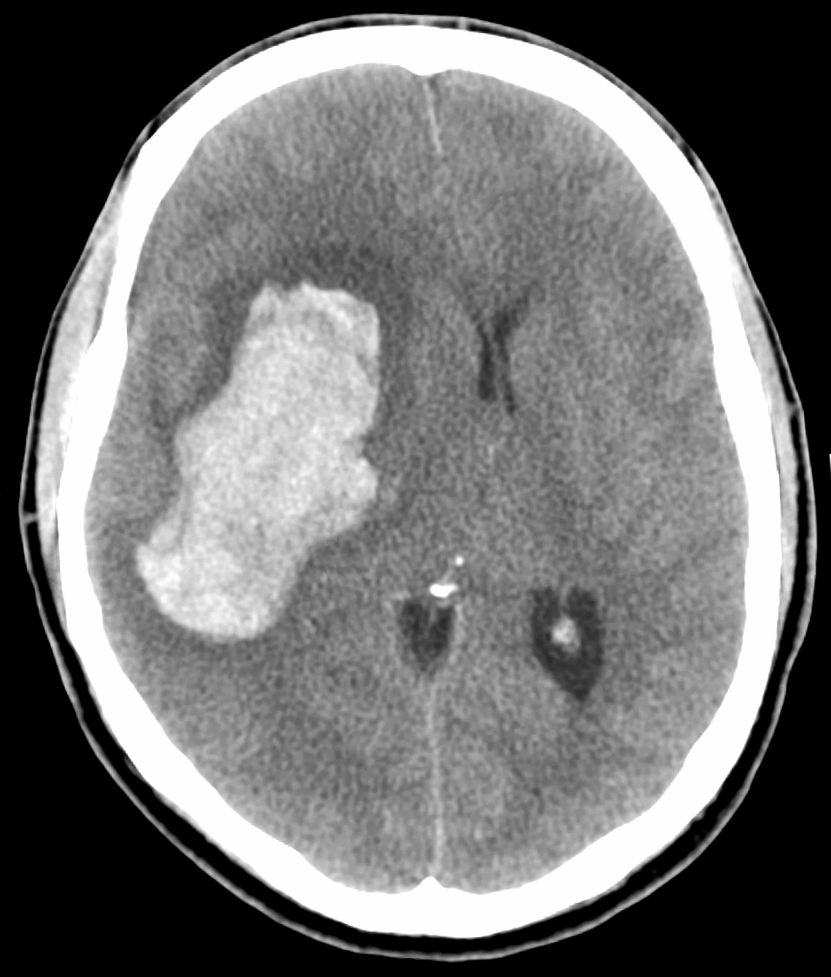
- •Obtain a non-contrast CT head immediately if the patient has any altered mental status or focal neurologic deficits to differentiate between (PRES), ischemic stroke, and intracranial hemorrhage.
- •Consider a CTA of the chest and abdomen if there is a high clinical suspicion for aortic dissection, particularly if the patient describes 'tearing' chest or back pain.
- •Screen for secondary causes of hypertensive crisis, such as drug use (cocaine, amphetamines), medication non-compliance, or rare endocrine tumors like (look for the triad of headache, sweating, and palpitations).
Management
- •Initiate treatment in an intensive care or high-acuity setting with continuous intra-arterial BP monitoring if possible. The general goal is to reduce MAP by no more than 25% within the first hour, then to 160/100–110 mmHg over the next 2–6 hours, and finally to normal over 24–48 hours.
- •Manage with the most aggressive targets: reduce SBP to <120 mmHg and heart rate to <60 bpm within 20 minutes. Use a short-acting beta-blocker like (500 mcg/kg bolus, then 50–200 mcg/kg/min) or to reduce the rate of change of pressure (dP/dt) before adding vasodilators.
- •Administer as a first-line titratable agent for most neurologic and cardiac emergencies. Start at 5 mg/h IV, titrate by 2.5 mg/h every 5–15 minutes to a maximum of 15 mg/h; once the target is reached, decrease to 3 mg/h for maintenance.
- •Utilize for rapid, ultra-short-acting control, especially in the perioperative setting or acute stroke. Start at 1–2 mg/h IV and double the dose every 90 seconds until the BP approaches the target; it is cleared by tissue esterases and is ideal for patients with renal or hepatic failure.
- •Treat with a combination of IV (start 5–10 mcg/min) and loop diuretics. Nitroglycerin is preferred here for its venodilatory effects which reduce preload, but avoid it in neurologic emergencies as it can increase intracranial pressure.
- •Manage (ICH) by targeting an SBP of 140–179 mmHg. Avoid aggressive lowering below 140 mmHg, as the ATACH-2 trial showed this increases renal complications without improving functional outcomes.
- •In , do not lower BP unless it exceeds 220/120 mmHg, as perfusion to the penumbra must be maintained. If the patient is a candidate for thrombolysis (tPA), lower BP to <185/110 mmHg before administration and maintain <180/105 mmHg for 24 hours.
- •Administer for pregnancy-related hypertensive emergencies (preeclampsia/eclampsia). Give 20 mg IV bolus over 2 minutes, followed by 40–80 mg every 10 minutes (max 300 mg) until the target BP of <160/110 mmHg is achieved.
- •Avoid using immediate-release oral or IV for titration, as they can cause unpredictable, precipitous drops in BP leading to cerebral or myocardial ischemia.
- •Use (5–15 mg IV bolus) specifically for catecholamine-excess states like or cocaine toxicity. Always ensure alpha-blockade is established before considering beta-blockers to avoid 'unopposed alpha' vasoconstriction.
- •Monitor for sodium nitroprusside toxicity (cyanide/thiocyanate) if used for more than 24 hours or in patients with renal impairment. Symptoms include unexplained metabolic acidosis, altered mental status, and almond-scented breath.
- •Transition to oral antihypertensive therapy once the patient has been stable for 6–12 hours. Taper the IV infusion over 1–2 hours while the first doses of oral medication take effect to prevent rebound hypertension.
- •Discharge only after a stable oral regimen is established, target organ damage has stabilized, and a clear follow-up plan (within 1–2 weeks) is in place to prevent recurrence.
Board Review — High Yield
- •Fibrinoid Necrosis — The classic histopathologic finding in the small arterioles of patients with malignant hypertension.
- •Pressure Natriuresis — The mechanism by which severe HTN leads to volume depletion and paradoxical RAAS activation.
- •Aortic Dissection Target — SBP <120 mmHg and HR <60 bpm within 20 minutes; use beta-blockers first.
- •ATACH-2 Trial — Demonstrated that intensive SBP lowering (<140 mmHg) in ICH provides no benefit over standard targets (140-179 mmHg).
- •Cotton Wool Spots — Represent micro-infarctions of the retinal nerve fiber layer; a sign of Grade III hypertensive retinopathy.
- •Clevidipine Metabolism — Rapidly hydrolyzed by blood and tissue esterases; half-life of ~1 minute; safe in renal/hepatic failure.
- •Cyanide Toxicity — A risk of prolonged Sodium Nitroprusside use; presents with metabolic acidosis and mental status changes.
- •Pheochromocytoma Rule — Never give a beta-blocker before an alpha-blocker (phentolamine/phenoxybenzamine) to avoid hypertensive crisis.
Deep Dive — Evidence Details
Definition, Classification, and Pathophysiology
- ▸Hypertensive emergency requires severe blood-pressure elevation plus acute target-organ injury; the numerical threshold alone is insufficient. [51][52]
- ▸Common adult criteria are SBP ≥180 mmHg and/or DBP ≥120 mmHg with acute organ injury. [51][52]
- ▸In pregnancy or postpartum, persistent BP ≥160/110 mmHg for more than 15 minutes is an obstetric emergency. [6]
- ▸Pediatric crises require age- and baseline-adjusted assessment because definitions are heterogeneous and secondary causes are common. [4][5]
- ▸Pulmonary hypertensive crisis is characterized by acutely increased pulmonary vascular resistance and right-ventricular afterload, potentially causing acute right-ventricular failure. [17]
- ▸Endothelial dysfunction, autoregulatory failure, blood–brain barrier disruption, thrombogenesis, and renin–angiotensin-system activation are central pathophysiologic mechanisms. [3][4][16]
Definition
A hypertensive emergency is a severe elevation in blood pressure accompanied by acute, ongoing target-organ injury; the diagnosis is therefore clinical and depends on organ damage rather than on the blood-pressure value alone. [51]C[52] Commonly used adult thresholds are systolic blood pressure (SBP) ≥180 mmHg and/or diastolic blood pressure (DBP) ≥120 mmHg when acute target-organ injury is present. [51]C[52] Hypertensive urgency describes severe blood-pressure elevation without demonstrable acute target-organ injury, although the distinction is clinically less useful than determining whether injury is evolving. [51]C[52]
The term hypertensive crisis encompasses both urgency and emergency and may occur in previously diagnosed hypertension, inadequately treated hypertension, or previously unrecognized secondary hypertension. [51]C In children, no single universally applicable numerical definition is reliable because crises are rare, age-dependent, and frequently secondary to an underlying disorder; classification should incorporate the child’s baseline pressure, acuity, and evidence of organ injury. [4]D5[5]D5
Classification by clinical context
Classification should first distinguish acute, acute-on-chronic, and chronically severe hypertension. [4]D5 This distinction is important because patients with longstanding hypertension may tolerate higher pressures owing to shifted autoregulation, whereas an abrupt rise can injure organs even at a lower absolute pressure. [3]C4[4]D5 Pediatric hypertensive emergencies are particularly likely to reflect secondary causes, and pheochromocytoma or paraganglioma should be considered when the presentation is episodic, severe, or unexplained. [4]D5[5]D5
Pregnancy and the postpartum period use lower action thresholds. A persistent BP of ≥160/110 mmHg for more than 15 minutes during pregnancy or postpartum is an obstetric emergency requiring rapid treatment, because severe hypertension is associated with stroke and pulmonary edema. [6]D5 Severe preeclampsia can produce acute pulmonary edema through cardiovascular and hemodynamic stress; this complication has been specifically described in advanced-maternal-age patients. [18]B3b
A separate but related category is acute pulmonary hypertensive crisis. This consists of an acute rise in pulmonary vascular resistance and right-ventricular afterload, occurring as an exacerbation of chronic pulmonary hypertension or after congenital-heart-disease surgery, with potential progression to acute right-ventricular failure and circulatory collapse. [17]A1c Persistent pulmonary hypertension of the newborn is another life-threatening pulmonary hypertensive syndrome, characterized by elevated pulmonary vascular resistance and hypoxemia. [54]C
Target-organ phenotypes
Neurological injury includes hypertensive encephalopathy, seizures, ischemic stroke, intracranial hemorrhage, and posterior reversible encephalopathy syndrome (PRES). [1]D5[3]C4 PRES is linked to endothelial dysfunction, blood–brain barrier disruption, and vasogenic edema; abrupt hypertension is an important precipitant, and severe cases can cause malignant intracranial hypertension requiring decompressive surgery. [3]C4
Cardiovascular manifestations include acute left-ventricular failure, pulmonary congestion or edema, myocardial ischemia, and cardiogenic shock. [7]D5[19]B2b Hypertensive crisis may precipitate acute diastolic heart failure despite preserved left-ventricular systolic function, with pulmonary congestion driven by impaired relaxation and elevated filling pressures. [7]D5 In acute aortic syndromes, heart failure may result from tamponade, acute aortic regurgitation, myocardial ischemia, or other mechanical complications. [19]B2b Rarely, a hypertensive crisis may be associated with spontaneous coronary-artery dissection and acute coronary ischemia. [9]C4
Renal and hematologic injury may include acute renal failure, endothelial injury, thrombocytopenia, thrombotic microangiopathy, and intravascular hemolysis. [4]D5[16]B3b Advanced retinopathy identifies a phenotype associated with endothelial dysfunction, platelet activation, increased thrombin generation, reduced fibrinolytic activity, TMA, and end-organ dysfunction. [16]B3b Plasma matrix metalloproteinase-9 is elevated during hypertensive emergency and may reflect acute extracellular-matrix degradation, vascular remodeling, and vasomotor disturbance. [52] Experimental evidence further indicates that abrupt angiotensin-II-driven hypertension can cause hemolysis and alter circulating renin–angiotensin-system components, although this mechanistic finding is currently preclinical. [53]D
Pathophysiology
The central lesion is failure of vascular autoregulation. A rapid or extreme pressure increase produces arteriolar vasoconstriction, endothelial damage, increased vascular permeability, and tissue ischemia; disruption of the blood–brain barrier can then generate vasogenic cerebral edema. [3]C4[16]B3b Endothelial activation also promotes platelet adhesion, coagulation, thrombogenesis, and impaired fibrinolysis, explaining the coexistence of retinopathy, TMA, renal injury, and ischemic complications. [16]B3b
The renin–angiotensin system contributes to hypertensive crisis, particularly in children, and may amplify vasoconstriction, sodium retention, vascular inflammation, and remodeling. [4]D5[5]D5[52] In catecholamine-secreting pheochromocytoma or paraganglioma, predominant norepinephrine activity stimulates vascular α1-adrenoceptors and tends to cause sustained vasoconstriction, whereas epinephrine activates β2-, α1-, and α2-adrenoceptors and can produce more variable hemodynamic patterns. [5]D5
In pulmonary hypertensive crisis, the immediate problem is excessive right-ventricular afterload. Right-ventricular dilation and dysfunction reduce forward flow, impair left-ventricular filling through ventricular interdependence, and may culminate in systemic hypotension and shock; treatment must therefore address the underlying cardiopulmonary pathophysiology rather than rely solely on pulmonary vasodilator therapy. [17]A1c Potential triggers include respiratory disease, congenital heart disease, postoperative states, neonatal pulmonary disorders, and procedure-related injury such as ethanol sclerotherapy, in which hemolysis may contribute to pulmonary vasoconstriction. [8]C4[17]A1c[54]C
Endocrine, autoimmune, and medication-related conditions may complicate classification. Primary aldosteronism and Graves hyperthyroidism can coexist with severe preeclampsia, illustrating that multiple endocrine and immune mechanisms may converge in pregnancy-associated hypertension. [20]C4 Concerns that renin–angiotensin-system blockers might worsen SARS-CoV-2 infection through ACE2 upregulation were evaluated in the BRACE CORONA trial; this evidence concerns continuation versus temporary suspension of ACE inhibitors or angiotensin-receptor blockers during COVID-19 hospitalization and should not be interpreted as a definition of hypertensive emergency. [2]A1b
Practical classification principle
The defining question is not simply “How high is the pressure?” but “Is there acute pressure-mediated injury, and which vascular bed is failing?” [51]C[52] Classification should document the pressure pattern, chronicity, pregnancy or postpartum status, suspected cause, and affected organs, while recognizing pulmonary hypertensive crisis as a distinct right-ventricular-afterload syndrome. [4]D5[6]D5[17]A1c
| Category | Defining features | Principal injury or context |
|---|---|---|
| Hypertensive emergency | Severe BP elevation with acute target-organ injury; commonly SBP ≥180 and/or DBP ≥120 mmHg | Brain, heart, kidneys, retina, vessels, or blood [51]C[52] |
| Hypertensive urgency | Severe BP elevation without demonstrable acute target-organ injury | Requires surveillance and cause assessment [51]C[52] |
| Obstetric hypertensive emergency | Persistent BP ≥160/110 mmHg for >15 minutes during pregnancy or postpartum | Stroke, pulmonary edema, and other maternal–fetal complications [6]D5[18]B3b |
| Pediatric hypertensive crisis | Age- and baseline-dependent severe hypertension, often secondary | Encephalopathy, cardiac failure, renal failure, or endocrine disease [4]D5[5]D5 |
| Pulmonary hypertensive crisis | Acute increase in pulmonary vascular resistance and RV afterload | Acute RV failure, hypoxemia, and circulatory compromise [17]A1c[54]C |
Pharmacotherapy: Intravenous Antihypertensive Agents
- ▸Blood-pressure targets must be individualized to the emergency; neurologic, obstetric, and post-thrombectomy settings have different evidence-based targets. [21][27][33]
- ▸In acute ICH, IV nicardipine trials compared SBP targets of **110–139 mmHg** and **140–179 mmHg** within **4.5 hours** of onset. [27][33]
- ▸Nicardipine and clevidipine provide rapidly titratable dihydropyridine calcium-channel blockade. [21][25][35][39]
- ▸IV labetalol is extensively studied in severe hypertension of pregnancy, but oral nifedipine is an effective alternative when appropriate. [47][30][32][37]
- ▸IV labetalol and IV hydralazine are both established pregnancy options, with comparative evidence synthesized from 19 randomized trials. [34]
- ▸Higher presenting SBP predicts a lower probability of achieving the predefined treatment range within 30 minutes in emergency-department patients. [28][29]
General principles
Intravenous (IV) antihypertensive therapy is used when severe blood-pressure elevation is accompanied by acute target-organ injury, when rapid titration is required, or when oral therapy is contraindicated or ineffective. The choice of agent should reflect the affected organ system, desired speed and precision of reduction, heart rate, pregnancy status, and risk of excessive hypotension. [28]B2b[29]B2b[35]A1b
Blood pressure should be lowered promptly but in a controlled, continuously monitored manner; the appropriate target is condition-specific rather than uniform across all hypertensive emergencies. In acute intracerebral hemorrhage (ICH), randomized evidence evaluated IV nicardipine with an intensive systolic blood-pressure (SBP) target of 110–139 mmHg versus a standard target of 140–179 mmHg when treatment began within 4.5 hours of symptom onset. [27]A1b[33]D5 Intensive treatment did not establish a generalized need to reduce SBP below 140 mmHg for every patient with ICH, and post hoc analyses indicate that the effects of intensive treatment may differ according to hemorrhage severity. [27]A1b[36]B2b
Labetalol
Labetalol provides combined alpha- and beta-adrenergic blockade and is widely studied for acute hypertension in pregnancy. In randomized pregnancy trials, IV labetalol was administered using escalating boluses of 20, 40, 80, 80, and 80 mg, generally at 15- to 20-minute intervals, with treatment continued until blood pressure reached approximately ≤150/100 mmHg; a maximum cumulative dose of 300 mg was used in one trial. [30]A1b[32]A1b[37]A1b Labetalol was compared directly with oral nifedipine in several randomized trials and in a systematic review/meta-analysis; the available evidence supports oral nifedipine as an effective alternative rather than demonstrating a consistent superiority of IV labetalol. [47]A1a[30]A1b[32]A1b[37]A1b
In the 2024 randomized trial comparing IV labetalol with IV nicardipine for severe hypertension in pregnancy, both drugs were evaluated in women with SBP ≥160 mmHg and/or diastolic blood pressure (DBP) ≥110 mmHg requiring IV treatment. [23]A1b A 2024 systematic review and meta-analysis of 19 randomized controlled trials compared IV labetalol with IV hydralazine for acute hypertensive disorders of pregnancy, addressing blood-pressure efficacy and maternal and neonatal safety outcomes. [34]A1a
Labetalol may be useful when tachycardia is undesirable, but beta-blockade can limit its suitability in patients with clinically important bradycardia, bronchospasm, or acute cardiac dysfunction; these precautions are pharmacologic considerations rather than comparative outcome findings in the cited trials. [23]A1b[34]A1a
Nicardipine
Nicardipine is a titratable IV dihydropyridine calcium-channel blocker used in emergency-department and neurocritical-care settings. In the CLUE randomized trial, IV nicardipine was compared with IV labetalol using FDA-recommended dosing to achieve a physician-defined SBP target and range within 30 minutes. [28]B2b[29]B2b Higher presenting SBP was associated with a lower likelihood of reaching the predefined target range within that interval, indicating that initial pressure is an important determinant of apparent treatment response. [29]B2b Nonresponse to initial IV antihypertensive therapy was also examined in CLUE, emphasizing the need for reassessment and escalation when the target is not achieved. [28]B2b
Nicardipine was the IV agent used in ATACH-2 for early BP reduction after ICH. [27]A1b[33]D5 In the principal randomized comparison, intensive reduction to 110–139 mmHg was tested against 140–179 mmHg; subsequent analyses examined ultra-early treatment and moderate-to-severe ICH subgroups. [25]B2b[27]A1b[36]B2b Ultra-early nicardipine treatment, initiated within 2 hours of symptom onset in the post hoc analysis, was associated with investigation of hematoma growth and clinical outcome, but these findings were exploratory and should not be interpreted as proof that every patient requires the intensive target. [25]B2b
Nicardipine has also been compared with labetalol for acute cardiovascular responses to laryngoscopy and tracheal intubation. In that randomized study, labetalol 0.4 mg/kg IV and nicardipine 20 μg/kg IV were evaluated for prevention and treatment of intubation-associated hypertension and tachycardia. [31]A1b
Clevidipine
Clevidipine is a rapidly acting, titratable IV dihydropyridine calcium-channel blocker indicated for acute BP control when oral therapy is contraindicated or ineffective. [35]A1b During prolonged infusion in subjects with mild-to-moderate essential hypertension, clevidipine was initiated at 2.0 mg/h and force-titrated by doubling the dose every 3 minutes; doses of 2, 4, 8, or 16 mg/h were evaluated for up to 72 hours. [39]A1b Rapid drug effect occurred during infusion, and BP returned toward baseline after discontinuation, supporting its use when short-duration, rapidly adjustable control is required. [39]A1b
The CLEVER randomized trial evaluated clevidipine as first-line therapy after successful mechanical thrombectomy for acute ischemic stroke. Patients were assigned to an intensive post-revascularization SBP goal of 90–120 mmHg or a standard goal of 90–160 mmHg. [21]A1b This study directly addresses BP management after successful reperfusion, a setting in which overly aggressive reduction may jeopardize cerebral perfusion and in which the optimal target remains clinically specific. [21]A1b
Hydralazine and pregnancy-specific alternatives
Hydralazine is a direct arteriolar vasodilator used for acute hypertension in pregnancy. Its comparative efficacy and safety against IV labetalol were synthesized in a 2024 systematic review and meta-analysis of 19 randomized controlled trials. [34]A1a The evidence base supports both agents as established pregnancy options, but heterogeneity among trials and outcomes means that selection should be individualized and accompanied by close maternal and fetal monitoring. [34]A1a
Although this section focuses on IV agents, oral immediate-release nifedipine is an important comparator in pregnancy. Randomized trials used 10 mg orally, with repeat dosing at approximately 15-minute intervals; one trial used up to five doses, while another used an initial 10 mg followed by 20 mg doses. [30]A1b[32]A1b[37]A1b A systematic review and meta-analysis found oral nifedipine effective and safe compared with IV labetalol for severe hypertension during pregnancy, supporting its use when IV access is delayed or IV treatment is not essential. [47]A1a In randomized hemodynamic studies, both oral nifedipine and IV labetalol lowered acute severe maternal hypertension without evidence from the reported Doppler assessments of a clinically unacceptable maternal or fetal hemodynamic response. [24]A1b[26]A1b
Practical selection
Use a continuously titratable agent such as nicardipine or clevidipine when fine control is needed, particularly in neurologic emergencies or after endovascular stroke treatment. [21]A1b[25]B2b[27]A1b[39]A1b Consider labetalol when combined alpha/beta blockade is desirable and there is no clinically important contraindication to beta-blockade. [23]A1b[30]A1b[34]A1a In severe pregnancy-related hypertension, IV labetalol, IV hydralazine, IV nicardipine, and oral nifedipine are evidence-supported options, with treatment selected according to maternal hemodynamics, fetal status, comorbidities, availability, and the urgency of BP control. [23]A1b[34]A1a[47]A1a
| Agent | Principal evidence-supported setting | Key evidence or target |
|---|---|---|
| Nicardipine | Acute ICH; emergency-department hypertension; post-procedure hypertension | ATACH-2 used IV nicardipine with SBP targets 110–139 versus 140–179 mmHg; CLUE evaluated target attainment within 30 minutes. [27]A1b[28]B2b[29]B2b |
| Labetalol | Severe hypertension in pregnancy; emergency-department hypertension | Pregnancy trials used escalating IV boluses of 20, 40, 80, 80, and 80 mg; comparative trials evaluated labetalol against nifedipine, nicardipine, and hydralazine. [23]A1b[30]A1b[32]A1b[34]A1a[37]A1b |
| Clevidipine | Acute BP control when oral therapy is contraindicated or ineffective; post-thrombectomy stroke | Infusion studies used 2–16 mg/h; CLEVER compared SBP goals of 90–120 versus 90–160 mmHg after successful thrombectomy. [21]A1b[35]A1b[39]A1b |
| Hydralazine | Acute hypertensive disorders of pregnancy | Direct arteriolar vasodilator evaluated against IV labetalol in a meta-analysis of 19 randomized trials. [34]A1a |
References
- [1]
Gasparini S, Ferlazzo E, Sueri C et al.. “Hypertension, seizures, and epilepsy: a review on pathophysiology and management.” Neurological sciences : official journal of the Italian Neurological Society and of the Italian Society of Clinical Neurophysiology (2019). PMID: 31055731 ↗
L5SR_OBSCited in: Definition, Classification, and Pathophysiology - [2]
Lopes RD, Macedo AVS, de Barros E Silva PGM et al.. “Continuing versus suspending angiotensin-converting enzyme inhibitors and angiotensin receptor blockers: Impact on adverse outcomes in hospitalized patients with severe acute respiratory syndrome coronavirus 2 (SARS-CoV-2)--The BRACE CORONA Trial.” American heart journal (2020). PMID: 32502882 ↗
L1TRIAL_NONRANDOMCited in: Definition, Classification, and Pathophysiology - [3]
Hernández-Durán S, Barrantes-Freer A, Rohde V et al.. “Posterior reversible encephalopathy syndrome presenting in the anterior circulation with malignant intracranial hypertension requiring surgical decompression: a case report and literature review.” Acta neurochirurgica (2017). PMID: 28516363 ↗
L4CASE_REPORTCited in: Definition, Classification, and Pathophysiology - [4]
Chandar J, Zilleruelo G. “Hypertensive crisis in children.” Pediatric nephrology (Berlin, Germany) (2012). PMID: 21773822 ↗
L5REVIEW_NARRATIVECited in: Definition, Classification, and Pathophysiology - [5]
Bima C, Lopez C, Tuli G et al.. “Prevention and management of hypertensive crises in children with pheochromocytoma and paraganglioma.” Frontiers in endocrinology (2024). PMID: 39229379 ↗
L5REVIEW_NARRATIVECited in: Definition, Classification, and Pathophysiology - [6]
ElFarra J, Bean C, Martin JN. “Management of Hypertensive Crisis for the Obstetrician/Gynecologist.” Obstetrics and gynecology clinics of North America (2016). PMID: 27816151 ↗
L5REVIEW_NARRATIVECited in: Definition, Classification, and Pathophysiology - [7]
Pirracchio R, Cholley B, De Hert S et al.. “Diastolic heart failure in anaesthesia and critical care.” British journal of anaesthesia (2007). PMID: 17468492 ↗
L5REVIEW_NARRATIVECited in: Definition, Classification, and Pathophysiology - [8]
Cordero-Schmidt G, Wallenstein MB, Ozen M et al.. “Pulmonary hypertensive crisis following ethanol sclerotherapy for a complex vascular malformation.” Journal of perinatology : official journal of the California Perinatal Association (2014). PMID: 25179381 ↗
L4CASE_REPORTCited in: Definition, Classification, and Pathophysiology - [9]
Iyisoy A, Agac MT, Celik T et al.. “Spontaneous dissection of left main coronary artery associated with hypertensive crisis: a probable fatal complication detected by intravascular ultrasound.” International journal of cardiology (2010). PMID: 18706717 ↗
L4CASE_REPORTCited in: Definition, Classification, and Pathophysiology - [10]
Ipek E, Oktay AA, Krim SR. “Hypertensive crisis: an update on clinical approach and management.” Current opinion in cardiology (2017). PMID: 28306673 ↗
L5REVIEW_NARRATIVECited in: Definition, Classification, and Pathophysiology - [11]
Del Pizzo J, Hanna B. “Emergency Management of Pediatric Pulmonary Hypertension.” Pediatric emergency care (2016). PMID: 26720067 ↗
L5REVIEW_NARRATIVECited in: Definition, Classification, and Pathophysiology - [12]
Torin G, Schiavon L, Milan M et al.. “Posterior Reversible Leukoencephalopathy Syndrome During Hypertensive Crisis in Obstructive Sleep Apnea Syndrome: Searching for a Link.” High blood pressure & cardiovascular prevention : the official journal of the Italian Society of Hypertension (2025). PMID: 39821513 ↗
L5REVIEW_NARRATIVECited in: Definition, Classification, and Pathophysiology - [13]
Parikh R, Diab J, Guevara R et al.. “'Great Masquerader': a history of diagnosing pheochromocytoma.” ANZ journal of surgery (2025). PMID: 39460448 ↗
L5REVIEW_NARRATIVECited in: Definition, Classification, and Pathophysiology - [14]
Friesen RH, Williams GD. “Anesthetic management of children with pulmonary arterial hypertension.” Paediatric anaesthesia (2008). PMID: 18230063 ↗
L5REVIEW_NARRATIVECited in: Definition, Classification, and Pathophysiology - [15]
Twite MD, Friesen RH. “The anesthetic management of children with pulmonary hypertension in the cardiac catheterization laboratory.” Anesthesiology clinics (2014). PMID: 24491655 ↗
L5REVIEW_NARRATIVECited in: Definition, Classification, and Pathophysiology - [16]
van den Born BJ, Löwenberg EC, van der Hoeven NV et al.. “Endothelial dysfunction, platelet activation, thrombogenesis and fibrinolysis in patients with hypertensive crisis.” Journal of hypertension (2011). PMID: 21372741 ↗
L3OTHERCited in: Definition, Classification, and Pathophysiology - [17]
Kaestner M, Schranz D, Warnecke G et al.. “Pulmonary hypertension in the intensive care unit. Expert consensus statement on the diagnosis and treatment of paediatric pulmonary hypertension. The European Paediatric Pulmonary Vascular Disease Network, endorsed by ISHLT and DGPK.” Heart (British Cardiac Society) (2016). PMID: 27053699 ↗
L1OTHERCited in: Definition, Classification, and Pathophysiology - [18]
Ram M, Anteby M, Weiniger CF et al.. “Acute pulmonary edema due to severe preeclampsia in advanced maternal age women.” Pregnancy hypertension (2021). PMID: 34144403 ↗
L3OTHERCited in: Definition, Classification, and Pathophysiology - [19]
Vagnarelli F, Corsini A, Lorenzini M et al.. “Acute heart failure in patients with acute aortic syndrome: pathophysiology and clinical-prognostic implications.” European journal of heart failure (2015). PMID: 26214747 ↗
L2OTHERCited in: Definition, Classification, and Pathophysiology - [20]
Lin B, Robinson L, Soliman B et al.. “Autoimmune Implications in a Patient with Graves' Hyperthyroidism, Pre-eclampsia with Severe Features, and Primary Aldosteronism.” Medicina (Kaunas, Lithuania) (2024). PMID: 38256430 ↗
L4CASE_REPORTCited in: Definition, Classification, and Pathophysiology - [21]
Jumaa MA, Gharaibeh K, Burgess RE et al.. “Clevidipine infusion for blood pressure management after successful revascularisation in acute ischaemic stroke: the CLEVER study.” European stroke journal (2026). PMID: 41701757 ↗
L1RCTCited in: Pharmacotherapy: Intravenous Antihypertensive Agents - [22]
Jung JW, Kim YD, Heo J et al.. “Association Between Intravenous Antihypertensives and Functional Outcome After Successful Endovascular Thrombectomy.” Stroke (2025). PMID: 40605757 ↗
L2RCTCited in: Pharmacotherapy: Intravenous Antihypertensive Agents - [23]
Bij de Weg JM, de Boer MA, Gravesteijn BY et al.. “Optimal treatment for women with acute hypertension in pregnancy; a randomized trial comparing intravenous labetalol versus nicardipine.” Pregnancy hypertension (2024). PMID: 39222572 ↗
L1RCTCited in: Pharmacotherapy: Intravenous Antihypertensive Agents - [24]
Thakur M, Gainder S, Saha SC et al.. “To study the changes in maternal hemodynamics with intravenous labetalol or nifedipine in acute severe hypertension.” Pregnancy hypertension (2020). PMID: 32570152 ↗
L1RCTCited in: Pharmacotherapy: Intravenous Antihypertensive Agents - [25]
Li Q, Warren AD, Qureshi AI et al.. “Ultra-Early Blood Pressure Reduction Attenuates Hematoma Growth and Improves Outcome in Intracerebral Hemorrhage.” Annals of neurology (2020). PMID: 32453453 ↗
L2RCTCited in: Pharmacotherapy: Intravenous Antihypertensive Agents - [26]
Gainder S, Thakur M, Saha SC et al.. “To study the changes in fetal hemodynamics with intravenous labetalol or nifedipine in acute severe hypertension.” Pregnancy hypertension (2019). PMID: 30825908 ↗
L1RCTCited in: Pharmacotherapy: Intravenous Antihypertensive Agents - [27]
Qureshi AI, Palesch YY, Barsan WG et al.. “Intensive Blood-Pressure Lowering in Patients with Acute Cerebral Hemorrhage.” The New England journal of medicine (2016). PMID: 27276234 ↗
L1RCTCited in: Pharmacotherapy: Intravenous Antihypertensive Agents - [28]
Freiermuth CE, Chandra A, Peacock WF. “Characteristics of patients that do not initially respond to intravenous antihypertensives in the emergency department: subanalysis of the CLUE trial.” The western journal of emergency medicine (2015). PMID: 25834670 ↗
L2RCTCited in: Pharmacotherapy: Intravenous Antihypertensive Agents - [29]
Farias S, Peacock WF, Gonzalez M et al.. “Impact of initial blood pressure on antihypertensive response in patients with acute hypertension.” The American journal of emergency medicine (2014). PMID: 24857251 ↗
L2RCTCited in: Pharmacotherapy: Intravenous Antihypertensive Agents - [30]
Shekhar S, Sharma C, Thakur S et al.. “Oral nifedipine or intravenous labetalol for hypertensive emergency in pregnancy: a randomized controlled trial.” Obstetrics and gynecology (2013). PMID: 24104790 ↗
L1RCTCited in: Pharmacotherapy: Intravenous Antihypertensive Agents - [31]
Ryu JH, Apfel CC, Whelan R et al.. “Comparative prophylactic and therapeutic effects of intravenous labetalol 0.4 mg/kg and nicardipine 20 μg/kg on hypertensive responses to endotracheal intubation in patients undergoing elective surgeries with general anesthesia: a prospective, randomized, double-blind study.” Clinical therapeutics (2012). PMID: 22364823 ↗
L1RCTCited in: Pharmacotherapy: Intravenous Antihypertensive Agents - [32]
Raheem IA, Saaid R, Omar SZ et al.. “Oral nifedipine versus intravenous labetalol for acute blood pressure control in hypertensive emergencies of pregnancy: a randomised trial.” BJOG : an international journal of obstetrics and gynaecology (2012). PMID: 21985500 ↗
L1RCTCited in: Pharmacotherapy: Intravenous Antihypertensive Agents - [33]
Qureshi AI, Palesch YY. “Antihypertensive Treatment of Acute Cerebral Hemorrhage (ATACH) II: design, methods, and rationale.” Neurocritical care (2011). PMID: 21626077 ↗
L5RCTCited in: Pharmacotherapy: Intravenous Antihypertensive Agents - [34]
Gonçalves OR, Bendaham LCAR, Simoni GH et al.. “Comparative efficacy and safety between intravenous labetalol and intravenous hydralazine for hypertensive disorders in pregnancy: A systematic review and meta-analysis of 19 randomized controlled trials.” European journal of obstetrics, gynecology, and reproductive biology (2024). PMID: 39522185 ↗
L1SR_MA_RCTCited in: Pharmacotherapy: Intravenous Antihypertensive Agents - [35]
Chen Z, Li F, Yu Q et al.. “Comparative Bioequivalence Study of 2 Clevidipine Formulations in Healthy Chinese participants: A Single-Dose, 2-Period Crossover Trial.” Clinical pharmacology in drug development (2025). PMID: 40874344 ↗
L1RCTCited in: Pharmacotherapy: Intravenous Antihypertensive Agents - [36]
Qureshi AI, Foster LD, Lobanova I et al.. “Intensive Blood Pressure Lowering in Patients with Moderate to Severe Grade Acute Cerebral Hemorrhage: Post Hoc Analysis of Antihypertensive Treatment of Acute Cerebral Hemorrhage (ATACH)-2 Trial.” Cerebrovascular diseases (Basel, Switzerland) (2020). PMID: 32585668 ↗
L2RCTCited in: Pharmacotherapy: Intravenous Antihypertensive Agents - [37]
Zulfeen M, Tatapudi R, Sowjanya R. “IV labetalol and oral nifedipine in acute control of severe hypertension in pregnancy-A randomized controlled trial.” European journal of obstetrics, gynecology, and reproductive biology (2019). PMID: 30878897 ↗
L1RCTCited in: Pharmacotherapy: Intravenous Antihypertensive Agents - [38]
Kim JY, Song SH, Cho JH et al.. “Comparison of clinical efficacy among remifentanil, nicardipine, and remifentanil plus nicardipine continuous infusion for hypotensive anesthesia during arthroscopic shoulder surgery.” Journal of orthopaedic surgery (Hong Kong) (2017). PMID: 28639533 ↗
L1RCTCited in: Pharmacotherapy: Intravenous Antihypertensive Agents - [39]
Smith WB, Marbury TC, Komjathy SF et al.. “Pharmacokinetics, pharmacodynamics, and safety of clevidipine after prolonged continuous infusion in subjects with mild to moderate essential hypertension.” European journal of clinical pharmacology (2012). PMID: 22457015 ↗
L1RCTCited in: Pharmacotherapy: Intravenous Antihypertensive Agents - [40]
Shi DD, Yang FZ, Zhou L et al.. “Oral nifedipine vs. intravenous labetalol for treatment of pregnancy-induced severe pre-eclampsia.” Journal of clinical pharmacy and therapeutics (2016). PMID: 27578562 ↗
L2RCTCited in: Pharmacotherapy: Intravenous Antihypertensive Agents - [41]
Tolcher MC, Fox KA, Sangi-Haghpeykar H et al.. “Intravenous labetalol versus oral nifedipine for acute hypertension in pregnancy: effects on cerebral perfusion pressure.” American journal of obstetrics and gynecology (2020). PMID: 32544404 ↗
L1TRIAL_NONRANDOMCited in: Pharmacotherapy: Intravenous Antihypertensive Agents - [42]
Eleid MF, Nishimura RA, Sorajja P et al.. “Systemic hypertension in low-gradient severe aortic stenosis with preserved ejection fraction.” Circulation (2013). PMID: 23956211 ↗
L4TRIAL_NONRANDOMCited in: Pharmacotherapy: Intravenous Antihypertensive Agents - [43]
Koga M, Toyoda K, Yamagami H et al.. “Systolic blood pressure lowering to 160 mmHg or less using nicardipine in acute intracerebral hemorrhage: a prospective, multicenter, observational study (the Stroke Acute Management with Urgent Risk-factor Assessment and Improvement-Intracerebral Hemorrhage study).” Journal of hypertension (2012). PMID: 22990355 ↗
L4TRIAL_NONRANDOMCited in: Pharmacotherapy: Intravenous Antihypertensive Agents - [44]
Malesker MA, Hilleman DE. “Intravenous labetalol compared with intravenous nicardipine in the management of hypertension in critically ill patients.” Journal of critical care (2012). PMID: 22300487 ↗
L3TRIAL_NONRANDOMCited in: Pharmacotherapy: Intravenous Antihypertensive Agents - [45]
Meacham KS, Schmidt JD, Sun Y et al.. “Impact of intravenous antihypertensive therapy on cerebral blood flow and neurocognition: a systematic review and meta-analysis.” British journal of anaesthesia (2025). PMID: 39837698 ↗
L1SR_OBSCited in: Pharmacotherapy: Intravenous Antihypertensive Agents - [46]
Toyoda K, Yoshimura S, Fukuda-Doi M et al.. “Intravenous nicardipine for Japanese patients with acute intracerebral hemorrhage: an individual participant data analysis.” Hypertension research : official journal of the Japanese Society of Hypertension (2023). PMID: 36224285 ↗
L2SR_OBSCited in: Pharmacotherapy: Intravenous Antihypertensive Agents - [47]
Shekhar S, Gupta N, Kirubakaran R et al.. “Oral nifedipine versus intravenous labetalol for severe hypertension during pregnancy: a systematic review and meta-analysis.” BJOG : an international journal of obstetrics and gynaecology (2016). PMID: 26113232 ↗
L1SR_OBSCited in: Pharmacotherapy: Intravenous Antihypertensive Agents - [48]
Hwang SK, Kim JS, Kim JH et al.. “Antihypertensive treatment of acute intracerebral hemorrhage by intravenous nicardipine hydrochloride: prospective multi-center study.” Journal of Korean medical science (2012). PMID: 22969257 ↗
L4TRIAL_NONRANDOMCited in: Pharmacotherapy: Intravenous Antihypertensive Agents - [49]
Cawoski JR, DeBiasio KA, Donnachie SW et al.. “Safety and efficacy of intravenous hydralazine and labetalol for the treatment of asymptomatic hypertension in hospitalised patients: A systematic review.” International journal of clinical practice (2021). PMID: 33400322 ↗
L1SR_OBSCited in: Pharmacotherapy: Intravenous Antihypertensive Agents - [50]
Espina IM, Varon J. “Clevidipine : a state-of-the-art antihypertensive drug under the scope.” Expert opinion on pharmacotherapy (2012). PMID: 22251017 ↗
L5SR_OBSCited in: Pharmacotherapy: Intravenous Antihypertensive Agents - [51]
Shao PJ, Sawe HR, Murray BL et al.. “Profile of patients with hypertensive urgency and emergency presenting to an urban emergency department of a tertiary referral hospital in Tanzania.” BMC cardiovascular disorders (2018). PMID: 30068315 ↗
L4Cited in: Definition, Classification, and Pathophysiology - [52]
Valente FM, de Andrade DO, Cosenso-Martin LN et al.. “Plasma levels of matrix metalloproteinase-9 are elevated in individuals with hypertensive crisis.” BMC cardiovascular disorders (2020). PMID: 32164582 ↗
L3bCited in: Definition, Classification, and Pathophysiology - [53]
Fischer R, Wysocki J, Hassler L et al.. “Severe Acute Hypertension Causes Hemolysis With Release of PEP and ACE Inhibitor.” Hypertension (Dallas, Tex. : 1979) (2026). PMID: 42186799 ↗
L5Cited in: Definition, Classification, and Pathophysiology - [54]
Jin J, Rothämel P, Büchel J et al.. “Case Report: Stüve-Wiedemann syndrome-a rare cause of persistent pulmonary hypertension of the newborn.” Frontiers in pediatrics (2024). PMID: 38239591 ↗
L4Cited in: Definition, Classification, and Pathophysiology