On this page
Quick Reference
Overview and Recommendations
Background
- •Glaucoma is a chronic, progressive optic neuropathy defined by the degeneration of retinal ganglion cells and their axons, leading to characteristic optic nerve cupping and corresponding visual field defects. It is the leading cause of irreversible blindness globally, affecting 76 million people in 2020, projected to reach 112 million by 2040.
- •The disease is not defined by intraocular pressure (IOP) alone; while elevated IOP is the only proven modifiable risk factor, approximately 30-50% of patients have IOP in the normal range at diagnosis (normal-tension glaucoma). The Ocular Hypertension Treatment Study (OHTS) showed that a 20% reduction in IOP reduces the 5-year risk of developing primary open-angle glaucoma (POAG) from 9.5% to 4.4%.
- •Glaucoma is classified anatomically by the appearance of the anterior chamber angle (open-angle vs. angle-closure) and by etiology (primary, with no identifiable cause, vs. secondary, due to another ocular or systemic condition). Primary open-angle glaucoma (POAG) accounts for ~74% of cases globally, while primary angle-closure glaucoma (PACG) causes a disproportionate share of bilateral blindness, especially in Asia.
- •The pathophysiology involves three integrated domains: increased resistance to aqueous humor outflow through the trabecular meshwork (the primary driver of IOP elevation in POAG), biomechanical strain on the lamina cribrosa leading to axonal transport failure, and a cascade of mitochondrial dysfunction, oxidative stress, and neuroinflammation that triggers retinal ganglion cell death. The Rho kinase (ROCK) pathway is central to trabecular meshwork dysfunction, and ROCK inhibitors like netarsudil are a novel therapeutic class.
- •Major risk factors include age (prevalence rises steeply after 40, reaching >10% in those aged ≥80), family history (2- to 4-fold increased risk), African ancestry (3.5-fold higher POAG prevalence vs. White individuals), myopia (each diopter increases risk by ~20%), and corticosteroid use. Protective factors include statin use (12-20% risk reduction) and metformin use (28% risk reduction vs. other antidiabetic agents).
- •The disease is asymptomatic until moderate-to-severe stages; by the time a patient notices a blind spot, approximately 40% of retinal ganglion cells have been lost. This highlights the critical importance of screening in at-risk populations and the need for lifelong monitoring and treatment.
Evaluation
- •Suspect glaucoma in any patient aged >40 with risk factors: family history of glaucoma, African or Asian ancestry, high myopia (> -3 D), corticosteroid use, or a history of ocular trauma. Also suspect in patients with unexplained visual field loss, difficulty with night vision, or a sensation of missing steps.
- •Ask about the onset and duration of symptoms: most patients with POAG are asymptomatic; acute angle-closure glaucoma (AACG) presents with sudden, severe unilateral eye pain, headache, nausea/vomiting, blurred vision, and colored halos around lights. Ask about a history of corticosteroid use (topical, periocular, systemic, inhaled).
- •Examine visual acuity: central acuity is preserved until advanced disease. Assess pupillary function: a relative afferent pupillary defect (RAPD) suggests asymmetric or unilateral disease, quantifiable with neutral density filters.
- •Measure intraocular pressure (IOP) by Goldmann applanation tonometry: normal range is 10-21 mmHg, but glaucoma can occur at any IOP. A single normal reading does not rule out glaucoma; consider a diurnal curve with multiple measurements if suspicion is high.
- •Perform gonioscopy to classify the anterior chamber angle as open, narrow, or closed. Use a four-mirror lens; grade the angle using the Shaffer or Spaeth systems. Gonioscopy is mandatory to differentiate open-angle from angle-closure glaucoma and to identify secondary causes like neovascularization or pigment dispersion.
- •Evaluate the optic nerve head (ONH) stereoscopically: look for vertical cup-to-disc ratio (CDR) >0.5, asymmetry of CDR >0.2 between eyes, focal or generalized neuroretinal rim thinning (notching), optic disc hemorrhages (small splinter hemorrhages at the rim), and beta-zone peripapillary atrophy.
- •Assess the retinal nerve fiber layer (RNFL) with red-free light or spectral-domain optical coherence tomography (SD-OCT): look for dark wedge-shaped RNFL defects emanating from the disc margin. SD-OCT provides quantitative RNFL and ganglion cell-inner plexiform layer (GCIPL) thickness; abnormal if below the 1st percentile of age-matched normative data.
- •Order standard automated perimetry (SAP), typically Humphrey 24-2 SITA-Standard, to assess functional loss. Abnormal if the Glaucoma Hemifield Test (GHT) is outside normal limits and pattern standard deviation (PSD) has p <0.05, or if there is a cluster of ≥3 points at p <0.05 on the pattern deviation plot (Hodapp-Parrish-Anderson criteria). Repeat testing within 1-3 months to confirm persistence; single unreliable tests (false positives >15%, fixation losses >20%) should be repeated.
- •Integrate structural and functional data for definitive diagnosis: definite glaucoma requires concordant structural damage (RNFL or GCIPL below 1st percentile) and functional loss (SAP abnormality) in corresponding regions. Preperimetric glaucoma: structural defect with normal SAP. Glaucoma suspect: elevated IOP, suspicious disc, or family history without confirmatory OCT or SAP defect.
- •Consider secondary causes if glaucoma is unilateral, asymmetric, presents at an unusual age (juvenile or very elderly), or if anterior segment findings are suggestive (pigment dispersion, pseudoexfoliation, neovascularization). Order targeted history, gonioscopy, and serology (syphilis, herpes, HLA-B27) as indicated.
- •In suspected acute angle-closure glaucoma (AACG), recognize the emergency: fixed, mid-dilated pupil, corneal edema, IOP > 40 mmHg, and severe pain. Immediate management (see below) takes precedence over further diagnostic testing. Do not dilate the pupil in a patient with a shallow anterior chamber.
- •In children, suspect congenital glaucoma if there is epiphora, photophobia, blepharospasm, corneal enlargement (buphthalmos, >12 mm in first year), or Haab striae. Examination under anesthesia is often required; measure IOP with a handheld tonometer and assess the optic nerve.
Management
- •Set a target intraocular pressure (IOP) individualized to disease severity and rate of progression. For mild disease (visual field MD > -6 dB), target IOP 18-21 mmHg. For moderate disease (MD -6 to -12 dB), target 15-18 mmHg. For severe disease (MD < -12 dB or advanced structural damage), target ≤ 14 mmHg. For normal-tension glaucoma, a 30% reduction from baseline IOP is a common initial goal.
- •Initiate first-line medical therapy with a prostaglandin analog (latanoprost 0.005%, travoprost 0.004%, or bimatoprost 0.01%): one drop in the affected eye(s) once daily at bedtime. These provide the greatest IOP reduction of any monotherapy class (mean 25-33% from baseline). Bimatoprost may have slightly greater efficacy but causes more conjunctival hyperemia.
- •Alternatively, offer primary selective laser trabeculoplasty (SLT) as a first-line treatment for mild-to-moderate open-angle glaucoma or ocular hypertension. The LiGHT trial demonstrated SLT is noninferior to drops for IOP control and quality of life at 6 years, with 71% of SLT-treated eyes remaining drop-free. SLT is also cost-effective.
- •If monotherapy (prostaglandin or SLT) fails to achieve target IOP, add a second agent. Fixed combinations (e.g., latanoprost/timolol, dorzolamide/timolol, brimonidine/brinzolamide) improve adherence. Beta-blockers (timolol 0.5% one drop BID) or alpha-2 agonists (brimonidine 0.2% one drop TID) are common second-line agents. Rho-kinase inhibitors (netarsudil 0.02% one drop QHS) can be added for an additional 3-5 mmHg reduction.
- •For acute angle-closure glaucoma, administer immediate medical therapy to break the attack: one drop of topical beta-blocker (timolol 0.5%), alpha-2 agonist (brimonidine or apraclonidine), and carbonic anhydrase inhibitor (dorzolamide 2%) immediately. Give systemic acetazolamide 500 mg IV or 500-1000 mg PO as a single dose. If IOP remains >40 mmHg, add osmotic agents: mannitol 20% 1-2 g/kg IV over 30-60 minutes or glycerin 50% PO 1-1.5 g/kg (avoid in diabetics). Do not use pilocarpine until IOP is <40 mmHg.
- •Perform laser peripheral iridotomy (LPI) as soon as the cornea clears, using argon and/or Nd:YAG laser. LPI creates a full-thickness hole in the peripheral iris to relieve pupillary block. Prophylactic LPI in primary angle-closure suspects reduces the risk of acute attack by 50% over 14 years (NNT=18). If LPI fails, proceed to laser peripheral iridoplasty (LPIp) or surgical intervention (phacoemulsification with goniosynechialysis, or trabeculectomy).
- •For neovascular glaucoma (NVG), give urgent intravitreal anti-VEGF injection (bevacizumab 1.25 mg or ranibizumab 0.5 mg) to induce regression of iris vessels within 24-72 hours. Perform panretinal photocoagulation (PRP) as soon as media clears to reduce VEGF drive. Add topical IOP-lowering agents (beta-blocker, alpha-agonist, dorzolamide); avoid pilocarpine. If IOP remains >30 mmHg, consider glaucoma drainage device (e.g., Ahmed valve) or cyclophotocoagulation.
- •Indications for incisional surgery: failure of medical and laser therapy, advanced disease at presentation, intolerance to medications, or pediatric glaucoma. Trabeculectomy with mitomycin C (MMC 0.2-0.4 mg/mL for 2-4 minutes) is the gold-standard procedure. The TAGS trial showed primary trabeculectomy achieves lower mean IOP (12.3 vs 14.8 mmHg) and better visual field preservation than medical therapy at 5 years.
- •Tube shunts (Baerveldt or Ahmed) are preferred when trabeculectomy is high-risk (e.g., failed prior surgery, uveitic glaucoma, neovascular glaucoma). The PTVT study found similar 5-year failure rates for tube shunt (38%) and trabeculectomy (46%) in virgin eyes. For uveitic glaucoma, glaucoma drainage devices have better long-term success than trabeculectomy.
- •Minimally invasive glaucoma surgery (MIGS) is reserved for mild-to-moderate disease, often combined with cataract surgery. The HORIZON trial showed cataract surgery with Hydrus microstent reduced IOP (14.6 vs 15.4 mmHg) and slowed visual field progression compared to cataract surgery alone at 5 years. Phacogoniotomy (phaco + goniosynechialysis + goniotomy) is noninferior to phacotrabeculectomy for angle-closure glaucoma with cataract.
- •Monitor patients lifelong: IOP at 3-6 month intervals, visual field testing annually (or semiannually for advanced disease), and OCT of RNFL and GCIPL every 6-12 months. Assess adherence at every visit; nonadherence is a leading cause of progression. Escalate therapy if IOP exceeds target, visual field progression is confirmed (≥2 dB MD loss over 2 years), or structural loss accelerates.
- •What NOT to do: Do not use beta-blockers (timolol) in patients with asthma, COPD, bradycardia, or heart block. Do not use brimonidine in children <6 years (risk of CNS depression and apnea). Do not perform laser iridotomy alone for plateau iris without iridoplasty. Do not use oral acetazolamide long-term without monitoring for metabolic acidosis, hypokalemia, and rare aplastic anemia. Do not perform filtering surgery alone for NVG without anti-VEGF and PRP (failure rate >80% at 6 months).
- •Refer to a glaucoma specialist for: advanced disease at presentation (MD < -12 dB), normal-tension glaucoma with progression despite low IOP, pediatric glaucoma, uveitic glaucoma, neovascular glaucoma, or need for incisional surgery. Refer urgently (same day) for acute angle-closure or neovascular glaucoma.
- •For pediatric glaucoma: First-line therapy is surgery (goniotomy or trabeculotomy for primary congenital glaucoma). Medical therapy is adjunctive: use timolol 0.25% (not 0.5%) or latanoprost 0.005%. Brimonidine is contraindicated in children <6 years. Perform examination under anesthesia for diagnosis. Glaucoma drainage devices have a 78% 1-year success rate but often require revisions.
- •For pregnancy: IOP typically decreases in the second and third trimesters. Latanoprost is FDA Category C (avoid in third trimester due to theoretical risk of uterine contraction). Timolol 0.25% with punctal occlusion is preferred. Brimonidine is Category B and may be used. Avoid systemic acetazolamide in the first trimester. All glaucoma medications should be continued through labor; consider instrumental-assisted delivery to avoid IOP spikes.
Board Review — High Yield
- •Primary Open-Angle Glaucoma (POAG), Most common form (~74% of cases globally); open angle on gonioscopy, elevated IOP (>21 mmHg) in most, but normal-tension glaucoma is a subtype with IOP ≤21 mmHg
- •Hodapp-Parrish-Anderson Staging, Classifies visual field loss into mild (MD > -6 dB), moderate (-6 to -12 dB), and severe (< -12 dB); used to set target IOP (18-21, 15-18, ≤14 mmHg respectively)
- •LiGHT Trial, Primary selective laser trabeculoplasty (SLT) is noninferior to drops for IOP control and quality of life at 6 years, with 71% of SLT patients remaining drop-free; SLT is cost-effective and guideline-endorsed first-line
- •TAGS Trial, In advanced glaucoma (MD < -12 dB), primary trabeculectomy achieves lower mean IOP (12.3 vs 14.8 mmHg) than medical therapy at 5 years with similar quality of life; no difference in visual field progression
- •Acute Angle-Closure Glaucoma, Emergency with IOP >40 mmHg, corneal edema, fixed mid-dilated pupil, pain; treat with topical beta-blocker + alpha-agonist + dorzolamide + IV acetazolamide; definitive laser is peripheral iridotomy; do not use pilocarpine until IOP <40 mmHg
- •Normal-Tension Glaucoma, POAG subtype with IOP ≤21 mmHg; associated with disc hemorrhages, myopia, migraine, sleep apnea; target IOP is 30% reduction from baseline; genetic mutations in OPTN and TBK1 impair mitophagy
- •Pseudoxfoliation Glaucoma, Fibrillar material obstructs trabecular meshwork; faster progression than POAG (mean MD loss -0.8 vs -0.3 dB/year); LOXL1 gene risk variant; zonular weakness increases surgical risk, use capsular tension rings during phaco
- •Neovascular Glaucoma, Caused by retinal ischemia (CRVO, PDR); urgent intravitreal anti-VEGF (bevacizumab 1.25 mg) within 24 hours, then PRP; do not filter alone (failure >80%); Ahmed valve if IOP remains >30 mmHg
- •Pediatric Glaucoma, Presents with triad of epiphora, photophobia, blepharospasm; buphthalmos (corneal diameter >12 mm in year 1); first-line is goniotomy/trabeculotomy; brimonidine contraindicated <6 years; prognosis depends on age at diagnosis (<1 month best)
- •Neuroprotection and Ferroptosis, Retinal ganglion cells die by ferroptosis (iron-dependent lipid peroxidation) in some models; inhibitors like liproxstatin-1 rescue RGCs in experimental glaucoma, but no neuroprotective agent is FDA-approved for clinical use
Deep Dive — Evidence Details
Definition, Classification & Nomenclature
- ▸Glaucoma is an umbrella clinical diagnosis involving glaucomatous structural and/or functional damage; ocular hypertension is a distinct related condition rather than an automatic synonym [550][552].
- ▸The principal pressure-based POAG subtypes represented are normal-tension glaucoma and high-tension glaucoma [560].
- ▸High myopia, childhood onset, treatment status, and procedural exposure are modifiers or contexts, not necessarily independent glaucoma subtypes [552][555][566][567].
- ▸Mild POAG was operationally defined in one imaging study as visual-field mean deviation ≥ −6 dB [564].
- ▸Record-defined, examination-defined, photograph-defined, and AI-detected glaucoma should be labelled by ascertainment method [553][554][562][564][565].
- ▸Postoperative IOP elevation, medication use, nonadherence, and comorbidity should not be mistaken for glaucoma classification [549][557][558][559][560][561].
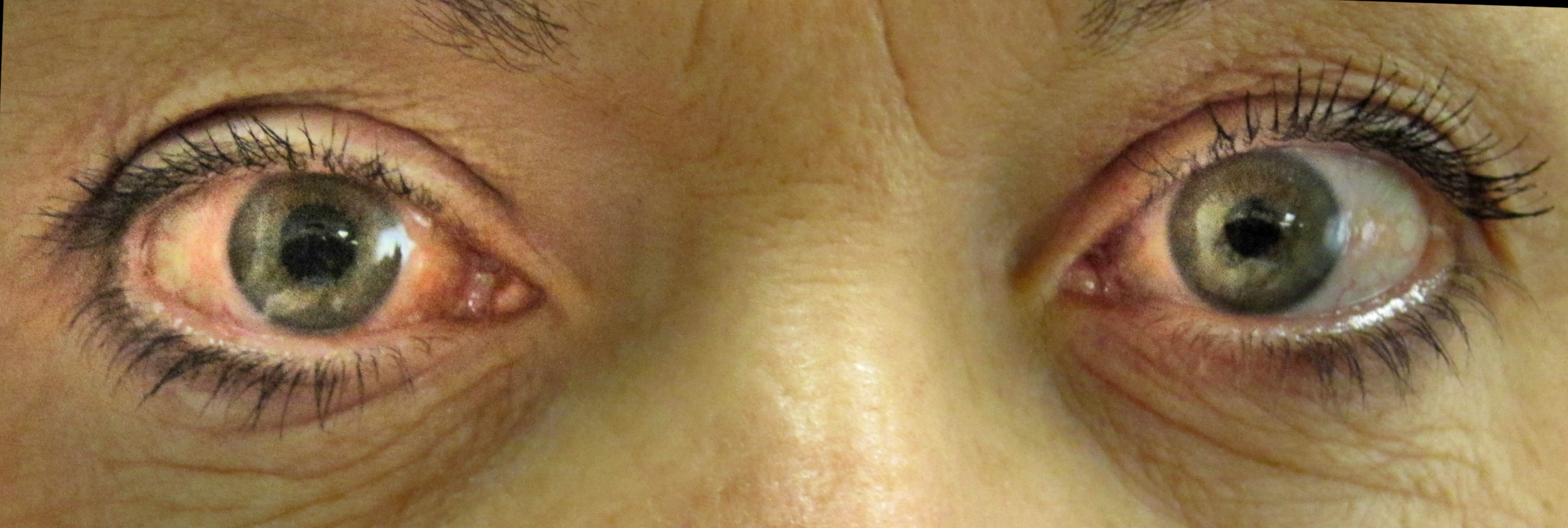
Definition
Glaucoma should be treated as an umbrella term for a group of clinically defined disorders involving glaucomatous structural and/or functional damage, rather than as a synonym for elevated intraocular pressure (IOP). The supplied evidence uses glaucoma, ocular hypertension, optic-nerve damage, visual-field loss, and treatment status as related but non-interchangeable concepts. In particular, topical pilocarpine studies enrolled people with either glaucoma or ocular hypertension, indicating that ocular hypertension is a distinct comparator or treatment population rather than automatically equivalent to glaucoma [550]. The French consensus describes the therapeutic objective as preventing the onset or worsening of glaucomatous damage by achieving an individualized target IOP [552].
A practical definition for this wiki is therefore: glaucoma is a chronic optic-nerve and retinal disease diagnosed and classified using a combination of structural, functional, pressure-related, angle-related, and etiologic evidence. The references do not provide one universal diagnostic threshold, and several studies used administrative, photographic, or treatment-based case definitions instead of full clinical adjudication [553][554][557][562]C[566][567].
Core classification
The principal pressure-based nomenclature represented in the evidence is primary open-angle glaucoma (POAG), subdivided into high-tension glaucoma (HTG) and normal-tension glaucoma (NTG). One observational study explicitly classified patients with POAG into NTG and HTG groups according to IOP-defined subtype, while separately examining visual field index, retinal nerve fiber layer thickness, diabetes, blood pressure, and cognition [560]. This terminology should not imply that IOP alone establishes or excludes glaucoma: the French guidelines emphasize diagnostic uncertainty, glaucomatous damage, and target IOP, particularly when high myopia complicates fundus examination and test interpretation [552].
The classification should also distinguish primary from secondary or context-associated glaucoma when an identifiable ocular, systemic, procedural, or developmental context is present. The supplied studies include glaucoma associated with high myopia [552], glaucoma considered after intravitreal injection exposure [567], glaucoma examined in relation to cataract and treatment history [566], and glaucoma in children requiring drainage-device surgery [555]. These reports do not establish that each context causes glaucoma; they demonstrate that the context is clinically relevant to nomenclature, risk assessment, or management.
Anatomical, demographic, and clinical modifiers
High myopia is an important modifier because chorioretinal alterations may interfere with optic-disc assessment and interpretation of diagnostic tests; French guidance recommends a strategy broadly similar to POAG management while targeting IOP to prevent damage [552]. Pediatric glaucoma should be identified separately from adult-onset disease when age and developmental context are central; the pediatric surgical cohort comprised patients younger than 18 years undergoing glaucoma drainage-device implantation [555].
The term “mild glaucoma” may be used when severity is explicitly defined by functional criteria. A multimodal imaging study defined mild POAG as a visual-field mean deviation of ≥ −6 dB and evaluated structural OCT and vascular OCTA features [564]. This is a study-specific operational threshold and should not be generalized to all staging systems without qualification [564].
NTG and HTG are pressure-defined POAG subtypes, whereas “medically uncontrolled glaucoma” describes treatment status, not a separate disease entity. The randomized deep-sclerectomy trial enrolled adults with medically uncontrolled glaucoma and visually significant cataract, and compared surgery with and without an autologous anterior-lens-capsule spacer [548]. Similarly, “glaucoma with no recorded treatment,” “glaucoma treated with topical medication,” “glaucoma treated with laser,” and “glaucoma treated surgically” are exposure or management categories used in population research, not formal etiologic subtypes [566].
Operational and administrative nomenclature
The same word may represent different ascertainment methods. In the UK Biobank water-mineral study, incident glaucoma was identified from hospital inpatient records [553]. The German National Cohort used standardized ophthalmic examinations, biomedical measurements, questionnaires, and ophthalmic imaging within a population-based protocol [554]. A Korean young-adult cohort defined glaucoma from structural glaucomatous changes on fundus photographs [562]C. These definitions are not interchangeable with specialist clinical diagnosis and should be labelled accordingly as record-defined, examination-defined, or photograph-defined glaucoma [553][554][562]C.
Administrative and historical labels also require caution. The REPOSI registry identified hospitalized older adults through an anamnestically recorded glaucoma diagnosis or use of an anti-glaucoma medication, including ICD-9 code 365 [557]. Such terminology captures documented history or treatment exposure and may not confirm current disease activity, subtype, severity, or laterality [557]. Studies of intravitreal injections excluded several conditions, including pseudoexfoliation syndrome, pigmentary disease, retinal vascular occlusions, retinal ischemia, and proliferative diabetic retinopathy, illustrating how eligibility criteria can alter the apparent glaucoma population [567].
Research and technology terminology
“Fundus photograph-defined glaucoma,” “OCT/OCTA-classified glaucoma,” and AI-detected glaucoma should be regarded as modality-specific labels unless clinical confirmation is stated. Explainable multimodal AI has been evaluated for mild POAG using structural OCT and OCTA across Asian and Caucasian cohorts [564]. Retina-specific foundation models and conventional deep-learning models have also been compared for glaucoma detection from retinal images [565]. These terms describe a detection method or research phenotype, not necessarily a new glaucoma subtype [564][565].
Terminology cautions
Glaucoma should be distinguished from ocular hypertension, glaucomatous optic-nerve or retinal structural change, visual-field loss, treatment exposure, and administrative history [550][553][557][562]C[566]. Surgical studies may use IOP-based success categories, such as complete or qualified success, but these are outcome definitions rather than disease classifications [555]. Ocular-viscosurgical-device safety studies may report postoperative IOP elevations, including IOP ≥30 mmHg at 7 days, without implying incident glaucoma [549]. Likewise, studies of bimatoprost-associated periorbital fat atrophy, medication nonadherence, polypharmacy, or cognitive screening address treatment effects or comorbidity and should not be used to redefine glaucoma itself [558][559][560][561].
| Term | Meaning in the cited evidence | Classification caution |
|---|---|---|
| POAG | Primary open-angle glaucoma, including pressure-defined NTG and HTG groups [560] | IOP alone does not establish disease or damage [552][560] |
| NTG / HTG | Normal-tension and high-tension POAG subgroups [560] | Pressure-based subtypes, not necessarily distinct etiologies [560] |
| Mild POAG | POAG with visual-field mean deviation ≥ −6 dB in one imaging study [564] | Study-specific severity threshold [564] |
| High-myopia-associated glaucoma | Glaucoma evaluated in the setting of high myopia and potentially confounding chorioretinal changes [552] | A clinical modifier/context [552] |
| Pediatric glaucoma | Glaucoma in patients younger than 18 years in a pediatric surgical cohort [555] | Age-defined clinical context [555] |
| Record-defined glaucoma | Diagnosis from hospital records, ICD coding, history, or medication use [553][557] | May not confirm current subtype or severity [557] |
| Photograph-defined glaucoma | Structural glaucomatous changes on fundus photographs [562]C | Modality-specific operational definition [562]C |
| AI/OCT/OCTA-detected glaucoma | Detection using retinal imaging and machine-learning models [564][565] | Detection label, not a new disease subtype [564][565] |
Pathophysiology & Mechanism
- ▸IOP reduction remains the only clinically proven strategy shown to slow glaucoma progression [586].
- ▸TM and Schlemm’s canal cellular dysfunction can impair conventional aqueous outflow, while regenerative therapies seek to repair rather than bypass these structures [586].
- ▸PEXG involves protein-like material deposition, outflow obstruction, pressure elevation, and possible cytokine dysregulation [568].
- ▸PACG is influenced by lens–ciliary body and anterior-segment geometry, with emerging metabolic and lysosomal findings [569,574,585].
- ▸Immune, vascular, metabolic, and systemic associations are biologically relevant but frequently remain observational, preclinical, or hypothesis-generating [572,575,576,577,583,584,587].
Overview
Glaucoma is a group of optic neuropathies in which retinal ganglion cells (RGCs), their axons, and the optic nerve undergo progressive neurodegeneration. The contemporary mechanistic model extends beyond intraocular pressure (IOP): pressure-dependent mechanical stress, impaired aqueous humor drainage, vascular and metabolic dysregulation, and intraocular immune activation may converge on RGC injury. A 2026 review identifies microglia, astrocytes, and T cells, together with TLR4/NF-κB, JAK/STAT, MAPK, complement, and T-cell-receptor signaling, as major candidate immune pathways; these mechanisms remain biologically plausible but are supported primarily by review-level evidence rather than definitive clinical intervention studies [583]D. Lowering IOP remains the only clinically proven treatment strategy to slow glaucoma progression [586]D.
Aqueous humor outflow and pressure elevation
In open-angle disease, resistance within the trabecular meshwork (TM), Schlemm’s canal, and associated extracellular matrix can impair conventional aqueous outflow and increase IOP. A regenerative review emphasizes that loss and dysfunction of TM cells contribute to impaired drainage and that current medical, laser, and surgical treatments mainly modify aqueous humor dynamics rather than correcting the underlying cellular and extracellular abnormalities [586]D. Experimental work with a porous glaucoma drainage tube illustrates the alternative surgical principle of bypassing or supplementing physiologic outflow: in rabbits, a tube with multiple drainage holes was designed to preserve drainage if one opening became obstructed, with IOP and tissue responses monitored for 12 weeks [580]. This is preclinical device evidence and does not establish human efficacy [580].
Rho-kinase inhibition provides a pharmacologic example of targeting outflow biology. Netarsudil, a Rho-kinase inhibitor, was evaluated over 12 months in Korean patients with primary open-angle glaucoma (POAG) and normal-tension glaucoma, including add-on and treatment-switch settings; the retrospective study followed 131 eyes initially and 91 eyes at 12 months [570]C. These clinical data concern pressure lowering and tolerability, not proof that Rho-kinase inhibition reverses TM pathology [570]C.
Pseudoexfoliative and pigment-related mechanisms
Pseudoexfoliative glaucoma (PEXG) is a secondary glaucoma caused by deposition of abnormal flaky protein-like material within the eye, obstructing aqueous drainage, increasing IOP, and damaging the optic nerve [568]. A prospective observational study of 60 patients compared aqueous humor and serum concentrations of IL-1β, IL-6, IL-8, IL-10, IL-12p70, and TNF-α among patients receiving latanoprost, patients receiving timolol-dorzolamide, and an age-matched cataract group [568]. The study directly supports investigation of inflammatory cytokine biology in PEXG, although treatment-associated cytokine differences should not be interpreted as proof of causality from the abstract alone [568]. Plasma polyamine biology has also been examined: a case-control study compared spermine and spermidine levels in POAG, exfoliation glaucoma, and healthy participants and explored associations with disease severity [581]. The abstract provided does not establish whether either polyamine is increased, decreased, or mechanistically causal [581].
Angle pigmentation may contribute to aqueous outflow resistance. In 31 eyes with PCR-confirmed cytomegalovirus anterior uveitis, pretreatment angle pigmentation was assessed in relation to the IOP-lowering effect of 2% topical ganciclovir over 24 weeks, supporting evaluation of pigment-related resistance during inflammatory glaucoma [578]. These findings apply to CMV-associated anterior uveitis and should not be generalized automatically to primary glaucoma [578].
Primary angle-closure mechanisms
Primary angle-closure glaucoma (PACG) is strongly influenced by the spatial relationship of the lens, ciliary body, anterior chamber, and vitreous cavity. A 3.0-T ocular MRI case-control study measured lens equator diameter, cilio-lenticular distance, ciliary-to-ciliary distance, and vitreous-cavity dimensions in PACG and control eyes to investigate anatomic mechanisms of angle closure [569]. The study specifically addresses how reduced separation between the ciliary body and lens and altered anterior-segment geometry may contribute to crowding, although the supplied abstract does not provide the numerical findings [569].
Metabolic and cellular mechanisms may accompany this anatomic susceptibility. Untargeted and targeted metabolomics in 30 patients with early PACG and 30 controls identified 439 differential plasma metabolites, with amino acids forming the most abundant category; metabolite associations with ocular and retinal parameters were also examined [574]. Comparative proteomics of anterior lens capsules from 10 eyes with cataract plus PACG and 13 cataract-only controls identified ATP6V1A-associated lysosomal dysregulation as a candidate lens-related mechanism, but this remains an exploratory, small-sample finding requiring validation [585]D.
Neurovascular, immune, and systemic influences
Hypertension may accelerate retinal dysfunction through vascular and inflammatory pathways. In spontaneously hypertensive rats, retinal degeneration was associated with thinning, functional impairment, reduced perfusion, and progressive neuroinflammation; endothelin-2 knockdown using an adeno-associated viral vector was used to test its mechanistic role [584]D. Because this is an animal study, it supports mechanism rather than direct clinical causation in humans [584]D.
Human structural studies support selective inner-retinal neurodegeneration. A multicenter study of 331 POAG participants found profound global peripapillary retinal nerve fiber layer and macular ganglion-cell-layer thinning, whereas participants with Alzheimer disease or carotid stenosis had preserved global peripapillary thickness, despite analysis of spatial heterogeneity [575]. Population studies further link systemic metabolic and inflammatory states with inner-retinal structure: hyperinsulinemia and insulin resistance were evaluated against ganglion-cell-layer and retinal-nerve-fiber-layer thickness in Korean national survey data [576], and severe tooth loss was independently associated with thinner ganglion-cell-inner-plexiform layers and higher glaucoma prevalence in 11,004 Korean adults [577]C. These associations do not prove that insulin resistance or tooth loss causes glaucoma [576][577]C.
Inflammatory pathways may also be clinically modifiable. A multicenter electronic-health-record cohort compared adults exposed to systemic TNF-α inhibitors with propensity-matched controls to assess long-term POAG risk and differences among adalimumab, infliximab, etanercept, certolizumab pegol, and golimumab [572]C. The study design can identify associations but cannot by itself establish that TNF-α blockade prevents or causes POAG [572]C. Plasma lipid traits were examined using two-sample Mendelian randomization with 179 genetically instrumented lipid exposures and FinnGen POAG outcomes; this approach was intended to reduce confounding and reverse causation, although the supplied abstract does not report the direction or significance of the principal estimates [587]D.
Cellular restoration and unresolved mechanisms
Stem-cell and cell-replacement strategies aim to restore TM and Schlemm’s canal function using TM stem cells, mesenchymal stem cells, pluripotent-stem-cell-derived TM-like cells, and related approaches [586]D. These remain investigational. Additional candidate mechanisms include altered amino-acid metabolism [574], lysosomal dysfunction at the lens capsule [585]D, polyamine abnormalities [581], and cytokine dysregulation in PEXG [568]. Collectively, the evidence supports glaucoma as a pressure-sensitive neurodegenerative disease with interacting outflow, mechanical, immune, vascular, metabolic, and genetic components; however, most newly described molecular associations remain hypothesis-generating rather than established therapeutic targets [568][574][581][583]D[584]D[585]D[587]D.
| Mechanistic domain | Evidence in the supplied literature |
|---|---|
| Aqueous outflow | TM-cell dysfunction, conventional outflow failure, Rho-kinase pharmacology, and experimental drainage-device bypass [570]C[580][586]D |
| Pseudoexfoliation and pigment | Protein-like material deposition, cytokine profiling, polyamine investigation, and angle-pigmentation effects [568][578][581] |
| Angle closure | Lens–ciliary spatial relationships, amino-acid metabolomics, and ATP6V1A-associated lysosomal changes [569][574][585]D |
| Neurodegeneration | RGC/inner-retinal loss, immune signaling, hypertension-associated inflammation, and retinal structural biomarkers [575][583]D[584]D |
| Systemic and genetic modifiers | Insulin resistance, tooth loss, TNF-α inhibitor exposure, and genetically predicted lipid traits [572]C[576][577]C[587]D |
Epidemiology, Etiology & Risk Factors
- ▸Current evidence supports polygenic susceptibility, metabolic associations, systemic rheumatic disease, sleep apnea, and eye-specific clinical heterogeneity as relevant areas of glaucoma risk research [591,592,598,599,601].
- ▸A 2026 meta-analysis found a significant association between rheumatic disease and glaucoma, with a pooled glaucoma incidence of 4% among affected patients [599].
- ▸Polygenic risk-score evidence is currently limited by restriction of pooled analyses to European-ancestry populations [591].
- ▸Treatment adherence, ocular-surface toxicity, retinal-detachment concerns with pilocarpine, and healthcare-access disparities affect glaucoma care but are not necessarily causes of glaucoma [559,589,595,603].
Epidemiologic perspective
The updated evidence base includes population cohorts, systematic reviews, genetic analyses, and disease-specific clinical cohorts, but it is heterogeneous and should not be interpreted as a single prevalence estimate. Large contemporary datasets include 434,112 UK Biobank participants evaluated for incident glaucoma in relation to domestic-water mineral composition [553], 396,213 European-ancestry UK Biobank participants assessed for triglyceride–glucose indices and incident glaucoma [598], and 5,766,143 individuals included in a systematic review of rheumatic diseases and glaucoma risk [599]. The German National Cohort provides a further population-based ophthalmic resource: 48,460 adults aged 19–74 years underwent ophthalmic assessment within a nationwide cohort of 205,053 participants [554].
Genetic and biological susceptibility
Primary open-angle glaucoma (POAG) has a measurable polygenic component. A 2026 systematic review and meta-analysis identified 14 eligible studies of polygenic risk scores (PRSs), with pooled analyses restricted to participants of European ancestry; the review evaluated associations between polygenic burden, POAG risk, predictive performance, and glaucoma-related clinical features [591]. Because the pooled analyses were ancestry-restricted, the transportability of these PRS findings to other populations remains uncertain [591].
Corneal biomechanics may modify the risk of functional deterioration in established POAG. A prospective cohort developed and internally validated an exploratory progression score using four Corvis-ST parameters in patients followed for more than 18 months with at least six reliable visual-field examinations; the model showed acceptable predictive and risk-stratification performance [593]. This supports corneal biomechanical properties as potential progression markers, although the study did not establish that they cause POAG or demonstrate external validity [593].
Normal-tension glaucoma (NTG) appears clinically heterogeneous, with interocular asymmetry providing potentially relevant risk information. In a prospective cohort of 119 patients and 238 eyes, 71 patients had unilateral NTG and 48 had bilateral disease; affected and unaffected eyes in unilateral cases, and higher- versus lower-risk eyes in bilateral cases, were compared to identify determinants of asymmetric presentation and progression [592]. These findings support consideration of eye-specific rather than purely patient-level risk assessment in NTG, while the cohort design limits causal inference [592].
Metabolic, systemic, and environmental associations
Metabolic status is being evaluated as a potential determinant of glaucoma incidence. The UK Biobank triglyceride–glucose study examined the TyG index and adiposity-integrated measures, including TyG–body mass index, TyG–waist circumference, TyG–waist-to-height ratio, and TyG–waist-to-hip ratio, using multivariable Cox models, spline analyses, and Mendelian-randomization approaches [598]. The study also assessed associations of corneal-compensated intraocular pressure and retinal structures with these metabolic indices [598]. These analyses may clarify whether insulin resistance-related phenotypes are associated with glaucoma risk, but the observational associations and genetic analyses should not be equated with proven causation [598].
A separate prospective UK Biobank investigation evaluated geographically assigned domestic-water hardness and calcium, magnesium, and calcium-carbonate concentrations in relation to incident glaucoma, with adjustment for demographic, socioeconomic, lifestyle, and clinical covariates and additional sensitivity analyses [553]. Geographic exposure assignment and registry-based outcome ascertainment may introduce exposure and outcome misclassification; therefore, the findings should be regarded as hypothesis-generating rather than as evidence that household water composition directly causes glaucoma [553].
Rheumatic disease is associated with glaucoma in the available meta-analysis. Eighteen studies comprising 5,766,143 participants were included, and rheumatic disease was significantly associated with glaucoma; the pooled incidence of glaucoma among patients with rheumatic disease was reported as 4% [599]. The association may reflect systemic disease, treatment exposure, shared susceptibility, or surveillance differences, and the meta-analysis does not by itself establish a specific mechanism [599].
Among patients with proliferative diabetic retinopathy, neovascular glaucoma (NVG) is a clinically important complication. A retrospective study compared 49 patients with NVG with 215 without NVG and examined the stress-hyperglycemia ratio, calculated from admission glucose and HbA1c, as a possible correlate of NVG [596]. Its cross-sectional design means that the observed relationship cannot establish whether acute glycemic dysregulation precedes NVG or reflects illness severity [596].
Sleep, treatment, and contextual risk factors
A population-based Olmsted County study found that patients with open-angle glaucoma were more likely to develop obstructive sleep apnea than matched controls from the general population [601]. This finding supports an epidemiologic association between open-angle glaucoma and sleep-disordered breathing, but does not prove that obstructive sleep apnea causes glaucoma [601].
Medication exposure can produce ocular morbidity that should be distinguished from glaucoma progression. A systematic review evaluated rhegmatogenous retinal-detachment risk in patients aged ≥40 years receiving topical pilocarpine compared with placebo or alternative topical therapy [589]. Chronic topical antiglaucoma treatment was also associated with documented dry-eye disease in a selected tertiary-center sample: 171 of 357 patients (47.9%) had documented disease, with analyses examining active-ingredient burden, treatment duration, and preservative exposure [595].
Healthcare access and treatment behavior may influence observed disease burden and outcomes. Rural residence and sociodemographic factors were evaluated for associations with visual-field and retinal-nerve-fiber-layer OCT testing in a longitudinal US glaucoma cohort [603]. Repeated prescription nonadherence was examined in a national population-based cohort of adults with glaucoma from 2000–2023, using prescription-fulfillment windows and multivariable time-to-event models to identify predictors [559]. These studies address monitoring and treatment implementation rather than biological susceptibility [559][603].
Recent surgical studies primarily inform management rather than etiology: long-term reporting of glaucoma-surgery innovations remains limited despite short- to medium-term effectiveness [588]; PreserFlo MicroShunt outcomes were reported in an Asian POAG cohort [594]; adjunctive sub-Tenon triamcinolone was tested with a Susanna drainage device in refractory POAG [590]; and Ahmed ClearPath devices were compared in a small retrospective cohort [597]. Pediatric scleral-tunneled drainage-device outcomes likewise concern treatment of childhood glaucoma, not population risk factors [555]. Cost-effectiveness evidence for iStent combined with cataract surgery applies to mild-to-moderate open-angle glaucoma management and does not establish causation [600]. Tamoxifen-related ophthalmic surveillance concerns retinal toxicity rather than glaucoma etiology [602].
| Domain | Updated evidence | Interpretation |
|---|---|---|
| Genetics | PRS systematic review; 14 studies, pooled analyses limited to European ancestry [591] | Supports polygenic susceptibility; generalizability remains uncertain [591] |
| Rheumatic disease | 18 studies; 5,766,143 participants; pooled glaucoma incidence 4% [599] | Significant association, but mechanism and causality are unresolved [599] |
| Metabolic factors | TyG and adiposity-integrated indices studied in 396,213 UK Biobank participants [598] | Observational and Mendelian-randomization evidence requires cautious interpretation [598] |
| Environment | Water hardness and mineral composition studied in 434,112 participants [553] | Geographic exposure assignment makes findings hypothesis-generating [553] |
| Sleep | Open-angle glaucoma associated with subsequent obstructive sleep apnea in a population-based cohort [601] | Association does not establish direction or causality [601] |
| Progression phenotype | Four-parameter corneal biomechanical risk score developed for POAG progression [593] | Potential prognostic marker; internal validation only [593] |
Clinical Presentation
- ▸Glaucoma presentation is heterogeneous and includes primary, normal-tension, pseudoexfoliative, neovascular, refractory, and postoperative or secondary forms [568][592][605][610][616].
- ▸IOP may be markedly elevated, apparently normal, or intermittently abnormal; home monitoring can reveal elevations of **≥5 mmHg or ≥30%** above office baseline [610][615].
- ▸NVG may include iris and angle neovascularization, angle closure, poor vision, and ocular pain [605][616].
- ▸Interocular comparison of visual fields and RNFL OCT is essential when disease is unilateral or asymmetric, particularly in NTG [592][603].
- ▸Clinical burden includes visual dysfunction, treatment-related uncertainty, self-management demands, and quality-of-life effects [604][611].
Overview
Glaucoma is clinically heterogeneous: contemporary cohorts include primary open-angle glaucoma, normal-tension glaucoma (NTG), pseudoexfoliative glaucoma (PEXG), neovascular glaucoma (NVG), refractory glaucoma, and glaucoma associated with other ocular disease or surgery [568][592][605][610][616]. Presentation may therefore range from an eye with apparently acceptable office intraocular pressure (IOP) but demonstrable structural or functional progression to severe pressure elevation, angle closure, ocular pain, and marked visual impairment [592][615][616].
Pressure and anterior-segment findings
IOP may be substantially elevated in advanced or refractory disease; patients undergoing implantation of a Paul Glaucoma Implant for refractory glaucoma had a reported median preoperative IOP of 35 mmHg [610]. In contrast, NTG is characterized clinically by glaucomatous damage despite IOPs that may remain within the statistically normal range; a prospective cohort specifically evaluated unilateral and bilateral NTG and identified interocular differences in disease status and progression risk [592]. Office IOP can underestimate clinically relevant pressure variability: in a cohort selected for acceptable office IOP but high-risk clinical features, home tonometry identified additional pressure elevations, defined as ≥5 mmHg or ≥30% above baseline office IOP [615].
NVG may present with anterior-segment neovascularization, including neovascularization of the iris (NVI) and angle (NVA), and may progress to angle closure [605][616]. In a 626-patient NVG cohort, a closed anterior chamber angle was associated with worse follow-up visual acuity, by 0.13 logMAR after adjustment in the reported model [616]. The same cohort evaluated ocular pain as a clinically relevant outcome, underscoring that NVG presentation may include symptomatic painful disease rather than pressure elevation alone [616]. NVG is also encountered in the setting of vision-threatening diabetic retinopathy, where it was assessed as a major ocular outcome alongside tractional retinal detachment, recurrent vitreous hemorrhage, and severe visual loss [611].
PEXG is a secondary glaucoma caused by deposition of abnormal flaky protein-like material within the eye, with obstruction of aqueous outflow, increased IOP, and optic-nerve damage [568]. The cited prospective study evaluated aqueous-humor and serum concentrations of IL-1β, IL-6, IL-8, IL-10, IL-12p70, and TNF-α in patients receiving latanoprost or timolol-dorzolamide, reflecting an inflammatory and biochemical dimension of PEXG beyond pressure measurement alone [568].
Structural and functional manifestations
Clinical assessment of glaucoma commonly incorporates visual-field testing and retinal nerve fiber layer (RNFL) optical coherence tomography (OCT); a large longitudinal study examined the use of both modalities in patients with glaucoma and compared testing patterns between rural and urban residents [603]. Interocular asymmetry is particularly important in NTG: a prospective cohort included unilateral cases with an affected eye and an unaffected fellow eye, as well as bilateral cases stratified by visual-field progression rate [592]. These data support careful comparison between eyes rather than assuming equivalent disease severity or progression risk [592].
Visual acuity may remain clinically useful for severity assessment and prognosis, especially in NVG and advanced disease [605][610][616]. In NVG, worse baseline visual acuity predicted worse follow-up visual acuity, while age, sex, and comorbidity were largely not associated with follow-up visual acuity in the reported analysis [616]. In refractory glaucoma, surgical cohorts were monitored using IOP, medication burden, visual acuity, and postoperative complications, indicating that presentation and ongoing assessment include both pressure control and functional status [606][610].
Patient experience and associated burden
The patient experience includes uncertainty about illness, self-management demands, and quality-of-life concerns; a randomized study of 198 patients undergoing first trabeculectomy measured these outcomes before surgery, at discharge, and at 1 and 3 months postoperatively [604]. Anxiety and depression may also be clinically relevant in patients with vision-threatening diabetic retinopathy, in whom hospital anxiety and depression scores were evaluated in relation to ocular outcomes including NVG and severe visual loss [611].
Important clinical contexts and mimics of presentation
Glaucoma may be encountered after intraocular procedures or in eyes with complex retinal disease. Silicone-oil treatment and removal after retinal-detachment repair have recognized complications including secondary glaucoma and postoperative IOP abnormalities [556][608]. Following phacoemulsification with concurrent anterior vitrectomy, postoperative IOP elevation was specifically evaluated, with an IOP spike defined as >30 mmHg and >10 mmHg above baseline within the first postoperative week [613]. Cataract can coexist with or obscure assessment of glaucomatous visual dysfunction; in a cohort of Morgagnian cataracts, 86% of eyes had presenting visual acuity of hand motions or worse, and IOP was among the recorded clinical parameters [612].
Surgical history can also influence examination findings and symptoms. Comparative glaucoma-surgery studies assessed postoperative visual acuity, IOP, and surgically induced astigmatism after trabeculectomy, EX-PRESS, PRESERFLO MicroShunt, or Ahmed valve implantation [609]. Other studies compared trabeculectomy with Xen gel stent implantation using hierarchical efficacy and safety outcomes, emphasizing that postoperative presentation includes both treatment response and adverse outcomes [607]. Adjunctive mitomycin C was studied during phaco-viscocanalostomy for medically uncontrolled moderate-to-advanced open-angle glaucoma, with follow-up including IOP, best-corrected visual acuity, cup-to-disc ratio, and medication number [606].
Population and risk-stratification considerations
Population-based ophthalmic assessment has incorporated standardized examination and questionnaire data in tens of thousands of adults, supporting broader evaluation of glaucoma-related structural, functional, and demographic patterns [554]. Genetic susceptibility may contribute to primary open-angle glaucoma risk: a systematic review and meta-analysis evaluated polygenic risk scores and their associations with POAG risk, predictive performance, and glaucoma-related clinical features, with pooled analyses restricted to European-ancestry participants [591].
| Clinical pattern | Findings or context |
|---|---|
| Normal-tension/asymmetric glaucoma | Unilateral or bilateral disease with interocular differences in progression risk [592] |
| Pseudoexfoliative glaucoma | Abnormal ocular material, aqueous-outflow obstruction, increased IOP, and optic-nerve damage [568] |
| Neovascular glaucoma | NVI/NVA, possible closed angle, impaired vision, and pain [605][616] |
| Pressure-variable glaucoma | Home IOP elevations of ≥5 mmHg or ≥30% above office baseline despite acceptable office IOP [615] |
| Postoperative/secondary glaucoma | IOP abnormalities after retinal, cataract, or glaucoma procedures [556][606][608][609][613] |
Diagnosis & Workup
- ▸Use multimodal diagnosis: optic-nerve and RNFL/GCC OCT, OCTA when available, standardized visual fields, IOP assessment, and angle/anterior-segment evaluation [620][621][623][624].
- ▸Interpret OCT progression cautiously because RNFL and GCC thinning can occur with non-glaucomatous optic-nerve-head or parapapillary changes in healthy eyes [622].
- ▸Longitudinal OCTA vessel-density loss predicted visual-field progression in open-angle glaucoma, whereas structural OCT thinning did not in one prospective cohort [621].
- ▸Perimouse showed r = 0.8 correlation with Humphrey abnormal-point counts but remains a screening or adjunctive tool rather than a replacement for validated perimetry [626].
- ▸AI, microfluidic assays, MRI, cerebrovascular testing, plasma biomarkers, and quantitative Schlemm’s-canal imaging remain emerging or investigational on the supplied evidence [617][618][619][569][627][628].
- ▸Assess ocular-surface disease when symptoms or unreliable testing may compromise interpretation; documented dry eye occurred in 47.9% of a selected treated cohort [595].
Diagnostic framework
Glaucoma diagnosis should integrate optic-nerve-head and retinal structural assessment, functional testing, intraocular-pressure (IOP) evaluation, and anterior-segment/angle assessment rather than relying on a single measurement. The updated evidence base supports combining standard automated perimetry with optical coherence tomography (OCT), OCT angiography (OCTA), and targeted anterior-segment imaging when the phenotype or mechanism is uncertain [620][621][623][624]C.
Structural assessment
OCT-derived retinal nerve fiber layer (RNFL), ganglion cell complex (GCC), and macular ganglion-cell measurements remain central to structure–function evaluation. A systematic review identified 36 studies applying artificial intelligence (AI) to OCT-based structure–function mapping and visual-field prediction, indicating substantial research activity but also the need to interpret algorithmic outputs alongside clinical examination and validated perimetry [620]. Longitudinal evidence suggests that change in OCTA vessel density may be particularly informative: in 333 open-angle glaucoma eyes followed for approximately 4.1 ± 0.9 years, the rate of peripapillary and macular vessel-density loss independently predicted visual-field progression, whereas the rate of structural OCT thinning did not [621].
Structural change is not specific to glaucoma. In 149 healthy eyes followed for 5 years, RNFL and GCC thinning occurred in association with changes in optic-nerve-head shape, retinal-vessel position, or parapapillary atrophy morphology [622]. Consequently, apparent OCT progression should be reviewed against the optic-disc appearance, parapapillary anatomy, image quality, segmentation reliability, age-related change, and corresponding visual-field findings [622].
OCTA and multimodal testing may also help characterize disease biology. In a prospective study of 19 primary open-angle glaucoma patients and 18 controls, participants underwent Humphrey 24-2 SITA Standard perimetry, swept-source OCT, OCTA of the optic nerve head, and functional MRI to examine relationships among visual-cortex activity, retinal structure, and retinal microvasculature [624]C. These modalities remain investigational for routine diagnosis because the study was small and the evidence level was low [624]C.
Functional testing
Standard automated perimetry remains an important functional comparator for structural tests and AI models [620][624]C. A prospective comparison involving 174 participants and 283 eyes found that the online Perimouse suprathreshold test showed a correlation of r = 0.8 between abnormal-point counts and Humphrey Field Analyzer abnormal-point counts; receiver-operating-characteristic and point-wise neural-network analyses were also performed [626]. Perimouse may therefore have screening potential, but agreement with conventional automated perimetry does not establish equivalence for definitive diagnosis or longitudinal progression assessment [626].
Angle and anterior-segment evaluation
When angle closure, plateau-like anatomy, secondary glaucoma, or an atypical IOP–damage relationship is suspected, anterior-segment imaging can provide quantitative anatomical information. Swept-source OCT comparisons of 34 primary open-angle glaucoma eyes, 30 pseudoexfoliative glaucoma eyes, and 30 healthy eyes assessed Schlemm’s-canal area, trabecular-meshwork thickness, scleral-spur length, anterior-scleral thickness, lamina-cribrosa thickness, and lamina-cribrosa curvature; Schlemm’s-canal area was reduced in both glaucoma groups compared with controls [623].
Ocular MRI has also been used to study primary angle-closure glaucoma. In a case-control study involving 25 eyes of 13 patients with primary angle-closure glaucoma and 19 eyes in the comparison group, 3.0-T MRI quantified lens, ciliary-body, vitreous-cavity, and cilio-lenticular parameters, including lens-equator diameter, cilio-lenticular distance, ciliary-to-ciliary distance, and vitreous-cavity dimensions [569]. This supports a mechanistic role for lens–ciliary spatial relationships, but MRI is not established as a routine first-line diagnostic test on the supplied evidence [569].
Anterior-segment OCT has also been used to quantify Schlemm’s-canal morphology in 97 healthy eyes with open or narrow angles. Measurements included canal cross-sectional area, width, and height, with assessment of interobserver and intraobserver reproducibility [628]. These data support feasibility of quantitative imaging, but the study population was healthy and therefore does not establish diagnostic thresholds for glaucoma [628].
Adjunctive and emerging tests
Microfluidic diagnostic systems are an emerging area covering glaucoma and other anterior-segment disorders. A systematic review identified 228 publications and included 11 studies after screening and quality assessment using the STARD framework; the review emphasized translational relevance and current limitations [619]. Such systems should be considered investigational until analytical validity, clinical validity, reproducibility, and impact on patient outcomes are established [619].
AI applications now extend beyond image-based detection to screening, diagnosis, prognosis, treatment-response prediction, monitoring, triage, and clinician-facing decision support. A PRISMA 2020 systematic review used design-mapped Joanna Briggs Institute appraisal and noted substantial heterogeneity that prevented meta-analysis [618]. AI outputs should therefore be treated as decision support rather than a substitute for examination, validated imaging, or perimetry [618].
Systemic and secondary-cause assessment
Glaucoma has been investigated in relation to cerebrovascular dysfunction. A systematic review and meta-analysis found variable cerebrovascular differences, including reduced middle cerebral artery blood velocity and heterogeneous cerebral-blood-flow and neurovascular-coupling responses [617]. These findings do not establish a cerebrovascular test for routine glaucoma diagnosis, but they support documenting relevant neurological and vascular history when clinically indicated [617].
For patients with proliferative diabetic retinopathy, neovascular glaucoma is an important secondary form. A retrospective study evaluated the stress-hyperglycemia ratio in 264 patients, including 49 with neovascular glaucoma and 215 without, using admission glucose and HbA1c-derived calculations [596]. The supplied abstract does not report the association estimate, so this marker cannot be used diagnostically on the available evidence [596]. Similarly, a UK Biobank prospective cohort of 434,112 participants examined domestic-water mineral composition and incident glaucoma using hospital records and adjusted Cox models, but the supplied abstract does not provide the results [553].
Documented dry eye is common in treated glaucoma populations and may confound symptoms or limit test reliability: in a selected tertiary-center sample of 357 adults receiving topical antiglaucoma therapy, dry eye disease was documented in 171 (47.9%) [595]. Ocular-surface symptoms and disease should therefore be assessed when visual acuity, imaging quality, or perimetric reliability is unexpectedly poor [595].
Severity, Staging & Risk Stratification
- ▸Stage glaucoma using integrated structural and functional damage, while assessing progression rate separately from current severity [620][621][632].
- ▸Serial OCT-angiography vessel-density loss predicted visual-field progression in a longitudinal open-angle glaucoma cohort, whereas structural OCT thinning rate did not [621].
- ▸Postural and home-tonometry measurements may reveal pressure exposure not captured by office IOP, but no validated postural staging threshold is established in the supplied evidence [630][631].
- ▸Myopic NTG is being tested prospectively using the criteria **spherical equivalent ≤ −1.0 diopters or axial length >24.0 mm**; treatment-effect results from MYNT-GTS are not yet provided [629].
- ▸Corneal biomechanics, interocular asymmetry, polygenic scores, metabolic indices, and AI models are promising risk-stratification adjuncts but are not established stand-alone staging systems [591][592][593][598][620].
Scope of contemporary risk stratification
Glaucoma severity remains a longitudinal, eye-specific construct based on the extent of structural damage, functional visual-field loss, and the observed rate of progression. The supplied 2026 evidence strengthens risk stratification but does not establish a replacement for established clinical staging systems based on optic-nerve, retinal-nerve-fiber-layer, macular, and visual-field findings [620][621][632]. Risk assessment should therefore distinguish current disease stage from the probability and speed of future deterioration [593][632].
Structural and functional severity
OCT-derived structure–function models are an active research area. A systematic review identified 36 studies applying artificial-intelligence methods to OCT, visual fields, and structure–function mapping, indicating substantial but heterogeneous development of predictive models [620]. In a longitudinal study of open-angle glaucoma, including 110 normal-tension glaucoma eyes, serial OCT-angiography vessel-density loss independently predicted visual-field progression, whereas the rate of structural OCT thinning did not; participants were followed for approximately 4.1 ± 0.9 years with quarterly examinations [621]. These findings support incorporating vascular and functional trajectories into risk assessment, while avoiding reliance on a single structural metric [621].
Changes in the optic nerve head, retinal vessels, or parapapillary atrophy may also be relevant when interpreting apparent progression. In 149 healthy eyes followed for 5 years, longitudinal changes in optic-nerve-head or parapapillary-atrophy morphology were studied in relation to RNFL and ganglion-cell-complex thinning [622]. This evidence supports careful review of serial anatomy, particularly in eyes where myopia, disc morphology, or parapapillary changes can complicate interpretation, but it does not establish that such changes alone constitute glaucoma progression [622].
Progression-based risk
A confirmed visual-field progression event is clinically important because it commonly triggers intensification of IOP-lowering treatment; however, recurrent progression after an initial Guided Progression Analysis likely-progression event is a separate prognostic problem [632]. The 2026 cohort from a tertiary registry specifically evaluated the incidence and associated factors of recurrent visual-field progression after the first event, emphasizing that one progression event should prompt reassessment of target IOP, adherence, measurement quality, competing explanations, and monitoring frequency [632].
Corneal biomechanics may provide additional prognostic information. A prospective POAG cohort with more than 18 months of follow-up and at least six reliable visual-field examinations was used to develop and internally validate an exploratory risk score from four Corvis-ST parameters [593]. The model showed acceptable predictive and risk-stratification performance in its development cohort, but external validation is required before it can define routine severity categories or treatment thresholds [593].
IOP, posture, and treatment exposure
Clinic IOP is an incomplete representation of pressure exposure. A systematic review and meta-analysis evaluated IOP changes from sitting to supine and lateral-decubitus positions in healthy individuals, glaucoma suspects, ocular-hypertension patients, and glaucoma patients, and examined their interaction with intracranial pressure to estimate the translaminar cribrosa pressure difference [630]. The evidence is clinically relevant to patients who progress despite apparently acceptable office IOP, because nocturnal recumbency may expose the optic nerve to different pressure conditions; however, the supplied evidence does not provide a single validated postural threshold for staging [630].
Home and office IOP metrics may also contribute to risk profiling. In 94 treated patients involving 150 eyes with several open-angle glaucoma subtypes, remote tonometry was used for at least 7 days to compare mean, maximum, minimum, range, variability, and threshold-based measures—including the percentage of readings above a threshold, average IOP excess, and total IOP excess—with visual-field progression [631]. These measures are investigational tools for identifying clinically meaningful pressure exposure and should complement, rather than replace, structural and functional surveillance [631].
Disease-specific and systemic risk modifiers
The Myopic Normal-Tension Glaucoma Treatment Study enrolled 473 treatment-naïve NTG eyes in adults aged 20–60 years with myopia defined as spherical equivalent ≤ −1.0 diopters or axial length >24.0 mm. Participants were randomized to IOP-lowering treatment or active surveillance, making this trial particularly relevant to determining whether pressure reduction modifies progression in myopic NTG [629]. Until outcome data are available, myopic NTG should be treated as a phenotype requiring careful longitudinal assessment rather than automatically assigned a faster progression category [629].
A prospective cohort of 119 NTG patients and 238 eyes examined interocular asymmetry, including unilateral disease and high- versus low-risk progression patterns in bilateral NTG [592]. Intereye differences may therefore refine risk assessment, but unilateral presentation does not by itself establish a benign course in the fellow eye [592].
Polygenic risk scores are emerging adjuncts rather than clinical staging tools. A systematic review and meta-analysis screened 161 records, assessed 41 full texts, and included 14 studies; pooled analyses were restricted to European-ancestry participants and evaluated associations with POAG risk, predictive performance, and glaucoma-related clinical features [591]. Population transferability and clinical utility remain unresolved from the supplied evidence [591].
Metabolic and population-level factors may also inform future risk models. A UK Biobank and Mendelian-randomization study included 396,213 glaucoma-free European-ancestry participants and evaluated triglyceride–glucose and adiposity-integrated indices in relation to incident glaucoma, IOP, and retinal structures [598]. The German National Cohort provides standardized ophthalmic data from 48,460 adults aged 19–74 years and is intended to support population research and AI-based eye-health studies [554]. These studies expand risk discovery but do not provide validated individual severity thresholds [554][598].
Practical interpretation
Use structural damage, visual-field status, and demonstrated progression as the primary framework; then modify risk estimates using IOP exposure—including home and postural patterns—myopia, interocular asymmetry, corneal biomechanics, and emerging genetic or systemic markers [592][593][591][598][630][631]. AI and biomarker outputs should be considered decision-support evidence requiring clinical correlation and validation, not autonomous staging criteria [620][554].
| Domain | Current evidence and interpretation |
|---|---|
| Structural/functional damage | Integrate OCT, optic-nerve, macular, and visual-field findings; distinguish stage from progression rate [620][621][632]. |
| Progression | Recurrent progression after an initial GPA event is an important prognostic concern and warrants reassessment of management [632]. |
| IOP exposure | Consider office, home, variability, threshold excess, and recumbent/postural patterns; validated staging cutoffs are unavailable [630][631]. |
| Myopic NTG | MYNT-GTS includes myopia at ≤ −1.0 D spherical equivalent or >24.0 mm axial length and compares treatment with active surveillance [629]. |
| Emerging biomarkers | Corneal biomechanics, PRS, metabolic indices, and AI models may refine risk but require validation and clinical correlation [591][593][598][620]. |
Acute & Vision-Threatening Management
- ▸Immediate stepwise medical IOP reduction (beta-blocker, alpha-agonist, dorzolamide, IV acetazolamide) is the first-line response to acute angle closure crisis.
- ▸Laser peripheral iridotomy (LPI) is the definitive treatment for pupillary block; LPI reduces the 14-year risk of angle closure from 6.5% to 0.9% (NNT=18).
- ▸Neovascular glaucoma requires intravitreal anti-VEGF injection within 24 hours plus panretinal photocoagulation before any incisional surgery.
Step 1: Immediate Recognition and Medical Decompression
Acute angle closure (AAC) crisis is the only glaucoma emergency where minutes to hours determine whether the optic nerve sustains irreversible damage. Presenting with a fixed, mid-dilated pupil, corneal edema, IOP typically >40 mm Hg, and severe pain, the first action is immediate topical and systemic IOP reduction to break the attack and prevent syncchial closure. The European Glaucoma Society (EGS) 6th edition guidelines (2025) recommend the following sequential protocol [46]A1c (1c):
- Administer one drop of pilocarpine 1-2%, but ONLY after the IOP has been lowered below 40 mm Hg with other agents. Pilocarpine is ineffective and may worsen ischemia when the iris is edematous and sphincter is paralyzed at extreme IOPs.
- Topical beta-blocker, e.g., timolol 0.5% one drop immediately. Avoid in patients with bradycardia or reactive airway disease.
- Topical alpha-2 agonist, brimonidine 1-2 drops or apraclonidine 1-2 drops. Reduces aqueous production and may also cause vasoconstriction.
- Topical carbonic anhydrase inhibitor, dorzolamide 2% or brinzolamide 1% three times in the first hour.
- Systemic carbonic anhydrase inhibitor, acetazolamide 500 mg IV or 500-1000 mg PO as a single dose. IV route provides faster onset (15-30 min).
- Osmotic agents, mannitol 20% 1-2 g/kg IV over 30-60 min, OR glycerin 50% PO 1-1.5 g/kg. Contraindicated in patients with severe renal failure, congestive heart failure, or anuria.
Do NOT use oral glycerin in patients with diabetes (causes hyperglycemia). If the IOP does not fall below 30 mm Hg within one hour, the attack is considered refractory and requires urgent laser intervention [46]A1c (1c).
Step 2: Definitive Laser Treatment, Laser Peripheral Iridotomy
Once the cornea clears sufficiently for visualization, laser peripheral iridotomy (LPI) is the definitive laser treatment to relieve pupillary block. LPI is performed using an argon or Nd:YAG laser, creating a full-thickness hole in the peripheral iris to allow aqueous to bypass the pupillary block and flow into the anterior chamber, deepening the angle.
- Procedure: Apply 1-2 argon burns at 500-1000 mW for 0.1-0.2 sec to thin the iris, followed by 1-3 Nd:YAG shots at 1-4 mJ to penetrate. Alternatively, combined sequential argon-YAG or single Nd:YAG without pretreatment is used.
- Target: A visible gush of aqueous and pigment through the iridotomy confirms patency.
- Post-LPI: IOP typically falls within minutes to 1-2 hours. Check IOP 30-60 min post-treatment; a transient spike (from pigment release) may occur and can be managed with acetazolamide 250 mg PO if needed.
- Complications: Bleeding (usually self-limited), transient IOP spike, lens opacity, and rarely, retinal burn.
The Zhongshan Angle-Closure Prevention Study (14-year extended follow-up) demonstrated that prophylactic LPI in primary angle-closure suspects (PACS) reduces the incidence of primary angle closure from 6.5% to 0.9% over 14 years (absolute risk reduction 5.6%; NNT = 18 to prevent one case of PAC) [151]A1b (1b). For eyes already in acute crisis, LPI is the standard of care.
Step 3: When LPI Fails, Laser Iridoplasty or Surgical Intervention
If LPI does not immediately deepen the angle (e.g., plateau iris configuration, extensive peripheral anterior synechiae, or persistent IOP >25 mm Hg after LPI), proceed to laser peripheral iridoplasty (LPIp). LPIp uses argon laser burns (200-500 µm, 100-200 mW, 0.5 sec) to contract the peripheral iris stroma, pulling it away from the angle [374]A1a (1a). A Cochrane review found that LPIp is effective in lowering IOP in acute cases where LPI alone is insufficient, but the evidence is limited to small trials and case series [374]A1a (1a).
If IOP remains elevated (>30 mm Hg) despite medical therapy, LPI, and LPIp, urgent surgical intervention is indicated:
- Anterior chamber , a rapid 0.1-0.2 mL release of aqueous can lower IOP immediately, but carries risk of hyphenia, , and lens touch. Use only as a temporizing bridge to definitive surgery.
- Trabeculectomy, reserved for advanced PACG with persistent IOP elevation after laser. The Treatment of Advanced Glaucoma Study (TAGS) 5-year results showed that primary trabeculectomy (with mitomycin C) achieved lower mean IOP (13.2 vs 15.5 mm Hg) and fewer medications compared to medical therapy, but with a higher rate of complications (hyphenia 8%, bleb leak 6%, hypotony 3%) [2]A1b (1b).
- Phacoemulsification with goniosynechialysis (Phaco-GSL), increasingly preferred for PACG with cataract. A 2-year prospective cohort study of 213 patients reported that Phaco-GSL in acute PACG achieved a mean IOP reduction from 42.1 mm Hg to 14.8 mm Hg at 2 years, with a success rate of 87.5% (IOP ≤21 mm Hg without medications) [217]B2b (2b). A Chinese noninferiority RCT (Phaco-GSL+goniotomy vs Phacotrabeculectomy) found that the combined MIGS approach was noninferior for IOP control at 2 years (difference in mean IOP: 1.0 mm Hg, 90% CI -1.2 to 3.2) [281]A1b (1b).
Step 4: of Refractory and Neovascular Glaucoma
Neovascular glaucoma (NVG) is the most severe acute glaucoma emergency, often complicating ischemic central or proliferative . The first priority is prevention, panretinal photocoagulation (PRP) for eyes with retinal ischemia reduces the risk of NVG from ~50% to <10% [304]D5 (5). When NVG is already present with florid iris neovascularization and IOP >50 mm Hg:
- Intravitreal anti-VEGF injection, 1.25 mg or ranibizumab 0.5 mg is given urgently to induce rapid regression of iris vessels (within 24-72 hrs) [304]D5 (5). One injection lowers IOP by a mean of 15-20 mm Hg in the first week.
- PRP as soon as media clears, definitive therapy to reduce VEGF drive. Deliver 1200-1600 burns in two to three sessions.
- Topical glaucoma medications, beta-blocker, alpha-agonist, dorzolamide; avoid pilocarpine (incites inflammation).
- Glaucoma drainage device (e.g., Ahmed valve), indicated if IOP remains >30 mm Hg after anti-VEGF and PRP, or if angle is closed by fibrovascular membrane. A meta-analysis of 5 studies found that Ahmed valve surgery in NVG achieved IOP ≤21 mm Hg at 1 year in 75-80% of eyes, but with a 20-30% rate of tube exposure or hypotony [214]A1a (2a).
- Cyclophotocoagulation, transscleral diode laser cyclophotocoagulation (810 nm, 10-20 burns at 1500-2000 mW) is reserved for eyes with poor visual potential or where other surgeries have failed. A Cochrane review reported moderate efficacy (IOP reduction >30% in 50-70% of eyes) but high rates of inflammation, hypotony (3-5%), and vision loss [96]A1a (1a).
What NOT to do in NVG: Do not perform filtering surgery (trabeculectomy) alone without anti-VEGF and PRP, the fistula will close rapidly from active neovascularization (failure rate >80% at 6 months) [304]D5 (5).
Step 5: Acute Management in Special Populations
- Pregnancy: Acetazolamide is pregnancy category C (teratogenic in animal studies). Laser LPI is first line. If medical therapy is essential, use topical beta-blockers (timolol 0.25%) cautiously due to potential fetal bradycardia. Avoid mannitol and IV acetazolamide.
- Children: For congenital or juvenile glaucoma presenting acutely, immediate IOP lowering with topical therapy (timolol 0.25%-0.5%, dorzolamide) is first line; consider oral acetazolamide 20 mg/kg/day divided every 6-8 hours. Definitive management requires goniotomy or trabeculotomy.
- Drug-induced AAC: SSRI use (bupropion, topiramate, and other sulfonamide derivatives) can precipitate bilateral acute angle closure via ciliary body effusion and forward displacement of the lens-iris diaphragm [369]B3b (3b) [390]D5 (5). Immediate discontinuation of the offending drug plus standard AAC medical and laser therapy is essential. A nested case-control study (n=6,110,723) found that topiramate carried the highest risk (RR 12.0, 95% CI 8.5-16.0) [371]B3b (3b).
| Drug class | Example | Mechanism | Management |
|---|---|---|---|
| Sulfonamides | Topiramate, acetazolamide (rare) | Ciliary effusion → forward lens-iris | Stop drug; laser LPI +/- LPIp |
| Anticholinergics | Atropine, ipratropium (nebulized) | Pupillary block | Stop drug; pilocarpine, LPI |
| Sympathomimetics | Adrenaline, phenylephrine | Mydriasis → angle crowding | Stop drug; LPI |
| SSRIs/SNRIs | Paroxetine, venlafaxine | Serotonergic → intraocular effusion (rare) | Stop drug; standard AAC therapy [369]B3b (3b) |
Pearl: In acute angle closure, the sequence of medical therapy (topical beta-blocker + alpha-agonist + dorzolamide + IV acetazolamide) followed by LPI within 1-2 hours saves the optic nerve; for neovascular glaucoma, urgent anti-VEGF injection within 24 hours transforms a blinding emergency into a manageable chronic condition [2]A1b (1b) [304]D5 (5) [374]A1a (1a).
| Step | Agent | Dose | Route | Timing |
|---|---|---|---|---|
| 1 | Pilocarpine 1-2% | 1 drop | Topical | ONLY after IOP <40 mm Hg |
| 2 | Timolol 0.5% | 1 drop | Topical | Immediately |
| 3 | Brimonidine 0.2% | 1-2 drops | Topical | Immediately |
| 4 | Dorzolamide 2% | 1 drop q 5 min × 3 | Topical | First hour |
| 5 | Acetazolamide | 500 mg IV or 500-1000 mg PO | Systemic | Once |
| 6 | Mannitol 20% or glycerin 50% | 1-2 g/kg IV; 1-1.5 g/kg PO | IV/PO | If IOP remains >30 mm Hg after 1 hour |
Long-term & Definitive Management
- ▸Select long-term therapy according to glaucoma subtype, progression risk, target IOP, medication burden, adherence, and procedural risk; no supplied study establishes one universal target IOP. [629][635][636]
- ▸Trabeculectomy achieved lower 12-month final IOP with fewer medications than primary slow-burn transscleral CPC in a multicenter randomized trial. [635]
- ▸Explicit surgical success thresholds included IOP 6–18 mmHg for the trabeculectomy/CPC trial, IOP ≤18 mmHg plus ≥20% reduction for BANG/GATT complete success, and IOP ≤21 mmHg plus ≥20% reduction for ECP. [635][636][640]
- ▸Adherence coaching and structured postoperative nursing are evidence-based components of long-term glaucoma care. [604][634]
- ▸Pilocarpine, corticosteroid exposure, cataract complexity, postoperative IOP spikes, astigmatism, and retinal-detachment risk require individualized counseling and follow-up. [589][609][612][613][639]
Treatment goals and surveillance
Long-term management should be individualized to the glaucoma subtype, baseline damage, target intraocular pressure (IOP), life expectancy, medication burden, adherence, and the patient’s tolerance of risk. The definitive objective is sustained IOP control while preserving remaining visual function; treatment choice should therefore be reassessed using serial IOP, optic-nerve, visual-field, and medication-burden assessments. The provided studies evaluate IOP, medication use, surgical success, complications, adherence, and implementation outcomes, but do not establish a single universal target IOP. [629][635][636]
For treatment-naïve myopic normal-tension glaucoma, the MYNT-GTS randomized trial is evaluating IOP-lowering treatment against active surveillance in 473 eyes from nine South Korean tertiary centers; participants were aged 20–60 years and met myopia criteria of spherical equivalent ≤−1.0 diopters or axial length >24.0 mm. Until progression-risk evidence is available, management should remain individualized and based on documented structural or functional progression rather than myopia alone. [629]
Adherence and patient-supported long-term care
Medication adherence is a modifiable determinant of treatment success. In a randomized implementation trial involving adults aged ≥40 years with glaucoma, glaucoma suspect status, or ocular hypertension and poor self-reported adherence, the Support, Educate, Empower (SEE) program used motivational-interviewing-based glaucoma coaching and was evaluated with RE-AIM and CFIR implementation frameworks. The study enrolled 236 participants, while 1,750 declined screening and 1,701 were ineligible; these figures emphasize that reach and implementation feasibility matter when integrating coaching into routine care. [634]
After trabeculectomy, structured perioperative nursing based on Mishel’s Uncertainty in Illness Theory was tested in a single-center randomized trial of 198 first-trabeculectomy patients. Outcomes were assessed before surgery, at discharge, and at 1 and 3 months, with illness uncertainty as the primary outcome and self-management and quality of life also evaluated. Such structured education and follow-up may complement, but should not replace, postoperative ophthalmic monitoring and individualized medication decisions. [604]
Laser and angle-based procedures
Selective laser trabeculoplasty (SLT) is a long-term treatment option in pseudoexfoliative glaucoma. A 2026 systematic review included 14 studies and 752 eyes, synthesizing IOP reduction, treatment success, durability, and adverse events. The evidence supports considering SLT in appropriately selected pseudoexfoliative glaucoma, while recognizing that the review included both randomized and observational evidence and did not establish one durable response for every patient. [637]
In pseudophakic mild-to-moderate primary open-angle glaucoma, a 24-month randomized trial compared bent ab interno needle goniotomy (BANG) with gonioscopy-assisted transluminal trabeculotomy (GATT). Eligible eyes had IOP ≥18 mmHg despite a maximum of three medications; complete success required IOP ≤18 mmHg plus at least a 20% reduction without medication, whereas qualified success allowed medication. These procedures are therefore best considered within an angle-based, medication-sparing strategy, with success judged against explicit IOP and medication criteria. [636]
Filtration and nonpenetrating surgery
Trabeculectomy remains a potent definitive option when a low IOP is required. In a multicenter randomized trial comparing trabeculectomy with slow-burn transscleral cyclophotocoagulation (CPC) as primary surgery, both procedures lowered IOP at 12 months; trabeculectomy produced lower final IOP with fewer medications, while both showed clinically meaningful effectiveness. The prespecified success range was IOP 6–18 mmHg, without nonprotocol glaucoma surgery or serious complications. [635]
Deep sclerectomy combined with phacoemulsification was studied in 60 eyes with medically uncontrolled glaucoma and visually significant cataract, with or without an autologous anterior lens-capsule spacer. Baseline IOP was comparable between groups, and both groups had significant IOP reductions through at least 12 months; medication use, IOP-based success, and adverse events were also assessed. The spacer remains an investigational technique rather than a universally established standard. [548]
Phaco-viscocanalostomy with adjunctive mitomycin C (MMC) was evaluated in a double-masked randomized trial of 92 eyes with medically uncontrolled moderate-to-advanced open-angle glaucoma. The intervention used 0.02% MMC for 90 seconds; IOP, visual acuity, cup-to-disc ratio, and medication number were assessed through 6 months. The trial directly informs adjunct selection for this nonpenetrating procedure, but its short follow-up limits conclusions about long-term durability. [606]
Drainage devices and cyclodestruction
For refractory primary open-angle glaucoma, a multicenter double-masked randomized trial evaluated adjunctive sub-Tenon triamcinolone with the non-valved Susanna glaucoma drainage device in 39 eyes. At 6 months, mean IOP was the primary outcome, with success rates and postoperative complications as secondary outcomes; baseline IOP was approximately 24–25 mmHg in both groups. Adjunctive steroid use should therefore be decided according to observed benefit and steroid-related risk rather than assumed to improve device outcomes. [590]
Transscleral CPC is an alternative primary surgical procedure, particularly when the risk–benefit profile of filtration is unfavorable, but the randomized comparison above found higher final IOP and greater medication requirements than trabeculectomy. Endoscopic cyclophotocoagulation (ECP) also has a role in selected eyes: a retrospective study of 29 eyes from 26 patients assessed green-laser ECP for 12 months, defining success as IOP ≤21 mmHg, at least a 20% reduction, and no additional glaucoma surgery. [635][640]
Cataract surgery, comorbidity, and safety
Cataract surgery may be combined with glaucoma procedures when clinically appropriate. iStent-based trabecular micro-bypass combined with cataract surgery in mild-to-moderate open-angle glaucoma has been examined in a systematic review of cost-effectiveness across analytic perspectives and time horizons; economic value remains dependent on healthcare-system assumptions and long-term durability. [600] Morgagnian cataract may require complex surgical planning, and a 50-eye cohort reported severe presenting visual loss in 86% of eyes; its findings support referral to experienced cataract surgeons when advanced lens pathology coexists with glaucoma. [612]
Long-term medication review should include treatment-specific safety. A systematic review evaluated rhegmatogenous retinal-detachment risk with topical pilocarpine in adults aged ≥40 years across randomized, cohort, and case-control comparisons; prescribing should therefore include individualized retinal-risk assessment and symptom counseling. [589] In COPD, a long-term cohort study specifically examined cumulative inhaled-corticosteroid exposure and incident open-angle glaucoma because prior short-term evidence was conflicting; respiratory therapy should not be altered without balancing pulmonary need against ocular monitoring. [639]
Observational evidence associated statin use with lower five-year risk of open-angle glaucoma incidence and treatment escalation, including topical therapy, SLT, MIGS, and incisional surgery, but this does not establish statins as glaucoma treatment. [638] Surgical counseling should also address induced astigmatism: a retrospective comparison evaluated keratometric change after trabeculectomy, EX-PRESS, PRESERFLO MicroShunt, and Ahmed valve procedures at 3 months. [609] Comparative outcomes may be summarized with hierarchical metrics such as win ratios, but registry-based analyses remain observational and should not replace randomized evidence. [607] Finally, postoperative IOP surveillance is particularly important after phacoemulsification with anterior vitrectomy because registry analysis specifically evaluated early IOP spikes, defined as >30 mmHg and >10 mmHg above baseline within the first postoperative week. [613]
| Strategy | Evidence and practical interpretation |
|---|---|
| Trabeculectomy | Lower final IOP and fewer medications than primary slow-burn CPC at 12 months; prespecified success IOP 6–18 mmHg. [635] |
| Transscleral CPC | Meaningful IOP lowering as primary surgery, but higher final IOP and greater medication needs than trabeculectomy in the randomized comparison. [635] |
| BANG or GATT | Randomized 24-month comparison in pseudophakic mild-to-moderate POAG; complete success required IOP ≤18 mmHg and ≥20% reduction without medication. [636] |
| SLT | Supported by a 14-study, 752-eye systematic review for pseudoexfoliative glaucoma, with durability and adverse events requiring assessment. [637] |
| Deep sclerectomy/phaco and phaco-viscocanalostomy | Randomized studies evaluated an anterior-capsule spacer and 0.02% MMC for 90 seconds, respectively; long-term durability remains less established than for filtration surgery. [548][606] |
| Drainage device, ECP, and MIGS | Options for selected refractory or cataract-associated disease; evidence includes small randomized, retrospective, and economic studies. [590][600][640] |
Surgical, Laser & Procedural Considerations
- ▸Long-term safety evidence for glaucoma surgical innovations remains less complete than short- to medium-term efficacy evidence; studies should ideally include at least 2 years of follow-up and transparent registry-based surveillance. [588]
- ▸PE-DS with an autologous anterior lens-capsule spacer is supported by a small randomized trial and remains an emerging adjunct. [548]
- ▸PGI evidence includes Bayesian comparative synthesis and a 121-implantation retrospective series, but most available follow-up is short to medium term. [642][610]
- ▸Sub-Tenon triamcinolone did not demonstrate a clear 6-month IOP advantage when added to the Susanna device in a small randomized trial. [590]
- ▸UCP has one-year evidence in a small heterogeneous cohort; durability and comparative effectiveness remain uncertain. [643]
- ▸In NVG, perioperative conbercept strategies should be integrated with treatment of the ischemic cause and individualized against trabeculectomy plus 5-FU protocols. [605]
- ▸A postoperative IOP spike after phacoemulsification with anterior vitrectomy was defined as greater than 30 mmHg and more than 10 mmHg above baseline during the first postoperative week. [613]
- ▸Patient education, self-management support, and access to repeated visual-field and OCT monitoring are important components of procedural care. [604][603]
Evidence framework and selection of procedure
Contemporary glaucoma surgery should be selected according to disease mechanism, target intraocular pressure (IOP), visual-field risk, medication burden, lens status, conjunctival status, prior procedures, and the patient’s tolerance for postoperative care. The available evidence remains strongest for short- to medium-term efficacy; a systematic review of glaucoma surgical innovations introduced since 2004 identified 27 eligible studies with at least 2 years’ follow-up and 100 or more participants, but found that long-term safety reporting frequently did not meet IDEAL Stage 4 expectations. Prospective registries were recommended to improve surveillance of durability and late adverse events. [588]
Angle-based minimally invasive glaucoma surgery (MIGS) may reduce medication use and the need for later intervention, but economic conclusions depend on the device, comparator, assumptions, and healthcare setting. A 2026 systematic review found substantial heterogeneity among cost-effectiveness evaluations and assessed reporting using the Drummond checklist and CHEERS 2022; therefore, cost-effectiveness should not be extrapolated uniformly across angle-based procedures. [641]C
Filtration surgery and nonpenetrating procedures
Trabeculectomy remains a procedure requiring structured perioperative education, medication administration, wound and bleb surveillance, and recognition of early complications. In a randomized study of 198 patients undergoing first trabeculectomy, adding a Mishel-theory-based nursing intervention to routine care was evaluated at baseline, discharge, 1 month, and 3 months, with illness uncertainty, self-management, and quality of life as key outcomes. [604] This supports integrating individualized education and self-management support into postoperative pathways, although the study was single-center and its abstract does not establish superiority for IOP or visual outcomes. [604]
For medically uncontrolled glaucoma with visually significant cataract, phacoemulsification combined with deep sclerectomy (PE-DS) was compared with PE-DS using an autologous anterior lens-capsule spacer in a randomized trial of 60 eyes with at least 12 months’ follow-up. Outcomes included IOP change, medication use, prespecified surgical success, and adverse events. [548] The spacer is therefore an investigational adjunct rather than a universally established component of deep sclerectomy; adoption should account for the limited sample size and follow-up duration. [548]
Glaucoma drainage devices
For refractory glaucoma, the Paul Glaucoma Implant (PGI) has emerging comparative and real-world evidence. A Bayesian network meta-analysis compared PGI with the Ahmed Glaucoma Valve and Baerveldt Glaucoma Implant using IOP reduction, surgical success, medication reduction, and safety outcomes; interpretation should recognize that network estimates combine direct and indirect comparisons. [642] In an Indonesian retrospective series, 121 implantations in 113 patients were followed for a median of 12 months (range 12–24 months); favorable short- to mid-term outcomes and low postoperative hypotony rates were reported, with an intraluminal 6/0 Prolene stent used to reduce hypotony risk. [610]
Adjunctive sub-Tenon triamcinolone with the non-valved Susanna glaucoma drainage device was tested in a prospective, multicenter, randomized, double-blind trial involving 39 eyes with refractory primary open-angle glaucoma. At 6 months, the triamcinolone and control groups had similar mean IOP, indicating no demonstrated short-term IOP advantage in this small trial; postoperative complications and success rates were also assessed. [590] Routine corticosteroid augmentation should therefore be individualized rather than assumed to improve outcomes. [590]
Cyclodestructive and ultrasound procedures
Ultrasound cycloplasty (UCP) was evaluated in 30 eyes of 24 patients with different glaucoma types over 1 year, with assessments at 1 day, 1 week, 1 month, 3 months, 6 months, and 1 year. The study examined IOP, percentage IOP reduction, surgical success, 24-hour IOP fluctuation, pain, and complications. [643] Because the cohort was small, heterogeneous, and limited to one year, UCP may be considered a less invasive or repeat-treatment option in selected patients, but its long-term durability and comparative effectiveness remain uncertain. [643]
Neovascular glaucoma and combined interventions
In neovascular glaucoma (NVG), a comparative study of 120 patients evaluated trabeculectomy preceded by conbercept administered by both intravitreal and subconjunctival injection against intravitreal conbercept followed by trabeculectomy combined with 5-fluorouracil (5-FU). Outcomes included regression of iris and angle neovascularization, IOP, visual acuity, bleb morphology, medication requirements, surgical success, and postoperative complications. [605] Anti-VEGF treatment should be integrated with management of the underlying ischemic drive; the available abstract supports comparison of perioperative strategies but does not establish a universal regimen. [605]
Perioperative monitoring and decision support
Large registry data can clarify postoperative pressure behavior and rare complications. The IRIS Registry study of phacoemulsification with concurrent anterior vitrectomy analyzed IOP through postoperative day 90 and defined an early IOP spike as greater than 30 mmHg and more than 10 mmHg above baseline within the first postoperative week. [613] These thresholds can help structure surveillance, particularly in eyes at risk of pressure-related injury.
Artificial intelligence is increasingly being studied for screening, diagnosis, prognosis, treatment-response prediction, monitoring, triage, and clinician decision support. A systematic review emphasized validation, explainability, and clinical readiness, but heterogeneity prevented meta-analysis. [618] AI should therefore complement—not replace—clinical examination, gonioscopy, optic-nerve assessment, OCT, and visual-field interpretation. Rural–urban differences in the use of visual-field and RNFL-OCT testing have also been studied in a large longitudinal US clinical-data repository, underscoring that procedural planning depends on access to reliable longitudinal monitoring. [603]
Contextual considerations
Polygenic risk scores may improve risk stratification for POAG, but pooled predictive analyses were restricted to European-ancestry participants and should not be used alone to determine surgery. [591] Anxiety and depression were associated with ocular outcomes in a multicenter cohort with vision-threatening diabetic retinopathy, a population relevant to NVG risk, but this does not prove that psychological screening changes surgical results. [611] Tamoxifen-related retinal toxicity is a separate retinal safety issue and should not be conflated with glaucoma indications for surgery. [602] Traumatic ocular injury and complex cataract surgery may substantially alter anatomy and IOP management; evidence from badminton injuries and Morgagnian cataract cohorts is observational and not directly transferable to routine glaucoma surgery. [571][612]
Practical synthesis
Use established filtration or drainage-device surgery when substantial, sustained IOP lowering is required; consider MIGS or nonpenetrating surgery when the desired pressure reduction and disease stage are compatible with their evidence base. [588][641]C Discuss uncertainty explicitly, document target IOP and failure criteria, optimize postoperative education, and favor registry-quality longitudinal follow-up because many innovative procedures still lack robust long-term safety data. [588][604]
| Procedure or issue | Evidence and practical implication |
|---|---|
| Surgical innovations | 27 studies met systematic-review criteria; short- to medium-term effectiveness was demonstrated, but long-term safety reporting was often inadequate. [588] |
| PE-DS plus capsule spacer | Randomized trial in 60 eyes; at least 12 months’ follow-up; evaluated IOP, medications, success, and adverse events. [548] |
| Paul Glaucoma Implant | Comparative Bayesian network meta-analysis versus Ahmed and Baerveldt devices; real-world series included 121 implantations with median 12-month follow-up. [642][610] |
| Susanna device plus triamcinolone | Randomized double-blind trial in 39 eyes; no clear 6-month mean-IOP advantage reported. [590] |
| UCP | 30 eyes followed for 1 year with serial IOP, pain, fluctuation, success, and complication assessments. [643] |
| NVG surgery | 120-patient comparison of conbercept delivery strategies before trabeculectomy, including a 5-FU comparator pathway. [605] |
| Postoperative pressure surveillance | IOP spike after phacoemulsification plus anterior vitrectomy: >30 mmHg and >10 mmHg above baseline within week 1. [613] |
Complications & Ocular Sequelae
- ▸Long-term safety reporting for glaucoma surgical innovations remains less complete than short- and medium-term efficacy reporting, despite increasing use of registry-based and multicentre follow-up [588].
- ▸NVG is associated with severe visual morbidity; worse baseline visual acuity and a closed anterior-chamber angle predict poorer visual outcomes [596][611][616].
- ▸Modern glaucoma procedures require surveillance for inadequate IOP control, medication dependence, repeat surgery, pain, inflammation, device-related events, and other postoperative complications [588][607].
- ▸Bimatoprost-associated periorbital fat atrophy and eyelid-sulcus deepening are recognized treatment-related periocular sequelae [558].
- ▸Clinically important ocular outcomes may also reflect diabetic retinopathy, retinal toxicity from tamoxifen, and late ocular comorbidity after ocular oncology treatment [602][611][614].
Overview
Glaucoma-related ocular sequelae arise from progressive optic-nerve and retinal injury, uncontrolled intraocular pressure (IOP), angle closure, neovascularisation, treatment-related inflammation or hypotony, and adverse effects of topical or surgical therapy. The contemporary evidence base increasingly emphasizes long-term safety, medication burden, visual function, pain, repeat intervention, and patient-reported effects rather than IOP reduction alone [588][607]. A systematic review of glaucoma-surgical innovations introduced since 2004 identified 27 eligible studies with at least 2 years of follow-up and at least 100 participants; although short- to medium-term effectiveness was generally reported, long-term safety reporting remained insufficient, supporting registry-based surveillance [588].
Disease-related complications and visual loss
Neovascular glaucoma (NVG) is a sight-threatening complication of proliferative diabetic retinopathy (PDR). In a cross-sectional study of 264 patients with PDR, 49 had NVG and 215 did not; the study evaluated whether the stress-hyperglycemia ratio was associated with prevalent NVG [596]. A separate multicentre cohort of 782 patients with vision-threatening diabetic retinopathy assessed fovea-involving tractional retinal detachment, NVG, final best-corrected visual acuity below 0.3, and recurrent vitreous haemorrhage as major ocular outcomes over a median follow-up of 24.8 months [611]. Anxiety and depression were measured with the Hospital Anxiety and Depression Scale in that cohort, reflecting the potential clinical relevance of psychological status alongside structural and visual complications [611].
In a Finnish cohort of 626 patients with NVG followed for a median of 24 months, worse baseline visual acuity predicted worse follow-up visual acuity, while a closed anterior-chamber angle was associated with an additional 0.13 logMAR reduction in visual acuity; age, sex, and comorbidity were largely not associated with the reported outcomes [616]. NVG management may require regression of iris and angle neovascularisation before filtration surgery. A comparative study of 120 patients evaluated trabeculectomy preceded by simultaneous intravitreal and subconjunctival conbercept against intravitreal conbercept followed by trabeculectomy with 5-fluorouracil, assessing neovascular regression, IOP, visual acuity, bleb morphology, medication use, surgical success, and postoperative complications [605].
Surgical and laser-related sequelae
Potential complications of glaucoma surgery include inadequate IOP control, medication dependence, need for additional surgery, bleb-related problems, device-related events, inflammation, hypotony, and visual deterioration; however, comparative interpretation requires standardized definitions and sufficiently long follow-up [588]. A registry-based comparison of Xen gel stent implantation and trabeculectomy included 1,257 eyes with at least 12 months of follow-up and used a hierarchical win-ratio approach to integrate outcomes according to clinical priority rather than analyzing efficacy and safety endpoints in isolation [607].
Real-world and comparative studies have assessed the safety of newer procedures. A Chinese phase 3b study reported 12-month effectiveness and safety data for ab-interno XEN gel-stent implantation in refractory glaucoma, including eyes with failed surgery or medically uncontrolled primary open-angle, pseudoexfoliative, or pigmentary glaucoma [647]. A retrospective extension of a prospective multicentre study evaluated longer-term STREAMLINE canaloplasty combined with phacoemulsification in mild-to-moderate open-angle glaucoma in a Hispanic population [648]. A propensity-matched study of 250 eyes compared stent-based with non-stent trabecular minimally invasive glaucoma surgery combined with phacoemulsification through 48 months, defining success using IOP thresholds of ≤15 mmHg and ≤18 mmHg, medication status, at least 20% IOP reduction, and absence of secondary incisional surgery [649].
Other procedure-specific studies reported safety monitoring through 12 months for iStent inject versus Kahook Dual Blade goniotomy combined with phacoemulsification in 68 eyes [646]C, and through 1 year for ultrasound cycloplasty in 30 eyes with various glaucoma types, with assessment of pain, IOP fluctuation, treatment success, and complications [643]. Deep sclerectomy combined with phacoemulsification, with or without an autologous anterior-lens-capsule spacer, was tested in a randomized trial of 60 eyes with medically uncontrolled glaucoma and visually significant cataract; adverse events, medication use, IOP, and prespecified surgical success were assessed for at least 12 months [548].
Laser-treatment adverse effects and durability
Selective laser trabeculoplasty (SLT) in pseudoexfoliative glaucoma has been evaluated in a systematic review of 14 studies comprising 752 eyes, with outcomes including IOP reduction, treatment success, durability, and adverse events [637]. Direct selective laser trabeculoplasty (DSLT), a non-contact automated approach intended to avoid gonioscopy-related procedural demands and minor corneal risks, has been assessed in a systematic review and meta-analysis using absolute IOP reduction, treatment success defined as >20% IOP reduction, medication reduction, and adverse events [645]. A 12-month retrospective study of 97 eyes found clinically meaningful and sustained IOP reduction across treatment-naïve eyes, eyes seeking medication-burden reduction despite controlled IOP, and eyes with uncontrolled IOP despite medication [650].
Medication-related periocular and ocular effects
Topical bimatoprost may cause periorbital structural change, including deepening of the upper-eyelid sulcus and periorbital fat atrophy. A systematic review and meta-analysis evaluated these outcomes in glaucoma, ocular-hypertension, and cosmetic users, compared bimatoprost with latanoprost and travoprost, and assessed reversibility after treatment discontinuation [558]. Netarsudil tolerability and 12-month IOP outcomes were retrospectively evaluated in 131 eyes with primary open-angle or normal-tension glaucoma, including add-on and treatment-switch contexts [570]C.
Comorbidities and clinically important sequelae
Systemic disease and treatment may influence glaucoma risk or the interpretation of ocular outcomes. A multicentre electronic-health-record cohort evaluated the long-term risk of primary open-angle glaucoma among adults prescribed systemic tumour-necrosis-factor-α inhibitors compared with matched non-users [572]C. Tamoxifen is recognized as a cause of retinal toxicity and vision loss, yet a US study found no formal screening guideline and characterized ophthalmic encounters during the first 365 days after tamoxifen initiation [602]. Long-term ocular follow-up is also relevant when other eye disease coexists: a cohort of 170 patients with at least 10 years of follow-up after palladium-103 plaque brachytherapy for choroidal melanoma assessed tumour control, ocular conservation, visual acuity, retinopathy management, and late ocular comorbidities [614].
| Clinical context | Complications or sequelae assessed | Evidence |
|---|---|---|
| Neovascular glaucoma and diabetic retinopathy | NVG, tractional retinal detachment, recurrent vitreous haemorrhage, poor final visual acuity, pain, and neovascular regression | [596][605][611][616] |
| Glaucoma surgery and MIGS | Inadequate IOP control, medication dependence, repeat surgery, device or bleb events, and postoperative complications | [548][588][607][643][646]C[647][648][649] |
| Laser therapy | Adverse events, corneal/procedural risks, durability, and medication burden | [637][645][650] |
| Topical treatment | Periorbital fat atrophy and upper-eyelid-sulcus deepening; netarsudil tolerability | [558][570]C |
| Systemic or coexisting ocular disease | POAG risk with TNF-α inhibitors, retinal toxicity with tamoxifen, and late ocular comorbidities after plaque therapy | [572]C[602][614] |
Prognosis & Natural History
- ▸Visual-field prognosis depends on baseline damage, progression rate, IOP control, adherence, and treatment durability; the supplied literature provides limited direct evidence on untreated natural history. [588,559,593]
- ▸A Corvis-ST biomechanical risk score showed acceptable internal predictive performance for POAG visual-field progression but requires external validation. [593]
- ▸New glaucoma procedures generally show short- to medium-term effectiveness, whereas robust long-term safety and visual-field preservation data remain limited. [588]
- ▸Reported surgical success is threshold-dependent; commonly used criteria include IOP reduction of at least 20%, specific IOP ceilings, and medication freedom. [594,640,653]
- ▸Medication nonadherence is a clinically relevant modifiable risk, but the supplied abstract does not quantify its prognostic effect. [559]
- ▸Evidence for treatment-associated risks involving pilocarpine, inhaled corticosteroids, TNF-α inhibitors, and post-retinal-detachment secondary glaucoma is incomplete in the supplied abstracts. [589,639,572,608]
Overview
Glaucoma is a chronic optic neuropathy in which prognosis is determined primarily by the amount and rate of irreversible optic-nerve and visual-field damage, the level and variability of intraocular pressure (IOP), treatment adherence, and the durability and safety of pressure-lowering interventions. The supplied studies mainly address treatment outcomes, prognostic modelling, treatment-related risks, and factors that may influence long-term disease control rather than the untreated natural history of glaucoma. [588]
Progression risk and prognostic assessment
A prospective cohort study developed and internally validated an exploratory risk score for visual-field progression in primary open-angle glaucoma (POAG) using four Corvis-ST corneal biomechanical parameters. Participants had more than 18 months of follow-up and at least six reliable visual-field examinations; the model showed acceptable predictive and risk-stratification performance, but it requires external validation before routine clinical use. [593] This supports incorporating biomechanical susceptibility into risk assessment alongside established clinical measures, while recognising that the study does not establish that corneal biomechanics independently causes progression or improves outcomes when used to guide treatment. [593]
Medication-taking behaviour is an important potentially modifiable determinant of long-term control. In a population-based cohort of adults with glaucoma who had filled at least one prescription, repeated nonadherence was defined as three unfulfilled prescriptions within a 3-month expiration window; the study evaluated demographic and clinical predictors using multivariable Cox models. [559] The supplied abstract does not provide the final prevalence estimates or specific predictors, so the magnitude of the prognostic effect cannot be quantified from this evidence alone. [559]
Procedure-related outcomes and durability
Long-term evidence for newer glaucoma operations remains limited. A systematic review of surgical innovations introduced since 2004 identified 27 eligible studies with at least 2 years of follow-up and at least 100 participants; these studies generally demonstrated effectiveness over the short-to-medium term, but reporting was assessed against IDEAL Stage 4 recommendations, and registry-based follow-up was recommended to improve evaluation of long-term safety and effectiveness. [588]
For POAG, a two-year Asian cohort of 30 eyes treated with the PreserFlo MicroShunt assessed qualified success as IOP 6–21 mmHg with at least 20% reduction from baseline, with or without medication; complete success additionally required freedom from glaucoma medication. [594] The study compared standalone implantation with implantation combined with phacoemulsification, but its small, single-centre, post hoc exploratory design limits prognostic generalisability. [594] A separate multicentre retrospective cohort of 117 POAG eyes reported three-year XEN45 Gel Stent outcomes in Asian and non-Asian eyes using success thresholds of IOP ≤18, ≤15, or ≤12 mmHg, each requiring at least 20% reduction from baseline; analyses also considered medication reduction and ethnicity. [653] These threshold-dependent definitions illustrate that reported “success” is not uniform and that apparent durability depends on the target IOP, medication requirement, follow-up duration, and patient population. [653]
Selective laser trabeculoplasty appears to lower IOP in pseudoexfoliative glaucoma (PXG), based on a systematic review of 14 studies involving 752 eyes that synthesised IOP reduction, treatment success, durability, and adverse events. [637] However, the supplied abstract does not provide pooled effect sizes or definitive long-term failure rates, preventing precise estimation of PXG prognosis after SLT. [637] Other newer interventions have similarly limited follow-up: ultrasound cycloplasty was evaluated for 1 year in 30 eyes with various glaucoma types, with serial assessment of IOP, IOP fluctuation, pain, success, and complications, while green-laser endoscopic cyclophotocoagulation was retrospectively assessed at 12 months in 29 eyes. [643][640] For green-laser ECP, success required IOP ≤21 mmHg, at least 20% reduction, and no additional glaucoma surgery; the study also examined factors associated with failure. [640]
A randomized trial in 60 eyes with medically uncontrolled glaucoma and visually significant cataract compared phacoemulsification–deep sclerectomy with or without an autologous anterior-lens-capsule spacer, using 12-month IOP change, medication use, prespecified success, and adverse events as outcomes. [548] The supplied abstract confirms comparable baseline IOP and significant IOP improvement in both groups but does not provide comparative final results; therefore, it cannot establish whether the spacer improves long-term prognosis. [548] Economic modelling has also focused on iStent trabecular micro-bypass combined with cataract surgery for mild-to-moderate open-angle glaucoma, but uncertainty about long-term cost-effectiveness remains a barrier to interpretation and uptake across healthcare systems. [600]
Secondary and treatment-associated glaucoma risks
In neovascular glaucoma, a comparative study of 120 patients evaluated conbercept before trabeculectomy, either by simultaneous intravitreal and subconjunctival administration or by intravitreal administration followed by trabeculectomy with 5-fluorouracil. Outcomes included regression of iris and angle neovascularisation, IOP, visual acuity, medication burden, surgical success, bleb morphology, and complications. [605] The supplied abstract does not report the comparative numerical results, so it does not establish superiority or long-term visual prognosis. [605]
Topical pilocarpine has been specifically evaluated for rhegmatogenous retinal-detachment risk in a systematic review of comparative studies among patients aged ≥40 years; eligible evidence included randomized trials, cohort studies, and case-control studies. [589] Because the supplied abstract does not provide the pooled risk estimate, the magnitude of any association cannot be stated here. [589] Secondary glaucoma is also recognised as an outcome after retinal-detachment repair with silicone oil, although the supplied study primarily compared scleral buckling strategies and does not provide a glaucoma-specific prognostic estimate in the available abstract. [608]
Long-term inhaled corticosteroid exposure was studied in adults aged ≥40 years with chronic obstructive pulmonary disease using UK primary-care data to assess incident open-angle glaucoma, reflecting ongoing uncertainty about cumulative exposure and risk. [639] A large retrospective electronic-health-record cohort similarly evaluated the association between systemic TNF-α inhibitor use and incident POAG in adults aged ≥40 years, using propensity matching across 70 US healthcare organisations; the supplied abstract does not provide the association estimate. [572]C Early IOP change after laparoscopic sleeve gastrectomy was assessed prospectively over 6 months in 82 surgical patients and 82 comparators, including exploratory relationships with weight loss, hypertension, and diabetes, but this does not establish a long-term effect on glaucoma progression. [652]
Practical prognostic implications
Prognosis should be framed using serial optic-nerve and visual-field assessment, individualized IOP targets, treatment adherence, and the known limitations of procedure-specific success definitions. [559][593][653] Current evidence supports short- to medium-term pressure control after several interventions, but heterogeneous definitions, small cohorts, retrospective designs, and inadequate long-term reporting mean that sustained visual-field preservation remains less certain than IOP reduction. [588][594][637][643][640][653] Ocular-surface disease from chronic topical therapy may impair treatment tolerance; a randomized three-arm study found numerical short-term improvements in symptoms, tear-break-up time, and corneal staining with deproteinized calf blood extract, with or without punctal plugs, compared with preservative-free sodium hyaluronate, while anti-glaucoma therapy continued. [651] The remaining supplied studies concern visual prognosis after badminton-related ocular trauma, ophthalmic encounters after tamoxifen initiation, and long-term ocular outcomes after choroidal-melanoma plaque therapy; they do not provide direct evidence for the natural history of glaucoma. [571][602][614]
| Evidence area | Population/follow-up | Prognostic interpretation |
|---|---|---|
| Corneal biomechanics | POAG; >18 months and ≥6 reliable visual fields | Exploratory internally validated risk stratification for visual-field progression. [593] |
| PreserFlo MicroShunt | 30 eyes; 24 months | Success defined as IOP 6–21 mmHg and ≥20% reduction, with or without medication. [594] |
| XEN45 Gel Stent | 117 POAG eyes; 36 months | Durability varied according to IOP thresholds of ≤18, ≤15, or ≤12 mmHg and medication criteria. [653] |
| SLT in PXG | 14 studies; 752 eyes | IOP lowering, durability, and adverse events were reviewed, but pooled numerical estimates were unavailable in the supplied abstract. [637] |
| Glaucoma surgical innovations | 27 studies; ≥2 years and ≥100 participants | Short- to medium-term effectiveness was demonstrated; long-term reporting remains insufficient. [588] |
Special Populations, Screening & Prevention
- ▸Prioritize comprehensive assessment in high-risk adults, children with suspected congenital glaucoma, and glaucoma suspects during pregnancy and postpartum. [562][654][656]
- ▸Use adherence-focused, motivational-interviewing-based coaching as a potential implementation strategy for adults with poor glaucoma-medication adherence. [634]
- ▸Interpret cognitive screening cautiously when glaucoma-related visual-field loss can affect visuospatial and naming tasks. [560]
- ▸AI, microfluidic diagnostics, online perimetry, and corneal-biomechanical risk scores are promising but require validation before replacing established clinical assessment. [618][619][626][593]
Screening principles and prevention
Glaucoma screening should prioritize people with established risk factors, while recognizing that isolated screening tests do not replace a comprehensive examination. Relevant assessment may include intraocular pressure (IOP), optic-nerve and retinal-nerve-fiber-layer evaluation, gonioscopy when indicated, optic-nerve imaging, and functional visual-field testing. In young adults, a Korean health-screening cohort of 16,002 individuals aged 18–39 years identified fundus-photograph-defined glaucoma in 257 participants (1.61%); the study evaluated retinal arteriosclerosis and other systemic and ocular factors associated with glaucoma, but its cross-sectional design and photograph-based definition limit causal inference. [562]C
Tobacco and alcohol prevention should be addressed as part of general glaucoma risk reduction, although evidence regarding their direct association with POAG remains uncertain. The Eyes of Africa study included 9,418 adults aged ≥40 years from Nigeria, Ghana, and Malawi, including 5,189 POAG cases and 4,229 controls, and examined alcohol and tobacco use in relation to POAG using standardized ocular examinations and International Society of Geographical and Epidemiologic Ophthalmology criteria. [660] Because this was a cross-sectional study, associations should not be interpreted as proof that alcohol or tobacco exposure causes POAG. [660]
Adults with poor adherence
Medication adherence is a modifiable prevention target because inconsistent treatment can compromise IOP control and increase the risk of disease progression. The Support, Educate, Empower (SEE) program is a personalized glaucoma-coaching intervention based on motivational interviewing. A prospective, two-site randomized clinical trial enrolled 236 adults aged ≥40 years with glaucoma, glaucoma suspect status, or ocular hypertension who reported poor medication adherence and were prescribed at least one glaucoma medication; 1,750 screened individuals declined participation and 1,701 were ineligible. [634] Implementation was evaluated using the RE-AIM framework and the Consolidated Framework for Implementation Research, with qualitative information from eight stakeholders and 32 participants. [634] The trial supports consideration of structured, patient-centered coaching in academic medical centers, but the available evidence does not establish effectiveness across all clinical settings or populations. [634]
Children and congenital glaucoma
Children require age-appropriate examination and may need examination under anesthesia when office assessment is not feasible. Anterior-segment optical coherence tomography (AS-OCT) has been investigated in children younger than 5 years with primary congenital glaucoma (PCG). In a prospective masked study, 49 children contributed 86 eyes, including 33 PCG eyes and 53 normal eyes; nasal and temporal angles were imaged under anesthesia, and iris insertion, trabecular-meshwork intensity, and trabecular-meshwork homogeneity were quantified. [654]C These measurements are investigational and should complement, rather than replace, clinical examination and longitudinal assessment. [654]C
For children requiring surgery, a retrospective US tertiary-center cohort evaluated scleral-tunneled, graft-free glaucoma drainage-device implantation in 40 eyes of 32 patients younger than 18 years, with at least six months of follow-up. [555] Fourteen eyes received an Ahmed FP-7 valve and 26 received a Baerveldt 350 implant; outcomes included IOP control, medication burden, tube exposure, durability, and complete, qualified, tolerable, or failed success categories. [555] The single-center retrospective design limits generalizability, and procedure selection should remain individualized. [555]
Pregnancy and postpartum risk
Women who are glaucoma suspects before pregnancy may require continued surveillance during and after pregnancy. A retrospective cohort of 92 patients (184 eyes) with pre-pregnancy glaucoma-suspect status found that 53 patients (57.6%) developed glaucoma during follow-up, with mean progression time of 2.42 ± 1.97 years. [656] Higher mean IOP was associated with postpartum glaucoma development (hazard ratio 1.37, 95% confidence interval 1.26–1.49). [656] These findings come from a selected retrospective cohort and should not be interpreted as the expected risk for all pregnant glaucoma suspects; monitoring intensity should be based on IOP, optic-nerve structure, visual fields, family history, and treatment considerations. [656]
Cognitive, psychological, and functional considerations
Visual impairment can affect performance on cognitive screening instruments. In a single-center observational study of 93 patients with POAG—49 with normal-tension glaucoma and 44 with high-tension glaucoma—a corrected Montreal Cognitive Assessment (MoCA) score of <26 defined a screen-positive result; investigators also calculated a vision-reduced MoCA-22 score by removing visuospatial/executive and naming items. [560] Cognitive screening results should therefore be interpreted in the context of visual-field loss, retinal-nerve-fiber-layer thickness, education, sleep, vascular factors, and other comorbidities rather than being attributed automatically to neurocognitive disease. [560]
Emerging screening technologies
Artificial intelligence (AI) is being studied for ocular screening, diagnosis, prognosis, treatment-response prediction, monitoring, triage, and clinician decision support. A systematic review assessed these applications with emphasis on external validation, explainability, and clinical readiness; heterogeneity among studies limited quantitative synthesis. [618] Fundus-image AI classifications may be useful for triage, but models require representative validation, calibration, explainability, and assessment of referral consequences before routine deployment. [618] A separate systematic review of AI-enabled clinical decision support in primary care evaluated diagnostic performance, changes in care, efficiency, and patient-important outcomes; its purpose was to determine real-world effectiveness rather than establish glaucoma-specific screening standards. [551]
Microfluidic diagnostic systems for anterior-segment disease, including glaucoma, remain emerging technologies. A PRISMA-based review identified 228 publications and included 11 studies after screening and quality assessment using STARD-related criteria. [619] These systems may eventually support accessible biomarker or point-of-care testing, but clinical translation, diagnostic accuracy, and integration with standard glaucoma pathways remain unresolved. [619]
Online visual-field testing may expand access to functional screening. In a prospective Chinese comparison involving 174 participants and 283 eyes with open-angle glaucoma or healthy controls, the Perimouse online suprathreshold test was compared with the Humphrey Field Analyzer; abnormal-point counts were correlated (r = 0.8) with Humphrey findings. [626] Such testing may support triage or remote monitoring, but confirmatory standard automated perimetry and clinical examination remain necessary when glaucoma is suspected. [626]
Risk prediction and prevention of progression
A prospective POAG cohort with more than 18 months of follow-up and at least six reliable visual fields developed and internally validated an exploratory risk score based on four Corvis-ST corneal biomechanical parameters. [593] The model showed acceptable predictive and risk-stratification performance, but internal validation and exploratory design require external validation before routine use. [593]
| Population or technology | Evidence and practical implication |
|---|---|
| Young adults | In a cohort of 16,002 adults aged 18–39 years, fundus-photograph-defined glaucoma occurred in 1.61%; findings were cross-sectional and do not establish causation. [562]C |
| Children with PCG | AS-OCT quantified iris insertion and trabecular-meshwork characteristics in children younger than 5 years undergoing examination under anesthesia; use remains adjunctive. [654]C |
| Pediatric surgical patients | Scleral-tunneled, graft-free drainage-device implantation was evaluated in 40 eyes of 32 patients younger than 18 years; evidence was retrospective and single-center. [555] |
| Pregnancy/postpartum | Among 92 pre-pregnancy glaucoma suspects, 57.6% developed glaucoma; higher mean IOP was associated with risk, but selection and retrospective bias limit generalization. [656] |
| Poor adherence | The SEE program tested personalized motivational-interviewing-based coaching in 236 adults aged ≥40 years with glaucoma, glaucoma suspect status, or ocular hypertension. [634] |
| Emerging tools | AI, microfluidics, online perimetry, and corneal-biomechanical models may support triage or risk stratification but are not substitutes for validated clinical examination. [618][619][626][593] |
References
- [1]
Wang Y, Xie L, Yao K et al.. “Evidence-Based Guidelines for Keratorefractive Lenticule Extraction Surgery.” Ophthalmology (2024). PMID: 39577672 ↗
L1GUIDELINECited in: Definition, Classification & Nomenclature, Severity, Staging & Risk Stratification, Acute & Vision-Threatening Management, Long-term & Definitive Management, Surgical, Laser & Procedural Considerations, Special Populations, Screening & Prevention - [2]
King AJ, Hudson J, Azuara-Blanco A et al.. “Evaluating Primary Treatment for People with Advanced Glaucoma: Five-Year Results of the Treatment of Advanced Glaucoma Study.” Ophthalmology (2024). PMID: 38199528 ↗
L1RCTCited in: Definition, Classification & Nomenclature, Clinical Presentation, Diagnosis & Workup, Severity, Staging & Risk Stratification, Acute & Vision-Threatening Management, Long-term & Definitive Management, Surgical, Laser & Procedural Considerations, Complications & Ocular Sequelae, Prognosis & Natural History - [3]
Mehta R, Ray RM, Tussing-Humphreys LM et al.. “Effect of Low-Fat Dietary Modification on Incident Open-Angle Glaucoma.” Ophthalmology (2022). PMID: 36410561 ↗
L2RCTCited in: Definition, Classification & Nomenclature - [4]
Stuart KV, Madjedi K, Luben RN et al.. “Alcohol, Intraocular Pressure, and Open-Angle Glaucoma: A Systematic Review and Meta-analysis.” Ophthalmology (2022). PMID: 35101531 ↗
L1SR_OBSCited in: Definition, Classification & Nomenclature, Pathophysiology & Mechanism, Epidemiology, Etiology & Risk Factors - [5]
Gallo Afflitto G, Fabozzi L, Palmieri F et al.. “Ocular Hypertension and Glaucoma After Pars Plana Vitrectomy: A Systematic Review and Meta-Analysis.” Ophthalmology (2025). PMID: 41072737 ↗
L1SR_OBSCited in: Definition, Classification & Nomenclature, Special Populations, Screening & Prevention - [6]
Solomon SD, Shoge RY, Ervin AM et al.. “Improving Access to Eye Care: A Systematic Review of the Literature.” Ophthalmology (2022). PMID: 36058739 ↗
L5SR_OBSCited in: Definition, Classification & Nomenclature - [7]
Karvonen E, Stoor K, Luodonpää M et al.. “Combined structure-function analysis in glaucoma screening.” The British journal of ophthalmology (2021). PMID: 34230023 ↗
L2RCTCited in: Definition, Classification & Nomenclature, Epidemiology, Etiology & Risk Factors, Diagnosis & Workup, Long-term & Definitive Management, Special Populations, Screening & Prevention - [8]
De Moraes CG, Liebmann JM, Levin LA. “Detection and measurement of clinically meaningful visual field progression in clinical trials for glaucoma.” Progress in retinal and eye research (2016). PMID: 27773767 ↗
L5TRIAL_NONRANDOMCited in: Definition, Classification & Nomenclature, Prognosis & Natural History - [9]
Mataftsi A, Haidich AB, Kokkali S et al.. “Postoperative glaucoma following infantile cataract surgery: an individual patient data meta-analysis.” JAMA ophthalmology (2014). PMID: 24921712 ↗
L1SR_OBSCited in: Definition, Classification & Nomenclature - [10]
Lakhani BK, Giannouladis K, Leighton P et al.. “Seeking a practical definition of stable glaucoma: a Delphi consensus survey of UK glaucoma consultants.” Eye (London, England) (2019). PMID: 31383993 ↗
L5GUIDELINECited in: Definition, Classification & Nomenclature - [11]
Amaral DC, Guedes J, Cruz MRB et al.. “GLP-1 Receptor Agonists Use and Incidence of Glaucoma: A Systematic Review and Meta-Analysis.” American journal of ophthalmology (2024). PMID: 39732312 ↗
L1SR_OBSCited in: Definition, Classification & Nomenclature, Epidemiology, Etiology & Risk Factors, Severity, Staging & Risk Stratification, Complications & Ocular Sequelae, Prognosis & Natural History - [12]
Sii S, Barton K, Pasquale LR et al.. “Reporting Harm in Glaucoma Surgical Trials: Systematic Review and a Consensus-Derived New Classification System.” American journal of ophthalmology (2018). PMID: 30053474 ↗
L5SR_OBSCited in: Definition, Classification & Nomenclature, Surgical, Laser & Procedural Considerations - [13]
Jung M, Kong YZ, Ansari AS et al.. “Risk Factors for Failure in Minimally Invasive Bleb Surgery: A Systematic Review.” American journal of ophthalmology (2025). PMID: 41344530 ↗
L2SR_OBSCited in: Definition, Classification & Nomenclature - [14]
Chan EW, Li X, Tham YC et al.. “Glaucoma in Asia: regional prevalence variations and future projections.” The British journal of ophthalmology (2015). PMID: 26112871 ↗
L2SR_OBSCited in: Definition, Classification & Nomenclature, Epidemiology, Etiology & Risk Factors, Acute & Vision-Threatening Management - [15]
Kaplowitz K, Bussel II, Honkanen R et al.. “Review and meta-analysis of ab-interno trabeculectomy outcomes.” The British journal of ophthalmology (2016). PMID: 26733487 ↗
L2SR_OBSCited in: Definition, Classification & Nomenclature, Long-term & Definitive Management, Surgical, Laser & Procedural Considerations - [16]
Kapetanakis VV, Chan MP, Foster PJ et al.. “Global variations and time trends in the prevalence of primary open angle glaucoma (POAG): a systematic review and meta-analysis.” The British journal of ophthalmology (2015). PMID: 26286821 ↗
L2SR_OBSCited in: Definition, Classification & Nomenclature - [17]
Fallon M, Valero O, Pazos M et al.. “Diagnostic accuracy of imaging devices in glaucoma: A meta-analysis.” Survey of ophthalmology (2017). PMID: 28093287 ↗
L1SR_OBSCited in: Definition, Classification & Nomenclature, Diagnosis & Workup - [18]
Cifuentes-González C, Le Tong Y, Rojas-Carabali W et al.. “Clinical features of retinal vasculitis: A systematic review and meta-analysis from the International Uveitis Study Group (IUSG) Retinal Vasculitis Study (ReViSe) Report 3.” Survey of ophthalmology (2025). PMID: 40320076 ↗
L2SR_OBSCited in: Definition, Classification & Nomenclature, Clinical Presentation - [19]
Lim SY, Betzler BK, Yip LWL et al.. “Standalone XEN45 Gel Stent implantation in the treatment of open-angle glaucoma: A systematic review and meta-analysis.” Survey of ophthalmology (2022). PMID: 35081414 ↗
L2SR_OBSCited in: Definition, Classification & Nomenclature - [20]
Shen RY, Zhang Y, Chen LJ et al.. “Ocular and Systemic Risk Factors and Biomarkers for Primary Glaucoma: An Umbrella Review of Systematic Reviews With Meta-Analyses.” Investigative ophthalmology & visual science (2025). PMID: 40956021 ↗
L1SR_OBSCited in: Definition, Classification & Nomenclature, Pathophysiology & Mechanism, Epidemiology, Etiology & Risk Factors, Special Populations, Screening & Prevention - [21]
McCann P, Hogg RE, Fallis R et al.. “The Effect of Statins on Intraocular Pressure and on the Incidence and Progression of Glaucoma: A Systematic Review and Meta-Analysis.” Investigative ophthalmology & visual science (2016). PMID: 27196321 ↗
L2SR_OBSCited in: Definition, Classification & Nomenclature, Long-term & Definitive Management, Prognosis & Natural History - [22]
Rudnicka AR, Mt-Isa S, Owen CG et al.. “Variations in primary open-angle glaucoma prevalence by age, gender, and race: a Bayesian meta-analysis.” Investigative ophthalmology & visual science (2006). PMID: 17003413 ↗
L2SR_OBSCited in: Definition, Classification & Nomenclature - [23]
Liu W, Guo R, Wang S et al.. “Association Between Chronic Kidney Disease and Glaucoma: Results From the Lifelines Cohort Study and UK Biobank.” Investigative ophthalmology & visual science (2025). PMID: 41334958 ↗
L3COHORTCited in: Definition, Classification & Nomenclature - [24]
Balas M, Mathew DJ. “Dysphotopsia and location of laser iridotomy: a systematic review.” Eye (London, England) (2024). PMID: 38195925 ↗
L2SR_OBSCited in: Definition, Classification & Nomenclature - [25]
Cho HK, Han JC, Choi JA et al.. “Association between atrial fibrillation and the risk of glaucoma development: a 12-year Nationwide cohort study.” Eye (London, England) (2022). PMID: 36371604 ↗
L2COHORTCited in: Definition, Classification & Nomenclature - [26]
Lang TZ, Xu BY, Li Z et al.. “Acute Angle Closure Incidence in a Large Countywide Safety Net Teleretinal Screening Program.” JAMA ophthalmology (2025). PMID: 40965900 ↗
L2OTHERCited in: Definition, Classification & Nomenclature - [27]
Szanto D, Wang JK, Woods B et al.. “Optic Nerve Atrophy Conditions Associated With 3D Unsegmented Optical Coherence Tomography Volumes Using Deep Learning.” JAMA ophthalmology (2025). PMID: 40839281 ↗
L4OTHERCited in: Definition, Classification & Nomenclature, Diagnosis & Workup - [28]
Yao M, Kitayama K, Yu F et al.. “Association Between Myopia and Primary Open-Angle Glaucoma by Race and Ethnicity in Older Adults in the California Medicare Population.” JAMA ophthalmology (2023). PMID: 37103940 ↗
L4OTHERCited in: Definition, Classification & Nomenclature - [29]
Han X, Souzeau E, Ong JS et al.. “Myocilin Gene Gln368Ter Variant Penetrance and Association With Glaucoma in Population-Based and Registry-Based Studies.” JAMA ophthalmology (2019). PMID: 30267046 ↗
L4OTHERCited in: Definition, Classification & Nomenclature - [30]
He W, Lee SS, Diaz Torres S et al.. “Predictive Power of Polygenic Risk Scores for Intraocular Pressure or Vertical Cup-Disc Ratio.” JAMA ophthalmology (2025). PMID: 39570582 ↗
L2OTHERCited in: Definition, Classification & Nomenclature - [31]
Sun X, Dai Y, Chen Y et al.. “Primary angle closure glaucoma: What we know and what we don't know.” Progress in retinal and eye research (2016). PMID: 28039061 ↗
L5REVIEW_NARRATIVECited in: Definition, Classification & Nomenclature, Pathophysiology & Mechanism, Diagnosis & Workup, Acute & Vision-Threatening Management, Long-term & Definitive Management - [32]
Flitcroft DI. “The complex interactions of retinal, optical and environmental factors in myopia aetiology.” Progress in retinal and eye research (2012). PMID: 22772022 ↗
L5REVIEW_NARRATIVECited in: Definition, Classification & Nomenclature, Diagnosis & Workup, Severity, Staging & Risk Stratification, Special Populations, Screening & Prevention - [33]
Hayreh SS. “Photocoagulation for retinal vein occlusion.” Progress in retinal and eye research (2021). PMID: 33713810 ↗
L5REVIEW_NARRATIVECited in: Definition, Classification & Nomenclature, Acute & Vision-Threatening Management, Long-term & Definitive Management, Surgical, Laser & Procedural Considerations, Prognosis & Natural History - [34]
Stefánsson E, Olafsdottir OB, Eliasdottir TS et al.. “Retinal oximetry: Metabolic imaging for diseases of the retina and brain.” Progress in retinal and eye research (2019). PMID: 30999027 ↗
L5REVIEW_NARRATIVECited in: Definition, Classification & Nomenclature, Clinical Presentation - [35]
Hahn D, Samuel SM, Willis NS et al.. “Corticosteroid therapy for nephrotic syndrome in children.” The Cochrane database of systematic reviews (2024). PMID: 39171624 ↗
L1SR_OBSCited in: Definition, Classification & Nomenclature, Severity, Staging & Risk Stratification, Surgical, Laser & Procedural Considerations, Complications & Ocular Sequelae - [36]
Ong AY, Ng SM, Vedula SS et al.. “Lens extraction for chronic angle-closure glaucoma.” The Cochrane database of systematic reviews (2021). PMID: 33759192 ↗
L1SR_OBSCited in: Definition, Classification & Nomenclature, Pathophysiology & Mechanism, Diagnosis & Workup, Acute & Vision-Threatening Management - [37]
Sena DF, Ramchand K, Lindsley K. “Neuroprotection for treatment of glaucoma in adults.” The Cochrane database of systematic reviews (2010). PMID: 20166085 ↗
L1SR_OBSCited in: Definition, Classification & Nomenclature - [38]
Sena DF, Lindsley K. “Neuroprotection for treatment of glaucoma in adults.” The Cochrane database of systematic reviews (2017). PMID: 28122126 ↗
L1SR_OBSCited in: Definition, Classification & Nomenclature, Prognosis & Natural History - [39]
Sena DF, Lindsley K. “Neuroprotection for treatment of glaucoma in adults.” The Cochrane database of systematic reviews (2013). PMID: 23450569 ↗
L1SR_OBSCited in: Definition, Classification & Nomenclature - [40]
Ng WS, Jayaram H. “Adjunctive modulation of wound healing during cataract surgery to promote survival of a previous trabeculectomy.” The Cochrane database of systematic reviews (2021). PMID: 34355804 ↗
L1SR_OBSCited in: Definition, Classification & Nomenclature - [41]
Barteselli G, Bartsch DU, Weinreb RN et al.. “REAL-TIME FULL-DEPTH VISUALIZATION OF POSTERIOR OCULAR STRUCTURES: Comparison Between Full-Depth Imaging Spectral Domain Optical Coherence Tomography and Swept-Source Optical Coherence Tomography.” Retina (Philadelphia, Pa.) (2016). PMID: 26562563 ↗
L4CASE_REPORTCited in: Definition, Classification & Nomenclature - [42]
Protasio JN, King A, Pasquale LR et al.. “How Can We Quantify and Compare Harm in Surgical Trials?” American journal of ophthalmology (2022). PMID: 35526589 ↗
L5REVIEW_NARRATIVECited in: Definition, Classification & Nomenclature, Severity, Staging & Risk Stratification, Long-term & Definitive Management - [43]
Stubeda H, Quach J, Gao J et al.. “Comparing Five Criteria for Evaluating Glaucomatous Visual Fields.” American journal of ophthalmology (2021). PMID: 34695395 ↗
L4OTHERCited in: Definition, Classification & Nomenclature, Diagnosis & Workup - [44]
AlBloushi AF, Solebo AL, Gokhale E et al.. “Long-Term Outcomes of Pediatric Idiopathic Intermediate Uveitis.” American journal of ophthalmology (2021). PMID: 34780797 ↗
L2OTHERCited in: Definition, Classification & Nomenclature, Clinical Presentation - [45]
Ting DSW, Pasquale LR, Peng L et al.. “Artificial intelligence and deep learning in ophthalmology.” The British journal of ophthalmology (2018). PMID: 30361278 ↗
L5REVIEW_NARRATIVECited in: Definition, Classification & Nomenclature, Special Populations, Screening & Prevention - [46]
Pazos M, Traverso CE, Viswanathan A. “European Glaucoma Society - Terminology and guidelines for glaucoma, 6th Edition.” The British journal of ophthalmology (2025). PMID: 41026937 ↗
L1OTHERCited in: Definition, Classification & Nomenclature, Acute & Vision-Threatening Management - [47]
Maleki A, Anesi SD, Look-Why S et al.. “Pediatric uveitis: A comprehensive review.” Survey of ophthalmology (2021). PMID: 34181974 ↗
L5REVIEW_NARRATIVECited in: Definition, Classification & Nomenclature, Epidemiology, Etiology & Risk Factors, Clinical Presentation, Diagnosis & Workup, Special Populations, Screening & Prevention - [48]
Mendrinos E, Mermoud A, Shaarawy T. “Nonpenetrating glaucoma surgery.” Survey of ophthalmology (2008). PMID: 19026321 ↗
L5REVIEW_NARRATIVECited in: Definition, Classification & Nomenclature, Diagnosis & Workup, Long-term & Definitive Management, Surgical, Laser & Procedural Considerations - [49]
Kniestedt C, Punjabi O, Lin S et al.. “Tonometry through the ages.” Survey of ophthalmology (2008). PMID: 19026320 ↗
L5REVIEW_NARRATIVECited in: Definition, Classification & Nomenclature - [50]
Welzel AM, Brandl C, Herold JM et al.. “The Association of Polygenic Risk Score With Glaucoma and Its Related Traits: Results From Two German Population-Based Studies.” Investigative ophthalmology & visual science (2025). PMID: 41533942 ↗
L4OTHERCited in: Definition, Classification & Nomenclature, Diagnosis & Workup, Severity, Staging & Risk Stratification - [51]
De Groef L, Van Hove I, Dekeyster E et al.. “MMPs in the neuroretina and optic nerve: modulators of glaucoma pathogenesis and repair?” Investigative ophthalmology & visual science (2014). PMID: 24681977 ↗
L5REVIEW_NARRATIVECited in: Definition, Classification & Nomenclature - [52]
Shields JA, Eagle RC, Ferguson K et al.. “TUMORS OF THE NONPIGMENTED EPITHELIUM OF THE CILIARY BODY: The Lorenz E. Zimmerman Tribute Lecture.” Retina (Philadelphia, Pa.) (2015). PMID: 25545484 ↗
L5OTHERCited in: Definition, Classification & Nomenclature - [53]
Al-Qahtani AA, Almasaud JM, Ghazi NG. “CLINICAL CHARACTERISTICS AND TREATMENT OUTCOMES OF COATS DISEASE IN A SAUDI ARABIAN POPULATION.” Retina (Philadelphia, Pa.) (2015). PMID: 25978728 ↗
L4OTHERCited in: Definition, Classification & Nomenclature, Severity, Staging & Risk Stratification - [54]
Govetto A, Domínguez R, Landaluce ML et al.. “Prevalence of open angle glaucoma in vitrectomized eyes: a cross-sectional study.” Retina (Philadelphia, Pa.) (2014). PMID: 24608670 ↗
L4OTHERCited in: Definition, Classification & Nomenclature - [55]
McCannel TA, Kim E, Kamrava M et al.. “NEW ULTRA-WIDE-FIELD ANGIOGRAPHIC GRADING SCHEME FOR RADIATION RETINOPATHY AFTER IODINE-125 BRACHYTHERAPY FOR UVEAL MELANOMA.” Retina (Philadelphia, Pa.) (2018). PMID: 29016456 ↗
L4OTHERCited in: Definition, Classification & Nomenclature, Severity, Staging & Risk Stratification - [56]
Mano F, Iwahashi C, Kuniyoshi K et al.. “STRUCTURAL OUTCOME AFTER SURGERY FOR STAGE 5 RETINOPATHY OF PREMATURITY BASED ON THE NEW INTERNATIONAL CLASSIFICATION: ICROP 3.” Retina (Philadelphia, Pa.) (2022). PMID: 35963009 ↗
L4OTHERCited in: Definition, Classification & Nomenclature - [57]
Kashaf MS, Nagarajan N, Le JT et al.. “A Systematic Review of Patient-Reported Outcome Instruments Relevant to Glaucoma.” Journal of glaucoma (2026). PMID: 41962140 ↗
L2SR_OBSCited in: Definition, Classification & Nomenclature - [58]
Bautista-Hernández MA, Torres-Rosas R, Argueta-Figueroa L et al.. “Acupuncture in the treatment of inflammation-related ocular degenerations: a systematic review.” Frontiers in medicine (2026). PMID: 41958546 ↗
L1SR_OBSCited in: Definition, Classification & Nomenclature - [59]
Clark RA, Wong RK. “Spherical Equivalent Refraction Versus Axial Length for Monitoring Childhood Myopia and Estimating Disease Risk: A Systematic Review and Meta-Analysis.” American journal of ophthalmology (2026). PMID: 41825844 ↗
L2SR_OBSCited in: Definition, Classification & Nomenclature - [60]
Quigley HA. “21st century glaucoma care.” Eye (London, England) (2018). PMID: 30305707 ↗
L5REVIEW_NARRATIVECited in: Definition, Classification & Nomenclature, Diagnosis & Workup, Surgical, Laser & Procedural Considerations - [61]
Sen S, Saxena R, Tripathi M et al.. “Neurodegeneration in Alzheimer's disease and glaucoma: overlaps and missing links.” Eye (London, England) (2020). PMID: 32152519 ↗
L5REVIEW_NARRATIVECited in: Definition, Classification & Nomenclature, Pathophysiology & Mechanism, Special Populations, Screening & Prevention - [62]
Porporato N, Baskaran M, Husain R et al.. “Recent advances in anterior chamber angle imaging.” Eye (London, England) (2019). PMID: 31666710 ↗
L5REVIEW_NARRATIVECited in: Definition, Classification & Nomenclature - [63]
Qozat I, Abubaker Y, Vasu P et al.. “Risk of Glaucoma Progression in Patients Using a Calcium Channel Blocker: A Propensity-Matched Cohort Study.” Investigative ophthalmology & visual science (2026). PMID: 42165646 ↗
L2COHORTCited in: Definition, Classification & Nomenclature - [64]
Chou CC, Wu JW, Lin HJ et al.. “Glaucoma Risk Associated With Calcitonin Gene-Related Peptide Inhibitor Use in Migraine: A Multinational Cohort Study.” Neurology (2026). PMID: 42090640 ↗
L2COHORTCited in: Definition, Classification & Nomenclature - [65]
Alhemaidi SS. “Glaucoma following cataract surgery in pediatric patients: a systematic review of incidence, risk factors, and management strategies.” BMC ophthalmology (2026). PMID: 42062860 ↗
L5SR_OBSCited in: Definition, Classification & Nomenclature - [66]
Sabel BA, Gudlin J. “Vision restoration training for glaucoma: a randomized clinical trial.” JAMA ophthalmology (2014). PMID: 24504128 ↗
L1RCTCited in: Pathophysiology & Mechanism - [67]
Skaat A, Rosman MS, Chien JL et al.. “Effect of Pilocarpine Hydrochloride on the Schlemm Canal in Healthy Eyes and Eyes With Open-Angle Glaucoma.” JAMA ophthalmology (2016). PMID: 27347646 ↗
L3RCTCited in: Pathophysiology & Mechanism - [68]
Fechtner R, Mansberger S, Branch J et al.. “A Randomized, Controlled Comparison of NCX 470, a Nitric Oxide-Donating Bimatoprost, and Latanoprost in Subjects with Open-Angle Glaucoma or Ocular Hypertension: The MONT BLANC Study.” American journal of ophthalmology (2024). PMID: 38499140 ↗
L1RCTCited in: Pathophysiology & Mechanism - [69]
Sun X, Zhou J, Zeng X et al.. “Relationship Between Chemokine in Aqueous Humor and Primary Glaucoma: A Meta-Analysis.” American journal of ophthalmology (2025). PMID: 39922477 ↗
L3SR_OBSCited in: Pathophysiology & Mechanism - [70]
Khanna RK, Catanese S, Emond P et al.. “Metabolomics and lipidomics approaches in human tears: A systematic review.” Survey of ophthalmology (2022). PMID: 35093405 ↗
L5SR_OBSCited in: Pathophysiology & Mechanism, Severity, Staging & Risk Stratification - [71]
Wang Y, Hou XW, Liang G et al.. “Metabolomics in Glaucoma: A Systematic Review.” Investigative ophthalmology & visual science (2021). PMID: 33956051 ↗
L2SR_OBSCited in: Pathophysiology & Mechanism - [72]
Li J, Chen Y, Wang W et al.. “Linking Iris Cis-Regulatory Variants to Primary Angle-Closure Glaucoma Via Clinical Imaging and Multiomics.” Investigative ophthalmology & visual science (2024). PMID: 39652066 ↗
L4SR_OBSCited in: Pathophysiology & Mechanism, Epidemiology, Etiology & Risk Factors, Acute & Vision-Threatening Management - [73]
Cordovez JA, Capasso J, Lingao MD et al.. “Ocular manifestations of 22q11.2 microduplication.” Ophthalmology (2013). PMID: 23972321 ↗
L4CASE_REPORTCited in: Pathophysiology & Mechanism - [74]
van Boxtel LA, van der Lelij A, van der Meer J et al.. “Cytomegalovirus as a cause of anterior uveitis in immunocompetent patients.” Ophthalmology (2007). PMID: 17296229 ↗
L4CASE_REPORTCited in: Pathophysiology & Mechanism - [75]
Koizumi H, Ferrara DC, Bruè C et al.. “Central retinal vein occlusion case-control study.” American journal of ophthalmology (2007). PMID: 17916319 ↗
L3CASE_CONTROLCited in: Pathophysiology & Mechanism - [76]
Zhong Z, Ding J, Su G et al.. “Genetic and Clinical Features of Blau Syndrome among Chinese Patients with Uveitis.” Ophthalmology (2022). PMID: 35314268 ↗
L4OTHERCited in: Pathophysiology & Mechanism - [77]
Patel A, Hayward JD, Tailor V et al.. “The Oculome Panel Test: Next-Generation Sequencing to Diagnose a Diverse Range of Genetic Developmental Eye Disorders.” Ophthalmology (2019). PMID: 30653986 ↗
L4OTHERCited in: Pathophysiology & Mechanism, Acute & Vision-Threatening Management - [78]
Tanna AP, Johnson M. “Rho Kinase Inhibitors as a Novel Treatment for Glaucoma and Ocular Hypertension.” Ophthalmology (2018). PMID: 30007591 ↗
L5REVIEW_NARRATIVECited in: Pathophysiology & Mechanism - [79]
Francis BA, Singh K, Lin SC et al.. “Novel glaucoma procedures: a report by the American Academy of Ophthalmology.” Ophthalmology (2011). PMID: 21724045 ↗
L5REVIEW_NARRATIVECited in: Pathophysiology & Mechanism - [80]
Nusinovici S, Li H, Thakur S et al.. “High-Density Lipoprotein 3 Cholesterol and Primary Open-Angle Glaucoma: Metabolomics and Mendelian Randomization Analyses.” Ophthalmology (2021). PMID: 34592243 ↗
L2OTHERCited in: Pathophysiology & Mechanism - [81]
Gospe SM, Bhatti MT, Chavis PS. “Tug of war.” Survey of ophthalmology (2014). PMID: 25891028 ↗
L4CASE_REPORTCited in: Pathophysiology & Mechanism, Diagnosis & Workup - [82]
McComish BJ, Sahebjada S, Bykhovskaya Y et al.. “Association of Genetic Variation With Keratoconus.” JAMA ophthalmology (2020). PMID: 31855235 ↗
L3OTHERCited in: Pathophysiology & Mechanism, Epidemiology, Etiology & Risk Factors - [83]
Kastner A, Stuart KV, Montesano G et al.. “Calcium Channel Blocker Use and Associated Glaucoma and Related Traits Among UK Biobank Participants.” JAMA ophthalmology (2023). PMID: 37676684 ↗
L2OTHERCited in: Pathophysiology & Mechanism, Complications & Ocular Sequelae - [84]
Hull S, Arno G, Ku CA et al.. “Molecular and Clinical Findings in Patients With Knobloch Syndrome.” JAMA ophthalmology (2016). PMID: 27259167 ↗
L4OTHERCited in: Pathophysiology & Mechanism - [85]
Lavine JA, Sang Y, Wang S et al.. “Attenuation of choroidal neovascularization by β(2)-adrenoreceptor antagonism.” JAMA ophthalmology (2013). PMID: 23303344 ↗
L2OTHERCited in: Pathophysiology & Mechanism - [86]
Lin SC, Singh K, Lin SC. “Association between body levels of trace metals and glaucoma prevalence.” JAMA ophthalmology (2015). PMID: 26248281 ↗
L2OTHERCited in: Pathophysiology & Mechanism - [87]
Lin SC, Wang SY, Yoo C et al.. “Association between serum ferritin and glaucoma in the South Korean population.” JAMA ophthalmology (2014). PMID: 25171442 ↗
L2OTHERCited in: Pathophysiology & Mechanism - [88]
Becker S, L'Ecuyer Z, Jones BW et al.. “Modeling complex age-related eye disease.” Progress in retinal and eye research (2024). PMID: 38365085 ↗
L5REVIEW_NARRATIVECited in: Pathophysiology & Mechanism, Severity, Staging & Risk Stratification, Complications & Ocular Sequelae - [89]
Bou Ghanem GO, Wareham LK, Calkins DJ. “Addressing neurodegeneration in glaucoma: Mechanisms, challenges, and treatments.” Progress in retinal and eye research (2024). PMID: 38527623 ↗
L5REVIEW_NARRATIVECited in: Pathophysiology & Mechanism, Diagnosis & Workup, Complications & Ocular Sequelae - [90]
Bringmann A, Pannicke T, Grosche J et al.. “Müller cells in the healthy and diseased retina.” Progress in retinal and eye research (2006). PMID: 16839797 ↗
L5REVIEW_NARRATIVECited in: Pathophysiology & Mechanism, Prognosis & Natural History - [91]
Asrani SG, McGlumphy EJ, Al-Aswad LA et al.. “The relationship between intraocular pressure and glaucoma: An evolving concept.” Progress in retinal and eye research (2024). PMID: 39303763 ↗
L5REVIEW_NARRATIVECited in: Pathophysiology & Mechanism, Diagnosis & Workup, Severity, Staging & Risk Stratification, Acute & Vision-Threatening Management, Surgical, Laser & Procedural Considerations, Complications & Ocular Sequelae - [92]
Baudouin C, Kolko M, Melik-Parsadaniantz S et al.. “Inflammation in Glaucoma: From the back to the front of the eye, and beyond.” Progress in retinal and eye research (2020). PMID: 33075485 ↗
L5REVIEW_NARRATIVECited in: Pathophysiology & Mechanism, Severity, Staging & Risk Stratification - [93]
Jiménez-Loygorri JI, Benítez-Fernández R, Viedma-Poyatos Á et al.. “Mitophagy in the retina: Viewing mitochondrial homeostasis through a new lens.” Progress in retinal and eye research (2023). PMID: 37454969 ↗
L5REVIEW_NARRATIVECited in: Pathophysiology & Mechanism - [94]
Ju WK, Perkins GA, Kim KY et al.. “Glaucomatous optic neuropathy: Mitochondrial dynamics, dysfunction and protection in retinal ganglion cells.” Progress in retinal and eye research (2022). PMID: 36400670 ↗
L5REVIEW_NARRATIVECited in: Pathophysiology & Mechanism, Epidemiology, Etiology & Risk Factors, Severity, Staging & Risk Stratification, Complications & Ocular Sequelae - [95]
Park J, Rittiphairoj T, Wang X et al.. “Device-modified trabeculectomy for glaucoma.” The Cochrane database of systematic reviews (2023). PMID: 36912740 ↗
L1SR_OBSCited in: Pathophysiology & Mechanism, Clinical Presentation, Long-term & Definitive Management, Surgical, Laser & Procedural Considerations, Complications & Ocular Sequelae - [96]
Michelessi M, Bicket AK, Lindsley K. “Cyclodestructive procedures for non-refractory glaucoma.” The Cochrane database of systematic reviews (2018). PMID: 29694684 ↗
L1SR_OBSCited in: Pathophysiology & Mechanism, Clinical Presentation, Acute & Vision-Threatening Management, Long-term & Definitive Management, Surgical, Laser & Procedural Considerations, Complications & Ocular Sequelae - [97]
Wang X, Khan R, Coleman A. “Device-modified trabeculectomy for glaucoma.” The Cochrane database of systematic reviews (2015). PMID: 26625212 ↗
L1SR_OBSCited in: Pathophysiology & Mechanism, Diagnosis & Workup, Long-term & Definitive Management, Complications & Ocular Sequelae - [98]
Chen MF, Kim CH, Coleman AL. “Cyclodestructive procedures for refractory glaucoma.” The Cochrane database of systematic reviews (2019). PMID: 30852841 ↗
L1SR_OBSCited in: Pathophysiology & Mechanism, Diagnosis & Workup, Severity, Staging & Risk Stratification - [99]
King AJ, Shah A, Nikita E et al.. “Subconjunctival draining minimally-invasive glaucoma devices for medically uncontrolled glaucoma.” The Cochrane database of systematic reviews (2018). PMID: 30554418 ↗
L1SR_OBSCited in: Pathophysiology & Mechanism - [100]
Friedman DS, Vedula SS. “Lens extraction for chronic angle-closure glaucoma.” The Cochrane database of systematic reviews (2006). PMID: 16856103 ↗
L1SR_OBSCited in: Pathophysiology & Mechanism, Acute & Vision-Threatening Management - [101]
Le JT, Rouse B, Gazzard G. “Iridotomy to slow progression of visual field loss in angle-closure glaucoma.” The Cochrane database of systematic reviews (2018). PMID: 29897635 ↗
L1SR_OBSCited in: Pathophysiology & Mechanism - [102]
Boulanger-Scemama E, Sahel JA, Mohand-Said S et al.. “AUTOSOMAL DOMINANT VITREORETINOCHOROIDOPATHY: When Molecular Genetic Testing Helps Clinical Diagnosis.” Retina (Philadelphia, Pa.) (2019). PMID: 29370033 ↗
L4CASE_REPORTCited in: Pathophysiology & Mechanism - [103]
Schlötzer-Schrehardt U, Naumann GO. “Ocular and systemic pseudoexfoliation syndrome.” American journal of ophthalmology (2006). PMID: 16678509 ↗
L5REVIEW_NARRATIVECited in: Pathophysiology & Mechanism, Epidemiology, Etiology & Risk Factors, Acute & Vision-Threatening Management, Special Populations, Screening & Prevention - [104]
Akada M, Nakanishi Y, Ideyama M et al.. “Sleep Disturbance as a Risk Factor for Retinal Neurodegeneration and Subsequent Glaucoma.” American journal of ophthalmology (2025). PMID: 40819702 ↗
L2OTHERCited in: Pathophysiology & Mechanism, Acute & Vision-Threatening Management - [105]
Alaghband P, Baneke AJ, Galvis E et al.. “Aqueous Humor Dynamics in Uveitic Eyes.” American journal of ophthalmology (2019). PMID: 31473215 ↗
L3OTHERCited in: Pathophysiology & Mechanism - [106]
MacDonald IM, Sieving PC. “American Journal of Ophthalmology Contributions to Ophthalmic Genetics.” American journal of ophthalmology (2018). PMID: 29530780 ↗
L5REVIEW_NARRATIVECited in: Pathophysiology & Mechanism - [107]
Zarbin MA, Montemagno C, Leary JF et al.. “Nanomedicine in ophthalmology: the new frontier.” American journal of ophthalmology (2010). PMID: 20670739 ↗
L5REVIEW_NARRATIVECited in: Pathophysiology & Mechanism - [108]
Costa VP, Arcieri ES, Harris A. “Blood pressure and glaucoma.” The British journal of ophthalmology (2009). PMID: 19336425 ↗
L5REVIEW_NARRATIVECited in: Pathophysiology & Mechanism, Epidemiology, Etiology & Risk Factors, Diagnosis & Workup - [109]
Chang TC, Summers CG, Schimmenti LA et al.. “Axenfeld-Rieger syndrome: new perspectives.” The British journal of ophthalmology (2011). PMID: 22199394 ↗
L5REVIEW_NARRATIVECited in: Pathophysiology & Mechanism - [110]
Liu MM, Tuo J, Chan CC. “Gene therapy for ocular diseases.” The British journal of ophthalmology (2010). PMID: 20733027 ↗
L5REVIEW_NARRATIVECited in: Pathophysiology & Mechanism, Long-term & Definitive Management - [111]
Kim NJ, Harris A, Gerber A et al.. “Nanotechnology and glaucoma: a review of the potential implications of glaucoma nanomedicine.” The British journal of ophthalmology (2013). PMID: 24246373 ↗
L5REVIEW_NARRATIVECited in: Pathophysiology & Mechanism - [112]
Jasty U, Harris A, Siesky B et al.. “Optic disc haemorrhage and primary open-angle glaucoma: a clinical review.” The British journal of ophthalmology (2020). PMID: 32071036 ↗
L5REVIEW_NARRATIVECited in: Pathophysiology & Mechanism, Severity, Staging & Risk Stratification - [113]
Izzotti A, Saccà SC, Bagnis A et al.. “Glaucoma and Helicobacter pylori infection: correlations and controversies.” The British journal of ophthalmology (2009). PMID: 19854738 ↗
L5REVIEW_NARRATIVECited in: Pathophysiology & Mechanism, Severity, Staging & Risk Stratification - [114]
Nourinia R, Nakao S, Zandi S et al.. “ROCK inhibitors for the treatment of ocular diseases.” The British journal of ophthalmology (2017). PMID: 28794073 ↗
L5REVIEW_NARRATIVECited in: Pathophysiology & Mechanism - [115]
Soh ZD, Thakur S, Majithia S et al.. “Iris and its relevance to angle closure disease: a review.” The British journal of ophthalmology (2020). PMID: 32193222 ↗
L5REVIEW_NARRATIVECited in: Pathophysiology & Mechanism, Acute & Vision-Threatening Management - [116]
Lochhead J. “SSRI-associated optic neuropathy.” Eye (London, England) (2015). PMID: 26139049 ↗
L4CASE_REPORTCited in: Pathophysiology & Mechanism, Acute & Vision-Threatening Management, Complications & Ocular Sequelae, Prognosis & Natural History - [117]
Aldaas K, Challa P, Weber DJ et al.. “Infections and glaucoma.” Survey of ophthalmology (2021). PMID: 34487741 ↗
L5REVIEW_NARRATIVECited in: Pathophysiology & Mechanism, Epidemiology, Etiology & Risk Factors, Diagnosis & Workup, Complications & Ocular Sequelae - [118]
Siddique SS, Suelves AM, Baheti U et al.. “Glaucoma and uveitis.” Survey of ophthalmology (2013). PMID: 23217584 ↗
L5REVIEW_NARRATIVECited in: Pathophysiology & Mechanism, Surgical, Laser & Procedural Considerations - [119]
Quaranta L, Bruttini C, Micheletti E et al.. “Glaucoma and neuroinflammation: An overview.” Survey of ophthalmology (2021). PMID: 33582161 ↗
L5REVIEW_NARRATIVECited in: Pathophysiology & Mechanism, Epidemiology, Etiology & Risk Factors, Severity, Staging & Risk Stratification - [120]
Wang Q, Thau A, Levin AV et al.. “Ocular hypotony: A comprehensive review.” Survey of ophthalmology (2019). PMID: 31029581 ↗
L5REVIEW_NARRATIVECited in: Pathophysiology & Mechanism, Clinical Presentation, Long-term & Definitive Management, Surgical, Laser & Procedural Considerations - [121]
Lenhart PD, Lambert SR. “Current management of infantile cataracts.” Survey of ophthalmology (2022). PMID: 35307324 ↗
L5REVIEW_NARRATIVECited in: Pathophysiology & Mechanism, Epidemiology, Etiology & Risk Factors, Clinical Presentation, Severity, Staging & Risk Stratification, Surgical, Laser & Procedural Considerations, Prognosis & Natural History - [122]
Da Silva F, Lira M. “Intraocular pressure measurement: A review.” Survey of ophthalmology (2022). PMID: 35248558 ↗
L5REVIEW_NARRATIVECited in: Pathophysiology & Mechanism, Diagnosis & Workup - [123]
Brown SF, Nguyen H, Mzyk P et al.. “ANGPTL7 and Its Role in IOP and Glaucoma.” Investigative ophthalmology & visual science (2024). PMID: 38497513 ↗
L2OTHERCited in: Pathophysiology & Mechanism - [124]
Lauwen S, de Jong EK, Lefeber DJ et al.. “Omics Biomarkers in Ophthalmology.” Investigative ophthalmology & visual science (2017). PMID: 28525563 ↗
L5REVIEW_NARRATIVECited in: Pathophysiology & Mechanism - [125]
Ye H, Feng Y, Xiang W et al.. “Ferroptosis Contributes to Retinal Ganglion Cell Loss in GLAST Knockout Mouse Model of Normal Tension Glaucoma.” Investigative ophthalmology & visual science (2025). PMID: 40402516 ↗
L2OTHERCited in: Pathophysiology & Mechanism, Prognosis & Natural History - [126]
Skeie JM, Nishimura DY, Wang CL et al.. “Mitophagy: An Emerging Target in Ocular Pathology.” Investigative ophthalmology & visual science (2021). PMID: 33724294 ↗
L5REVIEW_NARRATIVECited in: Pathophysiology & Mechanism, Long-term & Definitive Management - [127]
Rieck J. “The pathogenesis of glaucoma in the interplay with the immune system.” Investigative ophthalmology & visual science (2013). PMID: 23539162 ↗
L5REVIEW_NARRATIVECited in: Pathophysiology & Mechanism - [128]
Kim Y, Ribarich N, Querques G et al.. “OPTIC DISK PIT MACULOPATHY-LIKE RETINOSCHISIS WITHOUT A CLINICALLY VISIBLE OPTIC DISK PIT.” Retina (Philadelphia, Pa.) (2025). PMID: 40577643 ↗
L4OTHERCited in: Pathophysiology & Mechanism, Clinical Presentation, Diagnosis & Workup, Acute & Vision-Threatening Management, Long-term & Definitive Management, Surgical, Laser & Procedural Considerations - [129]
Koreen L, Yoshida N, Escariao P et al.. “Incidence of, risk factors for, and combined mechanism of late-onset open-angle glaucoma after vitrectomy.” Retina (Philadelphia, Pa.) (2012). PMID: 21765372 ↗
L3OTHERCited in: Pathophysiology & Mechanism - [130]
Dedania VS, Bakri SJ. “SUSTAINED ELEVATION OF INTRAOCULAR PRESSURE AFTER INTRAVITREAL ANTI-VEGF AGENTS: What Is the Evidence?” Retina (Philadelphia, Pa.) (2015). PMID: 25905784 ↗
L5REVIEW_NARRATIVECited in: Pathophysiology & Mechanism, Epidemiology, Etiology & Risk Factors, Acute & Vision-Threatening Management, Long-term & Definitive Management, Surgical, Laser & Procedural Considerations, Complications & Ocular Sequelae, Prognosis & Natural History - [131]
Sebag J, Yee KM, Wa CA et al.. “Vitrectomy for floaters: prospective efficacy analyses and retrospective safety profile.” Retina (Philadelphia, Pa.) (2014). PMID: 24296397 ↗
L2OTHERCited in: Pathophysiology & Mechanism - [132]
Switzer DW, Mendonça LS, Saito M et al.. “Segregation of ophthalmoscopic characteristics according to choroidal thickness in patients with early age-related macular degeneration.” Retina (Philadelphia, Pa.) (2012). PMID: 22222760 ↗
L3OTHERCited in: Pathophysiology & Mechanism - [133]
Pavlidis M, Scharioth G, de Ortueta D et al.. “Iridolenticular block in heavy silicone oil tamponade.” Retina (Philadelphia, Pa.) (2010). PMID: 19952994 ↗
L4OTHERCited in: Pathophysiology & Mechanism - [134]
Nudleman S, Feiner ER, Affeldt S et al.. “Office-Based 25-Gauge Needle Revision of Closed Peripheral Iridotomy in Aphakic Silicone Oil-Filled Eyes.” Retina (Philadelphia, Pa.) (2025). PMID: 40132124 ↗
L4OTHERCited in: Pathophysiology & Mechanism - [135]
Foster PJ, Jiang Y. “Epidemiology of myopia.” Eye (London, England) (2014). PMID: 24406412 ↗
L5REVIEW_NARRATIVECited in: Pathophysiology & Mechanism, Epidemiology, Etiology & Risk Factors, Severity, Staging & Risk Stratification - [136]
Fardeau C, Champion E, Massamba N et al.. “Uveitic macular edema.” Eye (London, England) (2016). PMID: 27256304 ↗
L5REVIEW_NARRATIVECited in: Pathophysiology & Mechanism, Diagnosis & Workup, Acute & Vision-Threatening Management, Long-term & Definitive Management, Complications & Ocular Sequelae - [137]
Fingert JH. “Primary open-angle glaucoma genes.” Eye (London, England) (2011). PMID: 21562585 ↗
L5REVIEW_NARRATIVECited in: Pathophysiology & Mechanism - [138]
Yerramothu P, Vijay AK, Willcox MDP. “Inflammasomes, the eye and anti-inflammasome therapy.” Eye (London, England) (2017). PMID: 29171506 ↗
L5REVIEW_NARRATIVECited in: Pathophysiology & Mechanism - [139]
Chhetri J, Jacobson G, Gueven N. “Zebrafish--on the move towards ophthalmological research.” Eye (London, England) (2014). PMID: 24503724 ↗
L5REVIEW_NARRATIVECited in: Pathophysiology & Mechanism, Special Populations, Screening & Prevention - [140]
Hu X, Zhang B, Li X et al.. “The application and progression of CRISPR/Cas9 technology in ophthalmological diseases.” Eye (London, England) (2022). PMID: 35915232 ↗
L5REVIEW_NARRATIVECited in: Pathophysiology & Mechanism, Long-term & Definitive Management - [141]
Levy I, Mukhija R, Nanavaty MA. “Outcomes of Synthetic Corneal Endothelial Implant in Patients with Corneal Oedema with or without Prior Endothelial Keratoplasty: A Case Series.” Clinical ophthalmology (Auckland, N.Z.) (2026). PMID: 42261477 ↗
L4CASE_REPORTCited in: Pathophysiology & Mechanism, Diagnosis & Workup, Acute & Vision-Threatening Management, Long-term & Definitive Management - [142]
Urahashi Y, Takihara Y, Higaki T et al.. “Comprehensive, High-Spatiotemporal-Resolution Intravital Two-Photon Imaging of the Mouse Conventional Outflow Pathway: Green Intravital Imaging.” Investigative ophthalmology & visual science (2026). PMID: 42360097 ↗
L4OTHERCited in: Pathophysiology & Mechanism - [143]
Ramos H, Simó-Servat O, Hernández C et al.. “Neuroprotection in Early Diabetic Retinal Disease Using Eyedrop Delivery.” International journal of molecular sciences (2026). PMID: 42353267 ↗
L5REVIEW_NARRATIVECited in: Pathophysiology & Mechanism - [144]
Wang M, Liu C, Wei X. “Glaucoma and Autoimmunity: Immunopathogenic Mechanisms and Emerging Immunomodulatory Therapies.” Biomedicines (2026). PMID: 42351640 ↗
L5REVIEW_NARRATIVECited in: Pathophysiology & Mechanism - [145]
Beri N, Patil A, Sharma A et al.. “Comparative Evaluation of Functional Aqueous Humor Outflow in Primary Open Angle Glaucoma versus Primary Angle Closure Glaucoma using Aqueous Angiography.” Journal of glaucoma (2026). PMID: 42340241 ↗
L3OTHERCited in: Pathophysiology & Mechanism - [146]
Gallo Afflitto G, Fanelli M, Petrone V et al.. “Efficacy of hyaluronic acid and butyroyl glutathione in the management of glaucoma-related ocular surface disease: a prospective, interventional, double-blind, cross-over post market study.” Frontiers in pharmacology (2026). PMID: 42328630 ↗
L1OTHERCited in: Pathophysiology & Mechanism - [147]
Iwasaki K, Katsuo A, Arimura S et al.. “Choroidal Detachment After Baerveldt Glaucoma Implant Surgery: Incidence and Risk Factors.” Clinical ophthalmology (Auckland, N.Z.) (2026). PMID: 42326754 ↗
L2OTHERCited in: Pathophysiology & Mechanism - [148]
Wang L, Zhang C, Li N et al.. “Research Advances in Claudin-1 in the Eye.” Experimental eye research (2026). PMID: 42320872 ↗
L5REVIEW_NARRATIVECited in: Pathophysiology & Mechanism - [149]
Baker ND, Barnebey HS, Moster MR et al.. “Ab-Externo MicroShunt versus Trabeculectomy in Primary Open-Angle Glaucoma: One-Year Results from a 2-Year Randomized, Multicenter Study.” Ophthalmology (2021). PMID: 34051211 ↗
L1RCTCited in: Epidemiology, Etiology & Risk Factors, Diagnosis & Workup, Long-term & Definitive Management, Surgical, Laser & Procedural Considerations, Complications & Ocular Sequelae, Prognosis & Natural History - [150]
Swaminathan SS, Jammal AA, Medeiros FA et al.. “Visual Field Outcomes in the Primary Tube Versus Trabeculectomy Study.” Ophthalmology (2024). PMID: 38582154 ↗
L1RCTCited in: Epidemiology, Etiology & Risk Factors, Clinical Presentation, Diagnosis & Workup, Severity, Staging & Risk Stratification, Long-term & Definitive Management, Prognosis & Natural History - [151]
Yuan Y, Wang W, Xiong R et al.. “Fourteen-Year Outcome of Angle-Closure Prevention with Laser Iridotomy in the Zhongshan Angle-Closure Prevention Study: Extended Follow-up of a Randomized Controlled Trial.” Ophthalmology (2023). PMID: 37030454 ↗
L1RCTCited in: Epidemiology, Etiology & Risk Factors, Severity, Staging & Risk Stratification, Acute & Vision-Threatening Management, Long-term & Definitive Management, Special Populations, Screening & Prevention - [152]
Liu JC, Jammal AA, Scherer R et al.. “Predicting Retinal Nerve Fiber Layer Thickness From Ocular Hypertension Treatment Study Optic Disc Photographs.” JAMA ophthalmology (2025). PMID: 40569586 ↗
L2RCTCited in: Epidemiology, Etiology & Risk Factors, Diagnosis & Workup, Severity, Staging & Risk Stratification, Long-term & Definitive Management - [153]
Tham YC, Li X, Wong TY et al.. “Global prevalence of glaucoma and projections of glaucoma burden through 2040: a systematic review and meta-analysis.” Ophthalmology (2014). PMID: 24974815 ↗
L1SR_OBSCited in: Epidemiology, Etiology & Risk Factors, Acute & Vision-Threatening Management, Special Populations, Screening & Prevention - [154]
Stuart KV, de Vries VA, Schuster AK et al.. “Prevalence of Glaucoma in Europe and Projections to 2050: Findings from the European Eye Epidemiology Consortium.” Ophthalmology (2025). PMID: 40499787 ↗
L1SR_OBSCited in: Epidemiology, Etiology & Risk Factors - [155]
Zhao D, Cho J, Kim MH et al.. “Diabetes, fasting glucose, and the risk of glaucoma: a meta-analysis.” Ophthalmology (2014). PMID: 25283061 ↗
L1SR_OBSCited in: Epidemiology, Etiology & Risk Factors - [156]
Ehrlich JR, Burke-Conte Z, Wittenborn JS et al.. “Prevalence of Glaucoma Among US Adults in 2022.” JAMA ophthalmology (2024). PMID: 39418040 ↗
L1SR_OBSCited in: Epidemiology, Etiology & Risk Factors, Surgical, Laser & Procedural Considerations, Special Populations, Screening & Prevention - [157]
Ha A, Kim CY, Shim SR et al.. “Degree of Myopia and Glaucoma Risk: A Dose-Response Meta-analysis.” American journal of ophthalmology (2021). PMID: 34648776 ↗
L1SR_OBSCited in: Epidemiology, Etiology & Risk Factors - [158]
Wang Z, Xue CC, Li Y et al.. “Global Glaucoma Prevalence: Burden and Projection to 2060.” American journal of ophthalmology (2025). PMID: 41421762 ↗
L1SR_OBSCited in: Epidemiology, Etiology & Risk Factors, Special Populations, Screening & Prevention - [159]
Abdelaal A, Abu Serhan H, Alsaadi M et al.. “Metformin Use and Risk of Glaucoma: A Systematic Review and Meta-Analysis.” American journal of ophthalmology (2026). PMID: 41812849 ↗
L2SR_OBSCited in: Epidemiology, Etiology & Risk Factors, Special Populations, Screening & Prevention - [160]
Zhao J, Solano MM, Oldenburg CE et al.. “Prevalence of Normal-Tension Glaucoma in the Chinese Population: A Systematic Review and Meta-Analysis.” American journal of ophthalmology (2018). PMID: 30352196 ↗
L1SR_OBSCited in: Epidemiology, Etiology & Risk Factors - [161]
Li L, Wang X, Liu C et al.. “Incidence Rate of Secondary Glaucoma Following Congenital Cataract Surgery: An In-Depth Systematic Review and Meta-Analysis.” American journal of ophthalmology (2024). PMID: 38679355 ↗
L1SR_OBSCited in: Epidemiology, Etiology & Risk Factors - [162]
Keeffe J, Taylor HR, Fotis K et al.. “Prevalence and causes of vision loss in Southeast Asia and Oceania: 1990-2010.” The British journal of ophthalmology (2014). PMID: 24407561 ↗
L1SR_OBSCited in: Epidemiology, Etiology & Risk Factors, Complications & Ocular Sequelae - [163]
Khairallah M, Kahloun R, Flaxman SR et al.. “Prevalence and causes of vision loss in North Africa and the Middle East: 1990-2010.” The British journal of ophthalmology (2014). PMID: 24590555 ↗
L1SR_OBSCited in: Epidemiology, Etiology & Risk Factors, Complications & Ocular Sequelae - [164]
Ma Y, Wu Y, Hu L et al.. “Associations between serum lipids and glaucoma: a cohort study of 400 229 UK Biobank participants.” The British journal of ophthalmology (2025). PMID: 39904580 ↗
L2COHORTCited in: Epidemiology, Etiology & Risk Factors - [165]
Ingold N, Campos AI, Han X et al.. “Is Genetic Risk for Sleep Apnea Causally Linked With Glaucoma Susceptibility?” Investigative ophthalmology & visual science (2022). PMID: 35050305 ↗
L2SR_OBSCited in: Epidemiology, Etiology & Risk Factors, Special Populations, Screening & Prevention - [166]
Miele A, Govetto A, Fumagalli C et al.. “OCULAR HYPERTENSION AND GLAUCOMA FOLLOWING VITRECTOMY: A Systematic Review.” Retina (Philadelphia, Pa.) (2018). PMID: 28426628 ↗
L2SR_OBSCited in: Epidemiology, Etiology & Risk Factors, Long-term & Definitive Management, Surgical, Laser & Procedural Considerations - [167]
George R, Panda S, Vijaya L. “Blindness in glaucoma: primary open-angle glaucoma versus primary angle-closure glaucoma-a meta-analysis.” Eye (London, England) (2021). PMID: 34645961 ↗
L1SR_OBSCited in: Epidemiology, Etiology & Risk Factors, Acute & Vision-Threatening Management - [168]
Wong NSQ, Jin E, Goh CXY et al.. “The effect of selective laser trabeculoplasty on the intraocular pressure of the contralateral eye - a systematic review and meta-analysis.” Eye (London, England) (2026). PMID: 41547974 ↗
L2SR_OBSCited in: Epidemiology, Etiology & Risk Factors, Long-term & Definitive Management, Surgical, Laser & Procedural Considerations - [169]
Xu Y, Phu J, Aung HL et al.. “Frequency of coexistent eye diseases and cognitive impairment or dementia: a systematic review and meta-analysis.” Eye (London, England) (2023). PMID: 36922645 ↗
L1SR_OBSCited in: Epidemiology, Etiology & Risk Factors - [170]
. “Global estimates on the number of people blind or visually impaired by glaucoma: A meta-analysis from 2000 to 2020.” Eye (London, England) (2024). PMID: 38565601 ↗
L1SR_OBSCited in: Epidemiology, Etiology & Risk Factors, Clinical Presentation, Complications & Ocular Sequelae - [171]
Turnbull AM, Smith M, Ramchandani M. “Angle-closure glaucoma on long-haul flights.” JAMA ophthalmology (2014). PMID: 25255902 ↗
L4CASE_REPORTCited in: Epidemiology, Etiology & Risk Factors, Acute & Vision-Threatening Management - [172]
Parvizi S, Papadopoulos M, Panteli V et al.. “Paediatric endophthalmitis: a UK retrospective study.” Eye (London, England) (2019). PMID: 31406355 ↗
L3COHORTCited in: Epidemiology, Etiology & Risk Factors, Clinical Presentation, Acute & Vision-Threatening Management, Surgical, Laser & Procedural Considerations, Prognosis & Natural History - [173]
Bullimore MA, Ritchey ER, Shah S et al.. “The Risks and Benefits of Myopia Control.” Ophthalmology (2021). PMID: 33961969 ↗
L5REVIEW_NARRATIVECited in: Epidemiology, Etiology & Risk Factors, Acute & Vision-Threatening Management, Complications & Ocular Sequelae - [174]
Zadnik K, Sinnott LT, Cotter SA et al.. “Prediction of Juvenile-Onset Myopia.” JAMA ophthalmology (2015). PMID: 25837970 ↗
L2OTHERCited in: Epidemiology, Etiology & Risk Factors, Diagnosis & Workup, Surgical, Laser & Procedural Considerations, Prognosis & Natural History, Special Populations, Screening & Prevention - [175]
Sekimitsu S, Ghazal N, Aziz K et al.. “Primary Open-Angle Glaucoma Polygenic Risk Score and Risk of Disease Onset: A Post Hoc Analysis of a Randomized Clinical Trial.” JAMA ophthalmology (2024). PMID: 39509108 ↗
L2OTHERCited in: Epidemiology, Etiology & Risk Factors, Long-term & Definitive Management - [176]
Yee H, Wong CMJ, Gupta P et al.. “Prevalence, Risk Determinants, and Burden of Undiagnosed Age-Related Eye Diseases Among Older Asian Adults.” JAMA ophthalmology (2026). PMID: 41264299 ↗
L2OTHERCited in: Epidemiology, Etiology & Risk Factors - [177]
Liu YL, Tsai JY, Chiu KY et al.. “Ocular Risks of Topical Atropine Prescriptions Among Taiwanese Children.” JAMA ophthalmology (2025). PMID: 40932733 ↗
L2OTHERCited in: Epidemiology, Etiology & Risk Factors, Severity, Staging & Risk Stratification, Long-term & Definitive Management, Prognosis & Natural History - [178]
Zhang X, Jiang J, Kong K et al.. “Optic neuropathy in high myopia: Glaucoma or high myopia or both?” Progress in retinal and eye research (2024). PMID: 38262557 ↗
L5REVIEW_NARRATIVECited in: Epidemiology, Etiology & Risk Factors, Diagnosis & Workup, Acute & Vision-Threatening Management - [179]
Ng HW, Scott DAR, Danesh-Meyer HV et al.. “Ocular manifestations of COVID-19.” Progress in retinal and eye research (2024). PMID: 38925508 ↗
L5REVIEW_NARRATIVECited in: Epidemiology, Etiology & Risk Factors, Severity, Staging & Risk Stratification, Acute & Vision-Threatening Management, Special Populations, Screening & Prevention - [180]
Pardue MT, Allen RS. “Neuroprotective strategies for retinal disease.” Progress in retinal and eye research (2018). PMID: 29481975 ↗
L5REVIEW_NARRATIVECited in: Epidemiology, Etiology & Risk Factors, Long-term & Definitive Management, Prognosis & Natural History - [181]
Beykin G, Norcia AM, Srinivasan VJ et al.. “Discovery and clinical translation of novel glaucoma biomarkers.” Progress in retinal and eye research (2020). PMID: 32659431 ↗
L5REVIEW_NARRATIVECited in: Epidemiology, Etiology & Risk Factors, Surgical, Laser & Procedural Considerations - [182]
Sunaric Megevand G, Bron AM. “Personalising surgical treatments for glaucoma patients.” Progress in retinal and eye research (2020). PMID: 32562883 ↗
L5REVIEW_NARRATIVECited in: Epidemiology, Etiology & Risk Factors, Long-term & Definitive Management, Surgical, Laser & Procedural Considerations, Special Populations, Screening & Prevention - [183]
Di Pierdomenico J, Henderson DCM, Giammaria S et al.. “Age and intraocular pressure in murine experimental glaucoma.” Progress in retinal and eye research (2021). PMID: 34801667 ↗
L5REVIEW_NARRATIVECited in: Epidemiology, Etiology & Risk Factors - [184]
Nguyen BN, Lek JJ, Vingrys AJ et al.. “Clinical impact of migraine for the management of glaucoma patients.” Progress in retinal and eye research (2015). PMID: 26232725 ↗
L5REVIEW_NARRATIVECited in: Epidemiology, Etiology & Risk Factors - [185]
Kido A, Miyake M, Watanabe N. “Interventions to increase time spent outdoors for preventing incidence and progression of myopia in children.” The Cochrane database of systematic reviews (2024). PMID: 38864362 ↗
L1SR_OBSCited in: Epidemiology, Etiology & Risk Factors, Clinical Presentation, Severity, Staging & Risk Stratification, Complications & Ocular Sequelae, Prognosis & Natural History, Special Populations, Screening & Prevention - [186]
Vemulapalli K, Gandhewar R, Safitri A et al.. “Artificial intelligence for glaucoma.” The Cochrane database of systematic reviews (2025). PMID: 40525544 ↗
L5SR_OBSCited in: Epidemiology, Etiology & Risk Factors, Diagnosis & Workup, Severity, Staging & Risk Stratification - [187]
Song A, Yang Y, Henein C et al.. “Topical antibiotics for treating bacterial keratitis: a network meta-analysis.” The Cochrane database of systematic reviews (2025). PMID: 40728038 ↗
L1SR_OBSCited in: Epidemiology, Etiology & Risk Factors - [188]
Michelessi M, Lucenteforte E, Oddone F et al.. “Optic nerve head and fibre layer imaging for diagnosing glaucoma.” The Cochrane database of systematic reviews (2015). PMID: 26618332 ↗
L1SR_OBSCited in: Epidemiology, Etiology & Risk Factors, Special Populations, Screening & Prevention - [189]
Rouse B, Le JT, Gazzard G. “Iridotomy to slow progression of visual field loss in angle-closure glaucoma.” The Cochrane database of systematic reviews (2023). PMID: 36621864 ↗
L1SR_OBSCited in: Epidemiology, Etiology & Risk Factors - [190]
Piyasena MP, Daka Q, Qureshi R et al.. “Prognostic factors associated with progression of open-angle glaucoma in adults.” The Cochrane database of systematic reviews (2025). PMID: 41370133 ↗
L2SR_OBSCited in: Epidemiology, Etiology & Risk Factors, Severity, Staging & Risk Stratification, Special Populations, Screening & Prevention - [191]
Jindal A, Ctori I, Virgili G et al.. “Non-contact tests for identifying people at risk of primary angle closure glaucoma.” The Cochrane database of systematic reviews (2020). PMID: 32468576 ↗
L1SR_OBSCited in: Epidemiology, Etiology & Risk Factors - [192]
Hatt S, Wormald R, Burr J. “Screening for prevention of optic nerve damage due to chronic open angle glaucoma.” The Cochrane database of systematic reviews (2006). PMID: 17054274 ↗
L1SR_OBSCited in: Epidemiology, Etiology & Risk Factors, Special Populations, Screening & Prevention - [193]
Chen J, Xiao Y, Chen X et al.. “Association Between Body Composition and Risk of Primary Open-Angle Glaucoma.” American journal of ophthalmology (2025). PMID: 41422857 ↗
L2OTHERCited in: Epidemiology, Etiology & Risk Factors - [194]
Quigley HA, Broman AT. “The number of people with glaucoma worldwide in 2010 and 2020.” The British journal of ophthalmology (2006). PMID: 16488940 ↗
L2OTHERCited in: Epidemiology, Etiology & Risk Factors, Acute & Vision-Threatening Management - [195]
Alio JL, Montesel A, El Sayyad F et al.. “Corneal graft failure: an update.” The British journal of ophthalmology (2020). PMID: 32788325 ↗
L5REVIEW_NARRATIVECited in: Epidemiology, Etiology & Risk Factors, Long-term & Definitive Management, Surgical, Laser & Procedural Considerations, Prognosis & Natural History - [196]
Roberti G, Oddone F, Agnifili L et al.. “Steroid-induced glaucoma: Epidemiology, pathophysiology, and clinical management.” Survey of ophthalmology (2020). PMID: 32057761 ↗
L5REVIEW_NARRATIVECited in: Epidemiology, Etiology & Risk Factors, Clinical Presentation, Diagnosis & Workup, Acute & Vision-Threatening Management, Special Populations, Screening & Prevention - [197]
Razeghinejad MR, Havens SJ, Katz LJ. “Trabeculectomy bleb-associated infections.” Survey of ophthalmology (2017). PMID: 28188728 ↗
L5REVIEW_NARRATIVECited in: Epidemiology, Etiology & Risk Factors, Acute & Vision-Threatening Management, Long-term & Definitive Management, Surgical, Laser & Procedural Considerations, Prognosis & Natural History - [198]
Vanathi M, Panda A, Vengayil S et al.. “Pediatric keratoplasty.” Survey of ophthalmology (2009). PMID: 19298903 ↗
L5REVIEW_NARRATIVECited in: Epidemiology, Etiology & Risk Factors, Acute & Vision-Threatening Management, Long-term & Definitive Management, Surgical, Laser & Procedural Considerations, Special Populations, Screening & Prevention - [199]
Cho HK, Kee C. “Population-based glaucoma prevalence studies in Asians.” Survey of ophthalmology (2014). PMID: 24837853 ↗
L5REVIEW_NARRATIVECited in: Epidemiology, Etiology & Risk Factors - [200]
Marzban M, Diaz Torres S, Yu R et al.. “Polygenic Risk Prediction for Normal-Tension Glaucoma.” Investigative ophthalmology & visual science (2025). PMID: 40590803 ↗
L3OTHERCited in: Epidemiology, Etiology & Risk Factors - [201]
Pan SY, Weng CH, Tien PT et al.. “Association Between Statin Use and Glaucoma Risk: A Population-Based Study.” Investigative ophthalmology & visual science (2025). PMID: 41328992 ↗
L3OTHERCited in: Epidemiology, Etiology & Risk Factors - [202]
Stuart KV, Madjedi KM, Luben RN et al.. “Smoking, Corneal Biomechanics, and Glaucoma: Results From Two Large Population-Based Cohorts.” Investigative ophthalmology & visual science (2024). PMID: 38170539 ↗
L2OTHERCited in: Epidemiology, Etiology & Risk Factors - [203]
Vergroesen JE, Jarrar ZA, Weiss S et al.. “Glaucoma Patients Have a Lower Abundance of Butyrate-Producing Taxa in the Gut.” Investigative ophthalmology & visual science (2024). PMID: 38315494 ↗
L3OTHERCited in: Epidemiology, Etiology & Risk Factors, Severity, Staging & Risk Stratification - [204]
Lee JY, Choi JA, Park SP et al.. “Association Between High Blood Folate Levels and Glaucoma in a Representative Korean Population.” Investigative ophthalmology & visual science (2024). PMID: 38170538 ↗
L2OTHERCited in: Epidemiology, Etiology & Risk Factors - [205]
Rezkallah A, Mathis T, Abukhashabah A et al.. “LONG-TERM INCIDENCE AND RISK FACTORS OF OCULAR HYPERTENSION FOLLOWING DEXAMETHASONE-IMPLANT INJECTIONS: THE SAFODEX-2 STUDY.” Retina (Philadelphia, Pa.) (2021). PMID: 33315814 ↗
L2OTHERCited in: Epidemiology, Etiology & Risk Factors, Prognosis & Natural History - [206]
Massenzio E, Xu D, Abishek R et al.. “RISK FACTORS FOR SURGERY OR BLINDNESS IN NEOVASCULAR GLAUCOMA EYES TREATED WITH ANTI-VEGF INJECTIONS BY A RETINA SPECIALIST.” Retina (Philadelphia, Pa.) (2023). PMID: 36913629 ↗
L3OTHERCited in: Epidemiology, Etiology & Risk Factors, Long-term & Definitive Management, Complications & Ocular Sequelae - [207]
Starr MR, Huang D, Wong JC et al.. “PREVALENCE, CHARACTERISTICS, AND OUTCOMES OF RHEGMATOGENOUS RETINAL DETACHMENT IN EYES WITH TRABECULECTOMY OR GLAUCOMA DRAINAGE DEVICES.” Retina (Philadelphia, Pa.) (2022). PMID: 35963003 ↗
L4OTHERCited in: Epidemiology, Etiology & Risk Factors, Acute & Vision-Threatening Management, Long-term & Definitive Management - [208]
Pinninti UR, McPherson AR, Carvounis PE. “Long-term risk of glaucoma after encircling scleral buckle.” Retina (Philadelphia, Pa.) (2015). PMID: 25545480 ↗
L4OTHERCited in: Epidemiology, Etiology & Risk Factors, Diagnosis & Workup, Prognosis & Natural History - [209]
Chin EK, Almeida DRP, Velez G et al.. “OCULAR HYPERTENSION AFTER INTRAVITREAL DEXAMETHASONE (OZURDEX) SUSTAINED-RELEASE IMPLANT.” Retina (Philadelphia, Pa.) (2017). PMID: 27806001 ↗
L4OTHERCited in: Epidemiology, Etiology & Risk Factors, Diagnosis & Workup, Long-term & Definitive Management, Complications & Ocular Sequelae - [210]
Hamdan SA, Zafar S, Nassur JA et al.. “REAL-WORLD INCIDENCE AND MANAGEMENT OF OCULAR HYPERTENSION AFTER SUPRACHOROIDAL TRIAMCINOLONE ACETONIDE INJECTION FOR MACULAR EDEMA IN NONINFECTIOUS UVEITIS.” Retina (Philadelphia, Pa.) (2026). PMID: 40953314 ↗
L4OTHERCited in: Epidemiology, Etiology & Risk Factors, Complications & Ocular Sequelae - [211]
Fu X, Zhang J, Jiang S et al.. “Development, validation, and cost-effectiveness analysis of an AI-assisted three-tiered glaucoma screening model in a community-based setting: protocol for a cluster randomized controlled trial.” Frontiers in public health (2026). PMID: 42267290 ↗
L1TRIAL_NONRANDOMCited in: Epidemiology, Etiology & Risk Factors, Clinical Presentation, Diagnosis & Workup, Acute & Vision-Threatening Management, Long-term & Definitive Management, Special Populations, Screening & Prevention - [212]
Schiavetti I, Lembo A, Bersani E et al.. “Prognostic factors and postoperative outcomes in pediatric cataract patients: A systematic review and meta-analysis.” Survey of ophthalmology (2026). PMID: 42336294 ↗
L1SR_OBSCited in: Epidemiology, Etiology & Risk Factors, Clinical Presentation, Severity, Staging & Risk Stratification, Long-term & Definitive Management, Surgical, Laser & Procedural Considerations, Prognosis & Natural History, Special Populations, Screening & Prevention - [213]
Ang BCH, Jin E, Yeo S et al.. “Aqueous Humour Outflow Assessment Using Imaging-Based Techniques in Angle-Based Minimally Invasive Glaucoma Surgery (MIGS): A Systematic Review.” Clinical & experimental ophthalmology (2026). PMID: 42297373 ↗
L1SR_OBSCited in: Epidemiology, Etiology & Risk Factors, Diagnosis & Workup, Surgical, Laser & Procedural Considerations - [214]
Lan CH, Pao SI, Tseng HL et al.. “Intraocular Pressure Changes Following Intraluminal Stent Removal from the Paul Glaucoma Implant: A Systematic Review and Meta-Analysis.” American journal of ophthalmology (2026). PMID: 42250672 ↗
L1SR_OBSCited in: Epidemiology, Etiology & Risk Factors, Acute & Vision-Threatening Management, Complications & Ocular Sequelae, Prognosis & Natural History - [215]
Maulvi FA, Desai DT, Kalaiselvan P et al.. “Current and emerging strategies for myopia control: a narrative review of optical, pharmacological, behavioural, and adjunctive therapies.” Eye (London, England) (2025). PMID: 40750999 ↗
L5REVIEW_NARRATIVECited in: Epidemiology, Etiology & Risk Factors, Long-term & Definitive Management, Surgical, Laser & Procedural Considerations, Prognosis & Natural History - [216]
West SD, Turnbull C. “Obstructive sleep apnoea.” Eye (London, England) (2018). PMID: 29391572 ↗
L5REVIEW_NARRATIVECited in: Epidemiology, Etiology & Risk Factors - [217]
Gao F, Wang J, Kong X et al.. “Long-Term Effects of Phacoemulsification with Goniosynechialysis in Angle-Closure Glaucoma: A 2-Year Prospective Cohort Study.” Ophthalmology and therapy (2026). PMID: 42329323 ↗
L2COHORTCited in: Epidemiology, Etiology & Risk Factors, Severity, Staging & Risk Stratification, Acute & Vision-Threatening Management, Surgical, Laser & Procedural Considerations, Prognosis & Natural History - [218]
Zhang X, Han C, Liu X et al.. “Residential Greenspace and Domestic Gardens, Genetic Predisposition, and Incident Glaucoma: A Prospective Cohort Study.” GeoHealth (2026). PMID: 42327851 ↗
L2COHORTCited in: Epidemiology, Etiology & Risk Factors - [219]
Thaebanpakul C, Hongjamrassilp W, Kooakachai M et al.. “Clinical Outcomes of Neovascular Glaucoma in Patients with Prior and Non-Prior Intravitreal Anti-VEGF Treatment: A Retrospective Cohort Study.” Clinical ophthalmology (Auckland, N.Z.) (2026). PMID: 42294418 ↗
L3COHORTCited in: Epidemiology, Etiology & Risk Factors, Clinical Presentation, Long-term & Definitive Management, Surgical, Laser & Procedural Considerations, Complications & Ocular Sequelae - [220]
Cheon S, Kim Y, Kang ES et al.. “Noncombustible Nicotine or Tobacco Product Use after Smoking Cessation and Major Vision-Impairing Diseases: A Nationwide Cohort Study.” American journal of ophthalmology (2026). PMID: 42288324 ↗
L2COHORTCited in: Epidemiology, Etiology & Risk Factors, Diagnosis & Workup - [221]
Gazzard G, Konstantakopoulou E, Garway-Heath D et al.. “Laser in Glaucoma and Ocular Hypertension (LiGHT) Trial: Six-Year Results of Primary Selective Laser Trabeculoplasty versus Eye Drops for the Treatment of Glaucoma and Ocular Hypertension.” Ophthalmology (2022). PMID: 36122660 ↗
L1RCTCited in: Clinical Presentation, Diagnosis & Workup, Severity, Staging & Risk Stratification, Long-term & Definitive Management, Surgical, Laser & Procedural Considerations, Complications & Ocular Sequelae, Prognosis & Natural History - [222]
Gedde SJ, Feuer WJ, Lim KS et al.. “Treatment Outcomes in the Primary Tube Versus Trabeculectomy Study after 5 Years of Follow-up.” Ophthalmology (2022). PMID: 35835337 ↗
L1RCTCited in: Clinical Presentation, Diagnosis & Workup, Long-term & Definitive Management, Surgical, Laser & Procedural Considerations, Prognosis & Natural History - [223]
Ahmed IIK, De Francesco T, Rhee D et al.. “Long-term Outcomes from the HORIZON Randomized Trial for a Schlemm's Canal Microstent in Combination Cataract and Glaucoma Surgery.” Ophthalmology (2022). PMID: 35218867 ↗
L1RCTCited in: Clinical Presentation, Severity, Staging & Risk Stratification, Long-term & Definitive Management, Surgical, Laser & Procedural Considerations, Complications & Ocular Sequelae, Prognosis & Natural History - [224]
Sarkisian SR, Ang RE, Lee AM et al.. “Phase 3 Randomized Clinical Trial of the Safety and Efficacy of Travoprost Intraocular Implant in Patients with Open-Angle Glaucoma or Ocular Hypertension.” Ophthalmology (2024). PMID: 38423216 ↗
L1RCTCited in: Clinical Presentation, Severity, Staging & Risk Stratification, Complications & Ocular Sequelae - [225]
Newman-Casey PA, Niziol LM, Elam AR et al.. “Michigan Screening and Intervention for Glaucoma and Eye Health through Telemedicine Program: Impact on Vision, Follow-up, and Costs.” Ophthalmology (2025). PMID: 40311700 ↗
L1RCTCited in: Clinical Presentation, Special Populations, Screening & Prevention - [226]
Jiang J, Hu Y, Zhu Y et al.. “Visual Outcomes of Children With Primary Congenital Glaucoma Receiving Different Refractive Corrections: The CLEVR-PCG Randomized Clinical Trial.” JAMA ophthalmology (2025). PMID: 41196588 ↗
L1RCTCited in: Clinical Presentation - [227]
Bellsmith KN, Gale MJ, Yang S et al.. “Validation of Home Visual Acuity Tests for Telehealth in the COVID-19 Era.” JAMA ophthalmology (2022). PMID: 35357405 ↗
L1RCTCited in: Clinical Presentation - [228]
Gedde SJ, Schiffman JC, Feuer WJ et al.. “Treatment outcomes in the Tube Versus Trabeculectomy (TVT) study after five years of follow-up.” American journal of ophthalmology (2012). PMID: 22245458 ↗
L1RCTCited in: Clinical Presentation, Long-term & Definitive Management, Surgical, Laser & Procedural Considerations, Prognosis & Natural History - [229]
Wong CK, Forbes H, Kolosky T et al.. “Association of Age With Glaucoma and Visual Acuity Outcomes 10.5 Years After Unilateral Congenital Cataract Surgery.” American journal of ophthalmology (2025). PMID: 40154907 ↗
L2RCTCited in: Clinical Presentation - [230]
Schmetterer L, Scholl H, Garhöfer G et al.. “Endpoints for clinical trials in ophthalmology.” Progress in retinal and eye research (2023). PMID: 36599784 ↗
L5TRIAL_NONRANDOMCited in: Clinical Presentation, Severity, Staging & Risk Stratification - [231]
Ma MKI, Saha C, Poon SHL et al.. “Virtual reality and augmented reality- emerging screening and diagnostic techniques in ophthalmology: A systematic review.” Survey of ophthalmology (2022). PMID: 35181279 ↗
L2SR_OBSCited in: Clinical Presentation, Special Populations, Screening & Prevention - [232]
Abdelaal A, Eltaras MM, Katamesh BE et al.. “The prevalence and presentation patterns of microcystic macular oedema: a systematic review and meta-analysis of 2128 glaucomatous eyes.” Eye (London, England) (2023). PMID: 37072471 ↗
L1SR_OBSCited in: Clinical Presentation - [233]
Spaide RF. “Age-related choroidal atrophy.” American journal of ophthalmology (2009). PMID: 19232561 ↗
L4CASE_REPORTCited in: Clinical Presentation, Diagnosis & Workup, Long-term & Definitive Management - [234]
Hu K, Zhang Y, Chen W et al.. “Visual Acuity and Complications at Age 7 Years Following Bilateral Secondary Intraocular Lens Implantation at 2 to Younger Than 6 Years for Pediatric Aphakia.” JAMA ophthalmology (2025). PMID: 40372731 ↗
L4OTHERCited in: Clinical Presentation - [235]
Cheng MH, Hwang DK, Liu CJ. “Prostaglandin EP2 Receptor and Cystoid Macular Edema in Phakic Posttrabeculectomy Eyes.” JAMA ophthalmology (2025). PMID: 40773215 ↗
L4OTHERCited in: Clinical Presentation, Complications & Ocular Sequelae - [236]
Boese EA, Drack AV, Roos BR et al.. “GJA3 Genetic Variation and Autosomal Dominant Congenital Cataracts and Glaucoma Following Cataract Surgery.” JAMA ophthalmology (2023). PMID: 37589989 ↗
L4OTHERCited in: Clinical Presentation, Long-term & Definitive Management - [237]
Stahl ED, Sutherland DR, Repka MX et al.. “Visual Outcomes and Complications Over 5 Years Following Lensectomy for Childhood Traumatic Cataract.” JAMA ophthalmology (2025). PMID: 41196614 ↗
L2OTHERCited in: Clinical Presentation, Special Populations, Screening & Prevention - [238]
Repka MX, Dean TW, Kraker RT et al.. “Visual Acuity and Ophthalmic Outcomes 5 Years After Cataract Surgery Among Children Younger Than 13 Years.” JAMA ophthalmology (2022). PMID: 35142808 ↗
L2OTHERCited in: Clinical Presentation - [239]
Jonas JB, Jonas RA, Bikbov MM et al.. “Myopia: Histology, clinical features, and potential implications for the etiology of axial elongation.” Progress in retinal and eye research (2022). PMID: 36585290 ↗
L5REVIEW_NARRATIVECited in: Clinical Presentation, Diagnosis & Workup - [240]
Wang YX, Panda-Jonas S, Jonas JB. “Optic nerve head anatomy in myopia and glaucoma, including parapapillary zones alpha, beta, gamma and delta: Histology and clinical features.” Progress in retinal and eye research (2020). PMID: 33309588 ↗
L5REVIEW_NARRATIVECited in: Clinical Presentation, Diagnosis & Workup - [241]
Fox AR, Fingert JH. “Familial normal tension glaucoma genetics.” Progress in retinal and eye research (2023). PMID: 37353142 ↗
L5REVIEW_NARRATIVECited in: Clinical Presentation, Acute & Vision-Threatening Management, Prognosis & Natural History - [242]
Tezel G. “Oxidative stress in glaucomatous neurodegeneration: mechanisms and consequences.” Progress in retinal and eye research (2006). PMID: 16962364 ↗
L5REVIEW_NARRATIVECited in: Clinical Presentation - [243]
Rohrschneider K, Bültmann S, Springer C. “Use of fundus perimetry (microperimetry) to quantify macular sensitivity.” Progress in retinal and eye research (2008). PMID: 18723109 ↗
L5REVIEW_NARRATIVECited in: Clinical Presentation - [244]
Law SK, Wang L, Li T. “Acupuncture for glaucoma.” The Cochrane database of systematic reviews (2020). PMID: 32032457 ↗
L1SR_OBSCited in: Clinical Presentation, Diagnosis & Workup, Severity, Staging & Risk Stratification, Long-term & Definitive Management, Surgical, Laser & Procedural Considerations, Complications & Ocular Sequelae, Prognosis & Natural History - [245]
Law SK, Li T. “Acupuncture for glaucoma.” The Cochrane database of systematic reviews (2013). PMID: 23728656 ↗
L1SR_OBSCited in: Clinical Presentation, Long-term & Definitive Management - [246]
Michelessi M, Lindsley K. “Peripheral iridotomy for pigmentary glaucoma.” The Cochrane database of systematic reviews (2016). PMID: 26871761 ↗
L1SR_OBSCited in: Clinical Presentation, Diagnosis & Workup, Severity, Staging & Risk Stratification, Prognosis & Natural History - [247]
Alvarado-Villacorta R, Yim TW, Hernandez-Quintela E et al.. “Surgical interventions for presbyopia.” The Cochrane database of systematic reviews (2025). PMID: 40226888 ↗
L1SR_OBSCited in: Clinical Presentation, Diagnosis & Workup, Acute & Vision-Threatening Management, Surgical, Laser & Procedural Considerations, Complications & Ocular Sequelae - [248]
Lim JZ, Crawford AZ, McGhee CNJ. “Tumor Profiles of Late Presentation Uveal Ring Melanoma With Novel Characteristics - A Case Series.” Investigative ophthalmology & visual science (2023). PMID: 37889509 ↗
L4CASE_REPORTCited in: Clinical Presentation - [249]
Maruko I, Morizane Y, Kimura S et al.. “CLINICAL CHARACTERISTICS OF IDIOPATHIC FOVEOMACULAR RETINOSCHISIS.” Retina (Philadelphia, Pa.) (2016). PMID: 26756808 ↗
L4CASE_REPORTCited in: Clinical Presentation, Diagnosis & Workup - [250]
Anguita R, Ferro Desideri L, Schwember P et al.. “Early Versus Delayed Vitrectomy for Vitreous Hemorrhage Secondary to Proliferative Diabetic Retinopathy.” American journal of ophthalmology (2024). PMID: 39471907 ↗
L3OTHERCited in: Clinical Presentation, Severity, Staging & Risk Stratification, Acute & Vision-Threatening Management, Long-term & Definitive Management, Surgical, Laser & Procedural Considerations, Complications & Ocular Sequelae, Prognosis & Natural History - [251]
Balal S, Jamall O, Janmohamed IK et al.. “Complications and Management of Cosmetic Iris Implants.” American journal of ophthalmology (2025). PMID: 40480347 ↗
L4OTHERCited in: Clinical Presentation, Acute & Vision-Threatening Management, Prognosis & Natural History - [252]
Kerr N, Lubeck D, Barton K et al.. “A Prospective, Real-World, Multicenter Study to Support the Role of Ab-Interno Canaloplasty in Glaucoma Management.” American journal of ophthalmology (2026). PMID: 41544735 ↗
L2OTHERCited in: Clinical Presentation, Diagnosis & Workup, Acute & Vision-Threatening Management - [253]
Yogeswaran K, Furtado JM, Bodaghi B et al.. “Current practice in the management of ocular toxoplasmosis.” The British journal of ophthalmology (2022). PMID: 35197262 ↗
L5OTHERCited in: Clinical Presentation, Acute & Vision-Threatening Management, Long-term & Definitive Management - [254]
Li X, Xiao H, Su Y et al.. “Clinical features of patients with mutations in genes for nanophthalmos.” The British journal of ophthalmology (2024). PMID: 38749530 ↗
L4OTHERCited in: Clinical Presentation, Surgical, Laser & Procedural Considerations - [255]
Singh A, Melendez-Moreno A, Krohn J et al.. “Predictive model for iris melanoma.” The British journal of ophthalmology (2024). PMID: 38609162 ↗
L4OTHERCited in: Clinical Presentation - [256]
Shioda K, Kubota N, Miyata K et al.. “Clinical characteristics and visual outcome of patients with macular pseudohole.” The British journal of ophthalmology (2025). PMID: 40784743 ↗
L4OTHERCited in: Clinical Presentation, Prognosis & Natural History - [257]
Gupta S, Shah P, Grewal S et al.. “Steroid-induced glaucoma and childhood blindness.” The British journal of ophthalmology (2015). PMID: 26002945 ↗
L4OTHERCited in: Clinical Presentation, Severity, Staging & Risk Stratification - [258]
Yi X, Meng F, Bi Y et al.. “Intraocular medulloepithelioma clinical features and management of 11 cases.” The British journal of ophthalmology (2024). PMID: 36997291 ↗
L4OTHERCited in: Clinical Presentation - [259]
Busch C, Voitl R, Goergen B et al.. “Ocular findings in Loeys-Dietz syndrome.” The British journal of ophthalmology (2017). PMID: 29146755 ↗
L3OTHERCited in: Clinical Presentation - [260]
Elsayed MEA, Lander B, Senthil S et al.. “The secondary childhood glaucomas.” Survey of ophthalmology (2024). PMID: 39486644 ↗
L5REVIEW_NARRATIVECited in: Clinical Presentation, Special Populations, Screening & Prevention - [261]
Kaido M. “Functional Visual Acuity.” Investigative ophthalmology & visual science (2018). PMID: 30481803 ↗
L5REVIEW_NARRATIVECited in: Clinical Presentation - [262]
Haymes SA, LeBlanc RP, Nicolela MT et al.. “Glaucoma and on-road driving performance.” Investigative ophthalmology & visual science (2008). PMID: 18326696 ↗
L3OTHERCited in: Clinical Presentation - [263]
Harrabi H, Kergoat MJ, Rousseau J et al.. “Age-related eye disease and cognitive function.” Investigative ophthalmology & visual science (2015). PMID: 25650424 ↗
L4OTHERCited in: Clinical Presentation, Complications & Ocular Sequelae - [264]
Yu X, Zhao H, Gao Y et al.. “Genetic Spectrum and Genotype-Phenotype Correlations in a Chinese Cohort With Nanophthalmos With Secondary Angle-Closure Glaucoma.” Investigative ophthalmology & visual science (2025). PMID: 40459495 ↗
L4OTHERCited in: Clinical Presentation, Acute & Vision-Threatening Management - [265]
Roy NS, Wei Y, Kuklinski E et al.. “The Growing Need for Validated Biomarkers and Endpoints for Dry Eye Clinical Research.” Investigative ophthalmology & visual science (2017). PMID: 28475698 ↗
L5REVIEW_NARRATIVECited in: Clinical Presentation - [266]
Untaroiu A, Reis LM, Higgins BP et al.. “In Vivo Assessment of Retinal Phenotypes in Axenfeld-Rieger Syndrome.” Investigative ophthalmology & visual science (2024). PMID: 38587439 ↗
L4OTHERCited in: Clinical Presentation - [267]
Grosso A, Pellegrini M, Cereda MG et al.. “Pearls and pitfalls in diagnosis and management of coats disease.” Retina (Philadelphia, Pa.) (2015). PMID: 25811949 ↗
L5REVIEW_NARRATIVECited in: Clinical Presentation, Diagnosis & Workup, Acute & Vision-Threatening Management, Long-term & Definitive Management, Surgical, Laser & Procedural Considerations - [268]
Shukla D, Kalliath J, Dhawan A. “OPTIC PITLIKE MACULOPATHY WITH CLINICALLY OCCULT OPTIC DISK PIT DIAGNOSTIC IMAGING, CLINICAL FEATURES, AND MANAGEMENT.” Retina (Philadelphia, Pa.) (2025). PMID: 40262064 ↗
L4OTHERCited in: Clinical Presentation, Diagnosis & Workup, Acute & Vision-Threatening Management, Long-term & Definitive Management - [269]
Kalaw FGP, Chartrand N, Wedekind L et al.. “Evaluation of Retinal Arterial Occlusion and its Visual and Systemic Prognosis after Hyperbaric Oxygen Therapy.” Retina (Philadelphia, Pa.) (2024). PMID: 39163734 ↗
L2OTHERCited in: Clinical Presentation, Acute & Vision-Threatening Management - [270]
Higashide T, Udagawa S, Yamashita Y et al.. “VISUAL ACUITY LOSS AFTER VITRECTOMY FOR EPIRETINAL MEMBRANE IN EYES WITH GLAUCOMA.” Retina (Philadelphia, Pa.) (2025). PMID: 39454057 ↗
L2OTHERCited in: Clinical Presentation - [271]
Sridhar J, Kuriyan AE, Flynn HW et al.. “ENDOPHTHALMITIS CAUSED BY PSEUDOMONAS AERUGINOSA: Clinical Features, Antibiotic Susceptibilities, and Treatment Outcomes.” Retina (Philadelphia, Pa.) (2015). PMID: 25658178 ↗
L4OTHERCited in: Clinical Presentation - [272]
Beschi G, Youssef Y, Lozza F et al.. “DMEK, DSAEK, and repeat PKP for endothelial failure after PKP: systematic review and meta-analysis with a graphical synthesis of clinical decision factors.” Graefe's archive for clinical and experimental ophthalmology = Albrecht von Graefes Archiv fur klinische und experimentelle Ophthalmologie (2026). PMID: 42360466 ↗
L1SR_OBSCited in: Clinical Presentation, Surgical, Laser & Procedural Considerations - [273]
Rodrigues Alves N, Barão C, Pedrotti Chavez M et al.. “Efficacy and safety of implantable phakic contact lens versus implantable collamer lens in myopic eyes: a systematic review and meta-analysis.” Journal of cataract and refractive surgery (2026). PMID: 42312551 ↗
L1SR_OBSCited in: Clinical Presentation, Diagnosis & Workup, Acute & Vision-Threatening Management, Surgical, Laser & Procedural Considerations, Complications & Ocular Sequelae, Prognosis & Natural History - [274]
Goldstein MH, Silva FQ, Blender N et al.. “Ocular benzalkonium chloride exposure: problems and solutions.” Eye (London, England) (2021). PMID: 34262161 ↗
L5REVIEW_NARRATIVECited in: Clinical Presentation, Acute & Vision-Threatening Management, Complications & Ocular Sequelae - [275]
Hamedani M, Dulley B, Murdoch I. “Glaucoma and glare.” Eye (London, England) (2020). PMID: 32873944 ↗
L4OTHERCited in: Clinical Presentation, Diagnosis & Workup, Severity, Staging & Risk Stratification, Acute & Vision-Threatening Management - [276]
Kastner A, King AJ. “Advanced glaucoma at diagnosis: current perspectives.” Eye (London, England) (2019). PMID: 31740802 ↗
L5REVIEW_NARRATIVECited in: Clinical Presentation, Long-term & Definitive Management, Special Populations, Screening & Prevention - [277]
Dhingra N, Manoharan R, Gill S et al.. “Peripapillary schisis in open-angle glaucoma.” Eye (London, England) (2016). PMID: 27834967 ↗
L4OTHERCited in: Clinical Presentation - [278]
Xie T, Rao W, Liu X et al.. “Combined phacoemulsification and angle filtering procedures versus phacoemulsification with clinical outcomes in primary glaucoma coexisting with cataracts: a meta-analysis of randomized controlled trials.” Frontiers in ophthalmology (2026). PMID: 42338516 ↗
L1SR_MA_RCTCited in: Clinical Presentation, Diagnosis & Workup, Surgical, Laser & Procedural Considerations - [279]
Shi KSY, Dorairaj EA, Wang M et al.. “Early Safety and Efficacy Outcomes of a Novel 360° Canaloplasty Device in Open-Angle Glaucoma: A Retrospective Cohort Study.” Clinical ophthalmology (Auckland, N.Z.) (2026). PMID: 42199328 ↗
L3COHORTCited in: Clinical Presentation, Complications & Ocular Sequelae - [280]
Yang Y, Xu K, Chen Z et al.. “Responsiveness to Selective Laser Trabeculoplasty in Open-Angle Glaucoma and Ocular Hypertension.” JAMA ophthalmology (2024). PMID: 39172470 ↗
L2RCTCited in: Diagnosis & Workup, Long-term & Definitive Management, Surgical, Laser & Procedural Considerations, Prognosis & Natural History - [281]
Song Y, Fan S, Tang L et al.. “Two-Year Outcomes of Phacogoniotomy vs Phacotrabeculectomy for Advanced Primary Angle-Closure Glaucoma With Cataract: A Noninferiority Randomized Clinical Trial.” JAMA ophthalmology (2025). PMID: 40244620 ↗
L1RCTCited in: Diagnosis & Workup, Acute & Vision-Threatening Management, Long-term & Definitive Management, Surgical, Laser & Procedural Considerations, Prognosis & Natural History - [282]
Lin F, Lv A, Li F et al.. “Peripheral Iridectomy With Goniosynechialysis and Goniotomy vs Trabeculectomy for Advanced PACG: A Randomized Clinical Trial.” JAMA ophthalmology (2025). PMID: 40244579 ↗
L1RCTCited in: Diagnosis & Workup, Acute & Vision-Threatening Management, Long-term & Definitive Management, Prognosis & Natural History - [283]
Chang DS, Xu L, Boland MV et al.. “Accuracy of pupil assessment for the detection of glaucoma: a systematic review and meta-analysis.” Ophthalmology (2013). PMID: 23809274 ↗
L1SR_OBSCited in: Diagnosis & Workup - [284]
Montesano G, Ometto G, Ahmed IIK et al.. “Five-Year Visual Field Outcomes of the HORIZON Trial.” American journal of ophthalmology (2023). PMID: 36813144 ↗
L2RCTCited in: Diagnosis & Workup, Severity, Staging & Risk Stratification, Long-term & Definitive Management, Surgical, Laser & Procedural Considerations, Prognosis & Natural History - [285]
Congdon N, Azuara-Blanco A, Solberg Y et al.. “Direct selective laser trabeculoplasty in open angle glaucoma study design: a multicentre, randomised, controlled, investigator-masked trial (GLAUrious).” The British journal of ophthalmology (2021). PMID: 34433548 ↗
L1RCTCited in: Diagnosis & Workup, Long-term & Definitive Management, Surgical, Laser & Procedural Considerations, Prognosis & Natural History - [286]
Serhan HA, Ba-Shammakh SA, Hassan AK et al.. “Effectiveness and Safety of Trabeculectomy Versus Tube Shunt Implantation for Uveitic Glaucoma: A Systematic Review and Meta-Analysis.” American journal of ophthalmology (2024). PMID: 39293570 ↗
L1SR_OBSCited in: Diagnosis & Workup, Severity, Staging & Risk Stratification, Long-term & Definitive Management, Surgical, Laser & Procedural Considerations, Complications & Ocular Sequelae, Prognosis & Natural History - [287]
Pons-Talaya C, Pons-Talaya A, Widmer J et al.. “Effectiveness and Accuracy of iCare HOME Tonometer in Glaucoma Patients: A Systematic Review.” American journal of ophthalmology (2025). PMID: 41110676 ↗
L1SR_OBSCited in: Diagnosis & Workup - [288]
Leung G, Grant A, Garas AN et al.. “A Systematic Review and Meta-analysis of Systemic Antihypertensive Medications With Intraocular Pressure and Glaucoma.” American journal of ophthalmology (2023). PMID: 36966883 ↗
L1SR_OBSCited in: Diagnosis & Workup - [289]
Miguel A, Silva A, Barbosa-Breda J et al.. “OCT-angiography detects longitudinal microvascular changes in glaucoma: a systematic review.” The British journal of ophthalmology (2021). PMID: 33452184 ↗
L1SR_OBSCited in: Diagnosis & Workup - [290]
Michelessi M, Li T, Miele A et al.. “Accuracy of optical coherence tomography for diagnosing glaucoma: an overview of systematic reviews.” The British journal of ophthalmology (2020). PMID: 32493760 ↗
L1SR_OBSCited in: Diagnosis & Workup - [291]
Miguel AIM, Silva AB, Azevedo LF. “Diagnostic performance of optical coherence tomography angiography in glaucoma: a systematic review and meta-analysis.” The British journal of ophthalmology (2019). PMID: 30728123 ↗
L1SR_OBSCited in: Diagnosis & Workup - [292]
Reddy AK, Cabrera M, Yeh S et al.. “Optical coherence tomography-guided ranibizumab injection for cystoid macular edema in well-controlled uveitis: twelve-month outcomes.” Retina (Philadelphia, Pa.) (2014). PMID: 25170857 ↗
L4TRIAL_NONRANDOMCited in: Diagnosis & Workup, Severity, Staging & Risk Stratification - [293]
Ang BCH, Lim SY, Dorairaj S. “Intra-operative optical coherence tomography in glaucoma surgery-a systematic review.” Eye (London, England) (2019). PMID: 31772380 ↗
L1SR_OBSCited in: Diagnosis & Workup - [294]
Muijzer MB, Schellekens PAWJ, Beckers HJM et al.. “Clinical applications for intraoperative optical coherence tomography: a systematic review.” Eye (London, England) (2021). PMID: 34272509 ↗
L5SR_OBSCited in: Diagnosis & Workup, Special Populations, Screening & Prevention - [295]
Aref AA, Budenz DL. “Detecting Visual Field Progression.” Ophthalmology (2017). PMID: 29157362 ↗
L5REVIEW_NARRATIVECited in: Diagnosis & Workup - [296]
Tatham AJ, Medeiros FA. “Detecting Structural Progression in Glaucoma with Optical Coherence Tomography.” Ophthalmology (2017). PMID: 29157363 ↗
L5REVIEW_NARRATIVECited in: Diagnosis & Workup - [297]
Camp AS, Weinreb RN. “Will Perimetry Be Performed to Monitor Glaucoma in 2025?” Ophthalmology (2017). PMID: 28865878 ↗
L5REVIEW_NARRATIVECited in: Diagnosis & Workup - [298]
Lavinsky F, Wollstein G, Tauber J et al.. “The Future of Imaging in Detecting Glaucoma Progression.” Ophthalmology (2017). PMID: 29157365 ↗
L5REVIEW_NARRATIVECited in: Diagnosis & Workup - [299]
De Moraes CG, John SWM, Williams PA et al.. “Nicotinamide and Pyruvate for Neuroenhancement in Open-Angle Glaucoma: A Phase 2 Randomized Clinical Trial.” JAMA ophthalmology (2022). PMID: 34792559 ↗
L1OTHERCited in: Diagnosis & Workup, Severity, Staging & Risk Stratification, Long-term & Definitive Management, Surgical, Laser & Procedural Considerations, Complications & Ocular Sequelae, Prognosis & Natural History - [300]
Gordon MO, Gao F, Burkland J et al.. “Diagnosis of Primary Open-Angle Glaucoma and Mental Health Status.” JAMA ophthalmology (2025). PMID: 40471560 ↗
L2OTHERCited in: Diagnosis & Workup - [301]
Konstantakopoulou E, Gazzard G, Garway-Heath D et al.. “Selective Laser Trabeculoplasty After Medical Treatment for Glaucoma or Ocular Hypertension.” JAMA ophthalmology (2025). PMID: 39976961 ↗
L2OTHERCited in: Diagnosis & Workup, Long-term & Definitive Management, Surgical, Laser & Procedural Considerations - [302]
Hellem A, VanderBeek BL. “Challenges in Elucidating Ophthalmology's Standards of Care: A Review.” JAMA ophthalmology (2022). PMID: 35024758 ↗
L5REVIEW_NARRATIVECited in: Diagnosis & Workup - [303]
Gaudric A, Audo I, Vignal C et al.. “Non-vasogenic cystoid maculopathies.” Progress in retinal and eye research (2022). PMID: 35927124 ↗
L5REVIEW_NARRATIVECited in: Diagnosis & Workup, Surgical, Laser & Procedural Considerations, Complications & Ocular Sequelae - [304]
Hayreh SS. “Neovascular glaucoma.” Progress in retinal and eye research (2007). PMID: 17690002 ↗
L5REVIEW_NARRATIVECited in: Diagnosis & Workup, Acute & Vision-Threatening Management, Surgical, Laser & Procedural Considerations, Complications & Ocular Sequelae - [305]
Ang M, Baskaran M, Werkmeister RM et al.. “Anterior segment optical coherence tomography.” Progress in retinal and eye research (2018). PMID: 29635068 ↗
L5REVIEW_NARRATIVECited in: Diagnosis & Workup - [306]
Kirwan JF, Rennie C, Evans JR. “Beta radiation for glaucoma surgery.” The Cochrane database of systematic reviews (2012). PMID: 22696336 ↗
L1SR_OBSCited in: Diagnosis & Workup, Long-term & Definitive Management, Surgical, Laser & Procedural Considerations, Prognosis & Natural History - [307]
Gagrani M, Garg I, Ghate D. “Surgical interventions for primary congenital glaucoma.” The Cochrane database of systematic reviews (2020). PMID: 32816311 ↗
L1SR_OBSCited in: Diagnosis & Workup, Prognosis & Natural History - [308]
Gharaibeh A, Savage HI, Scherer RW et al.. “Medical interventions for traumatic hyphema.” The Cochrane database of systematic reviews (2019). PMID: 30640411 ↗
L1SR_OBSCited in: Diagnosis & Workup, Prognosis & Natural History - [309]
Caprioli J, Coleman AL. “Blood pressure, perfusion pressure, and glaucoma.” American journal of ophthalmology (2010). PMID: 20399924 ↗
L5REVIEW_NARRATIVECited in: Diagnosis & Workup, Severity, Staging & Risk Stratification, Special Populations, Screening & Prevention - [310]
Nouri-Mahdavi K, Weiss RE. “Detection of Glaucoma Deterioration in the Macular Region with Optical Coherence Tomography: Challenges and Solutions.” American journal of ophthalmology (2020). PMID: 32950510 ↗
L5REVIEW_NARRATIVECited in: Diagnosis & Workup - [311]
Jung KI, Jeon S, Shin DY et al.. “Pattern Electroretinograms in Preperimetric and Perimetric Glaucoma.” American journal of ophthalmology (2020). PMID: 32087144 ↗
L4OTHERCited in: Diagnosis & Workup - [312]
Tan NYQ, Sng CCA, Jonas JB et al.. “Glaucoma in myopia: diagnostic dilemmas.” The British journal of ophthalmology (2019). PMID: 31040131 ↗
L5REVIEW_NARRATIVECited in: Diagnosis & Workup - [313]
Kim YW, Park KH. “Exogenous influences on intraocular pressure.” The British journal of ophthalmology (2019). PMID: 30910873 ↗
L5REVIEW_NARRATIVECited in: Diagnosis & Workup, Severity, Staging & Risk Stratification, Acute & Vision-Threatening Management - [314]
Nishida T, Oh WH, Moghimi S et al.. “Central macular OCTA parameters in glaucoma.” The British journal of ophthalmology (2021). PMID: 34426401 ↗
L4OTHERCited in: Diagnosis & Workup - [315]
Bussel II, Wollstein G, Schuman JS. “OCT for glaucoma diagnosis, screening and detection of glaucoma progression.” The British journal of ophthalmology (2013). PMID: 24357497 ↗
L5REVIEW_NARRATIVECited in: Diagnosis & Workup, Severity, Staging & Risk Stratification - [316]
Selvan H, Gupta S, Wiggs JL et al.. “Juvenile-onset open-angle glaucoma - A clinical and genetic update.” Survey of ophthalmology (2021). PMID: 34536459 ↗
L5REVIEW_NARRATIVECited in: Diagnosis & Workup, Severity, Staging & Risk Stratification, Acute & Vision-Threatening Management - [317]
O'Keefe GA, Rao NA. “Vogt-Koyanagi-Harada disease.” Survey of ophthalmology (2016). PMID: 27241814 ↗
L5REVIEW_NARRATIVECited in: Diagnosis & Workup, Acute & Vision-Threatening Management, Surgical, Laser & Procedural Considerations, Prognosis & Natural History - [318]
Silva L, Najafi A, Suwan Y et al.. “The iridocorneal endothelial syndrome.” Survey of ophthalmology (2018). PMID: 29331589 ↗
L5REVIEW_NARRATIVECited in: Diagnosis & Workup, Acute & Vision-Threatening Management, Long-term & Definitive Management - [319]
Lee H, Proudlock FA, Gottlob I. “Pediatric Optical Coherence Tomography in Clinical Practice-Recent Progress.” Investigative ophthalmology & visual science (2016). PMID: 27409508 ↗
L5REVIEW_NARRATIVECited in: Diagnosis & Workup, Acute & Vision-Threatening Management, Prognosis & Natural History, Special Populations, Screening & Prevention - [320]
Dong ZM, Wollstein G, Schuman JS. “Clinical Utility of Optical Coherence Tomography in Glaucoma.” Investigative ophthalmology & visual science (2016). PMID: 27537415 ↗
L5REVIEW_NARRATIVECited in: Diagnosis & Workup - [321]
Ogata NG, Boer ER, Daga FB et al.. “Visual Crowding in Glaucoma.” Investigative ophthalmology & visual science (2019). PMID: 30716149 ↗
L4OTHERCited in: Diagnosis & Workup - [322]
Pradhan ZS, Rao HL, Dixit S et al.. “Choroidal Microvascular Dropout in Pseudoexfoliation Glaucoma.” Investigative ophthalmology & visual science (2019). PMID: 31108546 ↗
L4OTHERCited in: Diagnosis & Workup, Severity, Staging & Risk Stratification - [323]
Fortune B. “Pulling and Tugging on the Retina: Mechanical Impact of Glaucoma Beyond the Optic Nerve Head.” Investigative ophthalmology & visual science (2019). PMID: 30601928 ↗
L5REVIEW_NARRATIVECited in: Diagnosis & Workup, Acute & Vision-Threatening Management - [324]
Song WK, Lee A, Yoon J et al.. “Comparison of the Circumpapillary Structure-Function and Vasculature-Function Relationships at Different Glaucoma Stages Using Longitudinal Data.” Investigative ophthalmology & visual science (2024). PMID: 38231526 ↗
L2OTHERCited in: Diagnosis & Workup - [325]
Blumberg DM, De Moraes CG, Liebmann JM et al.. “Technology and the Glaucoma Suspect.” Investigative ophthalmology & visual science (2016). PMID: 27409509 ↗
L4OTHERCited in: Diagnosis & Workup - [326]
Yang J, Li Y, Zhang Q et al.. “Optic Nerve Morphology Influences Structure-Function Relationship in Early Glaucoma With and Without High Myopia.” Investigative ophthalmology & visual science (2025). PMID: 40197779 ↗
L3OTHERCited in: Diagnosis & Workup - [327]
Ha A, Kim YK, Lee J et al.. “Interdigitation Zone Change According to Glaucoma-Stage Advancement.” Investigative ophthalmology & visual science (2020). PMID: 32301971 ↗
L3OTHERCited in: Diagnosis & Workup - [328]
Ikuno Y. “OVERVIEW OF THE COMPLICATIONS OF HIGH MYOPIA.” Retina (Philadelphia, Pa.) (2017). PMID: 28590964 ↗
L5REVIEW_NARRATIVECited in: Diagnosis & Workup - [329]
Kim HY, Hodapp E, Grajewski AL et al.. “Peripheral retinal vasculopathy in childhood glaucoma.” Retina (Philadelphia, Pa.) (2015). PMID: 25545481 ↗
L4OTHERCited in: Diagnosis & Workup, Surgical, Laser & Procedural Considerations, Prognosis & Natural History - [330]
Xiao H, Guo X, Zhong Y et al.. “RETINAL AND CHOROIDAL CHANGES OF NANOPHTHALMIC EYES WITH AND WITHOUT SECONDARY GLAUCOMA.” Retina (Philadelphia, Pa.) (2015). PMID: 25961123 ↗
L3OTHERCited in: Diagnosis & Workup - [331]
Lampsas S, Karmiris E, Kymionis GD et al.. “Underestimation of Intraocular Pressure (IOP) After LASIK and PRK: Systematic Review and Meta-Analysis.” Journal of clinical medicine (2026). PMID: 42355594 ↗
L1SR_OBSCited in: Diagnosis & Workup - [332]
Inzunza A, Moreno-Diaz EA, Goss D et al.. “Perimetric Outcomes of Melbourne Rapid Field Perimetry in Patients With Glaucoma: A Systematic Review and Meta-Analysis.” Journal of glaucoma (2026). PMID: 42340749 ↗
L1SR_OBSCited in: Diagnosis & Workup, Surgical, Laser & Procedural Considerations, Special Populations, Screening & Prevention - [333]
Che Hamzah J, Daka Q, Azuara-Blanco A. “Home monitoring for glaucoma.” Eye (London, England) (2019). PMID: 31772381 ↗
L5REVIEW_NARRATIVECited in: Diagnosis & Workup, Severity, Staging & Risk Stratification, Surgical, Laser & Procedural Considerations, Complications & Ocular Sequelae - [334]
Smith CA, Vianna JR, Chauhan BC. “Assessing retinal ganglion cell damage.” Eye (London, England) (2017). PMID: 28085141 ↗
L5REVIEW_NARRATIVECited in: Diagnosis & Workup, Severity, Staging & Risk Stratification - [335]
Aziz K, Friedman DS. “Tonometers-which one should I use?” Eye (London, England) (2018). PMID: 29456251 ↗
L5REVIEW_NARRATIVECited in: Diagnosis & Workup, Surgical, Laser & Procedural Considerations - [336]
Ng DS, Cheung CY, Luk FO et al.. “Advances of optical coherence tomography in myopia and pathologic myopia.” Eye (London, England) (2016). PMID: 27055674 ↗
L5REVIEW_NARRATIVECited in: Diagnosis & Workup - [337]
Balendra SI, Normando EM, Bloom PA et al.. “Advances in retinal ganglion cell imaging.” Eye (London, England) (2015). PMID: 26293138 ↗
L5REVIEW_NARRATIVECited in: Diagnosis & Workup, Long-term & Definitive Management - [338]
Fu X, Li G, He J et al.. “Comparison of XEN gel stent for management of open-angle glaucoma: a systematic review and meta-analysis.” PeerJ (2026). PMID: 42291441 ↗
L1SR_OBSCited in: Diagnosis & Workup, Acute & Vision-Threatening Management, Long-term & Definitive Management, Prognosis & Natural History - [339]
Reiss G, Francis B, Nguyen Q et al.. “Standalone bio-interventional uveoscleral outflow enhancement for intraocular pressure reduction in open-angle glaucoma: One-year results from a prospective multicenter real-world evidence study (NCT05506423).” PloS one (2026). PMID: 42361085 ↗
L2TRIAL_NONRANDOMCited in: Diagnosis & Workup, Severity, Staging & Risk Stratification - [340]
Liang YJ, Wang YY, Rong SS et al.. “Genetic Associations of Primary Angle-Closure Disease: A Systematic Review and Meta-Analysis.” JAMA ophthalmology (2024). PMID: 38546604 ↗
L1SR_OBSCited in: Severity, Staging & Risk Stratification, Acute & Vision-Threatening Management, Surgical, Laser & Procedural Considerations, Special Populations, Screening & Prevention - [341]
Loskutova E, O'Brien C, Loskutov I et al.. “Nutritional supplementation in the treatment of glaucoma: A systematic review.” Survey of ophthalmology (2018). PMID: 30296451 ↗
L2SR_OBSCited in: Severity, Staging & Risk Stratification - [342]
Villani E, Massaro D, Scaramuzzi M et al.. “Decade-Long Profile of Imaging Biomarker Use in Ophthalmic Clinical Trials.” Investigative ophthalmology & visual science (2017). PMID: 28525561 ↗
L2TRIAL_NONRANDOMCited in: Severity, Staging & Risk Stratification, Prognosis & Natural History - [343]
Cheong AJY, Wang SKX, Woon CY et al.. “Obstructive sleep apnoea and glaucoma: a systematic review and meta-analysis.” Eye (London, England) (2023). PMID: 36977937 ↗
L1SR_OBSCited in: Severity, Staging & Risk Stratification - [344]
Shin YI, Lee J, Jeong Y et al.. “Proximal Location of Optic Disc Hemorrhage and Glaucoma Progression.” JAMA ophthalmology (2024). PMID: 39235817 ↗
L2OTHERCited in: Severity, Staging & Risk Stratification - [345]
Siggs OM, Han X, Qassim A et al.. “Association of Monogenic and Polygenic Risk With the Prevalence of Open-Angle Glaucoma.” JAMA ophthalmology (2021). PMID: 34264281 ↗
L2OTHERCited in: Severity, Staging & Risk Stratification - [346]
Chang-Wolf JM, Kinzy TG, Driessen SJ et al.. “Performance of Polygenic Risk Scores for Primary Open-Angle Glaucoma in Populations of African Descent.” JAMA ophthalmology (2025). PMID: 39541127 ↗
L2OTHERCited in: Severity, Staging & Risk Stratification - [347]
Long Z, Hou J, Miao H. “NEOVASCULAR COMPLICATIONS FROM CYTOMEGALOVIRUS NECROTIZING RETINOPATHY IN PATIENTS AFTER HAPLOIDENTICAL HEMATOPOIETIC STEM CELL TRANSPLANTATION.” Retina (Philadelphia, Pa.) (2021). PMID: 33323907 ↗
L4CASE_REPORTCited in: Severity, Staging & Risk Stratification - [348]
Tseng VL, Kitayama K, Yu F et al.. “Prevalence and Severity of Glaucoma in the California Medicare Population.” American journal of ophthalmology (2023). PMID: 37898281 ↗
L2OTHERCited in: Severity, Staging & Risk Stratification - [349]
Stuart KV, Khawaja AP. “Genomics enabling personalised glaucoma care.” The British journal of ophthalmology (2023). PMID: 37989536 ↗
L5REVIEW_NARRATIVECited in: Severity, Staging & Risk Stratification, Long-term & Definitive Management, Special Populations, Screening & Prevention - [350]
Chew SS, Kerr NM, Wong AB et al.. “Anxiety in visual field testing.” The British journal of ophthalmology (2015). PMID: 26608027 ↗
L2OTHERCited in: Severity, Staging & Risk Stratification - [351]
Shaikh N, Kumawat D, Chandra P et al.. “Glaucoma in retinopathy of prematurity: A review.” Survey of ophthalmology (2025). PMID: 40147616 ↗
L5REVIEW_NARRATIVECited in: Severity, Staging & Risk Stratification, Long-term & Definitive Management, Prognosis & Natural History - [352]
Hu R, Racette L, Chen KS et al.. “Functional assessment of glaucoma: Uncovering progression.” Survey of ophthalmology (2020). PMID: 32348798 ↗
L5REVIEW_NARRATIVECited in: Severity, Staging & Risk Stratification - [353]
Dai J, Wang X, Han Y et al.. “High Myopia-Induced Optic Nerve Head Deformation and Glaucoma Progression: A Three-Year Follow-Up Study.” Investigative ophthalmology & visual science (2025). PMID: 41104958 ↗
L2OTHERCited in: Severity, Staging & Risk Stratification - [354]
Hanyuda A, Raita Y, Ninomiya T et al.. “Metabolomic Profiling of Open-Angle Glaucoma Etiologic Endotypes: Tohoku Multi-Omics Glaucoma Study.” Investigative ophthalmology & visual science (2024). PMID: 39565301 ↗
L3OTHERCited in: Severity, Staging & Risk Stratification, Complications & Ocular Sequelae - [355]
de Vries VA, Szabo A, Vergroesen JE et al.. “Decoding the Cornea-Glaucoma Association: Evidence From Mendelian Randomization.” Investigative ophthalmology & visual science (2025). PMID: 40626804 ↗
L2OTHERCited in: Severity, Staging & Risk Stratification - [356]
Sun Z, Gao H, Wang M et al.. “RAPID PROGRESSION OF FOVEOMACULAR RETINOSCHISIS IN YOUNG MYOPICS.” Retina (Philadelphia, Pa.) (2019). PMID: 29746412 ↗
L4OTHERCited in: Severity, Staging & Risk Stratification, Long-term & Definitive Management - [357]
Wakabayashi T, Patel N, Bough M et al.. “VITRECTOMY FOR VITREOUS HEMORRHAGE ASSOCIATED WITH RETINAL VEIN OCCLUSION: Visual Outcomes, Prognostic Factors, and Sequelae.” Retina (Philadelphia, Pa.) (2023). PMID: 37294906 ↗
L4OTHERCited in: Severity, Staging & Risk Stratification, Surgical, Laser & Procedural Considerations, Complications & Ocular Sequelae - [358]
Silpa-Archa S, Lee JJ, Boonsopon S et al.. “POOR PROGNOSTIC FACTORS IN PATIENTS WITH BIRDSHOT RETINOCHOROIDOPATHY.” Retina (Philadelphia, Pa.) (2016). PMID: 27115993 ↗
L3OTHERCited in: Severity, Staging & Risk Stratification - [359]
Moniritilaki M, Wagner P, Khuu SK. “Assessing Pupil Light Reflex Metrics in Glaucoma: Insights from a Systematic Review and Meta-Analysis.” Ophthalmology science (2026). PMID: 42339335 ↗
L1SR_OBSCited in: Severity, Staging & Risk Stratification - [360]
Anatriello A, Liguori V, Cagnotta C et al.. “Ocular disorders during treatment with GLP-1 receptor agonists: a systematic review and meta-analysis of observational studies.” Frontiers in pharmacology (2026). PMID: 42311413 ↗
L1SR_OBSCited in: Severity, Staging & Risk Stratification, Surgical, Laser & Procedural Considerations, Complications & Ocular Sequelae - [361]
Poostchi A, Kastner A, Konstantakopoulou E et al.. “Clinical risk stratification in glaucoma.” Eye (London, England) (2023). PMID: 36918628 ↗
L5REVIEW_NARRATIVECited in: Severity, Staging & Risk Stratification - [362]
Nucci C, Martucci A, Giannini C et al.. “Neuroprotective agents in the management of glaucoma.” Eye (London, England) (2018). PMID: 29472700 ↗
L5REVIEW_NARRATIVECited in: Severity, Staging & Risk Stratification - [363]
Nishida T, Mittal R, Weinreb RN et al.. “Positive Airway Pressure and Long-Term Glaucoma Risk in Obstructive Sleep Apnea: A Real-World Cohort Study.” Ophthalmology. Glaucoma (2026). PMID: 42235822 ↗
L3COHORTCited in: Severity, Staging & Risk Stratification, Prognosis & Natural History - [364]
Ashaye A, Olawoye O, Stuart KV et al.. “Eyes of Africa: The Genetics of Blindness. Baseline characteristics, ocular features, and associations with glaucoma in continental Africans.” Eye (London, England) (2026). PMID: 42362993 ↗
L3OTHERCited in: Severity, Staging & Risk Stratification - [365]
Yuan PHS, Dorling M, Shah M et al.. “Combined Microinvasive Glaucoma Surgery With Phacoemulsification in Open-Angle Glaucoma: A Systematic Review and Meta-analysis.” American journal of ophthalmology (2024). PMID: 39089358 ↗
L1SR_OBSCited in: Acute & Vision-Threatening Management, Surgical, Laser & Procedural Considerations, Complications & Ocular Sequelae, Prognosis & Natural History - [366]
Scheres LMJ, Hiligsmann M, van Gorcom L et al.. “Eliciting preferences in glaucoma management-a systematic review of stated-preference studies.” Eye (London, England) (2023). PMID: 36944711 ↗
L2SR_OBSCited in: Acute & Vision-Threatening Management, Prognosis & Natural History - [367]
Aquavella JV, Gearinger MD, Akpek EK et al.. “Pediatric keratoprosthesis.” Ophthalmology (2007). PMID: 17467531 ↗
L4OTHERCited in: Acute & Vision-Threatening Management - [368]
Rathi S, Tsui E, Mehta N et al.. “The Current State of Teleophthalmology in the United States.” Ophthalmology (2017). PMID: 28647202 ↗
L5REVIEW_NARRATIVECited in: Acute & Vision-Threatening Management - [369]
Na KI, Park SP. “Association of Drugs With Acute Angle Closure.” JAMA ophthalmology (2022). PMID: 36136326 ↗
L3OTHERCited in: Acute & Vision-Threatening Management - [370]
Wu AM, Stein JD, Shah M. “Potentially Missed Opportunities in Prevention of Acute Angle-Closure Crisis.” JAMA ophthalmology (2022). PMID: 35554487 ↗
L3OTHERCited in: Acute & Vision-Threatening Management, Complications & Ocular Sequelae, Special Populations, Screening & Prevention - [371]
Symes RJ, Etminan M, Mikelberg FS. “Risk of angle-closure glaucoma with bupropion and topiramate.” JAMA ophthalmology (2015). PMID: 26158444 ↗
L3OTHERCited in: Acute & Vision-Threatening Management - [372]
Ige MO, French DD, Chaudhury AS et al.. “Quality of Care in Patients With Newly Diagnosed Glaucoma.” JAMA ophthalmology (2025). PMID: 40965904 ↗
L3OTHERCited in: Acute & Vision-Threatening Management - [373]
Sun Y, Li F, Liu Y et al.. “Targeting inflammasomes and pyroptosis in retinal diseases-molecular mechanisms and future perspectives.” Progress in retinal and eye research (2024). PMID: 38657834 ↗
L5REVIEW_NARRATIVECited in: Acute & Vision-Threatening Management - [374]
Ng WS, Ang GS, Azuara-Blanco A. “Laser peripheral iridoplasty for angle-closure.” The Cochrane database of systematic reviews (2012). PMID: 22336823 ↗
L1SR_OBSCited in: Acute & Vision-Threatening Management, Long-term & Definitive Management, Surgical, Laser & Procedural Considerations - [375]
Xu L, Wang X, Wu M. “Topical medication instillation techniques for glaucoma.” The Cochrane database of systematic reviews (2017). PMID: 28218404 ↗
L1SR_OBSCited in: Acute & Vision-Threatening Management - [376]
Tóth M, Shah A, Hu K et al.. “Endoscopic cyclophotocoagulation (ECP) for open angle glaucoma and primary angle closure.” The Cochrane database of systematic reviews (2019). PMID: 30801132 ↗
L1SR_OBSCited in: Acute & Vision-Threatening Management - [377]
Green E, Wilkins M, Bunce C et al.. “5-Fluorouracil for glaucoma surgery.” The Cochrane database of systematic reviews (2014). PMID: 24554410 ↗
L1SR_OBSCited in: Acute & Vision-Threatening Management, Long-term & Definitive Management, Surgical, Laser & Procedural Considerations - [378]
Relhan N, Forster RK, Flynn HW. “Endophthalmitis: Then and Now.” American journal of ophthalmology (2017). PMID: 29217351 ↗
L5REVIEW_NARRATIVECited in: Acute & Vision-Threatening Management, Long-term & Definitive Management, Surgical, Laser & Procedural Considerations, Special Populations, Screening & Prevention - [379]
Gordon MO, Kass MA. “What We Have Learned From the Ocular Hypertension Treatment Study.” American journal of ophthalmology (2018). PMID: 29501371 ↗
L5REVIEW_NARRATIVECited in: Acute & Vision-Threatening Management - [380]
Tsang S, Cheng J, Lee JW. “Developments in laser trabeculoplasty.” The British journal of ophthalmology (2015). PMID: 26377417 ↗
L5REVIEW_NARRATIVECited in: Acute & Vision-Threatening Management, Long-term & Definitive Management, Surgical, Laser & Procedural Considerations, Prognosis & Natural History - [381]
Morley AM, Murdoch I. “The future of glaucoma clinics.” The British journal of ophthalmology (2006). PMID: 16622096 ↗
L5REVIEW_NARRATIVECited in: Acute & Vision-Threatening Management, Special Populations, Screening & Prevention - [382]
Megaw R, Agarwal PK. “Posner-Schlossman syndrome.” Survey of ophthalmology (2016). PMID: 28012873 ↗
L5REVIEW_NARRATIVECited in: Acute & Vision-Threatening Management, Surgical, Laser & Procedural Considerations - [383]
Ooi KG, Khoo P, Vaclavik V et al.. “Statins in ophthalmology.” Survey of ophthalmology (2019). PMID: 30703407 ↗
L5REVIEW_NARRATIVECited in: Acute & Vision-Threatening Management, Complications & Ocular Sequelae - [384]
Presley W, Wang SQ, Guan B et al.. “FOXP4 Variants Are Associated With Plateau Iris and Angle Closure Glaucoma.” Investigative ophthalmology & visual science (2025). PMID: 40637512 ↗
L4OTHERCited in: Acute & Vision-Threatening Management, Complications & Ocular Sequelae - [385]
Zheng X, Zhao F, Chen H et al.. “A Novel Rabbit Model of Angle-Closure Glaucoma Via Ciliary Block and Elevated Trans-Lens Pressure Difference.” Investigative ophthalmology & visual science (2025). PMID: 41283750 ↗
L5OTHERCited in: Acute & Vision-Threatening Management - [386]
Chen X, Rong Y, Jiang Y et al.. “Vitamin K1 Alleviates Retinal Inflammation Following Acute Ocular Hypertension by Modulating Microglial Ferroptosis.” Investigative ophthalmology & visual science (2025). PMID: 40244608 ↗
L5OTHERCited in: Acute & Vision-Threatening Management - [387]
Huang J, Chang Z, Liu L et al.. “Maraviroc Prevents Optic Nerve Injury-Induced Retinal Ganglion Cell Apoptosis by Modulating the CCL5/CCR5/CTSS Axis.” Investigative ophthalmology & visual science (2025). PMID: 40557874 ↗
L5OTHERCited in: Acute & Vision-Threatening Management, Long-term & Definitive Management - [388]
Barash A, Chui TYP, Garcia P et al.. “ACUTE MACULAR AND PERIPAPILLARY ANGIOGRAPHIC CHANGES WITH INTRAVITREAL INJECTIONS.” Retina (Philadelphia, Pa.) (2020). PMID: 30762649 ↗
L4OTHERCited in: Acute & Vision-Threatening Management, Long-term & Definitive Management - [389]
Singh CN, Iezzi R, Mahmoud TH. “Intraocular pressure instability after 23-gauge vitrectomy.” Retina (Philadelphia, Pa.) (2010). PMID: 19996823 ↗
L4OTHERCited in: Acute & Vision-Threatening Management - [390]
Razeghinejad MR, Pro MJ, Katz LJ. “Non-steroidal drug-induced glaucoma.” Eye (London, England) (2011). PMID: 21637303 ↗
L5REVIEW_NARRATIVECited in: Acute & Vision-Threatening Management - [391]
Juhong J, Somkijrungroj T, Kongwattananon W et al.. “Factors leading to high intraocular pressure in Intraocular Device-Associated Uveitis (IDAU): a retrospective nested case-control study from a tertiary uveitis cohort.” BMC ophthalmology (2026). PMID: 42310605 ↗
L3CASE_CONTROLCited in: Acute & Vision-Threatening Management - [392]
Feng X, Liu Y, Wang Y. “Efficacy of Phacoemulsification combined with different auxiliary surgeries in the treatment of primary angle closure glaucoma and cataract: A retrospective study.” Pakistan journal of medical sciences (2026). PMID: 42257085 ↗
L3COHORTCited in: Acute & Vision-Threatening Management, Long-term & Definitive Management - [393]
Panarelli JF, Moster MR, Garcia-Feijoo J et al.. “Ab-Externo MicroShunt versus Trabeculectomy in Primary Open-Angle Glaucoma: Two-Year Results from a Randomized, Multicenter Study.” Ophthalmology (2023). PMID: 37769852 ↗
L1RCTCited in: Long-term & Definitive Management, Surgical, Laser & Procedural Considerations, Complications & Ocular Sequelae - [394]
Gazzard G, Congdon N, Azuara-Blanco A et al.. “Randomized Noninferiority Trial of Direct Selective Laser Trabeculoplasty in Open-Angle Glaucoma and Ocular Hypertension: GLAUrious Study.” Ophthalmology (2025). PMID: 40350086 ↗
L1RCTCited in: Long-term & Definitive Management, Surgical, Laser & Procedural Considerations, Prognosis & Natural History, Special Populations, Screening & Prevention - [395]
Abegao Pinto L, Sunaric Mégevand G, Stalmans I et al.. “European Glaucoma Society - A guide on surgical innovation for glaucoma.” The British journal of ophthalmology (2023). PMID: 38128960 ↗
L1GUIDELINECited in: Long-term & Definitive Management, Surgical, Laser & Procedural Considerations - [396]
Ismail R, Azuara-Blanco A, Ramsay CR. “Variation of clinical outcomes used in glaucoma randomised controlled trials: a systematic review.” The British journal of ophthalmology (2014). PMID: 24420917 ↗
L1SR_MA_RCTCited in: Long-term & Definitive Management - [397]
Hsia Y, Wang C, Su CC et al.. “Efficacy and Drug Interactions of Glaucoma Medications: A Systematic Review and Component Network Meta-analysis.” Ophthalmology (2025). PMID: 40701331 ↗
L1SR_OBSCited in: Long-term & Definitive Management - [398]
Bengtsson B, Heijl A, Aspberg J et al.. “The Glaucoma Intensive Treatment Study (GITS): A Randomized Controlled Trial Comparing Intensive and Standard Treatment on 5 Years Visual Field Development.” American journal of ophthalmology (2024). PMID: 38909742 ↗
L1RCTCited in: Long-term & Definitive Management - [399]
Akada M, Hata M, Kamei T et al.. “Risk of Glaucoma and Undergoing Glaucoma Surgery in Myopic and Highly Myopic Eyes: A Nationwide Population-Based Cohort Study.” Ophthalmology (2026). PMID: 41500270 ↗
L2COHORTCited in: Long-term & Definitive Management, Special Populations, Screening & Prevention - [400]
Bicket AK, Le JT, Azuara-Blanco A et al.. “Minimally Invasive Glaucoma Surgical Techniques for Open-Angle Glaucoma: An Overview of Cochrane Systematic Reviews and Network Meta-analysis.” JAMA ophthalmology (2021). PMID: 34264292 ↗
L1SR_OBSCited in: Long-term & Definitive Management, Surgical, Laser & Procedural Considerations, Prognosis & Natural History - [401]
Rulli E, Biagioli E, Riva I et al.. “Efficacy and safety of trabeculectomy vs nonpenetrating surgical procedures: a systematic review and meta-analysis.” JAMA ophthalmology (2013). PMID: 24158640 ↗
L1SR_OBSCited in: Long-term & Definitive Management - [402]
Medeiros FA. “Biomarkers and surrogate endpoints in glaucoma clinical trials.” The British journal of ophthalmology (2014). PMID: 25034049 ↗
L5TRIAL_NONRANDOMCited in: Long-term & Definitive Management - [403]
Pose-Bazarra S, López-Valladares MJ, López-de-Ullibarri I et al.. “Surgical and laser interventions for pseudoexfoliation glaucoma systematic review of randomized controlled trials.” Eye (London, England) (2021). PMID: 33564134 ↗
L1SR_MA_RCTCited in: Long-term & Definitive Management, Surgical, Laser & Procedural Considerations - [404]
Wormald R, Virgili G, Azuara-Blanco A. “Systematic reviews and randomised controlled trials on open angle glaucoma.” Eye (London, England) (2019). PMID: 31796882 ↗
L5SR_MA_RCTCited in: Long-term & Definitive Management - [405]
Zhou R, Sun Y, Chen H et al.. “Laser Trabeculoplasty for Open-Angle Glaucoma: A Systematic Review and Network Meta-Analysis.” American journal of ophthalmology (2020). PMID: 32888900 ↗
L1SR_OBSCited in: Long-term & Definitive Management, Surgical, Laser & Procedural Considerations, Complications & Ocular Sequelae - [406]
Ramji S, Tan JCK, Jarrar ZA et al.. “Trabeculectomy Augmented With Anti-VEGF Improves Surgical Outcomes in Glaucoma: A Systematic Review and Meta-Analysis.” American journal of ophthalmology (2025). PMID: 40404077 ↗
L1SR_OBSCited in: Long-term & Definitive Management - [407]
Hahn P, Schneider EW, Tabandeh H et al.. “Reported Complications Following Laser Vitreolysis.” JAMA ophthalmology (2017). PMID: 28750116 ↗
L4OTHERCited in: Long-term & Definitive Management, Complications & Ocular Sequelae - [408]
Clahsen T, Hadrian K, Notara M et al.. “The novel role of lymphatic vessels in the pathogenesis of ocular diseases.” Progress in retinal and eye research (2023). PMID: 36759312 ↗
L5REVIEW_NARRATIVECited in: Long-term & Definitive Management, Surgical, Laser & Procedural Considerations, Prognosis & Natural History - [409]
Diebold Y, Calonge M. “Applications of nanoparticles in ophthalmology.” Progress in retinal and eye research (2010). PMID: 20826225 ↗
L5REVIEW_NARRATIVECited in: Long-term & Definitive Management - [410]
Jin ZB, Gao ML, Deng WL et al.. “Stemming retinal regeneration with pluripotent stem cells.” Progress in retinal and eye research (2018). PMID: 30419340 ↗
L5REVIEW_NARRATIVECited in: Long-term & Definitive Management - [411]
Fenwick EK, Man RE, Aung T et al.. “Beyond intraocular pressure: Optimizing patient-reported outcomes in glaucoma.” Progress in retinal and eye research (2019). PMID: 31676347 ↗
L5REVIEW_NARRATIVECited in: Long-term & Definitive Management - [412]
Li F, Lin F, Yang Z et al.. “Minimally invasive glaucoma surgery in the surgical landscape of primary angle closure glaucoma: Current innovations and future trends.” Progress in retinal and eye research (2026). PMID: 42035831 ↗
L5REVIEW_NARRATIVECited in: Long-term & Definitive Management - [413]
Zhang WP, Lv HJ, Pan AP et al.. “Femtosecond lasers in ophthalmology: Mechanisms, clinical breakthroughs, and multidisciplinary frontiers.” Progress in retinal and eye research (2025). PMID: 41360298 ↗
L5REVIEW_NARRATIVECited in: Long-term & Definitive Management - [414]
Smith CA, Chauhan BC. “Imaging retinal ganglion cells: enabling experimental technology for clinical application.” Progress in retinal and eye research (2014). PMID: 25448921 ↗
L5REVIEW_NARRATIVECited in: Long-term & Definitive Management - [415]
Park SS, Moisseiev E, Bauer G et al.. “Advances in bone marrow stem cell therapy for retinal dysfunction.” Progress in retinal and eye research (2016). PMID: 27784628 ↗
L5REVIEW_NARRATIVECited in: Long-term & Definitive Management - [416]
Law SK, Li T. “Acupuncture for glaucoma.” The Cochrane database of systematic reviews (2007). PMID: 17943876 ↗
L1SR_OBSCited in: Long-term & Definitive Management - [417]
Minckler DS, Vedula SS, Li TJ et al.. “Aqueous shunts for glaucoma.” The Cochrane database of systematic reviews (2006). PMID: 16625616 ↗
L1SR_OBSCited in: Long-term & Definitive Management - [418]
Rolim-de-Moura CR, Paranhos A, Loutfi M et al.. “Laser trabeculoplasty for open-angle glaucoma and ocular hypertension.” The Cochrane database of systematic reviews (2022). PMID: 35943114 ↗
L1SR_OBSCited in: Long-term & Definitive Management, Surgical, Laser & Procedural Considerations - [419]
Tseng VL, Coleman AL, Chang MY et al.. “Aqueous shunts for glaucoma.” The Cochrane database of systematic reviews (2017). PMID: 28750481 ↗
L1SR_OBSCited in: Long-term & Definitive Management, Complications & Ocular Sequelae - [420]
Soong HK, Malta JB. “Femtosecond lasers in ophthalmology.” American journal of ophthalmology (2008). PMID: 18930447 ↗
L5REVIEW_NARRATIVECited in: Long-term & Definitive Management, Surgical, Laser & Procedural Considerations - [421]
Mathew R, Barton K. “Anti--vascular endothelial growth factor therapy in glaucoma filtration surgery.” American journal of ophthalmology (2011). PMID: 21620367 ↗
L5REVIEW_NARRATIVECited in: Long-term & Definitive Management - [422]
. “European Glaucoma Society Terminology and Guidelines for Glaucoma, 5th Edition.” The British journal of ophthalmology (2021). PMID: 34675001 ↗
L5OTHERCited in: Long-term & Definitive Management, Surgical, Laser & Procedural Considerations - [423]
Razeghinejad MR, Tania Tai TY, Fudemberg SJ et al.. “Pregnancy and glaucoma.” Survey of ophthalmology (2011). PMID: 21620430 ↗
L5REVIEW_NARRATIVECited in: Long-term & Definitive Management, Surgical, Laser & Procedural Considerations, Special Populations, Screening & Prevention - [424]
Maheshwari A, Finger PT. “Laser treatment for choroidal melanoma: Current concepts.” Survey of ophthalmology (2022). PMID: 35644256 ↗
L5REVIEW_NARRATIVECited in: Long-term & Definitive Management, Complications & Ocular Sequelae - [425]
Dada T, Gadia R, Sharma A et al.. “Ultrasound biomicroscopy in glaucoma.” Survey of ophthalmology (2011). PMID: 21783220 ↗
L5REVIEW_NARRATIVECited in: Long-term & Definitive Management - [426]
Chang JH, Garg NK, Lunde E et al.. “Corneal neovascularization: an anti-VEGF therapy review.” Survey of ophthalmology (2012). PMID: 22898649 ↗
L5REVIEW_NARRATIVECited in: Long-term & Definitive Management - [427]
Baltaziak M, Chew HF, Podbielski DW et al.. “Glaucoma after corneal replacement.” Survey of ophthalmology (2017). PMID: 28923582 ↗
L5REVIEW_NARRATIVECited in: Long-term & Definitive Management - [428]
Kim M, Lee C, Payne R et al.. “Angiogenesis in glaucoma filtration surgery and neovascular glaucoma: A review.” Survey of ophthalmology (2015). PMID: 25980779 ↗
L5REVIEW_NARRATIVECited in: Long-term & Definitive Management - [429]
Piroozmand S, Latifi-Navid H, Soheili ZS et al.. “Suboptimal Responses to Anti-VEGF in Retinal Neurovascular Diseases: Linking Aging and Alternative Angioinflammatory Pathways.” Investigative ophthalmology & visual science (2026). PMID: 42080790 ↗
L2REVIEW_NARRATIVECited in: Long-term & Definitive Management - [430]
Tsutsui A, Hamanaka T, Kaidzu S et al.. “Comparison of Schlemm's Canal Morphology Parameters Between Propensity Score-Matched Primary Open-Angle Glaucoma and Exfoliation Glaucoma.” Investigative ophthalmology & visual science (2024). PMID: 38324302 ↗
L3OTHERCited in: Long-term & Definitive Management - [431]
Kawai M, Goseki T, Hirasawa K et al.. “Changes in Optic Nerve Head Blood Flow During Horizontal Ocular Duction.” Investigative ophthalmology & visual science (2024). PMID: 38170537 ↗
L3OTHERCited in: Long-term & Definitive Management - [432]
Monu M, Kumar B, Asfiya R et al.. “Metabolomic Profiling of Aqueous Humor From Glaucoma Patients Identifies Metabolites With Anti-Inflammatory and Neuroprotective Potential in Mice.” Investigative ophthalmology & visual science (2025). PMID: 40402521 ↗
L3OTHERCited in: Long-term & Definitive Management - [433]
Zhang Y, Huang H, Zhong H et al.. “PRMT5 Regulates Senescence in Retinal Ganglion Cells by Targeting the Wnt/β-Catenin Signaling Cascade.” Investigative ophthalmology & visual science (2025). PMID: 40459496 ↗
L2OTHERCited in: Long-term & Definitive Management, Surgical, Laser & Procedural Considerations, Prognosis & Natural History - [434]
Geiduschek EK, Bricco EK, McDowell CM. “DAMPs Drive Fibroinflammatory Changes in the Glaucomatous ONH.” Investigative ophthalmology & visual science (2024). PMID: 39382882 ↗
L2OTHERCited in: Long-term & Definitive Management - [435]
Chamling X, Sluch VM, Zack DJ. “The Potential of Human Stem Cells for the Study and Treatment of Glaucoma.” Investigative ophthalmology & visual science (2016). PMID: 27116666 ↗
L5REVIEW_NARRATIVECited in: Long-term & Definitive Management, Surgical, Laser & Procedural Considerations - [436]
Quillen SE, Kimball EC, Ritter-Gordy KA et al.. “The Mechanisms of Neuroprotection by Topical Rho Kinase Inhibition in Experimental Mouse Glaucoma and Optic Neuropathy.” Investigative ophthalmology & visual science (2024). PMID: 39565302 ↗
L2OTHERCited in: Long-term & Definitive Management - [437]
Zhu X, Qi B, Ren Z et al.. “Targeted Neuroprotection of Retinal Ganglion Cells Via AAV2-hSyn-NGF Gene Therapy in Glaucoma Models.” Investigative ophthalmology & visual science (2025). PMID: 40244606 ↗
L2OTHERCited in: Long-term & Definitive Management, Surgical, Laser & Procedural Considerations - [438]
Liu H, Liang T, Zhang W et al.. “Long-Term Outcomes of Two-port Non-vitrectomy Endolaser Therapy in Moderate-to-severe Stage 3A Coats Disease.” Retina (Philadelphia, Pa.) (2026). PMID: 42262544 ↗
L4OTHERCited in: Long-term & Definitive Management, Surgical, Laser & Procedural Considerations - [439]
Momenaei B, Pandit SA, Wang KY et al.. “SUPRACHOROIDAL TRIAMCINOLONE ACETONIDE FOR REFRACTORY POSTOPERATIVE CYSTOID MACULAR EDEMA.” Retina (Philadelphia, Pa.) (2024). PMID: 39047129 ↗
L4OTHERCited in: Long-term & Definitive Management, Complications & Ocular Sequelae - [440]
Khatib TZ, Martin KR. “Protecting retinal ganglion cells.” Eye (London, England) (2017). PMID: 28085136 ↗
L5REVIEW_NARRATIVECited in: Long-term & Definitive Management, Surgical, Laser & Procedural Considerations - [441]
Deemer AD, Goldstein JE, Ramulu PY. “Approaching rehabilitation in patients with advanced glaucoma.” Eye (London, England) (2022). PMID: 36526861 ↗
L5REVIEW_NARRATIVECited in: Long-term & Definitive Management, Complications & Ocular Sequelae - [442]
Garg A, Gazzard G. “Selective laser trabeculoplasty: past, present, and future.” Eye (London, England) (2018). PMID: 29303146 ↗
L5REVIEW_NARRATIVECited in: Long-term & Definitive Management - [443]
Cackett P, Vallance J, Cobb C et al.. “South-East Scotland trabeculectomy survey.” Eye (London, England) (2005). PMID: 16215540 ↗
L3OTHERCited in: Long-term & Definitive Management - [444]
Katakami K, Sakamoto M, Okuzumi N et al.. “Comparison of one-year postoperative outcomes between PreserFlo MicroShunt and trabeculectomy in Japanese patients with open angle glaucoma: a retrospective cohort study using propensity score matching.” Japanese journal of ophthalmology (2026). PMID: 42217148 ↗
L3COHORTCited in: Long-term & Definitive Management - [445]
Zhang Y, Chen Q, Lu S et al.. “Electroacupuncture as an adjunctive therapy for drug-refractory primary open-angle glaucoma: a CARE-compliant case report.” Frontiers in medicine (2026). PMID: 42338949 ↗
L4CASE_REPORTCited in: Long-term & Definitive Management - [446]
Oka T, Sakamoto M, Mori S et al.. “Outcomes of Salvage Trabeculectomy in Japanese Patients with Open-Angle Glaucoma and Persistent Intraocular Pressure Elevation Following Trabectome or Microhook Ab Interno Trabeculotomy.” Journal of clinical medicine (2026). PMID: 42355994 ↗
L4OTHERCited in: Long-term & Definitive Management - [447]
Chen PH, Chang WC, Jhou HJ et al.. “COVID-19 mRNA vaccination and immune-related adverse events in patients with cancer receiving immune checkpoint inhibitors: a target trial emulation study.” Journal for immunotherapy of cancer (2026). PMID: 42350043 ↗
L3OTHERCited in: Long-term & Definitive Management - [448]
Okuzumi N, Mori S, Katakami K et al.. “Incidence and progression of ptosis after glaucoma surgery during one year of follow-up.” Graefe's archive for clinical and experimental ophthalmology = Albrecht von Graefes Archiv fur klinische und experimentelle Ophthalmologie (2026). PMID: 42347993 ↗
L2OTHERCited in: Long-term & Definitive Management - [449]
Kolko M. “Rethinking Dry Eye and Ocular Surface Disease in Glaucoma: Pathophysiology, Diagnosis, and Management.” Journal of glaucoma (2026). PMID: 42340748 ↗
L5REVIEW_NARRATIVECited in: Long-term & Definitive Management - [450]
Haarman AEG, Enthoven CA, Tideman JWL et al.. “The Complications of Myopia: A Review and Meta-Analysis.” Investigative ophthalmology & visual science (2020). PMID: 32347918 ↗
L1SR_OBSCited in: Surgical, Laser & Procedural Considerations, Prognosis & Natural History, Special Populations, Screening & Prevention - [451]
Grant A, Leung G, Freeman EE. “Ambient Air Pollution and Age-Related Eye Disease: A Systematic Review and Meta-Analysis.” Investigative ophthalmology & visual science (2022). PMID: 35960515 ↗
L1SR_OBSCited in: Surgical, Laser & Procedural Considerations - [452]
Allan KC, Joo JH, Kim S et al.. “Glucagon-like Peptide-1 Receptor Agonist Impact on Chronic Ocular Disease Including Age-Related Macular Degeneration.” Ophthalmology (2025). PMID: 39863057 ↗
L2OTHERCited in: Surgical, Laser & Procedural Considerations - [453]
Nichols JJ, Morgan PB, Jones LW et al.. “Bibliometric Analysis of Ophthalmic Journals.” JAMA ophthalmology (2023). PMID: 37261835 ↗
L5OTHERCited in: Surgical, Laser & Procedural Considerations - [454]
Alarcon-Martinez L, Shiga Y, Villafranca-Baughman D et al.. “Neurovascular dysfunction in glaucoma.” Progress in retinal and eye research (2023). PMID: 37778617 ↗
L5REVIEW_NARRATIVECited in: Surgical, Laser & Procedural Considerations - [455]
Fitzpatrick MJ, Kerschensteiner D. “Homeostatic plasticity in the retina.” Progress in retinal and eye research (2022). PMID: 36244950 ↗
L5REVIEW_NARRATIVECited in: Surgical, Laser & Procedural Considerations - [456]
Kaplowitz K, Schuman JS, Loewen NA. “Techniques and outcomes of minimally invasive trabecular ablation and bypass surgery.” The British journal of ophthalmology (2013). PMID: 24338085 ↗
L4REVIEW_NARRATIVECited in: Surgical, Laser & Procedural Considerations - [457]
Sun MT, Madike R, Huang S et al.. “Changing trends in glaucoma surgery within Australia.” The British journal of ophthalmology (2021). PMID: 33597199 ↗
L2OTHERCited in: Surgical, Laser & Procedural Considerations - [458]
Medeiros FA. “Biomarkers and Surrogate Endpoints: Lessons Learned From Glaucoma.” Investigative ophthalmology & visual science (2017). PMID: 28475699 ↗
L5REVIEW_NARRATIVECited in: Surgical, Laser & Procedural Considerations - [459]
Hardarson SH, Gottfredsdottir MS, Halldorsson GH et al.. “Glaucoma filtration surgery and retinal oxygen saturation.” Investigative ophthalmology & visual science (2009). PMID: 19494205 ↗
L3OTHERCited in: Surgical, Laser & Procedural Considerations - [460]
Park HY, Kim JH, Park CK. “Lysyl oxidase-like 2 level and glaucoma surgical outcomes.” Investigative ophthalmology & visual science (2014). PMID: 24764069 ↗
L3OTHERCited in: Surgical, Laser & Procedural Considerations - [461]
Zhang N, Zhang P, Deng X et al.. “Protective Effect of Nicotinamide Riboside on Glucocorticoid-Induced Glaucoma: Mitigating Mitochondrial Damage and Extracellular Matrix Deposition.” Investigative ophthalmology & visual science (2024). PMID: 38949632 ↗
L4OTHERCited in: Surgical, Laser & Procedural Considerations - [462]
Nagiel A, Yang U, Reid MW et al.. “VISUAL AND ANATOMIC OUTCOMES OF PEDIATRIC ENDOSCOPIC VITRECTOMY IN 326 CASES.” Retina (Philadelphia, Pa.) (2020). PMID: 32091489 ↗
L4OTHERCited in: Surgical, Laser & Procedural Considerations, Special Populations, Screening & Prevention - [463]
Karacorlu M, Hocaoglu M, Sayman Muslubas I et al.. “LONG-TERM ANATOMICAL AND FUNCTIONAL OUTCOMES FOLLOWING VITRECTOMY FOR ADVANCED COATS DISEASE.” Retina (Philadelphia, Pa.) (2017). PMID: 27984550 ↗
L4OTHERCited in: Surgical, Laser & Procedural Considerations, Prognosis & Natural History - [464]
Lee GA, Girgis S. “Hydrus microstent versus triple iStent inject W combined with phacoemulsification for glaucoma management: three-year outcomes.” Eye (London, England) (2026). PMID: 41486375 ↗
L2OTHERCited in: Surgical, Laser & Procedural Considerations - [465]
Bressler NM, Freund KB, Bakri SJ et al.. “Intraocular Pressure Outcomes After Lampalizumab Injections in Patients With Geographic Atrophy.” JAMA ophthalmology (2024). PMID: 38900484 ↗
L1RCTCited in: Complications & Ocular Sequelae - [466]
Li T, Lindsley K, Rouse B et al.. “Comparative Effectiveness of First-Line Medications for Primary Open-Angle Glaucoma: A Systematic Review and Network Meta-analysis.” Ophthalmology (2015). PMID: 26526633 ↗
L1SR_OBSCited in: Complications & Ocular Sequelae - [467]
Kolko M, Tatham AJ, Lim KS et al.. “Phase 3, Randomized, Comparison Study of Intracameral Bimatoprost Implant 10 µg and Selective Laser Trabeculoplasty.” American journal of ophthalmology (2025). PMID: 39800203 ↗
L1RCTCited in: Complications & Ocular Sequelae - [468]
Assi L, Chamseddine F, Ibrahim P et al.. “A Global Assessment of Eye Health and Quality of Life: A Systematic Review of Systematic Reviews.” JAMA ophthalmology (2021). PMID: 33576772 ↗
L1SR_OBSCited in: Complications & Ocular Sequelae, Special Populations, Screening & Prevention - [469]
Figueroa MS, Contreras I, Noval S. “Surgical and anatomical outcomes of pars plana vitrectomy for diffuse nontractional diabetic macular edema.” Retina (Philadelphia, Pa.) (2008). PMID: 18327133 ↗
L1RCTCited in: Complications & Ocular Sequelae - [470]
Inoue K, Shiokawa M, Katakura S et al.. “Periocular Adverse Reactions to Omidenepag Isopropyl.” American journal of ophthalmology (2021). PMID: 34942112 ↗
L3TRIAL_NONRANDOMCited in: Complications & Ocular Sequelae - [471]
Tran L, Kandel H, Sari D et al.. “Artificial Intelligence and Ophthalmic Clinical Registries.” American journal of ophthalmology (2024). PMID: 39111520 ↗
L5SR_OBSCited in: Complications & Ocular Sequelae - [472]
Naidoo K, Gichuhi S, Basáñez MG et al.. “Prevalence and causes of vision loss in sub-Saharan Africa: 1990-2010.” The British journal of ophthalmology (2014). PMID: 24568870 ↗
L1SR_OBSCited in: Complications & Ocular Sequelae - [473]
Cheng CY, Wang N, Wong TY et al.. “Prevalence and causes of vision loss in East Asia in 2015: magnitude, temporal trends and projections.” The British journal of ophthalmology (2019). PMID: 31462416 ↗
L1SR_OBSCited in: Complications & Ocular Sequelae - [474]
Keeffe JE, Casson RJ, Pesudovs K et al.. “Prevalence and causes of vision loss in South-east Asia and Oceania in 2015: magnitude, temporal trends and projections.” The British journal of ophthalmology (2018). PMID: 30209084 ↗
L1SR_OBSCited in: Complications & Ocular Sequelae - [475]
Bourne RR, Jonas JB, Flaxman SR et al.. “Prevalence and causes of vision loss in high-income countries and in Eastern and Central Europe: 1990-2010.” The British journal of ophthalmology (2014). PMID: 24665132 ↗
L1SR_OBSCited in: Complications & Ocular Sequelae - [476]
Nangia V, Jonas JB, George R et al.. “Prevalence and causes of blindness and vision impairment: magnitude, temporal trends and projections in South and Central Asia.” The British journal of ophthalmology (2018). PMID: 30409914 ↗
L2SR_OBSCited in: Complications & Ocular Sequelae - [477]
Lane M, Lane V, Abbott J et al.. “Multiple deprivation, vision loss, and ophthalmic disease in adults: global perspectives.” Survey of ophthalmology (2017). PMID: 29100897 ↗
L2SR_OBSCited in: Complications & Ocular Sequelae - [478]
Young SL, Gazzard G. “The adverse effects of oral niacin/nicotinamide - an overview of reviews.” Eye (London, England) (2025). PMID: 40999226 ↗
L1SR_OBSCited in: Complications & Ocular Sequelae - [479]
Li DL, Liu JH, Dong XX et al.. “Non-inferiority trials in clinical ophthalmology: a systematic review.” Eye (London, England) (2025). PMID: 40312555 ↗
L1SR_OBSCited in: Complications & Ocular Sequelae - [480]
Lee MD, Odel JG, Rudich DS et al.. “Vision loss with bending over.” Survey of ophthalmology (2014). PMID: 25109655 ↗
L4CASE_REPORTCited in: Complications & Ocular Sequelae - [481]
Ritch R, Darbro B, Menon G et al.. “TBK1 gene duplication and normal-tension glaucoma.” JAMA ophthalmology (2014). PMID: 24699864 ↗
L3OTHERCited in: Complications & Ocular Sequelae - [482]
Vecino E, Rodriguez FD, Ruzafa N et al.. “Glia-neuron interactions in the mammalian retina.” Progress in retinal and eye research (2015). PMID: 26113209 ↗
L5REVIEW_NARRATIVECited in: Complications & Ocular Sequelae - [483]
Baudouin C, Labbé A, Liang H et al.. “Preservatives in eyedrops: the good, the bad and the ugly.” Progress in retinal and eye research (2010). PMID: 20302969 ↗
L5OTHERCited in: Complications & Ocular Sequelae, Prognosis & Natural History - [484]
Al-Ani HH, Sims JL, Tomkins-Netzer O et al.. “Vision loss in anterior uveitis.” The British journal of ophthalmology (2020). PMID: 32245851 ↗
L4OTHERCited in: Complications & Ocular Sequelae, Prognosis & Natural History - [485]
Witmer MT, Margo CE, Drucker M. “Tilted optic disks.” Survey of ophthalmology (2010). PMID: 20621322 ↗
L5REVIEW_NARRATIVECited in: Complications & Ocular Sequelae - [486]
Wang MTM, Danesh-Meyer HV. “Cannabinoids and the eye.” Survey of ophthalmology (2020). PMID: 32763339 ↗
L5REVIEW_NARRATIVECited in: Complications & Ocular Sequelae - [487]
Lewczuk N, Zdebik A, Bogusławska J et al.. “Ocular manifestations of pulmonary hypertension.” Survey of ophthalmology (2019). PMID: 30849428 ↗
L5REVIEW_NARRATIVECited in: Complications & Ocular Sequelae - [488]
Hindle AG, Thoonen R, Jasien JV et al.. “Identification of Candidate miRNA Biomarkers for Glaucoma.” Investigative ophthalmology & visual science (2019). PMID: 30629727 ↗
L4OTHERCited in: Complications & Ocular Sequelae - [489]
Luu W, Zangerl B, Kalloniatis M et al.. “Vision Impairment Provides New Insight Into Self-Motion Perception.” Investigative ophthalmology & visual science (2021). PMID: 33533880 ↗
L4OTHERCited in: Complications & Ocular Sequelae - [490]
Li H, Liu W, Sorenson CM et al.. “Sustaining Intravitreal Residence With L-Arginine Peptide-Conjugated Nanocarriers.” Investigative ophthalmology & visual science (2017). PMID: 28986592 ↗
L5OTHERCited in: Complications & Ocular Sequelae - [491]
Liuska PJ, Rämö JT, Lemmelä S et al.. “Association of APOE Haplotypes With Common Age-Related Ocular Diseases in 412,171 Individuals.” Investigative ophthalmology & visual science (2023). PMID: 37988105 ↗
L3OTHERCited in: Complications & Ocular Sequelae - [492]
Ruzafa N, Pereiro X, Prieto-López L et al.. “Characterization of the Most Resistant and Vulnerable Retinal Ganglion Cell Subtypes in a Chronic Model of Glaucoma in Rat.” Investigative ophthalmology & visual science (2025). PMID: 41031737 ↗
L5OTHERCited in: Complications & Ocular Sequelae - [493]
Vujosevic S, Martini F, Cavarzeran F et al.. “Macular and peripapillary choroidal thickness in diabetic patients.” Retina (Philadelphia, Pa.) (2012). PMID: 22869022 ↗
L3OTHERCited in: Complications & Ocular Sequelae - [494]
Singh K, Mehta S, Joon A et al.. “High dose versus low dose Mitomycin-C assisted bleb needling in failing trabeculectomy blebs: a prospective comparative study.” International ophthalmology (2026). PMID: 42171827 ↗
L1RCTCited in: Complications & Ocular Sequelae - [495]
Nguyen KC, Chansangpetch S, Truong D et al.. “Association of Gonioscopy Scores with Changes in Intraocular Pressure after Phacoemulsification in a Predominantly Vietnamese Population: A Retrospective Study.” Clinical ophthalmology (Auckland, N.Z.) (2026). PMID: 42181139 ↗
L3COHORTCited in: Complications & Ocular Sequelae - [496]
Anne RP, Mathai SS, S S. “Prevalence of sight-threatening ocular abnormalities identified by retinal examination in neonates: a systematic review and meta-analysis.” BMC pediatrics (2026). PMID: 42231307 ↗
L1SR_OBSCited in: Complications & Ocular Sequelae, Special Populations, Screening & Prevention - [497]
Singh D, Chandra A, Sihota R et al.. “Long-term success of mitomycin-augmented trabeculectomy for glaucoma after vitreoretinal surgery with silicone oil insertion: a prospective case series.” Retina (Philadelphia, Pa.) (2014). PMID: 23615348 ↗
L4CASE_REPORTCited in: Prognosis & Natural History - [498]
Sanjuán P, Julio G, Bolaños J et al.. “Long-term anatomical and functional outcomes after autokeratoplasty.” The British journal of ophthalmology (2020). PMID: 32829305 ↗
L4OTHERCited in: Prognosis & Natural History - [499]
Rodriguez-Una I, Rotchford AP, King AJ. “Outcome of repeat trabeculectomies: long-term follow-up.” The British journal of ophthalmology (2017). PMID: 28137824 ↗
L4OTHERCited in: Prognosis & Natural History - [500]
Ashworth JL, Biswas S, Wraith E et al.. “Mucopolysaccharidoses and the eye.” Survey of ophthalmology (2006). PMID: 16414358 ↗
L5REVIEW_NARRATIVECited in: Prognosis & Natural History - [501]
Lauwers A, Barbosa Breda J, Stalmans I. “The natural history of untreated ocular hypertension and glaucoma.” Survey of ophthalmology (2022). PMID: 36563707 ↗
L1REVIEW_NARRATIVECited in: Prognosis & Natural History - [502]
Nair S, Deshmukh R, Mohan S et al.. “Corneal transplantation triple procedures.” Survey of ophthalmology (2026). PMID: 41485730 ↗
L5REVIEW_NARRATIVECited in: Prognosis & Natural History - [503]
Chen M, Zhang X, Zeng Z et al.. “Targeting Bcl3/NF-κB p50 Pathway for Neuroinflammation Attenuation and RGCs Protection in Retinal Ischemia/Reperfusion Injury.” Investigative ophthalmology & visual science (2025). PMID: 41002093 ↗
L4OTHERCited in: Prognosis & Natural History - [504]
Ko YC, Chen YC, Huang YM et al.. “FACTORS RELATED TO UNFAVORABLE VISUAL OUTCOME AFTER IDIOPATHIC EPIRETINAL MEMBRANE SURGERY IN PATIENTS WITH GLAUCOMA.” Retina (Philadelphia, Pa.) (2022). PMID: 34908258 ↗
L2OTHERCited in: Prognosis & Natural History - [505]
Ziaei H, Au L. “Manchester iStent study: long-term 7-year outcomes.” Eye (London, England) (2020). PMID: 33139875 ↗
L2OTHERCited in: Prognosis & Natural History - [506]
Mariotti C, Dahan E, Nicolai M et al.. “Long-term outcomes and risk factors for failure with the EX-press glaucoma drainage device.” Eye (London, England) (2013). PMID: 24232313 ↗
L3REVIEW_NARRATIVECited in: Prognosis & Natural History - [507]
Mercieca K, Steeples L, Anand N. “Deep sclerectomy for uveitic glaucoma: long-term outcomes.” Eye (London, England) (2017). PMID: 28643797 ↗
L4OTHERCited in: Prognosis & Natural History - [508]
Ozer F, Sener H, Unlu M et al.. “Glaucoma Drainage Devices in Pediatric Glaucoma: A Systematic Review and Meta-Analysis.” Seminars in ophthalmology (2026). PMID: 42321623 ↗
L1SR_OBSCited in: Prognosis & Natural History, Special Populations, Screening & Prevention - [509]
Waksmunski AR, Kinzy TG, Cruz LA et al.. “Glaucoma Genetic Risk Scores in the Million Veteran Program.” Ophthalmology (2022). PMID: 35718050 ↗
L4SR_OBSCited in: Special Populations, Screening & Prevention - [510]
Hark LA, Horowitz JD, Gorroochurn P et al.. “Manhattan Vision Screening and Follow-up Study (NYC-SIGHT): Baseline Results and Costs of a Cluster-Randomized Trial.” American journal of ophthalmology (2023). PMID: 36690289 ↗
L1RCTCited in: Special Populations, Screening & Prevention - [511]
Yuan Y, Wang W, Shang X et al.. “Association between statin use and the risks of glaucoma in Australia: a 10-year cohort study.” The British journal of ophthalmology (2021). PMID: 34348924 ↗
L3COHORTCited in: Special Populations, Screening & Prevention - [512]
Mowatt G, Burr JM, Cook JA et al.. “Screening tests for detecting open-angle glaucoma: systematic review and meta-analysis.” Investigative ophthalmology & visual science (2008). PMID: 18614810 ↗
L1SR_OBSCited in: Special Populations, Screening & Prevention - [513]
Chen A, Yu F, Law SK et al.. “Valved Glaucoma Drainage Devices in Pediatric Glaucoma: Retrospective Long-term Outcomes.” JAMA ophthalmology (2015). PMID: 26087019 ↗
L3OTHERCited in: Special Populations, Screening & Prevention - [514]
Freedman SF, Kraker RT, Repka MX et al.. “Incidence and Management of Glaucoma or Glaucoma Suspect in the First Year After Pediatric Lensectomy.” JAMA ophthalmology (2020). PMID: 31750862 ↗
L2OTHERCited in: Special Populations, Screening & Prevention - [515]
Li JO, Liu H, Ting DSJ et al.. “Digital technology, tele-medicine and artificial intelligence in ophthalmology: A global perspective.” Progress in retinal and eye research (2020). PMID: 32898686 ↗
L5REVIEW_NARRATIVECited in: Special Populations, Screening & Prevention - [516]
Li F, Wang D, Yang Z et al.. “The AI revolution in glaucoma: Bridging challenges with opportunities.” Progress in retinal and eye research (2024). PMID: 39186968 ↗
L5REVIEW_NARRATIVECited in: Special Populations, Screening & Prevention - [517]
Hood DC, La Bruna S, Tsamis E et al.. “Detecting glaucoma with only OCT: Implications for the clinic, research, screening, and AI development.” Progress in retinal and eye research (2022). PMID: 35216894 ↗
L5REVIEW_NARRATIVECited in: Special Populations, Screening & Prevention - [518]
Ting DSW, Peng L, Varadarajan AV et al.. “Deep learning in ophthalmology: The technical and clinical considerations.” Progress in retinal and eye research (2019). PMID: 31048019 ↗
L5REVIEW_NARRATIVECited in: Special Populations, Screening & Prevention - [519]
Cordeiro MF, Hill D, Patel R et al.. “Detecting retinal cell stress and apoptosis with DARC: Progression from lab to clinic.” Progress in retinal and eye research (2021). PMID: 34102318 ↗
L5REVIEW_NARRATIVECited in: Special Populations, Screening & Prevention - [520]
Sena DF, Kilian R, Liu SH et al.. “Pneumatic retinopexy versus scleral buckle for repairing simple rhegmatogenous retinal detachments.” The Cochrane database of systematic reviews (2021). PMID: 34762741 ↗
L1SR_OBSCited in: Special Populations, Screening & Prevention - [521]
Smith JM, Steel DH. “Anti-vascular endothelial growth factor for prevention of postoperative vitreous cavity haemorrhage after vitrectomy for proliferative diabetic retinopathy.” The Cochrane database of systematic reviews (2015). PMID: 26250103 ↗
L1SR_OBSCited in: Special Populations, Screening & Prevention - [522]
Hatef E, Sena DF, Fallano KA et al.. “Pneumatic retinopexy versus scleral buckle for repairing simple rhegmatogenous retinal detachments.” The Cochrane database of systematic reviews (2015). PMID: 25950286 ↗
L1SR_OBSCited in: Special Populations, Screening & Prevention - [523]
Zhang ML, Hirunyachote P, Jampel H. “Combined surgery versus cataract surgery alone for eyes with cataract and glaucoma.” The Cochrane database of systematic reviews (2015). PMID: 26171900 ↗
L1SR_OBSCited in: Special Populations, Screening & Prevention - [524]
Yang Z, Zhang J, Zheng Y. “Associations Between Life's Essential 8 and Major Ocular Diseases in the American Middle-Aged and Elderly Population.” American journal of ophthalmology (2024). PMID: 39089359 ↗
L4OTHERCited in: Special Populations, Screening & Prevention - [525]
Aspberg J, Heijl A, Bengtsson B. “Screening for Open-Angle Glaucoma and Its Effect on Blindness.” American journal of ophthalmology (2021). PMID: 33823158 ↗
L2OTHERCited in: Special Populations, Screening & Prevention - [526]
Strouthidis NG, Chandrasekharan G, Diamond JP et al.. “Teleglaucoma: ready to go?” The British journal of ophthalmology (2014). PMID: 24723617 ↗
L5REVIEW_NARRATIVECited in: Special Populations, Screening & Prevention - [527]
Rokohl AC, Simon M, Wawer Matos Reimer PA et al.. “Psychological comorbidity in glaucoma: prevalence and impact of anxiety and depression.” The British journal of ophthalmology (2025). PMID: 40675787 ↗
L4OTHERCited in: Special Populations, Screening & Prevention - [528]
Mullany S, Xiao L, Qassim A et al.. “Normal-tension glaucoma is associated with cognitive impairment.” The British journal of ophthalmology (2021). PMID: 33781990 ↗
L3OTHERCited in: Special Populations, Screening & Prevention - [529]
Yoon JJ, Danesh-Meyer HV. “Caffeine and the eye.” Survey of ophthalmology (2018). PMID: 30365973 ↗
L5REVIEW_NARRATIVECited in: Special Populations, Screening & Prevention - [530]
Chaudhry S, Dunn H, Carnt N et al.. “Nutritional supplementation in the prevention and treatment of glaucoma.” Survey of ophthalmology (2021). PMID: 34896192 ↗
L2REVIEW_NARRATIVECited in: Special Populations, Screening & Prevention - [531]
Kai JY, Dong XX, Li DL et al.. “Association of Plasma Omega-3 Fatty Acids With POAG.” Investigative ophthalmology & visual science (2025). PMID: 40891782 ↗
L2OTHERCited in: Special Populations, Screening & Prevention - [532]
Kim J, Kang JH, Wiggs JL et al.. “Does Age Modify the Relation Between Genetic Predisposition to Glaucoma and Various Glaucoma Traits in the UK Biobank?” Investigative ophthalmology & visual science (2025). PMID: 39982391 ↗
L2OTHERCited in: Special Populations, Screening & Prevention - [533]
Gupta P, Thakur S, Wong CMJ et al.. “Glaucoma in Older Asians Aged 60 to 100 Years: Prevalence, Factors, Trends, and Projections (2024-2040).” Investigative ophthalmology & visual science (2025). PMID: 40704860 ↗
L4OTHERCited in: Special Populations, Screening & Prevention - [534]
Lin CC, Cheng CK, Peng PH et al.. “REAL-WORLD PRACTICE OF ARTIFICIAL INTELLIGENCE DIAGNOSTIC SYSTEM FOR DIABETIC RETINOPATHY IN TAIWAN.” Retina (Philadelphia, Pa.) (2026). PMID: 41818422 ↗
L3OTHERCited in: Special Populations, Screening & Prevention - [535]
Shields CL, Douglass AM, Beggache M et al.. “INTRAVITREOUS CHEMOTHERAPY FOR ACTIVE VITREOUS SEEDING FROM RETINOBLASTOMA: Outcomes After 192 Consecutive Injections. The 2015 Howard Naquin Lecture.” Retina (Philadelphia, Pa.) (2016). PMID: 26630319 ↗
L4OTHERCited in: Special Populations, Screening & Prevention - [536]
Gupta S, Gogia V, Jose C et al.. “PERIPHERAL RETINAL DEGENERATIONS AND RHEGMATOGENOUS DETACHMENT IN PRIMARY CONGENITAL GLAUCOMA.” Retina (Philadelphia, Pa.) (2016). PMID: 26200515 ↗
L4OTHERCited in: Special Populations, Screening & Prevention - [537]
Levinson JD, Hubbard GB. “577-NM YELLOW LASER PHOTOCOAGULATION FOR COATS DISEASE.” Retina (Philadelphia, Pa.) (2016). PMID: 26579790 ↗
L4OTHERCited in: Special Populations, Screening & Prevention - [538]
Patel NA, Hoyek S, López-Font FJ et al.. “INCIDENCE OF STEROID-RELATED OCULAR HYPERTENSION AND CATARACT FORMATION AFTER SUB-TENON TRIAMCINOLONE IN NONUVEITIC PEDIATRIC PATIENTS.” Retina (Philadelphia, Pa.) (2025). PMID: 39316833 ↗
L4OTHERCited in: Special Populations, Screening & Prevention - [539]
Patel CC, Mandava N, Oliver SC et al.. “Treatment of intractable posterior uveitis in pediatric patients with the fluocinolone acetonide intravitreal implant (Retisert).” Retina (Philadelphia, Pa.) (2012). PMID: 21963487 ↗
L4OTHERCited in: Special Populations, Screening & Prevention - [540]
Wolff B, Basdekidou C, Vasseur V et al.. “Retinal inner nuclear layer microcystic changes in optic nerve atrophy: a novel spectral-domain OCT finding.” Retina (Philadelphia, Pa.) (2013). PMID: 23644558 ↗
L4OTHERCited in: Special Populations, Screening & Prevention - [541]
Abu Osba A, Sawires K, Bondok M et al.. “Incidence and Progression of Glaucoma Following Boston Type 1 Keratoprosthesis: A Systematic Review and Meta-Analysis.” American journal of ophthalmology (2026). PMID: 42167434 ↗
L1SR_OBSCited in: Special Populations, Screening & Prevention - [542]
Hamid S, Desai P, Hysi P et al.. “Population screening for glaucoma in UK: current recommendations and future directions.” Eye (London, England) (2021). PMID: 34345031 ↗
L5REVIEW_NARRATIVECited in: Special Populations, Screening & Prevention - [543]
Harper RA, Gunn PJG, Spry PGD et al.. “Care pathways for glaucoma detection and monitoring in the UK.” Eye (London, England) (2019). PMID: 31700149 ↗
L5REVIEW_NARRATIVECited in: Special Populations, Screening & Prevention - [544]
Yang Y, Zhang H, Wu X et al.. “Antioxidant-rich diets and glaucoma prevention: Insights from dietary oxidative balance scores in NHANES 2005-2008.” Eye (London, England) (2025). PMID: 40629038 ↗
L4OTHERCited in: Special Populations, Screening & Prevention - [545]
Li F, Xiang W, Zhang L et al.. “Joint optic disk and cup segmentation for glaucoma screening using a region-based deep learning network.” Eye (London, England) (2022). PMID: 35437003 ↗
L3OTHERCited in: Special Populations, Screening & Prevention - [546]
Hanna NN, Canes Napoles D, Flickinger A et al.. “Clinical Characteristics and Treatment Outcomes of Pediatric Glaucoma: A Retrospective Cohort Study.” Journal of clinical medicine (2026). PMID: 42123283 ↗
L4COHORTCited in: Special Populations, Screening & Prevention - [547]
Zhang Y, Wang J, Chen X. “EXPRESS: Meta-analysis of the clinical efficacy of microcatheter-assisted trabeculotomy in the treatment of glaucoma.” Journal of investigative medicine : the official publication of the American Federation for Clinical Research (2026). PMID: 42290152 ↗
L1SR_OBSCited in: Special Populations, Screening & Prevention - [548]
Einollahi N, Doozandeh A, Rezaei J et al.. “Autologous Anterior Lens Capsule as an Intrascleral Spacer in Deep Sclerectomy: A Randomized Clinical Trial.” American journal of ophthalmology (2026). PMID: 42946033 ↗
L1bCited in: Definition, Classification & Nomenclature - [549]
Vogt C, Xeroudaki M, Fridberg A et al.. “Safety and performance of a new cohesive ophthalmic viscosurgical device: multicenter, partially comparative randomized study.” Journal of cataract and refractive surgery (2026). PMID: 42684806 ↗
L1bCited in: Definition, Classification & Nomenclature - [550]
Chen KY, Chan HC, Chan CM. “Can pilocarpine effectively and safely manage glaucoma in the modern era? A systematic review and meta-analysis.” Naunyn-Schmiedeberg's archives of pharmacology (2026). PMID: 42578995 ↗
L1aCited in: Definition, Classification & Nomenclature - [551]
Jain Y, Wu D, Wang Z. “Real-World Effectiveness of AI-Enabled Clinical Decision Support in Primary Care: Systematic Review.” Journal of medical Internet research (2026). PMID: 42849036 ↗
L2aCited in: Definition, Classification & Nomenclature - [552]
Poli M, Couturier A, Creuzot-Garcher C et al.. “Management of glaucoma in high myopia: Guidelines from the French Glaucoma Society (SFG) and the French-speaking Retina Specialists' Club (CFSR).” Journal francais d'ophtalmologie (2026). PMID: 42648031 ↗
L1cCited in: Definition, Classification & Nomenclature - [553]
Xiao Y, Xie W, Ma Y et al.. “Domestic Water Mineral Composition and Incident Glaucoma Risk: A Prospective Cohort Study From the UK Biobank.” Investigative ophthalmology & visual science (2026). PMID: 42904887 ↗
L2bCited in: Definition, Classification & Nomenclature - [554]
Roa C, Beuse A, Schweig A et al.. “The German National Cohort: Ophthalmic Assessment, Baseline Profile, and Potential for Artificial Intelligence-Based Eye Research.” Ophthalmology science (2026). PMID: 42894708 ↗
L2bCited in: Definition, Classification & Nomenclature - [555]
Hussein M, Jiang Z, Areaux RG. “Scleral-Tunneled, Graft-Free Glaucoma Drainage Device Implantation in Children: Outcomes from a US Tertiary Center.” Ophthalmology. Glaucoma (2026). PMID: 42863787 ↗
L2bCited in: Definition, Classification & Nomenclature - [556]
Scantling-Birch Y, Relwani S, McKechnie C et al.. “A four-year retrospective surgical case series examining postoperative complications following Removal of Silicone Oil (ROSO) scored using the Complications of Retinal Detachment Surgery (CORDS) severity classification tool.” Graefe's archive for clinical and experimental ophthalmology = Albrecht von Graefes Archiv fur klinische und experimentelle Ophthalmologie (2026). PMID: 42825800 ↗
L2bCited in: Definition, Classification & Nomenclature - [557]
Quaranta L, Ronchetti C, Nobili A et al.. “Glaucoma in hospitalized older adults: polypharmacy, multimorbidity, and therapy discontinuation - a REPOSI registry analysis.” Graefe's archive for clinical and experimental ophthalmology = Albrecht von Graefes Archiv fur klinische und experimentelle Ophthalmologie (2026). PMID: 42771212 ↗
L2bCited in: Definition, Classification & Nomenclature - [558]
Sheather L, Kailani Z, Qureshi AR et al.. “Periorbital Fat Atrophy With Topical Bimatoprost in Glaucoma, Ocular Hypertension, and Cosmetic Use: Systematic Review and Meta-Analysis.” Ophthalmic plastic and reconstructive surgery (2026). PMID: 42804776 ↗
L2aCited in: Definition, Classification & Nomenclature - [559]
Sela TC, Kozlov Y, Geffen N et al.. “Patterns and Predictors of Repeated Medication Nonadherence in Glaucoma: A Population-Based Study.” Journal of clinical medicine (2026). PMID: 42941551 ↗
L3bCited in: Definition, Classification & Nomenclature - [560]
Fu R, Wang Y, Qing G. “MoCA-screen-positive status differs across intraocular pressure subtypes of primary open-angle glaucoma.” Frontiers in medicine (2026). PMID: 42851417 ↗
L3bCited in: Definition, Classification & Nomenclature - [561]
Srimanan W, Sawangsribanterng S. “Clinical Spectrum of Neuro-Ophthalmic Disorders at a Thai Tertiary Referral Center: An 11-Year Retrospective Study.” Clinical ophthalmology (Auckland, N.Z.) (2026). PMID: 42829563 ↗
L3bCited in: Definition, Classification & Nomenclature - [562]
Bak E, Kim JS, Ma DJ et al.. “Retinal Arteriosclerosis and Fundus Photograph-Defined Glaucoma in Young Adults: Findings from the Gangnam Eye Cohort.” Biomedicines (2026). PMID: 42792800 ↗
L4Cited in: Definition, Classification & Nomenclature - [563]
Öğreden T, Muftuoglu IK, Erdoğan G. “Clinical and Multimodal Imaging Features of Familial Exudative Vitreoretinopathy: The Genetic and Phenotypic Spectrum.” Clinical ophthalmology (Auckland, N.Z.) (2026). PMID: 42751639 ↗
L4Cited in: Definition, Classification & Nomenclature - [564]
Chua J, Shi Z, Kumar EJ et al.. “Explainable Multimodal OCT and OCTA Analysis Reveals Structural and Vascular Features of Mild Glaucoma Across Ethnicities.” Investigative ophthalmology & visual science (2026). PMID: 42747257 ↗
L3bCited in: Definition, Classification & Nomenclature - [565]
Yew SME, Lei X, Goh JHL et al.. “Performance and label efficiency of traditional deep-learning models and a retina-specific foundation model for ocular and systemic disease detection: a retrospective comparative study.” The Lancet. Digital health (2026). PMID: 42665469 ↗
L3bCited in: Definition, Classification & Nomenclature - [566]
Chen AY, Khoo A, Danesh-Meyer HV et al.. “Association of glaucoma and glaucoma treatments with cataract in the UK Biobank: a cross-sectional observational study.” The British journal of ophthalmology (2026). PMID: 42618335 ↗
L3bCited in: Definition, Classification & Nomenclature - [567]
Shmushkevich SB, Bajrami S, Grand ZA et al.. “Risk of New Glaucoma Diagnosis and Surgery for Patients with Intravitreal Injections in the TriNetX Database.” Ophthalmology. Glaucoma (2026). PMID: 42607929 ↗
L3bCited in: Definition, Classification & Nomenclature - [568]
Valković Antić I, Juranić Lisnić V, Sotošek V et al.. “Effect of Latanoprost and Timolol-Dorzolamide Therapy on Aqueous Humor Cytokine Concentrations in Patients with Pseudoexfoliative Glaucoma.” Medicina (Kaunas, Lithuania) (2026). PMID: 42796240 ↗
L1bCited in: Pathophysiology & Mechanism - [569]
Lei C, Zuo J, Lin H et al.. “Association Between Cilio-Lenticular Distance and Anterior Chamber Depth in Primary Angle-Closure Glaucoma.” Investigative ophthalmology & visual science (2026). PMID: 42929687 ↗
L3bCited in: Pathophysiology & Mechanism - [570]
Choe GS, Kim SY, Jung JJ. “Twelve-Month Efficacy and Tolerability of Netarsudil 0.02% in Korean Patients with Primary Open-Angle Glaucoma and Normal-Tension Glaucoma: A Single-Center Retrospective Study.” Clinical ophthalmology (Auckland, N.Z.) (2026). PMID: 42928887 ↗
L4Cited in: Pathophysiology & Mechanism - [571]
Tara D, Agrawal R, Hoskin A et al.. “Prognostic factors and visual outcomes in badminton-related ocular injuries: A retrospective study.” Injury (2026). PMID: 42914719 ↗
L3bCited in: Pathophysiology & Mechanism - [572]
Hong AT, Lin F, Xu BY et al.. “Association Between Systemic TNF-α Inhibitor Use and Risk of Primary Open-Angle Glaucoma.” American journal of ophthalmology (2026). PMID: 42913929 ↗
L4Cited in: Pathophysiology & Mechanism - [573]
Loukovaara S, Haukka J. “Insulin usage and glaucoma treatment associated with the incidence of surgically treated vision-threatening epiretinal membrane: Evidence from an epidemiological study.” Acta ophthalmologica (2026). PMID: 42855964 ↗
L3bCited in: Pathophysiology & Mechanism - [574]
Liu H, Liu X, Liang S et al.. “Plasma amino acid metabolic alterations and their associations with ocular parameters in early primary angle-closure glaucoma.” Frontiers in medicine (2026). PMID: 42812246 ↗
L3bCited in: Pathophysiology & Mechanism - [575]
Qiu S, Cao L, Zhang J et al.. “Spatial Signatures of Retinal Neurodegeneration in Glaucoma, Alzheimer's Disease, and Carotid Stenosis.” Translational vision science & technology (2026). PMID: 42924973 ↗
L3bCited in: Pathophysiology & Mechanism - [576]
Lee Y, Seo JH, Lim SH. “Impact of Insulin Resistance on Retinal Ganglion Cell Layer Structures: Findings from the Korea National Health and Nutrition Examination Survey.” Journal of clinical medicine (2026). PMID: 42882003 ↗
L3bCited in: Pathophysiology & Mechanism - [577]
Jung WH, Kim YK. “Association of Severe Tooth Loss With Ganglion Cell Layer Thickness and Glaucoma Prevalence: A Population-Based Study.” Journal of glaucoma (2026). PMID: 42842796 ↗
L4Cited in: Pathophysiology & Mechanism - [578]
Nemoto H, Tokuda A, Taketani Y et al.. “Involvement of ocular angle pigmentation on the effect of 2% topical ganciclovir treatment in patients with cytomegalovirus anterior uveitis.” Japanese journal of ophthalmology (2026). PMID: 42911522 ↗
L3bCited in: Pathophysiology & Mechanism - [579]
Diaconu C, Vidrighin A, Preda EM et al.. “Nail-Patella Syndrome in a 76-Year-Old Woman: Multisystem Phenotype, Diagnostic Delay, and Clinical Implications.” Journal of clinical medicine (2026). PMID: 42941375 ↗
L4Cited in: Pathophysiology & Mechanism - [580]
Wu W, Yu S, Li N et al.. “Efficacy and safety of a novel glaucoma drainage tube with a porous outer structure (GDTI-50H) in rabbit eyes.” Journal of materials science. Materials in medicine (2026). PMID: 42902079 ↗
L1bCited in: Pathophysiology & Mechanism - [581]
Aygün O, Dikmetaş Ö, Yalçınkaya A et al.. “Evaluation of Plasma Spermine and Spermidine Levels in Primary Open-Angle Glaucoma and Exfoliation Glaucoma.” Turkish journal of ophthalmology (2026). PMID: 42929031 ↗
L3bCited in: Pathophysiology & Mechanism - [582]
Rojas-Barragan JA, Montoya-Corral JL, Agnihotri A et al.. “Psychiatry of ophthalmology: Proposing the ophthalmo-psychiatric disorders framework.” Survey of ophthalmology (2026). PMID: 42967564 ↗
L5Cited in: Pathophysiology & Mechanism - [583]
Sun Y, Xue K, Wen C et al.. “Glaucoma neurodegeneration: targeted modulation of intraocular immune pathways - a review of novel therapeutic advances.” Frontiers in immunology (2026). PMID: 42959469 ↗
L5Cited in: Pathophysiology & Mechanism - [584]
Cui Y, Au MT, Zhang L et al.. “Endothelin 2-Mediated Neuroinflammation Drives Hypertensive Retinal Dysfunction.” Hypertension (Dallas, Tex. : 1979) (2026). PMID: 42953929 ↗
L5Cited in: Pathophysiology & Mechanism - [585]
Liu J, Wang J, Zeng Y et al.. “Comparative proteomics of human anterior lens capsules reveals ATP6V1A-associated lysosomal dysregulation in age-related cataract with primary angle-closure glaucoma.” Journal of translational medicine (2026). PMID: 42947198 ↗
L5Cited in: Pathophysiology & Mechanism - [586]
Capobianco M, Zeppieri M, Avitabile A et al.. “Biological Restoration of Conventional Aqueous Outflow Pathways in Glaucoma.” Biomedicines (2026). PMID: 42940161 ↗
L5Cited in: Pathophysiology & Mechanism - [587]
El Ashry A, El Ashry M, Saeed HN et al.. “Genetically Predicted Circulating Lipid Traits and Risk of Primary Open-Angle Glaucoma: A Mendelian Randomization Study.” Biomedicines (2026). PMID: 42939943 ↗
L5Cited in: Pathophysiology & Mechanism - [588]
Ashok S, De Vitto C, McCullough P et al.. “Evaluating Long-Term Effectiveness and Safety of Glaucoma Surgical Innovations: A Systematic Review.” Journal of glaucoma (2026). PMID: 42886586 ↗
L1aCited in: Epidemiology, Etiology & Risk Factors - [589]
Badla O, Kennedy M, Almobayed A et al.. “The risk of rhegmatogenous retinal detachment associated with topical pilocarpine: a systematic review.” International ophthalmology (2026). PMID: 42970148 ↗
L1aCited in: Epidemiology, Etiology & Risk Factors - [590]
Takatsu MV, Takatsu KC, Soares KS et al.. “Adjunctive sub-tenon triamcinolone with Susanna glaucoma drainage device: a randomized clinical trial.” Clinics (Sao Paulo, Brazil) (2026). PMID: 42956710 ↗
L1bCited in: Epidemiology, Etiology & Risk Factors - [591]
Zidan AA, Ahmed A, Ullah S et al.. “Predictive Performance of Polygenic Risk Scores for Primary Open-Angle Glaucoma: A Systematic Review and Meta-Analysis.” Ophthalmology science (2026). PMID: 42926799 ↗
L2aCited in: Epidemiology, Etiology & Risk Factors - [592]
Lu X, Chen DF, Wang C et al.. “Interocular Asymmetry in Normal-Tension Glaucoma: Risk Factors for Unilateral Disease and Asymmetric Progression.” Journal of glaucoma (2026). PMID: 42956262 ↗
L2bCited in: Epidemiology, Etiology & Risk Factors - [593]
Zhang J, Chen DF, Wang C et al.. “Development of a Corneal Biomechanical Risk Score for Visual Field Progression in Primary Open-Angle Glaucoma.” Journal of glaucoma (2026). PMID: 42956176 ↗
L2bCited in: Epidemiology, Etiology & Risk Factors - [594]
Ansari AS, Syn YT, Lo PF et al.. “PreserFlo MicroShunt Outcomes in Asia: Two-Year Results with Exploratory Comparisons of Standalone and Combined Surgery from a Regional Tertiary Centre.” Journal of clinical medicine (2026). PMID: 42941307 ↗
L2bCited in: Epidemiology, Etiology & Risk Factors - [595]
Jelić Vuković M, Kolak E, Biuk D et al.. “Documented Dry Eye Disease in Patients Receiving Topical Antiglaucoma Therapy: Associations with Treatment Characteristics.” Biomedicines (2026). PMID: 42940150 ↗
L2bCited in: Epidemiology, Etiology & Risk Factors - [596]
Zhao C, Xu J, Qian H et al.. “Association between the stress hyperglycemia ratio and neovascular glaucoma in patients with proliferative diabetic retinopathy.” Frontiers in endocrinology (2026). PMID: 42865397 ↗
L2bCited in: Epidemiology, Etiology & Risk Factors - [597]
Shi KSY, Dorairaj EA, Bhartiya S et al.. “Safety and Efficacy of the Ahmed ClearPath versus Ahmed ClearPath Small Tube at Six Months: A Retrospective Comparative Cohort Study.” Clinical ophthalmology (Auckland, N.Z.) (2026). PMID: 42857677 ↗
L2bCited in: Epidemiology, Etiology & Risk Factors - [598]
Xu J, Gao Y, Yu J et al.. “Association between triglyceride-glucose indices and incident glaucoma: integrated UK Biobank and Mendelian randomization study.” Eye and vision (London, England) (2026). PMID: 42855704 ↗
L2bCited in: Epidemiology, Etiology & Risk Factors - [599]
Zhang XL, Cai Y, Zhang ZQ. “Association between rheumatic diseases and glaucoma risk: a systematic review and meta-analysis of 5.7 million individuals.” International ophthalmology (2026). PMID: 42907678 ↗
L2aCited in: Epidemiology, Etiology & Risk Factors - [600]
Drobin D. “Cost-effectiveness of iStent-based trabecular micro-bypass stenting combined with cataract surgery in mild-to-moderate open-angle glaucoma: a systematic review of analytic perspectives and time horizons.” Cost effectiveness and resource allocation : C/E (2026). PMID: 42902356 ↗
L2aCited in: Epidemiology, Etiology & Risk Factors - [601]
Farazdaghi MK, Wang KY, Xu TT et al.. “Risk of Obstructive Sleep Apnea in Open-Angle Glaucoma: A Population-Based Cohort Study.” Journal of glaucoma (2026). PMID: 42970460 ↗
L3bCited in: Epidemiology, Etiology & Risk Factors - [602]
Gandhi S, Balas M, Wang P et al.. “Ophthalmic Encounters After Tamoxifen Initiation.” JAMA ophthalmology (2026). PMID: 42955022 ↗
L3bCited in: Epidemiology, Etiology & Risk Factors - [603]
Choi S, Lin SYT, Xiao X et al.. “Visual Field and RNFL OCT Testing Among Rural and Urban Residents With Glaucoma.” JAMA ophthalmology (2026). PMID: 42955013 ↗
L3bCited in: Epidemiology, Etiology & Risk Factors - [604]
Ding QY, Li C, Yin XM. “Mishel theory-based perioperative nursing after trabeculectomy for primary glaucoma: effects on illness uncertainty, self-management, and quality of life.” Frontiers in psychiatry (2026). PMID: 42952735 ↗
L1bCited in: Clinical Presentation - [605]
Xing P, Qu W, Zhang Y et al.. “Comparative Study on the Efficacy of Intravitreal and Subconjunctival Simultaneous Injection of Conbercept Followed by Trabeculectomy Versus Intravitreal Injection of Conbercept Followed by Trabeculectomy Combined With 5-Fluorouracil (5-FU) in the Treatment of Neovascular Glaucoma (NVG).” Journal of ophthalmology (2026). PMID: 42948490 ↗
L1bCited in: Clinical Presentation - [606]
Shokoohi-Rad S, Karimi AM, Bakhtiari E. “The Effect of Adjunctive Mitomycin C on Outcomes of Phaco-Viscocanalostomy in Glaucoma: A Randomized Controlled Trial.” Journal of ophthalmic & vision research (2026). PMID: 42876980 ↗
L1bCited in: Clinical Presentation - [607]
Tan JCK, Kong G, Wechsler D et al.. “Win Ratios in Ophthalmology-a Hierarchical Metric to Evaluate Adverse Outcomes in Comparative Studies.” Ophthalmology science (2026). PMID: 42835583 ↗
L2bCited in: Clinical Presentation - [608]
Golani T, Klain B, Carmon D et al.. “Additive benefit of scleral buckling in primary rhegmatogenous retinal detachment repair with silicone oil.” Graefe's archive for clinical and experimental ophthalmology = Albrecht von Graefes Archiv fur klinische und experimentelle Ophthalmologie (2026). PMID: 42834105 ↗
L2bCited in: Clinical Presentation - [609]
Shiga S. “Comparison of Surgically Induced Astigmatism After Glaucoma Filtering and Implant Procedures.” Clinical ophthalmology (Auckland, N.Z.) (2026). PMID: 42877725 ↗
L2bCited in: Clinical Presentation - [610]
Rusmayani E, Soebijantoro I, Akbar ASN et al.. “Outcomes of the Paul Glaucoma Implant for Refractory Glaucoma in an Indonesian Population.” Journal of glaucoma (2026). PMID: 42969576 ↗
L3bCited in: Clinical Presentation - [611]
Li B, Jiang Y, Li C et al.. “HADS-Assessed Anxiety/Depression Status and Ocular Outcomes in Vision-Threatening Diabetic Retinopathy: A Multicenter Retrospective Cohort Study.” Depression and anxiety (2026). PMID: 42928730 ↗
L3bCited in: Clinical Presentation - [612]
Kang S, Wallace RT, Gedde SJ et al.. “Morgagnian Cataract: Clinical Features, Surgical Management, and Outcomes.” American journal of ophthalmology (2026). PMID: 42918530 ↗
L3bCited in: Clinical Presentation - [613]
Kaplan TM, Paranjpe VR, Persad LS et al.. “Intraocular Pressure Following Phacoemulsification with Anterior Vitrectomy in the IRIS® Registry (Intelligent Research in Sight).” Ophthalmology. Glaucoma (2026). PMID: 42918330 ↗
L3bCited in: Clinical Presentation - [614]
Labkovich M, Finger PT. “The Second and Third Decade After 103Pd Plaque Brachytherapy for Choroidal Melanoma.” Ophthalmology (2026). PMID: 42874810 ↗
L3bCited in: Clinical Presentation - [615]
Kim IP, Kolomeyer NN, Myers J et al.. “The impact of iCare HOME tonometry on clinical decision-making in glaucoma management: a retrospective observational study.” Graefe's archive for clinical and experimental ophthalmology = Albrecht von Graefes Archiv fur klinische und experimentelle Ophthalmologie (2026). PMID: 42848207 ↗
L3bCited in: Clinical Presentation - [616]
Simons G, von Fersen M, Dahlberg A et al.. “Predictors of visual acuity, intraocular pressure and pain in neovascular glaucoma.” Acta ophthalmologica (2026). PMID: 42836502 ↗
L3bCited in: Clinical Presentation - [617]
Dzator J, Bliss E, Mills DE et al.. “Cerebrovascular Function in Glaucoma: A Systematic Review and Meta-analysis.” Journal of glaucoma (2026). PMID: 42970467 ↗
L2aCited in: Diagnosis & Workup - [618]
Alharbi MM, Alharbi EM, Alsalamah AS et al.. “Artificial Intelligence in Eye Disease: A Systematic Review of Screening, Diagnosis, Prognosis, Treatment-Response Prediction, and Clinical Decision Support.” Journal of clinical medicine (2026). PMID: 42941472 ↗
L2aCited in: Diagnosis & Workup - [619]
Heidari Z, Delouei AA, Tarokh A. “Emerging microfluidic diagnostic systems for anterior segment diseases: a systematic review.” Graefe's archive for clinical and experimental ophthalmology = Albrecht von Graefes Archiv fur klinische und experimentelle Ophthalmologie (2026). PMID: 42895668 ↗
L2aCited in: Diagnosis & Workup - [620]
Wang D, Yang Z, Song D et al.. “Artificial intelligence and glaucoma structure-function map: a systematic review.” BMC ophthalmology (2026). PMID: 42958112 ↗
L2aCited in: Diagnosis & Workup - [621]
Başkan B, Evcimen Y. “Longitudinal OCT Angiography Versus Structural OCT for Predicting Visual Field Progression in Glaucoma.” Journal of glaucoma (2026). PMID: 42956246 ↗
L3bCited in: Diagnosis & Workup - [622]
Li C, Cheng Y, Song L et al.. “Associations of Optic Nerve Head and Parapapillary Atrophy Changes With Retinal Nerve Fiber Layer and Ganglion Cell Complex Thinning in Healthy Eyes.” Translational vision science & technology (2026). PMID: 42924977 ↗
L3bCited in: Diagnosis & Workup - [623]
Sağır Ö, Ün Y, Özçelik Köse A. “Evaluation of anterior segment and lamina cribrosa parameters in primary open-angle glaucoma, pseudoexfoliation glaucoma, and healthy controls.” Graefe's archive for clinical and experimental ophthalmology = Albrecht von Graefes Archiv fur klinische und experimentelle Ophthalmologie (2026). PMID: 42878788 ↗
L3bCited in: Diagnosis & Workup - [624]
Judickaitė A, Zizas A, Petrolis R et al.. “Visual Cortex Activity and Retinal Changes in Primary Open-Angle Glaucoma: An fMRI and OCTA Study.” Medicina (Kaunas, Lithuania) (2026). PMID: 42942549 ↗
L4Cited in: Diagnosis & Workup - [625]
Nishimura S, Minami T, Udagawa S et al.. “Association between distance from the angle recess to the tube entry site and corneal endothelial cell loss after PreserFlo MicroShunt implantation.” Japanese journal of ophthalmology (2026). PMID: 42891796 ↗
L4Cited in: Diagnosis & Workup - [626]
Shen X, Chen Z, Tan K et al.. “Evaluation of the Perimouse Online Suprathreshold Visual Field Test for Glaucoma Screening in a Chinese Population: A Comparison with the Humphrey Field Analyzer.” Clinical ophthalmology (Auckland, N.Z.) (2026). PMID: 42953797 ↗
L3bCited in: Diagnosis & Workup - [627]
Sugita N, Takahashi N, Takada N et al.. “The Associations of Plasma Brain-derived Neurotrophic Factor with Macular Structure and Visual Function in Open-angle Glaucoma: A Cross-sectional Study.” Journal of glaucoma (2026). PMID: 42956334 ↗
L3bCited in: Diagnosis & Workup - [628]
Hatami MM, Doozandeh A, Zare M et al.. “Quantitative Assessment of Schlemm's Canal Morphology and Observer Variability Using Swept-Source as-OCT in Healthy Eyes with Open and Narrow Angles.” Clinical ophthalmology (Auckland, N.Z.) (2026). PMID: 42928895 ↗
L3bCited in: Diagnosis & Workup - [629]
Lee EJ, Kim JM, Lee J et al.. “The Myopic Normal Tension Glaucoma Treatment Study (MYNT-GTS): Protocol and Baseline Characteristics of a Randomized Controlled Trial.” Journal of clinical medicine (2026). PMID: 42882195 ↗
L1bCited in: Severity, Staging & Risk Stratification - [630]
Gandhi S, Zaman M, Balas M et al.. “Postural Intraocular Pressure Changes and the Trans-Lamina Cribrosa Pressure Difference: A Systematic Review and Meta-Analysis.” Ophthalmology. Glaucoma (2026). PMID: 42849662 ↗
L2aCited in: Severity, Staging & Risk Stratification - [631]
Pizarro Peñaranda MC, ScM AM, Optom SCB et al.. “In-office and remote intraocular pressure metrics associated with visual field progression in treated open-angle glaucoma.” Ophthalmology (2026). PMID: 42815779 ↗
L2bCited in: Severity, Staging & Risk Stratification - [632]
Malek DA, da Costa DR, Scherer R et al.. “Incidence and Risk Factors of Recurrent Visual Field Progression in Glaucoma.” JAMA ophthalmology (2026). PMID: 42911573 ↗
L3bCited in: Severity, Staging & Risk Stratification - [633]
Barequet D, Abdi M, Kee AR et al.. “Predictors of long-term graft survival after descemet membrane endothelial keratoplasty.” Graefe's archive for clinical and experimental ophthalmology = Albrecht von Graefes Archiv fur klinische und experimentelle Ophthalmologie (2026). PMID: 42850329 ↗
L3bCited in: Severity, Staging & Risk Stratification - [634]
Carey NL, Del Risco NE, Niziol LM et al.. “Learning How to Implement Glaucoma Coaching in Academic Medical Centers from a Successful Clinical Trial using Implementation Science.” Ophthalmology. Glaucoma (2026). PMID: 42869144 ↗
L1bCited in: Long-term & Definitive Management - [635]
Franco CGVS, Akio E, Prata TS et al.. “Trabeculectomy versus Transscleral Cyclophotocoagulation as a Primary Surgical Procedure in Glaucoma: A Multicenter Randomized Controlled Trial.” Journal of glaucoma (2026). PMID: 42869006 ↗
L1bCited in: Long-term & Definitive Management - [636]
Ayub G, Costa VP. “Bent ab interno needle goniotomy versus gonioscopy-assisted transluminal trabeculotomy in primary open angle glaucoma: a randomised clinical trial, 24-month outcomes.” Eye (London, England) (2026). PMID: 42806063 ↗
L1bCited in: Long-term & Definitive Management - [637]
Butt AB, Chander A, Bilgasem A et al.. “Effectiveness of selective laser trabeculoplasty in lowering intraocular pressure in pseudoexfoliative glaucoma: a systematic review.” Canadian journal of ophthalmology. Journal canadien d'ophtalmologie (2026). PMID: 42829007 ↗
L1aCited in: Long-term & Definitive Management - [638]
Lin F, Hong AT, Weinreb RN. “Statin use is associated with lower risk of open-angle glaucoma incidence and treatment escalation.” The British journal of ophthalmology (2026). PMID: 42838727 ↗
L2bCited in: Long-term & Definitive Management - [639]
Ben Ghezala I, Dell'Aniello S, Ernst P et al.. “Long-Term Inhaled Corticosteroid Use and the Risk of Open-Angle Glaucoma in Patients with Chronic Obstructive Pulmonary Disease.” International journal of chronic obstructive pulmonary disease (2026). PMID: 42899177 ↗
L3bCited in: Long-term & Definitive Management - [640]
Takahashi Y, Nakayama S, Imai A et al.. “One-Year Outcomes of Green Laser Endoscopic Cyclophotocoagulation and Factors Associated with Surgical Failure: A Retrospective Observational Study.” Clinical ophthalmology (Auckland, N.Z.) (2026). PMID: 42898636 ↗
L3bCited in: Long-term & Definitive Management - [641]
Tan ST, Tan SS, Htoon HM et al.. “Cost-Effectiveness of Angle-Based Minimally Invasive Glaucoma Surgery (MIGS): A Systematic Review of Economic Evaluations.” Medical sciences (Basel, Switzerland) (2026). PMID: 42930583 ↗
L4Cited in: Surgical, Laser & Procedural Considerations - [642]
Elshabrawi MN, Hammadeh BM, Arobo A et al.. “The Paul Glaucoma Implant versus the Ahmed and Baerveldt Glaucoma Implants: A Systematic Review and Bayesian Network Meta-Analysis.” Clinical ophthalmology (Auckland, N.Z.) (2026). PMID: 42893085 ↗
L2aCited in: Surgical, Laser & Procedural Considerations - [643]
Ge P, Shi R, Mu QQ et al.. “Ultrasound cycloplasty: dynamic efficacy and long-term safety in glaucoma patients from northwest China.” Frontiers in medicine (2026). PMID: 42959028 ↗
L2bCited in: Surgical, Laser & Procedural Considerations - [644]
Kim NH, Jo YH. “Real-World Treatment Patterns and Persistence of Omidenepag Isopropyl in Korean Patients with Normal-Tension Glaucoma.” Journal of clinical medicine (2026). PMID: 42941712 ↗
L3bCited in: Surgical, Laser & Procedural Considerations - [645]
Ahmad ST, Alasoosi RA, Mohammad A et al.. “Direct selective Laser trabeculoplasty in the management of glaucoma: The first systematic review and meta-analysis.” European journal of ophthalmology (2026). PMID: 42770458 ↗
L1aCited in: Complications & Ocular Sequelae - [646]
Charytonowicz A, Chilmonczyk M, Zarzecki M et al.. “Preliminary Outcomes of iStent Inject vs Kahook Dual Blade Goniotomy Combined With Phacoemulsification: A Randomized Controlled Trial.” Medical science monitor : international medical journal of experimental and clinical research (2026). PMID: 42745442 ↗
L4Cited in: Complications & Ocular Sequelae - [647]
Liang Y, Zhu Y, Wang N et al.. “Safety and Effectiveness of a Gel Stent in Refractory Glaucoma in China: Real-World Evidence at 12 Months.” Clinical ophthalmology (Auckland, N.Z.) (2026). PMID: 42807994 ↗
L2bCited in: Complications & Ocular Sequelae - [648]
Lazcano-Gomez G, Orlich C, Ison E et al.. “Long-Term Safety and Effectiveness of STREAMLINE Canaloplasty with Phacoemulsification in a Hispanic Population with Open-Angle Glaucoma.” Clinical ophthalmology (Auckland, N.Z.) (2026). PMID: 42761939 ↗
L2bCited in: Complications & Ocular Sequelae - [649]
Irfan MA, Johnson J, Istre-Wilz H et al.. “Comparative Outcomes of Stent vs. Non-Stent Trabecular Minimally Invasive Glaucoma Surgeries: A 4-Year Retrospective Propensity-Matched Study.” Ophthalmology. Glaucoma (2026). PMID: 42863789 ↗
L3bCited in: Complications & Ocular Sequelae - [650]
Pérez-Crespo A, Sánchez-Sánchez C, Casco J et al.. “Twelve-Month Outcomes of Direct Selective Laser Trabeculoplasty According to Treatment Indication.” Journal of glaucoma (2026). PMID: 42842798 ↗
L3bCited in: Complications & Ocular Sequelae - [651]
Ma X, Li X. “Deproteinized calf blood extract With or without punctal plugs versus preservative-free sodium hyaluronate for glaucoma-associated ocular surface disease: a three-arm randomized controlled trial.” Frontiers in medicine (2026). PMID: 42856580 ↗
L1bCited in: Prognosis & Natural History - [652]
Osmanov İ, Hazir B, Altay Y et al.. “Early Intraocular Pressure Changes After Laparoscopic Sleeve Gastrectomy: A Prospective Comparative Study.” Obesity surgery (2026). PMID: 42832170 ↗
L2bCited in: Prognosis & Natural History - [653]
Betzler BK, Ko YC, Trzcinski J et al.. “36-month multi-centre outcomes of XEN45 gel stent implantation in Asian versus non-Asian eyes with primary open angle glaucoma.” Graefe's archive for clinical and experimental ophthalmology = Albrecht von Graefes Archiv fur klinische und experimentelle Ophthalmologie (2026). PMID: 42891852 ↗
L3bCited in: Prognosis & Natural History - [654]
Wang J, Liu J, Saleem Z et al.. “Iris Insertion and Trabecular Meshwork Composition in Primary Congenital Glaucoma and Normal Eyes Using Anterior Segment OCT.” Ophthalmology. Glaucoma (2026). PMID: 42767343 ↗
L4Cited in: Special Populations, Screening & Prevention - [655]
Gong W, Shakarchi FF, Cooley A et al.. “Epidemiology and Associated Ocular Conditions of Visual Impairment in the United States: A Decade of Data from TriNetX US Network.” Clinical ophthalmology (Auckland, N.Z.) (2026). PMID: 42829723 ↗
L3bCited in: Special Populations, Screening & Prevention - [656]
Dai J, Zhang K, Sheng Q et al.. “Pregnancy-related risk factors for postpartum onset of glaucoma in pre-pregnancy glaucoma suspect: a retrospective cohort study.” The British journal of ophthalmology (2026). PMID: 42778338 ↗
L3bCited in: Special Populations, Screening & Prevention - [657]
Alutaibi M, Alazmi M. “Comparative Evaluation of EfficientNet-B3, Vision Transformers, and RETFound for Seven-Category Retinopathy Fundus Image Classification.” Diagnostics (Basel, Switzerland) (2026). PMID: 42882265 ↗
L2bCited in: Special Populations, Screening & Prevention - [658]
Lemmens CMC, Vanhommerig JW, Knottnerus BJ et al.. “Comorbidities and infectious episodes in multiple sclerosis patients within general practices in the Netherlands.” Multiple sclerosis and related disorders (2026). PMID: 42785001 ↗
L3bCited in: Special Populations, Screening & Prevention - [659]
Abid K, Ali F, Tayyab H et al.. “Changes in the knowledge, attitudes, and practices of school teachers following an educational intervention in Skardu: a quasi-experimental study.” BMC ophthalmology (2026). PMID: 42791514 ↗
L2bCited in: Special Populations, Screening & Prevention - [660]
Hussain OJ, Olawoye O, Stuart KV et al.. “Association between alcohol and tobacco use and primary open-angle glaucoma: the Eyes of Africa study.” Eye and vision (London, England) (2026). PMID: 42855702 ↗
L3bCited in: Special Populations, Screening & Prevention - [661]
Karakoleva EV, Waldron O, Kunselman AR et al.. “Caregiver-Reported Stressors Involved in Caring for a Child with Optic Nerve Hypoplasia.” Clinical ophthalmology (Auckland, N.Z.) (2026). PMID: 42841157 ↗
L4Cited in: Special Populations, Screening & Prevention - [662]
Zakaria N, Elmassry A, Amin H et al.. “Clinical Profile, Management Strategies, and Outcomes of Ocular Sarcoidosis: An Egyptian Multicenter Retrospective Study.” Ocular immunology and inflammation (2026). PMID: 42965573 ↗
L4Cited in: Special Populations, Screening & Prevention