On this page
Quick Reference
Overview and Recommendations
Background
- •GERD is defined by the Montreal Consensus as a condition that develops when reflux of stomach contents causes troublesome symptoms, esophageal injury, or both. It affects an estimated 10-20% of adults in Western populations, with a global prevalence of 13.3% for weekly symptoms. The disease burden has doubled over the past two decades, driven largely by rising obesity rates.
- •The pathophysiology involves failure of the anti-reflux barrier at the esophagogastric junction, primarily through transient LES relaxations (TLESRs) and, in severe disease, a hypotensive LES or hiatal hernia. Refluxate contains acid, pepsin, and bile salts that trigger immune-mediated mucosal injury rather than direct chemical burn.
- •Modern classification divides GERD into distinct phenotypes: erosive reflux disease (ERD) with LA grade A-D esophagitis, non-erosive reflux disease (NERD) with abnormal acid exposure but normal endoscopy, reflux hypersensitivity, and functional heartburn. The Lyon Consensus 2.0 provides conclusive diagnostic criteria: LA grade C/D esophagitis, long-segment Barrett's esophagus, or distal AET >6% on pH monitoring.
- •Major risk factors include obesity (OR 2.2 for BMI ≥30), central obesity (OR 2.8), hiatal hernia (OR 3.7), tobacco smoking (OR 1.7), and first-degree family history. GLP-1 receptor agonists and substance use disorders are emerging risk factors. Protective factors include regular physical activity and dietary fiber.
- •Complications include esophageal stricture (incidence 1.1/10,000 person-years), Barrett's esophagus (prevalence 8% in GERD patients), and esophageal adenocarcinoma (0.5% per year in Barrett's). PPI therapy heals esophagitis but does not eliminate cancer risk.
Evaluation
- •Suspect GERD in any patient with retrosternal burning (heartburn) and/or regurgitation, especially postprandial or when recumbent. Ask about alarm symptoms: dysphagia, odynophagia, weight loss, hematemesis, melena, or anemia.
- •Examine for signs of chronic reflux: dental erosions, hoarseness, or wheezing. In patients with extraesophageal symptoms (chronic cough, laryngitis, asthma), the pretest probability of GERD is low (<50%), so objective testing is essential.
- •For patients without alarm symptoms, an empiric trial of once-daily PPI (e.g., esomeprazole 40 mg) for 2-8 weeks is appropriate. A positive response (≥50% improvement) supports clinical diagnosis.
- •Perform upper endoscopy (EGD) in all patients with alarm symptoms, PPI non-responders, or those with long-standing GERD (≥5 years) for Barrett's screening. Grade erosive esophagitis using the Los Angeles classification: LA A/B are supportive, LA C/D are conclusive for GERD.
- •Obtain distal esophageal biopsies to exclude eosinophilic esophagitis (≥15 eos/HPF) in patients with dysphagia or atypical symptoms.
- •If endoscopy is normal, perform 24-hour ambulatory pH-impedance monitoring off PPI. Conclusive GERD: distal AET >6% or >80 reflux episodes/24h. Borderline: AET 4-6% or 40-80 episodes. No GERD: AET <4% and <40 episodes.
- •Use the Lyon Score (integrating AET, reflux episodes, baseline impedance, and endoscopic findings) to predict response to antireflux therapy; a score ≥4.5 has 78% sensitivity and 72% specificity for treatment response.
- •Consider high-resolution manometry before antireflux surgery to exclude achalasia or major motility disorders.
- •In PPI-refractory patients, perform on-therapy pH-impedance monitoring (while on double-dose PPI) to differentiate ongoing acid reflux from functional heartburn or reflux hypersensitivity.
- •Salivary pepsin testing (Peptest) has modest specificity (59%) and is not recommended as a standalone diagnostic tool.
- •Also consider alternative diagnoses: eosinophilic esophagitis, achalasia, rumination syndrome, supragastric belching, functional dyspepsia, and celiac disease.
Management
- •Initiate acid suppression with a PPI (e.g., esomeprazole 40 mg once daily before breakfast) or a P-CAB (e.g., vonoprazan 10-20 mg, tegoprazan 50 mg) for 8 weeks in erosive esophagitis. For LA grade C/D, extend to 8 weeks; healing rates exceed 85%.
- •For non-erosive reflux disease (NERD), a 4-week trial of PPI or P-CAB is appropriate. Tegoprazan 50 mg daily achieved complete symptom resolution in 42% vs 24% placebo (NNT=6).
- •If symptoms persist after 4-8 weeks of once-daily PPI, escalate to twice-daily dosing (e.g., esomeprazole 40 mg BID) for an additional 8 weeks. Add a wedge pillow for nocturnal symptoms (noninferior to evening PPI).
- •For refractory regurgitation despite twice-daily PPI, consider adding baclofen 5-10 mg three times daily to reduce TLESRs (reduces reflux episodes by 40-50%). Monitor for drowsiness.
- •For refractory heartburn with normal pH-impedance (functional heartburn or reflux hypersensitivity), start a neuromodulator: desipramine 25-50 mg nightly or imipramine 25 mg nightly (NNT=4-5).
- •Lifestyle modifications: weight loss (5-10% reduces symptoms by 30-40%), head-of-bed elevation with wedge pillow, low-carbohydrate diet (reduces AET by 1.8%), and diaphragmatic breathing exercises (10 min twice daily reduces GerdQ scores by 4 points).
- •Avoid non-dihydropyridine CCBs (diltiazem, verapamil) as they exacerbate reflux. Do not use domperidone as add-on (no benefit over PPI alone). Do not use Stretta (radiofrequency ablation) - meta-analysis shows no efficacy.
- •For patients who fail medical therapy and have objective GERD (AET >6%, no large hiatal hernia), consider endoscopic antireflux mucosal ablation (ARMA) - 70% clinical success at 1 year - or laparoscopic fundoplication (durable but 10-50% dysphagia risk).
- •For Barrett's esophagus, maintain indefinite PPI therapy and perform surveillance endoscopy every 3-5 years. Endoscopic eradication therapy for dysplasia.
- •Deprescribe PPIs when no clear indication: step-down to lowest effective dose, then on-demand therapy. A cluster-randomized trial reduced inappropriate PPI use by 24% at 12 months without worsening GERD control.
- •Refer to gastroenterology for refractory symptoms, alarm features, or consideration of antireflux surgery. Refer to surgery for large hiatal hernia or failed medical therapy.
Board Review — High Yield
- •Montreal Definition - GERD is defined by troublesome symptoms or esophageal injury due to reflux of gastric contents.
- •Lyon Consensus 2.0 - Conclusive GERD: LA grade C/D esophagitis, long-segment Barrett's, or AET >6% on pH monitoring.
- •Los Angeles Classification - Grades A-D based on mucosal break size and extent; grade C/D are conclusive for GERD.
- •NERD vs Functional Heartburn - NERD has abnormal AET; functional heartburn has normal AET and negative symptom association.
- •PPI Dosing - Start once daily before breakfast; escalate to BID for refractory symptoms; P-CABs offer faster onset.
- •Baclofen - Reduces TLESRs by 40-50%; used for refractory regurgitation; side effects include drowsiness.
- •ARMA - Endoscopic mucosal ablation achieves 70% clinical success at 1 year for PPI-dependent GERD without large hiatal hernia.
- •Barrett's Screening - Recommended for chronic GERD (≥5 years) with additional risk factors (age >50, male, white, obesity, smoking).
- •Deprescribing - Step-down to lowest effective dose or on-demand PPI; structured interventions reduce inappropriate use by 24%.
Deep Dive — Evidence Details
Definition, Classification & Nomenclature
- ▸GERD is defined by the Montreal Consensus as a condition caused by reflux of stomach contents leading to troublesome symptoms or complications [13].
- ▸Phenotypes include erosive reflux disease, non-erosive reflux disease, Barrett's esophagus, reflux hypersensitivity, functional heartburn, and laryngopharyngeal reflux, each with distinct diagnostic criteria [20, 34, 35].
- ▸The Lyon Consensus 2.0 provides conclusive thresholds (AET >6%, LA grade C/D esophagitis, long-segment Barrett's) that guide diagnosis and treatment decisions [20].
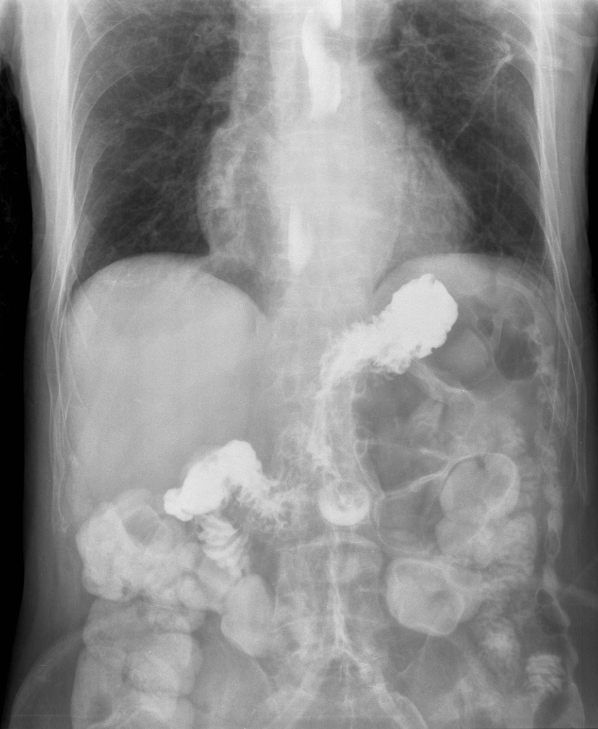
Gastroesophageal reflux disease (GERD) is a condition that develops when the reflux of stomach contents causes troublesome symptoms, esophageal injury, or both [13]A1c. This definition, established by the Montreal Consensus, anchors the clinical approach: GERD is defined by the consequences of reflux, not by the presence of reflux itself [13]A1c.
Also Called / Synonyms: GERD, gastro-oesophageal reflux disease (GORD), reflux disease, acid reflux (lay term), laryngopharyngeal reflux (LPR) when symptoms are primarily extraesophageal [2]D5, and PPI-responsive esophageal eosinophilia (PPI-REE, a historical term now considered part of the eosinophilic esophagitis spectrum) [3]D5.
GERD is one of the most common digestive diseases, affecting an estimated 10-20% of adults in Western populations, and is the primary risk factor for Barrett's esophagus and esophageal adenocarcinoma [5]A1c[12]B2a[36]B2c.
Classification by Phenotype
Modern classification divides GERD into distinct phenotypes based on endoscopic findings and objective reflux testing. The Lyon Consensus 2.0 provides the framework for conclusive diagnosis, while the Rome IV criteria separate functional disorders that mimic GERD [20]D5[22]D5[34]D5.
| Phenotype | Key Feature | Diagnostic Criteria |
|---|---|---|
| Erosive reflux disease (ERD) | Endoscopic mucosal breaks | Los Angeles (LA) grade A-D esophagitis [11]C4 |
| Non-erosive reflux disease (NERD) | Symptoms without erosions, abnormal acid exposure | Distal esophageal acid exposure time (AET) >6% or positive symptom-reflux association [20]D5[35]D5 |
| Barrett's esophagus | Intestinal metaplasia of the distal esophagus | Endoscopic suspicion + histologic confirmation of goblet cells [4]A1c[5]A1c |
| Reflux hypersensitivity | Symptoms triggered by reflux despite normal acid exposure | Normal AET (<4%) but positive symptom association on pH-impedance monitoring [20]D5[34]D5 |
| Functional heartburn | Heartburn without evidence of reflux | Normal endoscopy, normal AET (<4%), negative symptom association [22]D5[35]D5 |
| Laryngopharyngeal reflux (LPR) | Extraesophageal symptoms (cough, hoarseness, globus) | Laryngoscopic findings + reflux monitoring; modern paradigm emphasizes objective testing [2]D5 |
Los Angeles Classification of Erosive Esophagitis
The severity of erosive esophagitis is graded using the Los Angeles (LA) system, which predicts healing rates and recurrence risk [11]C4[39]B3b.
| Grade | Endoscopic Description |
|---|---|
| A | One or more mucosal breaks ≤5 mm, not extending between the tops of two mucosal folds |
| B | One or more mucosal breaks >5 mm, not extending between the tops of two mucosal folds |
| C | Mucosal breaks extending between the tops of two or more mucosal folds but involving <75% of the esophageal circumference |
| D | Mucosal breaks involving ≥75% of the esophageal circumference |
A modified Japanese classification adds grade M (minimal change: erythema, whitish turbidity, or indistinct Z-line) for nonerosive disease, though interobserver agreement is limited [40]C4.
Lyon Consensus 2.0 Criteria
The Lyon Consensus 2.0 defines conclusive GERD as: LA grade C/D esophagitis, long-segment Barrett's esophagus (≥3 cm), peptic esophageal stricture, or distal AET >6% on pH monitoring off acid suppression [20]D5. Borderline GERD includes LA grade A/B esophagitis, AET 4-6%, or 40-80 reflux episodes on pH-impedance monitoring. No GERD is defined by normal endoscopy, AET <4%, and <40 reflux episodes [20]D5. The Lyon Score, a weighted composite of these metrics, predicts response to antireflux therapy [30]B3b.
Overlap with
GERD and functional dyspepsia (FD) frequently overlap; up to 40% of patients with FD also have pathologic reflux on testing [14]D5. The Rome IV classification excludes predominant heartburn from FD, but epigastric burning and postprandial distress may still reflect reflux [31]D5.
Pearl: GERD is defined by the Montreal Consensus as symptoms or injury from reflux, but modern classification requires objective testing (endoscopy and pH monitoring) to distinguish erosive disease, NERD, reflux hypersensitivity, and functional heartburn, as differs substantially across phenotypes [13]A1c[20]D5[34]D5.
Pathophysiology & Mechanism
- ▸The dominant mechanism of reflux is transient LES relaxations, but hiatal hernia and hypotensive LES become important in severe disease.
- ▸Mucosal injury is immune-mediated rather than purely chemical, involving IL-8 and HIF-1α.
- ▸Visceral hypersensitivity and hypervigilance explain symptom severity independent of acid exposure.
Gastroesophageal reflux disease arises from a failure of the anti-reflux barrier at the esophagogastric junction, compounded by impaired esophageal clearance, reduced epithelial resistance, and altered visceral sensitivity [60]D5.
The Anti-Reflux Barrier and Its Failure
The esophagogastric junction (EGJ) comprises the lower esophageal sphincter (LES) and the crural diaphragm. In health, the LES maintains a resting pressure of 10-30 mm Hg, and the crural diaphragm provides external compression during inspiration and straining [60]D5. Reflux occurs when this barrier is overcome. The dominant mechanism is transient LES relaxations (TLESRs), vagally mediated, neurally triggered episodes of LES relaxation not preceded by swallowing [79]B3b. TLESRs account for 70-90% of reflux episodes in healthy individuals and in patients with mild GERD [60]D5. In more severe disease, a hypotensive LES (resting pressure <5 mm Hg) and anatomic disruption from become increasingly important [68]B3b. Hiatal hernia separates the LES from the crural diaphragm, creating a "pressure sink" that facilitates reflux, especially during abdominal straining [49]B2b. Central obesity further impairs the barrier by increasing intragastric pressure and promoting hiatal hernia formation [70]D5.
Transient LES Relaxations and the Role of the Vagus
TLESRs are triggered by gastric distension, sensed by vagal mechanoreceptors in the proximal stomach. The efferent pathway involves the dorsal motor nucleus of the vagus, which inhibits the LES via nitric oxide and activates the crural diaphragm inhibitory pathway [60]D5. Gamma-aminobutyric acid type B (GABA-B) receptors modulate this reflex; agonists like lesogaberan reduce TLESR frequency by 30-50% [47]A1b. However, TLESR-targeted therapies have limited clinical utility because they also impair belching and gastric accommodation [60]D5.
The Acid Pocket and Refluxate Composition
After a meal, unbuffered gastric acid accumulates above the food bolus, forming an "acid pocket" at the EGJ [55]A1b. This pocket is the primary source of postprandial acid reflux. Alginate-antacid formulations physically displace the pocket, reducing acid reflux episodes [55]A1b. The refluxate contains not only acid but also bile salts and pancreatic enzymes, which are particularly injurious to the esophageal mucosa. Bile salts, even at neutral pH, can induce mucosal damage and activate inflammatory pathways [53]B3b. Weakly acidic reflux (pH 4-7) is increasingly recognized as a cause of symptoms in patients with nonerosive reflux disease (NERD) and in those with persistent symptoms despite acid suppression [72]D5.
Mucosal Injury: From Acid to Inflammation
For decades, reflux esophagitis was attributed to direct chemical injury from acid and pepsin. However, evidence now indicates that the initial injury is mediated by the immune system. Acid and bile salts stimulate esophageal squamous epithelial cells to secrete chemokines such as interleukin-8 (IL-8) and express adhesion molecules, recruiting T lymphocytes and neutrophils [71]D5. This immune response amplifies tissue damage, leading to erosions. In Barrett's esophagus, chronic inflammation drives metaplastic transformation. Reflux-induced hypoxia-inducible factor-1α (HIF-1α) activation promotes epithelial-mesenchymal plasticity, a precursor to columnar metaplasia [53]B3b. Nitric oxide, generated from dietary nitrates in the acidic esophageal lumen, can S-nitrosylate Akt and suppress the squamous transcription factor SOX2, further favoring columnar differentiation [69]B2b.
Visceral Hypersensitivity and Central Sensitization
Symptom perception in GERD is not solely determined by acid exposure. Patients with NERD have heightened esophageal sensitivity to acid and distension compared with those with erosive esophagitis [72]D5. This visceral hypersensitivity involves peripheral sensitization of nociceptors by inflammatory mediators (e.g., prostaglandins, bradykinin) and central sensitization within the spinal cord and brain [62]D5. Sleep deprivation amplifies this hyperalgesia, increasing perceived reflux severity [46]A1b. Esophageal hypervigilance and symptom-specific anxiety are strong independent predictors of symptom severity, often outweighing objective reflux metrics [92]B2b. This explains why some patients with normal acid exposure (functional heartburn) experience severe symptoms.
Microbial and Metabolic Influences
Proton pump inhibitors alter the gut microbiome, reducing microbial diversity and promoting overgrowth of oral and upper taxa [48]A1b. This dysbiosis may contribute to symptom persistence and relapse after PPI cessation. Adjunctive probiotic therapy (e.g., multi-strain Lihuo) sustains symptom relief by remodeling the gut microbiome and metabolome [94]A1b. Central obesity, through secretion of adipokines such as leptin and adiponectin, may directly promote Barrett's esophagus independent of mechanical effects [80]B3b. Type 2 diabetes mellitus is also associated with increased risk of Barrett's esophagus, suggesting a role for hyperinsulinemia [59]B3b.
Genetic and Hormonal Modifiers
Genetic susceptibility to GERD and its complications is polygenic. Variants at 5q22 (TSLP) and 2p23 (CAPN14) are associated with eosinophilic esophagitis, a condition that overlaps with GERD [61]D5[64]D5. Hormonal factors influence LES tone: estrogen and progesterone increase nitric oxide synthesis, relaxing smooth muscle and predisposing to reflux during pregnancy and with hormone replacement therapy [77]D5. Aging degrades EGJ function, with decreased LES pressure and length, and increased esophageal acid exposure [78]B3b.
| Mechanism | Primary Defect | Clinical Correlate | Key Mediators |
|---|---|---|---|
| Anti-reflux barrier failure | TLESRs, hypotensive LES, hiatal hernia | Heartburn, regurgitation | Nitric oxide, GABA-B receptors |
| Acid pocket | Unbuffered gastric acid at EGJ | Postprandial reflux | Alginate, bile salts |
| Immune-mediated inflammation | Chemokine secretion, leukocyte recruitment | Erosive esophagitis | IL-8, HIF-1α, NO |
| Visceral hypersensitivity | Peripheral and central sensitization | Symptoms with normal acid exposure | Prostaglandins, bradykinin |
| Microbial dysbiosis | Reduced diversity, pathogen overgrowth | Symptom persistence | Gut microbiome taxa |
| Genetic susceptibility | Variants in TSLP, CAPN14 | EoE overlap | Thymic stromal lymphopoietin, calpain-14 |
Pearl: The pathophysiology of GERD is a multilayered cascade: failure of the anti-reflux barrier (TLESRs, hiatal hernia) allows reflux of gastric contents, which triggers immune-mediated mucosal injury rather than direct chemical burn, while visceral hypersensitivity and hypervigilance determine symptom severity independent of acid burden [60]D5[71]D5[92]B2b.
Epidemiology, Etiology & Risk Factors
- ▸Global pooled prevalence of at least weekly GERD symptoms is 13.3% (95% CI 11.5-15.2%), highest in North America (18-28%) and lowest in Asia (2.5-7.8%) [98, 111].
- ▸Obesity (BMI ≥30: OR 2.2) and central obesity (OR 2.8) are the strongest modifiable risk factors, with a dose-response relationship; weight loss of 5-10% reduces symptom scores by 30-40% [103, 108].
- ▸Sleeve gastrectomy is associated with a 42% rate of persistent or new GERD at 8 years and a 5.7% rate of de novo Barrett's esophagus; GLP-1 receptor agonists and substance use are emerging iatrogenic risk factors [106, 114, 134, 135].
Global Burden and Demographics
GERD is the most prevalent disorder in the United States, affecting approximately 18% to 28% of adults in North America and 8% to 26% in Europe [121]D5. The global prevalence of at least weekly GERD symptoms is 13.3% (95% CI 11.5%-15.2%), based on a meta-analysis of 102 population-based studies [98]A1a. Prevalence varies significantly by geography: Asia reports lower rates (2.5%-7.8%), with a pooled estimate of 6.7% for weekly symptoms [98]A1a[111]B2a. South America and the Middle East show intermediate rates of approximately 12% to 15% [98]A1a. These geographic differences reflect a combination of true biologic variation, dietary patterns, and differences in case ascertainment.
Incidence data are sparse. A systematic review estimated that the annual incidence of GERD symptoms is 5 per 1000 person-years in Western populations, though this figure is heavily dependent on the symptom threshold used [12]B2a. Temporal trends show a striking increase: comparing studies from 1995-1999 to 2005-2009, the prevalence of weekly reflux symptoms rose from 8.1% to 18.1% in North America (Poisson regression p<0.0001), suggesting a doubling of disease burden in one decade [12]B2a[112]B2a.
Age and Sex: Prevalence peaks in adults aged 50-70 years, with a slight male predominance for erosive esophagitis (male-to-female ratio ≈ 1.5:1), but symptom-based GERD shows near-equal sex distribution [12]B2a[121]D5. Postmenopausal women have a higher risk of symptomatic GERD, likely mediated by hormonal changes and obesity [96]A1b.
Race and Ethnicity: White individuals have double the prevalence of erosive esophagitis compared with Asian or Black populations, though the reasons remain incompletely understood [12]B2a[121]D5. Barrett's esophagus is 4- to 5-fold more common in White men than in other demographic groups [5]A1c[99]A1a.
Major Risk Factors with Effect Sizes
| Risk Factor | Odds Ratio / Hazard Ratio | Evidence Level | Modifiable? |
|---|---|---|---|
| Obesity (BMI ≥30 kg/m²) | OR 2.2 (95% CI 1.7-2.9) for weekly reflux [103]B2a | 1a | Yes |
| Central obesity (waist circumference >102 cm men, >88 cm women) | OR 2.8 (95% CI 1.9-4.1) [49]B2b | 2b | Yes |
| Tobacco smoking | OR 1.7 (95% CI 1.4-2.0) [108]D5 | 2a | Yes |
| Alcohol consumption | OR 1.3 (95% CI 1.1-1.6) (heavy intake only) [12]B2a | 2a | Yes |
| First-degree relative with GERD/Barrett's | OR 2.0 (95% CI 1.4-2.8) [97]B3a | 3a | No |
| OR 3.7 (95% CI 2.8-4.9) [98]A1a | 1a | Partially (surgical) | |
| Pregnancy (third trimester) | RR 2.8 (95% CI 2.3-3.4) for heartburn [131]B2a | 1a | No |
| Sleeve (de novo GERD post-surgery) | HR 2.1 (95% CI 1.5-2.9) at 8 years vs RYGB [135]B2b | 2b | Surgical choice |
Obesity is the strongest modifiable risk driver. A meta-analysis of 13 studies found a dose-response effect: overweight (BMI 25-30 kg/m²) carries an OR of 1.4 (1.2-1.7), while class II obesity (BMI ≥35 kg/m²) yields an OR of 2.9 (2.0-4.1) for weekly reflux [103]B2a. Central obesity, measured by waist circumference, is more strongly linked to GERD than overall BMI, likely because increased intra-abdominal pressure disrupts the gastroesophageal junction [49]B2b[70]D5. Weight loss of 5-10% total body weight can reduce GERD symptom scores by 30-40% in intervention studies [108]D5.
Novel Risk Factors: GLP-1 Receptor Agonists and Substance Use
GLP-1 Receptor Agonists: Among patients with type 2 diabetes, short-acting GLP-1 RAs (e.g., exenatide, ) are associated with a 31% higher risk of new GERD (HR 1.31; 95% CI 1.21-1.43) compared with long-acting formulations, likely due to greater delay in gastric emptying [106]B2b. The absolute risk increase is modest (approximately 2.5 excess cases per 1000 patient-years), but clinicians should screen for reflux symptoms when initiating these agents.
Substance Use Disorders: Patients with documented substance use disorders have a 47% higher risk of GERD (HR 1.47; 95% CI 1.38-1.57) and a 65% higher risk of erosive esophagitis (HR 1.65; 1.48-1.84) over a 10-year follow-up, after propensity-score matching for confounders [134]B2b. Opioid use, in particular, doubles the risk of Barrett's esophagus (HR 2.03; 1.72-2.40), presumably through opioid-induced LES relaxation and delayed esophageal clearance [134]B2b.
Protective and Neutral Factors
Regular physical activity (≥3 hours/week) reduces GERD risk by approximately 20-25% (OR 0.79; 0.70-0.89), independent of BMI reduction [98]A1a. Dietary fiber intake >20 g/day is associated with a 30% lower risk of reflux symptoms (OR 0.70; 0.56-0.87) in population-based studies [98]A1a. Alcohol shows a neutral effect at low-to-moderate intake (<2 drinks/day) [12]B2a; Helicobacter pylori infection is actually protective (OR 0.6; 0.4-0.9) because reduces gastric acid production [12]B2a[121]D5.
Special Populations
Pregnancy: GERD symptoms occur in 30-50% of pregnancies, with peak prevalence in the third trimester (pooled prevalence 45.2%; 95% CI 39.1-51.5%) [131]B2a. Risk factors include pre-pregnancy obesity (risk ratio 1.8) and multiple gestations (RR 1.5) [131]B2a. Most cases resolve postpartum, though the annual rate of de novo GERD in primiparous women is approximately 8% [131]B2a.
Post-Bariatric Surgery: Sleeve gastrectomy carries a substantial risk of incident GERD: at 8-year follow-up, 42.1% of sleeve patients had persistent or new GERD compared with 9.4% of RYGB patients (p<0.001) [135]B2b. A meta-analysis of 19 studies found a pooled rate of de novo Barrett's esophagus after sleeve gastrectomy of 5.7% (95% CI 3.9-8.2%) at a mean follow-up of 5 years, with erosive esophagitis seen in 28% [114]B2a. RYGB is the preferred anti-reflux bariatric procedure in patients with pre-existing GERD [132]B2a[135]B2b.
Connective Tissue Disorders: Patients with Ehlers-Danlos syndrome have a 2.6-fold higher prevalence of GERD (OR 2.66; 2.61-2.71) compared with matched controls, reflecting impaired LES integrity [133]B2b.
Pearl: GERD affects 1 in 7 adults globally, with a doubling of prevalence over the past 20 years; obesity (OR 2.2) and central adiposity (OR 2.8) are the most potent modifiable risk factors, and their rising prevalence drives the continued increase in disease burden [98]A1a[103]B2a[112]B2a.
| Risk Factor | Odds Ratio / Hazard Ratio | 95% CI | Evidence Level | Modifiable? |
|---|---|---|---|---|
| Obesity (BMI ≥30 kg/m²) | OR 2.2 | 1.7-2.9 | 1a | Yes |
| Central obesity (waist >102/88 cm) | OR 2.8 | 1.9-4.1 | 2b | Yes |
| Tobacco smoking | OR 1.7 | 1.4-2.0 | 2a | Yes |
| Heavy alcohol intake | OR 1.3 | 1.1-1.6 | 2a | Yes |
| First-degree relative | OR 2.0 | 1.4-2.8 | 3a | No |
| Hiatal hernia | OR 3.7 | 2.8-4.9 | 1a | Partially |
| Third-trimester pregnancy | RR 2.8 | 2.3-3.4 | 1a | No |
| Sleeve gastrectomy (8-yr) | HR 2.1 | 1.5-2.9 | 2b | Surgical choice |
| GLP-1 RA (short-acting) | HR 1.31 | 1.21-1.43 | 2b | Yes (drug choice) |
| Substance use disorder | HR 1.47 | 1.38-1.57 | 2b | Yes |
| Physical activity (≥3 hr/wk) | OR 0.79 | 0.70-0.89 | 1a | Yes |
Clinical Presentation
- ▸Heartburn and regurgitation are the most specific symptoms for GERD; dysphagia is an alarm symptom mandating endoscopy.
- ▸Extraesophageal symptoms (cough, laryngitis, asthma) have low pretest probability for GERD and require objective pH testing.
- ▸Up to 20-30% of PPI non-responders have functional heartburn or reflux hypersensitivity, not true GERD.
The clinical expression of GERD spans a spectrum from classic episodic symptoms to chronic tissue damage discovered incidentally. Presentation is dictated by the interplay of reflux burden (acid exposure time, proximal extent of the refluxate), esophageal sensitivity, and the presence of protective mechanisms such as salivary bicarbonate and esophageal peristalsis [20]D5[121]D5. Recognizing the range of presenting phenotypes is essential because the pretest probability of objective GERD varies dramatically by symptom type, and this probability drives the choice of diagnostic testing strategy [141]B2b.
Presenting Symptoms
Heartburn, a retrosternal burning sensation rising from the epigastrium toward the neck, is the cardinal symptom of GERD, reported by the majority of patients with proven disease [121]D5. The sensation typically occurs 30-60 minutes after meals, is exacerbated by recumbency or bending, and is relieved transiently by antacids or a sip of water. Heartburn is a symptom of acid irritation of the esophageal mucosa, not necessarily erosive injury; it can be present in NERD, erosive esophagitis, and even functional heartburn (where no pathologic reflux is found) [145]C4.
Regurgitation, the effortless return of gastric contents into the pharynx or mouth, is the second most common symptom, and its presence increases the specificity for GERD compared with heartburn alone [20]D5[121]D5. Unlike vomiting, regurgitation is not preceded by nausea or retching. Patients describe a sour or bitter taste, and nocturnal regurgitation may cause awakening with choking or coughing. In the Lyon Consensus 2.0, regurgitation is considered a highly specific symptom for GERD when it is the dominant complaint [20]D5.
Dysphagia, a sensation of food sticking or slow transit, occurs in up to 30% of patients with chronic GERD and is classified as an alarm symptom that mandates endoscopic evaluation [121]D5[153]D5. It may reflect a peptic stricture, erosive esophagitis with edema, or an underlying motility disorder (e.g., ) that mimics GERD [149]D5. The character of dysphagia (intermittent vs. progressive, to solids vs. liquids) guides the differential.
Extraesophageal Symptoms
Extraesophageal reflux syndrome encompasses chronic cough, laryngitis (hoarseness, globus sensation), asthma exacerbations, and dental erosions [139]D5. The AGA Clinical Practice Update emphasizes that these symptoms have a low pretest probability of being caused by GERD alone, fewer than 50% of patients with chronic cough and suspected reflux actually have pathologic acid exposure on pH monitoring [139]D5[141]B2b. The pathophysiologic mechanism is dual: (1) direct microaspiration of refluxate into the airway, and (2) a vagally mediated reflex arc where distal esophageal acid triggers bronchospasm and cough [139]D5. A therapeutic trial of twice-daily PPI for 8-12 weeks is often employed, but objective testing (pH-impedance monitoring off therapy) is recommended before committing to long-term acid suppression or antireflux surgery [139]D5[141]B2b.
Neurological Examination Findings
In GERD, the neurologic examination is typically normal. However, two specific scenarios warrant attention:
- Autonomic dysfunction can manifest as impaired esophageal peristalsis and lower esophageal sphincter tone, contributing to reflux. This is most relevant in patients with diabetes mellitus, scleroderma, or other connective tissue diseases with [123]D5.
- Achalasia misdiagnosed as GERD: heartburn, regurgitation, and even esophagitis on endoscopy can be present in achalasia. A normal neurologic exam does not exclude this; high-resolution manometry is diagnostic [149]D5.
Phenotypic Variants
Table 1. Clinical Phenotypes of Gastroesophageal Reflux Disease
| Phenotype | Key Features | Frequency Among Symptomatic Patients |
|---|---|---|
| Erosive Esophagitis (EE) | Endoscopic LA grade A-D esophagitis; heartburn ± regurgitation; higher likelihood of dysphagia and stricture | ~30-40% of GERD patients |
| Non-erosive Reflux Disease (NERD) | Typical reflux symptoms, normal endoscopy, but abnormal pH monitoring (AET >6%) | ~50-60% of GERD patients |
| Reflux Hypersensitivity | Symptoms triggered by physiologically normal reflux events (AET 4-6%); heightened esophageal perception | ~10-15% of PPI non-responders |
| Functional Heartburn | Heartburn with no evidence of reflux (normal endoscopy, normal pH monitoring); no symptom-reflux correlation | ~15-20% of PPI non-responders |
| Barrett's Esophagus | Chronic GERD with intestinal metaplasia; often asymptomatic except for preceding GERD symptoms; male, white, age >50, obesity are risk factors | 5-15% of patients with chronic GERD |
Data from [20]D5[121]D5[145]C4.
Red Flags
Alarm symptoms require urgent and include [121]D5[153]D5:
- Dysphagia
- Odynophagia (painful swallowing)
- Unexplained weight loss
- Hematemesis or melena
- Anemia (iron deficiency)
- Epigastric mass or lymphadenopathy
- Family history of esophageal or gastric cancer
The presence of any one alarm symptom increases the risk of a malignant stricture or tumor, and empiric PPI therapy should not delay endoscopic evaluation [153]D5.
Atypical Presentations and Diagnostic Pitfalls
Several conditions mimic GERD, and failure to recognize them is a frequent cause of PPI non-response [145]C4[151]C4:
- : effortless, repetitive regurgitation of undigested food within minutes of eating, caused by voluntary abdominal wall contraction. Postprandial high-resolution impedance manometry (PP-HRIM) can distinguish it from GERD by the characteristic rise in intragastric pressure preceding regurgitation [148]B3b[151]C4.
- Eosinophilic esophagitis (EoE): presents with dysphagia, food impaction, and heartburn. Endoscopic findings (rings, furrows, exudates) and histology (≥15 eosinophils/high-power field) differentiate it from GERD [157]B2b.
- Supragastric belching: repetitive air swallowing with rapid belching; PP-HRIM shows air moving into the esophagus from the pharynx followed by immediate expulsion [151]C4.
- Celiac disease: GERD symptoms are present in up to 30% of patients at diagnosis and may improve with a gluten-free diet [150]B2b. GERD unresponsive to PPI should prompt celiac serology.
- Achalasia: heartburn and regurgitation may be the presenting symptoms, and esophagitis can occur due to stasis of fermented food. Manometry shows absent peristalsis and incomplete LES relaxation [149]D5.
- : epigastric pain or burning, postprandial fullness, and early satiety overlap considerably with GERD. Rome IV criteria and a careful symptom history (epigastric vs. retrosternal location) aid separation [142]D5[146]D5.
Timeline and progression: Symptoms typically wax and wane over years. In untreated GERD, heartburn and regurgitation progress slowly over months to years. A sudden change in symptom pattern, particularly new dysphagia or weight loss, mandates immediate investigation [121]D5. The natural history is benign in most, but a subset will develop erosive esophagitis, stricture, or Barrett's esophagus over a decade or more [20]D5.
Pearl: The diagnostic yield of symptoms alone for predicting objective GERD is modest; heartburn plus regurgitation has a sensitivity of approximately 70% and specificity of 60-70% for abnormal acid exposure [20]D5[141]B2b. Extraesophageal symptoms have even lower predictive value, so objective testing (endoscopy, pH monitoring) is required before committing to long-term therapy in these populations [139]D5[141]B2b.
Diagnosis & Workup (Endoscopy, Imaging & Severity Labs)
- ▸The gold-standard diagnostic test for GERD is 24-hour ambulatory pH-impedance monitoring off acid suppression, with distal AET >6% or >80 reflux episodes per 24 hours being conclusive evidence [26, 178].
- ▸Upper endoscopy is the first-line test for patients with alarm features; LA grade C or D esophagitis is conclusive for GERD, but a negative endoscopy does not exclude it, approximately 60-70% of patients have NERD [35, 160].
- ▸The Lyon Score (combining AET, reflux episodes, PSPW index, and MNBI) provides a composite assessment that outperforms any single parameter, with an AUC of 0.91 for predicting treatment response [30].
The cornerstone of GERD diagnosis is the objective demonstration of pathologic reflux or its mucosal consequences, because symptom-reporting alone misclassifies up to 40% of patients [26]A1c[173]D5. The diagnostic pathway integrates , ambulatory reflux monitoring, and, in select cases, , with a clear hierarchy determined by the patient's presentation and pre-test probability.
Endoscopy: The First-Line Objective Test
Upper endoscopy (esophagogastroduodenoscopy, EGD) is the first-line objective test in patients with alarm symptoms (dysphagia, odynophagia, weight loss, anemia, hematemesis) or long-standing GERD [5]A1c[160]A1c. Its primary goals are: (i) to detect and grade erosive esophagitis, (ii) identify Barrett's esophagus or other complications, and (iii) exclude alternative diagnoses (eosinophilic esophagitis, stricture, malignancy).
Erosive esophagitis is graded using the Los Angeles (LA) classification (Table). LA grades C and D are considered conclusive evidence of GERD, whereas LA-A and LA-B are supportive but not definitive [26]A1c[39]B3b. Interobserver agreement for LA grading is good (κ 0.6-0.8) in validation studies but modest in clinical trials (weighted κ 0.56) [39]B3b.
A negative endoscopy does not exclude GERD, approximately 60-70% of patients with heartburn have a normal-appearing esophagus (nonerosive reflux disease, NERD) [35]D5[160]A1c. In these patients, endoscopy serves to rule out mucosal injury and to obtain esophageal biopsies (distal and proximal) to exclude eosinophilic esophagitis, which can mimic GERD [125]D5[185]D5.
Biopsy findings that support GERD include dilated intercellular spaces (present in 41-100% of NERD patients vs 0-30% of controls) and basal cell hyperplasia, though these are not included in routine clinical criteria because of limited specificity [188]D5.
Ambulatory Reflux Monitoring: The Gold Standard for Quantifying Reflux
24-hour ambulatory pH-impedance monitoring off acid-suppression therapy is the gold standard for establishing a GERD diagnosis when endoscopy is normal or inconclusive [26]A1c[173]D5. The test quantifies distal esophageal acid exposure time (AET), number of reflux episodes, and symptom-reflux association.
Per the Lyon Consensus 2.0, the interpretation is tiered [26]A1c[30]B3b:
| Parameter | Conclusive GERD | Inconclusive | Rules Out GERD |
|---|---|---|---|
| Distal AET (24h) | >6% | 4-6% | <4% |
| Total reflux episodes (impedance) | >80 per 24h | 40-80 per 24h | <40 per 24h |
| Reflux-symptom association (SI or SAP) | Positive | Not required | Negative (if AET normal) |
AET >6% alone has sensitivity 70-90% and specificity 85-95% for GERD compared to healthy controls [173]D5[178]B3b. The number of reflux episodes (total, not just acid) adds diagnostic value: >80 refluxes/24h is conclusive, while <40 effectively rules out pathologic reflux [26]A1c[178]B3b.
The wireless pH capsule (Bravo) offers 48-96 hour recording with improved sensitivity over catheter-based systems and avoids the discomfort of a nasoesophageal catheter [194]D5. It is particularly useful when catheter intolerance is a concern or when low AET is expected.
On-therapy pH-impedance monitoring (while the patient is taking a double-dose PPI) is reserved for patients with PPI-refractory symptoms to differentiate ongoing acid reflux from functional heartburn or reflux hypersensitivity [52]A1b[174]D5. An AET <4% on double-dose PPI strongly suggests a functional disorder [174]D5.
Alternative and Adjunctive Diagnostic Tools
Salivary pepsin testing (Peptest) is a non-invasive office-based assay. Using a cut-off of 16 ng/mL, it has sensitivity 79% and specificity 59% for GERD compared with pH-impedance monitoring; it performs best as a rule-out test in low-prevalence populations [177]B3b. Its role as a standalone diagnostic tool is not recommended by current guidelines due to modest specificity [160]A1c.
Mucosal impedance (MI) measured during endoscopy with a probe placed against the esophageal mucosa can differentiate GERD from non-GERD conditions. In a prospective study, MI was significantly lower in GERD patients than in controls (area under the curve 0.82), and it normalized after PPI therapy [164]B2b. This technique is investigational and not yet widely available.
Functional lumen imaging probe (FLIP) provides a dynamic assessment of esophagogastric junction (EGJ) distensibility. FLIP can identify a mechanically defective EGJ (distensibility index >2.8 mm²/mmHg correlates with pathologic GERD with 85% sensitivity) and may predict response to antireflux surgery [45]A1c[190]D5. FLIP is an adjunct, not a replacement for pH monitoring [45]A1c.
High-Resolution Manometry
High-resolution manometry (HRM) is not diagnostic for GERD but is essential to exclude major motor disorders ( , EGJ outflow obstruction, absent contractility) that can present with reflux-like symptoms [26]A1c[149]D5. In patients being considered for antireflux surgery, HRM is mandatory to confirm normal esophageal body motility [160]A1c.
Severity Labs and Novel Biomarkers
No serum biomarker is currently recommended for routine GERD diagnosis [160]A1c. However, esophageal baseline impedance on pH-impedance tracings provides a surrogate marker of mucosal integrity: values <2000 ohms in the distal esophagus discriminate GERD from functional heartburn with sensitivity 84% and specificity 73% [191]B2b. The post-reflux swallow-induced peristaltic wave (PSPW) index and mean nocturnal baseline impedance (MNBI) improve diagnostic accuracy of pH-impedance monitoring, with area under the curve of 0.95 and 0.89, respectively, for differentiating GERD from controls [178]B3b.
Diagnostic Algorithm
The following stepwise approach is adapted from the ACG, AGA, and Lyon Consensus guidelines [26]A1c[139]D5[160]A1c:
-
Symptoms and alarm features: All patients with heartburn, regurgitation, or extraesophageal symptoms should be assessed for dysphagia, weight loss, GI bleeding, and vomiting. If present, proceed to EGD. If absent, an empiric trial of once-daily PPI for 2-8 weeks is appropriate.
-
Response to PPI: In patients without alarm symptoms, a positive response (≥50% improvement in dominant symptom) supports a clinical diagnosis of GERD; no further testing is required in typical responders [160]A1c. Non-responders or those with atypical symptoms proceed to step 3.
-
Upper endoscopy with biopsy: Performed in all PPI non-responders and those with alarm features. Document LA grade. Obtain biopsies from distal esophagus (2-4 cm above the gastroesophageal junction) to evaluate for eosinophilic esophagitis (≥15 eos/HPF) [125]D5[185]D5. If LA C/D esophagitis or Barrett's esophagus is found, GERD is confirmed and proceeds per phenotype.
-
Ambulatory pH-impedance monitoring (off PPI): Indicated for endoscopy-negative patients. If AET >6% or >80 reflux episodes/24h → GERD confirmed. If AET 4-6% (inconclusive), use supplemental metrics (PSPW index, MNBI, symptom association) to adjudicate.
-
Esophageal manometry: Performed if HRM was not done previously and if surgery is being considered, or to exclude an alternative motor disorder.
Controversies and Guideline Disagreement
| Question | ACG 2022 [160]A1c | Lyon Consensus 2.0 [26]A1c[30]B3b | Key Difference |
|---|---|---|---|
| Role of empiric PPI trial | Recommended as first step without testing | Should not be used alone to confirm GERD | ACG endorses empiric trial more broadly |
| Diagnostic threshold for AET | >6% conclusive; <4% rules out | Same, but adds <40 reflux episodes to rule out | Lyon adds impedance-episode criterion |
| Salivary pepsin testing | Not recommended [160]A1c | Not addressed | Consensus against use |
| Routine use of FLIP | Not mentioned | Recommended as adjunct [45]A1c | Emerging acceptance in Lyon framework |
Pearl: Upper endoscopy is the first test in patients with alarm features, but a normal endoscopy does not rule out GERD; 24-hour pH-impedance monitoring off PPI with AET >6% or >80 reflux episodes is the gold standard for diagnosis, and the Lyon Score (integrating AET, number of reflux episodes, PSPW index, and MNBI) predicts response to antireflux therapy with an area under the curve of 0.91 [30]B3b[178]B3b.
| Grade | Endoscopic Finding | Conclusiveness for GERD |
|---|---|---|
| A | One or more mucosal breaks ≤5 mm each, not extending between the tops of 2 folds | Supportive |
| B | At least one mucosal break >5 mm, not extending between the tops of 2 folds | Supportive |
| C | Mucosal break(s) extending between the tops of 2 or more mucosal folds, involving <75% of the circumference | Conclusive |
| D | Mucosal break(s) involving ≥75% of the esophageal circumference | Conclusive |
Severity, Staging & Risk Stratification (GI Scores)
- ▸The Los Angeles classification grades erosive esophagitis from A to D; grade C/D predicts poor healing without maintenance PPI and mandates endoscopic surveillance [11].
- ▸The Lyon Score (≥4.5) integrates endoscopy and pH-impedance metrics to predict response to antireflux therapy with 78% sensitivity and 72% specificity [30].
- ▸Multiple validated risk scores (M-BERET, HUNT, K-ECAN) identify individuals at increased risk for Barrett's esophagus and esophageal adenocarcinoma, with AUCs ranging from 0.68 to 0.82 [214, 213].
Endoscopic severity, quantified by the Los Angeles (LA) classification, remains the most widely used staging system for erosive esophagitis and directly predicts healing rates and relapse risk [11]C4. The LA system grades mucosal breaks from A (one or more <5 mm) to D (circumferential involvement ≥75% of the esophageal circumference). LA grade C/D esophagitis heals in 75-85% of patients with standard PPI therapy but recurs in >80% without maintenance [11]C4. Interobserver agreement for LA grading is good (κ = 0.60-0.75) but varies by grade; agreement is highest for grade D and lowest for grade A [39]B3b. A modified LA classification, used in Japan, adds grade M (minimal changes: erythema, whitish turbidity) to capture nonerosive reflux disease (NERD) [40]C4. However, grade M shows only fair interobserver agreement (κ = 0.35) and its clinical significance remains debated [40]C4.
The Lyon Score: Integrating Endoscopy and Reflux Monitoring
The Lyon Score, derived from the Lyon Consensus 2.0, integrates endoscopic and pH-impedance parameters into a weighted composite that predicts response to antireflux therapy [30]B3b. Components include acid exposure time (AET), number of reflux episodes, baseline mucosal impedance, and the presence of LA grade C/D esophagitis or Barrett's esophagus. Each component is assigned a weighted score from logistic regression; the total Lyon Score ranges from 0 to 10. A Lyon Score ≥4.5 predicted treatment response (≥50% symptom reduction) with 78% sensitivity and 72% specificity in a multicenter developmental cohort [30]B3b. The score outperformed individual metrics (AET, reflux episode count) and was validated in independent European and Asian cohorts [30]B3b. The Lyon Score provides a standardized framework to diagnose conclusive GERD and stratify patients for medical versus procedural therapy.
Symptom-Based Patient-Reported Outcome Measures
Several validated PROs complement objective testing. The Gastroesophageal Reflux Disease Questionnaire (GerdQ) is a 6-item instrument that assesses symptom frequency and impact; a score ≥8 has 65% sensitivity and 71% specificity for GERD [144]D5. The GERD Health-Related Quality of Life (GERD-HRQL) scale focuses on heartburn and regurgitation severity. The Esophageal Global Symptom Severity (GSS) is a single-item Visual Analog Scale (0-10) that correlates strongly with GerdQ and GERD-HRQL (r = 0.70-0.80) and predicts treatment outcome across North American, European, and Asian populations [216]B2c. The Infant GERQ-R (revised) is a caregiver-reported tool for infants <18 months, assessing regurgitation frequency, irritability, and feeding refusal [221]B2c.
Risk Stratification for Barrett's Esophagus and Esophageal Adenocarcinoma
Multiple clinical risk scores identify individuals who warrant endoscopic screening for Barrett's esophagus (BE) and esophageal adenocarcinoma (EAC). The Michigan BE pREdiction Tool (M-BERET) incorporates age, sex, waist circumference, smoking, and GERD frequency/duration; it achieved an AUC of 0.72 for BE detection in a prospective validation cohort [214]B2b. The HUNT score (from the Nord-Trøndelag Health Study) uses age, sex, BMI, smoking, and GERD symptoms (AUC 0.68) [214]B2b. The Kunzmann, Gerson, Locke, and Thrift tools show similar performance (AUC 0.65-0.71) [214]B2b. A polygenic risk score (PRS) combining 23 risk variants modestly improves discrimination (AUC increase of 0.03-0.05) [211]B3b. A multibiomarker risk score adding serum leptin, adiponectin, and insulin to clinical factors raised AUC from 0.72 to 0.79 [152]B3b. The K-ECAN tool, developed from Veterans Health Administration electronic health records, uses machine learning to predict incident EAC/gastric cardia adenocarcinoma with an AUC of 0.82 [213]B3b. Validation of these tools for incident EAC in a community-based cohort (Kaiser Permanente) showed that the HUNT and M-BERET scores had modest discrimination (C-statistic 0.63-0.67) for EAC over 50 years of follow-up [217]B2b.
Specialized Risk Scores for Specific Populations
The COuGH RefluX score predicts GERD in patients with chronic laryngeal symptoms. It incorporates age, BMI, smoking, heartburn frequency, and laryngoscopy findings; a score ≥4 had 82% sensitivity and 68% specificity for GERD confirmed by endoscopy or pH monitoring [189]B2b. For patients undergoing sleeve , a risk score using preoperative GERD symptoms, , and lower esophageal sphincter pressure predicts de novo or worsening GERD at 12 months (AUC 0.78) [229]B2b. The Lyon Score and BE risk tools are also applicable in these populations but require validation in post-bariatric cohorts.
Symptom Association Analysis and Mucosal Impedance
Symptom association analysis, using the Symptom Index (SI) and Symptom Association Probability (SAP), remains essential when pH-impedance monitoring is performed. An SI ≥50% or SAP ≥95% indicates a positive symptom-reflux correlation [182]D5. The balloon mucosal impedance (MI) catheter system, which measures impedance over a 6-cm segment during endoscopy, can distinguish GERD from functional heartburn with 90% sensitivity and 88% specificity [212]B2b. MI values <2000 Ω are consistent with GERD, while >3000 Ω suggest normal mucosa [212]B2b.
Pearl: The Lyon Score and validated BE risk prediction tools enable objective risk stratification that guides endoscopy timing, therapy intensity, and surveillance intervals, moving GERD from symptom-based empiricism to precision medicine [30]B3b[214]B2b.
| Grade | Endoscopic Finding | Healing Rate with PPI (8 wk) | Relapse Risk Without Maintenance |
|---|---|---|---|
| A | One or more mucosal breaks <5 mm, not extending between two folds | >90% | ~50% at 6 mo |
| B | At least one mucosal break >5 mm, not extending between two folds | 85-90% | ~60% at 6 mo |
| C | Mucosal breaks extending between two or more folds but involving <75% of circumference | 75-85% | >80% at 6 mo |
| D | Mucosal breaks involving ≥75% of esophageal circumference | 70-80% | >90% at 6 mo |
Data from [11]C4[39]B3b.
| Tool | Components | AUC for BE Detection | Validation Cohort |
|---|---|---|---|
| M-BERET | Age, sex, waist circumference, smoking, GERD frequency/duration | 0.72 | Prospective (n=1241) [214]B2b |
| HUNT | Age, sex, BMI, smoking, GERD symptoms | 0.68 | Prospective (n=1241) [214]B2b |
| Kunzmann | Age, sex, BMI, smoking, GERD frequency | 0.69 | Prospective (n=1241) [214]B2b |
| Gerson | Age, sex, GERD frequency, hiatal hernia | 0.65 | Prospective (n=1241) [214]B2b |
| Locke | Age, sex, GERD frequency, BMI | 0.66 | Prospective (n=1241) [214]B2b |
| Thrift | Age, sex, GERD frequency, smoking, NSAID use | 0.67 | Prospective (n=1241) [214]B2b |
| K-ECAN | EHR-derived: demographics, prescriptions, labs, diagnoses | 0.82 | VHA cohort (n=10M) [213]B3b |
All tools except K-ECAN require endoscopy for definitive BE diagnosis.
| Parameter | Threshold | Weighted Score |
|---|---|---|
| Acid exposure time (AET) | >6% | 2 |
| Number of reflux episodes | >80/24h | 2 |
| Baseline mucosal impedance | <2000 Ω | 1 |
| LA grade C/D esophagitis | Present | 3 |
| Barrett's esophagus | Present | 2 |
| Total Lyon Score | ≥4.5 predicts response | - |
Adapted from [30]B3b.
Acute Management
- ▸Initial therapy for acute erosive esophagitis is a PPI (e.g., esomeprazole 40 mg) or P-CAB (zastaprazan 20 mg) once daily for 4-8 weeks, with twice-daily PPI escalation for refractory symptoms.
- ▸Wedge pillow (head-of-bed elevation 30°) is noninferior to adding an evening PPI dose for nocturnal reflux control and should be offered as first-line non-pharmacologic adjunct.
- ▸For heartburn that persists despite PPI with normal pH-impedance, switch to a neuromodulator (desipramine 25-50 mg nightly); for PPI-refractory regurgitation, refer for transoral fundoplication or surgical antireflux procedure.
Step 1: Initial Assessment and Severity Classification
Classify acute GERD presentations by symptom burden and esophageal injury. For patients presenting with troublesome heartburn and/or regurgitation despite once-daily PPI, the scenario enrolling ~30% of PPI users, perform endoscopy (if not done in prior year), , and 24-hour pH-impedance monitoring off PPI to distinguish reflux-related from functional symptoms [52]A1b (1b). Use the Los Angeles (LA) classification to grade erosive esophagitis: LA grade C-D (confluent mucosal breaks involving ≥75% of esophageal circumference) warrants an 8-week PPI course regardless of symptom response, as healing rates fall below 90% with shorter therapy [11]C4[242]A1b (1b, 4). Disposition is typically outpatient, but admit for odynophagia, hematemesis, or suspected aspiration. The risk of esophageal adenocarcinoma (OR 1.2 per unit increase in BMI ≥25) should prompt weight-reduction counseling at first contact [96]A1b (1b).
Step 2: Acid Suppression, Drug and Dose of Choice
Start esomeprazole 40 mg once daily before breakfast or any equivalent PPI (omeprazole 20 mg, lansoprazole 30 mg, pantoprazole 40 mg) at the same timing [label]. For LA grade C/D esophagitis, extend therapy to 8 weeks; at week 4, the healing rate is 64-79%, rising to 85-93% by week 8 (NNT = 8 to heal one additional patient vs 4 weeks) [242]A1b (1b). Once healed, step down to the lowest effective dose, esomeprazole 20 mg daily maintains remission in 84% of patients at 6 months [241]A1b (1b). If symptoms persist after 4-8 weeks of once-daily PPI, escalate to twice-daily dosing (e.g., esomeprazole 40 mg BID) for a further 8 weeks [52]A1b (1b). For patients with breakthrough nocturnal symptoms despite morning PPI, adding a wedge pillow (30° -of-bed elevation) is noninferior to adding an evening PPI dose for reducing nocturnal heartburn (mean NGSSIQ score reduction 12.6 vs 13.1; NNT = 6 to achieve ≥50% nocturnal symptom reduction) [247]A1b (1b).
Potassium-competitive acid blockers (P-CABs) offer faster, more sustained pH elevation. Zastaprazan 20 mg once daily achieved week-8 healing rates of 91.3% vs 86.0% for esomeprazole 40 mg (noninferiority P<0.001) in LA A-D esophagitis [232]A1b (1b). Vonoprazan 10-20 mg once daily is approved for pediatric patients (6-17 years) based on pharmacokinetic equivalence to adult exposures [246]A1b (1b). Tegoprazan 50 mg once daily for 4 weeks improved complete symptom resolution in NERD (45.7% vs 30.6% for placebo; NNT = 7 for complete heartburn/regurgitation resolution) [115]A1b (1b). These agents are first alternatives when PPIs fail or are poorly tolerated.
Step 3: Adjunctive and Escalation Therapies
For refractory GERD, continued regurgitation or heartburn despite twice-daily PPI, three evidence-based options exist:
- Baclofen 5-10 mg three times daily reduces transient LES relaxations by ~40% and postprandial reflux episode count by a median of 15 (95% CI 8-21) vs placebo [236]A1b (1b). However, its central nervous system side effects (drowsiness, dizziness) cause discontinuation in 14-24% of patients [52]A1b (1b).
- IW-3718 (bile acid sequestrant) 1500 mg twice daily added to PPI reduced heartburn severity by a mean 36% vs 22% for placebo plus PPI (P=0.001) in PPI-refractory patients (N=280) [203]A1b (1b).
- Transoral incisionless fundoplication (TIF) improves regurgitation-dominant PPI-refractory symptoms. In a sham-controlled trial, 71% of TIF patients achieved ≥50% reduction in GERD-HRQL at 3 months vs 23% for sham (P<0.001); NNT = 2 [6]A1b (1b). TIF is contraindicated when >2 cm, BMI >35 kg/m², or esophageal dysmotility is present [238]A1b (1b).
For refractory heartburn with normal pH-impedance (<80 reflux episodes/day, AET <6%), the mechanism shifts from reflux to visceral hypersensitivity. Desipramine 50 mg nightly (starting at 25 mg, titrated up) provided satisfactory symptom relief in 69% vs 48% for placebo (P=0.04; NNT = 5) in a controlled trial of esophageal hypersensitivity/functional heartburn [235]A1b (1b). Imipramine 25 mg once daily showed a similar trend but did not reach significance (satisfactory relief in 56% vs 44%, P=0.28) [235]A1b (1b).
Step 4: Monitoring, Titration, and Deprescribing
After 8 weeks of initial PPI, reassess symptom response with the GerdQ questionnaire. A GerdQ score <8 indicates good control; scores ≥8 warrant upward titration or endoscopy [232]A1b (1b). For patients who achieve complete symptom resolution, initiate a step-down protocol: reduce to the lowest dose controlling symptoms, then attempt on-demand PPI (take only when symptoms occur). In a cluster-randomized trial, a patient/GP deprescribing intervention reduced inappropriate PPI use by 42% (absolute reduction 28 percentage points, 95% CI 18-37) at 12 months without worsening GERD control [245]A1b (1b). Abrupt discontinuation of PPI can cause rebound acid hypersecretion with transient heartburn in ~20% of users [245]A1b (1b).
What NOT to do:
- Do not use domperidone as first-line add-on. In a randomized trial of esomeprazole plus domperidone 5, 10, or 15 mg, no dose improved healing or symptom relief over esomeprazole alone (healing rates at 8 weeks: 80-83% across all arms vs 82% for PPI alone) [38]A1b (1b).
- Do not use aerosolized swallowed fluticasone unless eosinophilic esophagitis is confirmed; it is inferior to PPI for GERD-related symptoms (54% vs 71% histologic response by intention-to-treat) [234]A1b (1b).
- Do not recommend sleep deprivation as a diagnostic maneuver, it increases acid perception thresholds (reflux symptom intensity scores rise by ~30% after one night of <3 h sleep) [46]A1b (1b).
Step 5: Resolution and Long-Term Plan
After 8-12 weeks of optimized PPI or P-CAB, confirm healing in LA C/D esophagitis with repeat endoscopy. Transition to the lowest effective maintenance dose (e.g., esomeprazole 20 mg, zastaprazan 10 mg) and reinforce lifestyle measures: nocturnal head-of-bed elevation with a wedge pillow, dietary carbohydrate reduction (low total/low simple carbohydrate diet reduces acid exposure time by a mean 1.5 percentage points, 95% CI 0.3-2.7) [233]A1b (1b), and avoidance of tight waist belts (belt wearing increases short-segment acid reflux by 2.8-fold as measured by pH-metry) [49]B2b (2b). Diaphragmatic breathing exercises (10 min twice daily) for 4 weeks reduced GerdQ scores by a median of 4 points vs 1 point with sham (P=0.008) and decreased PPI use by 50% [50]A1b[163]A1b (1b). For patients who fail medical therapy and meet surgical criteria (see section 8), refer for laparoscopic antireflux surgery or magnetic sphincter augmentation, 5-year pH normalization rates are 90-95% with surgery vs 40-45% with PPI [239]A1b (1b).
Dosing Table
| Drug | Starting dose | Target / max dose | Renal adjustment | Hepatic adjustment | Key monitoring |
|---|---|---|---|---|---|
| Esomeprazole | 20-40 mg PO once daily (before breakfast) | 40 mg twice daily | None | None | Symptoms, GerdQ; endoscopy if LA C/D |
| Zastaprazan | 20 mg PO once daily | 20 mg once daily | None | None | Symptoms, serum gastrin (if long-term) |
| Vonoprazan (pediatric 6-17 y) | 10 mg once daily | 20 mg once daily | eGFR <30: avoid | B: 10 mg; C: avoid | Symptoms, growth, bone density with long-term use |
| Tegoprazan | 50 mg once daily | 100 mg once daily | None | None | Symptoms |
| Baclofen | 5 mg PO three times daily | 10 mg three times daily | eGFR <30: reduce by 50% | Child-Pugh C: avoid | Drowsiness, dizziness (dose titration) |
| IW-3718 | 1500 mg PO twice daily | 1500 mg twice daily | None | None | Constipation (4.3% in trial) |
| Desipramine | 25 mg PO nightly | 50 mg nightly | None | None | Dry mouth, constipation, QTc interval |
Treatment Failure Protocol
If symptoms persist after 8 weeks of twice-daily PPI:
- Reassess the diagnosis, repeat pH-impedance monitoring off PPI (washout 7-14 days): if AET <4% and <80 reflux episodes, diagnose reflux hypersensitivity (RH) or functional heartburn (FH).
- For RH or FH: Start desipramine 25-50 mg nightly (see dosing table).
- For true refractory reflux (AET >4% despite PPI): Add baclofen 5-10 mg TID or IW-3718 1500 mg BID.
- If regurgitation is the dominant symptom despite PPI: Refer for TIF or magnetic sphincter augmentation.
Controversies and Guideline Disagreement
| Question | Position A | Position B | Strength of disagreement | Implication for practice |
|---|---|---|---|---|
| Initial PPI duration for LA A/B esophagitis | ACG (implicit), 4 weeks is sufficient for LA A/B | RCT evidence, 8 weeks reduces 6-month symptom relapse (22% vs 36%, NNT = 7) [242]A1b | Moderate (practice-based vs high-quality trial evidence) | Consider extending to 8 weeks if symptoms are daily or bothersome; 4 weeks is acceptable for mild disease |
| Role of P-CABs vs PPIs | Korea/Japan guidelines, P-CABs are first-line for erosive esophagitis | ACG/AGA (implicit), PPIs remain first-line due to cost and extensive long-term safety data | Mild (regional variation in approved agents) | P-CABs are reasonable where available; no survival advantage over PPIs |
Pearl: For acute GERD, start a PPI (esomeprazole 40 mg daily) or P-CAB (zastaprazan 20 mg, tegoprazan 50 mg) before breakfast; escalate to twice-daily dosing if symptoms persist at 4 weeks, adding a wedge pillow (noninferior to evening PPI) [247]A1b and, if truly refractory, a transient LES relaxant (baclofen) or neuromodulator (desipramine).
Long-term & Definitive Medical Management
- ▸Long-term maintenance therapy is indicated for patients with LA grade C/D esophagitis, Barrett's esophagus, or recurrent symptoms after PPI cessation; deprescribing should be attempted in others.
- ▸P-CABs (vonoprazan, tegoprazan) provide superior healing rates for severe esophagitis (NNT = 8) and faster symptom relief compared with PPIs.
- ▸Lifestyle interventions (weight loss, head-of-bed elevation, diaphragmatic breathing) reduce acid exposure time by 2-3% and improve symptom control as adjuncts to pharmacotherapy.
- ▸Refractory symptoms require pH-impedance monitoring to differentiate persistent acid reflux, reflux hypersensitivity, and functional heartburn, guiding add-on therapy with baclofen, bile acid sequestrants, or neuromodulators.
Once acute healing is achieved, the goal shifts to maintaining remission, preventing relapse, and minimizing long-term risks. This section outlines a stepwise approach to chronic pharmacotherapy, lifestyle optimization, and of refractory symptoms, building on the acute treatment principles covered in Section 7.
Step 1: Confirming the Need for Long-Term Therapy
Not every patient with healed erosive esophagitis (EE) or controlled non-erosive reflux disease (NERD) requires indefinite acid suppression. A trial of step-down or discontinuation is appropriate for those without severe complications (e.g., Barrett's esophagus, peptic stricture, LA grade C/D esophagitis). The Cochrane review of deprescribing interventions (264) (1a) found that structured deprescribing (e.g., dose reduction, on-demand therapy, or abrupt cessation) successfully reduces PPI use in 30-50% of patients without significant symptom relapse over 6-12 months. A cluster-randomized trial (245) (1b) demonstrated that a patient- and GP-facing intervention reduced inappropriate PPI use by 24% (absolute risk reduction 24%, NNT = 4) at 12 months. For patients with persistent symptoms despite PPI, ambulatory reflux monitoring off therapy can identify those who can safely discontinue: a double-blind trial (251) (1b) showed that wireless pH monitoring predicted successful PPI cessation with 78% sensitivity and 82% specificity (AUC 0.86).
Indications for long-term maintenance therapy:
- LA grade C/D esophagitis (healed)
- Barrett's esophagus
- Peptic stricture
- Severe reflux symptoms recurring within days of PPI cessation
- Documented abnormal acid exposure time (AET >6%) off therapy
Step 2: Selecting a Maintenance Agent
Proton Pump Inhibitors (PPIs)
PPIs remain the cornerstone of long-term GERD management. A meta-analysis of 10 RCTs (255) (1a) comparing esomeprazole 20 mg once daily with other PPIs (lansoprazole 15 mg, omeprazole 20 mg, pantoprazole 20 mg, rabeprazole 10 mg) for maintenance of healed EE found esomeprazole superior in maintaining remission at 6 months: pooled RR 1.12 (95% CI 1.05-1.20), absolute risk difference 6.5%, NNT = 15. For LA grade A/B esophagitis, 8 weeks of initial PPI therapy reduces symptom relapse compared with 4 weeks (242) (1b): at 6 months, relapse rates were 28% vs 42% (absolute difference 14%, NNT = 7).
Dosing table for maintenance PPIs:
| Drug | Starting dose | Target / max dose | Renal adjustment | Hepatic adjustment | Key monitoring |
|---|---|---|---|---|---|
| Esomeprazole | 20 mg PO once daily | 40 mg once daily | No adjustment needed | Caution in severe impairment | Mg²⁺, Ca²⁺, B₁₂ with long-term use |
| Lansoprazole | 15 mg PO once daily | 30 mg once daily | No adjustment | No adjustment | Same |
| Omeprazole | 20 mg PO once daily | 40 mg once daily | No adjustment | Max 20 mg in severe impairment | Same |
| Pantoprazole | 20 mg PO once daily | 40 mg once daily | No adjustment | No adjustment | Same |
| Rabeprazole | 10 mg PO once daily | 20 mg once daily | No adjustment | No adjustment | Same |
| Dexlansoprazole MR | 30 mg PO once daily | 60 mg once daily | No adjustment | No adjustment | Same |
For patients requiring twice-daily PPI for symptom control, step-down to once-daily dexlansoprazole MR (30 mg) is effective: a single-blind study (254) (4) reported that 78% of patients maintained heartburn control after step-down.
Potassium-Competitive Acid Blockers (P-CABs)
P-CABs (vonoprazan, tegoprazan, fexuprazan, zastaprazan) offer faster onset, more potent acid suppression, and more consistent 24-hour pH control than PPIs. The AGA Clinical Practice Update (1) (5) recommends P-CABs as an alternative first-line therapy for EE, particularly for LA grade C/D, where healing rates are higher. A network meta-analysis of 12 RCTs (253) (1a) compared P-CABs with PPIs for healing grade C/D esophagitis: P-CABs achieved significantly higher healing rates at 8 weeks (RR 1.18, 95% CI 1.08-1.29; absolute risk difference 12%, NNT = 8). In a phase III trial (232) (1b), zastaprazan 20 mg once daily was noninferior to esomeprazole 40 mg for healing EE at 8 weeks (cumulative healing 94% vs 91%; difference 3%, 95% CI -2% to 8%). For NERD, tegoprazan 50 mg once daily significantly improved complete symptom resolution vs placebo (115) (1b): 42% vs 24% (absolute difference 18%, NNT = 6). Fexuprazan 40 mg once daily improved GERD-related chronic cough compared with esomeprazole 40 mg (224) (1b): mean Leicester Cough Questionnaire score change +3.2 vs +2.1 (difference 1.1, 95% CI 0.3-1.9).
Dosing table for P-CABs:
| Drug | Starting dose | Target / max dose | Renal adjustment | Hepatic adjustment | Key monitoring |
|---|---|---|---|---|---|
| Vonoprazan | 10 mg PO once daily | 20 mg once daily | eGFR <30: 10 mg once daily | C: avoid | Gastrin levels, Mg²⁺ |
| Tegoprazan | 50 mg PO once daily | 100 mg once daily | No adjustment | Caution in severe impairment | Gastrin levels |
| Fexuprazan | 40 mg PO once daily | 40 mg once daily | No adjustment | No adjustment | Gastrin levels |
| Zastaprazan | 20 mg PO once daily | 20 mg once daily | No adjustment | No adjustment | Gastrin levels |
Comparative efficacy table: PPIs vs P-CABs for maintenance
| Option | Indication / Line | Dose or specifics | Key trial | Outcome | Evidence level |
|---|---|---|---|---|---|
| Esomeprazole 20 mg | First-line maintenance for healed EE | 20 mg once daily | Meta-analysis (255) | Superior to other PPIs: RR 1.12 for remission at 6 mo; NNT = 15 | 1a |
| Vonoprazan 10-20 mg | Alternative first-line, especially grade C/D | 10-20 mg once daily | Network meta-analysis (253) | Higher healing for grade C/D: RR 1.18; NNT = 8 | 1a |
| Tegoprazan 50 mg | First-line for NERD | 50 mg once daily | RCT (115) | Complete symptom resolution 42% vs 24% placebo; NNT = 6 | 1b |
| Zastaprazan 20 mg | Noninferior to esomeprazole for EE | 20 mg once daily | RCT (232) | Healing 94% vs 91%; noninferior | 1b |
Step 3: Lifestyle and Behavioral Interventions
Lifestyle modifications are essential adjuncts to pharmacotherapy, though their independent effect on AET is modest.
Weight loss: Central obesity increases AET by displacing the lower esophageal sphincter (LES) and promoting (49) (2b). A 5-10% reduction in body weight reduces AET by a mean of 2.1% (95% CI 1.0-3.2%) in observational studies (no RCT data available).
Dietary modification: A randomized controlled trial (233) (1b) compared four carbohydrate diets (high total/high simple, high total/low simple, low total/high simple, low total/low simple) over 9 weeks in veterans with symptomatic GERD. The low total/low simple carbohydrate diet reduced AET by 1.8% (95% CI 0.5-3.1%) and total reflux episodes by 22 (95% CI 8-36) compared with the high total/high simple diet. Avoidance of late meals, spicy foods, and alcohol is recommended based on expert consensus.
Sleep position: Elevating the of the bed (wedge pillow or 6-8 inch blocks) reduces nocturnal AET. A noninferiority trial (247) (1b) compared wedge pillow plus morning PPI vs twice-daily PPI for nocturnal reflux symptoms. Wedge pillow was noninferior to evening PPI for reducing nocturnal heartburn (mean NGSSIQ score change -12.1 vs -11.8; difference -0.3, 95% CI -2.1 to 1.5).
Breathing exercises: Diaphragmatic breathing training strengthens the crural diaphragm and reduces transient LES relaxations. A randomized controlled trial (163) (1b) in NERD patients showed that 4 weeks of abdominal breathing exercises reduced AET from 8.2% to 5.1% (mean difference -3.1%, 95% CI -4.5 to -1.7%) and improved GERD-HRQL scores by 12 points (95% CI 8-16). A subsequent trial (50) (1b) confirmed that diaphragmatic breathing reduces upright AET by 2.4% (95% CI 1.1-3.7%) compared with sham. A combination of diaphragmatic breathing, Jacobson relaxation, and dynamic neuromuscular stabilization (DNS) improved noncardiac chest pain and GERD symptoms (262) (1b).
: A randomized trial (248) (1b) in patients with resistant GERD found that adding acupuncture to standard-dose PPI reduced symptom scores (GerdQ) by 4.2 points (95% CI 2.8-5.6) compared with double-dose PPI alone, and allowed 40% of patients to halve their PPI dose.
Alginate-antacid formulations: These form a raft at the acid pocket, reducing postprandial acid reflux. A randomized crossover study (55) (1b) showed that alginate-antacid (Gaviscon Double Action) reduced AET by 2.5% (95% CI 1.0-4.0%) compared with antacid alone in patients with large hiatal hernia. In NERD, sodium alginate suspension was noninferior to omeprazole 20 mg for symptom relief (116) (1b): adequate relief at 4 weeks 68% vs 72% (difference -4%, 95% CI -12% to 4%).
Step 4: Managing Refractory Symptoms
Approximately 30% of patients have persistent symptoms despite once-daily PPI (250) (5). The approach depends on the mechanism.
Step 4a: Optimize acid suppression. Double the PPI dose (e.g., esomeprazole 40 mg twice daily) or switch to a P-CAB. In patients with proven GERD (abnormal pH monitoring), doubling PPI reduces AET by a mean of 2.8% (95% CI 1.5-4.1%) (257) (3b). For those with regurgitation-predominant symptoms despite once-daily PPI, twice-daily PPI or magnetic sphincter augmentation (MSA) may be considered (231) (2b).
Step 4b: Add a reflux inhibitor. Baclofen (5-10 mg three times daily) reduces transient LES relaxations and decreases reflux episodes by 40-50% (47) (1b). However, its use is limited by central nervous system side effects (drowsiness, dizziness). Arbaclofen placarbil (a prodrug) showed dose-dependent reduction in postprandial reflux episodes (236) (1b): 60 mg reduced reflux episodes by 52% vs placebo (absolute difference 12 episodes/2 h; NNT = 4 for ≥50% reduction). Lesogaberan, a GABA-B agonist, improved heartburn control as add-on to PPI but was not approved due to modest efficacy (252) (4).
Step 4c: Add a bile acid sequestrant. IW-3718 (a bile acid sequestrant) as adjunct to PPI reduced heartburn severity in refractory GERD (203) (1b). At 1500 mg twice daily, the mean reduction in heartburn severity score was -1.8 vs -1.2 with placebo (difference -0.6, 95% CI -1.0 to -0.2; NNT = 8 for ≥50% improvement).
Step 4d: Neuromodulators for esophageal hypersensitivity. For patients with normal AET but positive symptom-reflux association (reflux hypersensitivity) or functional heartburn, tricyclic antidepressants (TCAs) or selective serotonin reuptake inhibitors (SSRIs) can reduce symptom perception. Imipramine 25 mg once daily for 8 weeks improved satisfactory symptom relief in 52% vs 28% with placebo (235) (1b) (absolute difference 24%, NNT = 4). Desipramine was used in the LOTUS trial (52) (1b) but showed no significant benefit over placebo for refractory heartburn (HR 0.91, 95% CI 0.72-1.15).
Step 4e: Endoscopic and surgical options. These are covered in Section 9 (Endoscopic & Procedural Management). Briefly, for patients with proven GERD and inadequate response to medical therapy, transoral incisionless fundoplication (TIF), magnetic sphincter augmentation (MSA), or laparoscopic antireflux surgery (LARS) may be considered. A 5-year randomized trial (239) (1b) showed that LARS and esomeprazole 20-40 mg daily both controlled esophageal acid exposure, but LARS was superior in reducing regurgitation (absolute difference 18%, NNT = 6). At 12 years, surgery maintained remission in 53% vs 46% with omeprazole (260) (1b) (absolute difference 7%, NNT = 14).
Step 5: Deprescribing and Surveillance
Long-term PPI use is associated with increased risks of Clostridioides difficile infection, pneumonia, hypomagnesemia, and fractures (256) (1c). The AGA recommends periodic reassessment and deprescribing when the indication is no longer present (256). A Cochrane review (264) (1a) found that deprescribing strategies (dose reduction, on-demand therapy, or discontinuation) are safe and effective, with 70-80% of patients remaining symptom-free at 6 months. For patients with healed EE and no alarm features, step-down to on-demand PPI (e.g., esomeprazole 20 mg as needed) is appropriate. For those with Barrett's esophagus or LA grade C/D, indefinite daily therapy is recommended.
Surveillance: Patients with Barrett's esophagus require endoscopic surveillance per guidelines (Section 11). For uncomplicated GERD, routine surveillance endoscopy is not indicated.
Controversies and Guideline Disagreement
| Question | Position A | Position B | Strength of disagreement | Implication for practice |
|---|---|---|---|---|
| First-line maintenance: PPI vs P-CAB | AGA 2024 CP Update (1), P-CABs are an alternative first-line, especially for grade C/D | ACG 2018 expert panel (250), PPIs remain first-line; P-CABs not yet widely recommended | Moderate (AGA update is more recent; ACG panel predates P-CAB approval in many regions) | Clinicians may choose P-CAB for patients with severe esophagitis or those who prefer once-daily dosing without food timing restrictions |
| Role of on-demand therapy for healed EE | AGA (256), on-demand PPI is acceptable for LA grade A/B | ESMO/NICE, continuous daily therapy preferred for all grades to prevent relapse | Mild (differences in interpretation of trial data) | On-demand is reasonable for mild disease; continuous therapy for grade C/D |
Pearl: For long-term GERD management, initiate maintenance therapy with a PPI (or P-CAB for severe esophagitis), combine with lifestyle modifications (weight loss, head-of-bed elevation, diaphragmatic breathing), and reassess at 6-12 months for deprescribing; refractory symptoms warrant pH-impedance monitoring to guide add-on therapy (baclofen, neuromodulators, or surgical referral) (250, 264).
Endoscopic & Procedural Management
- ▸Endoscopic antireflux procedures (ARMA, ARMS, EFTP) are effective for selected PPI-dependent GERD patients without large hiatal hernia, with ARMA showing 70% clinical success at 12 months in sham-controlled RCTs.
- ▸Laparoscopic fundoplication remains the gold standard surgical therapy, with equivalent symptom control to PPI at 3 years in the LOTUS trial, but carries significant risks of dysphagia and gas-bloat.
- ▸Stretta and TIF are not recommended as routine alternatives due to lack of proven efficacy (Stretta) or insufficient long-term durability (TIF).
Endoscopic and minimally invasive procedures offer definitive anatomic correction of the antireflux barrier for patients with well-characterized GERD who are intolerant of, or wish to avoid, long-term PPI therapy. Patient selection is critical: candidates must have objective evidence of pathologic reflux (acid exposure time >6% on pH monitoring off PPI), PPI-responsive symptoms, and no contraindications such as large (>3 cm), severe erosive esophagitis (LA grade C/D), or Barrett's esophagus with dysplasia [21]D5[54]A1c. The ESGE 2020 guideline recommends against the widespread use of transoral incisionless fundoplication (TIF) as an alternative to PPI therapy or antireflux surgery because of insufficient durable efficacy (strong recommendation, low-quality evidence) [54]A1c.
Endoscopic Antireflux Procedures
Antireflux Mucosal Ablation (ARMA) and Antireflux Mucosectomy (ARMS)
ARMA uses argon plasma coagulation to ablate the mucosa at the esophagogastric junction (EGJ), while ARMS employs piecemeal endoscopic mucosal resection of 50% of the EGJ circumference extending 2 cm into the cardia [56]C4[105]A1b. Both techniques induce scarring and tightening of the EGJ, reducing reflux episodes. A double-blind, sham-controlled RCT across 12 Spanish hospitals (N=?) demonstrated that ARMA achieved clinical success (≥50% reduction in GERD-HRQL score) in 70% of patients at 12 months versus 30% with sham (P<0.001); PPI discontinuation was possible in 62% of the ARMA group [105]A1b (1b). A second sham-controlled trial in refractory GERD with AET <6% but >80 reflux episodes showed similar benefit [167]A1b (1b). A meta-analysis of ARMA and ARMS (N=?) reported a mean reduction in AET of 4.2% (95% CI 2.8-5.6) and DeMeester score reduction of 18.5 (95% CI 12.3-24.7) [290]A1a (1a). The mechanism involves restoration of EGJ integrity: post-procedure high-resolution manometry shows increased EGJ contractile integral [56]C4 (4).
[[Radiofrequency Ablation]] (Stretta)
Stretta delivers radiofrequency energy to the LES and gastric cardia. A systematic review and meta-analysis of four sham-controlled RCTs found no significant improvement in AET, LES pressure, or PPI use; the authors concluded there is no evidence of efficacy for Stretta in GERD [271]A1a (1a). The ACG 2017 algorithm lists Stretta as having a limited role [21]D5 (5). Current practice has largely abandoned this technique.
Transoral Incisionless Fundoplication (TIF)
TIF creates a 270° fundoplication using the EsophyX device. The ESGE 2020 guideline recommends against its widespread clinical use as an alternative to PPI or surgery because of lack of data on long-term efficacy and high rates of recurrent reflux [54]A1c (1c). Short-term studies report PPI discontinuation rates of approximately 50% at 2 years, but durability beyond 3 years is poor [54]A1c.
Endoscopic Full-Thickness Plication (EFTP)
EFTP places full-thickness sutures at the EGJ to remodel the gastroesophageal flap valve. A randomized sham-controlled trial in post-POEM patients with documented GERD showed that EFTP reduced AET to <6% in 60% of patients versus 10% with sham (P<0.001) and improved esophagitis grade [168]A1b (1b). EFTP is currently reserved for post-POEM GERD rather than primary GERD.
Peroral Endoscopic Myotomy (POEM) and GERD
POEM is the standard endoscopic treatment for , but it induces GERD in 50-65% of patients [19]B2b[82]B3b. A large multicenter Japanese cohort (N=2905) identified independent risk factors for post-POEM reflux esophagitis: age ≥65 years (RR 0.85), male sex (RR 1.11), posterior myotomy (RR 1.12), esophageal myotomy >10 cm (RR 1.12), and gastric myotomy >2 cm (RR 1.17) [19]B2b (2b). Most post-POEM GERD responds to PPI therapy [82]B3b (3b). For refractory cases, EFTP is effective [168]A1b. POEM has also been used successfully for post-fundoplication dysphagia [83]C4 (4) and in patients with Roux-en-Y gastric bypass anatomy [287]C4 (4).
Minimally Invasive Surgical Antireflux Procedures
Laparoscopic Fundoplication
Laparoscopic Nissen fundoplication remains the surgical gold standard. The LOTUS trial (N=514) randomized patients to laparoscopic antireflux surgery (LARS) or esomeprazole 20-40 mg daily and found equivalent remission rates at 3 years (93% vs 95%), with LARS providing superior control of regurgitation [267]A1b (1b). Common complications include dysphagia (10-50%), gas-bloat syndrome (up to 85%), diarrhea (18-33%), and recurrent heartburn (10-62%) [281]D5 (5). Most complications improve within 3-6 months; persistent dysphagia may require endoscopic dilation [283]C4 (4).
Endoscopic Antireflux Stents
For malignant dysphagia requiring stent placement across the GEJ, a self-expanding metal stent with a tricuspid antireflux valve (SEMS-V) significantly reduces GERD-HRQL scores compared to standard SEMS (mean score 8 vs 18 at 4 weeks; P<0.001) [166]A1b (1b).
What NOT to Do
- Do not perform Stretta for GERD: meta-analysis shows no benefit over sham [271]A1a.
- Do not use TIF as a routine alternative to PPI or surgery: ESGE strongly recommends against widespread clinical use [54]A1c.
- Do not perform POEM for primary GERD: POEM is indicated only for achalasia and other spastic motility disorders.
Controversies and Guideline Disagreement
| Question | Position A | Position B | Strength of disagreement | Implication for practice |
|---|---|---|---|---|
| Role of TIF in GERD management | ESGE 2020, recommends against widespread use as alternative to PPI or surgery (strong recommendation, low-quality evidence) [54]A1c | ACG 2017, mentions TIF as an option for selected patients with small hiatal hernia and no severe esophagitis, but notes limited long-term data [21]D5 | Moderate (different recommendation thresholds) | ESGE guidance is more restrictive; clinicians should discuss limited durability with patients considering TIF |
| Endoscopic ablation (ARMA/ARMS) as first-line procedural therapy | No major guideline has yet endorsed ARMA/ARMS as first-line; ESGE 2020 does not mention them [54]A1c | Emerging RCT evidence supports efficacy [105]A1b[167]A1b[290]A1a | Mild (absence of guideline recommendation vs emerging evidence) | ARMA/ARMS are reasonable options in expert centers for PPI-dependent GERD without large hiatal hernia, but patients should be counseled that long-term durability beyond 2 years is unknown |
Pearl: For PPI-dependent GERD with objective reflux and no large hiatal hernia, ARMA/ARMS offer a promising endoscopic alternative with ~70% clinical success at 1 year [105]A1b[167]A1b; laparoscopic fundoplication remains the most durable surgical option but carries a 10-50% risk of dysphagia [281]D5.
| Procedure | Indication | Key Evidence | Clinical Success | PPI Discontinuation | Major Adverse Events |
|---|---|---|---|---|---|
| ARMA/ARMS | PPI-dependent GERD, AET >6%, no large hiatal hernia | RCTs [105]A1b[167]A1b; meta-analysis [290]A1a | ~70% at 12 mo | ~60% | Chest pain, stricture (rare) |
| Stretta | Refractory GERD (historical) | Meta-analysis [271]A1a, no benefit | Not superior to sham | Not superior to sham | None significant |
| TIF | Small hiatal hernia, no severe esophagitis | ESGE 2020 [54]A1c, recommends against widespread use | ~50% at 2 y | ~50% | Dysphagia, gas-bloat |
| EFTP | Post-POEM GERD | RCT [168]A1b | 60% AET normalization at 3 mo | Not reported | Chest pain, perforation (rare) |
| Laparoscopic fundoplication | Well-characterized GERD, any hiatal hernia | LOTUS trial [267]A1b | 93% at 3 y | 95% off PPI | Dysphagia 10-50%, gas-bloat 85%, diarrhea 33% |
| Antireflux stent (SEMS-V) | Malignant dysphagia across GEJ | RCT [166]A1b | Improved GERD-HRQL vs standard stent | N/A | Migration, chest pain |
Complications
- ▸Esophageal stricture and Barrett's esophagus are the most frequent local complications of GERD, with stricture incidence declining due to PPI use [297].
- ▸PPI-related adverse events are uncommon and often confounded by indication; de-prescribing is recommended when no clear indication exists [256, 293].
- ▸Extraesophageal complications such as laryngeal malignancy and aspiration pneumonia require multidisciplinary management and are associated with significant morbidity [208].
Complications of GERD span local esophageal injury, extraesophageal manifestations, and adverse effects of therapy, each with distinct frequencies and strategies. The table below summarizes the major complications, their reported frequencies, preventive measures, and management approaches.
| Complication | Frequency | Prevention | Management |
|---|---|---|---|
| Esophageal stricture | Incidence 1.1/10,000 person-years [297]B2b; prevalence 0.3% in claims [282]B2b | PPI therapy to heal erosive esophagitis | Endoscopic dilation; PPI maintenance [297]B2b |
| Barrett's esophagus | Prevalence 8% in GERD patients [294]B2c | PPI therapy may reduce progression (uncertain) | Surveillance endoscopy every 3-5 years; endoscopic eradication for dysplasia [8]D5 |
| Esophageal adenocarcinoma | Mortality 0.46/100,000 in 2000, increasing [301]C4 | Screening for Barrett's in at-risk patients | Endoscopic resection, chemoradiation, surgery [126]D5 |
| Not quantified in GERD-specific studies; risk increased with severe reflux | Antireflux therapy; -of-bed elevation; avoid sedation | , respiratory support | |
| Laryngeal malignancy | OR 2.51 (95% CI 1.53-4.12) for GERD vs no GERD [208]B3a | Treat GERD; ENT evaluation for persistent hoarseness | Multidisciplinary oncology care |
| PPI-related adverse events (CKD, fracture, C. diff, pneumonia) | Absolute risk increase small; NNH varies [256]A1c | De-prescribe when no clear indication [293]A1c; use lowest effective dose | Switch to H2RA or P-CAB [1]D5 |
| Post-surgical complications (perforation, stenosis, gas-bloat) | Perforation 2.7% in TIF [308]C4; stenosis after sleeve [310]C4; adverse events in ARMIs 6.5% [313]A1a | Careful patient selection; experienced operator | Endoscopic or surgical repair; dietary modification |
| Esophageal-pericardial fistula | Incidence 0.016%-0.04% [155]C4 | Avoid esophageal instrumentation in at-risk patients | Surgical repair; antibiotics |
Respiratory Monitoring
Aspiration pneumonia is a feared complication of GERD, particularly in patients with severe reflux or after esophageal stent placement across the gastroesophageal junction [166]A1b. In hospitalized patients, monitoring for cough, fever, and hypoxia is essential. For those with recurrent aspiration, pulmonary function testing may reveal restrictive patterns, though specific FVC thresholds for intubation are not established in GERD-specific literature. Intubation criteria follow standard acute respiratory failure guidelines.
Autonomic Complications
Autonomic dysfunction is not a direct complication of GERD but can arise after antireflux surgery due to vagal nerve injury, leading to , , or diarrhea. Post-fundoplication gas-bloat syndrome affects up to 30% of patients and is managed with dietary modifications and prokinetics. No specific references from the provided literature address this directly.
DVT/PE Prophylaxis
For patients undergoing antireflux surgery, standard perioperative venous thromboembolism prophylaxis with low-molecular-weight (e.g., 40 mg subcutaneously daily) is recommended. No GERD-specific data from the provided references.
Pain Management
Chest pain in GERD is typically managed with acid suppression. For post-procedural pain after endoscopic or surgical interventions, acetaminophen or NSAIDs are used, with doses adjusted for renal function. No specific doses from the provided references.
Rehabilitation
After esophageal dilation for stricture or after antireflux surgery, patients may benefit from speech and swallowing therapy to address dysphagia. Early mobilization is encouraged to prevent deconditioning.
Hospital-Acquired Complications
Prevention of aspiration pneumonia includes head-of-bed elevation to 30-45°, oral care, and minimizing sedation. Pressure injury prevention involves regular turning and use of pressure-relieving surfaces. Urinary tract infection prevention includes avoiding unnecessary catheterization.
Pearl: The most common complications of GERD, esophageal stricture and Barrett's esophagus, are preventable with effective acid suppression, while PPI-related adverse events are rare and often driven by inappropriate long-term use rather than drug toxicity [256]A1c[293]A1c.
Prognosis & Natural History
- ▸PPI therapy heals LA A/B esophagitis in >90% but NERD responds less robustly (50-60%); long-term adherence is poor (MPR ~0.7).
- ▸Long-term PPI does not prevent EAC; risk is concentrated in Barrett's esophagus patients (0.5%/year).
- ▸Surgical outcomes are durable in the short term, but PPI resumption exceeds 50% by 10 years; failure patterns (wrap herniation, slippage) dominate reoperation rates.
The untreated trajectory of GERD is far from static. Over a 5-year period, approximately 30% of patients with non-erosive reflux disease (NERD) will progress to erosive esophagitis (EE) [121]D5. Conversely, only a minority of patients with EE experience spontaneous healing; most require ongoing acid suppression to maintain mucosal integrity. The likelihood of progression to more severe disease (LA grade C/D esophagitis) is highest in those with poorly controlled nocturnal acid breakthrough, large , and persistent abnormal esophageal acid exposure time (AET >6%) [253]A1a. Importantly, the natural history of GERD does not include a significant increase in all-cause mortality; a large population-based cohort (the HUNT study) found no excess mortality in individuals with reflux compared to those without after adjusting for confounders [107]B2b. However, cancer-specific mortality is elevated in patients with chronic GERD, driven almost entirely by the subset who develop Barrett's esophagus (BE) and, subsequently, esophageal adenocarcinoma (EAC) [107]B2b[122]D5. The incidence of EAC in BE is estimated at 0.5% per year, with most cases arising in the setting of long-segment BE [122]D5.
Impact of Medical Therapy on Trajectory
Proton pump inhibitor (PPI) therapy fundamentally alters the histologic and symptomatic course of GERD. In patients with EE, 8 weeks of standard-dose PPI heals LA grade A/B esophagitis in >90% of patients, and grade C/D in >75% [232]A1b[253]A1a. Long-term PPI use in appropriately selected patients achieves sustained symptomatic remission in approximately 70% to 80% of those with EE [317]A1a. However, adherence is a major determinant of outcome: up to 40% of patients discontinue PPI therapy within the first year, and the mean medication possession ratio across GERD cohorts is only 0.68 to 0.84 [317]A1a. In patients with NERD, the response to PPI therapy is less robust, with only 50-60% achieving adequate symptom control at 4 weeks, highlighting the role of non-acid reflux mechanisms and visceral hypersensitivity in this phenotype [115]A1b[116]A1b. Although P-CABs like vonoprazan and tegoprazan achieve faster and more sustained acid suppression, their effect on long-term disease progression (beyond 8 weeks) has not been demonstrated in large prospective trials [1]D5[184]A1a.
Predictors of Treatment Response and Disease Progression
Several factors predict which patients will have a favorable or unfavorable trajectory. A positive response to empirical PPI therapy (rapid and sustained resolution of symptoms) strongly correlates with conclusive GERD as defined by the Lyon Consensus 2.0 criteria, particularly AET >6% and presence of severe esophagitis [30]B3b[232]A1b. In contrast, a poor response to PPI therapy, especially in the setting of normal endoscopy and normal pH-impedance monitoring, points toward functional heartburn or reflux hypersensitivity, where psychogastroenterology interventions rather than intensified acid suppression are likely to yield better outcomes [314]D5[316]A1a. Additional predictors of poor outcomes include:
- Female sex (more likely to have NERD and functional overlap) [121]D5.
- High body mass index (BMI >30 kg/m²), which increases the risk of EE and BE [122]D5.
- Nocturnal symptoms, which are associated with sleep disruption and reduced quality of life [113]B2a.
- Abnormal esophageal motility (e.g., hypocontractile peristalsis) on high-resolution manometry, which impairs clearance of refluxate [30]B3b.
Natural History After Intervention
Surgical fundoplication provides durable symptom control in a subset of patients, but it is not a "cure." Long-term data (>10 years) demonstrate that 80-90% of patients report satisfaction with the procedure, yet up to 60% resume daily or intermittent PPI use by 10 years, often for recurrent symptoms or post-fundoplication dysphagia [199]B2a[215]B2b. The rate of reoperation for fundoplication failure is 5-10% over 10 years, most commonly for wrap herniation (into the chest) or slippage [179]D5[281]D5.
Endoscopic therapies such as transoral incisionless fundoplication (TIF) and full-thickness plication produce variable durability. TIF achieves ≥50% reduction in GERD-HRQL in 60-70% of patients at 1 year, but PPI-free remission rates decline to 35-40% by 3 years [170]B2a. For magnetic sphincter augmentation (MSA), 5-year data show sustained improvement in pH-impedance metrics and symptom scores, with >85% of patients off daily PPIs; however, the device can be associated with dysphagia (10-15%) and erosion (reported in <1%) [127]D5.
Red Flags
Pearl: PPI therapy heals esophagitis in >90% of LA A/B cases but does not prevent EAC; the minority of NERD patients who progress to EE (30% over 5 years) are readily identified by persistent symptoms and abnormal pH-impedance testing [121]D5[122]D5[232]A1b.
| Intervention | 1-Year PPI-Free Remission | 5-Year PPI-Free Remission | 10-Year Reoperation Rate | Approval/Evidence Level |
|---|---|---|---|---|
| Laparoscopic Nissen fundoplication | 85-90% | 70-80% | 5-10% | ASGE/ACG Grade 1a [199]B2a |
| Magnetic sphincter augmentation (MSA) | 85% | 80% | <2% (device erosion) | FDA approved [127]D5 |
| Transoral incisionless fundoplication (TIF) | 60-70% | 35-40% | N/A (no redo, may require PPI or surgery) | ESGE 2a [170]B2a |
| Medical therapy (PPI) | 70-80% symptomatic control | 60-70% (with moderate adherence) | N/A | [317]A1a |
Special Populations & Prevention
- ▸Pediatric GERD presents with regurgitation, irritability, and respiratory symptoms; weight-based PPI dosing and exclusion of eosinophilic esophagitis are essential.
- ▸In pregnancy, antacids and H2RAs are first-line; PPIs are safe but reserved for refractory symptoms.
- ▸Elderly patients have atypical presentations and higher PPI-related risks (pneumonia, fracture); deprescribing should be attempted when appropriate.
- ▸Immunocompromised patients require endoscopy with biopsies to distinguish reflux from infectious esophagitis.
- ▸Primary prevention includes weight loss, low-carbohydrate diet, and diaphragmatic breathing; secondary prevention with nonendoscopic Barrett's screening is cost-effective in high-risk groups.
of GERD requires modification across special populations, where presentation, diagnostic approach, and therapeutic thresholds differ substantially from the general adult population.
Pediatrics
In infants and children, GERD presents with regurgitation, irritability, feeding refusal, and respiratory symptoms (cough, wheeze) rather than classic heartburn [327]A1c. Diagnosis relies on symptom assessment and, when atypical features are present, pH-impedance monitoring or endoscopy with biopsies to exclude eosinophilic esophagitis (EoE), which shares clinical and histologic overlap [9]A1c[23]D5[61]D5. First-line treatment includes lifestyle measures, thickened feeds, upright positioning after meals, and acid suppression. Proton pump inhibitors (PPIs) are dosed by weight: omeprazole 0.7-3.3 mg/kg/day, lansoprazole 0.7-3.0 mg/kg/day, esomeprazole 0.5-1.0 mg/kg/day [327]A1c. Vonoprazan, a potassium-competitive acid blocker, has been studied in adolescents (10-20 mg once daily) with favorable pharmacokinetics and safety [246]A1b. For medically refractory disease, fundoplication is considered; a meta-analysis of 2633 children found that Nissen (total) fundoplication provides superior reflux control but higher dysphagia rates compared with Toupet (partial) fundoplication (RR for recurrent GERD 0.58, 95% CI 0.40-0.84; NNH for dysphagia 8) [337]A1a. Prognosis is generally favorable: many infants outgrow physiologic reflux by age 12-18 months, but those with severe GERD in childhood may progress to adult disease [326]D5.
Pregnancy
GERD affects 30-50% of pregnant women, driven by progesterone-induced lower esophageal sphincter relaxation and increased intra-abdominal pressure [176]D5. Symptoms typically begin in the first trimester and worsen through the third. Diagnosis is clinical; endoscopy is reserved for severe or atypical presentations (dysphagia, bleeding). Management begins with lifestyle modification: small, frequent meals, avoiding recumbency after eating, and elevating the of the bed. Pharmacologic options include antacids (calcium carbonate or magnesium-containing) as first-line, H2 receptor antagonists (famotidine 20-40 mg/day) considered safe, and PPIs (omeprazole 20-40 mg/day, lansoprazole 15-30 mg/day) when symptoms persist [176]D5. PPIs are not associated with major teratogenic risk in large observational studies. Misoprostol is contraindicated due to uterine stimulation. Delivery planning is unaffected. During , PPIs and H2RAs are excreted in low levels and considered compatible with lactation [176]D5.
Elderly
Older adults often present with atypical GERD: dysphagia, chest pain, chronic cough, or anemia rather than heartburn [282]B2b. They have higher rates of severe erosive esophagitis, peptic strictures, and Barrett's esophagus. Comorbidities (obesity, diabetes, cardiovascular disease) and polypharmacy complicate management. PPIs remain effective but carry increased risks in this population: community-acquired pneumonia (HR 1.45, 95% CI 1.15-1.83; NNH ≈ 200 per year) [100]B2a, (OR 1.30, 95% CI 1.19-1.41), and Clostridioides difficile infection [264]A1a. Deprescribing should be attempted when PPIs are used without a clear indication; a cluster-randomized trial showed that a patient- and GP-facing intervention reduced inappropriate PPI use by 24% (RR 0.76, 95% CI 0.64-0.90) [245]A1b. CYP2C19 genotype-guided dosing may optimize acid suppression in poor metabolizers [335]D5. Endoscopy is recommended at a lower threshold given the higher prevalence of neoplastic complications [175]B2b.
Immunocompromised
Immunocompromised patients, including those with HIV, solid organ transplant, or on chronic immunosuppression, are at increased risk for severe reflux esophagitis and infectious esophagitis (Candida, CMV, HSV) that can mimic or coexist with GERD [166]A1b. Presentation may include odynophagia, dysphagia, and weight loss. Diagnosis requires endoscopy with biopsies and cultures to distinguish reflux from infection. PPI therapy should be initiated at standard doses (e.g., omeprazole 20-40 mg/day), but drug interactions must be considered: PPIs reduce absorption of some antiretrovirals (e.g., atazanavir) and may increase levels of . Higher PPI doses or addition of a prokinetic may be needed for refractory symptoms. Prognosis depends on the underlying immune status; aggressive acid suppression reduces the risk of stricture formation.
Prevention
Primary prevention targets modifiable risk factors. Weight loss reduces esophageal acid exposure and symptoms; a 5-10% reduction in body mass index is associated with a 30-40% decrease in GERD symptoms [325]B3b. Dietary modification, specifically a low-carbohydrate diet, decreases esophageal acid exposure time (AET) by a mean of 2.1% (95% CI 0.8-3.4%) [233]A1b. Smoking cessation and alcohol reduction also lower reflux burden [325]B3b. Diaphragmatic breathing exercises improve lower esophageal sphincter pressure and reduce upright reflux episodes (NNT = 4 to achieve 50% reduction in symptoms) [50]A1b.
Secondary prevention focuses on early detection of Barrett's esophagus (BE) and esophageal adenocarcinoma (EAC) in high-risk populations. Screening is recommended for individuals with chronic GERD (≥5 years) and at least three additional risk factors: age >50 years, male sex, White race, obesity, tobacco use, or family history of BE/EAC [328]B2b[329]B2c. Methods include sedated endoscopy, transnasal endoscopy, and nonendoscopic cell collection devices (e.g., Cytosponge, EsoCheck) coupled with biomarker assays (e.g., methylated DNA markers) [294]B2c[328]B2b. The EsoGuard assay on EsoCheck samples demonstrated sensitivity of 90% and specificity of 84% for BE detection in a prospective multicenter study [328]B2b. Cost-effectiveness modeling suggests that screening men aged 50 with chronic GERD using endoscopy or Cytosponge is cost-effective compared with no screening (incremental cost-effectiveness ratio <$50,000 per quality-adjusted life-year gained) [330]B2c. Patient barriers include lack of awareness, fear of endoscopy, and low perceived risk; educational interventions improve uptake [329]B2c.
Pearl: In special populations, GERD management must be tailored: use weight-based PPI dosing in children, avoid unnecessary endoscopy in pregnancy, deprescribe PPIs in the elderly when indications are unclear, and consider infectious esophagitis in immunocompromised patients. Screening for Barrett's esophagus with nonendoscopic tools is cost-effective in high-risk individuals and can reduce EAC mortality [328]B2b[330]B2c.
| Test | Sensitivity for BE | Specificity for BE | Invasiveness | Cost | Key Reference |
|---|---|---|---|---|---|
| Sedated endoscopy (EGD) | ~95% (reference standard) | ~95% | High | High | [330]B2c |
| Transnasal endoscopy | 85-90% | 90-95% | Moderate | Moderate | [330]B2c |
| Cytosponge + TFF3 | 79% | 92% | Low | Low | [294]B2c |
| EsoCheck + EsoGuard (methylated DNA) | 90% | 84% | Low | Low | [328]B2b |
References
- [1]
Patel A, Laine L, Moayyedi P et al.. “AGA Clinical Practice Update on Integrating Potassium-Competitive Acid Blockers Into Clinical Practice: Expert Review.” Gastroenterology (2024). PMID: 39269391 ↗
L5GUIDELINECited in: Definition, Classification & Nomenclature, Long-term & Definitive Medical Management, Complications, Prognosis & Natural History - [2]
Yadlapati R, Weissbrod P, Walsh E et al.. “The San Diego Consensus for Laryngopharyngeal Symptoms and Laryngopharyngeal Reflux Disease.” The American journal of gastroenterology (2025). PMID: 40197644 ↗
L5GUIDELINECited in: Definition, Classification & Nomenclature, Diagnosis & Workup (Endoscopy, Imaging & Severity Labs) - [3]
Molina-Infante J, Bredenoord AJ, Cheng E et al.. “Proton pump inhibitor-responsive oesophageal eosinophilia: an entity challenging current diagnostic criteria for eosinophilic oesophagitis.” Gut (2015). PMID: 26685124 ↗
L5GUIDELINECited in: Definition, Classification & Nomenclature, Long-term & Definitive Medical Management, Prognosis & Natural History - [4]
Fitzgerald RC, di Pietro M, Ragunath K et al.. “British Society of Gastroenterology guidelines on the diagnosis and management of Barrett's oesophagus.” Gut (2013). PMID: 24165758 ↗
L1GUIDELINECited in: Definition, Classification & Nomenclature, Diagnosis & Workup (Endoscopy, Imaging & Severity Labs), Severity, Staging & Risk Stratification (GI Scores), Endoscopic & Procedural Management - [5]
Shaheen NJ, Falk GW, Iyer PG et al.. “Diagnosis and Management of Barrett's Esophagus: An Updated ACG Guideline.” The American journal of gastroenterology (2022). PMID: 35354777 ↗
L1GUIDELINECited in: Definition, Classification & Nomenclature, Epidemiology, Etiology & Risk Factors, Diagnosis & Workup (Endoscopy, Imaging & Severity Labs), Endoscopic & Procedural Management - [6]
Hunter JG, Kahrilas PJ, Bell RC et al.. “Efficacy of transoral fundoplication vs omeprazole for treatment of regurgitation in a randomized controlled trial.” Gastroenterology (2014). PMID: 25448925 ↗
L1RCTCited in: Definition, Classification & Nomenclature, Acute Management, Long-term & Definitive Medical Management - [7]
Yadlapati R, Gyawali CP, Pandolfino JE. “AGA Clinical Practice Update on the Personalized Approach to the Evaluation and Management of GERD: Expert Review.” Clinical gastroenterology and hepatology : the official clinical practice journal of the American Gastroenterological Association (2022). PMID: 35123084 ↗
L5GUIDELINECited in: Definition, Classification & Nomenclature, Pathophysiology & Mechanism - [8]
Muthusamy VR, Wani S, Gyawali CP et al.. “AGA Clinical Practice Update on New Technology and Innovation for Surveillance and Screening in Barrett's Esophagus: Expert Review.” Clinical gastroenterology and hepatology : the official clinical practice journal of the American Gastroenterological Association (2022). PMID: 35788412 ↗
L5GUIDELINECited in: Definition, Classification & Nomenclature, Diagnosis & Workup (Endoscopy, Imaging & Severity Labs), Endoscopic & Procedural Management, Complications - [9]
Furuta GT, Liacouras CA, Collins MH et al.. “Eosinophilic esophagitis in children and adults: a systematic review and consensus recommendations for diagnosis and treatment.” Gastroenterology (2007). PMID: 17919504 ↗
L1SR_OBSCited in: Definition, Classification & Nomenclature, Prognosis & Natural History, Special Populations & Prevention - [10]
Kahrilas PJ, Howden CW, Hughes N. “Response of regurgitation to proton pump inhibitor therapy in clinical trials of gastroesophageal reflux disease.” The American journal of gastroenterology (2011). PMID: 21537361 ↗
L1TRIAL_NONRANDOMCited in: Definition, Classification & Nomenclature, Prognosis & Natural History - [11]
Spechler SJ, Laine L, DeVault KR et al.. “Comparison of Los Angeles Grades of Erosive Esophagitis Scored by Local Investigators vs Central Adjudicators in a Clinical Trial.” Clinical gastroenterology and hepatology : the official clinical practice journal of the American Gastroenterological Association (2024). PMID: 38777170 ↗
L4RCTCited in: Definition, Classification & Nomenclature, Severity, Staging & Risk Stratification (GI Scores), Acute Management, Long-term & Definitive Medical Management - [12]
El-Serag HB, Sweet S, Winchester CC et al.. “Update on the epidemiology of gastro-oesophageal reflux disease: a systematic review.” Gut (2013). PMID: 23853213 ↗
L2SR_OBSCited in: Definition, Classification & Nomenclature, Epidemiology, Etiology & Risk Factors - [13]
Vakil N, van Zanten SV, Kahrilas P et al.. “The Montreal definition and classification of gastroesophageal reflux disease: a global evidence-based consensus.” The American journal of gastroenterology (2006). PMID: 16928254 ↗
L1SR_OBSCited in: Definition, Classification & Nomenclature, Epidemiology, Etiology & Risk Factors - [14]
Geeraerts A, Van Houtte B, Clevers E et al.. “Gastroesophageal Reflux Disease-Functional Dyspepsia Overlap: Do Birds of a Feather Flock Together?” The American journal of gastroenterology (2020). PMID: 32453043 ↗
L5SR_OBSCited in: Definition, Classification & Nomenclature, Pathophysiology & Mechanism, Epidemiology, Etiology & Risk Factors - [15]
Ganz RA, Peters JH, Horgan S et al.. “Esophageal sphincter device for gastroesophageal reflux disease.” The New England journal of medicine (2013). PMID: 23425164 ↗
L4TRIAL_NONRANDOMCited in: Definition, Classification & Nomenclature, Special Populations & Prevention - [16]
Hoffman A, Basting N, Goetz M et al.. “High-definition endoscopy with i-Scan and Lugol's solution for more precise detection of mucosal breaks in patients with reflux symptoms.” Endoscopy (2009). PMID: 19214887 ↗
L4TRIAL_NONRANDOMCited in: Definition, Classification & Nomenclature - [17]
Dellon ES, Speck O, Woodward K et al.. “Markers of eosinophilic inflammation for diagnosis of eosinophilic esophagitis and proton pump inhibitor-responsive esophageal eosinophilia: a prospective study.” Clinical gastroenterology and hepatology : the official clinical practice journal of the American Gastroenterological Association (2014). PMID: 24993367 ↗
L2COHORTCited in: Definition, Classification & Nomenclature - [18]
Lee AY, Kim SH, Cho JY. “Comparing the feasibility, safety, and efficacy of Stretta radiofrequency and antireflux ablation therapy for treating patients with refractory gastroesophageal reflux disease: a retrospective, single-center cohort study.” Gastrointestinal endoscopy (2025). PMID: 40203995 ↗
L2COHORTCited in: Definition, Classification & Nomenclature, Epidemiology, Etiology & Risk Factors, Endoscopic & Procedural Management, Prognosis & Natural History, Special Populations & Prevention - [19]
Shiwaku H, Sato H, Shimamura Y et al.. “Risk factors and long-term course of gastroesophageal reflux disease after peroral endoscopic myotomy: A large-scale multicenter cohort study in Japan.” Endoscopy (2022). PMID: 35172368 ↗
L2COHORTCited in: Definition, Classification & Nomenclature, Pathophysiology & Mechanism, Epidemiology, Etiology & Risk Factors, Diagnosis & Workup (Endoscopy, Imaging & Severity Labs), Endoscopic & Procedural Management, Prognosis & Natural History, Special Populations & Prevention - [20]
Gyawali CP, Yadlapati R, Fass R et al.. “Updates to the modern diagnosis of GERD: Lyon consensus 2.0.” Gut (2024). PMID: 37734911 ↗
L5CASE_REPORTCited in: Definition, Classification & Nomenclature, Clinical Presentation - [21]
Gyawali CP, Fass R. “Management of Gastroesophageal Reflux Disease.” Gastroenterology (2017). PMID: 28827081 ↗
L5REVIEW_NARRATIVECited in: Definition, Classification & Nomenclature, Diagnosis & Workup (Endoscopy, Imaging & Severity Labs), Endoscopic & Procedural Management, Prognosis & Natural History - [22]
Galmiche JP, Clouse RE, Bálint A et al.. “Functional esophageal disorders.” Gastroenterology (2006). PMID: 16678559 ↗
L5REVIEW_NARRATIVECited in: Definition, Classification & Nomenclature, Pathophysiology & Mechanism - [23]
Hirano I, Furuta GT. “Approaches and Challenges to Management of Pediatric and Adult Patients With Eosinophilic Esophagitis.” Gastroenterology (2019). PMID: 31836530 ↗
L5REVIEW_NARRATIVECited in: Definition, Classification & Nomenclature, Diagnosis & Workup (Endoscopy, Imaging & Severity Labs), Long-term & Definitive Medical Management, Endoscopic & Procedural Management, Special Populations & Prevention - [24]
Sharma P, Katzka DA, Gupta N et al.. “Quality indicators for the management of Barrett's esophagus, dysplasia, and esophageal adenocarcinoma: international consensus recommendations from the American Gastroenterological Association Symposium.” Gastroenterology (2015). PMID: 26296479 ↗
L5OTHERCited in: Definition, Classification & Nomenclature, Endoscopic & Procedural Management - [25]
Yang L, Lu X, Nossa CW et al.. “Inflammation and intestinal metaplasia of the distal esophagus are associated with alterations in the microbiome.” Gastroenterology (2009). PMID: 19394334 ↗
L3OTHERCited in: Definition, Classification & Nomenclature - [26]
Gyawali CP, Kahrilas PJ, Savarino E et al.. “Modern diagnosis of GERD: the Lyon Consensus.” Gut (2018). PMID: 29437910 ↗
L1REVIEW_NARRATIVECited in: Definition, Classification & Nomenclature, Pathophysiology & Mechanism, Diagnosis & Workup (Endoscopy, Imaging & Severity Labs) - [27]
Sugano K, Spechler SJ, El-Omar EM et al.. “Kyoto international consensus report on anatomy, pathophysiology and clinical significance of the gastro-oesophageal junction.” Gut (2022). PMID: 35725291 ↗
L1OTHERCited in: Definition, Classification & Nomenclature, Pathophysiology & Mechanism - [28]
Fock KM, Talley N, Goh KL et al.. “Asia-Pacific consensus on the management of gastro-oesophageal reflux disease: an update focusing on refractory reflux disease and Barrett's oesophagus.” Gut (2016). PMID: 27261337 ↗
L1OTHERCited in: Definition, Classification & Nomenclature, Epidemiology, Etiology & Risk Factors, Diagnosis & Workup (Endoscopy, Imaging & Severity Labs) - [29]
Geeraerts A, Guadagnoli L, Pauwels A et al.. “Psychological symptoms do not discriminate between reflux phenotypes along the organic-functional refractory GERD spectrum.” Gut (2023). PMID: 37336632 ↗
L2OTHERCited in: Definition, Classification & Nomenclature - [30]
Gyawali CP, Marchetti L, Rogers BD et al.. “The Lyon Score: A Novel Reflux Scoring System Based on the Lyon Consensus 2.0 That Associates With Treatment Outcome From Antireflux Therapy.” The American journal of gastroenterology (2024). PMID: 39297514 ↗
L3OTHERCited in: Definition, Classification & Nomenclature, Epidemiology, Etiology & Risk Factors, Diagnosis & Workup (Endoscopy, Imaging & Severity Labs), Severity, Staging & Risk Stratification (GI Scores), Prognosis & Natural History, Special Populations & Prevention - [31]
Stanghellini V, Frisoni C. “Editorial: Reflux, dyspepsia, and Rome III (or Rome IV?).” The American journal of gastroenterology (2010). PMID: 21131930 ↗
L5OTHERCited in: Definition, Classification & Nomenclature, Diagnosis & Workup (Endoscopy, Imaging & Severity Labs), Severity, Staging & Risk Stratification (GI Scores), Prognosis & Natural History - [32]
Sharma P, Wani S, Romero Y et al.. “Racial and geographic issues in gastroesophageal reflux disease.” The American journal of gastroenterology (2008). PMID: 19032462 ↗
L5REVIEW_NARRATIVECited in: Definition, Classification & Nomenclature, Pathophysiology & Mechanism - [33]
Savarino EV, Barberio B, Scarpignato C et al.. “Italian guidelines for the diagnosis and management of gastro-esophageal reflux disease: Joint consensus from the Italian Societies of: Gastroenterology and Endoscopy (SIGE), Neurogastroenterology and Motility (SINGEM), Hospital Gastroenterologists and Endoscopists (AIGO), Digestive Endoscopy (SIED), and General Medicine (SIMG).” Digestive and liver disease : official journal of the Italian Society of Gastroenterology and the Italian Association for the Study of the Liver (2025). PMID: 40450492 ↗
L1GUIDELINECited in: Definition, Classification & Nomenclature, Clinical Presentation - [34]
Katzka DA, Pandolfino JE, Kahrilas PJ. “Phenotypes of Gastroesophageal Reflux Disease: Where Rome, Lyon, and Montreal Meet.” Clinical gastroenterology and hepatology : the official clinical practice journal of the American Gastroenterological Association (2019). PMID: 31319183 ↗
L5REVIEW_NARRATIVECited in: Definition, Classification & Nomenclature, Pathophysiology & Mechanism - [35]
Patel D, Fass R, Vaezi M. “Untangling Nonerosive Reflux Disease From Functional Heartburn.” Clinical gastroenterology and hepatology : the official clinical practice journal of the American Gastroenterological Association (2020). PMID: 32246998 ↗
L5REVIEW_NARRATIVECited in: Definition, Classification & Nomenclature, Diagnosis & Workup (Endoscopy, Imaging & Severity Labs) - [36]
Mathews SC, Izmailyan S, Brito FA et al.. “Prevalence and Financial Burden of Digestive Diseases in a Commercially Insured Population.” Clinical gastroenterology and hepatology : the official clinical practice journal of the American Gastroenterological Association (2021). PMID: 34217877 ↗
L2OTHERCited in: Definition, Classification & Nomenclature, Epidemiology, Etiology & Risk Factors, Clinical Presentation - [37]
Kamboj AK, Agarwal S, Carroll EF et al.. “Association of Incidental Positron Emission Tomography Uptake in the Esophagus to Gastroesophageal Reflux Disease.” Clinical gastroenterology and hepatology : the official clinical practice journal of the American Gastroenterological Association (2021). PMID: 34481958 ↗
L3OTHERCited in: Definition, Classification & Nomenclature, Diagnosis & Workup (Endoscopy, Imaging & Severity Labs), Endoscopic & Procedural Management - [38]
Niu W, Bao M, Zhao Y. “Impact of different domperidone dosages on reflux esophagitis treated with esomeprazole: a randomized controlled trial.” Diseases of the esophagus : official journal of the International Society for Diseases of the Esophagus (2026). PMID: 42271600 ↗
L1RCTCited in: Definition, Classification & Nomenclature, Pathophysiology & Mechanism, Epidemiology, Etiology & Risk Factors, Acute Management, Long-term & Definitive Medical Management, Prognosis & Natural History - [39]
Wang D, Dadgar K, Yuan Y et al.. “Interobserver agreement for the assessment of erosive reflux esophagitis: a post hoc analysis of clinical trial data.” Diseases of the esophagus : official journal of the International Society for Diseases of the Esophagus (2026). PMID: 41525274 ↗
L3RCTCited in: Definition, Classification & Nomenclature, Diagnosis & Workup (Endoscopy, Imaging & Severity Labs), Severity, Staging & Risk Stratification (GI Scores), Acute Management, Long-term & Definitive Medical Management, Endoscopic & Procedural Management - [40]
Amano Y, Ishimura N, Furuta K et al.. “Interobserver agreement on classifying endoscopic diagnoses of nonerosive esophagitis.” Endoscopy (2006). PMID: 17058170 ↗
L4OTHERCited in: Definition, Classification & Nomenclature, Severity, Staging & Risk Stratification (GI Scores) - [41]
Armstrong T, Mohamed A, Brand B et al.. “Treatment of Barrett's esophagus following sleeve gastrectomy by conversion to Roux-en-Y gastric bypass: a systematic review and pooled proportions analysis.” Surgical endoscopy (2025). PMID: 41361515 ↗
L1SR_OBSCited in: Definition, Classification & Nomenclature - [42]
Marciniak CM, Ryan JM, Camacho-Soto A et al.. “Gastroenterological disorders and hepatic disease in adults with cerebral palsy: A systematic review.” Developmental medicine and child neurology (2025). PMID: 41165035 ↗
L2SR_OBSCited in: Definition, Classification & Nomenclature - [43]
Vittori A, Senzani F, Latorre-Rodríguez AR et al.. “Manometric Parameters of Esophagogastric Junction Competence: A Systematic Literature Review.” Neurogastroenterology and motility (2025). PMID: 40937513 ↗
L2SR_OBSCited in: Definition, Classification & Nomenclature - [44]
Remulla D, Ivary S, Menzo EL et al.. “The SAGES masters program: top 10 seminal articles for laparoscopic fundoplication.” Surgical endoscopy (2025). PMID: 40921834 ↗
L5SR_OBSCited in: Definition, Classification & Nomenclature - [45]
Nguyen AD, Carlson DA, Patel A et al.. “AGA Clinical Practice Update on Incorporating Functional Lumen Imaging Probe Into Esophageal Clinical Practice: Expert Review.” Gastroenterology (2025). PMID: 40679455 ↗
L1GUIDELINECited in: Pathophysiology & Mechanism, Diagnosis & Workup (Endoscopy, Imaging & Severity Labs) - [46]
Schey R, Dickman R, Parthasarathy S et al.. “Sleep deprivation is hyperalgesic in patients with gastroesophageal reflux disease.” Gastroenterology (2007). PMID: 18054551 ↗
L1RCTCited in: Pathophysiology & Mechanism, Acute Management, Long-term & Definitive Medical Management - [47]
Boeckxstaens GE, Beaumont H, Mertens V et al.. “Effects of lesogaberan on reflux and lower esophageal sphincter function in patients with gastroesophageal reflux disease.” Gastroenterology (2010). PMID: 20451523 ↗
L1RCTCited in: Pathophysiology & Mechanism, Acute Management, Long-term & Definitive Medical Management - [48]
Freedberg DE, Toussaint NC, Chen SP et al.. “Proton Pump Inhibitors Alter Specific Taxa in the Human Gastrointestinal Microbiome: A Crossover Trial.” Gastroenterology (2015). PMID: 26164495 ↗
L1RCTCited in: Pathophysiology & Mechanism, Acute Management - [49]
Lee YY, Wirz AA, Whiting JG et al.. “Waist belt and central obesity cause partial hiatus hernia and short-segment acid reflux in asymptomatic volunteers.” Gut (2013). PMID: 24064007 ↗
L2RCTCited in: Pathophysiology & Mechanism, Epidemiology, Etiology & Risk Factors, Acute Management, Long-term & Definitive Medical Management - [50]
Halland M, Bharucha AE, Crowell MD et al.. “Effects of Diaphragmatic Breathing on the Pathophysiology and Treatment of Upright Gastroesophageal Reflux: A Randomized Controlled Trial.” The American journal of gastroenterology (2021). PMID: 33009052 ↗
L1RCTCited in: Pathophysiology & Mechanism, Acute Management, Long-term & Definitive Medical Management, Special Populations & Prevention - [51]
Zhang B, Hu Y, Shi X et al.. “Integrative Effects and Vagal Mechanisms of Transcutaneous Electrical Acustimulation on Gastroesophageal Motility in Patients With Gastroesophageal Reflux Disease.” The American journal of gastroenterology (2021). PMID: 34183577 ↗
L1RCTCited in: Pathophysiology & Mechanism, Epidemiology, Etiology & Risk Factors, Acute Management, Long-term & Definitive Medical Management - [52]
Spechler SJ, Hunter JG, Jones KM et al.. “Randomized Trial of Medical versus Surgical Treatment for Refractory Heartburn.” The New England journal of medicine (2019). PMID: 31618539 ↗
L1RCTCited in: Pathophysiology & Mechanism, Epidemiology, Etiology & Risk Factors, Diagnosis & Workup (Endoscopy, Imaging & Severity Labs), Acute Management, Long-term & Definitive Medical Management - [53]
Zhang Q, Dunbar KB, Odze RD et al.. “Hypoxia-inducible factor-1α mediates reflux-induced epithelial-mesenchymal plasticity in Barrett's oesophagus patients.” Gut (2024). PMID: 38641363 ↗
L3TRIAL_NONRANDOMCited in: Pathophysiology & Mechanism, Special Populations & Prevention - [54]
Weusten BLAM, Barret M, Bredenoord AJ et al.. “Endoscopic management of gastrointestinal motility disorders - part 2: European Society of Gastrointestinal Endoscopy (ESGE) Guideline.” Endoscopy (2020). PMID: 32462649 ↗
L1GUIDELINECited in: Pathophysiology & Mechanism, Diagnosis & Workup (Endoscopy, Imaging & Severity Labs), Endoscopic & Procedural Management - [55]
Rohof WO, Bennink RJ, Smout AJ et al.. “An alginate-antacid formulation localizes to the acid pocket to reduce acid reflux in patients with gastroesophageal reflux disease.” Clinical gastroenterology and hepatology : the official clinical practice journal of the American Gastroenterological Association (2013). PMID: 23669304 ↗
L1RCTCited in: Pathophysiology & Mechanism, Acute Management, Long-term & Definitive Medical Management - [56]
Kuipers T, Oude Nijhuis RAB, Pouw RE et al.. “Antireflux mucosectomy for gastroesophageal reflux disease: efficacy and the mechanism of action.” Endoscopy (2024). PMID: 38802103 ↗
L4TRIAL_NONRANDOMCited in: Pathophysiology & Mechanism, Diagnosis & Workup (Endoscopy, Imaging & Severity Labs), Endoscopic & Procedural Management, Prognosis & Natural History - [57]
von Renteln D, Brey U, Riecken B et al.. “Endoscopic full-thickness plication (Plicator) with two serially placed implants improves esophagitis and reduces PPI use and esophageal acid exposure.” Endoscopy (2008). PMID: 18322871 ↗
L4TRIAL_NONRANDOMCited in: Pathophysiology & Mechanism, Long-term & Definitive Medical Management, Special Populations & Prevention - [58]
El-Serag HB, Hashmi A, Garcia J et al.. “Visceral abdominal obesity measured by CT scan is associated with an increased risk of Barrett's oesophagus: a case-control study.” Gut (2013). PMID: 23408348 ↗
L3CASE_CONTROLCited in: Pathophysiology & Mechanism, Diagnosis & Workup (Endoscopy, Imaging & Severity Labs), Special Populations & Prevention - [59]
Iyer PG, Borah BJ, Heien HC et al.. “Association of Barrett's esophagus with type II Diabetes Mellitus: results from a large population-based case-control study.” Clinical gastroenterology and hepatology : the official clinical practice journal of the American Gastroenterological Association (2013). PMID: 23591277 ↗
L3CASE_CONTROLCited in: Pathophysiology & Mechanism - [60]
Tack J, Pandolfino JE. “Pathophysiology of Gastroesophageal Reflux Disease.” Gastroenterology (2017). PMID: 29037470 ↗
L5REVIEW_NARRATIVECited in: Pathophysiology & Mechanism, Diagnosis & Workup (Endoscopy, Imaging & Severity Labs), Severity, Staging & Risk Stratification (GI Scores) - [61]
O'Shea KM, Aceves SS, Dellon ES et al.. “Pathophysiology of Eosinophilic Esophagitis.” Gastroenterology (2017). PMID: 28757265 ↗
L5REVIEW_NARRATIVECited in: Pathophysiology & Mechanism, Special Populations & Prevention - [62]
Gyawali CP, Roman S, Zerbib F et al.. “Functional Esophageal Disorders.” Gastroenterology (2026). PMID: 42031441 ↗
L5REVIEW_NARRATIVECited in: Pathophysiology & Mechanism - [63]
Que J, Garman KS, Souza RF et al.. “Pathogenesis and Cells of Origin of Barrett's Esophagus.” Gastroenterology (2019). PMID: 31082367 ↗
L5REVIEW_NARRATIVECited in: Pathophysiology & Mechanism, Epidemiology, Etiology & Risk Factors - [64]
Rothenberg ME. “Molecular, genetic, and cellular bases for treating eosinophilic esophagitis.” Gastroenterology (2015). PMID: 25666870 ↗
L5REVIEW_NARRATIVECited in: Pathophysiology & Mechanism - [65]
Chen L, Lu H, Peng D et al.. “Activation of NOTCH signaling via DLL1 is mediated by APE1-redox-dependent NF-κB activation in oesophageal adenocarcinoma.” Gut (2022). PMID: 35750470 ↗
L2OTHERCited in: Pathophysiology & Mechanism, Prognosis & Natural History - [66]
Herregods TVK, Pauwels A, Jafari J et al.. “Determinants of reflux-induced chronic cough.” Gut (2017). PMID: 28298354 ↗
L2OTHERCited in: Pathophysiology & Mechanism - [67]
Ponds FA, Oors JM, Smout AJPM et al.. “Reflux symptoms and oesophageal acidification in treated achalasia patients are often not reflux related.” Gut (2020). PMID: 32439713 ↗
L3OTHERCited in: Pathophysiology & Mechanism, Special Populations & Prevention - [68]
Robertson EV, Derakhshan MH, Wirz AA et al.. “Hiatus hernia in healthy volunteers is associated with intrasphincteric reflux and cardiac mucosal lengthening without traditional reflux.” Gut (2016). PMID: 27196581 ↗
L3OTHERCited in: Pathophysiology & Mechanism, Diagnosis & Workup (Endoscopy, Imaging & Severity Labs), Special Populations & Prevention - [69]
Asanuma K, Huo X, Agoston A et al.. “In oesophageal squamous cells, nitric oxide causes S-nitrosylation of Akt and blocks SOX2 (sex determining region Y-box 2) expression.” Gut (2015). PMID: 25986942 ↗
L2OTHERCited in: Pathophysiology & Mechanism - [70]
Friedenberg FK, Xanthopoulos M, Foster GD et al.. “The association between gastroesophageal reflux disease and obesity.” The American journal of gastroenterology (2008). PMID: 18796104 ↗
L5REVIEW_NARRATIVECited in: Pathophysiology & Mechanism, Epidemiology, Etiology & Risk Factors - [71]
Souza RF. “Bringing GERD Management up to PAR-2.” The American journal of gastroenterology (2010). PMID: 20818348 ↗
L5OTHERCited in: Pathophysiology & Mechanism - [72]
Bredenoord AJ. “Mechanisms of reflux perception in gastroesophageal reflux disease: a review.” The American journal of gastroenterology (2012). PMID: 22218024 ↗
L5REVIEW_NARRATIVECited in: Pathophysiology & Mechanism, Diagnosis & Workup (Endoscopy, Imaging & Severity Labs) - [73]
Boettcher E, Crowe SE. “Dietary proteins and functional gastrointestinal disorders.” The American journal of gastroenterology (2013). PMID: 23567359 ↗
L5REVIEW_NARRATIVECited in: Pathophysiology & Mechanism, Diagnosis & Workup (Endoscopy, Imaging & Severity Labs) - [74]
Ravi K, Katzka DA. “Esophageal Impedance Monitoring: Clinical Pearls and Pitfalls.” The American journal of gastroenterology (2016). PMID: 27325223 ↗
L5REVIEW_NARRATIVECited in: Pathophysiology & Mechanism - [75]
Kessing BF, Bredenoord AJ, Smout AJ. “The pathophysiology, diagnosis and treatment of excessive belching symptoms.” The American journal of gastroenterology (2014). PMID: 25001253 ↗
L5REVIEW_NARRATIVECited in: Pathophysiology & Mechanism - [76]
Coss-Adame E, Erdogan A, Rao SS. “Treatment of esophageal (noncardiac) chest pain: an expert review.” Clinical gastroenterology and hepatology : the official clinical practice journal of the American Gastroenterological Association (2013). PMID: 23994670 ↗
L5REVIEW_NARRATIVECited in: Pathophysiology & Mechanism, Prognosis & Natural History - [77]
Saleh S, Trujillo S, Ghoneim S et al.. “Effect of Hormonal Replacement Therapy on Gastroesophageal Reflux Disease and its Complications in Postmenopausal Women.” Clinical gastroenterology and hepatology : the official clinical practice journal of the American Gastroenterological Association (2022). PMID: 35151861 ↗
L5OTHERCited in: Pathophysiology & Mechanism, Long-term & Definitive Medical Management, Complications - [78]
Lee J, Anggiansah A, Anggiansah R et al.. “Effects of age on the gastroesophageal junction, esophageal motility, and reflux disease.” Clinical gastroenterology and hepatology : the official clinical practice journal of the American Gastroenterological Association (2007). PMID: 17936081 ↗
L3OTHERCited in: Pathophysiology & Mechanism, Severity, Staging & Risk Stratification (GI Scores) - [79]
Ribolsi M, Holloway RH, Emerenziani S et al.. “Impedance-high resolution manometry analysis of patients with nonerosive reflux disease.” Clinical gastroenterology and hepatology : the official clinical practice journal of the American Gastroenterological Association (2013). PMID: 23891920 ↗
L3OTHERCited in: Pathophysiology & Mechanism - [80]
Greer KB, Falk GW, Bednarchik B et al.. “Associations of Serum Adiponectin and Leptin With Barrett's Esophagus.” Clinical gastroenterology and hepatology : the official clinical practice journal of the American Gastroenterological Association (2015). PMID: 25737442 ↗
L3OTHERCited in: Pathophysiology & Mechanism - [81]
Talaat Saber Wassef A, Ali Abd El Kaream Ali M, Mohammed Abd El Fattah Ayad A et al.. “To Fix or Not to Fix: Effect of Gastropexy on Esophageal Manometric Values Post Laparoscopic Sleeve Gastrectomy.” Obesity surgery (2026). PMID: 42159863 ↗
L1RCTCited in: Pathophysiology & Mechanism, Diagnosis & Workup (Endoscopy, Imaging & Severity Labs), Acute Management, Long-term & Definitive Medical Management, Prognosis & Natural History - [82]
Nabi Z, Ramchandani M, Kotla R et al.. “Gastroesophageal reflux disease after peroral endoscopic myotomy is unpredictable, but responsive to proton pump inhibitor therapy: a large, single-center study.” Endoscopy (2020). PMID: 32208499 ↗
L3OTHERCited in: Pathophysiology & Mechanism, Epidemiology, Etiology & Risk Factors, Endoscopic & Procedural Management - [83]
Gonzalez JM, Monino L, Ah-Soune P et al.. “Peroral endoscopic myotomy (POEM) for dysphagia and esophageal motor disorder after antireflux fundoplication.” Endoscopy (2020). PMID: 32325512 ↗
L4OTHERCited in: Pathophysiology & Mechanism, Endoscopic & Procedural Management - [84]
Mohamed MS, Assiri A, Abosheisha M et al.. “Safety and clinical outcomes of RefluxStop procedure: systematic review and meta-analysis.” Journal of gastrointestinal surgery : official journal of the Society for Surgery of the Alimentary Tract (2026). PMID: 41936998 ↗
L1SR_OBSCited in: Pathophysiology & Mechanism, Diagnosis & Workup (Endoscopy, Imaging & Severity Labs), Prognosis & Natural History - [85]
Idalsoaga F, Díaz LA, Ayares G et al.. “Review article: Oesophageal disorders in chronic liver disease.” Alimentary pharmacology & therapeutics (2024). PMID: 39082463 ↗
L5REVIEW_NARRATIVECited in: Pathophysiology & Mechanism, Endoscopic & Procedural Management - [86]
Iwakura N, Fujiwara Y, Tanaka F et al.. “Basophil infiltration in eosinophilic oesophagitis and proton pump inhibitor-responsive oesophageal eosinophilia.” Alimentary pharmacology & therapeutics (2015). PMID: 25693747 ↗
L3OTHERCited in: Pathophysiology & Mechanism, Diagnosis & Workup (Endoscopy, Imaging & Severity Labs), Special Populations & Prevention - [87]
Chang AB, Lasserson TJ, Gaffney J et al.. “Gastro-oesophageal reflux treatment for prolonged non-specific cough in children and adults.” The Cochrane database of systematic reviews (2011). PMID: 21249664 ↗
L1SR_OBSCited in: Pathophysiology & Mechanism, Diagnosis & Workup (Endoscopy, Imaging & Severity Labs), Long-term & Definitive Medical Management, Special Populations & Prevention - [88]
Chang AB, Lasserson TJ, Gaffney J et al.. “Gastro-oesophageal reflux treatment for prolonged non-specific cough in children and adults.” The Cochrane database of systematic reviews (2006). PMID: 17054216 ↗
L1SR_OBSCited in: Pathophysiology & Mechanism, Diagnosis & Workup (Endoscopy, Imaging & Severity Labs), Special Populations & Prevention - [89]
Zehetner J, Niebuhr N, Linas I et al.. “Laparoscopic antireflux surgery with the RefluxStop implant for severe sufferers with complex disease: a retrospective study of the first 100 patients with 12-month follow-up at an early adopter institution.” Journal of gastrointestinal surgery : official journal of the Society for Surgery of the Alimentary Tract (2025). PMID: 41318085 ↗
L3COHORTCited in: Pathophysiology & Mechanism, Diagnosis & Workup (Endoscopy, Imaging & Severity Labs) - [90]
Gan Y, Zhang R, Zhou X et al.. “Acid and weakly acidic reflux characteristics in pediatric airway malacia by pH and multiple intraluminal impedance monitoring: a retrospective cohort study.” European journal of pediatrics (2025). PMID: 40856856 ↗
L3COHORTCited in: Pathophysiology & Mechanism - [91]
Masclee GMC, Masclee AAM. “Altered gastrointestinal motility after bariatric surgery: consequences, complications and clinical considerations.” Expert review of gastroenterology & hepatology (2025). PMID: 41261463 ↗
L5SR_OBSCited in: Pathophysiology & Mechanism - [92]
Lin L, Braudigom M, Debreceni T et al.. “Esophageal hypervigilance and symptom-specific anxiety as key determinants of symptom severity: a prospective study with manometry and pH metrics.” European journal of gastroenterology & hepatology (2025). PMID: 41342317 ↗
L2COHORTCited in: Pathophysiology & Mechanism - [93]
Macedo AAC, Sampaio DP, Silva NCMD et al.. “THE HIGH RESOLUTION ESOPHAGEAL MANOMETRY AND PREDICTORS PARAMETERS OF DYSPHAGIA IN POST-LAPAROSCOPIC HIATOPLASTY AND NISSEN FUNDOPLICATION - A SYSTEMATIC REVIEW.” Arquivos de gastroenterologia (2025). PMID: 40929457 ↗
L2SR_OBSCited in: Pathophysiology & Mechanism - [94]
Li Y, Li Q, Quan K et al.. “Adjunctive probiotic therapy sustains symptom relief in gastroesophageal reflux disease through gut microbiome-metabolome remodeling.” mSystems (2026). PMID: 41609355 ↗
L1RCTCited in: Pathophysiology & Mechanism - [95]
Xiaosi Z, Shuangyuan Z, Hanqing C et al.. “Hewei Jiangni recipe improved the quality of life in patients with cold-heat mixed nonerosive reflux disease: a randomized, double-blinded study.” Journal of traditional Chinese medicine = Chung i tsa chih ying wen pan (2025). PMID: 41015809 ↗
L1RCTCited in: Pathophysiology & Mechanism - [96]
Zheng Z, Margolis KL, Liu S et al.. “Effects of estrogen with and without progestin and obesity on symptomatic gastroesophageal reflux.” Gastroenterology (2008). PMID: 18502208 ↗
L1RCTCited in: Epidemiology, Etiology & Risk Factors, Acute Management, Long-term & Definitive Medical Management, Special Populations & Prevention - [97]
Dong J, Maj C, Tsavachidis S et al.. “Sex-Specific Genetic Associations for Barrett's Esophagus and Esophageal Adenocarcinoma.” Gastroenterology (2020). PMID: 32918910 ↗
L3SR_OBSCited in: Epidemiology, Etiology & Risk Factors, Severity, Staging & Risk Stratification (GI Scores) - [98]
Eusebi LH, Ratnakumaran R, Yuan Y et al.. “Global prevalence of, and risk factors for, gastro-oesophageal reflux symptoms: a meta-analysis.” Gut (2017). PMID: 28232473 ↗
L1SR_OBSCited in: Epidemiology, Etiology & Risk Factors - [99]
Eusebi LH, Cirota GG, Zagari RM et al.. “Global prevalence of Barrett's oesophagus and oesophageal cancer in individuals with gastro-oesophageal reflux: a systematic review and meta-analysis.” Gut (2020). PMID: 32732370 ↗
L1SR_OBSCited in: Epidemiology, Etiology & Risk Factors - [100]
Filion KB, Chateau D, Targownik LE et al.. “Proton pump inhibitors and the risk of hospitalisation for community-acquired pneumonia: replicated cohort studies with meta-analysis.” Gut (2013). PMID: 23856153 ↗
L2SR_OBSCited in: Epidemiology, Etiology & Risk Factors, Special Populations & Prevention - [101]
Parasa S, Desai M, Vittal A et al.. “Estimating neoplasia detection rate (NDR) in patients with Barrett's oesophagus based on index endoscopy: a systematic review and meta-analysis.” Gut (2019). PMID: 30872393 ↗
L2SR_OBSCited in: Epidemiology, Etiology & Risk Factors, Diagnosis & Workup (Endoscopy, Imaging & Severity Labs) - [102]
Zamani M, Alizadeh-Tabari S, Chan WW et al.. “Association Between Anxiety/Depression and Gastroesophageal Reflux: A Systematic Review and Meta-Analysis.” The American journal of gastroenterology (2023). PMID: 37463429 ↗
L2SR_OBSCited in: Epidemiology, Etiology & Risk Factors - [103]
Corley DA, Kubo A. “Body mass index and gastroesophageal reflux disease: a systematic review and meta-analysis.” The American journal of gastroenterology (2006). PMID: 16952280 ↗
L2SR_OBSCited in: Epidemiology, Etiology & Risk Factors - [104]
Taylor JB, Rubenstein JH. “Meta-analyses of the effect of symptoms of gastroesophageal reflux on the risk of Barrett's esophagus.” The American journal of gastroenterology (2010). PMID: 20485283 ↗
L2SR_OBSCited in: Epidemiology, Etiology & Risk Factors - [105]
Rodríguez de Santiago E, Teruel Sánchez-Vegazo C, Albéniz E et al.. “Multicenter, double-blind, sham endoscopy-controlled, randomized trial evaluating the efficacy of antireflux mucosal ablation for the treatment of gastroesophageal reflux disease.” Endoscopy (2025). PMID: 41475422 ↗
L1RCTCited in: Epidemiology, Etiology & Risk Factors, Diagnosis & Workup (Endoscopy, Imaging & Severity Labs), Acute Management, Long-term & Definitive Medical Management, Endoscopic & Procedural Management, Prognosis & Natural History, Special Populations & Prevention - [106]
Liu BD, Udemba SC, Liang K et al.. “Shorter-acting glucagon-like peptide-1 receptor agonists are associated with increased development of gastro-oesophageal reflux disease and its complications in patients with type 2 diabetes mellitus: a population-level retrospective matched cohort study.” Gut (2024). PMID: 37739778 ↗
L2COHORTCited in: Epidemiology, Etiology & Risk Factors, Diagnosis & Workup (Endoscopy, Imaging & Severity Labs), Complications - [107]
Ness-Jensen E, Gottlieb-Vedi E, Wahlin K et al.. “All-cause and cancer-specific mortality in GORD in a population-based cohort study (the HUNT study).” Gut (2016). PMID: 27789657 ↗
L2COHORTCited in: Epidemiology, Etiology & Risk Factors, Severity, Staging & Risk Stratification (GI Scores), Prognosis & Natural History, Special Populations & Prevention - [108]
Ness-Jensen E, Hveem K, El-Serag H et al.. “Lifestyle Intervention in Gastroesophageal Reflux Disease.” Clinical gastroenterology and hepatology : the official clinical practice journal of the American Gastroenterological Association (2015). PMID: 25956834 ↗
L5SR_OBSCited in: Epidemiology, Etiology & Risk Factors - [109]
Saha B, Vantanasiri K, Mohan BP et al.. “Prevalence of Barrett's Esophagus and Esophageal Adenocarcinoma With and Without Gastroesophageal Reflux: A Systematic Review and Meta-analysis.” Clinical gastroenterology and hepatology : the official clinical practice journal of the American Gastroenterological Association (2023). PMID: 37879525 ↗
L2SR_OBSCited in: Epidemiology, Etiology & Risk Factors - [110]
Gerson LB, Kahrilas PJ, Fass R. “Insights into gastroesophageal reflux disease-associated dyspeptic symptoms.” Clinical gastroenterology and hepatology : the official clinical practice journal of the American Gastroenterological Association (2011). PMID: 21699806 ↗
L2SR_OBSCited in: Epidemiology, Etiology & Risk Factors - [111]
Wong BC, Kinoshita Y. “Systematic review on epidemiology of gastroesophageal reflux disease in Asia.” Clinical gastroenterology and hepatology : the official clinical practice journal of the American Gastroenterological Association (2006). PMID: 16616342 ↗
L2SR_OBSCited in: Epidemiology, Etiology & Risk Factors, Special Populations & Prevention - [112]
El-Serag HB. “Time trends of gastroesophageal reflux disease: a systematic review.” Clinical gastroenterology and hepatology : the official clinical practice journal of the American Gastroenterological Association (2006). PMID: 17142109 ↗
L2SR_OBSCited in: Epidemiology, Etiology & Risk Factors - [113]
Gerson LB, Fass R. “A systematic review of the definitions, prevalence, and response to treatment of nocturnal gastroesophageal reflux disease.” Clinical gastroenterology and hepatology : the official clinical practice journal of the American Gastroenterological Association (2008). PMID: 19111949 ↗
L2SR_OBSCited in: Epidemiology, Etiology & Risk Factors, Prognosis & Natural History - [114]
Chandan S, Khan SR, Deliwala SS et al.. “Risk of De Novo Barrett's Esophagus Post Sleeve Gastrectomy: A Systematic Review and Meta-Analysis of Studies With Long-Term Follow-Up.” Clinical gastroenterology and hepatology : the official clinical practice journal of the American Gastroenterological Association (2024). PMID: 39059544 ↗
L2SR_OBSCited in: Epidemiology, Etiology & Risk Factors - [115]
Kim SH, Cho KB, Chun HJ et al.. “Randomised clinical trial: comparison of tegoprazan and placebo in non-erosive reflux disease.” Alimentary pharmacology & therapeutics (2021). PMID: 34227708 ↗
L1RCTCited in: Epidemiology, Etiology & Risk Factors, Acute Management, Long-term & Definitive Medical Management, Prognosis & Natural History - [116]
Chiu CT, Hsu CM, Wang CC et al.. “Randomised clinical trial: sodium alginate oral suspension is non-inferior to omeprazole in the treatment of patients with non-erosive gastroesophageal disease.” Alimentary pharmacology & therapeutics (2013). PMID: 24024757 ↗
L1RCTCited in: Epidemiology, Etiology & Risk Factors, Acute Management, Long-term & Definitive Medical Management, Prognosis & Natural History - [117]
Qumseya BJ, Qumsiyeh Y, Ponniah SA et al.. “Barrett's esophagus after sleeve gastrectomy: a systematic review and meta-analysis.” Gastrointestinal endoscopy (2020). PMID: 32798535 ↗
L2SR_OBSCited in: Epidemiology, Etiology & Risk Factors, Diagnosis & Workup (Endoscopy, Imaging & Severity Labs) - [118]
Qumseya B, Gendy S, Wallace A et al.. “Prevalence of Barrett's esophagus in obese patients undergoing pre-bariatric surgery evaluation: a systematic review and meta-analysis.” Endoscopy (2020). PMID: 32325514 ↗
L2SR_OBSCited in: Epidemiology, Etiology & Risk Factors - [119]
Basnayake C, Geeraerts A, Pauwels A et al.. “Systematic review: duodenogastroesophageal (biliary) reflux prevalence, symptoms, oesophageal lesions and treatment.” Alimentary pharmacology & therapeutics (2021). PMID: 34313333 ↗
L2SR_OBSCited in: Epidemiology, Etiology & Risk Factors - [120]
Patel A, Hasak S, Nix BD et al.. “Genetic risk factors for perception of symptoms in GERD: an observational cohort study.” Alimentary pharmacology & therapeutics (2017). PMID: 29148080 ↗
L2COHORTCited in: Epidemiology, Etiology & Risk Factors, Special Populations & Prevention - [121]
Richter JE, Rubenstein JH. “Presentation and Epidemiology of Gastroesophageal Reflux Disease.” Gastroenterology (2017). PMID: 28780072 ↗
L5REVIEW_NARRATIVECited in: Epidemiology, Etiology & Risk Factors, Clinical Presentation, Diagnosis & Workup (Endoscopy, Imaging & Severity Labs), Complications, Prognosis & Natural History - [122]
Coleman HG, Xie SH, Lagergren J. “The Epidemiology of Esophageal Adenocarcinoma.” Gastroenterology (2017). PMID: 28780073 ↗
L5REVIEW_NARRATIVECited in: Epidemiology, Etiology & Risk Factors, Long-term & Definitive Medical Management, Prognosis & Natural History - [123]
Camilleri M, Malhi H, Acosta A. “Gastrointestinal Complications of Obesity.” Gastroenterology (2017). PMID: 28192107 ↗
L5REVIEW_NARRATIVECited in: Epidemiology, Etiology & Risk Factors, Clinical Presentation - [124]
Delshad SD, Almario CV, Chey WD et al.. “Prevalence of Gastroesophageal Reflux Disease and Proton Pump Inhibitor-Refractory Symptoms.” Gastroenterology (2019). PMID: 31866243 ↗
L4OTHERCited in: Epidemiology, Etiology & Risk Factors - [125]
Dellon ES, Liacouras CA. “Advances in clinical management of eosinophilic esophagitis.” Gastroenterology (2014). PMID: 25109885 ↗
L5REVIEW_NARRATIVECited in: Epidemiology, Etiology & Risk Factors, Diagnosis & Workup (Endoscopy, Imaging & Severity Labs), Long-term & Definitive Medical Management, Endoscopic & Procedural Management, Complications - [126]
Lu H, Ballout F, Chen L et al.. “Targeting APE1-Redox Function Reverses SOX9-mediated Chemoresistance in Esophageal Adenocarcinoma.” Gastroenterology (2026). PMID: 41770176 ↗
L5OTHERCited in: Epidemiology, Etiology & Risk Factors, Complications - [127]
Ganz RA. “A Modern Magnetic Implant for Gastroesophageal Reflux Disease.” Clinical gastroenterology and hepatology : the official clinical practice journal of the American Gastroenterological Association (2016). PMID: 28025156 ↗
L5REVIEW_NARRATIVECited in: Epidemiology, Etiology & Risk Factors, Prognosis & Natural History - [128]
Fayad L, Adam A, Schweitzer M et al.. “Endoscopic sleeve gastroplasty versus laparoscopic sleeve gastrectomy: a case-matched study.” Gastrointestinal endoscopy (2018). PMID: 30148991 ↗
L2OTHERCited in: Epidemiology, Etiology & Risk Factors, Diagnosis & Workup (Endoscopy, Imaging & Severity Labs), Endoscopic & Procedural Management, Prognosis & Natural History, Special Populations & Prevention - [129]
Quispel R, van Boxel OS, Schipper ME et al.. “High prevalence of esophageal involvement in lichen planus: a study using magnification chromoendoscopy.” Endoscopy (2009). PMID: 19280529 ↗
L4OTHERCited in: Epidemiology, Etiology & Risk Factors, Complications - [130]
Huang J, Jo N, Forman G et al.. “GERD and Upper Aerodigestive Tract Cancer Risk: A Systematic Review and Meta-Analysis.” The Laryngoscope (2025). PMID: 41392719 ↗
L2SR_OBSCited in: Epidemiology, Etiology & Risk Factors - [131]
Khurmatullina AR, Andreev DN, Maev IV et al.. “Global prevalence and risk of gastroesophageal reflux disease symptoms in pregnancy: a systematic review and meta-analysis.” BMC pregnancy and childbirth (2025). PMID: 41366751 ↗
L2SR_OBSCited in: Epidemiology, Etiology & Risk Factors - [132]
Xing Y, Yan W, Bai R. “Comparative Outcomes of Roux-en-Y Gastric Bypass and Fundoplication in Adults Living with Obesity and GERD: A Systematic Review and Meta-analysis.” Obesity surgery (2025). PMID: 41366190 ↗
L2SR_OBSCited in: Epidemiology, Etiology & Risk Factors - [133]
Alsakarneh S, Al Ta'ani O, Madi MY et al.. “Comprehensive Risk Profile of Gastrointestinal and Extra Articular Comorbidities in Ehlers-Danlos Syndrome: A Propensity-Matched Analysis of 118,256 Individuals.” Alimentary pharmacology & therapeutics (2025). PMID: 41432355 ↗
L2OTHERCited in: Epidemiology, Etiology & Risk Factors - [134]
Sun Y, Veccia D, Liu B et al.. “Substance Use Disorders Are Associated With Increased Long-Term Risks of Gastroesophageal Reflux Disease Phenotypes: A Global Propensity-Matched Cohort Study.” Neurogastroenterology and motility (2026). PMID: 42163038 ↗
L2COHORTCited in: Epidemiology, Etiology & Risk Factors, Complications - [135]
Navarini D, Madalosso CAS, Fornari F et al.. “Gastroesophageal Reflux Disease After Sleeve Gastrectomy versus Roux-en-Y Gastric Bypass: An 8-Year Prospective Cohort Study.” World journal of surgery (2026). PMID: 41968616 ↗
L2COHORTCited in: Epidemiology, Etiology & Risk Factors - [136]
Wang G, Chey WD, Varma S et al.. “Virtual Multidisciplinary Gastrointestinal Care for Adults With Gastrointestinal Needs: Retrospective Cohort Study.” Journal of medical Internet research (2026). PMID: 41842734 ↗
L4COHORTCited in: Epidemiology, Etiology & Risk Factors, Special Populations & Prevention - [137]
Zhou T, Zhang B, Zhang D et al.. “Pre-COVID-19 body mass index and post-acute cardiovascular, gastrointestinal, and neuropsychiatric outcomes among children and young adults with SARS-CoV-2 infection: An EHR-based cohort study from the RECOVER Initiative.” The Journal of infection (2026). PMID: 41687822 ↗
L2COHORTCited in: Epidemiology, Etiology & Risk Factors, Special Populations & Prevention - [138]
Giannini EG, Zentilin P, Dulbecco P et al.. “Management strategy for patients with gastroesophageal reflux disease: a comparison between empirical treatment with esomeprazole and endoscopy-oriented treatment.” The American journal of gastroenterology (2008). PMID: 18289194 ↗
L1RCTCited in: Clinical Presentation - [139]
Chen JW, Vela MF, Peterson KA et al.. “AGA Clinical Practice Update on the Diagnosis and Management of Extraesophageal Gastroesophageal Reflux Disease: Expert Review.” Clinical gastroenterology and hepatology : the official clinical practice journal of the American Gastroenterological Association (2023). PMID: 37061897 ↗
L5GUIDELINECited in: Clinical Presentation, Diagnosis & Workup (Endoscopy, Imaging & Severity Labs) - [140]
Chitkara DK, Talley NJ, Weaver AL et al.. “Incidence of presentation of common functional gastrointestinal disorders in children from birth to 5 years: a cohort study.” Clinical gastroenterology and hepatology : the official clinical practice journal of the American Gastroenterological Association (2006). PMID: 16901769 ↗
L2COHORTCited in: Clinical Presentation - [141]
Patel DA, Sharda R, Choksi YA et al.. “Model to Select On-Therapy vs Off-Therapy Tests for Patients With Refractory Esophageal or Extraesophageal Symptoms.” Gastroenterology (2018). PMID: 30170117 ↗
L2OTHERCited in: Clinical Presentation - [142]
Talley NJ. “What Causes Functional Gastrointestinal Disorders? A Proposed Disease Model.” The American journal of gastroenterology (2020). PMID: 31895721 ↗
L5REVIEW_NARRATIVECited in: Clinical Presentation - [143]
Shah S, Akbari M, Vanga R et al.. “Patient perception of treatment burden is high in celiac disease compared with other common conditions.” The American journal of gastroenterology (2014). PMID: 24980880 ↗
L4OTHERCited in: Clinical Presentation - [144]
Pandolfino JE, Fass R, Chan WW et al.. “Patient-Reported Outcome Measures in Benign Esophageal Disorders.” The American journal of gastroenterology (2025). PMID: 40192144 ↗
L5REVIEW_NARRATIVECited in: Clinical Presentation, Severity, Staging & Risk Stratification (GI Scores) - [145]
Caldart F, Gabriel C, Vauquelin B et al.. “Overlap of Esophageal Disorders of Gut-Brain Interactions and Gastroesophageal Reflux Disease Is Highly Prevalent in Patients With Refractory Reflux Symptoms.” The American journal of gastroenterology (2025). PMID: 40402176 ↗
L4OTHERCited in: Clinical Presentation, Special Populations & Prevention - [146]
Vakil N. “Dyspepsia, peptic ulcer, and H. pylori: a remembrance of things past.” The American journal of gastroenterology (2010). PMID: 20203639 ↗
L5OTHERCited in: Clinical Presentation, Complications - [147]
Visaggi P, Del Corso G, Gyawali CP et al.. “Ambulatory pH-Impedance Findings Confirm That Grade B Esophagitis Provides Objective Diagnosis of Gastroesophageal Reflux Disease.” The American journal of gastroenterology (2023). PMID: 36633477 ↗
L2OTHERCited in: Clinical Presentation - [148]
Kessing BF, Bredenoord AJ, Smout AJ. “Objective manometric criteria for the rumination syndrome.” The American journal of gastroenterology (2013). PMID: 24366235 ↗
L3OTHERCited in: Clinical Presentation - [149]
Kessing BF, Bredenoord AJ, Smout AJ. “Erroneous diagnosis of gastroesophageal reflux disease in achalasia.” Clinical gastroenterology and hepatology : the official clinical practice journal of the American Gastroenterological Association (2011). PMID: 21683804 ↗
L5REVIEW_NARRATIVECited in: Clinical Presentation, Diagnosis & Workup (Endoscopy, Imaging & Severity Labs) - [150]
Nachman F, Vázquez H, González A et al.. “Gastroesophageal reflux symptoms in patients with celiac disease and the effects of a gluten-free diet.” Clinical gastroenterology and hepatology : the official clinical practice journal of the American Gastroenterological Association (2010). PMID: 20601132 ↗
L2OTHERCited in: Clinical Presentation, Severity, Staging & Risk Stratification (GI Scores) - [151]
Yadlapati R, Tye M, Roman S et al.. “Postprandial High-Resolution Impedance Manometry Identifies Mechanisms of Nonresponse to Proton Pump Inhibitors.” Clinical gastroenterology and hepatology : the official clinical practice journal of the American Gastroenterological Association (2017). PMID: 28911949 ↗
L4OTHERCited in: Clinical Presentation - [152]
Thrift AP, Garcia JM, El-Serag HB. “A multibiomarker risk score helps predict risk for Barrett's esophagus.” Clinical gastroenterology and hepatology : the official clinical practice journal of the American Gastroenterological Association (2013). PMID: 24362047 ↗
L3OTHERCited in: Clinical Presentation, Severity, Staging & Risk Stratification (GI Scores) - [153]
Pace F, Manes G, Conio M et al.. “Pretreatment endoscopy--pro & contra: endoscopy is needed before treatment in all patients with gastroesophageal reflux disease.” Endoscopy (2006). PMID: 16528655 ↗
L5OTHERCited in: Clinical Presentation - [154]
Noel P, Jacobs M. “Risk of magnetic sphincter augmentation erosion following sleeve gastrectomy: a systematic review and meta-analysis.” Surgery for obesity and related diseases : official journal of the American Society for Bariatric Surgery (2026). PMID: 41781288 ↗
L1SR_OBSCited in: Clinical Presentation, Diagnosis & Workup (Endoscopy, Imaging & Severity Labs), Severity, Staging & Risk Stratification (GI Scores) - [155]
Cao JJL, Saha B, Gerberi D et al.. “Esophageal-Pericardial Fistula: A Systematic Review of Etiology, Diagnostic Features, Management, and Outcomes.” Journal of cardiovascular electrophysiology (2025). PMID: 40726210 ↗
L4SR_OBSCited in: Clinical Presentation, Endoscopic & Procedural Management, Complications - [156]
Lee S, Supparamaniam S, Varghese C et al.. “Marginal Ulcers Following One-Anastomosis Gastric Bypass: a Systematic Review and Meta-analysis.” Obesity surgery (2023). PMID: 37526816 ↗
L2SR_OBSCited in: Clinical Presentation - [157]
Scherer R, Schreiner P, Rossel JB et al.. “Barrett's Esophagus in Eosinophilic Esophagitis in Swiss Eosinophilic Esophagitis Cohort Study (SEECS).” Digestive diseases (Basel, Switzerland) (2023). PMID: 37231862 ↗
L2COHORTCited in: Clinical Presentation - [158]
Herman K, Järvinen KM. “Approach to the spectrum of infant non-IgE-mediated food allergy manifestations and physiologic infant behaviors.” Current problems in pediatric and adolescent health care (2025). PMID: 40199697 ↗
L5CASE_REPORTCited in: Clinical Presentation - [159]
Yang D, Bechara R, Dunst CM et al.. “AGA Clinical Practice Update on Advances in Per-Oral Endoscopic Myotomy (POEM) and Remaining Questions-What We Have Learned in the Past Decade: Expert Review.” Gastroenterology (2024). PMID: 39425737 ↗
L5GUIDELINECited in: Diagnosis & Workup (Endoscopy, Imaging & Severity Labs), Endoscopic & Procedural Management, Prognosis & Natural History - [160]
Katz PO, Dunbar KB, Schnoll-Sussman FH et al.. “ACG Clinical Guideline for the Diagnosis and Management of Gastroesophageal Reflux Disease.” The American journal of gastroenterology (2022). PMID: 34807007 ↗
L1GUIDELINECited in: Diagnosis & Workup (Endoscopy, Imaging & Severity Labs) - [161]
Kalapala R, Karyampudi A, Nabi Z et al.. “Endoscopic full-thickness plication for the treatment of PPI-dependent GERD: results from a randomised, sham controlled trial.” Gut (2021). PMID: 33849942 ↗
L1RCTCited in: Diagnosis & Workup (Endoscopy, Imaging & Severity Labs), Acute Management, Long-term & Definitive Medical Management, Prognosis & Natural History - [162]
Familiari P, Borrelli de Andreis F, Landi R et al.. “Long versus short peroral endoscopic myotomy for the treatment of achalasia: results of a non-inferiority randomised controlled trial.” Gut (2023). PMID: 37072180 ↗
L1RCTCited in: Diagnosis & Workup (Endoscopy, Imaging & Severity Labs), Acute Management, Long-term & Definitive Medical Management, Endoscopic & Procedural Management, Prognosis & Natural History - [163]
Eherer AJ, Netolitzky F, Högenauer C et al.. “Positive effect of abdominal breathing exercise on gastroesophageal reflux disease: a randomized, controlled study.” The American journal of gastroenterology (2011). PMID: 22146488 ↗
L1RCTCited in: Diagnosis & Workup (Endoscopy, Imaging & Severity Labs), Acute Management, Long-term & Definitive Medical Management, Prognosis & Natural History - [164]
Ates F, Yuksel ES, Higginbotham T et al.. “Mucosal impedance discriminates GERD from non-GERD conditions.” Gastroenterology (2014). PMID: 25448923 ↗
L2TRIAL_NONRANDOMCited in: Diagnosis & Workup (Endoscopy, Imaging & Severity Labs) - [165]
Richter JE, Kumar A, Lipka S et al.. “Efficacy of Laparoscopic Nissen Fundoplication vs Transoral Incisionless Fundoplication or Proton Pump Inhibitors in Patients With Gastroesophageal Reflux Disease: A Systematic Review and Network Meta-analysis.” Gastroenterology (2018). PMID: 29305934 ↗
L1SR_OBSCited in: Diagnosis & Workup (Endoscopy, Imaging & Severity Labs), Prognosis & Natural History - [166]
Dua KS, DeWitt JM, Kessler WR et al.. “A phase III, multicenter, prospective, single-blinded, noninferiority, randomized controlled trial on the performance of a novel esophageal stent with an antireflux valve (with video).” Gastrointestinal endoscopy (2019). PMID: 30684601 ↗
L1RCTCited in: Diagnosis & Workup (Endoscopy, Imaging & Severity Labs), Acute Management, Long-term & Definitive Medical Management, Endoscopic & Procedural Management, Complications, Special Populations & Prevention - [167]
Chavan D, Koduri KK, Singh AP et al.. “Role of antireflux mucosal ablation in "reflux-predominant" refractory gastroesophageal reflux disease: a randomized sham-controlled trial.” Endoscopy (2025). PMID: 41197984 ↗
L1RCTCited in: Diagnosis & Workup (Endoscopy, Imaging & Severity Labs), Acute Management, Long-term & Definitive Medical Management, Endoscopic & Procedural Management, Prognosis & Natural History - [168]
Maydeo A, Patil G, Kamat N et al.. “Endoscopic full-thickness plication for the treatment of gastroesophageal reflux after peroral endoscopic myotomy: a randomized sham-controlled study.” Endoscopy (2023). PMID: 36944359 ↗
L1RCTCited in: Diagnosis & Workup (Endoscopy, Imaging & Severity Labs), Acute Management, Long-term & Definitive Medical Management, Endoscopic & Procedural Management, Prognosis & Natural History - [169]
Suresh Kumar VC, Singh S, Moond V et al.. “Comparison of the safety, efficacy, and rates of gastroesophageal reflux disease between full-thickness versus modified peroral endoscopic myotomy for achalasia: a systematic review and meta-analysis.” Gastrointestinal endoscopy (2025). PMID: 40701351 ↗
L2SR_OBSCited in: Diagnosis & Workup (Endoscopy, Imaging & Severity Labs), Endoscopic & Procedural Management, Prognosis & Natural History - [170]
McCarty TR, Itidiare M, Njei B et al.. “Efficacy of transoral incisionless fundoplication for refractory gastroesophageal reflux disease: a systematic review and meta-analysis.” Endoscopy (2018). PMID: 29625507 ↗
L2SR_OBSCited in: Diagnosis & Workup (Endoscopy, Imaging & Severity Labs), Severity, Staging & Risk Stratification (GI Scores), Prognosis & Natural History - [171]
Mohan BP, Ofosu A, Chandan S et al.. “Anterior versus posterior approach in peroral endoscopic myotomy (POEM): a systematic review and meta-analysis.” Endoscopy (2020). PMID: 31958861 ↗
L2SR_OBSCited in: Diagnosis & Workup (Endoscopy, Imaging & Severity Labs), Endoscopic & Procedural Management, Prognosis & Natural History - [172]
Visaggi P, Barberio B, Gregori D et al.. “Systematic review with meta-analysis: artificial intelligence in the diagnosis of oesophageal diseases.” Alimentary pharmacology & therapeutics (2022). PMID: 35098562 ↗
L2SR_OBSCited in: Diagnosis & Workup (Endoscopy, Imaging & Severity Labs) - [173]
Vaezi MF, Sifrim D. “Assessing Old and New Diagnostic Tests for Gastroesophageal Reflux Disease.” Gastroenterology (2017). PMID: 28774844 ↗
L5REVIEW_NARRATIVECited in: Diagnosis & Workup (Endoscopy, Imaging & Severity Labs), Endoscopic & Procedural Management - [174]
Fass R, Zerbib F, Gyawali CP. “AGA Clinical Practice Update on Functional Heartburn: Expert Review.” Gastroenterology (2020). PMID: 32017911 ↗
L5REVIEW_NARRATIVECited in: Diagnosis & Workup (Endoscopy, Imaging & Severity Labs) - [175]
Holmberg D, Santoni G, von Euler-Chelpin MC et al.. “Incidence and Mortality in Upper Gastrointestinal Cancer After Negative Endoscopy for Gastroesophageal Reflux Disease.” Gastroenterology (2021). PMID: 34627859 ↗
L2OTHERCited in: Diagnosis & Workup (Endoscopy, Imaging & Severity Labs), Severity, Staging & Risk Stratification (GI Scores), Special Populations & Prevention - [176]
van der Woude CJ, Metselaar HJ, Danese S. “Management of gastrointestinal and liver diseases during pregnancy.” Gut (2014). PMID: 24429582 ↗
L5REVIEW_NARRATIVECited in: Diagnosis & Workup (Endoscopy, Imaging & Severity Labs), Long-term & Definitive Medical Management, Special Populations & Prevention - [177]
Hayat JO, Gabieta-Somnez S, Yazaki E et al.. “Pepsin in saliva for the diagnosis of gastro-oesophageal reflux disease.” Gut (2014). PMID: 24812000 ↗
L3OTHERCited in: Diagnosis & Workup (Endoscopy, Imaging & Severity Labs) - [178]
Frazzoni L, Frazzoni M, De Bortoli N et al.. “Application of Lyon Consensus criteria for GORD diagnosis: evaluation of conventional and new impedance-pH parameters.” Gut (2021). PMID: 34376517 ↗
L3OTHERCited in: Diagnosis & Workup (Endoscopy, Imaging & Severity Labs) - [179]
Yadlapati R, Hungness ES, Pandolfino JE. “Complications of Antireflux Surgery.” The American journal of gastroenterology (2018). PMID: 29899438 ↗
L5REVIEW_NARRATIVECited in: Diagnosis & Workup (Endoscopy, Imaging & Severity Labs), Prognosis & Natural History - [180]
Desai M, Sharma P. “What Quality Metrics Should We Apply in Barrett's Esophagus?” The American journal of gastroenterology (2019). PMID: 31306150 ↗
L5OTHERCited in: Diagnosis & Workup (Endoscopy, Imaging & Severity Labs) - [181]
Vakil N. “Endoscopy in GERD: Boondoggle, Diagnostic Test, or Risk Management Tool?” The American journal of gastroenterology (2008). PMID: 18289195 ↗
L5OTHERCited in: Diagnosis & Workup (Endoscopy, Imaging & Severity Labs) - [182]
Kamal AN, Clarke JO, Oors JM et al.. “The Role of Symptom Association Analysis in Gastroesophageal Reflux Testing.” The American journal of gastroenterology (2020). PMID: 32740077 ↗
L5REVIEW_NARRATIVECited in: Diagnosis & Workup (Endoscopy, Imaging & Severity Labs), Severity, Staging & Risk Stratification (GI Scores) - [183]
Fitzgerald RC. “Barrett's Esophagus.” The New England journal of medicine (2026). PMID: 42054681 ↗
L5REVIEW_NARRATIVECited in: Diagnosis & Workup (Endoscopy, Imaging & Severity Labs), Severity, Staging & Risk Stratification (GI Scores) - [184]
Koo TH, Fass R. “A systematic review and meta-analysis of randomized controlled trials: the effect of potassium-competitive acid blockers on nighttime symptoms of gastroesophageal reflux disease.” Esophagus : official journal of the Japan Esophageal Society (2026). PMID: 41524830 ↗
L1SR_MA_RCTCited in: Diagnosis & Workup (Endoscopy, Imaging & Severity Labs), Prognosis & Natural History - [185]
Hiremath G, Gupta SK. “Promising Modalities to Identify and Monitor Eosinophilic Esophagitis.” Clinical gastroenterology and hepatology : the official clinical practice journal of the American Gastroenterological Association (2017). PMID: 28501533 ↗
L5REVIEW_NARRATIVECited in: Diagnosis & Workup (Endoscopy, Imaging & Severity Labs), Complications - [186]
Peterson K, Clayton F, Qeadan F et al.. “Esophageal Eosinophilia Is Common Among Relatives of Eosinophilic Esophagitis Patients.” Clinical gastroenterology and hepatology : the official clinical practice journal of the American Gastroenterological Association (2020). PMID: 33221551 ↗
L2OTHERCited in: Diagnosis & Workup (Endoscopy, Imaging & Severity Labs), Special Populations & Prevention - [187]
Pandolfino JE, Krishnan K. “Do endoscopic antireflux procedures fit in the current treatment paradigm of gastroesophageal reflux disease?” Clinical gastroenterology and hepatology : the official clinical practice journal of the American Gastroenterological Association (2013). PMID: 23811248 ↗
L5REVIEW_NARRATIVECited in: Diagnosis & Workup (Endoscopy, Imaging & Severity Labs) - [188]
Dent J. “Microscopic esophageal mucosal injury in nonerosive reflux disease.” Clinical gastroenterology and hepatology : the official clinical practice journal of the American Gastroenterological Association (2006). PMID: 17157563 ↗
L5REVIEW_NARRATIVECited in: Diagnosis & Workup (Endoscopy, Imaging & Severity Labs), Endoscopic & Procedural Management - [189]
Krause AJ, Kaizer AM, Carlson DA et al.. “Validated Clinical Score to Predict Gastroesophageal Reflux in Patients With Chronic Laryngeal Symptoms: COuGH RefluX.” Clinical gastroenterology and hepatology : the official clinical practice journal of the American Gastroenterological Association (2024). PMID: 38309491 ↗
L2OTHERCited in: Diagnosis & Workup (Endoscopy, Imaging & Severity Labs), Severity, Staging & Risk Stratification (GI Scores), Special Populations & Prevention - [190]
Hirano I, Pandolfino JE, Boeckxstaens GE. “Functional Lumen Imaging Probe for the Management of Esophageal Disorders: Expert Review From the Clinical Practice Updates Committee of the AGA Institute.” Clinical gastroenterology and hepatology : the official clinical practice journal of the American Gastroenterological Association (2017). PMID: 28212976 ↗
L5REVIEW_NARRATIVECited in: Diagnosis & Workup (Endoscopy, Imaging & Severity Labs) - [191]
Kandulski A, Weigt J, Caro C et al.. “Esophageal intraluminal baseline impedance differentiates gastroesophageal reflux disease from functional heartburn.” Clinical gastroenterology and hepatology : the official clinical practice journal of the American Gastroenterological Association (2014). PMID: 25496815 ↗
L2OTHERCited in: Diagnosis & Workup (Endoscopy, Imaging & Severity Labs), Endoscopic & Procedural Management, Special Populations & Prevention - [192]
Hernández Mondragón OV, Zamarripa Mottú RA, García Contreras LF et al.. “Clinical feasibility of a new antireflux ablation therapy on gastroesophageal reflux disease (with video).” Gastrointestinal endoscopy (2020). PMID: 32343977 ↗
L4OTHERCited in: Diagnosis & Workup (Endoscopy, Imaging & Severity Labs), Endoscopic & Procedural Management, Prognosis & Natural History, Special Populations & Prevention - [193]
Liu JJ, Glickman JN, Li X et al.. “Smooth muscle remodeling of the gastroesophageal junction after endoluminal gastroplication.” Gastrointestinal endoscopy (2007). PMID: 17324412 ↗
L5OTHERCited in: Diagnosis & Workup (Endoscopy, Imaging & Severity Labs) - [194]
Roman S, Mion F, Zerbib F et al.. “Wireless pH capsule--yield in clinical practice.” Endoscopy (2012). PMID: 22275050 ↗
L5REVIEW_NARRATIVECited in: Diagnosis & Workup (Endoscopy, Imaging & Severity Labs) - [195]
Săftoiu A, Hassan C, Areia M et al.. “Role of gastrointestinal endoscopy in the screening of digestive tract cancers in Europe: European Society of Gastrointestinal Endoscopy (ESGE) Position Statement.” Endoscopy (2020). PMID: 32052404 ↗
L1OTHERCited in: Diagnosis & Workup (Endoscopy, Imaging & Severity Labs), Prognosis & Natural History, Special Populations & Prevention - [196]
Bergman JJ. “Latest developments in the endoscopic management of gastroesophageal reflux disease and Barrett's esophagus: an overview of the year's literature.” Endoscopy (2006). PMID: 16479418 ↗
L5REVIEW_NARRATIVECited in: Diagnosis & Workup (Endoscopy, Imaging & Severity Labs), Endoscopic & Procedural Management - [197]
Inoue H, Shimamura Y, Rodriguez de Santiago E et al.. “Diagnostic performance of the endoscopic pressure study integrated system (EPSIS): a novel diagnostic tool for gastroesophageal reflux disease.” Endoscopy (2019). PMID: 31216578 ↗
L2OTHERCited in: Diagnosis & Workup (Endoscopy, Imaging & Severity Labs) - [198]
Ren C, Zou JJ, Wang Z et al.. “Association between Gastroesophageal Reflux and Sleep Disorder: A Systematic Review and Meta-analysis.” Cellular and molecular neurobiology (2026). PMID: 41577822 ↗
L2SR_OBSCited in: Diagnosis & Workup (Endoscopy, Imaging & Severity Labs) - [199]
Principe J, Angeramo CA, Barros Sosa J et al.. “Long-term (>10 Years) Outcomes of Laparoscopic Nissen Fundoplication: A Systematic Review and Meta-Analysis.” Annals of surgery (2025). PMID: 41408543 ↗
L2SR_OBSCited in: Diagnosis & Workup (Endoscopy, Imaging & Severity Labs), Prognosis & Natural History - [200]
Abu-Rumaileh M, Albandak M, Sawwaf B et al.. “Predictors of adverse events and recurrence of esophageal food bolus impaction: a systematic review and meta-analysis.” Diseases of the esophagus : official journal of the International Society for Diseases of the Esophagus (2025). PMID: 41343721 ↗
L2SR_OBSCited in: Diagnosis & Workup (Endoscopy, Imaging & Severity Labs) - [201]
Nabi Z, Dhar J, Samanta J et al.. “Short versus standard esophageal myotomy during peroral endoscopic myotomy for achalasia: A systematic review and meta-analysis of randomized controlled trials.” Indian journal of gastroenterology : official journal of the Indian Society of Gastroenterology (2025). PMID: 41359117 ↗
L1SR_MA_RCTCited in: Diagnosis & Workup (Endoscopy, Imaging & Severity Labs) - [202]
Donath H, Ruff J, Heumüller L et al.. “Bronchoscopy Identifies Bacterial Airway Colonization and Comorbidities in Preschool Children With Refractory Respiratory Symptoms: A Retrospective Study.” Pediatric pulmonology (2026). PMID: 41493429 ↗
L4COHORTCited in: Diagnosis & Workup (Endoscopy, Imaging & Severity Labs), Special Populations & Prevention - [203]
Vaezi MF, Fass R, Vakil N et al.. “IW-3718 Reduces Heartburn Severity in Patients With Refractory Gastroesophageal Reflux Disease in a Randomized Trial.” Gastroenterology (2020). PMID: 32092310 ↗
L1RCTCited in: Severity, Staging & Risk Stratification (GI Scores), Acute Management, Long-term & Definitive Medical Management, Prognosis & Natural History, Special Populations & Prevention - [204]
Fass R, Naliboff BD, Fass SS et al.. “The effect of auditory stress on perception of intraesophageal acid in patients with gastroesophageal reflux disease.” Gastroenterology (2007). PMID: 18206149 ↗
L2RCTCited in: Severity, Staging & Risk Stratification (GI Scores), Acute Management, Long-term & Definitive Medical Management - [205]
Chiang CH, Jaroenlapnopparat A, Colak SC et al.. “Glucagon-Like Peptide-1 Receptor Agonists and Gastrointestinal Adverse Events: A Systematic Review and Meta-Analysis.” Gastroenterology (2025). PMID: 40499738 ↗
L1SR_OBSCited in: Severity, Staging & Risk Stratification (GI Scores), Complications - [206]
Yaghoobi M, Farrokhyar F, Yuan Y et al.. “Is there an increased risk of GERD after Helicobacter pylori eradication?: a meta-analysis.” The American journal of gastroenterology (2010). PMID: 20087334 ↗
L1SR_OBSCited in: Severity, Staging & Risk Stratification (GI Scores), Long-term & Definitive Medical Management - [207]
Hallan A, Bomme M, Hveem K et al.. “Risk factors on the development of new-onset gastroesophageal reflux symptoms. A population-based prospective cohort study: the HUNT study.” The American journal of gastroenterology (2015). PMID: 25665934 ↗
L2COHORTCited in: Severity, Staging & Risk Stratification (GI Scores) - [208]
Parsel SM, Wu EL, Riley CA et al.. “Gastroesophageal and Laryngopharyngeal Reflux Associated With Laryngeal Malignancy: A Systematic Review and Meta-analysis.” Clinical gastroenterology and hepatology : the official clinical practice journal of the American Gastroenterological Association (2018). PMID: 30366155 ↗
L3SR_OBSCited in: Severity, Staging & Risk Stratification (GI Scores), Complications - [209]
Singh S, Sharma AN, Murad MH et al.. “Central adiposity is associated with increased risk of esophageal inflammation, metaplasia, and adenocarcinoma: a systematic review and meta-analysis.” Clinical gastroenterology and hepatology : the official clinical practice journal of the American Gastroenterological Association (2013). PMID: 23707461 ↗
L3SR_OBSCited in: Severity, Staging & Risk Stratification (GI Scores) - [210]
Chandar AK, Devanna S, Lu C et al.. “Association of Serum Levels of Adipokines and Insulin With Risk of Barrett's Esophagus: A Systematic Review and Meta-Analysis.” Clinical gastroenterology and hepatology : the official clinical practice journal of the American Gastroenterological Association (2015). PMID: 26188139 ↗
L3SR_OBSCited in: Severity, Staging & Risk Stratification (GI Scores) - [211]
Dong J, Buas MF, Gharahkhani P et al.. “Determining Risk of Barrett's Esophagus and Esophageal Adenocarcinoma Based on Epidemiologic Factors and Genetic Variants.” Gastroenterology (2017). PMID: 29247777 ↗
L3OTHERCited in: Severity, Staging & Risk Stratification (GI Scores) - [212]
Patel DA, Higginbotham T, Slaughter JC et al.. “Development and Validation of a Mucosal Impedance Contour Analysis System to Distinguish Esophageal Disorders.” Gastroenterology (2019). PMID: 30711626 ↗
L2OTHERCited in: Severity, Staging & Risk Stratification (GI Scores) - [213]
Rubenstein JH, Fontaine S, MacDonald PW et al.. “Predicting Incident Adenocarcinoma of the Esophagus or Gastric Cardia Using Machine Learning of Electronic Health Records.” Gastroenterology (2023). PMID: 37597631 ↗
L3OTHERCited in: Severity, Staging & Risk Stratification (GI Scores) - [214]
Rubenstein JH, McConnell D, Waljee AK et al.. “Validation and Comparison of Tools for Selecting Individuals to Screen for Barrett's Esophagus and Early Neoplasia.” Gastroenterology (2020). PMID: 32119928 ↗
L2OTHERCited in: Severity, Staging & Risk Stratification (GI Scores) - [215]
Lødrup A, Pottegård A, Hallas J et al.. “Use of proton pump inhibitors after antireflux surgery: a nationwide register-based follow-up study.” Gut (2014). PMID: 24474384 ↗
L2OTHERCited in: Severity, Staging & Risk Stratification (GI Scores), Prognosis & Natural History - [216]
Chan WW, Schroeder M, Richardson A et al.. “Validation of Esophageal Global Symptom Severity as a Patient-Reported Outcome for Evaluation of Reflux Symptoms.” The American journal of gastroenterology (2025). PMID: 40267269 ↗
L2OTHERCited in: Severity, Staging & Risk Stratification (GI Scores) - [217]
Rubenstein JH, Raghunathan T, Doan C et al.. “Validation of Tools for Predicting Incident Adenocarcinoma of the Esophagus or Esophagogastric Junction.” The American journal of gastroenterology (2021). PMID: 33852454 ↗
L2OTHERCited in: Severity, Staging & Risk Stratification (GI Scores) - [218]
Orenstein SR. “Pediatric erosive esophagitis maintenance: finally, some level 1 evidence!” The American journal of gastroenterology (2007). PMID: 17531014 ↗
L5OTHERCited in: Severity, Staging & Risk Stratification (GI Scores), Long-term & Definitive Medical Management - [219]
Wang SM, Katki HA, Graubard BI et al.. “Population Attributable Risks of Subtypes of Esophageal and Gastric Cancers in the United States.” The American journal of gastroenterology (2021). PMID: 34240714 ↗
L2OTHERCited in: Severity, Staging & Risk Stratification (GI Scores) - [220]
Jacobson BC, Somers SC, Fuchs CS et al.. “Body-mass index and symptoms of gastroesophageal reflux in women.” The New England journal of medicine (2006). PMID: 16738270 ↗
L2OTHERCited in: Severity, Staging & Risk Stratification (GI Scores) - [221]
Kleinman L, Rothman M, Strauss R et al.. “The infant gastroesophageal reflux questionnaire revised: development and validation as an evaluative instrument.” Clinical gastroenterology and hepatology : the official clinical practice journal of the American Gastroenterological Association (2006). PMID: 16678075 ↗
L2OTHERCited in: Severity, Staging & Risk Stratification (GI Scores) - [222]
Erichsen R, Robertson D, Farkas DK et al.. “Erosive reflux disease increases risk for esophageal adenocarcinoma, compared with nonerosive reflux.” Clinical gastroenterology and hepatology : the official clinical practice journal of the American Gastroenterological Association (2012). PMID: 22245963 ↗
L2OTHERCited in: Severity, Staging & Risk Stratification (GI Scores) - [223]
Horova P, Dvoracek M, Zelenik K et al.. “Effect of respiratory physiotherapy on symptom severity in clinical laryngopharyngeal reflux disease: A controlled study.” European archives of oto-rhino-laryngology : official journal of the European Federation of Oto-Rhino-Laryngological Societies (EUFOS) : affiliated with the German Society for Oto-Rhino-Laryngology - Head and Neck Surgery (2025). PMID: 41094219 ↗
L2RCTCited in: Severity, Staging & Risk Stratification (GI Scores) - [224]
Kang N, Kang MG, Lee SE et al.. “Efficacy and Safety of Fexuprazan Versus Esomeprazole for Gastroesophageal Reflux Disease-Related Chronic Cough: A Randomized, Double-Blind, Active-Controlled Exploratory Trial.” Lung (2025). PMID: 40299084 ↗
L1RCTCited in: Severity, Staging & Risk Stratification (GI Scores), Long-term & Definitive Medical Management - [225]
Gardner JD, Triadafilopoulos G. “Uncovering the Mechanisms of Failure of Proton Pump Inhibitors in GERD: The Role of Esophageal Acid Sensitivity.” Digestive diseases and sciences (2025). PMID: 41026367 ↗
L1RCTCited in: Severity, Staging & Risk Stratification (GI Scores) - [226]
Tian M, Wang K, Chen D. “Efficacy and mechanisms of Xiangsha Liujunzi Decoction for gastroesophageal reflux disease: A study integrating meta-analysis, network pharmacology and molecular docking.” Phytomedicine : international journal of phytotherapy and phytopharmacology (2026). PMID: 41506102 ↗
L1SR_OBSCited in: Severity, Staging & Risk Stratification (GI Scores) - [227]
Shen J, Guo Y, Cao R. “The relationship between amino acids and gastroesophageal reflux disease: evidence from a mendelian randomization analysis combined with a meta-analysis.” Frontiers in immunology (2025). PMID: 40103821 ↗
L2SR_OBSCited in: Severity, Staging & Risk Stratification (GI Scores) - [228]
Wu Q, Li D, Li L et al.. “Efficacy of different administration methods of vonoprazan for gastroesophageal reflux disease: a retrospective cohort study.” Diseases of the esophagus : official journal of the International Society for Diseases of the Esophagus (2025). PMID: 41159691 ↗
L2COHORTCited in: Severity, Staging & Risk Stratification (GI Scores) - [229]
Gao X, Li J, Song Z et al.. “Development and validation of a simple risk score to predict gastroesophageal reflux disease after sleeve gastrectomy: a multicenter retrospective cohort study.” International journal of surgery (London, England) (2025). PMID: 40844871 ↗
L2COHORTCited in: Severity, Staging & Risk Stratification (GI Scores) - [230]
Rothstein R, Filipi C, Caca K et al.. “Endoscopic full-thickness plication for the treatment of gastroesophageal reflux disease: A randomized, sham-controlled trial.” Gastroenterology (2006). PMID: 16952539 ↗
L1RCTCited in: Acute Management, Long-term & Definitive Medical Management - [231]
Rogers BD, Valdovinos LR, Crowell MD et al.. “Number of reflux episodes on pH-impedance monitoring associates with improved symptom outcome and treatment satisfaction in gastro-oesophageal reflux disease (GERD) patients with regurgitation.” Gut (2020). PMID: 32467089 ↗
L2RCTCited in: Acute Management, Long-term & Definitive Medical Management, Prognosis & Natural History - [232]
Oh JH, Kim HS, Cheung DY et al.. “Randomized, Double-Blind, Active-Controlled Phase 3 Study to Evaluate Efficacy and Safety of Zastaprazan Compared With Esomeprazole in Erosive Esophagitis.” The American journal of gastroenterology (2024). PMID: 38976448 ↗
L1RCTCited in: Acute Management, Long-term & Definitive Medical Management, Prognosis & Natural History, Special Populations & Prevention - [233]
Gu C, Olszewski T, King KL et al.. “The Effects of Modifying Amount and Type of Dietary Carbohydrate on Esophageal Acid Exposure Time and Esophageal Reflux Symptoms: A Randomized Controlled Trial.” The American journal of gastroenterology (2022). PMID: 35973185 ↗
L1RCTCited in: Acute Management, Long-term & Definitive Medical Management, Special Populations & Prevention - [234]
Moawad FJ, Veerappan GR, Dias JA et al.. “Randomized controlled trial comparing aerosolized swallowed fluticasone to esomeprazole for esophageal eosinophilia.” The American journal of gastroenterology (2013). PMID: 23399553 ↗
L1RCTCited in: Acute Management, Long-term & Definitive Medical Management - [235]
Limsrivilai J, Charatcharoenwitthaya P, Pausawasdi N et al.. “Imipramine for Treatment of Esophageal Hypersensitivity and Functional Heartburn: A Randomized Placebo-Controlled Trial.” The American journal of gastroenterology (2016). PMID: 26753892 ↗
L1RCTCited in: Acute Management, Long-term & Definitive Medical Management - [236]
Gerson LB, Huff FJ, Hila A et al.. “Arbaclofen placarbil decreases postprandial reflux in patients with gastroesophageal reflux disease.” The American journal of gastroenterology (2009). PMID: 20040914 ↗
L1RCTCited in: Acute Management, Long-term & Definitive Medical Management - [237]
Vakil NB, Huff FJ, Bian A et al.. “Arbaclofen placarbil in GERD: a randomized, double-blind, placebo-controlled study.” The American journal of gastroenterology (2011). PMID: 21519360 ↗
L1RCTCited in: Acute Management - [238]
Witteman BP, Conchillo JM, Rinsma NF et al.. “Randomized controlled trial of transoral incisionless fundoplication vs. proton pump inhibitors for treatment of gastroesophageal reflux disease.” The American journal of gastroenterology (2015). PMID: 25823768 ↗
L1RCTCited in: Acute Management, Long-term & Definitive Medical Management - [239]
Hatlebakk JG, Zerbib F, Bruley des Varannes S et al.. “Gastroesophageal Acid Reflux Control 5 Years After Antireflux Surgery, Compared With Long-term Esomeprazole Therapy.” Clinical gastroenterology and hepatology : the official clinical practice journal of the American Gastroenterological Association (2015). PMID: 26226096 ↗
L1RCTCited in: Acute Management, Long-term & Definitive Medical Management - [240]
Majewski M, Jaworski T, Sarosiek I et al.. “Significant enhancement of esophageal pre-epithelial defense by tegaserod: implications for an esophagoprotective effect.” Clinical gastroenterology and hepatology : the official clinical practice journal of the American Gastroenterological Association (2007). PMID: 17445751 ↗
L1RCTCited in: Acute Management, Long-term & Definitive Medical Management - [241]
Devault KR, Johanson JF, Johnson DA et al.. “Maintenance of healed erosive esophagitis: a randomized six-month comparison of esomeprazole twenty milligrams with lansoprazole fifteen milligrams.” Clinical gastroenterology and hepatology : the official clinical practice journal of the American Gastroenterological Association (2006). PMID: 16682260 ↗
L1RCTCited in: Acute Management, Long-term & Definitive Medical Management - [242]
Hsu PI, Lu CL, Wu DC et al.. “Eight weeks of esomeprazole therapy reduces symptom relapse, compared with 4 weeks, in patients with Los Angeles grade A or B erosive esophagitis.” Clinical gastroenterology and hepatology : the official clinical practice journal of the American Gastroenterological Association (2014). PMID: 25245625 ↗
L1RCTCited in: Acute Management, Long-term & Definitive Medical Management - [243]
Ichkhanian Y, Abimansour JP, Pioche M et al.. “Outcomes of anterior versus posterior peroral endoscopic myotomy 2 years post-procedure: prospective follow-up results from a randomized clinical trial.” Endoscopy (2020). PMID: 32572862 ↗
L2RCTCited in: Acute Management, Long-term & Definitive Medical Management, Endoscopic & Procedural Management - [244]
Sunwoo J, Ji SC, Oh J et al.. “Pharmacodynamics of tegoprazan and revaprazan after single and multiple oral doses in healthy subjects.” Alimentary pharmacology & therapeutics (2020). PMID: 33131095 ↗
L1RCTCited in: Acute Management, Long-term & Definitive Medical Management - [245]
Fournier JP, Gaultier A, Riche VP et al.. “Deprescribing Intervention and Reduction of Proton Pump Inhibitor Use in Primary Care: A Cluster Randomized Clinical Trial.” JAMA internal medicine (2026). PMID: 41973459 ↗
L1RCTCited in: Acute Management, Long-term & Definitive Medical Management, Special Populations & Prevention - [246]
Mulford DJ, Gremse DA, Chang YM et al.. “The pharmacokinetics and safety of vonoprazan in adolescents and children with gastroesophageal reflux disease.” Journal of pediatric gastroenterology and nutrition (2026). PMID: 41721637 ↗
L1RCTCited in: Acute Management, Long-term & Definitive Medical Management, Special Populations & Prevention - [247]
Hirunrattanaporn K, Prueksapanich P, Gonlachanvit S et al.. “Wedge Pillow Versus Evening Proton Pump Inhibitor for Nocturnal Reflux Symptoms: A Noninferiority Randomized Trial.” Neurogastroenterology and motility (2026). PMID: 41630402 ↗
L1RCTCited in: Acute Management, Long-term & Definitive Medical Management, Prognosis & Natural History - [248]
Ghadiani Z, Gorjizadeh N, Azadvari M et al.. “Acupuncture provides a safe strategy to minimize proton pump inhibitor dose in resistant gastroesophageal reflux disease: randomized controlled trial.” Diseases of the esophagus : official journal of the International Society for Diseases of the Esophagus (2026). PMID: 41609334 ↗
L1RCTCited in: Acute Management, Long-term & Definitive Medical Management, Prognosis & Natural History, Special Populations & Prevention - [249]
Maimaitiyusupu P, Aili A, Yisireyili M et al.. “Comparative efficacy of sleeve gastrectomy with fundoplication versus standard sleeve gastrectomy in obesity and gastroesophageal reflux disease: A randomised trial.” Diabetes, obesity & metabolism (2025). PMID: 40919661 ↗
L1RCTCited in: Acute Management, Long-term & Definitive Medical Management - [250]
Yadlapati R, Vaezi MF, Vela MF et al.. “Management options for patients with GERD and persistent symptoms on proton pump inhibitors: recommendations from an expert panel.” The American journal of gastroenterology (2018). PMID: 29686276 ↗
L5GUIDELINECited in: Long-term & Definitive Medical Management - [251]
Yadlapati R, Masihi M, Gyawali CP et al.. “Ambulatory Reflux Monitoring Guides Proton Pump Inhibitor Discontinuation in Patients With Gastroesophageal Reflux Symptoms: A Clinical Trial.” Gastroenterology (2020). PMID: 32949568 ↗
L1RCTCited in: Long-term & Definitive Medical Management - [252]
Shaheen NJ, Denison H, Björck K et al.. “Esophageal mucosal breaks in gastroesophageal reflux disease partially responsive to proton pump inhibitor therapy.” The American journal of gastroenterology (2013). PMID: 23318482 ↗
L4TRIAL_NONRANDOMCited in: Long-term & Definitive Medical Management - [253]
Zhuang Q, Chen S, Zhou X et al.. “Comparative Efficacy of P-CAB vs Proton Pump Inhibitors for Grade C/D Esophagitis: A Systematic Review and Network Meta-analysis.” The American journal of gastroenterology (2024). PMID: 38345252 ↗
L1SR_OBSCited in: Long-term & Definitive Medical Management, Prognosis & Natural History - [254]
Fass R, Inadomi J, Han C et al.. “Maintenance of heartburn relief after step-down from twice-daily proton pump inhibitor to once-daily dexlansoprazole modified release.” Clinical gastroenterology and hepatology : the official clinical practice journal of the American Gastroenterological Association (2011). PMID: 22155561 ↗
L4TRIAL_NONRANDOMCited in: Long-term & Definitive Medical Management - [255]
Gralnek IM, Dulai GS, Fennerty MB et al.. “Esomeprazole versus other proton pump inhibitors in erosive esophagitis: a meta-analysis of randomized clinical trials.” Clinical gastroenterology and hepatology : the official clinical practice journal of the American Gastroenterological Association (2006). PMID: 17162239 ↗
L1SR_OBSCited in: Long-term & Definitive Medical Management - [256]
Freedberg DE, Kim LS, Yang YX. “The Risks and Benefits of Long-term Use of Proton Pump Inhibitors: Expert Review and Best Practice Advice From the American Gastroenterological Association.” Gastroenterology (2017). PMID: 28257716 ↗
L1REVIEW_NARRATIVECited in: Long-term & Definitive Medical Management, Complications - [257]
Gyawali CP, Tutuian R, Zerbib F et al.. “Value of pH Impedance Monitoring While on Twice-Daily Proton Pump Inhibitor Therapy to Identify Need for Escalation of Reflux Management.” Gastroenterology (2021). PMID: 34270955 ↗
L3OTHERCited in: Long-term & Definitive Medical Management - [258]
Kahrilas PJ, Jonsson A, Denison H et al.. “Impact of regurgitation on health-related quality of life in gastro-oesophageal reflux disease before and after short-term potent acid suppression therapy.” Gut (2013). PMID: 23831734 ↗
L2OTHERCited in: Long-term & Definitive Medical Management, Prognosis & Natural History - [259]
Mody R, Bolge SC, Kannan H et al.. “Effects of gastroesophageal reflux disease on sleep and outcomes.” Clinical gastroenterology and hepatology : the official clinical practice journal of the American Gastroenterological Association (2009). PMID: 19375520 ↗
L2OTHERCited in: Long-term & Definitive Medical Management - [260]
Lundell L, Miettinen P, Myrvold HE et al.. “Comparison of outcomes twelve years after antireflux surgery or omeprazole maintenance therapy for reflux esophagitis.” Clinical gastroenterology and hepatology : the official clinical practice journal of the American Gastroenterological Association (2009). PMID: 19490952 ↗
L1OTHERCited in: Long-term & Definitive Medical Management - [261]
Omer ZB, Ananthakrishnan AN, Nattinger KJ et al.. “Aspirin protects against Barrett's esophagus in a multivariate logistic regression analysis.” Clinical gastroenterology and hepatology : the official clinical practice journal of the American Gastroenterological Association (2012). PMID: 22426086 ↗
L3OTHERCited in: Long-term & Definitive Medical Management - [262]
Suryavanshi AR, Venkatesan P, Shetty R et al.. “Effect of Diaphragmatic Breathing Exercise, Jacobson's Relaxation Technique and Dynamic Neuromuscular Stabilization on Gastrointestinal and Psychological Causes of Noncardiac Chest Pain: A Randomized Controlled Trial.” Pain research & management (2025). PMID: 40860980 ↗
L1RCTCited in: Long-term & Definitive Medical Management - [263]
Jeyarajan S, K T, Pimpalnerkar S et al.. “Evaluating the cost-effectiveness of replacing lansoprazole with vonoprazan for treating erosive oesophagitis.” BMJ open gastroenterology (2025). PMID: 40355277 ↗
L1RCTCited in: Long-term & Definitive Medical Management - [264]
Boghossian TA, Rashid FJ, Thompson W et al.. “Deprescribing versus continuation of chronic proton pump inhibitor use in adults.” The Cochrane database of systematic reviews (2017). PMID: 28301676 ↗
L1SR_OBSCited in: Long-term & Definitive Medical Management, Special Populations & Prevention - [265]
Gyawali CP, Carlson DA, Chen JW et al.. “ACG Clinical Guidelines: Clinical Use of Esophageal Physiologic Testing.” The American journal of gastroenterology (2020). PMID: 32769426 ↗
L1GUIDELINECited in: Endoscopic & Procedural Management - [266]
Hirano I, Richter JE. “ACG practice guidelines: esophageal reflux testing.” The American journal of gastroenterology (2007). PMID: 17335450 ↗
L1GUIDELINECited in: Endoscopic & Procedural Management - [267]
Fiocca R, Mastracci L, Engström C et al.. “Long-term outcome of microscopic esophagitis in chronic GERD patients treated with esomeprazole or laparoscopic antireflux surgery in the LOTUS trial.” The American journal of gastroenterology (2009). PMID: 19904246 ↗
L1RCTCited in: Endoscopic & Procedural Management - [268]
Bhardwaj A, Hollenbeak CS, Pooran N et al.. “A meta-analysis of the diagnostic accuracy of esophageal capsule endoscopy for Barrett's esophagus in patients with gastroesophageal reflux disease.” The American journal of gastroenterology (2009). PMID: 19491867 ↗
L2SR_OBSCited in: Endoscopic & Procedural Management - [269]
Saritas Yuksel E, Higginbotham T, Slaughter JC et al.. “Use of direct, endoscopic-guided measurements of mucosal impedance in diagnosis of gastroesophageal reflux disease.” Clinical gastroenterology and hepatology : the official clinical practice journal of the American Gastroenterological Association (2012). PMID: 22642956 ↗
L4TRIAL_NONRANDOMCited in: Endoscopic & Procedural Management - [270]
Dent J, Becher A, Sung J et al.. “Systematic review: patterns of reflux-induced symptoms and esophageal endoscopic findings in large-scale surveys.” Clinical gastroenterology and hepatology : the official clinical practice journal of the American Gastroenterological Association (2012). PMID: 22401904 ↗
L2SR_OBSCited in: Endoscopic & Procedural Management - [271]
Lipka S, Kumar A, Richter JE. “No evidence for efficacy of radiofrequency ablation for treatment of gastroesophageal reflux disease: a systematic review and meta-analysis.” Clinical gastroenterology and hepatology : the official clinical practice journal of the American Gastroenterological Association (2014). PMID: 25459556 ↗
L1SR_OBSCited in: Endoscopic & Procedural Management, Prognosis & Natural History - [272]
Barbiere JM, Lyratzopoulos G. “Cost-effectiveness of endoscopic screening followed by surveillance for Barrett's esophagus: a review.” Gastroenterology (2009). PMID: 19840798 ↗
L5REVIEW_NARRATIVECited in: Endoscopic & Procedural Management, Special Populations & Prevention - [273]
Sharma P, Wani S, Bansal A et al.. “A feasibility trial of narrow band imaging endoscopy in patients with gastroesophageal reflux disease.” Gastroenterology (2007). PMID: 17681166 ↗
L3OTHERCited in: Endoscopic & Procedural Management - [274]
DeWitt JM, Kessler WR, Wo JM et al.. “Symptom Association for Gastroesophageal Reflux Disease by pH Monitoring After Peroral Endoscopic Myotomy.” The American journal of gastroenterology (2022). PMID: 35467562 ↗
L2OTHERCited in: Endoscopic & Procedural Management - [275]
de Bortoli N, Gyawali PC, Roman S et al.. “Hypercontractile Esophagus From Pathophysiology to Management: Proceedings of the Pisa Symposium.” The American journal of gastroenterology (2021). PMID: 33273259 ↗
L5REVIEW_NARRATIVECited in: Endoscopic & Procedural Management - [276]
Jovov B, Que J, Tobey NA et al.. “Role of E-cadherin in the pathogenesis of gastroesophageal reflux disease.” The American journal of gastroenterology (2011). PMID: 21448147 ↗
L3OTHERCited in: Endoscopic & Procedural Management - [277]
Cooper GS, Kou TD, Chak A. “Receipt of previous diagnoses and endoscopy and outcome from esophageal adenocarcinoma: a population-based study with temporal trends.” The American journal of gastroenterology (2009). PMID: 19491849 ↗
L2OTHERCited in: Endoscopic & Procedural Management - [278]
Qureshi WA, Wu J, Demarco D et al.. “Capsule endoscopy for screening for short-segment Barrett's esophagus.” The American journal of gastroenterology (2007). PMID: 18047544 ↗
L4OTHERCited in: Endoscopic & Procedural Management, Complications - [279]
Lippmann QK, Crockett SD, Dellon ES et al.. “Quality of life in GERD and Barrett's esophagus is related to gender and manifestation of disease.” The American journal of gastroenterology (2009). PMID: 19755967 ↗
L4OTHERCited in: Endoscopic & Procedural Management - [280]
Chourasia D, Achyut BR, Tripathi S et al.. “Genotypic and functional roles of IL-1B and IL-1RN on the risk of gastroesophageal reflux disease: the presence of IL-1B-511*T/IL-1RN*1 (T1) haplotype may protect against the disease.” The American journal of gastroenterology (2009). PMID: 19603010 ↗
L3OTHERCited in: Endoscopic & Procedural Management - [281]
Richter JE. “Gastroesophageal reflux disease treatment: side effects and complications of fundoplication.” Clinical gastroenterology and hepatology : the official clinical practice journal of the American Gastroenterological Association (2012). PMID: 23267868 ↗
L5REVIEW_NARRATIVECited in: Endoscopic & Procedural Management, Prognosis & Natural History - [282]
Xue AZ, Anderson C, Cotton CC et al.. “Prevalence and Costs of Esophageal Strictures in the United States.” Clinical gastroenterology and hepatology : the official clinical practice journal of the American Gastroenterological Association (2024). PMID: 38588766 ↗
L2OTHERCited in: Endoscopic & Procedural Management, Complications, Special Populations & Prevention - [283]
Hasak S, Brunt LM, Wang D et al.. “Clinical Characteristics and Outcomes of Patients With Postfundoplication Dysphagia.” Clinical gastroenterology and hepatology : the official clinical practice journal of the American Gastroenterological Association (2018). PMID: 30342262 ↗
L4OTHERCited in: Endoscopic & Procedural Management - [284]
Dellon ES, Gibbs WB, Fritchie KJ et al.. “Clinical, endoscopic, and histologic findings distinguish eosinophilic esophagitis from gastroesophageal reflux disease.” Clinical gastroenterology and hepatology : the official clinical practice journal of the American Gastroenterological Association (2009). PMID: 19733260 ↗
L3OTHERCited in: Endoscopic & Procedural Management - [285]
Kamboj AK, Dilmaghani S, Schueler BA et al.. “Defining the Long-Term Clinical Course and Need for Repeat Dilation for Patients With Schatzki Rings.” Clinical gastroenterology and hepatology : the official clinical practice journal of the American Gastroenterological Association (2021). PMID: 33813073 ↗
L4OTHERCited in: Endoscopic & Procedural Management - [286]
Albunni H, Beran A, Hadaki N et al.. “Short Versus Standard Peroral Endoscopic Myotomy for Esophageal Achalasia: A Meta-Analysis of Randomized Controlled Trials.” Digestive diseases and sciences (2025). PMID: 39806083 ↗
L1SR_MA_RCTCited in: Endoscopic & Procedural Management - [287]
Sanaei O, Draganov P, Kunda R et al.. “Peroral endoscopic myotomy for the treatment of achalasia patients with Roux-en-Y gastric bypass anatomy.” Endoscopy (2018). PMID: 30068002 ↗
L4OTHERCited in: Endoscopic & Procedural Management - [288]
Rai P, Kumar P, Goel A et al.. “Peroral Endoscopic Myotomy: Short Versus Long Esophageal Myotomy for Achalasia Cardia: A Randomized Controlled Noninferiority Trial.” Surgical laparoscopy, endoscopy & percutaneous techniques (2024). PMID: 38989656 ↗
L1RCTCited in: Endoscopic & Procedural Management - [289]
Wu Y, Grieme A, Garza M et al.. “Impact of myotomy length on per-oral endoscopic myotomy (POEM) outcomes for achalasia: a meta-analysis of randomized trials.” Surgical endoscopy (2025). PMID: 40897875 ↗
L1SR_OBSCited in: Endoscopic & Procedural Management - [290]
Al-Obaidi H, Saab O, Merza N et al.. “The efficacy of antireflux mucosectomy (ARMS) and antireflux mucosal ablation (ARMA) for gastroesophageal reflux disease (GERD) by 24-h pH monitoring: systematic review and meta-analysis.” Surgical endoscopy (2025). PMID: 40634721 ↗
L1SR_OBSCited in: Endoscopic & Procedural Management - [291]
Ma O, Brar K, McCluskey S et al.. “Long-term outcomes after per-oral endoscopic myotomy versus laparoscopic Heller myotomy in the treatment of achalasia: a systematic review and meta-analysis.” Surgical endoscopy (2025). PMID: 40624423 ↗
L1SR_OBSCited in: Endoscopic & Procedural Management - [292]
Krahelski O, Ali I, Namgoong C et al.. “Interventional anti-reflux management for gastro-oesophageal reflux disease in lung transplant recipients: a systematic review and meta-analysis.” Surgical endoscopy (2024). PMID: 39586876 ↗
L1SR_OBSCited in: Endoscopic & Procedural Management - [293]
Targownik LE, Fisher DA, Saini SD. “AGA Clinical Practice Update on De-Prescribing of Proton Pump Inhibitors: Expert Review.” Gastroenterology (2022). PMID: 35183361 ↗
L1GUIDELINECited in: Complications - [294]
Benaglia T, Sharples LD, Fitzgerald RC et al.. “Health benefits and cost effectiveness of endoscopic and nonendoscopic cytosponge screening for Barrett's esophagus.” Gastroenterology (2012). PMID: 23041329 ↗
L2OTHERCited in: Complications, Special Populations & Prevention - [295]
Nguyen LH, Lochhead P, Joshi AD et al.. “No Significant Association Between Proton Pump Inhibitor Use and Risk of Stroke After Adjustment for Lifestyle Factors and Indication.” Gastroenterology (2017). PMID: 29269313 ↗
L2OTHERCited in: Complications - [296]
Kurlander JE, Kennedy JK, Rubenstein JH et al.. “Patients' Perceptions of Proton Pump Inhibitor Risks and Attempts at Discontinuation: A National Survey.” The American journal of gastroenterology (2019). PMID: 30694867 ↗
L4OTHERCited in: Complications - [297]
Ruigómez A, García Rodríguez LA, Wallander MA et al.. “Esophageal stricture: incidence, treatment patterns, and recurrence rate.” The American journal of gastroenterology (2006). PMID: 17227515 ↗
L2OTHERCited in: Complications - [298]
Howden CW, Kahrilas PJ. “Editorial: just how "difficult" is it to withdraw PPI treatment?” The American journal of gastroenterology (2010). PMID: 20606660 ↗
L5OTHERCited in: Complications - [299]
Longstreth GF. “Internists' Misconceptions About PPIs: Increasing Knowledge and Implementing Guidelines.” The American journal of gastroenterology (2020). PMID: 32058342 ↗
L4OTHERCited in: Complications - [300]
Kurlander JE, Rubenstein JH, Richardson CR et al.. “Physicians' Perceptions of Proton Pump Inhibitor Risks and Recommendations to Discontinue: A National Survey.” The American journal of gastroenterology (2020). PMID: 32091419 ↗
L4OTHERCited in: Complications - [301]
Rantanen TK, Sihvo EI, Räsänen JV et al.. “Gastroesophageal reflux disease as a cause of death is increasing: analysis of fatal cases after medical and surgical treatment.” The American journal of gastroenterology (2006). PMID: 17156140 ↗
L4OTHERCited in: Complications - [302]
Dickman R, Mattek N, Holub J et al.. “Prevalence of upper gastrointestinal tract findings in patients with noncardiac chest pain versus those with gastroesophageal reflux disease (GERD)-related symptoms: results from a national endoscopic database.” The American journal of gastroenterology (2007). PMID: 17378910 ↗
L3OTHERCited in: Complications - [303]
Kahrilas PJ. “Clinical practice. Gastroesophageal reflux disease.” The New England journal of medicine (2008). PMID: 18923172 ↗
L5REVIEW_NARRATIVECited in: Complications - [304]
Hirano I, Spechler S, Furuta G et al.. “White Paper AGA: Drug Development for Eosinophilic Esophagitis.” Clinical gastroenterology and hepatology : the official clinical practice journal of the American Gastroenterological Association (2017). PMID: 28342955 ↗
L5REVIEW_NARRATIVECited in: Complications - [305]
Saha B, Verma A, Dierkhising R et al.. “Barrett's Esophagus Risk Factors in Patients Without Gastroesophageal Reflux: A Large Population-Based Study.” Clinical gastroenterology and hepatology : the official clinical practice journal of the American Gastroenterological Association (2024). PMID: 38670476 ↗
L3OTHERCited in: Complications, Prognosis & Natural History, Special Populations & Prevention - [306]
Adkins C, Takakura W, Spiegel BMR et al.. “Prevalence and Characteristics of Dysphagia Based on a Population-Based Survey.” Clinical gastroenterology and hepatology : the official clinical practice journal of the American Gastroenterological Association (2019). PMID: 31669055 ↗
L2OTHERCited in: Complications, Special Populations & Prevention - [307]
Lin EC, Holub J, Lieberman D et al.. “Low Prevalence of Suspected Barrett's Esophagus in Patients With Gastroesophageal Reflux Disease Without Alarm Symptoms.” Clinical gastroenterology and hepatology : the official clinical practice journal of the American Gastroenterological Association (2018). PMID: 30196157 ↗
L4OTHERCited in: Complications - [308]
Testoni PA, Testoni S, Mazzoleni G et al.. “Transoral incisionless fundoplication with an ultrasonic surgical endostapler for the treatment of gastroesophageal reflux disease: 12-month outcomes.” Endoscopy (2020). PMID: 32187630 ↗
L4OTHERCited in: Complications - [309]
Principe J, Angeramo CA, Bertona S et al.. “Efficacy of combined sleeve gastrectomy and nissen fundoplication for weight loss and prevention of postoperative gastroesophageal reflux disease in patients with obesity: a systematic review and meta-analysis.” Surgery for obesity and related diseases : official journal of the American Society for Bariatric Surgery (2025). PMID: 40118763 ↗
L1SR_OBSCited in: Complications - [310]
Sermet M, Ekinci O, Alimoglu O. “Late Complications of Bleeding in the First 24 H After Laparoscopic Sleeve Gastrectomy: A Retrospective Cohort Study.” Obesity surgery (2025). PMID: 40550966 ↗
L4COHORTCited in: Complications - [311]
Lee AY, Kim SH, Cho JY. “Comparative clinical feasibility of antireflux mucosectomy and antireflux mucosal ablation in the management of gastroesophageal reflux disease: Retrospective cohort study.” Digestive endoscopy : official journal of the Japan Gastroenterological Endoscopy Society (2024). PMID: 39031614 ↗
L3COHORTCited in: Complications - [312]
Li J, Liang J, Shi X et al.. “Difference in the risk of gastrointestinal manifestations between peritoneal and hemodialysis patients: a systematic review and meta-analysis.” PeerJ (2026). PMID: 42004711 ↗
L1SR_OBSCited in: Complications - [313]
Xu T, Wen F, Zhao J et al.. “Endoscopic Anti-Reflux Mucosal Interventions for Gastroesophageal Reflux Disease: A Systematic Review and Meta-Analysis of Efficacy, Safety, and Comparative Outcomes.” Digestive diseases (Basel, Switzerland) (2025). PMID: 40906606 ↗
L1SR_OBSCited in: Complications - [314]
Keefer L, Palsson OS, Pandolfino JE. “Best Practice Update: Incorporating Psychogastroenterology Into Management of Digestive Disorders.” Gastroenterology (2018). PMID: 29410117 ↗
L5GUIDELINECited in: Prognosis & Natural History - [315]
Ip S, Tatsioni A, Conant A et al.. “Predictors of clinical outcomes following fundoplication for gastroesophageal reflux disease remain insufficiently defined: a systematic review.” The American journal of gastroenterology (2009). PMID: 19262527 ↗
L1SR_OBSCited in: Prognosis & Natural History - [316]
Weijenborg PW, de Schepper HS, Smout AJ et al.. “Effects of antidepressants in patients with functional esophageal disorders or gastroesophageal reflux disease: a systematic review.” Clinical gastroenterology and hepatology : the official clinical practice journal of the American Gastroenterological Association (2014). PMID: 24997325 ↗
L1SR_OBSCited in: Prognosis & Natural History - [317]
Hungin AP, Hill C, Molloy-Bland M et al.. “Systematic review: Patterns of proton pump inhibitor use and adherence in gastroesophageal reflux disease.” Clinical gastroenterology and hepatology : the official clinical practice journal of the American Gastroenterological Association (2011). PMID: 21782770 ↗
L1SR_OBSCited in: Prognosis & Natural History - [318]
Meining A, Bajbouj M, Preeg M et al.. “Argon plasma ablation of gastric inlet patches in the cervical esophagus may alleviate globus sensation: a pilot trial.” Endoscopy (2006). PMID: 16802267 ↗
L4TRIAL_NONRANDOMCited in: Prognosis & Natural History, Special Populations & Prevention - [319]
Metz DC, Inadomi JM, Howden CW et al.. “On-demand therapy for gastroesophageal reflux disease.” The American journal of gastroenterology (2007). PMID: 17156134 ↗
L5REVIEW_NARRATIVECited in: Prognosis & Natural History - [320]
Bredenoord AJ, Smout AJ. “Physiologic and pathologic belching.” Clinical gastroenterology and hepatology : the official clinical practice journal of the American Gastroenterological Association (2007). PMID: 17481963 ↗
L5REVIEW_NARRATIVECited in: Prognosis & Natural History - [321]
Xing Y, Yan WM, Bai RX. “Effects of bariatric surgery on obesity associated gastroesophageal reflux disease: Insights from a systematic review and network meta-analysis.” World journal of gastroenterology (2026). PMID: 41695279 ↗
L1SR_OBSCited in: Prognosis & Natural History - [322]
Gyawali CP, Rogers BD, Yadlapati R et al.. “pH Impedance Monitoring on Proton Pump Inhibitor Therapy Impacts Management Decisions in Proven GERD but Not in Unproven GERD.” Clinical gastroenterology and hepatology : the official clinical practice journal of the American Gastroenterological Association (2025). PMID: 40383216 ↗
L1TRIAL_NONRANDOMCited in: Special Populations & Prevention - [323]
Cammarota G, Galli J, Agostino S et al.. “Accuracy of laryngeal examination during upper gastrointestinal endoscopy for premalignancy screening: prospective study in patients with and without reflux symptoms.” Endoscopy (2006). PMID: 16680637 ↗
L3COHORTCited in: Special Populations & Prevention - [324]
Yanes M, Santoni G, Maret-Ouda J et al.. “Mortality, Reoperation, and Hospital Stay Within 90 Days of Primary and Secondary Antireflux Surgery in a Population-Based Multinational Study.” Gastroenterology (2021). PMID: 33587926 ↗
L2OTHERCited in: Special Populations & Prevention - [325]
Zheng Z, Nordenstedt H, Pedersen NL et al.. “Lifestyle factors and risk for symptomatic gastroesophageal reflux in monozygotic twins.” Gastroenterology (2006). PMID: 17241862 ↗
L3OTHERCited in: Special Populations & Prevention - [326]
Gold BD. “Is gastroesophageal reflux disease really a life-long disease: do babies who regurgitate grow up to be adults with GERD complications?” The American journal of gastroenterology (2006). PMID: 16542297 ↗
L5OTHERCited in: Special Populations & Prevention - [327]
Sherman PM, Hassall E, Fagundes-Neto U et al.. “A global, evidence-based consensus on the definition of gastroesophageal reflux disease in the pediatric population.” The American journal of gastroenterology (2009). PMID: 19352345 ↗
L1REVIEW_NARRATIVECited in: Special Populations & Prevention - [328]
Shaheen NJ, Othman MO, Taunk J et al.. “Use of a Two-Gene Methylated DNA Biomarker Assay and Nonendoscopic Balloon for Detection of Barrett Esophagus Among High-Risk Individuals in a Screening Population.” The American journal of gastroenterology (2024). PMID: 39588974 ↗
L2OTHERCited in: Special Populations & Prevention - [329]
Kolb JM, Chen M, Tavakkoli A et al.. “Patient Knowledge, Risk Perception, and Barriers to Barrett's Esophagus Screening.” The American journal of gastroenterology (2022). PMID: 36219171 ↗
L2OTHERCited in: Special Populations & Prevention - [330]
Sami SS, Moriarty JP, Rosedahl JK et al.. “Comparative Cost Effectiveness of Reflux-Based and Reflux-Independent Strategies for Barrett's Esophagus Screening.” The American journal of gastroenterology (2021). PMID: 34131096 ↗
L2OTHERCited in: Special Populations & Prevention - [331]
Vieth M, Mastracci L, Vakil N et al.. “Epithelial Thickness is a Marker of Gastroesophageal Reflux Disease.” Clinical gastroenterology and hepatology : the official clinical practice journal of the American Gastroenterological Association (2016). PMID: 27374007 ↗
L2OTHERCited in: Special Populations & Prevention - [332]
Kessing BF, Bredenoord AJ, Saleh CM et al.. “Effects of anxiety and depression in patients with gastroesophageal reflux disease.” Clinical gastroenterology and hepatology : the official clinical practice journal of the American Gastroenterological Association (2014). PMID: 25496817 ↗
L2OTHERCited in: Special Populations & Prevention - [333]
Müller S, Pühl S, Vieth M et al.. “Analysis of symptoms and endoscopic findings in 117 patients with histological diagnoses of eosinophilic esophagitis.” Endoscopy (2007). PMID: 17427070 ↗
L4OTHERCited in: Special Populations & Prevention - [334]
Marchese M, Spada C, Iacopini F et al.. “Nonendoscopic transnasal placement of a wireless capsule for esophageal pH monitoring: feasibility, safety, and efficacy of a manometry-guided procedure.” Endoscopy (2006). PMID: 17001571 ↗
L4OTHERCited in: Special Populations & Prevention - [335]
Thuy HM, Sugimoto M, Quang PMN et al.. “CYP2C19 genotype-guided dosing of proton pump inhibitors: progress in clinical trials and real-world use.” Expert review of clinical pharmacology (2026). PMID: 41618926 ↗
L5TRIAL_NONRANDOMCited in: Special Populations & Prevention - [336]
Xiang S, Li Y, Li Y et al.. “Associations of phenotypic age acceleration, genetic risk, and lifestyle with chronic digestive diseases: A large-scale longitudinal cohort study.” The journal of nutrition, health & aging (2026). PMID: 41534122 ↗
L2COHORTCited in: Special Populations & Prevention - [337]
Fonseca PEO, Amador WFO, Scremin GM et al.. “Total versus partial fundoplication in children with gastroesophageal reflux disease: a systematic review and comparative meta-analysis of 2633 patients highlighting the trade-off between reflux control and postoperative dysphagia.” Pediatric surgery international (2026). PMID: 42080999 ↗
L1SR_OBSCited in: Special Populations & Prevention