On this page
Quick Reference
Overview and Recommendations
Background
- •Complex Regional Pain Syndrome (CRPS) is a chronic pain disorder that arises disproportionately after a noxious event, historically termed reflex sympathetic dystrophy (RSD) or causalgia. Two subtypes exist: CRPS-I (90% of cases, no definable nerve lesion) and CRPS-II (identifiable peripheral nerve injury). The diagnosis is anchored by the Budapest criteria, which require continuing pain disproportionate to the inciting event plus at least one symptom in three of four categories (sensory, vasomotor, sudomotor/edema, motor/trophic) and at least one sign in two of those categories on examination, sensitivity 0.99, specificity 0.68-0.79.
- •The condition reflects a mixed pain phenotype incorporating neuropathic, nociplastic, and nociceptive elements driven by four interacting axes: peripheral and central sensitization, neurogenic inflammation (substance P, CGRP, mast cell activation), autoantibody-mediated sensitization (against β2-adrenergic and M2 receptors), and cortical reorganization (shrinkage of somatosensory maps, putaminal gray matter loss). The clinical course evolves from a warm inflammatory phase to a cold chronic phase dominated by central maladaptive changes.
- •CRPS imposes a substantial burden: incidence 26.2 per 100,000 person-years, female-to-male ratio 3.4:1, peak in women aged 61-70 years. Among fracture or surgery patients, pooled 12-month prevalence is 3.04%. Fracture is the most common antecedent (44%), with ankle fracture and intra-articular injury carrying particular risk. Persistent pain and motor dysfunction occur in 51-89% beyond 12 months, and 62% experience disability; only 5.4% are symptom-free at 1 year.
- •Modifiable risk factors include prolonged immobilization >5 weeks (OR 26.9), vitamin D deficiency (OR 1.6-1.78), and high-energy triggering events. Female sex and preexisting PTSD (present in 38% of CRPS patients) are non-modifiable risk markers. Limited evidence suggests smoking may be protective (OR 0.41). The paradigm shift in management now emphasizes early multimodal rehabilitation, targeted pharmacotherapy, and neuromodulation over invasive sympathetic blocks.
Evaluation
- •Suspect CRPS when a patient presents with pain that is strikingly disproportionate in severity and duration to the expected healing course after trauma, surgery, or immobilization. The pain is typically burning, aching, or shooting and accompanied by mechanical and thermal hyperalgesia, light touch (allodynia) or cold may be excruciating. Pain extends beyond a single dermatome or nerve territory, distinguishing CRPS from mononeuropathies.
- •Ask about sensory symptoms (hyperalgesia to pinprick, allodynia to light touch, cold, deep pressure, or joint movement), vasomotor changes (temperature asymmetry, skin color changes, red, purple, pale, with dependency), sudomotor/edema (swelling, excessive sweating or dryness), and motor/trophic complaints (reduced range of motion, weakness, tremor, dystonia, nail/hair/skin changes). Also inquire about prior trauma, surgery, cast duration, and history of PTSD or anxiety.
- •Examine for signs in four categories: sensory (pinprick hyperalgesia, dynamic and static mechanical allodynia), vasomotor (temperature asymmetry ≥1.0°C between affected and unaffected limb, skin color asymmetry), sudomotor/edema (visible edema, sweating asymmetry), and motor/trophic (reduced active range of motion, grip strength reduction 25-66%, nail ridging, increased or decreased hair growth, skin thinning). Temperature asymmetry should be measured at corresponding skin sites after 15 minutes of acclimation.
- •Apply the Budapest diagnostic criteria systematically: continuing pain disproportionate to inciting event PLUS at least one symptom in three of the four categories PLUS at least one sign in two of the four categories. Meeting this clinical threshold has a sensitivity of 0.99 and specificity of 0.68; for research purposes, require symptoms in all four categories (specificity 0.79).
- •Order plain radiographs of the affected limb to exclude occult fracture or regional osteopenia (present in 72% of early CRPS). Basic labs (CBC, ESR, CRP) help exclude infection or inflammatory arthritis. Reserve MRI for atypical presentations to rule out osteomyelitis, occult fracture, or soft-tissue infection, MRI has limited diagnostic accuracy for CRPS itself (sensitivity 6-91%, specificity 50-100%).
- •Consider three-phase bone scintigraphy (TPBS) as a prognostic tool: sensitivity 40%, specificity 76.5% for CRPS by Budapest criteria, but a positive study (regional osteopenia) is associated with 6.30-fold higher odds of positive sympathetic blockade response (OR 5.11, 95% CI 1.49-17.53). TPBS should not be used to confirm or refute the diagnosis, the Budapest criteria remain the gold standard.
- •Use the perfusion index derived from pulse oximetry as a more sensitive bedside vasomotor sign: a difference ≥0.50% between limbs has 78.3% sensitivity for detecting subjective thermal asymmetry (AUC 0.873), outperforming absolute temperature measurement (sensitivity only 34.8%).
- •Quantify disease severity with the CRPS Severity Score (CSS), a 17-item continuous index (0-17) that discriminates CRPS from non-CRPS neuropathic pain (p<0.001) and correlates with pain intensity, distress, and functional impairment. A change of ≥4.9 points indicates real clinical change. The CSS is recommended as a core outcome measure in clinical studies.
- •Also screen for common comorbidities: PTSD (38% of patients, usually predating CRPS onset), cognitive decline (objective decline in ~30%), and body perception disturbances (neglect-like symptoms, limb laterality recognition impairment). These factors affect treatment planning and perioperative risk.
- •In pediatric patients, maintain a high index of suspicion in girls aged 12-15 years with unilateral lower limb pain (79.8% of cases), allodynia, and vasomotor changes. The Pediatric PainSCAN (sensitivity 76%, specificity 63%) can aid screening. Time from onset to diagnosis averages 5.6 months, earlier recognition improves outcomes.
Management
- •Initiate a multimodal analgesia ladder starting with antineuropathic agents: gabapentin 300 mg PO daily, titrate to 3600 mg/day in three divided doses (adjust for CrCl <60 mL/min); or pregabalin 75 mg PO BID, titrate to 600 mg/day. Add topical 1.5% diclofenac gel for burning pain and allodynia (reduces VAS by 0.8 points, 95% CI 0.1-1.3).
- •For sleep disruption and central sensitization, add low-dose amitriptyline 10-50 mg nightly (avoid in hepatic impairment; monitor QTc). For acute inflammatory CRPS (<6 months), consider a short course of oral prednisolone 20-40 mg daily for up to 4 weeks, a randomized trial showed improvement in CRPS scores, VAS, and sleep at 1 month with equal efficacy at both doses.
- •If inadequate response to first-line agents, advance to bisphosphonates. 2025 meta-analysis of 11 RCTs (754 patients, 97% CRPS-I) shows short-term pain reduction (MD -10.0 on 0-100 scale at 4 weeks to 3 months, low certainty). Options: alendronate 70 mg PO weekly, intravenous neridronate 100 mg, or zoledronate 5 mg IV once. Check serum calcium and vitamin D before administration; avoid if CrCl <35 mL/min.
- •For refractory pain (NRS ≥4 despite above), consider intravenous ketamine at subanesthetic doses. Meta-analysis of 7 RCTs (211 patients) shows reduction of 1.83 points on 0-10 NRS at ≤2 weeks (p<0.0001), NNT ≈3. A 5-day infusion regimen (0.1-0.35 mg/kg/h over 6 hours daily) provides best balance of efficacy and tolerability. Avoid 7-day regimen due to increased adverse events. Monitor cardiac output, dissociative symptoms, and hypertension.
- •Intravenous lidocaine 3 mg/kg over 1 hour, administered weekly for 4 weeks, provides short-term analgesia in CRPS-II (p=0.011) but benefit is not sustained at 4-week follow-up. Reserve for patients who fail ketamine or have contraindications.
- •Do NOT use nitrous oxide, a 2024 RCT found no difference from placebo (difference -0.57, 95% CI -1.42 to 0.28, p=0.19). Do NOT use intrathecal methylprednisolone 60 mg single bolus (no benefit, difference 0.3, 95% CI -0.7 to 1.3). Do NOT use intrathecal glycine (trend toward worsening). Do NOT use IV regional guanethidine (ineffective, high adverse events).
- •For acute upper extremity CRPS crisis (NRS 7-10 with autonomic signs), perform ultrasound-guided thoracic paravertebral block (TPVB) at T2 with 10 mL 1% mepivacaine. Success rate (ΔT ≥1.5°C) is 62.9% vs 38.2% for stellate ganglion block; NRS at 20 minutes is 4.3 vs 5.4. For lower extremity crisis, perform lumbar sympathetic block with local anesthetic ± botulinum toxin 75 IU (prolongs pain reduction up to 3 months, P=0.003).
- •For chronic CRPS (≥12 months) with persistent moderate-to-severe pain despite pharmacotherapy, refer for spinal cord stimulation (SCS) or dorsal root ganglion stimulation (DRG-S, now preferred per German guidelines). Systematic review: 67% of implanted patients achieve ≥50% pain relief over median 33 months. Brush-evoked allodynia predicts SCS failure (sensitivity 0.75, specificity 0.81).
- •Reserve opioids for acute flares only. Transdermal fentanyl 12.5-50 μg/h has limited evidence, 1 in 3 patients withdrew during titration due to adverse events, and 90% experienced side effects. If opioids are needed, combine with NMDA-receptor antagonist (e.g., ketamine or dextromethorphan) to reduce tolerance and hyperalgesia; morphine 5-10 mg PO q4h PRN for breakthrough pain.
- •Initiate early rehabilitation as soon as pain is controlled to prevent contractures and disuse. Graded motor imagery (hand laterality recognition, imagined movements, mirror therapy) has NNT of 2 for 50% pain reduction in chronic CRPS. Physical therapy focuses on range of motion, strength, and functional tasks; occupational therapy addresses ADLs and desensitization.
- •Address psychological comorbidities: cognitive-behavioral therapy for pain-related fear and catastrophizing, graded exposure in vivo for disability. Pain catastrophizing does not contraindicate SCS. Screen for PTSD (38% prevalence) and provide trauma-informed care.
- •For pediatric CRPS, prioritize early multidisciplinary care: NSAIDs (82.7% use), acetaminophen, physical therapy (83.3%), and multidisciplinary pain clinic referral (72.6%). Evidence for antiepileptic drugs and antidepressants in children is lacking. Continuous regional anesthesia plus inpatient rehabilitation achieves clinically significant benefit in 70%. SCS can be considered in highly selected refractory adolescents; device removal may be possible after recovery.
- •For pregnant women with pre-existing SCS, the device is safe; neuraxial anesthesia for delivery remains feasible. Coordinate multidisciplinary planning with pain specialist, obstetrician, and anesthesiologist. Drug selection must balance maternal pain relief against fetal risk, gabapentin and amitriptyline are relatively safe, but NSAIDs should be avoided after 32 weeks gestation.
- •Prevent CRPS by minimizing immobilization to <5 weeks after fracture. Cross-education training (isokinetic strengthening of uninjured limb during cast) reduces CRPS incidence after distal radius fracture. Vitamin C prophylaxis remains debated (meta-analysis shows positive direction but not statistically significant). Vaccination is safe, no causal link between HPV or COVID-19 vaccines and CRPS.
- •Discharge criteria for acute exacerbation: pain NRS ≤3 on oral multimodal analgesia, autonomic signs improved, patient able to participate in physical therapy, clear escalation plan in place. Arrange outpatient follow-up within 1-2 weeks for consideration of repeat blocks or neuromodulation.
Board Review — High Yield
- •Budapest criteria, Gold standard for diagnosis: continuing pain disproportionate to inciting event + ≥1 symptom in 3 of 4 categories + ≥1 sign in 2 of 4 categories. Sensitivity 0.99, specificity 0.68 (clinical) / 0.79 (research).
- •CRPS subtypes, Type I (90%, no nerve lesion, formerly RSD) vs Type II (identifiable nerve injury, formerly causalgia).
- •Warm-to-cold transition, Acute phase dominated by neurogenic inflammation (warm, red, edematous); chronic phase by central reorganization and vasoconstriction (cold, cyanotic, trophic changes). Therapeutic windows differ.
- •Bisphosphonate efficacy, 2025 meta-analysis: short-term pain reduction (MD -10.0 on 0-100 scale, low certainty); benefit uncertain beyond 3 months. NNT not calculable.
- •Ketamine NNT ≈ 3, 5-day infusion (0.1-0.35 mg/kg/h) provides best balance; responder rate 51.3% vs 19.4% (RR 2.43). Avoid 7-day regimen.
- •SCS success rate 67%, ≥50% pain relief over median 33 months. Brush-evoked allodynia is negative predictor (sensitivity 0.75, specificity 0.81). DRG-S now preferred.
- •Sympathetic block technique, Upper extremity: T2 paravertebral block (62.9% success) superior to stellate ganglion block (38.2%). Lower extremity: lumbar sympathetic block; botulinum toxin 75 IU prolongs effect.
- •Immobilization >5 weeks, Strongest modifiable risk factor (OR 26.9) after distal radius fracture; minimize cast duration.
- •Pediatric CRPS, Most common in girls 12-15 years, lower limb 80%. Early multidisciplinary care is cornerstone; SCS can be used in selected refractory cases.
- •No vaccine causality, Population-based studies show no association between HPV vaccination and CRPS (rate ratio 1.31, 95% CI 0.91-1.90); vaccination should not be withheld.
Deep Dive — Evidence Details
Definition, Classification and Pain Phenotype
- ▸CRPS is classified as Type I (no nerve injury) or Type II (identifiable nerve injury), with distinct historical names (RSD and causalgia).
- ▸The Budapest Criteria provide the diagnostic standard, with high sensitivity (0.99) and improved specificity (0.68 clinical, 0.79 research) over prior IASP criteria.
- ▸CRPS exhibits a mixed pain phenotype combining nociplastic (central sensitization), neuropathic (small-fiber loss), and nociceptive mechanisms, explaining its complex clinical presentation.
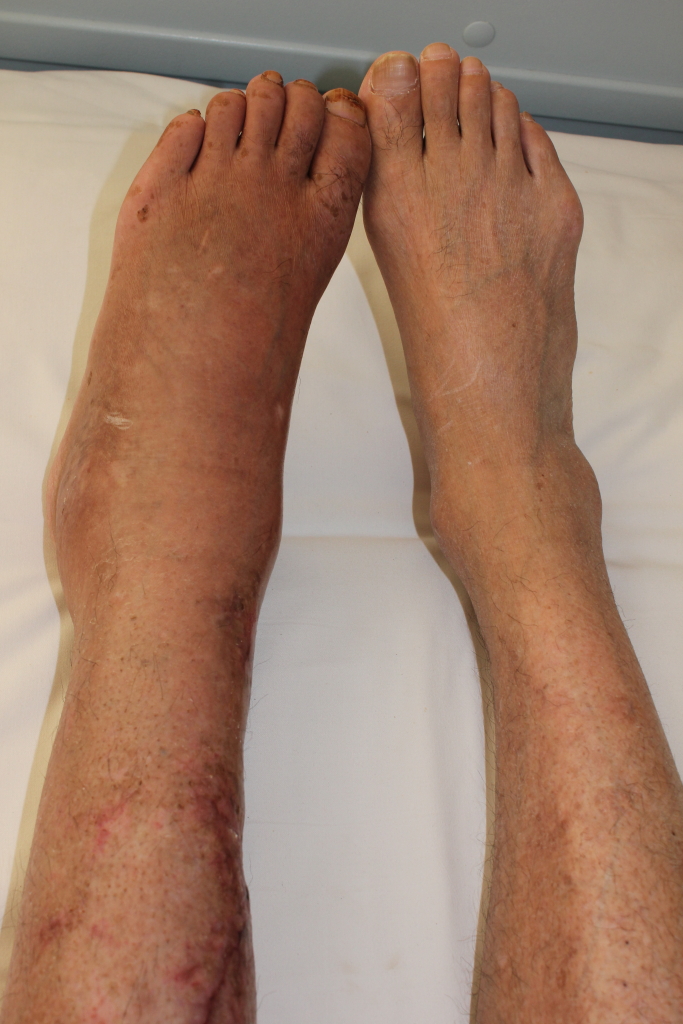
Complex Regional Pain Syndrome (CRPS) is a chronic pain condition characterized by disproportionate pain, autonomic dysfunction, and trophic changes, typically following trauma or surgery, with a pathophysiology involving peripheral and central sensitization, neurogenic inflammation, and maladaptive neuroplasticity [16]D5[48]B3b. The condition is also known historically as reflex sympathetic dystrophy (RSD) and, when an identifiable nerve lesion is present, causalgia; other synonyms include algodystrophy and Sudeck's atrophy. CRPS is classified into two subtypes based on the presence of a definable nerve injury: Type I (CRPS-I) without a specific nerve lesion (formerly RSD) and Type II (CRPS-II) with an identifiable nerve injury (formerly causalgia) [16]D5[17]D5[41]B3b.
Classification of CRPS Subtypes
| Type | Former Name | Key Distinguishing Feature |
|---|---|---|
| CRPS-I | Reflex sympathetic dystrophy (RSD) | No identifiable peripheral nerve injury |
| CRPS-II | Causalgia | Definite peripheral nerve lesion on electrodiagnostic or imaging studies |
The diagnostic framework is anchored by the Budapest Criteria, which retain high sensitivity (0.99) and improve specificity (0.68 for clinical; 0.79 for research) compared to older IASP criteria [48]B3b. The criteria require continuing pain disproportionate to the inciting event, plus at least one symptom in three of four categories (sensory, vasomotor, sudomotor/edema, motor/trophic) and at least one sign in two of those categories on examination [48]B3b. No validated criteria specifically define a chronic phase, though duration >12 months is used in practice [24]A1c.
Pain Phenotype
CRPS represents a mixed pain phenotype incorporating neuropathic, nociplastic, and nociceptive elements. Central sensitization manifests as bilateral hypersensitivity to thermal and mechanical stimuli, as demonstrated by increased pain responses to capsaicin, cold, and heat in the affected and contralateral limbs [4]B3b. The condition is classified among nociplastic pain syndromes owing to widespread hyperexcitability and altered pain modulation [46]D5. Concurrently, small-fiber pathology, reduced intraepidermal nerve fiber density, provides morphological evidence of neuropathic involvement even in CRPS-I [9]A1a. Autonomic features, including increased heart rate and reduced heart rate variability, reflect systemic sympathovagal imbalance [36]B3b. This mechanistic overlap explains the syndrome’s hallmark triad of disproportionate pain, autonomic dysregulation, and trophic changes.
CRPS imposes a substantial clinical burden. Pain and motor dysfunction persist in 51% to 89% of patients beyond 12 months, and disability rates reach 62%, with 96% reporting sleep disturbance and 86% impaired mobility [14]B2a[42]C4.
Pearl: When encountering suspected CRPS, apply the Budapest Criteria systematically, the requirement for signs in two or more categories is what separates CRPS from other neuropathic pain conditions and prevents overdiagnosis [48]B3b.
Pathophysiology and Mechanism
- ▸CRPS pathophysiology encompasses at least four interacting axes: neurogenic inflammation, autoimmunity, microvascular dysfunction, and central neural reorganization, each with distinct temporal dominance.
- ▸Autoantibodies against β2-adrenergic and muscarinic M2 receptors directly sensitize nociceptors and damage endothelial cells, providing a mechanistic rationale for immunomodulatory therapies.
- ▸The chronic phase is marked by cortical reorganization (putaminal gray matter loss, sensorimotor decoupling) and gut microbiome alterations, shifting treatment targets from peripheral to central mechanisms.
From this classification, the transition to mechanism requires tracing how a seemingly trivial inciting injury triggers a self-perpetuating cascade that involves, at minimum, four interacting axes: inflammation, autoimmunity, microvascular dysfunction, and central neural reorganization. These axes evolve over time, shifting the dominant drivers from peripheral inflammatory to central maladaptive processes.
Inflammatory and Neurogenic Cascade
Tissue trauma or nerve injury provokes release of substance P (SP) and calcitonin gene-related peptide (CGRP) from peptidergic nociceptors, initiating neurogenic inflammation [20]D5. SP acts via the neurokinin-1 receptor to cause mast cell accumulation, activation, and degranulation in the affected limb, which in turn sensitizes nociceptors and perpetuates the inflammatory cycle [74]D5. This acute phase is marked by a proinflammatory cytokine storm, elevated TNF-α, IL-1β, IL-6, alongside deficient anti-inflammatory mediators such as IL-10 and impaired bradykinin-degrading protease activity [20]D5[68]B2a[81]B3b. The resulting network sensitizes peripheral and spinal nociceptive pathways and stimulates bone cell proliferation and endothelial dysfunction [20]D5. Keratinocyte-derived Wnt5a signaling has been shown to upregulate NR2B and MMP9 in dorsal root ganglia, further amplifying mechanical and heat hypersensitivity in animal models [75]D5.
Autoantibody-Mediated Sensitization
Trauma may expose neuronal and vascular structures to the immune system, triggering generation of autoantibodies against β2-adrenergic receptors (β2AR) and muscarinic M2 receptors (M2R) [20]D5[80]D5. Purified IgG from CRPS patients binds to endothelial cell surfaces and to these receptors, inducing ERK1/2, p38, and STAT1 phosphorylation while reducing AKT phosphorylation, thereby promoting a pro-inflammatory endothelial phenotype and increasing expression of adhesion molecules (ICAM-1, VCAM-1) [80]D5. In mice, passive transfer of CRPS patient IgG exacerbates and prolongs postsurgical hypersensitivity to noxious mechanical, cold, and heat stimuli by directly sensitizing A- and C-fiber nociceptors; higher titers correlate with greater pain severity [78]D5.
Central Sensitization and Cortical Reorganization
Persistent peripheral input drives central sensitization. Sensory disturbances spread beyond the injured limb to a hemisensory distribution ipsilaterally, involving brainstem or higher convergence points, and this spread strengthens with chronicity [79]C4. Conditioned pain modulation (CPM) remains intact in early CRPS, arguing against a primary deficit in descending inhibition [88]B3b. However, chronic cases develop putaminal gray matter loss and altered functional connectivity between the putamen and sensorimotor cortices, with stronger connectivity correlating with higher pain and greater motor impairment [82]C4. Cortical reorganization includes shrinkage of the somatosensory map, mislocalization of tactile stimuli, and distorted body perception, a neglect-like state that reinforces maladaptive nonuse [71]D5[76]D5. These changes explain the efficacy of mirror therapy and motor imagery programs aimed at restoring sensorimotor integration [69]A1a[76]D5.
Microvascular Dysfunction and Oxidative Stress
Endothelial autoantibody binding contributes to microvascular dysfunction: impaired postocclusive reactive hyperemia, reduced tissue perfusion, and oxidative stress [59]D5[89]D5. In animal models, the phosphodiesterase inhibitor pentoxifylline (25 mg/kg) improves reactive hyperemia and reverses allodynia acutely, but loses efficacy once chronic fibrosis supervenes [89]D5. Oxidative stress markers (malondialdehyde, 4-hydroxynonenal) accumulate in the skin of fractured limbs, and the Nrf2-independent antioxidant dimethyl fumarate (25 mg/kg/day) potently suppresses nociceptive sensitization and humoral pronociceptive activity [58]D5. Fascial fibrosis, driven by inflammatory mediators and hypoxia, further restricts mobility and perpetuates pain [94]D5.
Modulating Factors: Gut Microbiome, Genetics, and Lifestyle
Emerging evidence implicates the gut microbiome: patients with CRPS show altered abundance of short-chain fatty acid-producing bacterial species and corresponding changes in fecal and plasma short-chain fatty acid levels; the microbiome signature alone accurately discriminates CRPS from controls [73]B3b. Genetic predispositions remain incompletely defined, but epidemiologic data suggest that angiotensin-converting enzyme inhibitors increase CRPS risk, possibly by impairing bradykinin degradation [81]B3b. Lifestyle factors, smoking and higher body mass index, predict greater pain intensity in CRPS cohorts, whereas depressive symptoms are less prominent than in chronic musculoskeletal pain but nonetheless influence outcomes [86]B3b. Life events, but not stable personality traits, appear to associate with CRPS onset [65]B2a.
The Warm-to-Cold Transition
The natural history involves a shift from "warm CRPS" (acute: inflammatory edema, erythema, ) to "cold CRPS" (chronic: trophic changes, cyanosis, fixed dystonia) [16]D5. The early phase is dominated by neurogenic inflammation and exaggerated vasodilation; autoantibody-mediated vasoconstriction and endothelial damage supervene, reducing blood flow and tissue [16]D5[20]D5[71]D5. Bone involvement is characterized by enhanced osteoblastic activity (increased Wnt signaling due to low sclerostin and Dickkopf-1) rather than the traditionally assumed osteoclastic bone resorption, a finding that reframes how bisphosphonates exert their analgesic effect in this condition [95]D5.
Pearl: The transition from acute "warm" CRPS (inflammatory-dominant) to chronic "cold" CRPS (central reorganization-dominant) marks a fundamental shift in therapeutic windows: anti-inflammatory and immunomodulatory strategies (glucocorticoids, bisphosphonates) are most effective within the first 3 months, whereas longer-duration cases may respond better to cortically directed rehabilitation and neuromodulation [68]B2a[70]B2b[84]C4.
| Mechanism | Key Mediators | Clinical Expression | Supporting Evidence |
|---|---|---|---|
| Neurogenic inflammation | Substance P, CGRP, mast cells, Wnt5a, NR2B, MMP9 | Edema, erythema, warmth, mechanical allodynia | [20]D5[74]D5[75]D5 |
| Autoantibody sensitization | IgG vs β2AR, M2R; endothelial ICAM-1, VCAM-1 | Persistent nociceptor sensitization, vasomotor instability | [78]D5[80]D5 |
| Microvascular dysfunction | Oxidative stress (MDA, 4-HNE), impaired reactive hyperemia | Cold skin, trophic changes, pain with activity | [58]D5[59]D5[89]D5 |
| Central sensitization & reorganization | Putamen gray matter loss, altered cortical maps | Hemisensory spread, neglect-like symptoms, motor dysfunction | [76]D5[79]C4[82]C4 |
| Gut microbiome alterations | Reduced SCFA-producing bacteria | Possible systemic inflammatory modulation | [73]B3b |
| Bone remodeling | Low sclerostin, Dickkopf-1; enhanced osteoblast activity | Regional bone demineralization (osteoblast-driven, not osteoclast) | [95]D5 |
Epidemiology, Etiology and Risk Factors
- ▸CRPS incidence is 26.2 per 100,000 person-years, with a 3.4:1 female predominance and peak in women aged 61-70.
- ▸Prolonged immobilization (>5 weeks) and ACE inhibitor use are among the strongest modifiable risk factors (OR 26.9 and 10.2, respectively).
- ▸More recent epidemiological studies report lower CRPS prevalence, suggesting temporal improvements in perioperative care.
From the preceding pathophysiological framework, the clinical of CRPS emerges through a distinct demographic and risk-factor landscape. Incidence in the general population is 26.2 per 100,000 person-years, with a female-to-male ratio of 3.4:1 and peak incidence in women aged 61-70 years [113]B3b. In pediatric populations, the minimum annual incidence is 1.14 per 100,000, rising to 3.10 per 100,000 in girls aged ≥12 years [50]B2b. Among at-risk groups, those with fracture or surgery, pooled 12-month prevalence is 3.04% and 24-month prevalence 6.46% [99]B2a. More recent studies report lower prevalence, suggesting a secular trend possibly linked to improved perioperative care [99]B2a. Fracture is the most common antecedent (44% of cases), with ankle fracture, intra-articular injury, and fracture-dislocation conferring particular risk; in prospective fracture cohorts, 7% develop CRPS using Budapest criteria, and none are symptom-free at 12 months [98]B2b[113]B3b.
Risk Factors
A growing body of evidence identifies both modifiable and non-modifiable risk factors. The table below summarizes the strongest associations.
| Risk Factor | Measure of Association (OR) | Evidence Level | Source |
|---|---|---|---|
| Female sex | OR 3.4 (incidence ratio) | Strong, population-based | [113]B3b |
| Vitamin D deficiency (fracture) | OR 1.60-1.78 (95% CI upper/lower) | Moderate, large database | [117]B3b |
| Prior PTSD (onset before CRPS in 86%) | 38% of CRPS patients meet PTSD criteria vs 4% healthy | Moderate, prospective | [124]C4 |
| High-energy triggering event | Prognostic factor (moderate evidence) | Moderate, systematic review | [101]B2a |
| Anxiety & pain-related fear | Prognostic factor (moderate evidence) | Moderate, systematic review | [101]B2a |
| Smoking (appears protective) | OR 0.41 (95% CI 0.19-0.88) | Moderate, case-control | [130]B3b |
Special Populations and Preventive Considerations
Pediatric CRPS predominantly affects girls aged 12-15 years, with lower limb involvement in 79.8% of cases [50]B2b. In adults, the upper extremity is more frequently affected [113]B3b. Preexisting vitamin D deficiency independently increases CRPS risk after extremity fractures (upper: OR 1.60, 95% CI 1.29-2.00; lower: OR 1.78), though not after surgical fixation [117]B3b. Cross-education training, isokinetic strengthening of the uninjured wrist during immobilization, significantly lowers CRPS incidence after distal radius fracture [122]A1b. Vitamin C prophylaxis remains debated: meta-analyses show a positive direction but pooled effects do not reach statistical significance (I² = 26.3%) [129]A1a[123]B2a. Prolonged immobilization beyond 5 weeks is a powerful modifiable risk factor (OR 26.9) and should be minimized whenever fracture stability permits [130]B3b.
Pearl: Immobilization duration >5 weeks is the strongest modifiable risk factor (OR 26.9) after distal radius fracture; limiting cast time and considering early active rehabilitation or cross-education training may substantially reduce CRPS incidence.
Clinical Presentation
- ▸Pain disproportionate to inciting injury, non-dermatomal, with allodynia and hyperalgesia is the hallmark; temperature asymmetry ≥1.0°C aids objective documentation.
- ▸The phenotype can be warm (inflammatory, early) or cold (chronic, trophic); CRPS type II has identifiable nerve injury with upregulated α1-adrenoceptors.
- ▸Body perception disturbances, cognitive decline in ~30%, and spread of pain to unaffected limbs are recognized atypical features that inform prognosis and rehabilitation planning.
Within days to weeks of the inciting trauma or surgery, the cardinal symptom emerges: pain that is strikingly disproportionate in severity and duration to the expected course of healing [48]B3b. This pain is typically burning, aching, or shooting and is accompanied by profound mechanical and thermal hyperalgesia, the patient may wince at light touch (allodynia) or report that a stimulus normally perceived as mildly painful becomes excruciating [4]B3b. The pain is not confined to a single dermatome and often extends beyond the territory of any one nerve, a feature that distinguishes CRPS from mononeuropathies [49]C4.
Presenting Symptoms
Edema, vasomotor instability, and sudomotor dysfunction develop early. The affected limb may appear swollen, shiny, and either erythematous and warm ("warm CRPS") or cyanotic and cold ("cold CRPS") [42]C4. Temperature asymmetry of ≥1.0°C between the affected and unaffected limb is a common examination finding [48]B3b. Patients often report that the limb changes color, from red to purple to pale, with dependency. or, less commonly, dry skin occurs on the affected side [42]C4. Motor symptoms emerge over weeks: reduced range of motion, weakness, tremor, and dystonia in a subset of patients [14]B2a. Trophic changes such as nail growth abnormalities, hair loss or excessive hair growth, and skin atrophy become apparent in chronic stages [42]C4.
Neurological Examination Findings
Sensory examination reveals dynamic and static mechanical allodynia, pinprick hyperalgesia, and often hypoesthesia to light touch in a non-dermatomal distribution [4]B3b[48]B3b. Autonomic signs include skin temperature asymmetry (≥1.0°C), color changes, and sudomotor asymmetry (sweating more on the affected side) [48]B3b. The perfusion index derived from is a more sensitive indicator of vasomotor disturbance than temperature alone; a difference ≥0.50% between limbs has a sensitivity of 78% for detecting subjective thermal symptoms [142]B3b. Motor examination may show reduced grip strength (25-66% reduction at ≥12 months [14]B2a), decreased active range of motion (20-25% reduction), and, in severe cases, fixed dystonia. Trophic examination reveals skin thinning, nail ridging, and increased hair growth.
Phenotypic Variants
The clinical phenotype can be stratified by temperature subtype and by presence or absence of identifiable nerve injury:
| Variant | Key Features | Approximate Frequency |
|---|---|---|
| Warm CRPS (acute) | Affected limb is warm, red, and edematous; pronounced inflammatory signs | Common in early stage |
| Cold CRPS (chronic) | Affected limb is cyanotic, cold, and mottled; greater trophic changes | Progresses to in many chronic cases |
| CRPS type I (without nerve lesion) | No identifiable major nerve injury; more common after minor trauma | ~90% of cases [48]B3b |
| CRPS type II (with nerve lesion) | Definite nerve injury on EMG/NCS; pain often more severe; α1-adrenoceptor upregulation on dermal nerves may mediate sympathetically maintained pain [144]B3b | ~10% |
| Shoulder-hand syndrome | Pain, swelling, and trophic changes in the shoulder and hand; may be a CRPS subtype after hemiplegia or myocardial infarction [67]C4 | Unclear, likely underrecognized |
Red Flags
Rapidly progressive pain with spreading edema and blistering should raise suspicion for infection, acute compartment syndrome, or deep vein thrombosis and requires urgent workup [24]A1c. New-onset severe autonomic instability (labile blood pressure, tachycardia) or mental status change may indicate a systemic inflammatory or autoimmune process rather than isolated CRPS. In such cases, alternative diagnoses must be excluded before attributing symptoms to CRPS.
Atypical Presentations
A subset of patients, particularly those with longstanding CRPS, develop body perception disturbances, including neglect-like symptoms (feeling the limb does not belong to them) and impaired limb laterality recognition [133]B2a[77]D5. Cognitive difficulties are reported by many, and objective testing shows cognitive decline in approximately 30% of patients, with higher pain catastrophizing associated with poorer performance on attention tasks [18]C4. Pain may spread to a previously unaffected limb over time, especially in patients with more extensive hyperalgesia at baseline [49]C4. Pediatric CRPS most commonly involves the lower limb (79.8% of cases) and often follows a less severe course [50]B2b.
Pearl: The combination of non-dermatomal pain, temperature asymmetry ≥1.0°C, and allodynia/hyperalgesia, captured by the Budapest criteria, should immediately raise suspicion for CRPS; the perfusion index difference ≥0.50% is a more sensitive bedside tool for detecting vasomotor involvement than temperature measurement alone [142]B3b.
Diagnosis and Workup
- ▸The Budapest Criteria are the gold standard for CRPS diagnosis (sensitivity 0.99, specificity 0.68 clinical; 0.79 research) [48].
- ▸Three-phase bone scintigraphy has low sensitivity (40%) and specificity (77%) for CRPS [154]; MRI is best reserved to exclude alternative diagnoses [159].
- ▸Regional osteopenia on TPBS or CT in early CRPS (<1 year) predicts a positive response to sympathetic blockade (OR 5.11) [109].
Building on the clinical presentation, the diagnosis of Complex Regional Pain Syndrome rests on recognized criteria, not a single laboratory or imaging test. The Budapest Criteria are the gold standard for diagnosis, validated in a cohort of 113 CRPS and 47 non-CRPS neuropathic pain patients where they demonstrated a sensitivity of 0.99 and specificity of 0.68 (clinical criteria) and 0.79 (research criteria), significantly outperforming older IASP criteria (sensitivity 1.00, specificity 0.41) [48]B3b. The criteria require continuing pain disproportionate to the inciting event plus at least one sign in two or more of four symptom categories and at least one symptom in three or more categories [48]B3b.
Budapest Diagnostic Criteria
| Category | Symptoms (patient-reported) | Signs (observed on examination) |
|---|---|---|
| Sensory | Hyperalgesia (to pinprick) or allodynia (to light touch, cold, deep pressure, or joint movement) | Hyperalgesia or allodynia on examination |
| Vasomotor | Temperature asymmetry, skin color changes, or skin color asymmetry | Temperature asymmetry (>1°C), skin color changes or asymmetry |
| Sudomotor/Edema | Edema, sweating changes, or sweating asymmetry | Edema, sweating changes, or asymmetry |
| Motor/Trophic | Decreased range of motion, motor dysfunction (weakness, tremor, dystonia), or trophic changes (hair, nail, skin) | Decreased range of motion, motor dysfunction, trophic changes |
| Clinical diagnosis: ≥1 sign in ≥2 categories, ≥1 symptom in ≥3 categories. Research diagnosis: ≥1 sign in ≥2 categories, ≥1 symptom in ≥4 categories [48]B3b. |
Adjunctive Diagnostic Tests
No single test is diagnostic, but several support the diagnosis and help exclude mimics.
Three-Phase Bone Scintigraphy (TPBS): The most commonly used imaging modality. In a study of 116 patients, TPBS had a sensitivity of 40.0% and specificity of 76.5% for CRPS diagnosed by Budapest criteria (positive likelihood ratio 1.73) [154]B3b. Patterns of decreased (D) uptake in phases I and II were more predictive than increased uptake [154]B3b. However, when combined with clinical criteria, a positive TPBS has been associated with a 6.30-fold higher odds of positive response to sympathetic blockade (95% CI 2.21-17.93) [109]B3b.
Magnetic Resonance Imaging (MRI): A systematic review of 15 studies (562 patients) found MRI has limited diagnostic accuracy for CRPS Type 1, with sensitivity ranging from 6% to 91% and specificity from 50% to 100% [159]B2a. Bone marrow edema is the most frequently reported finding, especially in early stages. MRI is best used to exclude alternative diagnoses such as osteomyelitis, fracture, or soft-tissue infection [159]B2a.
Skin Temperature and Perfusion: Resting temperature asymmetry >1°C is commonly used, but its sensitivity is only 34.78% in detecting subjective thermal symptoms [142]B3b. The perfusion index (PI) derived from is more sensitive: ΔPI ≥0.50% had a sensitivity of 78.26% for detecting subjective thermal asymmetry in CRPS patients (area under the curve 0.873) [142]B3b. Thermography under resting conditions has limited diagnostic value (sensitivity up to 71%, specificity up to 64%) [161]B3b.
Quantitative Sensory Testing (QST): QST reveals bilateral hypersensitivity to capsaicin, cold, heat, and mechanical stimuli in unilateral CRPS, suggesting central sensitization [4]B3b. Patients with CRPS show more sensory gain (heat and pressure hyperalgesia) and less sensory loss than those with peripheral nerve injury [158]B3b.
CRPS Severity Score (CSS)
The CSS is a continuous index derived from 17 signs and symptoms, ranging from 0 to 17. It discriminates CRPS from non-CRPS neuropathic pain (P<0.001) and correlates with pain intensity, distress, and functional impairment [157]B3b. Higher CSS predicts worse outcomes at 12 months [157]B3b.
Diagnostic Algorithm
Step 1: Apply Budapest clinical criteria. If met, proceed to Step 2. If not met, consider alternative diagnoses (neuropathic pain from nerve injury, , gout, fracture, or vascular insufficiency). Step 2: Exclude mimics. Obtain plain radiographs to rule out occult fracture, and basic labs (CBC, ESR, CRP) to exclude infection or inflammatory arthritis. MRI is reserved for atypical presentations or when alternative diagnoses are suspected [159]B2a. Step 3: Consider prognostic testing. In early CRPS (<1 year), TPBS showing regional osteopenia (present in 72.2% of early CRPS) predicts higher odds of positive sympathetic block response (OR 5.11, 95% CI 1.49-17.53) [109]B3b. Combined with positive TPBS, the predictive model shows excellent performance (sensitivity 0.86, specificity 0.76) [109]B3b.
Pearl: The diagnosis of CRPS is clinical using the Budapest criteria, no imaging test is sufficiently accurate to confirm or refute it. However, a positive three-phase bone scan showing regional osteopenia in early CRPS not only supports the diagnosis but also predicts a favorable response to sympathetic blockade [109]B3b.
| Category | Symptoms (patient-reported) | Signs (observed on examination) |
|---|---|---|
| Sensory | Hyperalgesia or allodynia | Hyperalgesia or allodynia on exam |
| Vasomotor | Temperature asymmetry, skin color changes | Temperature asymmetry >1°C, skin color changes |
| Sudomotor/Edema | Edema, sweating changes | Edema, sweating changes |
| Motor/Trophic | Decreased ROM, weakness, tremor, dystonia, trophic changes | Decreased ROM, motor dysfunction, trophic changes |
| Clinical: ≥1 sign in ≥2 categories + ≥1 symptom in ≥3 categories. Research: ≥1 sign in ≥2 categories + ≥1 symptom in ≥4 categories [48]B3b. |
Severity, Staging and Perioperative Risk Stratification
- ▸The CRPS Severity Score (CSS) is the only validated continuous measure of disease severity; a change of ≥4.9 points indicates real clinical change.
- ▸Early prognostic factors include higher pain intensity, anxiety, pain-related fear, female sex, and high-energy triggering event; 35% of patients still meet Budapest criteria at 1 year.
- ▸Perioperative risk stratification must incorporate CRPS-specific factors: cognitive decline (30%), PTSD (38%), body perception disturbances, and psychological comorbidities.
Once the diagnosis is confirmed, the next step is to quantify disease severity and stratify perioperative risk to guide treatment intensity and anesthetic planning.
CRPS Severity Score
The CRPS Severity Score (CSS) is the only validated continuous measure of disease severity, complementing the dichotomous Budapest criteria [157]B3b. Derived from 17 clinically assessed signs and symptoms, the CSS discriminates CRPS from non-CRPS neuropathic pain (p<0.001) and correlates strongly with pain intensity, distress, and functional impairment [157]B3b. A prospective, international validation study established that a change of ≥4.9 points on the CSS indicates real clinical change with 95% confidence [176]C4. Higher CSS scores are associated with worse quality of life, particularly in physical domains, and patients meeting stricter Budapest criteria have lower QoL scores than those meeting less strict criteria [177]C4. The CSS is recommended as a core outcome measure for CRPS clinical studies [180]D5.
Early Prognostic Factors
A systematic review of early prognostic factors (<12 weeks from onset) identified moderate evidence for six predictors of poorer outcome in type I CRPS: higher pain intensity, self-rated disability, anxiety, pain-related fear, female sex, and high-energy triggering event [101]B2a. A prospective study of 113 patients with early CRPS (<6 months) found that 35% still met Budapest criteria at 1 year, with persistent pain, disability, and impaired quality of life [112]B2b. Baseline disability, psychosocial severity, social support, body mass index, and allodynia independently predicted long-term outcomes [112]B2b. Biopsychosocial early CRPS profiles, defined by latent class analysis, showed stronger prognostic value than traditional classifications based on skin temperature [112]B2b. Another prospective cohort reported that baseline anxiety and disability predicted pain intensity, while pain-related fear predicted disability over 12 months [172]B2b. Only 5.4% of patients were symptom-free at 12 months in one study [173]B2b.
Perioperative Risk Stratification
Patients with CRPS undergoing surgery require comprehensive perioperative risk assessment that incorporates both standard tools and CRPS-specific factors. Standard assessment includes ASA physical status classification, airway evaluation, frailty screening, and STOP-BANG for obstructive sleep apnea, as these drive anesthetic plan and disposition. CRPS-specific factors that modify perioperative risk include:
- Cognitive decline: A neuropsychological study found that 30% of CRPS patients show objective cognitive decline, which may affect consent, cooperation, and postoperative monitoring [18]C4.
- Posttraumatic stress disorder: 38% of CRPS patients meet diagnostic criteria for PTSD, with onset preceding CRPS in 86% of cases [124]C4. PTSD can influence pain perception and response to anesthesia.
- Body perception disturbances: Impaired spatial body representation, neglect-like phenomena, and allochiria are common and may affect positioning, regional block performance, and rehabilitation [179]B3b[191]C4.
- Psychological factors: Anxiety, depression, kinesiophobia, and pain catastrophizing are prevalent and predict worse outcomes [60]C4[86]B3b[172]B2b[186]C4.
- Sex differences: Male patients use more passive coping strategies and are more likely to suffer from depression and kinesiophobia [60]C4.
These factors, combined with the CSS and early prognostic indicators, stratify patients into risk categories that inform the intensity of perioperative monitoring, choice of anesthetic technique, and need for multidisciplinary involvement. The anesthetic conduct tailored to this risk profile is detailed in the next section.
Pearl: Perioperative risk stratification must incorporate CRPS-specific factors: cognitive decline (30%), PTSD (38%), body perception disturbances, and psychological comorbidities.
| Domain | Components Assessed | Clinical Significance |
|---|---|---|
| Sensory | Hyperalgesia, allodynia, hypoesthesia | Correlates with pain intensity and QoL [157]B3b |
| Vasomotor | Temperature asymmetry, skin color changes | Reflects autonomic dysfunction [157]B3b |
| Sudomotor/Edema | Edema, sweating asymmetry | Indicates inflammatory component [157]B3b |
| Motor/Trophic | Decreased range of motion, dystonia, trophic changes | Associated with disability [157]B3b |
| Interpretation | CSS range 0-17; change ≥4.9 points is clinically meaningful [176]C4 | Guides treatment escalation and monitoring |
Perioperative Anesthetic Conduct: Airway Management, Technique Selection and Intraoperative Care
- ▸Regional anesthesia, particularly T2 paravertebral block, is preferred for upper extremity CRPS surgery due to higher sympathetic blockade success rates.
- ▸Preoperative stellate ganglion block reduces intraoperative propofol and fentanyl consumption in CRPS patients undergoing brachial plexus repair.
- ▸Temperature increase after sympathetic block does not correlate with pain relief; clinical response should be assessed by pain scores and functional improvement.
Having stratified perioperative risk, the anesthetic plan must now be tailored to the patient's CRPS phenotype, pain severity, and planned procedure. The goals are to minimize pain exacerbation, avoid sympathetically maintained pain triggers, and facilitate early mobilization. Standard airway principles apply; no CRPS-specific airway concerns are reported.
Step 1: Preoperative Optimization and Risk Mitigation
- Continue multimodal (e.g., , ) throughout the perioperative period.
- For patients with severe allodynia or hypoesthesia, consider a preoperative diagnostic sympathetic block, but note that these features are negative predictors of block success [37]C4.
- In patients with implanted s, coordinate with the pain team; for parturients, multidisciplinary planning is essential [194]C4.
Step 2: Anesthetic Technique Selection
Regional anesthesia is preferred when feasible. For upper extremity procedures, T2 paravertebral block (TPVB) achieves superior sympathetic blockade compared to (SGB): success rate 62.9% vs 38.2% (ΔT ≥1.5°C) and greater temperature increase (2.0°C vs 1.1°C) [11]A1b. A crossover trial confirmed higher sympatholysis (80% vs 20%) and better patient satisfaction with T2 PVB [199]A1b. For lower extremity procedures, lumbar sympathetic block with local anesthetic or botulinum toxin 75 IU prolongs temperature increase and pain reduction for up to 3 months [192]A1b. Continuous lumbar sympathetic catheter infusion of ropivacaine 0.2% at 10 mL/h reduced median pain scores from 8 to 2 [32]C4. Continuous peripheral nerve blocks (e.g., ) can provide prolonged analgesia; a case report documented 80% pain reduction and 50% opioid reduction over 2 years [135]C4.
If regional anesthesia is contraindicated, general anesthesia with total intravenous technique is appropriate. Preoperative SGB with 10 mL 0.5% bupivacaine significantly reduces intraoperative propofol (1659.7 vs 2500.7 mg) and (190.0 vs 327.3 μg) requirements in CRPS type II patients undergoing brachial plexus repair [201]A1b.
Step 3: Intraoperative Monitoring and Care
- Monitor skin temperature of the affected limb as a surrogate for sympathetic blockade; a rise ≥1.5°C is commonly used as a technical success criterion [11]A1b[199]A1b, but temperature increase does not correlate with pain relief [149]B2b[40]C4[202]B2b.
- Avoid hypothermia to prevent vasoconstriction and pain exacerbation.
- Use multimodal analgesia: , if not contraindicated, (low-quality evidence for pain reduction [197]A1a), and as an adjuvant to peripheral nerve blocks (prolongs sensory block by a mean 6.7 hours) [102]A1a.
- For patients with spinal cord stimulators, turn off the device during electrocautery; may be challenging but is possible [194]C4.
Step 4: Emergence and PACU
- Ensure smooth emergence to avoid pain spikes; continue regional analgesia if a catheter is in place.
- Monitor for transient side effects of sympathetic blocks: headache, dysphagia, hoarseness, hematoma (84% of patients) [37]C4; pneumothorax risk with thoracic blocks is 0.9% [32]C4.
- For patients who received botulinum toxin lumbar block, pain reduction persists for up to 3 months [192]A1b.
What NOT to Do
- Do not rely solely on local anesthetic sympathetic blockade as a standalone treatment; Cochrane reviews show no significant benefit over placebo for pain relief [104]A1a[105]A1a.
- Do not use IV regional guanethidine; it is ineffective and associated with significant adverse events [197]A1a.
- Do not use temperature increase as a surrogate for clinical success; it does not predict pain reduction [149]B2b[40]C4[202]B2b.
Controversies and Guideline Disagreement
| Question | Position A | Position B | Strength | Implication |
|---|---|---|---|---|
| Does sympathetic block provide sustained pain relief in CRPS? | Cochrane reviews conclude insufficient evidence to support efficacy [104]A1a[105]A1a | Multiple RCTs and cohort studies show significant pain reduction [11]A1b[192]A1b[199]A1b[200]A1a | Strong (conflicting evidence from high-quality reviews vs individual trials) | Clinicians should weigh potential benefit against side effects; blocks may be considered for selected patients, especially early CRPS with cold intolerance [202]B2b |
| Does temperature increase correlate with pain relief? | Several studies find no association [149]B2b[40]C4[202]B2b | Some studies use temperature increase ≥1.5°C as success criterion and report pain reduction [11]A1b[199]A1b | Moderate (inconsistent findings) | Temperature change should not be used as sole predictor of clinical outcome |
Pearl: For CRPS patients undergoing surgery, T2 paravertebral block provides superior sympathetic blockade compared to stellate ganglion block for upper extremity procedures, and preoperative sympathetic block reduces intraoperative anesthetic requirements; however, temperature increase does not reliably predict pain relief, and the evidence for long-term benefit of sympathetic blocks remains mixed.
| Technique | Indication | Dose/Volume | Success Rate (sympatholysis) | Pain Reduction | Key Evidence |
|---|---|---|---|---|---|
| Stellate ganglion block (SGB) | Upper extremity CRPS | 5 mL 1% mepivacaine [11]A1b or 10 mL 0.5% bupivacaine [201]A1b | 38.2% (ΔT≥1.5°C) [11]A1b; 20% [199]A1b | VAS reduction -6.24 mm (meta-analysis) [200]A1a | Moderate quality; may reduce intraoperative anesthetic needs [201]A1b |
| T2 paravertebral block (TPVB) | Upper extremity CRPS | 10 mL 1% mepivacaine [11]A1b | 62.9% [11]A1b; 80% [199]A1b | Lower NRS at 20 min (4.3 vs 5.4) [11]A1b | Superior to SGB in sympatholysis and pain relief |
| Lumbar sympathetic block (LSB) | Lower extremity CRPS | Local anesthetic ± botulinum toxin 75 IU [192]A1b or alcohol 1.5 mL 99% [202]B2b | Variable; temperature increase | Pain reduction at 1 and 3 months with botulinum toxin [192]A1b; 49.5% positive outcome at 6 months with neurolysis [202]B2b | Short duration of pain and cold intolerance predict success [202]B2b |
| Continuous thoracic sympathetic catheter | Upper extremity CRPS | Ropivacaine 0.2% at 10 mL/h [32]C4 | N/A | Pain score reduction from 8 to 2 (median) [32]C4 | Useful for prolonged block; pneumothorax risk 0.9% [32]C4 |
Acute Management and Crisis Pathways
- ▸Acute CRPS crises are stratified by pain intensity (NRS), autonomic signs, and functional impairment to guide disposition from outpatient management to emergency admission.
- ▸Ultrasound-guided thoracic paravertebral block at T2 (10 mL 1% mepivacaine) is the first-line intervention for upper extremity flares, achieving higher sympathetic blockade success rate (62.9%) than stellate ganglion block (38.2%) [11].
- ▸Transdermal fentanyl (12.5-50 μg/h) is effective for opioid-naïve CRPS patients who fail or cannot receive regional blockade, but 1 in 3 patients discontinue titration due to adverse events [28][206].
After the perioperative period, patients may present with acute exacerbations of CRPS requiring immediate intervention. The of acute pain crises follows a stepwise escalation protocol, beginning with assessment and severity stratification.
Step 1: Initial Assessment and Severity Classification
Classify the exacerbation by pain intensity on the 11-point NRS, autonomic signs (temperature asymmetry, edema, skin color changes), and functional impairment:
- Mild (NRS 0-3): No autonomic instability; patient can participate in physical therapy. Manage in outpatient setting with oral multimodal analgesics and continued PT.
- Moderate (NRS 4-6): Autonomic changes present but limb salvage not threatened; mobility limited. Consider urgent sympathetic block in a pain clinic or ambulatory procedure unit.
- Severe (NRS 7-10): Significant autonomic dysfunction (temperature difference ≥1.5°C, marked edema, mottling), inability to move limb, or systemic symptoms (tachycardia, ). Requires emergency department or hospital admission for urgent sympathetic blockade.
Step 2: First-Line Intervention for Acute CRPS Crisis
For upper extremity flares, ultrasound-guided thoracic paravertebral block (TPVB) at T2 with 10 mL of 1% mepivacaine achieves superior sympathetic blockade compared with stellate ganglion block (SGB). In a randomized trial of 69 patients, TPVB success rate was 62.9% vs 38.2% for SGB (absolute difference 24.6%; 95% CI -9.0% to 58.2%;), and pain scores at 20 minutes were lower (NRS 4.3 ± 2.2 vs 5.4 ± 2.4;) [11]A1b (1b). For lower extremity flares, lumbar sympathetic block (not directly compared in these studies) is the standard. Adding 4-8 mg as an adjuvant prolongs sensory block by a mean 6.70 hours (95% CI 5.54-7.85) [102]A1a (1a).
Continuous peripheral nerve block (CPNB) via perineural catheter infusion of dilute local anesthetic can provide days to months of relief for refractory cases [121]D5 (5).
Step 3: Second-Line Options (When Sympathetic Block Is Unsuccessful or Contraindicated)
- Transdermal 12.5-50 μg/h, titrated over 10-29 days, was effective in a randomized withdrawal study enrolling opioid-naïve CRPS patients (n = 258). The primary endpoint (days until discontinuation due to insufficient pain relief) favored fentanyl (P = 0.0003); VAS difference was 8.7 mm (95% CI 2.4-15.0) [206]A1b (1b). However, the Cochrane review noted that 1 in 3 patients withdrew during open-label titration due to adverse events or inadequate relief, and almost 90% experienced adverse events, mainly and nervous system effects [28]A1a (1a). Reserve fentanyl for patients who fail or cannot receive sympathetic blocks.
- For pediatric patients, evidence for antidepressants [30]A1a or antiepileptic drugs [31]A1a in CRPS crises is insufficient; first-line management follows pediatric multimodal with NSAIDs and acetaminophen (no specific CRPS trials).
- Spinal cord stimulation (SCS) may be considered for severe CRPS-II refractory to blocks. Adding a motor cortex electrode to an existing SCS system provided sustained improvement in a case report, but comparative studies are lacking [209]C4 (4).
Step 4: Monitoring and Titration
- After sympathetic block, measure the temperature difference between affected and unaffected hands: a ΔT ≥1.5°C at 20 minutes indicates successful sympatholysis [11]A1b.
- Assess pain NRS every 15 minutes for the first hour, then hourly for 4 hours.
- For CPNB or continuous infusions, monitor for local anesthetic systemic toxicity (perioral numbness, , seizures) and excessive motor blockade.
- Ultrasound guidance is mandatory for SGB to avoid inadvertent esophageal or vascular puncture; blind or fluoroscopic techniques risk injury to the esophagus, thyroid, vertebral vessels, and nerve roots [208]C4 (4).
Step 5: Resolution and Transition to Maintenance
Once pain is controlled (NRS ≤3) and autonomic signs improve, transition to oral multimodal analgesia (see Section 9: Multimodal Analgesia Ladder). Resume physical therapy within 24-48 hours to prevent contractures and disuse atrophy. For patients who achieve sustained relief, repeated sympathetic blocks can be scheduled on an outpatient basis. Discharge with a clear plan for escalation if pain recurs.
Treatment Failure Protocol
If no response to TPVB or SGB within 20 minutes (ΔT <1.5°C), consider the alternative block (e.g., SGB after failed TPVB, or vice versa). If still no response, insert a perineural catheter for continuous infusion [121]D5. For persistent severe pain after 72 hours, refer for advanced neuromodulation (dorsal root ganglion or spinal cord stimulation).
What NOT to Do
- Do not administer intravenous mannitol, it showed no benefit over placebo in a randomized controlled trial of 41 CRPS I patients [205]A1b (1b).
- Avoid blind (landmark-based) SGB; use ultrasound guidance to prevent esophageal puncture and vascular injury [208]C4 (4).
- Do not use erector spinae plane block for routine CRPS crisis, a case of has been reported, and comparative efficacy data are lacking [210]C4 (4).
Drug / Modality Comparison Table
| Modality | Indication | Dose / Technique | Outcome | Evidence Level |
|---|---|---|---|---|
| TPVB | Upper extremity crisis | 10 mL 1% mepivacaine at T2 (US-guided) | Success rate 62.9% for ΔT ≥1.5°C; NRS reduction 1.1 vs SGB [11]A1b | 1b |
| SGB | Upper extremity crisis | 5 mL 1% mepivacaine at C6 (US-guided) | Success rate 38.2%; pain reduction at 20 min [11]A1b | 1b |
| CPNB | Refractory upper/lower extremity | Perineural catheter with dilute local anesthetic (e.g., 0.2% ropivacaine 5-10 mL/h) | Analgesia for days to months [121]D5 | 5 |
| Lumbar sympathetic block | Lower extremity crisis | 10-15 mL local anesthetic at L2-L3 (fluoroscopic or US-guided) | Standard of care, no direct comparison in these refs | 5 (expert opinion) |
Dosing Table for Fentanyl
| Drug | Starting dose | Target / Max dose | Titration | Key monitoring |
|---|---|---|---|---|
| Transdermal fentanyl (1-day patch) | 12.5 μg/h | 12.5-50 μg/h | Increase by 12.5 μg/h every 3-7 days as needed | Respiratory depression, nausea, constipation [206]A1b[28]A1a |
Controversies and Guideline Disagreement
| Question | Position A | Position B | Strength | Implication for practice |
|---|---|---|---|---|
| Superiority of TPVB vs SGB for upper extremity sympathetic blockade | Kim et al. 2024 [11]A1b (1b) found TPVB superior (success rate 62.9% vs 38.2%) | No other RCT directly compares these two; SGB remains widely used based on historical evidence | Moderate (single RCT; N = 69) | Clinicians should consider TPVB as first-line for upper extremity CRPS crisis, especially when SGB fails or is contraindicated |
Pearl: For acute upper extremity CRPS crisis, thoracic paravertebral block at T2 with 10 mL 1% mepivacaine provides more reliable sympatholysis than stellate ganglion block (ΔT ≥1.5°C in 62.9% vs 38.2%); reserve transdermal fentanyl (12.5-50 μg/h) for patients who cannot undergo or fail sympathetic blockade [11]A1b[206]A1b.
History and Evolution of Treatment
- ▸The 1995 IASP consensus reclassified RSD/causalgia as CRPS, standardizing diagnosis and enabling rigorous trials.
- ▸Spinal cord stimulation, validated by the 2000 Kemler trial, was the first intervention with Level 1 evidence, but recent guidelines favor dorsal root ganglion stimulation.
- ▸Many once-routine treatments (Bier blocks, intrathecal steroids, glycine, nitrous oxide, prism adaptation, mirror therapy) have been proven ineffective in controlled trials, underscoring the importance of evidence-based, multimodal care.
Acute pathways emphasize early mobilization and sympathetic blockade, but the history of CRPS treatment reveals a long arc of trial and error, with many once-popular interventions now abandoned in favor of evidence-based approaches.
From RSD to CRPS: The 1995 Consensus
Before 1995, the condition was labeled reflex sympathetic dystrophy (RSD) or causalgia, terms that implied a dominant sympathetic mechanism. A consensus conference convened by the International Association for the Study of Pain (IASP) reclassified these under the umbrella term complex regional pain syndrome, distinguishing type I (no nerve injury) from type II (definable nerve lesion) [227]D5. This taxonomic shift eliminated mechanistic overtones and allowed standardized diagnostic criteria, which in turn enabled the first rigorous randomized trials of treatments previously supported only by case series.
The Era of Spinal Cord Stimulation
The first landmark randomized trial for CRPS was the 2000 Kemler study, which assigned 54 patients with chronic reflex sympathetic dystrophy to spinal cord stimulation (SCS) plus physical therapy or physical therapy alone. At 6 months, the SCS group had a mean pain reduction of 2.4 cm on a 10 cm VAS compared with an increase of 0.2 cm in controls (P < 0.001); 39% of SCS patients rated themselves “much improved” versus 6% of controls [225]A1b. However, functional status did not improve, and 6 of 24 implanted patients required additional procedures. Long-term follow-up showed that SCS effects on sensory thresholds were minimal, with only a slight reduction in mechanical hyperalgesia [212]A1b. Brush-evoked allodynia at baseline emerged as a negative predictor of SCS success (sensitivity 0.75, specificity 0.81) [70]B2b. More recently, the German S3 guideline (2026) upgraded the recommendation for dorsal root ganglion stimulation (DRG‑S), noting superiority over tonic SCS for CRPS [53]A1c.
The Rise and Fall of Interventional Therapies
Several once-routine interventions were tested in controlled trials and found ineffective. Bier block with and lidocaine showed no long-term benefit and was no better than placebo [213]A1b. Intrathecal methylprednisolone (60 mg single bolus) was stopped early after an interim analysis showed no effect on pain (difference 0.3, 95% CI -0.7 to 1.3) [220]A1b. Intrathecal glycine for pain and dystonia had no significant effect on any outcome and trended toward worsening [147]C4. Nitrous oxide (2 hours on 3 alternating days) failed to reduce pain at 1 week or 1 month (estimated difference -0.57, 95% CI -1.42 to 0.28) [7]A1b. Prism adaptation treatment, based on the hypothesis of lateralized attention bias, produced no benefit over sham for pain or CRPS severity [170]A1b. Mirror therapy added to routine rehabilitation did not improve pain or function in post-traumatic CRPS type I [236]A1b. Mesotherapy with lidocaine 20 mg plus ketamine (20 or 40 mg) was no better than lidocaine alone [54]A1b.
Pharmacological Advances: Ketamine, Immunotherapy, and Cannabinoids
Ketamine, an NMDA-receptor antagonist, gained attention after a 2004 trial showed that a 100‑hour infusion produced pain relief lasting a median of 50 days beyond the infusion period [224]A1b. A 2025 dose-finding study compared 3‑day, 5‑day, and 7‑day sub‑anesthetic infusions (0.1-0.35 mg/kg/h, max 24 mg/h). The 5‑day regimen offered the best balance of pain control and side effects; the 7‑day regimen caused significantly more adverse events [55]A1b. The combination of with an NMDA-receptor antagonist (likely ketamine or dextromethorphan) reduced pain and disability, with functional MRI showing decreased activation in the primary somatosensory cortex [216]A1b. Immunotherapy emerged from the discovery that serum IgG from longstanding CRPS patients activates α‑1a adrenoceptors, suggesting an autoimmune component [215]B3b. Low‑dose IVIG showed benefit in a small crossover trial, though larger studies are pending. Cannabinoids delivered via a novel metered‑dose inhaler (0.5 mg or 1 mg Δ⁹‑THC) produced dose‑dependent without cognitive impairment in a 2019 crossover trial [221]A1b.
Current Directions: Neuromodulation and Biopsychosocial Approaches
The therapeutic timeline has shifted from invasive, unproven procedures toward multimodal, evidence‑based care. SCS remains a mainstay for refractory CRPS, but DRG stimulation is now preferred [53]A1c. Botulinum toxin type A for lumbar sympathetic block prolonged skin temperature elevation and pain reduction for 3 months (pain reduction -2.2 ± 1.0 vs. -1.0 ± 1.6 at 1 month, P = 0.003) [192]A1b. Remote ischaemic conditioning paradoxically decreased blood flow but improved oxygen extraction, suggesting an anti‑inflammatory effect [222]B2b. Graded motor imagery (hand laterality recognition, imagined movements, mirror therapy) achieved a number needed to treat of 2 for a 50% pain reduction in chronic CRPS [214]A1b. Recent prospective data show that 35% of patients still meet Budapest criteria at 1 year, and early psychosocial factors, disability, social support, BMI, allodynia, predict chronification, reinforcing the need for early biopsychosocial assessment [112]B2b.
The next section turns from this historical perspective to the practical Multimodal Analgesia Ladder and Long-term Pharmacotherapy, detailing the stepwise pharmacologic approach that has emerged from the evidence reviewed here.
Pearl: The history of CRPS treatment is a cautionary tale: many invasive interventions (Bier blocks, intrathecal steroids, intrathecal glycine, nitrous oxide, prism adaptation) were abandoned after controlled trials showed no benefit. The current standard, multimodal care combining neuromodulation, targeted pharmacotherapy, and graded motor imagery, rests on the handful of interventions that survived rigorous testing.
Multimodal Analgesia Ladder and Long-term Pharmacotherapy
- ▸Bisphosphonates may reduce CRPS pain intensity in the short term (4 weeks to 3 months; MD -10.0 on 0-100 scale), but benefit is uncertain beyond 3 months and adverse events are increased (RR 1.1) [250].
- ▸Intravenous ketamine provides short-term relief with NNT ≈ 3 at 2 weeks; a 5-day infusion regimen offers the best balance of efficacy and tolerability [8, 55].
- ▸Opioid prescriptions for CRPS have increased despite limited efficacy; avoid opioids as first- or second-line therapy [28, 35].
Building on the historical shift toward mechanism-targeted therapy, the current multimodal ladder for CRPS rests on an evidence hierarchy that matches drug mechanism to pain phenotype. The European Pain Federation (EFIC) 2019 standards mandate a multidisciplinary approach with pharmacotherapy as one core pillar [146]A1c, while the 2025 ASIPP guidance emphasizes that chronic CRPS (≥12 months) requires a distinct pharmacological strategy from acute CRPS [24]A1c. The following stepwise protocol reflects the available evidence, graded from first-line to salvage therapy.
Step 1: First-Line Agents, Antineuropathic Drugs and Topicals
Initiate or for the neuropathic pain component, titrating to effect. For patients with prominent allodynia or burning pain, topical 1.5% gel reduces overall pain (mean VAS 4.9 vs 5.6; difference 0.8, 95% CI 0.1 to 1.3; p=0.04) and burning pain specifically [5]A1b. Low-dose (10-50 mg nightly) addresses sleep disruption and central sensitization, though pediatric evidence is absent [30]A1a. In acute inflammatory CRPS (<6 months), a short course of oral 20-40 mg daily for up to 4 weeks may be considered, a randomized trial (n=39) showed improvement in CRPS, VAS, and sleep scores at 1 month with equal efficacy at both doses [182]C4.
Step 2: Bisphosphonates for Moderate to Severe Pain
When first-line agents provide inadequate relief, bisphosphonates represent the best-supported second-line option. A 2025 meta-analysis of 11 randomized trials (754 participants, 97% with CRPS type I) found that bisphosphonates may reduce pain intensity in the short term (4 weeks to 3 months; mean difference -10.0 on a 0-100 scale, 95% CI -18.9 to -1.1; low certainty) [250]A1a. Benefit was uncertain at medium term (3-6 months; MD 8.0, 95% CI -15.4 to 31.4) and absent at long term; adverse events were increased (RR 1.1, 95% CI 1.0 to 1.2; moderate certainty) [250]A1a. Available agents include oral 70 mg weekly and intravenous 100 mg or 5 mg [252]D5. NNT for short-term pain relief is not calculable from reported data.
Step 3: Ketamine Infusions for Refractory Pain
For patients with persistent pain despite bisphosphonates, intravenous at subanesthetic doses provides short-term relief. A meta-analysis of 7 randomized trials (211 patients) found a significant reduction in pain up to 2 weeks after infusion (mean difference -1.83 points on 0-10 NRS, 95% CI -2.35 to -1.31; p<0.0001), with responder rates of 51.3% vs 19.4% (RR 2.43, 95% CI 1.10-5.40; NNT ≈ 3) [8]A1a. A 2025 comparative trial (75 patients) found that a 5-day infusion regimen (0.1-0.35 mg/kg/h over 6 hours) provided the best balance of efficacy and tolerability; a 3-day regimen was less effective, and a 7-day regimen caused more side effects without additional benefit [55]A1b. Preclinical work suggests ketamine is more effective in chronic than acute CRPS, consistent with its central mechanism [38]D5. Monitor for dissociative symptoms, , and nausea; ketamine increases cardiac output in a dose-dependent manner (concentration causing 1 L/min increase: 243 ng/mL) [66]C4.
Step 4: Lidocaine Infusions and Other Intravenous Options
Intravenous 3 mg/kg over 1 hour, administered weekly for 4 weeks, produces short-term pain reduction in CRPS type II (percentage NRS reduction greater than placebo; p=0.011), but benefit is not sustained at 4-week follow-up [6]A1b. Repeated infusions (third and fourth) yielded more pronounced effects [6]A1b. Intravenous (IVIG) has evidence for a subset of patients with activating autoantibodies against α-1a adrenoceptors, a biomarker that may predict response [215]B3b. has been investigated in 2 small CRPS trials (86 participants) but evidence remains equivocal; no recommendation can be made [10]A1a.
Step 5: Opioid-Sparing Strategies and What NOT to Do
Opioid prescriptions for CRPS have increased from 2012-2022 despite limited efficacy data [35]B2c. The only randomized trial of transdermal in neuropathic pain (including CRPS) used an enriched-enrollment withdrawal design; one-third of participants withdrew during titration due to adverse events or inadequate relief, and almost 90% experienced adverse events [28]A1a. The combination of with an NMDA-receptor antagonist (ketamine) may be more effective than morphine alone, one functional MRI study (upper-extremity CRPS) showed that 49 days of combination therapy reduced pain at rest and during movement and decreased activation in primary somatosensory cortex [216]A1b. This should be reserved for refractory cases under specialist supervision.
Do NOT use for CRPS, a 2024 randomized trial (n=44) found no difference in pain scores compared with placebo (difference -0.57, 95% CI -1.42 to 0.28; p=0.19) [7]A1b. Do NOT use intrathecal as a single bolus, a placebo-controlled trial showed no effect (difference 0.3, 95% CI -0.7 to 1.3) [220]A1b. Do NOT use intrathecal , a crossover trial found no benefit for pain or dystonia and a trend toward worsening [147]C4. Do NOT use intravenous regional blockade with , moderate-quality Cochrane evidence finds it ineffective and associated with significant adverse events [197]A1a.
| Drug | Starting Dose | Target / Max Dose | Renal Adjustment | Hepatic Adjustment | Key Monitoring |
|---|---|---|---|---|---|
| 300 mg PO daily | 3600 mg/day in divided doses | Reduce for CrCl <60 mL/min | Avoid in severe impairment | Sedation, dizziness, renal function | |
| 75 mg PO BID | 600 mg/day | Reduce for CrCl <60 mL/min | No adjustment | Sedation, dizziness, edema | |
| 10 mg PO nightly | 50-100 mg nightly | No adjustment | Avoid in hepatic impairment | QTc interval, sedation, dry mouth | |
| 70 mg PO weekly | 70 mg weekly | Avoid if CrCl <35 mL/min | No adjustment | Serum calcium, vitamin D, renal function | |
| Ketamine IV | 0.1 mg/kg/h over 6 h | 0.35 mg/kg/h (max 24 mg/h) | No adjustment | Caution in impairment | Cardiac output, dissociative symptoms, BP |
| Lidocaine IV | 3 mg/kg over 1 hour | 3 mg/kg weekly × 4 | Reduce for severe impairment | Caution in impairment | Cardiac monitoring, CNS toxicity |
Controversies and Guideline Disagreement
| Question | Position A | Position B | Strength of Disagreement | Implication for Practice |
|---|---|---|---|---|
| Are bisphosphonates effective for CRPS pain? | 2025 meta-analysis [250]A1a: short-term benefit (MD -10.0, low certainty) | 2013 Cochrane overview [197]A1a: low-quality evidence, interpret with caution | Mild (both agree benefit is modest and uncertain) | Trial of bisphosphonates is reasonable in moderate-to-severe CRPS, but counsel patients about limited durability and adverse events |
| What is the role of opioids in CRPS? | Prescribing data [35]B2c: opioid prescriptions increasing in CRPS from 2012-2022 | Cochrane review [28]A1a: limited efficacy, high AE burden, high dropout in enriched trial design | Moderate (practice-evidence mismatch) | Avoid opioids as first- or second-line; reserve for select refractory cases with specialist oversight |
Pearl: The evidence-based CRPS pharmacotherapy ladder starts with antineuropathic agents and topicals, advances to bisphosphonates for short-term pain reduction (MD -10.0, low certainty), then to intravenous ketamine (NNT ≈ 3 at 2 weeks), while opioids and intrathecal glycine or steroid boluses are ineffective and should be avoided [8]A1a[250]A1a[220]A1b[147]C4.
Regional and Interventional Procedures
- ▸Thoracic paravertebral block achieves higher sympathetic blockade success than stellate ganglion block for upper extremity CRPS [11].
- ▸Dorsal root ganglion stimulation is now preferentially recommended over traditional spinal cord stimulation for CRPS [53].
- ▸Brush-evoked allodynia predicts poor SCS outcome; pain catastrophizing does not contraindicate SCS [70][163].
When pharmacotherapy fails to achieve adequate relief, interventional procedures targeting the sympathetic nervous system and central neuromodulation offer the next tier of . These techniques range from reversible sympathetic blocks to permanent spinal cord stimulation (SCS), each with distinct evidence and risk profiles.
Sympathetic Blocks
Sympathetic blocks are the most commonly performed intervention. For upper extremity CRPS, ultrasound-guided thoracic paravertebral block (TPVB) achieves a higher success rate of sympathetic blockade (62.9%) than stellate ganglion block (SGB) (38.2%) (difference 24.6%, 95% CI -9.0% to 58.2%;) [11]A1b. TPVB also produces greater immediate pain reduction (NRS 4.3 vs 5.4 at 20 minutes), though pain returns to baseline by 1 week [11]A1b. For lower extremity CRPS, lumbar sympathetic ganglion block with 75 IU botulinum toxin type A prolongs temperature increase and pain relief compared to local anesthetic alone, with mean pain reduction of -2.2 at 1 month versus -1.0 (P = 0.003), sustained at 3 months [192]A1b.
In a retrospective study of 255 patients, 61% achieved >50% pain relief from sympathetic blocks, with 85% of responders maintaining relief for 1-4 weeks or longer [149]B2b. However, the degree of relief did not correlate with preprocedure limb temperature parameters [149]B2b nor predict subsequent SCS trial success [149]B2b. Allodynia and hypoesthesia are negative predictors of block success [37]C4; regional osteopenia on CT (especially in early CRPS) is a positive predictor (OR 5.11, 95% CI 1.49-17.53) [109]B3b.
Cochrane reviews conclude that evidence for local anesthetic sympathetic blockade is limited and of low quality; pooling of two small sham-controlled trials (N = 32) showed no significant short-term benefit [104]A1a[105]A1a. Thoracic sympathetic ganglion block (TSGB) in 207 patients produced a positive outcome in 55.5%, but temperature increase did not correlate with pain reduction [40]C4.
Ablative Sympathectomy
Radiofrequency thermal lumbar sympathectomy and phenol 7% neurolysis both reduce baseline pain scores from 8-9/10 to 3-5/10 over 4 months, with no significant between-group difference [193]A1b. A Cochrane review identified only this single RCT (N = 20) and advises cautious use after failure of other options [29]A1a.
Spinal Cord Stimulation and Dorsal Root Ganglion Stimulation
SCS carries the strongest evidence among interventional procedures. A systematic review of RCTs found that 67% (95% CI 51%-84%) of implanted CRPS patients achieve ≥50% pain relief over a median follow-up of 33 months [255]C4. Long-term outcomes in 51 patients showed a mean NRS reduction of 2.4 (95% CI 1.7-3.0; P < 0.0001) at median 4.4 years, with 68.8% rating "much improved" or "very much improved" and 87.5% reporting they would choose SCS again [256]B2b. The median fragility index for CRPS SCS trials is 7.20 (IQR 4.62-81.50), indicating robust findings [1]D5.
Dorsal root ganglion stimulation (DRG-S) is now preferentially recommended over traditional SCS for CRPS in German guidelines [53]A1c. Patient preference for stimulation settings varies: 48% prefer standard 40 Hz, while 52% favor non-standard frequencies (500, 1200 Hz, or burst) [223]A1b. Brush-evoked allodynia is a negative predictor of SCS success (sensitivity 0.75, specificity 0.81) [70]B2b; pain catastrophizing is not a contraindication [163]B2b.
SCS is cost-effective compared to physical therapy alone, with lifetime savings of approximately $60,800 [255]C4. The median real-world duration of SCS use in CRPS is 4.4 years [264]B2b. Device explant risk is higher with CRPS indication [51]B2a. In a Canadian cohort, complications included implantable pulse generator pain (47%), lead migration (14%), lead fracture (9%), CSF leak (6%), and infection (2%) [118]B3b.
SCS in pediatric CRPS appears effective; in a case series of seven girls aged 11-14 years, pain relief was complete in five, and four eventually had the device removed [237]C4. Pregnant patients with pre-existing SCS can usually maintain effective stimulation with low device-related risk; for delivery remains feasible [194]C4[160]B2a.
Other Neuraxial Interventions
Intrathecal baclofen (ITB) improved global intense, sharp, dull, and deep pain qualities over 6 months in CRPS patients with dystonia, but pain scores leveled off despite continued dose escalation [12]C4. A single intrathecal bolus of 60 mg showed no benefit over placebo in chronic CRPS (difference in NRS 0.3, 95% CI -0.7 to 1.3) [220]A1b.
Peripheral and Fascial Plane Blocks
Continuous peripheral nerve block (e.g., epidural or perineural local anesthetic infusion) can facilitate intensive rehabilitation in pediatric CRPS: 70% achieved clinically significant benefit, with predictors including preadmission resting pain score <6 [39]C4. Continuous erector spinae plane block at T2 produced 80% pain reduction, 50% opioid reduction, and sustained improvement in vasomotor/sudomotor symptoms over 2 years in a reported case [135]C4.
Complications specific to each procedure are detailed in the section that follows.
Pearl: For upper extremity CRPS, thoracic paravertebral block achieves more reliable sympathetic blockade than stellate ganglion block [11]A1b; for patients with regional osteopenia on CT, sympathetic blockade is more likely to succeed [109]B3b.
| Procedure | Indication | Key Efficacy Data | Evidence Level |
|---|---|---|---|
| Thoracic paravertebral block (TPVB) | Upper extremity CRPS | Success rate 62.9% vs 38.2% for SGB [11]A1b | 1b |
| Lumbar sympathetic block with botulinum toxin | Lower extremity CRPS | Pain reduction -2.2 vs -1.0 at 1 mo (P=0.003) [192]A1b | 1b |
| Radiofrequency lumbar sympathectomy | Lower extremity CRPS | Pain score 8-9/10 → 3-5/10 at 4 mo [193]A1b | 1b |
| Spinal cord stimulation (SCS) | CRPS type I/II | 67% achieve ≥50% pain relief at 33 mo [255]C4; median SCS use 4.4 yr [264]B2b | 1a |
| Dorsal root ganglion stimulation (DRG-S) | CRPS | Preferentially recommended over SCS [53]A1c | 1c |
| Intrathecal baclofen | CRPS with dystonia | Improved sharp/dull/deep pain over 6 mo [12]C4 | 4 |
| Continuous erector spinae plane block | Upper extremity CRPS | 80% pain reduction, 50% opioid reduction at 2 yr [135]C4 | 4 |
Supportive Care and Complications
- ▸CRPS patients require vigilant monitoring for respiratory depression when on opioids or ketamine, with FVC < 1.5 L as a warning threshold.
- ▸Autonomic complications (arrhythmias, ileus, urinary retention) are common and worsen with sympathetic blocks; hourly vital signs and nonpharmacologic measures are first-line.
- ▸Multimodal pain management includes bisphosphonates (NNTH 4.6), ketamine (short-term benefit), lidocaine, and topical diclofenac, with opioids reserved for acute flares.
- ▸Rehabilitation with graded motor imagery and mirror therapy should start early to prevent contractures and disuse.
- ▸Amputation carries high rates of phantom pain (67-85%) and CRPS recurrence (10-47%); it is a last-resort option.
Following regional and interventional procedures, the focus shifts to supportive care and the mitigation of disease- and treatment-related harms. CRPS and its therapies carry a substantial burden of complications that require active surveillance.
Respiratory Monitoring
Patients on high-dose opioids or ketamine infusions warrant monitoring for respiratory depression. Forced vital capacity (FVC) < 1.5 L or a decline > 20% from baseline should trigger evaluation for opioid dose reduction or naloxone availability. Intubation criteria include a respiratory rate < 8 breaths/min, oxygen saturation < 90% despite supplemental oxygen, or impending respiratory failure. Continuous is preferred over alone.
Autonomic Complications
CRPS itself disrupts autonomic regulation, manifesting as blood pressure lability, tachycardia, cardiac arrhythmias, , ileus, and urinary retention [61]B3b. Sympathetic blocks may transiently worsen dysautonomia. Heart rate and blood pressure should be monitored hourly during infusions; nonpharmacologic measures (positioning, stool softeners) are first-line, with beta-blockers reserved for persistent tachycardia.
DVT/PE Prophylaxis
Immobility, especially in lower-limb CRPS, increases venous thromboembolism risk. Low-molecular-weight (e.g., 40 mg subcutaneously daily) is recommended for hospitalized patients with reduced mobility. Contraindications include active bleeding or coagulopathy. Mechanical prophylaxis (intermittent pneumatic compression) is an alternative in high-bleeding-risk patients.
Pain
Pain in CRPS is a mix of nociceptive, neuropathic, and nociplastic components. Multimodal includes:
- Bisphosphonates (e.g., pamidronate 60 mg IV once): moderate-certainty evidence for pain reduction (SMD -2.6, 95% CI -3.4 to -1.8) but increased adverse events (NNTH 4.6) [136]B2a.
- Ketamine intravenous infusion 0.5-0.9 mg/kg/day over 4 days: short-term benefit (mean difference -1.83 points) but risk of cardiac output increase and psychomimetic effects [8]A1a[62]D5[66]C4.
- Lidocaine 3 mg/kg IV over 1 hour weekly: short-term pain relief [6]A1b.
- Topical diclofenac 1.5%: modest reduction in burning pain [5]A1b.
- Opioids (e.g., 5-10 mg every 4 hours as needed) are reserved for acute flares due to risk of dependence and hyperalgesia [35]B2c.
Rehabilitation
Rehabilitation should begin as soon as pain is controlled to prevent contractures and disuse. Modalities include graded motor imagery, mirror therapy, and desensitization techniques [141]A1c[243]A1a. Physical therapy focuses on range of motion, strength, and functional tasks. Occupational therapy addresses activities of daily living and splinting. Start with non-painful movements and progress as tolerated.
Hospital-Acquired Complications
Prolonged hospitalization predisposes to pressure injuries (sacrum, heels), , and catheter-associated urinary tract infections. Prevention includes turning every 2 hours, oral care, early mobilization, and indwelling catheter avoidance. Antibiotic stewardship is essential.
| Complication | Frequency | Prevention | Management |
|---|---|---|---|
| CRPS recurrence after amputation | 10-47% [175]C4[271]C4 | careful patient selection, multidisciplinary team | symptomatic treatment, possible revision |
| Phantom limb pain | 67-85% [175]C4[271]C4 | preoperative pain control, regional anesthesia | gabapentin, mirror therapy, amitriptyline |
| Persistent postsurgical pain | 19-43% [47]B2b | risk stratification, regional anesthesia | multimodal analgesia, pain psychology |
| Adverse events from sympathetic blockade | 84% transient [37]C4 | proper technique, ultrasound guidance | supportive care, reassure |
| Regional osteopenia | 52-72% [109]B3b | early mobilization, bisphosphonates | weight-bearing exercises, calcium/vitamin D |
| Opioid-induced respiratory depression | dose-dependent | capnography, limit doses | naloxone, dose reduction |
Pearl: The combination of regional osteopenia on CT or three-phase bone scintigraphy positivity predicts a high likelihood of response to sympathetic blockade, allowing targeted use of this intervention [109]B3b.
Prognosis and Natural History
- ▸Only 5.4% of CRPS patients are symptom-free at 12 months; 35% still meet Budapest criteria at 1 year.
- ▸Early predictors of poor prognosis include higher pain intensity, disability, anxiety, pain-related fear, female sex, high-energy trigger, allodynia, and higher BMI.
- ▸SCS provides ≥50% pain relief in 67% of patients over a median 33 months, but brush-evoked allodynia predicts failure; amputation reduces pain but carries high rates of phantom and residual limb pain.
Complications of CRPS, while serious, must be understood within the context of the condition's natural history and the factors that govern its trajectory. The untreated course is highly variable, but prospective data reveal a less optimistic outlook than earlier reports suggested. In a 1-year prospective study of 59 patients with early CRPS-I (<12 weeks), rates of almost all signs and symptoms declined significantly, with the greatest improvement in the first 6 months and a plateau thereafter [173]B2b. However, at 12 months, nearly two-thirds of patients still met IASP-Orlando criteria for CRPS, one-quarter met the stricter Budapest research criteria, and only 5.4% were completely symptom-free [173]B2b. A larger prospective cohort of 113 patients with early CRPS (<6 months) found that 35% still fulfilled Budapest criteria at 1 year, with persistent pain, disability, and impaired quality of life [112]B2b. Sensory profiles stabilized after a few months, while body perception disturbance scores did not change over the follow-up period [112]B2b. These findings indicate that spontaneous resolution is the exception, not the rule, and that many patients transition from an acute inflammatory phase to a chronic centralized pain state dominated by neuronal plasticity, motor dysfunction, and distorted body representation [20]D5.
Predictors of Chronification
Identifying early prognostic factors is critical for risk stratification. A systematic review of early (<12 weeks) prognostic factors found moderate evidence that higher pain intensity, self-rated disability, anxiety, pain-related fear, female sex, and a high-energy triggering event each predict poorer outcomes [101]B2a. The prospective study by Louis et al. (2025) confirmed that baseline disability, psychosocial severity, social support, body mass index, and allodynia independently predicted long-term outcomes [112]B2b. Latent class analysis of early biopsychosocial profiles revealed distinct clinical trajectories with stronger prognostic value than traditional temperature-based classifications [112]B2b. The table below summarizes key predictors.
| Domain | Predictor of Poor Prognosis | Strength of Evidence |
|---|---|---|
| Pain | Higher baseline pain intensity | Moderate [101]B2a |
| Disability | Higher self-rated disability | Moderate [101]B2a[112]B2b |
| Psychological | Anxiety, pain-related fear, low social support | Moderate [101]B2a[112]B2b |
| Demographic | Female sex | Moderate [101]B2a |
| Trigger | High-energy injury | Moderate [101]B2a |
| Physical | Allodynia, higher BMI | Moderate [112]B2b |
| Sensory | Brush-evoked allodynia (predicts SCS failure) | Moderate [70]B2b |
Impact of Treatment on Prognosis
Treatment modifies the trajectory, but complete recovery remains elusive for most. Spinal cord stimulation (SCS) provides sustained benefit: in a systematic review, 67% of implanted patients reported ≥50% pain relief over a median 33 months [255]C4. A Danish cohort with median 4.4-year follow-up showed a mean NRS reduction of 2.4 points (95% CI 1.7-3.0), with 68.8% rating themselves "much improved" and 87.5% willing to undergo SCS again [256]B2b. Brush-evoked allodynia is a negative predictor for SCS success (sensitivity 0.75, specificity 0.81) [70]B2b, but pain catastrophizing does not predict outcome [163]B2b. Sympathetic blocks produce >50% pain reduction in 61% of patients, but the effect does not predict SCS trial success [149]B2b; allodynia and hypoesthesia are negative predictors for block response [37]C4. Thoracic sympathetic block for upper-limb CRPS-I showed significantly lower pain at 12 months (3.47 vs 5.86, P=0.046) compared to control [276]A1b. Exposure-based therapies (graded exposure in vivo, graded motor imagery) reduce disability and pain-related fear more effectively than pain-contingent treatment [277]A1b[278]B2a[274]B2b. Ketamine infusions provide short-term (mean difference -1.83 points at ≤2 weeks) with a responder rate of 51.3% vs 19.4% (RR 2.43) [8]A1a; a 5-day regimen offers the best balance of efficacy and side effects [55]A1b. Intrathecal baclofen improves dystonia, pain, and quality of life but carries a high complication rate (89 adverse events in 36 patients) [171]B2b. Amputation, reserved as a last resort, reduces pain by a mean of 2.71 points (95% CI 1.76-3.65) at long-term follow-up, but 77% experience residual limb pain, 85% phantom limb pain, and 10% CRPS recurrence in the stump [175]C4; 94% of patients would choose amputation again despite these complications [175]C4.
Pearl: The natural history of CRPS is one of incomplete resolution, only 5% of patients become symptom-free by 1 year, but early identification of modifiable predictors (pain-related fear, disability, allodynia) and timely application of exposure-based therapies or SCS can shift the trajectory toward functional improvement rather than chronification.
Special Populations and Pregnancy
- ▸Pediatric CRPS has no validated diagnostic tool; the Pediatric PainSCAN offers moderate screening accuracy (sensitivity 76%, specificity 63%), and early multidisciplinary care is essential.
- ▸In pregnancy, pre-existing spinal cord stimulators are well tolerated with low device-related risk; neuraxial anesthesia and vaginal delivery are usually feasible.
- ▸Elderly patients with fracture or stroke are at increased CRPS risk; vitamin D deficiency is an independent risk factor (OR 1.60-1.78), and contrast compression therapy benefits post-stroke CRPS.
Prognosis worsens with delay in diagnosis, but the trajectory shifts meaningfully across patient subgroups defined by age, pregnancy, and immune status. Each requires tailored diagnostic thresholds, modified treatment algorithms, and specific safety precautions.
Pediatrics
Pediatric CRPS differs from adult disease in several clinically important ways. The minimum Canadian incidence is 1.14 per 100,000 children per year, with the highest rate among girls aged 12 years and older (3.10 per 100,000) [50]B2b. Mean age at diagnosis is 12.2 years (SD 2.4), and the lower limb is involved in 79.8% of cases [50]B2b. Time from symptom onset to diagnosis averages 5.6 months (SD 9.9), and no inciting event is identified in 19.6% of patients [50]B2b.
No diagnostic tool has been validated specifically in children [64]B2a. The Budapest Criteria are commonly applied extrapolated from adults. The newly developed Pediatric PainSCAN shows promising screening properties: sensitivity 76% and specificity 63% for discriminating neuropathic or CRPS pain from other conditions, with test-retest reliability of 0.76 (part B) and 0.82 (part C) [156]B2c. Clinicians should maintain a high index of suspicion, particularly in adolescent girls with unilateral lower limb pain, allodynia, and vasomotor changes.
Treatment relies on early multidisciplinary intervention. In a Canadian surveillance study, most children were prescribed NSAIDs (82.7%) and acetaminophen (66.0%), with antiepileptics used in 52.3% and antidepressants in 32.0% [50]B2b. Physical therapy was recommended for 83.3% of cases and multidisciplinary pain clinic referral for 72.6%; only 65.6% received pain education [50]B2b. Evidence for antiepileptic drugs in pediatric chronic non- is lacking, Cochrane reviews found no adequate RCTs [31]A1a, and the same applies to antidepressants [30]A1a.
For children who do not respond to conservative therapy, continuous regional anesthesia combined with inpatient rehabilitation can achieve clinically significant benefit in 70% of patients, with predictors including a preadmission resting Numeric Pain Rating Scale score < 6 (OR 5.0) [39]C4. Spinal cord stimulation (SCS) has been used in highly selected adolescents. In a series of seven girls (aged 11-14 years) with severe, therapy-resistant CRPS-I, complete pain relief was achieved in five after 2-6 weeks of stimulation; in four patients the device could eventually be removed [237]C4. The evidence level for all invasive therapies in pediatrics remains weak [152]D5, and the decision to proceed requires careful risk-benefit assessment.
Pregnancy
CRPS may arise during pregnancy or the postpartum period. A case of CRPS after protracted labor and instrumental delivery under spinal anesthesia, manifesting as foot drop, edema, allodynia, and burning pain, resolved over six months with gabapentin, ibuprofen, topical capsaicin, and physiotherapy [145]C4. No controlled trials guide pharmacotherapy in pregnancy; drug selection must balance maternal pain relief against fetal risk.
For women with pre-existing CRPS managed by SCS, pregnancy is generally well tolerated. A systematic review of 31 patients (mean age 33.0 years; 58.1% with CRPS) found that all SCS systems were implanted before pregnancy [160]B2a. Device-related complications were uncommon, with rare lead migration and fracture and no reported infections or explantations [160]B2a. Most pregnancies maintained effective stimulation with infrequent reprogramming. and vaginal delivery were generally feasible, and cesarean delivery was not attributable to device location [160]B2a. Gestational age and neonatal outcomes were reassuring: term delivery predominated, with normal birth weights, favorable Apgar scores, and no neonatal deaths [160]B2a. A separate case series of seven parturients with SCS reported 2 preterm births (at unspecified gestational weeks) and 4 cesarean deliveries, with all infants born healthy [194]C4. requires coordinated planning among the pain specialist, obstetrician, and anesthesiologist before delivery [194]C4.
Elderly
Older adults with CRPS often have multiple comorbidities, polypharmacy, and reduced physiologic reserve. CRPS after stroke is a frequent complication: a randomized trial in subacute post-stroke patients found that adding contrast compression therapy (15 min/day for 10 days) to conventional rehabilitation significantly reduced edema volume (P < 0.001) and activity-related pain (P = 0.001) at 4 weeks [56]A1b. Neuropathic pain and spasticity did not differ between groups [56]A1b.
Vitamin D deficiency is an independent risk factor for CRPS after fracture. In a propensity-matched analysis of 151,591 patients per group, the odds of developing CRPS were higher in those with deficiency after both upper (OR 1.60, 95% CI 1.29-2.00, P < 0.001) and lower (OR 1.78, 95%, P < 0.001) extremity fractures [117]B3b. Screening and correcting vitamin D levels may be a low-risk preventive strategy.
Diagnostic challenges include the limited validity of resting skin surface temperature measurements in elderly patients after fracture, sensitivity only 71% and specificity 64% [161]B3b. Functional impairment from CRPS may be magnified by pre-existing musculoskeletal limitations, so physical and occupational therapy goals should be individualized with attention to fall risk and cardiovascular tolerance.
Immunocompromised
Data on CRPS in immunocompromised patients are absent. General principles apply: any interventional procedure carries an elevated risk of infection, so strict sterile technique and consideration of peri-procedural antibiotic prophylaxis are prudent. Pharmacotherapy should account for potential drug-drug interactions with immunosuppressive regimens (e.g., NSAIDs with calcineurin inhibitors, anticonvulsants with antiretroviral agents). Clinicians should maintain a low threshold for microbiologic workup if atypical features appear.
Pearl: In pediatric CRPS, early multidisciplinary care is the cornerstone, delay worsens prognosis, and SCS can be considered for the most refractory cases, often permitting eventual device removal. In pregnant women with SCS, the device is safe and neuraxial anesthesia remains feasible with coordinated peripartum planning.
| Population | Key Differences in Presentation | Diagnostic Modifications | Treatment Modifications | Prognosis |
|---|---|---|---|---|
| Pediatrics | Lower limb predominance (79.8%); mean age 12.2 years; 19.6% no inciting event [50]B2b | No validated pediatric criteria; Pediatric PainSCAN may aid screening (SE 76%, SP 63%) [156]B2c | NSAIDs, acetaminophen, PT, multidisciplinary care; SCS in severe cases [237]C4 | Generally favorable with early intervention; functional recovery common but recurrence possible |
| Pregnancy | Can arise postpartum after protracted labor [145]C4; or pre-existing CRPS managed with SCS | Clinical diagnosis; Budapest Criteria applicable | SCS well tolerated; neuraxial anesthesia feasible [160]B2a; avoid teratogenic drugs | Maternal and neonatal outcomes reassuring with SCS; no attributable adverse events [160]B2a |
| Elderly | Post-stroke CRPS common; vitamin D deficiency increases fracture-related risk (OR 1.60-1.78) [117]B3b | Thermography limited (SE 71%, SP 64%) [161]B3b; rely on clinical criteria | Contrast compression therapy reduces edema and activity pain [56]A1b; vitamin D supplementation may reduce risk | Comorbidities and polypharmacy complicate management; functional goals should be individualized |
| Immunocompromised | No specific evidence; infection risk higher | Standard diagnostic approach with low threshold for infection workup | Interventional procedures require strict sterile technique; consider antibiotic prophylaxis; watch drug-drug interactions | Unknown; likely worse if untreated due to inability to tolerate certain interventions |
Prevention, Screening and Surveillance
- ▸Aggressive multimodal analgesia and early mobilization after limb fracture surgery may reduce the incidence of CRPS, though trial-level evidence is lacking [288][47].
- ▸Universal pain education and prompt diagnosis (mean delay 5.6 months) are critical for secondary prevention; only 65.6% of pediatric patients currently receive education [50][146].
- ▸Large population-based studies and the American Autonomic Society confirm no causal link between HPV vaccination and CRPS; vaccination should not be withheld [286][289].
Alongside tailoring therapy for pregnant patients and children, clinicians must also recognize that CRPS is often preventable or at least modifiable in its early stages. No robust primary prevention trials exist, but indirect evidence from perioperative studies and fracture cohorts supports actionable strategies.
Primary prevention: minimizing trauma-related risk
Aggressive multimodal in the perioperative period may reduce the incidence of chronic postsurgical pain, including CRPS, by blunting central sensitization [288]D5. After ankle or wrist fracture surgery, 4.0% of patients fulfil diagnostic criteria for CRPS at one year [47]B2b. The European Pain Federation (EFIC) standards mandate early physical rehabilitation and patient information as foundational care [146]A1c. Clinicians should counsel patients about the risk of persistent pain before fracture surgery [47]B2b and ensure prompt, adequate pain control with a combination of non-opioid analgesics, regional blocks, and physiotherapy.
Secondary prevention: early detection and intervention
The strongest preventive lever is timely diagnosis. The Canadian surveillance study reported a mean interval from symptom onset to diagnosis of 5.6 months (SD 9.9) [50]B2b. During this window, untreated CRPS becomes refractory. Surveillance should be targeted: any patient with limb trauma, surgery, or cast immobilization who reports pain disproportionate to the expected course warrants a focused examination for allodynia, vasomotor changes, sudomotor asymmetry, and trophic signs. The EFIC standards require use of the Budapest criteria for diagnosis [146]A1c; once met, immediate referral to a multidisciplinary pain clinic and initiation of graded motor imagery and physical therapy can prevent progression from acute to chronic stages [146]A1c[50]B2b. Only 65.6% of pediatric CRPS patients received pain education in one surveillance cohort, a missed opportunity that should be universal [50]B2b.
Vaccine-related considerations
CRPS has been reported after immunisation with - -acellular , human papillomavirus (HPV), and vaccines [284]C4[285]C4. However, a self-controlled case series of 869 Danish females with autonomic syndromes found no statistically significant association between quadrivalent HPV vaccination and CRPS (rate ratio 1.31, 95% CI 0.91-1.90) [286]B2b. The American Autonomic Society concluded there are no data supporting a causal link [289]A1c. Vaccination should not be deferred, the benefits of preventing HPV-related cancers far outweigh the extremely rare temporal occurrence of CRPS. Clinicians should educate patients that transient arm pain after vaccination is common and self-limited, but refer those with persistent (>3 weeks), disproportionate pain, swelling, or colour changes for evaluation.
Patient education points
EFIC standards mandate that every patient with CRPS receives information about the condition and its [146]A1c. Education should emphasize: the expected trajectory (most children recover with early treatment [50]B2b), the importance of active movement and desensitization, and the role of psychological support in preventing disuse and catastrophizing.
Pearl: Large population-based studies and the American Autonomic Society confirm no causal link between HPV vaccination and CRPS; vaccination should not be withheld [286]B2b[289]A1c.
References
- [1]
Hussain N, Brull R, Shah R et al.. “Evaluating the Statistical Robustness of Randomized Controlled Trials of Spinal Cord Stimulation for Pain through the Use of Fragility Index.” Anesthesiology (2025). PMID: 41376548 ↗
L5SR_MA_RCTCited in: Definition, Classification and Pain Phenotype, Clinical Presentation, Diagnosis and Workup, Multimodal Analgesia Ladder and Long-term Pharmacotherapy, Regional and Interventional Procedures, Complications, Prognosis and Natural History - [2]
Dworkin RH, O'Connor AB, Kent J et al.. “Interventional management of neuropathic pain: NeuPSIG recommendations.” Pain (2013). PMID: 23748119 ↗
L1GUIDELINECited in: Definition, Classification and Pain Phenotype, Pathophysiology and Mechanism, Clinical Presentation, Multimodal Analgesia Ladder and Long-term Pharmacotherapy, Complications - [3]
Mekhail N, Visnjevac O, Azer G et al.. “Spinal Cord Stimulation 50 Years Later: Clinical Outcomes of Spinal Cord Stimulation Based on Randomized Clinical Trials-A Systematic Review.” Regional anesthesia and pain medicine (2018). PMID: 29481371 ↗
L1SR_OBSCited in: Definition, Classification and Pain Phenotype, Clinical Presentation, Diagnosis and Workup, Multimodal Analgesia Ladder and Long-term Pharmacotherapy, Regional and Interventional Procedures, Prognosis and Natural History - [4]
Terkelsen AJ, Gierthmühlen J, Finnerup NB et al.. “Bilateral hypersensitivity to capsaicin, thermal, and mechanical stimuli in unilateral complex regional pain syndrome.” Anesthesiology (2014). PMID: 24621686 ↗
L3RCTCited in: Definition, Classification and Pain Phenotype, Clinical Presentation, Diagnosis and Workup, History and Evolution of Treatment, Multimodal Analgesia Ladder and Long-term Pharmacotherapy, Special Populations and Pregnancy - [5]
Ahmed SU, Zhang Y, Chen L et al.. “Effect of 1.5% Topical Diclofenac on Clinical Neuropathic Pain.” Anesthesiology (2015). PMID: 25955980 ↗
L1RCTCited in: Definition, Classification and Pain Phenotype, Clinical Presentation, Diagnosis and Workup, History and Evolution of Treatment, Multimodal Analgesia Ladder and Long-term Pharmacotherapy, Complications, Prognosis and Natural History, Special Populations and Pregnancy - [6]
Kim YC, Castañeda AM, Lee CS et al.. “Efficacy and Safety of Lidocaine Infusion Treatment for Neuropathic Pain: A Randomized, Double-Blind, and Placebo-Controlled Study.” Regional anesthesia and pain medicine (2018). PMID: 29381569 ↗
L1RCTCited in: Definition, Classification and Pain Phenotype, Clinical Presentation, Diagnosis and Workup, History and Evolution of Treatment, Multimodal Analgesia Ladder and Long-term Pharmacotherapy, Complications, Prognosis and Natural History, Special Populations and Pregnancy - [7]
Hale J, Xu J, Wang D et al.. “Nitrous oxide for the treatment of complex regional pain syndrome: a randomized blinded trial.” Regional anesthesia and pain medicine (2024). PMID: 37898481 ↗
L1RCTCited in: Definition, Classification and Pain Phenotype, Clinical Presentation, Diagnosis and Workup, History and Evolution of Treatment, Multimodal Analgesia Ladder and Long-term Pharmacotherapy, Prognosis and Natural History, Special Populations and Pregnancy - [8]
Orhurhu V, Orhurhu MS, Bhatia A et al.. “Ketamine Infusions for Chronic Pain: A Systematic Review and Meta-analysis of Randomized Controlled Trials.” Anesthesia and analgesia (2019). PMID: 31082965 ↗
L1SR_MA_RCTCited in: Definition, Classification and Pain Phenotype, Pathophysiology and Mechanism, Clinical Presentation, Diagnosis and Workup, Multimodal Analgesia Ladder and Long-term Pharmacotherapy, Complications, Prognosis and Natural History - [9]
Ranathunga N, Sterling M, Sierra-Silvestre E et al.. “Small nerve fibre pathology in non-neuropathic chronic pain conditions: a systematic review and meta-analysis.” Pain (2025). PMID: 41114676 ↗
L1SR_OBSCited in: Definition, Classification and Pain Phenotype, Clinical Presentation, Multimodal Analgesia Ladder and Long-term Pharmacotherapy, Complications - [10]
Park R, Ho AM, Pickering G et al.. “Efficacy and Safety of Magnesium for the Management of Chronic Pain in Adults: A Systematic Review.” Anesthesia and analgesia (2020). PMID: 32049671 ↗
L1SR_OBSCited in: Definition, Classification and Pain Phenotype, Epidemiology, Etiology and Risk Factors, Clinical Presentation, Diagnosis and Workup, Multimodal Analgesia Ladder and Long-term Pharmacotherapy, Complications, Prognosis and Natural History - [11]
Kim J, Cha J, Choi SN et al.. “Multicenter Prospective Randomized Comparison of Ultrasound-Guided Stellate Ganglion Versus Thoracic Paravertebral Block for Sympathetic Blockade in Chronic Upper Extremity Pain.” Anesthesia and analgesia (2024). PMID: 39976623 ↗
L1RCTCited in: Definition, Classification and Pain Phenotype, Pathophysiology and Mechanism, Clinical Presentation, Diagnosis and Workup, Perioperative Anesthetic Conduct: Airway Management, Technique Selection and Intraoperative Care, Acute Management and Crisis Pathways, History and Evolution of Treatment, Multimodal Analgesia Ladder and Long-term Pharmacotherapy, Regional and Interventional Procedures, Complications, Prognosis and Natural History, Special Populations and Pregnancy - [12]
van der Plas AA, van Rijn MA, Marinus J et al.. “Efficacy of intrathecal baclofen on different pain qualities in complex regional pain syndrome.” Anesthesia and analgesia (2012). PMID: 23223108 ↗
L4RCTCited in: Definition, Classification and Pain Phenotype, Clinical Presentation, Diagnosis and Workup, Severity, Staging and Perioperative Risk Stratification, History and Evolution of Treatment, Multimodal Analgesia Ladder and Long-term Pharmacotherapy, Regional and Interventional Procedures - [13]
Brunner F, Schmid A, Kissling R et al.. “Biphosphonates for the therapy of complex regional pain syndrome I--systematic review.” European journal of pain (London, England) (2008). PMID: 18440845 ↗
L1SR_OBSCited in: Definition, Classification and Pain Phenotype, Clinical Presentation, Diagnosis and Workup - [14]
Johnson S, Cowell F, Gillespie S et al.. “Complex regional pain syndrome what is the outcome? - a systematic review of the course and impact of CRPS at 12 months from symptom onset and beyond.” European journal of pain (London, England) (2022). PMID: 35435302 ↗
L2SR_OBSCited in: Definition, Classification and Pain Phenotype, Clinical Presentation, Diagnosis and Workup - [15]
Minerbi A, Shen S. “Gut Microbiome in Anesthesiology and Pain Medicine.” Anesthesiology (2022). PMID: 35486831 ↗
L5REVIEW_NARRATIVECited in: Definition, Classification and Pain Phenotype, Clinical Presentation, Complications - [16]
Bruehl S. “An update on the pathophysiology of complex regional pain syndrome.” Anesthesiology (2010). PMID: 20693883 ↗
L5REVIEW_NARRATIVECited in: Definition, Classification and Pain Phenotype, Pathophysiology and Mechanism - [17]
Stanton-Hicks MD. “CRPS: what's in a name? Taxonomy, epidemiology, neurologic, immune and autoimmune considerations.” Regional anesthesia and pain medicine (2019). PMID: 30777902 ↗
L5REVIEW_NARRATIVECited in: Definition, Classification and Pain Phenotype, Clinical Presentation, Severity, Staging and Perioperative Risk Stratification, History and Evolution of Treatment - [18]
Liesto S, Aho T, Jääskeläinen SK et al.. “Cognitive Function in Patients With Complex Regional Pain Syndrome (CRPS).” European journal of pain (London, England) (2025). PMID: 40626344 ↗
L4RCTCited in: Definition, Classification and Pain Phenotype, Clinical Presentation, Diagnosis and Workup, Severity, Staging and Perioperative Risk Stratification, History and Evolution of Treatment, Multimodal Analgesia Ladder and Long-term Pharmacotherapy, Special Populations and Pregnancy - [19]
Zhang H, Li F, Li WW et al.. “The inflammasome as a target for pain therapy.” British journal of anaesthesia (2016). PMID: 27956668 ↗
L5REVIEW_NARRATIVECited in: Definition, Classification and Pain Phenotype, Multimodal Analgesia Ladder and Long-term Pharmacotherapy - [20]
Birklein F, Schlereth T. “Complex regional pain syndrome-significant progress in understanding.” Pain (2015). PMID: 25789441 ↗
L5REVIEW_NARRATIVECited in: Definition, Classification and Pain Phenotype, Pathophysiology and Mechanism, Prognosis and Natural History - [21]
Sommer C, Leinders M, Üçeyler N. “Inflammation in the pathophysiology of neuropathic pain.” Pain (2018). PMID: 29447138 ↗
L5REVIEW_NARRATIVECited in: Definition, Classification and Pain Phenotype, Pathophysiology and Mechanism, Clinical Presentation - [22]
Russo MA, Baron R, Dickenson AH et al.. “Ambroxol for neuropathic pain: hiding in plain sight?” Pain (2022). PMID: 35580314 ↗
L5REVIEW_NARRATIVECited in: Definition, Classification and Pain Phenotype, Pathophysiology and Mechanism, Clinical Presentation, Diagnosis and Workup, History and Evolution of Treatment, Multimodal Analgesia Ladder and Long-term Pharmacotherapy, Complications - [23]
Dahan A, Olofsen E, Niesters M. “Pharmacotherapy for pain: efficacy and safety issues examined by subgroup analyses.” Pain (2015). PMID: 25789429 ↗
L5REVIEW_NARRATIVECited in: Definition, Classification and Pain Phenotype, Clinical Presentation, Diagnosis and Workup, Multimodal Analgesia Ladder and Long-term Pharmacotherapy - [24]
Gharibo C, Day M, Aydin SM et al.. “Diagnostic Guidance for Chronic Complex Regional Pain Syndrome Type I and Type II from The American Society of Interventional Physicians (ASIPP).” Pain physician (2025). PMID: 40773629 ↗
L1GUIDELINECited in: Definition, Classification and Pain Phenotype, Pathophysiology and Mechanism, Clinical Presentation, Diagnosis and Workup, History and Evolution of Treatment, Multimodal Analgesia Ladder and Long-term Pharmacotherapy, Regional and Interventional Procedures, Prognosis and Natural History - [25]
Smart KM, Ferraro MC, Wand BM et al.. “Physiotherapy for pain and disability in adults with complex regional pain syndrome (CRPS) types I and II.” The Cochrane database of systematic reviews (2022). PMID: 35579382 ↗
L1SR_OBSCited in: Definition, Classification and Pain Phenotype, Clinical Presentation, Diagnosis and Workup, Multimodal Analgesia Ladder and Long-term Pharmacotherapy - [26]
Smart KM, Wand BM, O'Connell NE. “Physiotherapy for pain and disability in adults with complex regional pain syndrome (CRPS) types I and II.” The Cochrane database of systematic reviews (2016). PMID: 26905470 ↗
L1SR_OBSCited in: Definition, Classification and Pain Phenotype, Clinical Presentation, Diagnosis and Workup, Multimodal Analgesia Ladder and Long-term Pharmacotherapy - [27]
Straube S, Derry S, Moore RA et al.. “Cervico-thoracic or lumbar sympathectomy for neuropathic pain and complex regional pain syndrome.” The Cochrane database of systematic reviews (2013). PMID: 23999944 ↗
L1SR_OBSCited in: Definition, Classification and Pain Phenotype, Clinical Presentation, Regional and Interventional Procedures - [28]
Derry S, Stannard C, Cole P et al.. “Fentanyl for neuropathic pain in adults.” The Cochrane database of systematic reviews (2016). PMID: 27727431 ↗
L1SR_OBSCited in: Definition, Classification and Pain Phenotype, Clinical Presentation, Diagnosis and Workup, Acute Management and Crisis Pathways, Multimodal Analgesia Ladder and Long-term Pharmacotherapy, Special Populations and Pregnancy - [29]
Straube S, Derry S, Moore RA et al.. “Cervico-thoracic or lumbar sympathectomy for neuropathic pain and complex regional pain syndrome.” The Cochrane database of systematic reviews (2010). PMID: 20614432 ↗
L1SR_OBSCited in: Definition, Classification and Pain Phenotype, Clinical Presentation, Regional and Interventional Procedures - [30]
Cooper TE, Heathcote LC, Clinch J et al.. “Antidepressants for chronic non-cancer pain in children and adolescents.” The Cochrane database of systematic reviews (2017). PMID: 28779487 ↗
L1SR_OBSCited in: Definition, Classification and Pain Phenotype, Clinical Presentation, Acute Management and Crisis Pathways, Multimodal Analgesia Ladder and Long-term Pharmacotherapy, Complications, Special Populations and Pregnancy - [31]
Cooper TE, Wiffen PJ, Heathcote LC et al.. “Antiepileptic drugs for chronic non-cancer pain in children and adolescents.” The Cochrane database of systematic reviews (2017). PMID: 28779491 ↗
L1SR_OBSCited in: Definition, Classification and Pain Phenotype, Clinical Presentation, Acute Management and Crisis Pathways, Complications, Special Populations and Pregnancy - [32]
Agarwal-Kozlowski K, Lorke DE, Habermann CR et al.. “Interventional management of intractable sympathetically mediated pain by computed tomography-guided catheter implantation for block and neuroablation of the thoracic sympathetic chain: technical approach and review of 322 procedures.” Anaesthesia (2011). PMID: 21564048 ↗
L4REVIEW_NARRATIVECited in: Definition, Classification and Pain Phenotype, Clinical Presentation, Diagnosis and Workup, Perioperative Anesthetic Conduct: Airway Management, Technique Selection and Intraoperative Care, Regional and Interventional Procedures, Special Populations and Pregnancy - [33]
Sawynok J. “Topical and peripheral ketamine as an analgesic.” Anesthesia and analgesia (2014). PMID: 24945127 ↗
L5REVIEW_NARRATIVECited in: Definition, Classification and Pain Phenotype, Clinical Presentation, Multimodal Analgesia Ladder and Long-term Pharmacotherapy, Complications - [34]
Rijsdijk M, van Wijck AJ, Kalkman CJ et al.. “The effects of glucocorticoids on neuropathic pain: a review with emphasis on intrathecal methylprednisolone acetate delivery.” Anesthesia and analgesia (2014). PMID: 24781577 ↗
L5REVIEW_NARRATIVECited in: Definition, Classification and Pain Phenotype, Clinical Presentation, History and Evolution of Treatment, Regional and Interventional Procedures - [35]
Goudman L, Moens M, Pilitsis JG. “Incidence and Prevalence of Pain Medication Prescriptions in Pathologies with a Potential for Chronic Pain.” Anesthesiology (2024). PMID: 38081041 ↗
L2OTHERCited in: Definition, Classification and Pain Phenotype, Epidemiology, Etiology and Risk Factors, Clinical Presentation, Multimodal Analgesia Ladder and Long-term Pharmacotherapy, Complications - [36]
Terkelsen AJ, Mølgaard H, Hansen J et al.. “Heart rate variability in complex regional pain syndrome during rest and mental and orthostatic stress.” Anesthesiology (2012). PMID: 22089824 ↗
L3OTHERCited in: Definition, Classification and Pain Phenotype, Clinical Presentation, Diagnosis and Workup - [37]
van Eijs F, Geurts J, van Kleef M et al.. “Predictors of pain relieving response to sympathetic blockade in complex regional pain syndrome type 1.” Anesthesiology (2012). PMID: 22143169 ↗
L4OTHERCited in: Definition, Classification and Pain Phenotype, Epidemiology, Etiology and Risk Factors, Clinical Presentation, Diagnosis and Workup, Perioperative Anesthetic Conduct: Airway Management, Technique Selection and Intraoperative Care, Multimodal Analgesia Ladder and Long-term Pharmacotherapy, Regional and Interventional Procedures, Complications, Prognosis and Natural History - [38]
Tajerian M, Leu D, Yang P et al.. “Differential Efficacy of Ketamine in the Acute versus Chronic Stages of Complex Regional Pain Syndrome in Mice.” Anesthesiology (2015). PMID: 26492479 ↗
L5OTHERCited in: Definition, Classification and Pain Phenotype, Diagnosis and Workup, Multimodal Analgesia Ladder and Long-term Pharmacotherapy, Prognosis and Natural History - [39]
Donado C, Lobo K, Velarde-Álvarez MF et al.. “Continuous Regional Anesthesia and Inpatient Rehabilitation for Pediatric Complex Regional Pain Syndrome.” Regional anesthesia and pain medicine (2017). PMID: 28492436 ↗
L4OTHERCited in: Definition, Classification and Pain Phenotype, Clinical Presentation, Diagnosis and Workup, Perioperative Anesthetic Conduct: Airway Management, Technique Selection and Intraoperative Care, Regional and Interventional Procedures, Complications, Special Populations and Pregnancy - [40]
Kim J, Yun M, Han AH et al.. “Thoracic sympathetic ganglion blocks: real-world outcomes in 207 chronic pain patients.” Regional anesthesia and pain medicine (2024). PMID: 37726196 ↗
L4OTHERCited in: Definition, Classification and Pain Phenotype, Clinical Presentation, Diagnosis and Workup, Perioperative Anesthetic Conduct: Airway Management, Technique Selection and Intraoperative Care, Regional and Interventional Procedures, Complications, Prognosis and Natural History, Special Populations and Pregnancy - [41]
Alam OH, Zaidi B, Pierce J et al.. “Phenotypic features of patients with complex regional pain syndrome compared with those with neuropathic pain.” Regional anesthesia and pain medicine (2019). PMID: 31278203 ↗
L3OTHERCited in: Definition, Classification and Pain Phenotype, Severity, Staging and Perioperative Risk Stratification - [42]
Sharma A, Agarwal S, Broatch J et al.. “A web-based cross-sectional epidemiological survey of complex regional pain syndrome.” Regional anesthesia and pain medicine (2009). PMID: 19282709 ↗
L4OTHERCited in: Definition, Classification and Pain Phenotype, Clinical Presentation, Diagnosis and Workup, Prognosis and Natural History, Special Populations and Pregnancy - [43]
Kroin JS, Das V, Moric M et al.. “Efficacy of the ketamine metabolite (2R,6R)-hydroxynorketamine in mice models of pain.” Regional anesthesia and pain medicine (2019). PMID: 30640662 ↗
L5OTHERCited in: Definition, Classification and Pain Phenotype, Diagnosis and Workup, Prognosis and Natural History - [44]
Teckchandani S, Nagana Gowda GA, Raftery D et al.. “Metabolomics in chronic pain research.” European journal of pain (London, England) (2020). PMID: 33065770 ↗
L5REVIEW_NARRATIVECited in: Definition, Classification and Pain Phenotype, Clinical Presentation, Complications - [45]
Møller Johansen L, Gerra MC, Arendt-Nielsen L. “Time course of DNA methylation in pain conditions: From experimental models to humans.” European journal of pain (London, England) (2020). PMID: 33063322 ↗
L5REVIEW_NARRATIVECited in: Definition, Classification and Pain Phenotype, Complications - [46]
Verspyck E, Attal N. “Diagnosing nociplastic pain in cancer survivors: a major step forward.” British journal of anaesthesia (2023). PMID: 36890060 ↗
L5OTHERCited in: Definition, Classification and Pain Phenotype, Clinical Presentation, Multimodal Analgesia Ladder and Long-term Pharmacotherapy, Complications - [47]
Friesgaard KD, Gromov K, Knudsen LF et al.. “Persistent pain is common 1 year after ankle and wrist fracture surgery: a register-based questionnaire study.” British journal of anaesthesia (2016). PMID: 27106969 ↗
L2OTHERCited in: Definition, Classification and Pain Phenotype, Epidemiology, Etiology and Risk Factors, Clinical Presentation, Diagnosis and Workup, Complications, Special Populations and Pregnancy, Prevention, Screening and Surveillance - [48]
Harden NR, Bruehl S, Perez RSGM et al.. “Validation of proposed diagnostic criteria (the "Budapest Criteria") for Complex Regional Pain Syndrome.” Pain (2010). PMID: 20493633 ↗
L3OTHERCited in: Definition, Classification and Pain Phenotype, Clinical Presentation, Diagnosis and Workup - [49]
Drummond PD, Rossen-Abercromby M, Quartermaine A et al.. “Spatial distribution of pain in complex regional pain syndrome.” Pain (2025). PMID: 40372287 ↗
L4OTHERCited in: Definition, Classification and Pain Phenotype, Clinical Presentation, Diagnosis and Workup, Special Populations and Pregnancy - [50]
Baerg K, Tupper SM, Chu LM et al.. “Canadian surveillance study of complex regional pain syndrome in children.” Pain (2021). PMID: 34799536 ↗
L2OTHERCited in: Definition, Classification and Pain Phenotype, Epidemiology, Etiology and Risk Factors, Clinical Presentation, Diagnosis and Workup, Special Populations and Pregnancy, Prevention, Screening and Surveillance - [51]
Wong VCY, De Vos MD, Osborn J et al.. “Risk Factors for Spinal Cord Stimulator Explant After Implantation for Neuropathic Pain: A Systematic Review.” Neuromodulation : journal of the International Neuromodulation Society (2026). PMID: 41793406 ↗
L2SR_OBSCited in: Definition, Classification and Pain Phenotype, Regional and Interventional Procedures - [52]
Quodling N, Hoffman N, Carrick FR et al.. “Beyond the Pain: Rethinking Chronic Pain Management Through Integrated Therapeutic Approaches-A Systematic Review.” International journal of molecular sciences (2026). PMID: 41683658 ↗
L5SR_OBSCited in: Definition, Classification and Pain Phenotype, Pathophysiology and Mechanism, Clinical Presentation, Multimodal Analgesia Ladder and Long-term Pharmacotherapy, Complications - [53]
Slotty PJ, Rasche D, Vesper J. “[German guideline on spinal cord stimulation for chronic neuropathic pain].” Schmerz (Berlin, Germany) (2026). PMID: 42126579 ↗
L1GUIDELINECited in: Definition, Classification and Pain Phenotype, History and Evolution of Treatment, Regional and Interventional Procedures - [54]
Lafuma P, Magaud L, Abichou-Klich A et al.. “Mesotherapy With Lidocaine and Ketamine in Complex Regional Pain Syndrome Type 1: A Randomized Double-Blind Trial.” Pain practice : the official journal of World Institute of Pain (2026). PMID: 42421175 ↗
L1RCTCited in: Definition, Classification and Pain Phenotype, Clinical Presentation, Diagnosis and Workup, History and Evolution of Treatment, Multimodal Analgesia Ladder and Long-term Pharmacotherapy, Prognosis and Natural History - [55]
Abo Elsafa AM, El Tatawy HI, Alzeftawy AE et al.. “Assessment of Three Regimens of Ketamine Infusion in Complex Regional Pain Syndrome: A Randomized Prospective Comparative Study.” Pain physician (2025). PMID: 41337772 ↗
L1RCTCited in: Definition, Classification and Pain Phenotype, Clinical Presentation, Diagnosis and Workup, Severity, Staging and Perioperative Risk Stratification, History and Evolution of Treatment, Multimodal Analgesia Ladder and Long-term Pharmacotherapy, Prognosis and Natural History - [56]
Akıncı MG, Polat CS, Tombak Demirçakan A et al.. “Effectiveness of contrast compression therapy for post-stroke complex regional pain syndrome: a randomized control trial.” Topics in stroke rehabilitation (2025). PMID: 41261073 ↗
L1RCTCited in: Definition, Classification and Pain Phenotype, Clinical Presentation, Diagnosis and Workup, History and Evolution of Treatment, Multimodal Analgesia Ladder and Long-term Pharmacotherapy, Special Populations and Pregnancy - [57]
Das V, Kroin JS, Moric M et al.. “Early Treatment With Metformin in a Mice Model of Complex Regional Pain Syndrome Reduces Pain and Edema.” Anesthesia and analgesia (2020). PMID: 30801357 ↗
L5OTHERCited in: Definition, Classification and Pain Phenotype, Clinical Presentation - [58]
Guo TZ, Shi X, Li W et al.. “Dimethyl Fumarate Reduces Oxidative Stress and Pronociceptive Immune Responses in a Murine Model of Complex Regional Pain Syndrome.” Anesthesia and analgesia (2021). PMID: 33646995 ↗
L5OTHERCited in: Definition, Classification and Pain Phenotype, Pathophysiology and Mechanism, Clinical Presentation, Multimodal Analgesia Ladder and Long-term Pharmacotherapy - [59]
Laferrière A, Abaji R, Tsai CY et al.. “Topical combinations to treat microvascular dysfunction of chronic postischemia pain.” Anesthesia and analgesia (2014). PMID: 24651238 ↗
L5OTHERCited in: Definition, Classification and Pain Phenotype, Pathophysiology and Mechanism, Clinical Presentation, Diagnosis and Workup, Complications - [60]
van Velzen GAJ, Huygen FJPM, van Kleef M et al.. “Sex matters in complex regional pain syndrome.” European journal of pain (London, England) (2019). PMID: 30735277 ↗
L4OTHERCited in: Definition, Classification and Pain Phenotype, Epidemiology, Etiology and Risk Factors, Diagnosis and Workup, Severity, Staging and Perioperative Risk Stratification - [61]
Scheuren PS, De Schoenmacker I, Rosner J et al.. “Pain-autonomic measures reveal nociceptive sensitization in complex regional pain syndrome.” European journal of pain (London, England) (2022). PMID: 36130736 ↗
L3OTHERCited in: Definition, Classification and Pain Phenotype, Diagnosis and Workup, Complications - [62]
Voute M, Riant T, Amodéo JM et al.. “Ketamine in chronic pain: A Delphi survey.” European journal of pain (London, England) (2022). PMID: 35092320 ↗
L5OTHERCited in: Definition, Classification and Pain Phenotype, Complications - [63]
van den Berg C, van den Berg E, Huygen FJPM et al.. “Cognitive Function in Patients With Complex Regional Pain Syndrome: No Clear Impairment Found in a Select Patient Sample.” European journal of pain (London, England) (2025). PMID: 40454604 ↗
L3OTHERCited in: Definition, Classification and Pain Phenotype, Diagnosis and Workup, Special Populations and Pregnancy - [64]
Mesaroli G, Hundert A, Birnie KA et al.. “Screening and diagnostic tools for complex regional pain syndrome: a systematic review.” Pain (2021). PMID: 33230004 ↗
L2SR_OBSCited in: Pathophysiology and Mechanism, Special Populations and Pregnancy - [65]
Beerthuizen A, van 't Spijker A, Huygen FJ et al.. “Is there an association between psychological factors and the Complex Regional Pain Syndrome type 1 (CRPS1) in adults? A systematic review.” Pain (2009). PMID: 19573987 ↗
L2SR_OBSCited in: Pathophysiology and Mechanism - [66]
Olofsen E, Sigtermans M, Noppers I et al.. “The dose-dependent effect of S(+)-ketamine on cardiac output in healthy volunteers and complex regional pain syndrome type 1 chronic pain patients.” Anesthesia and analgesia (2012). PMID: 22575567 ↗
L4RCTCited in: Pathophysiology and Mechanism, Diagnosis and Workup, History and Evolution of Treatment, Multimodal Analgesia Ladder and Long-term Pharmacotherapy, Complications - [67]
Mountford R, Mattocks G, Rittner HL et al.. “Clinical Presentation of Shoulder-Hand Syndrome: A Systematic Review.” European journal of pain (London, England) (2026). PMID: 41637667 ↗
L4SR_OBSCited in: Pathophysiology and Mechanism, Clinical Presentation, Diagnosis and Workup - [68]
van den Berg C, de Bree PN, Huygen FJPM et al.. “Glucocorticoid treatment in patients with complex regional pain syndrome: A systematic review.” European journal of pain (London, England) (2022). PMID: 35983980 ↗
L2SR_OBSCited in: Pathophysiology and Mechanism, Clinical Presentation - [69]
Wittkopf PG, Lloyd DM, Johnson MI. “The effect of visual feedback of body parts on pain perception: A systematic review of clinical and experimental studies.” European journal of pain (London, England) (2017). PMID: 29271535 ↗
L1SR_OBSCited in: Pathophysiology and Mechanism - [70]
van Eijs F, Smits H, Geurts JW et al.. “Brush-evoked allodynia predicts outcome of spinal cord stimulation in complex regional pain syndrome type 1.” European journal of pain (London, England) (2009). PMID: 19942463 ↗
L2RCTCited in: Pathophysiology and Mechanism, History and Evolution of Treatment, Regional and Interventional Procedures, Complications, Prognosis and Natural History, Special Populations and Pregnancy - [71]
Shim H, Rose J, Halle S et al.. “Complex regional pain syndrome: a narrative review for the practising clinician.” British journal of anaesthesia (2019). PMID: 31056241 ↗
L5REVIEW_NARRATIVECited in: Pathophysiology and Mechanism - [72]
Üçeyler N. “Small fiber pathology--a culprit for many painful disorders?” Pain (2016). PMID: 26780379 ↗
L5REVIEW_NARRATIVECited in: Pathophysiology and Mechanism, Clinical Presentation - [73]
Gonzalez E, Sahar T, Haddad M et al.. “Altered Gut Microbiome Composition and Function in Individuals with Complex Regional Pain Syndrome.” Anesthesiology (2025). PMID: 40042519 ↗
L3OTHERCited in: Pathophysiology and Mechanism, Special Populations and Pregnancy - [74]
Li WW, Guo TZ, Liang DY et al.. “Substance P signaling controls mast cell activation, degranulation, and nociceptive sensitization in a rat fracture model of complex regional pain syndrome.” Anesthesiology (2012). PMID: 22343473 ↗
L5OTHERCited in: Pathophysiology and Mechanism, Clinical Presentation, Diagnosis and Workup - [75]
Zhu H, Wen B, Xu J et al.. “Wnt5a in keratinocytes contributes to complex regional pain syndrome through the activation of NR2B and MMP9 in rats.” Regional anesthesia and pain medicine (2026). PMID: 40081928 ↗
L5OTHERCited in: Pathophysiology and Mechanism - [76]
Swart CM, Stins JF, Beek PJ. “Cortical changes in complex regional pain syndrome (CRPS).” European journal of pain (London, England) (2008). PMID: 19101181 ↗
L5REVIEW_NARRATIVECited in: Pathophysiology and Mechanism - [77]
Torta DM, Legrain V, Rossetti Y et al.. “Prisms for pain. Can visuo-motor rehabilitation strategies alleviate chronic pain?” European journal of pain (London, England) (2015). PMID: 26095341 ↗
L5REVIEW_NARRATIVECited in: Pathophysiology and Mechanism, Clinical Presentation, Complications - [78]
Cuhadar U, Gentry C, Vastani N et al.. “Autoantibodies produce pain in complex regional pain syndrome by sensitizing nociceptors.” Pain (2019). PMID: 31343542 ↗
L5OTHERCited in: Pathophysiology and Mechanism, Diagnosis and Workup, Complications - [79]
Drummond PD, Finch PM, Birklein F et al.. “Hemisensory disturbances in patients with complex regional pain syndrome.” Pain (2018). PMID: 29787471 ↗
L4OTHERCited in: Pathophysiology and Mechanism, Multimodal Analgesia Ladder and Long-term Pharmacotherapy, Special Populations and Pregnancy - [80]
Dharmalingam B, Singh P, Schramm P et al.. “Autoantibodies from patients with complex regional pain syndrome induce pro-inflammatory effects and functional disturbances on endothelial cells in vitro.” Pain (2022). PMID: 35384930 ↗
L5OTHERCited in: Pathophysiology and Mechanism - [81]
König S, Bayer M, Dimova V et al.. “The serum protease network-one key to understand complex regional pain syndrome pathophysiology.” Pain (2019). PMID: 30694931 ↗
L3OTHERCited in: Pathophysiology and Mechanism, Diagnosis and Workup - [82]
Azqueta-Gavaldon M, Youssef AM, Storz C et al.. “Implications of the putamen in pain and motor deficits in complex regional pain syndrome.” Pain (2020). PMID: 31693538 ↗
L4OTHERCited in: Pathophysiology and Mechanism, Diagnosis and Workup, Complications - [83]
Leys AM, Hans GH, Saldien V et al.. “Hyperbaric Oxygen Therapy in Managing Chronic Pain Syndromes - A Systematic Review.” Journal of pain research (2026). PMID: 41913797 ↗
L1SR_OBSCited in: Pathophysiology and Mechanism - [84]
Brun C, Mercier C, Grieve S et al.. “Sensory disturbances induced by sensorimotor conflicts are higher in complex regional pain syndrome and fibromyalgia compared to arthritis and healthy people, and positively relate to pain intensity.” European journal of pain (London, England) (2018). PMID: 30288850 ↗
L4OTHERCited in: Pathophysiology and Mechanism - [85]
Breimhorst M, Dellen C, Wittayer M et al.. “Mental load during cognitive performance in complex regional pain syndrome I.” European journal of pain (London, England) (2018). PMID: 29635839 ↗
L3OTHERCited in: Pathophysiology and Mechanism, Special Populations and Pregnancy - [86]
Kindl G, Teichmüller K, Escolano-Lozano F et al.. “Pain, disability, and lifestyle: Patients with complex regional pain syndrome compared to chronic musculoskeletal pain-A retrospective analysis.” European journal of pain (London, England) (2022). PMID: 34958709 ↗
L3OTHERCited in: Pathophysiology and Mechanism, Epidemiology, Etiology and Risk Factors, Severity, Staging and Perioperative Risk Stratification, Multimodal Analgesia Ladder and Long-term Pharmacotherapy - [87]
Guhl C, Birklein F, Hirsch S. “Sweating disorders in mice with and without nerve lesions.” European journal of pain (London, England) (2019). PMID: 30582875 ↗
L5OTHERCited in: Pathophysiology and Mechanism - [88]
Kumowski N, Hegelmaier T, Kolbenschlag J et al.. “Unimpaired endogenous pain inhibition in the early phase of complex regional pain syndrome.” European journal of pain (London, England) (2017). PMID: 28146319 ↗
L3OTHERCited in: Pathophysiology and Mechanism - [89]
Ragavendran JV, Laferrière A, Khorashadi M et al.. “Pentoxifylline reduces chronic post-ischaemia pain by alleviating microvascular dysfunction.” European journal of pain (London, England) (2013). PMID: 23904273 ↗
L5OTHERCited in: Pathophysiology and Mechanism - [90]
Noble RK, Duplechin MO, Anwar AI et al.. “Erythromelalgia: Pathophysiology and Clinical Treatment Options, a Narrative Review.” Current pain and headache reports (2026). PMID: 42207226 ↗
L5REVIEW_NARRATIVECited in: Pathophysiology and Mechanism - [91]
Doan HN, Chang MC. “Comprehensive Mechanisms and Non-Invasive Treatment for Complex Regional Pain Syndrome: A Narrative Review.” Journal of pain research (2025). PMID: 40959210 ↗
L5REVIEW_NARRATIVECited in: Pathophysiology and Mechanism - [92]
Lopes R, Santos A, Gomes T et al.. “An Integrative Review of Potential Diagnostic Biomarkers for Complex Regional Pain Syndrome.” Journal of clinical medicine (2025). PMID: 40507512 ↗
L3REVIEW_NARRATIVECited in: Pathophysiology and Mechanism - [93]
Malik A, Javed S. “Does Chemotherapy-Induced Peripheral Neuropathy Fall Within the Spectrum of Complex Regional Pain Syndrome? A Narrative Review.” Current pain and headache reports (2025). PMID: 40257707 ↗
L5REVIEW_NARRATIVECited in: Pathophysiology and Mechanism - [94]
Pirri C, Pirri N, Petrelli L et al.. “An Emerging Perspective on the Role of Fascia in Complex Regional Pain Syndrome: A Narrative Review.” International journal of molecular sciences (2025). PMID: 40141468 ↗
L5REVIEW_NARRATIVECited in: Pathophysiology and Mechanism - [95]
Varenna M, Zucchi F, Di Taranto R et al.. “Osteoclast in CRPS: an alleged guilty fully acquitted.” Osteoporosis international : a journal established as result of cooperation between the European Foundation for Osteoporosis and the National Osteoporosis Foundation of the USA (2025). PMID: 39915338 ↗
L5REVIEW_NARRATIVECited in: Pathophysiology and Mechanism - [96]
Jevotovsky DS, Oehlermarx W, Chen T et al.. “Weathering the Pain: Ambient Temperature's Role in Chronic Pain Syndromes.” Current pain and headache reports (2025). PMID: 39847186 ↗
L5REVIEW_NARRATIVECited in: Pathophysiology and Mechanism - [97]
Suter M, Bollen Pinto B, Belletti A et al.. “Efficacy and safety of perioperative vitamin C in patients undergoing noncardiac surgery: a systematic review and meta-analysis of randomised trials.” British journal of anaesthesia (2022). PMID: 35090721 ↗
L1SR_OBSCited in: Epidemiology, Etiology and Risk Factors, Clinical Presentation, Multimodal Analgesia Ladder and Long-term Pharmacotherapy, Complications - [98]
Beerthuizen A, Stronks DL, Van't Spijker A et al.. “Demographic and medical parameters in the development of complex regional pain syndrome type 1 (CRPS1): prospective study on 596 patients with a fracture.” Pain (2012). PMID: 22386473 ↗
L2COHORTCited in: Epidemiology, Etiology and Risk Factors - [99]
D'Souza RS, Klasova J, Saini C et al.. “Global Burden of Complex Regional Pain Syndrome in At-Risk Populations: Estimates of Prevalence From 35 Countries Between 1993 and 2023.” Anesthesia and analgesia (2025). PMID: 39932867 ↗
L2SR_OBSCited in: Epidemiology, Etiology and Risk Factors, Severity, Staging and Perioperative Risk Stratification, Multimodal Analgesia Ladder and Long-term Pharmacotherapy - [100]
Droog W, Walbeehm ET, Konijn JB et al.. “A Systematic Review on Long-Term Postsurgical Pain Outcomes; What Is the Effect of Upper Extremity Regional Anesthesia?” Anesthesia and analgesia (2023). PMID: 37227939 ↗
L2SR_OBSCited in: Epidemiology, Etiology and Risk Factors, Clinical Presentation, Perioperative Anesthetic Conduct: Airway Management, Technique Selection and Intraoperative Care, Acute Management and Crisis Pathways, Multimodal Analgesia Ladder and Long-term Pharmacotherapy, Regional and Interventional Procedures, Complications - [101]
Louis MH, Meyer C, Legrain V et al.. “Biological and psychological early prognostic factors in complex regional pain syndrome: A systematic review.” European journal of pain (London, England) (2022). PMID: 36516373 ↗
L2SR_OBSCited in: Epidemiology, Etiology and Risk Factors, Clinical Presentation, Diagnosis and Workup, Severity, Staging and Perioperative Risk Stratification, Prognosis and Natural History - [102]
Pehora C, Pearson AM, Kaushal A et al.. “Dexamethasone as an adjuvant to peripheral nerve block.” The Cochrane database of systematic reviews (2017). PMID: 29121400 ↗
L1SR_OBSCited in: Epidemiology, Etiology and Risk Factors, Clinical Presentation, Severity, Staging and Perioperative Risk Stratification, Perioperative Anesthetic Conduct: Airway Management, Technique Selection and Intraoperative Care, Acute Management and Crisis Pathways, Multimodal Analgesia Ladder and Long-term Pharmacotherapy, Regional and Interventional Procedures, Complications - [103]
Karantana A, Handoll HH, Sabouni A. “Percutaneous pinning for treating distal radial fractures in adults.” The Cochrane database of systematic reviews (2020). PMID: 32032439 ↗
L1SR_OBSCited in: Epidemiology, Etiology and Risk Factors, Multimodal Analgesia Ladder and Long-term Pharmacotherapy, Complications - [104]
O'Connell NE, Wand BM, Gibson W et al.. “Local anaesthetic sympathetic blockade for complex regional pain syndrome.” The Cochrane database of systematic reviews (2016). PMID: 27467116 ↗
L1SR_OBSCited in: Epidemiology, Etiology and Risk Factors, Perioperative Anesthetic Conduct: Airway Management, Technique Selection and Intraoperative Care, Multimodal Analgesia Ladder and Long-term Pharmacotherapy, Regional and Interventional Procedures, Special Populations and Pregnancy - [105]
Stanton TR, Wand BM, Carr DB et al.. “Local anaesthetic sympathetic blockade for complex regional pain syndrome.” The Cochrane database of systematic reviews (2013). PMID: 23959684 ↗
L1SR_OBSCited in: Epidemiology, Etiology and Risk Factors, Perioperative Anesthetic Conduct: Airway Management, Technique Selection and Intraoperative Care, Multimodal Analgesia Ladder and Long-term Pharmacotherapy, Regional and Interventional Procedures, Special Populations and Pregnancy - [106]
Henschke N, Bergman H, Buckley BS et al.. “Effects of human papillomavirus (HPV) vaccination programmes on community rates of HPV-related disease and harms from vaccination.” The Cochrane database of systematic reviews (2025). PMID: 41276264 ↗
L3SR_OBSCited in: Epidemiology, Etiology and Risk Factors, Multimodal Analgesia Ladder and Long-term Pharmacotherapy, Prevention, Screening and Surveillance - [107]
Awad G, Boutros M, Asmar C et al.. “Functional Bracing Versus Rigid Plaster Casting for the Immobilization of Colles Fractures in Adults: A Meta-Analysis of Randomized Controlled Trials.” Hand (New York, N.Y.) (2025). PMID: 41320967 ↗
L1SR_MA_RCTCited in: Epidemiology, Etiology and Risk Factors - [108]
Lee HJ, Lee KH, Moon JY et al.. “Prevalence of autonomic nervous system dysfunction in complex regional pain syndrome.” Regional anesthesia and pain medicine (2021). PMID: 33419877 ↗
L4OTHERCited in: Epidemiology, Etiology and Risk Factors, Perioperative Anesthetic Conduct: Airway Management, Technique Selection and Intraoperative Care, Regional and Interventional Procedures - [109]
Kim J, Rho H, Yoo Y et al.. “Clinical implication of regional osteopenia in complex regional pain syndrome: a retrospective comparative study.” Regional anesthesia and pain medicine (2026). PMID: 39961729 ↗
L3OTHERCited in: Epidemiology, Etiology and Risk Factors, Diagnosis and Workup, Perioperative Anesthetic Conduct: Airway Management, Technique Selection and Intraoperative Care, Regional and Interventional Procedures, Complications, Special Populations and Pregnancy - [110]
Seretny M, Colvin LA. “Pain management in patients with vascular disease.” British journal of anaesthesia (2016). PMID: 27566812 ↗
L5REVIEW_NARRATIVECited in: Epidemiology, Etiology and Risk Factors, Clinical Presentation, Multimodal Analgesia Ladder and Long-term Pharmacotherapy, Regional and Interventional Procedures, Complications - [111]
de Mos M, Huygen FJPM, Dieleman JP et al.. “Medical history and the onset of complex regional pain syndrome (CRPS).” Pain (2008). PMID: 18760877 ↗
L3OTHERCited in: Epidemiology, Etiology and Risk Factors, History and Evolution of Treatment - [112]
Louis MH, Legrain V, Aron V et al.. “Complex regional pain syndrome evolution is determined by both biological and psychosocial factors: a 1-year prospective observational study.” Pain (2025). PMID: 41065599 ↗
L2OTHERCited in: Epidemiology, Etiology and Risk Factors, Diagnosis and Workup, Severity, Staging and Perioperative Risk Stratification, History and Evolution of Treatment, Complications, Prognosis and Natural History, Special Populations and Pregnancy - [113]
de Mos M, de Bruijn AG, Huygen FJ et al.. “The incidence of complex regional pain syndrome: a population-based study.” Pain (2006). PMID: 17084977 ↗
L3OTHERCited in: Epidemiology, Etiology and Risk Factors - [114]
van Rijn MA, Marinus J, Putter H et al.. “Onset and progression of dystonia in complex regional pain syndrome.” Pain (2007). PMID: 17499924 ↗
L3OTHERCited in: Epidemiology, Etiology and Risk Factors - [115]
Nwosu C, Rodriguez K, Zeng S et al.. “Complications Following Volar Locking Plate Fixation of Distal Radius Fractures in Adults: A Systematic Review of Randomized Control Trials.” The Journal of hand surgery (2023). PMID: 37552141 ↗
L1SR_OBSCited in: Epidemiology, Etiology and Risk Factors - [116]
Rteil A, Mzeihem M, Wang B et al.. “Association of Mental Health Disorders with Outcomes after Achilles Tendon Repair: A Propensity-Matched Cohort Study.” Orthopaedic journal of sports medicine (2026). PMID: 42256897 ↗
L3COHORTCited in: Epidemiology, Etiology and Risk Factors, Complications - [117]
Berk A, Good L, Burkhart R et al.. “Patients with vitamin D deficiency are more likely to develop complex region pain syndrome after extremity fractures: a large database propensity-matched cohort study.” European journal of orthopaedic surgery & traumatology : orthopedie traumatologie (2025). PMID: 40913620 ↗
L3COHORTCited in: Epidemiology, Etiology and Risk Factors, Special Populations and Pregnancy - [118]
Chan HA, Kapoor B, Rai Y et al.. “Spinal cord stimulation for chronic pain: a retrospective cohort study of patients from a Canadian tertiary centre.” Canadian journal of anaesthesia = Journal canadien d'anesthesie (2025). PMID: 40629235 ↗
L3COHORTCited in: Epidemiology, Etiology and Risk Factors, Diagnosis and Workup, Regional and Interventional Procedures, Prognosis and Natural History, Special Populations and Pregnancy - [119]
Stavrakakis I, Sperelakis I, Zampetakis K et al.. “Outcomes and complications after open reduction and internal fixation of Lisfranc injuries: a retrospective cohort study.” European journal of orthopaedic surgery & traumatology : orthopedie traumatologie (2025). PMID: 40549015 ↗
L3COHORTCited in: Epidemiology, Etiology and Risk Factors, Prognosis and Natural History, Special Populations and Pregnancy - [120]
Liu X, Guo J, Li Y et al.. “The impact of vitamin C supplementation on the perioperative outcomes after total hip and knee arthroplasty: a systematic review and meta-analysis.” BMC musculoskeletal disorders (2025). PMID: 41034912 ↗
L1SR_OBSCited in: Epidemiology, Etiology and Risk Factors, Diagnosis and Workup - [121]
Ilfeld BM. “Continuous peripheral nerve blocks: a review of the published evidence.” Anesthesia and analgesia (2011). PMID: 21821511 ↗
L5REVIEW_NARRATIVECited in: Epidemiology, Etiology and Risk Factors, Diagnosis and Workup, Severity, Staging and Perioperative Risk Stratification, Perioperative Anesthetic Conduct: Airway Management, Technique Selection and Intraoperative Care, Acute Management and Crisis Pathways, Regional and Interventional Procedures, Complications, Prognosis and Natural History - [122]
Zincirci DE, Çakır E, Atar S et al.. “Cross-education after forearm fracture: a randomised controlled trial.” Irish journal of medical science (2025). PMID: 41196520 ↗
L1RCTCited in: Epidemiology, Etiology and Risk Factors, Diagnosis and Workup, Multimodal Analgesia Ladder and Long-term Pharmacotherapy, Special Populations and Pregnancy - [123]
Serôdio IN, Saiz-Vázquez O, Ortiz-Huerta H et al.. “Preventing Complex Regional Pain Syndrome After Distal Radius Fracture: A Systematic Review of Rehabilitation and Clinical Prophylaxis Strategies.” Journal of functional morphology and kinesiology (2026). PMID: 42029526 ↗
L2SR_OBSCited in: Epidemiology, Etiology and Risk Factors - [124]
Speck V, Schlereth T, Birklein F et al.. “Increased prevalence of posttraumatic stress disorder in CRPS.” European journal of pain (London, England) (2016). PMID: 27650922 ↗
L4OTHERCited in: Epidemiology, Etiology and Risk Factors, Severity, Staging and Perioperative Risk Stratification - [125]
Hall J, Llewellyn A, Palmer S et al.. “Sensorimotor dysfunction after limb fracture - An exploratory study.” European journal of pain (London, England) (2016). PMID: 26996877 ↗
L4OTHERCited in: Epidemiology, Etiology and Risk Factors - [126]
Louis MH, Legrain V, Aron V et al.. “Early CRPS Is a Heterogeneous Condition: Results From a Latent Class Analysis.” European journal of pain (London, England) (2025). PMID: 39825738 ↗
L4OTHERCited in: Epidemiology, Etiology and Risk Factors - [127]
de Boer RD, Marinus J, van Hilten JJ et al.. “Distribution of signs and symptoms of complex regional pain syndrome type I in patients meeting the diagnostic criteria of the International Association for the Study of Pain.” European journal of pain (London, England) (2011). PMID: 21334934 ↗
L4OTHERCited in: Epidemiology, Etiology and Risk Factors - [128]
Cohen H, McCabe C, Harris N et al.. “Clinical evidence of parietal cortex dysfunction and correlation with extent of allodynia in CRPS type 1.” European journal of pain (London, England) (2012). PMID: 23132624 ↗
L4OTHERCited in: Epidemiology, Etiology and Risk Factors, Severity, Staging and Perioperative Risk Stratification - [129]
Ranjbar Moghaddam M, Nasiri-Formi E, Merajikhah A. “Efficacy of vitamin C supplementation in preventing and treating complex regional pain syndrome type I (CRPS-I) in Orthopedic patients: A systematic review and meta-analysis.” International journal of orthopaedic and trauma nursing (2024). PMID: 39447383 ↗
L1SR_OBSCited in: Epidemiology, Etiology and Risk Factors - [130]
Kaya S, Dursun MA, Karabak B et al.. “Risk factors for complex regional pain syndrome after distal radius fracture following nonoperative management: A retrospective case-control study.” Injury (2025). PMID: 41082853 ↗
L3CASE_CONTROLCited in: Epidemiology, Etiology and Risk Factors - [131]
Terkelsen AJ, Bach FW, Jensen TS. “Experimental forearm immobilization in humans induces cold and mechanical hyperalgesia.” Anesthesiology (2008). PMID: 18648239 ↗
L2TRIAL_NONRANDOMCited in: Clinical Presentation, Diagnosis and Workup - [132]
Pang D, Royds J, Goebel A. “Immunological Therapy in Persistent Complex Regional Pain Syndrome: A Systematic Review and Narrative Synthesis.” European journal of pain (London, England) (2025). PMID: 41199694 ↗
L2SR_OBSCited in: Clinical Presentation, Complications - [133]
Acapo S, Osinski T, Rulleau T et al.. “Assessment of body perception disturbances in complex regional pain syndrome: A systematic review using the COSMIN guideline.” European journal of pain (London, England) (2022). PMID: 36065635 ↗
L2SR_OBSCited in: Clinical Presentation - [134]
Hurst LC, Badalamente MA, Hentz VR et al.. “Injectable collagenase clostridium histolyticum for Dupuytren's contracture.” The New England journal of medicine (2009). PMID: 19726771 ↗
L1RCTCited in: Clinical Presentation, Diagnosis and Workup, History and Evolution of Treatment, Multimodal Analgesia Ladder and Long-term Pharmacotherapy, Complications, Prognosis and Natural History - [135]
Forero M, Kamel RA, Chan PL et al.. “Two years follow-up of continuous erector spinae plane block in a patient with upper extremity complex regional pain syndrome type I.” Regional anesthesia and pain medicine (2022). PMID: 35396336 ↗
L4CASE_REPORTCited in: Clinical Presentation, Perioperative Anesthetic Conduct: Airway Management, Technique Selection and Intraoperative Care, Multimodal Analgesia Ladder and Long-term Pharmacotherapy, Regional and Interventional Procedures, Complications - [136]
Ferraro MC, Cashin AG, Wand BM et al.. “Interventions for treating pain and disability in adults with complex regional pain syndrome- an overview of systematic reviews.” The Cochrane database of systematic reviews (2023). PMID: 37306570 ↗
L2SR_OBSCited in: Clinical Presentation, Complications - [137]
Wajon A, Carr E, Edmunds I et al.. “Surgery for thumb (trapeziometacarpal joint) osteoarthritis.” The Cochrane database of systematic reviews (2009). PMID: 19821330 ↗
L1SR_OBSCited in: Clinical Presentation, Diagnosis and Workup, Multimodal Analgesia Ladder and Long-term Pharmacotherapy, Complications - [138]
Tajerian M, Leu D, Zou Y et al.. “Brain neuroplastic changes accompany anxiety and memory deficits in a model of complex regional pain syndrome.” Anesthesiology (2014). PMID: 25093591 ↗
L5OTHERCited in: Clinical Presentation, Complications - [139]
Das V, Kroin JS, Moric M et al.. “Biochemical and Pharmacological Characterization of a Mice Model of Complex Regional Pain Syndrome.” Regional anesthesia and pain medicine (2017). PMID: 28609318 ↗
L5OTHERCited in: Clinical Presentation, Multimodal Analgesia Ladder and Long-term Pharmacotherapy, Complications - [140]
Provenzano DA, Heller JA. “Daring discourse: economics of neuromodulation for the treatment of persistent spinal pain syndrome and complex regional pain syndrome.” Regional anesthesia and pain medicine (2023). PMID: 37080579 ↗
L5OTHERCited in: Clinical Presentation, Diagnosis and Workup, Multimodal Analgesia Ladder and Long-term Pharmacotherapy, Regional and Interventional Procedures, Complications, Prognosis and Natural History - [141]
Iolascon G, Franchi M, Bernetti A et al.. “SIMFER guidelines on physical modalities for chronic primary pain management.” European journal of physical and rehabilitation medicine (2026). PMID: 42262745 ↗
L1GUIDELINECited in: Clinical Presentation, History and Evolution of Treatment, Multimodal Analgesia Ladder and Long-term Pharmacotherapy, Complications - [142]
Chung K, Kim KH, Kim ED. “Perfusion index as a reliable parameter of vasomotor disturbance in complex regional pain syndrome.” British journal of anaesthesia (2018). PMID: 30336858 ↗
L3OTHERCited in: Clinical Presentation, Diagnosis and Workup, Special Populations and Pregnancy - [143]
Drummond PD, Finch PM. “Auditory disturbances in patients with complex regional pain syndrome.” Pain (2022). PMID: 36036917 ↗
L3OTHERCited in: Clinical Presentation - [144]
Drummond PD, Morellini N, Finch PM et al.. “Complex regional pain syndrome: intradermal injection of phenylephrine evokes pain and hyperalgesia in a subgroup of patients with upregulated α1-adrenoceptors on dermal nerves.” Pain (2018). PMID: 29994991 ↗
L3OTHERCited in: Clinical Presentation - [145]
Butchart AG, Mathews M, Surendran A. “Complex regional pain syndrome following protracted labour*.” Anaesthesia (2012). PMID: 22881282 ↗
L4CASE_REPORTCited in: Clinical Presentation, Diagnosis and Workup, Perioperative Anesthetic Conduct: Airway Management, Technique Selection and Intraoperative Care, Multimodal Analgesia Ladder and Long-term Pharmacotherapy, Regional and Interventional Procedures, Complications, Special Populations and Pregnancy - [146]
Goebel A, Barker C, Birklein F et al.. “Standards for the diagnosis and management of complex regional pain syndrome: Results of a European Pain Federation task force.” European journal of pain (London, England) (2019). PMID: 30620109 ↗
L1GUIDELINECited in: Diagnosis and Workup, History and Evolution of Treatment, Multimodal Analgesia Ladder and Long-term Pharmacotherapy, Prevention, Screening and Surveillance - [147]
Munts AG, van der Plas AA, Voormolen JH et al.. “Intrathecal glycine for pain and dystonia in complex regional pain syndrome.” Pain (2009). PMID: 19683392 ↗
L4RCTCited in: Diagnosis and Workup, History and Evolution of Treatment, Multimodal Analgesia Ladder and Long-term Pharmacotherapy, Prognosis and Natural History - [148]
Cossins L, Okell RW, Cameron H et al.. “Treatment of complex regional pain syndrome in adults: a systematic review of randomized controlled trials published from June 2000 to February 2012.” European journal of pain (London, England) (2012). PMID: 23042687 ↗
L1SR_MA_RCTCited in: Diagnosis and Workup, Multimodal Analgesia Ladder and Long-term Pharmacotherapy, Prognosis and Natural History - [149]
Cheng J, Salmasi V, You J et al.. “Outcomes of Sympathetic Blocks in the Management of Complex Regional Pain Syndrome: A Retrospective Cohort Study.” Anesthesiology (2019). PMID: 31365367 ↗
L2COHORTCited in: Diagnosis and Workup, Perioperative Anesthetic Conduct: Airway Management, Technique Selection and Intraoperative Care, Regional and Interventional Procedures, Prognosis and Natural History - [150]
Grieve S, Jones L, Walsh N et al.. “What outcome measures are commonly used for Complex Regional Pain Syndrome clinical trials? A systematic review of the literature.” European journal of pain (London, England) (2015). PMID: 26075938 ↗
L2TRIAL_NONRANDOMCited in: Diagnosis and Workup, Multimodal Analgesia Ladder and Long-term Pharmacotherapy, Prognosis and Natural History - [151]
Vasiliadis HS, Georgoulas P, Shrier I et al.. “Endoscopic release for carpal tunnel syndrome.” The Cochrane database of systematic reviews (2014). PMID: 24482073 ↗
L1SR_OBSCited in: Diagnosis and Workup, Severity, Staging and Perioperative Risk Stratification, Multimodal Analgesia Ladder and Long-term Pharmacotherapy, Complications, Prognosis and Natural History - [152]
Zernikow B, Wager J, Brehmer H et al.. “Invasive treatments for complex regional pain syndrome in children and adolescents: a scoping review.” Anesthesiology (2015). PMID: 25539076 ↗
L5REVIEW_NARRATIVECited in: Diagnosis and Workup, Perioperative Anesthetic Conduct: Airway Management, Technique Selection and Intraoperative Care, Multimodal Analgesia Ladder and Long-term Pharmacotherapy, Regional and Interventional Procedures, Prognosis and Natural History, Special Populations and Pregnancy - [153]
Shi X, Guo TZ, Li W et al.. “Exercise Reverses Nociceptive Sensitization, Upregulated Neuropeptide Signaling, Inflammatory Changes, Anxiety, and Memory Impairment in a Mouse Tibia Fracture Model.” Anesthesiology (2018). PMID: 29994924 ↗
L5OTHERCited in: Diagnosis and Workup - [154]
Moon JY, Park SY, Kim YC et al.. “Analysis of patterns of three-phase bone scintigraphy for patients with complex regional pain syndrome diagnosed using the proposed research criteria (the 'Budapest Criteria').” British journal of anaesthesia (2012). PMID: 22293544 ↗
L3OTHERCited in: Diagnosis and Workup - [155]
Muwanga GPB, Tena AC, Pang A et al.. “Ethological profiling defines pain behaviors and parses analgesia from drug side effects in a mouse model of complex regional pain syndrome.” Pain (2026). PMID: 42133564 ↗
L5OTHERCited in: Diagnosis and Workup, Multimodal Analgesia Ladder and Long-term Pharmacotherapy - [156]
Mesaroli G, Davis AM, Perruccio AV et al.. “Reliability and validity of the Pediatric PainSCAN: a screening tool for pediatric neuropathic pain and complex regional pain syndrome.” Pain (2025). PMID: 40623293 ↗
L2OTHERCited in: Diagnosis and Workup, Severity, Staging and Perioperative Risk Stratification, Special Populations and Pregnancy - [157]
Harden NR, Bruehl S, Perez RSGM et al.. “Development of a severity score for CRPS.” Pain (2010). PMID: 20965657 ↗
L3OTHERCited in: Diagnosis and Workup, Severity, Staging and Perioperative Risk Stratification - [158]
Gierthmühlen J, Maier C, Baron R et al.. “Sensory signs in complex regional pain syndrome and peripheral nerve injury.” Pain (2011). PMID: 22154921 ↗
L3OTHERCited in: Diagnosis and Workup, Special Populations and Pregnancy - [159]
Henzi A, Schneider S, Sutter R et al.. “MRI has limited accuracy in diagnosing complex regional pain syndrome Type 1 - a systematic review of the literature.” European journal of radiology (2025). PMID: 41223627 ↗
L2SR_OBSCited in: Diagnosis and Workup - [160]
Buccilli B, Mohammed N, Mohammed D et al.. “Maternal and fetal outcomes of spinal cord stimulation in pregnancy: systematic review with descriptive meta-analysis.” Journal of clinical neuroscience : official journal of the Neurosurgical Society of Australasia (2026). PMID: 42235384 ↗
L2SR_OBSCited in: Diagnosis and Workup, Regional and Interventional Procedures, Special Populations and Pregnancy - [161]
Niehof SP, Beerthuizen A, Huygen FJ et al.. “Using skin surface temperature to differentiate between complex regional pain syndrome type 1 patients after a fracture and control patients with various complaints after a fracture.” Anesthesia and analgesia (2008). PMID: 18165590 ↗
L3OTHERCited in: Diagnosis and Workup, Special Populations and Pregnancy - [162]
Wesseldijk F, Fekkes D, Huygen FJ et al.. “Increased plasma serotonin in complex regional pain syndrome type 1.” Anesthesia and analgesia (2008). PMID: 18499624 ↗
L3OTHERCited in: Diagnosis and Workup - [163]
Lamé IE, Peters ML, Patijn J et al.. “Can the outcome of spinal cord stimulation in chronic complex regional pain syndrome type I patients be predicted by catastrophizing thoughts?” Anesthesia and analgesia (2009). PMID: 19608836 ↗
L2OTHERCited in: Diagnosis and Workup, Regional and Interventional Procedures, Prognosis and Natural History - [164]
Shi X, Wang L, Li X et al.. “Neuropeptides contribute to peripheral nociceptive sensitization by regulating interleukin-1β production in keratinocytes.” Anesthesia and analgesia (2011). PMID: 21596883 ↗
L5OTHERCited in: Diagnosis and Workup - [165]
Bernateck M, Karst M, Gratz KF et al.. “The first scintigraphic detection of tumor necrosis factor-alpha in patients with complex regional pain syndrome type 1.” Anesthesia and analgesia (2009). PMID: 19910617 ↗
L4OTHERCited in: Diagnosis and Workup - [166]
Khoramdel F, Ravanbod R, Akbari H. “Effect of high-intensity laser therapy and mirror therapy on complex regional pain syndrome type I in the hand area: A randomized controlled trial.” Journal of hand therapy : official journal of the American Society of Hand Therapists (2025). PMID: 40118675 ↗
L1RCTCited in: Diagnosis and Workup, Multimodal Analgesia Ladder and Long-term Pharmacotherapy - [167]
Grieve S, Llewellyn A, Jones L et al.. “Complex regional pain syndrome: An international survey of clinical practice.” European journal of pain (London, England) (2019). PMID: 31376299 ↗
L2OTHERCited in: Diagnosis and Workup, Multimodal Analgesia Ladder and Long-term Pharmacotherapy - [168]
Reinhold AK, Kindl GK, Dietz C et al.. “Molecular and clinical markers of pain relief in complex regional pain syndrome: An observational study.” European journal of pain (London, England) (2022). PMID: 36440973 ↗
L2OTHERCited in: Diagnosis and Workup, Multimodal Analgesia Ladder and Long-term Pharmacotherapy - [169]
Meyer-Frießem CH, Attal N, Baron R et al.. “Pain thresholds and intensities of CRPS type I and neuropathic pain in respect to sex.” European journal of pain (London, England) (2020). PMID: 32096888 ↗
L3OTHERCited in: Diagnosis and Workup - [170]
Halicka M, Vittersø AD, McCullough H et al.. “Prism adaptation treatment for upper-limb complex regional pain syndrome: a double-blind randomized controlled trial.” Pain (2021). PMID: 32833791 ↗
L1RCTCited in: Severity, Staging and Perioperative Risk Stratification, History and Evolution of Treatment, Multimodal Analgesia Ladder and Long-term Pharmacotherapy - [171]
van Rijn MA, Munts AG, Marinus J et al.. “Intrathecal baclofen for dystonia of complex regional pain syndrome.” Pain (2009). PMID: 19232828 ↗
L2RCTCited in: Severity, Staging and Perioperative Risk Stratification, Prognosis and Natural History - [172]
Bean DJ, Johnson MH, Heiss-Dunlop W et al.. “Do psychological factors influence recovery from complex regional pain syndrome type 1? A prospective study.” Pain (2015). PMID: 26133727 ↗
L2COHORTCited in: Severity, Staging and Perioperative Risk Stratification - [173]
Bean DJ, Johnson MH, Heiss-Dunlop W et al.. “Extent of recovery in the first 12 months of complex regional pain syndrome type-1: A prospective study.” European journal of pain (London, England) (2015). PMID: 26524108 ↗
L2COHORTCited in: Severity, Staging and Perioperative Risk Stratification, Prognosis and Natural History - [174]
Kim JY, Yoon SY, Kim J et al.. “Neural substrates for poststroke complex regional pain syndrome type I: a retrospective case-control study using voxel-based lesion symptom mapping analysis.” Pain (2020). PMID: 31985589 ↗
L3CASE_CONTROLCited in: Severity, Staging and Perioperative Risk Stratification - [175]
van der Spek DP, Ghantous J, Hagenaars T et al.. “Long-term outcomes of amputation in patients with complex regional pain syndrome (CRPS): a mixed-methods study.” Regional anesthesia and pain medicine (2025). PMID: 40819917 ↗
L4OTHERCited in: Severity, Staging and Perioperative Risk Stratification, Complications, Prognosis and Natural History - [176]
Harden RN, Maihofner C, Abousaad E et al.. “A prospective, multisite, international validation of the Complex Regional Pain Syndrome Severity Score.” Pain (2017). PMID: 28715350 ↗
L4OTHERCited in: Severity, Staging and Perioperative Risk Stratification - [177]
van Velzen GAJ, Perez RSGM, van Gestel MA et al.. “Health-related quality of life in 975 patients with complex regional pain syndrome type 1.” Pain (2013). PMID: 24342465 ↗
L4OTHERCited in: Severity, Staging and Perioperative Risk Stratification - [178]
Krumova EK, Frettlöh J, Klauenberg S et al.. “Long-term skin temperature measurements - a practical diagnostic tool in complex regional pain syndrome.” Pain (2008). PMID: 18723287 ↗
L4OTHERCited in: Severity, Staging and Perioperative Risk Stratification - [179]
Reinersmann A, Landwehrt J, Krumova EK et al.. “Impaired spatial body representation in complex regional pain syndrome type 1 (CRPS I).” Pain (2012). PMID: 22841878 ↗
L3OTHERCited in: Severity, Staging and Perioperative Risk Stratification - [180]
Grieve S, Perez RSGM, Birklein F et al.. “Recommendations for a first Core Outcome Measurement set for complex regional PAin syndrome Clinical sTudies (COMPACT).” Pain (2017). PMID: 28178071 ↗
L5OTHERCited in: Severity, Staging and Perioperative Risk Stratification - [181]
Lee CH, Lee BG, Kim JH et al.. “Complications and outcomes of operative treatment for acute perilunate injuries: a systematic review.” The Journal of hand surgery, European volume (2023). PMID: 36708152 ↗
L1SR_OBSCited in: Severity, Staging and Perioperative Risk Stratification - [182]
Kalita J, Shukla R, Pandey PC. “Effect of Prednisolone on Clinical and Cytokine mRNA Profiling in Complex Regional Pain Syndrome.” Journal of molecular neuroscience : MN (2024). PMID: 39633155 ↗
L4RCTCited in: Severity, Staging and Perioperative Risk Stratification, History and Evolution of Treatment, Multimodal Analgesia Ladder and Long-term Pharmacotherapy - [183]
Qiu X, Gao T, Hua Y et al.. “Efficacy of manual lymphatic drainage combined with repetitive transcranial magnetic stimulation in post-stroke complex regional pain syndrome: a pilot study.” Disability and rehabilitation (2024). PMID: 39417484 ↗
L1RCTCited in: Severity, Staging and Perioperative Risk Stratification, History and Evolution of Treatment, Multimodal Analgesia Ladder and Long-term Pharmacotherapy - [184]
Schneider S, Wertli MM, Henzi A et al.. “Effect of an interdisciplinary inpatient program for patients with complex regional pain syndrome in reducing disease activity-a single-center prospective cohort study.” Pain medicine (Malden, Mass.) (2024). PMID: 38530793 ↗
L4COHORTCited in: Severity, Staging and Perioperative Risk Stratification - [185]
van den Berg C, Huygen FJPM, Tiemensma J. “The efficacy of oral corticoids in treating complex regional pain syndrome: A retrospective cohort study.” Pain practice : the official journal of World Institute of Pain (2023). PMID: 37882378 ↗
L2COHORTCited in: Severity, Staging and Perioperative Risk Stratification - [186]
Wertli MM, Aegler B, McCabe CS et al.. “Resilience in patients with complex regional pain syndrome 1-a cross-sectional analysis of patients participating in a cross-sectional cohort study.” Pain medicine (Malden, Mass.) (2023). PMID: 37154698 ↗
L4COHORTCited in: Severity, Staging and Perioperative Risk Stratification - [187]
Ratcliffe S, Arkilo D, Asgharnejad M et al.. “Randomized controlled study to evaluate the efficacy and safety of soticlestat as adjunctive therapy in adults with complex regional pain syndrome.” Pain medicine (Malden, Mass.) (2023). PMID: 36538782 ↗
L1RCTCited in: Severity, Staging and Perioperative Risk Stratification - [188]
Fallico N, Padmanabhan R, Rahman S et al.. “A randomised placebo-controlled clinical trial on the efficacy of local lidocaine injections and oral citalopram for the treatment of complex regional pain syndrome.” Journal of plastic, reconstructive & aesthetic surgery : JPRAS (2021). PMID: 34903493 ↗
L1RCTCited in: Severity, Staging and Perioperative Risk Stratification - [189]
Siegel SM, Lee JW, Oaklander AL. “Needlestick distal nerve injury in rats models symptoms of complex regional pain syndrome.” Anesthesia and analgesia (2007). PMID: 18042888 ↗
L5OTHERCited in: Severity, Staging and Perioperative Risk Stratification - [190]
Klein MM, Lee JW, Siegel SM et al.. “Endoneurial pathology of the needlestick-nerve-injury model of Complex Regional Pain Syndrome, including rats with and without pain behaviors.” European journal of pain (London, England) (2012). PMID: 21676634 ↗
L5OTHERCited in: Severity, Staging and Perioperative Risk Stratification - [191]
Karpin H, Vatine JJ, Livshitz A et al.. “A Model of Body Perception Disturbances in Chronic Limb Pain: The Predictive Role of Kinesiophobia, Depersonalization and Symptom Severity.” European journal of pain (London, England) (2025). PMID: 40922473 ↗
L4OTHERCited in: Severity, Staging and Perioperative Risk Stratification - [192]
Yoo Y, Lee CS, Kim J et al.. “Botulinum Toxin Type A for Lumbar Sympathetic Ganglion Block in Complex Regional Pain Syndrome: A Randomized Trial.” Anesthesiology (2022). PMID: 34890455 ↗
L1RCTCited in: Perioperative Anesthetic Conduct: Airway Management, Technique Selection and Intraoperative Care, History and Evolution of Treatment, Multimodal Analgesia Ladder and Long-term Pharmacotherapy, Regional and Interventional Procedures - [193]
Manjunath PS, Jayalakshmi TS, Dureja GP et al.. “Management of lower limb complex regional pain syndrome type 1: an evaluation of percutaneous radiofrequency thermal lumbar sympathectomy versus phenol lumbar sympathetic neurolysis--a pilot study.” Anesthesia and analgesia (2008). PMID: 18227328 ↗
L1RCTCited in: Perioperative Anesthetic Conduct: Airway Management, Technique Selection and Intraoperative Care, History and Evolution of Treatment, Multimodal Analgesia Ladder and Long-term Pharmacotherapy, Regional and Interventional Procedures, Special Populations and Pregnancy - [194]
Young AC, Lubenow TR, Buvanendran A. “The parturient with implanted spinal cord stimulator: management and review of the literature.” Regional anesthesia and pain medicine (2015). PMID: 25899957 ↗
L4CASE_REPORTCited in: Perioperative Anesthetic Conduct: Airway Management, Technique Selection and Intraoperative Care, Regional and Interventional Procedures, Special Populations and Pregnancy - [195]
Bernateck M, Rolke R, Birklein F et al.. “Successful intravenous regional block with low-dose tumor necrosis factor-alpha antibody infliximab for treatment of complex regional pain syndrome 1.” Anesthesia and analgesia (2007). PMID: 17898403 ↗
L4CASE_REPORTCited in: Perioperative Anesthetic Conduct: Airway Management, Technique Selection and Intraoperative Care, Regional and Interventional Procedures - [196]
Nordmann GR, Lauder GR, Grier DJ. “Computed tomography guided lumbar sympathetic block for complex regional pain syndrome in a child: a case report and review.” European journal of pain (London, England) (2005). PMID: 15979912 ↗
L4CASE_REPORTCited in: Perioperative Anesthetic Conduct: Airway Management, Technique Selection and Intraoperative Care, Regional and Interventional Procedures - [197]
O'Connell NE, Wand BM, McAuley J et al.. “Interventions for treating pain and disability in adults with complex regional pain syndrome.” The Cochrane database of systematic reviews (2013). PMID: 23633371 ↗
L1SR_OBSCited in: Perioperative Anesthetic Conduct: Airway Management, Technique Selection and Intraoperative Care, Multimodal Analgesia Ladder and Long-term Pharmacotherapy, Regional and Interventional Procedures - [198]
Heikkinen N, Nietosvaara Y, Reito A et al.. “Carpal tunnel release under local anesthesia with or without distal median nerve block: Double-blind randomized clinical trial.” Scandinavian journal of surgery : SJS : official organ for the Finnish Surgical Society and the Scandinavian Surgical Society (2024). PMID: 39297416 ↗
L1TRIAL_NONRANDOMCited in: Perioperative Anesthetic Conduct: Airway Management, Technique Selection and Intraoperative Care - [199]
Kim YH, Kim SY, Lee YJ et al.. “A Prospective, Randomized Cross-Over Trial of T2 Paravertebral Block as a Sympathetic Block in Complex Regional Pain Syndrome.” Pain physician (2019). PMID: 31561653 ↗
L1TRIAL_NONRANDOMCited in: Perioperative Anesthetic Conduct: Airway Management, Technique Selection and Intraoperative Care - [200]
Tian Y, Hu Y, Hu T et al.. “Stellate Ganglion Block Therapy for Complex Regional Pain Syndrome: A Systematic Review and Meta-Analysis.” Pain physician (2024). PMID: 38805523 ↗
L1SR_OBSCited in: Perioperative Anesthetic Conduct: Airway Management, Technique Selection and Intraoperative Care - [201]
Rajagopalan V, Chouhan RS, Pandia MP et al.. “Effect of Stellate Ganglion Block on Intraoperative Propofol and Fentanyl Consumption in Patients with Complex Regional Pain Syndrome Undergoing Surgical Repair of Brachial Plexus Injury: A Randomized, Double-blind, Placebo-controlled Trial.” Neurology India (2020). PMID: 32643674 ↗
L1RCTCited in: Perioperative Anesthetic Conduct: Airway Management, Technique Selection and Intraoperative Care - [202]
Dev S, Yoo Y, Lee HJ et al.. “Does Temperature Increase by Sympathetic Neurolysis Improve Pain in Complex Regional Pain Syndrome? A Retrospective Cohort Study.” World neurosurgery (2017). PMID: 29107167 ↗
L2COHORTCited in: Perioperative Anesthetic Conduct: Airway Management, Technique Selection and Intraoperative Care - [203]
Fajardo Pérez M, Yamak-Altinpulluk E, Díez Tafur R et al.. “Novel ultrasound-guided supraclavicular stellate ganglion block.” Pain practice : the official journal of World Institute of Pain (2024). PMID: 38251786 ↗
L4CASE_REPORTCited in: Perioperative Anesthetic Conduct: Airway Management, Technique Selection and Intraoperative Care - [204]
Ramos PR, Sakata RK, Ribeiro HC et al.. “A prospective, comparative study of the analgesic effect between the WALANT technique and local anesthesia associated with sedation for hand surgery.” Acta cirurgica brasileira (2023). PMID: 37909593 ↗
L1RCTCited in: Perioperative Anesthetic Conduct: Airway Management, Technique Selection and Intraoperative Care - [205]
Perez RS, Pragt E, Geurts J et al.. “Treatment of patients with complex regional pain syndrome type I with mannitol: a prospective, randomized, placebo-controlled, double-blinded study.” The journal of pain (2008). PMID: 18403271 ↗
L1RCTCited in: Acute Management and Crisis Pathways - [206]
Arai T, Kashimoto Y, Ukyo Y et al.. “Two placebo-controlled, randomized withdrawal studies to evaluate the fentanyl 1 day patch in opioid-naïve patients with chronic pain.” Current medical research and opinion (2015). PMID: 26359327 ↗
L1RCTCited in: Acute Management and Crisis Pathways - [207]
da Costa VV, de Oliveira SB, Fernandes Mdo C et al.. “Incidence of regional pain syndrome after carpal tunnel release. Is there a correlation with the anesthetic technique?” Revista brasileira de anestesiologia (2011). PMID: 21724005 ↗
L2RCTCited in: Acute Management and Crisis Pathways - [208]
Narouze S, Vydyanathan A, Patel N. “Ultrasound-guided stellate ganglion block successfully prevented esophageal puncture.” Pain physician (2007). PMID: 17987096 ↗
L4CASE_REPORTCited in: Acute Management and Crisis Pathways - [209]
Lopez WO, Barbosa DC, Teixera MJ et al.. “Pain Relief in CRPS-II after Spinal Cord and Motor Cortex Simultaneous Dual Stimulation.” Pain physician (2016). PMID: 27228530 ↗
L4CASE_REPORTCited in: Acute Management and Crisis Pathways - [210]
Elkoundi A, Eloukkal Z, Bensghir M et al.. “Priapism following erector spinae plane block for the treatment of a complex regional pain syndrome.” The American journal of emergency medicine (2019). PMID: 30660341 ↗
L4CASE_REPORTCited in: Acute Management and Crisis Pathways - [211]
Wallace MS, Ridgeway BM, Leung AY et al.. “Concentration-effect relationship of intravenous lidocaine on the allodynia of complex regional pain syndrome types I and II.” Anesthesiology (2000). PMID: 10638902 ↗
L1RCTCited in: History and Evolution of Treatment - [212]
Kemler MA, Reulen JP, Barendse GA et al.. “Impact of spinal cord stimulation on sensory characteristics in complex regional pain syndrome type I: a randomized trial.” Anesthesiology (2001). PMID: 11465587 ↗
L1RCTCited in: History and Evolution of Treatment - [213]
Taskaynatan MA, Ozgul A, Tan AK et al.. “Bier block with methylprednisolone and lidocaine in CRPS type I: a randomized, double-blinded, placebo-controlled study.” Regional anesthesia and pain medicine (2004). PMID: 15372383 ↗
L1RCTCited in: History and Evolution of Treatment - [214]
Moseley GL. “Graded motor imagery is effective for long-standing complex regional pain syndrome: a randomised controlled trial.” Pain (2004). PMID: 15109523 ↗
L1RCTCited in: History and Evolution of Treatment - [215]
Dubuis E, Thompson V, Leite MI et al.. “Longstanding complex regional pain syndrome is associated with activating autoantibodies against alpha-1a adrenoceptors.” Pain (2014). PMID: 25250722 ↗
L3RCTCited in: History and Evolution of Treatment, Multimodal Analgesia Ladder and Long-term Pharmacotherapy - [216]
Gustin SM, Schwarz A, Birbaumer N et al.. “NMDA-receptor antagonist and morphine decrease CRPS-pain and cerebral pain representation.” Pain (2010). PMID: 20630656 ↗
L1RCTCited in: History and Evolution of Treatment, Multimodal Analgesia Ladder and Long-term Pharmacotherapy, Special Populations and Pregnancy - [217]
Borgeat A, Ekatodramis G, Kalberer F et al.. “Acute and nonacute complications associated with interscalene block and shoulder surgery: a prospective study.” Anesthesiology (2001). PMID: 11605927 ↗
L2TRIAL_NONRANDOMCited in: History and Evolution of Treatment - [218]
Harke H, Gretenkort P, Ladleif HU et al.. “The response of neuropathic pain and pain in complex regional pain syndrome I to carbamazepine and sustained-release morphine in patients pretreated with spinal cord stimulation: a double-blinded randomized study.” Anesthesia and analgesia (2001). PMID: 11159256 ↗
L1RCTCited in: History and Evolution of Treatment - [219]
Lewis JS, Newport R, Taylor G et al.. “Visual illusions modulate body perception disturbance and pain in Complex Regional Pain Syndrome: A randomized trial.” European journal of pain (London, England) (2021). PMID: 33759278 ↗
L1RCTCited in: History and Evolution of Treatment, Multimodal Analgesia Ladder and Long-term Pharmacotherapy - [220]
Munts AG, van der Plas AA, Ferrari MD et al.. “Efficacy and safety of a single intrathecal methylprednisolone bolus in chronic complex regional pain syndrome.” European journal of pain (London, England) (2009). PMID: 20018535 ↗
L1RCTCited in: History and Evolution of Treatment, Multimodal Analgesia Ladder and Long-term Pharmacotherapy, Regional and Interventional Procedures, Prognosis and Natural History - [221]
Almog S, Aharon-Peretz J, Vulfsons S et al.. “The pharmacokinetics, efficacy, and safety of a novel selective-dose cannabis inhaler in patients with chronic pain: A randomized, double-blinded, placebo-controlled trial.” European journal of pain (London, England) (2020). PMID: 32445190 ↗
L1RCTCited in: History and Evolution of Treatment, Complications - [222]
Hegelmaier T, Kumowski N, Mainka T et al.. “Remote ischaemic conditioning decreases blood flow and improves oxygen extraction in patients with early complex regional pain syndrome.” European journal of pain (London, England) (2017). PMID: 28340289 ↗
L2RCTCited in: History and Evolution of Treatment - [223]
Kriek N, Groeneweg JG, Stronks DL et al.. “Preferred frequencies and waveforms for spinal cord stimulation in patients with complex regional pain syndrome: A multicentre, double-blind, randomized and placebo-controlled crossover trial.” European journal of pain (London, England) (2016). PMID: 27714945 ↗
L1RCTCited in: History and Evolution of Treatment, Regional and Interventional Procedures - [224]
Dahan A, Olofsen E, Sigtermans M et al.. “Population pharmacokinetic-pharmacodynamic modeling of ketamine-induced pain relief of chronic pain.” European journal of pain (London, England) (2010). PMID: 20638877 ↗
L1RCTCited in: History and Evolution of Treatment - [225]
Kemler MA, Barendse GA, van Kleef M et al.. “Spinal cord stimulation in patients with chronic reflex sympathetic dystrophy.” The New England journal of medicine (2000). PMID: 10965008 ↗
L1RCTCited in: History and Evolution of Treatment - [226]
van Hilten BJ, van de Beek WJ, Hoff JI et al.. “Intrathecal baclofen for the treatment of dystonia in patients with reflex sympathetic dystrophy.” The New England journal of medicine (2000). PMID: 10965009 ↗
L1RCTCited in: History and Evolution of Treatment - [227]
Stanton-Hicks M, Jänig W, Hassenbusch S et al.. “Reflex sympathetic dystrophy: changing concepts and taxonomy.” Pain (1995). PMID: 8577483 ↗
L5REVIEW_NARRATIVECited in: History and Evolution of Treatment - [228]
Allen G, Galer BS, Schwartz L. “Epidemiology of complex regional pain syndrome: a retrospective chart review of 134 patients.” Pain (1999). PMID: 10342415 ↗
L4REVIEW_NARRATIVECited in: History and Evolution of Treatment - [229]
Ahmed SU. “Complex regional pain syndrome type I after myocardial infarction treated with spinal cord stimulation.” Regional anesthesia and pain medicine (2003). PMID: 12772144 ↗
L4CASE_REPORTCited in: History and Evolution of Treatment - [230]
Buchheit T, Crews JC. “Lateral cervical epidural catheter placement for continuous unilateral upper extremity analgesia and sympathetic block.” Regional anesthesia and pain medicine (2000). PMID: 10834791 ↗
L4CASE_REPORTCited in: History and Evolution of Treatment - [231]
Berry JD, Rowbotham MC, Petersen KL. “Complex regional pain syndrome-like symptoms during herpes zoster.” Pain (2004). PMID: 15275746 ↗
L2OTHERCited in: History and Evolution of Treatment - [232]
Brown CA, Scholtes I, Shenker N et al.. “Suboptimal learning of tactile-spatial predictions in patients with complex regional pain syndrome.” Pain (2020). PMID: 31651574 ↗
L3OTHERCited in: History and Evolution of Treatment - [233]
Ahmed SU, Vallejo R, Hord ED. “Seizures after a Bier block with clonidine and lidocaine.” Anesthesia and analgesia (2004). PMID: 15271746 ↗
L4CASE_REPORTCited in: History and Evolution of Treatment - [234]
Parisod E, Murray RF, Cousins MJ. “Conversion disorder after implant of a spinal cord stimulator in a patient with a complex regional pain syndrome.” Anesthesia and analgesia (2003). PMID: 12505953 ↗
L4CASE_REPORTCited in: History and Evolution of Treatment - [235]
Stegeman M, Pruijn N, Susan S et al.. “Open versus arthroscopic fusion of the subtalar joint: a randomized controlled trial.” Acta orthopaedica (2024). PMID: 39656213 ↗
L1RCTCited in: History and Evolution of Treatment, Multimodal Analgesia Ladder and Long-term Pharmacotherapy - [236]
Özdemir EC, Elhan AH, Küçükdeveci AA. “Effects of mirror therapy in post-traumatic complex regional pain syndrome type-1: a randomized controlled study.” Journal of rehabilitation medicine (2024). PMID: 39318174 ↗
L1RCTCited in: History and Evolution of Treatment, Multimodal Analgesia Ladder and Long-term Pharmacotherapy - [237]
Olsson GL, Meyerson BA, Linderoth B. “Spinal cord stimulation in adolescents with complex regional pain syndrome type I (CRPS-I).” European journal of pain (London, England) (2007). PMID: 17889577 ↗
L4CASE_REPORTCited in: History and Evolution of Treatment, Regional and Interventional Procedures, Special Populations and Pregnancy - [238]
Dijkstra PU, Groothoff JW, ten Duis HJ et al.. “Incidence of complex regional pain syndrome type I after fractures of the distal radius.” European journal of pain (London, England) (2003). PMID: 12935798 ↗
L2OTHERCited in: History and Evolution of Treatment - [239]
Brunner F, Lienhardt SB, Kissling RO et al.. “Diagnostic criteria and follow-up parameters in complex regional pain syndrome type I--a Delphi survey.” European journal of pain (London, England) (2007). PMID: 17400492 ↗
L5OTHERCited in: History and Evolution of Treatment - [240]
Velasco F, Carrillo-Ruiz JD, Castro G et al.. “Motor cortex electrical stimulation applied to patients with complex regional pain syndrome.” Pain (2009). PMID: 19793621 ↗
L4RCTCited in: Multimodal Analgesia Ladder and Long-term Pharmacotherapy - [241]
Broadbent P, Liossi C, Schoth DE. “Attentional bias to somatosensory stimuli in chronic pain patients: a systematic review and meta-analysis.” Pain (2021). PMID: 32833792 ↗
L1SR_OBSCited in: Multimodal Analgesia Ladder and Long-term Pharmacotherapy, Complications - [242]
Xu J, Yang J, Lin P et al.. “Intravenous Therapies for Complex Regional Pain Syndrome: A Systematic Review.” Anesthesia and analgesia (2016). PMID: 26891396 ↗
L2SR_OBSCited in: Multimodal Analgesia Ladder and Long-term Pharmacotherapy, Regional and Interventional Procedures - [243]
Cuenca-Martínez F, Reina-Varona Á, Castillo-García J et al.. “Pain relief by movement representation strategies: An umbrella and mapping review with meta-meta-analysis of motor imagery, action observation and mirror therapy.” European journal of pain (London, England) (2021). PMID: 34592050 ↗
L1SR_OBSCited in: Multimodal Analgesia Ladder and Long-term Pharmacotherapy, Complications - [244]
Ringer R, Wertli M, Bachmann LM et al.. “Concordance of qualitative bone scintigraphy results with presence of clinical complex regional pain syndrome 1: meta-analysis of test accuracy studies.” European journal of pain (London, England) (2012). PMID: 22473897 ↗
L1SR_OBSCited in: Multimodal Analgesia Ladder and Long-term Pharmacotherapy - [245]
Harvie DS, Stanton TR, Kennedy H et al.. “Visually evoked pain and its extinction using virtual reality in a patient with complex regional pain syndrome type II.” Pain (2022). PMID: 35297803 ↗
L4CASE_REPORTCited in: Multimodal Analgesia Ladder and Long-term Pharmacotherapy - [246]
Shafiee E, MacDermid J, Packham T et al.. “A Systematic Critical Appraisal of Clinical Practice Guidelines for Non-Pharmacological Conservative Management of Complex Regional Pain Syndrome (CRPS) Using the AGREE-II Instrument.” Journal of evaluation in clinical practice (2026). PMID: 42080801 ↗
L2GUIDELINECited in: Multimodal Analgesia Ladder and Long-term Pharmacotherapy - [247]
Floegel M, Steinmetz S, Dimova V et al.. “Aberrant sensorimotor coupling and movement planning in complex regional pain syndrome.” Pain (2022). PMID: 36251980 ↗
L3OTHERCited in: Multimodal Analgesia Ladder and Long-term Pharmacotherapy - [248]
Drummond PD, Finch PM. “Photophobia in complex regional pain syndrome: visual discomfort is greater on the affected than unaffected side.” Pain (2021). PMID: 33086284 ↗
L3OTHERCited in: Multimodal Analgesia Ladder and Long-term Pharmacotherapy - [249]
Frare JM, Rodrigues P, Kittel LJ et al.. “Inflammatory biomarkers in complex regional pain syndrome: A systematic review and meta-analysis.” The journal of pain (2026). PMID: 42214577 ↗
L1SR_OBSCited in: Multimodal Analgesia Ladder and Long-term Pharmacotherapy - [250]
Ferraro MC, O'Connell NE, Goebel A et al.. “Efficacy and Safety of Bisphosphonates for Complex Regional Pain Syndrome : A Systematic Review and Meta-analysis.” Annals of internal medicine (2025). PMID: 41397259 ↗
L1SR_OBSCited in: Multimodal Analgesia Ladder and Long-term Pharmacotherapy - [251]
Blaes F, Dharmalingam B, Tschernatsch M et al.. “Improvement of complex regional pain syndrome after plasmapheresis.” European journal of pain (London, England) (2014). PMID: 25115658 ↗
L4CASE_REPORTCited in: Multimodal Analgesia Ladder and Long-term Pharmacotherapy - [252]
Wang L, Guo TZ, Hou S et al.. “Bisphosphonates Inhibit Pain, Bone Loss, and Inflammation in a Rat Tibia Fracture Model of Complex Regional Pain Syndrome.” Anesthesia and analgesia (2016). PMID: 27636578 ↗
L5OTHERCited in: Multimodal Analgesia Ladder and Long-term Pharmacotherapy - [253]
Lewis JS, Wallace CS, White P et al.. “Early versus persistent Complex Regional Pain Syndrome: Is there a difference in patient reported outcomes following rehabilitation?” European journal of pain (London, England) (2023). PMID: 37947050 ↗
L2OTHERCited in: Multimodal Analgesia Ladder and Long-term Pharmacotherapy - [254]
Llewellyn A, McCabe CS, Hibberd Y et al.. “Are you better? A multi-centre study of patient-defined recovery from Complex Regional Pain Syndrome.” European journal of pain (London, England) (2017). PMID: 29194871 ↗
L5OTHERCited in: Multimodal Analgesia Ladder and Long-term Pharmacotherapy, Special Populations and Pregnancy - [255]
Taylor RS, Van Buyten JP, Buchser E. “Spinal cord stimulation for complex regional pain syndrome: a systematic review of the clinical and cost-effectiveness literature and assessment of prognostic factors.” European journal of pain (London, England) (2006). PMID: 16310712 ↗
L4SR_OBSCited in: Regional and Interventional Procedures, Prognosis and Natural History - [256]
Eriksen LE, Terkelsen AJ, Blichfeldt-Eckhardt MR et al.. “Spinal cord stimulation in severe cases of complex regional pain syndrome: A retrospective cohort study with long-term follow-up.” European journal of pain (London, England) (2021). PMID: 34196075 ↗
L2COHORTCited in: Regional and Interventional Procedures, Prognosis and Natural History - [257]
Farid IS, Heiner EJ. “Intrathecal local anesthetic infusion as a treatment for complex regional pain syndrome in a child.” Anesthesia and analgesia (2007). PMID: 17456655 ↗
L4CASE_REPORTCited in: Regional and Interventional Procedures, Special Populations and Pregnancy - [258]
Verdolin MH, Stedje-Larsen ET, Hickey AH. “Ten consecutive cases of complex regional pain syndrome of less than 12 months duration in active duty United States military personnel treated with spinal cord stimulation.” Anesthesia and analgesia (2007). PMID: 17513657 ↗
L4CASE_REPORTCited in: Regional and Interventional Procedures - [259]
Mattie R, Lin AB, Bhandal H et al.. “Spinal cord stimulation for the treatment of complex regional pain syndrome: A systematic review of randomized controlled trials.” Interventional pain medicine (2024). PMID: 39717450 ↗
L1SR_MA_RCTCited in: Regional and Interventional Procedures - [260]
Thomson S, Huygen F, Prangnell S et al.. “Appropriate referral and selection of patients with chronic pain for spinal cord stimulation: European consensus recommendations and e-health tool.” European journal of pain (London, England) (2020). PMID: 32187774 ↗
L5OTHERCited in: Regional and Interventional Procedures - [261]
Blazek F, Krahulik D, Hrabalek L et al.. “Long-term efficacy of neuromodulation in chronic pain management: a single-center retrospective study.” Frontiers in pain research (Lausanne, Switzerland) (2026). PMID: 41704662 ↗
L2COHORTCited in: Regional and Interventional Procedures - [262]
Saengsomsuan N, Euasobhon P, Sitthinamsuwan B et al.. “The Long-term Outcome of Usual and Unusual Indications for Spinal Cord Stimulation: A Prospective Study.” Pain physician (2025). PMID: 39903023 ↗
L2COHORTCited in: Regional and Interventional Procedures, Prognosis and Natural History, Special Populations and Pregnancy - [263]
Rodas R. “Spinal Cord Stimulation Using High Frequency Electromagnetic Coupling (HF-EMC) Technology to Power an Implanted Neurostimulator With a Separate Receiver for Treating Chronic Back and Leg Pain: A Retrospective Study.” Pain physician (2025). PMID: 39903021 ↗
L2COHORTCited in: Regional and Interventional Procedures - [264]
Song IA, Lee JH, Han WK et al.. “The actual duration of spinal cord stimulator use in patients with complex regional pain syndrome: a Korean nationwide cohort study.” The Korean journal of pain (2024). PMID: 39711251 ↗
L2COHORTCited in: Regional and Interventional Procedures - [265]
Ahmad A, Perez-Bravo E. “Stellate ganglion block causing reproducible improvement of allergic rhinitis and asthma: a case report.” Pain reports (2026). PMID: 41958858 ↗
L4CASE_REPORTCited in: Regional and Interventional Procedures - [266]
Sterling L, Fisher K, Woodbury A. “Stellate Ganglion Block for PTSD and Chronic Low Back Pain: A Case Report of Three Veterans.” Journal of clinical medicine (2025). PMID: 40429371 ↗
L4CASE_REPORTCited in: Regional and Interventional Procedures - [267]
Robinson CL, Hunter C, Orhurhu V et al.. “Retrograde cervical insertion of spinal cord stimulator in persistent spinal pain syndrome type 2 in patient with fusion from sacrum to T10.” Pain practice : the official journal of World Institute of Pain (2025). PMID: 40022507 ↗
L4CASE_REPORTCited in: Regional and Interventional Procedures - [268]
Gupta P, Sastri V, Sharobim A et al.. “Invasive Spinal Neuromodulation for Chronic Pain in Pediatric Patients: A Scoping Review.” Pain practice : the official journal of World Institute of Pain (2026). PMID: 42351321 ↗
L5REVIEW_NARRATIVECited in: Regional and Interventional Procedures - [269]
Borsook D, Rosenthal P. “Chronic (neuropathic) corneal pain and blepharospasm: five case reports.” Pain (2011). PMID: 21752546 ↗
L4CASE_REPORTCited in: Complications - [270]
Wijaya LK, Morici MV, Stumbles PA et al.. “Stimulation of alpha-1 adrenoceptors may intensify cutaneous inflammation in complex regional pain syndrome.” Pain (2022). PMID: 35994594 ↗
L5OTHERCited in: Complications - [271]
Gilanyi YL, Ferraro MC, Goebel A et al.. “Amputation for complex regional pain syndrome: A systematic review.” The journal of pain (2025). PMID: 41047056 ↗
L4SR_OBSCited in: Complications, Prognosis and Natural History - [272]
Frappa N, Dillon MR, Papalia AG et al.. “Age-Stratified Sequelae After Nonoperative Distal Radius Fractures: A Propensity-Matched Cohort Study.” Hand (New York, N.Y.) (2026). PMID: 42283105 ↗
L2COHORTCited in: Complications - [273]
Shekouhi R, Singh Y, Byrd B et al.. “Comparative outcomes of single versus multiple trigger finger releases: a propensity score matched cohort study.” The Journal of hand surgery, European volume (2026). PMID: 42108640 ↗
L2COHORTCited in: Complications - [274]
de Jong JR, Vlaeyen JWS, van Eijsden M et al.. “Reduction of pain-related fear and increased function and participation in work-related upper extremity pain (WRUEP): effects of exposure in vivo.” Pain (2012). PMID: 22902198 ↗
L2RCTCited in: Prognosis and Natural History - [275]
Rauck RL, North J, Eisenach JC. “Intrathecal clonidine and adenosine: effects on pain and sensory processing in patients with chronic regional pain syndrome.” Pain (2015). PMID: 25599305 ↗
L1RCTCited in: Prognosis and Natural History - [276]
Rocha Rde O, Teixeira MJ, Yeng LT et al.. “Thoracic sympathetic block for the treatment of complex regional pain syndrome type I: a double-blind randomized controlled study.” Pain (2014). PMID: 25149143 ↗
L1RCTCited in: Prognosis and Natural History - [277]
den Hollander M, Goossens M, de Jong J et al.. “Expose or protect? A randomized controlled trial of exposure in vivo vs pain-contingent treatment as usual in patients with complex regional pain syndrome type 1.” Pain (2016). PMID: 27429174 ↗
L1RCTCited in: Prognosis and Natural History - [278]
Daly AE, Bialocerkowski AE. “Does evidence support physiotherapy management of adult Complex Regional Pain Syndrome Type One? A systematic review.” European journal of pain (London, England) (2008). PMID: 18619873 ↗
L2SR_OBSCited in: Prognosis and Natural History - [279]
Watson CPN. “Do nerve resection, amputation, and immunotherapy relieve causalgia in the long term?” Pain (2025). PMID: 40788267 ↗
L4CASE_REPORTCited in: Prognosis and Natural History - [280]
Brunner F, Bachmann LM, Perez RSGM et al.. “Painful swelling after a noxious event and the development of complex regional pain syndrome 1: A one-year prospective study.” European journal of pain (London, England) (2017). PMID: 28573699 ↗
L2COHORTCited in: Special Populations and Pregnancy - [281]
Schilder JCM, Schouten AC, Perez RSGM et al.. “Motor control in complex regional pain syndrome: a kinematic analysis.” Pain (2012). PMID: 22336720 ↗
L3OTHERCited in: Special Populations and Pregnancy - [282]
Finniss DG, Murphy PM, Brooker C et al.. “Complex regional pain syndrome in children and adolescents.” European journal of pain (London, England) (2006). PMID: 16439174 ↗
L4CASE_REPORTCited in: Special Populations and Pregnancy - [283]
de Rooij AM, de Mos M, Sturkenboom MC et al.. “Familial occurrence of complex regional pain syndrome.” European journal of pain (London, England) (2008). PMID: 18514555 ↗
L3CASE_REPORTCited in: Special Populations and Pregnancy - [284]
Richards S, Chalkiadis G, Lakshman R et al.. “Complex regional pain syndrome following immunisation.” Archives of disease in childhood (2012). PMID: 22858647 ↗
L4CASE_REPORTCited in: Prevention, Screening and Surveillance - [285]
Cho JH, Ahn HC, Choi Y. “Post-COVID-19 vaccination arm pain diagnosed as complex regional pain syndrome: A case report.” Pain practice : the official journal of World Institute of Pain (2022). PMID: 36310420 ↗
L4CASE_REPORTCited in: Prevention, Screening and Surveillance - [286]
Hviid A, Thorsen NM, Valentiner-Branth P et al.. “Association between quadrivalent human papillomavirus vaccination and selected syndromes with autonomic dysfunction in Danish females: population based, self-controlled, case series analysis.” BMJ (Clinical research ed.) (2020). PMID: 32878745 ↗
L2CASE_REPORTCited in: Prevention, Screening and Surveillance - [287]
Swanson JW, Watt AJ, Vedder NB. “Skin graft loss resulting from collagenase clostridium histolyticum treatment of Dupuytren contracture: case report and review of the literature.” The Journal of hand surgery (2013). PMID: 23391354 ↗
L4CASE_REPORTCited in: Prevention, Screening and Surveillance - [288]
Reuben SS. “Chronic pain after surgery: what can we do to prevent it.” Current pain and headache reports (2007). PMID: 17214915 ↗
L5REVIEW_NARRATIVECited in: Prevention, Screening and Surveillance - [289]
Barboi A, Gibbons CH, Axelrod F et al.. “Human papillomavirus (HPV) vaccine and autonomic disorders: a position statement from the American Autonomic Society.” Clinical autonomic research : official journal of the Clinical Autonomic Research Society (2019). PMID: 31475305 ↗
L1REVIEW_NARRATIVECited in: Prevention, Screening and Surveillance