On this page
Quick Reference
Overview and Recommendations
Background
- •Cellulitis is an acute bacterial infection of the deep dermis and subcutaneous tissue, characterized by spreading erythema, warmth, edema, and tenderness — it is the most common acute bacterial skin and skin structure infection (ABSSSI), accounting for 14.5 million ambulatory visits and 650,000 hospitalizations annually in the United States, with costs exceeding $3.74 billion.
- •The predominant pathogens are β-hemolytic streptococci (groups A, C, G) and Staphylococcus aureus; community-acquired MRSA (USA300 clone) is a common cause of purulent cellulitis and abscesses, while immunocompromised hosts may harbor unusual organisms such as Cryptococcus neoformans, Helicobacter cinaedi, or mycobacteria.
- •Pathogenesis begins with a breach in the epidermal barrier (often trivial), followed by bacterial adherence via surface adhesins, immune evasion through M protein and capsular polysaccharide, and rapid tissue spread driven by hyaluronidase and streptokinase — the resulting inflammatory response produces the cardinal signs of erythema, warmth, edema, and pain.
- •Chronic leg edema ( or ) is the strongest modifiable risk factor, increasing recurrence risk by 1.6-fold; obesity (BMI ≥30) confers a 2.4-fold increased risk, and injection drug use carries a pooled cellulitis prevalence of 8.2%.
- •Recurrence occurs in 20–30% of patients within 3 years, driven by progressive lymphatic damage from each episode — this creates a vicious cycle that can be interrupted by prophylactic or compression therapy.
Evaluation
- •Suspect cellulitis in any patient with acute onset of localized erythema, warmth, edema, and tenderness that progresses over hours to days, most commonly on the lower extremities.
- •Ask about the inciting event: trauma, insect bite, ulcer, , or injection drug use; also inquire about systemic symptoms (fever, chills, malaise) and prior episodes of cellulitis.
- •Examine the affected area for poorly defined, spreading margins (distinguishing it from which has a raised, well-demarcated border); note the presence of bullae, petechiae, or hemorrhage.
- •Always examine the interdigital spaces for maceration, fissures, or tinea pedis — these are common portals of entry, especially for gram-negative toe web infections.
- •Palpate for fluctuance (suggests abscess) and crepitus (suggests gas-forming infection); assess for lymphangitic streaking and regional lymphadenopathy.
- •Evaluate for red flags that suggest : pain out of proportion to examination, rapid progression of erythema, skin necrosis, bullae, crepitus, or systemic toxicity (hypotension, altered mental status) — obtain urgent surgical consultation if present.
- •Assess severity using the : mild (no systemic signs, no uncontrolled comorbidities), moderate (fever, tachycardia, or comorbidities), severe (marked systemic toxicity, rapid progression, or immunocompromise).
- •Order blood cultures only if the patient has systemic toxicity (temperature >38.5°C, hypotension), immunocompromise, extremes of age, or failure to respond to initial therapy — yield is only 5–10%.
- •Calculate the (Laboratory Risk Indicator for Necrotizing Fasciitis) if necrotizing infection is suspected: a score ≥6 has ~90% sensitivity and ~80% specificity for necrotizing fasciitis.
- •Consider imaging: ultrasound to differentiate cellulitis from abscess or deep vein thrombosis; CT or MRI if necrotizing fasciitis is in the differential.
- •Consider alternative diagnoses if presentation is atypical: stasis dermatitis (bilateral, chronic, no fever), contact dermatitis (pruritus, well-demarcated), deep vein thrombosis (unilateral swelling without fever), gout (acute monoarticular arthritis), or pyogenic flexor tenosynovitis (Kanavel signs).
- •Reassess at 48–72 hours: clinical response (reduction in erythema, pain, and fever) confirms the diagnosis and guides therapy duration; failure to improve should prompt a search for abscess, resistant organisms, or an alternative diagnosis.
Management
- •For mild cellulitis (Dundee class I), initiate oral beta-lactam therapy: 500 mg four times daily or 500 mg three times daily for 5–7 days.
- •For penicillin-allergic patients with mild cellulitis, use 300–450 mg three times daily or 100 mg twice daily as alternatives.
- •For moderate cellulitis (Dundee class II), start intravenous therapy: 2 g every 8 hours or 1–2 g daily; consider outpatient parenteral antimicrobial therapy (OPAT) for suitable patients.
- •Switch from IV to oral therapy when the patient is afebrile for ≥24 hours, the cellulitis margin is no longer advancing, pain is improving, and oral intake is tolerated — typically within 24–48 hours.
- •For severe cellulitis (Dundee class III–IV), admit to hospital and initiate empiric broad-spectrum therapy covering both streptococci and MRSA: 15–20 mg/kg IV every 8–12 hours (target trough 15–20 μg/mL) plus 4.5 g IV every 6 hours or 2 g IV every 8 hours.
- •Alternative MRSA-active agents for severe disease include 600 mg IV/oral every 12 hours, 6 mg/kg IV daily, or 1200 mg IV as a single dose for patients requiring prolonged coverage who can be discharged early.
- •Total duration of therapy is 5–7 days for most uncomplicated cellulitis; longer courses (10–14 days) are reserved for slow responders, immunocompromised patients, or those with significant comorbidities.
- •If no clinical improvement after 48–72 hours of appropriate therapy, reassess with imaging (ultrasound, CT) to exclude abscess or necrotizing fasciitis, obtain blood cultures if not already done, and consider broadening coverage (e.g., adding MRSA coverage if not present).
- •For any purulent collection, perform incision and drainage — alone are insufficient for abscesses.
- •Provide supportive care: elevate the affected limb to reduce edema, use analgesics (acetaminophen 650–1000 mg every 6 hours or ibuprofen 400–600 mg every 6–8 hours) for pain and fever.
- •Avoid routine addition of MRSA coverage for nonpurulent cellulitis without risk factors (prior MRSA, purulence, injection drug use, severe disease) — beta-lactam monotherapy is first-line.
- •Do not use monotherapy for suspected streptococcal cellulitis due to inferior anti-streptococcal activity.
- •Do not prolong IV therapy beyond 48–72 hours if clinical improvement occurs; early oral switch reduces length of stay and costs without compromising outcomes.
- •For patients with two or more episodes of leg cellulitis, prescribe prophylactic V 250 mg twice daily for 12 months to reduce recurrence (HR 0.55, NNT = 8).
- •Address predisposing factors: treat interdigital , manage chronic edema with compression therapy (graduated compression stockings 20–30 mmHg), and optimize glycemic control in diabetes.
Board Review — High Yield
- •Nonpurulent cellulitis — most commonly caused by β-hemolytic streptococci; beta-lactam monotherapy is first-line.
- •LRINEC score ≥6 — raises suspicion for necrotizing fasciitis; requires urgent surgical consultation.
- •Dundee classification — stratifies severity (mild, moderate, severe) and predicts mortality (0.3% vs 6.7%).
- •Early IV-to-oral switch — safe after 24–48 hours of clinical improvement; reduces length of stay.
- •Penicillin prophylaxis — 250 mg BID for 12 months reduces recurrence by 45% (NNT=8).
- •Compression therapy — halves recurrence risk in patients with chronic leg edema.
- •Do not routinely add MRSA coverage for nonpurulent cellulitis without risk factors.
- •Do not use TMP-SMX monotherapy for suspected streptococcal cellulitis.
- •Blood cultures — low yield (5–10%); obtain only if systemic toxicity or immunocompromise.
- •Obesity and heart failure — independent predictors of treatment failure.
Deep Dive — Evidence Details
Definition, Classification and Causative Organisms
- ▸Cellulitis is an acute bacterial infection of skin and subcutaneous soft tissue characterized by warmth, pain, tenderness, erythema, and oedema. [26][207]
- ▸Non-purulent cellulitis is most commonly associated with beta-haemolytic streptococci; purulent disease and abscesses are typically associated with Staphylococcus aureus. [207]
- ▸In hospitalized cellulitis, bacteremia occurred in 46 of 311 episodes (14.8%) in one retrospective cohort; this estimate should not be generalized to uncomplicated community disease. [199]
- ▸Diabetes, immunocompromise, unusual environmental exposure, and severe or deep infection increase the likelihood of polymicrobial, resistant, or atypical pathogens. [205][208]
- ▸Orbital cellulitis and Ludwig’s angina are anatomically high-risk forms that may threaten vision or the airway, respectively. [160][203]
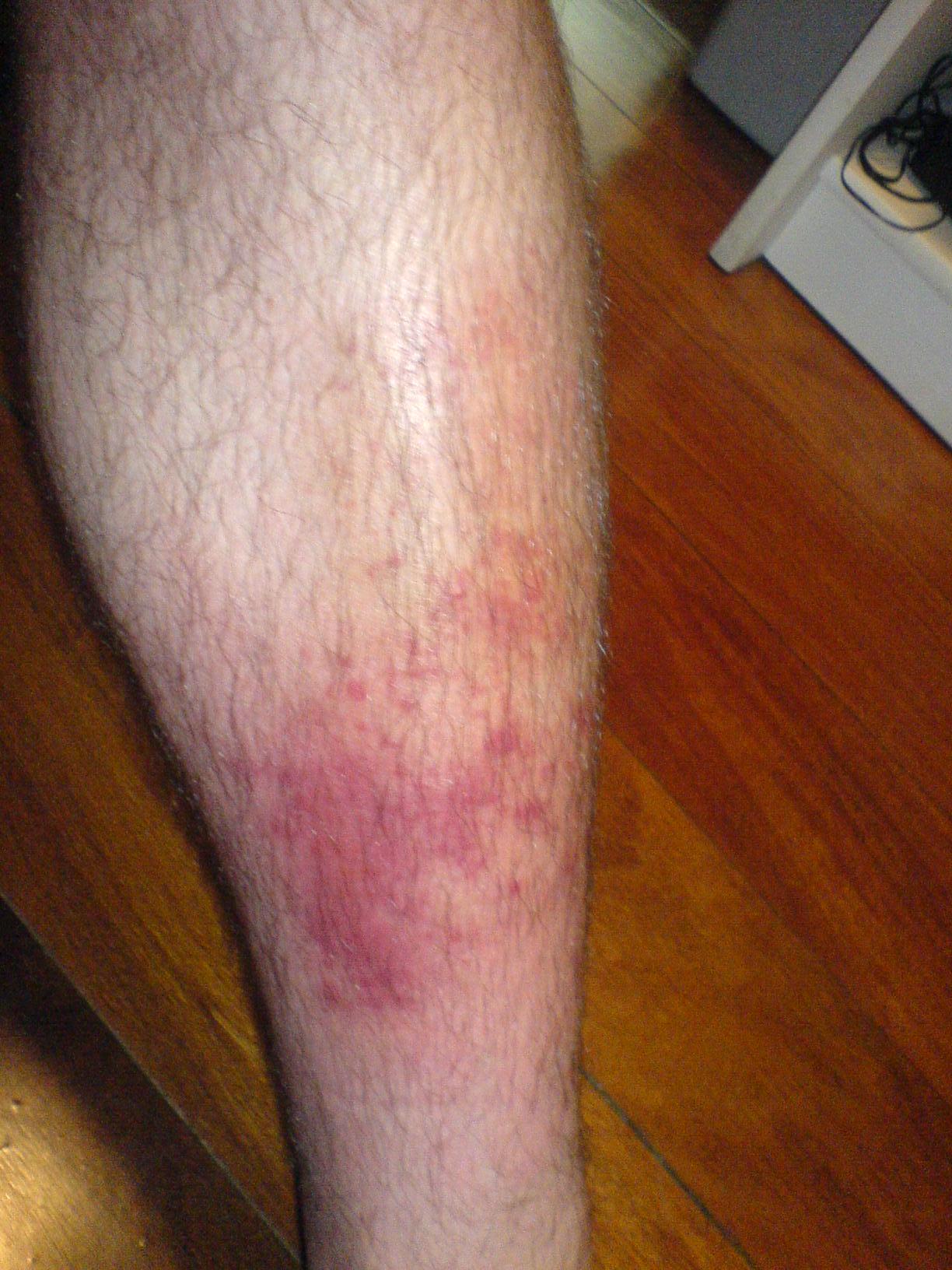
Definition
Cellulitis is an acute bacterial infection and inflammatory dermatosis of the skin and subcutaneous soft tissues, typically producing warmth, pain, tenderness, erythema, and oedema. [26]C4[207]D It is usually diagnosed clinically; routine laboratory testing has limited value in uncomplicated presentations, and point-of-care ultrasonography is useful when an abscess or another focal collection is suspected. [207]D Cellulitis should be distinguished from a skin abscess, which more characteristically presents as a fluctuant, tender lesion with surrounding erythema. [207]D
The term should not be used interchangeably with all causes of red, swollen skin. Extremity soft-tissue infections encompass a spectrum from mild superficial infection to severe disease requiring intravenous antimicrobials, operative treatment, or both. [202] Important mimics and related conditions include lymphoedema, inflammatory dermatoses, venous or dependent oedema, deep abscess, necrotising soft-tissue infection, and site-specific infections such as infected interdigital intertrigo. The cited systematic reviews of lower-extremity lymphoedema address candidacy for liposuction, lymphovenous anastomosis, and vascularized lymph-node transfer rather than cellulitis definition or microbiology; lymphoedema therefore represents a separate chronic lymphatic disorder, although it may complicate assessment of an acutely inflamed limb. [197][11]A1a
Classification
A practical classification is based first on whether purulence is present. Non-purulent cellulitis is diffuse inflammation without a drainable abscess and is most commonly associated with beta-haemolytic streptococci. Purulent disease includes cellulitis associated with a skin abscess or other purulent focus and is typically associated with Staphylococcus aureus. [207]D This distinction is clinically important because an abscess may require drainage, whereas uncomplicated non-purulent cellulitis is primarily treated with antimicrobial therapy. [207]D
Cellulitis can also be classified anatomically. Common presentations involve the extremities, but infection may occur in the foot, orbit, face, neck, trunk, or other skin and subcutaneous sites. [160]C4[203]C[205]C Orbital cellulitis is an infection within the orbital spectrum that can progress to an orbital abscess and orbital compartment syndrome, with potential visual loss; orbital involvement therefore represents a high-risk anatomic subtype rather than routine uncomplicated limb cellulitis. [160]C4 Ludwig’s angina is a rapidly progressive cellulitis involving the bilateral submandibular, sublingual, and submental spaces and may rapidly compromise the airway. [203]C
Severity may be described clinically as uncomplicated versus complicated or severe. Features supporting a complicated presentation include systemic toxicity, haemodynamic instability, rapidly progressive inflammation, deep-space involvement, abscess, necrosis, immunocompromise, diabetes, or concern for bloodstream infection. Hospitalized cohorts include patients requiring diagnostic reassessment, imaging, antimicrobial treatment, and sometimes surgery. [199][202] In a six-year retrospective cohort of 311 hospitalized cellulitis episodes with blood cultures, bacteremia was confirmed in 46 cases (14.8%). [199] This figure applies to a selected hospitalized population and should not be interpreted as the bacteremia rate for all community cellulitis.
Causative organisms
For ordinary non-purulent cellulitis, beta-haemolytic streptococci are the predominant pathogens, while S. aureus is more typical of purulent infection or abscess-associated disease. [207]D Infected interdigital intertrigo is a relevant portal or accompanying superficial infection: it is an exudative, macerated, mixed toe-web infection in which Pseudomonas aeruginosa and Enterobacterales are frequent, but S. aureus, streptococci, enterococci, dermatophytes, and yeasts may also occur. [18]A1c Although this condition may progress to foot phlegmon or cellulitis, immunocompetent patients with the resulting cellulitis are usually infected with S. aureus. [18]A1c
The microbiology becomes broader in patients with diabetes, immunocompromise, unusual exposures, deep infection, or severe disease. Diabetes is associated with a greater incidence of drug-resistant, polymicrobial, and deep skin and soft-tissue infections, particularly—but not exclusively—in the feet; hyperglycaemia-related immune, vascular, and neurologic injury can also make diagnosis more difficult. [208]D Rare organisms reported in cellulitis or cellulitis-associated soft-tissue infection include Cryptococcus neoformans in immunocompromised hosts, including kidney-transplant recipients and patients receiving corticosteroids; cutaneous disease may be primary or a manifestation of dissemination. [198][29]C4 Sphingobacterium hotanense has been reported as a cause of bacteremia secondary to skin and soft-tissue infection in immunocompromised patients with environmental exposure. [32]C4
Geography and exposure may identify additional pathogens. Melioidosis caused diffuse, non-necrotising cellulitis with intramuscular abscesses in a patient from southern Vietnam with previously undiagnosed diabetes, mimicking necrotising soft-tissue infection. [205]C Invasive Streptococcus dysgalactiae subspecies equisimilis is an emerging infection in older populations and should be recognized among clinically important invasive streptococcal pathogens. [200] Streptococcus parasuis is an emerging zoonotic organism reported to cause cellulitis among multiple human disease manifestations. [206]D These uncommon pathogens should not replace the usual streptococcal and staphylococcal model for routine cellulitis, but they warrant consideration when host factors, epidemiology, exposure, treatment failure, or invasive disease are atypical. [18]A1c[29]C4[32]C4[200][205]C[206]D
Scope and diagnostic implications
Cellulitis is primarily a clinical diagnosis, but the clinician should actively seek purulence, a drainable collection, necrotising infection, deep-space extension, or an alternative diagnosis. [202][207]D Blood cultures are not universally required in uncomplicated disease; however, the documented bacteremia rate in hospitalized cohorts and the wider range of pathogens in severe or immunocompromised patients support targeted microbiological investigation in selected patients. [199][208]D The 2026 evidence-to-recommendation framework for bacterial skin and soft-tissue infections covers diagnosis and antibiotic prescribing across cellulitis, erysipelas, impetigo, folliculitis, ecthyma, furuncles, carbuncles, and abscesses, reinforcing that cellulitis should be classified within the broader SSTI spectrum rather than treated as a synonym for every red or swollen skin lesion. [201]
| Classification | Typical features | Predominant or notable organisms |
|---|---|---|
| Non-purulent | Diffuse erythema, warmth, tenderness, and oedema without a drainable collection | Beta-haemolytic streptococci most commonly; S. aureus may occur [207]D |
| Purulent or abscess-associated | Fluctuance, focal tenderness, drainage, or a collection on ultrasound | Usually S. aureus, including consideration of resistant strains according to local epidemiology [207]D[208]D |
| Toe-web-associated | Macerated, exudative interdigital infection that may extend to foot phlegmon or cellulitis | P. aeruginosa, Enterobacterales, S. aureus, streptococci, enterococci, dermatophytes, and yeasts [18]A1c |
| Complicated or severe | Systemic toxicity, rapid progression, deep extension, necrosis, bacteremia, diabetes, or immunocompromise | May be polymicrobial or include atypical organisms such as C. neoformans, S. hotanense, melioidosis, or zoonotic streptococci [29]C4[32]C4[205]C[206]D |
| Site-specific high-risk disease | Orbital involvement or deep neck-space cellulitis | Pathogens vary; complications include orbital abscess, compartment syndrome, or airway compromise [160]C4[203]C |
Microbiology and Pathogenesis
- ▸β-haemolytic streptococci are the leading presumed pathogens in non-purulent cellulitis; routine MRSA coverage should be limited to selected risk groups. [217]
- ▸Injection-related, bite-associated, odontogenic, sinus-related, immunocompromised, and necrotising infections require broader microbiological consideration and assessment for source control. [52, 212, 213, 215, 218]
- ▸Orbital cellulitis in children is commonly associated with sinus disease, with Streptococcus intermedius and Staphylococcus aureus prominent among identified pathogens. [209, 213]
- ▸Recurrent cellulitis soon after invasive GAS infection may occur at the original site and should prompt assessment for residual infection and host vulnerability. [61]
- ▸Erythromelalgia, eosinophilic dermatosis of hematologic malignancy, dissecting cellulitis of the scalp, and acne conglobata are important noninfectious or mechanistically distinct mimics. [53, 54, 55, 56, 210, 219]

Core microbiology
Cellulitis is a bacterial infection of the skin and subcutaneous tissues, although the microbiological cause is often not established because uncomplicated non-purulent disease is usually diagnosed clinically and cultures are generally unrevealing or unnecessary. [217]D β-haemolytic streptococci are considered the most common pathogens in non-purulent cellulitis, supporting empirical treatment directed primarily at streptococci. [217]D Staphylococcus aureus, including methicillin-resistant S. aureus (MRSA), is an important alternative or co-pathogen, but routine MRSA coverage is best reserved for patients with relevant risk factors rather than used universally. [217]D
Microbiology becomes more heterogeneous when cellulitis follows inoculation, penetrating trauma, bites, injection drug use, immunosuppression, or infection contiguous with another anatomical site. [52]B2b[215]C[218]D Dog bites can introduce polymicrobial communities from the canine oral microbiota; reported important organisms include Pasteurella multocida, Capnocytophaga canimorsus, and staphylococci. [218]D Bite-associated disease may therefore represent mixed bacterial infection rather than typical streptococcal cellulitis, while animal exposure in rabies-endemic settings also raises a separate viral-exposure concern. [218]D
Injection-related infections may involve cellulitis, abscesses, and deeper or systemic infection, with microbiology and the need for source control varying by presentation. [52]B2b In a retrospective Australian cohort of incarcerated adults who inject drugs, there were 321 hospital admissions among 265 patients, representing 282 unique infections, during 1 July 2019–30 June 2023. [52]B2b The study was designed to characterise infection types, microbiological findings, surgical or radiological source control, length of stay, and inpatient cost; these data underscore that injection-associated cellulitis should be assessed for an abscess or another focus requiring drainage rather than treated as uncomplicated non-purulent disease by default. [52]B2b
Site-specific and emerging microbiology
Orbital and severe preseptal cellulitis have distinct epidemiological and microbiological contexts because sinus, dental, and periocular sources can extend into the orbit. [213] In a 16-year paediatric cohort, Streptococcus intermedius was the most frequently identified pathogen, followed by S. aureus. [209] In a multicentre cohort of 1285 orbital or preseptal cellulitis cases from 2017–2022, sinusitis remained the leading cause, whereas odontogenic cases increased during the COVID-19-period comparison. [213] The same study reported fewer hospitalised cases during the pandemic period than before it, but the abstract does not establish that altered microbial profiles caused this reduction. [213]
Pneumococcal conjugate vaccination has changed the epidemiological context of paediatric orbital complications of acute rhinosinusitis. [214] In a cohort of 265 children treated from 2002–2019, disease-severity distributions changed across the pre-PCV7, post-PCV7/pre-PCV13, and post-PCV13 periods, with fewer category-1 and more category-3 presentations over time. [214] These findings indicate that vaccination-era shifts in orbital infection patterns should be considered when interpreting historical microbiology and severity data, although the supplied evidence does not identify a single replacement pathogen. [214] Complicated paediatric sinus infections requiring emergency surgery also increased after the COVID-19 pandemic in one South Australian centre, from 9 cases in the three pre-pandemic years to 28 cases in the three subsequent years; the study specifically examined microbiology but the supplied abstract does not provide the organism-level results. [212]C
Virulence, recurrence, and severe infection
Streptococcus pyogenes (group A streptococcus; GAS) can cause rapidly progressive invasive disease, including necrotising soft-tissue infection, and may subsequently recur as cellulitis at the original site. [61]C4 In a 2023 series, four adults with severe invasive GAS infection developed recurrent infection; all required intensive care and surgical debridement during the initial episode, and the median interval to recurrence was 25.5 days. [61]C4 Two patients had upper-limb necrotising fasciitis followed by cellulitis at the same location, and one reported strain was emm1.3 (M1UK). [61]C4 These observations support reassessment for residual foci, inadequate source control, or host susceptibility when cellulitis recurs soon after invasive GAS infection, but they do not establish whether recurrence primarily reflects enhanced bacterial virulence or impaired host immunity. [61]C4
Clostridial infection is an uncommon but life-threatening alternative to ordinary cellulitis. [215]C Clostridium perfringens, C. septicum, and other clostridia can cause gas gangrene or necrotising fasciitis, which may initially resemble cellulitis. [215]C A reported neutropenic patient receiving chemotherapy developed fever with relatively little pain, thigh erythema and induration, then hand involvement; despite initial meropenem for presumed cellulitis, the condition progressed. [215]C Disproportionately mild pain, rapid progression, systemic toxicity, gas, immunosuppression, or multifocal disease should therefore prompt urgent evaluation for necrotising infection and immediate source-control planning. [215]C
Host factors and noninfectious mimics
Obesity is associated with cellulitis in a systematic review and meta-analysis, supporting increased host susceptibility and recurrence risk in patients with elevated body mass index, although the supplied abstract does not define a single causal mechanism. [51]A1a Inflammatory host responses may include increased expression of epithelial defence proteins; elafin is highly expressed by inflamed keratinocytes and has been reported in cellulitis and other inflammatory or infectious dermatoses, but available evidence does not establish elafin as a diagnostic biomarker or primary cause of cellulitis. [211]
Not every red, warm, painful or swollen lesion is bacterial cellulitis. [219]D Erythromelalgia can produce episodic warmth, burning pain, and erythema of the distal extremities and is a neurovascular disorder rather than infection. [53]D5 Eosinophilic dermatosis of hematologic malignancy is a cutaneous inflammatory disorder associated most often with chronic lymphocytic leukaemia; its proposed relationship to insect bites remains unresolved. [210] Dissecting cellulitis of the scalp is a neutrophilic follicular-occlusion disorder with nodules, abscesses and sinus tracts, while acne conglobata is another follicular-occlusion disorder characterised by coalescing purulent nodules and abscesses; neither should be assumed to represent ordinary bacterial cellulitis solely because pus or inflammation is present. [54]D5[55]D5[56]D5 Diagnostic uncertainty is common in clinical practice, and clinicians identify a need for better diagnostic tests to distinguish cellulitis from mimics. [219]D
| Clinical context | Microbiological implications | Evidence |
|---|---|---|
| Non-purulent cellulitis | β-haemolytic streptococci predominate; consider MRSA coverage only with specific risk factors | [217]D |
| Dog bite | Polymicrobial inoculation; Pasteurella, Capnocytophaga, and staphylococci are important organisms | [218]D |
| Injection-related infection | May involve abscesses or deeper infection and may require surgical or radiological source control | [52]B2b |
| Orbital/preseptal cellulitis | Sinusitis remains the leading source; S. intermedius and S. aureus are prominent identified pathogens in children | [209][213] |
| Rapidly progressive or toxic illness | Consider GAS necrotising infection or clostridial myonecrosis rather than uncomplicated cellulitis | [61]C4[215]C |
Epidemiology, Transmission and Risk Factors
- ▸In a Finnish cohort of 907 patients, 35.5% had previous cellulitis, 40.8% had lower-leg disease, and 37.4% had systemic symptoms at presentation. [228]
- ▸Chronic lower-limb oedema in adults aged ≥60 years is associated clinically with wounds and cellulitis, although the supplied review abstract does not provide pooled prevalence or risk estimates. [221]
- ▸Obesity was studied using a threshold of BMI ≥30 kg/m² in a European systematic review of skin and soft-tissue infection risk; no pooled estimate was available in the supplied abstract. [75]
- ▸Bacteremia occurred in 14.8% of hospitalized cellulitis episodes in one retrospective cohort, a result that should not be extrapolated to community-managed disease. [199]
- ▸No supplied reference quantifies person-to-person transmission of cellulitis. [52, 221, 226, 228]
Epidemiology
Cellulitis occurs across a broad age range but is particularly relevant in older adults, in whom chronic lower-limb oedema, multimorbidity, functional limitation, wounds and cellulitis frequently coexist. A 2026 systematic review specifically evaluated chronic lower-limb oedema in adults aged ≥60 years living in the community or residential aged-care settings; the review identified chronic oedema as an important condition associated with wounds and cellulitis, although the supplied abstract does not provide pooled prevalence estimates or effect sizes. [221]
In a Finnish single-centre cohort of 907 patients treated for cellulitis between 2019 and 2023, 56.8% were male and the mean age at diagnosis was 57.5 years. Women were older at diagnosis than men (61.2 versus 54.7 years), and 35.5% had a previous history of cellulitis. The lower leg was the most frequent site, affecting 40.8% of patients; lower-leg involvement increased with age. Systemic symptoms were recorded at presentation in 37.4%. [228] These findings support age, lower-limb location and previous cellulitis as clinically important epidemiological features, while also demonstrating that cellulitis is not confined to very old adults. [228]
Hospital-based disease may be complicated by bloodstream infection. In a retrospective cohort of 311 hospitalized cellulitis episodes, bacteremia was confirmed in 46 cases (14.8%). Patients with bacteremia had distinct clinical characteristics compared with those without bacteremia, although the supplied abstract does not provide the complete list of independent predictors. [199] Accordingly, the frequency of bacteremia in this study should not be generalized to all community-managed cellulitis, because the cohort was restricted to hospitalized patients who had blood cultures. [199]
Transmission
The supplied evidence does not quantify person-to-person transmission of cellulitis, describe outbreak transmission, or establish a routine household or community transmission pathway. The available studies instead examine host susceptibility, underlying oedema, recurrence, injection-related infection, trauma and postoperative wound complications. [52]B2b[221][226]C[228] Consequently, transmission epidemiology cannot be characterized from these references, and cellulitis risk assessment should focus on local skin-barrier disruption and predisposing disease rather than on a documented transmissible pattern. [52]B2b[221][226]C[228]
Major risk factors
Chronic oedema and lymphatic dysfunction. Chronic lower-limb oedema is closely linked in the supplied evidence to wounds and cellulitis in older adults. [221] Lymphoedema is sufficiently important as a chronic lower-extremity disorder to have prompted systematic evaluations of lymphatic microsurgery, including lymphovenous anastomosis and vascularized lymph-node transfer. [11]A1a[71]A1a These surgical reviews concern treatment of refractory lymphoedema rather than direct cellulitis incidence, so they support lymphatic disease as a clinically relevant background condition but do not establish a cellulitis risk estimate. [11]A1a[71]A1a
Obesity and venous disease. A systematic review examined whether obesity, defined as body-mass index ≥30 kg/m², increases the risk of skin and soft-tissue infections among European adults. [75]B2a The supplied abstract confirms the review’s objective and eligibility threshold but does not provide its pooled estimate; therefore obesity should be considered a plausible and actively studied risk factor, without assigning a numerical effect size from this reference. [75]B2a Chronic venous insufficiency is also relevant: a multicentre retrospective cohort studied obese adults aged ≥40 years with chronic venous insufficiency and evaluated cellulitis, venous ulcers, thromboembolism and mortality in relation to glucagon-like peptide-1 receptor agonist use. [155]B3b The abstract reports fewer venous thromboembolic events and limb complications among users, but the supplied information does not provide the cellulitis-specific estimates; this observational association should not be interpreted as proof that GLP-1 therapy prevents cellulitis. [155]B3b
Previous cellulitis and recurrence. In the Finnish cohort, more than one-third of patients (35.5%) reported previous cellulitis. [228] A retrospective study of 73 patients receiving benzathine penicillin G prophylaxis for recurrent cellulitis analyzed 592 patient-years and recorded 310 recurrences; it evaluated how long protection persisted after injection and reported a 14-day window of efficacy under its study assumptions. [222] Because this was an observational study of patients already selected for recurrent disease, the findings describe prophylaxis duration rather than population-level recurrence risk. [222]
Skin-barrier disruption, injection exposure and trauma. Among incarcerated people who inject drugs in Australia, 321 hospital admissions for injection-related infection occurred in 265 patients, representing 282 unique infections; the study characterized microbiology, source-control requirements, length of stay and costs. [52]B2b This supports injection exposure as an important context for severe skin and soft-tissue infection, although the abstract does not isolate cellulitis-specific incidence. [52]B2b In a multicentre study of surgically treated Morel-Lavallée lesions, postoperative wound complications were defined to include cellulitis, deep infection, skin necrosis, necrotizing soft-tissue infection and organized haematoma. [226]C These findings identify traumatic closed degloving injuries and operative wound management as settings in which cellulitis is monitored as part of a broader complication spectrum, but the supplied abstract does not report the complication rate or independent predictors. [226]C
| Factor or context | Evidence from supplied references |
|---|---|
| Older age and chronic oedema | Systematic review focused on adults aged ≥60 years; chronic oedema co-occurs with wounds and cellulitis. [221] |
| Previous cellulitis | Present in 35.5% of 907 Finnish patients. [228] |
| Lower-leg location | Most common site in the Finnish cohort: 40.8%; frequency increased with age. [228] |
| Obesity | European review defined obesity as BMI ≥30 kg/m² and evaluated risk of skin and soft-tissue infection; pooled result not supplied. [75]B2a |
| Hospitalized cellulitis | Bacteremia occurred in 46/311 episodes (14.8%). [199] |
| Injection exposure | 321 hospital admissions among 265 incarcerated people who inject drugs; cellulitis-specific incidence not supplied. [52]B2b |
| Trauma and surgery | Morel-Lavallée wound-complication definitions included cellulitis and other postoperative complications. [226]C |
| Recurrent cellulitis | In 73 patients receiving benzathine penicillin G, 310 recurrences occurred over 592 patient-years; observational prophylaxis study. [222] |
Clinical Presentation
- ▸Typical cellulitis presents with acute warmth, erythema, edema, pain, and tenderness; a fluctuant focus suggests abscess. [207]
- ▸Approximately 30% of presumed cellulitis cases may have a noninfectious diagnosis, particularly in lower-extremity presentations. [234]
- ▸A high LRINEC score, including LRINEC ≥6, does not by itself establish necrotizing fasciitis. [230]
- ▸Ludwig’s angina is a rapidly progressive deep-neck cellulitis with potential for airway compromise. [203][239]
- ▸Diabetes and immunosuppression increase the likelihood of atypical, polymicrobial, deep, or opportunistic infection. [198][208]
- ▸Persistent, recurrent, bilateral, pruritic, ulcerative, or treatment-resistant lesions require reassessment for cellulitis mimics. [231][232][235][242]
Typical presentation
Cellulitis is an acute, usually nonpurulent infection of the skin and subcutaneous tissues. It most commonly presents with localized warmth, erythema, edema, pain, and tenderness to palpation; β-hemolytic streptococci are the usual pathogens in nonpurulent disease, whereas purulent infections are more typically associated with Staphylococcus aureus. [207]D The affected area is generally tender and diffusely inflamed rather than fluctuant. A fluctuant, tender focus with surrounding erythema should raise concern for a cutaneous abscess rather than uncomplicated cellulitis. [207]D
Systemic features may accompany extensive or severe disease, including fever, malaise, tachycardia, leukocytosis, and other manifestations of systemic inflammation, although uncomplicated cellulitis may remain localized. [207]D[217]D In most uncomplicated cases, the diagnosis is clinical; routine laboratory testing, imaging, and microbiologic cultures usually add limited value and should be avoided when they are unlikely to change management. [217]D
Distribution and important anatomic patterns
Cellulitis may involve any skin region, but lower-extremity presentations are particularly common and may manifest as a unilateral “red leg” with erythema, swelling, warmth, and tenderness. [234]D The lower-extremity appearance is nonspecific: approximately 30% of presumed cellulitis cases may instead represent a noninfectious condition, including inflammatory dermatoses, edema-related disorders, or other causes of erythema and swelling. [234]D
Facial, periorbital, scalp, hand, genital, breast, and deep-space involvement warrants heightened concern because local edema or extension may produce functional compromise or conceal a deeper infection. [203]C[239]C[240]C[241]C Ludwig’s angina is a rapidly progressive cellulitis of the bilateral submandibular, sublingual, and submental spaces. It can cause superior and posterior displacement of the tongue, rapid airway compromise, systemic infection, and, rarely, Lemierre’s disease. [203]C[239]C Patients with suspected Ludwig’s angina require urgent airway-focused assessment and early treatment because deterioration may be rapid. [239]C
Features suggesting purulence, deep infection, or necrotizing infection
A fluctuant collection suggests abscess formation, and point-of-care ultrasonography can help distinguish cellulitis from an abscess when the examination is equivocal. [207]D In patients with diabetes, infection may be more difficult to recognize because hyperglycemia contributes to immune dysfunction, vascular injury, and neuropathy; diabetic patients also have increased risk of drug-resistant, polymicrobial, and deep soft-tissue infections, particularly involving the foot. [208]D
Pain that is severe, rapidly progressive, or disproportionate to visible skin findings should prompt evaluation for a deeper or necrotizing infection. Rapid progression, systemic toxicity, bullae, skin discoloration, anesthesia, crepitus, hypotension, or organ dysfunction are clinically concerning features, although the supplied studies emphasize that early necrotizing infection may be nonspecific and may be mistaken for cellulitis. [230]C[240]C A high Laboratory Risk Indicator for Necrotizing Fasciitis score is not diagnostic: among patients with severe soft-tissue infection and sepsis with LRINEC ≥6, some had necrotizing soft-tissue infection while others had severe cellulitis with bacteremia requiring intensive care. [230]C Thus, a high score identifies a diagnostic gray zone rather than establishing necrotizing fasciitis. [230]C
Host-specific and atypical presentations
Diabetes, immunosuppression, lymphoedema, chronic ulcers, and vascular or neurologic disease can alter the appearance and severity of cellulitis and increase the likelihood of deeper infection or complications. [208]D[232]C In diabetic foot disease, an ulcer with surrounding erythema and swelling may coexist with abscess or osteomyelitis; ultrasonography cannot reliably exclude osteomyelitis, for which magnetic resonance imaging remains the reference imaging method in the cited study. [233]
Immunocompromised patients may present with atypical pathogens or misleading lesions. In kidney-transplant recipients, cutaneous cryptococcosis may resemble cellulitis and can be an early manifestation of disseminated Cryptococcus neoformans infection, making microbiologic and/or histopathologic confirmation important when the course or host context is atypical. [198]
Cellulitis mimics and failure to improve
Persistent, recurrent, bilateral, unusually pruritic, chronic, or poorly responsive “cellulitis” should trigger diagnostic reassessment. Eosinophilic cellulitis (Wells’ syndrome) commonly presents with papulonodular lesions, most often on the legs; disabling pruritus is frequent, whereas systemic symptoms are uncommon. [235]D Cutaneous edema in antisynthetase syndrome can produce unilateral lower-limb erythema, swelling, warmth, tenderness, and a peau d’orange appearance that closely mimics infection. [231]C Lupus erythematosus tumidus may cause chronic erythematous swelling of the face or scalp and may be repeatedly misdiagnosed as cellulitis, erysipelas, or herpes zoster. [242]C A chronic nonhealing ulcer in longstanding lymphoedema should not be presumed to represent cellulitis or venous ulceration; cutaneous angiosarcoma is an important alternative diagnosis, and biopsy is indicated when the lesion persists or fails to respond as expected. [232]C
The clinical trajectory is therefore central to diagnosis. Lack of improvement, progression despite appropriate therapy, atypical distribution, chronicity, recurrence, marked pruritus, ulceration, or systemic deterioration should prompt reconsideration of noninfectious mimics, abscess, osteomyelitis, opportunistic infection, or necrotizing soft-tissue infection. [198][208]D[217]D[230]C[232]C[234]D[235]D[242]C
| Presentation | Important consideration | Supporting evidence |
|---|---|---|
| Diffuse warmth, erythema, edema, pain, and tenderness without fluctuance | Typical nonpurulent cellulitis | [207]D[217]D |
| Fluctuant tender focus | Abscess or purulent infection | [207]D |
| Rapid progression, severe or disproportionate pain, systemic toxicity, bullae, discoloration, crepitus, or organ dysfunction | Necrotizing or deep soft-tissue infection | [230]C[240]C |
| Bilateral or chronic “red legs” | Noninfectious mimic, edema-related disease, or inflammatory dermatosis | [234]D |
| Diabetic foot ulcer with suspected deep infection | Abscess or osteomyelitis; ultrasound cannot exclude osteomyelitis | [208]D[233] |
| Cellulitis-like lesion in a kidney-transplant recipient | Cutaneous cryptococcosis with possible dissemination | [198] |
| Persistent ulcer in chronic lymphoedema | Consider angiosarcoma and biopsy if nonhealing | [232]C |
Diagnosis and Workup
- ▸Cellulitis is primarily a clinical diagnosis; avoid routine laboratory tests, imaging, and cultures in uncomplicated nonpurulent cases. [207][217]
- ▸Reassess the diagnosis because approximately 30% of presumed lower-extremity cellulitis may be noninfectious. [234]
- ▸Use point-of-care ultrasound when abscess is uncertain; ultrasound cannot exclude osteomyelitis in diabetic foot ulcers. [207][233]
- ▸Necrotizing soft-tissue infection remains primarily a clinical diagnosis requiring urgent reassessment and surgical evaluation when suspected. [247]
- ▸Obtain selective blood cultures in hospitalized or systemically ill patients; bacteremia occurred in 14.8% of hospitalized cellulitis episodes in one retrospective cohort. [199]
- ▸Use lower thresholds for comprehensive evaluation in diabetes, immunocompromise, chronic lymphoedema, treatment failure, and atypical or persistent lesions. [198][208][232]
- ▸Differentiate preseptal from orbital infection in children and peritonsillar cellulitis from abscess using specialist assessment and appropriate imaging. [243][245]
Clinical diagnosis
Cellulitis is primarily a clinical diagnosis based on the acute onset of warmth, pain, tenderness, erythema, and edema, usually without a drainable collection. In uncomplicated nonpurulent cellulitis, routine laboratory testing, imaging, and microbiologic cultures generally have limited value and should be avoided when they will not change management. [207]D[217]D The initial assessment should document the distribution and progression of erythema, pain severity, edema, systemic symptoms, vital signs, immune status, diabetes, vascular or lymphatic disease, skin barrier disruption, ulcers, wounds, and prior antimicrobial exposure. These features help distinguish uncomplicated infection from abscess, deep infection, necrotizing soft-tissue infection, and noninfectious mimics. [207]D[208]D[217]D
The diagnosis should be reconsidered when the appearance, tempo, or treatment response is atypical. Approximately 30% of presumed lower-extremity cellulitis cases may represent a noninfectious condition, and misdiagnosis has been associated with substantial avoidable healthcare expenditure. [234]D The differential diagnosis of a red leg includes inflammatory and noninflammatory dermatoses; careful review of history and examination findings is therefore essential before committing to prolonged antimicrobial therapy. [234]D
Identify purulence, abscess, or deep infection
Examine for fluctuance, drainage, focal tenderness, ulceration, crepitus, bullae, skin anesthesia, rapidly progressive erythema, pain disproportionate to examination findings, systemic toxicity, or hemodynamic instability. An abscess typically presents as a fluctuant, tender area with surrounding erythema, whereas nonpurulent cellulitis more often presents with diffuse warmth, tenderness, erythema, and edema. [207]D Necrotizing soft-tissue infection remains primarily a clinical diagnosis; decision tools and advanced imaging cannot reliably replace urgent serial examination and surgical assessment when clinical concern exists. [247]C
Point-of-care ultrasound is useful when the presence of an abscess is uncertain and can help distinguish cellulitis from a drainable collection. [207]D In diabetic foot infection, ultrasound may assist with soft-tissue assessment but cannot exclude osteomyelitis; in a 127-patient diagnostic study, MRI served as the comparator for abscess and osteomyelitis, and ultrasound was specifically found inadequate to rule out osteomyelitis. [233] Suspected bone involvement, a deep ulcer, or a clinically complicated diabetic foot infection should therefore prompt appropriate advanced imaging, with MRI used in the cited study as the reference imaging method. [233]
Laboratory and microbiologic evaluation
For uncomplicated cellulitis, laboratory testing and cultures are usually unnecessary. [217]D Testing should be individualized for patients with systemic illness, severe or rapidly progressive infection, immunocompromise, diabetes with a foot wound, suspected deep infection, treatment failure, or a need to evaluate an alternative diagnosis. [207]D[208]D[217]D
Blood cultures are most relevant in hospitalized or systemically ill patients rather than routine uncomplicated cases. In a six-year retrospective cohort of hospitalized patients with cellulitis, bacteremia was confirmed in 46 of 311 episodes (14.8%); the study evaluated clinical predictors, CREST severity classification, microbiology, treatment, and outcomes. [199] Because the available evidence is retrospective, it supports selective rather than universal blood-culture use and does not establish a single clinical threshold for obtaining cultures. [199]
Diabetes warrants a lower threshold for comprehensive evaluation because hyperglycemia impairs host immune function and contributes to vascular and neurologic injury, increasing the risk of drug-resistant, polymicrobial, recurrent, and deep infections and complicating clinical assessment. [208]D Diabetic foot ulcers should be assessed for cellulitis, abscess, osteomyelitis, ischemia, and the need for surgical intervention. [208]D[233]
Important anatomic and clinical subtypes
Periorbital infection in children requires differentiation of preseptal cellulitis from orbital-spectrum disease because the latter has different management requirements and outcomes. In a retrospective cohort of 219 children, patients were classified using the modified Chandler classification, with 177 categorized as preseptal cellulitis and 42 as orbital-spectrum disease; clinical, laboratory, and radiological variables were evaluated as potential predictors. [245] Concerning ocular or orbital findings should therefore prompt urgent specialist evaluation and appropriate orbital imaging according to clinical severity. [245]
Peritonsillar cellulitis must be distinguished from peritonsillar abscess because clinical examination can be difficult and may lead to unnecessary blind needle aspirations. A multicenter randomized trial evaluated transoral ultrasound as a point-of-care diagnostic approach for suspected peritonsillar infection. [243] Transoral ultrasound may therefore be considered when the diagnosis is uncertain, particularly when avoiding blind aspiration is clinically important. [243]
Immunocompromised hosts and atypical presentations
Cellulitis-like lesions in immunocompromised patients should not automatically be presumed bacterial. Cutaneous cryptococcosis may present as cellulitis and can be an early manifestation of disseminated infection in kidney-transplant recipients. [198] Primary or disseminated cryptococcal cellulitis has also been reported in a corticosteroid-treated patient with diabetes; a markedly elevated serum cryptococcal antigen level occurred without demonstrable central nervous system involvement in that case. [29]C4 Persistent, atypical, multifocal, nodular, ulcerative, or treatment-refractory lesions warrant tissue sampling and targeted microbiologic and histopathologic evaluation, particularly in transplant recipients or patients receiving immunosuppression. [198][29]C4
Chronic lymphoedema can obscure alternative diagnoses. A persistent non-healing ulcer initially treated as cellulitis and venous ulceration was ultimately diagnosed as cutaneous angiosarcoma after biopsy in a patient with longstanding lower-extremity lymphoedema. [232]C Failure of appropriate conservative treatment, progressive ulceration, bleeding, nodularity, or an atypical lesion should therefore prompt early biopsy rather than repeated empiric treatment for cellulitis. [232]C
Eosinophilic cellulitis (Wells syndrome) is another inflammatory mimic. In a multicenter series of 114 biopsy-proven cases, lesions most often had a papulonodular presentation, involved the legs in 69% of patients, and caused disabling pruritus in 83%, while systemic symptoms were uncommon. [235]D Prominent pruritus, recurrent or persistent lesions, papulonodular morphology, or poor response to antibacterial therapy should prompt dermatologic assessment and biopsy. [235]D
| Clinical situation | Diagnostic approach |
|---|---|
| Uncomplicated nonpurulent cellulitis | Clinical assessment; routine tests and cultures usually unnecessary. [217]D |
| Possible abscess | Point-of-care ultrasound when examination is equivocal. [207]D |
| Diabetic foot ulcer or suspected deep infection | Assess for abscess and osteomyelitis; ultrasound cannot exclude osteomyelitis, and MRI was the comparator in the cited study. [208]D[233] |
| Systemic illness or hospitalization | Consider blood cultures and severity assessment; bacteremia was 14.8% in one hospitalized cohort. [199] |
| Rapid progression or disproportionate pain | Urgent evaluation for necrotizing soft-tissue infection; diagnosis remains primarily clinical. [247]C |
| Persistent, atypical, ulcerative, or treatment-refractory lesion | Dermatologic assessment, biopsy, histopathology, and targeted microbiology. [29]C4[198][232]C[235]D |
| Pediatric periorbital infection | Evaluate for orbital-spectrum disease using clinical, laboratory, and radiological assessment. [245] |
| Suspected peritonsillar infection | Consider transoral ultrasound to distinguish abscess from cellulitis and reduce blind aspiration. [243] |
Severity Assessment and Risk Stratification
- ▸Reassess cellulitis at **48–72 hours** using clinical progression, affected size, oedema, limb temperature, systemic observations, and inflammatory markers. [104] [26]
- ▸Treat rapid progression, disproportionate pain, tissue necrosis, systemic instability, respiratory compromise, or altered mental status as red flags for necrotizing infection, sepsis, or an anatomical emergency. [115] [199] [251]
- ▸Orbital-spectrum disease, cervicofacial deep-space infection, and periocular necrotizing fasciitis require site-specific pathways rather than routine cellulitis scoring. [115] [245] [249] [251]
- ▸A bacteremia rate of **14.8%** was reported in one hospitalized cellulitis cohort, while day-specific leukocyte and C-reactive protein trends predicted severe SDSE bacteremia. [199] [45]
- ▸BRRISC estimates recurrence risk and should not be mistaken for an acute severity score. [104]
- ▸Machine-learning, ICU, ASSET, and cervicofacial scores are context-specific tools requiring validation in the population where they are applied. [249] [251] [254] [255]
Purpose and initial assessment
Severity assessment should distinguish uncomplicated cellulitis from infection requiring hospital-level care, systemic escalation, urgent source control, or specialist evaluation. Available evidence is heterogeneous: studies include lower-limb cellulitis, hospitalized cellulitis, pediatric preseptal disease, cervicofacial infection, postoperative infection, and bacteremia, so scores should not be applied outside their validated populations without caution. [104]B2b [199] [249] [251] [255]
At presentation, document the anatomical site and extent of inflammation, pain, oedema, limb temperature, systemic observations, comorbidities, skin-barrier disruption, immune status, and treatment response over the first 48–72 hours. These domains were used in prospective or prognostic studies of cellulitis and its complications, although no single universally validated severity score applies to all cellulitis presentations. [104]B2b [199] [250] [255] [256]
High-risk clinical features
Escalate assessment for sepsis or organ dysfunction when cellulitis is accompanied by haemodynamic instability, altered mental status, respiratory compromise, rapidly progressive disease, or laboratory evidence of systemic deterioration. In hospitalized cellulitis, bacteremia occurred in 46/311 episodes (14.8%) in a 2019–2024 retrospective cohort; the study stratified illness with the CREST classification and evaluated clinical predictors, microbiology, treatment, and outcomes. [199]
Necrotizing infection must be considered when pain or progression appears disproportionate to the visible skin findings, when there is rapid extension, tissue necrosis, bullae, marked toxicity, or functional deterioration. Periocular necrotizing fasciitis is a rare, life-threatening emergency in which delayed recognition worsens outcomes; this evidence derives primarily from case reports and case series rather than comparative cohorts. [115]A1a Similar caution applies to rhinocerebral mucormycosis, particularly in patients with diabetes mellitus or haematological malignancy, because it is rapidly progressive and associated with high mortality. [94]C4
Anatomical location modifies risk. Periorbital infection in children should be assessed for orbital-spectrum disease rather than treated as routine preseptal cellulitis; a 219-patient cohort classified 42 patients as having orbital-spectrum disease and 177 as preseptal cellulitis using a modified Chandler classification, with severity affecting hospital resource use. [245] In another pediatric study, the challenge was identifying children with preseptal orbital cellulitis likely to require intravenous rather than oral therapy; the ASSET score was discussed as a proposed skin and soft-tissue infection severity tool, but prospective validation in large preseptal cohorts remains lacking. [249] Cervicofacial cellulitis warrants early airway and deep-space evaluation because a locally developed score defined severe complications as respiratory distress requiring mechanical ventilation, septic shock, mediastinitis, or in-hospital death. [251]
Laboratory and prognostic markers
Routine inflammatory markers should be interpreted with the clinical trajectory rather than used in isolation. In prospective SDSE bacteremia, cellulitis was associated with nonsevere disease, whereas necrotizing fasciitis was associated with severe disease; leukocyte counts on days 2–3 and C-reactive protein on days 3–4 predicted severe disease, and the Pitt bacteremia score predicted death. [45]B2b Higher comorbidity burden, measured by a Charlson Comorbidity Index of ≥4, was associated with mortality in a prospective study of SDSE bacteremia; disruption of the cutaneous barrier was also examined as a determinant of clinical manifestation. [250]
Cell-free DNA is an emerging, investigational marker of systemic inflammation in cellulitis. A prospective study compared plasma cell-free DNA in 36 patients with confirmed cellulitis and 30 healthy controls, measuring levels at admission and again at 72 hours; it was designed to examine relationships with inflammatory parameters and clinical outcomes, but it does not yet establish a treatment threshold for routine practice. [26]C4
For hospitalized patients, machine-learning models have been developed and externally validated to predict progression from cellulitis to sepsis using 6,695 MIMIC-IV patients in the development phase and independent international cohorts for validation; these models may support—but do not replace—clinical assessment and sepsis criteria. [255] In critically ill patients with cellulitis among other infection sites, SOFA, OASIS, and Logistic Organ Dysfunction scores were evaluated for prediction of 28-day mortality in MIMIC-IV data; these are ICU prognostic tools, not cellulitis-specific admission criteria. [254]
Recurrence and treatment-response risk
The BRRISC score predicts hospital-attended cellulitis recurrence using routinely available presentation data. External validation in adults with lower-limb cellulitis assessed whether adding findings during days 0–3, including affected size, oedema, and objective limb temperature, improved prediction; the score should therefore be used as a recurrence-risk aid rather than an acute severity score. [104]B2b
Context-specific postoperative and vascular risk
Postoperative erythema or suspected cellulitis requires separation of superficial infection from implant or wound complications. A multicentre prediction model was developed for salvage of infected implants in alloplastic breast reconstruction, including patients with cellulitic infection or periprosthetic infection; its outcome is implant salvage, not general cellulitis severity. [248] Breast-reduction studies evaluated postoperative complications and clinical associations, while a large total-knee-arthroplasty cohort specifically examined hematoma and subsequent infection; these data support procedure-specific assessment rather than extrapolation to spontaneous cellulitis. [114]C4 [257] Antibiotic exposure around septorhinoplasty has also been studied for postoperative infection, cellulitis, and sepsis outcomes, but this evidence concerns prophylaxis and should not define cellulitis severity. [113]B3b
Chronic venous insufficiency, obesity, diabetes, and skin-barrier disruption are clinically relevant background factors. A retrospective multicentre study examined GLP-1 receptor agonist use in obese adults with chronic venous insufficiency and outcomes including cellulitis, venous thromboembolism, ulcers, and mortality; the observational association does not establish GLP-1 therapy as a severity treatment. [155]B3b Deep-neck infection and ocular lymphoma studies illustrate that anatomical and disease-specific mimics may require separate pathways rather than routine cellulitis scoring. [253] [252]C
Practical classification
Classify patients as uncomplicated only when there is no systemic instability, rapid progression, anatomical emergency, major immunocompromise, or failure to improve on review. Classify as high risk when any red flag is present, when bacteremia or organ dysfunction is suspected, or when infection involves the orbit, cervicofacial deep spaces, implanted material, or necrotizing tissue. Reassess at 48–72 hours, because evolving examination findings and objective response may materially alter prognosis and treatment decisions. [104]B2b [115]A1a [199] [245] [251] [255]
| Domain | Higher-risk indicators or implications |
|---|---|
| Systemic status | Haemodynamic instability, altered mental status, respiratory compromise, suspected sepsis, or organ dysfunction. [199] [251] |
| Local progression | Rapid extension, severe or disproportionate pain, necrosis, bullae, marked oedema, or failure to improve by 48–72 hours. [104]B2b [115]A1a |
| Anatomy | Orbital, periocular, cervicofacial/deep-neck, or implant-associated infection. [115]A1a [245] [248] [251] [253] |
| Laboratory trajectory | Rising or persistently abnormal leukocyte count on days 2–3 or C-reactive protein on days 3–4 in suspected bacteremic disease. [45]B2b |
| Host factors | Charlson Comorbidity Index ≥4, diabetes, haematological malignancy, obesity, venous insufficiency, immune compromise, or disrupted skin barrier. [94]C4 [155]B3b [250] |
| Recurrence risk | Elevated BRRISC score, supplemented by response markers during days 0–3. [104]B2b |
Empiric and Acute Management
- ▸Use clinical assessment as the foundation; avoid routine tests and cultures in uncomplicated non-purulent cellulitis. [207] [217]
- ▸Use point-of-care ultrasound when abscess cannot be excluded clinically. [207]
- ▸Target beta-haemolytic streptococci empirically in non-purulent cellulitis; reserve MRSA coverage for selected risk profiles. [217]
- ▸Escalate urgently for rapid progression, necrosis, severe pain, systemic toxicity, deep infection, airway risk, or failure to improve. [202] [203] [208]
- ▸Reconsider bacterial cellulitis when lesions are atypical, recurrent, persistent, or non-healing, particularly in immunosuppressed patients or those with lymphoedema. [198] [231] [232] [235] [258]
Immediate assessment and diagnostic stewardship
Cellulitis remains primarily a clinical diagnosis, typically presenting with acute warmth, pain, tenderness, erythema, and oedema; uncomplicated cases generally do not require routine laboratory testing, imaging, or microbiological cultures. [207]D [217]D The initial examination should nevertheless actively identify purulence, abscess, rapidly progressive disease, severe pain, systemic toxicity, tissue necrosis, airway compromise, immunosuppression, diabetes, lymphoedema, and atypical features because these findings can alter antimicrobial selection, disposition, or the need for surgery. [202] [203]C [208]D [217]D
Point-of-care ultrasound is useful when examination cannot reliably distinguish cellulitis from a drainable abscess. [207]D A fluctuant, tender lesion with surrounding erythema is more consistent with abscess than uncomplicated non-purulent cellulitis and should prompt consideration of procedural management rather than antibiotics alone. [207]D Hospitalized extremity SSTI pathways commonly incorporate imaging, inflammatory markers, microbiology, antimicrobial therapy, and surgical procedures, reflecting the need to reassess the diagnosis and depth of infection when disease is complicated. [202]
A cellulitis-like appearance is not diagnostic of bacterial infection. Cutaneous cryptococcosis may mimic cellulitis and can be an early manifestation of disseminated disease in kidney-transplant recipients; microbiological and/or histopathological confirmation is therefore important when the host is immunosuppressed or the course is atypical. [198] Antisynthetase syndrome, Wells syndrome, pustular psoriasis after biologic withdrawal, follicular-occlusion disorders, and other inflammatory dermatoses may also produce erythema, oedema, pustules, or tenderness that resemble cellulitis. [231]C [235]D [258] [262]C Persistent or non-healing lesions should trigger reconsideration of the diagnosis and possible biopsy because angiosarcoma can present as a chronic ulcer in lymphoedema after initially being treated as cellulitis. [232]C
Empiric antimicrobial therapy
For non-purulent cellulitis, empirical treatment should primarily target beta-haemolytic streptococci, which are the most common reported pathogens; methicillin-resistant Staphylococcus aureus coverage should be reserved for selected patients with specific risk factors rather than used automatically in every case. [217]D Commonly cited agents in the reviewed evidence include penicillin VK and dicloxacillin, with a cephalosporin also identified as an option in the contemporary SSTI review; the final choice should reflect allergy history, renal function, severity, local susceptibility patterns, and patient-specific risk factors. [207]D The available evidence does not support broad polymicrobial coverage for routine uncomplicated cellulitis. [207]D [217]D
Diabetes increases the likelihood of drug-resistant, polymicrobial, and deep SSTIs, particularly in the foot, and may make both diagnosis and treatment more difficult; these patients require careful assessment for ulceration, deep extension, vascular compromise, neuropathy, and a surgical source. [208]D People who use drugs have increased SSTI risk and commonly develop cellulitis or abscesses; management may require antibiotics and surgery when appropriate, together with harm-reduction interventions to reduce recurrent morbidity. [265]D
Penicillin resistance in Streptococcus dysgalactiae subsp. equisimilis has been documented in isolates from a patient with recurrent cellulitis receiving penicillin prophylaxis, although the organism has historically been near-universally penicillin-susceptible. [264]D This finding supports culture-directed reassessment in recurrent, refractory, or prophylaxis-associated disease rather than routine abandonment of narrow streptococcal therapy. [217]D [264]D
Escalation, source control, and disposition
Rapid progression, systemic deterioration, necrosis, severe pain out of proportion, suspected deep infection, or failure to improve should prompt urgent surgical and specialist evaluation because severe SSTIs may require operative intervention in addition to antimicrobial therapy. [202] [208]D Hospital-based resource use is clinically meaningful: in a contemporary emergency-department cohort, the composite outcome included hospital length of stay >48 hours, intensive care, operative intervention, discharge to non-residential care, death, or a return visit within 72 hours after discharge. [229] These thresholds describe resource-utilization outcomes rather than universal admission rules, but they emphasize the need for explicit follow-up and reassessment after outpatient treatment. [229]
Deep neck cellulitis requires an airway-first approach. Ludwig’s angina involves bilateral submandibular, sublingual, and submental spaces and can rapidly compromise the airway; emergency management must therefore prioritize airway assessment and protection alongside antimicrobial and procedural treatment. [203]C In children with orbital or periorbital cellulitis, hospitalization and ophthalmology/otolaryngology assessment are often relevant because orbital infection can threaten vision and may require multidisciplinary management. [259] The available pediatric retrospective study specifically evaluated intranasal corticosteroid use and length of stay, but the supplied evidence does not establish intranasal steroids as standard cellulitis therapy. [259]
Adjunctive hyperbaric oxygen has been reported in a small retrospective series involving high-risk oculoplastic reconstructions, including one case of orbital cellulitis after endophthalmitis and evisceration; this limited evidence should not be extrapolated to routine cellulitis treatment. [246]C Similarly, studies of immune-modifying therapy and mesenchymal stem-cell therapy provide safety or real-world treatment-context data but do not establish an acute cellulitis regimen. [260]C [261]
Supportive care and recurrence prevention
Management should include treatment of predisposing conditions and prevention of recurrence. Diabetes-related hyperglycaemia, vascular disease, neuropathy, ulcers, and lymphatic dysfunction can increase infection risk and complicate treatment. [208]D Lymphaticovenular anastomosis has been studied as a strategy to reduce oedema and prevent cellulitis in upper-extremity lymphoedema, while post-procedure compression may sometimes be reduced or discontinued according to stage-specific institutional criteria; these findings do not replace acute antimicrobial therapy. [263]D Recurrent cellulitis despite prophylaxis warrants reassessment of adherence, portals of entry, oedema control, microbiology, and possible antimicrobial resistance. [263]D [264]D
| Presentation | Immediate priority | Evidence |
|---|---|---|
| Uncomplicated non-purulent cellulitis | Narrow empirical streptococcal coverage; avoid unnecessary testing | [207]D [217]D |
| Possible abscess | Point-of-care ultrasound and assessment for drainage | [207]D |
| Diabetes, ulcer, or suspected deep foot infection | Evaluate for polymicrobial/resistant infection and surgical involvement | [208]D |
| Immunosuppression or atypical cellulitis-like lesion | Pursue microbiological and/or histopathological confirmation | [198] [231]C [235]D [258] |
| Rapidly progressive extremity SSTI | Urgent surgical evaluation and hospital-level management | [202] |
| Ludwig’s angina | Immediate airway assessment/protection with antimicrobial and procedural management | [203]C |
| Orbital/periorbital infection in a child | Hospital-based multidisciplinary assessment; do not assume intranasal steroids are standard therapy | [259] |
Definitive Therapy, Duration and De-escalation
- ▸Target β-hemolytic streptococci in uncomplicated non-purulent cellulitis; reserve MRSA coverage for selected risk factors or purulence. [207][217]
- ▸Use source control and specialist assessment for abscess, necrotizing infection, deep infection, severe disease, diabetic foot infection, and orbital complications. [160][207][208]
- ▸No universal numeric duration is established by the supplied references; continue or shorten therapy according to clinical response, severity, host factors, microbiology, and source control. [207][217]
- ▸Do not respond to apparent treatment failure with automatic antibiotic escalation; reassess for abscess, deeper infection, Wells syndrome, cryptococcosis, or other mimics. [99][198][207][235]
- ▸Narrow therapy when cultures identify a susceptible pathogen, while recognizing rare penicillin-resistant Streptococcus dysgalactiae in recurrent cellulitis. [199][264]
Treatment objective and initial definitive therapy
Definitive treatment should be directed at the most likely pathogen and the anatomic syndrome, while avoiding unnecessary broad-spectrum therapy. In uncomplicated non-purulent cellulitis, β-hemolytic streptococci are the principal presumed pathogens; empiric therapy should therefore primarily provide streptococcal coverage, with methicillin-resistant Staphylococcus aureus (MRSA) coverage reserved for patients with specific risk factors or a purulent presentation. [217]D The 2026 BMJ review similarly describes non-purulent disease as most commonly streptococcal and purulent skin infection as typically associated with S. aureus, and lists agents such as penicillin VK, dicloxacillin, or a cephalosporin among treatment options. [207]D
Oral therapy is appropriate when the patient has uncomplicated disease, can absorb medication, and has no clinical features requiring admission or parenteral therapy. [207]D Selection should be narrowed to the pathogen and syndrome once microbiology, operative findings, or a clearer alternative diagnosis becomes available. Routine cultures are generally unnecessary in uncomplicated cellulitis, and diagnostic stewardship is emphasized to prevent avoidable testing and inappropriate antimicrobial escalation. [217]D
When broader therapy or source control is required
Purulence, an abscess, deep infection, necrotizing infection, severe systemic illness, immunocompromise, diabetes-associated infection, or failure of appropriate initial therapy should prompt reassessment for a deeper focus and consideration of drainage, imaging, surgical consultation, and broader empiric coverage. [207]D Diabetes increases the likelihood of drug-resistant, polymicrobial, and deep skin and soft-tissue infection; diabetic foot infections in particular may require surgical intervention and a multifaceted preventive strategy rather than antibiotics alone. [208]D
Orbital cellulitis is not managed as routine uncomplicated limb cellulitis. It can progress to orbital abscess and orbital compartment syndrome, with risk of permanent visual impairment; suspected abscess or compartment syndrome requires urgent specialist and surgical management. [160]C4 In children hospitalized with orbital infections, a retrospective cohort found an association between intranasal corticosteroid use and length of stay, but this observational finding does not establish corticosteroids as definitive antimicrobial therapy or support routine use for ordinary cellulitis. [259]
Duration and response-based continuation
The supplied references do not establish a new universal numeric antibiotic duration for uncomplicated cellulitis. Duration should therefore be individualized according to clinical response, disease severity, host factors, anatomic site, microbiology, and adequacy of source control rather than extended solely because erythema or edema resolves slowly. [207]D[217]D Clinical reassessment should confirm that pain, warmth, tenderness, systemic features, and progression are improving; persistent or worsening findings should trigger diagnostic reconsideration, evaluation for abscess or deeper infection, and review of adherence and antimicrobial activity. [207]D[217]D
Failure to improve should not automatically lead to prolonged or broader antibiotics. Cellulitis-like presentations may represent nonbacterial disease or an unusual infection. Wells syndrome is an inflammatory eosinophilic dermatosis that can mimic cellulitis and is defined in the cited multicenter study by biopsy confirmation; an unfavorable course was defined as recurrence or persistent disease beyond 6 months. [235]D Primary cutaneous cryptococcosis can also resemble bacterial cellulitis, pyoderma gangrenosum, or atypical mycobacterial infection, and cutaneous cryptococcosis in a kidney-transplant recipient may signal disseminated disease requiring organism-specific evaluation and treatment rather than routine antibacterial escalation. [99]D5[198]
De-escalation and microbiologic reassessment
Once a pathogen and susceptibilities are available, narrow therapy to the most specific effective agent and avoid continuing empiric MRSA, Gram-negative, or anaerobic coverage without a documented indication. [207]D[217]D Blood cultures are not routinely required for uncomplicated cellulitis, but hospitalized patients with more severe disease may have clinically important bacteremia: a six-year cohort reported bacteremia in 14.8% of 311 hospitalized cellulitis episodes. [199] This supports targeted blood-culture use in appropriately selected hospitalized or systemically ill patients, with subsequent narrowing or modification according to results. [199]
Penicillin remains an important option for susceptible streptococcal disease, but rare resistance has been documented. Three penicillin-resistant Streptococcus dysgalactiae subsp. equisimilis isolates were reported from blood and skin in a patient with recurrent cellulitis receiving penicillin prophylaxis; the isolates carried multiple penicillin-binding-protein mutations. [264]D Recurrent infection or apparent prophylaxis failure should therefore prompt culture and susceptibility assessment rather than indefinite empiric intensification. [264]D
Evidence boundaries
Intrawound tobramycin plus vancomycin studied in the TOBRA randomized trial concerns prophylaxis during definitive fixation of high-risk periarticular tibial fractures, not treatment or duration of ordinary cellulitis; it should not be extrapolated to routine skin infection management. [7]A1b Oral ivermectin and topical permethrin evidence concerns scabies, not cellulitis. [266] Omadacycline evidence addresses community-acquired infections in a single-arm systematic review and does not establish a preferred cellulitis regimen or duration. [267]C Observational associations involving GLP-1 receptor agonists and limb complications in chronic venous insufficiency do not define acute cellulitis treatment or de-escalation. [155]B3b Cell-free DNA remains an investigational inflammatory marker and does not replace clinical assessment for treatment response. [26]C4 Dupilumab safety cohorts and a bimekizumab case report concern immune-modifying therapy rather than bacterial cellulitis treatment. [261][269][110]C4 Herbal anti-inflammatory findings from Impatiens rothii are preclinical and do not support substitution for antimicrobial therapy. [162]D5
| Clinical situation | Definitive management principle | Evidence |
|---|---|---|
| Uncomplicated non-purulent cellulitis | Narrow oral or parenteral therapy toward β-hemolytic streptococci; add MRSA coverage only when indicated | [207]D[217]D |
| Purulence or abscess | Evaluate for drainage and pathogen-directed therapy rather than antibiotics alone | [207]D |
| Diabetes-associated or deep infection | Assess for polymicrobial or resistant infection and surgical needs | [208]D |
| Hospitalized/systemically ill patient | Consider blood cultures and narrow therapy when results return; bacteremia occurred in 14.8% of a hospitalized cohort | [199] |
| Orbital cellulitis with suspected abscess or compartment syndrome | Urgent imaging, specialist consultation, and surgical management | [160]C4 |
| Persistent or recurrent cellulitis-like eruption | Reconsider mimics, including Wells syndrome and cutaneous cryptococcosis | [99]D5[198][235]D |
Antimicrobial Resistance and Stewardship
- ▸Diagnostic error is a major source of inappropriate antibiotic exposure; reported emergency-department cellulitis misdiagnosis is **19%–34%**. [279]
- ▸Use clinical practice guidelines, education, stakeholder engagement, and audit-oriented implementation to reduce broad-spectrum, dual/triple, and unnecessary MRSA-active therapy. [166][274]
- ▸Avoid routine empiric MRSA coverage unless clinical findings, epidemiology, severity, or microbiology support it. [272]
- ▸Use electronic default durations to reduce prescriptions exceeding **5 days** for uncomplicated cellulitis or drained abscess and **7 days** for selected other uncomplicated skin infections. [170]
- ▸Consider dermatology consultation, diagnostic reassessment, and culture-directed treatment for uncertain, recurrent, atypical, or nonresponsive disease. [169][264][273]
- ▸Individualize vancomycin dosing and monitoring in critically ill children, particularly with severe disease or extracorporeal membrane oxygenation. [270]
Stewardship priorities
Antimicrobial stewardship in cellulitis should focus on diagnostic accuracy, avoidance of unnecessarily broad therapy, and the shortest effective course. Misdiagnosis is a major driver of avoidable antibiotic exposure: emergency-department cellulitis misdiagnosis has been reported in 19%–34% of cases, with potential consequences for patient safety and healthcare utilization. Diagnostic adjuncts were evaluated as possible methods to reduce this error, although the study did not establish that any single adjunct should replace clinical assessment. [279]D A systematic review and meta-analysis specifically examined dermatology consultation for suspected cellulitis, including antibiotic-treatment modification and diagnostic reference assessment, supporting specialist review when the diagnosis is uncertain or the response is atypical. [169]A1a
Antibiotic selection and MRSA coverage
Empiric therapy should be proportionate to clinical severity and local epidemiology rather than routinely combining multiple agents or automatically adding MRSA-active treatment. A pediatric preseptal-cellulitis clinical practice guideline was implemented through stakeholder engagement, frontline education, formal launch, and subsequent check-ins; the study evaluated broad-spectrum use, including dual/triple therapy and MRSA-active antibiotics, together with resource utilization. [166]C4 This provides a model for stewardship programs that target prescribing behavior through both guidance and implementation support.
In emergency-department skin and soft-tissue infection care, a retrospective study examined factors associated with empiric MRSA coverage and emphasized that examination findings indicating possible MRSA coverage may be overlooked. [272] These findings support structured reassessment of MRSA risk rather than indiscriminate coverage. Community-associated MRSA remains clinically important: severe MRSA cellulitis and abscess occurred in preterm twins in a neonatal intensive-care unit, illustrating the need for infection-control measures, microbiological sampling when feasible, and escalation for vulnerable hosts. [277]C
Resistance surveillance should remain dynamic. A 2026 population-genotypic study described penicillin-resistant Streptococcus dysgalactiae subsp. equisimilis isolates associated with mutations in penicillin-binding proteins, including isolates from an individual with recurrent cellulitis receiving penicillin prophylaxis. [264]D Although this represents an emerging and uncommon resistance signal rather than a basis for routine broadening of therapy, recurrent or nonresponsive infection warrants culture-directed management and susceptibility testing. Staphylococcus lugdunensis is another clinically relevant skin isolate because, unlike many coagulase-negative staphylococci, it can cause severe infection resembling S. aureus; a 10-year dermatology-center series characterized its clinical, microbiological, treatment, and response patterns. [273]
Duration optimization
Duration is a central stewardship intervention because prolonged exposure increases selection pressure and other antibiotic-related harms. A systematic review of randomized trials comparing antibiotic durations for common bacterial infections searched MEDLINE and Embase through July 2024, identified 315 studies, and assessed gaps across settings, populations, and infection types while comparing findings with international guidance. [168]A1a For outpatient pediatric uncomplicated skin and soft-tissue infections, a cluster-randomized trial defined a long prescription as >5 days for cellulitis or a drained abscess and >7 days for an undrained abscess, impetigo, or other skin and soft-tissue infection. [170]A1b Its intervention used electronic-health-record order panels with default durations, demonstrating a practical method to reduce excessive prescribing without relying solely on prescriber memory. [170]A1b
Duration should be individualized to clinical response, anatomical site, drainage or source control, systemic involvement, immune status, and microbiological results; the cited duration studies support reducing unnecessarily long treatment but do not justify shortening therapy in patients with deep, progressive, recurrent, or clinically complicated infection. [168]A1a[170]A1b
Prescribing quality and system interventions
National prescribing surveillance identified skin and soft-tissue infections as common hospital indications for antimicrobials and evaluated guideline compliance and appropriateness using Australian National Antimicrobial Prescribing Survey data from 2013–2022, with surgical-site infection data from 2016–2022. [274]C This supports routine audit-and-feedback, documentation of indication and duration, and review of intravenous-to-oral conversion and spectrum when patients improve. [274]C
A judgment-analysis study of emergency physicians evaluated potential stewardship interventions for presumed cellulitis or abscess, including outpatient follow-up, inappropriate-antibiotic-request flags, thermal imaging for cellulitis, rapid wound MRSA PCR for abscess, patient education/shared decision-making, and clinical decision support. [275] These interventions should be regarded as candidate components of multifaceted programs rather than universally validated replacements for examination, cultures when indicated, or reassessment. [275]
Adjacent periocular, postoperative, and specialized settings
Preseptal and orbital cellulitis require particular caution because severe periocular disease can threaten vision or life; a multicenter cohort of 1,285 cases examined pandemic-era changes in presentations and microbiological profiles, with sinusitis remaining the leading cause and odontogenic cases increasing during the pandemic period. [213] Pediatric head-and-neck septic complications, including periorbital cellulitis, were also studied in a post-COVID-19 pediatric-care setting, emphasizing the potential severity of these infections and the need for timely escalation when complications are suspected. [276]C
Unnecessary prophylaxis is another stewardship target. A nationwide propensity-score-matched study evaluated perioperative antibiotics in septorhinoplasty against postoperative infection, cellulitis, and sepsis outcomes, reflecting ongoing uncertainty about routine prophylaxis and resistance concerns. [113]B3b Similarly, a large database study assessed postoperative topical antibiotics after strabismus surgery because tolerability, cost, and antimicrobial resistance are potential disadvantages; its retrospective design limits causal inference. [271]C
Drug exposure must also be optimized when MRSA-active therapy is necessary. A pharmacokinetic study of vancomycin in critically ill Asian pediatric patients evaluated disease severity, extracorporeal membrane oxygenation, clearance, and dosing implications, supporting individualized therapeutic-drug monitoring in critically ill children rather than fixed dosing assumptions. [270] Newer agents such as omadacycline have been reviewed for community-acquired infections in the context of increasing resistance, but the available single-arm meta-analysis does not establish routine superiority over narrower standard therapy for cellulitis. [267]C
Practical stewardship framework
Confirm the diagnosis and reconsider mimics before prescribing; obtain cultures or susceptibility testing when infection is severe, recurrent, atypical, nonresponsive, or associated with drainage; select the narrowest active regimen; reserve MRSA coverage for justified clinical or epidemiological risk; prescribe a documented course with a 5–7-day default ceiling when clinically appropriate, while extending only for inadequate response or complicated disease; and reassess promptly for de-escalation, oral conversion, or cessation. These principles are supported by the diagnostic, pediatric guideline, duration, prescribing-surveillance, and implementation literature cited above. [166]C4[168]A1a[169]A1a[170]A1b[274]C[275][279]D
The evidence base also includes population prescribing analyses, postoperative prophylaxis studies, emerging resistance reports, and case-based observations; these inform stewardship priorities but should not be treated as direct comparative evidence for routine cellulitis regimens. [113]B3b[117]C4[264]D[267]C[271]C[273][277]C[278]D
| Intervention | Evidence and application |
|---|---|
| Diagnostic verification | Misdiagnosis occurs in 19%–34% of emergency-department cases; consultation and diagnostic adjuncts may reduce unnecessary treatment. [169]A1a[279]D |
| Spectrum control | Pediatric preseptal-cellulitis guidance targeted broad-spectrum, dual/triple, and MRSA-active antibiotic use. [166]C4 |
| Duration control | Electronic default orders addressed prescriptions longer than 5 days for cellulitis or drained abscess and 7 days for selected other SSTIs. [170]A1b |
| MRSA stewardship | Use risk-based selection; empiric coverage patterns and overlooked examination findings were evaluated in an urban emergency department. [272] |
| Audit and feedback | Australian national surveillance assessed guideline compliance and prescribing appropriateness for hospital SSTIs. [274]C |
Complications and Supportive Care
- ▸Complications of cellulitis include local progression (necrotizing fasciitis, lymphedema) and systemic spread (bacteremia, endocarditis, osteomyelitis), with highest risk in people who inject drugs.
- ▸Supportive care—respiratory monitoring, DVT prophylaxis, pain management, and rehabilitation—reduces hospital-acquired morbidity and prevents recurrence.
Complications of cellulitis range from local progression to life-threatening systemic infection, and supportive care is critical to prevent hospital-acquired morbidity. Local complications include lymphangitis, abscess formation, and , the latter occurring in <1% of cases but carrying mortality up to 30% [22]D5[181]B2c. Recurrent cellulitis damages lymphatic vessels, leading to chronic lymphedema, which itself is a major risk factor for further episodes (HR 1.63, 95% CI 1.58–1.68) [185]B2b. Systemic complications arise in 5–10% of hospitalized patients: bacteremia, sepsis, endocarditis, osteomyelitis, and septic arthritis are well-documented, especially among people who inject drugs [22]D5[52]B2b[180]B2c. Lemierre-like syndrome with has been reported following due to MRSA [28]C4. In pediatric , adjunctive corticosteroids reduce the need for surgical intervention (RR 0.68, 95% CI 0.49–0.94) and PICU admission (RR 0.51, 95% CI 0.30–0.86) [182]A1a.
Respiratory Monitoring
Patients with severe cellulitis and sepsis require close respiratory surveillance. Forced vital capacity (FVC) should be measured if there is concern for ascending infection or airway compromise (e.g., facial or neck involvement). Intubation criteria follow standard sepsis guidelines: inability to protect airway, refractory hypoxemia (PaO₂/FiO₂ <200), or progressive hypercapnia [22]D5.
Autonomic Complications
Sepsis-associated autonomic dysfunction manifests as tachyarrhythmias, blood pressure instability requiring vasopressors, ileus, and urinary retention. These complications are managed with goal-directed fluid resuscitation, vasopressor support (norepinephrine 0.05–0.5 µg/kg/min), and bowel/bladder protocols [22]D5.
DVT/PE Prophylaxis
Hospitalized patients with cellulitis and reduced mobility should receive pharmacologic thromboprophylaxis. 40 mg subcutaneously once daily (or 5000 U subcutaneously three times daily) is standard, reducing venous thromboembolism risk by approximately 60% [42]B2b.
Pain
Cellulitis causes significant pain from inflammation and tissue edema. First-line includes acetaminophen 650–1000 mg every 6 hours or ibuprofen 400–600 mg every 6–8 hours. For severe pain, short-course opioids (e.g., 5–10 mg every 4–6 hours as needed) may be used, with attention to avoiding overuse [22]D5.
Rehabilitation
After infection resolution, rehabilitation focuses on restoring mobility and managing lymphedema. Compression therapy (graduated compression stockings, 20–30 mmHg) reduces recurrent cellulitis risk by approximately 50% (HR 0.50, 95% CI 0.26–0.95) [64]A1b. Physical therapy for gait training and strength is initiated once acute inflammation subsides.
Hospital-Acquired Complications
Prevention of pressure injuries, catheter-associated urinary tract infection, and hospital-acquired pneumonia is paramount. Early mobilization, avoidance of indwelling urinary catheters, and oral care protocols reduce these events. Implementation of a cellulitis management guideline decreased unnecessary antibiotic use without increasing treatment failure [42]B2b.
| Complication | Frequency | Prevention | Management |
|---|---|---|---|
| Necrotizing fasciitis | <1% | Prompt recognition of red flags (pain out of proportion, bullae, gas) | Surgical debridement, broad-spectrum [22]D5 |
| Bacteremia/sepsis | 5–10% | Early appropriate antibiotics, source control | IV fluids, vasopressors, ICU care [22]D5 |
| Endocarditis | 1–3% in injection drug users | Aseptic injection technique, treat bacteremia promptly | Echocardiography, prolonged IV antibiotics [52]B2b[180]B2c |
| Osteomyelitis/septic arthritis | 2–5% in injection drug users | Avoid contiguous spread from deep abscess | MRI, surgical drainage, targeted antibiotics [52]B2b |
| Lymphedema | 10–20% after recurrent cellulitis | Compression therapy, skin care | Graduated compression, manual lymphatic drainage [64]A1b[185]B2b |
| Antibiotic-associated adverse events | 5–15% | Narrow-spectrum therapy, shortest effective duration | Discontinue offending agent, treat C. difficile if indicated [42]B2b |
Pearl: The most critical complication to identify early is necrotizing fasciitis, which requires immediate surgical intervention; all other complications are mitigated by prompt antibiotic therapy, meticulous supportive care, and prevention of hospital-acquired conditions [22]D5[42]B2b.
Prognosis and Natural History
- ▸Compression therapy reduced recurrent leg cellulitis in adults with chronic leg oedema, and extended follow-up assessed whether the benefit was sustained. [280]
- ▸Chronic lower-limb oedema in older adults is linked with functional limitation, wounds, and cellulitis risk. [221]
- ▸Confirmed bacteraemia occurred in 14.8% of 311 hospitalized cellulitis episodes in one retrospective cohort. [199]
- ▸Obesity defined as BMI ≥30 kg/m² was systematically evaluated as a risk factor for skin and soft-tissue infection in European adults. [75]
- ▸Lymphoedema surgery is being evaluated as a strategy to reduce cellulitis frequency, but procedure-specific effect estimates were not available in the supplied abstract. [189]
Overall course
Cellulitis has a variable clinical course, ranging from infection managed without admission to illness requiring prolonged hospital-based care, intensive care, operative intervention, or resulting in death. A contemporary regional emergency-department cohort therefore defined clinically important resource use as hospitalization lasting more than 48 hours, intensive-care treatment, operative intervention, discharge to a non-residential facility, death, or a 72-hour return visit after discharge. [229] The supplied abstract does not provide the frequency of these outcomes, so these thresholds should be used as markers of potentially complicated disease rather than as validated individual prognostic probabilities. [229]
Recurrence and chronic oedema
Chronic oedema is a central determinant of recurrent leg cellulitis. In an Australian randomized trial of adults with chronic leg oedema and recurrent cellulitis, education plus compression therapy reduced recurrence compared with education alone; the original trial was stopped early after interim analysis demonstrated efficacy. [280] Extended follow-up was specifically undertaken to determine whether this preventive benefit persisted, supporting compression as a long-term recurrence-prevention strategy rather than a short-term intervention only. [280] The supplied evidence does not report the extended-follow-up recurrence counts or effect estimate. [280]
Chronic lower-limb oedema in older adults is associated with multimorbidity, functional limitation, wounds, and cellulitis risk. [221] Because the systematic review included both community-dwelling and aged-care populations and evaluated prevalence, characteristics, and risk factors, older adults with persistent oedema represent an important group for recurrence prevention and functional-risk assessment. [221] Obesity is also relevant: a systematic review of European adult populations evaluated the association between BMI ≥30 kg/m² and skin and soft-tissue infection risk, including cellulitis, although the supplied abstract does not provide the pooled estimate. [75]B2a
Lymphoedema-related prognosis
Lymphatic dysfunction can produce chronic extremity lymphoedema and predispose to cellulitis. [189]B2b A 2026 cohort study and meta-analysis evaluated whether lymphoedema surgery reduces cellulitis frequency according to treatment modality, indicating that surgical management may have a role when conservative treatment is inadequate; however, the supplied abstract does not provide the pooled reduction, procedure-specific estimates, or certainty of evidence. [189]B2b A separate systematic review addressed clinical and imaging criteria for liposuction in adults with lower-extremity lymphoedema after failure of conservative management. [197] This evidence informs selection for lymphoedema treatment, but it does not establish the prognosis of an individual cellulitis episode or quantify cellulitis recurrence after liposuction. [197]
Breast-cancer-related lymphoedema remains a morbid consequence of axillary lymph-node dissection and radiotherapy, and a systematic review evaluated preventive and therapeutic lymphatic surgery integrated with breast reconstruction. [140]B2a These data are relevant to lymphoedema-related infection prevention but should not be extrapolated directly to lower-extremity cellulitis without procedure-specific outcome data. [140]B2a
Bacteraemia and severe infection
Among 311 hospitalized cellulitis episodes in a six-year retrospective cohort, confirmed bacteraemia occurred in 46 cases (14.8%). [199] The study examined clinical predictors, microbiology, antibiotic treatment, hospital outcomes, and follow-up at 1 and 3 months, indicating that bloodstream infection is a clinically meaningful subgroup requiring separate prognostic assessment. [199] The supplied abstract does not provide the independent predictors, mortality, length of stay, or longer-term outcome estimates. [199]
Invasive Streptococcus dysgalactiae subsp. equisimilis infection is being monitored in a nationwide Japanese surveillance study conducted across 132 hospitals from 2024 to 2025; the study specifically evaluated admission abnormalities associated with 28-day mortality and molecular epidemiology. [200] These findings may improve risk stratification when cellulitis is complicated by invasive SDSE infection, but the supplied evidence does not report the mortality rate or specific predictors. [200]
Healthcare utilization and special populations
Hospital-at-home care has been compared prospectively with ward-based care for acute admissions in Singapore using clinical, social, and functional eligibility criteria; secondary outcomes included healthcare utilization and clinical outcomes. [282] The available abstract does not provide cellulitis-specific outcome estimates, so it cannot establish equivalence or superiority for cellulitis. [282] Among incarcerated people who inject drugs in Australia, 321 hospital admissions in 265 patients represented 282 unique injection-related infections; the study evaluated microbiology, source-control requirements, length of stay, and inpatient costs. [52]B2b These data demonstrate substantial healthcare burden in a high-risk population but are not a cellulitis-specific natural-history estimate. [52]B2b
Other evidence is indirect. A retrospective study evaluated intravenous iron during acute infection, including cellulitis, but its primary focus was safety and survival in iron-deficiency anaemia rather than cellulitis prognosis. [281] Hyperbaric oxygen was studied in patients with haematologic malignancies and refractory infections, including bacterial cellulitis, but the single-centre retrospective design and mixed infection indications prevent cellulitis-specific prognostic conclusions. [283]C Postoperative wound-complication research defined complications to include cellulitis, deep infection, necrosis, necrotizing infection, and organized haematoma, but it concerns Morel-Lavallée injuries rather than spontaneous cellulitis. [226]C Finally, observational data on GLP-1 receptor agonists evaluated venous thromboembolism, ulcers, cellulitis, limb complications, and mortality in obese adults with chronic venous insufficiency; associations from this design should not be interpreted as proof that GLP-1 therapy changes cellulitis natural history. [155]B3b
| Domain | Evidence | Interpretation |
|---|---|---|
| Recurrence prevention | Compression reduced recurrence in a randomized trial of chronic oedema with recurrent cellulitis; extended follow-up assessed durability. [280] | Supports sustained oedema control as a preventive strategy. |
| Bloodstream infection | 46/311 hospitalized episodes had confirmed bacteraemia (14.8%). [199] | Bacteraemia identifies a clinically important subgroup. |
| Chronic oedema | Associated with multimorbidity, functional limitation, wounds, and cellulitis risk in older adults. [221] | Persistent oedema signals higher long-term vulnerability. |
| Lymphatic surgery | Cohort and meta-analysis evaluated reduction in cellulitis frequency after lymphoedema surgery. [189]B2b | Potential option after inadequate conservative management; quantitative estimates unavailable here. |
Prevention, Infection Control and Special Populations
- ▸Evidence for non-antibiotic secondary prevention of recurrent cellulitis remains uncertain; compression, exercise and other strategies should be individualised. [195][285]
- ▸Benzathine penicillin G prophylaxis has observational evidence for recurrence prevention, but the duration of protection and optimal interval require careful interpretation. [222]
- ▸Penicillin-resistant Streptococcus dysgalactiae has been reported during prophylaxis, so recurrence despite prophylaxis warrants reassessment and possible culture. [264]
- ▸Postoperative cephalexin plus metronidazole reduced surgical-site infection in trials of obese women undergoing caesarean delivery, but evidence should not be extrapolated broadly. [76]
- ▸Bites, varicella, injection-related wounds and immunocompromised states require targeted prevention and a low threshold for reassessing atypical infection. [218][289][291][29][32]
Secondary prevention of recurrent cellulitis
Recurrent cellulitis prevention should begin with identification and management of modifiable risk factors, while recognising that the evidence base for non-antibiotic interventions remains limited. A 2025 systematic review specifically evaluated risk-factor management for recurrent limb cellulitis, excluding antibiotic prophylaxis, and found that evidence for these strategies remained unclear after reviewing studies published from 1996 through June 2024. [195]B2a Potentially relevant approaches identified in the contemporary literature include compression therapy, exercise and management of local limb risk factors, but the available evidence does not establish a single universally effective non-antibiotic programme. [195]B2a[285]
Antibiotic prophylaxis remains an established preventive approach for patients with frequent recurrences, but treatment decisions should account for antimicrobial stewardship, recurrence burden, allergy history and local resistance patterns. [195]B2a Benzathine penicillin G (BPG) has been studied as intramuscular prophylaxis; in a retrospective observational cohort of 73 patients, investigators assessed recurrence across 592 patient-years and examined the time-varying protective effect after injection. [222] The study was designed to clarify the duration of protection and should not be interpreted as establishing a universally applicable dosing interval without considering its observational design and patient population. [222] Penicillin-resistant Streptococcus dysgalactiae subsp. equisimilis has now been reported in isolates from blood and skin in a patient with recurrent cellulitis receiving penicillin prophylaxis, demonstrating that resistance, although historically unusual, can occur and warrants microbiological reassessment when prophylaxis fails. [264]D
Clinician practice remains heterogeneous. An Australasian survey found substantial interest and equipoise regarding demarcation lines, non-steroidal anti-inflammatory drugs, corticosteroids, compression, exercise, antibiotic prophylaxis and a hypothetical streptococcal vaccine, reflecting continuing uncertainty about several adjunctive and recurrence-prevention strategies. [285] These interventions should therefore be individualised and should not be presented as equivalent alternatives to established antimicrobial treatment or prophylaxis. [195]B2a[285]
Surgical and procedural infection prevention
In obese women undergoing caesarean delivery, a 2026 systematic review and meta-analysis of three randomised controlled trials involving 1,144 patients evaluated adding postoperative oral cephalexin plus metronidazole to standard preoperative prophylaxis. [76]A1a The pooled analysis reported a significant preventive effect against surgical-site infection, supporting consideration of this regimen in the specific high-risk obstetric population studied, subject to obstetric, antimicrobial-stewardship and allergy considerations. [76]A1a
Evidence for routine prophylaxis is procedure-specific. A large propensity-score-matched retrospective cohort study of septorhinoplasty used a nationwide TriNetX database to compare perioperative antibiotic exposure with subsequent infection, cellulitis and sepsis outcomes during the first three postoperative months. [113]B3b Because this was an observational study addressing debated routine practice, its findings should be interpreted as comparative real-world evidence rather than definitive proof that antibiotics are necessary for every septorhinoplasty. [113]B3b Similarly, a real-world propensity-matched study of orbital floor fractures evaluated antibiotics given within 14 days of fracture diagnosis and antibiotics administered during or immediately after fracture repair, with orbital or periorbital cellulitis assessed through 180 days. [292] Prophylaxis after orbital fracture or repair should therefore be guided by fracture characteristics, operative factors and local protocols rather than assumed to prevent cellulitis in every patient. [292]
Infection control and exposure-associated prevention
Dog bites require prompt wound assessment because they inoculate polymicrobial canine oral flora and may transmit rabies virus in endemic regions; reported bacterial hazards include Pasteurella multocida, Capnocytophaga canimorsus and staphylococci. [218]D Prevention therefore includes thorough wound care, assessment for bacterial prophylaxis according to wound and host risk, and rabies-exposure evaluation where epidemiologically indicated. [218]D
Children with varicella are vulnerable to secondary bacterial skin infection. A prospective observational study evaluated the incidence of these infections and associated risk factors, reinforcing the importance of monitoring lesions for increasing erythema, pain, swelling, purulence or systemic illness rather than assuming all inflammatory skin changes are uncomplicated viral disease. [291]
Pregnancy, postpartum and lactation
Pregnancy and the postpartum year may include clinically important exposure-related risks. In a New York State population study of 330,872 people with an in-hospital birth, investigators measured nonfatal overdose and injection-related endocarditis, abscesses and cellulitis across pregnancy and the postpartum year, including variation by trimester, postpartum quarter and social position. [289]D Prevention should integrate substance-use assessment, harm-reduction services, wound care, and timely treatment of injection-related skin and soft-tissue infection. [289]D
The caesarean-delivery evidence for postoperative cephalexin plus metronidazole applies specifically to obese pregnant patients and should not automatically be extrapolated to non-obese patients, other operations or breastfeeding situations. [76]A1a Lactation ketoacidosis is a separate rare metabolic complication reported in a breastfeeding woman with prolonged breastfeeding and perioperative fasting or reduced intake; maintaining adequate nutritional intake and recognising unexplained nausea, vomiting, abdominal pain or malaise are important perioperative safety measures, although this condition is not itself cellulitis. [286]C
Immunocompromised and metabolic-risk populations
Immunocompromised patients may develop atypical or opportunistic skin infections that resemble cellulitis. Primary cutaneous cryptococcosis can follow direct inoculation after minor trauma or environmental exposure, even in immunocompetent individuals, whereas disseminated disease is more associated with immunocompromise. [99]D5 A reported case of cryptococcal cellulitis occurred in an older man with diabetes receiving corticosteroids, with high serum cryptococcal antigen despite no apparent central nervous system involvement. [29]C4 Persistent, atypical, ulcerative, nodular or treatment-unresponsive lesions should prompt reconsideration of the diagnosis, tissue sampling and fungal evaluation rather than repeated empiric antibacterial therapy alone. [29]C4[99]D5
Other unusual pathogens have been described in immunocompromised hosts, including Sphingobacterium hotanense causing bacteraemia secondary to skin and soft-tissue infection in patients with environmental exposure. [32]C4 Kidney-transplant recipients may also present with orbital inflammation mimicking orbital cellulitis; one patient deteriorated despite broad-spectrum antibiotics until imaging and multidisciplinary evaluation supported an inflammatory pseudotumour diagnosis. [287]C Diabetes and haematological malignancy are major risk contexts for rhinocerebral mucormycosis, a rapidly progressive infection requiring urgent recognition. [94]C4 Poorly controlled diabetes has also been reported in an exceptionally rare case of oesophageal cellulitis caused by Klebsiella pneumoniae, with progressive oedema, fistulae and intramural abscesses. [153]C4
Rapid progression, systemic toxicity, severe pain, tissue necrosis, crepitus, orbital involvement or suspected necrotising infection requires urgent specialist assessment. Group A streptococcal preseptal necrotising fasciitis has been reported in a series of 10 cases, while Aeromonas-associated necrotising fasciitis has occurred after laparoscopic hernia repair, illustrating that postoperative and anatomical-site presentations may be unexpected. [290]C[288]C
| Population/setting | Evidence-informed consideration |
|---|---|
| Recurrent limb cellulitis | Risk-factor management evidence remains unclear; antibiotic prophylaxis is an established preventive approach for frequent recurrence. [195]B2a |
| Obese caesarean-delivery patients | Postoperative oral cephalexin plus metronidazole was evaluated in three randomised trials involving 1,144 patients and showed a significant pooled preventive effect against surgical-site infection. [76]A1a |
| Dog bites | Assess polymicrobial bacterial exposure and rabies risk; relevant organisms include Pasteurella, Capnocytophaga and staphylococci. [218]D |
| Varicella in children | Monitor for secondary bacterial skin infection. [291] |
| Immunocompromised or diabetic patients | Consider fungal, unusual bacterial and necrotising infections when lesions are atypical or fail to respond. [29]C4[32]C4[94]C4[99]D5 |
| Orbital or postoperative disease | Use procedure-specific protocols and urgent specialist review for orbital inflammation or rapidly progressive postoperative infection. [292][287]C[288]C[290]C |
References
- [1]
Abrahamian FM, Sakoulas G, Tzanis E et al.. “Omadacycline for Acute Bacterial Skin and Skin Structure Infections.” Clinical infectious diseases : an official publication of the Infectious Diseases Society of America (2019). PMID: 31367742 ↗
L1RCTCited in: Definition, Classification and Causative Organisms, Empiric and Acute Management, Definitive Therapy, Duration and De-escalation, Complications - [2]
Bruun T, Oppegaard O, Hufthammer KO et al.. “Early Response in Cellulitis: A Prospective Study of Dynamics and Predictors.” Clinical infectious diseases : an official publication of the Infectious Diseases Society of America (2016). PMID: 27402819 ↗
L2COHORTCited in: Definition, Classification and Causative Organisms, Clinical Presentation, Diagnosis and Workup, Empiric and Acute Management, Definitive Therapy, Duration and De-escalation, Prognosis and Natural History - [3]
Sebeny PJ, Riddle MS, Petersen K. “Acinetobacter baumannii skin and soft-tissue infection associated with war trauma.” Clinical infectious diseases : an official publication of the Infectious Diseases Society of America (2008). PMID: 18611157 ↗
L3CASE_REPORTCited in: Definition, Classification and Causative Organisms, Epidemiology, Transmission and Risk Factors, Diagnosis and Workup, Empiric and Acute Management, Definitive Therapy, Duration and De-escalation, Antimicrobial Resistance and Stewardship, Complications - [4]
Pahlitzsch R, Hammarin AL, Widell A. “A case of facial cellulitis and necrotizing lymphadenitis due to cowpox virus infection.” Clinical infectious diseases : an official publication of the Infectious Diseases Society of America (2006). PMID: 16912948 ↗
L4CASE_REPORTCited in: Definition, Classification and Causative Organisms, Epidemiology, Transmission and Risk Factors, Clinical Presentation, Diagnosis and Workup, Empiric and Acute Management - [5]
Cardona AF, Wilson SE. “Skin and soft-tissue infections: a critical review and the role of telavancin in their treatment.” Clinical infectious diseases : an official publication of the Infectious Diseases Society of America (2015). PMID: 26316560 ↗
L5REVIEW_NARRATIVECited in: Definition, Classification and Causative Organisms, Epidemiology, Transmission and Risk Factors, Diagnosis and Workup, Empiric and Acute Management, Definitive Therapy, Duration and De-escalation - [6]
Anaya DA, Dellinger EP. “Necrotizing soft-tissue infection: diagnosis and management.” Clinical infectious diseases : an official publication of the Infectious Diseases Society of America (2007). PMID: 17278065 ↗
L5REVIEW_NARRATIVECited in: Definition, Classification and Causative Organisms, Epidemiology, Transmission and Risk Factors, Clinical Presentation, Diagnosis and Workup, Empiric and Acute Management - [7]
O'Toole RV, O'Hara NN, Carlini AR et al.. “Intrawound Tobramycin Plus Vancomycin to Prevent Surgical Site Infection in Tibial Fractures: The TOBRA Randomized Clinical Trial.” JAMA (2026). PMID: 41984450 ↗
L1RCTCited in: Definition, Classification and Causative Organisms, Epidemiology, Transmission and Risk Factors, Diagnosis and Workup, Empiric and Acute Management, Definitive Therapy, Duration and De-escalation, Complications, Prognosis and Natural History - [8]
Friedland HD, O'Neal T, Biek D et al.. “CANVAS 1 and 2: analysis of clinical response at day 3 in two phase 3 trials of ceftaroline fosamil versus vancomycin plus aztreonam in treatment of acute bacterial skin and skin structure infections.” Antimicrobial agents and chemotherapy (2012). PMID: 22314524 ↗
L1RCTCited in: Definition, Classification and Causative Organisms, Empiric and Acute Management, Definitive Therapy, Duration and De-escalation - [9]
Prokocimer P, Bien P, Surber J et al.. “Phase 2, randomized, double-blind, dose-ranging study evaluating the safety, tolerability, population pharmacokinetics, and efficacy of oral torezolid phosphate in patients with complicated skin and skin structure infections.” Antimicrobial agents and chemotherapy (2010). PMID: 21115795 ↗
L1RCTCited in: Definition, Classification and Causative Organisms, Empiric and Acute Management, Definitive Therapy, Duration and De-escalation, Complications - [10]
Rogers JH, Westley B, Mego T et al.. “Fatal Borealpox in an Immunosuppressed Patient Treated With Antivirals and Vaccinia Immunoglobulin-Alaska, 2023.” Clinical infectious diseases : an official publication of the Infectious Diseases Society of America (2025). PMID: 39499668 ↗
L4CASE_REPORTCited in: Definition, Classification and Causative Organisms, Clinical Presentation, Diagnosis and Workup, Empiric and Acute Management, Definitive Therapy, Duration and De-escalation, Prevention, Infection Control and Special Populations - [11]
Gloviczki P, Gloviczki ML, Mohos B et al.. “Microsurgical treatment of lower extremity lymphedema: A PEER umbrella systematic review supporting the American Venous Forum and the American Vein and Lymphatic Society clinical practice guidelines on management of lymphedema.” Journal of vascular surgery. Venous and lymphatic disorders (2026). PMID: 42208734 ↗
L1GUIDELINECited in: Definition, Classification and Causative Organisms, Epidemiology, Transmission and Risk Factors, Empiric and Acute Management - [12]
Friedman ER, Juliano AF, Hagiwara M et al.. “ACR Appropriateness Criteria® Vision Loss.” Journal of the American College of Radiology : JACR (2025). PMID: 41193055 ↗
L1GUIDELINECited in: Definition, Classification and Causative Organisms - [13]
Hafkin B, Kaplan N, Murphy B. “Efficacy and Safety of AFN-1252, the First Staphylococcus-Specific Antibacterial Agent, in the Treatment of Acute Bacterial Skin and Skin Structure Infections, Including Those in Patients with Significant Comorbidities.” Antimicrobial agents and chemotherapy (2015). PMID: 26711777 ↗
L4TRIAL_NONRANDOMCited in: Definition, Classification and Causative Organisms, Empiric and Acute Management, Definitive Therapy, Duration and De-escalation, Complications - [14]
Franco-Paredes C, Marcos LA, Henao-Martínez AF et al.. “Cutaneous Mycobacterial Infections.” Clinical microbiology reviews (2018). PMID: 30429139 ↗
L5REVIEW_NARRATIVECited in: Definition, Classification and Causative Organisms, Microbiology and Pathogenesis, Clinical Presentation, Diagnosis and Workup, Empiric and Acute Management - [15]
Cranendonk DR, Hugenholtz F, Prins JM et al.. “The Skin Microbiota in Patients Hospitalized for Cellulitis and Association With Outcome.” Clinical infectious diseases : an official publication of the Infectious Diseases Society of America (2019). PMID: 30321312 ↗
L3OTHERCited in: Definition, Classification and Causative Organisms, Microbiology and Pathogenesis, Diagnosis and Workup, Prognosis and Natural History - [16]
Siljander T, Karppelin M, Vähäkuopus S et al.. “Acute bacterial, nonnecrotizing cellulitis in Finland: microbiological findings.” Clinical infectious diseases : an official publication of the Infectious Diseases Society of America (2008). PMID: 18260753 ↗
L3OTHERCited in: Definition, Classification and Causative Organisms, Diagnosis and Workup - [17]
Jenkins TC, Sabel AL, Sarcone EE et al.. “Skin and soft-tissue infections requiring hospitalization at an academic medical center: opportunities for antimicrobial stewardship.” Clinical infectious diseases : an official publication of the Infectious Diseases Society of America (2010). PMID: 20839951 ↗
L4OTHERCited in: Definition, Classification and Causative Organisms, Diagnosis and Workup, Empiric and Acute Management, Definitive Therapy, Duration and De-escalation - [18]
Zeyen C, Abeck D, Becker K et al.. “S1 Guideline on Infected Interdigital Intertrigo (also called Gram-Negative Toe Web Infection).” Journal der Deutschen Dermatologischen Gesellschaft = Journal of the German Society of Dermatology : JDDG (2026). PMID: 41919364 ↗
L1GUIDELINECited in: Definition, Classification and Causative Organisms, Clinical Presentation, Diagnosis and Workup, Empiric and Acute Management - [19]
Coburn B, Morris AM, Tomlinson G et al.. “Does this adult patient with suspected bacteremia require blood cultures?” JAMA (2012). PMID: 22851117 ↗
L2CASE_REPORTCited in: Definition, Classification and Causative Organisms, Clinical Presentation, Diagnosis and Workup, Complications, Prevention, Infection Control and Special Populations - [20]
Ciccarese G, Sbarra G, Liguori G et al.. “Bullous Wells' Syndrome: Case Report and Systematic Review.” Journal of clinical medicine (2025). PMID: 41375673 ↗
L4SR_OBSCited in: Definition, Classification and Causative Organisms, Definitive Therapy, Duration and De-escalation - [21]
Bruun T, Oppegaard O, Kittang BR et al.. “Etiology of Cellulitis and Clinical Prediction of Streptococcal Disease: A Prospective Study.” Open forum infectious diseases (2015). PMID: 26734653 ↗
L2COHORTCited in: Definition, Classification and Causative Organisms, Diagnosis and Workup, Empiric and Acute Management - [22]
Raff AB, Kroshinsky D. “Cellulitis: A Review.” JAMA (2016). PMID: 27434444 ↗
L5REVIEW_NARRATIVECited in: Definition, Classification and Causative Organisms, Epidemiology, Transmission and Risk Factors, Clinical Presentation, Diagnosis and Workup, Empiric and Acute Management, Definitive Therapy, Duration and De-escalation, Complications - [23]
Alkholaiwi F, Zamil Alzamil L, Mohammed Alotaibi R et al.. “Navigating the orbital complications of endoscopic sinus surgery: a systematic review of 204,286 patients.” Frontiers in surgery (2026). PMID: 41815776 ↗
L2SR_OBSCited in: Definition, Classification and Causative Organisms, Epidemiology, Transmission and Risk Factors - [24]
Moellering RC. “A 39-year-old man with a skin infection.” JAMA (2007). PMID: 18056894 ↗
L4CASE_REPORTCited in: Definition, Classification and Causative Organisms, Epidemiology, Transmission and Risk Factors, Clinical Presentation, Diagnosis and Workup, Empiric and Acute Management, Definitive Therapy, Duration and De-escalation, Antimicrobial Resistance and Stewardship - [25]
Zanetti E, Quaglia D, De Francesco F et al.. “An Overview of Red Breast Syndrome: A Qualitative Systematic Review of the Literature and a Single-center Case Series.” Aesthetic surgery journal (2026). PMID: 41784074 ↗
L4SR_OBSCited in: Definition, Classification and Causative Organisms, Microbiology and Pathogenesis, Clinical Presentation - [26]
Gordon CB, Ollech A, Test G et al.. “Cell-free DNA Levels in Cellulitis: A Cross-sectional Prospective Study.” Acta dermato-venereologica (2026). PMID: 42231633 ↗
L4COHORTCited in: Definition, Classification and Causative Organisms, Clinical Presentation, Diagnosis and Workup, Severity Assessment and Risk Stratification, Empiric and Acute Management, Definitive Therapy, Duration and De-escalation - [27]
Bansal AA, Sachdeva V, Kekunnaya R. “Infection post strabismus surgery: A review and case series.” Survey of ophthalmology (2026). PMID: 41747837 ↗
L4CASE_REPORTCited in: Definition, Classification and Causative Organisms, Diagnosis and Workup - [28]
Newman N, Bantikassegn A, West TG et al.. “An Unusual Etiology of Lemierre-Like Syndrome: Preseptal Cellulitis due to Methicillin-Resistant Staphylococcus aureus.” Open forum infectious diseases (2022). PMID: 35531375 ↗
L4CASE_REPORTCited in: Definition, Classification and Causative Organisms, Complications - [29]
Hamad HM, Specht CA, Carlson D et al.. “Primary Cryptococcal Cellulitis With High Antigenemia in an Immunocompromised Host: A Case Report and Laboratory Investigation of the Causative Cryptococcus neoformans Strain.” Open forum infectious diseases (2026). PMID: 42311648 ↗
L4CASE_REPORTCited in: Definition, Classification and Causative Organisms, Diagnosis and Workup, Prevention, Infection Control and Special Populations - [30]
Mascitti H, Sivadon-Tardy V, Bougnoux ME et al.. “Arthritis Caused by Nannizziopsis obscura, France.” Emerging infectious diseases (2022). PMID: 35997528 ↗
L4CASE_REPORTCited in: Definition, Classification and Causative Organisms, Clinical Presentation, Diagnosis and Workup, Empiric and Acute Management, Definitive Therapy, Duration and De-escalation, Prognosis and Natural History - [31]
Vivoda T, Rojko T, Ulčar BK et al.. “Mycoplasma arginini Cellulitis, Tenosynovitis, and Arthritis in Kidney Transplant Recipient, Slovenia, 2024.” Emerging infectious diseases (2025). PMID: 40439509 ↗
L4CASE_REPORTCited in: Definition, Classification and Causative Organisms, Epidemiology, Transmission and Risk Factors, Clinical Presentation, Diagnosis and Workup, Prevention, Infection Control and Special Populations - [32]
Abu-Zeinah K, Lueck BD, Fuentes SA et al.. “Sphingobacterium hotanense Infections in Immunocompromised Patients, United States.” Emerging infectious diseases (2026). PMID: 41612589 ↗
L4CASE_REPORTCited in: Definition, Classification and Causative Organisms, Epidemiology, Transmission and Risk Factors, Clinical Presentation, Diagnosis and Workup, Empiric and Acute Management, Definitive Therapy, Duration and De-escalation, Prevention, Infection Control and Special Populations - [33]
Bonwitt J, Tran M, Droz A et al.. “Psychrobacter sanguinis Wound Infection Associated with Marine Environment Exposure, Washington, USA.” Emerging infectious diseases (2018). PMID: 30226173 ↗
L4CASE_REPORTCited in: Definition, Classification and Causative Organisms, Clinical Presentation, Diagnosis and Workup, Empiric and Acute Management, Definitive Therapy, Duration and De-escalation, Antimicrobial Resistance and Stewardship - [34]
Guo Y, Ramos RI, Cho JS et al.. “In vivo bioluminescence imaging to evaluate systemic and topical antibiotics against community-acquired methicillin-resistant Staphylococcus aureus-infected skin wounds in mice.” Antimicrobial agents and chemotherapy (2012). PMID: 23208713 ↗
L5OTHERCited in: Definition, Classification and Causative Organisms, Diagnosis and Workup, Empiric and Acute Management, Definitive Therapy, Duration and De-escalation - [35]
Goldstein EJC, Citron DM, Tyrrell KL et al.. “Comparative In Vitro Activity of Omadacycline against Dog and Cat Bite Wound Isolates.” Antimicrobial agents and chemotherapy (2018). PMID: 29439969 ↗
L5OTHERCited in: Definition, Classification and Causative Organisms, Diagnosis and Workup, Empiric and Acute Management, Definitive Therapy, Duration and De-escalation, Antimicrobial Resistance and Stewardship - [36]
Ruhe JJ, Menon A. “Tetracyclines as an oral treatment option for patients with community onset skin and soft tissue infections caused by methicillin-resistant Staphylococcus aureus.” Antimicrobial agents and chemotherapy (2007). PMID: 17576834 ↗
L2OTHERCited in: Definition, Classification and Causative Organisms, Diagnosis and Workup, Empiric and Acute Management, Definitive Therapy, Duration and De-escalation, Antimicrobial Resistance and Stewardship - [37]
Bouchiat C, Curtis S, Spiliopoulou I et al.. “MRSA infections among patients in the emergency department: a European multicentre study.” The Journal of antimicrobial chemotherapy (2016). PMID: 27798212 ↗
L2OTHERCited in: Definition, Classification and Causative Organisms, Epidemiology, Transmission and Risk Factors, Diagnosis and Workup, Definitive Therapy, Duration and De-escalation - [38]
Bettuzzi T, Strady C, Diamantis S et al.. “Differences in prescription for impetigo and cellulitis across years in three European countries.” The Journal of antimicrobial chemotherapy (2026). PMID: 41182839 ↗
L2OTHERCited in: Definition, Classification and Causative Organisms, Empiric and Acute Management, Definitive Therapy, Duration and De-escalation - [39]
Lee R, Arnold DE, Parta M et al.. “Pre- and peri-hematopoietic cell transplant management of disseminated non-Helicobacter pylori Helicobacter infection in X-linked agammaglobulinemia: Case series and literature review.” Clinical immunology (Orlando, Fla.) (2026). PMID: 41713716 ↗
L4CASE_REPORTCited in: Definition, Classification and Causative Organisms - [40]
Taggart M, Langworthy K, Hui S et al.. “Serological Responses to Streptococcus pyogenes Vaccine Candidate Antigens Suggests That Streptococcus dysgalactiae Is the Predominant Cause of Lower Limb Cellulitis.” Open forum infectious diseases (2024). PMID: 38872850 ↗
L3OTHERCited in: Definition, Classification and Causative Organisms, Diagnosis and Workup - [41]
Sutton JD, Carico R, Burk M et al.. “Inpatient Management of Uncomplicated Skin and Soft Tissue Infections in 34 Veterans Affairs Medical Centers: A Medication Use Evaluation.” Open forum infectious diseases (2020). PMID: 32010738 ↗
L2OTHERCited in: Definition, Classification and Causative Organisms, Empiric and Acute Management, Definitive Therapy, Duration and De-escalation, Prognosis and Natural History - [42]
Housman E, Livings SE, Knee A et al.. “Improving Management of Hospitalized Adults With Uncomplicated Cellulitis or Cutaneous Abscess.” Open forum infectious diseases (2017). PMID: 29497628 ↗
L2OTHERCited in: Definition, Classification and Causative Organisms, Complications - [43]
Sirijatuphat R, Nookeu P, Thamlikitkul V. “Effectiveness of Implementing a Locally Developed Antibiotic Use Guideline for Community-Acquired Cellulitis at a Large Tertiary Care University Hospital in Thailand.” Open forum infectious diseases (2020). PMID: 33134410 ↗
L2OTHERCited in: Definition, Classification and Causative Organisms, Complications - [44]
Wajima T, Morozumi M, Hanada S et al.. “Molecular Characterization of Invasive Streptococcus dysgalactiae subsp. equisimilis, Japan.” Emerging infectious diseases (2016). PMID: 26760778 ↗
L4OTHERCited in: Definition, Classification and Causative Organisms, Epidemiology, Transmission and Risk Factors, Clinical Presentation, Diagnosis and Workup, Empiric and Acute Management, Definitive Therapy, Duration and De-escalation, Antimicrobial Resistance and Stewardship - [45]
Nevanlinna V, Aittoniemi J, Huttunen R et al.. “Clinical Aspects and Disease Severity of Streptococcus dysgalactiae Subspecies equisimilis Bacteremia, Finland1.” Emerging infectious diseases (2024). PMID: 39173664 ↗
L2OTHERCited in: Definition, Classification and Causative Organisms, Epidemiology, Transmission and Risk Factors, Severity Assessment and Risk Stratification, Empiric and Acute Management, Prognosis and Natural History - [46]
Roupie AL, Lafont E, Fraitag S et al.. “Recurrent Cellulitis Revealing Helicobacter cinaedi in Patient on Ibrutinib Therapy, France.” Emerging infectious diseases (2023). PMID: 36823687 ↗
L4OTHERCited in: Definition, Classification and Causative Organisms, Clinical Presentation, Diagnosis and Workup - [47]
Hayward A, Knott F, Petersen I et al.. “Increasing hospitalizations and general practice prescriptions for community-onset staphylococcal disease, England.” Emerging infectious diseases (2008). PMID: 18439352 ↗
L2OTHERCited in: Definition, Classification and Causative Organisms, Epidemiology, Transmission and Risk Factors, Empiric and Acute Management, Definitive Therapy, Duration and De-escalation - [48]
Watts V, Balasegaram S, Brown CS et al.. “Increased Risk for Invasive Group A Streptococcus Disease for Household Contacts of Scarlet Fever Cases, England, 2011-2016.” Emerging infectious diseases (2019). PMID: 30602121 ↗
L2OTHERCited in: Definition, Classification and Causative Organisms, Epidemiology, Transmission and Risk Factors, Severity Assessment and Risk Stratification, Empiric and Acute Management - [49]
Marrie TJ, Tyrrell GJ, Majumdar SR et al.. “Concurrent Infection with Hepatitis C Virus and Streptococcus pneumoniae.” Emerging infectious diseases (2017). PMID: 28628455 ↗
L2OTHERCited in: Definition, Classification and Causative Organisms, Epidemiology, Transmission and Risk Factors, Prognosis and Natural History - [50]
Crisp JG, Takhar SS, Moran GJ et al.. “Inability of polymerase chain reaction, pyrosequencing, and culture of infected and uninfected site skin biopsy specimens to identify the cause of cellulitis.” Clinical infectious diseases : an official publication of the Infectious Diseases Society of America (2015). PMID: 26240200 ↗
L3OTHERCited in: Microbiology and Pathogenesis, Clinical Presentation, Diagnosis and Workup - [51]
Taira KG, Wang M, Guo W et al.. “Association of Cellulitis With Obesity: Systematic Review and Meta-Analysis.” JMIR dermatology (2024). PMID: 39163102 ↗
L1SR_OBSCited in: Microbiology and Pathogenesis - [52]
Palmer A, Carter M, Yeo J et al.. “Hospital-Admitted Injection-Related Infections Among Incarcerated People Who Inject Drugs in Australia: A Retrospective Cohort Study.” The Medical journal of Australia (2026). PMID: 42289398 ↗
L2COHORTCited in: Microbiology and Pathogenesis, Complications, Prognosis and Natural History - [53]
Noble RK, Duplechin MO, Anwar AI et al.. “Erythromelalgia: Pathophysiology and Clinical Treatment Options, a Narrative Review.” Current pain and headache reports (2026). PMID: 42207226 ↗
L5REVIEW_NARRATIVECited in: Microbiology and Pathogenesis, Clinical Presentation, Diagnosis and Workup, Empiric and Acute Management - [54]
Valtellini L, Perego G, Aromolo IF et al.. “Dissecting Cellulitis of the Scalp: Current Insights and Therapeutic Advances.” American journal of clinical dermatology (2026). PMID: 41945009 ↗
L5REVIEW_NARRATIVECited in: Microbiology and Pathogenesis, Clinical Presentation, Diagnosis and Workup - [55]
Mokos M, Šitum M, Masnec IS. “Dissecting Cellulitis of the Scalp: Linking Pathogenesis to Therapy.” Biomedicines (2026). PMID: 41898217 ↗
L5REVIEW_NARRATIVECited in: Microbiology and Pathogenesis - [56]
Moore AY, Hurley KK. “Acne Conglobata: Understanding This Rare Form of Acne and Management Strategies.” Dermatology and therapy (2025). PMID: 40847255 ↗
L5REVIEW_NARRATIVECited in: Microbiology and Pathogenesis - [57]
De-Pablo-Gómez-de-Liaño L, Ly-Yang F, Burgos-Blasco B et al.. “Ophthalmological Complications of Aesthetic Medicine Procedures: A Narrative Review.” Journal of clinical medicine (2025). PMID: 40807018 ↗
L5REVIEW_NARRATIVECited in: Microbiology and Pathogenesis - [58]
Danielson DT, Lagerstrom I, Wary Z et al.. “Dermatologic Lesions with Eosinophilia in the Head and Neck.” Head and neck pathology (2025). PMID: 39998691 ↗
L5REVIEW_NARRATIVECited in: Microbiology and Pathogenesis - [59]
Zhang Q, Song L, Fu M et al.. “Optogenetics in oral and craniofacial research.” Journal of Zhejiang University. Science. B (2024). PMID: 39155779 ↗
L5REVIEW_NARRATIVECited in: Microbiology and Pathogenesis - [60]
Yosipovitch G, Nedorost ST, Silverberg JI et al.. “Stasis Dermatitis: An Overview of Its Clinical Presentation, Pathogenesis, and Management.” American journal of clinical dermatology (2023). PMID: 36800152 ↗
L5REVIEW_NARRATIVECited in: Microbiology and Pathogenesis - [61]
Stefan M, Brajerova M, Prasad S et al.. “Recurrence following invasive GAS infections in adults: Triumph of virulence or failure of immunity?” Virulence (2025). PMID: 41017571 ↗
L4CASE_REPORTCited in: Microbiology and Pathogenesis - [62]
Ridgway JP, Robicsek A, Shah N et al.. “A Randomized Controlled Trial of an Electronic Clinical Decision Support Tool for Inpatient Antimicrobial Stewardship.” Clinical infectious diseases : an official publication of the Infectious Diseases Society of America (2021). PMID: 32712674 ↗
L1RCTCited in: Epidemiology, Transmission and Risk Factors, Diagnosis and Workup, Empiric and Acute Management, Definitive Therapy, Duration and De-escalation, Antimicrobial Resistance and Stewardship, Prognosis and Natural History - [63]
Bruun T, Rath E, Madsen MB et al.. “Risk Factors and Predictors of Mortality in Streptococcal Necrotizing Soft-tissue Infections: A Multicenter Prospective Study.” Clinical infectious diseases : an official publication of the Infectious Diseases Society of America (2021). PMID: 31923305 ↗
L2COHORTCited in: Epidemiology, Transmission and Risk Factors, Diagnosis and Workup, Empiric and Acute Management, Definitive Therapy, Duration and De-escalation - [64]
Webb E, Neeman T, Bowden FJ et al.. “Compression Therapy to Prevent Recurrent Cellulitis of the Leg.” The New England journal of medicine (2020). PMID: 32786188 ↗
L1RCTCited in: Epidemiology, Transmission and Risk Factors, Empiric and Acute Management, Complications, Prognosis and Natural History - [65]
Fabre V, Sharara SL, Salinas AB et al.. “Does This Patient Need Blood Cultures? A Scoping Review of Indications for Blood Cultures in Adult Nonneutropenic Inpatients.” Clinical infectious diseases : an official publication of the Infectious Diseases Society of America (2020). PMID: 31942949 ↗
L5REVIEW_NARRATIVECited in: Epidemiology, Transmission and Risk Factors, Clinical Presentation, Diagnosis and Workup, Complications - [66]
Corey GR, Loutit J, Moeck G et al.. “Single Intravenous Dose of Oritavancin for Treatment of Acute Skin and Skin Structure Infections Caused by Gram-Positive Bacteria: Summary of Safety Analysis from the Phase 3 SOLO Studies.” Antimicrobial agents and chemotherapy (2018). PMID: 29358292 ↗
L1RCTCited in: Epidemiology, Transmission and Risk Factors, Empiric and Acute Management, Definitive Therapy, Duration and De-escalation, Complications - [67]
Christensen KL, Holman RC, Steiner CA et al.. “Infectious disease hospitalizations in the United States.” Clinical infectious diseases : an official publication of the Infectious Diseases Society of America (2009). PMID: 19708796 ↗
L2OTHERCited in: Epidemiology, Transmission and Risk Factors - [68]
Peterson RA, Polgreen LA, Sewell DK et al.. “Warmer Weather as a Risk Factor for Cellulitis: A Population-based Investigation.” Clinical infectious diseases : an official publication of the Infectious Diseases Society of America (2017). PMID: 30059959 ↗
L2OTHERCited in: Epidemiology, Transmission and Risk Factors - [69]
Carapetis JR, Jacoby P, Carville K et al.. “Effectiveness of clindamycin and intravenous immunoglobulin, and risk of disease in contacts, in invasive group a streptococcal infections.” Clinical infectious diseases : an official publication of the Infectious Diseases Society of America (2014). PMID: 24785239 ↗
L2OTHERCited in: Epidemiology, Transmission and Risk Factors, Definitive Therapy, Duration and De-escalation, Prevention, Infection Control and Special Populations - [70]
Wheeler A, Masters J, Pradhan A et al.. “Prevalence of Injection-Related Bacterial and Fungal Infection Among People Who Inject Drugs: A Systematic Review and Meta-analysis.” Open forum infectious diseases (2025). PMID: 40160341 ↗
L1SR_OBSCited in: Epidemiology, Transmission and Risk Factors - [71]
Shah P, Pillari B, Margiotta N et al.. “Efficacy of vascularized lymph node transfer for lower extremity lymphedema: A systematic review and meta-analysis of 395 patients from 25 peer-reviewed studies.” Journal of plastic, reconstructive & aesthetic surgery : JPRAS (2026). PMID: 41950607 ↗
L1SR_OBSCited in: Epidemiology, Transmission and Risk Factors, Empiric and Acute Management, Complications - [72]
Ramadan MR, Angelin P, Atmodiwirjo P. “Recipient site selection in vascularized lymph node transfer for secondary lymphedema: A systematic review and meta-analysis.” Journal of plastic, reconstructive & aesthetic surgery : JPRAS (2026). PMID: 41619498 ↗
L1SR_OBSCited in: Epidemiology, Transmission and Risk Factors - [73]
Zurfluh C, Ullmann H, Tung WS et al.. “Beyond volume reduction: Systematic review and meta-analysis of microsurgical treatment of lymphedema.” Journal of plastic, reconstructive & aesthetic surgery : JPRAS (2025). PMID: 41202679 ↗
L1SR_OBSCited in: Epidemiology, Transmission and Risk Factors, Prognosis and Natural History - [74]
Lingenheil I, Radacher L, Machens HG et al.. “One Surgery, Two Solutions: A Systematic Review of Combined Autologous Breast Reconstruction and Lymphatic Surgery.” Current oncology (Toronto, Ont.) (2026). PMID: 42346238 ↗
L2SR_OBSCited in: Epidemiology, Transmission and Risk Factors - [75]
Ren B, Wang Z, Rawaf S et al.. “Association between obesity and the risk of skin and soft tissue infections in European populations: A systematic review.” IJID regions (2026). PMID: 42232142 ↗
L2SR_OBSCited in: Epidemiology, Transmission and Risk Factors, Prognosis and Natural History - [76]
Oliveira JA, Lemos MJ, Dias YJM et al.. “Postoperative oral cephalexin and metronidazole effectiveness in preventing complications in obese pregnant women undergoing cesarean delivery: A systematic review and meta-analysis.” European journal of obstetrics, gynecology, and reproductive biology (2026). PMID: 41785716 ↗
L1SR_OBSCited in: Epidemiology, Transmission and Risk Factors, Complications, Prevention, Infection Control and Special Populations - [77]
Raimond E, Mimoun C, Menouer I et al.. “Systematic literature review and meta-analysis of postoperative complications of surgical management of vulvar cancer: what is the impact of frailty factors?” European journal of obstetrics, gynecology, and reproductive biology (2026). PMID: 41619338 ↗
L1SR_OBSCited in: Epidemiology, Transmission and Risk Factors, Complications - [78]
Hoefler F, Pouget-Abadie X, Roncato-Saberan M et al.. “Clinical and Epidemiologic Characteristics and Therapeutic Management of Patients with Vibrio Infections, Bay of Biscay, France, 2001-2019.” Emerging infectious diseases (2022). PMID: 36418019 ↗
L4REVIEW_NARRATIVECited in: Epidemiology, Transmission and Risk Factors, Empiric and Acute Management, Definitive Therapy, Duration and De-escalation, Antimicrobial Resistance and Stewardship - [79]
Hudson FP, Homer N, Epstein A et al.. “Acute Chagas Disease Manifesting as Orbital Cellulitis, Texas, USA.” Emerging infectious diseases (2021). PMID: 34670654 ↗
L4CASE_REPORTCited in: Epidemiology, Transmission and Risk Factors, Clinical Presentation, Diagnosis and Workup, Empiric and Acute Management, Definitive Therapy, Duration and De-escalation - [80]
Conway EL, Sellick JA, Kurtzhalts K et al.. “Obesity and Heart Failure as Predictors of Failure in Outpatient Skin and Soft Tissue Infections.” Antimicrobial agents and chemotherapy (2017). PMID: 28069657 ↗
L3OTHERCited in: Epidemiology, Transmission and Risk Factors, Clinical Presentation, Diagnosis and Workup, Empiric and Acute Management, Definitive Therapy, Duration and De-escalation, Complications, Prognosis and Natural History - [81]
Cutfield T, Walter H, Hobbs M et al.. “Association of the Dundee severity classification with mortality, length of stay and readmission in adult inpatients with cellulitis.” The Journal of antimicrobial chemotherapy (2019). PMID: 30295790 ↗
L3OTHERCited in: Epidemiology, Transmission and Risk Factors, Clinical Presentation, Diagnosis and Workup, Severity Assessment and Risk Stratification, Empiric and Acute Management, Prognosis and Natural History - [82]
Tyrrell GJ, Fathima S, Kakulphimp J et al.. “Increasing Rates of Invasive Group A Streptococcal Disease in Alberta, Canada; 2003-2017.” Open forum infectious diseases (2018). PMID: 30109241 ↗
L2OTHERCited in: Epidemiology, Transmission and Risk Factors, Clinical Presentation - [83]
Peterson RA, Polgreen LA, Cavanaugh JE et al.. “Increasing Incidence, Cost, and Seasonality in Patients Hospitalized for Cellulitis.” Open forum infectious diseases (2017). PMID: 28480281 ↗
L2OTHERCited in: Epidemiology, Transmission and Risk Factors - [84]
Tseng HF, Sy LS, Qian L et al.. “Pneumococcal Conjugate Vaccine Safety in Elderly Adults.” Open forum infectious diseases (2018). PMID: 29977960 ↗
L2OTHERCited in: Epidemiology, Transmission and Risk Factors, Empiric and Acute Management, Complications, Prevention, Infection Control and Special Populations - [85]
Zhang A, Surette MD, Schwartz KL et al.. “The Collapse of Infectious Disease Diagnoses Commonly Due to Communicable Respiratory Pathogens During the Coronavirus Disease 2019 Pandemic: A Time Series and Hierarchical Clustering Analysis.” Open forum infectious diseases (2022). PMID: 35791356 ↗
L2OTHERCited in: Epidemiology, Transmission and Risk Factors - [86]
Phillip KI, Webster AS, Ray SM et al.. “Estimating the Burden of Clinically Significant Staphylococcus aureus Infections and Predictors for Hospitalization for Skin and Soft Tissue Infections, Fulton County, Georgia, 2017.” Open forum infectious diseases (2023). PMID: 38107016 ↗
L2OTHERCited in: Epidemiology, Transmission and Risk Factors, Diagnosis and Workup, Antimicrobial Resistance and Stewardship - [87]
Bocking N, Matsumoto CL, Loewen K et al.. “High Incidence of Invasive Group A Streptococcal Infections in Remote Indigenous Communities in Northwestern Ontario, Canada.” Open forum infectious diseases (2016). PMID: 28480241 ↗
L2OTHERCited in: Epidemiology, Transmission and Risk Factors, Antimicrobial Resistance and Stewardship - [88]
Bruce MG, Zulz T, DeByle C et al.. “Haemophilus influenzae serotype a invasive disease, Alaska, USA, 1983-2011.” Emerging infectious diseases (2013). PMID: 23735653 ↗
L2OTHERCited in: Epidemiology, Transmission and Risk Factors, Diagnosis and Workup, Prevention, Infection Control and Special Populations - [89]
Tan DH, Bunce PE, Liles WC et al.. “Gemcitabine-related "pseudocellulitis": report of 2 cases and review of the literature.” Clinical infectious diseases : an official publication of the Infectious Diseases Society of America (2007). PMID: 17682983 ↗
L4CASE_REPORTCited in: Clinical Presentation - [90]
Lamb SE, Marsh JL, Hutton JL et al.. “Mechanical supports for acute, severe ankle sprain: a pragmatic, multicentre, randomised controlled trial.” Lancet (London, England) (2009). PMID: 19217992 ↗
L1RCTCited in: Clinical Presentation, Empiric and Acute Management, Prognosis and Natural History - [91]
Redor A, Danion F, Parize P et al.. “Devastating Gynecological Infections in Women with STAT3 Deficiency.” Clinical infectious diseases : an official publication of the Infectious Diseases Society of America (2020). PMID: 31916572 ↗
L4OTHERCited in: Clinical Presentation, Empiric and Acute Management, Definitive Therapy, Duration and De-escalation - [92]
Tyrrell GJ, Lovgren M, St Jean T et al.. “Epidemic of group A Streptococcus M/emm59 causing invasive disease in Canada.” Clinical infectious diseases : an official publication of the Infectious Diseases Society of America (2010). PMID: 21034198 ↗
L2OTHERCited in: Clinical Presentation - [93]
Ruhe JJ, Smith N, Bradsher RW et al.. “Community-onset methicillin-resistant Staphylococcus aureus skin and soft-tissue infections: impact of antimicrobial therapy on outcome.” Clinical infectious diseases : an official publication of the Infectious Diseases Society of America (2007). PMID: 17304447 ↗
L3OTHERCited in: Clinical Presentation, Severity Assessment and Risk Stratification, Empiric and Acute Management, Antimicrobial Resistance and Stewardship, Prognosis and Natural History - [94]
Fernandez-Figares-Conde L, Isorna I, Torres-Carranza E et al.. “Rhinocerebral mucormycosis: A 15-year retrospective study in southern Spain.” Medicina oral, patologia oral y cirugia bucal (2026). PMID: 41793736 ↗
L4COHORTCited in: Clinical Presentation, Severity Assessment and Risk Stratification, Prognosis and Natural History, Prevention, Infection Control and Special Populations - [95]
Pal E, Štrumbelj I, Kišek TC et al.. “Haematospirillum jordaniae Cellulitis and Bacteremia.” Emerging infectious diseases (2022). PMID: 36148990 ↗
L4CASE_REPORTCited in: Clinical Presentation, Diagnosis and Workup, Empiric and Acute Management, Definitive Therapy, Duration and De-escalation - [96]
Charret L, Bart G, Hoppe E et al.. “Clinical characteristics and management of olecranon and prepatellar septic bursitis in a multicentre study.” The Journal of antimicrobial chemotherapy (2021). PMID: 34293150 ↗
L3OTHERCited in: Clinical Presentation, Diagnosis and Workup, Empiric and Acute Management, Definitive Therapy, Duration and De-escalation - [97]
Koerner R, Johnson AP. “Changes in the classification and management of skin and soft tissue infections.” The Journal of antimicrobial chemotherapy (2010). PMID: 21123287 ↗
L5OTHERCited in: Clinical Presentation, Empiric and Acute Management, Definitive Therapy, Duration and De-escalation - [98]
Goumboundi IA, Taylor S, Ayerkain NL et al.. “Snake envenomation and acute kidney injury: a systematic review and meta-analysis.” BMC nephrology (2026). PMID: 41776424 ↗
L1SR_OBSCited in: Clinical Presentation - [99]
Almatroud L, Bayrak BY, Khachemoune A. “Primary Cutaneous Cryptococcosis in Immunocompetent Patients: Recognition and Management.” American journal of clinical dermatology (2026). PMID: 42240944 ↗
L5REVIEW_NARRATIVECited in: Clinical Presentation, Empiric and Acute Management, Prevention, Infection Control and Special Populations - [100]
Anderson GM, Proal JD, Crowe CS et al.. “Management of Pyogenic Flexor Tenosynovitis.” JBJS reviews (2026). PMID: 41996529 ↗
L5REVIEW_NARRATIVECited in: Clinical Presentation, Diagnosis and Workup - [101]
McLuckey MN, Kemp JM, Meyers AB. “Imaging of acute musculoskeletal infections in children and their differential diagnoses.” Pediatric radiology (2026). PMID: 41838106 ↗
L5REVIEW_NARRATIVECited in: Clinical Presentation - [102]
Almarzoky Abuhussain SS, Burak MA, Adams DK et al.. “Variability in Emergency Medicine Provider Decisions on Hospital Admission and Antibiotic Treatment in a Survey Study for Acute Bacterial Skin and Skin Structure Infections: Opportunities for Antimicrobial Stewardship Education.” Open forum infectious diseases (2018). PMID: 30310822 ↗
L3OTHERCited in: Clinical Presentation, Empiric and Acute Management - [103]
Cheng D, Bensellam N, Sanchez K et al.. “Validation of International Classification of Diseases Codes for Dermatologic Conditions: A Systematic Review.” JAMA dermatology (2026). PMID: 41499108 ↗
L1SR_OBSCited in: Diagnosis and Workup - [104]
Cross ELA, Hayward GN, Llewelyn MJ et al.. “External validation of the Baseline Recurrence Risk in Cellulitis (BRRISC) score and the added impact of acute clinical response: a prospective cohort study.” BMC infectious diseases (2025). PMID: 41466233 ↗
L2COHORTCited in: Diagnosis and Workup, Severity Assessment and Risk Stratification, Definitive Therapy, Duration and De-escalation, Prognosis and Natural History - [105]
Kaadan MI, Dennis M, Desai N et al.. “One Health Education for Future Physicians: A Case Report of Cat-Transmitted Sporotrichosis.” Open forum infectious diseases (2020). PMID: 32154323 ↗
L4CASE_REPORTCited in: Diagnosis and Workup - [106]
Pérez-Santiago J, Ramirez-Gaona M, Holm-Kennedy R et al.. “Bacteremia and Skin Infections in Four Patients Caused by Helicobacter-Like Organisms.” Open forum infectious diseases (2017). PMID: 31338379 ↗
L4OTHERCited in: Diagnosis and Workup, Prevention, Infection Control and Special Populations - [107]
Taniguchi T, Tsuha S, Shiiki S et al.. “High Yield of Blood Cultures in the Etiologic Diagnosis of Cellulitis, Erysipelas, and Cutaneous Abscess in Elderly Patients.” Open forum infectious diseases (2022). PMID: 35899281 ↗
L3OTHERCited in: Diagnosis and Workup, Empiric and Acute Management - [108]
Kamath RS, Sudhakar D, Gardner JG et al.. “Guidelines vs Actual Management of Skin and Soft Tissue Infections in the Emergency Department.” Open forum infectious diseases (2018). PMID: 29354655 ↗
L4OTHERCited in: Diagnosis and Workup, Empiric and Acute Management - [109]
Liao CH, Liu LC, Huang YT et al.. “Bacteremia caused by group G Streptococci, taiwan.” Emerging infectious diseases (2008). PMID: 18439377 ↗
L4OTHERCited in: Diagnosis and Workup, Empiric and Acute Management, Definitive Therapy, Duration and De-escalation, Antimicrobial Resistance and Stewardship - [110]
Seiter D. “Case Report: Bimekizumab for dissecting cellulitis of the scalp.” Frontiers in immunology (2026). PMID: 42238601 ↗
L4CASE_REPORTCited in: Diagnosis and Workup, Empiric and Acute Management, Definitive Therapy, Duration and De-escalation - [111]
Nowak N, Farishta A, Chang R et al.. “Early Calciphylaxis Mimicking Infection in a Patient With End-Stage Renal Disease and Sarcoidosis: A Diagnostic and Wound Management Challenge.” International wound journal (2026). PMID: 42036346 ↗
L4CASE_REPORTCited in: Diagnosis and Workup - [112]
Tinggaard M, Johannesen TB, Hoffmann S et al.. “Periorbital infections caused by Group A streptococci: a case series.” BMC infectious diseases (2026). PMID: 41545920 ↗
L4CASE_REPORTCited in: Diagnosis and Workup, Definitive Therapy, Duration and De-escalation - [113]
Mehdizadeh M, Foster L, Cordero JJ et al.. “Antibiotics in Septorhinoplasty: Routine Necessity or Unnecessary Precaution? A Nationwide Propensity-Score Matched Retrospective Cohort Study.” Aesthetic plastic surgery (2026). PMID: 41559394 ↗
L3COHORTCited in: Severity Assessment and Risk Stratification, Antimicrobial Resistance and Stewardship, Prevention, Infection Control and Special Populations - [114]
Ren T, Galenchik-Chan A, Wang K et al.. “Comparison of Clinical Associations and Outcomes Between Superomedial and Inferior Pedicle Breast Reduction Surgery: A Retrospective Study.” Aesthetic plastic surgery (2025). PMID: 40634764 ↗
L4COHORTCited in: Severity Assessment and Risk Stratification - [115]
Oliver-Gutierrez D, Ros-Sanchez E, Segura-Duch G et al.. “A Closer Look at Periocular Necrotizing Fasciitis: A Systematic Review of Literature.” Diagnostics (Basel, Switzerland) (2025). PMID: 40361999 ↗
L1SR_OBSCited in: Severity Assessment and Risk Stratification, Prevention, Infection Control and Special Populations - [116]
Chung GC, Kim DS, Lee JE et al.. “Endogenous endophthalmitis due to Klebsiella pneumoniae liver abscess: a retrospective study of clinical course, treatment pattern, and prognosis.” International journal of ophthalmology (2025). PMID: 40827294 ↗
L4COHORTCited in: Severity Assessment and Risk Stratification - [117]
Ehsani A, Falakian S, Ehsani A et al.. “Analysis of Hospitalization Cases for Filler Injection Complications: A Five-Year Retrospective Study Among Iranian People.” Journal of cosmetic dermatology (2024). PMID: 39681832 ↗
L4COHORTCited in: Severity Assessment and Risk Stratification - [118]
Shah P, Hanson M, Waller JL et al.. “The Assessment of Infection Risk in Patients with Vitiligo Undergoing Dialysis for End-Stage Renal Disease: A Retrospective Cohort Study.” Pathogens (Basel, Switzerland) (2024). PMID: 38276167 ↗
L3COHORTCited in: Severity Assessment and Risk Stratification - [119]
Xu B, Xu S, Tong Y et al.. “A missed case of a large occult intraorbital branch foreign body caused by tree branch laceration: case report.” Frontiers in medicine (2026). PMID: 42318422 ↗
L4CASE_REPORTCited in: Severity Assessment and Risk Stratification, Empiric and Acute Management - [120]
Spellberg B, Talbot GH, Boucher HW et al.. “Antimicrobial agents for complicated skin and skin-structure infections: justification of noninferiority margins in the absence of placebo-controlled trials.” Clinical infectious diseases : an official publication of the Infectious Diseases Society of America (2009). PMID: 19555285 ↗
L5SR_OBSCited in: Empiric and Acute Management, Definitive Therapy, Duration and De-escalation, Antimicrobial Resistance and Stewardship - [121]
O'Riordan W, Cardenas C, Shin E et al.. “Once-daily oral omadacycline versus twice-daily oral linezolid for acute bacterial skin and skin structure infections (OASIS-2): a phase 3, double-blind, multicentre, randomised, controlled, non-inferiority trial.” The Lancet. Infectious diseases (2019). PMID: 31474458 ↗
L1RCTCited in: Empiric and Acute Management, Definitive Therapy, Duration and De-escalation, Antimicrobial Resistance and Stewardship, Complications, Prognosis and Natural History - [122]
Moran GJ, Fang E, Corey GR et al.. “Tedizolid for 6 days versus linezolid for 10 days for acute bacterial skin and skin-structure infections (ESTABLISH-2): a randomised, double-blind, phase 3, non-inferiority trial.” The Lancet. Infectious diseases (2014). PMID: 24909499 ↗
L1RCTCited in: Empiric and Acute Management, Definitive Therapy, Duration and De-escalation, Complications - [123]
Ibrahim LF, Hopper SM, Orsini F et al.. “Efficacy and safety of intravenous ceftriaxone at home versus intravenous flucloxacillin in hospital for children with cellulitis (CHOICE): a single-centre, open-label, randomised, controlled, non-inferiority trial.” The Lancet. Infectious diseases (2019). PMID: 30853250 ↗
L1RCTCited in: Empiric and Acute Management, Definitive Therapy, Duration and De-escalation, Complications, Prognosis and Natural History - [124]
Ibrahim LF, Huang L, Hopper SM et al.. “Intravenous ceftriaxone at home versus intravenous flucloxacillin in hospital for children with cellulitis: a cost-effectiveness analysis.” The Lancet. Infectious diseases (2019). PMID: 31420292 ↗
L1RCTCited in: Empiric and Acute Management, Definitive Therapy, Duration and De-escalation, Prognosis and Natural History - [125]
Miller LG, Daum RS, Creech CB et al.. “Clindamycin versus trimethoprim-sulfamethoxazole for uncomplicated skin infections.” The New England journal of medicine (2015). PMID: 25785967 ↗
L1RCTCited in: Empiric and Acute Management, Definitive Therapy, Duration and De-escalation, Complications, Prognosis and Natural History - [126]
Thomas KS, Crook AM, Nunn AJ et al.. “Penicillin to prevent recurrent leg cellulitis.” The New England journal of medicine (2013). PMID: 23635049 ↗
L1RCTCited in: Empiric and Acute Management, Definitive Therapy, Duration and De-escalation, Complications, Prognosis and Natural History, Prevention, Infection Control and Special Populations - [127]
van Dongen TM, van der Heijden GJ, Venekamp RP et al.. “A trial of treatment for acute otorrhea in children with tympanostomy tubes.” The New England journal of medicine (2014). PMID: 24552319 ↗
L1RCTCited in: Empiric and Acute Management, Definitive Therapy, Duration and De-escalation, Complications, Prognosis and Natural History - [128]
Daum RS, Miller LG, Immergluck L et al.. “A Placebo-Controlled Trial of Antibiotics for Smaller Skin Abscesses.” The New England journal of medicine (2017). PMID: 28657870 ↗
L1RCTCited in: Empiric and Acute Management, Definitive Therapy, Duration and De-escalation, Complications, Prognosis and Natural History - [129]
Kirsner RS, Marston WA, Snyder RJ et al.. “Spray-applied cell therapy with human allogeneic fibroblasts and keratinocytes for the treatment of chronic venous leg ulcers: a phase 2, multicentre, double-blind, randomised, placebo-controlled trial.” Lancet (London, England) (2012). PMID: 22863328 ↗
L1RCTCited in: Empiric and Acute Management, Complications, Prognosis and Natural History - [130]
Stryjewski ME, Barriere SL, O'Riordan W et al.. “Efficacy of telavancin in patients with specific types of complicated skin and skin structure infections.” The Journal of antimicrobial chemotherapy (2012). PMID: 22416054 ↗
L2SR_OBSCited in: Empiric and Acute Management, Definitive Therapy, Duration and De-escalation - [131]
Little P, Stuart B, Hobbs FD et al.. “Antibiotic prescription strategies for acute sore throat: a prospective observational cohort study.” The Lancet. Infectious diseases (2014). PMID: 24440616 ↗
L2COHORTCited in: Empiric and Acute Management, Definitive Therapy, Duration and De-escalation, Complications - [132]
Prokocimer P, De Anda C, Fang E et al.. “Tedizolid phosphate vs linezolid for treatment of acute bacterial skin and skin structure infections: the ESTABLISH-1 randomized trial.” JAMA (2013). PMID: 23403680 ↗
L1RCTCited in: Empiric and Acute Management, Definitive Therapy, Duration and De-escalation, Complications, Prognosis and Natural History - [133]
Moran GJ, Krishnadasan A, Mower WR et al.. “Effect of Cephalexin Plus Trimethoprim-Sulfamethoxazole vs Cephalexin Alone on Clinical Cure of Uncomplicated Cellulitis: A Randomized Clinical Trial.” JAMA (2017). PMID: 28535235 ↗
L1RCTCited in: Empiric and Acute Management, Definitive Therapy, Duration and De-escalation, Complications, Prognosis and Natural History - [134]
Dunbar LM, Milata J, McClure T et al.. “Comparison of the efficacy and safety of oritavancin front-loaded dosing regimens to daily dosing: an analysis of the SIMPLIFI trial.” Antimicrobial agents and chemotherapy (2011). PMID: 21537018 ↗
L1RCTCited in: Empiric and Acute Management, Definitive Therapy, Duration and De-escalation, Complications - [135]
Aboltins CA, Hutchinson AF, Sinnappu RN et al.. “Oral versus parenteral antimicrobials for the treatment of cellulitis: a randomized non-inferiority trial.” The Journal of antimicrobial chemotherapy (2014). PMID: 25336165 ↗
L1RCTCited in: Empiric and Acute Management, Definitive Therapy, Duration and De-escalation, Prognosis and Natural History - [136]
Clarke MC, Cheng AC, Pollard JG et al.. “Lessons Learned From a Randomized Controlled Trial of Short-Course Intravenous Antibiotic Therapy for Erysipelas and Cellulitis of the Lower Limb (Switch Trial).” Open forum infectious diseases (2019). PMID: 31660410 ↗
L1RCTCited in: Empiric and Acute Management, Definitive Therapy, Duration and De-escalation, Complications - [137]
Ritchie SR, Cutfield T, Lee A et al.. “The Impact of the Auckland Cellulitis Pathway on Length of Hospital Stay, Mortality Readmission Rate, and Antibiotic Stewardship.” Clinical infectious diseases : an official publication of the Infectious Diseases Society of America (2021). PMID: 33639623 ↗
L2OTHERCited in: Empiric and Acute Management, Definitive Therapy, Duration and De-escalation, Antimicrobial Resistance and Stewardship - [138]
Williams OM, Hamilton F, Brindle R. “The Natural History of Antibiotic-Treated Lower Limb Cellulitis: Analysis of Data Extracted From a Multicenter Clinical Trial.” Open forum infectious diseases (2023). PMID: 37849504 ↗
L2TRIAL_NONRANDOMCited in: Empiric and Acute Management, Prognosis and Natural History - [139]
Alsohime F, Martin-Fernandez M, Temsah MH et al.. “JAK Inhibitor Therapy in a Child with Inherited USP18 Deficiency.” The New England journal of medicine (2020). PMID: 31940699 ↗
L4CASE_REPORTCited in: Empiric and Acute Management, Definitive Therapy, Duration and De-escalation - [140]
Wong AW, Sim NH, Huang JJ. “Incorporating Lymphedema Reconstruction into Breast Reconstruction: Concepts, Approach, and Systematic Review.” Seminars in plastic surgery (2026). PMID: 42037628 ↗
L2SR_OBSCited in: Empiric and Acute Management, Prognosis and Natural History - [141]
Díez-Madueño K, Argüello-Marcos B, Buendía-Castaño D et al.. “Biologic Therapies and Small-Molecule Inhibitors for Dissecting Cellulitis of the Scalp: A Systematic Review.” Dermatology and therapy (2026). PMID: 41964799 ↗
L2SR_OBSCited in: Empiric and Acute Management, Complications - [142]
Yetmar ZA, Chesdachai S, Lahr BD et al.. “Comparison of Oral and Intravenous Definitive Antibiotic Therapy for Beta-Hemolytic Streptococcus Species Bloodstream Infections from Soft Tissue Sources: a Propensity Score-Matched Analysis.” Antimicrobial agents and chemotherapy (2023). PMID: 37191533 ↗
L2OTHERCited in: Empiric and Acute Management, Definitive Therapy, Duration and De-escalation, Prognosis and Natural History - [143]
Taylor E, Nailor MD, Feider M et al.. “Doxycycline versus cephalexin treatment of presumed streptococcal skin and soft tissue infection among adults presenting to the emergency department.” Antimicrobial agents and chemotherapy (2024). PMID: 38169286 ↗
L2OTHERCited in: Empiric and Acute Management, Definitive Therapy, Duration and De-escalation, Antimicrobial Resistance and Stewardship - [144]
Francis NA, Hood K, Lyons R et al.. “Understanding flucloxacillin prescribing trends and treatment non-response in UK primary care: a Clinical Practice Research Datalink (CPRD) study.” The Journal of antimicrobial chemotherapy (2016). PMID: 27090629 ↗
L2OTHERCited in: Empiric and Acute Management, Antimicrobial Resistance and Stewardship - [145]
Jones GR, Cumming DV, Honeywell G et al.. “How is income generated by outpatient parenteral antibiotic treatment (OPAT) in the UK? Analysis of payment tariffs for cellulitis.” The Journal of antimicrobial chemotherapy (2015). PMID: 25558074 ↗
L2OTHERCited in: Empiric and Acute Management, Definitive Therapy, Duration and De-escalation - [146]
Kameshwar K, Karahalios A, Janus E et al.. “False economies in home-based parenteral antibiotic treatment: a health-economic case study of management of lower-limb cellulitis in Australia.” The Journal of antimicrobial chemotherapy (2015). PMID: 26702920 ↗
L2OTHERCited in: Empiric and Acute Management, Definitive Therapy, Duration and De-escalation - [147]
Bowen AC, Carapetis JR, Currie BJ et al.. “Sulfamethoxazole-Trimethoprim (Cotrimoxazole) for Skin and Soft Tissue Infections Including Impetigo, Cellulitis, and Abscess.” Open forum infectious diseases (2017). PMID: 29255730 ↗
L2REVIEW_NARRATIVECited in: Empiric and Acute Management - [148]
Ihm C, Sutton JD, Timbrook TT et al.. “Treatment Duration and Associated Outcomes for Skin and Soft Tissue Infections in Patients With Obesity or Heart Failure.” Open forum infectious diseases (2019). PMID: 31211160 ↗
L2OTHERCited in: Empiric and Acute Management, Definitive Therapy, Duration and De-escalation, Prognosis and Natural History - [149]
Sawada O, Gotoh Y, Taniguchi T et al.. “Genome Sequencing Verifies Relapsed Infection of Helicobacter cinaedi.” Open forum infectious diseases (2019). PMID: 31139675 ↗
L4OTHERCited in: Empiric and Acute Management, Antimicrobial Resistance and Stewardship - [150]
Dellsperger S, Kramer S, Stoller M et al.. “Early Switch From Intravenous to Oral Antibiotics in Skin and Soft Tissue Infections: An Algorithm-Based Prospective Multicenter Pilot Trial.” Open forum infectious diseases (2022). PMID: 35794940 ↗
L2OTHERCited in: Empiric and Acute Management, Definitive Therapy, Duration and De-escalation, Prognosis and Natural History - [151]
Petrak RM, Skorodin NC, Fliegelman RM et al.. “Value and Clinical Impact of an Infectious Disease-Supervised Outpatient Parenteral Antibiotic Therapy Program.” Open forum infectious diseases (2016). PMID: 27807591 ↗
L4OTHERCited in: Empiric and Acute Management - [152]
Redell M, Moeck G, Lucasti C et al.. “A Real-world Patient Registry for Oritavancin Demonstrates Efficacy and Safety Consistent With the Phase 3 SOLO Program.” Open forum infectious diseases (2018). PMID: 29977954 ↗
L4OTHERCited in: Empiric and Acute Management, Complications - [153]
Yang J, Wang T, Yang W et al.. “Case Report: A rare case of oesophageal cellulitis caused by Klebsiella pneumoniae: diagnosis, management, and literature review.” Frontiers in medicine (2026). PMID: 42078459 ↗
L4CASE_REPORTCited in: Empiric and Acute Management, Prevention, Infection Control and Special Populations - [154]
Hennessy M, Forder BH, Tucker S et al.. “Optimal management of pyogenic flexor tenosynovitis of the hand: a cohort study.” Journal of hand and microsurgery (2026). PMID: 42239939 ↗
L3COHORTCited in: Empiric and Acute Management - [155]
Micalo L, Archie M, Rowe VL et al.. “Glucagon-Like Peptide-1 Receptor Agonists are Associated with Fewer Venous Thromboembolic Events and Limb Complications in Obese Patients with Chronic Venous Insufficiency.” Journal of vascular surgery. Venous and lymphatic disorders (2026). PMID: 42323127 ↗
L3OTHERCited in: Empiric and Acute Management - [156]
Craft JC, Moriarty SR, Clark K et al.. “A randomized, double-blind phase 2 study comparing the efficacy and safety of an oral fusidic acid loading-dose regimen to oral linezolid for the treatment of acute bacterial skin and skin structure infections.” Clinical infectious diseases : an official publication of the Infectious Diseases Society of America (2011). PMID: 21546629 ↗
L1RCTCited in: Definitive Therapy, Duration and De-escalation - [157]
Mosites E, Frick A, Gounder P et al.. “Outbreak of Invasive Infections From Subtype emm26.3 Group A Streptococcus Among Homeless Adults-Anchorage, Alaska, 2016-2017.” Clinical infectious diseases : an official publication of the Infectious Diseases Society of America (2018). PMID: 29069346 ↗
L4OTHERCited in: Definitive Therapy, Duration and De-escalation - [158]
Alfonso Arvez MJ, Tan GSQ, Ademi Z et al.. “Initiation of sodium-glucose cotransporter-2 inhibitors and the risk of infection-related hospitalisations: A population-based cohort study.” Diabetes, obesity & metabolism (2025). PMID: 41221689 ↗
L3COHORTCited in: Definitive Therapy, Duration and De-escalation - [159]
Zhu J, Deng H, Li M et al.. “The effect of methylene blue infiltrating injection on anal pain after Milligan-Morgan surgery: A randomized controlled clinical study.” Medicine (2026). PMID: 41686620 ↗
L1RCTCited in: Definitive Therapy, Duration and De-escalation - [160]
McLaughlin D, Rait X, Janssens M et al.. “A case of orbital compartment syndrome caused by orbital abscess in an immunocompetent pediatric patient.” The American journal of emergency medicine (2026). PMID: 42314344 ↗
L4CASE_REPORTCited in: Definitive Therapy, Duration and De-escalation - [161]
Ramwani M, Solman L. “P13 The cellulitis that wasn't: a case of subcutaneous panniculitis-like T-cell lymphoma in a toddler.” The British journal of dermatology (2025). PMID: 41413007 ↗
L4CASE_REPORTCited in: Definitive Therapy, Duration and De-escalation - [162]
Dagne A, Nibret G, Tefera ZH et al.. “Phytochemical screening and in vivo evaluation of antinociceptive and anti-inflammatory activities of aqueous, methanolic, and chloroform root fractions of Impatiens rothii Hook. (Balsaminaceae).” Inflammopharmacology (2026). PMID: 42082876 ↗
L5OTHERCited in: Definitive Therapy, Duration and De-escalation - [163]
Wladis EJ, Aakalu VK, Dagi Glass LR et al.. “The Role of Corticosteroids in the Management of Orbital Cellulitis: A Report by the American Academy of Ophthalmology.” Ophthalmology (2026). PMID: 42053485 ↗
L1REVIEW_NARRATIVECited in: Definitive Therapy, Duration and De-escalation - [164]
Thapa P, Shukla P, Joshi C et al.. “Impact of WHO AWaRe Antibiotic Handbook training on antibiotics prescribing knowledge among private primary care providers: a vignette-based, prep-post pilot study in Patna, India.” Antimicrobial resistance and infection control (2026). PMID: 41897013 ↗
L4OTHERCited in: Definitive Therapy, Duration and De-escalation - [165]
Lipsky BA, Holroyd KJ, Zasloff M. “Topical versus systemic antimicrobial therapy for treating mildly infected diabetic foot ulcers: a randomized, controlled, double-blinded, multicenter trial of pexiganan cream.” Clinical infectious diseases : an official publication of the Infectious Diseases Society of America (2008). PMID: 18990064 ↗
L1RCTCited in: Antimicrobial Resistance and Stewardship, Complications, Prognosis and Natural History - [166]
Cooper BJ, Mitchell ML, Melamed S et al.. “Improving Antibiotic Use in Pediatric Preseptal Cellulitis Using a Clinical Practice Guideline.” Hospital pediatrics (2024). PMID: 39246158 ↗
L4GUIDELINECited in: Antimicrobial Resistance and Stewardship - [167]
Pacanowski J, Lalande V, Lacombe K et al.. “Campylobacter bacteremia: clinical features and factors associated with fatal outcome.” Clinical infectious diseases : an official publication of the Infectious Diseases Society of America (2008). PMID: 18699745 ↗
L4OTHERCited in: Antimicrobial Resistance and Stewardship, Prognosis and Natural History, Prevention, Infection Control and Special Populations - [168]
Mo Y, Tan WC, Cooper BS. “Antibiotic duration for common bacterial infections-a systematic review.” JAC-antimicrobial resistance (2025). PMID: 39881797 ↗
L1SR_OBSCited in: Antimicrobial Resistance and Stewardship - [169]
Lin V, Callado GY, Pardo I et al.. “Diagnostic stewardship and dermatology consultation in cellulitis management: a systematic literature review and meta-analysis.” Archives of dermatological research (2024). PMID: 39614879 ↗
L1SR_OBSCited in: Antimicrobial Resistance and Stewardship - [170]
Broussard KA, Chaparro JD, Erdem G et al.. “Default Antibiotic Order Durations for Skin and Soft Tissue Infections in Outpatient Pediatrics: A Cluster Randomized Trial.” Journal of the Pediatric Infectious Diseases Society (2025). PMID: 39665614 ↗
L1RCTCited in: Antimicrobial Resistance and Stewardship - [171]
LaVergne S, Gaufin T, Richman D. “Myroides injenensis Bacteremia and Severe Cellulitis.” Open forum infectious diseases (2019). PMID: 31334299 ↗
L4REVIEW_NARRATIVECited in: Antimicrobial Resistance and Stewardship, Prevention, Infection Control and Special Populations - [172]
Rodríguez Santos F, Bottini O, Nuccetelli Y et al.. “[Prevention and treatment of infections in phlebology and lymphology].” Medicina (2025). PMID: 40793892 ↗
L5GUIDELINECited in: Antimicrobial Resistance and Stewardship - [173]
Mori T, Yoshizawa S, Yamada K et al.. “Pseudomonas otitidis bacteremia in an immunocompromised patient with cellulitis: case report and literature review.” BMC infectious diseases (2023). PMID: 38110897 ↗
L4CASE_REPORTCited in: Antimicrobial Resistance and Stewardship - [174]
Glennon CM, El Saleeby C, Kroshinsky D. “Cellulitis in Pediatric Patients: Recognition and Management in the Era of Evolving Resistance.” American journal of clinical dermatology (2025). PMID: 40259138 ↗
L5REVIEW_NARRATIVECited in: Antimicrobial Resistance and Stewardship - [175]
Orbay H, Ziembicki JA, Yassin M et al.. “Prevention and Management of Wound Infections in Burn Patients.” Clinics in plastic surgery (2023). PMID: 38429048 ↗
L5REVIEW_NARRATIVECited in: Antimicrobial Resistance and Stewardship - [176]
Drobot RB, Lipa M, Antoniewicz AA. “Salvage Ultrasound-Guided Robot-Assisted Video-Endoscopic Inguinal Lymphadenectomy (RAVEIL) as a Metastasis-Directed Therapy (MDT) in Oligoprogressive Metastatic Castration-Resistant Prostate Cancer (mCRPC): A Case Report and Review of the Literature.” Current oncology (Toronto, Ont.) (2025). PMID: 39996915 ↗
L5CASE_REPORTCited in: Antimicrobial Resistance and Stewardship - [177]
Rost LM, Nguyen MH, Clancy CJ et al.. “Discordance Among Antibiotic Prescription Guidelines Reflects a Lack of Clear Best Practices.” Open forum infectious diseases (2020). PMID: 33447636 ↗
L2OTHERCited in: Antimicrobial Resistance and Stewardship - [178]
Noel GJ, Bush K, Bagchi P et al.. “A randomized, double-blind trial comparing ceftobiprole medocaril with vancomycin plus ceftazidime for the treatment of patients with complicated skin and skin-structure infections.” Clinical infectious diseases : an official publication of the Infectious Diseases Society of America (2008). PMID: 18225981 ↗
L1RCTCited in: Complications - [179]
Cordonnier C, Ljungman P, Juergens C et al.. “Immunogenicity, safety, and tolerability of 13-valent pneumococcal conjugate vaccine followed by 23-valent pneumococcal polysaccharide vaccine in recipients of allogeneic hematopoietic stem cell transplant aged ≥2 years: an open-label study.” Clinical infectious diseases : an official publication of the Infectious Diseases Society of America (2015). PMID: 25870329 ↗
L2TRIAL_NONRANDOMCited in: Complications, Prevention, Infection Control and Special Populations - [180]
Lewer D, Brothers TD, Croxford S et al.. “Opioid Injection-Associated Bacterial Infections in England, 2002-2021: A Time Series Analysis of Seasonal Variation and the Impact of Coronavirus Disease 2019.” Clinical infectious diseases : an official publication of the Infectious Diseases Society of America (2023). PMID: 36916065 ↗
L2OTHERCited in: Complications - [181]
Dechet AM, Yu PA, Koram N et al.. “Nonfoodborne Vibrio infections: an important cause of morbidity and mortality in the United States, 1997-2006.” Clinical infectious diseases : an official publication of the Infectious Diseases Society of America (2008). PMID: 18444811 ↗
L2OTHERCited in: Complications, Prognosis and Natural History - [182]
Acker ES, Martin Gonzalez G, Davie D et al.. “Adjunctive systemic corticosteroids in pediatric orbital cellulitis: a systematic review and meta-analysis.” Frontiers in pediatrics (2026). PMID: 42088754 ↗
L1SR_OBSCited in: Complications - [183]
Gao Y, Guyatt G, Zhao W et al.. “Global complications among patients with mpox: a systematic review and meta-analysis.” EClinicalMedicine (2026). PMID: 42078098 ↗
L1SR_OBSCited in: Complications - [184]
Meroni M, Martini F, Scaglioni MF. “Systematic Review of Vascularized Lymphatic Vessel Transfer for the Treatment and Prevention of Lymphedema.” Journal of reconstructive microsurgery (2026). PMID: 41730302 ↗
L2SR_OBSCited in: Complications - [185]
Curman P, Dräger S, Olbrich H et al.. “Identifying common risk factors for primary cellulitis in a large-scale retrospective cohort study.” International journal of infectious diseases : IJID : official publication of the International Society for Infectious Diseases (2026). PMID: 41722760 ↗
L2COHORTCited in: Complications - [186]
Pallin DJ, Binder WD, Allen MB et al.. “Clinical trial: comparative effectiveness of cephalexin plus trimethoprim-sulfamethoxazole versus cephalexin alone for treatment of uncomplicated cellulitis: a randomized controlled trial.” Clinical infectious diseases : an official publication of the Infectious Diseases Society of America (2013). PMID: 23457080 ↗
L1RCTCited in: Prognosis and Natural History - [187]
Brown S, Shen Y, Klimitz FJ et al.. “Lymphovenous bypass for the treatment of secondary lymphedema: A meta-analysis of prospective outcomes.” Breast cancer research and treatment (2025). PMID: 41396216 ↗
L1SR_OBSCited in: Prognosis and Natural History - [188]
Nicholas Jungbauer W, Solomon S, Verhey EM et al.. “Lymphovenous Anastomosis and Vascularized Lymph Node Transfer Reduce Long-term Cellulitis Events in Patients With Secondary Lymphedema: A Systematic Review and Meta-analysis.” Annals of plastic surgery (2025). PMID: 41071856 ↗
L1SR_OBSCited in: Prognosis and Natural History - [189]
Shimbo K, Aoki Y. “Surgical Treatment for Extremity Lymphedema Reduces Frequency of Cellulitis Episodes: A Cohort Study and Meta-Analysis.” Journal of reconstructive microsurgery (2026). PMID: 41730304 ↗
L2SR_OBSCited in: Prognosis and Natural History - [190]
Bookstaver PB, Jenkins TC, Stenehjem E et al.. “Impact of Outpatient vs Inpatient ABSSSI Treatment on Outcomes: A Retrospective Observational Analysis of Medical Charts Across US Emergency Departments.” Open forum infectious diseases (2018). PMID: 30581883 ↗
L2OTHERCited in: Prognosis and Natural History - [191]
Schiffer JT, Levy C, Hughes SM et al.. “Stable HIV Reservoir Despite Prolonged Low-Dose Mycophenolate to Limit CD4+ T-cell Proliferation.” Open forum infectious diseases (2022). PMID: 36519118 ↗
L2OTHERCited in: Prognosis and Natural History - [192]
Ahmed A, Cahn B, Haber R. “Wells syndrome: emerging triggers and treatments- an updated systematic review.” Archives of dermatological research (2025). PMID: 40488888 ↗
L2SR_OBSCited in: Prevention, Infection Control and Special Populations - [193]
Heidari N, Ghannadzadeh Kermani Pour R, Farshbafnadi M et al.. “A systematic review of tumor necrosis factor-α blockers, anti-interleukins, and small molecule inhibitors for dissecting cellulitis of the scalp treatment.” Orphanet journal of rare diseases (2025). PMID: 40383754 ↗
L1SR_OBSCited in: Prevention, Infection Control and Special Populations - [194]
Saba BV, Higuera-Rueda CA, Dundon J et al.. “The Three-Month Wound Complication and Infection Rates After Vancomycin Powder and Dilute Povidone-Iodine Lavage for Infection Prophylaxis in High-Risk Total Joint Arthroplasty: A Multicenter Randomized Controlled Trial.” The Journal of arthroplasty (2025). PMID: 40349869 ↗
L1RCTCited in: Prevention, Infection Control and Special Populations - [195]
Sierla R, Fearn N, Nube V et al.. “Secondary prevention of cellulitis: A systematic review.” Phlebology (2025). PMID: 41275489 ↗
L2SR_OBSCited in: Prevention, Infection Control and Special Populations - [196]
Kitaura S, Okamoto K, Wakabayashi Y et al.. “A Cold-Blooded Tiptoer: Nonresolving Cellulitis in an Immunocompromised Patient.” Open forum infectious diseases (2022). PMID: 35308485 ↗
L4CASE_REPORTCited in: Prevention, Infection Control and Special Populations - [197]
Lewis SK, Rothberg B, Pina C et al.. “A systematic review on clinical and imaging criteria for liposuction candidacy in lower extremity lymphedema.” Journal of vascular surgery. Venous and lymphatic disorders (2026). PMID: 42379295 ↗
L1aCited in: Definition, Classification and Causative Organisms - [198]
Scaglione V, Melchiorri S, Cola M et al.. “Cellulitis-like cutaneous cryptococcosis revealing disseminated infection in a kidney transplant recipient: a case report and systematic review.” International journal of infectious diseases : IJID : official publication of the International Society for Infectious Diseases (2026). PMID: 42580510 ↗
L2aCited in: Definition, Classification and Causative Organisms - [199]
Cotos Suárez A, López-Bernus A, Alonso-Sardón M et al.. “Clinical predictors, microbiological profile, and outcomes of bacteremia in patients with cellulitis: a 6-year retrospective cohort study.” European journal of clinical microbiology & infectious diseases : official publication of the European Society of Clinical Microbiology (2026). PMID: 42440220 ↗
L3bCited in: Definition, Classification and Causative Organisms - [200]
Hanada S, Takata M, Morozumi M et al.. “Invasive Streptococcus dysgalactiae subsp. equisimilis infections in a super-aged society: a Japanese nationwide observational study (2024-2025).” BMC infectious diseases (2026). PMID: 42062850 ↗
L3bCited in: Definition, Classification and Causative Organisms - [201]
Ponniah JD, Xu R, Sun Y et al.. “Evidence-to-Recommendation Framework for 2026 ACE Clinical Guideline on bacterial skin and soft tissue infections - diagnosis and antibiotic prescribing.” Singapore medical journal (2026). PMID: 42847140 ↗
L1cCited in: Definition, Classification and Causative Organisms - [202]
Roos J, Krause A, Prangenberg C et al.. “Clinical pathways of hospitalized extremity soft-tissue infections: a retrospective study.” Langenbeck's archives of surgery (2026). PMID: 42825806 ↗
L3bCited in: Definition, Classification and Causative Organisms - [203]
Ahmed AA, Hassan SMM, Abdullahi IM et al.. “Ludwig's angina in Somalia: clinical characteristics, emergency management, and outcomes from a tertiary academic referral center.” International journal of emergency medicine (2026). PMID: 42768308 ↗
L4Cited in: Definition, Classification and Causative Organisms - [204]
Bédard O, Vallières É, Vadboncoeur J et al.. “Diagnosis of chlamydial and gonococcal conjunctivitis: performance evaluation of a nucleic acid amplification test.” Microbiology spectrum (2026). PMID: 42429409 ↗
L4Cited in: Definition, Classification and Causative Organisms - [205]
Nguyen TP, Khong TT, Vu HTT et al.. “Melioidosis with non-necrotising diffuse cellulitis and intramuscular abscesses of the trunk mimicking necrotising soft tissue infection: a case report.” BMC infectious diseases (2026). PMID: 41580634 ↗
L4Cited in: Definition, Classification and Causative Organisms - [206]
Zhang X, Yi X, Wang J et al.. “Developing a cps-genotyping scheme for the emerging zoonotic pathogen Streptococcus parasuis through genetic analysis of capsular polysaccharide synthesis gene loci.” BMC microbiology (2026). PMID: 42919146 ↗
L5Cited in: Definition, Classification and Causative Organisms - [207]
Long B, Yadav K, Rech MA et al.. “Advances in the diagnosis and management of skin and soft tissue infections.” BMJ (Clinical research ed.) (2026). PMID: 42727947 ↗
L5Cited in: Definition, Classification and Causative Organisms - [208]
Yang EH, Nelson SB. “Skin and Soft Tissue Infections in the Diabetic Patient.” Infectious disease clinics of North America (2026). PMID: 42711144 ↗
L5Cited in: Definition, Classification and Causative Organisms - [209]
Sharma M, Taylor M, Salehian S et al.. “Clinical Epidemiology and Microbiology of Orbital Cellulitis in Children.” Journal of the Pediatric Infectious Diseases Society (2026). PMID: 41410359 ↗
L3bCited in: Microbiology and Pathogenesis - [210]
Michelerio A, Rubatto M, Roccuzzo G et al.. “Eosinophilic Dermatosis of Hematologic Malignancy: Emerging Evidence for the Role of Insect Bites-A Retrospective Clinico-Pathological Study of 35 Cases.” Journal of clinical medicine (2024). PMID: 38792476 ↗
L3bCited in: Microbiology and Pathogenesis - [211]
Doss RW, Mohammed EHA, Mohamed EH et al.. “Elafin level in lichen planus.” Archives of dermatological research (2024). PMID: 39162817 ↗
L3bCited in: Microbiology and Pathogenesis - [212]
Dunmall S, Wood J. “Microbiology of acute complicated sinus infections in children following the COVID-19 pandemic.” International journal of pediatric otorhinolaryngology (2025). PMID: 41037873 ↗
L4Cited in: Microbiology and Pathogenesis - [213]
Tsao YT, Tsai YJ, Chen CY et al.. “Impact of the COVID-19 Pandemic on Microbial Profiles and Clinical Outcomes in Orbital and Preseptal Cellulitis.” Microorganisms (2024). PMID: 39597651 ↗
L3bCited in: Microbiology and Pathogenesis - [214]
Friedrich L, Sadeh R, Hazan I et al.. “Orbital complications of pediatric acute rhinosinusitis in the pneumococcal conjugate vaccine era.” Pediatrics and neonatology (2024). PMID: 38886146 ↗
L3bCited in: Microbiology and Pathogenesis - [215]
Perl T, Jacquemai M, Pedrazzi N et al.. “Gas gangrene with Clostridium septicum in a neutropenic patient.” Infection (2024). PMID: 39373951 ↗
L4Cited in: Microbiology and Pathogenesis - [216]
Saberi A, Mosleh N, Shomali T et al.. “A Comparative Study on Two Infection Models of Colibacillosis in Broilers: Clinical Features, Pathogenesis, and Response to Therapy.” Avian diseases (2023). PMID: 39126413 ↗
L1bCited in: Microbiology and Pathogenesis - [217]
Luu T, Bystritsky RJ. “Non-Purulent Cellulitis-An Updated Review.” Infectious disease clinics of North America (2026). PMID: 42711142 ↗
L5Cited in: Microbiology and Pathogenesis - [218]
Du L, Wang X. “Dog bite-associated pathogens: advances in pathogenic mechanisms and systemic clinical consequences in humans.” One health (Amsterdam, Netherlands) (2026). PMID: 42388834 ↗
L5Cited in: Microbiology and Pathogenesis - [219]
Cross E, Baple K, Llewelyn MJ et al.. “Unmet needs in cellulitis diagnosis: a qualitative interview study to understand healthcare professionals' knowledge and experiences.” BMJ open (2026). PMID: 42365999 ↗
L5Cited in: Microbiology and Pathogenesis - [220]
Hu Z, Xie Y, Wang H et al.. “Genetic insights into the relationship between anti-inflammatory drug target genes and oral diseases.” Inflammopharmacology (2025). PMID: 41023518 ↗
L5Cited in: Microbiology and Pathogenesis - [221]
O'connor M, Kuys S, Steele M et al.. “Prevalence, characteristics and risk factors for chronic lower-limb oedema in the older population living in the community or in an aged-care home: a systematic review.” Age and ageing (2026). PMID: 42771782 ↗
L2aCited in: Epidemiology, Transmission and Risk Factors - [222]
Park KH, Park D, Jeong JK et al.. “Duration of protective effect after benzathine penicillin G prophylaxis for recurrent cellulitis: a 14-day window of efficacy.” Infection (2026). PMID: 42848179 ↗
L3bCited in: Epidemiology, Transmission and Risk Factors - [223]
Zah V, Grbic D, Stanicic F. “Treatment characteristics and safety profiles of Belbuca®, buprenorphine patch, and oral schedule II opioids among chronic low back pain patients without a positive history of opioid-use disorder: a retrospective US commercial claims analysis.” Frontiers in pain research (Lausanne, Switzerland) (2026). PMID: 42454247 ↗
L3bCited in: Epidemiology, Transmission and Risk Factors - [224]
Yao TC, Hsu YL, Huang JL et al.. “Prenatal and/or childhood acid-suppressive medication use and risk of serious infections in children: A retrospective analysis of Taiwanese medical claims data.” BMC medicine (2026). PMID: 42231258 ↗
L3bCited in: Epidemiology, Transmission and Risk Factors - [225]
Steel PAD, Hancock D, Han JH et al.. “Outcomes of 72-hour emergency department return visits requiring hospital admission in older adults: a nationally representative analysis.” BMC geriatrics (2026). PMID: 42215907 ↗
L3bCited in: Epidemiology, Transmission and Risk Factors - [226]
Nguyen PD, Grigorian A, Costantini T et al.. “Postoperative outcomes of Morel-Lavallee injuries and predictive factors for wound complications: A Pacific Coast Surgical Association multicenter study.” Surgery (2026). PMID: 42150280 ↗
L4Cited in: Epidemiology, Transmission and Risk Factors - [227]
Parekh HN, Manson PN, Lewis DJ et al.. “Risk factors and exploratory clustering of complications after reconstruction following Mohs surgery: A national NIH All of Us study.” Journal of plastic, reconstructive & aesthetic surgery : JPRAS (2026). PMID: 42019268 ↗
L3bCited in: Epidemiology, Transmission and Risk Factors - [228]
Kantonen V, Kinnunen J, Jokelainen J et al.. “Clinical Characteristics of Patients with Cellulitis Stratified by Sex and Age: A Single-Center Study Conducted in Finland.” Dermatology (Basel, Switzerland) (2026). PMID: 41875294 ↗
L3bCited in: Epidemiology, Transmission and Risk Factors - [229]
Reynolds JC, Lund NC, Xia J et al.. “Emergency department disposition and hospital-based resource utilization for skin and soft tissue infections.” The American journal of emergency medicine (2026). PMID: 42759235 ↗
L3bCited in: Clinical Presentation - [230]
Kameoka M, Ogoshi T, Fujii N et al.. “Clinical characteristics of necrotizing soft tissue infection among patients with high LRINEC scores.” Journal of infection and chemotherapy : official journal of the Japan Society of Chemotherapy (2026). PMID: 42896710 ↗
L4Cited in: Clinical Presentation - [231]
Zhang Y, Su J, Zhong L et al.. “Unilateral lower limb cellulitis-like edema as an atypical cutaneous manifestation of antisynthetase syndrome: a case report and targeted literature review.” Frontiers in medicine (2026). PMID: 42780059 ↗
L4Cited in: Clinical Presentation - [232]
Koch M, Hani L, Friedman E et al.. “Angiosarcoma Presenting as a Chronic Non-Healing Lower Extremity Ulcer in Lymphoedema: A Challenge.” International wound journal (2026). PMID: 42657873 ↗
L4Cited in: Clinical Presentation - [233]
Haghighi-Morad M, Vahedi H, Fard AY et al.. “Ultrasonography Cannot Exclude Osteomyelitis in Diabetic Foot Ulcers: A Cross-Sectional Diagnostic Accuracy Study Against Magnetic Resonance Imaging.” Endocrinology, diabetes & metabolism (2026). PMID: 42698183 ↗
L3bCited in: Clinical Presentation - [234]
Nicholson LT, Shinkai K. “Mimics of Lower Extremity Cellulitis: An Approach to the Red Leg.” Infectious disease clinics of North America (2026). PMID: 42767863 ↗
L5Cited in: Clinical Presentation - [235]
Castro A, Osio A, Landais C et al.. “The Spectrum of Eosinophilic Cellulitis (Wells' Syndrome): New Insights Based on 114 Cases.” The journal of allergy and clinical immunology. In practice (2026). PMID: 42551694 ↗
L5Cited in: Clinical Presentation - [236]
Pallon J, Hedin K. “Peritonsillitis in primary care: patient characteristics and care pathways - a population-based registry study.” BMC primary care (2026). PMID: 42563151 ↗
L5Cited in: Clinical Presentation - [237]
Oyur G, Mazlum MM, Savur F. “Clinical presentation and management outcomes of congenital dacryocystocele: a retrospective study.” Arquivos brasileiros de oftalmologia (2026). PMID: 42561321 ↗
L3bCited in: Clinical Presentation - [238]
Kirdoliya D, Zacaria A, Akbar M et al.. “Paradoxical viper envenomation: minimal local manifestations with fatal intracranial hemorrhage- an autopsy case report.” Legal medicine (Tokyo, Japan) (2026). PMID: 42868940 ↗
L4Cited in: Clinical Presentation - [239]
Phillips H, Qureshi MA, Jalil A et al.. “Importance of early recognition and intervention in Ludwig's angina by emergency medicine physicians to prevent life-threatening complications.” International journal of emergency medicine (2026). PMID: 42834369 ↗
L4Cited in: Clinical Presentation - [240]
Read M, Diab J, Garibotto N. “A Silent Killer in an Unlikely Place: Necrotizing Fasciitis of the Breast.” Surgical infections (2026). PMID: 42764423 ↗
L4Cited in: Clinical Presentation - [241]
Ucar AB, Bayram N. “Pneumocephalus Without Visible Fracture Preceding Subdural Empyema: A Delayed Emergency Department Diagnosis.” The Journal of emergency medicine (2026). PMID: 42721625 ↗
L4Cited in: Clinical Presentation - [242]
Li M, Guo T, Zhang J. “Atypical Facial and Scalp Lupus Erythematosus Tumidus: Diagnostic Challenges from Long-Term Misdiagnosis and Conflicting Histopathology.” Clinical, cosmetic and investigational dermatology (2026). PMID: 42708064 ↗
L4Cited in: Clinical Presentation - [243]
Todsen T, Stage MG, Melchiors J et al.. “Transoral Ultrasound in the Diagnostic Workup of Peritonsillar Abscess-A Randomized Clinical Trial.” The Laryngoscope (2026). PMID: 42315354 ↗
L1bCited in: Diagnosis and Workup - [244]
Botros N, Hosseini T, Boerger TF et al.. “Stairstep Pericranial Incisions Are Associated With Reduced Wound Complications in Supratentorial Craniotomies for Malignant Brain Tumors: A Single-Institutional Comparative Cohort Analysis.” Operative neurosurgery (Hagerstown, Md.) (2026). PMID: 42752526 ↗
L2bCited in: Diagnosis and Workup - [245]
Demir E, Hatipoglu N, Sari EE et al.. “Preseptal cellulitis versus orbital spectrum disease in children: Early predictors and impact on hospital costs.” International journal of pediatric otorhinolaryngology (2026). PMID: 42424680 ↗
L2bCited in: Diagnosis and Workup - [246]
Uyanik I, Topcu H, Ulas MG et al.. “Adjunctive hyperbaric oxygen therapy in high-risk oculoplastic reconstructions requiring graft-based surgery: a retrospective case series.” International ophthalmology (2026). PMID: 42837034 ↗
L4Cited in: Diagnosis and Workup - [247]
Dhavapalani D, Maloney K, Bouzidi C et al.. “A case of hidradenitis suppurativa complicated by necrotizing soft tissue infection.” The American journal of emergency medicine (2026). PMID: 42320420 ↗
L4Cited in: Diagnosis and Workup - [248]
Gutierrez Salazar M, Rakoczy P, Doherty C et al.. “A Clinical Prediction Model for Prognosticating Salvage of the Infected Implant in Alloplastic Breast Reconstruction.” Plastic and reconstructive surgery (2025). PMID: 40737377 ↗
L2bCited in: Severity Assessment and Risk Stratification - [249]
Privato R, Inserra E, Pezzoli F et al.. “Optimizing antimicrobial routes: risk factor analysis for intravenous therapy in children with preseptal orbital cellulitis.” Italian journal of pediatrics (2025). PMID: 40518529 ↗
L2bCited in: Severity Assessment and Risk Stratification - [250]
Haapaniemi E, Nevanlinna V, Aittoniemi J et al.. “Impact of comorbidity burden and skin integrity on clinical presentation and outcomes in Streptococcus dysgalactiae subspecies equisimilis bacteremia.” European journal of clinical microbiology & infectious diseases : official publication of the European Society of Clinical Microbiology (2026). PMID: 41772336 ↗
L3bCited in: Severity Assessment and Risk Stratification - [251]
Tolo FDN, Messanga CB. “Predictive score for cervicofacial cellulitis severity: development and validation of a multidisciplinary tool in Sub-Saharan Africa.” BMC infectious diseases (2026). PMID: 41530708 ↗
L3bCited in: Severity Assessment and Risk Stratification - [252]
Luo J, Tao R, Liu CX et al.. “Ocular manifestations of patients with extranodal NK/T-cell lymphoma.” Eye (London, England) (2025). PMID: 41057714 ↗
L4Cited in: Severity Assessment and Risk Stratification - [253]
Lu A, Tsai YT, Tsai MS et al.. “Pathogens and Prognosis of Deep Neck Infection in Patients With Liver Cirrhosis.” The Laryngoscope (2025). PMID: 39891419 ↗
L3bCited in: Severity Assessment and Risk Stratification - [254]
Zhang D, Wang C, Li Q et al.. “Predictive Value of Multiple Scoring Systems in the Prognosis of Septic Patients with Different Infection Sites: Analysis of the Medical Information Mart for the Intensive Care IV Database.” Biomedicines (2024). PMID: 39061989 ↗
L3bCited in: Severity Assessment and Risk Stratification - [255]
Chen X, Hu L, Yu R. “Development and external validation of machine learning-based models to predict patients with cellulitis developing sepsis during hospitalisation.” BMJ open (2024). PMID: 38969379 ↗
L3bCited in: Severity Assessment and Risk Stratification - [256]
Wiederhold AK, Cartuliares MB, Jeppesen K et al.. “Characteristics and Antibiotic Treatment of Patients with Cellulitis in the Emergency Department.” Antibiotics (Basel, Switzerland) (2024). PMID: 39596716 ↗
L3bCited in: Severity Assessment and Risk Stratification - [257]
Yeh CH, Chen HY, Chen JL et al.. “Postoperative hematoma evaluation and subsequent infection in primary total knee arthroplasty without suction drainage compared to those with drainage.” Journal of orthopaedic surgery (Hong Kong) (2026). PMID: 41879216 ↗
L3bCited in: Severity Assessment and Risk Stratification - [258]
Chiu HY, Hung SJ, Huang YH. “Clinical characteristics and risk factors for a distinct pustular psoriasis flare after withdrawal of biologics in plaque psoriasis.” Journal of the American Academy of Dermatology (2026). PMID: 42790781 ↗
L2bCited in: Empiric and Acute Management - [259]
Yu WW, Borkhoff CM, Wolter NE et al.. “The Association Between Intranasal Steroids and Length of Stay in Children With Orbital Infections.” Hospital pediatrics (2026). PMID: 42571887 ↗
L3bCited in: Empiric and Acute Management - [260]
Park EH, Kim MJ, Kang KS et al.. “Long-term safety of intravenous human umbilical cord blood-derived mesenchymal stem cell therapy in rheumatoid arthritis: a 5-year follow-up study.” Stem cells translational medicine (2026). PMID: 42556324 ↗
L4Cited in: Empiric and Acute Management - [261]
Ramprasad C, Wierzbicka A, Harper C et al.. “Clinical Outcomes During Concurrent Dupilumab and Advanced Immune-Modifying Therapy: A Real-World Cohort Study.” Digestive diseases and sciences (2026). PMID: 42801382 ↗
L3bCited in: Empiric and Acute Management - [262]
Zhao D, Du J, Man R et al.. “Case report of three cases and literature review: is follicular occlusion triad with peripheral/axial spondyloarthritis involvement an analog of SAPHO syndrome?” Frontiers in medicine (2026). PMID: 42707673 ↗
L4Cited in: Empiric and Acute Management - [263]
Tsukura K, Onoda S, Noto M et al.. “Reduction and discontinuation of compression therapy after lymphaticovenular anastomosis for upper extremity lymphedema.” Journal of plastic, reconstructive & aesthetic surgery : JPRAS (2026). PMID: 42600542 ↗
L5Cited in: Empiric and Acute Management - [264]
Xie O, Tan A, Nguyen TB et al.. “Penicillin-resistant Streptococcus dysgalactiae subsp. equisimilis and the association with penicillin-binding protein mutations: a population genotypic and phenotypic study.” Antimicrobial agents and chemotherapy (2026). PMID: 42545075 ↗
L5Cited in: Empiric and Acute Management - [265]
Lewis SK, Appa A. “Skin and Soft Tissue Infections in Persons Who Use Drugs.” Infectious disease clinics of North America (2026). PMID: 42527197 ↗
L5Cited in: Empiric and Acute Management - [266]
Genuino RF, Batac MCFR, Yacapin CPRC et al.. “Comparative efficacy and safety of oral ivermectin, topical permethrin, and combination in the treatment of patients with classic scabies: systematic review and network meta-analysis.” BMC pharmacology & toxicology (2026). PMID: 42365388 ↗
L1aCited in: Definitive Therapy, Duration and De-escalation - [267]
Fernandes Oliveira Amador W, Araújo Saraiva C, Eloá Oliveira Fonseca P et al.. “Omadacycline for community-acquired infections: A systematic review and single-arm meta-analysis.” Biomedica : revista del Instituto Nacional de Salud (2026). PMID: 42413095 ↗
L4Cited in: Definitive Therapy, Duration and De-escalation - [268]
Goodsell K, Maloney K, Chang AM et al.. “Dental Pain in Emergency Department Patients: Utilizing Point-of-Care Ultrasound for Dental Abscess Detection.” The Journal of emergency medicine (2026). PMID: 42161047 ↗
L4Cited in: Definitive Therapy, Duration and De-escalation - [269]
Kaul R, Prado R, Chatterjee A et al.. “Real-World Infectious Outcomes with Dupilumab Compared with Proton Pump Inhibitors and Topical Steroids in Eosinophilic Esophagitis: A Multi-cohort Propensity Matched Analysis.” Digestive diseases and sciences (2026). PMID: 42113410 ↗
L3bCited in: Definitive Therapy, Duration and De-escalation - [270]
Avachat C, Hung PL, Birnbaum AK et al.. “Pharmacokinetic effect of disease severity and use of extracorporeal membrane oxygenation in critically ill Asian patients receiving vancomycin.” Frontiers in pharmacology (2025). PMID: 40078297 ↗
L3bCited in: Antimicrobial Resistance and Stewardship - [271]
Binczyk NM, Koo EB, Lambert SR. “Effect of Prophylactic Topical Antibiotics on Rates of Infectious Complications After Strabismus Surgery: A Large Database Study.” American journal of ophthalmology (2024). PMID: 39667697 ↗
L4Cited in: Antimicrobial Resistance and Stewardship - [272]
Simpson B, Han K, Yee S et al.. “Factors associated with emergency department methicillin-resistant Staphylococcus aureus coverage in patients with skin and soft tissue infections in an urban, tertiary care emergency department.” The American journal of emergency medicine (2024). PMID: 39591803 ↗
L3bCited in: Antimicrobial Resistance and Stewardship - [273]
Koumaki D, Maraki S, Evangelou G et al.. “Clinical Significance and Microbiological Characteristics of Staphylococcus lugdunensis in Cutaneous Infections.” Journal of clinical medicine (2024). PMID: 39124594 ↗
L3bCited in: Antimicrobial Resistance and Stewardship - [274]
Park S, Thursky K, Zosky-Shiller L et al.. “The quality of antimicrobial prescribing in skin and soft tissue management in Australian hospitals: an analysis of the National Antimicrobial Prescribing Survey data.” The Journal of hospital infection (2024). PMID: 39032563 ↗
L4Cited in: Antimicrobial Resistance and Stewardship - [275]
Griffin M, Claeys KC, Schwei RJ et al.. “Prioritizing emergency department antibiotic stewardship interventions for skin and soft tissue infections using judgment analysis.” Infection control and hospital epidemiology (2025). PMID: 39829170 ↗
L3bCited in: Antimicrobial Resistance and Stewardship - [276]
La Cognata D, Finocchiaro MC, Trobia GL et al.. “Septic complications of head and neck infections as emerging conditions in the post-COVID-19 era: an epidemiological study in a pediatric care center in Sicily.” Italian journal of pediatrics (2025). PMID: 41457294 ↗
L4Cited in: Antimicrobial Resistance and Stewardship - [277]
Zampatti N, Bonato I, Calandrino A et al.. “Severe cellulitis from methicillin-resistant Staphylococcus aureus (MRSA) in a couple of preterm twins: a case report.” Italian journal of pediatrics (2024). PMID: 38641615 ↗
L4Cited in: Antimicrobial Resistance and Stewardship - [278]
Manji S, Saxinger L, Cook L et al.. “A population-based study of community antibiotic prescribing patterns in Alberta from 2010 to 2017: Implications for antibiotic stewardship.” Canadian journal of public health = Revue canadienne de sante publique (2025). PMID: 41062912 ↗
L5Cited in: Antimicrobial Resistance and Stewardship - [279]
Pulia MS, Schwei RJ, Griffin M et al.. “Misdiagnosis of cellulitis in the emergency department and potential impact of clinical decision support interventions.” The American journal of emergency medicine (2025). PMID: 41045790 ↗
L5Cited in: Antimicrobial Resistance and Stewardship - [280]
Webb E, Neeman T, Bowden FJ et al.. “Sustained benefit of compression therapy for preventing recurrent leg cellulitis: extended follow-up of a randomised controlled trial.” EClinicalMedicine (2026). PMID: 42597865 ↗
L1bCited in: Prognosis and Natural History - [281]
Sohail H, Collins JE, Chan KH et al.. “A retrospective, real-world study of IV iron use to treat iron deficiency anemia during acute infection.” Blood (2026). PMID: 41592284 ↗
L2bCited in: Prognosis and Natural History - [282]
Ko SQ, Rahman N, Chai JH et al.. “Hospital-at-home versus hospital admission for acute care in Singapore: a prospective quasi-experimental study on cost, utilisation and clinical outcomes.” BMC health services research (2026). PMID: 41559634 ↗
L2bCited in: Prognosis and Natural History - [283]
Kim K, Kontoyiannis DP, Ahaneku H et al.. “Adjunct Hyperbaric Oxygen Therapy for Refractory Infections in Patients with Hematologic Malignancies: A Single-Center Retrospective Study.” Cancers (2026). PMID: 42449714 ↗
L4Cited in: Prognosis and Natural History - [284]
Wu BW, Li W, Rekawek P et al.. “Prevalence and Risk Factors for Severe Complications of Odontogenic Infections.” Journal of oral and maxillofacial surgery : official journal of the American Association of Oral and Maxillofacial Surgeons (2026). PMID: 42202876 ↗
L3bCited in: Prognosis and Natural History - [285]
Manning L, Davis JS, Cutfield T et al.. “Management and prevention of lower leg cellulitis: a survey assessing practice variation and equipoise among Australasian clinicians in preparation for a randomised clinical trial.” Internal medicine journal (2026). PMID: 42475483 ↗
L1bCited in: Prevention, Infection Control and Special Populations - [286]
Bassuel C, Michot M, Dabernat S et al.. “A toothache gone wrong: an unexpected case of perioperative lactation ketoacidosis.” International breastfeeding journal (2026). PMID: 41814371 ↗
L4Cited in: Prevention, Infection Control and Special Populations - [287]
Rosenzweig D, Mallavarapu RK. “Unusual Presentation of Orbital Cellulitis as an Inflammatory Pseudotumor in a Kidney Transplant Recipient.” Kidney medicine (2025). PMID: 41333098 ↗
L4Cited in: Prevention, Infection Control and Special Populations - [288]
Albedah K, Alotaibi A, Alelaiyan S et al.. “Unexpected necrotizing fasciitis in first day post laparoscopic hernia repair caused by rare species of Aeromonas; case report.” BMC infectious diseases (2025). PMID: 41068638 ↗
L4Cited in: Prevention, Infection Control and Special Populations - [289]
Cooper HLF, D'Souza RR, Chang HH et al.. “Patterns of Non-fatal Overdose and Injection-Related Bacterial Infections During Pregnancy and the Postpartum Year Among New York State Residents.” Maternal and child health journal (2025). PMID: 41085880 ↗
L5Cited in: Prevention, Infection Control and Special Populations - [290]
Naux G, Ben Miloud N, Penven M et al.. “[Streptococcus-A preseptal necrotizing fasciitis: A series of 10 cases and management recommendations].” Journal francais d'ophtalmologie (2026). PMID: 42696870 ↗
L4Cited in: Prevention, Infection Control and Special Populations - [291]
Rao SS, Subrahmanya K. “Incidence of Secondary Skin Infections in Children Affected with Chickenpox: A Prospective Observational Study.” Annals of African medicine (2026). PMID: 42573555 ↗
L3bCited in: Prevention, Infection Control and Special Populations - [292]
Khan S, Simmons KL, Khan S et al.. “Antibiotic prophylaxis and risk of orbital cellulitis following orbital floor fracture: a real-world evidence study using the TriNetX network.” Orbit (Amsterdam, Netherlands) (2026). PMID: 42151747 ↗
L3bCited in: Prevention, Infection Control and Special Populations