On this page
Quick Reference
Overview and Recommendations
Background
- •Allergic rhinitis (AR) is an IgE-mediated type I hypersensitivity reaction of the nasal mucosa triggered by inhaled allergens; it affects an estimated 400-500 million people worldwide and is the most prevalent allergic disease, with a marked rise over the past decade, especially in children. The condition is a key step in the atopic march: it triples the odds of subsequent asthma (adjusted RR 3.53) and commonly co-occurs with atopic dermatitis and allergic conjunctivitis.
- •The Allergic Rhinitis and its Impact on Asthma (ARIA) guidelines classify AR along three axes: symptom frequency (intermittent <4 days/week or <4 weeks; persistent ≥4 days/week and ≥4 weeks), severity (mild with normal sleep and activity; moderate-to-severe with impairment), and trigger exposure (seasonal from outdoor pollens, perennial from indoor allergens). A distinct phenotype, local allergic rhinitis (LAR), accounts for up to 25% of rhinitis patients and is characterized by negative skin prick tests and serum IgE but positive nasal allergen challenge and local IgE production in the nasal mucosa.
- •The pathophysiology unfolds in two phases: an early-phase response driven by mast cell degranulation and histamine release, causing sneezing, itching, and watery rhinorrhea within minutes of allergen exposure; followed by a late-phase response 4-6 hours later, orchestrated by eosinophils, Th2 lymphocytes, and ILC2s, producing persistent nasal congestion and mucosal hyperreactivity. Epithelial barrier dysfunction and neurogenic inflammation (via TRP channels, substance P) amplify and perpetuate this type 2 inflammation.
- •The evolution of treatment has moved from empiric oral antihistamines (first-generation, sedating) to targeted therapy: intranasal corticosteroids (first-line since the 1990s), combination intranasal antihistamine-corticosteroid fixed-dose products (superior to monotherapy), and disease-modifying allergen immunotherapy (AIT). AIT, subcutaneous or sublingual, is the only intervention that reduces the risk of developing asthma (RR 0.40) and provides sustained benefit for years after a minimum 3-year course. Biologics such as tezepelumab (anti-TSLP) and stapokibart (anti-IL-4Rα) are emerging for uncontrolled seasonal disease but remain second-line options.
Evaluation
- •Suspect allergic rhinitis in any patient presenting with the classic symptom quartet: sneezing, nasal itching, clear rhinorrhea, and nasal congestion, especially when triggered by specific allergen exposures (pollen seasons, dust mites, animal dander, mold). Ocular itching, tearing, and redness accompany nasal symptoms in up to 75% of patients, reflecting shared conjunctival mucosal involvement.
- •Ask about the pattern and duration of symptoms: are they seasonal (tree, grass, weed pollens) or perennial (dust mites, pets, cockroach)? Use the ARIA framework to classify as intermittent (<4 days/week or <4 consecutive weeks) versus persistent (≥4 days/week and ≥4 weeks). Elicit impact on sleep, school/work productivity, and daily activities to grade severity as mild or moderate-to-severe.
- •Examine the nasal cavity using anterior rhinoscopy or nasal endoscopy: look for pale, boggy, edematous turbinates with clear, watery secretions. The classic 'allergic salute' (upward rubbing of the nose) produces a horizontal crease across the nasal bridge (allergic crease). Dark circles under the eyes (allergic shiners) and Dennie-Morgan lines are supportive but not specific. Inspect the conjunctivae for injection and chemosis; examine the posterior pharynx for cobblestoning from lymphoid hyperplasia.
- •Order skin prick testing (SPT) with a panel of regionally relevant aeroallergens as the initial test of choice, it is rapid, safe, and provides immediate results. A positive reaction (wheal ≥3 mm larger than negative control) indicates IgE sensitization. An alternative is serum-specific IgE (sIgE) measurement (≥0.35 kU/L positive), useful when antihistamines cannot be withheld or SPT is unavailable; discordance between SPT and sIgE occurs in up to 20% of cases.
- •If SPT and sIgE are negative but clinical suspicion for allergic rhinitis remains high, consider nasal allergen challenge (NAC) to diagnose local allergic rhinitis (LAR). NAC is the gold standard for LAR and should be performed in specialized centers using standardized allergen extracts with subjective symptom scores and objective measures (peak nasal inspiratory flow, acoustic rhinometry).
- •Assess severity using validated instruments: the Total Nasal Symptom Score (TNSS) grades rhinorrhea, congestion, sneezing, and itching each 0-3 (composite ≥5 defines moderate-to-severe); the visual analog scale (VAS) score >5 on a 0-10 scale distinguishes moderate from severe disease per the modified ARIA classification. The minimal clinically important difference for TNSS is 0.55 units, and for PNIF (peak nasal inspiratory flow) it is 5 L/min.
- •Evaluate for comorbidities: screen for asthma (wheezing, chest tightness, nocturnal cough, exertional dyspnea; consider spirometry), allergic conjunctivitis, chronic rhinosinusitis (facial pressure, purulent discharge, hyposmia persisting beyond allergy season), otitis media with effusion (especially in children), and sleep-disordered breathing. In children, ask about snoring, mouth breathing, and school absenteeism.
- •Consider red flags that necessitate urgent evaluation: unilateral nasal obstruction or bloody discharge (suspect nasal mass or foreign body), purulent nasal discharge with facial pain and fever persisting >10 days (acute bacterial sinusitis), new-onset asthma symptoms, or persistent anosmia (consider chronic rhinosinusitis with nasal polyps). Cough as the sole presenting symptom may be asthma or eosinophilic bronchitis.
- •In refractory or atypical cases, nasal cytology (scraping with May-Grünwald-Giemsa staining) can identify eosinophils, mast cells, or neutrophils, helping differentiate from non-allergic rhinitis phenotypes (e.g., NARES). Total IgE and peripheral blood eosinophil count are supportive but not diagnostic. Basophil activation test (BAT) is emerging for LAR diagnosis but lacks standardization. Imaging (paranasal sinus CT) is reserved for suspected complications like chronic rhinosinusitis or nasal polyps.
Management
- •Initiate first-line pharmacotherapy with an intranasal corticosteroid (INCS) for moderate-to-severe or persistent allergic rhinitis: fluticasone propionate 2 sprays (50 µg/spray) each nostril once daily, or mometasone furoate 2 sprays each nostril once daily. For mild intermittent symptoms, a second-generation oral antihistamine (e.g., cetirizine 10 mg daily, loratadine 10 mg daily, fexofenadine 180 mg daily) or INCS monotherapy alone may suffice.
- •If symptoms are not adequately controlled after 2-4 weeks of INCS monotherapy, add an intranasal antihistamine: olopatadine 0.6% 2 sprays each nostril twice daily, or use the fixed-dose combination spray (olopatadine HCl plus mometasone furoate) 1 spray each nostril twice daily, this combination is superior to either constituent alone, with onset of action as early as 15 minutes.
- •For patients with moderate-to-severe persistent symptoms despite combination INCS + intranasal antihistamine, consider a short course (5-7 days) of an oral decongestant (pseudoephedrine 60 mg twice daily) for severe congestion, but avoid prolonged use (>7 days) due to risk of rhinitis medicamentosa. Oral leukotriene receptor antagonists (montelukast 10 mg daily) are second-line options, reserved for patients with comorbid asthma or those intolerant to other agents; monitor for neuropsychiatric events.
- •Refer to an allergist for consideration of allergen immunotherapy (AIT) when pharmacotherapy is inadequate, the patient desires disease modification, or there is a goal to prevent asthma. AIT is the only treatment that alters the natural history of allergic rhinitis; both subcutaneous (SCIT) and sublingual (SLIT) routes are effective. SCIT requires in-clinic injections (weekly build-up then monthly maintenance); SLIT tablets (grass, ragweed, house dust mite, birch) are self-administered daily at home.
- •Recommend a minimum 3-year course of AIT to achieve long-term tolerance and sustained clinical benefit. For children with moderate-to-severe grass or birch pollen AR, AIT reduces the short-term risk of developing asthma by 40% (RR 0.40). Advise patients that adherence is critical, only about one-third complete the recommended 3-year course in real-world settings; shared decision-making improves compliance.
- •For SCIT, administer epinephrine auto-injectors and observe patients for at least 30 minutes after each injection due to risk of systemic anaphylaxis (0.1-0.2% of injections). Contraindications to AIT include uncontrolled asthma, severe immunodeficiency, active malignancy, and use of beta-blockers (relative). SLIT has a better safety profile with mostly local oral itching/swelling; systemic reactions are very rare.
- •Consider biologic therapy in selected patients with uncontrolled seasonal allergic rhinitis despite optimized pharmacotherapy and AIT: tezepelumab (anti-TSLP) 210 mg subcutaneously every 4 weeks, or dupilumab (anti-IL-4Rα) at standard asthma dosing (300 mg every 2 weeks). Biologics are not yet approved for AR as a standalone indication in most countries; use in specialist centers with shared decision-making.
- •Avoid first-generation oral antihistamines (diphenhydramine, chlorpheniramine) due to sedation, psychomotor impairment, and anticholinergic effects, they are no longer recommended for any form of allergic rhinitis. Avoid long-term use of oral decongestants (pseudoephedrine, phenylephrine) beyond 7 days. Avoid systemic corticosteroids for chronic disease due to unacceptable adverse effects.
- •Monitor treatment response using validated symptom scores (TNSS, RQLQ) at each follow-up visit. Assess adherence and address barriers. Evaluate for adverse effects: INCS may cause mild epistaxis (5-10%) or nasal irritation; educate on correct spray technique (aim lateral wall, not septum). For AIT, monitor for local and systemic reactions at each dose.
- •Discharge criteria for acute care: patients presenting with anaphylaxis from AIT or natural exposure should be observed for at least 4-6 hours after epinephrine administration for biphasic reactions. Prescribe epinephrine auto-injector, pause AIT, and reassess risk-benefit before resuming. Refer patients with severe reactions to an allergist for dose adjustment or switch to SLIT.
Board Review — High Yield
- •Allergic salute and allergic crease, The classic horizontal nasal crease from upward rubbing of the nose is a pathognomonic sign of long-standing allergic rhinitis in children.
- •ARIA classification, Classify symptoms as intermittent (<4 days/week or <4 weeks) vs. persistent (≥4 days/week and ≥4 weeks); and mild (normal sleep/activity) vs. moderate-to-severe (impaired sleep/activity). This guides step-up therapy.
- •Local allergic rhinitis (LAR), Up to 25% of rhinitis patients have negative skin prick tests and serum IgE but positive nasal allergen challenge; this phenotype responds to standard pharmacotherapy and AIT.
- •Intranasal corticosteroids are first-line, They suppress the late-phase inflammatory response (eosinophil infiltration) and are more effective than antihistamines for nasal congestion, the dominant symptom in persistent disease.
- •Combination intranasal corticosteroid + antihistamine, Fixed-dose olopatadine-mometasone is superior to either constituent alone, with onset of action as early as 15 minutes; recommended for moderate-severe disease not controlled by monotherapy.
- •Allergen immunotherapy (AIT) reduces asthma risk by 40%, A 3-year course of SCIT or SLIT is the only disease-modifying therapy; in children with grass/birch pollen AR, the RR for developing asthma is 0.40 (95% CI 0.30-0.54).
- •Epinephrine is first-line for anaphylaxis, In AIT-related or natural allergen-induced anaphylaxis, administer 0.3 mg IM (0.15 mg for children) into the anterolateral thigh; do not delay for antihistamines or corticosteroids.
- •Avoid first-generation antihistamines, They cause sedation and psychomotor impairment; second-generation agents (cetirizine, fexofenadine, loratadine) are equally effective and non-sedating.
- •Red flags: unilateral symptoms, purulent discharge, Unilateral nasal obstruction or bloody discharge suggests nasal mass/foreign body; purulent discharge with facial pain >10 days suggests bacterial sinusitis.
- •Atopic march, Allergic rhinitis triples the odds of asthma; screen children with atopic dermatitis or food allergy for AR from age 3 years onward.
Deep Dive — Evidence Details
Definition, Classification & Hypersensitivity Mechanism Type
- ▸AR is best defined as symptomatic rhinitis associated with clinically relevant allergen sensitization, usually IgE-mediated; sensitization without compatible symptoms is not equivalent to AR. [71][529]
- ▸The principal clinical classifications are seasonal, perennial, or mixed exposure pattern; mild versus moderate-to-severe disease; and nasal versus rhinoconjunctival presentation. [518][521][529]
- ▸AR may coexist with asthma, chronic rhinosinusitis, adenoid hypertrophy, sleep problems, or middle-ear dysfunction, but these are comorbidities or consequences rather than defining diagnostic criteria. [71][523][524][527][528][531]
- ▸The hypersensitivity mechanism is **type I immediate IgE-mediated hypersensitivity**, with disease expression determined by both host susceptibility and relevant allergen exposure. [71][529]
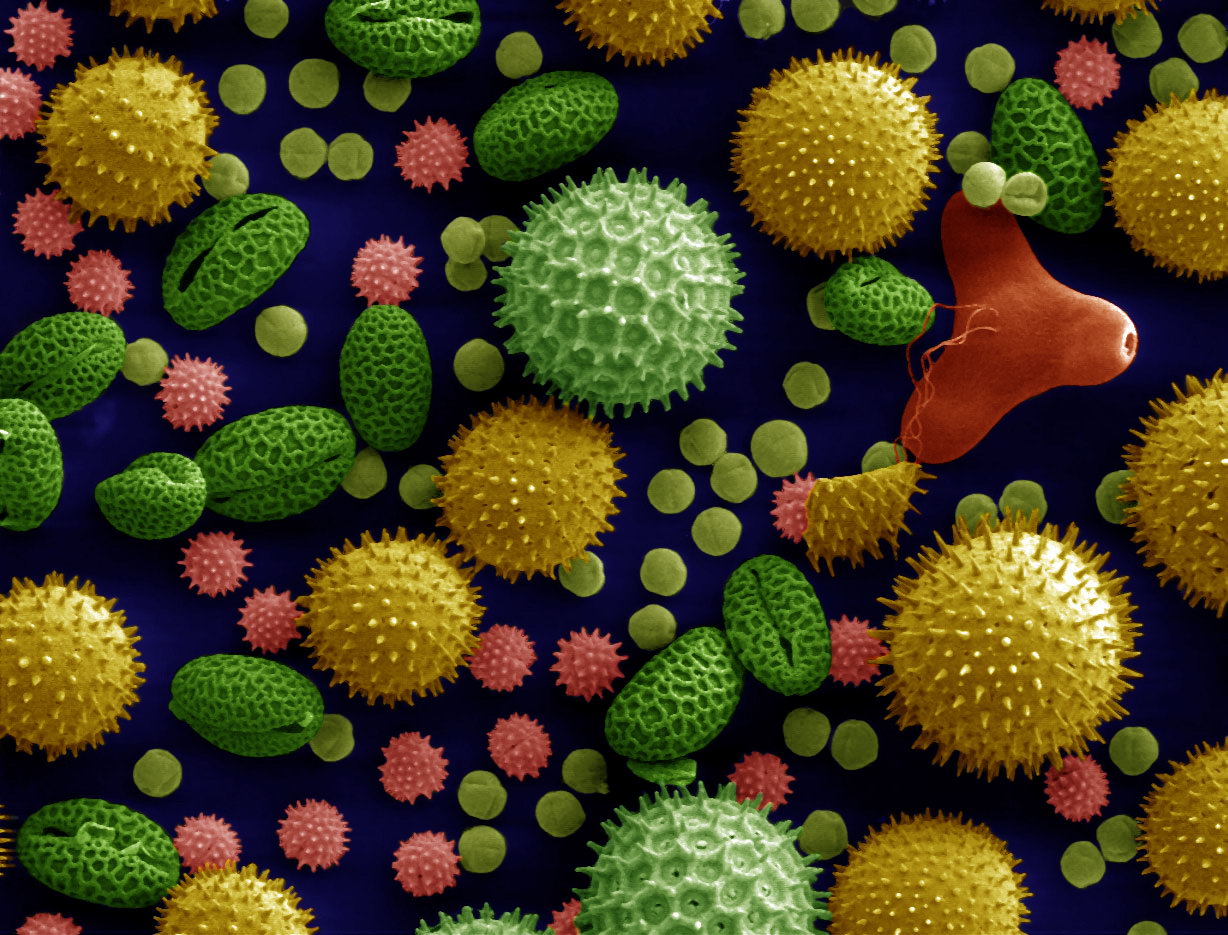
Definition
Allergic rhinitis (AR) is a chronic, antigen-triggered inflammatory disorder of the upper airway characterized clinically by nasal symptoms in a patient with relevant allergic sensitization. In the pediatric literature represented here, diagnosis is generally based on physician-confirmed AR, with studies applying or referencing ARIA-based clinical definitions. [519][527][530] The defining biological feature is IgE-mediated sensitization to an inhaled allergen, such as house-dust mite or pollen, when that sensitization corresponds to the patient’s symptoms. [71]B2b[529] Sensitization alone should not be equated with clinical AR: a population study explicitly separated participants into healthy, sensitized, AR, and acute-asthma-exacerbation groups, demonstrating that allergen-specific IgE and symptomatic disease are distinct classification states. [529]
AR commonly occurs within an atopic or “allergic airway” phenotype and may coexist with asthma, adenoid hypertrophy, chronic rhinosinusitis symptoms, sleep disturbance, or middle-ear disease. [71]B2b[522][523][524][527][528]C[530][531] These associations are clinically important but do not replace the core definition of AR, which requires compatible rhinitis symptoms together with evidence of clinically relevant allergic sensitization. [71]B2b[519][527][529]
Classification
1. By temporal allergen exposure
- Seasonal AR: Symptoms occur predominantly during periods of exposure to seasonal aeroallergens, particularly pollens. Pediatric treatment evidence specifically includes seasonal AR populations, and Artemisia pollen-related disease has been evaluated using separate categories for sensitization and symptomatic AR. [518][529]
- Perennial AR: Symptoms persist or recur throughout the year because of continuing exposure to indoor or perennial allergens, especially house-dust mite. Pediatric studies include perennial AR and identify HDM-induced AR as a distinct clinical subgroup. [518][71]B2b
- Mixed or multiple-allergen AR: A patient may have clinically relevant sensitization to more than one allergen and may therefore show both seasonal and year-round symptoms; the available studies support allergen-specific phenotyping but do not provide a uniform operational definition for this category. [518][529]
2. By severity and disease burden
Pediatric studies distinguish mild AR from moderate-to-severe AR, with this distinction used to select children for house-dust-mite sublingual immunotherapy and to analyze treatment response. [521]C Severity should be judged by symptom intensity and the effect of AR on sleep, daily activities, school or social functioning, and quality of life rather than by sensitization testing alone. Evidence in adolescents links chronic AR symptoms with impaired sleep, social engagement, and emotional wellbeing, while pediatric treatment trials measure nasal symptoms, ocular symptoms, and rhinoconjunctivitis-related quality of life. [335]C4[518]
3. By dominant clinical presentation
- Predominantly nasal AR: Nasal obstruction, rhinorrhea, sneezing, and itching are the principal manifestations; the Total Nasal Symptom Score is a commonly used outcome in pediatric research. [518][521]C
- Rhinoconjunctivitis phenotype: Nasal disease is accompanied by ocular symptoms, assessed in trials with the Total Ocular Symptom Score. [518]
- AR with lower-airway comorbidity: AR may coexist with asthma and is frequently studied as part of an allergic-airway phenotype; this association does not mean that AR and asthma are the same disease. [522][527][530]
- AR with upper-airway structural or sinus disease: AR may coexist with adenoid hypertrophy or chronic rhinosinusitis symptoms, including in preschool children, but these conditions remain separate diagnostic entities. [71]B2b[528]C[534]
- AR with otologic consequences: Eustachian-tube dysfunction, abnormal tympanometry, middle-ear dysfunction, and otitis media with effusion are reported outcomes associated with AR in systematic reviews, but they are complications or comorbid manifestations rather than defining criteria. [523][524]
4. By age and clinical context
The evidence base spans infancy through adolescence: risk of later AR has been studied in infants with food allergy followed to age six, while other cohorts include preschool children, children younger than 12 years, and patients aged 3–17 years. [334]B2b[518][525] Early-life food allergy may precede later AR in a subset of children, consistent with an atopic-march pattern, but progression is not universal and should not be assumed for every infant with food allergy. [334]B2b
Hypersensitivity mechanism type
AR is classified mechanistically as a type I immediate hypersensitivity disorder, mediated by allergen-specific IgE and subsequent allergic inflammation. Within the available evidence, this mechanism is directly reflected by the use of IgE-mediated HDM sensitization to define AR-HDM and by the separation of allergic sensitization from symptomatic AR. [71]B2b[529] The clinical reaction depends on both host susceptibility and exposure: a large population study found that environmental Artemisia-pollen exposure and host susceptibility both contributed to sensitization and allergic disease classification. [529]
The mechanism may be clinically expressed through nasal and ocular symptoms, persistent mucosal inflammation, and interaction with neighboring airway compartments. [518][527][528]C Nasal microbiome features, including Haemophilus abundance, have been investigated as potential predictors of response to sublingual immunotherapy, but such biomarkers currently describe treatment-response heterogeneity rather than redefine the hypersensitivity type. [521]C Similarly, transcriptomic findings in children with adenoid hypertrophy and AR may identify disease-associated molecular signatures, but they do not establish a separate AR classification. [528]C
Scope and diagnostic boundary
AR should therefore be documented using four linked elements: compatible rhinitis symptoms, clinically relevant allergen sensitization, an exposure pattern that is seasonal, perennial, or mixed, and an assessment of severity or functional impact. [518][519][527][529] Treatment studies of oral antihistamines, leukotriene receptor antagonists, saline irrigation, intranasal corticosteroids, and immunotherapy evaluate management of established AR; they do not alter its definition or convert associated conditions such as asthma, chronic rhinosinusitis, adenoid hypertrophy, insomnia, PFAPA, or otitis media with effusion into AR itself. [518][519][520][521]C[524][525][526][531][534]
| Classification axis | Categories | Evidence-supported interpretation |
|---|---|---|
| Exposure pattern | Seasonal, perennial, mixed/multiple-allergen | Seasonal disease follows pollen exposure; perennial disease is represented particularly by HDM-associated AR; mixed disease is clinically plausible but not uniformly operationalized in these studies. [518][529] |
| Severity | Mild; moderate-to-severe | Used in pediatric cohorts to distinguish disease burden and identify candidates for immunotherapy. [521]C |
| Symptom pattern | Nasal; rhinoconjunctival | Nasal and ocular symptom scores are separately measured in pediatric trials. [518] |
| Associated phenotype | With asthma, CRS/AH, or otologic dysfunction | These are associated conditions or complications, not requirements for the diagnosis of AR. [523][524][527][528]C |
Pathophysiology & Immune Mechanism
- ▸AR reflects interactions among allergen exposure, host susceptibility, epithelial-barrier dysfunction, innate sensing, IgE-associated adaptive immunity, and eosinophilic inflammation.[601][529][612]
- ▸HDM group 1, 2, and 23 components have strong IgE-binding activity and can promote epithelial, dendritic-cell, and inflammatory activation.[612]
- ▸CPA3 and ELAVL1 may contribute to Th2 differentiation through post-transcriptional regulation in AR.[610]
- ▸Dust-mite SLIT reduced IL-4, IL-17, ECP, TARC, and VCAM-1 in a randomized six-month study.[536]
- ▸Nasal Corynebacterium depletion was associated with polysensitization, defined as sensitization to **≥4** inhalant allergens, but causality remains unproven.[539]
- ▸Upper- and lower-airway allergic inflammation share biomarkers and may include airway hyperresponsiveness even without established asthma.[527][540][608]
Core disease mechanism
Allergic rhinitis (AR) is a chronic inflammatory disorder of the nasal mucosa driven by sensitization to inhaled allergens and subsequent allergen-specific immunoglobulin E (IgE)-associated immune responses. Contemporary evidence indicates that disease expression reflects interactions among host susceptibility, environmental exposure, epithelial and innate immune activation, adaptive type-2 inflammation, and tissue effector-cell responses.[601][529][612]D Sensitization is not synonymous with clinical allergy: population studies distinguish individuals who are nonsensitized, sensitized without disease, and those with AR or acute asthma exacerbation, supporting a role for both exposure intensity and host susceptibility.[529]
Sensitization and the exposome
The relevant exposome includes regional climate, aeroallergen distribution, pollen burden, indoor allergens, and other environmental influences that shape molecular IgE profiles during childhood.[601] In a multicentre Spanish pediatric cohort, component-resolved diagnostics were used to identify regional molecular sensitization signatures among children with AR and/or asthma, illustrating that sensitization patterns vary across climatic contexts.[601] In northern China, Artemisia exposure was examined alongside host susceptibility, emphasizing that high environmental pollen exposure alone does not fully explain sensitization or clinical allergy.[529] Olive pollen can provoke distinct transcriptomic responses in peripheral blood leukocytes from allergic patients, supporting allergen-specific molecular programs in sensitized individuals.[604]
House dust mite (HDM) allergens are particularly important indoor triggers. More than 30 HDM allergenic components have been identified and grouped according to protease activity, lipid binding, structural properties, or currently uncharacterized functions.[612]D Group 1, group 2, and group 23 allergens have strong IgE-binding activity and are implicated in sensitization and downstream inflammation.[612]D HDM components can impair epithelial-barrier integrity, activate cell-surface receptors, and promote dendritic-cell maturation through Toll-like-receptor-related pathways, thereby linking epithelial injury and innate sensing to adaptive allergic inflammation.[612]D
Adaptive immunity and effector cells
The characteristic immune polarization in AR includes enhanced type-2 responses, with interleukin-4 (IL-4) supporting Th2 differentiation and IgE-associated allergic responses.[536][610] A mechanistic study identified increased carboxypeptidase A3 (CPA3) expression in nasal mucosa from children with AR and investigated embryonic lethality abnormal vision-like protein 1 (ELAVL1) as an RNA-binding regulator that stabilizes CPA3 messenger RNA and promotes Th2-cell differentiation.[610] These findings connect post-transcriptional regulation, mast-cell-associated mediators, and adaptive type-2 polarization, although the study was mechanistic and should not be interpreted as proof of a single causal pathway.[610]
Eosinophils are important inflammatory effector cells in AR. Eosinophil cationic protein (ECP), a marker of eosinophil activation, was reduced after six months of dust-mite sublingual immunotherapy (SLIT) compared with conventional treatment alone, together with reductions in IL-4, IL-17, thymus and activation-regulated chemokine (TARC), and vascular cell adhesion molecule-1 (VCAM-1).[536] In a diagnostic study, AR patients had higher baseline peripheral eosinophil counts and CD63 expression than patients with nonallergic rhinitis or healthy controls; allergen stimulation was used to assess changes in CD63 and FcεRI expression, and CD63 correlated with serum-specific IgE.[609] These observations support the use of eosinophil activation, rather than eosinophil number alone, as an indicator of allergen-responsive inflammation, while recognizing that the cited evidence is observational or diagnostic.[609]
Cellular trafficking and tissue inflammation
TARC and VCAM-1 are among the inflammatory markers associated with allergic immune-cell recruitment and activation in AR; both decreased more substantially with dust-mite SLIT than with conventional treatment alone in a randomized trial of 300 dust-mite-sensitized patients treated for 6 months.[536] The same trial reported reductions in IL-17, indicating that AR inflammation may include both type-2 and Th17-associated signals rather than a uniformly isolated Th2 response.[536] However, serum-marker changes do not by themselves establish the complete sequence of events within the nasal mucosa.[536]
The nasal microbiome may also modify sensitization biology. In adults, depletion of nasal Corynebacterium was investigated in relation to polysensitization to inhalant allergens, defined as sensitization to ≥4 allergens, compared with zero, mono-, and oligosensitization categories.[539] Because the study was cross-sectional, the findings support an association between nasal microbial composition and sensitization burden but cannot establish whether microbiome alteration causes polysensitization.[539] Broader population analyses similarly identified multidimensional allergen-sensitization patterns and examined their associations with allergic disease outcomes, reinforcing that cosensitization may influence clinical expression.[611]
Systemic and airway links
AR is immunologically linked to lower-airway type-2 disease. In children with coexisting asthma and AR, fractional exhaled nitric oxide (FeNO) and absolute eosinophil count were followed longitudinally as markers related to airway inflammation and asthma control.[527] Pediatric chest-tightness variant asthma studies likewise evaluated FeNO together with pulmonary-function measures, reflecting the shared inflammatory context of upper- and lower-airway disease.[608] Exercise-induced bronchoconstriction was also detected in some children with moderate-to-severe persistent AR receiving early subcutaneous allergen immunotherapy despite exclusion of diagnosed asthma or asthma symptoms, suggesting that clinically relevant airway hyperresponsiveness may occur across the allergic-airway spectrum.[540]
Immunomodulation
Allergen immunotherapy can modify rather than merely suppress symptoms. In the cited randomized SLIT trial, dust-mite treatment was associated with reductions in IL-4, IL-17, ECP, TARC, and VCAM-1 and improved symptoms compared with conventional therapy.[536] A systematic review and meta-analysis evaluated subcutaneous histaglobulin, a histamine–immunoglobulin complex used as a non-allergen-specific immunotherapy across allergic diseases, including AR, although the available abstract does not provide the pooled effect estimates or definitive mechanistic conclusions.[599] Anti-IgE therapy provides another immunologic approach in type-2 disease; however, a reported case of bullous erythema multiforme after omalizumab illustrates that rare immune-mediated adverse reactions can occur despite its usual favorable safety profile.[546]C
Modifiers and clinical implications
Polysensitization is associated with greater disease complexity, and allergen distributions differ by geography and population.[605][611] Airborne-allergen sensitization may also contribute to persistent mouth breathing after adenotonsillectomy in children, indicating that unresolved nasal allergic inflammation can maintain upper-airway obstruction even after anatomic surgery.[602] Animal models, including disease–syndrome combination models, are being developed to study AR mechanisms and treatment responses, but model findings require cautious translation to human disease.[600]
Epidemiology, Etiology & Risk Factors
- ▸The supplied literature does not provide a general-population prevalence estimate; AR was present in 57% of a selected adult septorhinoplasty cohort. [547]
- ▸AR frequently occurs with asthma and polysensitization; cat-dander sensitization was associated with AR plus asthma with OR 3.743. [542]
- ▸Infantile food allergy and early house-dust-mite sensitization are being investigated as predictors of later AR, but the supplied abstracts do not report complete predictive-model results. [334][71]
- ▸Flood-related aeroallergen exposure may exacerbate allergic disease, but available evidence does not establish flooding as a primary cause of AR. [537]
- ▸Nasal Corynebacterium depletion and Haemophilus abundance are associative microbiome findings requiring further validation before clinical risk prediction. [521][539]
Epidemiology
Allergic rhinitis (AR) is represented across pediatric and adult clinical populations, but the supplied studies do not provide a single contemporary population-wide prevalence estimate. In a prospective cohort of adults undergoing septorhinoplasty at four tertiary institutions, 57% reported AR, although this selected surgical population should not be interpreted as representative of the general population. [547] A Japanese nationwide claims analysis identified patients with seasonal AR by an AR diagnosis plus prescriptions covering ≥14 days in each of two consecutive pollen seasons; the study focused on healthcare use and prescription costs rather than estimating national prevalence. [551]
AR commonly coexists with other allergic or respiratory disorders. In a real-world study of patients with AR, 213 had comorbid asthma compared with 1154 with AR alone; family history of AR or asthma, more severe symptoms, polysensitization, cat ownership, cat-specific IgE, and age <18 years were associated with the combined phenotype. [542] Cat-dander sensitization remained the strongest reported factor for AR plus asthma, with an odds ratio of 3.743. [542] In a separate observational study, children aged 6–18 years with moderate-to-severe persistent AR, without diagnosed asthma or asthma symptoms, were evaluated for exercise-induced bronchoconstriction during early subcutaneous immunotherapy; the study defined a positive response as a fall in FEV1 of ≥10% from baseline, but the supplied evidence does not report the resulting prevalence or independent predictors. [540]
Etiology and immunologic susceptibility
The available evidence supports AR as part of an atopic trajectory in some children. A prospective cohort followed 447 infants aged 0–2 years with positive food-allergen testing to age 6 years to investigate subsequent AR and construct a prediction model; the study was specifically motivated by the progression from infantile food allergy to later AR, but the supplied abstract does not identify the final predictive variables or effect estimates. [334]B2b A separate 5-year prospective cohort enrolled children aged 4–8 years with chronic rhinosinusitis symptoms, with or without IgE-mediated house-dust-mite sensitization, to identify early features of house-dust-mite-induced AR and predictors of persistent disease; 117 children completed follow-up, but the provided evidence does not include the model coefficients or diagnostic performance. [71]B2b
Maternal and perinatal factors are also being investigated. A nationwide Taiwanese birth cohort included 2,743,735 live births from 2004–2020 and compared offspring of mothers with no depression or antidepressant use, depression without antidepressant use, and depression with antidepressant use; allergic rhinitis, atopic dermatitis, and asthma were followed using health records, with adjustment for parental and perinatal factors. [549] The supplied abstract does not report the adjusted hazard ratios for AR, so maternal depression or antidepressant exposure should be regarded as an investigated association rather than an established causal risk factor on the present evidence. [549]
Environmental and microbiome-related factors
Environmental aeroallergen exposure may worsen allergic disease after major flooding. A systematic review synthesized 12 epidemiological studies from the USA, Brazil, France, Pakistan, China, Taiwan, Vietnam, Cambodia, and South Korea, covering more than 71 million patient encounters; it classified post-flood dermatologic effects into water-contact injuries, displacement-related conditions, and environmental aeroallergen-induced exacerbations. [537] This evidence supports flooding as a potential amplifier of aeroallergen-related symptoms, but it does not establish flooding as a primary cause of AR or provide an AR-specific incidence estimate. [537]
Nasal microbial composition has been associated with allergic sensitization and treatment response. In a cross-sectional study of 278 adults categorized by inhalant-allergen sensitization burden, nasal swab sequencing evaluated the relationship between microbiome composition and mono-, oligo-, or polysensitization; the study specifically examined depletion of Corynebacterium in relation to polysensitization. [539] In children, a prospective cohort included 63 patients with AR and 40 healthy controls; moderate-to-severe patients received one year of standardized house-dust-mite sublingual immunotherapy, and response was defined as a >20% reduction in total nasal symptom score. Among the reported moderate-to-severe subgroup, 25 were responders and 15 nonresponders, with Haemophilus abundance investigated as a response-associated biomarker. [521]C These findings are associative and do not demonstrate that microbiome changes initiate AR. [521]C[539]
Associated conditions and modifiers
AR is linked clinically with upper-airway and middle-ear disease, although the magnitude of association varies by diagnostic definition. A systematic review and meta-analysis evaluated objective Eustachian-tube dysfunction, abnormal tympanometry, middle-ear dysfunction, and otitis media with effusion in AR, but included only six studies with extractable numerator-and-denominator data and highlighted important interpretive limitations. [523] Another systematic review separately examined AR, allergic sensitization, Eustachian-tube dysfunction, and pediatric otitis media with effusion because the underlying evidence was heterogeneous. [524]
Disease burden and treatment patterns may be influenced by multimorbidity. A real-world pediatric cohort included 954 children with AR among 1208 patients receiving sublingual immunotherapy and assessed outcomes across allergic multimorbidity patterns over 36 months. [525] A microbiome cohort also classified AR severity as mild versus moderate-to-severe, indicating that severity is an important stratifying variable in contemporary observational research. [521]C The supplied evidence does not establish independent causal effects for obesity, smoking, asthma-related airflow limitation, or other factors studied in separate respiratory cohorts; those studies should not be extrapolated as AR risk-factor evidence. [522][541][548]
| Domain | Evidence from supplied references | Interpretation |
|---|---|---|
| Atopic predisposition | Infant food allergy cohort followed to age 6 years; house-dust-mite sensitization cohort followed for 5 years. [334]B2b[71]B2b | Potential predictors of later AR, but effect estimates are not provided. |
| Allergic multimorbidity | Cat sensitization, polysensitization, family history, and age <18 years were associated with AR plus asthma. [542] | Strongest reported association was cat sensitization, OR 3.743. [542] |
| Environmental exposure | Flooding review identified environmental aeroallergen-induced exacerbations. [537] | More consistent with symptom exacerbation than proven disease initiation. |
| Nasal microbiome | Corynebacterium depletion associated with polysensitization; Haemophilus abundance associated with SLIT response categories. [521]C[539] | Emerging biomarkers; causality is unproven. |
Clinical Presentation
- ▸The core AR symptom domains are nasal obstruction, rhinorrhea, sneezing, and nasal itching. [554]
- ▸Pediatric assessment may include TNSS, TOSS, and rhinoconjunctivitis quality-of-life measures. [518]
- ▸A **greater than 20% reduction in TNSS** has been used to define treatment response in pediatric moderate-to-severe AR studies. [521]
- ▸House dust mite sensitization is a prominent phenotype; one pediatric study reported house dust mite mix sensitization in **41%** of participants. [72]
- ▸AR commonly appears within allergic multimorbidity patterns that include asthma, and pediatric AR has also been studied in relation to otitis media with effusion and Eustachian-tube dysfunction. [525][524]
Core symptom pattern
Allergic rhinitis (AR) is characterized clinically by a variable combination of nasal obstruction, rhinorrhea, sneezing, and nasal itching. These four symptoms constitute the principal domains of commonly used symptom instruments, including the Total Nasal Symptom Score (TNSS) and corresponding visual analogue scales. [554]C Symptom intensity and the relative prominence of individual symptoms vary among patients and across rhinitis subtypes, which can complicate clinical classification based on symptoms alone. [554]C
The presentation may be assessed using patient-reported nasal symptom scores and, particularly in children, associated ocular symptoms and quality-of-life measures. Pediatric treatment trials commonly evaluate TNSS, Total Ocular Symptom Score (TOSS), and the Rhinoconjunctivitis Quality-of-Life Questionnaire (RQLQ), reflecting the frequent coexistence of nasal, ocular, and functional complaints in pediatric AR. [518]
Age and pediatric presentation
AR occurs across childhood, and contemporary pediatric studies include children younger than 12 years as well as broader populations aged 18 years or younger. [518][519] In children, AR is identified clinically in conjunction with physician confirmation and may be accompanied by clinically important ocular symptoms and impaired quality of life. [519][518] Nasal saline studies have specifically enrolled children and adolescents with physician-confirmed AR, indicating that the diagnosis in this age group is generally based on the clinical syndrome together with assessment of allergic status rather than on symptoms in isolation. [519]
A prospective pediatric cohort categorized children as having mild AR or moderate-to-severe AR, demonstrating that symptom-based severity stratification is clinically relevant. [521]C In that study, response to treatment was defined using a greater than 20% reduction in TNSS, illustrating the use of quantitative nasal symptom change to distinguish clinically meaningful improvement from persistent disease. [521]C
Allergic sensitization and phenotype
The clinical syndrome is commonly evaluated alongside evidence of aeroallergen sensitization. A multicentre Spanish study of children aged 0–15 years with AR and/or asthma required a positive skin-prick test to at least one aeroallergen and used molecular component-resolved diagnostics to characterize sensitization patterns. [601] These findings support a heterogeneous pediatric phenotype in which the apparent clinical presentation may reflect different molecular sensitization profiles and regional environmental exposures. [601]
House dust mite sensitization is a clinically important phenotype. A large pediatric retrospective study comparing AR and asthma examined age-related allergen-sensitization patterns and reported house dust mite mix sensitization in 41% of the analyzed population. [72]C4 A randomized trial likewise enrolled patients with AR sensitized to dust mites, confirming that dust-mite–sensitized AR is a distinct and commonly studied clinical subgroup. [536]
Multimorbidity and associated manifestations
AR may coexist with lower-airway disease. The pediatric sensitization study specifically compared children with AR and asthma and investigated factors associated with lower-airway involvement, emphasizing the clinical overlap between upper- and lower-airway allergic disease. [72]C4 In routine pediatric practice, AR is also represented within broader allergic multimorbidity patterns that include asthma; a three-year cohort of children receiving sublingual immunotherapy included 954 patients with AR among 1,095 patients with asthma, illustrating the substantial overlap of these diagnoses in treated populations. [525]
Middle-ear manifestations may also accompany pediatric AR. A systematic review and meta-analysis evaluated associations among pediatric AR, allergic sensitization, otitis media with effusion, Eustachian-tube dysfunction, abnormal tympanometry, and middle-ear dysfunction. [524] Because the evidence addressed associations across observational studies, these findings support consideration of ear symptoms or hearing-related concerns in children with AR but do not establish that AR is the sole cause of middle-ear disease. [524]
Inflammatory and treatment-response context
In dust-mite–sensitized AR, sublingual immunotherapy has been studied in relation to both symptoms and inflammatory markers. In a randomized trial of 300 patients treated for 6 months, the addition of dust-mite drops to conventional therapy produced greater reductions in interleukin-4, interleukin-17, eosinophil cationic protein, thymus and activation-regulated chemokine, and vascular cell adhesion molecule-1, together with improved symptoms, than conventional treatment alone. [536] These biomarkers are investigational adjuncts to clinical assessment and should not replace symptom characterization.
Response to sublingual immunotherapy is heterogeneous: one predictive-model study reported that approximately 30%–40% of patients may show a poor response. [553] In children with moderate-to-severe AR receiving one-year house-dust-mite immunotherapy, treatment response was assessed using the >20% TNSS-reduction threshold, and nasal Haemophilus abundance was investigated as a potential response-associated biomarker. [521]C These observations concern treatment response rather than diagnostic criteria and should not be used alone to define AR severity or diagnosis.
Practical clinical summary
The typical presentation is a patient with fluctuating or persistent nasal obstruction, rhinorrhea, sneezing, and itching, with possible ocular symptoms and quality-of-life impairment. [554]C[518] Clinical evaluation should document symptom severity, quantify nasal and ocular burden when feasible, assess aeroallergen sensitization, and screen for coexisting asthma or pediatric ear disease when suggested by the history or examination. [601][72]C4[524]
| Domain | Relevant presentation or assessment |
|---|---|
| Nasal symptoms | Obstruction, rhinorrhea, sneezing, and nasal itching; quantify with TNSS or a comparable scale. [554]C |
| Ocular symptoms | Assess concomitant ocular burden using measures such as TOSS when clinically relevant. [518] |
| Functional impact | Evaluate rhinoconjunctivitis-related quality of life, particularly in children. [518] |
| Allergic phenotype | Document aeroallergen sensitization; molecular patterns may vary by region and exposure. [601] |
| Comorbidity | Consider asthma, lower-airway involvement, and pediatric ear disease when indicated. [72]C4[524] |
Diagnosis & Immunodiagnostics: Allergy Testing and Immune-Function Workup
- ▸Interpret allergen sensitization in the context of symptoms and exposure; a positive serum-specific IgE result alone does not prove clinical allergy. [529][562]
- ▸Use targeted serum-specific IgE testing guided by history and local aeroallergen patterns; the evidence does not establish a universal panel or positivity threshold. [129][529]
- ▸In the cited Beijing cohort, 91.74% of patients were sensitized to inhalant allergens and 48.07% to food allergens. [129]
- ▸Polysensitization was defined as **≥4** inhalant sensitizations in one adult study, but nasal Corynebacterium depletion is not a validated diagnostic biomarker. [539]
- ▸A **>20%** reduction in Total Nasal Symptom Score was used to classify pediatric SLIT responders; this is a treatment-response endpoint, not a diagnostic threshold. [521]
- ▸Routine cytokine, T-helper-cell, TFH-cell, nasal microbiome, and mucosal immune-marker testing is not supported for uncomplicated AR by the supplied evidence. [521][559][560][561]
Diagnostic framework
Allergic rhinitis (AR) is characterized in the supplied evidence as an IgE-mediated inflammatory disease of the nasal mucosa, but a positive sensitization test alone does not establish that a particular allergen causes the patient’s symptoms. [562] Diagnosis should therefore integrate a compatible history of nasal and/or ocular symptoms, their temporal relationship to suspected exposures, examination findings, and objective evidence of allergen sensitization. The available evidence base is predominantly pediatric, observational, or mechanistic and does not replace clinical assessment. [518][521]C[525][129]C4
The history should document age, symptom pattern, seasonality, perennial exposure, residence and occupational or school environment, asthma or other atopic disease, medication use, and treatment response. This is particularly important because allergen profiles vary by geography and exposure intensity: in a Beijing cohort, 91.74% of 2,482 clinically diagnosed patients with at least one positive serum-specific IgE result were sensitized to inhalant allergens, while 48.07% were sensitized to food allergens. [129]C4 In a high-exposure Northern Chinese region, Artemisia-specific IgE was measured in 3,130 participants within a population sample of 12,345, allowing separation of healthy, sensitized, AR, and acute asthma-exacerbation groups. [529] These findings support exposure-informed test selection rather than indiscriminate panels. [129]C4[529]
First-line allergy testing
Serum allergen-specific IgE is an objective method used in the cited studies to define sensitization to inhalant and food allergens. [129]C4[529] Testing should be directed by the clinical history and local aeroallergen exposure; results should be interpreted alongside symptoms because the cited studies classify sensitization and clinical allergy as distinct categories. [529] A targeted panel may include relevant pollens, house-dust-mite allergens, molds, and animal dander when suggested by the history; food testing is appropriate only when food-related symptoms or a relevant differential diagnosis exists. The evidence supplied does not establish a universal panel, positivity threshold, or superiority of serum testing over skin-prick testing. [129]C4[529]
Where available, skin-prick testing can provide complementary evidence of immediate hypersensitivity, but no reference supplied here reports its diagnostic accuracy, medication-withholding requirements, or comparative performance. Consequently, these technical decisions should follow local validated protocols rather than be inferred from the cited studies. [129]C4[529]
Component-resolved diagnostics are not evaluated in the supplied references. They should therefore be reserved for selected situations—such as complex polysensitization, suspected cross-reactivity, or consideration of allergen immunotherapy—when extract-based results and the clinical history are discordant; this is a clinical application rather than a conclusion supported by the present evidence set. [129]C4[529]
Interpreting polysensitization and biomarkers
Polysensitization may be clinically important, but the number of positive tests should not be equated with disease severity without clinical correlation. In an adult cross-sectional study, participants were categorized as zero-sensitized, monosensitized, oligosensitized (2–3 sensitizations), or polysensitized (≥4 sensitizations), and allergen-specific IgE was measured in blood. [539] Nasal Corynebacterium depletion was associated with polysensitization, but the observational design does not establish causation or support microbiome testing for routine AR diagnosis. [539]
Nasal microbiome analysis is similarly investigational. In a prospective pediatric cohort, Haemophilus abundance was studied as a possible predictor of response to one year of house-dust-mite sublingual immunotherapy (SLIT); responders were defined by a >20% reduction in Total Nasal Symptom Score. [521]C This endpoint and the microbiome association are research findings, not validated clinical thresholds for diagnosing AR or selecting immunotherapy. [521]C
Immune-function work-up
Routine immune-function testing is not supported for uncomplicated AR by the supplied evidence. The cited immune studies are exploratory and should not be interpreted as validated diagnostic assays. Children with grass-pollen AR receiving sublingual polyvalent mechanical bacterial lysate had blood analyzed for T-helper-cell transcription factors and cytokines within a randomized, double-blind, placebo-controlled trial, but these measurements assessed treatment-related immunomodulation rather than standard diagnostic performance. [559]
Similarly, circulating T-follicular-helper-cell profiling was investigated in 39 patients with AR and 17 healthy controls; flow cytometry and single-cell RNA sequencing examined TFH2 and GZMK-positive TFH1-related populations. [561]C Such cellular profiling may clarify type 2 humoral immunity and IgE-related biology, but it is not established as a routine work-up for AR. [561]C Probiotic trials have also assessed total IgE, antigen-specific IgE, eosinophil count, symptom scores, and quality-of-life outcomes, yet the umbrella review reports inconsistent evidence and does not validate these measures as diagnostic tests. [544]
Tests that should not be overinterpreted
Environmental and mucosal factors may modify symptoms or immune inflammation, but they do not independently confirm AR. Experimental animal evidence links air-pollution exposure with changes in nasal mucosal immune-inflammatory markers, while a systematic review describes effects of chronic humidity on mucociliary clearance, hydration, epithelial tight-junction integrity, and local immune responses. [560][556] These findings support exposure assessment and differential diagnosis, not routine blood or nasal immune-marker testing. [560][556]
Assessment of comorbidity remains clinically important. Allergic multimorbidity patterns and response to pediatric SLIT were evaluated in a three-year real-world cohort including 954 children with AR, while a separate pediatric asthma study associated cumulative allergic burden with lung-function impairment. [525][557] Patients with asthma symptoms should therefore receive appropriate respiratory evaluation, but the supplied references do not define a specific AR immune panel or pulmonary-testing algorithm. [525][557]
Practical interpretation
A clinically coherent history plus targeted evidence of relevant allergen-specific IgE is the most defensible diagnostic approach supported by these references. [129]C4[529] Discordant results should prompt reassessment of exposure timing, alternative diagnoses, test limitations, and comorbid disease rather than automatic expansion to broad immune panels. [129]C4[521]C[539] Immunologic assays involving cytokines, T-helper or TFH subsets, nasal microbiota, or mucosal inflammatory markers should currently be regarded as research or specialist investigations, not routine diagnostic requirements. [521]C[559][560][561]C
| Investigation | Appropriate interpretation | Current role |
|---|---|---|
| Serum allergen-specific IgE | Confirms sensitization to tested allergens; correlate with symptoms and exposure. [129]C4[529] | Targeted clinical testing |
| Skin-prick testing | Potential complementary immediate-hypersensitivity test; comparative performance is not reported in the supplied references. [129]C4[529] | Protocol-dependent |
| Nasal microbiome analysis | Haemophilus and Corynebacterium associations are observational or predictive research findings. [521]C[539] | Investigational |
| Cytokines, T-helper and TFH subsets | Reflect immunomodulation or disease biology in research cohorts, not validated routine diagnosis. [559][561]C | Investigational/specialist |
| IgE or eosinophil changes after probiotics | Outcomes studied in intervention trials; diagnostic validity is not established. [544] | Not a diagnostic work-up |
| Nasal mucosal immune-inflammatory markers | Mechanistic evidence is mainly experimental animal evidence. [560] | Research only |
Severity, Grading & Risk Stratification
- ▸No universal TNSS, VAS, or quality-of-life cut-offs for mild, moderate, or severe allergic rhinitis are established by the supplied evidence.[538][554]
- ▸Severity assessment should include nasal, ocular, sleep, activity, quality-of-life, rescue-medication, asthma, and adherence domains.[518][538][564][622]
- ▸Prospective electronic symptom diaries may identify discrepancies in retrospective ARIA classification; **815** participants were studied in the @IT.2020 project.[623]
- ▸Moderate-to-severe allergic rhinitis is a clinically meaningful trial category, but its operational definition varies and should not be inferred solely from treatment-trial eligibility.[564][618]
- ▸Asthma status, age, airborne-allergen sensitization, sleep or mouth-breathing effects, and treatment adherence are important risk-stratification variables.[518][564][601][602][617][622]
Scope and principles
Allergic rhinitis (AR) severity should be assessed using a multidimensional approach rather than symptom intensity alone. Relevant domains include nasal symptoms, ocular and non-nasal symptoms, overall discomfort, sleep-related effects, functional impairment, quality of life, rescue-medication requirements, and coexisting airway disease. A prospective study of 1,150 patients with suspected AR used patient-reported nasal itching, congestion, sneezing, rhinorrhea, ocular symptoms, and overall discomfort before confirmation of the final diagnosis, supporting symptom burden as a practical component of initial risk assessment.[538] A systematic review likewise evaluated baseline rhinitis presentation using the four principal nasal symptoms—obstruction, rhinorrhea, sneezing, and itching—and symptom measures such as TNSS and VAS, but the supplied abstract does not provide validated numerical severity cut-offs.[554]C
Current grading considerations
The supplied evidence does not establish a new universally applicable numerical grading system for AR. In particular, the available abstracts do not define specific TNSS, VAS, or quality-of-life thresholds that reliably separate mild from moderate or severe disease.[538][554]C The distinction between intermittent and persistent disease, and between mild and moderate-to-severe disease, should therefore be documented clinically according to symptom frequency, duration, sleep and activity impairment, and treatment needs, while recognizing that these thresholds were not operationalized in the supplied studies.[623]
Prospective symptom recording may improve classification. In the multicentre @IT.2020 project, 815 children and adults with seasonal AR recorded daily organ-specific and general symptoms using electronic diaries; the investigators specifically examined consistency between prospective symptom data and retrospective ARIA classification and sought to generate a prospective classification.[623] This design highlights an important limitation of retrospective grading: recalled frequency and severity may not correspond precisely to prospectively documented daily burden.[623] Until prospective systems are externally validated, retrospective clinical classification should be supplemented by symptom diaries when disease fluctuation, seasonal exposure, treatment response, or diagnostic uncertainty makes severity unclear.[623]
Moderate-to-severe disease
“Moderate-to-severe” AR is a clinically important treatment-trial category, but the supplied references do not provide a uniform symptom-score definition for this label. A large randomized trial of 300IR house-dust-mite sublingual immunotherapy enrolled patients with moderate-to-severe mite-allergic AR, with or without controlled asthma, and assessed symptom and rescue-medication use over approximately 12 months.[564] A phase 2 trial of pumecitinib nasal spray similarly enrolled adults aged 18–65 years with moderate-to-severe seasonal AR and treated them for 14 days during the pollen season.[618] These populations demonstrate that moderate-to-severe disease is commonly identified by clinically meaningful burden requiring active pharmacologic management, but trial eligibility criteria should not be treated as a universal diagnostic threshold.[564][618]
Treatment requirement can help identify higher-burden disease. In the HDM immunotherapy trial, patients could use antihistamines and corticosteroids stepwise for intolerable nasal or ocular symptoms, and the post hoc analysis evaluated overall and class-specific rescue-medication use and days of use.[564] Rescue-medication dependence, persistent symptoms despite appropriate therapy, or repeated need for intranasal or systemic corticosteroids should therefore be recorded as markers of increased clinical burden, while avoiding the assumption that medication use alone defines biological severity.[564]
Risk stratification by phenotype and comorbidity
Asthma status is a key stratification variable. The 300IR HDM sublingual immunotherapy evidence included patients with and without controlled asthma, whereas a separate dose-stratified network meta-analysis of symptomatic interventions excluded studies primarily enrolling patients with comorbid asthma.[564][617] Efficacy and safety estimates from these populations should not be directly generalized across asthma strata without considering the inclusion or exclusion criteria.[564][617]
Children require separate assessment because symptom burden, treatment options, and disease consequences differ by age. A network meta-analysis specifically evaluated oral antihistamines and leukotriene receptor antagonists in children aged under 12 years with seasonal or perennial AR, using nasal symptoms, ocular symptoms, quality of life, and adverse outcomes as endpoints.[518] In adolescents, a controlled longitudinal study assessed symptoms at baseline and at 4 and 8 weeks, while also examining adherence and parental health literacy, indicating that treatment implementation and family factors may influence observed clinical control.[622]
Sleep and upper-airway consequences may identify clinically consequential disease even when conventional symptom scores are unavailable. Airborne-allergen sensitization was investigated as a potential contributor to residual mouth breathing after adenotonsillectomy in children, suggesting that persistent allergic upper-airway inflammation should be considered when postoperative mouth breathing continues.[602] Molecular sensitization patterns also vary across environmental settings; a multicentre study of 354 children with AR and/or asthma used component-resolved diagnostics to identify exposome-related sensitization signatures.[601] These findings support phenotype-aware risk assessment, although they do not yet provide validated prognostic thresholds.[601]
Practical risk categories
A practical record should separately document: symptom intensity; symptom frequency and seasonality; sleep and activity limitation; ocular involvement; objective or reported treatment requirements; asthma and other comorbidities; allergen sensitization profile; age; adherence barriers; and longitudinal response. Patients with persistent functional impairment, substantial rescue-medication need, coexisting asthma, ongoing sleep or mouth-breathing effects, or poor control despite treatment merit closer follow-up and reassessment of diagnosis, exposure, adherence, and treatment strategy.[518][564][602][617][622]
The evidence base remains heterogeneous. Systematic reviews of interventions evaluate different age groups, routes, doses, comorbidities, and outcome measures, while observational classification studies use prospective diaries or symptom questionnaires rather than a single common severity scale.[518][617][623] Severity should therefore be treated as dynamic and multidimensional, with periodic reassessment rather than a one-time fixed label.
| Domain | What to document | Evidence relevance |
|---|---|---|
| Symptoms | Obstruction, rhinorrhea, sneezing, itching, ocular and overall symptoms | Core symptom measures used in diagnostic and severity studies.[538][554]C |
| Frequency and variability | Seasonal pattern, daily burden, prospective diary findings | Prospective recording may differ from retrospective classification.[623] |
| Functional impact | Sleep, activity, work or school, and quality of life | Included among outcomes in pediatric and intervention evidence.[518][622] |
| Treatment burden | Rescue-medication use, corticosteroid requirement, inadequate control | Used to assess clinically important burden in HDM-AR trials.[564] |
| Comorbidity and phenotype | Asthma, age, sensitization profile, persistent mouth breathing | These factors may alter risk, generalizability, or follow-up needs.[518][564][601][602][617] |
| Implementation factors | Adherence and parental health literacy in adolescents | Associated factors examined longitudinally in adolescent AR.[622] |
Acute Management & Anaphylaxis Pathway
- ▸The permitted references do not provide a direct anaphylaxis treatment algorithm, epinephrine dose, observation period, or discharge protocol. [518][613]
- ▸For acute allergic-rhinitis care, assess severity, technique, adherence, age, comorbidities, and medication safety. [518][290][574]
- ▸Pooled adherence to intranasal corticosteroids and oral antihistamines was **43%** across 12 studies involving 191,103 adults. [290]
- ▸Fewer than **40%** of 262 surveyed adults correctly identified intranasal corticosteroid head position; **49.24%** had misconceptions about systemic adverse effects. [574]
- ▸Allergen immunotherapy is not rescue treatment for acute symptoms or anaphylaxis and should be considered only as a longer-term specialist intervention. [613][536]
Scope and triage
The supplied evidence base primarily addresses allergic-rhinitis pharmacotherapy, adherence, immunotherapy, biomarkers, and device tolerability; it does not provide a randomized trial, consensus guideline, or validated algorithm for acute anaphylaxis treatment. [518][613][60]D5 Therefore, this section can update acute allergic-rhinitis management and identify escalation triggers, but it cannot establish an evidence-based epinephrine dose, route, observation period, or discharge protocol from the permitted references. [518][613]
Any patient with suspected systemic allergic reaction, rapidly progressive upper-airway symptoms, respiratory compromise, circulatory symptoms, or involvement of multiple organ systems requires immediate emergency assessment rather than routine allergic-rhinitis self-management. The references do not quantify these diagnostic thresholds or compare emergency treatments, so local anaphylaxis protocols should govern such care. [518][613]
Acute allergic-rhinitis treatment pathway
-
Confirm the clinical problem and severity. Assess nasal obstruction, rhinorrhoea, sneezing, itching, ocular symptoms, medication use, treatment adherence, and possible asthma or other type-2 comorbidity. Oral antihistamines and leukotriene-receptor antagonists have been evaluated in children younger than 12 years with seasonal or perennial allergic rhinitis in a 2026 network meta-analysis; outcomes included total nasal symptom score, total ocular symptom score, quality of life, and adverse events. [518]
-
Use intranasal corticosteroid therapy when nasal symptoms require anti-inflammatory treatment. Intranasal corticosteroid sprays are established comparators in the supplied literature, but the permitted abstracts do not provide a new comparative efficacy estimate or a revised dose schedule. [520][290]B2a[574] Administration technique is clinically important: in a survey of 262 adult outpatients, fewer than 40% correctly identified the proper head position, while 49.24% had misconceptions about systemic adverse effects from long-term intranasal corticosteroid use. [574] Explain technique, expected local sensations, and the difference between local administration and systemic corticosteroid exposure. [574]
-
Address tolerability and adherence immediately. A crossover trial enrolled 16 participants with allergic rhinitis and 16 with postoperative chronic rhinosinusitis; each group used standard fluticasone spray and a fluticasone metered-dose inhaler with a nasal adaptor for 3 weeks each. [520] The study was designed to assess unpleasant sensations such as post-nasal drip and nasal irritation and whether an alternative delivery device could improve tolerability; the supplied abstract does not report complete outcome estimates, so the adaptor should not be treated as proven superior therapy. [520] A systematic review including 12 studies and 191,103 adults found pooled adherence to prescribed intranasal corticosteroids and oral antihistamines of 43%, with estimates varying by measurement method and self-report generally exceeding pharmacy-refill measures. [290]B2a
-
Select oral therapy according to age, symptoms, and safety. The pediatric network meta-analysis specifically compared oral antihistamines and leukotriene-receptor antagonists, but the supplied abstract does not provide medication-specific rankings, effect sizes, or serious-adverse-event estimates. [518] Consequently, treatment choice should follow the product label, age restrictions, comorbidities, sedation risk, and local pediatric guidance rather than an unsupported universal ranking. [518]
When to consider allergen immunotherapy
Allergen immunotherapy is a disease-modifying option, not an immediate rescue treatment for acute nasal symptoms or anaphylaxis. [613][536] A network meta-analysis restricted to double-blind, placebo-controlled trials lasting at least 12 months classified house-dust-mite preparations by allergen breadth as comprehensive-component subcutaneous immunotherapy, major-component-dominant subcutaneous immunotherapy, or major-component-dominant sublingual immunotherapy. [613] A randomized trial of 300 dust-mite-sensitized patients treated for 6 months reported greater reductions in inflammatory markers and symptom improvement when sublingual dust-mite drops were added to conventional treatment, although the supplied abstract does not provide effect sizes or a full safety assessment. [536]
Response is heterogeneous: a prediction-model study of 346 patients noted that approximately 30%–40% may respond poorly to sublingual immunotherapy, while a pediatric cohort evaluated nasal Haemophilus abundance as a possible response biomarker in 63 children, including 40 healthy controls; these findings are investigational and do not justify routine biomarker-guided prescribing. [553][521]C A pediatric real-world cohort included 1,208 patients aged 3–17 years receiving individualized liquid-drop therapy and assessed outcomes at months 6, 12, 18, 24, and 36; its reported primary outcome was a month-6 quality-of-life minimal clinically important difference of ≥0.5 points. [525] Retrospective data also describe improvement in symptoms, medication scores, quality of life, nasal endoscopic findings, and eosinophils after 3 years of dust-mite sublingual immunotherapy, but this does not establish acute efficacy. [570]
Additional escalation and safety considerations
Persistent refractory symptoms may warrant specialist reassessment, including evaluation for chronic rhinitis phenotypes or structural disease. Temperature-controlled posterior nasal nerve radiofrequency treatment was studied prospectively in patients with at least 6 months of chronic-rhinitis symptoms, reflective total nasal symptom score ≥6, and failure of medical management; the supplied abstract does not establish its role in routine allergic-rhinitis care. [624] Other supplied studies concern sensitization profiling, multimorbidity, asthma, pregnancy, osteoporosis, eosinophilic oesophagitis, and mental-health outcomes, but do not alter acute allergic-rhinitis or anaphylaxis treatment. [60]D5[178]B2b[603][573][625]C[626]
Evidence limitation
No supplied reference supports replacing emergency anaphylaxis protocols, acute-care monitoring, or first-line emergency medication with intranasal corticosteroids, oral antihistamines, leukotriene antagonists, or allergen immunotherapy. [518][613][536]
| Clinical situation | Evidence-based action from supplied references | Limitation |
|---|---|---|
| Acute nasal symptoms | Assess symptoms, age, comorbidities, and use of oral antihistamine, leukotriene antagonist, or intranasal corticosteroid therapy as appropriate. [518][574] | No new universal dose or comparative ranking is reported in the supplied abstracts. [518][574] |
| Poor tolerability or adherence | Recheck administration technique, address misconceptions, and discuss tolerability; adherence was 43% overall. [290]B2a[520][574] | The adaptor trial does not provide complete outcome estimates in the supplied abstract. [520] |
| Suspected systemic allergic reaction | Treat as an emergency according to local anaphylaxis protocol. [518][613] | The permitted references do not specify emergency medication, dose, route, or monitoring duration. [518][613] |
| Persistent uncontrolled disease | Refer for specialist reassessment and consider longer-term allergen immunotherapy where appropriate. [613][536] | Immunotherapy is not acute rescue therapy. [613][536] |
Long-term & Definitive Management: Avoidance, Immunotherapy, Biologics
- ▸HDM-AIT should be interpreted using both administration route and allergen-component breadth; the 2026 network meta-analysis classified preparations as CC-SCIT, MCD-SCIT, or MCD-SLIT. [613]
- ▸A 300IR HDM SLIT tablet reduced symptoms and rescue-medication use over approximately 12 months and was specifically evaluated for corticosteroid-sparing effects. [564]
- ▸Multiallergen AIT reduced combined symptom and medication scores versus placebo in polysensitized patients, but superiority over single-allergen AIT is not established from the supplied abstract. [273]
- ▸Pediatric SLIT and SCIT studies support potential improvements in longitudinal outcomes and health-related quality of life, while adherence, persistence, and respiratory safety monitoring remain important. [525] [578] [540]
- ▸Biologics should not be routinely extrapolated to isolated AR; the supplied biologic evidence concerns asthma, atopic dermatitis, or chronic rhinosinusitis with nasal polyps. [603] [619] [627]
- ▸Histaglobulin remains insufficiently characterized for AR because the supplied abstract does not provide pooled AR outcomes. [599]
Scope of long-term management
The updated evidence supports allergen immunotherapy (AIT) as the principal disease-modifying strategy evaluated for allergic rhinitis (AR); the supplied studies do not provide a new controlled evaluation of environmental allergen-avoidance interventions. [613] [617] Management should therefore combine exposure reduction when a clinically relevant trigger is identified with optimized symptom control and shared decision-making about AIT. [617]
Allergen avoidance and treatment selection
Avoidance should be individualized to the demonstrated allergen and the patient’s exposure pattern; the references supplied here do not establish a universal avoidance measure or quantify benefit from avoidance alone. [613] [617] Symptomatic pharmacotherapy remains relevant while considering or receiving AIT, because the 2026 dose-stratified network meta-analysis specifically evaluated symptomatic interventions in seasonal or perennial AR without comorbid asthma and excluded immunotherapy and alternative medicine. [617]
Before AIT, confirm clinically relevant sensitization and ensure that the target allergen explains the patient’s symptoms; this is particularly important in polysensitized patients, for whom the optimal formulation remains debated. [273]B2a [613] Treatment choice should incorporate age, disease severity, adherence feasibility, administration route, comorbid asthma, and the availability of a standardized preparation. [564] [566]
Allergen immunotherapy
House-dust-mite immunotherapy
A 2026 network meta-analysis of double-blind, placebo-controlled randomized trials lasting at least 12 months compared house-dust-mite (HDM) AIT using a component-resolved classification rather than route alone. [613] Preparations were categorized as comprehensive-component subcutaneous immunotherapy (CC-SCIT), major-component-dominant subcutaneous immunotherapy (MCD-SCIT), or major-component-dominant sublingual immunotherapy (MCD-SLIT). [613] This framework addresses whether allergen-compositional breadth contributes to the substantial efficacy heterogeneity observed among HDM-AIT trials. [613]
In moderate-to-severe HDM-allergic AR, a 300-index-of-reactivity (300IR) HDM SLIT tablet was evaluated for approximately 12 months in a large randomized trial including patients with or without controlled asthma. [564] Participants could escalate rescue treatment from antihistamines to intranasal or oral corticosteroids for intolerable nasal or ocular symptoms; the post hoc analysis assessed rescue-medication use and a potential corticosteroid-sparing effect. [564] The study confirmed efficacy in reducing symptoms and rescue-medication use, while the steroid-sparing analysis should be interpreted as a secondary or post hoc outcome rather than proof that SLIT eliminates the need for corticosteroids. [564]
A prospective randomized study of 300 dust-mite-sensitized patients compared conventional treatment alone with conventional treatment plus sublingual dust-mite drops for 6 months. [536] The combination group had greater reductions in reported inflammatory markers, including interleukin-4, interleukin-17, eosinophil cationic protein, thymus and activation-regulated chemokine, and vascular cell adhesion molecule-1, together with symptom improvement and lower reported adverse-reaction rates. [536] These biomarker findings support immunologic activity but do not replace patient-centered outcomes or establish long-term disease modification. [536]
Seasonal pollen and multiallergen AIT
In Canadian children and adolescents aged 5–17 years with moderate-to-severe tree-pollen AR or allergic conjunctivitis, daily tree SLIT tablets were compared with placebo for up to 52 weeks in a phase III trial population. [566] The primary outcome was the pollen-season total combined score, defined as daily symptom score plus daily medication score, with free access to symptom-relieving medication. [566]
For polysensitized patients, a systematic review and meta-analysis included seven randomized trials and seven nonrandomized studies of multiallergen AIT. [273]B2a Multiallergen AIT significantly reduced combined symptom and medication scores versus placebo (standardized mean difference −3.75, 95% confidence interval −5.85 to −1.65, p < 0.001). [273]B2a Comparisons with single-allergen AIT were also examined, but the supplied abstract does not provide the complete comparative estimates; therefore, multiallergen therapy should not automatically be assumed superior to a well-selected single-allergen preparation. [273]B2a
Duration, adherence, safety, and outcomes
Real-world pediatric data evaluated individualized liquid-drop SLIT over 3 years, with assessments at months 6, 12, 18, 24, and 36, in children aged 3–17 years with allergic multimorbidity, including allergic rhinitis. [525] The cohort required prespecified adherence and treatment-persistence criteria, so its results may overrepresent patients able to continue treatment. [525] A separate prospective pediatric study linked one year of standardized HDM SLIT response to nasal microbiome features, but its small responder/non-responder groups and observational design support biomarker hypothesis generation rather than clinical selection of therapy. [521]C
SCIT may improve child and caregiver health-related quality of life after 12 months compared with standard pharmacotherapy, according to a prospective pediatric study. [578] However, early-phase SCIT in children without diagnosed asthma identified exercise-induced bronchoconstriction in a cohort undergoing exercise testing, demonstrating the importance of respiratory assessment and monitoring even when asthma has not been diagnosed. [540]
Biologics
The supplied references do not provide direct randomized evidence supporting biologics as routine treatment for isolated AR. [603] [619] Dupilumab evidence in these references concerns severe asthma or pediatric atopic dermatitis, while biologic-utilization evidence concerns chronic rhinosinusitis with nasal polyps; these findings should not be extrapolated automatically to uncomplicated AR. [603] [619] [627] Biologics may nevertheless be relevant when AR coexists with an approved type-2 inflammatory disease, such as severe asthma, atopic dermatitis, or chronic rhinosinusitis with nasal polyps, with treatment selected according to the comorbid disease’s indication and severity. [603] [619] [627]
Histaglobulin is a non-allergen-specific subcutaneous histamine/immunoglobulin complex evaluated across allergic diseases, including AR, in a 2026 systematic review and meta-analysis. [599] The supplied abstract does not report the pooled AR efficacy or safety estimates; consequently, it should not be positioned as an established alternative to allergen-specific SCIT or SLIT on the evidence provided. [599]
| Strategy | Population or setting | Evidence-relevant outcome | Practical interpretation |
|---|---|---|---|
| HDM SCIT/SLIT | HDM-allergic AR; trials ≥12 months | Comparative efficacy assessed by component-resolved preparation class | Consider allergen composition as well as route. [613] |
| 300IR HDM SLIT tablet | Moderate-to-severe HDM AR, with or without controlled asthma | Reduced symptoms and rescue-medication use; steroid-sparing analysis | Useful disease-modifying option when appropriate; corticosteroid need is not necessarily eliminated. [564] |
| Tree SLIT tablet | Children aged 5–17 years with tree-pollen AR/conjunctivitis | Pollen-season symptom-plus-medication score | Pediatric seasonal option studied for up to 52 weeks. [566] |
| Multiallergen AIT | Polysensitized AR | SMD versus placebo −3.75 (95% CI −5.85 to −1.65) | May be considered selectively; evidence does not prove superiority to single-allergen AIT. [273]B2a |
| Biologics | Comorbid severe asthma, atopic dermatitis, or CRSwNP | Evidence pertains to the comorbid disease, not isolated AR | Use according to the approved comorbidity indication. [603] [619] [627] |
Immunodeficiency Management: Immunoglobulin Replacement, Prophylaxis and Immune Reconstitution
- ▸Evaluate recurrent or refractory rhinosinusitis for humoral immunodeficiency, especially when infections are persistent or unusually severe. [106]
- ▸Immunoglobulin replacement is specialist therapy for selected patients with clinically significant primary humoral immunodeficiency, not routine treatment for uncomplicated allergic rhinitis. [344] [629]
- ▸The pediatric azithromycin prophylaxis study used 5 mg/kg/day on 3 days per week for 12 months in children with nonallergic rhinitis and RARS; its findings should not be generalized automatically to allergic rhinitis or IEI. [338]
- ▸IgE deficiency is defined in the cited pediatric cohort as <2.5 IU/mL, but isolated low IgE does not by itself establish an indication for immunoglobulin replacement. [340]
- ▸No supplied evidence establishes a clinical immune-reconstitution or gene-therapy protocol for rhinitis. [345] [584] [628] [630]
Scope and diagnostic orientation
Recurrent or difficult-to-treat rhinosinusitis should prompt assessment for humoral immunodeficiency, particularly when infections are frequent, severe, persistent, or poorly responsive to standard therapy. Humoral antibody deficiencies are recognized comorbidities of chronic rhinosinusitis (CRS), and infectious CRS commonly follows viral upper-respiratory infection with persistent bacterial infection contributing to chronic disease. [106]D5 Allergic rhinitis-like symptoms may also coexist with, precede, or obscure an inborn error of immunity (IEI); worldwide survey data and systematic reviews emphasize that allergic manifestations can delay IEI diagnosis. [212]C4 [342]B2a
The initial evaluation should distinguish allergic inflammation from recurrent infection and should be individualized according to infection history and immune phenotype. Relevant investigations may include quantitative immunoglobulins, IgG subclasses, vaccine-specific antibody responses, lymphocyte subsets, functional cellular assays, neutrophil oxidative-burst testing, and assessment for associated bronchiectasis or other chronic lung disease. A retrospective study of adults with selective IgG3 deficiency specifically reviewed lymphocyte subsets, mitogen and antigen proliferation, tetanus and pneumococcal antibody responses, neutrophil oxidative burst, and natural-killer-cell parameters, illustrating the breadth of immune assessment used in suspected antibody deficiency. [629]D
Immunoglobulin replacement
Immunoglobulin replacement is a specialist treatment for selected patients with primary humoral immunodeficiency and clinically significant recurrent infections; it is not a routine treatment for uncomplicated allergic rhinitis. Adults with primary immunodeficiency, recurrent acute rhinosinusitis (RARS), or CRS have been evaluated retrospectively before and after initiation of immunoglobulin replacement using annual sinus-infection frequency, sinus CT Lund–Mackay score, and need for functional endoscopic sinus surgery as outcomes. [344]B2b The study included 58 adults, aged 18–79 years, with a mean age of 52 years; its retrospective design supports observational outcome assessment but does not establish randomized comparative efficacy. [344]B2b
Selective IgG-subclass deficiency requires clinical correlation rather than treatment based solely on a laboratory result. The available adult IgG3-deficiency study was a retrospective chart review of 17 patients and characterized immune testing and clinical manifestations in patients attending a subspecialty immunology clinic; it should therefore be interpreted as limited observational evidence rather than proof that intravenous immunoglobulin benefits every patient with an isolated subclass reduction. [629]D Decisions about replacement should consider recurrent or severe bacterial respiratory infections, impaired specific-antibody responses, the persistence of abnormal results, and response to optimized antimicrobial and sinonasal management. [106]D5 [629]D
Antimicrobial prophylaxis
Long-term antibiotic prophylaxis may be considered selectively for recurrent bacterial sinonasal disease when episodes are clearly documented and other modifiable factors have been addressed. In a randomized, double-blind, placebo-controlled pediatric study, children aged 5–15 years with nonallergic rhinitis and RARS received azithromycin 5 mg/kg/day, 3 days per week, for 12 months, or placebo; children with allergic rhinitis were excluded. The prespecified outcomes were the number of rhinosinusitis episodes over 12 months, nasal-symptom visual-analog scores, and adjunctive-medication scores. [338]A1b Because this evidence concerns children with nonallergic rhinitis rather than proven antibody deficiency or allergic rhinitis, its regimen should not be generalized automatically to patients with IEI or typical AR. [338]A1b
Antimicrobial selection and duration should be guided by documented infection pattern, local resistance considerations, adverse effects, and specialist review. Infectious CRS management may include antimicrobial therapy alongside topical or oral corticosteroid treatment and treatment of contributing sinonasal disease; humoral antibody deficiency should be considered when CRS is recurrent or unusually refractory. [106]D5
Vaccination and immune reconstitution
The supplied evidence does not establish a specific immune-reconstitution protocol for allergic rhinitis or antibody-deficient rhinosinusitis. Immune management should therefore focus on identifying the underlying IEI, documenting functional antibody failure, maintaining appropriate preventive care, and coordinating immunology, otolaryngology, and infectious-disease follow-up. Allergic disease in IEI is heterogeneous: a worldwide IEI survey and newer reviews describe allergic rhinitis, asthma, eczema, food allergy, and other allergic phenotypes across multiple immune defects, with potential diagnostic overlap. [212]C4 [342]B2a
Very low IgE alone is not equivalent to global antibody failure. In a nationwide pediatric cohort of 123,393 tested children, IgE deficiency was defined as <2.5 IU/mL and was studied in relation to IEI, cancer, and autoimmune disease; this finding should be interpreted in clinical context rather than used alone to justify immunoglobulin replacement. [340]B2b Conversely, allergic disease can occur in CVID: a prospective cross-sectional study of 60 adults reported allergic disease in 26.6%, with allergic rhinitis the most commonly reported allergic condition among affected participants and asthma also reported. [582]
Treatments not established for routine care
Experimental immune or gene-based approaches should not be presented as established management. Animal studies have investigated intranasal IL-12 gene delivery, TNF-receptor–IgGFc gene constructs, KLF4-targeted therapy, and an indole-inducible adeno-associated-virus transgene system for allergic-rhinitis inflammation; these studies remain preclinical and do not support clinical immune reconstitution. [628]D [630]D [584]D [345]D5 Mechanistic reviews describe type 2 cytokines, including IL-4, IL-5, IL-9, and IL-13, and pathways such as IL-33 in allergic inflammation, but these findings do not establish immunoglobulin replacement or gene therapy for routine rhinitis care. [97]D5 [339]D5
Maternal intrapartum group B streptococcal antibiotic prophylaxis has been examined in relation to childhood asthma, eczema, food allergy, and allergic rhinitis in a retrospective cohort of 14,046 children, but this epidemiologic question does not provide a treatment rationale for prophylactic antibiotics in children with rhinitis. [581] Similarly, isolated case reports of systemic disease mimicking allergy and rare bullous erythema multiforme after omalizumab reinforce the need for diagnostic vigilance and adverse-event monitoring, but they do not support immunoglobulin replacement or immune reconstitution for allergic rhinitis. [341]C4 [546]C Socioeconomic barriers may affect access to diagnosis, treatment, education, and specialty care for allergic and immunologic disease and should be incorporated into care planning. [147]D5 [537]
Practical summary
Use immunoglobulin replacement only after specialist confirmation of clinically meaningful humoral immune failure; consider antibiotic prophylaxis selectively for well-documented recurrent infection; and do not equate allergic rhinitis, low IgE, or an IgG-subclass result alone with an indication for replacement. [106]D5 [338]A1b [340]B2b [629]D [344]B2b
| Clinical situation | Management implication | Evidence |
|---|---|---|
| Recurrent or refractory CRS/RARS | Assess for humoral antibody deficiency and associated disease; coordinate sinonasal and immunology care | [106]D5 |
| Confirmed clinically significant primary humoral immunodeficiency | Consider immunoglobulin replacement with specialist monitoring of infections and sinonasal outcomes | [344]B2b |
| Selective IgG3 or other subclass reduction | Correlate with infection burden and functional antibody responses; do not treat the laboratory result alone | [629]D |
| Pediatric RARS with nonallergic rhinitis | Azithromycin prophylaxis was studied at 5 mg/kg/day, 3 days/week, for 12 months | [338]A1b |
| Allergic rhinitis or isolated low IgE | Do not infer global antibody failure or an indication for immunoglobulin replacement | [340]B2b [582] |
| Experimental gene or immune therapies | Not established for routine clinical immune reconstitution | [345]D5 [584]D [628]D [630]D |
History and Evolution of Treatment
- ▸Recent AR treatment evolution emphasizes prevention, adherence, phenotype-guided care, and integrated upper- and lower-airway management.[59][334]
- ▸A specific partially hydrolyzed formula used during the first **6 months** of life may reduce food allergy and atopic dermatitis through age **5 years**, but this is prevention research rather than treatment of established AR.[318]
- ▸A nasal adaptor was developed to improve tolerability of intranasal corticosteroid delivery, addressing post-nasal drip, irritation, and adherence barriers.[520]
- ▸Subcutaneous allergen immunotherapy is increasingly evaluated alongside objective assessment of lower-airway risk, including exercise-induced bronchoconstriction defined by a **≥10% FEV1 decrease**.[540]
- ▸Biologics, immunonutrition, postbiotics, aerobic exercise, Chinese herbal medicine, and environmental-control strategies represent emerging or adjunctive approaches whose evidence remains heterogeneous.[58][59][575][587]
From symptom control to prevention and disease modification
The contemporary evolution of allergic-rhinitis (AR) management is increasingly framed within the broader “atopic march” and “one airway, one disease” models rather than as treatment of isolated nasal symptoms. AR is described as an IgE-mediated inflammatory disorder, and its inflammation may extend to the lower respiratory tract; this has encouraged evaluation of interventions that influence airway inflammation, comorbidity, adherence, and long-term allergic outcomes.[59]A1b The association between early food allergy and subsequent AR has also promoted risk-stratified prevention research: a prospective cohort of 447 infants aged 0–2 years with food allergy followed to age 6 years was used to identify predictors and construct a model for future AR onset.[334]B2b
Early nutritional prevention and the atopic march
Preventive treatment has expanded beyond environmental avoidance and pharmacological symptom suppression to include early-life nutritional interventions. In the multicenter, double-blind randomized Allergy Reduction Trial, a specific partially hydrolyzed formula (pHF) was compared with standard formula during the first 6 months of life; the 2026 follow-up examined whether the previously observed reduction in atopic dermatitis persisted to age 5 years and whether effects extended to other allergic manifestations, including food allergy.[318]B2b The investigators emphasized that pHF products differ in allergenicity and immunogenicity, so their preventive effects should be assessed individually and longitudinally rather than generalized across all hydrolyzed formulas.[318]B2b The reported conclusion was that this specific pHF may reduce the risk of food allergy and atopic dermatitis up to age 5 years, although the study does not establish pHF as a direct treatment for established AR.[318]B2b
Conventional intranasal therapy and adherence-focused innovation
Intranasal corticosteroid sprays remain a central treatment platform for AR, but unpleasant sensations—including post-nasal drip and nasal irritation—are recognized barriers to adherence.[520] A novel nasal adaptor for a metered-dose inhaler was therefore evaluated in two 3-week-period crossover trials, one in AR and one in postoperative chronic rhinosinusitis, with 16 participants per group; participants compared standard fluticasone nasal spray (50 μg) with fluticasone delivered through the adaptor (125 μg).[520] This work represents an evolution from developing new anti-inflammatory drugs toward improving tolerability and sustained use of established intranasal corticosteroid therapy.[520]
Allergen immunotherapy and airway-wide management
Subcutaneous allergen immunotherapy remains an important disease-modifying approach for moderate-to-severe persistent AR, but newer studies increasingly evaluate its respiratory consequences and safety phenotype. In 62 children aged 6–18 years without diagnosed asthma or asthma symptoms who were in the early phase of subcutaneous immunotherapy, exercise provocation testing with spirometry was used to assess exercise-induced bronchoconstriction, defined as a ≥10% fall in FEV1 from baseline.[540] This reflects a treatment era in which AR care is linked to objective assessment of lower-airway vulnerability, even when asthma has not been diagnosed.[540]
The same integrated-airway perspective is evident in comorbidity research. A real-world study comparing 1,154 patients with AR alone with 213 patients with AR plus asthma found that cat sensitization was a prominent factor associated with comorbid asthma, with an odds ratio of 3.743; family history, polysensitization, cat ownership, cat-specific IgE, younger age, and greater symptom burden were also evaluated as associated factors.[542] In pediatric allergic asthma with comorbid AR, a retrospective cohort of 246 children receiving omalizumab or dupilumab developed a nomogram to predict early biologic response at 16 weeks, illustrating movement toward biomarker- and phenotype-guided escalation rather than uniform treatment.[336]B2b Dupilumab, which blocks interleukin-4/13 receptor signaling, has likewise been studied prospectively in real-world asthma practice among patients aged ≥12 years, reinforcing the relevance of type 2-targeted biologics to patients whose asthma and upper-airway disease coexist.[580]
Adjunctive nonpharmacological and immunonutritional strategies
Recent treatment research has also investigated interventions outside conventional medication. In a randomized controlled trial, 18 young adults with persistent AR were allocated to an 8-week moderate-intensity aerobic exercise program or comparison care; antihistamines, corticosteroids, and leukotriene antagonists were discontinued before and during the study to isolate exercise effects on symptoms, nasal airflow, airway inflammation, pulmonary function, and cardiorespiratory outcomes.[59]A1b Exercise is therefore being evaluated as a potential adjunctive strategy, not as a replacement for established anti-inflammatory therapy.[59]A1b
A multicenter randomized, double-blind, placebo-controlled exploratory pilot trial enrolled 40 children aged 5–12 years with allergic asthma and AR to examine a multicomponent immunonutritional supplement containing postbiotics.[58]A1b The intervention was designed to address type 2-driven airway inflammation and impaired epithelial–immune interactions, but its exploratory pilot design limits conclusions about routine clinical use.[58]A1b Traditional Chinese medicine has also entered the modern evidence discussion: a systematic review characterized AR as IgE-mediated, discussed the traditional “bi qiu” framework, and synthesized mechanistic and clinical-efficacy evidence for Chinese herbal formulas including Yupingfeng San.[575]
Personalization, comorbidity, and treatment context
Management is increasingly individualized according to persistence, sensitization, anatomy, and prognosis. A 5-year prospective multi-omics cohort followed preschool children with chronic-rhinosinusitis symptoms, with or without house-dust-mite sensitization, to identify early characteristics of HDM-induced AR and predictors of persistent disease; 117 children completed follow-up.[71]B2b The ARHINASD study prospectively evaluated 138 children aged 6–14 years with or without nasal septal deviation using clinical, endoscopic, cytological, and nasal-fluid assessments, reflecting recognition that structural obstruction and allergic inflammation may interact bidirectionally.[586]
Environmental and behavioral management remain part of this evolution. A population study of 12,345 participants examined Artemisia pollen exposure, host susceptibility, sensitization, AR, and acute asthma exacerbation, while a Beijing survey of 2,132 children aged 6–12 years assessed genetic, dietary, and social-behavioral factors associated with airway allergic disease.[529][530] A survey of 393 patients with AR evaluated knowledge, attitudes, and practices concerning environmental control and treatment, demonstrating that implementation and patient understanding remain clinically relevant determinants of care.[587] Finally, cumulative allergic burden has been linked to lung-function impairment in 264 treatment-naive children with asthma aged 4–16 years, supporting assessment of AR as part of total type 2 disease burden rather than as an isolated diagnosis.[557] Studies of persistent airflow limitation in asthma, pregnancy-related asthma control and adherence, and post-COVID pulmonary outcomes further emphasize that AR treatment increasingly sits within longitudinal airway and life-course management.[522][573][588]C
| Direction | Evidence and clinical implication |
|---|---|
| Early prevention | Specific pHF during the first 6 months may reduce food allergy and atopic dermatitis through age 5 years; direct AR prevention remains unconfirmed.[318]B2b |
| Intranasal therapy optimization | A fluticasone-delivery adaptor was tested to reduce unpleasant sensations and potentially improve adherence.[520] |
| Immunotherapy and airway integration | Children receiving subcutaneous allergen immunotherapy were assessed for exercise-induced bronchoconstriction using a ≥10% FEV1 fall threshold.[540] |
| Precision escalation | Nomogram development and real-world biologic studies support phenotype-guided treatment in AR with allergic asthma.[336]B2b[580] |
| Adjunctive approaches | Exercise, postbiotic-containing immunonutrition, and Chinese herbal medicine are under evaluation as complementary strategies.[58]A1b[59]A1b[575] |
Complications, Comorbidities & Iatrogenic Risks
- ▸Cat sensitization was independently associated with comorbid asthma in AR, with OR **3.743**; assessment is particularly important with polysensitization or marked symptoms. [542]
- ▸Persistent pediatric nasal symptoms warrant longitudinal consideration of CRS and house-dust-mite sensitization. [71]
- ▸Regular versus as-needed INCS use has been studied in children, but the available randomized evidence was limited to **8 weeks**. [631]
- ▸Pumecitinib nasal spray was evaluated for only **14 days** in a phase 2 trial; long-term topical JAK-inhibitor risks remain uncertain. [618]
- ▸Immunotherapy, probiotics, bacterial lysates, and biologics should not be considered interchangeable: their evidence populations, outcomes, and safety certainty differ. [525][559][578][603][616][619]
Disease burden and clinically important comorbidity
Allergic rhinitis (AR) is associated with substantial symptom burden, impaired quality of life, and productivity effects; common symptoms include nasal obstruction, rhinorrhea, sneezing, and nasal itching, although symptom profiles vary across rhinitis subtypes. [554]C In a prospective multicentre study of 815 children and adults with seasonal AR, patient-recorded electronic diaries were used to characterize symptom patterns and compare prospective symptoms with retrospective ARIA classification, highlighting potential misclassification when severity and frequency are assessed only retrospectively. [623]
Asthma is a major comorbidity. In a real-world cohort of 1,367 patients, 213 had AR with asthma and 1,154 had AR alone; cat sensitization was independently associated with AR plus asthma, with an odds ratio of 3.743. Other associated factors included family history of AR or asthma, visual analogue scale symptom scores >3, polysensitization, cat ownership, and age <18 years. [542] These findings support targeted assessment for lower-airway disease in patients with severe symptoms, polysensitization, or cat sensitization, but the retrospective design does not establish causality. [542]
Upper-airway disease may coexist with or evolve into chronic rhinosinusitis (CRS). In a five-year prospective cohort of preschool children with CRS symptoms, investigators evaluated house-dust-mite IgE sensitization, clinical characteristics, and multi-omics predictors of persistent CRS and later AR-HDM diagnosis; this supports longitudinal reassessment of children with persistent nasal symptoms rather than assuming isolated AR. [71]B2b AR was also present in 57% of adults undergoing septorhinoplasty in a prospective multicentre cohort, alongside chronic sinusitis in 22% and obstructive sleep apnoea in 22%; the study evaluated postoperative nasal obstruction, work productivity, and activity impairment. [547]
Ocular involvement is clinically relevant because trials and comparative analyses evaluate total ocular symptom scores in addition to nasal outcomes. Pediatric network meta-analysis specifically assessed nasal symptoms, ocular symptoms, quality of life, adverse events, and serious adverse events for oral antihistamines and leukotriene receptor antagonists. [518] Treatment selection should therefore account for both nasal and ocular disease and not rely exclusively on TNSS. [518]
Treatment-related and iatrogenic risks
Intranasal corticosteroids (INCS) remain the most effective monotherapy in the pediatric trial context, but daily adherence is difficult. [631] In an eight-week randomized, double-dummy trial of 70 children aged 6–18 years with perennial AR, regular and as-needed fluticasone furoate were compared for symptoms, quality of life, nasal airflow, inflammatory markers, and safety; this directly addresses whether reduced exposure can preserve control, but the short duration limits conclusions about long-term steroid risks. [631]
For moderate-to-severe AR, fixed intranasal azelastine–fluticasone combination therapy is supported by guideline updates, systematic reviews, randomized-trial network meta-analyses, pharmacovigilance data, and multidisciplinary consensus evidence. [632] Its risk–benefit assessment should include local adverse effects, treatment complexity, and adherence, although the cited review does not provide a single quantitative adverse-event estimate in the available evidence. [632]
Novel topical immunomodulation may introduce class-specific uncertainty. In a phase 2 multicentre randomized trial, adults aged 18–65 years with moderate-to-severe seasonal AR received placebo or pumecitinib nasal spray at 0.2 mg, 1.2 mg, or 2.0 mg twice daily for 14 days; efficacy, safety, and pharmacokinetics were assessed. [618] Because exposure was limited to 14 days and the study was phase 2, longer-term mucosal, infectious, systemic, and pharmacokinetic risks remain incompletely defined. [618]
Nonstandard interventions require particular caution. A pediatric systematic review and meta-analysis evaluated press-needle therapy alone or combined with medication against medication alone, including safety outcomes; heterogeneity in treatment duration and follow-up was addressed with random-effects modelling. [535] A randomized placebo-controlled study of homeopathic treatment for seasonal AR enrolled 62 patients and assessed quality of life, response, rescue medication use, and nasal and non-nasal symptoms; the trial design does not justify substituting homeopathy for evidence-based therapy, particularly when undertreatment could prolong symptoms. [565]
Immunotherapy, probiotics, and immune-modulating products
Allergen-specific immunotherapy can reduce disease burden but requires monitoring for treatment-related reactions and adherence. A prospective study compared 12-month health-related quality-of-life changes in children receiving subcutaneous immunotherapy or standard pharmacotherapy and assessed caregiver burden. [578] A three-year real-world cohort evaluated individualized liquid-drop sublingual immunotherapy in 1,208 children and adolescents, including 954 with AR and 1,095 with asthma, with outcomes assessed at months 6, 12, 18, 24, and 36. [525] These observational findings describe durability and multimorbidity patterns but do not eliminate the need for supervised initiation, persistence assessment, and individualized risk counselling. [525][578]
Sublingual polyvalent bacterial lysate was studied in children aged 5–17 years with grass-pollen AR in a randomized, double-blind, placebo-controlled trial; immune analyses examined T-helper-cell transcription factors and cytokines. [559] The immunologic changes should not be interpreted as proof of clinical benefit or absence of adverse effects. [559] Similarly, a systematic review and Bayesian network meta-analysis of probiotics in adults evaluated clinical efficacy, inflammatory and immunologic markers, and safety; adult-only evidence is relevant because age-related microbiome and immune differences may limit extrapolation to children. [616]
Comorbid atopic disease and biologic-treatment context
Dupilumab is relevant to patients with overlapping type-2 disease rather than routine isolated AR management. A prospective registry study followed children aged ≤16 years with moderate-to-severe atopic dermatitis for up to three years, assessing effectiveness, safety, drug survival, and discontinuation factors. [619] Separately, a real-world study of 152 adults with severe uncontrolled asthma assessed dupilumab-associated remission, exacerbations, oral corticosteroid use, emergency visits, hospitalization, lung function, biomarkers, and type-2 comorbidities. [603] These studies support integrated management of atopic multimorbidity but should not be used to infer AR-specific efficacy or safety. [603][619]
Practical safety priorities
Clinicians should reassess persistent or atypical symptoms for asthma, CRS, sleep-disordered breathing, and ocular disease; confirm the diagnosis before escalating treatment; review adherence and technique before increasing medication exposure; and distinguish evidence-supported therapies from complementary or investigational interventions. [71]B2b[518][542][547][618][631][632] Evidence for pediatric oral therapies and press-needle therapy comes from network meta-analysis or systematic review, whereas several newer interventions remain limited by short follow-up, observational designs, or phase 2 evidence. [518][535][618][525][578]
| Domain | Evidence and clinical implication |
|---|---|
| Asthma | Cat sensitization was associated with AR plus asthma (OR 3.743) in a retrospective real-world study. [542] |
| CRS and upper-airway disease | Five-year pediatric follow-up evaluated predictors of persistent CRS and AR-HDM; persistent symptoms require reassessment. [71]B2b |
| Ocular disease | Pediatric treatment evidence included total ocular symptom scores, not only nasal outcomes. [518] |
| INCS exposure | Regular versus as-needed fluticasone furoate was tested over 8 weeks in children. [631] |
| Topical JAK inhibition | Pumecitinib was tested at 0.2, 1.2, or 2.0 mg twice daily for 14 days; long-term safety is unresolved. [618] |
| Immunotherapy | Pediatric SCIT and SLIT studies assessed quality of life, persistence, and multimorbidity, but require individualized safety monitoring. [525][578] |
| Complementary or immune-modulating products | Press-needle, homeopathic, bacterial-lysate, and probiotic evidence varies in certainty and should not displace established therapy without adequate efficacy and safety evidence. [535][559][565][616] |
Prognosis & Natural History
- ▸AR is chronic and its burden varies by phenotype, allergen exposure, age, comorbidity, and severity. [159] [554]
- ▸In children, AR is associated with habitual snoring; pooled prevalence was 4%, and the odds ratio for AR in the habitual-snoring group was 2.24. [184]
- ▸Pediatric AR may coexist with asthma and other allergic multimorbidity, but the supplied evidence does not prove inevitable progression from AR to asthma. [72]
- ▸Middle-ear and eustachian-tube dysfunction are recognized potential comorbid outcomes, although estimates vary because definitions and study populations differ. [523]
- ▸Multiallergen immunotherapy reduced combined symptom-and-medication scores versus placebo in polysensitized AR, with SMD −3.75. [273]
- ▸Adherence and persistence are important determinants of the real-world impact of immunotherapy. [525] [578] [591]
- ▸Short-term studies of complementary therapies and administration devices should not be interpreted as evidence that they modify long-term AR natural history. [159] [275] [535] [565] [520]
Overall course
Allergic rhinitis (AR) is a chronic inflammatory disorder that can substantially impair quality of life; its clinical burden varies according to phenotype, allergen exposure, age, comorbidity, and symptom severity. [159]A1a The principal nasal manifestations are obstruction, rhinorrhea, sneezing, and nasal itching, but the relative prominence of these symptoms differs among rhinitis subtypes, limiting the value of symptom pattern alone for prognostic classification. [554]C
Seasonal AR commonly fluctuates with pollen exposure. In a large Japanese cross-sectional study of 4,119 patients with seasonal AR, skin symptoms were assessed during Japanese cedar and cypress pollen seasons, and their relationship with severe seasonal AR was examined; this supports the clinical relevance of extra-nasal or skin manifestations when estimating seasonal disease burden. [592]
Childhood trajectory and progression
The pediatric course is heterogeneous. AR may coexist with lower-airway allergic disease, and sensitization patterns appear to differ between children with AR alone and those with asthma. In a propensity-score-matched study of 1,206 children, house-dust-mite sensitization was common, with a reported prevalence of 41% for house-dust-mite mix sensitization; allergen co-sensitization networks and independent factors associated with lower-airway involvement were investigated. [72]C4 These findings support assessment for asthma symptoms in children with persistent or clinically significant AR, although the supplied study does not establish that AR alone inevitably progresses to asthma. [72]C4
Sleep and upper-airway complications are important prognostic considerations in children. A meta-analysis including 32,907 children found a pooled prevalence of habitual snoring of 4% (95% CI, 2%-7%) among the analyzed pediatric populations and reported that AR was associated with habitual snoring, with an odds ratio of 2.24 (95% CI, 1.66-3.02) compared with children without habitual snoring. [184]A1a The substantial heterogeneity reported for habitual-snoring prevalence (I² = 98%) indicates that estimates vary considerably by population and study design. [184]A1a
AR may also coexist with middle-ear dysfunction. A systematic review and meta-analysis specifically evaluated objective eustachian-tube dysfunction, abnormal tympanometry, middle-ear dysfunction, and otitis-media-with-effusion-compatible findings in patients with AR; interpretation was limited by differences in operational definitions and sample sizes across the available studies. [523] Accordingly, hearing, ear-pressure, and recurrent-effusion symptoms should be considered when AR is accompanied by middle-ear complaints, but a single pooled estimate should not be generalized across all AR populations. [523]
A five-year prospective pediatric study followed children aged 4-8 years with chronic-rhinosinusitis symptoms, with or without immunoglobulin-E-mediated house-dust-mite sensitization, to identify predictors of chronic-rhinosinusitis persistence and school-age AR related to house-dust-mite allergy. Of 133 enrolled children, 117 completed follow-up; the study was designed to determine whether preschool clinical and multi-omics characteristics could predict later persistence, rather than to establish a universal AR progression rate. [71]B2b
Long-term burden and comorbidity
The effect of AR is not limited to nasal symptoms. Sleep-disordered breathing and habitual snoring are clinically relevant pediatric outcomes associated with AR. [184]A1a In older adults, a prospective UK Biobank cohort evaluated whether allergic diseases—including AR, atopic dermatitis, and asthma—were associated with incident hospital-recorded osteoporosis and major osteoporotic fracture, including effects of allergic-disease coexistence and overall allergic burden. [178]B2b The supplied evidence establishes that these outcomes have been prospectively investigated, but does not provide effect estimates in the available abstract; therefore, AR should not be described as an established direct cause of osteoporosis or fracture on the basis of this reference alone. [178]B2b
Treatment response as a prognostic modifier
Allergen immunotherapy may alter the longer-term clinical course in appropriately selected patients. In polysensitized AR, a systematic review of 7 randomized trials and 7 nonrandomized studies found that multiallergen immunotherapy reduced combined symptom-and-medication scores versus placebo, with an SMD of −3.75 (95% CI, −5.85 to −1.65; p < 0.001); comparisons with single-allergen immunotherapy were also examined. [273]B2a Pediatric real-world data evaluated individualized liquid-drop sublingual immunotherapy over 36 months, with assessments at months 6, 12, 18, 24, and 36, including children with AR and allergic multimorbidity. [525] A separate prospective pediatric study assessed 12-month health-related quality of life after subcutaneous immunotherapy versus standard pharmacotherapy in children with AR and/or asthma and their caregivers. [578]
Persistence of benefit depends partly on treatment continuation. A real-world pediatric cohort examined discontinuation and persistence of dust-mite subcutaneous immunotherapy among children with AR, asthma, or other allergic disease treated between 2017 and 2023, specifically analyzing reasons for cessation. [591] Thus, incomplete adherence may limit observed immunotherapy benefit, although the supplied abstract does not provide a single discontinuation threshold. [591]
Evidence for complementary treatments primarily concerns short-term symptom outcomes rather than natural history. Randomized-trial meta-analyses evaluated Xiangju capsules, acupuncture-related therapies, and press-needle therapy in children, including comparisons with conventional medication and adjunctive use. [159]A1a [275]D5 [535] A placebo-controlled trial of homeopathic medication assessed seasonal AR quality of life, response, rescue-medication use, and nasal and non-nasal symptoms after 3-4 weeks. [565] A crossover trial evaluated a novel intranasal-corticosteroid adaptor over 3-week treatment periods, focusing on tolerability and potential adherence implications rather than long-term disease progression. [520] These studies should not be interpreted as demonstrating prevention of AR persistence, asthma development, or structural complications. [159]A1a [275]D5 [535] [565] [520]
Prognostic assessment
Prognosis should therefore be individualized. Important considerations include seasonal versus persistent exposure, symptom severity and pattern, polysensitization, sleep-disordered breathing, ear symptoms, asthma or other allergic multimorbidity, and the feasibility of sustained treatment adherence. [554]C [72]C4 [184]A1a [523] [273]B2a [591] Current evidence supports monitoring for associated airway and sleep disease and considering immunotherapy for suitable patients, while recognizing that many available studies measure symptom or quality-of-life improvement rather than definitive alteration of the natural history. [184]A1a [273]B2a [525] [578]
| Domain | Evidence and clinical implication |
|---|---|
| Symptom variability | Obstruction, rhinorrhea, sneezing, and itching vary among rhinitis subtypes. [554]C |
| Pediatric sleep outcomes | AR was associated with habitual snoring; OR 2.24 (95% CI, 1.66-3.02). [184]A1a |
| Lower-airway involvement | Allergen sensitization and co-sensitization patterns were studied in children with AR and asthma. [72]C4 |
| Ear disease | Objective eustachian-tube or middle-ear dysfunction has been evaluated, but definitions are heterogeneous. [523] |
| Immunotherapy | Multiallergen immunotherapy improved combined symptom-and-medication scores versus placebo. [273]B2a |
| Treatment persistence | Pediatric SCIT discontinuation and reasons for cessation were evaluated in real-world practice. [591] |
Special Populations and Pregnancy
- ▸Pediatric AR is common (10-20%) and impacts quality of life; intranasal corticosteroids are first-line, with combination therapy and SLIT for refractory cases.
- ▸In pregnancy, management balances maternal symptom control with fetal safety; second-generation antihistamines and intranasal corticosteroids are preferred, while oral decongestants are avoided in the first trimester.
- ▸Elderly patients often have mixed rhinitis and polypharmacy; immunotherapy is safe and effective in selected patients.
The natural history of allergic rhinitis varies across the lifespan, with age-specific presentation, comorbidities, and treatment considerations that require tailored .
Pediatrics
Allergic rhinitis affects 10.5% of children by physician diagnosis and up to 19.9% by self-report, with a rising trend [10]B2a. Presentation often includes nasal congestion, sneezing, and rhinorrhea, but children may also exhibit snoring, mouth breathing, and sleep-disordered breathing (OR 2.24 for habitual snoring) [184]A1a. Diagnosis relies on history, skin prick testing, and specific IgE; basophil activation testing can help identify local allergic rhinitis when standard tests are negative [116]D5.
First-line pharmacotherapy is intranasal corticosteroids (INCS). Beclomethasone dipropionate nasal aerosol 80 or 160 μg once daily is effective and well tolerated in children aged 6-11 years [440]A1b. The fixed combination olopatadine-mometasone (GSP301, 1 spray each nostril twice daily) also significantly improves nasal symptoms (reflective Total Nasal Symptom Score difference -0.6 vs placebo) [439]A1b. In adolescents aged 12-18 years, INCS produce greater quality-of-life gains and fewer school absences than oral antihistamines alone [177]B2b. (SLIT) is effective for pediatric allergic rhinitis, with a meta-analysis showing significant reductions in symptoms (standardized mean difference 0.56) and medication use (0.76) [444]A1a; 3 years of treatment are needed for sustained immunologic changes [238]C4. as adjunctive therapy improve nasal symptoms (standardized mean difference -1.40) and quality of life, but results are heterogeneous [62]A1a. Dupilumab reduces the risk of incident allergic rhinitis in children with atopic dermatitis (RR 0.62) [140]B2b.
Pregnancy and Lactation
Managing allergic rhinitis during pregnancy requires balancing maternal symptom control with fetal safety. Disease control is particularly important because uncontrolled rhinitis can aggravate asthma and affect quality of life. First-generation oral antihistamines and oral decongestants are avoided, especially in the first trimester [198]D5. Second-generation antihistamines, including cetirizine, loratadine, and fexofenadine, are preferred; fexofenadine maintains a favorable safety profile in pregnancy [193]B2a. Intranasal corticosteroids (budesonide, fluticasone, mometasone) are first-line therapy with extensive safety data. Allergen immunotherapy initiated before pregnancy can be continued, but initiation during pregnancy is not recommended [457]D5. Prenatal supplementation with fish oil (2.7 g/day in the third trimester) reduced asthma medication prescriptions in offspring (HR 0.54) but did not significantly affect allergic rhinitis medication (HR 0.70) [437]A1b. Vitamin D and probiotic supplementation during pregnancy have not been shown to reduce allergic rhinitis in offspring [78]A1a, [441]A1a. Prenatal antibiotic exposure is associated with increased risk of childhood allergic rhinitis (RR 1.13) [442]B2a.
Elderly
Rhinitis in elderly patients is underdiagnosed; up to 21% have local allergic rhinitis (LAR) with positive nasal provocation but negative skin tests [469]C4. Allergic rhinitis often coexists with non-allergic rhinitis, and age-related nasal structural changes (dryness, reduced mucociliary clearance) complicate presentation [466]D5. First-generation antihistamines should be avoided due to anticholinergic effects, sedation, and fall risk [466]D5. Second-generation antihistamines and INCS (including fixed combinations with intranasal antihistamines) are first-line [466]D5. Sublingual immunotherapy is safe and effective in patients aged 60-75 years, with a 44% reduction in nasal symptom score and a 51% reduction in medication use after 3 years [445]B2b. Notably, pollinosis in older adults is associated with lower all-cause mortality (HR 0.57), possibly reflecting preserved immune function [450]B2b. Polypharmacy and frailty require monitoring for drug-drug interactions and adherence.
Immunocompromised
Limited evidence exists for allergic rhinitis management specifically in immunocompromised patients. Standard pharmacotherapy with intranasal corticosteroids and second-generation antihistamines is generally considered safe. Allergen immunotherapy is relatively contraindicated in patients with severe immunosuppression (e.g., transplant recipients, active malignancy on chemotherapy) due to theoretical risk of infection and lack of efficacy data [13]A1c. Local allergic rhinitis and non-allergic rhinitis should be considered in the differential diagnosis, as triggers such as medications or infections are common.
Controversies and Guideline Disagreement
| Question | Position A | Position B | Strength | Implication |
|---|---|---|---|---|
| Probiotics for prevention of allergic rhinitis | Not effective (OR 0.73 at ≤1 year; OR 0.95 at >1 year) [78]A1a | Reduces atopic sensitization (OR 0.87) and improves symptoms as adjunct [62]A1a | Low to moderate | Probiotics cannot be recommended for primary prevention of AR, but may have a role in symptom management |
| Prenatal vitamin D for offspring allergic rhinitis | Not effective: meta-analysis of RCTs (RR 0.89, CI 0.69-1.15) [441]A1a | Observational studies suggest inverse association with wheeze [84]B2a | Low | Vitamin D supplementation during pregnancy is not indicated for AR prevention |
| Use of montelukast in pediatric AR | Limited to inadequate response or intolerance to alternatives [198]D5 | Some guidelines consider it for mild disease | Moderate | Montelukast should be reserved for second-line use due to neuropsychiatric safety concerns |
Pearl: In elderly patients, first-generation antihistamines should be avoided due to anticholinergic effects and risk of falls, while intranasal corticosteroids remain first-line therapy with a favorable safety profile [466]D5.
Prevention, Screening & Surveillance
- ▸Do not generalize evidence for one partially hydrolyzed formula to all pHF products; the studied intervention was evaluated during the first 6 months and primarily addressed AD and other allergic manifestations, not proven AR prevention. [318]
- ▸Use targeted rather than universal screening, focusing on symptoms, food allergy, AD, asthma features, family history, polysensitization, and region-specific exposures. [334][508][542][594][598]
- ▸Consider local pollen and sensitization patterns when providing seasonal counseling or selecting allergen tests. [529][594][598]
- ▸Monitor patients with persistent or severe AR for asthma, exercise-induced bronchoconstriction, sleep disruption, treatment response, and structural nasal disease. [515][540][542][586]
- ▸SCIT requires follow-up for efficacy and adverse reactions during treatment and after completion; evidence supports a 3-year course with 2-year post-treatment observation in one real-world cohort, not a universal regimen. [595]
Prevention: current evidence and limits
Allergic rhinitis (AR) prevention should be framed around risk reduction, early recognition, and modification of potentially relevant exposures rather than routine population-wide allergen testing. The available evidence supplied here is heterogeneous: it includes randomized prevention research on partially hydrolyzed formula (pHF), observational studies of environmental and behavioral exposures, risk-factor analyses, and regional sensitization surveys. These data identify associations and potentially useful surveillance targets, but they do not establish a single universal prevention protocol for AR. [318]B2b[60]D5[530][597]
A specific pHF used during the first 6 months of life was evaluated in a multicenter, double-blinded randomized controlled Allergy Reduction Trial (A.R.T.). The study was designed to determine whether a reduction in atopic dermatitis (AD) observed during infancy compared with standard formula persisted to 5 years and whether it extended to other allergic manifestations. [318]B2b The investigators emphasized that pHF products are not interchangeable because their allergenicity and immunogenicity may differ; therefore, any preventive effect should be attributed only to the studied formulation and not generalized to all hydrolyzed formulas. [318]B2b The supplied evidence concerns prevention of AD, food allergy, and progression of allergic manifestations; it should not be interpreted as proof that pHF prevents AR specifically. [318]B2b
Vitamin D should not be recommended specifically to prevent AR or other allergic disease without considering the overall evidence hierarchy and individual indications. An umbrella review reassessed meta-analytic evidence for vitamin D levels and supplementation across allergic diseases, including the consistency and strength of associations, prediction intervals, small-study effects, and excess-significance bias. [568] The abstract indicates that important uncertainty and research gaps remained; consequently, vitamin D supplementation should not be presented as an established AR-prevention intervention on the basis of this review alone. [568]
Lifestyle and indoor-environment counseling may be individualized. In a prospective UK Biobank cohort, self-reported unhealthy sleep patterns and irregular night-shift work were examined in relation to incident AR identified through linked hospital records, using multivariable Cox models and mediation analysis. [515]B2b These findings support sleep regularity and circadian-health counseling as plausible preventive measures, but the observational design does not prove that changing sleep or shift-work patterns prevents AR. [515]B2b In a cross-sectional study of 9,086 preschool children in Wuhan, mixed household exposures involving ventilation, device use, and family hygiene practices were evaluated in relation to childhood AR, asthma, and eczema using weighted quantile sum regression. [597] Because the study was cross-sectional, exposure modification should be guided by general indoor-air-quality principles and patient-specific findings rather than by assuming causality for any single household behavior. [597]
Pollen and allergen exposure should be interpreted geographically. A population-based study in northern China assessed Artemisia-specific IgE, regional pollen exposure, host susceptibility, sensitization, AR, and acute asthma exacerbation, applying inverse-probability weighting and multivariable regression. [529] The study’s purpose was to estimate the relative contributions of environmental pollen exposure and host susceptibility in a high-exposure region; therefore, local pollen surveillance and seasonal avoidance advice are more defensible than universal avoidance recommendations. [529] Regional differences are also evident in hospital-based sensitization data from 19,787 patients with suspected allergic disease in Ningbo and in component-resolved pediatric data from Suzhou, where 378 of 510 children (74.12%) tested positive for serum-specific IgE. [594][598] These datasets support locally tailored allergen panels and counseling, but their hospital-based or cross-sectional designs limit extrapolation to the general population. [594][598]
Screening and risk stratification
Routine screening of asymptomatic people for AR is not supported by the supplied evidence. Evaluation should instead be targeted to individuals with recurrent or persistent nasal symptoms, suspected seasonal or perennial triggers, impaired sleep or functioning, asthma, food allergy, AD, or a relevant family history. This approach is consistent with the evidence that sensitization profiles vary by region, age, allergen, and clinical phenotype. [60]D5[529][594][598]
Children with infantile food allergy represent a group warranting prospective surveillance for later AR. A prospective cohort followed 447 infants aged 0–2 years with positive food-allergen assessments to age 6 years, collecting questionnaire and clinical data to identify predictors of later AR and develop a machine-learning prediction model. [334]B2b The study reflects the atopic-march concept but also recognizes that not every child with food allergy develops AR; therefore, food allergy should prompt anticipatory follow-up rather than an assumption that AR is inevitable. [334]B2b
Family history and comorbidity should inform risk assessment. A systematic review and meta-analysis found that maternal autoimmune disease was associated with increased offspring risk of allergic outcomes including asthma, eczema, and AR; the included studies ranged from moderate to high methodological quality. [508]B2a A real-world study of 1,367 patients with AR found that family history, polysensitization, cat ownership, younger age, and cat sensitization were associated with AR with asthma, while cat-dander sensitization remained a prominent factor with an odds ratio of 3.743. [542] These findings support symptom review and respiratory surveillance in patients with AR, particularly children and those with polysensitization or cat exposure, but they do not justify automatic asthma diagnosis or indiscriminate testing. [542]
Surveillance and follow-up
Patients with persistent or moderate-to-severe AR should be monitored for asthma symptoms, exercise-related lower-airway limitation, sleep disruption, treatment response, and progressive comorbidity. In 62 children aged 6–18 years with moderate-to-severe persistent AR undergoing early subcutaneous allergen immunotherapy (SCIT), exercise provocation with spirometry was used to identify exercise-induced bronchoconstriction despite exclusion of diagnosed asthma or asthma symptoms. [540] This supports targeted lower-airway assessment when exertional cough, wheeze, dyspnea, or reduced exercise tolerance is reported, rather than routine testing of every patient. [540]
SCIT may have durable disease-modifying value, but surveillance must include safety and long-term outcomes. A real-world cohort of 889 patients who completed 3 years of dust-mite SCIT with 2 years of post-treatment follow-up compared pediatric and adult efficacy, baseline burden, and adverse reactions. [595] Age-related differences were specifically investigated; these data support structured follow-up during treatment and after completion, while the retrospective design prevents assuming identical benefit or risk across age groups. [595]
Environmental-control education should be assessed as a behavior, not merely prescribed. In a Chinese AR survey, 393 valid questionnaires evaluated knowledge, attitudes, and practices regarding environmental control and treatment; knowledge, attitude, and practice scores were analyzed using correlation and structural-equation methods. [587] The results support checking whether patients understand and can implement avoidance and treatment plans, especially when symptoms persist despite counseling. [587]
Structural nasal disease may complicate surveillance. The multicenter ARHINASD study enrolled 138 children aged 6–14 years, including groups with and without nasal septum deviation, and assessed AR, sensitization, nasal endoscopy, cytology, nasal-fluid cytokines, and nasal function. [586] Persistent obstruction, unilateral symptoms, or poor response to appropriate AR treatment should therefore prompt assessment for coexisting structural disease rather than escalation of allergy treatment alone. [586]
Dental health should also be included in broader follow-up. A systematic review with meta-analysis and Mendelian-randomisation investigation examined associations between asthma, AR, AD, and dental caries using studies available through 16 June 2025. [61]B2a Although this evidence does not establish an AR-prevention intervention, it supports oral-health review and preventive dental care as part of comprehensive management, particularly when chronic mouth breathing, medication exposure, or comorbid allergic disease is present. [61]B2a
| Target | Practical approach | Evidence and limitation |
|---|---|---|
| Early-life allergic risk | Consider longitudinal follow-up of infants with food allergy; avoid assuming inevitable progression to AR. | A cohort followed 447 infants with food allergy to age 6 years and modeled future AR onset. [334]B2b |
| Formula choice | If considering pHF, specify the studied product and avoid class-wide claims. | A.R.T. evaluated a specific pHF during the first 6 months; effects on AR were not established by the supplied abstract. [318]B2b |
| Indoor environment and sleep | Review ventilation, household behaviors, sleep regularity, and shift-work exposure where relevant. | Associations were observed in observational studies; causality and preventive efficacy remain uncertain. [515]B2b[597] |
| Allergen assessment | Use symptom-directed, geographically informed testing and pollen counseling. | Sensitization profiles differ across regions, ages, and clinical populations. [529][594][598] |
| Lower-airway surveillance | Ask about exertional cough, wheeze, dyspnea, and exercise limitation; perform spirometry or provocation testing selectively. | Exercise-induced bronchoconstriction was studied in children with severe AR receiving early SCIT. [540] |
| Comorbidity review | Assess asthma risk, nasal structural disease, oral health, and sleep impact. | Relevant associations and diagnostic challenges were reported in AR cohorts and systematic reviews. [61]B2a[542][586][515]B2b |
References
- [1]
Brożek JL, Bousquet J, Agache I et al.. “Allergic Rhinitis and its Impact on Asthma (ARIA) guidelines-2016 revision.” The Journal of allergy and clinical immunology (2017). PMID: 28602936 ↗
L1GUIDELINECited in: Definition, Classification & Hypersensitivity Mechanism Type, Clinical Presentation, Diagnosis & Immunodiagnostics: Allergy Testing and Immune-Function Workup, Severity, Grading & Risk Stratification, History and Evolution of Treatment, Complications, Comorbidities & Iatrogenic Risks - [2]
Brozek JL, Bousquet J, Baena-Cagnani CE et al.. “Allergic Rhinitis and its Impact on Asthma (ARIA) guidelines: 2010 revision.” The Journal of allergy and clinical immunology (2010). PMID: 20816182 ↗
L1GUIDELINECited in: Definition, Classification & Hypersensitivity Mechanism Type, Severity, Grading & Risk Stratification, Acute Management & Anaphylaxis Pathway, Long-term & Definitive Management: Avoidance, Immunotherapy, Biologics, History and Evolution of Treatment, Prevention, Screening & Surveillance - [3]
Sousa-Pinto B, Bousquet J, Vieira RJ et al.. “Allergic Rhinitis and Its Impact on Asthma (ARIA)-EAACI Guidelines-2024-2025 Revision: Part I-Guidelines on Intranasal Treatments.” Allergy (2025). PMID: 41324154 ↗
L1GUIDELINECited in: Definition, Classification & Hypersensitivity Mechanism Type, Severity, Grading & Risk Stratification, Acute Management & Anaphylaxis Pathway, History and Evolution of Treatment - [4]
Roberts G, Pfaar O, Akdis CA et al.. “EAACI Guidelines on Allergen Immunotherapy: Allergic rhinoconjunctivitis.” Allergy (2017). PMID: 28940458 ↗
L1GUIDELINECited in: Definition, Classification & Hypersensitivity Mechanism Type, Pathophysiology & Immune Mechanism, Acute Management & Anaphylaxis Pathway, Long-term & Definitive Management: Avoidance, Immunotherapy, Biologics, History and Evolution of Treatment - [5]
Vieira RJ, Sousa-Pinto B, Bousquet J et al.. “Allergic Rhinitis and Its Impact on Asthma (ARIA)-EAACI Guidelines-2024-2025 Revision: Part II-Guidelines on Oral and Ocular Treatments.” Allergy (2026). PMID: 41877472 ↗
L1GUIDELINECited in: Definition, Classification & Hypersensitivity Mechanism Type, Pathophysiology & Immune Mechanism, Severity, Grading & Risk Stratification, Acute Management & Anaphylaxis Pathway, History and Evolution of Treatment - [6]
Arshad H, Lack G, Durham SR et al.. “Prevention Is Better than Cure: Impact of Allergen Immunotherapy on the Progression of Airway Disease.” The journal of allergy and clinical immunology. In practice (2023). PMID: 37844847 ↗
L5RCTCited in: Definition, Classification & Hypersensitivity Mechanism Type, Acute Management & Anaphylaxis Pathway, Long-term & Definitive Management: Avoidance, Immunotherapy, Biologics, History and Evolution of Treatment, Prognosis & Natural History, Prevention, Screening & Surveillance - [7]
Sousa-Pinto B, Vieira RJ, Brozek J et al.. “Intranasal antihistamines and corticosteroids in allergic rhinitis: A systematic review and meta-analysis.” The Journal of allergy and clinical immunology (2024). PMID: 38685482 ↗
L1SR_OBSCited in: Definition, Classification & Hypersensitivity Mechanism Type, Clinical Presentation, Diagnosis & Immunodiagnostics: Allergy Testing and Immune-Function Workup, Severity, Grading & Risk Stratification, Acute Management & Anaphylaxis Pathway, Complications, Comorbidities & Iatrogenic Risks, Prognosis & Natural History - [8]
Xu X, Li S, Chen Y et al.. “Association between allergic diseases and mental health conditions: An umbrella review.” The Journal of allergy and clinical immunology (2024). PMID: 39521284 ↗
L2SR_OBSCited in: Definition, Classification & Hypersensitivity Mechanism Type - [9]
Sousa-Pinto B, Vieira RJ, Bognanni A et al.. “Efficacy and safety of intranasal medications for allergic rhinitis: Network meta-analysis.” Allergy (2024). PMID: 39548801 ↗
L1SR_OBSCited in: Definition, Classification & Hypersensitivity Mechanism Type, Clinical Presentation, Diagnosis & Immunodiagnostics: Allergy Testing and Immune-Function Workup, Severity, Grading & Risk Stratification, Acute Management & Anaphylaxis Pathway - [10]
Licari A, Magri P, De Silvestri A et al.. “Epidemiology of Allergic Rhinitis in Children: A Systematic Review and Meta-Analysis.” The journal of allergy and clinical immunology. In practice (2023). PMID: 37236349 ↗
L2SR_OBSCited in: Definition, Classification & Hypersensitivity Mechanism Type, Epidemiology, Etiology & Risk Factors, Special Populations & Pregnancy - [11]
Torres MI, Gil-Mata S, Bognanni A et al.. “Intranasal Versus Oral Treatments for Allergic Rhinitis: A Systematic Review With Meta-Analysis.” The journal of allergy and clinical immunology. In practice (2024). PMID: 39251016 ↗
L1SR_OBSCited in: Definition, Classification & Hypersensitivity Mechanism Type, Clinical Presentation, Diagnosis & Immunodiagnostics: Allergy Testing and Immune-Function Workup, Severity, Grading & Risk Stratification, Acute Management & Anaphylaxis Pathway, Complications, Comorbidities & Iatrogenic Risks - [12]
Gil-Mata S, Vieira RJ, Borowiack E et al.. “Intranasal Treatments for Allergic Rhinitis in Preschool- and School-Age Children: Network Meta-Analysis.” The journal of allergy and clinical immunology. In practice (2025). PMID: 40675325 ↗
L1SR_OBSCited in: Definition, Classification & Hypersensitivity Mechanism Type, Clinical Presentation, Diagnosis & Immunodiagnostics: Allergy Testing and Immune-Function Workup, Severity, Grading & Risk Stratification, Acute Management & Anaphylaxis Pathway, Complications, Comorbidities & Iatrogenic Risks, Prognosis & Natural History - [13]
Scadding GK, Kariyawasam HH, Scadding G et al.. “BSACI guideline for the diagnosis and management of allergic and non-allergic rhinitis (Revised Edition 2017; First edition 2007).” Clinical and experimental allergy : journal of the British Society for Allergy and Clinical Immunology (2017). PMID: 30239057 ↗
L1GUIDELINECited in: Definition, Classification & Hypersensitivity Mechanism Type, Diagnosis & Immunodiagnostics: Allergy Testing and Immune-Function Workup, Long-term & Definitive Management: Avoidance, Immunotherapy, Biologics, History and Evolution of Treatment, Complications, Comorbidities & Iatrogenic Risks, Special Populations & Pregnancy - [14]
Walker SM, Durham SR, Till SJ et al.. “Immunotherapy for allergic rhinitis.” Clinical and experimental allergy : journal of the British Society for Allergy and Clinical Immunology (2011). PMID: 21848757 ↗
L1GUIDELINECited in: Definition, Classification & Hypersensitivity Mechanism Type, Clinical Presentation, Diagnosis & Immunodiagnostics: Allergy Testing and Immune-Function Workup, Acute Management & Anaphylaxis Pathway, Long-term & Definitive Management: Avoidance, Immunotherapy, Biologics, History and Evolution of Treatment - [15]
Creticos PS, Schroeder JT, Hamilton RG et al.. “Immunotherapy with a ragweed-toll-like receptor 9 agonist vaccine for allergic rhinitis.” The New England journal of medicine (2006). PMID: 17021320 ↗
L1RCTCited in: Definition, Classification & Hypersensitivity Mechanism Type, Clinical Presentation, Diagnosis & Immunodiagnostics: Allergy Testing and Immune-Function Workup, Acute Management & Anaphylaxis Pathway, Long-term & Definitive Management: Avoidance, Immunotherapy, Biologics, History and Evolution of Treatment, Complications, Comorbidities & Iatrogenic Risks - [16]
Liu QD, Pan GX, Yan YJ et al.. “Metabolomic profiles in allergic rhinitis: A systematic review and meta-analysis.” Annals of allergy, asthma & immunology : official publication of the American College of Allergy, Asthma, & Immunology (2025). PMID: 39824455 ↗
L3SR_OBSCited in: Definition, Classification & Hypersensitivity Mechanism Type, Pathophysiology & Immune Mechanism, History and Evolution of Treatment, Complications, Comorbidities & Iatrogenic Risks - [17]
Knudgaard MH, Andreasen TH, Ravnborg N et al.. “Rhinitis prevalence and association with atopic dermatitis: A systematic review and meta-analysis.” Annals of allergy, asthma & immunology : official publication of the American College of Allergy, Asthma, & Immunology (2021). PMID: 33684526 ↗
L2SR_OBSCited in: Definition, Classification & Hypersensitivity Mechanism Type, Pathophysiology & Immune Mechanism, Epidemiology, Etiology & Risk Factors, Long-term & Definitive Management: Avoidance, Immunotherapy, Biologics - [18]
Chalmers JR, Haines RH, Bradshaw LE et al.. “Daily emollient during infancy for prevention of eczema: the BEEP randomised controlled trial.” Lancet (London, England) (2020). PMID: 32087126 ↗
L1RCTCited in: Definition, Classification & Hypersensitivity Mechanism Type, Epidemiology, Etiology & Risk Factors, Clinical Presentation, Diagnosis & Immunodiagnostics: Allergy Testing and Immune-Function Workup, Acute Management & Anaphylaxis Pathway, Long-term & Definitive Management: Avoidance, Immunotherapy, Biologics, History and Evolution of Treatment, Prognosis & Natural History, Prevention, Screening & Surveillance - [19]
Mårtensson A, Nordström FU, Cervin-Hoberg C et al.. “Nasal administration of a probiotic assemblage in allergic rhinitis: A randomised placebo-controlled crossover trial.” Clinical and experimental allergy : journal of the British Society for Allergy and Clinical Immunology (2022). PMID: 35075723 ↗
L1RCTCited in: Definition, Classification & Hypersensitivity Mechanism Type, Severity, Grading & Risk Stratification, Long-term & Definitive Management: Avoidance, Immunotherapy, Biologics, History and Evolution of Treatment, Complications, Comorbidities & Iatrogenic Risks - [20]
Srivastava D, Singh BP, Arora N et al.. “Clinico-immunologic study on immunotherapy with mixed and single insect allergens.” Journal of clinical immunology (2009). PMID: 19533313 ↗
L1RCTCited in: Definition, Classification & Hypersensitivity Mechanism Type, Clinical Presentation, Diagnosis & Immunodiagnostics: Allergy Testing and Immune-Function Workup, Severity, Grading & Risk Stratification, Acute Management & Anaphylaxis Pathway, Long-term & Definitive Management: Avoidance, Immunotherapy, Biologics, History and Evolution of Treatment - [21]
Berni Canani R, Carucci L, Coppola S et al.. “Ultra-processed foods, allergy outcomes and underlying mechanisms in children: An EAACI task force report.” Pediatric allergy and immunology : official publication of the European Society of Pediatric Allergy and Immunology (2024). PMID: 39254357 ↗
L2SR_OBSCited in: Definition, Classification & Hypersensitivity Mechanism Type, Special Populations & Pregnancy - [22]
Venter C, Tan W, Pickett-Nairne K et al.. “Systematic review on maternal dietary patterns during pregnancy and offspring allergy.” Pediatric allergy and immunology : official publication of the European Society of Pediatric Allergy and Immunology (2024). PMID: 39673331 ↗
L5SR_OBSCited in: Definition, Classification & Hypersensitivity Mechanism Type, Severity, Grading & Risk Stratification, Special Populations & Pregnancy - [23]
Venter C, Agostoni C, Arshad SH et al.. “Dietary factors during pregnancy and atopic outcomes in childhood: A systematic review from the European Academy of Allergy and Clinical Immunology.” Pediatric allergy and immunology : official publication of the European Society of Pediatric Allergy and Immunology (2020). PMID: 32524677 ↗
L2SR_OBSCited in: Definition, Classification & Hypersensitivity Mechanism Type, Pathophysiology & Immune Mechanism, Epidemiology, Etiology & Risk Factors, Special Populations & Pregnancy, Prevention, Screening & Surveillance - [24]
Lisik D, Ermis SSÖ, Ioannidou A et al.. “Siblings and risk of allergic rhinitis: A systematic review and meta-analysis.” Pediatric allergy and immunology : official publication of the European Society of Pediatric Allergy and Immunology (2023). PMID: 37492922 ↗
L2SR_OBSCited in: Definition, Classification & Hypersensitivity Mechanism Type, Epidemiology, Etiology & Risk Factors, Prognosis & Natural History - [25]
Bousquet J, Schünemann HJ, Togias A et al.. “Next-generation Allergic Rhinitis and Its Impact on Asthma (ARIA) guidelines for allergic rhinitis based on Grading of Recommendations Assessment, Development and Evaluation (GRADE) and real-world evidence.” The Journal of allergy and clinical immunology (2019). PMID: 31627910 ↗
L5REVIEW_NARRATIVECited in: Definition, Classification & Hypersensitivity Mechanism Type, Severity, Grading & Risk Stratification - [26]
Hellings PW, Steelant B. “Epithelial barriers in allergy and asthma.” The Journal of allergy and clinical immunology (2020). PMID: 32507228 ↗
L5REVIEW_NARRATIVECited in: Definition, Classification & Hypersensitivity Mechanism Type, Pathophysiology & Immune Mechanism - [27]
Matricardi PM, van Hage M, Custovic A et al.. “Molecular allergy diagnosis enabling personalized medicine.” The Journal of allergy and clinical immunology (2025). PMID: 39855360 ↗
L5REVIEW_NARRATIVECited in: Definition, Classification & Hypersensitivity Mechanism Type, Pathophysiology & Immune Mechanism, Clinical Presentation, Diagnosis & Immunodiagnostics: Allergy Testing and Immune-Function Workup, Acute Management & Anaphylaxis Pathway, Long-term & Definitive Management: Avoidance, Immunotherapy, Biologics - [28]
Pacheco SE, Guidos-Fogelbach G, Annesi-Maesano I et al.. “Climate change and global issues in allergy and immunology.” The Journal of allergy and clinical immunology (2021). PMID: 34688774 ↗
L5REVIEW_NARRATIVECited in: Definition, Classification & Hypersensitivity Mechanism Type, Severity, Grading & Risk Stratification - [29]
Zhang Y, Lan F, Zhang L. “Advances and highlights in allergic rhinitis.” Allergy (2021). PMID: 34379805 ↗
L5REVIEW_NARRATIVECited in: Definition, Classification & Hypersensitivity Mechanism Type, Epidemiology, Etiology & Risk Factors, Clinical Presentation, Acute Management & Anaphylaxis Pathway, Long-term & Definitive Management: Avoidance, Immunotherapy, Biologics - [30]
Zhang Y, Lan F, Zhang L. “Update on pathomechanisms and treatments in allergic rhinitis.” Allergy (2022). PMID: 35892225 ↗
L5REVIEW_NARRATIVECited in: Definition, Classification & Hypersensitivity Mechanism Type, Pathophysiology & Immune Mechanism, Epidemiology, Etiology & Risk Factors, Severity, Grading & Risk Stratification, Long-term & Definitive Management: Avoidance, Immunotherapy, Biologics - [31]
Ogulur I, Pat Y, Ardicli O et al.. “Advances and highlights in biomarkers of allergic diseases.” Allergy (2021). PMID: 34519063 ↗
L5REVIEW_NARRATIVECited in: Definition, Classification & Hypersensitivity Mechanism Type, Acute Management & Anaphylaxis Pathway, Long-term & Definitive Management: Avoidance, Immunotherapy, Biologics - [32]
Datsi A, Steinhoff M, Ahmad F et al.. “Interleukin-31: The "itchy" cytokine in inflammation and therapy.” Allergy (2021). PMID: 33629401 ↗
L5REVIEW_NARRATIVECited in: Definition, Classification & Hypersensitivity Mechanism Type, Pathophysiology & Immune Mechanism - [33]
Ponda P, Carr T, Rank MA et al.. “Nonallergic Rhinitis, Allergic Rhinitis, and Immunotherapy: Advances in the Last Decade.” The journal of allergy and clinical immunology. In practice (2022). PMID: 36152989 ↗
L5REVIEW_NARRATIVECited in: Definition, Classification & Hypersensitivity Mechanism Type, Acute Management & Anaphylaxis Pathway, Long-term & Definitive Management: Avoidance, Immunotherapy, Biologics, Complications, Comorbidities & Iatrogenic Risks - [34]
Conway AE, Verdi M, Kartha N et al.. “Allergic Diseases and Mental Health.” The journal of allergy and clinical immunology. In practice (2024). PMID: 38851487 ↗
L5REVIEW_NARRATIVECited in: Definition, Classification & Hypersensitivity Mechanism Type, Complications, Comorbidities & Iatrogenic Risks - [35]
Klimek L, Mullol J, Ellis AK et al.. “Current Management of Allergic Rhinitis.” The journal of allergy and clinical immunology. In practice (2024). PMID: 38851250 ↗
L5REVIEW_NARRATIVECited in: Definition, Classification & Hypersensitivity Mechanism Type, Acute Management & Anaphylaxis Pathway, Long-term & Definitive Management: Avoidance, Immunotherapy, Biologics - [36]
Akar-Ghibril N, Casale T, Custovic A et al.. “Allergic Endotypes and Phenotypes of Asthma.” The journal of allergy and clinical immunology. In practice (2020). PMID: 32037107 ↗
L5OTHERCited in: Definition, Classification & Hypersensitivity Mechanism Type, Pathophysiology & Immune Mechanism, Clinical Presentation, Diagnosis & Immunodiagnostics: Allergy Testing and Immune-Function Workup, Severity, Grading & Risk Stratification, Long-term & Definitive Management: Avoidance, Immunotherapy, Biologics - [37]
Bielory L, Delgado L, Katelaris CH et al.. “ICON: Diagnosis and management of allergic conjunctivitis.” Annals of allergy, asthma & immunology : official publication of the American College of Allergy, Asthma, & Immunology (2019). PMID: 31759180 ↗
L5REVIEW_NARRATIVECited in: Definition, Classification & Hypersensitivity Mechanism Type, Clinical Presentation, Diagnosis & Immunodiagnostics: Allergy Testing and Immune-Function Workup, Severity, Grading & Risk Stratification, Acute Management & Anaphylaxis Pathway, History and Evolution of Treatment, Complications, Comorbidities & Iatrogenic Risks - [38]
Linton S, Hossenbaccus L, Ellis AK. “Evidence-based use of antihistamines for treatment of allergic conditions.” Annals of allergy, asthma & immunology : official publication of the American College of Allergy, Asthma, & Immunology (2023). PMID: 37517656 ↗
L5REVIEW_NARRATIVECited in: Definition, Classification & Hypersensitivity Mechanism Type, Acute Management & Anaphylaxis Pathway, Complications, Comorbidities & Iatrogenic Risks, Special Populations & Pregnancy - [39]
Scelo G, Torres-Duque CA, Maspero J et al.. “Analysis of comorbidities and multimorbidity in adult patients in the International Severe Asthma Registry.” Annals of allergy, asthma & immunology : official publication of the American College of Allergy, Asthma, & Immunology (2023). PMID: 37640263 ↗
L2OTHERCited in: Definition, Classification & Hypersensitivity Mechanism Type, Epidemiology, Etiology & Risk Factors, Complications, Comorbidities & Iatrogenic Risks - [40]
Bensch GW. “Safety of intranasal corticosteroids.” Annals of allergy, asthma & immunology : official publication of the American College of Allergy, Asthma, & Immunology (2016). PMID: 27979016 ↗
L5REVIEW_NARRATIVECited in: Definition, Classification & Hypersensitivity Mechanism Type, Epidemiology, Etiology & Risk Factors, Acute Management & Anaphylaxis Pathway, History and Evolution of Treatment, Prevention, Screening & Surveillance - [41]
Linton S, Burrows AG, Hossenbaccus L et al.. “Future of allergic rhinitis management.” Annals of allergy, asthma & immunology : official publication of the American College of Allergy, Asthma, & Immunology (2021). PMID: 33971355 ↗
L5REVIEW_NARRATIVECited in: Definition, Classification & Hypersensitivity Mechanism Type, Acute Management & Anaphylaxis Pathway, Long-term & Definitive Management: Avoidance, Immunotherapy, Biologics - [42]
Arshad SH. “Does allergen immunotherapy for allergic rhinitis prevent asthma?” Annals of allergy, asthma & immunology : official publication of the American College of Allergy, Asthma, & Immunology (2022). PMID: 35500864 ↗
L5REVIEW_NARRATIVECited in: Definition, Classification & Hypersensitivity Mechanism Type, Pathophysiology & Immune Mechanism, Acute Management & Anaphylaxis Pathway, Long-term & Definitive Management: Avoidance, Immunotherapy, Biologics, History and Evolution of Treatment, Prognosis & Natural History - [43]
D'Amato G, Murrieta-Aguttes M, D'Amato M et al.. “Pollen respiratory allergy: Is it really seasonal?” The World Allergy Organization journal (2023). PMID: 37520612 ↗
L5REVIEW_NARRATIVECited in: Definition, Classification & Hypersensitivity Mechanism Type, Pathophysiology & Immune Mechanism, Long-term & Definitive Management: Avoidance, Immunotherapy, Biologics, Complications, Comorbidities & Iatrogenic Risks - [44]
Morais-Almeida M, Canonica GW, Giavina-Bianchi P et al.. “Clinical remission in allergy and clinical immunology practice: State of the art and World Allergy Organization (WAO) call to action.” The World Allergy Organization journal (2026). PMID: 42058161 ↗
L5REVIEW_NARRATIVECited in: Definition, Classification & Hypersensitivity Mechanism Type - [45]
Di Cara G, Carelli A, Latini A et al.. “Severity of allergic rhinitis and asthma development in children.” The World Allergy Organization journal (2015). PMID: 26023322 ↗
L2OTHERCited in: Definition, Classification & Hypersensitivity Mechanism Type, Severity, Grading & Risk Stratification - [46]
Wang H, Tu J, Zhang J et al.. “Integrated multi-omics profiling reveals shared mechanistic pathways in asthma-allergic rhinitis comorbidity: A hybrid machine learning framework leveraging Mendelian randomization for precision diagnostics.” The World Allergy Organization journal (2025). PMID: 41049388 ↗
L2OTHERCited in: Definition, Classification & Hypersensitivity Mechanism Type, Clinical Presentation - [47]
Xu Z, Lai M, Luo X et al.. “The clinical characteristics and inflammatory endotypes of chronic rhinosinusitis with nasal polyps in Southern China: A multi-center, cross sectional study.” The World Allergy Organization journal (2025). PMID: 40822746 ↗
L2OTHERCited in: Definition, Classification & Hypersensitivity Mechanism Type - [48]
Larenas-Linnemann DE, Mayorga-Butrón JL, Maza-Solano J et al.. “Global expert views on the diagnosis, classification and pharmacotherapy of allergic rhinitis in clinical practice using a modified Delphi panel technique.” The World Allergy Organization journal (2023). PMID: 37520611 ↗
L5OTHERCited in: Definition, Classification & Hypersensitivity Mechanism Type - [49]
Zhao Z, Chen H, Liu T et al.. “Efficacy predictions for omalizumab treatment based on basophil CD203c expression in patients with allergic rhinitis by basophil activation test -- a real-life, pilot study.” The World Allergy Organization journal (2026). PMID: 42058162 ↗
L4OTHERCited in: Definition, Classification & Hypersensitivity Mechanism Type - [50]
Justicia JL, Padró C, Roger A et al.. “Immunological parameters as biomarkers of response to MicroCrystalline Tyrosine-adjuvanted mite immunotherapy.” The World Allergy Organization journal (2021). PMID: 34178239 ↗
L2OTHERCited in: Definition, Classification & Hypersensitivity Mechanism Type - [51]
Wheatley LM, Togias A. “Clinical practice. Allergic rhinitis.” The New England journal of medicine (2015). PMID: 25629743 ↗
L5REVIEW_NARRATIVECited in: Definition, Classification & Hypersensitivity Mechanism Type, Acute Management & Anaphylaxis Pathway, History and Evolution of Treatment - [52]
Guttman-Yassky E, Renert-Yuval Y, Brunner PM. “Atopic dermatitis.” Lancet (London, England) (2025). PMID: 39955121 ↗
L5REVIEW_NARRATIVECited in: Definition, Classification & Hypersensitivity Mechanism Type, Pathophysiology & Immune Mechanism, Complications, Comorbidities & Iatrogenic Risks - [53]
Langan SM, Irvine AD, Weidinger S. “Atopic dermatitis.” Lancet (London, England) (2020). PMID: 32738956 ↗
L5REVIEW_NARRATIVECited in: Definition, Classification & Hypersensitivity Mechanism Type, Pathophysiology & Immune Mechanism, Acute Management & Anaphylaxis Pathway, Prevention, Screening & Surveillance - [54]
Greiner AN, Hellings PW, Rotiroti G et al.. “Allergic rhinitis.” Lancet (London, England) (2011). PMID: 21783242 ↗
L5REVIEW_NARRATIVECited in: Definition, Classification & Hypersensitivity Mechanism Type, Clinical Presentation, Diagnosis & Immunodiagnostics: Allergy Testing and Immune-Function Workup, Long-term & Definitive Management: Avoidance, Immunotherapy, Biologics, History and Evolution of Treatment, Complications, Comorbidities & Iatrogenic Risks, Prognosis & Natural History - [55]
Weidinger S, Novak N. “Atopic dermatitis.” Lancet (London, England) (2015). PMID: 26377142 ↗
L5REVIEW_NARRATIVECited in: Definition, Classification & Hypersensitivity Mechanism Type, Prognosis & Natural History, Prevention, Screening & Surveillance - [56]
Huang K, Yang T, Xu J et al.. “Prevalence, risk factors, and management of asthma in China: a national cross-sectional study.” Lancet (London, England) (2019). PMID: 31230828 ↗
L2OTHERCited in: Definition, Classification & Hypersensitivity Mechanism Type, Epidemiology, Etiology & Risk Factors, Acute Management & Anaphylaxis Pathway, History and Evolution of Treatment, Special Populations & Pregnancy - [57]
Shaaban R, Zureik M, Soussan D et al.. “Rhinitis and onset of asthma: a longitudinal population-based study.” Lancet (London, England) (2008). PMID: 18805333 ↗
L2OTHERCited in: Definition, Classification & Hypersensitivity Mechanism Type, Epidemiology, Etiology & Risk Factors, Clinical Presentation, Diagnosis & Immunodiagnostics: Allergy Testing and Immune-Function Workup, History and Evolution of Treatment, Prevention, Screening & Surveillance - [58]
Caldaria E, Iorio R, Marziali D et al.. “Exploratory pilot trial of a multicomponent immunonutritional supplement in children with allergic asthma and rhinitis: The INAPRA study.” International immunopharmacology (2026). PMID: 42202393 ↗
L1RCTCited in: Definition, Classification & Hypersensitivity Mechanism Type, Pathophysiology & Immune Mechanism, Clinical Presentation, Diagnosis & Immunodiagnostics: Allergy Testing and Immune-Function Workup, Severity, Grading & Risk Stratification, Long-term & Definitive Management: Avoidance, Immunotherapy, Biologics, History and Evolution of Treatment, Special Populations & Pregnancy - [59]
Kerdkaew K, Rattanathamma P, Tongtako W et al.. “Effects of Moderate-Intensity Aerobic Exercise on Clinical Symptoms and Physiological Outcomes in Young Adults with Persistent Allergic Rhinitis: A Randomized Controlled Trial.” International journal of environmental research and public health (2026). PMID: 42196705 ↗
L1RCTCited in: Definition, Classification & Hypersensitivity Mechanism Type, Clinical Presentation, Diagnosis & Immunodiagnostics: Allergy Testing and Immune-Function Workup, Long-term & Definitive Management: Avoidance, Immunotherapy, Biologics, History and Evolution of Treatment, Complications, Comorbidities & Iatrogenic Risks - [60]
Dubovets A, Lukashevichus A, Artemova V et al.. “Towards Sensitization Profiling for Allergy Prevention in Russia: A Systematic Review.” International journal of molecular sciences (2026). PMID: 42353054 ↗
L5SR_OBSCited in: Definition, Classification & Hypersensitivity Mechanism Type, Pathophysiology & Immune Mechanism, Epidemiology, Etiology & Risk Factors, Acute Management & Anaphylaxis Pathway, Complications, Comorbidities & Iatrogenic Risks, Prevention, Screening & Surveillance - [61]
Yu Q, Lan L, Li Y et al.. “Association between asthma, allergic rhinitis, atopic dermatitis, and dental caries: evidence from systematic review with meta-analysis and Mendelian randomisation investigation.” Journal of global health (2026). PMID: 42246314 ↗
L2SR_OBSCited in: Definition, Classification & Hypersensitivity Mechanism Type, Epidemiology, Etiology & Risk Factors, Severity, Grading & Risk Stratification, Complications, Comorbidities & Iatrogenic Risks, Prevention, Screening & Surveillance - [62]
Bakhshi A, Poursadegh F, Salari M et al.. “Effect of probiotics on allergic rhinitis in children; A systematic review and meta-analysis.” European journal of pediatrics (2026). PMID: 42209809 ↗
L1SR_OBSCited in: Definition, Classification & Hypersensitivity Mechanism Type, Clinical Presentation, Diagnosis & Immunodiagnostics: Allergy Testing and Immune-Function Workup, Complications, Comorbidities & Iatrogenic Risks, Special Populations & Pregnancy - [63]
Inpan R, Kantasa T, Hanprasertpong N et al.. “Ginger-based formulations for allergic rhinitis disease: a systematic review and meta-analysis of experimental studies in animals and humans.” Pharmaceutical biology (2026). PMID: 42183789 ↗
L1SR_OBSCited in: Definition, Classification & Hypersensitivity Mechanism Type, Pathophysiology & Immune Mechanism, Diagnosis & Immunodiagnostics: Allergy Testing and Immune-Function Workup, Complications, Comorbidities & Iatrogenic Risks - [64]
Eifan AO, Durham SR. “Pathogenesis of rhinitis.” Clinical and experimental allergy : journal of the British Society for Allergy and Clinical Immunology (2016). PMID: 27434218 ↗
L5REVIEW_NARRATIVECited in: Definition, Classification & Hypersensitivity Mechanism Type, Pathophysiology & Immune Mechanism, Clinical Presentation, Diagnosis & Immunodiagnostics: Allergy Testing and Immune-Function Workup - [65]
Wang N, Yao Y, Liu YH et al.. “Allergic Rhinitis in China: Trends, Challenges and Implications Over the Past Two Decades.” Clinical and experimental allergy : journal of the British Society for Allergy and Clinical Immunology (2025). PMID: 40676746 ↗
L5REVIEW_NARRATIVECited in: Definition, Classification & Hypersensitivity Mechanism Type, Pathophysiology & Immune Mechanism, Acute Management & Anaphylaxis Pathway, Long-term & Definitive Management: Avoidance, Immunotherapy, Biologics, Prevention, Screening & Surveillance - [66]
Moitra S, Mahesh PA, Moitra S. “Allergic rhinitis in India.” Clinical and experimental allergy : journal of the British Society for Allergy and Clinical Immunology (2023). PMID: 36856159 ↗
L5REVIEW_NARRATIVECited in: Definition, Classification & Hypersensitivity Mechanism Type, Epidemiology, Etiology & Risk Factors, Diagnosis & Immunodiagnostics: Allergy Testing and Immune-Function Workup, Long-term & Definitive Management: Avoidance, Immunotherapy, Biologics - [67]
Page C, Pitchford S. “Platelets and allergic inflammation.” Clinical and experimental allergy : journal of the British Society for Allergy and Clinical Immunology (2014). PMID: 24708345 ↗
L5REVIEW_NARRATIVECited in: Definition, Classification & Hypersensitivity Mechanism Type, Epidemiology, Etiology & Risk Factors - [68]
Campo P, Rondón C, Gould HJ et al.. “Local IgE in non-allergic rhinitis.” Clinical and experimental allergy : journal of the British Society for Allergy and Clinical Immunology (2015). PMID: 25495772 ↗
L5REVIEW_NARRATIVECited in: Definition, Classification & Hypersensitivity Mechanism Type, Epidemiology, Etiology & Risk Factors, Clinical Presentation, Diagnosis & Immunodiagnostics: Allergy Testing and Immune-Function Workup, Severity, Grading & Risk Stratification, Long-term & Definitive Management: Avoidance, Immunotherapy, Biologics, History and Evolution of Treatment, Complications, Comorbidities & Iatrogenic Risks, Prognosis & Natural History - [69]
Liao EC, Ho CM, Lin MY et al.. “Dermatophagoides pteronyssinus and Tyrophagus putrescentiae allergy in allergic rhinitis caused by cross-reactivity not dual-sensitization.” Journal of clinical immunology (2010). PMID: 20683648 ↗
L4OTHERCited in: Definition, Classification & Hypersensitivity Mechanism Type, Pathophysiology & Immune Mechanism, Epidemiology, Etiology & Risk Factors, Clinical Presentation, Diagnosis & Immunodiagnostics: Allergy Testing and Immune-Function Workup, Acute Management & Anaphylaxis Pathway, Prevention, Screening & Surveillance - [70]
Qiu S, Du Y, Duan X et al.. “B cell immunity in allergic nasal mucosa induces T helper 2 cell differentiation.” Journal of clinical immunology (2012). PMID: 22454245 ↗
L3OTHERCited in: Definition, Classification & Hypersensitivity Mechanism Type, Pathophysiology & Immune Mechanism, Clinical Presentation, Diagnosis & Immunodiagnostics: Allergy Testing and Immune-Function Workup - [71]
Dobrakowski Ł, Kalisiak M, Majak J et al.. “Predicting the course of chronic rhinosinusitis in young children-5-year prospective study.” Pediatric allergy and immunology : official publication of the European Society of Pediatric Allergy and Immunology (2026). PMID: 42418237 ↗
L2COHORTCited in: Definition, Classification & Hypersensitivity Mechanism Type, Pathophysiology & Immune Mechanism, Epidemiology, Etiology & Risk Factors, Severity, Grading & Risk Stratification, Long-term & Definitive Management: Avoidance, Immunotherapy, Biologics, History and Evolution of Treatment, Complications, Comorbidities & Iatrogenic Risks, Prognosis & Natural History - [72]
Zou P, Fan Y, Xie C et al.. “Allergen Sensitization Profiles and Co-Sensitization Networks in Children with Allergic Rhinitis and Asthma: A Propensity Score-Matched Retrospective Study.” Journal of asthma and allergy (2026). PMID: 42333264 ↗
L4COHORTCited in: Definition, Classification & Hypersensitivity Mechanism Type, Pathophysiology & Immune Mechanism, Epidemiology, Etiology & Risk Factors, Clinical Presentation, Severity, Grading & Risk Stratification, Prognosis & Natural History, Special Populations & Pregnancy - [73]
Kalb B, Khaleva E, Giovannini M et al.. “Trajectories of allergic diseases in children: Destination unknown?” Pediatric allergy and immunology : official publication of the European Society of Pediatric Allergy and Immunology (2025). PMID: 40589146 ↗
L5REVIEW_NARRATIVECited in: Definition, Classification & Hypersensitivity Mechanism Type, Epidemiology, Etiology & Risk Factors, Severity, Grading & Risk Stratification, Long-term & Definitive Management: Avoidance, Immunotherapy, Biologics, Prognosis & Natural History, Prevention, Screening & Surveillance - [74]
Papadopoulos NG, Aggelides X, Stamataki S et al.. “New concepts in pediatric rhinitis.” Pediatric allergy and immunology : official publication of the European Society of Pediatric Allergy and Immunology (2021). PMID: 33475171 ↗
L5REVIEW_NARRATIVECited in: Definition, Classification & Hypersensitivity Mechanism Type, Pathophysiology & Immune Mechanism, Long-term & Definitive Management: Avoidance, Immunotherapy, Biologics, Complications, Comorbidities & Iatrogenic Risks, Special Populations & Pregnancy - [75]
Zicari AM, De Castro G, Leonardi L et al.. “Update on rhinitis and rhinosinusitis.” Pediatric allergy and immunology : official publication of the European Society of Pediatric Allergy and Immunology (2020). PMID: 32017218 ↗
L5OTHERCited in: Definition, Classification & Hypersensitivity Mechanism Type, Epidemiology, Etiology & Risk Factors, Special Populations & Pregnancy - [76]
Schoos AM. “Atopic diseases-Diagnostics, mechanisms, and exposures.” Pediatric allergy and immunology : official publication of the European Society of Pediatric Allergy and Immunology (2024). PMID: 39016386 ↗
L5REVIEW_NARRATIVECited in: Definition, Classification & Hypersensitivity Mechanism Type, Pathophysiology & Immune Mechanism, Severity, Grading & Risk Stratification, Prevention, Screening & Surveillance - [77]
Corren J, Larson D, Altman MC et al.. “Effects of combination treatment with tezepelumab and allergen immunotherapy on nasal responses to allergen: A randomized controlled trial.” The Journal of allergy and clinical immunology (2022). PMID: 36223848 ↗
L1RCTCited in: Pathophysiology & Immune Mechanism, Clinical Presentation, Diagnosis & Immunodiagnostics: Allergy Testing and Immune-Function Workup, Severity, Grading & Risk Stratification, Acute Management & Anaphylaxis Pathway, Long-term & Definitive Management: Avoidance, Immunotherapy, Biologics, History and Evolution of Treatment, Prognosis & Natural History - [78]
Xiao Z, Luo H, Liu H et al.. “Probiotic supplementation during pregnancy or infancy for the prevention of allergic rhinitis in infants: A systematic review and meta-analysis of Randomized controlled trials.” The World Allergy Organization journal (2025). PMID: 41079137 ↗
L1SR_MA_RCTCited in: Pathophysiology & Immune Mechanism, Special Populations & Pregnancy, Prevention, Screening & Surveillance - [79]
Liu X, Zhou J, Chen J et al.. “Risk of Asthma and Allergies in Children Delivered by Cesarean Section: A Comprehensive Systematic Review.” The journal of allergy and clinical immunology. In practice (2024). PMID: 38908434 ↗
L2SR_OBSCited in: Pathophysiology & Immune Mechanism - [80]
Chokevittaya P, Jirattikanwong N, Thongngarm T et al.. “Factors Associated With Dupilumab Response in Atopic Dermatitis: A Systematic Review and Meta-Analysis.” The journal of allergy and clinical immunology. In practice (2024). PMID: 39265658 ↗
L2SR_OBSCited in: Pathophysiology & Immune Mechanism, Clinical Presentation, Diagnosis & Immunodiagnostics: Allergy Testing and Immune-Function Workup, Prognosis & Natural History - [81]
Halken S, Larenas-Linnemann D, Roberts G et al.. “EAACI guidelines on allergen immunotherapy: Prevention of allergy.” Pediatric allergy and immunology : official publication of the European Society of Pediatric Allergy and Immunology (2017). PMID: 28902467 ↗
L1GUIDELINECited in: Pathophysiology & Immune Mechanism, Acute Management & Anaphylaxis Pathway, Long-term & Definitive Management: Avoidance, Immunotherapy, Biologics, History and Evolution of Treatment, Prevention, Screening & Surveillance - [82]
Patou J, De Smedt H, van Cauwenberge P et al.. “Pathophysiology of nasal obstruction and meta-analysis of early and late effects of levocetirizine.” Clinical and experimental allergy : journal of the British Society for Allergy and Clinical Immunology (2006). PMID: 16911353 ↗
L5SR_OBSCited in: Pathophysiology & Immune Mechanism, Complications, Comorbidities & Iatrogenic Risks - [83]
Tan W, Amara S, Venter M et al.. “Systematic review of maternal dietary patterns during pregnancy and offspring allergy.” Pediatric allergy and immunology : official publication of the European Society of Pediatric Allergy and Immunology (2025). PMID: 41054961 ↗
L2SR_OBSCited in: Pathophysiology & Immune Mechanism, Prognosis & Natural History, Special Populations & Pregnancy - [84]
Pacheco-González RM, García-Marcos L, Morales E. “Prenatal vitamin D status and respiratory and allergic outcomes in childhood: A meta-analysis of observational studies.” Pediatric allergy and immunology : official publication of the European Society of Pediatric Allergy and Immunology (2018). PMID: 29444346 ↗
L2SR_OBSCited in: Pathophysiology & Immune Mechanism, Clinical Presentation, Diagnosis & Immunodiagnostics: Allergy Testing and Immune-Function Workup, Severity, Grading & Risk Stratification, Special Populations & Pregnancy - [85]
Oh Y, Hong SJ, Park YJ et al.. “Association between phthalate exposure and risk of allergic rhinitis in children: A systematic review and meta-analysis.” Pediatric allergy and immunology : official publication of the European Society of Pediatric Allergy and Immunology (2024). PMID: 39229646 ↗
L2SR_OBSCited in: Pathophysiology & Immune Mechanism, Prevention, Screening & Surveillance - [86]
Kristiansen M, Dhami S, Netuveli G et al.. “Allergen immunotherapy for the prevention of allergy: A systematic review and meta-analysis.” Pediatric allergy and immunology : official publication of the European Society of Pediatric Allergy and Immunology (2016). PMID: 27653623 ↗
L2SR_OBSCited in: Pathophysiology & Immune Mechanism, Acute Management & Anaphylaxis Pathway, Long-term & Definitive Management: Avoidance, Immunotherapy, Biologics, Prognosis & Natural History, Prevention, Screening & Surveillance - [87]
Paller AS, Spergel JM, Mina-Osorio P et al.. “The atopic march and atopic multimorbidity: Many trajectories, many pathways.” The Journal of allergy and clinical immunology (2018). PMID: 30458183 ↗
L5REVIEW_NARRATIVECited in: Pathophysiology & Immune Mechanism, Epidemiology, Etiology & Risk Factors, Severity, Grading & Risk Stratification, History and Evolution of Treatment, Prognosis & Natural History - [88]
Lawson LP, Parameswaran S, Panganiban RA et al.. “Update on the genetics of allergic diseases.” The Journal of allergy and clinical immunology (2025). PMID: 40139464 ↗
L5REVIEW_NARRATIVECited in: Pathophysiology & Immune Mechanism, Epidemiology, Etiology & Risk Factors - [89]
Fang ZF, Fu Y, Yi F et al.. “Neural control of the pathophysiology of allergic airway disease and its clinical implications: A focus on allergic rhinitis and asthma.” The Journal of allergy and clinical immunology (2025). PMID: 40447196 ↗
L5REVIEW_NARRATIVECited in: Pathophysiology & Immune Mechanism - [90]
Iinuma T, Kiuchi M, Hirahara K et al.. “Single-cell immunoprofiling after immunotherapy for allergic rhinitis reveals functional suppression of pathogenic TH2 cells and clonal conversion.” The Journal of allergy and clinical immunology (2022). PMID: 35863510 ↗
L4OTHERCited in: Pathophysiology & Immune Mechanism, Acute Management & Anaphylaxis Pathway, Long-term & Definitive Management: Avoidance, Immunotherapy, Biologics - [91]
Spergel J, Aceves SS. “Allergic components of eosinophilic esophagitis.” The Journal of allergy and clinical immunology (2018). PMID: 29980277 ↗
L5REVIEW_NARRATIVECited in: Pathophysiology & Immune Mechanism, Epidemiology, Etiology & Risk Factors, Complications, Comorbidities & Iatrogenic Risks, Prognosis & Natural History - [92]
Matricardi PM, Dramburg S, Potapova E et al.. “Molecular diagnosis for allergen immunotherapy.” The Journal of allergy and clinical immunology (2019). PMID: 30850070 ↗
L5REVIEW_NARRATIVECited in: Pathophysiology & Immune Mechanism, Epidemiology, Etiology & Risk Factors, Diagnosis & Immunodiagnostics: Allergy Testing and Immune-Function Workup, Long-term & Definitive Management: Avoidance, Immunotherapy, Biologics - [93]
Siracusa MC, Kim BS, Spergel JM et al.. “Basophils and allergic inflammation.” The Journal of allergy and clinical immunology (2013). PMID: 24075190 ↗
L5REVIEW_NARRATIVECited in: Pathophysiology & Immune Mechanism, Diagnosis & Immunodiagnostics: Allergy Testing and Immune-Function Workup, History and Evolution of Treatment - [94]
Bousquet J, Melén E, Haahtela T et al.. “Rhinitis associated with asthma is distinct from rhinitis alone: The ARIA-MeDALL hypothesis.” Allergy (2023). PMID: 36799120 ↗
L5REVIEW_NARRATIVECited in: Pathophysiology & Immune Mechanism, Clinical Presentation, Severity, Grading & Risk Stratification - [95]
Hellings PW, Klimek L, Cingi C et al.. “Non-allergic rhinitis: Position paper of the European Academy of Allergy and Clinical Immunology.” Allergy (2017). PMID: 28474799 ↗
L1REVIEW_NARRATIVECited in: Pathophysiology & Immune Mechanism, Severity, Grading & Risk Stratification, Special Populations & Pregnancy - [96]
Huang ZQ, Liu J, Sun LY et al.. “Updated epithelial barrier dysfunction in chronic rhinosinusitis: Targeting pathophysiology and treatment response of tight junctions.” Allergy (2024). PMID: 38372149 ↗
L5REVIEW_NARRATIVECited in: Pathophysiology & Immune Mechanism, History and Evolution of Treatment, Prognosis & Natural History - [97]
Gao YD, Wang ZJ, Ogulur I et al.. “The Evolution, Immunopathogenesis and Biomarkers of Type 2 Inflammation in Common Allergic Disorders.” Allergy (2025). PMID: 40586319 ↗
L5REVIEW_NARRATIVECited in: Pathophysiology & Immune Mechanism, Epidemiology, Etiology & Risk Factors, Diagnosis & Immunodiagnostics: Allergy Testing and Immune-Function Workup, Long-term & Definitive Management: Avoidance, Immunotherapy, Biologics, Immunodeficiency Management: Immunoglobulin Replacement, Prophylaxis and Immune Reconstitution, History and Evolution of Treatment - [98]
Moldaver D, Larché M. “Immunotherapy with peptides.” Allergy (2011). PMID: 21507007 ↗
L5REVIEW_NARRATIVECited in: Pathophysiology & Immune Mechanism, Diagnosis & Immunodiagnostics: Allergy Testing and Immune-Function Workup, Long-term & Definitive Management: Avoidance, Immunotherapy, Biologics - [99]
Fernández-Gallego N, Castillo-González R, Méndez-Barbero N et al.. “The impact of type 2 immunity and allergic diseases in atherosclerosis.” Allergy (2022). PMID: 35781885 ↗
L5REVIEW_NARRATIVECited in: Pathophysiology & Immune Mechanism, Diagnosis & Immunodiagnostics: Allergy Testing and Immune-Function Workup - [100]
Stevens WW, Schleimer RP, Kern RC. “Chronic Rhinosinusitis with Nasal Polyps.” The journal of allergy and clinical immunology. In practice (2016). PMID: 27393770 ↗
L5REVIEW_NARRATIVECited in: Pathophysiology & Immune Mechanism - [101]
Wise SK, Damask C, Greenhawt M et al.. “A Synopsis of Guidance for Allergic Rhinitis Diagnosis and Management From ICAR 2023.” The journal of allergy and clinical immunology. In practice (2023). PMID: 36894277 ↗
L1REVIEW_NARRATIVECited in: Pathophysiology & Immune Mechanism, Epidemiology, Etiology & Risk Factors, Long-term & Definitive Management: Avoidance, Immunotherapy, Biologics, Special Populations & Pregnancy - [102]
Baroody FM, Gevaert P, Smith PK et al.. “Nonallergic Rhinopathy: A Comprehensive Review of Classification, Diagnosis, and Treatment.” The journal of allergy and clinical immunology. In practice (2024). PMID: 38467330 ↗
L5REVIEW_NARRATIVECited in: Pathophysiology & Immune Mechanism, Diagnosis & Immunodiagnostics: Allergy Testing and Immune-Function Workup - [103]
Smallwood D, Ledford D, Kennedy D et al.. “Postnasal Drip.” The journal of allergy and clinical immunology. In practice (2024). PMID: 38677587 ↗
L5REVIEW_NARRATIVECited in: Pathophysiology & Immune Mechanism, Prognosis & Natural History - [104]
Campo P, Canonica GW. “Local Allergic Rhinitis.” The journal of allergy and clinical immunology. In practice (2024). PMID: 38641133 ↗
L5OTHERCited in: Pathophysiology & Immune Mechanism, Epidemiology, Etiology & Risk Factors, Clinical Presentation, Diagnosis & Immunodiagnostics: Allergy Testing and Immune-Function Workup, Severity, Grading & Risk Stratification, Acute Management & Anaphylaxis Pathway, Long-term & Definitive Management: Avoidance, Immunotherapy, Biologics - [105]
Diver S, Russell RJ, Brightling CE. “Cough and Eosinophilia.” The journal of allergy and clinical immunology. In practice (2019). PMID: 31279462 ↗
L5REVIEW_NARRATIVECited in: Pathophysiology & Immune Mechanism, Diagnosis & Immunodiagnostics: Allergy Testing and Immune-Function Workup, Prognosis & Natural History - [106]
Bose S, Grammer LC, Peters AT. “Infectious Chronic Rhinosinusitis.” The journal of allergy and clinical immunology. In practice (2016). PMID: 27393772 ↗
L5REVIEW_NARRATIVECited in: Pathophysiology & Immune Mechanism, Epidemiology, Etiology & Risk Factors, Diagnosis & Immunodiagnostics: Allergy Testing and Immune-Function Workup, Immunodeficiency Management: Immunoglobulin Replacement, Prophylaxis and Immune Reconstitution - [107]
Ellis AK, Tenn MW. “Advances in rhinitis: Models and mechanisms.” Annals of allergy, asthma & immunology : official publication of the American College of Allergy, Asthma, & Immunology (2017). PMID: 29157860 ↗
L5REVIEW_NARRATIVECited in: Pathophysiology & Immune Mechanism, Clinical Presentation, Diagnosis & Immunodiagnostics: Allergy Testing and Immune-Function Workup, Acute Management & Anaphylaxis Pathway - [108]
Pierre Z, Mattos JL. “Smell and the sinuses.” Annals of allergy, asthma & immunology : official publication of the American College of Allergy, Asthma, & Immunology (2026). PMID: 42219147 ↗
L5REVIEW_NARRATIVECited in: Pathophysiology & Immune Mechanism, Long-term & Definitive Management: Avoidance, Immunotherapy, Biologics, History and Evolution of Treatment - [109]
Lowe AJ, Leung DYM, Tang MLK et al.. “The skin as a target for prevention of the atopic march.” Annals of allergy, asthma & immunology : official publication of the American College of Allergy, Asthma, & Immunology (2018). PMID: 29413338 ↗
L5REVIEW_NARRATIVECited in: Pathophysiology & Immune Mechanism, Prevention, Screening & Surveillance - [110]
Dimou MV, Xepapadaki P, Lakoumentas J et al.. “Levels of IgE sensitization drive symptom thresholds in allergic rhinitis.” Annals of allergy, asthma & immunology : official publication of the American College of Allergy, Asthma, & Immunology (2024). PMID: 38679157 ↗
L3OTHERCited in: Pathophysiology & Immune Mechanism - [111]
Ho JSS, Li CH, Wang A et al.. “It is no skin off my nose: The relationship between the skin and allergic rhinitis.” Annals of allergy, asthma & immunology : official publication of the American College of Allergy, Asthma, & Immunology (2021). PMID: 33901674 ↗
L5REVIEW_NARRATIVECited in: Pathophysiology & Immune Mechanism - [112]
Howell MD, Fitzsimons C, Smith PA. “JAK/STAT inhibitors and other small molecule cytokine antagonists for the treatment of allergic disease.” Annals of allergy, asthma & immunology : official publication of the American College of Allergy, Asthma, & Immunology (2018). PMID: 29454096 ↗
L5REVIEW_NARRATIVECited in: Pathophysiology & Immune Mechanism - [113]
DeVore SB, Gonzalez T, Sherenian MG et al.. “On the surface: Skin microbial exposure contributes to allergic disease.” Annals of allergy, asthma & immunology : official publication of the American College of Allergy, Asthma, & Immunology (2020). PMID: 32853786 ↗
L5REVIEW_NARRATIVECited in: Pathophysiology & Immune Mechanism, Diagnosis & Immunodiagnostics: Allergy Testing and Immune-Function Workup, Prevention, Screening & Surveillance - [114]
Rouadi PW, Idriss SA, Bousquet J et al.. “WAO - ARIA consensus on chronic cough: Executive summary.” The World Allergy Organization journal (2025). PMID: 40093560 ↗
L1REVIEW_NARRATIVECited in: Pathophysiology & Immune Mechanism, Complications, Comorbidities & Iatrogenic Risks, Prognosis & Natural History - [115]
Cheng Q, Fei J, Liao Y et al.. “Identification of immune-associated biomarkers in diagnosing allergic rhinitis.” The World Allergy Organization journal (2025). PMID: 40761581 ↗
L3OTHERCited in: Pathophysiology & Immune Mechanism, Prognosis & Natural History - [116]
Giulia D, Paola DF, Armando DL et al.. “Applications of basophil activation test in paediatric allergic diseases.” The World Allergy Organization journal (2024). PMID: 39734398 ↗
L5REVIEW_NARRATIVECited in: Pathophysiology & Immune Mechanism, Diagnosis & Immunodiagnostics: Allergy Testing and Immune-Function Workup, Severity, Grading & Risk Stratification, Prognosis & Natural History, Special Populations & Pregnancy - [117]
Ridolo E, Nicoletta F, Lombardi C et al.. “Eosinophilic esophagitis and inhalant antigens: Pointing out the roles of allergic rhinitis, immunotherapy and biologic treatment.” The World Allergy Organization journal (2024). PMID: 39386073 ↗
L5REVIEW_NARRATIVECited in: Pathophysiology & Immune Mechanism, Epidemiology, Etiology & Risk Factors, Long-term & Definitive Management: Avoidance, Immunotherapy, Biologics, History and Evolution of Treatment, Prognosis & Natural History - [118]
Rouadi PW, Idriss SA, Naclerio RM et al.. “Immunopathological features of air pollution and its impact on inflammatory airway diseases (IAD).” The World Allergy Organization journal (2020). PMID: 33042360 ↗
L5REVIEW_NARRATIVECited in: Pathophysiology & Immune Mechanism, Prognosis & Natural History - [119]
Gelardi M, Guglielmi AV, Iannuzzi L et al.. “Local allergic rhinitis: entopy or spontaneous response?” The World Allergy Organization journal (2016). PMID: 27980704 ↗
L3OTHERCited in: Pathophysiology & Immune Mechanism, Diagnosis & Immunodiagnostics: Allergy Testing and Immune-Function Workup, History and Evolution of Treatment - [120]
Liu Z, Li Y, Zhao X et al.. “LncRNA PELATON regulates Th2 cell differentiation by miR-10b-5p/GATA3 axis in allergic rhinitis.” The World Allergy Organization journal (2025). PMID: 41048563 ↗
L3OTHERCited in: Pathophysiology & Immune Mechanism, Diagnosis & Immunodiagnostics: Allergy Testing and Immune-Function Workup - [121]
Van Bever HP, Samuel ST, Lee BW. “Halting the allergic march.” The World Allergy Organization journal (2008). PMID: 23283392 ↗
L5OTHERCited in: Pathophysiology & Immune Mechanism, Epidemiology, Etiology & Risk Factors, Long-term & Definitive Management: Avoidance, Immunotherapy, Biologics, Prevention, Screening & Surveillance - [122]
Dollner R, Taraldsrud E, Iversen K et al.. “Non-allergic, mastocytosis-associated rhinitis.” Clinical and experimental allergy : journal of the British Society for Allergy and Clinical Immunology (2013). PMID: 23517036 ↗
L3OTHERCited in: Pathophysiology & Immune Mechanism - [123]
Campo P, Eguiluz-Gracia I, Bogas G et al.. “Local allergic rhinitis: Implications for management.” Clinical and experimental allergy : journal of the British Society for Allergy and Clinical Immunology (2018). PMID: 29900607 ↗
L5REVIEW_NARRATIVECited in: Pathophysiology & Immune Mechanism, Clinical Presentation, Diagnosis & Immunodiagnostics: Allergy Testing and Immune-Function Workup, Acute Management & Anaphylaxis Pathway, Long-term & Definitive Management: Avoidance, Immunotherapy, Biologics, Complications, Comorbidities & Iatrogenic Risks - [124]
Cao PP, Shi LL, Xu K et al.. “Dendritic cells in inflammatory sinonasal diseases.” Clinical and experimental allergy : journal of the British Society for Allergy and Clinical Immunology (2016). PMID: 27159777 ↗
L5REVIEW_NARRATIVECited in: Pathophysiology & Immune Mechanism, Epidemiology, Etiology & Risk Factors, Clinical Presentation - [125]
Allan K, Kelly FJ, Devereux G. “Antioxidants and allergic disease: a case of too little or too much?” Clinical and experimental allergy : journal of the British Society for Allergy and Clinical Immunology (2009). PMID: 19968654 ↗
L5REVIEW_NARRATIVECited in: Pathophysiology & Immune Mechanism, Epidemiology, Etiology & Risk Factors, Special Populations & Pregnancy - [126]
Lopez DJ, Lodge CJ, Bui DS et al.. “Establishing subclasses of childhood eczema, their risk factors and prognosis.” Clinical and experimental allergy : journal of the British Society for Allergy and Clinical Immunology (2022). PMID: 35347774 ↗
L2REVIEW_NARRATIVECited in: Pathophysiology & Immune Mechanism, Epidemiology, Etiology & Risk Factors, Diagnosis & Immunodiagnostics: Allergy Testing and Immune-Function Workup, History and Evolution of Treatment, Prevention, Screening & Surveillance - [127]
O'Regan GM, Irvine AD. “The role of filaggrin in the atopic diathesis.” Clinical and experimental allergy : journal of the British Society for Allergy and Clinical Immunology (2010). PMID: 20642575 ↗
L5REVIEW_NARRATIVECited in: Pathophysiology & Immune Mechanism, Complications, Comorbidities & Iatrogenic Risks - [128]
Liu Y, Zeng M, Liu Z. “Th17 response and its regulation in inflammatory upper airway diseases.” Clinical and experimental allergy : journal of the British Society for Allergy and Clinical Immunology (2015). PMID: 25048954 ↗
L5REVIEW_NARRATIVECited in: Pathophysiology & Immune Mechanism - [129]
Liang X, Liu W, Qi H et al.. “Allergen Sensitization Characteristics and Temporal Trends in Allergic Rhinitis: A Single-Center Retrospective Study of 2,482 Patients in Beijing.” Respiratory medicine (2026). PMID: 42349726 ↗
L4COHORTCited in: Pathophysiology & Immune Mechanism, Epidemiology, Etiology & Risk Factors, Diagnosis & Immunodiagnostics: Allergy Testing and Immune-Function Workup, Severity, Grading & Risk Stratification - [130]
Marseglia G, Miraglia Del Giudice M, Licari A et al.. “Azelastine-fluticasone intranasal therapy: A paradigm shift in pediatric allergic rhinitis management. A point of view of the Italian Society of Pediatric Allergy and Immunology.” Pediatric allergy and immunology : official publication of the European Society of Pediatric Allergy and Immunology (2026). PMID: 41755501 ↗
L5REVIEW_NARRATIVECited in: Pathophysiology & Immune Mechanism, Clinical Presentation, Diagnosis & Immunodiagnostics: Allergy Testing and Immune-Function Workup, Acute Management & Anaphylaxis Pathway, Complications, Comorbidities & Iatrogenic Risks - [131]
Sponholz W, Steinert C, Monnati F et al.. “IgE to cyclophilin Bet v 7 triggers mast cell activation and mediates cross-reactivity with Ara h 18 in children with seasonal allergic rhinitis.” Pediatric allergy and immunology : official publication of the European Society of Pediatric Allergy and Immunology (2026). PMID: 41781362 ↗
L4OTHERCited in: Pathophysiology & Immune Mechanism, Diagnosis & Immunodiagnostics: Allergy Testing and Immune-Function Workup - [132]
Li J, Zhang Y, Zhang L. “[Effects of baseline clinical characteristics on the efficacy of stapokibart in patients with seasonal allergic rhinitis: a post-hoc subgroup analysis].” Lin chuang er bi yan hou tou jing wai ke za zhi = Journal of clinical otorhinolaryngology head and neck surgery (2026). PMID: 42402684 ↗
L2RCTCited in: Pathophysiology & Immune Mechanism, Diagnosis & Immunodiagnostics: Allergy Testing and Immune-Function Workup, Long-term & Definitive Management: Avoidance, Immunotherapy, Biologics - [133]
Zhou Y, Wang T, Fan Y et al.. “Therapy of allergic rhinitis using ribavirin spray to clear nasal commensal viruses.” Signal transduction and targeted therapy (2026). PMID: 42350364 ↗
L4RCTCited in: Pathophysiology & Immune Mechanism, Long-term & Definitive Management: Avoidance, Immunotherapy, Biologics - [134]
Zhang W, Li P, Zhao S et al.. “Microbiome and metabolome integrated analysis reveals oral microbiota alterations and associated metabolic pathways in allergic rhinitis.” Journal of oral microbiology (2026). PMID: 42428783 ↗
L3OTHERCited in: Pathophysiology & Immune Mechanism - [135]
Li E, Shi M, Huang S. “New-onset allergic diseases after SARS-CoV-2 infection: mechanistic hypotheses and emerging strategies for risk stratification.” Frontiers in immunology (2026). PMID: 42421939 ↗
L5REVIEW_NARRATIVECited in: Pathophysiology & Immune Mechanism, Diagnosis & Immunodiagnostics: Allergy Testing and Immune-Function Workup - [136]
Ní Chaoimh C, Lad D, Nico C et al.. “Early initiation of short-term emollient use for the prevention of atopic dermatitis in high-risk infants-The STOP-AD randomised controlled trial.” Allergy (2022). PMID: 35997592 ↗
L1RCTCited in: Epidemiology, Etiology & Risk Factors, Long-term & Definitive Management: Avoidance, Immunotherapy, Biologics, History and Evolution of Treatment, Prognosis & Natural History, Special Populations & Pregnancy, Prevention, Screening & Surveillance - [137]
Eapen AA, Shankhwar S, von Mutius E et al.. “Environmental risk factors and asthma primary prevention: From birth cohort studies to clinical trials.” The Journal of allergy and clinical immunology (2025). PMID: 40659121 ↗
L5TRIAL_NONRANDOMCited in: Epidemiology, Etiology & Risk Factors, History and Evolution of Treatment, Special Populations & Pregnancy, Prevention, Screening & Surveillance - [138]
Arrais M, Maricoto T, Nwaru BI et al.. “Helminth infections and allergic diseases: Systematic review and meta-analysis of the global literature.” The Journal of allergy and clinical immunology (2021). PMID: 34968529 ↗
L2SR_OBSCited in: Epidemiology, Etiology & Risk Factors - [139]
Sun Y, Vonk JM, Kersten ETG et al.. “Genome-Wide Association Study Reveals a Causal Relationship Between Allergic Rhinitis and Hazelnut Allergy.” Allergy (2024). PMID: 39673378 ↗
L2SR_OBSCited in: Epidemiology, Etiology & Risk Factors - [140]
Tsai SY, Gaffin JM, Hawryluk EB et al.. “Evaluation of dupilumab on the disease burden in children and adolescents with atopic dermatitis: A population-based cohort study.” Allergy (2024). PMID: 39166365 ↗
L2COHORTCited in: Epidemiology, Etiology & Risk Factors, Clinical Presentation, Diagnosis & Immunodiagnostics: Allergy Testing and Immune-Function Workup, Severity, Grading & Risk Stratification, Long-term & Definitive Management: Avoidance, Immunotherapy, Biologics, Special Populations & Pregnancy - [141]
Pfaar O, Richter H, Müller T et al.. “Atopic dermatitis occurrence and progression and allergen immunotherapy: A real-world, retrospective cohort study in Germany.” The World Allergy Organization journal (2025). PMID: 40861800 ↗
L2COHORTCited in: Epidemiology, Etiology & Risk Factors, Long-term & Definitive Management: Avoidance, Immunotherapy, Biologics - [142]
Chang CL, Ali GB, Pham J et al.. “Childhood body mass index trajectories and asthma and allergies: A systematic review.” Clinical and experimental allergy : journal of the British Society for Allergy and Clinical Immunology (2023). PMID: 37401045 ↗
L2SR_OBSCited in: Epidemiology, Etiology & Risk Factors, Clinical Presentation, Diagnosis & Immunodiagnostics: Allergy Testing and Immune-Function Workup - [143]
Conlan N, Maher GM, Al Khalaf SY et al.. “Association between hypertensive disorders of pregnancy and the risk of asthma, eczema and allergies in offspring: A systematic review and meta-analysis.” Clinical and experimental allergy : journal of the British Society for Allergy and Clinical Immunology (2020). PMID: 33037716 ↗
L2SR_OBSCited in: Epidemiology, Etiology & Risk Factors, Severity, Grading & Risk Stratification, Special Populations & Pregnancy - [144]
Kim YH, Kim KW, Kim MJ et al.. “Vitamin D levels in allergic rhinitis: a systematic review and meta-analysis.” Pediatric allergy and immunology : official publication of the European Society of Pediatric Allergy and Immunology (2016). PMID: 27188226 ↗
L2SR_OBSCited in: Epidemiology, Etiology & Risk Factors, Prevention, Screening & Surveillance - [145]
Çelebi Sözener Z, Treffeisen ER, Özdel Öztürk B et al.. “Global warming and implications for epithelial barrier disruption and respiratory and dermatologic allergic diseases.” The Journal of allergy and clinical immunology (2023). PMID: 37689250 ↗
L5REVIEW_NARRATIVECited in: Epidemiology, Etiology & Risk Factors, Clinical Presentation, Diagnosis & Immunodiagnostics: Allergy Testing and Immune-Function Workup, Severity, Grading & Risk Stratification - [146]
Biagini JM, Kroner JW, Baatyrbek Kyzy A et al.. “Longitudinal atopic dermatitis endotypes: An atopic march paradigm that includes Black children.” The Journal of allergy and clinical immunology (2021). PMID: 34673050 ↗
L2OTHERCited in: Epidemiology, Etiology & Risk Factors, Special Populations & Pregnancy - [147]
Perry TT, Grant TL, Dantzer JA et al.. “Impact of socioeconomic factors on allergic diseases.” The Journal of allergy and clinical immunology (2023). PMID: 37967769 ↗
L5REVIEW_NARRATIVECited in: Epidemiology, Etiology & Risk Factors, Immunodeficiency Management: Immunoglobulin Replacement, Prophylaxis and Immune Reconstitution - [148]
Rondón C, Campo P, Togias A et al.. “Local allergic rhinitis: concept, pathophysiology, and management.” The Journal of allergy and clinical immunology (2012). PMID: 22516477 ↗
L5REVIEW_NARRATIVECited in: Epidemiology, Etiology & Risk Factors - [149]
Shin YH, Hwang J, Kwon R et al.. “Global, regional, and national burden of allergic disorders and their risk factors in 204 countries and territories, from 1990 to 2019: A systematic analysis for the Global Burden of Disease Study 2019.” Allergy (2023). PMID: 37431853 ↗
L2OTHERCited in: Epidemiology, Etiology & Risk Factors, Prevention, Screening & Surveillance - [150]
Arnau-Soler A, Tremblay BL, Sun Y et al.. “Food Allergy Genetics and Epigenetics: A Review of Genome-Wide Association Studies.” Allergy (2024). PMID: 39698764 ↗
L5REVIEW_NARRATIVECited in: Epidemiology, Etiology & Risk Factors, Long-term & Definitive Management: Avoidance, Immunotherapy, Biologics, Prognosis & Natural History - [151]
Celebi Sozener Z, Ozdel Ozturk B, Cerci P et al.. “Epithelial barrier hypothesis: Effect of the external exposome on the microbiome and epithelial barriers in allergic disease.” Allergy (2022). PMID: 35108405 ↗
L5REVIEW_NARRATIVECited in: Epidemiology, Etiology & Risk Factors, Severity, Grading & Risk Stratification - [152]
Berni Canani R, Caminati M, Carucci L et al.. “Skin, gut, and lung barrier: Physiological interface and target of intervention for preventing and treating allergic diseases.” Allergy (2024). PMID: 38439599 ↗
L5REVIEW_NARRATIVECited in: Epidemiology, Etiology & Risk Factors - [153]
Yang L, Lin Z, Gao T et al.. “The Role of Skin-Gut-Lung Microbiome in Allergic Diseases.” The journal of allergy and clinical immunology. In practice (2025). PMID: 40320144 ↗
L5REVIEW_NARRATIVECited in: Epidemiology, Etiology & Risk Factors, Complications, Comorbidities & Iatrogenic Risks - [154]
Thien F, Davies JM, Douglass JA et al.. “Thunderstorm Asthma: Current Perspectives and Emerging Trends.” The journal of allergy and clinical immunology. In practice (2025). PMID: 40199421 ↗
L5REVIEW_NARRATIVECited in: Epidemiology, Etiology & Risk Factors - [155]
Kim J, Rouadi PW. “The Relationship of Climate Change to Rhinitis.” The journal of allergy and clinical immunology. In practice (2024). PMID: 38636591 ↗
L5REVIEW_NARRATIVECited in: Epidemiology, Etiology & Risk Factors - [156]
Conroy ER, Banzon TM, Simoneau T et al.. “An Overview of Adherence-What It Is and Why It Is Important.” The journal of allergy and clinical immunology. In practice (2024). PMID: 39074603 ↗
L5REVIEW_NARRATIVECited in: Epidemiology, Etiology & Risk Factors - [157]
Modi S, Norris MR, Nguyen V et al.. “Racial and Ethnic Disparities in Allergen Immunotherapy Prescription for Allergic Rhinitis.” The journal of allergy and clinical immunology. In practice (2023). PMID: 36736954 ↗
L3OTHERCited in: Epidemiology, Etiology & Risk Factors, Long-term & Definitive Management: Avoidance, Immunotherapy, Biologics - [158]
Zeiger RS, Schatz M, Zhou B et al.. “Risk Factors for Moderate-Severe Asthma in Children Ages 5-11 Years With Early-Onset Atopic Dermatitis.” The journal of allergy and clinical immunology. In practice (2025). PMID: 40752737 ↗
L3OTHERCited in: Epidemiology, Etiology & Risk Factors - [159]
Chen M, Lu YW, Shi J et al.. “Efficacy and safety of Xiangju capsules for allergic rhinitis: a systematic review and meta-analysis of randomized controlled trials.” Frontiers in pharmacology (2026). PMID: 42292827 ↗
L1SR_MA_RCTCited in: Epidemiology, Etiology & Risk Factors, Severity, Grading & Risk Stratification, Complications, Comorbidities & Iatrogenic Risks, Prognosis & Natural History - [160]
Narla S, Silverberg JI. “Current updates in the epidemiology and comorbidities of atopic dermatitis.” Annals of allergy, asthma & immunology : official publication of the American College of Allergy, Asthma, & Immunology (2025). PMID: 40350074 ↗
L5REVIEW_NARRATIVECited in: Epidemiology, Etiology & Risk Factors, Severity, Grading & Risk Stratification - [161]
Rackerby N, Ahn C, Ball BD et al.. “Evolving paradigms of treatment of allergic and nonallergic rhinitis.” Annals of allergy, asthma & immunology : official publication of the American College of Allergy, Asthma, & Immunology (2025). PMID: 40245980 ↗
L5REVIEW_NARRATIVECited in: Epidemiology, Etiology & Risk Factors, Complications, Comorbidities & Iatrogenic Risks - [162]
Gabryszewski SJ, Hill DA. “One march, many paths: Insights into allergic march trajectories.” Annals of allergy, asthma & immunology : official publication of the American College of Allergy, Asthma, & Immunology (2021). PMID: 33971364 ↗
L5REVIEW_NARRATIVECited in: Epidemiology, Etiology & Risk Factors, Diagnosis & Immunodiagnostics: Allergy Testing and Immune-Function Workup, Severity, Grading & Risk Stratification, Prevention, Screening & Surveillance - [163]
Kazancioglu A, Ozdemiral C, Gur Cetinkaya P et al.. “Long-term risk of allergic diseases after allergic proctocolitis: A clinical perspective.” Annals of allergy, asthma & immunology : official publication of the American College of Allergy, Asthma, & Immunology (2025). PMID: 40701364 ↗
L3OTHERCited in: Epidemiology, Etiology & Risk Factors, Prognosis & Natural History - [164]
Spergel JM. “From atopic dermatitis to asthma: the atopic march.” Annals of allergy, asthma & immunology : official publication of the American College of Allergy, Asthma, & Immunology (2010). PMID: 20674819 ↗
L5REVIEW_NARRATIVECited in: Epidemiology, Etiology & Risk Factors, Prevention, Screening & Surveillance - [165]
Ker J, Hartert TV. “The atopic march: what's the evidence?” Annals of allergy, asthma & immunology : official publication of the American College of Allergy, Asthma, & Immunology (2009). PMID: 19852191 ↗
L5REVIEW_NARRATIVECited in: Epidemiology, Etiology & Risk Factors, Clinical Presentation, Diagnosis & Immunodiagnostics: Allergy Testing and Immune-Function Workup - [166]
Chen C, Song X, Murdock DJ et al.. “Association between allergic conditions and COVID-19 susceptibility and outcomes.” Annals of allergy, asthma & immunology : official publication of the American College of Allergy, Asthma, & Immunology (2024). PMID: 38242353 ↗
L3OTHERCited in: Epidemiology, Etiology & Risk Factors, Severity, Grading & Risk Stratification - [167]
Cheng Y, Liu Q, Li M et al.. “First-in-human, phase 1 study of CM512, a TSLP/IL-13 bispecific antibody, in healthy volunteers: safety, tolerability, pharmacokinetics, pharmacodynamics, and immunogenicity.” Frontiers in immunology (2026). PMID: 42292382 ↗
L1RCTCited in: Epidemiology, Etiology & Risk Factors, Long-term & Definitive Management: Avoidance, Immunotherapy, Biologics, History and Evolution of Treatment - [168]
Rosário Filho NA, Urrutia-Pereira M, D'Amato G et al.. “Air pollution and indoor settings.” The World Allergy Organization journal (2021). PMID: 33510831 ↗
L5REVIEW_NARRATIVECited in: Epidemiology, Etiology & Risk Factors, Prevention, Screening & Surveillance - [169]
Chong SN, Chew FT. “Epidemiology of allergic rhinitis and associated risk factors in Asia.” The World Allergy Organization journal (2018). PMID: 30128063 ↗
L5REVIEW_NARRATIVECited in: Epidemiology, Etiology & Risk Factors, Clinical Presentation - [170]
Higashida-Konishi M, Izumi K, Shimada T et al.. “Allergic disorders and their risk factors in primary Sjögren's syndrome.” The World Allergy Organization journal (2023). PMID: 36788991 ↗
L3OTHERCited in: Epidemiology, Etiology & Risk Factors - [171]
Gómez RM, Croce VH, Zernotti ME et al.. “Active smoking effect in allergic rhinitis.” The World Allergy Organization journal (2021). PMID: 33510834 ↗
L4OTHERCited in: Epidemiology, Etiology & Risk Factors, Diagnosis & Immunodiagnostics: Allergy Testing and Immune-Function Workup, Complications, Comorbidities & Iatrogenic Risks - [172]
Li H, Zong Y, He L et al.. “Mendelian randomization analysis reveals causal relationship between allergic diseases and influenza.” The World Allergy Organization journal (2025). PMID: 40529241 ↗
L2OTHERCited in: Epidemiology, Etiology & Risk Factors - [173]
Krishna MT, Mahesh PA, Vedanthan P et al.. “An appraisal of allergic disorders in India and an urgent call for action.” The World Allergy Organization journal (2020). PMID: 32774662 ↗
L5REVIEW_NARRATIVECited in: Epidemiology, Etiology & Risk Factors, Diagnosis & Immunodiagnostics: Allergy Testing and Immune-Function Workup, Acute Management & Anaphylaxis Pathway, Long-term & Definitive Management: Avoidance, Immunotherapy, Biologics - [174]
Zhang X, Zhang M, Sui H et al.. “Prevalence and risk factors of allergic rhinitis among Chinese adults: A nationwide representative cross-sectional study.” The World Allergy Organization journal (2023). PMID: 37008533 ↗
L2OTHERCited in: Epidemiology, Etiology & Risk Factors, Prevention, Screening & Surveillance - [175]
Mahesh PA, Moitra S, Mabalirajan U et al.. “Allergic diseases in India - Prevalence, risk factors and current challenges.” Clinical and experimental allergy : journal of the British Society for Allergy and Clinical Immunology (2022). PMID: 36181726 ↗
L5REVIEW_NARRATIVECited in: Epidemiology, Etiology & Risk Factors - [176]
Yue H, Umehara Y, Trujillo-Paez JV et al.. “Exogenous factors in the pathogenesis of atopic dermatitis: Irritants and cutaneous infections.” Clinical and experimental allergy : journal of the British Society for Allergy and Clinical Immunology (2021). PMID: 33394511 ↗
L5REVIEW_NARRATIVECited in: Epidemiology, Etiology & Risk Factors - [177]
Irmak S, Dedeoglu S, Toprak SF et al.. “Intranasal Corticosteroids Versus Second-Generation Antihistamines for Allergic Rhinitis in Adolescents: A Prospective Cohort Study of Quality of Life and School Attendance.” Journal of asthma and allergy (2026). PMID: 42305426 ↗
L2COHORTCited in: Epidemiology, Etiology & Risk Factors, Complications, Comorbidities & Iatrogenic Risks, Special Populations & Pregnancy - [178]
Peng C, Chen B, Chen Z et al.. “Associations of allergic diseases with incident hospital-recorded osteoporosis and major osteoporotic fracture in older adults: a prospective cohort study in the UK Biobank.” BMC geriatrics (2026). PMID: 42249315 ↗
L2COHORTCited in: Epidemiology, Etiology & Risk Factors, Prognosis & Natural History - [179]
Duse M, Caminiti S, Zicari AM. “Rhinosinusitis: prevention strategies.” Pediatric allergy and immunology : official publication of the European Society of Pediatric Allergy and Immunology (2007). PMID: 17767614 ↗
L5REVIEW_NARRATIVECited in: Epidemiology, Etiology & Risk Factors, Prevention, Screening & Surveillance - [180]
Lee SY, Nakano T, Shimojo N et al.. “Asian birth cohort studies on allergic diseases: The A2BC network initiative.” Pediatric allergy and immunology : official publication of the European Society of Pediatric Allergy and Immunology (2024). PMID: 39560177 ↗
L5REVIEW_NARRATIVECited in: Epidemiology, Etiology & Risk Factors, Diagnosis & Immunodiagnostics: Allergy Testing and Immune-Function Workup - [181]
Mastrorilli C, Posa D, Cipriani F et al.. “Asthma and allergic rhinitis in childhood: what's new.” Pediatric allergy and immunology : official publication of the European Society of Pediatric Allergy and Immunology (2016). PMID: 27862336 ↗
L5REVIEW_NARRATIVECited in: Epidemiology, Etiology & Risk Factors, History and Evolution of Treatment, Prognosis & Natural History, Special Populations & Pregnancy, Prevention, Screening & Surveillance - [182]
Wong GWK, Li J, Bao YX et al.. “Pediatric allergy and immunology in China.” Pediatric allergy and immunology : official publication of the European Society of Pediatric Allergy and Immunology (2017). PMID: 29047174 ↗
L5REVIEW_NARRATIVECited in: Epidemiology, Etiology & Risk Factors, Acute Management & Anaphylaxis Pathway, Special Populations & Pregnancy - [183]
De Filippo M, Votto M, Caminiti L et al.. “Safety of allergen-specific immunotherapy in children.” Pediatric allergy and immunology : official publication of the European Society of Pediatric Allergy and Immunology (2022). PMID: 35080302 ↗
L5OTHERCited in: Epidemiology, Etiology & Risk Factors, Acute Management & Anaphylaxis Pathway, Long-term & Definitive Management: Avoidance, Immunotherapy, Biologics - [184]
Li Q, Zhong Q, Kong X et al.. “Allergic rhinitis in children in relation to sleep breathing disorders: a meta-analysis.” International journal of pediatric otorhinolaryngology (2026). PMID: 42302637 ↗
L1SR_OBSCited in: Epidemiology, Etiology & Risk Factors, Special Populations & Pregnancy - [185]
Vliagoftis H, Kouranos VD, Betsi GI et al.. “Probiotics for the treatment of allergic rhinitis and asthma: systematic review of randomized controlled trials.” Annals of allergy, asthma & immunology : official publication of the American College of Allergy, Asthma, & Immunology (2008). PMID: 19119700 ↗
L1SR_MA_RCTCited in: Clinical Presentation, Diagnosis & Immunodiagnostics: Allergy Testing and Immune-Function Workup, Severity, Grading & Risk Stratification, Prevention, Screening & Surveillance - [186]
Oppenheimer J, Casale TB, Spergel JM et al.. “Pharmacokinetics and Pharmacodynamics Following Repeat Dosing of neffy (Epinephrine Nasal Spray) Versus Intramuscular Injection During Induced Allergic Rhinitis.” The journal of allergy and clinical immunology. In practice (2026). PMID: 41687867 ↗
L1RCTCited in: Clinical Presentation, Diagnosis & Immunodiagnostics: Allergy Testing and Immune-Function Workup, Long-term & Definitive Management: Avoidance, Immunotherapy, Biologics, History and Evolution of Treatment - [187]
Li X, Wang X, Yang Q et al.. “A Randomized Comparison of Bencycloquidium Bromide, Mometasone Furoate, and a Combination for Persistent Allergic Rhinitis.” The journal of allergy and clinical immunology. In practice (2024). PMID: 39746515 ↗
L1RCTCited in: Clinical Presentation, Diagnosis & Immunodiagnostics: Allergy Testing and Immune-Function Workup, Severity, Grading & Risk Stratification, Acute Management & Anaphylaxis Pathway, History and Evolution of Treatment, Complications, Comorbidities & Iatrogenic Risks - [188]
Durham SR, Penagos M. “Sublingual or subcutaneous immunotherapy for allergic rhinitis?” The Journal of allergy and clinical immunology (2016). PMID: 26853126 ↗
L2SR_OBSCited in: Clinical Presentation, Diagnosis & Immunodiagnostics: Allergy Testing and Immune-Function Workup, Acute Management & Anaphylaxis Pathway, Long-term & Definitive Management: Avoidance, Immunotherapy, Biologics - [189]
Vieira RJ, Gil-Mata S, Ferreira A et al.. “Efficacy and Safety of Oral Antihistamines for Allergic Rhinitis: Network Meta-Analysis.” The journal of allergy and clinical immunology. In practice (2026). PMID: 41707943 ↗
L2SR_OBSCited in: Clinical Presentation, Diagnosis & Immunodiagnostics: Allergy Testing and Immune-Function Workup, Severity, Grading & Risk Stratification, Acute Management & Anaphylaxis Pathway, Complications, Comorbidities & Iatrogenic Risks - [190]
Caimmi D, Abouelfath A, Lassalle R et al.. “Patient-Perceived Benefits of Named-Patient Product Sublingual Immunotherapy in Allergic Rhinitis and Asthma: Primary Results From the ERAPP Real-World Cohort Study.” Allergy (2026). PMID: 41795228 ↗
L3COHORTCited in: Clinical Presentation, Prognosis & Natural History - [191]
Ridolo E, Montagni M, Incorvaia C et al.. “Orphan immunotherapies for allergic diseases.” Annals of allergy, asthma & immunology : official publication of the American College of Allergy, Asthma, & Immunology (2016). PMID: 26837608 ↗
L2SR_OBSCited in: Clinical Presentation, Diagnosis & Immunodiagnostics: Allergy Testing and Immune-Function Workup, Acute Management & Anaphylaxis Pathway, Long-term & Definitive Management: Avoidance, Immunotherapy, Biologics, History and Evolution of Treatment - [192]
Bielory L, Gross GN, Letierce A et al.. “Ocular symptoms improvement from intranasal triamcinolone compared with placebo and intranasal fluticasone propionate: A meta-analysis.” Annals of allergy, asthma & immunology : official publication of the American College of Allergy, Asthma, & Immunology (2020). PMID: 32004698 ↗
L2SR_OBSCited in: Clinical Presentation - [193]
Gómez RM, Moreno P, Compalati E et al.. “Update meta-analysis on the efficacy and safety issues of fexofenadine.” The World Allergy Organization journal (2023). PMID: 37546236 ↗
L2SR_OBSCited in: Clinical Presentation, Prognosis & Natural History, Special Populations & Pregnancy - [194]
Wen YS, Lin CY, Yang KD et al.. “Nasal nitric oxide is a useful biomarker for acute unilateral maxillary sinusitis in pediatric allergic rhinitis: A prospective observational cohort study.” The World Allergy Organization journal (2019). PMID: 31193296 ↗
L3COHORTCited in: Clinical Presentation - [195]
Margaritte-Jeannin P, Budu-Aggrey A, Ege M et al.. “Identification of OCA2 as a novel locus for the co-morbidity of asthma-plus-eczema.” Clinical and experimental allergy : journal of the British Society for Allergy and Clinical Immunology (2021). PMID: 34155719 ↗
L2SR_OBSCited in: Clinical Presentation, Complications, Comorbidities & Iatrogenic Risks - [196]
Yeo BSY, Guan EJ, Ng K et al.. “Association of Abnormal Body Weight and Allergic Rhinitis-A Systematic Review and Meta-Analysis.” Clinical and experimental allergy : journal of the British Society for Allergy and Clinical Immunology (2024). PMID: 39602830 ↗
L2SR_OBSCited in: Clinical Presentation, Severity, Grading & Risk Stratification - [197]
Barnes ML, Vaidyanathan S, Williamson PA et al.. “The minimal clinically important difference in allergic rhinitis.” Clinical and experimental allergy : journal of the British Society for Allergy and Clinical Immunology (2009). PMID: 19895590 ↗
L2SR_OBSCited in: Clinical Presentation, Severity, Grading & Risk Stratification, Complications, Comorbidities & Iatrogenic Risks, Prognosis & Natural History - [198]
Dykewicz MS, Wallace DV, Amrol DJ et al.. “Rhinitis 2020: A practice parameter update.” The Journal of allergy and clinical immunology (2020). PMID: 32707227 ↗
L5REVIEW_NARRATIVECited in: Clinical Presentation, Diagnosis & Immunodiagnostics: Allergy Testing and Immune-Function Workup, Acute Management & Anaphylaxis Pathway, Long-term & Definitive Management: Avoidance, Immunotherapy, Biologics, Special Populations & Pregnancy - [199]
Dykewicz MS, Hamilos DL. “Rhinitis and sinusitis.” The Journal of allergy and clinical immunology (2010). PMID: 20176255 ↗
L5REVIEW_NARRATIVECited in: Clinical Presentation, Diagnosis & Immunodiagnostics: Allergy Testing and Immune-Function Workup, Acute Management & Anaphylaxis Pathway, Long-term & Definitive Management: Avoidance, Immunotherapy, Biologics, Complications, Comorbidities & Iatrogenic Risks - [200]
Ruysseveldt E, Steelant B, Wils T et al.. “The nasal basal cell population shifts toward a diseased phenotype with impaired barrier formation capacity in allergic rhinitis.” The Journal of allergy and clinical immunology (2024). PMID: 38705259 ↗
L5OTHERCited in: Clinical Presentation, Diagnosis & Immunodiagnostics: Allergy Testing and Immune-Function Workup - [201]
Augé J, Vent J, Agache I et al.. “EAACI Position paper on the standardization of nasal allergen challenges.” Allergy (2018). PMID: 29377177 ↗
L5OTHERCited in: Clinical Presentation, Diagnosis & Immunodiagnostics: Allergy Testing and Immune-Function Workup, Acute Management & Anaphylaxis Pathway, Long-term & Definitive Management: Avoidance, Immunotherapy, Biologics - [202]
Woehlk C, Stranzl T, Contoli M et al.. “Long-Term, Real-World Effectiveness of Allergen Immunotherapy in Children and Adolescents With Allergic Rhinitis and Asthma.” Allergy (2025). PMID: 41031547 ↗
L3OTHERCited in: Clinical Presentation, Diagnosis & Immunodiagnostics: Allergy Testing and Immune-Function Workup, Acute Management & Anaphylaxis Pathway, Long-term & Definitive Management: Avoidance, Immunotherapy, Biologics, Prevention, Screening & Surveillance - [203]
Bousquet J, Sousa-Pinto B, Vieira RJ et al.. “Methodology for the Development of the Allergic Rhinitis and Its Impact on Asthma (ARIA)-EAACI 2024-2025 Guidelines: From Evidence-to-Decision Frameworks to Digitalised Shared Decision-Making Algorithms.” Allergy (2025). PMID: 41268627 ↗
L5OTHERCited in: Clinical Presentation, Diagnosis & Immunodiagnostics: Allergy Testing and Immune-Function Workup - [204]
Okubo Y, Kuwabara Y, Sato S et al.. “Real-World Effectiveness for Sublingual Allergen Immunotherapy Among School-Aged Children and Adolescents.” Allergy (2025). PMID: 40631972 ↗
L3OTHERCited in: Clinical Presentation, Diagnosis & Immunodiagnostics: Allergy Testing and Immune-Function Workup, Long-term & Definitive Management: Avoidance, Immunotherapy, Biologics - [205]
Mullol J, Del Cuvillo A, Lockey RF. “Rhinitis Phenotypes.” The journal of allergy and clinical immunology. In practice (2020). PMID: 32389274 ↗
L5REVIEW_NARRATIVECited in: Clinical Presentation, Diagnosis & Immunodiagnostics: Allergy Testing and Immune-Function Workup, Severity, Grading & Risk Stratification - [206]
Blaiss MS, Steven GC, Bender B et al.. “Shared decision making for the allergist.” Annals of allergy, asthma & immunology : official publication of the American College of Allergy, Asthma, & Immunology (2018). PMID: 30201469 ↗
L5REVIEW_NARRATIVECited in: Clinical Presentation, Diagnosis & Immunodiagnostics: Allergy Testing and Immune-Function Workup, Acute Management & Anaphylaxis Pathway, Long-term & Definitive Management: Avoidance, Immunotherapy, Biologics - [207]
Kaliner MA. “Azelastine and olopatadine in the treatment of allergic rhinitis.” Annals of allergy, asthma & immunology : official publication of the American College of Allergy, Asthma, & Immunology (2009). PMID: 19927534 ↗
L5REVIEW_NARRATIVECited in: Clinical Presentation, Diagnosis & Immunodiagnostics: Allergy Testing and Immune-Function Workup, Acute Management & Anaphylaxis Pathway - [208]
Sacha JJ, Quinn JM. “The environment, the airway, and the athlete.” Annals of allergy, asthma & immunology : official publication of the American College of Allergy, Asthma, & Immunology (2011). PMID: 21277508 ↗
L5REVIEW_NARRATIVECited in: Clinical Presentation - [209]
He G, Meng Q, Yuan X et al.. “A multicenter randomized study: safety of an optimized accelerated house dust mite immunotherapy for patients with allergic rhinitis in China (PERFECT study).” Frontiers in immunology (2026). PMID: 42039184 ↗
L1RCTCited in: Clinical Presentation, Acute Management & Anaphylaxis Pathway, History and Evolution of Treatment - [210]
Devillier P, Okano M, Canonica GW et al.. “Allergic rhinitis activity and efficacy of 300 IR house dust mite sublingual immunotherapy tablet in pediatrics.” Pediatric allergy and immunology : official publication of the European Society of Pediatric Allergy and Immunology (2026). PMID: 41968360 ↗
L2RCTCited in: Clinical Presentation, Acute Management & Anaphylaxis Pathway, History and Evolution of Treatment - [211]
Braido F, Scichilone N, Lavorini F et al.. “Manifesto on small airway involvement and management in asthma and chronic obstructive pulmonary disease: an Interasma (Global Asthma Association - GAA) and World Allergy Organization (WAO) document endorsed by Allergic Rhinitis and its Impact on Asthma (ARIA) and Global Allergy and Asthma European Network (GA2LEN).” The World Allergy Organization journal (2016). PMID: 27800118 ↗
L5OTHERCited in: Clinical Presentation - [212]
El-Sayed ZA, El-Ghoneimy DH, Ortega-Martell JA et al.. “Allergic manifestations of inborn errors of immunity and their impact on the diagnosis: A worldwide study.” The World Allergy Organization journal (2022). PMID: 35783543 ↗
L4OTHERCited in: Clinical Presentation, Acute Management & Anaphylaxis Pathway, Immunodeficiency Management: Immunoglobulin Replacement, Prophylaxis and Immune Reconstitution - [213]
Huang Y, Wang C, Zhang Y et al.. “Developing nomograms for identifying allergic rhinitis among chronic rhinitis: A real-world study.” The World Allergy Organization journal (2021). PMID: 33912321 ↗
L4OTHERCited in: Clinical Presentation, History and Evolution of Treatment, Prevention, Screening & Surveillance - [214]
Rouadi PW, Idriss SA, Bousquet J et al.. “WAO-ARIA consensus on chronic cough - Part II: Phenotypes and mechanisms of abnormal cough presentation - Updates in COVID-19.” The World Allergy Organization journal (2021). PMID: 34963794 ↗
L5REVIEW_NARRATIVECited in: Clinical Presentation - [215]
Feijen J, Seys SF, Steelant B et al.. “Prevalence and triggers of self-reported nasal hyperreactivity in adults with asthma.” The World Allergy Organization journal (2020). PMID: 32642023 ↗
L4OTHERCited in: Clinical Presentation - [216]
Rotiroti G, Roberts G, Scadding GK. “Rhinitis in children: common clinical presentations and differential diagnoses.” Pediatric allergy and immunology : official publication of the European Society of Pediatric Allergy and Immunology (2015). PMID: 25616224 ↗
L5CASE_REPORTCited in: Clinical Presentation, Complications, Comorbidities & Iatrogenic Risks - [217]
Gane SB, Scadding GK. “Diseases mimicking allergic rhinitis.” Pediatric allergy and immunology : official publication of the European Society of Pediatric Allergy and Immunology (2009). PMID: 19744218 ↗
L4CASE_REPORTCited in: Clinical Presentation, Diagnosis & Immunodiagnostics: Allergy Testing and Immune-Function Workup - [218]
Jacob J, Fong A, Joyce C et al.. “Cost-Effectiveness of Allergen Immunotherapy for Allergic Rhinitis: A Systematic Review.” Allergy (2026). PMID: 42093212 ↗
L2SR_OBSCited in: Clinical Presentation, Acute Management & Anaphylaxis Pathway - [219]
Demidova A, Kiknavelidze N, Purtskhvanidze K et al.. “'What' and 'How' to Measure in Allergy and Clinical Immunology: A Systematic Review of Core Outcome Sets and Outcome Harmonisation Processes.” Clinical and experimental allergy : journal of the British Society for Allergy and Clinical Immunology (2026). PMID: 41974646 ↗
L2SR_OBSCited in: Clinical Presentation, Diagnosis & Immunodiagnostics: Allergy Testing and Immune-Function Workup, Acute Management & Anaphylaxis Pathway, Prognosis & Natural History - [220]
Cianferoni A, Votto M. “COVID-19 and allergy: How to take care of allergic patients during a pandemic?” Pediatric allergy and immunology : official publication of the European Society of Pediatric Allergy and Immunology (2020). PMID: 33236431 ↗
L5REVIEW_NARRATIVECited in: Clinical Presentation, Diagnosis & Immunodiagnostics: Allergy Testing and Immune-Function Workup, Acute Management & Anaphylaxis Pathway, Long-term & Definitive Management: Avoidance, Immunotherapy, Biologics, History and Evolution of Treatment - [221]
Anastasiou E, Xepapadaki P, Asllani J et al.. “Update on the treatment of allergic rhinitis in children.” Pediatric allergy and immunology : official publication of the European Society of Pediatric Allergy and Immunology (2026). PMID: 41918374 ↗
L5REVIEW_NARRATIVECited in: Clinical Presentation, Diagnosis & Immunodiagnostics: Allergy Testing and Immune-Function Workup, Acute Management & Anaphylaxis Pathway, Long-term & Definitive Management: Avoidance, Immunotherapy, Biologics, Complications, Comorbidities & Iatrogenic Risks - [222]
Crestani E, Harb H, Benamar M et al.. “Metabolomic and immunological signatures of asthma severity in children.” Pediatric allergy and immunology : official publication of the European Society of Pediatric Allergy and Immunology (2025). PMID: 41195700 ↗
L4OTHERCited in: Clinical Presentation, Severity, Grading & Risk Stratification - [223]
Xiao X, Feng G, Zhang Y et al.. “Young Children Allergic Rhinitis Questionnaire is a novel tool for allergy screening in children.” Pediatric allergy and immunology : official publication of the European Society of Pediatric Allergy and Immunology (2022). PMID: 35212036 ↗
L4OTHERCited in: Clinical Presentation, Diagnosis & Immunodiagnostics: Allergy Testing and Immune-Function Workup - [224]
Meyer R, Fox AT, Chebar Lozinsky A et al.. “Non-IgE-mediated gastrointestinal allergies-Do they have a place in a new model of the Allergic March.” Pediatric allergy and immunology : official publication of the European Society of Pediatric Allergy and Immunology (2019). PMID: 30403301 ↗
L5REVIEW_NARRATIVECited in: Clinical Presentation, History and Evolution of Treatment - [225]
Briskey D, Pellow J, Beatson G et al.. “Efficacy and safety of a particulate yeast β-glucan preparation in the treatment of seasonal allergic rhinitis (BETALL): a randomised placebo-controlled crossover trial protocol.” Trials (2026). PMID: 41998746 ↗
L5TRIAL_NONRANDOMCited in: Clinical Presentation, History and Evolution of Treatment, Prognosis & Natural History - [226]
Lucas D, Greta G, Bygvraa DA et al.. “Occupational allergic diseases among harvesting fishermen on the open sea: A systematic review.” Annals of allergy, asthma & immunology : official publication of the American College of Allergy, Asthma, & Immunology (2023). PMID: 37116652 ↗
L2SR_OBSCited in: Diagnosis & Immunodiagnostics: Allergy Testing and Immune-Function Workup - [227]
Hamed A, Preston DC, Eschenbacher W et al.. “Nasal IgE production in allergic rhinitis: Impact of rhinovirus infection.” Clinical and experimental allergy : journal of the British Society for Allergy and Clinical Immunology (2019). PMID: 30776162 ↗
L4TRIAL_NONRANDOMCited in: Diagnosis & Immunodiagnostics: Allergy Testing and Immune-Function Workup - [228]
Li C, Zhou H, Zhang W et al.. “Bacterial lysate treatment in allergic disease: A systematic review and meta-analysis.” Pediatric allergy and immunology : official publication of the European Society of Pediatric Allergy and Immunology (2021). PMID: 34097747 ↗
L1SR_OBSCited in: Diagnosis & Immunodiagnostics: Allergy Testing and Immune-Function Workup - [229]
Yuan X, Xie S, Liu L et al.. “Complement C3 links epithelial remodeling and macrophage metabolic reprogramming in allergic rhinitis.” The Journal of allergy and clinical immunology (2026). PMID: 41759749 ↗
L3OTHERCited in: Diagnosis & Immunodiagnostics: Allergy Testing and Immune-Function Workup - [230]
Breiteneder H, Peng YQ, Agache I et al.. “Biomarkers for diagnosis and prediction of therapy responses in allergic diseases and asthma.” Allergy (2020). PMID: 32893900 ↗
L5REVIEW_NARRATIVECited in: Diagnosis & Immunodiagnostics: Allergy Testing and Immune-Function Workup, Severity, Grading & Risk Stratification, Acute Management & Anaphylaxis Pathway, Long-term & Definitive Management: Avoidance, Immunotherapy, Biologics, History and Evolution of Treatment - [231]
Fu QW, Liu P, Ruan Y et al.. “International Evidence-Based Guidelines for Traditional Chinese Medicine Management of Allergic Rhinitis.” Allergy (2025). PMID: 40944470 ↗
L1OTHERCited in: Diagnosis & Immunodiagnostics: Allergy Testing and Immune-Function Workup, Acute Management & Anaphylaxis Pathway - [232]
Asano K, Ueki S, Tamari M et al.. “Adult-onset eosinophilic airway diseases.” Allergy (2020). PMID: 33040364 ↗
L5REVIEW_NARRATIVECited in: Diagnosis & Immunodiagnostics: Allergy Testing and Immune-Function Workup - [233]
Richards M, Ferber J, Li DK et al.. “Cesarean delivery and the risk of allergic rhinitis in children.” Annals of allergy, asthma & immunology : official publication of the American College of Allergy, Asthma, & Immunology (2020). PMID: 32387533 ↗
L2OTHERCited in: Diagnosis & Immunodiagnostics: Allergy Testing and Immune-Function Workup, Special Populations & Pregnancy - [234]
Potter PC. “Update on sublingual immunotherapy.” Annals of allergy, asthma & immunology : official publication of the American College of Allergy, Asthma, & Immunology (2006). PMID: 16496508 ↗
L5REVIEW_NARRATIVECited in: Diagnosis & Immunodiagnostics: Allergy Testing and Immune-Function Workup, Long-term & Definitive Management: Avoidance, Immunotherapy, Biologics, Prognosis & Natural History - [235]
Popov TA, Passalacqua G, González-Díaz SN et al.. “Medical devices in allergy practice.” The World Allergy Organization journal (2020). PMID: 33024482 ↗
L5REVIEW_NARRATIVECited in: Diagnosis & Immunodiagnostics: Allergy Testing and Immune-Function Workup, Acute Management & Anaphylaxis Pathway, Prevention, Screening & Surveillance - [236]
Segal M, Stokes JR, Casale TB. “Anti-immunoglobulin e therapy.” The World Allergy Organization journal (2008). PMID: 23282676 ↗
L5OTHERCited in: Diagnosis & Immunodiagnostics: Allergy Testing and Immune-Function Workup, Long-term & Definitive Management: Avoidance, Immunotherapy, Biologics - [237]
Eckrich J, Hinkel J, Fischl A et al.. “Nasal IgE in subjects with allergic and non-allergic rhinitis.” The World Allergy Organization journal (2020). PMID: 32612737 ↗
L3OTHERCited in: Diagnosis & Immunodiagnostics: Allergy Testing and Immune-Function Workup - [238]
Zeng Y, Xiao H, Gao S et al.. “Efficacy and immunological changes of sublingual immunotherapy in pediatric allergic rhinitis.” The World Allergy Organization journal (2023). PMID: 37520614 ↗
L4OTHERCited in: Diagnosis & Immunodiagnostics: Allergy Testing and Immune-Function Workup, Severity, Grading & Risk Stratification, Long-term & Definitive Management: Avoidance, Immunotherapy, Biologics, Special Populations & Pregnancy - [239]
Gherasim A, Dietsch F, Beck M et al.. “Birch-induced allergic rhinitis: Results of exposure during nasal allergen challenge, environmental chamber, and pollen season.” The World Allergy Organization journal (2023). PMID: 37520615 ↗
L2OTHERCited in: Diagnosis & Immunodiagnostics: Allergy Testing and Immune-Function Workup - [240]
Sheha DS, El-Korashi LA, AbdAllah AM et al.. “Dyslipidemia among allergic rhinitis patients: Frequency and risk factors.” The World Allergy Organization journal (2021). PMID: 33747342 ↗
L4OTHERCited in: Diagnosis & Immunodiagnostics: Allergy Testing and Immune-Function Workup, History and Evolution of Treatment - [241]
Huang W, Chen X, Liu Z et al.. “Sphk1 regulates HMGB1 via HDAC4 and mediates epithelial pyroptosis in allergic rhinitis.” The World Allergy Organization journal (2024). PMID: 39295955 ↗
L5OTHERCited in: Diagnosis & Immunodiagnostics: Allergy Testing and Immune-Function Workup - [242]
Gelardi M, Iannuzzi L, Quaranta N et al.. “NASAL cytology: practical aspects and clinical relevance.” Clinical and experimental allergy : journal of the British Society for Allergy and Clinical Immunology (2016). PMID: 27009397 ↗
L5REVIEW_NARRATIVECited in: Diagnosis & Immunodiagnostics: Allergy Testing and Immune-Function Workup - [243]
Stewart MG. “Identification and management of undiagnosed and undertreated allergic rhinitis in adults and children.” Clinical and experimental allergy : journal of the British Society for Allergy and Clinical Immunology (2008). PMID: 18419620 ↗
L5REVIEW_NARRATIVECited in: Diagnosis & Immunodiagnostics: Allergy Testing and Immune-Function Workup, Acute Management & Anaphylaxis Pathway - [244]
Prieto A, Rondón C, Eguiluz-Gracia I et al.. “Systematic evaluation of allergic phenotypes of rhinitis in children and adolescents.” Pediatric allergy and immunology : official publication of the European Society of Pediatric Allergy and Immunology (2021). PMID: 33598969 ↗
L4OTHERCited in: Diagnosis & Immunodiagnostics: Allergy Testing and Immune-Function Workup - [245]
Soyak Aytekin E, Unsal H, Sahiner UM et al.. “IgE mediated legume allergy in east Mediterranean children: A reflection of multiple food allergies.” Pediatric allergy and immunology : official publication of the European Society of Pediatric Allergy and Immunology (2022). PMID: 35470935 ↗
L4OTHERCited in: Diagnosis & Immunodiagnostics: Allergy Testing and Immune-Function Workup - [246]
Malizia V, Cilluffo G, Fasola S et al.. “Endotyping allergic rhinitis in children: A machine learning approach.” Pediatric allergy and immunology : official publication of the European Society of Pediatric Allergy and Immunology (2022). PMID: 35080305 ↗
L4OTHERCited in: Diagnosis & Immunodiagnostics: Allergy Testing and Immune-Function Workup, History and Evolution of Treatment - [247]
Guo B, Xiong P, Zhang Z et al.. “Predictors of the Efficacy of Focused Ultrasound for Moderate-to-Severe Persistent Allergic Rhinitis: A Retrospective Cohort Study.” Ultrasound in medicine & biology (2026). PMID: 42144291 ↗
L4COHORTCited in: Diagnosis & Immunodiagnostics: Allergy Testing and Immune-Function Workup - [248]
Gaddikeri R, Shah P. “Case 347: Tracheobronchial Smooth Muscle Atrophy and Separation.” Radiology (2026). PMID: 42377126 ↗
L4CASE_REPORTCited in: Diagnosis & Immunodiagnostics: Allergy Testing and Immune-Function Workup - [249]
Shoup J, Sadle C, Buckley A et al.. “Oxytocin and RAGE signaling at the intersection of social neurodevelopment and inflammation.” Journal of translational medicine (2026). PMID: 42415063 ↗
L5REVIEW_NARRATIVECited in: Diagnosis & Immunodiagnostics: Allergy Testing and Immune-Function Workup - [250]
Ye F, Tao Y, Chen J et al.. “Pharmacological silencing of nasal TRPV1+ nociceptors ameliorates eosinophilic infiltration but exacerbates neutrophilic infiltration in murine models of allergic rhinitis.” Rhinology (2026). PMID: 42411335 ↗
L5OTHERCited in: Diagnosis & Immunodiagnostics: Allergy Testing and Immune-Function Workup - [251]
Huang L, Zhao X, Zhou J et al.. “Pandemic-Associated Sensitization Patterns and Burden in Chinese Children with Allergic Rhinitis: A Retrospective Phase-Stratified Study.” Journal of asthma and allergy (2026). PMID: 42403887 ↗
L4OTHERCited in: Diagnosis & Immunodiagnostics: Allergy Testing and Immune-Function Workup - [252]
Rosenzwajg M, Gherasim A, Dietsch F et al.. “Low-dose IL-2 in birch pollen allergy: A phase-2 randomized double-blind placebo-controlled trial.” The Journal of allergy and clinical immunology (2024). PMID: 39532189 ↗
L1RCTCited in: Severity, Grading & Risk Stratification, History and Evolution of Treatment, Prognosis & Natural History - [253]
Zhang J, Yang X, Chen G et al.. “Efficacy and safety of intratonsillar immunotherapy for allergic rhinitis: A randomized, double-blind, placebo-controlled clinical trial.” Annals of allergy, asthma & immunology : official publication of the American College of Allergy, Asthma, & Immunology (2023). PMID: 37913839 ↗
L1RCTCited in: Severity, Grading & Risk Stratification, Complications, Comorbidities & Iatrogenic Risks - [254]
Muhammad Danial Song HJJ, Min Lee CT, Ci Ng FY et al.. “Childhood Acid Suppressants May Increase Allergy Risk-A Systematic Review and Meta-Analysis.” The journal of allergy and clinical immunology. In practice (2022). PMID: 36257597 ↗
L2SR_OBSCited in: Severity, Grading & Risk Stratification, Special Populations & Pregnancy - [255]
Ambrosino P, Parrella P, Formisano R et al.. “Clinical application of nasal nitric oxide measurement in allergic rhinitis: A systematic review and meta-analysis.” Annals of allergy, asthma & immunology : official publication of the American College of Allergy, Asthma, & Immunology (2020). PMID: 32663599 ↗
L3SR_OBSCited in: Severity, Grading & Risk Stratification - [256]
Lee MS, Pittler MH, Shin BC et al.. “Acupuncture for allergic rhinitis: a systematic review.” Annals of allergy, asthma & immunology : official publication of the American College of Allergy, Asthma, & Immunology (2009). PMID: 19441597 ↗
L1SR_OBSCited in: Severity, Grading & Risk Stratification, Prevention, Screening & Surveillance - [257]
Guo R, Pittler MH, Ernst E. “Herbal medicines for the treatment of allergic rhinitis: a systematic review.” Annals of allergy, asthma & immunology : official publication of the American College of Allergy, Asthma, & Immunology (2007). PMID: 18219828 ↗
L1SR_OBSCited in: Severity, Grading & Risk Stratification - [258]
Ahlbeck L, Ahlberg E, Björkander J et al.. “Intralymphatic immunotherapy with one or two allergens renders similar clinical response in patients with allergic rhinitis due to birch and grass pollen.” Clinical and experimental allergy : journal of the British Society for Allergy and Clinical Immunology (2022). PMID: 35332591 ↗
L1RCTCited in: Severity, Grading & Risk Stratification, Prognosis & Natural History - [259]
Mullol J, Bartra J, del Cuvillo A et al.. “Specialist-based treatment reduces the severity of allergic rhinitis.” Clinical and experimental allergy : journal of the British Society for Allergy and Clinical Immunology (2013). PMID: 23786279 ↗
L2TRIAL_NONRANDOMCited in: Severity, Grading & Risk Stratification - [260]
Calderon MA, Penagos M, Sheikh A et al.. “Sublingual immunotherapy for allergic conjunctivitis: Cochrane systematic review and meta-analysis.” Clinical and experimental allergy : journal of the British Society for Allergy and Clinical Immunology (2011). PMID: 21848759 ↗
L1SR_OBSCited in: Severity, Grading & Risk Stratification, Long-term & Definitive Management: Avoidance, Immunotherapy, Biologics, Complications, Comorbidities & Iatrogenic Risks, Prognosis & Natural History - [261]
Walter S, Ho J, Alvarado R et al.. “Effect of monoclonal antibody drug therapy on mucosal biomarkers in airway disease: A systematic review.” Clinical and experimental allergy : journal of the British Society for Allergy and Clinical Immunology (2020). PMID: 32808380 ↗
L2SR_OBSCited in: Severity, Grading & Risk Stratification - [262]
Liu W, Zeng Q, He C et al.. “Compliance, efficacy, and safety of subcutaneous and sublingual immunotherapy in children with allergic rhinitis.” Pediatric allergy and immunology : official publication of the European Society of Pediatric Allergy and Immunology (2020). PMID: 32810884 ↗
L2TRIAL_NONRANDOMCited in: Severity, Grading & Risk Stratification, Long-term & Definitive Management: Avoidance, Immunotherapy, Biologics - [263]
Kuniyoshi Y, Tsujimoto Y, Banno M et al.. “Neonatal jaundice, phototherapy and childhood allergic diseases: An updated systematic review and meta-analysis.” Pediatric allergy and immunology : official publication of the European Society of Pediatric Allergy and Immunology (2021). PMID: 33475191 ↗
L2SR_OBSCited in: Severity, Grading & Risk Stratification, Acute Management & Anaphylaxis Pathway, Prognosis & Natural History, Special Populations & Pregnancy - [264]
Mitselou N, Hallberg J, Stephansson O et al.. “Adverse pregnancy outcomes and risk of later allergic rhinitis-Nationwide Swedish cohort study.” Pediatric allergy and immunology : official publication of the European Society of Pediatric Allergy and Immunology (2020). PMID: 32060962 ↗
L2COHORTCited in: Severity, Grading & Risk Stratification - [265]
Bousquet J, Schünemann HJ, Sousa-Pinto B et al.. “Concepts for the Development of Person-Centered, Digitally Enabled, Artificial Intelligence-Assisted ARIA Care Pathways (ARIA 2024).” The journal of allergy and clinical immunology. In practice (2024). PMID: 38971567 ↗
L5REVIEW_NARRATIVECited in: Severity, Grading & Risk Stratification - [266]
Gonzalez-Diaz SN, Martin B, Villarreal-Gonzalez RV et al.. “Psychological impact of the COVID-19 pandemic on patients with allergic diseases.” The World Allergy Organization journal (2021). PMID: 33520081 ↗
L4OTHERCited in: Severity, Grading & Risk Stratification - [267]
Carpagnano GE, Bonini M, Latorre M et al.. “Profile of mild/moderate asthma patients: Baseline data from the MANI cohort.” The World Allergy Organization journal (2025). PMID: 40689384 ↗
L2OTHERCited in: Severity, Grading & Risk Stratification, Acute Management & Anaphylaxis Pathway, Complications, Comorbidities & Iatrogenic Risks - [268]
Meng Y, Lu H, Wang C et al.. “Naso-ocular neuropeptide interactions in allergic rhinoconjunctivitis, rhinitis, and conjunctivitis.” The World Allergy Organization journal (2021). PMID: 34035875 ↗
L3OTHERCited in: Severity, Grading & Risk Stratification - [269]
Rogkakou A, Villa E, Garelli V et al.. “Persistent Allergic Rhinitis and the XPERT Study.” The World Allergy Organization journal (2011). PMID: 23282334 ↗
L5OTHERCited in: Severity, Grading & Risk Stratification, Complications, Comorbidities & Iatrogenic Risks - [270]
Sima Y, Wang X, Zhang T et al.. “Efficacy and safety of olopatadine-mometasone combination nasal spray for the treatment of seasonal allergic rhinitis.” The World Allergy Organization journal (2026). PMID: 41732343 ↗
L1OTHERCited in: Severity, Grading & Risk Stratification - [271]
Kurita J, Yonekura S, Iinuma T et al.. “Evaluation of shoseiryuto for seasonal allergic rhinitis, using an environmental challenge chamber.” The World Allergy Organization journal (2022). PMID: 35399817 ↗
L1OTHERCited in: Severity, Grading & Risk Stratification - [272]
Sih T, Mion O. “Allergic rhinitis in the child and associated comorbidities.” Pediatric allergy and immunology : official publication of the European Society of Pediatric Allergy and Immunology (2009). PMID: 19664013 ↗
L5CASE_REPORTCited in: Severity, Grading & Risk Stratification - [273]
Shi Y, Pan Z, Tian X et al.. “Multiallergen Immunotherapy for Polysensitized Patients with Allergic Rhinitis: A Systematic Review and Meta-Analysis.” Journal of asthma and allergy (2026). PMID: 42403890 ↗
L2SR_OBSCited in: Severity, Grading & Risk Stratification, Long-term & Definitive Management: Avoidance, Immunotherapy, Biologics, Prognosis & Natural History - [274]
Wang H, Zhang Q, Hu M et al.. “Periostin in allergic rhinitis: from pathogenic mediator to predictive biomarker and therapeutic target.” Frontiers in pharmacology (2026). PMID: 42394977 ↗
L5SR_OBSCited in: Severity, Grading & Risk Stratification - [275]
Ma J, Peng M, Song YG et al.. “Efficacy and safety of acupuncture-related therapies in the treatment of allergic rhinitis: a systematic review and meta-analysis.” Frontiers in medicine (2026). PMID: 42245938 ↗
L5SR_OBSCited in: Severity, Grading & Risk Stratification, Complications, Comorbidities & Iatrogenic Risks, Prognosis & Natural History - [276]
Worm M, Demoly P, Okamoto Y et al.. “Safety of 300IR house dust mite sublingual tablet from pooled clinical trial and post-marketing data.” The World Allergy Organization journal (2024). PMID: 39035788 ↗
L2TRIAL_NONRANDOMCited in: Acute Management & Anaphylaxis Pathway - [277]
Ahlbeck L, Ahlberg E, Stuivers L et al.. “Intralymphatic immunotherapy with birch and grass pollen extracts. A randomized double-blind placebo-controlled clinical trial.” Clinical and experimental allergy : journal of the British Society for Allergy and Clinical Immunology (2023). PMID: 37013723 ↗
L1RCTCited in: Acute Management & Anaphylaxis Pathway, History and Evolution of Treatment, Prognosis & Natural History - [278]
Kulalert P, Phinyo P, Lao-Araya M. “Efficacy and safety of house dust mite sublingual immunotherapy tablets in allergic rhinitis: A systematic review and meta-analysis.” The World Allergy Organization journal (2022). PMID: 36119654 ↗
L1SR_OBSCited in: Acute Management & Anaphylaxis Pathway - [279]
Das RR, Naik SS. “Neonatal hyperbilirubinemia and childhood allergic diseases: a systematic review.” Pediatric allergy and immunology : official publication of the European Society of Pediatric Allergy and Immunology (2014). PMID: 25229699 ↗
L2SR_OBSCited in: Acute Management & Anaphylaxis Pathway - [280]
Shamji MH, Sharif H, Layhadi JA et al.. “Diverse immune mechanisms of allergen immunotherapy for allergic rhinitis with and without asthma.” The Journal of allergy and clinical immunology (2022). PMID: 35093483 ↗
L5REVIEW_NARRATIVECited in: Acute Management & Anaphylaxis Pathway, Long-term & Definitive Management: Avoidance, Immunotherapy, Biologics, Prognosis & Natural History - [281]
Frew AJ. “Allergen immunotherapy.” The Journal of allergy and clinical immunology (2010). PMID: 20176266 ↗
L5REVIEW_NARRATIVECited in: Acute Management & Anaphylaxis Pathway, Long-term & Definitive Management: Avoidance, Immunotherapy, Biologics, Prognosis & Natural History - [282]
Creticos PS, Gunaydin FE, Nolte H et al.. “Allergen Immunotherapy: The Evidence Supporting the Efficacy and Safety of Subcutaneous Immunotherapy and Sublingual Forms of Immunotherapy for Allergic Rhinitis/Conjunctivitis and Asthma.” The journal of allergy and clinical immunology. In practice (2024). PMID: 38685477 ↗
L5REVIEW_NARRATIVECited in: Acute Management & Anaphylaxis Pathway, Long-term & Definitive Management: Avoidance, Immunotherapy, Biologics, Prognosis & Natural History - [283]
Larenas-Linnemann D, Diamant Z, Jesenak M et al.. “Combination of Allergen-Specific Immunotherapy With Biologics in Severe Asthma: Counterintuitive or Rational?” The journal of allergy and clinical immunology. In practice (2025). PMID: 40349962 ↗
L5REVIEW_NARRATIVECited in: Acute Management & Anaphylaxis Pathway, Long-term & Definitive Management: Avoidance, Immunotherapy, Biologics, History and Evolution of Treatment, Prognosis & Natural History - [284]
Oppenheimer JJ, Dinakar C, Fineman SM. “AllergyWatch.” Annals of allergy, asthma & immunology : official publication of the American College of Allergy, Asthma, & Immunology (2019). PMID: 31247305 ↗
L5OTHERCited in: Acute Management & Anaphylaxis Pathway - [285]
Zhang S, Chen Y, Zhao J et al.. “Neurectomy Versus Ablation of Posterior Nasal and Anterior Ethmoidal Nerve for Allergic Rhinitis: A Prospective Randomized Comparative Study.” American journal of rhinology & allergy (2026). PMID: 41847828 ↗
L1RCTCited in: Acute Management & Anaphylaxis Pathway - [286]
Gawlik R, Pitsch T, Dubuske L. “Anaphylaxis as a manifestation of horse allergy.” The World Allergy Organization journal (2009). PMID: 23283110 ↗
L5OTHERCited in: Acute Management & Anaphylaxis Pathway - [287]
Machnes-Maayan D, Yahia SH, Frizinsky S et al.. “A clinical pathway for the diagnosis of sesame allergy in children.” The World Allergy Organization journal (2022). PMID: 36440465 ↗
L4OTHERCited in: Acute Management & Anaphylaxis Pathway, History and Evolution of Treatment - [288]
Florido-López JF, Andreu-Balaguer C, Escudero C et al.. “Effectiveness and safety of a glutaraldehyde-modified, L-tyrosine-adsorbed and monophosphoryl lipid A-Adjuvanted allergen immunotherapy in patients with allergic asthma sensitized to olive pollen: A retrospective, controlled real-world study.” The World Allergy Organization journal (2020). PMID: 33376572 ↗
L2OTHERCited in: Acute Management & Anaphylaxis Pathway - [289]
Alzughaibi BH, Michaelis LJ, Pearce MS et al.. “Pediatric IgE mediated food allergies and ethnic group inequalities: A scoping review.” The World Allergy Organization journal (2026). PMID: 42179758 ↗
L5REVIEW_NARRATIVECited in: Acute Management & Anaphylaxis Pathway - [290]
Chua NYM, Tay E, Chua RL et al.. “Pharmacotherapeutic Medication Adherence in Patients With Allergic Rhinitis: A Systematic Review and Meta-Analysis.” Current allergy and asthma reports (2026). PMID: 42133217 ↗
L2SR_OBSCited in: Acute Management & Anaphylaxis Pathway - [291]
Gupta N, Mohan RK, Reddy UN et al.. “Rational Allergy Practice Guidelines by the Indian Academy of Pediatrics (IAP) and IAP-Allergy and Applied Immunology Chapter.” Indian pediatrics (2026). PMID: 41949750 ↗
L1GUIDELINECited in: Acute Management & Anaphylaxis Pathway, History and Evolution of Treatment - [292]
Dantzer JA, Wood RA. “The use of omalizumab in allergen immunotherapy.” Clinical and experimental allergy : journal of the British Society for Allergy and Clinical Immunology (2018). PMID: 29315922 ↗
L5REVIEW_NARRATIVECited in: Acute Management & Anaphylaxis Pathway, Long-term & Definitive Management: Avoidance, Immunotherapy, Biologics - [293]
Saranz RJ, Lozano A, Lozano NA et al.. “Subclinical lower airways correlates of chronic allergic and non-allergic rhinitis.” Clinical and experimental allergy : journal of the British Society for Allergy and Clinical Immunology (2017). PMID: 28421631 ↗
L5REVIEW_NARRATIVECited in: Acute Management & Anaphylaxis Pathway, Long-term & Definitive Management: Avoidance, Immunotherapy, Biologics - [294]
Salib RJ, Harries PG, Nair SB et al.. “Mechanisms and mediators of nasal symptoms in non-allergic rhinitis.” Clinical and experimental allergy : journal of the British Society for Allergy and Clinical Immunology (2008). PMID: 18201248 ↗
L5REVIEW_NARRATIVECited in: Acute Management & Anaphylaxis Pathway - [295]
Passalacqua G, Baiardini I, Senna G et al.. “Adherence to pharmacological treatment and specific immunotherapy in allergic rhinitis.” Clinical and experimental allergy : journal of the British Society for Allergy and Clinical Immunology (2013). PMID: 23278877 ↗
L5REVIEW_NARRATIVECited in: Acute Management & Anaphylaxis Pathway - [296]
Wraith DC, Krishna MT. “Peptide allergen-specific immunotherapy for allergic airway diseases-State of the art.” Clinical and experimental allergy : journal of the British Society for Allergy and Clinical Immunology (2021). PMID: 33529435 ↗
L5REVIEW_NARRATIVECited in: Acute Management & Anaphylaxis Pathway, Long-term & Definitive Management: Avoidance, Immunotherapy, Biologics - [297]
Castagnoli R, Votto M, Taietti I et al.. “Bridging Rare to Common Diseases: Precision Medicine and the Transforming Landscape of Pediatric Allergy and Immunology.” Pediatric allergy and immunology : official publication of the European Society of Pediatric Allergy and Immunology (2026). PMID: 42324659 ↗
L5REVIEW_NARRATIVECited in: Acute Management & Anaphylaxis Pathway, Immunodeficiency Management: Immunoglobulin Replacement, Prophylaxis and Immune Reconstitution - [298]
Shang X, Yang Y, Deng W. “Thunderstorm-Associated Asthma in Shenzhen, China: A Retrospective Case-Control Study of Risk Factors, Clinical Characteristics, and Management Approaches.” Journal of asthma and allergy (2026). PMID: 41970277 ↗
L3CASE_CONTROLCited in: Acute Management & Anaphylaxis Pathway - [299]
Wan WJ, Xu QY, Lu MP et al.. “Patient compliance to sublingual immunotherapy for mite-induced allergic rhinitis: A retrospective study.” The World Allergy Organization journal (2024). PMID: 39040084 ↗
L4COHORTCited in: Long-term & Definitive Management: Avoidance, Immunotherapy, Biologics - [300]
Schutzmeier P, Kutzora S, Mittermeier I et al.. “Non-pharmacological interventions for pollen-induced allergic symptoms: Systematic literature review.” Pediatric allergy and immunology : official publication of the European Society of Pediatric Allergy and Immunology (2021). PMID: 34717016 ↗
L2SR_OBSCited in: Long-term & Definitive Management: Avoidance, Immunotherapy, Biologics - [301]
de Bot CM, Moed H, Berger MY et al.. “Sublingual immunotherapy in children with allergic rhinitis: quality of systematic reviews.” Pediatric allergy and immunology : official publication of the European Society of Pediatric Allergy and Immunology (2011). PMID: 21919934 ↗
L5SR_OBSCited in: Long-term & Definitive Management: Avoidance, Immunotherapy, Biologics - [302]
Jutel M, Agache I, Bonini S et al.. “International consensus on allergy immunotherapy.” The Journal of allergy and clinical immunology (2015). PMID: 26162571 ↗
L1REVIEW_NARRATIVECited in: Long-term & Definitive Management: Avoidance, Immunotherapy, Biologics, Prognosis & Natural History - [303]
Casale TB, Stokes JR. “Immunotherapy: what lies beyond.” The Journal of allergy and clinical immunology (2014). PMID: 24581428 ↗
L5REVIEW_NARRATIVECited in: Long-term & Definitive Management: Avoidance, Immunotherapy, Biologics, Prognosis & Natural History - [304]
Penagos M, Durham SR. “Allergen immunotherapy for long-term tolerance and prevention.” The Journal of allergy and clinical immunology (2022). PMID: 35085663 ↗
L5OTHERCited in: Long-term & Definitive Management: Avoidance, Immunotherapy, Biologics, Prevention, Screening & Surveillance - [305]
Casale TB, Stokes JR. “Future forms of immunotherapy.” The Journal of allergy and clinical immunology (2010). PMID: 21094518 ↗
L5REVIEW_NARRATIVECited in: Long-term & Definitive Management: Avoidance, Immunotherapy, Biologics - [306]
Zhang Y, Li J, Li X et al.. “Chinese Position Paper on Biologic Therapy for Allergic Rhinitis.” Allergy (2026). PMID: 41872701 ↗
L1REVIEW_NARRATIVECited in: Long-term & Definitive Management: Avoidance, Immunotherapy, Biologics - [307]
Layhadi JA, Lalioti A, Palmer E et al.. “Mechanisms and Predictive Biomarkers of Allergen Immunotherapy in the Clinic.” The journal of allergy and clinical immunology. In practice (2023). PMID: 37996041 ↗
L5REVIEW_NARRATIVECited in: Long-term & Definitive Management: Avoidance, Immunotherapy, Biologics, Prognosis & Natural History - [308]
Kappen JH, Agache I, Jutel M et al.. “Allergen Immunotherapy for Asthma.” The journal of allergy and clinical immunology. In practice (2023). PMID: 38013158 ↗
L5OTHERCited in: Long-term & Definitive Management: Avoidance, Immunotherapy, Biologics - [309]
Nelson HS. “The Art of Immunotherapy.” The journal of allergy and clinical immunology. In practice (2023). PMID: 37898175 ↗
L5OTHERCited in: Long-term & Definitive Management: Avoidance, Immunotherapy, Biologics - [310]
Sotoudeh S, Choudhry H, Cantillo JF et al.. “Cat, Dog, and Exotic Animal Allergy.” The journal of allergy and clinical immunology. In practice (2025). PMID: 40848832 ↗
L5REVIEW_NARRATIVECited in: Long-term & Definitive Management: Avoidance, Immunotherapy, Biologics - [311]
Carnés J, Iraola V, Cho SH et al.. “Mite allergen extracts and clinical practice.” Annals of allergy, asthma & immunology : official publication of the American College of Allergy, Asthma, & Immunology (2017). PMID: 28284531 ↗
L5REVIEW_NARRATIVECited in: Long-term & Definitive Management: Avoidance, Immunotherapy, Biologics - [312]
Wagenmann M, Gehrt F, Scheckenbach K. “Remission and Meaningful Outcomes in Chronic Rhinitis and Rhinosinusitis.” Annals of allergy, asthma & immunology : official publication of the American College of Allergy, Asthma, & Immunology (2026). PMID: 42364847 ↗
L5REVIEW_NARRATIVECited in: Long-term & Definitive Management: Avoidance, Immunotherapy, Biologics, Prognosis & Natural History - [313]
Bonini M, Di Maria G, Paggiaro P et al.. “Potential benefit of omalizumab in respiratory diseases.” Annals of allergy, asthma & immunology : official publication of the American College of Allergy, Asthma, & Immunology (2014). PMID: 25442695 ↗
L5REVIEW_NARRATIVECited in: Long-term & Definitive Management: Avoidance, Immunotherapy, Biologics - [314]
Waserman S, Shah A, Avilla E. “Recent development on the use of sublingual immunotherapy tablets for allergic rhinitis.” Annals of allergy, asthma & immunology : official publication of the American College of Allergy, Asthma, & Immunology (2021). PMID: 34029713 ↗
L5REVIEW_NARRATIVECited in: Long-term & Definitive Management: Avoidance, Immunotherapy, Biologics - [315]
Nelson HS. “Efficacy and safety of allergen immunotherapy in children.” Annals of allergy, asthma & immunology : official publication of the American College of Allergy, Asthma, & Immunology (2006). PMID: 16496504 ↗
L5REVIEW_NARRATIVECited in: Long-term & Definitive Management: Avoidance, Immunotherapy, Biologics - [316]
Steven GC. “Shared decision making in allergic rhinitis: An approach to the patient.” Annals of allergy, asthma & immunology : official publication of the American College of Allergy, Asthma, & Immunology (2020). PMID: 32615266 ↗
L5REVIEW_NARRATIVECited in: Long-term & Definitive Management: Avoidance, Immunotherapy, Biologics - [317]
Cox L, Cohn JR. “Duration of allergen immunotherapy in respiratory allergy: when is enough, enough?” Annals of allergy, asthma & immunology : official publication of the American College of Allergy, Asthma, & Immunology (2007). PMID: 17521025 ↗
L5REVIEW_NARRATIVECited in: Long-term & Definitive Management: Avoidance, Immunotherapy, Biologics - [318]
Sekkidou M, Karglani E, Pancheva R et al.. “Nutritional intervention with a partially hydrolyzed formula during the first 6 months of life may reduce the risk of food allergy and atopic dermatitis up to the age of 5 years.” Pediatric allergy and immunology : official publication of the European Society of Pediatric Allergy and Immunology (2026). PMID: 42154372 ↗
L2RCTCited in: Long-term & Definitive Management: Avoidance, Immunotherapy, Biologics, History and Evolution of Treatment, Special Populations & Pregnancy, Prevention, Screening & Surveillance - [319]
Furci F, Caminati M, Crisafulli E et al.. “The intriguing possibility of using probiotics in allergen-specific immunotherapy.” The World Allergy Organization journal (2023). PMID: 36852412 ↗
L5REVIEW_NARRATIVECited in: Long-term & Definitive Management: Avoidance, Immunotherapy, Biologics, Prognosis & Natural History - [320]
Yu L, Zhang H, Pan J et al.. “Pediatric usage of Omalizumab: A promising one.” The World Allergy Organization journal (2021). PMID: 34963793 ↗
L5REVIEW_NARRATIVECited in: Long-term & Definitive Management: Avoidance, Immunotherapy, Biologics, Prognosis & Natural History, Special Populations & Pregnancy - [321]
Larenas-Linnemann D, Rodríguez-Pérez N, Luna-Pech JA et al.. “Compromising between European and US allergen immunotherapy schools: Discussions from GUIMIT, the Mexican immunotherapy guidelines.” The World Allergy Organization journal (2020). PMID: 32884611 ↗
L1REVIEW_NARRATIVECited in: Long-term & Definitive Management: Avoidance, Immunotherapy, Biologics, History and Evolution of Treatment - [322]
Jordakieva G, Jensen-Jarolim E. “The impact of allergen exposure and specific immunotherapy on circulating blood cells in allergic rhinitis.” The World Allergy Organization journal (2018). PMID: 30128065 ↗
L5REVIEW_NARRATIVECited in: Long-term & Definitive Management: Avoidance, Immunotherapy, Biologics - [323]
Cardona-Villa R, Del Pozo S, Uribe-García S et al.. “Clinical outcomes of allergen immunotherapy in children in Latin America: Treatment with polymerized allergen extracts of Dermatophagoides pteronyssinus and Dermatophagoides farinae.” The World Allergy Organization journal (2025). PMID: 40822748 ↗
L4OTHERCited in: Long-term & Definitive Management: Avoidance, Immunotherapy, Biologics - [324]
Koca Kalkan I, Ates H, Aksu K et al.. “Real-life adherence to subcutaneous immunotherapy: What has changed in the era of the COVID-19 pandemic.” The World Allergy Organization journal (2021). PMID: 34122718 ↗
L4OTHERCited in: Long-term & Definitive Management: Avoidance, Immunotherapy, Biologics - [325]
Varghese M, Glaum MC, Lockey RF. “Drug-induced rhinitis.” Clinical and experimental allergy : journal of the British Society for Allergy and Clinical Immunology (2010). PMID: 20210811 ↗
L5REVIEW_NARRATIVECited in: Long-term & Definitive Management: Avoidance, Immunotherapy, Biologics, History and Evolution of Treatment - [326]
Pechsrichuang P, Jacquet A. “Molecular approaches to allergen-specific immunotherapy: Are we so far from clinical implementation?” Clinical and experimental allergy : journal of the British Society for Allergy and Clinical Immunology (2020). PMID: 32078207 ↗
L5REVIEW_NARRATIVECited in: Long-term & Definitive Management: Avoidance, Immunotherapy, Biologics - [327]
Smith SA, Stone CA, Jacquet A. “Allergen-Specific Human Monoclonal IgG Antibodies for Use in Passive Allergy Immunotherapy.” Clinical and experimental allergy : journal of the British Society for Allergy and Clinical Immunology (2025). PMID: 41061743 ↗
L5REVIEW_NARRATIVECited in: Long-term & Definitive Management: Avoidance, Immunotherapy, Biologics - [328]
Votto M, De Filippo M, Caminiti L et al.. “Eosinophilic gastrointestinal disorders and allergen immunotherapy: Lights and shadows.” Pediatric allergy and immunology : official publication of the European Society of Pediatric Allergy and Immunology (2021). PMID: 33503273 ↗
L5REVIEW_NARRATIVECited in: Long-term & Definitive Management: Avoidance, Immunotherapy, Biologics, Complications, Comorbidities & Iatrogenic Risks - [329]
Liour SS, Tom A, Chan YH et al.. “Treating IgE-mediated diseases via targeting IgE-expressing B cells using an anti-CεmX antibody.” Pediatric allergy and immunology : official publication of the European Society of Pediatric Allergy and Immunology (2016). PMID: 27090058 ↗
L5REVIEW_NARRATIVECited in: Long-term & Definitive Management: Avoidance, Immunotherapy, Biologics - [330]
Huoman J, Papapavlou G, Pap A et al.. “Sublingual immunotherapy alters salivary IgA and systemic immune mediators in timothy allergic children.” Pediatric allergy and immunology : official publication of the European Society of Pediatric Allergy and Immunology (2019). PMID: 30803044 ↗
L2OTHERCited in: Long-term & Definitive Management: Avoidance, Immunotherapy, Biologics - [331]
Tsai YG, Yang KD, Wen YS et al.. “Allergen-specific immunotherapy enhances CD8+ CD25+ CD137+ regulatory T cells and decreases nasal nitric oxide.” Pediatric allergy and immunology : official publication of the European Society of Pediatric Allergy and Immunology (2019). PMID: 30968455 ↗
L4OTHERCited in: Long-term & Definitive Management: Avoidance, Immunotherapy, Biologics - [332]
Liu Q, Zhu W, Sun Y et al.. “A meta-analysis of acupuncture at the sphenopalatine ganglion for the treatment of allergic rhinitis.” Frontiers in allergy (2026). PMID: 42211436 ↗
L1SR_OBSCited in: Long-term & Definitive Management: Avoidance, Immunotherapy, Biologics - [333]
Tharpe C, Davidson J, Mardaga K et al.. “Real-world outcomes of personalized sublingual immunotherapy for environmental allergies delivered through a telemedicine platform: a retrospective longitudinal cohort study.” Frontiers in allergy (2026). PMID: 42358593 ↗
L2COHORTCited in: Long-term & Definitive Management: Avoidance, Immunotherapy, Biologics - [334]
Jia X, Tao Q, Hu H et al.. “Prediction of future onset of allergic rhinitis and analysis of risk factors in children with food allergy during infancy.” European journal of pediatrics (2026). PMID: 42429983 ↗
L2OTHERCited in: Long-term & Definitive Management: Avoidance, Immunotherapy, Biologics, Prevention, Screening & Surveillance - [335]
Huang L, Wang Y, Huang S. “Existential distress and social alienation in adolescents with allergic rhinitis: the serial mediating roles of psychological inflexibility and experiential avoidance.” Frontiers in public health (2026). PMID: 42415749 ↗
L4OTHERCited in: Long-term & Definitive Management: Avoidance, Immunotherapy, Biologics - [336]
Wang L, Kang Z, Ma J et al.. “A Clinical Nomogram for Predicting Early Response to Biologics in Pediatric Allergic Asthma with Comorbid Allergic Rhinitis.” Journal of asthma and allergy (2026). PMID: 42403888 ↗
L2OTHERCited in: Long-term & Definitive Management: Avoidance, Immunotherapy, Biologics - [337]
Liu X, Zhao W. “Advances in Nanotechnology-Based Immunomodulatory Strategies for the Treatment of Allergic Rhinitis.” International journal of nanomedicine (2026). PMID: 42368400 ↗
L5REVIEW_NARRATIVECited in: Long-term & Definitive Management: Avoidance, Immunotherapy, Biologics - [338]
Veskitkul J, Wongkaewpothong P, Thaweethamchareon T et al.. “Recurrent Acute Rhinosinusitis Prevention by Azithromycin in Children with Nonallergic Rhinitis.” The journal of allergy and clinical immunology. In practice (2017). PMID: 28438539 ↗
L1RCTCited in: Immunodeficiency Management: Immunoglobulin Replacement, Prophylaxis and Immune Reconstitution, Prevention, Screening & Surveillance - [339]
Han X, Krempski JW, Nadeau K. “Advances and novel developments in mechanisms of allergic inflammation.” Allergy (2020). PMID: 33068299 ↗
L5REVIEW_NARRATIVECited in: Immunodeficiency Management: Immunoglobulin Replacement, Prophylaxis and Immune Reconstitution - [340]
Nemet S, Elbirt D, Cohen R et al.. “IgE deficiency (<2.5 IU/mL) in children: Clinical insights from a population-based study of 123,393 subjects.” Pediatric allergy and immunology : official publication of the European Society of Pediatric Allergy and Immunology (2025). PMID: 40285341 ↗
L2OTHERCited in: Immunodeficiency Management: Immunoglobulin Replacement, Prophylaxis and Immune Reconstitution - [341]
Gartenberg A, Petrie A. “Mixed connective tissue disease-myositis overlap syndrome presenting as an allergic disease process to the emergency department: A case report.” The American journal of emergency medicine (2023). PMID: 38142167 ↗
L4CASE_REPORTCited in: Immunodeficiency Management: Immunoglobulin Replacement, Prophylaxis and Immune Reconstitution - [342]
Marbet L, Gujer E, Münger MH et al.. “Allergic manifestations in inborn errors of immunity: a systematic scoping review.” Frontiers in immunology (2025). PMID: 41142799 ↗
L2REVIEW_NARRATIVECited in: Immunodeficiency Management: Immunoglobulin Replacement, Prophylaxis and Immune Reconstitution - [343]
Vaseghi-Shanjani M, Samra S, Yousefi P et al.. “Primary atopic disorders: inborn errors of immunity causing severe allergic disease.” Current opinion in immunology (2025). PMID: 40020536 ↗
L5REVIEW_NARRATIVECited in: Immunodeficiency Management: Immunoglobulin Replacement, Prophylaxis and Immune Reconstitution - [344]
Makary CA, Behnke J, Peppers B et al.. “Outcome of Immunoglobulin Replacement Therapy in Adults With Rhinosinusitis.” The Laryngoscope (2021). PMID: 34146351 ↗
L2OTHERCited in: Immunodeficiency Management: Immunoglobulin Replacement, Prophylaxis and Immune Reconstitution - [345]
Li G, Li S, Ye F et al.. “Construction of an Indole-induced Transgenic System and Its Therapeutic Effects on Allergic Rhinitis.” American journal of respiratory cell and molecular biology (2025). PMID: 40305665 ↗
L5OTHERCited in: Immunodeficiency Management: Immunoglobulin Replacement, Prophylaxis and Immune Reconstitution - [346]
Blaiss MS. “Management of rhinitis and asthma in pregnancy.” Annals of allergy, asthma & immunology : official publication of the American College of Allergy, Asthma, & Immunology (2003). PMID: 12839108 ↗
L5GUIDELINECited in: History and Evolution of Treatment - [347]
Bai L, Xu Y, Pan T et al.. “Leukotriene Receptor Antagonists and Risk of Neuropsychiatric Entities: A Meta-Analysis of Observational Studies.” The journal of allergy and clinical immunology. In practice (2022). PMID: 36473625 ↗
L2SR_OBSCited in: History and Evolution of Treatment - [348]
Gappa M, Gagnon R, Horak F et al.. “The SQ tree sublingual immunotherapy tablet is effective and well tolerated in children-A pivotal phase III trial.” Allergy (2024). PMID: 39495086 ↗
L1RCTCited in: History and Evolution of Treatment - [349]
Holzmann C, Karg J, Reiger M et al.. “Clinical Benefits of a Randomized Allergy App Intervention in Grass Pollen Sufferers: A Controlled Trial.” Allergy (2025). PMID: 40242867 ↗
L1RCTCited in: History and Evolution of Treatment - [350]
Scadding GK, Durham SR, Mirakian R et al.. “BSACI guidelines for the management of allergic and non-allergic rhinitis.” Clinical and experimental allergy : journal of the British Society for Allergy and Clinical Immunology (2008). PMID: 18081563 ↗
L1GUIDELINECited in: History and Evolution of Treatment, Special Populations & Pregnancy - [351]
Yonekura S, Gotoh M, Kaneko S et al.. “Disease-Modifying Effect of Japanese Cedar Pollen Sublingual Immunotherapy Tablets.” The journal of allergy and clinical immunology. In practice (2021). PMID: 34333190 ↗
L1RCTCited in: History and Evolution of Treatment - [352]
Lloyd M, Ashley S, Chawla SS et al.. “Impact of Participant Baseline Factors on Exposure-Adjusted Incidence of Treatment-Related Adverse Events During Peanut Oral Immunotherapy.” The journal of allergy and clinical immunology. In practice (2025). PMID: 40976354 ↗
L1RCTCited in: History and Evolution of Treatment - [353]
Creticos PS, Reed CE, Norman PS et al.. “Ragweed immunotherapy in adult asthma.” The New England journal of medicine (1996). PMID: 8559203 ↗
L1RCTCited in: History and Evolution of Treatment - [354]
Durham SR, Walker SM, Varga EM et al.. “Long-term clinical efficacy of grass-pollen immunotherapy.” The New England journal of medicine (1999). PMID: 10441602 ↗
L1RCTCited in: History and Evolution of Treatment - [355]
Knapp HR. “Reduced allergen-induced nasal congestion and leukotriene synthesis with an orally active 5-lipoxygenase inhibitor.” The New England journal of medicine (1990). PMID: 1701029 ↗
L1RCTCited in: History and Evolution of Treatment - [356]
Terreehorst I, Hak E, Oosting AJ et al.. “Evaluation of impermeable covers for bedding in patients with allergic rhinitis.” The New England journal of medicine (2003). PMID: 12867607 ↗
L1RCTCited in: History and Evolution of Treatment - [357]
Pipkorn U, Proud D, Lichtenstein LM et al.. “Inhibition of mediator release in allergic rhinitis by pretreatment with topical glucocorticosteroids.” The New England journal of medicine (1987). PMID: 2438553 ↗
L1RCTCited in: History and Evolution of Treatment - [358]
Kalliomäki M, Salminen S, Arvilommi H et al.. “Probiotics in primary prevention of atopic disease: a randomised placebo-controlled trial.” Lancet (London, England) (2001). PMID: 11297958 ↗
L1RCTCited in: History and Evolution of Treatment - [359]
Skoner DP. “Allergic rhinitis: definition, epidemiology, pathophysiology, detection, and diagnosis.” The Journal of allergy and clinical immunology (2001). PMID: 11449200 ↗
L5REVIEW_NARRATIVECited in: History and Evolution of Treatment - [360]
Simons FE, Simons KJ. “Histamine and H1-antihistamines: celebrating a century of progress.” The Journal of allergy and clinical immunology (2011). PMID: 22035879 ↗
L5REVIEW_NARRATIVECited in: History and Evolution of Treatment - [361]
Mullarkey MF. “Eosinophilic nonallergic rhinitis.” The Journal of allergy and clinical immunology (1988). PMID: 3057047 ↗
L5REVIEW_NARRATIVECited in: History and Evolution of Treatment - [362]
Kaplan AP, Ferrer Puga M, Sabate-Bresco M. “Endotypes in chronic spontaneous urticaria.” The Journal of allergy and clinical immunology (2026). PMID: 42134608 ↗
L5REVIEW_NARRATIVECited in: History and Evolution of Treatment, Prevention, Screening & Surveillance - [363]
Corren J. “Allergic rhinitis and asthma: how important is the link?” The Journal of allergy and clinical immunology (1997). PMID: 9042071 ↗
L5REVIEW_NARRATIVECited in: History and Evolution of Treatment - [364]
Pratt C, Brown AM, Rampe D et al.. “Cardiovascular safety of fexofenadine HCl.” Clinical and experimental allergy : journal of the British Society for Allergy and Clinical Immunology (1999). PMID: 10444240 ↗
L5RCTCited in: History and Evolution of Treatment - [365]
Bousquet J. “Rapid symptom relief in rhinitis.” Clinical and experimental allergy : journal of the British Society for Allergy and Clinical Immunology (1999). PMID: 10209702 ↗
L5RCTCited in: History and Evolution of Treatment - [366]
Tohidinik HR, Mallah N, Takkouche B. “History of allergic rhinitis and risk of asthma; a systematic review and meta-analysis.” The World Allergy Organization journal (2019). PMID: 31660100 ↗
L1SR_OBSCited in: History and Evolution of Treatment - [367]
Zuberbier T. “Urticaria.” Allergy (2003). PMID: 14616095 ↗
L5REVIEW_NARRATIVECited in: History and Evolution of Treatment - [368]
Bachert C. “Persistent rhinitis - allergic or nonallergic?” Allergy (2004). PMID: 14984551 ↗
L5REVIEW_NARRATIVECited in: History and Evolution of Treatment - [369]
Tubita V, Callejas-Díaz B, Roca-Ferrer J et al.. “Role of microRNAs in inflammatory upper airway diseases.” Allergy (2020). PMID: 33314198 ↗
L5REVIEW_NARRATIVECited in: History and Evolution of Treatment - [370]
Dykewicz MS, Wallace DV, Bandi S et al.. “Patient-Reported Outcome Measures in Rhinitis and Chronic Rhinosinusitis.” The journal of allergy and clinical immunology. In practice (2024). PMID: 39004415 ↗
L5REVIEW_NARRATIVECited in: History and Evolution of Treatment - [371]
Nelson HS, Sowers T, Plunkett G et al.. “The Art of Dosing for Subcutaneous Immunotherapy in North America.” The journal of allergy and clinical immunology. In practice (2023). PMID: 37385447 ↗
L5REVIEW_NARRATIVECited in: History and Evolution of Treatment - [372]
Bousquet J, Ansotegui IJ, Anto JM et al.. “Mobile Technology in Allergic Rhinitis: Evolution in Management or Revolution in Health and Care?” The journal of allergy and clinical immunology. In practice (2019). PMID: 31445223 ↗
L5REVIEW_NARRATIVECited in: History and Evolution of Treatment - [373]
Calderon MA, Casale TB, Nelson HS et al.. “Extrapolating Evidence-Based Medicine of AIT Into Clinical Practice in the United States.” The journal of allergy and clinical immunology. In practice (2022). PMID: 36343885 ↗
L5REVIEW_NARRATIVECited in: History and Evolution of Treatment - [374]
Skoner DP, Golant AK, Norton AE et al.. “Is This Medication Safe for My Child? How to Discuss Safety of Commonly Used Medications With Parents.” The journal of allergy and clinical immunology. In practice (2022). PMID: 35963511 ↗
L5REVIEW_NARRATIVECited in: History and Evolution of Treatment - [375]
Lieberman P. “The basics of histamine biology.” Annals of allergy, asthma & immunology : official publication of the American College of Allergy, Asthma, & Immunology (2010). PMID: 21277530 ↗
L5REVIEW_NARRATIVECited in: History and Evolution of Treatment - [376]
Slavin RG. “Occupational rhinitis.” Annals of allergy, asthma & immunology : official publication of the American College of Allergy, Asthma, & Immunology (2003). PMID: 12772943 ↗
L5REVIEW_NARRATIVECited in: History and Evolution of Treatment - [377]
Sly RM. “Changing prevalence of allergic rhinitis and asthma.” Annals of allergy, asthma & immunology : official publication of the American College of Allergy, Asthma, & Immunology (1999). PMID: 10094214 ↗
L5REVIEW_NARRATIVECited in: History and Evolution of Treatment - [378]
Berger WE. “Overview of allergic rhinitis.” Annals of allergy, asthma & immunology : official publication of the American College of Allergy, Asthma, & Immunology (2003). PMID: 12839106 ↗
L5REVIEW_NARRATIVECited in: History and Evolution of Treatment - [379]
Bousquet J, Demoly P, Michel FB. “Specific immunotherapy in rhinitis and asthma.” Annals of allergy, asthma & immunology : official publication of the American College of Allergy, Asthma, & Immunology (2001). PMID: 11476474 ↗
L5REVIEW_NARRATIVECited in: History and Evolution of Treatment - [380]
Keil T, Bockelbrink A, Reich A et al.. “The natural history of allergic rhinitis in childhood.” Pediatric allergy and immunology : official publication of the European Society of Pediatric Allergy and Immunology (2010). PMID: 20487364 ↗
L2TRIAL_NONRANDOMCited in: History and Evolution of Treatment, Prognosis & Natural History - [381]
Song KB, Park MJ, Choi EJ et al.. “Food allergy in early childhood increases the risk of oral allergy syndrome in schoolchildren: A birth cohort study.” Pediatric allergy and immunology : official publication of the European Society of Pediatric Allergy and Immunology (2022). PMID: 35616894 ↗
L2COHORTCited in: History and Evolution of Treatment - [382]
Lund V. “Allergic rhinitis--making the correct diagnosis.” Clinical and experimental allergy : journal of the British Society for Allergy and Clinical Immunology (1998). PMID: 9988431 ↗
L5REVIEW_NARRATIVECited in: History and Evolution of Treatment - [383]
Lundbäck B. “Epidemiology of rhinitis and asthma.” Clinical and experimental allergy : journal of the British Society for Allergy and Clinical Immunology (1998). PMID: 9678821 ↗
L5REVIEW_NARRATIVECited in: History and Evolution of Treatment - [384]
Xu X, Li J, Zhang X et al.. “Blood and local eosinophil levels in chronic rhinitis: Observations during seasonal allergen exposure and non-exposure.” The World Allergy Organization journal (2024). PMID: 39157197 ↗
L4OTHERCited in: History and Evolution of Treatment - [385]
Devillier P, Saf S, Rolland C et al.. “Respiratory allergic diseases and allergen immunotherapy: A French patient survey before and during the COVID-19 pandemic.” The World Allergy Organization journal (2024). PMID: 38623320 ↗
L4OTHERCited in: History and Evolution of Treatment - [386]
Alnahas S, Abouammoh N, Althagafi W et al.. “Prevalence, severity, and risk factors of allergic rhinitis among schoolchildren in Saudi Arabia: A national cross-sectional study, 2019.” The World Allergy Organization journal (2023). PMID: 37859757 ↗
L4OTHERCited in: History and Evolution of Treatment - [387]
Bernstein JA. “Characteristics of nonallergic vasomotor rhinitis.” The World Allergy Organization journal (2009). PMID: 24228982 ↗
L5OTHERCited in: History and Evolution of Treatment - [388]
Gabet S, Rancière F, Just J et al.. “Asthma and allergic rhinitis risk depends on house dust mite specific IgE levels in PARIS birth cohort children.” The World Allergy Organization journal (2019). PMID: 31641405 ↗
L2OTHERCited in: History and Evolution of Treatment - [389]
Sayyeda F, Hyder Ali IA, Harun SN et al.. “Asthma and chronic obstructive disease overlap (ACO), a systematic review of prevalence and co-morbidity factors based on diagnostic criteria.” Journal of pharmaceutical policy and practice (2026). PMID: 42052098 ↗
L2SR_OBSCited in: History and Evolution of Treatment - [390]
Sears MR, Burrows B, Flannery EM et al.. “Relation between airway responsiveness and serum IgE in children with asthma and in apparently normal children.” The New England journal of medicine (1991). PMID: 1891008 ↗
L2OTHERCited in: History and Evolution of Treatment - [391]
Agosti JM, Sprenger JD, Lum LG et al.. “Transfer of allergen-specific IgE-mediated hypersensitivity with allogeneic bone marrow transplantation.” The New England journal of medicine (1988). PMID: 3059190 ↗
L4OTHERCited in: History and Evolution of Treatment - [392]
Huggins KG, Brostoff J. “Local production of specific IgE antibodies in allergic-rhinitis patients with negative skin tests.” Lancet (London, England) (1975). PMID: 49744 ↗
L4OTHERCited in: History and Evolution of Treatment - [393]
Schwartz LB, Bradford TR, Rouse C et al.. “Development of a new, more sensitive immunoassay for human tryptase: use in systemic anaphylaxis.” Journal of clinical immunology (1994). PMID: 7929694 ↗
L5OTHERCited in: History and Evolution of Treatment - [394]
Weissmann S, Amitai N, Honig E et al.. “Gestational Diabetes Mellitus Increases the Risk of Atopic Dermatitis in Children: A National Retrospective Study with Analysis by Treatment Modality.” Dermatology and therapy (2026). PMID: 41975143 ↗
L3COHORTCited in: History and Evolution of Treatment - [395]
Hu L, He W, Li J et al.. “The role of adenoid immune phenotype in polysensitized children with allergic rhinitis and adenoid hypertrophy.” Pediatric allergy and immunology : official publication of the European Society of Pediatric Allergy and Immunology (2024). PMID: 38822736 ↗
L4OTHERCited in: History and Evolution of Treatment - [396]
Arasi S, Pajno GB, Lau S et al.. “Local allergic rhinitis: A critical reappraisal from a paediatric perspective.” Pediatric allergy and immunology : official publication of the European Society of Pediatric Allergy and Immunology (2016). PMID: 27098888 ↗
L5OTHERCited in: History and Evolution of Treatment - [397]
Dondi A, Tripodi S, Panetta V et al.. “Pollen-induced allergic rhinitis in 1360 Italian children: comorbidities and determinants of severity.” Pediatric allergy and immunology : official publication of the European Society of Pediatric Allergy and Immunology (2013). PMID: 24236692 ↗
L4OTHERCited in: History and Evolution of Treatment - [398]
Yavuz ST, Oksel Karakus C, Custovic A et al.. “Four subtypes of childhood allergic rhinitis identified by latent class analysis.” Pediatric allergy and immunology : official publication of the European Society of Pediatric Allergy and Immunology (2021). PMID: 34310772 ↗
L4OTHERCited in: History and Evolution of Treatment - [399]
Jiang X, Shen C, Dai Y et al.. “Early food allergy and respiratory allergy symptoms and attention-deficit/hyperactivity disorder in Chinese children: A cross-sectional study.” Pediatric allergy and immunology : official publication of the European Society of Pediatric Allergy and Immunology (2018). PMID: 29524252 ↗
L4OTHERCited in: History and Evolution of Treatment - [400]
Nakanishi M, Carbone LFB, Aggarwal V et al.. “Olopatadine plus mometasone for seasonal allergic rhinitis treatment: A pooled analysis of clinical trials.” Brazilian journal of otorhinolaryngology (2026). PMID: 41985293 ↗
L1TRIAL_NONRANDOMCited in: History and Evolution of Treatment - [401]
Weinstein SF, Katial R, Jayawardena S et al.. “Efficacy and safety of dupilumab in perennial allergic rhinitis and comorbid asthma.” The Journal of allergy and clinical immunology (2018). PMID: 29355679 ↗
L1RCTCited in: Complications, Comorbidities & Iatrogenic Risks - [402]
Stuck BA, Hummel T. “Olfaction in allergic rhinitis: A systematic review.” The Journal of allergy and clinical immunology (2015). PMID: 26409662 ↗
L2SR_OBSCited in: Complications, Comorbidities & Iatrogenic Risks - [403]
Dretzke J, Meadows A, Novielli N et al.. “Subcutaneous and sublingual immunotherapy for seasonal allergic rhinitis: a systematic review and indirect comparison.” The Journal of allergy and clinical immunology (2013). PMID: 23557834 ↗
L1SR_OBSCited in: Complications, Comorbidities & Iatrogenic Risks - [404]
Calderón MA, Casale TB, Demoly P. “Validation of Patient-Reported Outcomes for Clinical Trials in Allergic Rhinitis: A Systematic Review.” The journal of allergy and clinical immunology. In practice (2019). PMID: 30797777 ↗
L2TRIAL_NONRANDOMCited in: Complications, Comorbidities & Iatrogenic Risks - [405]
Lai YR, Liao YH, Huang L et al.. “Clinical Effects of Polyphenolic Compounds on Allergic Rhinitis: A Systematic Review and Meta-Analysis.” The journal of allergy and clinical immunology. In practice (2025). PMID: 40618891 ↗
L1SR_OBSCited in: Complications, Comorbidities & Iatrogenic Risks - [406]
Rodrigo GJ, Yañez A. “The role of antileukotriene therapy in seasonal allergic rhinitis: a systematic review of randomized trials.” Annals of allergy, asthma & immunology : official publication of the American College of Allergy, Asthma, & Immunology (2006). PMID: 16802764 ↗
L1SR_OBSCited in: Complications, Comorbidities & Iatrogenic Risks - [407]
De Corso E, Cantone E, Galli J et al.. “Otitis media in children: Which phenotypes are most linked to allergy? A systematic review.” Pediatric allergy and immunology : official publication of the European Society of Pediatric Allergy and Immunology (2021). PMID: 33336435 ↗
L2SR_OBSCited in: Complications, Comorbidities & Iatrogenic Risks - [408]
Bachert C, Gevaert E. “Advances in rhinitis and rhinosinusitis in 2015.” The Journal of allergy and clinical immunology (2016). PMID: 27817798 ↗
L5REVIEW_NARRATIVECited in: Complications, Comorbidities & Iatrogenic Risks, Prevention, Screening & Surveillance - [409]
Koinis-Mitchell D, Craig T, Esteban CA et al.. “Sleep and allergic disease: a summary of the literature and future directions for research.” The Journal of allergy and clinical immunology (2012). PMID: 22867694 ↗
L5REVIEW_NARRATIVECited in: Complications, Comorbidities & Iatrogenic Risks - [410]
Blaiss MS, Hammerby E, Robinson S et al.. “The burden of allergic rhinitis and allergic rhinoconjunctivitis on adolescents: A literature review.” Annals of allergy, asthma & immunology : official publication of the American College of Allergy, Asthma, & Immunology (2018). PMID: 29626629 ↗
L5REVIEW_NARRATIVECited in: Complications, Comorbidities & Iatrogenic Risks - [411]
Santos CB, Pratt EL, Hanks C et al.. “Allergic rhinitis and its effect on sleep, fatigue, and daytime somnolence.” Annals of allergy, asthma & immunology : official publication of the American College of Allergy, Asthma, & Immunology (2006). PMID: 17165263 ↗
L5REVIEW_NARRATIVECited in: Complications, Comorbidities & Iatrogenic Risks - [412]
Naclerio RM, Ansotegui IJ, Canonica GW et al.. “Twenty-five years: The fexofenadine clinical experience.” The World Allergy Organization journal (2024). PMID: 39252789 ↗
L5REVIEW_NARRATIVECited in: Complications, Comorbidities & Iatrogenic Risks - [413]
Paoletti G, Giua C, Marti A et al.. “ARIA-Italy managing allergic rhinitis and asthma in a changing world: The role of the Pharmacist.” The World Allergy Organization journal (2025). PMID: 40642300 ↗
L5REVIEW_NARRATIVECited in: Complications, Comorbidities & Iatrogenic Risks, Prevention, Screening & Surveillance - [414]
Guida G, Scelo G, Friston DA et al.. “Longitudinal observation of severe asthma comorbidities and oral corticosteroids use from SANI and ISAR registries.” The World Allergy Organization journal (2026). PMID: 41783626 ↗
L2OTHERCited in: Complications, Comorbidities & Iatrogenic Risks - [415]
Cvetkovski B, Muscat D, Bousquet J et al.. “The future of allergic rhinitis management: A partnership between healthcare professionals and patients.” The World Allergy Organization journal (2024). PMID: 38463017 ↗
L5OTHERCited in: Complications, Comorbidities & Iatrogenic Risks - [416]
Passalacqua G, Canonica GW, Baiardini I. “Rhinitis, rhinosinusitis and quality of life in children.” Pediatric allergy and immunology : official publication of the European Society of Pediatric Allergy and Immunology (2007). PMID: 17767607 ↗
L5REVIEW_NARRATIVECited in: Complications, Comorbidities & Iatrogenic Risks - [417]
Georgalas C, Terreehorst I, Fokkens W. “Current management of allergic rhinitis in children.” Pediatric allergy and immunology : official publication of the European Society of Pediatric Allergy and Immunology (2009). PMID: 19744219 ↗
L5OTHERCited in: Complications, Comorbidities & Iatrogenic Risks - [418]
Ng CSY, Chan CHY, Fung YL et al.. “Impact of comorbid allergic diseases on health-related quality of life of Hong Kong schoolchildren.” Pediatric allergy and immunology : official publication of the European Society of Pediatric Allergy and Immunology (2023). PMID: 37232280 ↗
L2OTHERCited in: Complications, Comorbidities & Iatrogenic Risks - [419]
Wongsa C, Phinyo P, Sompornrattanaphan M et al.. “Efficacy and Safety of House Dust Mite Sublingual Immunotherapy Tablet in Allergic Asthma: A Systematic Review of Randomized Controlled Trials.” The journal of allergy and clinical immunology. In practice (2022). PMID: 35181547 ↗
L1SR_MA_RCTCited in: Prognosis & Natural History - [420]
Layhadi JA, Starchenka S, De Kam PJ et al.. “Modulation of Cellular, Molecular, and Humoral Responses by PQ Grass 27,600 SU for the Treatment of Seasonal Allergic Rhinitis: A Randomised Double Blind Placebo Control Exploratory Field Study.” Allergy (2025). PMID: 40626378 ↗
L1RCTCited in: Prognosis & Natural History - [421]
Bożek A, Kołodziejczyk K, Jarząb J. “Efficacy and safety of birch pollen immunotherapy for local allergic rhinitis.” Annals of allergy, asthma & immunology : official publication of the American College of Allergy, Asthma, & Immunology (2018). PMID: 29273130 ↗
L1RCTCited in: Prognosis & Natural History - [422]
Pastacaldi C, Lewis P, Howarth P. “Staphylococci and staphylococcal superantigens in asthma and rhinitis: a systematic review and meta-analysis.” Allergy (2010). PMID: 21087214 ↗
L2SR_OBSCited in: Prognosis & Natural History - [423]
Anolik R, Schwartz AM, Sajjan S et al.. “Patient initiation and persistence with allergen immunotherapy.” Annals of allergy, asthma & immunology : official publication of the American College of Allergy, Asthma, & Immunology (2014). PMID: 24814759 ↗
L2TRIAL_NONRANDOMCited in: Prognosis & Natural History - [424]
Rosario Filho NA, Satoris RA, Scala WR. “Allergic rhinitis aggravated by air pollutants in Latin America: A systematic review.” The World Allergy Organization journal (2021). PMID: 34471459 ↗
L2SR_OBSCited in: Prognosis & Natural History - [425]
Bager P, Wohlfahrt J, Westergaard T. “Caesarean delivery and risk of atopy and allergic disease: meta-analyses.” Clinical and experimental allergy : journal of the British Society for Allergy and Clinical Immunology (2008). PMID: 18266879 ↗
L2SR_OBSCited in: Prognosis & Natural History - [426]
Kuper P, Hasenpusch C, Proebstl S et al.. “Timing of complementary feeding for early childhood allergy prevention: An overview of systematic reviews.” Clinical and experimental allergy : journal of the British Society for Allergy and Clinical Immunology (2023). PMID: 37779264 ↗
L2SR_OBSCited in: Prognosis & Natural History, Prevention, Screening & Surveillance - [427]
Campbell BE, Lodge CJ, Lowe AJ et al.. “Exposure to 'farming' and objective markers of atopy: a systematic review and meta-analysis.” Clinical and experimental allergy : journal of the British Society for Allergy and Clinical Immunology (2015). PMID: 25270644 ↗
L2SR_OBSCited in: Prognosis & Natural History, Prevention, Screening & Surveillance - [428]
El Didi HS, Pereira AM, Jácome C et al.. “Control of Allergic Rhinitis and Asthma Test for Children (CARATkids): A systematic review and meta-analysis of its measurement properties.” Pediatric allergy and immunology : official publication of the European Society of Pediatric Allergy and Immunology (2025). PMID: 40898383 ↗
L2SR_OBSCited in: Prognosis & Natural History - [429]
Zhang GQ, Liu B, Li J et al.. “Fish intake during pregnancy or infancy and allergic outcomes in children: A systematic review and meta-analysis.” Pediatric allergy and immunology : official publication of the European Society of Pediatric Allergy and Immunology (2016). PMID: 27590571 ↗
L2SR_OBSCited in: Prognosis & Natural History - [430]
Rondón C, Bogas G, Barrionuevo E et al.. “Nonallergic rhinitis and lower airway disease.” Allergy (2016). PMID: 27439024 ↗
L5REVIEW_NARRATIVECited in: Prognosis & Natural History - [431]
Bousquet J, Pfaar O, Togias A et al.. “2019 ARIA Care pathways for allergen immunotherapy.” Allergy (2019). PMID: 30955224 ↗
L1REVIEW_NARRATIVECited in: Prognosis & Natural History - [432]
Van Gerven L, Steelant B, Hellings PW. “Nasal hyperreactivity in rhinitis: A diagnostic and therapeutic challenge.” Allergy (2018). PMID: 29624710 ↗
L5REVIEW_NARRATIVECited in: Prognosis & Natural History - [433]
Miliordos K, Triga M, Tranou MK et al.. “Natural history and clinical characteristics of fish-induced food protein-induced enterocolitis syndrome (FPIES) in Greek children.” Annals of allergy, asthma & immunology : official publication of the American College of Allergy, Asthma, & Immunology (2026). PMID: 41763605 ↗
L4OTHERCited in: Prognosis & Natural History - [434]
Neuman-Sunshine DL, Eckman JA, Keet CA et al.. “The natural history of persistent peanut allergy.” Annals of allergy, asthma & immunology : official publication of the American College of Allergy, Asthma, & Immunology (2011). PMID: 22541403 ↗
L4OTHERCited in: Prognosis & Natural History - [435]
Zhou J, Margiotta FM, Duca ED et al.. “Comorbidities of atopic dermatitis: Emerging evidence and clinical considerations.” Annals of allergy, asthma & immunology : official publication of the American College of Allergy, Asthma, & Immunology (2026). PMID: 42009218 ↗
L5REVIEW_NARRATIVECited in: Prognosis & Natural History - [436]
Lou Z, Yang H, Zhao C et al.. “Efficacy and Safety of Simultaneous Bilateral Nasal Cauterization in Pediatric Recurrent Anterior Epistaxis: A Prospective Randomized Controlled Trial.” American journal of rhinology & allergy (2026). PMID: 41940820 ↗
L1RCTCited in: Prognosis & Natural History - [437]
Hansen S, Strøm M, Maslova E et al.. “Fish oil supplementation during pregnancy and allergic respiratory disease in the adult offspring.” The Journal of allergy and clinical immunology (2016). PMID: 27246522 ↗
L1RCTCited in: Special Populations & Pregnancy - [438]
Ma J, Palmer DJ, Geddes D et al.. “Maternal Allergic Disease Phenotype and Infant Birth Season Influence the Human Milk Microbiome.” Allergy (2024). PMID: 39723602 ↗
L4RCTCited in: Special Populations & Pregnancy - [439]
Prenner BM, Amar NJ, Hampel FC et al.. “Efficacy and safety of GSP301 nasal spray in children aged 6 to 11 years with seasonal allergic rhinitis.” Annals of allergy, asthma & immunology : official publication of the American College of Allergy, Asthma, & Immunology (2022). PMID: 35926824 ↗
L1RCTCited in: Special Populations & Pregnancy - [440]
Storms WW, Segall N, Mansfield LE et al.. “Efficacy and safety of beclomethasone dipropionate nasal aerosol in pediatric patients with seasonal allergic rhinitis.” Annals of allergy, asthma & immunology : official publication of the American College of Allergy, Asthma, & Immunology (2013). PMID: 24125150 ↗
L1RCTCited in: Special Populations & Pregnancy - [441]
Tareke AA, Hadgu AA, Ayana AM et al.. “Prenatal vitamin D supplementation and child respiratory health: A systematic review and meta-analysis of randomized controlled trials.” The World Allergy Organization journal (2020). PMID: 33294117 ↗
L1SR_MA_RCTCited in: Special Populations & Pregnancy - [442]
Cait A, Wedel A, Arntz JL et al.. “Prenatal antibiotic exposure, asthma, and the atopic march: A systematic review and meta-analysis.” Allergy (2022). PMID: 35689800 ↗
L2SR_OBSCited in: Special Populations & Pregnancy - [443]
Grabenhenrich LB, Keil T, Reich A et al.. “Prediction and prevention of allergic rhinitis: A birth cohort study of 20 years.” The Journal of allergy and clinical immunology (2015). PMID: 25976706 ↗
L2COHORTCited in: Special Populations & Pregnancy, Prevention, Screening & Surveillance - [444]
Penagos M, Compalati E, Tarantini F et al.. “Efficacy of sublingual immunotherapy in the treatment of allergic rhinitis in pediatric patients 3 to 18 years of age: a meta-analysis of randomized, placebo-controlled, double-blind trials.” Annals of allergy, asthma & immunology : official publication of the American College of Allergy, Asthma, & Immunology (2006). PMID: 16937742 ↗
L1SR_OBSCited in: Special Populations & Pregnancy - [445]
Bozek A, Ignasiak B, Filipowska B et al.. “House dust mite sublingual immunotherapy: a double-blind, placebo-controlled study in elderly patients with allergic rhinitis.” Clinical and experimental allergy : journal of the British Society for Allergy and Clinical Immunology (2013). PMID: 23331565 ↗
L2RCTCited in: Special Populations & Pregnancy - [446]
Yamamoto-Hanada K, Yang L, Ishitsuka K et al.. “Allergic profiles of mothers and fathers in the Japan Environment and Children's Study (JECS): a nationwide birth cohort study.” The World Allergy Organization journal (2017). PMID: 28811862 ↗
L2COHORTCited in: Special Populations & Pregnancy - [447]
Patil VK, Kurukulaaratchy RJ, Venter C et al.. “Changing prevalence of wheeze, rhinitis and allergic sensitisation in late childhood: findings from 2 Isle of Wight birth cohorts 12 years apart.” Clinical and experimental allergy : journal of the British Society for Allergy and Clinical Immunology (2015). PMID: 25809555 ↗
L2TRIAL_NONRANDOMCited in: Special Populations & Pregnancy - [448]
Flanigan C, Sheikh A, DunnGalvin A et al.. “Prenatal maternal psychosocial stress and offspring's asthma and allergic disease: A systematic review and meta-analysis.” Clinical and experimental allergy : journal of the British Society for Allergy and Clinical Immunology (2018). PMID: 29331049 ↗
L2SR_OBSCited in: Special Populations & Pregnancy - [449]
Venter C, Pickett K, Starling A et al.. “Advanced glycation end product intake during pregnancy and offspring allergy outcomes: A Prospective cohort study.” Clinical and experimental allergy : journal of the British Society for Allergy and Clinical Immunology (2021). PMID: 34610188 ↗
L2COHORTCited in: Special Populations & Pregnancy - [450]
Konishi S, Ng CF, Stickley A et al.. “Pollinosis and all-cause mortality among middle-aged and elderly Japanese: a population-based cohort study.” Clinical and experimental allergy : journal of the British Society for Allergy and Clinical Immunology (2016). PMID: 26366720 ↗
L2COHORTCited in: Special Populations & Pregnancy - [451]
Lampi J, Canoy D, Jarvis D et al.. “Farming environment and prevalence of atopy at age 31: prospective birth cohort study in Finland.” Clinical and experimental allergy : journal of the British Society for Allergy and Clinical Immunology (2011). PMID: 21575087 ↗
L2COHORTCited in: Special Populations & Pregnancy - [452]
Abdel-Aziz MI, Hashimoto S, Neerincx AH et al.. “Metabotypes are linked to uncontrolled childhood asthma, gut microbiota, and systemic inflammation.” The Journal of allergy and clinical immunology (2025). PMID: 40280190 ↗
L2OTHERCited in: Special Populations & Pregnancy - [453]
Hamilos DL. “Chronic rhinosinusitis: epidemiology and medical management.” The Journal of allergy and clinical immunology (2011). PMID: 21890184 ↗
L5REVIEW_NARRATIVECited in: Special Populations & Pregnancy - [454]
Jensen SK, Fischer-Rasmussen K, Eliasen A et al.. “From genotype to phenotype in early childhood asthma.” The Journal of allergy and clinical immunology (2026). PMID: 41500470 ↗
L2OTHERCited in: Special Populations & Pregnancy - [455]
Sultan T, Brustad N, Kyvsgaard JN et al.. “Dominance of IL-5 and CCL17 in nasal cytokine profiles of children with type 2 inflammation.” The Journal of allergy and clinical immunology (2025). PMID: 41352441 ↗
L2OTHERCited in: Special Populations & Pregnancy - [456]
DeBrosse CW, Franciosi JP, King EC et al.. “Long-term outcomes in pediatric-onset esophageal eosinophilia.” The Journal of allergy and clinical immunology (2011). PMID: 21636117 ↗
L3OTHERCited in: Special Populations & Pregnancy - [457]
Pfaller B, Bendien S, Ditisheim A et al.. “Management of allergic diseases in pregnancy.” Allergy (2021). PMID: 34427919 ↗
L5REVIEW_NARRATIVECited in: Special Populations & Pregnancy - [458]
Sastre J. “Ebastine in allergic rhinitis and chronic idiopathic urticaria.” Allergy (2008). PMID: 19032340 ↗
L5REVIEW_NARRATIVECited in: Special Populations & Pregnancy - [459]
Straumann A, Aceves SS, Blanchard C et al.. “Pediatric and adult eosinophilic esophagitis: similarities and differences.” Allergy (2012). PMID: 22313241 ↗
L5REVIEW_NARRATIVECited in: Special Populations & Pregnancy - [460]
Dramburg S, Grittner U, Potapova E et al.. “Heterogeneity of sensitization profiles and clinical phenotypes among patients with seasonal allergic rhinitis in Southern European countries-The @IT.2020 multicenter study.” Allergy (2024). PMID: 38311961 ↗
L4OTHERCited in: Special Populations & Pregnancy - [461]
Leskien M, Thiering E, Yu Z et al.. “Childhood Asthma and Allergy Are Related to Accelerated Epigenetic Aging.” Allergy (2025). PMID: 40346984 ↗
L2OTHERCited in: Special Populations & Pregnancy - [462]
Mustafa SS, Huang J, Perrotta K et al.. “COVID-19 and Pregnancy: Interrelationships With Asthma and Allergy.” The journal of allergy and clinical immunology. In practice (2023). PMID: 37604428 ↗
L5OTHERCited in: Special Populations & Pregnancy - [463]
Gentile D, Bartholow A, Valovirta E et al.. “Current and future directions in pediatric allergic rhinitis.” The journal of allergy and clinical immunology. In practice (2013). PMID: 24565478 ↗
L5REVIEW_NARRATIVECited in: Special Populations & Pregnancy - [464]
Anderson HM, Wood RA, Busse WW. “Dust Mite-Induced Perennial Allergic Rhinitis in Pediatric Patients and Sublingual Immunotherapy.” The journal of allergy and clinical immunology. In practice (2016). PMID: 27665384 ↗
L5REVIEW_NARRATIVECited in: Special Populations & Pregnancy - [465]
Shusterman D, Baroody FM, Craig T et al.. “Role of the Allergist-Immunologist and Upper Airway Allergy in Sleep-Disordered Breathing.” The journal of allergy and clinical immunology. In practice (2016). PMID: 27923646 ↗
L4REVIEW_NARRATIVECited in: Special Populations & Pregnancy - [466]
Bousquet J, Ventura MT, Taborda-Barata L et al.. “Allergic rhinitis in the elderly. In collaboration with ARIA guidelines.” The journal of allergy and clinical immunology. In practice (2026). PMID: 42309322 ↗
L5OTHERCited in: Special Populations & Pregnancy - [467]
Wang HT, Warren CM, Gupta RS et al.. “Prevalence and Characteristics of Shellfish Allergy in the Pediatric Population of the United States.” The journal of allergy and clinical immunology. In practice (2020). PMID: 31917365 ↗
L4OTHERCited in: Special Populations & Pregnancy - [468]
Rachelefsky G, Farrar JR. “Are you comfortable with over-the-counter intranasal steroids for children? A call to action.” The journal of allergy and clinical immunology. In practice (2014). PMID: 24811016 ↗
L5REVIEW_NARRATIVECited in: Special Populations & Pregnancy - [469]
Bozek A, Ignasiak B, Kasperska-Zajac A et al.. “Local allergic rhinitis in elderly patients.” Annals of allergy, asthma & immunology : official publication of the American College of Allergy, Asthma, & Immunology (2015). PMID: 25744906 ↗
L4OTHERCited in: Special Populations & Pregnancy - [470]
Hussien H, Moore DL, Nimri S et al.. “The age of eczema onset and multiple food allergies.” Annals of allergy, asthma & immunology : official publication of the American College of Allergy, Asthma, & Immunology (2025). PMID: 41349694 ↗
L2OTHERCited in: Special Populations & Pregnancy - [471]
Larenas-Linnemann D, Blaiss M, Van Bever HP et al.. “Pediatric sublingual immunotherapy efficacy: evidence analysis, 2009-2012.” Annals of allergy, asthma & immunology : official publication of the American College of Allergy, Asthma, & Immunology (2013). PMID: 23706708 ↗
L1REVIEW_NARRATIVECited in: Special Populations & Pregnancy - [472]
Sherrey J, Biggs S, Dorrian J et al.. “Allergic disease, sleep problems, and psychological distress in children recruited from the general community.” Annals of allergy, asthma & immunology : official publication of the American College of Allergy, Asthma, & Immunology (2022). PMID: 35598883 ↗
L4OTHERCited in: Special Populations & Pregnancy - [473]
Ventura MT, Gelardi M, D'Amato A et al.. “Clinical and cytologic characteristics of allergic rhinitis in elderly patients.” Annals of allergy, asthma & immunology : official publication of the American College of Allergy, Asthma, & Immunology (2012). PMID: 22374194 ↗
L4OTHERCited in: Special Populations & Pregnancy - [474]
Della Giustina A, Landi M, Bellini F et al.. “Vitamin D, allergies and asthma: focus on pediatric patients.” The World Allergy Organization journal (2014). PMID: 25829979 ↗
L5REVIEW_NARRATIVECited in: Special Populations & Pregnancy, Prevention, Screening & Surveillance - [475]
Imoto Y, Sakashita M, Tokunaga T et al.. “Recent prevalence of allergic rhinitis caused by house dust mites among the pediatric population in Fukui, Japan.” The World Allergy Organization journal (2024). PMID: 39114286 ↗
L4OTHERCited in: Special Populations & Pregnancy - [476]
Lu HY, Chiu CW, Kao PH et al.. “Association between maternal age at delivery and allergic rhinitis in schoolchildren: A population-based study.” The World Allergy Organization journal (2020). PMID: 32612736 ↗
L2OTHERCited in: Special Populations & Pregnancy - [477]
Weissmann S, Amitai N, Honig E et al.. “Maternal type 1 diabetes mellitus and atopic dermatitis in offspring: A nationwide cohort study.” JAAD international (2026). PMID: 42100114 ↗
L2COHORTCited in: Special Populations & Pregnancy - [478]
Merkle T, Curley C, Wambold D et al.. “Association of Nasal and Inhalant Corticosteroids With Pediatric Perioral Dermatitis: A TriNetX Retrospective Cohort Study.” Pediatric dermatology (2026). PMID: 42107964 ↗
L2COHORTCited in: Special Populations & Pregnancy - [479]
Smiley K, Galli L, Grippen Goddard A et al.. “Clinical characteristics, type 2 comorbidities, and treatment responses in pediatric and adult chronic spontaneous urticaria: A multicenter retrospective cohort study.” Allergy and asthma proceedings (2026). PMID: 42050840 ↗
L2COHORTCited in: Special Populations & Pregnancy - [480]
Chia XY, Cai J, Dai D et al.. “Efficacy and safety of Tuina therapy for children with combined allergic rhinitis and asthma syndrome in remission: a randomized controlled trial protocol.” Frontiers in medicine (2026). PMID: 42415810 ↗
L5OTHERCited in: Special Populations & Pregnancy - [481]
Wheatley LM, Wood R, Nadeau K et al.. “Mind the gaps: Clinical trial concepts to address unanswered questions in aeroallergen immunotherapy-An NIAID/AHRQ Workshop.” The Journal of allergy and clinical immunology (2019). PMID: 30731123 ↗
L5TRIAL_NONRANDOMCited in: Prevention, Screening & Surveillance - [482]
Jaakkola MS, Quansah R, Hugg TT et al.. “Association of indoor dampness and molds with rhinitis risk: a systematic review and meta-analysis.” The Journal of allergy and clinical immunology (2013). PMID: 24028857 ↗
L1SR_OBSCited in: Prevention, Screening & Surveillance - [483]
Yepes-Nuñez JJ, Brożek JL, Fiocchi A et al.. “Vitamin D supplementation in primary allergy prevention: Systematic review of randomized and non-randomized studies.” Allergy (2017). PMID: 28675776 ↗
L2SR_OBSCited in: Prevention, Screening & Surveillance - [484]
Venter C, Meyer RW, Greenhawt M et al.. “Role of dietary fiber in promoting immune health-An EAACI position paper.” Allergy (2022). PMID: 35801383 ↗
L5SR_OBSCited in: Prevention, Screening & Surveillance - [485]
Anandan C, Nurmatov U, Sheikh A. “Omega 3 and 6 oils for primary prevention of allergic disease: systematic review and meta-analysis.” Allergy (2009). PMID: 19392990 ↗
L1SR_OBSCited in: Prevention, Screening & Surveillance - [486]
Brick T, Hettinga K, Kirchner B et al.. “The Beneficial Effect of Farm Milk Consumption on Asthma, Allergies, and Infections: From Meta-Analysis of Evidence to Clinical Trial.” The journal of allergy and clinical immunology. In practice (2019). PMID: 31770653 ↗
L2TRIAL_NONRANDOMCited in: Prevention, Screening & Surveillance - [487]
Schmitt J, Schwarz K, Stadler E et al.. “Allergy immunotherapy for allergic rhinitis effectively prevents asthma: Results from a large retrospective cohort study.” The Journal of allergy and clinical immunology (2015). PMID: 26371838 ↗
L2COHORTCited in: Prevention, Screening & Surveillance - [488]
Lo JE, Huang YH, Bhattacharyya N et al.. “Allergic Rhinitis and Keratoconus: A Systematic Review and Meta-Analysis.” The journal of allergy and clinical immunology. In practice (2024). PMID: 38851486 ↗
L2SR_OBSCited in: Prevention, Screening & Surveillance - [489]
Arroyave WD, Rabito FA, Carlson JC et al.. “Impermeable dust mite covers in the primary and tertiary prevention of allergic disease: a meta-analysis.” Annals of allergy, asthma & immunology : official publication of the American College of Allergy, Asthma, & Immunology (2014). PMID: 24484971 ↗
L1SR_OBSCited in: Prevention, Screening & Surveillance - [490]
Ellis AK, Tsitoura DC, Quint D et al.. “Safety and pharmacodynamics of intranasal GSK2245035, a TLR7 agonist for allergic rhinitis: A randomized trial.” Clinical and experimental allergy : journal of the British Society for Allergy and Clinical Immunology (2017). PMID: 28681506 ↗
L1RCTCited in: Prevention, Screening & Surveillance - [491]
Baumann LM, Romero KM, Robinson CL et al.. “Prevalence and risk factors for allergic rhinitis in two resource-limited settings in Peru with disparate degrees of urbanization.” Clinical and experimental allergy : journal of the British Society for Allergy and Clinical Immunology (2015). PMID: 25059756 ↗
L4TRIAL_NONRANDOMCited in: Prevention, Screening & Surveillance - [492]
Nwaru BI, Ohlsson C, Bygdell M et al.. “Pubertal BMI change and adult-onset asthma in men: Population-based cohort study in Sweden.” Clinical and experimental allergy : journal of the British Society for Allergy and Clinical Immunology (2019). PMID: 31732997 ↗
L2COHORTCited in: Prevention, Screening & Surveillance - [493]
Rosas-Salazar C, Gebretsadik T, Seibold MA et al.. “Impact of nasal and inhaled corticosteroids on SARS-CoV-2 infection susceptibility.” The Journal of allergy and clinical immunology (2025). PMID: 40701496 ↗
L2OTHERCited in: Prevention, Screening & Surveillance - [494]
Hong H, Liao S, Chen F et al.. “Role of IL-25, IL-33, and TSLP in triggering united airway diseases toward type 2 inflammation.” Allergy (2020). PMID: 32737888 ↗
L5REVIEW_NARRATIVECited in: Prevention, Screening & Surveillance - [495]
Biedermann T, Winther L, Till SJ et al.. “Birch pollen allergy in Europe.” Allergy (2019). PMID: 30829410 ↗
L5REVIEW_NARRATIVECited in: Prevention, Screening & Surveillance - [496]
Ordak M, Zemelka-Wiacek M, Kosowska A et al.. “Trace Elements in Allergy: Narrative Review.” Allergy (2026). PMID: 42083298 ↗
L5REVIEW_NARRATIVECited in: Prevention, Screening & Surveillance - [497]
Cardona V, Luengo O, Labrador-Horrillo M. “Immunotherapy in allergic rhinitis and lower airway outcomes.” Allergy (2016). PMID: 27439141 ↗
L5REVIEW_NARRATIVECited in: Prevention, Screening & Surveillance - [498]
Schatz M, Sicherer SH, Zeiger RS. “The Journal of Allergy and Clinical Immunology: In Practice 2017 Year in Review.” The journal of allergy and clinical immunology. In practice (2018). PMID: 29397373 ↗
L5REVIEW_NARRATIVECited in: Prevention, Screening & Surveillance - [499]
Pepper AN, Calderón MA, Casale TB. “Sublingual Immunotherapy for the Polyallergic Patient.” The journal of allergy and clinical immunology. In practice (2016). PMID: 27452888 ↗
L5REVIEW_NARRATIVECited in: Prevention, Screening & Surveillance - [500]
Fiocchi A, Cabana MD, Mennini M. “Current Use of Probiotics and Prebiotics in Allergy.” The journal of allergy and clinical immunology. In practice (2022). PMID: 35792336 ↗
L5REVIEW_NARRATIVECited in: Prevention, Screening & Surveillance - [501]
Shaker M, Mauger D, Fuhlbrigge AL. “Value-Based, Cost-Effective Care: The Role of the Allergist-Immunologist.” The journal of allergy and clinical immunology. In practice (2022). PMID: 35944893 ↗
L5OTHERCited in: Prevention, Screening & Surveillance - [502]
Kyvsgaard JN, Hesselberg LM, Sunde RB et al.. “Burden and Subtypes of Early Life Infections Increase the Risk of Asthma.” The journal of allergy and clinical immunology. In practice (2024). PMID: 38609018 ↗
L2OTHERCited in: Prevention, Screening & Surveillance - [503]
Chipps BE, Murphy KR, Oppenheimer J. “2020 NAEPP Guidelines Update and GINA 2021-Asthma Care Differences, Overlap, and Challenges.” The journal of allergy and clinical immunology. In practice (2021). PMID: 34718214 ↗
L5OTHERCited in: Prevention, Screening & Surveillance - [504]
Lau S, Matricardi PM, Wahn U et al.. “Allergy and atopy from infancy to adulthood: Messages from the German birth cohort MAS.” Annals of allergy, asthma & immunology : official publication of the American College of Allergy, Asthma, & Immunology (2018). PMID: 29803707 ↗
L5REVIEW_NARRATIVECited in: Prevention, Screening & Surveillance - [505]
Sugita K, Soyka MB, Wawrzyniak P et al.. “Outside-in hypothesis revisited: The role of microbial, epithelial, and immune interactions.” Annals of allergy, asthma & immunology : official publication of the American College of Allergy, Asthma, & Immunology (2020). PMID: 32454094 ↗
L5REVIEW_NARRATIVECited in: Prevention, Screening & Surveillance - [506]
Xu H, Wen Y, Zheng H et al.. “Allergic disease and keratoconus: A two-sample univariable and multivariable Mendelian randomization study.” The World Allergy Organization journal (2024). PMID: 39650195 ↗
L2OTHERCited in: Prevention, Screening & Surveillance - [507]
Xu Y, Li Y. “Association between lipid-lowering drugs and allergic diseases: A Mendelian randomization study.” The World Allergy Organization journal (2024). PMID: 38623319 ↗
L2OTHERCited in: Prevention, Screening & Surveillance - [508]
Ai Y, Zhu T, Gan J. “Parental autoimmune diseases and offspring's allergic disease: A systematic review and meta-analysis.” Pediatric allergy and immunology : official publication of the European Society of Pediatric Allergy and Immunology (2026). PMID: 41930403 ↗
L2SR_OBSCited in: Prevention, Screening & Surveillance - [509]
Islam N, Chu AWL, Sheriff F et al.. “Risk Factors for the Development of Food Allergy in Infants and Children: A Systematic Review and Meta-Analysis.” JAMA pediatrics (2026). PMID: 41661638 ↗
L2SR_OBSCited in: Prevention, Screening & Surveillance - [510]
Liu Y, Ge J, Xu G et al.. “Burden and risk of asthma and rhinitis in people with atopic dermatitis: global estimates from a hierarchical Bayesian model.” The British journal of dermatology (2026). PMID: 41641462 ↗
L2SR_OBSCited in: Prevention, Screening & Surveillance - [511]
Sousa-Pinto B, Jankin S, Vieira RJ et al.. “English tweets on allergy: Content analysis and association with surveillance data.” Clinical and experimental allergy : journal of the British Society for Allergy and Clinical Immunology (2024). PMID: 38567657 ↗
L2OTHERCited in: Prevention, Screening & Surveillance - [512]
Shifti DM, Pitt E, Versteegh L et al.. “Mapping the Burden and Risk Factors of Allergic Diseases and Asthma Among Aboriginal and Torres Strait Islander People: A Scoping Review.” Clinical and experimental allergy : journal of the British Society for Allergy and Clinical Immunology (2025). PMID: 40836867 ↗
L2REVIEW_NARRATIVECited in: Prevention, Screening & Surveillance - [513]
Valbert F, Neusser S, Pfaar O et al.. “Care with allergen immunotherapy for allergic respiratory diseases in Germany-Predictors and deficits.” Clinical and experimental allergy : journal of the British Society for Allergy and Clinical Immunology (2022). PMID: 35524545 ↗
L4OTHERCited in: Prevention, Screening & Surveillance - [514]
Zhang HW, Chang YT, Kuo YJ et al.. “Androgenetic alopecia risk in allergic rhinitis: A cohort study of immune and antihistamine effects.” The World Allergy Organization journal (2026). PMID: 42028243 ↗
L2COHORTCited in: Prevention, Screening & Surveillance - [515]
Lyu W, Wen Y, Chen L et al.. “Unhealthy sleep patterns and irregular night shift work are associated with increased risk of allergic rhinitis: a large prospective cohort study.” BMC public health (2026). PMID: 41776521 ↗
L2COHORTCited in: Prevention, Screening & Surveillance - [516]
Tham EH, Rajakulendran M, Lee BW et al.. “Epicutaneous sensitization to food allergens in atopic dermatitis: What do we know?” Pediatric allergy and immunology : official publication of the European Society of Pediatric Allergy and Immunology (2019). PMID: 31541586 ↗
L5REVIEW_NARRATIVECited in: Prevention, Screening & Surveillance - [517]
Kaplan F, Gülyüz A. “Mucous Stools in Infancy as an Early Marker of the Atopic March: A Four-Year Cohort Study of Respiratory Atopy Risk.” Children (Basel, Switzerland) (2026). PMID: 41749622 ↗
L2COHORTCited in: Prevention, Screening & Surveillance - [518]
Thomander T, Gil-Mata S, Riera-Serra P et al.. “Efficacy and safety of oral treatments for allergic rhinitis in children: A network meta-analysis.” Pediatric allergy and immunology : official publication of the European Society of Pediatric Allergy and Immunology (2026). PMID: 42596864 ↗
L1aCited in: Definition, Classification & Hypersensitivity Mechanism Type - [519]
Esmaeel SE, Alanazi RIS, Albladi OOA et al.. “Efficacy and safety of nasal saline irrigation for allergic rhinitis in children and adolescents: A systematic review and meta-analysis with GRADE assessment.” International journal of pediatric otorhinolaryngology (2026). PMID: 42579992 ↗
L1aCited in: Definition, Classification & Hypersensitivity Mechanism Type - [520]
Ranasinghe S, Berger X, Kimita W et al.. “A Novel Device to Improve the Tolerability of Intranasal Corticosteroid Sprays for Allergic Rhinitis and Postoperative Chronic Rhinosinusitis: A Crossover Trial.” Clinical otolaryngology : official journal of ENT-UK ; official journal of Netherlands Society for Oto-Rhino-Laryngology & Cervico-Facial Surgery (2026). PMID: 42363677 ↗
L1bCited in: Definition, Classification & Hypersensitivity Mechanism Type - [521]
Teng ZP, Han QQ, Shen XF. “Haemophilus abundance is associated with response to sublingual immunotherapy in children with allergic rhinitis.” Pediatric allergy and immunology : official publication of the European Society of Pediatric Allergy and Immunology (2026). PMID: 42487293 ↗
L4Cited in: Definition, Classification & Hypersensitivity Mechanism Type - [522]
Lee JK, Lee HW, Lee CH et al.. “Persistent Airflow Limitation in Asthma: Clinical Characteristics, Risk Factors, and Long-term Outcomes from a Multicenter Cohort Study.” Journal of asthma and allergy (2026). PMID: 42445813 ↗
L2bCited in: Definition, Classification & Hypersensitivity Mechanism Type - [523]
Kan D, Cheng H, Zhou Q. “Prevalence and Associated Factors of Eustachian Tube Dysfunction in Allergic Rhinitis with Middle-Ear Disease-Related Outcomes: A Systematic Review and Meta-analysis.” International archives of allergy and immunology (2026). PMID: 42579640 ↗
L2aCited in: Definition, Classification & Hypersensitivity Mechanism Type - [524]
Petre AM, Costin R, Anghel I. “Allergic Rhinitis and Allergic Sensitization in Pediatric Otitis Media with Effusion: A Systematic Review and Meta-Analysis with Narrative Synthesis of Eustachian Tube Dysfunction.” Children (Basel, Switzerland) (2026). PMID: 42509917 ↗
L2aCited in: Definition, Classification & Hypersensitivity Mechanism Type - [525]
Gonzalez-Uribe V, Prieto-Gomez J, Moreno-Castro S et al.. “Early and longitudinal response to sublingual immunotherapy across pediatric allergic multimorbidity patterns: A 3-year real-world cohort study.” Pediatric allergy and immunology : official publication of the European Society of Pediatric Allergy and Immunology (2026). PMID: 42596760 ↗
L3bCited in: Definition, Classification & Hypersensitivity Mechanism Type - [526]
Berkun Y, Magen E, Merzon E et al.. “Allergic but not autoimmune comorbidities in children with PFAPA: A nationwide matched case-control cohort study.” Pediatric allergy and immunology : official publication of the European Society of Pediatric Allergy and Immunology (2026). PMID: 42452886 ↗
L3bCited in: Definition, Classification & Hypersensitivity Mechanism Type - [527]
Choudhary H, Kaur H, R S et al.. “Fractional Exhaled Nitric Oxide Cut-off Values for Discriminating Asthma Exacerbation and Control in Indian Children with Coexisting Allergic Rhinitis: A Prospective Observational Cohort Study.” Indian journal of pediatrics (2026). PMID: 42536317 ↗
L2bCited in: Definition, Classification & Hypersensitivity Mechanism Type - [528]
Pu S, Zhu Y, Zhou J et al.. “Nasopharyngeal swab transcriptomics identifies divergent molecular signatures in adenoid hypertrophy and allergic rhinitis comorbidity.” Frontiers in immunology (2026). PMID: 42591655 ↗
L4Cited in: Definition, Classification & Hypersensitivity Mechanism Type - [529]
Cui L, Li L, Li J et al.. “Relative contributions of environmental pollen exposure and host susceptibility to Artemisia-related sensitisation and allergy in a high-exposure region of Northern China: a population-based cross-sectional study.” Frontiers in immunology (2026). PMID: 42564215 ↗
L3bCited in: Definition, Classification & Hypersensitivity Mechanism Type - [530]
Sha L, Ye S, Li T et al.. “Clinical characteristics and associated factors of airway allergic diseases among children: a cross-sectional study in a district of Beijing.” Frontiers in public health (2026). PMID: 42535047 ↗
L3bCited in: Definition, Classification & Hypersensitivity Mechanism Type - [531]
Torun T, Baris HE, Us MC et al.. “Allergic diseases and early childhood insomnia: A cross-sectional study.” Sleep medicine (2026). PMID: 42531837 ↗
L3bCited in: Definition, Classification & Hypersensitivity Mechanism Type - [532]
Dumycz K, Zygadło J, Panczyk M et al.. “Phenotypes of atopic dermatitis in Polish children-Latent class analysis of cross-sectional questionnaire-based study.” Pediatric allergy and immunology : official publication of the European Society of Pediatric Allergy and Immunology (2026). PMID: 42400111 ↗
L3bCited in: Definition, Classification & Hypersensitivity Mechanism Type - [533]
Yang J, Ma N, Tian F et al.. “Development and validation of the childhood allergy comprehensive screening questionnaire and Its application in a cross-sectional survey of allergic diseases among children aged 0-6 Years in Shanghai, China.” Frontiers in public health (2026). PMID: 42591591 ↗
L4Cited in: Definition, Classification & Hypersensitivity Mechanism Type - [534]
Yan B, Fang H. “Low-temperature plasma adenoidectomy versus conservative treatment for children with adenoid hypertrophy and allergic rhinitis: A non-randomized observational study.” Science progress (2026). PMID: 42549919 ↗
L1bCited in: Definition, Classification & Hypersensitivity Mechanism Type - [535]
Du H, Lu S, Cai D et al.. “Efficacy and safety of press-needle therapy for allergic rhinitis in children: A systematic review and meta-analysis.” International journal of pediatric otorhinolaryngology (2026). PMID: 42503260 ↗
L1aCited in: Pathophysiology & Immune Mechanism - [536]
Deng B, Zhao Y, Liu J. “Impact of sublingual immunotherapy with dust mite drops on ECP, TARC, VCAM-1 inflammatory status in patients with allergic rhinitis.” Immunotherapy (2026). PMID: 42550205 ↗
L1bCited in: Pathophysiology & Immune Mechanism - [537]
Altamirano-Jara JB, Acosta-España JD, Zambrano LI et al.. “The Dermatologic Burden of Flooding: A Systematic Review of Epidemiology, Clinical Manifestations, and Management in a Warming World.” International journal of dermatology (2026). PMID: 42467553 ↗
L2aCited in: Pathophysiology & Immune Mechanism - [538]
Zhu KZ, He C, Zhu SZ et al.. “Enhanced Early Detection of Allergic Rhinitis: A Prospective Study on a Symptom-Based Predictive Model.” World journal of otorhinolaryngology - head and neck surgery (2026). PMID: 42500099 ↗
L2bCited in: Pathophysiology & Immune Mechanism - [539]
Koyama K, Kidoguchi M, Adachi N et al.. “Nasal Corynebacterium depletion is associated with polysensitization to inhalant allergens in adults.” Allergology international : official journal of the Japanese Society of Allergology (2026). PMID: 42595650 ↗
L3bCited in: Pathophysiology & Immune Mechanism - [540]
Yılmaz E, Köker Özer N, Topal E. “Exercise-Induced Bronchoconstriction in Non-Asthmatic Children with Moderate-to-Severe Persistent Allergic Rhinitis Undergoing Subcutaneous Allergen Immunotherapy: Prevalence and Risk Factors.” Journal of clinical medicine (2026). PMID: 42590047 ↗
L3bCited in: Pathophysiology & Immune Mechanism - [541]
Al-Ahmad M, Ali A, Talat W. “Impact of Overweight and Obesity in Severe Asthma Patients and Its Influence on Achieving Clinical Remission.” Journal of asthma and allergy (2026). PMID: 42518874 ↗
L3bCited in: Pathophysiology & Immune Mechanism - [542]
Wang WH, Luo X, Xiao ZH et al.. “Association of Cat Sensitization With Comorbid Asthma in Patients With Allergic Rhinitis: A Real-World Study.” World journal of otorhinolaryngology - head and neck surgery (2026). PMID: 42500084 ↗
L3bCited in: Pathophysiology & Immune Mechanism - [543]
Yılmaz E, Topal E. “Small Airway Dysfunction Assessed by Impulse Oscillometry in Non-Asthmatic Children with Moderate-to-Severe Persistent Allergic Rhinitis During the Early Phase of Allergen Immunotherapy.” Journal of clinical medicine (2026). PMID: 42513532 ↗
L3bCited in: Pathophysiology & Immune Mechanism - [544]
Wang Z, Lu Y. “Efficacy of probiotics on immunological and clinical outcomes in allergic rhinitis: an umbrella review and updated meta-analysis of RCTs in children and adults.” BMC immunology (2026). PMID: 42469658 ↗
L1aCited in: Pathophysiology & Immune Mechanism - [545]
Çelik E, Yüksel Bulut H. “Respiratory Pathogens and Clinical Characteristics of Asthma Exacerbations in Hospitalized Children at a Tertiary Hospital in Türkiye.” Children (Basel, Switzerland) (2026). PMID: 42509879 ↗
L4Cited in: Pathophysiology & Immune Mechanism - [546]
Tang Z, Zhao Y. “Case Report: Bullous erythema multiforme induced by omalizumab.” Frontiers in medicine (2026). PMID: 42539369 ↗
L4Cited in: Pathophysiology & Immune Mechanism - [547]
Bhatnagar K, Bartho M, Pua E et al.. “The Impact of Septorhinoplasty on Work Productivity and Activity Impairment: A Multi-Institutional, Prospective Cohort.” Otolaryngology--head and neck surgery : official journal of American Academy of Otolaryngology-Head and Neck Surgery (2026). PMID: 42549734 ↗
L2bCited in: Epidemiology, Etiology & Risk Factors - [548]
Liu J, Lodge CJ, Perret JL et al.. “FEF25-75% trajectories from age 7 to 53 years, associations with childhood and parental preconception factors, and midlife COPD risk: a prospective cohort study.” The Lancet. Respiratory medicine (2026). PMID: 42480573 ↗
L2bCited in: Epidemiology, Etiology & Risk Factors - [549]
Su JA, Chang SJ, Yang YH et al.. “Association of maternal depression and antidepressant use during pregnancy with child allergic risk: A nationwide cohort study.” Psychiatry research (2026). PMID: 42585799 ↗
L3bCited in: Epidemiology, Etiology & Risk Factors - [550]
Silverberg JI, Martins B, Du M et al.. “Healthcare resource utilization and costs in pediatric patients under 6 years old with atopic dermatitis in the United States: A retrospective, observational, cross-sectional study.” JAAD international (2026). PMID: 42564562 ↗
L3bCited in: Epidemiology, Etiology & Risk Factors - [551]
Koriyama M, Okamoto Y, Kurokawa T et al.. “Real-world clinical practice and economic burden of seasonal allergic rhinitis in Japan: A nationwide claims database study.” Allergology international : official journal of the Japanese Society of Allergology (2026). PMID: 42538191 ↗
L3bCited in: Epidemiology, Etiology & Risk Factors - [552]
Azzi A, Alotaibi AS, Alamri MS et al.. “The Efficacy of Probiotics in Treating Upper Respiratory Tract Infections, Allergic Rhinitis, and Chronic Rhinosinusitis: A Systematic Review and Meta-Analysis.” Microorganisms (2026). PMID: 42197372 ↗
L1aCited in: Clinical Presentation - [553]
Wang J, Zhu X, Ding Z. “Predicting sublingual immunotherapy efficacy in allergic rhinitis.” BMC pulmonary medicine (2026). PMID: 42265665 ↗
L1bCited in: Clinical Presentation - [554]
Ripp AT, Patel PA, Nguyen SA et al.. “Variations in the Severity of Rhinitis Symptoms: A Systematic Review and Meta-Analysis.” World journal of otorhinolaryngology - head and neck surgery (2025). PMID: 42500067 ↗
L4Cited in: Clinical Presentation - [555]
O'Connor MB, Patel RD, Soltani H et al.. “Congenital Ichthyosis is Associated with Increased Risk of Allergic Disorders.” The Journal of allergy and clinical immunology (2026). PMID: 42562187 ↗
L3bCited in: Clinical Presentation - [556]
Aremu S. “Chronic Humidity and Nasal Mucosal Dysfunction in Tropical Climates: Implications for Sinonasal Health in Sub-Saharan Africa and the Developing World - A Systematic Review.” Nigerian journal of physiological sciences : official publication of the Physiological Society of Nigeria (2026). PMID: 42537028 ↗
L1aCited in: Clinical Presentation - [557]
Zhao J, Wang Z, Wang Y et al.. “Allergy burden score and lung function impairment in children with asthma: a dose-response cross-sectional study.” European journal of pediatrics (2026). PMID: 42337151 ↗
L3bCited in: Clinical Presentation - [558]
Wang W, Wang J, Song G et al.. “Trends in Asthma-Rhinitis Allergic Multimorbidity and Polysensitization in China: The CARRAD Study.” MedComm (2026). PMID: 42253935 ↗
L3bCited in: Clinical Presentation - [559]
Janeczek K, Grzegorzewska W, Zarobkiewicz M et al.. “Intervention with Polyvalent Bacterial Lysate Modulates T Helper Cell Subsets in Polish Children with Grass Pollen-Induced Allergic Rhinitis.” Biomedicines (2026). PMID: 42512095 ↗
L1bCited in: Diagnosis & Immunodiagnostics: Allergy Testing and Immune-Function Workup - [560]
Pan Z, Lv Z, Li X. “Systematic review and meta-analysis of the effects of air pollution exposure on nasal mucosal immune-inflammatory markers in experimental animal models of AR.” Frontiers in pharmacology (2026). PMID: 42534823 ↗
L2aCited in: Diagnosis & Immunodiagnostics: Allergy Testing and Immune-Function Workup - [561]
He J, Sun Y, Chen Y et al.. “Circulating TFH2 Cell Expansion and GZMK+ TFH1 Cells are Associated with Allergic Rhinitis.” Journal of asthma and allergy (2026). PMID: 42549226 ↗
L4Cited in: Diagnosis & Immunodiagnostics: Allergy Testing and Immune-Function Workup - [562]
Ding YXY, Lan S, Zhang S et al.. “Attitudes, and practices toward allergic rhinitis: a comparative cross-sectional study of patients and non-patients in China.” Frontiers in medicine (2026). PMID: 42338955 ↗
L3bCited in: Diagnosis & Immunodiagnostics: Allergy Testing and Immune-Function Workup - [563]
Nurpeissov T, Tabynov K, Zhubanturliyeva A et al.. “Ultra-short recombinant Art v 1 immunotherapy induces rapid immune modulation in mugwort allergy: A Phase I trial.” Allergology international : official journal of the Japanese Society of Allergology (2026). PMID: 42336691 ↗
L4Cited in: Diagnosis & Immunodiagnostics: Allergy Testing and Immune-Function Workup - [564]
Pfaar O, Demoly P, Gevaert P et al.. “Steroid Sparing Effect of 300IR House Dust Mite Sublingual Immunotherapy Tablet in Mite Allergic Rhinitis.” Clinical and translational allergy (2026). PMID: 42579775 ↗
L1bCited in: Severity, Grading & Risk Stratification - [565]
Siewert J, Cramer H, Ortiz M et al.. “Homeopathic medication for seasonal allergic rhinitis-a randomised placebo-controlled trial.” Frontiers in allergy (2026). PMID: 42539590 ↗
L1bCited in: Severity, Grading & Risk Stratification - [566]
Gagnon R, Dalgaard T, Ortving GS et al.. “Efficacy and safety of the tree sublingual immunotherapy tablet in the subpopulation of Canadian children with allergic rhinitis and/or conjunctivitis: phase III trial results.” Allergy, asthma, and clinical immunology : official journal of the Canadian Society of Allergy and Clinical Immunology (2026). PMID: 42432760 ↗
L1bCited in: Severity, Grading & Risk Stratification - [567]
Salimi S, Amiri S, Karimi SA et al.. “Effect of glucocorticoids on smell sensation in patients with non-traumatic olfactory disorders: a systematic review and meta-analysis.” European journal of clinical pharmacology (2026). PMID: 42507165 ↗
L2aCited in: Severity, Grading & Risk Stratification - [568]
Hou Y, Zhang Q, Xu X et al.. “Effects of vitamin D levels and vitamin D supplementation on allergic diseases: an umbrella review.” Frontiers in allergy (2026). PMID: 42445461 ↗
L2aCited in: Severity, Grading & Risk Stratification - [569]
Olsen RF, Svendsen K, Graf T et al.. “Birch Rust Spore Exposure and Upper Airway Symptom Dynamics in a Subarctic Region: Indications for a Novel Seasonal Allergen.” Clinical and translational allergy (2026). PMID: 42572169 ↗
L3bCited in: Severity, Grading & Risk Stratification - [570]
Liu B, Hu S, Xiao M. “Improvement in nasal signs and eosinophils following 3 years of sublingual immunotherapy for allergic rhinitis.” Frontiers in immunology (2026). PMID: 42131321 ↗
L3bCited in: Acute Management & Anaphylaxis Pathway - [571]
Lourenço-Silva N, Sousa-Pinto B, Bognanni A et al.. “Comparison of Allergic Rhinitis Treatments on Utilities and Quality of Life: A MASK-air Study.” Clinical and experimental allergy : journal of the British Society for Allergy and Clinical Immunology (2026). PMID: 42087806 ↗
L3bCited in: Acute Management & Anaphylaxis Pathway - [572]
Magen E, Magen I, Merzon E et al.. “Comorbidity burden in patients with anaphylaxis: A 25-year nationwide population-based matched case-control study.” Allergy and asthma proceedings (2026). PMID: 42050834 ↗
L2bCited in: Acute Management & Anaphylaxis Pathway - [573]
Lim MN, Park JS, Kwon JW. “How Pregnancy Affects Asthma in Korea: Risk Factors and Adherence Decline.” Allergy, asthma & immunology research (2026). PMID: 42223035 ↗
L3bCited in: Acute Management & Anaphylaxis Pathway - [574]
Zhang H, Li X, Guo T et al.. “Knowledge, attitudes, and practices regarding intranasal corticosteroid use in adult outpatients with allergic rhinitis: a cross-sectional study in Sichuan Province, China.” Frontiers in public health (2026). PMID: 42205446 ↗
L3bCited in: Acute Management & Anaphylaxis Pathway - [575]
Liu J, Pang S, Lu Y et al.. “Multi-target mechanisms of Chinese herbal medicine in the treatment of allergic rhinitis.” Journal of ethnopharmacology (2026). PMID: 42061564 ↗
L1aCited in: Acute Management & Anaphylaxis Pathway - [576]
Li L, Xu Y, Bian S et al.. “Comparison of the efficacy of different doses of omalizumab (150 mg vs 300 mg) in patients with seasonal allergic rhinitis and low total IgE: A randomized, double-blind, controlled study.” The World Allergy Organization journal (2026). PMID: 42256022 ↗
L1bCited in: Long-term & Definitive Management: Avoidance, Immunotherapy, Biologics - [577]
Luan H, Gao S, Ma Y et al.. “Interleukin-Mediated Macrophage Polarization in Allergic Rhinitis Inflammation: A Systematic Review.” Journal of inflammation research (2026). PMID: 42445359 ↗
L2aCited in: Long-term & Definitive Management: Avoidance, Immunotherapy, Biologics - [578]
Zhou W, Guo X, Ding B et al.. “Impact of Allergen-Specific Subcutaneous Immunotherapy on 12-Month Health-Related Quality of Life in Children and Their Parental Caregivers.” Allergy, asthma & immunology research (2026). PMID: 42547470 ↗
L3bCited in: Long-term & Definitive Management: Avoidance, Immunotherapy, Biologics - [579]
Wang Q, Dong X, Zhu S et al.. “Comorbidity of Allergic Asthma and Rhinitis and High Allergen-Specific IgE are Risk Factors for Systemic Reactions to House Dust Mite Immunotherapy in Children.” Journal of asthma and allergy (2026). PMID: 42326971 ↗
L4Cited in: Long-term & Definitive Management: Avoidance, Immunotherapy, Biologics - [580]
Máspero JF, Arnaout RK, Vargas-Ramírez L et al.. “Baseline Characteristics of Patients with Asthma Initiating Dupilumab in a Real-World Setting: The REVEAL Registry.” Advances in therapy (2026). PMID: 42268495 ↗
L3bCited in: Long-term & Definitive Management: Avoidance, Immunotherapy, Biologics - [581]
Dhudasia MB, Spergel JM, Puopolo KM et al.. “Intrapartum Group B Streptococcal Prophylaxis and Childhood Allergic Disorders.” Pediatrics (2021). PMID: 33833072 ↗
L3bCited in: Immunodeficiency Management: Immunoglobulin Replacement, Prophylaxis and Immune Reconstitution - [582]
Danieli MG, Claudi I, Auria S et al.. “Allergic Diseases in Common Variable Immunodeficiency: A Prospective Cross-Sectional Study on Prevalence and Allergy Biomarkers of Clinical Phenotypes.” Scandinavian journal of immunology (2026). PMID: 41845886 ↗
L3bCited in: Immunodeficiency Management: Immunoglobulin Replacement, Prophylaxis and Immune Reconstitution - [583]
Ohmoto A, Yamada Y, Fuji S. “Transplant-acquired allergy in HCT-recipients: Reference for clinical management.” Blood reviews (2025). PMID: 40234161 ↗
L5Cited in: Immunodeficiency Management: Immunoglobulin Replacement, Prophylaxis and Immune Reconstitution - [584]
Yao J, Kong Q, Wang Y et al.. “Mechanism of Kruppel-Like Factor 4 in Pyroptosis of Nasal Mucosal Epithelial Cells in Mice With Allergic Rhinitis.” American journal of rhinology & allergy (2023). PMID: 36799547 ↗
L5Cited in: Immunodeficiency Management: Immunoglobulin Replacement, Prophylaxis and Immune Reconstitution - [585]
Broderick L, Kambe N, Hoffman HM. “Interleukin-1: from discovery to therapeutic targeting of the first cytokine.” Allergology international : official journal of the Japanese Society of Allergology (2026). PMID: 41927431 ↗
L5Cited in: Immunodeficiency Management: Immunoglobulin Replacement, Prophylaxis and Immune Reconstitution - [586]
Carucci L, Nocerino R, Cantone E et al.. “Allergic rhinitis and nasal septum deviation in children: cause, consequence, or bidirectional relationship? Insights from the ARHINASD study.” Frontiers in medicine (2026). PMID: 42328578 ↗
L3bCited in: History and Evolution of Treatment - [587]
Yu L, Zhang P, Shang X et al.. “Knowledge, Attitudes, and Practices on Allergic Rhinitis Environmental Control and Treatment in China.” Journal of asthma and allergy (2026). PMID: 42403891 ↗
L3bCited in: History and Evolution of Treatment - [588]
Atar Bese S, Mercan A, Koksal ZG et al.. “Medium-term pulmonary outcomes (<6 months) after pediatric COVID-19 infection evaluated using impulse oscillometry and spirometry.” Pediatric allergy and immunology : official publication of the European Society of Pediatric Allergy and Immunology (2026). PMID: 42086504 ↗
L4Cited in: History and Evolution of Treatment - [589]
Ovadia A, Gavze RP, Lev-Shalem L et al.. “Familial Mediterranean Fever Is Associated with Higher Atopic Morbidity: Evidence from a Country-Wide Case-Control Study.” The journal of allergy and clinical immunology. In practice (2026). PMID: 42492811 ↗
L3bCited in: Complications, Comorbidities & Iatrogenic Risks - [590]
Goh SLE, Yang JX, Kan SJ et al.. “Evidence-to-Recommendation Framework for 2026 ACE Clinical Guideline on allergic rhinitis - diagnosis and management.” Singapore medical journal (2026). PMID: 42434879 ↗
L1cCited in: Complications, Comorbidities & Iatrogenic Risks - [591]
Song Z, He J, Li S et al.. “Persistence and Reasons for Discontinuation of Subcutaneous Immunotherapy in Children with Dust Mite Allergy: A Real-World Cohort from Hangzhou, China.” Journal of asthma and allergy (2026). PMID: 42109536 ↗
L3bCited in: Prognosis & Natural History - [592]
Simamura A, Sato S, Matsuoka T et al.. “Skin symptoms during the pollen seasons and their association with the severity of seasonal allergic rhinitis in Yamanashi, Japan.” Allergology international : official journal of the Japanese Society of Allergology (2026). PMID: 42309866 ↗
L3bCited in: Prognosis & Natural History - [593]
Zou H, Han P, Yin J et al.. “Follow-up study on factors influencing the persistence of asthma in discharged children.” BMC pediatrics (2026). PMID: 42471639 ↗
L3bCited in: Prognosis & Natural History - [594]
Tu J, Li J, Xie Q et al.. “Hospital-based patterns of allergen sensitization among 19,787 patients with suspected allergic diseases in Ningbo, China.” Frontiers in public health (2026). PMID: 42110272 ↗
L3bCited in: Prevention, Screening & Surveillance - [595]
Jia J, Yuan X, Liu L et al.. “Age-Related Differences in Efficacy and Safety of Subcutaneous Immunotherapy in Allergic Rhinitis: A Real-World Study.” OTO open (2026). PMID: 41948692 ↗
L3bCited in: Prevention, Screening & Surveillance - [596]
Kiatvitchukul T, Dokkham P, Jeephet K et al.. “Understanding recurrent wheezing: A parent's guide.” World journal of clinical pediatrics (2026). PMID: 41884034 ↗
L3bCited in: Prevention, Screening & Surveillance - [597]
Zhou Z, Ren Q, Tang H et al.. “Associations of mixed exposure to family hygiene practices, indoor ventilation, and device use with childhood allergic diseases: A cross-sectional study in Wuhan, China.” Journal of exposure science & environmental epidemiology (2026). PMID: 42082716 ↗
L3bCited in: Prevention, Screening & Surveillance - [598]
Xu Q, Zhao H, Dong Y et al.. “Polysensitization Patterns and Age-Dependent Allergen Profiles in Children from Suzhou, China: A Component-Resolved Cross-Sectional Study.” Journal of asthma and allergy (2026). PMID: 41868538 ↗
L3bCited in: Prevention, Screening & Surveillance - [599]
Oh J, Choi JH. “Efficacy of Histaglobulin in Allergic Diseases: A Systematic Review and Meta-Analysis with Implications for Allergic Rhinitis.” International journal of molecular sciences (2026). PMID: 42737649 ↗
L1aCited in: Pathophysiology & Immune Mechanism - [600]
Yang C, Yee SS, Feng H et al.. “Animal models of allergic rhinitis: current progress and advances in traditional Chinese medicine syndrome models.” Frontiers in allergy (2026). PMID: 42656229 ↗
L2aCited in: Pathophysiology & Immune Mechanism - [601]
Álvaro-Lozano M, Martínez-Cañavate AM, Carballada F et al.. “Exposome-driven molecular sensitization signatures in pediatric rhinitis and asthma across Spanish regions.” Pediatric allergy and immunology : official publication of the European Society of Pediatric Allergy and Immunology (2026). PMID: 42748005 ↗
L3bCited in: Pathophysiology & Immune Mechanism - [602]
Zeng Z, Gao R, Chen Y et al.. “A hidden risk factor for residual mouth breathing in children after adenotonsillectomy: airborne allergen sensitization.” Sleep & breathing = Schlaf & Atmung (2026). PMID: 42667328 ↗
L3bCited in: Pathophysiology & Immune Mechanism - [603]
Chiner E, Boira I, Antón M et al.. “Real-World Effectiveness of Dupilumab in Severe Uncontrolled Asthma: Clinical Remission on Treatment, Predictors of Complete Response and Impact on Type-2 Comorbidities.” Journal of clinical medicine (2026). PMID: 42652833 ↗
L3bCited in: Pathophysiology & Immune Mechanism - [604]
Chacón P, Domínguez-Cereijo L, Doukkali B et al.. “Elucidating molecular mechanisms of allergic sensitization to olive pollen through transcriptomics.” Frontiers in immunology (2026). PMID: 42761069 ↗
L3bCited in: Pathophysiology & Immune Mechanism - [605]
Zhang Y, Liu P, Yang F et al.. “Allergen extract-based sensitization patterns in mono-sensitized versus multi-sensitized patients with allergic rhinitis in Ningxia, China.” Frontiers in allergy (2026). PMID: 42741002 ↗
L3bCited in: Pathophysiology & Immune Mechanism - [606]
Kuzucu FN, Genis C, Yorusun G et al.. “Correlation between IMMULITE-measured grass panel specific immunoglobulin E levels and grass pollen skin-prick test reactivity in children.” Allergy and asthma proceedings (2026). PMID: 42698165 ↗
L3bCited in: Pathophysiology & Immune Mechanism - [607]
Jung S, Yoon J, Hong K et al.. “Associations of Comorbid Atopic Dermatitis, Food Allergy, and Respiratory Allergic Diseases with Somatic Problems in Children: A Birth Cohort Study.” Children (Basel, Switzerland) (2026). PMID: 42650357 ↗
L3bCited in: Pathophysiology & Immune Mechanism - [608]
Cao RY, He WC, Yu YB et al.. “Pulmonary function and risk factors in pediatric chest tightness variant asthma: a case-control study.” Frontiers in pediatrics (2026). PMID: 42643582 ↗
L3bCited in: Pathophysiology & Immune Mechanism - [609]
Li Q, Gao H, Wang Z et al.. “Correlation Analysis Between Increased CD63 Expression Detected by Eosinophil Activation Test and sIgE Levels.” Scandinavian journal of immunology (2026). PMID: 42713623 ↗
L3bCited in: Pathophysiology & Immune Mechanism - [610]
Liu MY, Yao HB, Chen C. “Mechanism of RNA-Binding Protein ELAVL1 in Promoting Th2 Cell Differentiation Through Stabilizing CPA3 mRNA in Allergic Rhinitis.” The Kaohsiung journal of medical sciences (2026). PMID: 42687110 ↗
L3bCited in: Pathophysiology & Immune Mechanism - [611]
Ye F, Ni M, Liu Y et al.. “Unveiling four sensitization patterns among sensitized U.S. participants: Associations with allergic disease outcomes.” Allergy and asthma proceedings (2026). PMID: 42698171 ↗
L3bCited in: Pathophysiology & Immune Mechanism - [612]
Guo CF, Wang Y, Wang YN et al.. “Advances in the role of house dust mite allergen components in the pathogenesis of allergic diseases.” Journal of microbiology, immunology, and infection = Wei mian yu gan ran za zhi (2026). PMID: 42760190 ↗
L5Cited in: Pathophysiology & Immune Mechanism - [613]
Guo S, Wang K, Shi Y et al.. “Efficacy of house dust mite allergen immunotherapy in allergic rhinitis: a network meta-analysis based on component-resolved classification.” Frontiers in immunology (2026). PMID: 42755948 ↗
L1aCited in: Clinical Presentation - [614]
Uccella S, Casprini C, Scaggiante G et al.. “Hair Dyes in Pregnancy: A Systematic Review and Meta-Analysis.” Journal of pregnancy (2026). PMID: 42681959 ↗
L2aCited in: Clinical Presentation - [615]
Sokay A, Burke S, Iatan M et al.. “Atopic outcomes at 5 years in the CORAL cohort born during the 2020 COVID-19 lockdown.” Pediatric allergy and immunology : official publication of the European Society of Pediatric Allergy and Immunology (2026). PMID: 42748042 ↗
L3bCited in: Clinical Presentation - [616]
Tran TTH, Dao TD, Doan XL. “Evidence Synthesis of Probiotic Supplementation for Allergic Rhinitis in Adults: A Systematic Review and Network Meta-Analysis.” American journal of rhinology & allergy (2026). PMID: 42658561 ↗
L1aCited in: Severity, Grading & Risk Stratification - [617]
Salimi S, Hamidi A, Babajani MM et al.. “Symptomatic Interventions for Allergic Rhinitis Without Comorbid Asthma: A Dose-Stratified Network Meta-analysis.” Clinical drug investigation (2026). PMID: 42763361 ↗
L1aCited in: Severity, Grading & Risk Stratification - [618]
Li J, Wang M, Zhang X et al.. “Efficacy, safety, and pharmacokinetics of pumecitinib nasal spray for moderate-to-severe seasonal allergic rhinitis: a multicentre, double-blind, randomised, placebo-controlled, phase 2 trial.” The Lancet regional health. Western Pacific (2026). PMID: 42656228 ↗
L2bCited in: Severity, Grading & Risk Stratification - [619]
Vroman F, Bacos-Cosma OI, Loman L et al.. “Long-Term Effectiveness, Safety, and Survival of Dupilumab in Pediatric Atopic Dermatitis.” JAMA dermatology (2026). PMID: 42747813 ↗
L2bCited in: Severity, Grading & Risk Stratification - [620]
Butt FR, Dhivagaran T, Miller T et al.. “Cumulative Atopic Disease Burden and Keratoconus: Cross-Sectional and Longitudinal Associations in the All of Us Research Program.” American journal of ophthalmology (2026). PMID: 42700830 ↗
L2bCited in: Severity, Grading & Risk Stratification - [621]
Göker AE, Aksungur E, Çelik C et al.. “Effects of intranasal antihistaminic and corticosteroid therapies on olfactory dysfunction in adults with perennial allergic rhinitis: a prospective comparative study.” European archives of oto-rhino-laryngology : official journal of the European Federation of Oto-Rhino-Laryngological Societies (EUFOS) : affiliated with the German Society for Oto-Rhino-Laryngology - Head and Neck Surgery (2026). PMID: 42642529 ↗
L2bCited in: Severity, Grading & Risk Stratification - [622]
Kaplan F, Gülyüz A, Kurnaz Kaplan B. “Association of Parental Health Literacy with Treatment Adherence and Clinical Outcomes in Adolescents with Allergic Rhinitis: A Controlled Longitudinal Study.” Journal of clinical medicine (2026). PMID: 42739663 ↗
L3bCited in: Severity, Grading & Risk Stratification - [623]
Dramburg S, Hernandez Toro CJ, Grittner U et al.. “Classification of Seasonal Allergic Rhinitis Patients by Prospective Patient-Recorded Symptoms: The @IT.2020 Project.” Allergy (2026). PMID: 42684055 ↗
L3bCited in: Severity, Grading & Risk Stratification - [624]
Allen DZ, Skaribas EE, Bandi A et al.. “The Effect of Radiofrequency Ablation of Posterior Nasal Nerves on Inflammatory Cytokines, Peak Nasal Inspiratory Flow, and Subjective Symptom Scores in Chronic Rhinitis: A Prospective Clinical Trial.” The Annals of otology, rhinology, and laryngology (2026). PMID: 42105251 ↗
L2bCited in: Acute Management & Anaphylaxis Pathway - [625]
Bäuerle M, Maurer J, Pokryszka J et al.. “Prevalence of dysphagia and eosinophilic esophagitis in patients with inflammatory bowel disease or type 2 inflammation: a cross-sectional multicenter screening study.” Therapeutic advances in gastroenterology (2026). PMID: 42668855 ↗
L4Cited in: Acute Management & Anaphylaxis Pathway - [626]
Matsushita R, Tanaka-Mizuno S, Kawakami K. “Antidepressant initiation after sublingual immunotherapy in Japanese cedar pollinosis: a real-world propensity score-matched cohort study.” Current medical research and opinion (2026). PMID: 42669179 ↗
L3bCited in: Acute Management & Anaphylaxis Pathway - [627]
Smith SS, Kaefer SL, Duvvuru H et al.. “Biologics Adoption in CRSwNP and the Associated Decline in Endoscopic Sinus Surgery: A Longitudinal Claims Database Study.” International forum of allergy & rhinology (2026). PMID: 42643130 ↗
L3bCited in: Long-term & Definitive Management: Avoidance, Immunotherapy, Biologics - [628]
Han DM, Zhou B, Wang T et al.. “Intranasal application of Epstein-Barr virus/lipoplex to abrogate eosinophillia in murine model of allergic rhinitis.” Chinese medical journal (2006). PMID: 16805982 ↗
L5Cited in: Immunodeficiency Management: Immunoglobulin Replacement, Prophylaxis and Immune Reconstitution - [629]
Abrahamian F, Agrawal S, Gupta S. “Immunological and clinical profile of adult patients with selective immunoglobulin subclass deficiency: response to intravenous immunoglobulin therapy.” Clinical and experimental immunology (2009). PMID: 20015274 ↗
L5Cited in: Immunodeficiency Management: Immunoglobulin Replacement, Prophylaxis and Immune Reconstitution - [630]
He J, Wang T, Yao L et al.. “Construction and delivery of gene therapy vector containing soluble TNFalpha receptor-IgGFc fusion gene for the treatment of allergic rhinitis.” Cytokine (2007). PMID: 17379534 ↗
L5Cited in: Immunodeficiency Management: Immunoglobulin Replacement, Prophylaxis and Immune Reconstitution - [631]
Chatmaitri S, Boonnijasin O, Wisitsartkul A et al.. “As-needed vs regular intranasal corticosteroid therapy in pediatric perennial allergic rhinitis: A randomized double-dummy trial.” Annals of allergy, asthma & immunology : official publication of the American College of Allergy, Asthma, & Immunology (2026). PMID: 42617693 ↗
L1bCited in: Complications, Comorbidities & Iatrogenic Risks - [632]
Ciprandi G, La Mantia I, Varricchio A. “Azelastine-Fluticasone Intranasal Combination Therapy in Otorhinolaryngology: Clinical Evidence, Current Practice Patterns and Future Perspectives.” Clinical otolaryngology : official journal of ENT-UK ; official journal of Netherlands Society for Oto-Rhino-Laryngology & Cervico-Facial Surgery (2026). PMID: 42686353 ↗
L1bCited in: Complications, Comorbidities & Iatrogenic Risks - [633]
Kim MS, Jung HJ, Park SK et al.. “Clinical Factors Affecting the Surgical Outcomes of Endoscopic Dacryocystorhinostomy.” Journal of clinical medicine (2026). PMID: 42652615 ↗
L3bCited in: Complications, Comorbidities & Iatrogenic Risks