On this page
Quick Reference
Overview and Recommendations
Background
- •Human African trypanosomiasis (HAT), or sleeping sickness, is a parasitic disease caused by the protozoan and transmitted by the in sub-Saharan Africa. Two subspecies cause human disease: T. b. gambiense (chronic form, >95% of cases, West and Central Africa) and T. b. rhodesiense (acute form, East and Southern Africa). Untreated, HAT is uniformly fatal, with death occurring within months (rhodesiense) to years (gambiense).
- •The disease disproportionately affects rural agricultural populations, with occupational exposure (farming, fishing, hunting) increasing risk. Incidence has fallen dramatically from an estimated 50,000-70,000 cases in 2009 to fewer than 3000 reported cases per year, driven by sustained control efforts. The WHO has targeted elimination of transmission of gambiense HAT by 2030.
- •The central pathogenic mechanism is antigenic variation of the (VSG) coat, which allows the parasite to continuously evade the host antibody response. To survive in humans, T. b. rhodesiense expresses the serum resistance-associated (SRA) protein, while T. b. gambiense uses the TgsGP glycoprotein, both neutralizing the host trypanolytic factor . Genetic variants in APOL1 (G1 and G2) that protect against rhodesiense infection paradoxically accelerate gambiense disease progression.
- •HAT progresses through two stages: the hemolymphatic stage (stage 1), with parasites in blood and lymph, and the meningoencephalitic stage (stage 2), defined by invasion of the central nervous system (CSF white cell count >5/μL or trypanosomes in CSF). Stage 2 disease requires drugs that cross the blood-brain barrier. Recent evidence also identifies a dermal reservoir of extravascular trypanosomes that may maintain transmission even when blood parasitemia is undetectable.
Evaluation
- •Suspect HAT in any patient with fever, headache, arthralgias, and progressive neurologic symptoms who has lived in or traveled to rural sub-Saharan Africa, even if the exposure was remote. The incubation period ranges from 1-3 weeks (rhodesiense) to months or years (gambiense).
- •Ask about exposure to tsetse flies, occupational activities (farming, hunting, fishing), and duration of symptoms. In gambiense HAT, symptoms evolve slowly over months; in rhodesiense HAT, onset is acute with high fever and rapid progression.
- •Examine for the classic painless chancre at the tsetse fly bite site (appears 5-15 days after bite), posterior cervical lymphadenopathy ( ), and hepatosplenomegaly. Later findings include sleep-wake cycle inversion (daytime somnolence, nighttime insomnia), personality changes, ataxia, tremor, seizures, and coma.
- •Order parasitological confirmation: examine thick and thin blood smears, lymph node aspirate, or CSF for motile trypanosomes. In gambiense HAT, parasitemia may be low; concentration techniques (e.g., mini anion-exchange centrifugation) increase sensitivity. Serological screening with the (card agglutination test for trypanosomiasis) is used in endemic areas but requires parasitological confirmation.
- •Perform lumbar puncture for CSF analysis to determine disease stage. Stage 2 is defined by CSF white cell count >5/μL or the presence of trypanosomes in CSF. However, according to WHO 2024 guidelines, lumbar puncture may be omitted if fexinidazole is intended and there is no clinical suspicion of severe stage 2 (CSF WBC ≥100/μL).
- •Assess severity using performance status ( score) and neurological assessment ( for rhodesiense HAT). CSF biomarkers such as IL-10 ≥37 pg/mL and WBC ≥102/μL predict treatment failure.
- •Also consider alternative diagnoses: malaria, tuberculosis, HIV, neurosyphilis, viral encephalitis, and other causes of lymphadenopathy and fever. In travelers, acute febrile illness with neurologic features should prompt consideration of HAT.
Management
- •Initiate as first-line therapy for all patients aged ≥6 years and weighing ≥20 kg with either gambiense or rhodesiense HAT, regardless of disease stage (WHO 2024 strong recommendation). Dose: for patients ≥35 kg, give 1800 mg (three 600 mg tablets) orally once daily with food for 4 days (loading), then 1200 mg once daily for 6 days (maintenance). For patients 20-34 kg, give 1200 mg once daily for 4 days, then 600 mg once daily for 6 days. Total treatment duration is 10 days.
- •For patients with contraindications to fexinidazole (hypersensitivity to nitroimidazoles, severe hepatic impairment, congenital QT prolongation, history of cardiac arrhythmia) or those with CSF WBC ≥100/μL (severe stage 2), use (nifurtimox-eflornithine combination therapy): eflornithine 400 mg/kg/day intravenously in two 2-hour infusions for 7 days, plus nifurtimox 15 mg/kg/day orally in three divided doses for 10 days.
- •For stage 1 gambiense HAT in children <6 years or weighing <20 kg, use 4 mg/kg/day intramuscularly for 7 days. Avoid intravenous administration due to risk of severe hypotension.
- •For rhodesiense HAT when fexinidazole is unavailable: use for stage 1 (test dose 100 mg IV, then 20 mg/kg IV on days 1, 3, 7, 14, 21) or for stage 2 (2.2 mg/kg/day IV for 10 days, with corticosteroids to prevent encephalopathy). Melarsoprol is highly toxic and should be avoided if alternatives exist.
- •Monitor for adverse events during fexinidazole therapy: vomiting (occurs in 24-69%; repeat dose if within 30 minutes), QT prolongation (mean QTcF increase ~10 ms; obtain baseline ECG and monitor), neuropsychiatric reactions (insomnia, anxiety, rarely suicidal ideation), and mild neutropenia/thrombocytopenia. Hospitalize for the first 10 days of treatment; selected outpatients with caregiver support may complete therapy at home.
- •Assess treatment response at follow-up visits at 3, 6, 12, and 18 months post-treatment. At each visit, perform clinical examination, parasitological tests (blood and CSF), and CSF cell count. A CSF WBC ≤5 cells/μL at 6 months indicates cure (negative predictive value >0.93). A CSF WBC ≥8 cells/μL combined with LATEX/IgM titer ≥1:4 at 12 months predicts treatment failure with 97% specificity.
- •If treatment failure is confirmed (trypanosomes detected or CSF criteria not met), switch to an alternative regimen: for gambiense HAT, change from fexinidazole to NECT; for rhodesiense HAT, change from fexinidazole to melarsoprol (or suramin if stage 1).
- •Do not use melarsoprol for gambiense HAT when fexinidazole or NECT is available. Do not use non-dihydropyridine calcium channel blockers (diltiazem, verapamil) as they may exacerbate heart failure if present. Do not administer pentamidine intravenously.
- •Refer patients with suspected HAT to an infectious disease specialist or tropical medicine center. Hospitalization is recommended for initiation of therapy and management of adverse events. Discharge criteria include completion of the 10-day course, stable vital signs, and no severe adverse events requiring inpatient care.
- •For pregnant women after the first trimester and breastfeeding women, fexinidazole is considered safe based on limited data; administer in hospital. For children <6 years or <20 kg, use NECT or pentamidine as appropriate.
Board Review — High Yield
- •Winterbottom's sign, Painless posterior cervical lymphadenopathy in gambiense HAT.
- •VSG coat, Variant surface glycoprotein enables antigenic variation and immune evasion.
- •APOL1, Human trypanolytic factor; G1/G2 variants protect against rhodesiense but accelerate gambiense.
- •CSF WBC >5/μL, Defines stage 2 (meningoencephalitic) disease.
- •Fexinidazole, Oral nitroimidazole, first-line for both subspecies, effective across all stages.
- •NECT, Nifurtimox-eflornithine combination therapy for severe stage 2 gambiense HAT.
- •Melarsoprol, Arsenical drug, highly toxic (encephalopathy), now replaced by fexinidazole.
- •Tsetse fly, Glossina spp., vector for both T. b. gambiense and T. b. rhodesiense.
- •Elimination target, WHO aims for elimination of transmission of gambiense HAT by 2030.
- •Dermal reservoir, Extravascular trypanosomes in skin may maintain transmission even when blood parasitemia is undetectable.
Deep Dive — Evidence Details
Definition, Classification and Causative Organisms
- ▸Two subspecies cause human disease: T. b. gambiense (chronic, >95% of cases) and T. b. rhodesiense (acute).
- ▸Disease staging (hemolymphatic vs meningoencephalitic) determines treatment selection.
- ▸Recent genomic data suggest subspecies may be ecotypes rather than monophyletic lineages.


![Parasite retention and entanglement at the dermal infection initiation site.Scanning electron microscopy images of 90 hpi dermal ear sections illustrating presence of parasites in the connective tissue close to the cartilage layer of the ear. Subcutaneous adipocytes were readily identified by the smooth external appearance of their cytoplasmic membrane and the characteristic presence of a surrounding collagen network known as basket [34]. Parasites are indicated with white arrows (A). Intricate](https://openi.nlm.nih.gov/imgs/512/301/4956260/PMC4956260_ppat.1005744.g004.png)
Human African trypanosomiasis (HAT), also known as sleeping sickness, is a parasitic disease caused by the protozoan Trypanosoma brucei and transmitted by the bite of the [2]D5[7]D5. The disease is endemic in sub-Saharan Africa and, if untreated, is almost invariably fatal [6]D5[12]D5.
Synonyms and Abbreviations
- Human African trypanosomiasis (HAT)
- Sleeping sickness
- Gambian trypanosomiasis (caused by T. b. gambiense)
- Rhodesian trypanosomiasis (caused by T. b. rhodesiense)
- gHAT (gambiense HAT) and rHAT (rhodesiense HAT)
Causative Organisms
The causative agent is Trypanosoma brucei, a flagellate protozoan of the family Trypanosomatidae [17]D5[18]D5. Three subspecies are recognized, but only two cause human disease:
- Trypanosoma brucei gambiense: responsible for the chronic form (Gambian HAT), accounting for >95% of reported cases [12]D5. It is found in West and Central Africa.
- Trypanosoma brucei rhodesiense: causes the acute form (Rhodesian HAT), found in East and Southern Africa [9]C4.
- Trypanosoma brucei brucei: causes animal trypanosomiasis (nagana) but is not infectious to humans due to susceptibility to human serum trypanolytic factors [13]D5.
Recent genomic evidence suggests that these subspecies may be better considered ecotypes rather than monophyletic lineages, as they can arise independently through genetic exchange [13]D5.
Classification by Disease Stage
HAT progresses through two distinct stages that guide treatment decisions [2]D5[3]C4:
| Stage | Name | Key Feature | CSF Findings |
|---|---|---|---|
| Stage 1 | Hemolymphatic | Parasites in blood and lymph | No CNS involvement; CSF white cell count ≤20/μL |
| Stage 2 | Meningoencephalitic | Parasites invade CNS | CSF white cell count >20/μL or parasites in CSF |
Stage 2 disease requires drugs that cross the blood-brain barrier, such as , , or [2]D5[3]C4.
Clinical Significance
HAT is a neglected tropical disease that caused major epidemics in the 1990s [12]D5. With recent advances, including rapid diagnostic tests, the oral drug , and vector control, elimination of transmission of gHAT by 2030 is considered achievable [12]D5. However, rHAT remains a zoonotic challenge.
Pearl: The distinction between T. b. gambiense and T. b. rhodesiense is critical because treatment regimens differ: fexinidazole is approved only for gambiense HAT, while rhodesiense HAT still requires suramin or melarsoprol depending on stage.
Microbiology and Pathogenesis
- ▸Antigenic variation of the VSG coat is the central immune evasion mechanism, allowing chronic infection through periodic switching of the expressed surface glycoprotein.
- ▸Human infectivity requires resistance to APOL1: SRA in T. b. rhodesiense and TgsGP in T. b. gambiense.
- ▸Disease progression from hemolymphatic to meningoencephalitic stage involves active CNS invasion and a neuroinflammatory cascade; the rate differs markedly between subspecies.
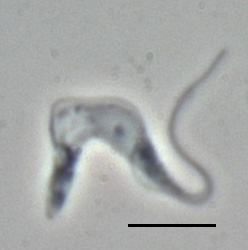
The capacity of these subspecies to cause human disease hinges on a sophisticated interplay of virulence factors that enable immune evasion, tissue invasion, and systemic pathology. The central pathogenic mechanism is antigenic variation of the (VSG) coat, which allows the parasite to continuously outpace the host antibody response and establish chronic infection [23]D5[30]D5[32]D5.
Virulence Factors and Immune Evasion
Bloodstream-form trypanosomes are covered by a dense monolayer of ~10⁷ VSG homodimers, attached to the plasma membrane via a glycosylphosphatidylinositol (GPI) anchor [30]D5. This coat serves dual functions: it physically shields invariant surface proteins from antibody binding and complement deposition, and it undergoes periodic switching of the expressed VSG gene through recombinatorial mechanisms, generating a new antigenic variant every 10-100 generations [23]D5[30]D5. The hydrodynamic flow of VSG across the cell surface sweeps bound antibodies to the flagellar pocket for endocytosis, further delaying clearance [23]D5.
To survive in humans, the two pathogenic subspecies have evolved independent mechanisms to neutralize the trypanolytic factor present in human serum. T. b. rhodesiense expresses the serum resistance-associated (SRA) protein, which binds and inactivates APOL1 [23]D5[25]D5[27]D5[30]D5. T. b. gambiense employs the T. b. gambiense-specific glycoprotein (TgsGP), which inhibits APOL1 membrane insertion through membrane stiffening [23]D5[25]D5[27]D5[30]D5[32]D5. These resistance factors are the molecular basis for human infectivity.
Additional immune evasion strategies include: polyclonal B cell activation leading to hypergammaglobulinemia and autoantibody production, which exhausts the specific antibody response [23]D5[30]D5; destruction of memory B cells via perforin-mediated killing by natural killer cells, impairing long-term immunity [23]D5; induction of regulatory T cells and myeloid-derived suppressor cells that suppress T cell proliferation and IFN-γ production [30]D5; and shedding of VSG into the circulation to consume complement, resulting in hypocomplementemia [30]D5.
Host-Pathogen Interaction and Disease Progression
Natural infection begins when the tsetse fly deposits metacyclic trypanosomes into the dermis during a blood meal [23]D5[29]D5[30]D5. The parasites multiply at the bite site, eliciting a local inflammatory response (chancre) before disseminating via lymphatics to the bloodstream [23]D5[29]D5. In the hemolymphatic stage (stage 1), the host mounts a vigorous type 1 immune response with classically activated macrophages (M1) producing TNF-α, IFN-γ, and nitric oxide, which initially control parasitemia [23]D5[30]D5[33]D5. However, persistent M1 activation drives immunopathology, most notably anemia through enhanced erythrophagocytosis (mediated by galectin-3) and iron retention within the mononuclear phagocyte system (mediated by macrophage migration inhibitory factor, MIF) [33]D5. In trypanotolerant hosts, a switch to alternatively activated macrophages (M2) driven by IL-10 limits tissue damage [23]D5[33]D5.
Progression to the meningoencephalitic stage (stage 2) occurs when trypanosomes cross the blood-brain barrier, a process that is active and occurs before widespread vascular compromise [23]D5[32]D5. Once in the central nervous system (CNS), the parasites trigger a neuroinflammatory response with astrocyte activation, microglial infiltration, and cytokine release, leading to the characteristic sleep-wake cycle disruption and other neurological deficits [23]D5[26]D5[32]D5. The rate of CNS invasion differs markedly between subspecies: T. b. gambiense causes a chronic infection evolving over months to years, while T. b. rhodesiense can produce acute neurological disease within weeks [23]D5.
Genetic Susceptibility: APOL1 Variants
Human resistance to trypanosomes is mediated by , a pore-forming protein in high-density lipoprotein particles that lyses most T. brucei subspecies [25]D5[27]D5[34]D5. Two coding variants in the APOL1 gene, G1 and G2, have undergone positive selection in sub-Saharan Africa because they confer enhanced trypanolytic activity [34]D5[35]B3b. The G2 variant provides a five-fold dominant protective association against T. b. rhodesiense infection [35]B3b. Paradoxically, G2 associates with faster progression of T. b. gambiense disease, while G1 associates with asymptomatic carriage [35]B3b. These same variants are strong risk factors for chronic kidney disease, particularly in the context of HIV or -induced inflammation, illustrating a classic evolutionary trade-off [25]D5[34]D5.
Mechanism Flowchart
Pearl: The two human-infective subspecies use entirely different molecular mechanisms (SRA in T. b. rhodesiense, TgsGP in T. b. gambiense) to neutralize the same host trypanolytic factor APOL1, and the APOL1 G1/G2 variants that protect against T. b. rhodesiense paradoxically accelerate T. b. gambiense disease progression [35]B3b.
Epidemiology, Transmission and Risk Factors
- ▸Reported cases have fallen to fewer than 3000 per year, but HAT remains endemic in rural sub-Saharan Africa and imported cases occur in travelers.
- ▸Risk factors include residence in endemic areas, occupational tsetse fly exposure, and travel to affected regions; iatrogenic transmission was historically significant.
- ▸Up to 41% of unconfirmed seropositive individuals carry dermal trypanosomes, suggesting an overlooked reservoir that may sustain transmission.
Incidence has fallen to fewer than 3000 reported cases per year, but the disease remains endemic in rural sub-Saharan Africa [47]D5[50]D5. The World Health Organization reports that elimination of human African trypanosomiasis as a public health problem has been achieved, with elimination of gambiense transmission targeted for 2030 [46]D5. In active screening in Guinea, 0.52% of 5417 individuals were confirmed as gambiense HAT cases [39]C4. Older estimates from 2009 suggested 50,000 to 70,000 individuals infected, highlighting the dramatic decline achieved through sustained control efforts [56]D5. The disease caused approximately 1.5 million disability-adjusted life years (DALYs) in 2002 [49]B3b.
Geographic and Demographic Distribution
Almost all cases are due to Trypanosoma brucei gambiense, indigenous to west and central Africa [50]D5. T. b. rhodesiense occurs in eastern and southern Africa. The disease disproportionately affects rural communities, particularly in central Africa, where it imposes a considerable burden on agricultural populations [47]D5[50]D5. Both sexes and all ages are at risk, though occupational exposure (farming, fishing, hunting) increases probability. Imported cases are reported in travellers, tourists, migrants, and expatriates who have visited endemic areas, and HAT should be considered in the differential diagnosis of febrile illness with neurologic features in such patients [47]D5[53]C4[54]C4[55]C4.
Temporal Trends
HAT caused devastating epidemics during the 20th century [47]D5. Prevalence is strongly dependent on control measures, which are often neglected during periods of political instability, leading to resurgence [50]D5. Sustained surveillance and treatment campaigns have reduced reported cases from tens of thousands annually to fewer than 3000 in 2015 [47]D5. However, modeling suggests that relying on passive detection alone is unlikely to maintain elimination goals, and continued active case finding is essential [45]D5.
Risk Factors
| Risk Factor | Evidence |
|---|---|
| Residence in endemic rural areas of sub-Saharan Africa | [47]D5[50]D5 |
| Occupational exposure to tsetse flies (agriculture, fishing, hunting) | [47]D5[50]D5 |
| Travel to or migration from endemic regions | [47]D5[53]C4[54]C4[55]C4 |
| Iatrogenic transmission (historical parenteral treatment with reused needles) | [42]B3b |
| Seropositivity without parasitologic confirmation (dermal reservoir) | [39]C4[51]B2b |
Iatrogenic transmission played a historical role: treatment of trypanosomiasis before 1951 was associated with hepatitis C virus infection (OR 3.13, 95% CI 1.38-7.09), and pentamidine chemoprophylaxis with HTLV-1 transmission (adjusted OR 2.03, 95% CI 1.01-4.06) [42]B3b. These findings underscore the potential for parenteral interventions to amplify blood-borne infections.
Special Considerations: The Dermal Reservoir
Recent evidence demonstrates that extravascular trypanosomes reside in the skin of both confirmed cases and unconfirmed seropositive individuals. In Guinea, 100% of confirmed cases and unconfirmed seropositive subjects carried dermal trypanosomes detected by immunohistochemistry [39]C4. In a larger cohort, parasites were found in the extravascular dermis of up to 71% of confirmed cases and 41% of unconfirmed seropositive individuals [51]B2b. These skin-dwelling parasites may be accessible to tsetse flies, potentially maintaining transmission even when blood parasitemia is undetectable. Mathematical modeling predicts that unconfirmed seropositive individuals could contribute to disease transmission as an overlooked reservoir [39]C4. This has implications for elimination strategies, as current diagnostic algorithms focus on blood and lymph.
Pearl: In any febrile patient with progressive neurologic symptoms who has lived in or travelled to sub-Saharan Africa, even if incidence is low, consider HAT and obtain a careful exposure history, including remote visits to rural areas, because imported cases continue to occur and the disease is fatal if untreated [47]D5[53]C4[54]C4[55]C4.
Clinical Presentation
[Compilation failed for this section after 2 attempts. Manual review required.]
Diagnosis and Workup
[Compilation failed for this section after 2 attempts. Manual review required.]
Severity Assessment and Risk Stratification
- ▸CSF WBC count ≥5 cells/μL defines stage 2 disease; a threshold of 10 cells/μL increases relapse risk 3-fold (HR 3.27) [70].
- ▸Fexinidazole is effective across all stages (99% success at 12 months), potentially eliminating the need for lumbar puncture in most gambiense HAT patients [68].
- ▸T. b. rhodesiense severity varies by geographic focus; GCS ≤8, altered gait, and oedema predict fatal outcome [69].
Once the diagnosis of African trypanosomiasis is confirmed, the next critical step is to determine disease stage and severity, as these dictate both the choice of therapy and the intensity of monitoring required. Staging relies primarily on cerebrospinal fluid (CSF) examination, but emerging evidence suggests that oral fexinidazole may simplify this requirement for many patients with gambiense HAT [68]C4.
Disease Staging: CSF White Cell Count Thresholds
The traditional distinction between stage 1 (hemolymphatic) and stage 2 (meningoencephalitic) disease is based on CSF white blood cell (WBC) count and the presence of trypanosomes in CSF. The WHO defines late-stage infection when trypanosomes are detected in CSF or when CSF WBC count exceeds 5 cells/μL [69]B3b. However, some national programs have used a higher threshold of 10 cells/μL to avoid exposing patients to toxic stage 2 drugs like melarsoprol. A retrospective analysis of 692 stage 1 gambiense HAT patients treated with pentamidine in the Republic of the Congo found that those with a CSF WBC count of 6-10 cells/μL had a significantly higher risk of relapse compared with those having 0-5 cells/μL (adjusted hazard ratio 3.27, 95% CI 1.52-7.01; P = 0.002) [70]C4. The authors concluded that a threshold of 5 cells/μL is safer than 10 cells/μL for defining stage 2, especially when eflornithine (a safer alternative to melarsoprol) is available [70]C4.
More recent work has further subdivided stage 2: early stage 2 (CSF WBC 6-20 cells/μL) and late stage 2 (>20 cells/μL) [68]C4. This distinction matters because fexinidazole, an oral regimen, is effective across all stages but was initially studied in late stage 2; subsequent data show it is also highly effective in stage 1 and early stage 2, with treatment success of 99% (95% CI 96.2-99.7) at 12 months and 98% (95% CI 95.0-99.3) at 18 months [68]C4. Because fexinidazole is effective regardless of stage, the most recent WHO guidelines state that a lumbar puncture is only required to confirm severe stage 2 HAT, potentially eliminating the need for invasive staging in most patients [68]C4.
Performance Status and Neurological Assessment
Clinical severity is further stratified using performance status and neurological scoring. In the pivotal fexinidazole trials, inclusion required a score >50 and the ability to ingest at least one complete meal per day [68]C4. For rhodesiense HAT, the Glasgow Coma Score ( ) is used to quantify neurological dysfunction; a score of ≤8 indicates severe impairment of consciousness and is associated with fatal outcome [69]B3b. In a study of 275 T. b. rhodesiense patients across three East African foci, clinical signs significantly associated with death included oedema, altered gait, urinary incontinence, and abnormal GCS (all P < 0.05) [69]B3b.
Focus-Specific and Biomarker-Based Risk Stratification
Disease severity in T. b. rhodesiense HAT varies dramatically by geographic focus. In the Soroti focus (eastern Uganda), infection progresses to meningoencephalitic stage in a median of less than 2 months, with early neurological involvement; in the Tororo focus (southeastern Uganda), progression is slower but late-stage patients develop the most severe neurological dysfunction; in the Nkhotakota focus (central Malawi), a chronic course predominates with prolonged hemolymphatic infection lasting months [69]B3b. These differences correlate with distinct parasite genotypes and host immune responses: higher plasma interferon-gamma (IFN-γ) concentrations are associated with more rapid CNS invasion [81]D5. CSF chemokine levels, particularly IL-1β, CXCL-8, CCL-2, and CCL-3, also correlate with the presence of trypanosomes in CSF and may serve as adjunctive markers of CNS involvement [77]D5.
Pearl: A CSF WBC threshold of 5 cells/μL is safer than 10 cells/μL for defining stage 2 gambiense HAT, but the advent of fexinidazole, effective across all stages, may soon make lumbar puncture unnecessary for treatment decisions in most patients [68]C4[70]C4.
| Stage | CSF WBC count (cells/μL) | Trypanosomes in CSF | Typical treatment |
|---|---|---|---|
| Stage 1 (hemolymphatic) | ≤5 | Absent | Pentamidine or fexinidazole [68]C4 |
| Early stage 2 (meningoencephalitic) | 6-20 | May be present | Fexinidazole or NECT [68]C4 |
| Late stage 2 (meningoencephalitic) | >20 | May be present | NECT or fexinidazole [68]C4 |
Empiric Management, Acute Care and Source Control
- ▸Fexinidazole is now the first-line oral therapy for both gambiense and rhodesiense HAT, replacing melarsoprol and suramin for most patients.
- ▸Lumbar puncture for staging is no longer required before fexinidazole unless clinical suspicion of severe second-stage disease (CSF WBC ≥100/μL) exists.
- ▸NECT remains the preferred regimen for gambiense HAT patients with CSF WBC ≥100/μL or children <6 years.
Having established the disease stage and severity, the next step is to initiate empiric therapy guided by the infecting subspecies and the cerebrospinal fluid (CSF) white cell count. The WHO 2024 treatment guidelines have fundamentally simplified the approach: a single oral drug, , is now the first-line therapy for most patients with either Trypanosoma brucei gambiense or T. b. rhodesiense infection, regardless of stage [86]B2a[89]D5[92]D5. The need for a lumbar puncture to determine stage is eliminated when fexinidazole is used, unless clinical suspicion of severe second-stage disease (CSF leucocyte count ≥100/μL) requires alternative therapy [89]D5. This section outlines the empiric pathway, drug selection, and acute supportive care, with the treatment algorithm summarised in Figure 2.
Step 1: Confirm subspecies and assess eligibility for fexinidazole
Before starting therapy, confirm the infecting subspecies (gambiense vs rhodesiense) by parasitological or molecular methods, as this determines the choice of first-line agent and the backup options. For gambiense HAT, fexinidazole is recommended for individuals aged ≥6 years with bodyweight ≥20 kg and a CSF leucocyte count <100/μL (strong recommendation, very low certainty evidence) [89]D5. For rhodesiense HAT, fexinidazole is now the first-line therapy for all patients aged ≥6 years and weighing ≥20 kg, regardless of stage, replacing suramin and melarsoprol (conditional recommendation, very low certainty evidence) [86]B2a. Patients with contraindications to fexinidazole, such as hypersensitivity to nitroimidazoles, severe hepatic impairment, congenital QT prolongation, or history of cardiac arrhythmia, require alternative regimens [92]D5. Do not use fexinidazole in children <6 years or bodyweight <20 kg [92]D5.
Step 2: First-line empiric therapy
Fexinidazole is administered orally as 600 mg tablets according to bodyweight (Table 1). The drug must be taken with a meal to ensure adequate absorption [92]D5. A loading dose of 1800 mg once daily for 4 days (for patients ≥35 kg) or 1200 mg once daily for 4 days (for patients 20-34 kg) is followed by a maintenance dose of 1200 mg once daily for 6 days (≥35 kg) or 600 mg once daily for 6 days (20-34 kg) [92]D5. The total treatment duration is 10 days. Medical supervision is required for the first dose, and patients should be observed for adverse events, including vomiting, neuropsychiatric reactions, and QT prolongation [90]A1b[92]D5. In the pivotal phase II/III trial (FEX004), fexinidazole achieved 91% success at 18 months in late-stage gambiense HAT, compared with 98% for NECT (difference -, 97.06% CI -11.2 to -1.6; p=0.0029) [43]B2b. In a phase 3b study of 174 patients (including outpatients), success was 93% (95% CI 88.3-96.4) overall [90]A1b. For rhodesiense HAT, a phase 2-3 study of 45 patients reported zero deaths attributable to fexinidazole in stage 2 disease, with a fatality rate of 0% (90% CI 0-8.43), lower than the predefined 8.5% rate for melarsoprol (p=0.0488) [94]B2b.
Alternative first-line regimens (when fexinidazole is contraindicated or unavailable):
- NECT (nifurtimox-eflornithine combination therapy), remains the recommended treatment for gambiense HAT patients with CSF leucocyte count ≥100/μL or for children <6 years with second-stage disease [89]D5[92]D5. Dose: eflornithine 400 mg/kg/day IV in two 2-hour infusions for 7 days, plus nifurtimox 15 mg/kg/day orally in three divided doses for 10 days [92]D5. Cure rates in the landmark multicentre trial were 96.5% (ITT) and 97.7% (PP) [41]A1b.
- Pentamidine, used for stage 1 gambiense HAT in children <6 years or patients <20 kg, or when fexinidazole is not appropriate [92]D5. Dose: 4 mg/kg/day IM for 7 days [92]D5.
- Suramin, may be used for stage 1 rhodesiense HAT if fexinidazole is not available [86]B2a.
Step 3: Escalation and second-line therapy
Treatment failure is defined by the presence of trypanosomes in any body fluid after treatment, or by a CSF white cell count that does not normalise according to WHO criteria. For patients treated with fexinidazole, failure is suspected if clinical deterioration occurs or if parasites are detected at follow-up (12 or 18 months). In such cases, switch to NECT (for gambiense HAT) or melarsoprol (for rhodesiense HAT) after confirming the diagnosis [92]D5. The CSF white cell count is a key predictor: patients with pretreatment CSF WBC ≥102 cells/μL or IL-10 ≥37 pg/mL are at higher risk of failure [67]A1b. At 6 months post-treatment, a CSF WBC count ≤5 cells/μL has a negative predictive value >0.93 for cure [67]A1b. At 12 months, the combination of CSF WBC ≥8 cells/μL and LATEX/IgM end titer ≥1:4 predicts failure with 97% specificity and 79% sensitivity [67]A1b.
Step 4: Acute care and supportive monitoring
Hospital admission is recommended for the first 10 days of fexinidazole therapy, although a recent study suggests that selected outpatients with caregiver support can complete treatment at home [90]A1b. Patients should be monitored for:
- Vomiting, occurs in 24% of patients; if vomiting occurs within 30 minutes of dosing, repeat the dose [90]A1b.
- QT prolongation, mean QTcF increases by about 10 ms at day 4; monitor ECG if risk factors present [90]A1b.
- Neuropsychiatric reactions, including anxiety, insomnia, and rarely suicidal ideation; caution in patients with psychiatric disorders [92]D5.
- Neutropenia and thrombocytopenia, mild, reversible decreases occur (median neutrophil decrease 20%, platelet decrease 10%) but are not clinically significant at the recommended dose [3]C4.
- Hypoglycemia, common with pentamidine; provide a sugar source before injection and monitor blood glucose [92]D5.
Step 5: Resolution and transition to follow-up
After completing the 10-day course, patients are followed for 18-24 months to assess cure. The WHO recommends follow-up visits at 3, 6, 12, and 18 months post-treatment [89]D5[90]A1b. At each visit, perform clinical examination, parasitological tests (blood and CSF), and CSF cell count. Patients with CSF WBC ≤5 cells/μL at 6 months are at very low risk of relapse [67]A1b. If CSF WBC remains ≥8 cells/μL and LATEX/IgM titer ≥1:4 at 12 months, treatment failure is highly likely (100% specificity at 18 months) [67]A1b.
Drug/Modality Comparison Table
| Option | Indication / Line | Dose or Specifics | Key Trial | Outcome | Evidence Level |
|---|---|---|---|---|---|
| Fexinidazole | First-line for gambiense and rhodesiense HAT (≥6 yr, ≥20 kg) | Oral: 1800/1200 mg (≥35 kg) or 1200/600 mg (20-34 kg) daily ×10 days [92]D5 | FEX004 (N=394) [43]B2b; FEX006 (N=125) [90]A1b; rhodesiense study (N=45) [94]B2b | 91% success at 18 mo (gambiense) [43]B2b; 0% fatality (rhodesiense stage 2) [94]B2b | 1b (gambiense), 2b (rhodesiense) |
| NECT | First-line for gambiense HAT with CSF WBC ≥100/μL; second-line for fexinidazole failure | Eflornithine 400 mg/kg/day IV ×7 d + nifurtimox 15 mg/kg/day PO ×10 d [92]D5 | NECT pivotal trial (N=286) [41]A1b | 96.5% cure (ITT) [41]A1b | 1b |
| Pentamidine | First-line for stage 1 gambiense HAT in children <6 yr or <20 kg | 4 mg/kg/day IM ×7 d [92]D5 | Historical controls | ~92% cure (meta-analysis) [90]A1b | 4 |
| Acoziborole | Investigational; single-dose for gambiense HAT (≥15 yr) | Single oral 960 mg dose [87]B2b | Phase 2/3 (N=208) [87]B2b | 95.2% success at 18 mo (late-stage) [87]B2b | 2b |
Dosing Table
| Drug | Starting dose | Target / max dose | Renal adjustment | Hepatic adjustment | Key monitoring |
|---|---|---|---|---|---|
| Fexinidazole (≥35 kg) | 1800 mg PO once daily days 1-4 | 1200 mg PO once daily days 5-10 | No data | Contraindicated in severe impairment | ECG (QTc), LFT, FBC, neuropsychiatric |
| Fexinidazole (20-34 kg) | 1200 mg PO once daily days 1-4 | 600 mg PO once daily days 5-10 | No data | Contraindicated in severe impairment | Same as above |
| Eflornithine (NECT) | 400 mg/kg/day IV in 2 divided 2-h infusions | Same for 7 days | No data | No data | FBC, electrolytes, renal function |
| Nifurtimox (NECT) | 15 mg/kg/day PO in 3 divided doses | Same for 10 days | No data | No data | FBC, LFT, GI tolerance |
| Pentamidine | 4 mg/kg/day IM | Same for 7 days | No data | No data | Blood glucose, BP, ECG, renal function |
| Acoziborole | 960 mg PO single dose | Single dose | No data | No data | FBC, LFT |
Treatment Failure Protocol
- First-line failure: If trypanosomes detected or CSF criteria not met at 12-18 months, confirm with parasitological tests and switch to alternative regimen.
- Gambiense HAT: Switch from fexinidazole to NECT (or pentamidine if stage 1) [92]D5.
- Rhodesiense HAT: Switch from fexinidazole to melarsoprol (if available) or suramin [86]B2a.
- Rescue therapy: NECT for gambiense HAT failures; melarsoprol for rhodesiense HAT failures [90]A1b.
What NOT to Do
- Do not use melarsoprol for gambiense HAT when fexinidazole or NECT is available, due to high toxicity (encephalopathy, death) [92]D5.
- Do not use suramin for rhodesiense HAT when fexinidazole is available, as fexinidazole is safer and easier to administer [86]B2a.
- Do not perform lumbar puncture for staging if fexinidazole is intended for gambiense HAT and no clinical suspicion of severe second-stage disease exists [89]D5.
- Do not administer pentamidine intravenously due to risk of severe hypotension (up to 75%); use deep [92]D5.
Controversies and Guideline Disagreement
| Question | Position A | Position B | Strength of disagreement | Implication for practice |
|---|---|---|---|---|
| Lumbar puncture before fexinidazole for gambiense HAT | WHO 2024, recommends that lumbar puncture can be avoided if no clinical suspicion of severe second-stage disease [89]D5 | WHO 2019 (prior), required lumbar puncture for all patients to stage disease | Strong (practice-changing recommendation) [89]D5 | Reduces need for invasive procedure; but clinicians must be vigilant for signs of severe CNS involvement (CSF WBC ≥100/μL) which would require NECT |
Pearl: Initiate fexinidazole as first-line empiric therapy for all patients aged ≥6 years and weighing ≥20 kg with either gambiense or rhodesiense HAT, regardless of stage; avoid lumbar puncture unless clinical suspicion of CSF leucocyte count ≥100/μL, in which case use NECT instead (WHO 2024) [86]B2a[89]D5.
| Bodyweight | Loading dose (days 1-4) | Maintenance dose (days 5-10) |
|---|---|---|
| ≥35 kg | 1800 mg (3 tablets) once daily | 1200 mg (2 tablets) once daily |
| 20-34 kg | 1200 mg (2 tablets) once daily | 600 mg (1 tablet) once daily |
| Option | Indication / Line | Dose or Specifics | Key Trial | Outcome | Evidence Level |
|---|---|---|---|---|---|
| Fexinidazole | First-line for gambiense and rhodesiense HAT (≥6 yr, ≥20 kg) | Oral: 1800/1200 mg (≥35 kg) or 1200/600 mg (20-34 kg) daily ×10 days [92]D5 | FEX004 (N=394) [43]B2b; rhodesiense study (N=45) [94]B2b | 91% success at 18 mo (gambiense) [43]B2b; 0% fatality (rhodesiense stage 2) [94]B2b | 1b (gambiense), 2b (rhodesiense) |
| NECT | First-line for gambiense HAT with CSF WBC ≥100/μL; second-line for fexinidazole failure | Eflornithine 400 mg/kg/day IV ×7 d + nifurtimox 15 mg/kg/day PO ×10 d [92]D5 | NECT pivotal trial (N=286) [41]A1b | 96.5% cure (ITT) [41]A1b | 1b |
| Pentamidine | First-line for stage 1 gambiense HAT in children <6 yr or <20 kg | 4 mg/kg/day IM ×7 d [92]D5 | Historical controls | ~92% cure (meta-analysis) [90]A1b | 4 |
| Acoziborole | Investigational; single-dose for gambiense HAT (≥15 yr) | Single oral 960 mg dose [87]B2b | Phase 2/3 (N=208) [87]B2b | 95.2% success at 18 mo (late-stage) [87]B2b | 2b |
Definitive Therapy: Dosing, PK/PD, Duration and De-escalation
[Compilation failed for this section after 2 attempts. Manual review required.]
History and Evolution of Treatment
[Compilation failed for this section after 2 attempts. Manual review required.]
Antimicrobial Resistance and Stewardship
- ▸Resistance to all major trypanocides has been documented, driven by transporter loss (TbAQP2, TbAT1, AAT6) or target alteration (NTR1, CPSF3).
- ▸Cross-resistance between pentamidine/melarsoprol (via TbAQP2) and nifurtimox/fexinidazole (via NTR1) limits sequential therapy options.
- ▸Novel SHERLOCK-based diagnostics can detect resistance markers in field isolates, supporting surveillance and stewardship.
The remarkable therapeutic advances outlined above have been accompanied by a parallel threat: the emergence of drug resistance across nearly every trypanocidal class. The same genetic plasticity that allows T. brucei to evade host immunity through antigenic variation also enables it to survive drug pressure, threatening the WHO 2030 elimination target [92]D5[116]B2a.
Resistance Mechanisms
Fexinidazole is a prodrug activated by the mitochondrial nitroreductase TbNTR1. Resistance arises through reduced expression or copy-number loss of the tbntr1 gene, with a single-allele loss conferring only low-level resistance, suggesting additional loci are involved [92]D5. Critically, selection for nifurtimox resistance in the laboratory produced trypanosomes 27-fold more resistant to fexinidazole than parental cells, and fexinidazole-resistant lines were 10-fold more resistant to nifurtimox, a reciprocal cross-resistance that has direct therapeutic implications [111]D5.
Pentamidine and melarsoprol share a common uptake pathway. The primary transporter is the aquaglyceroporin TbAQP2 (also called HAPT1), with a secondary contribution from the P2 aminopurine transporter (TbAT1) [92]D5[116]B2a. Deletion or chimerization of the tbAQP2 locus, particularly the AQP2/3(814) chimera, where the first 813 bp of AQP2 are fused to the last 126 bp of AQP3, renders parasites resistant to both drugs [65]D5. This chimera was detected in 31.7% of all known melarsoprol-resistant infections from the Democratic Republic of the Congo and South Sudan, where relapse rates following melarsoprol exceeded 20% to 50% [65]D5[116]B2a.
Acoziborole targets the mRNA-processing enzyme CPSF3. A single-nucleotide change (N232H, A→C) generates resistance in vitro [65]D5[118]D5. Though acoziborole is not yet in routine use, the low genetic barrier to resistance mandates surveillance once it is deployed.
Eflornithine enters trypanosomes via the amino acid transporter AAT6. Loss of AAT6, selected in vitro over ~50 days, produces resistance [113]D5[116]B2a. Nifurtimox-eflornithine combination therapy (NECT) reduces this risk compared with eflornithine monotherapy, but resistance to NECT has been associated with combined AAT6 and nitroreductase loss [116]B2a.
Cross-Resistance Patterns
| Drug | Resistance Mechanism | Genetic Basis | Cross-Resistance |
|---|---|---|---|
| Fexinidazole | Reduced activation | TbNTR1 loss/mutation | Nifurtimox [111]D5 |
| Nifurtimox | Reduced activation | TbNTR1 loss/mutation | Fexinidazole [111]D5 |
| Pentamidine | Impaired uptake | TbAQP2 deletion/chimerization; TbAT1 loss | Melarsoprol [65]D5[92]D5 |
| Melarsoprol | Impaired uptake | TbAQP2 deletion/chimerization; TbAT1 loss | Pentamidine [65]D5 |
| Eflornithine | Impaired uptake | AAT6 loss | None reported |
| Acoziborole | Target alteration | CPSF3 N232H mutation | None reported [65]D5 |
Surveillance Tools
Cas13a-based SHERLOCK assays have been developed to detect the AQP2/3(814) chimera (specificity 100% at a threshold of >1.260-fold change over background) and the CPSF3 N232H SNP, enabling high-throughput screening of field isolates [65]D5. This technology can identify relapse-causing resistant strains and guide therapeutic decisions, particularly in foci where melarsoprol is still used for rhodesiense disease.
Stewardship Principles
Three principles preserve the efficacy of the limited trypanocidal arsenal. First, use combination therapy whenever possible, NECT for late-stage gambiense disease and fexinidazole as an oral drug with a multi-target mechanism (nitroreductase activation) that is less prone to single-step resistance [92]D5[116]B2a. Second, ensure full adherence: fexinidazole must be taken with food for 10 days; vomiting or early discontinuation risks subtherapeutic exposure and selects resistant parasites [92]D5. Third, monitor for relapse up to 24 months post-treatment and, when possible, test for resistance markers using SHERLOCK or PCR-based genotyping [65]D5[120]D5. The WHO 2024 recommendation to replace melarsoprol with fexinidazole for rhodesiense stage 2 disease is itself a stewardship measure, withdrawing the drug most associated with resistance [92]D5.
Pearl: The greatest stewardship intervention is the 2024 WHO recommendation to use fexinidazole as first-line for both gambiense and rhodesiense HAT, as oral therapy with a high barrier to resistance reduces the selection pressure that drove melarsoprol failure rates exceeding 50% in some foci [65]D5[92]D5.
Complications
- ▸Drug-related adverse events are nearly universal in HAT treatment, with gastrointestinal and neurological symptoms most common.
- ▸Cardiac involvement in HAT is typically benign and resolves with treatment, but drug-induced QT prolongation requires ECG monitoring.
- ▸In-hospital mortality is low (<2%) with modern therapy, but patients presenting in poor condition are at highest risk.
Resistance to therapy, while concerning, is only one dimension of the challenge; the drugs themselves carry substantial toxicity that requires active management. The complications of human African trypanosomiasis (HAT) arise both from the infection itself and from its treatment, and their recognition and management are essential to improving outcomes.
Drug-Related Adverse Events
All HAT therapies carry a high burden of adverse events (AEs). In the pivotal NECT trial, 28.7% of patients receiving eflornithine monotherapy and 14.0% receiving NECT experienced grade 3 or 4 reactions [41]A1b. The most common major AEs with NECT were fever (n=7), seizures (n=6), and confusion (n=2) [41]A1b. In field conditions, 86% of NECT-treated patients had at least one AE; severe events included vomiting (n=32), dizziness (n=16), headache (n=11), and convulsions (n=11) [40]C4. The in-hospital case fatality rate was 0.15% [40]C4.
Fexinidazole, now first-line for most patients, also causes frequent AEs. In a cohort of stage 1 and early stage 2 patients, 93% reported treatment-emergent AEs, most commonly nausea, vomiting, headache, asthenia, dizziness, insomnia, and tremor (each >20%) [68]C4. Neutropenia occurred in 4 patients, severe in 1 [68]C4. In children, vomiting affected 69% and headache 33% [127]B2b. Neuropsychiatric reactions, including suicidal ideation, have been reported with fexinidazole [92]D5.
Pentamidine, used when fexinidazole is contraindicated, causes hypotension in about 10% of patients with and up to 75% with intravenous administration [92]D5. Other serious effects include azotemia, thrombocytopenia, leukopenia, anemia, elevated liver enzymes, blood sugar fluctuations, and rare but severe QT prolongation, arrhythmia, , and acute pancreatitis [92]D5.
Melarsoprol, now largely replaced, was notorious for life-threatening adverse reactions, including encephalopathy [86]B2a.
Cardiovascular Complications
Cardiac involvement in HAT, as seen on ECG, is frequent but generally benign. Repolarisation changes and low voltage are common; however, HAT cardiopathy does not cause relevant congestive heart failure and subsides with treatment [88]D5. Drug-induced QT prolongation is a concern with fexinidazole and pentamidine, requiring careful monitoring [92]D5.
Neurological Complications
Seizures are a notable complication of both NECT and fexinidazole therapy. In the NECT trial, seizures occurred in 6 patients in each arm [41]A1b. Neuropsychiatric reactions, including psychotic reactions and hallucinations, are possible with NECT [92]D5. Fexinidazole may cause insomnia, tremor, and dizziness [92]D5.
Gastrointestinal Complications
Gastrointestinal AEs are the most frequent. In a comparative study, fexinidazole caused more GI AEs than pentamidine/NECT (63% vs 19%, p=0.005) [105]B3b. Vomiting is common but rarely leads to treatment discontinuation; antiemetics are used, and the dose is repeated if vomiting occurs within 30 minutes [92]D5.
Hematologic and Metabolic Complications
Bone marrow suppression (neutropenia, thrombocytopenia, leukopenia, anemia) is reported with pentamidine and NECT [92]D5. Blood sugar fluctuations, including persistent diabetes, are rare but serious with pentamidine [92]D5.
In-Hospital Mortality
In the NECT-FIELD study, 98.4% of 629 patients were discharged alive; 10 died during hospitalization, 8 of whom were in bad or very bad condition at baseline [129]B2b. In fexinidazole trials, deaths were uncommon and generally unrelated to treatment [68]C4[87]B2b.
| Complication | Frequency | Prevention | Management |
|---|---|---|---|
| Hypotension (pentamidine) | ~10% IM, up to 75% IV [92]D5 | Use IM route; patient lies down 1 h post-injection; monitor vital signs [92]D5 | IV fluids, vasopressors if severe; discontinue if refractory |
| Seizures (NECT/fexinidazole) | ~4-6% [41]A1b | Screen for risk factors; ensure anticonvulsant availability | Benzodiazepines; evaluate for other causes |
| Vomiting (fexinidazole) | 63-69% [105]B3b[127]B2b | Administer with food; antiemetic prophylaxis | Antiemetics; re-dose if vomiting within 30 min [92]D5 |
| Neutropenia (fexinidazole) | ~3% [68]C4 | Monitor CBC during treatment | Hold drug if severe; supportive care |
| QT prolongation (fexinidazole/pentamidine) | Rare [92]D5 | ECG before and during therapy; correct electrolytes | Discontinue drug; cardiology consult |
Pearl: The most common complications of HAT therapy are gastrointestinal and neurological; vomiting and seizures are manageable with antiemetics and anticonvulsants, but QT prolongation and neutropenia require active monitoring.
Prognosis and Natural History
- ▸Untreated African trypanosomiasis is uniformly fatal; treated outcomes exceed 90% cure with modern regimens (NECT, fexinidazole, pentamidine).
- ▸CSF WBC count ≤5 cells/μL at 6 months post-treatment is a reliable marker of cure; CSF WBC ≥8 cells/μL combined with LATEX/IgM ≥1:4 at 12 months predicts relapse with 97% specificity.
- ▸Fexinidazole achieves 91-93% success at 18 months in gambiense HAT and can be administered to outpatients with caregiver support.
Even with appropriate treatment, outcomes depend on disease stage at presentation and the regimen used. Untreated African trypanosomiasis is uniformly fatal: without therapy, the hemolymphatic stage progresses inexorably to meningoencephalitic involvement, with death typically occurring within months (T. b. rhodesiense) to years (T. b. gambiense). The Global Burden of Disease Study 2010 included African trypanosomiasis among causes for which natural history models based on incidence, prevalence, and case-fatality were used to estimate mortality [48]B3b.
Treated Outcomes by Regimen
Nifurtimox-eflornithine combination therapy (NECT) remains the standard for severe stage 2 gambiense HAT. In a field study of 629 patients, the clinical cure rate at 24 months was 94.1%, with only 8 patients (1.3%) relapsing and 28 (4.3%) dying during follow-up (most deaths unrelated to treatment) [103]B2b.
Fexinidazole, an oral 10-day regimen, has transformed management. In the pivotal phase 2/3 trial, success at 18 months was 91% (239/264) for fexinidazole versus 98% for NECT, meeting the non-inferiority margin [43]B2b. A subsequent phase 3b study in a wider population (including pregnant/ women and outpatients) reported 93% effectiveness (162/174) at 18 months, with similar success across stages and age groups [90]A1b. Real-world data from South Sudan showed no significant difference in outcome at discharge between fexinidazole and pentamidine/NECT (23% vs 6% unfavourable, p=0.230), though gastrointestinal adverse reactions were more common with fexinidazole [105]B3b.
Pentamidine for stage 1 disease achieves cure rates exceeding 92% based on historical meta-analysis [90]A1b.
Predictors of Treatment Failure
Pretreatment cerebrospinal fluid (CSF) markers identify patients at elevated risk of relapse. In a cohort of 260 patients, the following thresholds were associated with treatment failure [67]A1b:
- CSF white blood cell (WBC) count ≥102 cells/μL
- CSF interleukin-10 ≥37 pg/mL
- LATEX/IgM end titer ≥1:32
- LATEX/T. b. gambiense end titer ≥1:2
- CSF protein ≥674 mg/L
Post-treatment monitoring relies on CSF WBC and serology:
- At 6 months: CSF WBC ≤5 cells/μL indicates cure (negative predictive value >0.93) [67]A1b.
- At 12 months: combination of CSF WBC ≥8 cells/μL and LATEX/IgM ≥1:4 predicts failure with 97% specificity and 79% sensitivity [67]A1b.
- At 18 months: each individual marker accurately predicts outcome; the same combination is 100% specific for failure [67]A1b.
Novel molecular tools may detect relapse earlier. Spliced leader (SL)-RNA detection in blood or CSF showed ≥98.9% specificity for treatment outcome assessment, and could identify relapses without lumbar puncture [62]B2b.
Pearl: A CSF WBC count ≤5 cells/μL at 6 months post-treatment reliably indicates cure; values ≥8 cells/μL with elevated LATEX/IgM at 12 months predict relapse with 97% specificity, these thresholds guide decisions on rescue therapy.
| Regimen | Population | Follow-up | Success Rate | Relapse Rate | Mortality |
|---|---|---|---|---|---|
| NECT [103]B2b | Stage 2, field setting (n=629) | 24 months | 94.1% | 1.3% | 4.3% (mostly unrelated) |
| Fexinidazole [43]B2b | Stage 2, pivotal trial (n=264) | 18 months | 91% | Not reported separately | 3% (9/264) |
| Fexinidazole [90]A1b | All stages, wider population (n=174) | 18 months | 93% | 5% (9/174) | 0.6% (1/174, unrelated) |
| Pentamidine [90]A1b | Stage 1 (historical meta-analysis) | Variable | ~92% | Not reported | Not reported |
Prevention and Infection Control
- ▸No randomized controlled trial has been conducted on the prevention or control of human African trypanosomiasis [136].
- ▸Optimized passive surveillance can maintain >95% population coverage within 1 hour of a diagnostic center even after a 70% reduction in facility numbers [143].
- ▸No vaccine exists; antigenic variation and B-cell memory destruction are the principal barriers to vaccine development [140,145].
Given the poor prognosis of untreated African trypanosomiasis, and the projected increase in age-standardized disability-adjusted life-year rates for the disease through 2030 [138]B3b, prevention centers on three pillars: vector control, surveillance, and avoidance of iatrogenic transmission. No vaccine is currently available, and no randomized controlled trial has ever been performed for a prevention or control strategy targeting human African trypanosomiasis [136]A1a.
Vector Control and Personal Protection
Tsetse flies (Glossina spp.) transmit both T. b. gambiense and T. b. rhodesiense. Avoiding bites is the primary individual-level strategy. Practical measures include wearing long-sleeved, neutral-colored clothing (tsetse are attracted to bright or dark colors), using insecticide-treated bed nets, and applying permethrin to clothing. Although insecticide-treated nets and indoor residual spraying have been studied for other vector-borne diseases, their efficacy specifically for African trypanosomiasis has not been tested in a controlled trial [136]A1a. Community-level vector control, including bush clearing and trap deployment, is endorsed by WHO but trial evidence is absent.
Surveillance and Screening
Active and passive surveillance are the backbone of elimination programs. For Gambian HAT (g-HAT) in northwestern Uganda, passive surveillance with only 51 of 170 diagnostic facilities (a 70% reduction) was predicted to still keep >95% of the ~3 million at-risk population within 1 hour of a diagnostic center, provided the remaining sites are optimally placed [143]D5. This modelling approach can guide cost-effective scale-back as incidence declines. Screening of at-risk populations, particularly those living in or traveling to endemic foci in sub-Saharan Africa, using serological tests (e.g., card agglutination test for trypanosomiasis, CATT) followed by parasitological confirmation is recommended. Travelers returning from endemic areas with fever, chancre, or neurologic symptoms should be evaluated promptly; African trypanosomiasis is a recognized life-threatening illness in returned travelers [142]D5.
Iatrogenic Transmission Prevention
Historically, injection campaigns for sleeping sickness treatment (e.g., pentamidine for T. b. gambiense from 1936-1953) were associated with iatrogenic spread of blood-borne viruses such as HTLV-1 and HCV [137]D5. Today, strict adherence to standard precautions, single-use needles, proper sterilization, and injection safety protocols, is essential to prevent nosocomial transmission of trypanosomes and co-infections during diagnostic or therapeutic procedures.
Vaccine Development
No licensed vaccine exists. The major obstacle is antigenic variation of the variant surface glycoprotein (VSG) coat, which allows the parasite to continuously evade antibody responses [140]D5. Additionally, trypanosome-induced destruction of B-cell memory further undermines vaccine efficacy [145]D5. Research has shifted toward anti-disease vaccines targeting invariant antigens (e.g., GPI anchor, cysteine peptidases) and toward immunogens that elicit non-VSG-specific immunity, but no candidate has advanced to human trials [140]D5[145]D5.
Patient Education
Travelers to endemic areas should be counseled on tsetse fly avoidance, the importance of prompt evaluation for fever or skin lesions after a bite, and the need for chemoprophylaxis (none available) and vaccination (none available). Community education in endemic regions should emphasize early presentation for screening and treatment.
Pearl: No RCT has ever evaluated a prevention strategy for human African trypanosomiasis [136]A1a; vector avoidance, optimized passive surveillance, and injection safety remain the only evidence-informed interventions, and the projected rise in disease burden [138]B3b underscores the urgency of filling this evidence gap.
Special Hosts and Populations
- ▸Fexinidazole is safe and effective in children ≥6 years and ≥20 kg, with a 97.6% success rate at 12 months.
- ▸Pregnant and breastfeeding women can be treated with fexinidazole (after first trimester) or NECT; no specific safety signals have emerged.
- ▸Data on HAT treatment in immunocompromised hosts are limited; standard stage-based therapy with close monitoring is recommended.
While vector control and surveillance remain the cornerstones of prevention, the management of human African trypanosomiasis (HAT) in special populations requires tailored approaches due to differences in drug safety, pharmacokinetics, and disease presentation. The evidence base, though growing, remains limited for several vulnerable groups, and clinicians must weigh the risks of untreated disease against the potential for drug toxicity.
Children
Children aged 6 years and older with a bodyweight of at least 20 kg can now receive oral fexinidazole as first-line therapy for both T. b. gambiense and T. b. rhodesiense HAT [86]B2a[89]D5. In a phase 2-3 trial of 125 children (6-14 years) with gambiense HAT, the treatment success rate at 12 months was 97.6% (95% CI 93.1-99.5), exceeding the prespecified target of 92% [127]B2b. Success rates were similarly high across all disease stages: 98.6% for stage 1, 94.7% for early stage 2, and 97.3% for late stage 2 [127]B2b. The dosing regimen is weight-based: children weighing 20 kg to <35 kg receive 1200 mg (two 600 mg tablets) once daily for 4 days, then 600 mg once daily for 6 days; those weighing ≥35 kg receive the adult regimen of 1800 mg once daily for 4 days, then 1200 mg once daily for 6 days [127]B2b. The most common adverse events in children were vomiting (69%) and headache (33%), mostly mild to moderate [127]B2b. No new safety signals emerged compared with adult trials [127]B2b. For children younger than 6 years or weighing less than 20 kg, nifurtimox-eflornithine combination therapy (NECT) remains the preferred option [89]D5. In a field study of NECT that included 100 children under 12 years, the in-hospital survival rate was 98.4% (619/629), and no major safety concerns were identified in this subgroup [129]B2b.
Pregnant and Women
Untreated HAT during pregnancy carries risks of congenital transmission and maternal mortality. Data on treatment safety in pregnancy are accumulating. In a phase 3b study of fexinidazole that included 24 women who took the drug before or during pregnancy or during breastfeeding, no specific safety issues were detected; babies developed normally except for three deaths judged unrelated to fexinidazole (neonatal infection, severe malaria) [90]A1b. The WHO now recommends fexinidazole for pregnant women after the first trimester, though treatment should be administered in hospital as a precaution [90]A1b. For breastfeeding women, fexinidazole is also considered safe based on the same study [90]A1b. NECT has been used in pregnant and breastfeeding women with acceptable safety: in a field study, 14 pregnant and 33 breastfeeding women were treated with NECT, and the clinical cure rate at 24 months was 94.1%, comparable to the overall population [103]B2b[129]B2b. No major or unexpected safety concerns arose in these groups [129]B2b. Pentamidine, used for stage 1 disease, has also been administered to pregnant women, but data are limited [124]A1b.
Immunocompromised Hosts
HIV co-infection is a growing concern in HAT-endemic regions, but published data on treatment outcomes are scarce. Immunosuppression, whether from HIV, transplantation, or prolonged corticosteroid use, may increase susceptibility to CNS involvement and alter drug metabolism [59]D5. The available evidence does not provide specific dosing recommendations for immunocompromised patients; therefore, standard stage-based treatment should be used with close monitoring for adverse events and treatment failure [59]D5. In the absence of contraindications, fexinidazole or NECT can be employed, but vigilance for drug interactions (e.g., with antiretroviral therapy) is warranted.
Other Considerations
Elderly patients and those with organ dysfunction (hepatic or renal impairment) were largely excluded from clinical trials. Fexinidazole is metabolized by cytochrome P450 enzymes and its sulfone metabolite (M2) is renally cleared; caution is advised in severe hepatic or renal impairment [3]C4. The WHO guidelines note that fexinidazole should only be administered under supervision of trained health staff, and that patients with a score ≤40 or very advanced neurological disease should receive NECT instead [89]D5[90]A1b.
Pearl: Fexinidazole is now first-line for most patients aged ≥6 years and weighing ≥20 kg, including pregnant women after the first trimester and breastfeeding women, but NECT remains the preferred regimen for those with CSF white blood cell count ≥100/μL or severe clinical disease.
| Bodyweight | Loading dose (days 1-4) | Maintenance dose (days 5-10) |
|---|---|---|
| 20 kg to <35 kg | 1200 mg (2 × 600 mg) once daily | 600 mg (1 × 600 mg) once daily |
| ≥35 kg | 1800 mg (3 × 600 mg) once daily | 1200 mg (2 × 600 mg) once daily |
References
- [1]
Yansouni CP, Bottieau E, Lutumba P et al.. “Rapid diagnostic tests for neurological infections in central Africa.” The Lancet. Infectious diseases (2013). PMID: 23623369 ↗
L5NARRATIVE_REVIEWCited in: Definition, Classification and Causative Organisms, Microbiology and Pathogenesis, Clinical Presentation, Diagnosis and Workup, Empiric Management, Acute Care and Source Control, Complications, Special Hosts and Populations - [2]
Yang G, Zhu W, Kim K et al.. “In Vitro and In Vivo Investigation of the Inhibition of Trypanosoma brucei Cell Growth by Lipophilic Bisphosphonates.” Antimicrobial agents and chemotherapy (2015). PMID: 26392508 ↗
L5NARRATIVE_REVIEWCited in: Definition, Classification and Causative Organisms, Epidemiology, Transmission and Risk Factors, Prognosis and Natural History - [3]
Watson JA, Strub-Wourgraft N, Tarral A et al.. “Pharmacokinetic-Pharmacodynamic Assessment of the Hepatic and Bone Marrow Toxicities of the New Trypanoside Fexinidazole.” Antimicrobial agents and chemotherapy (2019). PMID: 30670439 ↗
L4PHASE_1_TRIALCited in: Definition, Classification and Causative Organisms, Empiric Management, Acute Care and Source Control, Definitive Therapy: Dosing, PK/PD, Duration and De-escalation, Special Hosts and Populations - [4]
Cammerer SB, Jimenez C, Jones S et al.. “Quinuclidine derivatives as potential antiparasitics.” Antimicrobial agents and chemotherapy (2007). PMID: 17709461 ↗
L5OTHERCited in: Definition, Classification and Causative Organisms - [5]
Bot C, Hall BS, Alvarez G et al.. “Evaluating 5-nitrofurans as trypanocidal agents.” Antimicrobial agents and chemotherapy (2013). PMID: 23335745 ↗
L5OTHERCited in: Definition, Classification and Causative Organisms, Antimicrobial Resistance and Stewardship - [6]
Efstathiou A, Gaboriaud-Kolar N, Myrianthopoulos V et al.. “Indirubin Analogues Inhibit Trypanosoma brucei Glycogen Synthase Kinase 3 Short and T. brucei Growth.” Antimicrobial agents and chemotherapy (2019). PMID: 30910902 ↗
L5OTHERCited in: Definition, Classification and Causative Organisms, Prognosis and Natural History - [7]
Jones AJ, Kaiser M, Avery VM. “Identification and Characterization of FTY720 for the Treatment of Human African Trypanosomiasis.” Antimicrobial agents and chemotherapy (2015). PMID: 26666915 ↗
L5OTHERCited in: Definition, Classification and Causative Organisms - [8]
Sevidzem SL, Koumba AA, Mavoungou JF et al.. “Spatial meta-analysis of the occurrence and distribution of tsetse-transmitted animal trypanosomiasis in Cameroon over the last 30 years.” Epidemiology and infection (2022). PMID: 35473820 ↗
L2SR_COHORTCited in: Definition, Classification and Causative Organisms - [9]
Nambala P, Mulindwa J, Noyes H et al.. “Differences in gene expression profiles in early and late stage rhodesiense HAT individuals in Malawi.” PLoS neglected tropical diseases (2023). PMID: 38055777 ↗
L4CASE_CONTROLCited in: Definition, Classification and Causative Organisms - [10]
Henriquez-Figuereo A, Morán-Serradilla C, Angulo-Elizari E et al.. “Small molecules containing chalcogen elements (S, Se, Te) as new warhead to fight neglected tropical diseases.” European journal of medicinal chemistry (2022). PMID: 36493616 ↗
L5NARRATIVE_REVIEWCited in: Definition, Classification and Causative Organisms - [11]
De Rycker M, Wyllie S, Horn D et al.. “Anti-trypanosomatid drug discovery: progress and challenges.” Nature reviews. Microbiology (2022). PMID: 35995950 ↗
L5NARRATIVE_REVIEWCited in: Definition, Classification and Causative Organisms - [12]
Hasker E, Hope A, Bottieau E. “Gambiense human African trypanosomiasis: the bumpy road to elimination.” Current opinion in infectious diseases (2022). PMID: 35942856 ↗
L5NARRATIVE_REVIEWCited in: Definition, Classification and Causative Organisms - [13]
Lukeš J, Kachale A, Votýpka J et al.. “African trypanosome strategies for conquering new hosts and territories: the end of monophyly?” Trends in parasitology (2022). PMID: 35680542 ↗
L5NARRATIVE_REVIEWCited in: Definition, Classification and Causative Organisms - [14]
de Castro Neto AL, da Silveira JF, Mortara RA. “Role of Virulence Factors of Trypanosomatids in the Insect Vector and Putative Genetic Events Involved in Surface Protein Diversity.” Frontiers in cellular and infection microbiology (2022). PMID: 35573777 ↗
L5NARRATIVE_REVIEWCited in: Definition, Classification and Causative Organisms - [15]
Steketee PC, Giordani F, Vincent IM et al.. “Transcriptional differentiation of Trypanosoma brucei during in vitro acquisition of resistance to acoziborole.” PLoS neglected tropical diseases (2021). PMID: 34752454 ↗
L5NARRATIVE_REVIEWCited in: Definition, Classification and Causative Organisms - [16]
Tamgue O, Mezajou CF, Ngongang NN et al.. “Non-Coding RNAs in the Etiology and Control of Major and Neglected Human Tropical Diseases.” Frontiers in immunology (2021). PMID: 34737736 ↗
L5NARRATIVE_REVIEWCited in: Definition, Classification and Causative Organisms - [17]
de Castro Neto AL, da Silveira JF, Mortara RA. “Comparative Analysis of Virulence Mechanisms of Trypanosomatids Pathogenic to Humans.” Frontiers in cellular and infection microbiology (2021). PMID: 33937106 ↗
L5NARRATIVE_REVIEWCited in: Definition, Classification and Causative Organisms, Microbiology and Pathogenesis - [18]
Kaufer A, Stark D, Ellis J. “A review of the systematics, species identification and diagnostics of the Trypanosomatidae using the maxicircle kinetoplast DNA: from past to present.” International journal for parasitology (2020). PMID: 32333942 ↗
L5NARRATIVE_REVIEWCited in: Definition, Classification and Causative Organisms - [19]
Matos ÂP, Saldanha-Corrêa FMP, Gomes RDS et al.. “Exploring microalgal and cyanobacterial metabolites with antiprotozoal activity against Leishmania and Trypanosoma parasites.” Acta tropica (2023). PMID: 38159713 ↗
L5NARRATIVE_REVIEWCited in: Definition, Classification and Causative Organisms - [20]
Dofuor AK, Ademolue TS, Kuampah KNA et al.. “In Vitro Mechanism of Action of Acanthospermum hispidum in Trypanosoma brucei.” Advances in pharmacological and pharmaceutical sciences (2022). PMID: 36304140 ↗
L5NARRATIVE_REVIEWCited in: Definition, Classification and Causative Organisms - [21]
Rodenko B, Wanner MJ, Alkhaldi AA et al.. “Targeting the parasite's DNA with methyltriazenyl purine analogs is a safe, selective, and efficacious antitrypanosomal strategy.” Antimicrobial agents and chemotherapy (2015). PMID: 26282430 ↗
L5OTHERCited in: Microbiology and Pathogenesis - [22]
Lucinda PPD, Sinton MC, Quintana JF et al.. “Dual faces of γδ T cells in trypanosomatid infections.” Trends in parasitology (2026). PMID: 41833460 ↗
L5NARRATIVE_REVIEWCited in: Microbiology and Pathogenesis - [23]
Morrison LJ, Steketee PC, Tettey MD et al.. “Pathogenicity and virulence of African trypanosomes: From laboratory models to clinically relevant hosts.” Virulence (2023). PMID: 36419235 ↗
L5NARRATIVE_REVIEWCited in: Microbiology and Pathogenesis - [24]
Álvarez-Rodríguez A, Jin BK, Radwanska M et al.. “Recent progress in diagnosis and treatment of Human African Trypanosomiasis has made the elimination of this disease a realistic target by 2030.” Frontiers in medicine (2022). PMID: 36405602 ↗
L5NARRATIVE_REVIEWCited in: Microbiology and Pathogenesis - [25]
Pays E, Radwanska M, Magez S. “The Pathogenesis of African Trypanosomiasis.” Annual review of pathology (2022). PMID: 36055769 ↗
L5NARRATIVE_REVIEWCited in: Microbiology and Pathogenesis, Antimicrobial Resistance and Stewardship, Prevention and Infection Control - [26]
Ngarka L, Siewe Fodjo JN, Aly E et al.. “The Interplay Between Neuroinfections, the Immune System and Neurological Disorders: A Focus on Africa.” Frontiers in immunology (2022). PMID: 35095888 ↗
L5NARRATIVE_REVIEWCited in: Microbiology and Pathogenesis - [27]
Pays E, Nolan DP. “Genetic and immunological basis of human African trypanosomiasis.” Current opinion in immunology (2021). PMID: 33721725 ↗
L5NARRATIVE_REVIEWCited in: Microbiology and Pathogenesis - [28]
Parab AR, McCall LI. “Tryp-ing Up Metabolism: Role of Metabolic Adaptations in Kinetoplastid Disease Pathogenesis.” Infection and immunity (2021). PMID: 33526564 ↗
L5NARRATIVE_REVIEWCited in: Microbiology and Pathogenesis - [29]
Alfituri OA, Quintana JF, MacLeod A et al.. “To the Skin and Beyond: The Immune Response to African Trypanosomes as They Enter and Exit the Vertebrate Host.” Frontiers in immunology (2020). PMID: 32595652 ↗
L5NARRATIVE_REVIEWCited in: Microbiology and Pathogenesis - [30]
Onyilagha C, Uzonna JE. “Host Immune Responses and Immune Evasion Strategies in African Trypanosomiasis.” Frontiers in immunology (2019). PMID: 31824512 ↗
L5NARRATIVE_REVIEWCited in: Microbiology and Pathogenesis, Prevention and Infection Control - [31]
Moreno CJG, Temporão A, Torres T et al.. “Trypanosoma brucei Interaction with Host: Mechanism of VSG Release as Target for Drug Discovery for African Trypanosomiasis.” International journal of molecular sciences (2019). PMID: 30934540 ↗
L5NARRATIVE_REVIEWCited in: Microbiology and Pathogenesis - [32]
Kennedy PGE, Rodgers J. “Clinical and Neuropathogenetic Aspects of Human African Trypanosomiasis.” Frontiers in immunology (2019). PMID: 30740102 ↗
L5NARRATIVE_REVIEWCited in: Microbiology and Pathogenesis, Severity Assessment and Risk Stratification - [33]
Stijlemans B, De Baetselier P, Magez S et al.. “African Trypanosomiasis-Associated Anemia: The Contribution of the Interplay between Parasites and the Mononuclear Phagocyte System.” Frontiers in immunology (2018). PMID: 29497418 ↗
L5NARRATIVE_REVIEWCited in: Microbiology and Pathogenesis - [34]
Kruzel-Davila E, Skorecki K. “The double-edged sword of evolution.” eLife (2017). PMID: 28671870 ↗
L5NARRATIVE_REVIEWCited in: Microbiology and Pathogenesis - [35]
Cooper A, Ilboudo H, Alibu VP et al.. “APOL1 renal risk variants have contrasting resistance and susceptibility associations with African trypanosomiasis.” eLife (2017). PMID: 28537557 ↗
L3CASE_CONTROLCited in: Microbiology and Pathogenesis - [36]
Nunes MC, Guimarães Júnior MH, Diamantino AC et al.. “Cardiac manifestations of parasitic diseases.” Heart (British Cardiac Society) (2017). PMID: 28285268 ↗
L5NARRATIVE_REVIEWCited in: Microbiology and Pathogenesis - [37]
Casas-Sánchez A, Acosta-Serrano Á. “Skin deep.” eLife (2016). PMID: 27740910 ↗
L5NARRATIVE_REVIEWCited in: Microbiology and Pathogenesis - [38]
Morrison LJ, Vezza L, Rowan T et al.. “Animal African Trypanosomiasis: Time to Increase Focus on Clinically Relevant Parasite and Host Species.” Trends in parasitology (2016). PMID: 27167665 ↗
L5NARRATIVE_REVIEWCited in: Microbiology and Pathogenesis - [39]
Camara M, Soumah AM, Ilboudo H et al.. “Extravascular Dermal Trypanosomes in Suspected and Confirmed Cases of gambiense Human African Trypanosomiasis.” Clinical infectious diseases : an official publication of the Infectious Diseases Society of America (2021). PMID: 32638003 ↗
L4PROSPECTIVE_COHORTCited in: Epidemiology, Transmission and Risk Factors, Clinical Presentation, Diagnosis and Workup - [40]
Alirol E, Schrumpf D, Amici Heradi J et al.. “Nifurtimox-eflornithine combination therapy for second-stage gambiense human African trypanosomiasis: Médecins Sans Frontières experience in the Democratic Republic of the Congo.” Clinical infectious diseases : an official publication of the Infectious Diseases Society of America (2012). PMID: 23074318 ↗
L4COHORTCited in: Epidemiology, Transmission and Risk Factors, Empiric Management, Acute Care and Source Control, Definitive Therapy: Dosing, PK/PD, Duration and De-escalation, Complications, Special Hosts and Populations - [41]
Priotto G, Kasparian S, Mutombo W et al.. “Nifurtimox-eflornithine combination therapy for second-stage African Trypanosoma brucei gambiense trypanosomiasis: a multicentre, randomised, phase III, non-inferiority trial.” Lancet (London, England) (2009). PMID: 19559476 ↗
L1RCTCited in: Epidemiology, Transmission and Risk Factors, Clinical Presentation, Diagnosis and Workup, Empiric Management, Acute Care and Source Control, Definitive Therapy: Dosing, PK/PD, Duration and De-escalation, History and Evolution of Treatment, Complications - [42]
Pépin J, Labbé AC, Mamadou-Yaya F et al.. “Iatrogenic transmission of human T cell lymphotropic virus type 1 and hepatitis C virus through parenteral treatment and chemoprophylaxis of sleeping sickness in colonial Equatorial Africa.” Clinical infectious diseases : an official publication of the Infectious Diseases Society of America (2010). PMID: 20735238 ↗
L3CROSS_SECTIONALCited in: Epidemiology, Transmission and Risk Factors, Empiric Management, Acute Care and Source Control, Definitive Therapy: Dosing, PK/PD, Duration and De-escalation, History and Evolution of Treatment, Prognosis and Natural History, Special Hosts and Populations - [43]
Mesu VKBK, Kalonji WM, Bardonneau C et al.. “Oral fexinidazole for late-stage African Trypanosoma brucei gambiense trypanosomiasis: a pivotal multicentre, randomised, non-inferiority trial.” Lancet (London, England) (2017). PMID: 29113731 ↗
L2RCT_PHASE2Cited in: Epidemiology, Transmission and Risk Factors, Clinical Presentation, Diagnosis and Workup, Empiric Management, Acute Care and Source Control, Definitive Therapy: Dosing, PK/PD, Duration and De-escalation, History and Evolution of Treatment, Complications, Prognosis and Natural History - [44]
Geerts M, Van Reet N, Leyten S et al.. “Trypanosoma brucei gambiense-iELISA: A Promising New Test for the Post-Elimination Monitoring of Human African Trypanosomiasis.” Clinical infectious diseases : an official publication of the Infectious Diseases Society of America (2021). PMID: 32856049 ↗
L5OTHERCited in: Epidemiology, Transmission and Risk Factors, Clinical Presentation, Diagnosis and Workup - [45]
Minter A, Medley GF, Hollingsworth TD. “Using Passive Surveillance to Maintain Elimination as a Public Health Problem for Neglected Tropical Diseases: A Model-Based Exploration.” Clinical infectious diseases : an official publication of the Infectious Diseases Society of America (2024). PMID: 38662695 ↗
L5OTHERCited in: Epidemiology, Transmission and Risk Factors, Empiric Management, Acute Care and Source Control - [46]
Lejon V, Lindner AK, Franco JR. “Human African trypanosomiasis.” Lancet (London, England) (2025). PMID: 40089378 ↗
L5NARRATIVE_REVIEWCited in: Epidemiology, Transmission and Risk Factors, Clinical Presentation, Diagnosis and Workup, Definitive Therapy: Dosing, PK/PD, Duration and De-escalation - [47]
Büscher P, Cecchi G, Jamonneau V et al.. “Human African trypanosomiasis.” Lancet (London, England) (2017). PMID: 28673422 ↗
L5NARRATIVE_REVIEWCited in: Epidemiology, Transmission and Risk Factors, Clinical Presentation, Diagnosis and Workup, Severity Assessment and Risk Stratification, Definitive Therapy: Dosing, PK/PD, Duration and De-escalation - [48]
Lozano R, Naghavi M, Foreman K et al.. “Global and regional mortality from 235 causes of death for 20 age groups in 1990 and 2010: a systematic analysis for the Global Burden of Disease Study 2010.” Lancet (London, England) (2012). PMID: 23245604 ↗
L3CROSS_SECTIONALCited in: Epidemiology, Transmission and Risk Factors, History and Evolution of Treatment, Prognosis and Natural History, Special Hosts and Populations - [49]
Lutumba P, Makieya E, Shaw A et al.. “Human African trypanosomiasis in a rural community, Democratic Republic of Congo.” Emerging infectious diseases (2007). PMID: 17479887 ↗
L3CROSS_SECTIONALCited in: Epidemiology, Transmission and Risk Factors, Special Hosts and Populations - [50]
Brun R, Blum J, Chappuis F et al.. “Human African trypanosomiasis.” Lancet (London, England) (2009). PMID: 19833383 ↗
L5OTHERCited in: Epidemiology, Transmission and Risk Factors, Clinical Presentation, Diagnosis and Workup, Complications - [51]
Soumah AM, Camara M, Kaboré JW et al.. “Prevalence of dermal trypanosomes in suspected and confirmed cases of gambiense human African trypanosomiasis in Guinea.” PLoS neglected tropical diseases (2024). PMID: 39159265 ↗
L2PROSPECTIVE_COHORTCited in: Epidemiology, Transmission and Risk Factors, Clinical Presentation, Diagnosis and Workup, Special Hosts and Populations - [52]
Vander Kelen C, Mpanya A, Nzuzi R et al.. “Towards elimination: Challenges in community participation to a gHAT 'screen and treat' strategy using the new oral drug acoziborole in the Democratic Republic of the Congo.” PLoS neglected tropical diseases (2025). PMID: 40540511 ↗
L2NON_RANDOMIZED_TRIALCited in: Epidemiology, Transmission and Risk Factors, Clinical Presentation, Diagnosis and Workup, Definitive Therapy: Dosing, PK/PD, Duration and De-escalation - [53]
Yagnik KJ, Pezo-Salazar A, Rosenbaum D et al.. “A Wandering Missionary's Burden: Persistent Fever and Progressive Somnolence in a Returning Traveler.” Open forum infectious diseases (2021). PMID: 34381849 ↗
L4CASE_SERIESCited in: Epidemiology, Transmission and Risk Factors - [54]
Wang X, Ruan Q, Xu B et al.. “Human African Trypanosomiasis in Emigrant Returning to China from Gabon, 2017.” Emerging infectious diseases (2018). PMID: 29350158 ↗
L4CASE_SERIESCited in: Epidemiology, Transmission and Risk Factors - [55]
Luintel A, Lowe P, Cooper A et al.. “Case of Nigeria-Acquired Human African Trypanosomiasis in United Kingdom, 2016.” Emerging infectious diseases (2017). PMID: 28628444 ↗
L4CASE_SERIESCited in: Epidemiology, Transmission and Risk Factors, Clinical Presentation, Diagnosis and Workup, History and Evolution of Treatment - [56]
Barker RH, Liu H, Hirth B et al.. “Novel S-adenosylmethionine decarboxylase inhibitors for the treatment of human African trypanosomiasis.” Antimicrobial agents and chemotherapy (2009). PMID: 19289530 ↗
L5OTHERCited in: Epidemiology, Transmission and Risk Factors, Prognosis and Natural History - [57]
Graça NA, Gaspar L, Costa DM et al.. “Activity of Bisnaphthalimidopropyl Derivatives against Trypanosoma brucei.” Antimicrobial agents and chemotherapy (2016). PMID: 26787703 ↗
L5OTHERCited in: Epidemiology, Transmission and Risk Factors, Antimicrobial Resistance and Stewardship, Prognosis and Natural History - [58]
Rosenblatt JE. “Laboratory diagnosis of infections due to blood and tissue parasites.” Clinical infectious diseases : an official publication of the Infectious Diseases Society of America (2009). PMID: 19691431 ↗
L5NARRATIVE_REVIEWCited in: Clinical Presentation, Diagnosis and Workup - [59]
Walker M, Kublin JG, Zunt JR. “Parasitic central nervous system infections in immunocompromised hosts: malaria, microsporidiosis, leishmaniasis, and African trypanosomiasis.” Clinical infectious diseases : an official publication of the Infectious Diseases Society of America (2005). PMID: 16323101 ↗
L5NARRATIVE_REVIEWCited in: Clinical Presentation, Empiric Management, Acute Care and Source Control, Special Hosts and Populations - [60]
Deborggraeve S, Büscher P. “Molecular diagnostics for sleeping sickness: what is the benefit for the patient?” The Lancet. Infectious diseases (2010). PMID: 20510283 ↗
L5OTHERCited in: Clinical Presentation, Diagnosis and Workup - [61]
Camara O, Camara M, Falzon LC et al.. “Performance of clinical signs and symptoms, rapid and reference laboratory diagnostic tests for diagnosis of human African trypanosomiasis by passive screening in Guinea: a prospective diagnostic accuracy study.” Infectious diseases of poverty (2023). PMID: 36941656 ↗
L2NON_RANDOMIZED_TRIALCited in: Clinical Presentation, Diagnosis and Workup - [62]
Ngay Lukusa I, Van Reet N, Mumba Ngoyi D et al.. “Trypanosome spliced leader RNA for diagnosis of acoziborole treatment outcome in gambiense human African trypanosomiasis: A longitudinal follow-up study.” EBioMedicine (2022). PMID: 36436279 ↗
L2NON_RANDOMIZED_TRIALCited in: Clinical Presentation, Diagnosis and Workup, Prognosis and Natural History - [63]
Bottieau E, Van Duffel L, El Safi S et al.. “Etiological spectrum of persistent fever in the tropics and predictors of ubiquitous infections: a prospective four-country study with pooled analysis.” BMC medicine (2022). PMID: 35491421 ↗
L2NON_RANDOMIZED_TRIALCited in: Clinical Presentation, Diagnosis and Workup, Special Hosts and Populations - [64]
Cottle LE, Peters JR, Hall A et al.. “Multiorgan dysfunction caused by travel-associated African trypanosomiasis.” Emerging infectious diseases (2012). PMID: 22305185 ↗
L4CASE_SERIESCited in: Clinical Presentation, Diagnosis and Workup - [65]
Pérez Antón E, Dujeancourt-Henry A, Rotureau B et al.. “A CRISPR-based diagnostic tool to survey drug resistance in human African trypanosomiasis.” Antimicrobial agents and chemotherapy (2025). PMID: 41251373 ↗
L5OTHERCited in: Clinical Presentation, Diagnosis and Workup, Antimicrobial Resistance and Stewardship - [66]
Giordani F, Munde M, Wilson WD et al.. “Green fluorescent diamidines as diagnostic probes for trypanosomes.” Antimicrobial agents and chemotherapy (2013). PMID: 24366732 ↗
L5OTHERCited in: Clinical Presentation, Diagnosis and Workup - [67]
Lejon V, Roger I, Mumba Ngoyi D et al.. “Novel markers for treatment outcome in late-stage Trypanosoma brucei gambiense trypanosomiasis.” Clinical infectious diseases : an official publication of the Infectious Diseases Society of America (2008). PMID: 18494605 ↗
L1RCTCited in: Diagnosis and Workup, Empiric Management, Acute Care and Source Control, Definitive Therapy: Dosing, PK/PD, Duration and De-escalation, History and Evolution of Treatment, Prognosis and Natural History - [68]
Kande Betu Ku Mesu V, Mutombo Kalonji W, Bardonneau C et al.. “Oral fexinidazole for stage 1 or early stage 2 African Trypanosoma brucei gambiense trypanosomiasis: a prospective, multicentre, open-label, cohort study.” The Lancet. Global health (2021). PMID: 34143998 ↗
L4PROSPECTIVE_COHORTCited in: Severity Assessment and Risk Stratification, History and Evolution of Treatment, Complications - [69]
MacLean LM, Odiit M, Chisi JE et al.. “Focus-specific clinical profiles in human African Trypanosomiasis caused by Trypanosoma brucei rhodesiense.” PLoS neglected tropical diseases (2010). PMID: 21151878 ↗
L3RETROSPECTIVE_COHORTCited in: Severity Assessment and Risk Stratification - [70]
Balasegaram M, Harris S, Checchi F et al.. “Treatment outcomes and risk factors for relapse in patients with early-stage human African trypanosomiasis (HAT) in the Republic of the Congo.” Bulletin of the World Health Organization (2006). PMID: 17128357 ↗
L4COHORTCited in: Severity Assessment and Risk Stratification - [71]
Franco JR, Cecchi G, Priotto G et al.. “Human African trypanosomiasis cases diagnosed in non-endemic countries (2011-2020).” PLoS neglected tropical diseases (2022). PMID: 36342910 ↗
L4CASE_SERIESCited in: Severity Assessment and Risk Stratification - [72]
Nsubuga J, Kato CD, Nanteza A et al.. “Plasma cytokine profiles associated with rhodesiense sleeping sickness and falciparum malaria co-infection in North Eastern Uganda.” Allergy, asthma, and clinical immunology : official journal of the Canadian Society of Allergy and Clinical Immunology (2019). PMID: 31687034 ↗
L3CASE_CONTROLCited in: Severity Assessment and Risk Stratification - [73]
Eperon G, Balasegaram M, Potet J et al.. “Treatment options for second-stage gambiense human African trypanosomiasis.” Expert review of anti-infective therapy (2014). PMID: 25204360 ↗
L5NARRATIVE_REVIEWCited in: Severity Assessment and Risk Stratification - [74]
Simarro PP, Cecchi G, Franco JR et al.. “Estimating and mapping the population at risk of sleeping sickness.” PLoS neglected tropical diseases (2012). PMID: 23145192 ↗
L5OTHERCited in: Severity Assessment and Risk Stratification - [75]
Simarro PP, Cecchi G, Franco JR et al.. “Monitoring the Progress towards the Elimination of Gambiense Human African Trypanosomiasis.” PLoS neglected tropical diseases (2015). PMID: 26056823 ↗
L5OTHERCited in: Severity Assessment and Risk Stratification - [76]
Lumbala C, Simarro PP, Cecchi G et al.. “Human African trypanosomiasis in the Democratic Republic of the Congo: disease distribution and risk.” International journal of health geographics (2015). PMID: 26047813 ↗
L5OTHERCited in: Severity Assessment and Risk Stratification - [77]
Courtioux B, Boda C, Vatunga G et al.. “A link between chemokine levels and disease severity in human African trypanosomiasis.” International journal for parasitology (2006). PMID: 16765963 ↗
L5OTHERCited in: Severity Assessment and Risk Stratification - [78]
Limou S, Nelson GW, Lecordier L et al.. “Sequencing rare and common APOL1 coding variants to determine kidney disease risk.” Kidney international (2015). PMID: 25993319 ↗
L5OTHERCited in: Severity Assessment and Risk Stratification - [79]
Grab DJ, Nikolskaia OV, Courtioux B et al.. “Using detergent-enhanced LAMP for African trypanosome detection in human cerebrospinal fluid and implications for disease staging.” PLoS neglected tropical diseases (2019). PMID: 31425540 ↗
L5OTHERCited in: Severity Assessment and Risk Stratification - [80]
Gautret P, Clerinx J, Caumes E et al.. “Imported human African trypanosomiasis in Europe, 2005-2009.” Euro surveillance : bulletin Europeen sur les maladies transmissibles = European communicable disease bulletin (2009). PMID: 19758542 ↗
L5OTHERCited in: Severity Assessment and Risk Stratification - [81]
Maclean L, Odiit M, Macleod A et al.. “Spatially and genetically distinct African Trypanosome virulence variants defined by host interferon-gamma response.” The Journal of infectious diseases (2007). PMID: 18008245 ↗
L5OTHERCited in: Severity Assessment and Risk Stratification - [82]
Wardrop NA, Fèvre EM, Atkinson PM et al.. “An exploratory GIS-based method to identify and characterise landscapes with an elevated epidemiological risk of Rhodesian human African trypanosomiasis.” BMC infectious diseases (2012). PMID: 23171150 ↗
L5OTHERCited in: Severity Assessment and Risk Stratification - [83]
Koko J, Ategbo SJ, Gahouma D et al.. “[Human African trypanosomiasis: report of three cases].” Archives de pediatrie : organe officiel de la Societe francaise de pediatrie (2013). PMID: 23827376 ↗
L4CASE_SERIESCited in: Severity Assessment and Risk Stratification - [84]
Kasozi KI, MacLeod ET, Welburn SC. “African animal trypanocide resistance: A systematic review and meta-analysis.” Frontiers in veterinary science (2023). PMID: 36686196 ↗
L2SR_COHORTCited in: Severity Assessment and Risk Stratification - [85]
Priotto G, Kasparian S, Ngouama D et al.. “Nifurtimox-eflornithine combination therapy for second-stage Trypanosoma brucei gambiense sleeping sickness: a randomized clinical trial in Congo.” Clinical infectious diseases : an official publication of the Infectious Diseases Society of America (2007). PMID: 17990225 ↗
L1RCTCited in: Empiric Management, Acute Care and Source Control, Definitive Therapy: Dosing, PK/PD, Duration and De-escalation, History and Evolution of Treatment, Complications - [86]
Lindner AK, Lejon V, Barrett MP et al.. “New WHO guidelines for treating rhodesiense human African trypanosomiasis: expanded indications for fexinidazole and pentamidine.” The Lancet. Infectious diseases (2024). PMID: 39389073 ↗
L2SR_COHORTCited in: Empiric Management, Acute Care and Source Control, Definitive Therapy: Dosing, PK/PD, Duration and De-escalation, Complications, Special Hosts and Populations - [87]
Betu Kumeso VK, Kalonji WM, Rembry S et al.. “Efficacy and safety of acoziborole in patients with human African trypanosomiasis caused by Trypanosoma brucei gambiense: a multicentre, open-label, single-arm, phase 2/3 trial.” The Lancet. Infectious diseases (2022). PMID: 36460027 ↗
L2NON_RANDOMIZED_TRIALCited in: Empiric Management, Acute Care and Source Control, Definitive Therapy: Dosing, PK/PD, Duration and De-escalation, History and Evolution of Treatment, Complications - [88]
Blum JA, Zellweger MJ, Burri C et al.. “Cardiac involvement in African and American trypanosomiasis.” The Lancet. Infectious diseases (2008). PMID: 18922485 ↗
L5NARRATIVE_REVIEWCited in: Empiric Management, Acute Care and Source Control, Complications - [89]
Lindner AK, Lejon V, Chappuis F et al.. “New WHO guidelines for treatment of gambiense human African trypanosomiasis including fexinidazole: substantial changes for clinical practice.” The Lancet. Infectious diseases (2019). PMID: 31879061 ↗
L5OTHERCited in: Empiric Management, Acute Care and Source Control, Definitive Therapy: Dosing, PK/PD, Duration and De-escalation, Special Hosts and Populations - [90]
Kumeso VKB, Perdrieu C, Menétrey C et al.. “Effectiveness and safety of fexinidazole for gambiense human African trypanosomiasis and exploration of adherence in outpatients: a phase 3b, prospective, open-label, non-randomised, cohort study.” The Lancet. Global health (2025). PMID: 40288399 ↗
L1RCTCited in: Empiric Management, Acute Care and Source Control, Definitive Therapy: Dosing, PK/PD, Duration and De-escalation, Prognosis and Natural History, Special Hosts and Populations - [91]
Gillon J-Y, Simon F, Sidhu S et al.. “Mass balance, pharmacokinetics, metabolism, and excretion of radiolabeled acoziborole, a potential novel treatment for human African trypanosomiasis, following single microtracer oral dose to humans.” Antimicrobial agents and chemotherapy (2025). PMID: 40980908 ↗
L4PHASE_1_TRIALCited in: Empiric Management, Acute Care and Source Control, Definitive Therapy: Dosing, PK/PD, Duration and De-escalation - [92]
Barrett MP. “Transforming the chemotherapy of human African trypanosomiasis.” Clinical microbiology reviews (2025). PMID: 39772631 ↗
L5NARRATIVE_REVIEWCited in: Empiric Management, Acute Care and Source Control, Definitive Therapy: Dosing, PK/PD, Duration and De-escalation, Antimicrobial Resistance and Stewardship, Complications - [93]
Hidron A, Vogenthaler N, Santos-Preciado JI et al.. “Cardiac involvement with parasitic infections.” Clinical microbiology reviews (2010). PMID: 20375355 ↗
L5NARRATIVE_REVIEWCited in: Empiric Management, Acute Care and Source Control - [94]
Matovu E, Nyirenda W, Eriatu A et al.. “Fexinidazole as a new oral treatment for human African trypanosomiasis due to Trypanosoma brucei rhodesiense: a prospective, open-label, single-arm, phase 2-3, non-randomised study.” The Lancet. Global health (2025). PMID: 40288400 ↗
L2RCT_PHASE2Cited in: Empiric Management, Acute Care and Source Control, Definitive Therapy: Dosing, PK/PD, Duration and De-escalation, Special Hosts and Populations - [95]
Ahmed QU, Mat Nasir NA, Begum T et al.. “Harnessing nature: a systematic exploration of in vitro antileishmanial and antihuman African trypanosomal properties in traditional medicinal plants and their active principles.” Pharmaceutical biology (2026). PMID: 41777027 ↗
L2SR_COHORTCited in: Empiric Management, Acute Care and Source Control, Definitive Therapy: Dosing, PK/PD, Duration and De-escalation, Antimicrobial Resistance and Stewardship - [96]
Serem EK, Mburu DM, Abdullahi OA et al.. “A scoping review on tsetse fly blood meal sources and its assay methods since 1956 to 2022.” Parasites & vectors (2024). PMID: 38308365 ↗
L2SR_COHORTCited in: Definitive Therapy: Dosing, PK/PD, Duration and De-escalation - [97]
Xu Y, Ding K, Peng Z et al.. “Evaluating for Correlations between Specific Metabolites in Patients Receiving First-Line or Second-Line Immunotherapy for Metastatic or Recurrent NSCLC: An Exploratory Study Based on Two Cohorts.” Molecular cancer therapeutics (2024). PMID: 38346938 ↗
L2PROSPECTIVE_COHORTCited in: Definitive Therapy: Dosing, PK/PD, Duration and De-escalation, Prognosis and Natural History - [98]
Schmid C, Nkunku S, Merolle A et al.. “Efficacy of 10-day melarsoprol schedule 2 years after treatment for late-stage gambiense sleeping sickness.” Lancet (London, England) (Unknown). PMID: 15337407 ↗
L1RCTCited in: History and Evolution of Treatment - [99]
Burri C, Nkunku S, Merolle A et al.. “Efficacy of new, concise schedule for melarsoprol in treatment of sleeping sickness caused by Trypanosoma brucei gambiense: a randomised trial.” Lancet (London, England) (2000). PMID: 10791526 ↗
L1RCTCited in: History and Evolution of Treatment - [100]
Jansson-Löfmark R, Na-Bangchang K, Björkman S et al.. “Enantiospecific reassessment of the pharmacokinetics and pharmacodynamics of oral eflornithine against late-stage Trypanosoma brucei gambiense sleeping sickness.” Antimicrobial agents and chemotherapy (2014). PMID: 25512417 ↗
L1RCTCited in: History and Evolution of Treatment - [101]
Cox FE. “History of human parasitology.” Clinical microbiology reviews (2002). PMID: 12364371 ↗
L5NARRATIVE_REVIEWCited in: History and Evolution of Treatment - [102]
Chen J, Wu H, Zhang W et al.. “Ribose-5-phosphate isomerases: characteristics, structural features, and applications.” Applied microbiology and biotechnology (2020). PMID: 32533303 ↗
L2SR_COHORTCited in: History and Evolution of Treatment - [103]
Kuemmerle A, Schmid C, Bernhard S et al.. “Effectiveness of Nifurtimox Eflornithine Combination Therapy (NECT) in T. b. gambiense second stage sleeping sickness patients in the Democratic Republic of Congo: Report from a field study.” PLoS neglected tropical diseases (2021). PMID: 34748572 ↗
L2NON_RANDOMIZED_TRIALCited in: History and Evolution of Treatment, Complications, Prognosis and Natural History, Special Hosts and Populations - [104]
Pécoul B, Chirac P, Trouiller P et al.. “Access to essential drugs in poor countries: a lost battle?” JAMA (1999). PMID: 9929090 ↗
L5OTHERCited in: History and Evolution of Treatment - [105]
Mariotti F, Paggi R, Basilico M et al.. “Use of fexinidazole in gambiense human African trypanosomiasis: a retrospective analysis of cases treated in Lui Hospital, South Sudan (2018-2024).” Infection (2025). PMID: 40906063 ↗
L3RETROSPECTIVE_COHORTCited in: History and Evolution of Treatment, Complications, Prognosis and Natural History - [106]
Hietanen H, Pfavayi LT, Mutapi F. “Unlocking the blueprint to eliminating neglected tropical diseases: A review of efforts in 50 countries that have eliminated at least 1 NTD.” PLoS neglected tropical diseases (2025). PMID: 40906712 ↗
L5NARRATIVE_REVIEWCited in: History and Evolution of Treatment - [107]
Ouma JO, Kayembe S, Bessell PR et al.. “Bold strides towards the elimination of gambiense human African trypanosomiasis (gHAT) as a public health problem-A case study of Angola.” PLoS neglected tropical diseases (2025). PMID: 39937734 ↗
L5NARRATIVE_REVIEWCited in: History and Evolution of Treatment - [108]
Crump RE, Aliee M, Sutherland SA et al.. “Modelling timelines to elimination of sleeping sickness in the Democratic Republic of Congo, accounting for possible cryptic human and animal transmission.” Parasites & vectors (2024). PMID: 39123265 ↗
L5NARRATIVE_REVIEWCited in: History and Evolution of Treatment - [109]
Escrig JI, Miyamoto Y, Aznar AD et al.. “Antigiardial and antiamebic activities of fexinidazole and its metabolites: new drug leads for giardiasis and amebiasis.” Antimicrobial agents and chemotherapy (2023). PMID: 38063401 ↗
L5OTHERCited in: Antimicrobial Resistance and Stewardship - [110]
Bakshi RP, Sang D, Morrell A et al.. “Activity of indenoisoquinolines against African trypanosomes.” Antimicrobial agents and chemotherapy (2008). PMID: 18824603 ↗
L5OTHERCited in: Antimicrobial Resistance and Stewardship, Prognosis and Natural History - [111]
Sokolova AY, Wyllie S, Patterson S et al.. “Cross-resistance to nitro drugs and implications for treatment of human African trypanosomiasis.” Antimicrobial agents and chemotherapy (2010). PMID: 20439607 ↗
L5OTHERCited in: Antimicrobial Resistance and Stewardship - [112]
Kwofie KD, Tung NH, Suzuki-Ohashi M et al.. “Antitrypanosomal Activities and Mechanisms of Action of Novel Tetracyclic Iridoids from Morinda lucida Benth.” Antimicrobial agents and chemotherapy (2016). PMID: 26953191 ↗
L5OTHERCited in: Antimicrobial Resistance and Stewardship - [113]
Ranade RM, Gillespie JR, Shibata S et al.. “Induced resistance to methionyl-tRNA synthetase inhibitors in Trypanosoma brucei is due to overexpression of the target.” Antimicrobial agents and chemotherapy (2013). PMID: 23587950 ↗
L5OTHERCited in: Antimicrobial Resistance and Stewardship - [114]
Ward CP, Wong PE, Burchmore RJ et al.. “Trypanocidal furamidine analogues: influence of pyridine nitrogens on trypanocidal activity, transport kinetics, and resistance patterns.” Antimicrobial agents and chemotherapy (2011). PMID: 21402852 ↗
L5OTHERCited in: Antimicrobial Resistance and Stewardship - [115]
Berg M, Kohl L, Van der Veken P et al.. “Evaluation of nucleoside hydrolase inhibitors for treatment of African trypanosomiasis.” Antimicrobial agents and chemotherapy (2010). PMID: 20194690 ↗
L5OTHERCited in: Antimicrobial Resistance and Stewardship - [116]
Kasozi KI, MacLeod ET, Welburn SC. “Systematic Review and Meta-Analysis on Human African Trypanocide Resistance.” Pathogens (Basel, Switzerland) (2022). PMID: 36297157 ↗
L2SR_COHORTCited in: Antimicrobial Resistance and Stewardship - [117]
Kasozi KI, MacLeod ET, Waiswa C et al.. “Systematic Review and Meta-Analysis on Knowledge Attitude and Practices on African Animal Trypanocide Resistance.” Tropical medicine and infectious disease (2022). PMID: 36136616 ↗
L2SR_COHORTCited in: Antimicrobial Resistance and Stewardship - [118]
Zoltner M, Horn D, Field MC. “Pass the boron: benzoxaboroles as antiparasite drugs.” Trends in parasitology (2024). PMID: 39107181 ↗
L5NARRATIVE_REVIEWCited in: Antimicrobial Resistance and Stewardship - [119]
Abbasi Shiran J, Kaboudin B, Panahi N et al.. “Privileged small molecules against neglected tropical diseases: A perspective from structure activity relationships.” European journal of medicinal chemistry (2024). PMID: 38643671 ↗
L5NARRATIVE_REVIEWCited in: Antimicrobial Resistance and Stewardship - [120]
Jamabo M, Mahlalela M, Edkins AL et al.. “Tackling Sleeping Sickness: Current and Promising Therapeutics and Treatment Strategies.” International journal of molecular sciences (2023). PMID: 37569903 ↗
L5NARRATIVE_REVIEWCited in: Antimicrobial Resistance and Stewardship - [121]
Ungogo MA, Aldfer MM, Natto MJ et al.. “Cloning and Characterization of Trypanosoma congolense and T. vivax Nucleoside Transporters Reveal the Potential of P1-Type Carriers for the Discovery of Broad-Spectrum Nucleoside-Based Therapeutics against Animal African Trypanosomiasis.” International journal of molecular sciences (2023). PMID: 36834557 ↗
L5NARRATIVE_REVIEWCited in: Antimicrobial Resistance and Stewardship - [122]
Christopher R. “Antitrypanosomal secondary metabolites from medicinal plants: a review.” Naunyn-Schmiedeberg's archives of pharmacology (2025). PMID: 40410549 ↗
L5NARRATIVE_REVIEWCited in: Antimicrobial Resistance and Stewardship - [123]
Gineau L, Courtin D, Camara M et al.. “Human Leukocyte Antigen-G: A Promising Prognostic Marker of Disease Progression to Improve the Control of Human African Trypanosomiasis.” Clinical infectious diseases : an official publication of the Infectious Diseases Society of America (2016). PMID: 27470243 ↗
L5OTHERCited in: Complications - [124]
Pohlig G, Bernhard SC, Blum J et al.. “Efficacy and Safety of Pafuramidine versus Pentamidine Maleate for Treatment of First Stage Sleeping Sickness in a Randomized, Comparator-Controlled, International Phase 3 Clinical Trial.” PLoS neglected tropical diseases (2016). PMID: 26882015 ↗
L1RCTCited in: Complications, Special Hosts and Populations - [125]
Tarral A, Blesson S, Mordt OV et al.. “Determination of an optimal dosing regimen for fexinidazole, a novel oral drug for the treatment of human African trypanosomiasis: first-in-human studies.” Clinical pharmacokinetics (2014). PMID: 24535888 ↗
L1RCTCited in: Complications - [126]
Burri C, Yeramian PD, Allen JL et al.. “Efficacy, Safety, and Dose of Pafuramidine, a New Oral Drug for Treatment of First Stage Sleeping Sickness, in a Phase 2a Clinical Study and Phase 2b Randomized Clinical Studies.” PLoS neglected tropical diseases (2016). PMID: 26881924 ↗
L2RCT_PHASE2Cited in: Complications - [127]
Kande Betu Kumesu V, Mutombo Kalonji W, Bardonneau C et al.. “Safety and efficacy of oral fexinidazole in children with gambiense human African trypanosomiasis: a multicentre, single-arm, open-label, phase 2-3 trial.” The Lancet. Global health (2022). PMID: 36179736 ↗
L2NON_RANDOMIZED_TRIALCited in: Complications, Special Hosts and Populations - [128]
Kuemmerle A, Schmid C, Kande V et al.. “Prescription of concomitant medications in patients treated with Nifurtimox Eflornithine Combination Therapy (NECT) for T.b. gambiense second stage sleeping sickness in the Democratic Republic of the Congo.” PLoS neglected tropical diseases (2020). PMID: 31986140 ↗
L2NON_RANDOMIZED_TRIALCited in: Complications - [129]
Schmid C, Kuemmerle A, Blum J et al.. “In-hospital safety in field conditions of nifurtimox eflornithine combination therapy (NECT) for T. b. gambiense sleeping sickness.” PLoS neglected tropical diseases (2012). PMID: 23209861 ↗
L2NON_RANDOMIZED_TRIALCited in: Complications, Special Hosts and Populations - [130]
Hiltensperger G, Hecht N, Kaiser M et al.. “Quinolone Amides as Antitrypanosomal Lead Compounds with In Vivo Activity.” Antimicrobial agents and chemotherapy (2016). PMID: 27139467 ↗
L5OTHERCited in: Prognosis and Natural History - [131]
Tang SC, Shapiro TA. “Newly identified antibacterial compounds are topoisomerase poisons in African trypanosomes.” Antimicrobial agents and chemotherapy (2009). PMID: 20008775 ↗
L5OTHERCited in: Prognosis and Natural History - [132]
Behera R, Thomas SM, Mensa-Wilmot K. “New chemical scaffolds for human african trypanosomiasis lead discovery from a screen of tyrosine kinase inhibitor drugs.” Antimicrobial agents and chemotherapy (2014). PMID: 24468788 ↗
L5OTHERCited in: Prognosis and Natural History - [133]
Shibata S, Gillespie JR, Kelley AM et al.. “Selective inhibitors of methionyl-tRNA synthetase have potent activity against Trypanosoma brucei Infection in Mice.” Antimicrobial agents and chemotherapy (2011). PMID: 21282428 ↗
L5OTHERCited in: Prognosis and Natural History - [134]
Ojo KK, Gillespie JR, Riechers AJ et al.. “Glycogen synthase kinase 3 is a potential drug target for African trypanosomiasis therapy.” Antimicrobial agents and chemotherapy (2008). PMID: 18644955 ↗
L5OTHERCited in: Prognosis and Natural History - [135]
Chin A, Bieberich CJ, Stewart TM et al.. “Polyamine Depletion Strategies in Cancer: Remodeling the Tumor Immune Microenvironment to Enhance Anti-Tumor Responses.” Medical sciences (Basel, Switzerland) (2022). PMID: 35736351 ↗
L5NARRATIVE_REVIEWCited in: Prognosis and Natural History - [136]
Kappagoda S, Ioannidis JP. “Prevention and control of neglected tropical diseases: overview of randomized trials, systematic reviews and meta-analyses.” Bulletin of the World Health Organization (2014). PMID: 24839325 ↗
L1SR_MA_RCTCited in: Prevention and Infection Control - [137]
Gürtler LG, Eberle J. “Aspects on the history of transmission and favor of distribution of viruses by iatrogenic action: perhaps an example of a paradigm of the worldwide spread of HIV.” Medical microbiology and immunology (2017). PMID: 28434128 ↗
L5NARRATIVE_REVIEWCited in: Prevention and Infection Control - [138]
Li M, Yang Y, Xue C et al.. “Global, regional, and national disease burden of arthropod-borne diseases: Projections to 2030 based on the global burden of disease study 2021.” PLoS neglected tropical diseases (2026). PMID: 42085455 ↗
L3CROSS_SECTIONALCited in: Prevention and Infection Control - [139]
Buguet A, Gati Ouonkoye R, Bogui P et al.. “Geoclimatology and sleep in Africa: A mini-review.” Revue neurologique (2019). PMID: 31253360 ↗
L5NARRATIVE_REVIEWCited in: Prevention and Infection Control - [140]
Magez S, Caljon G, Tran T et al.. “Current status of vaccination against African trypanosomiasis.” Parasitology (2010). PMID: 20441680 ↗
L5NARRATIVE_REVIEWCited in: Prevention and Infection Control - [141]
Romero-Ramirez A, Casas-Sánchez A, Autheman D et al.. “Vivaxin genes encode highly immunogenic, non-variant antigens on the Trypanosoma vivax cell-surface.” PLoS neglected tropical diseases (2022). PMID: 36129968 ↗
L5OTHERCited in: Prevention and Infection Control - [142]
Leder K, Torresi J, Libman MD et al.. “GeoSentinel surveillance of illness in returned travelers, 2007-2011.” Annals of internal medicine (2013). PMID: 23552375 ↗
L5OTHERCited in: Prevention and Infection Control - [143]
Longbottom J, Wamboga C, Bessell PR et al.. “Optimising passive surveillance of a neglected tropical disease in the era of elimination: A modelling study.” PLoS neglected tropical diseases (2021). PMID: 33651803 ↗
L5OTHERCited in: Prevention and Infection Control - [144]
Sayeed SA, Kushwaha PP, Afrin M et al.. “Trypanosoma brucei TEL2 inhibits VSG switching and protects PIKKs from the 26S proteasome-mediated degradation.” Microbiology spectrum (2026). PMID: 42214372 ↗
L5OTHERCited in: Prevention and Infection Control - [145]
Magez S, Radwanska M. “African trypanosomiasis and antibodies: implications for vaccination, therapy and diagnosis.” Future microbiology (2009). PMID: 19824795 ↗
L5NARRATIVE_REVIEWCited in: Prevention and Infection Control - [146]
Houweling TA, Karim-Kos HE, Kulik MC et al.. “Socioeconomic Inequalities in Neglected Tropical Diseases: A Systematic Review.” PLoS neglected tropical diseases (2016). PMID: 27171166 ↗
L2SR_COHORTCited in: Special Hosts and Populations - [147]
Boelaert M, Mukendi D, Bottieau E et al.. “A Phase III Diagnostic Accuracy Study of a Rapid Diagnostic Test for Diagnosis of Second-Stage Human African Trypanosomiasis in the Democratic Republic of the Congo.” EBioMedicine (2017). PMID: 29246478 ↗
L2NON_RANDOMIZED_TRIALCited in: Special Hosts and Populations - [148]
Alirol E, Horie NS, Barbé B et al.. “Diagnosis of Persistent Fever in the Tropics: Set of Standard Operating Procedures Used in the NIDIAG Febrile Syndrome Study.” PLoS neglected tropical diseases (2016). PMID: 27812090 ↗
L2NON_RANDOMIZED_TRIALCited in: Special Hosts and Populations