On this page
Deep Dive — Evidence Details
Definition, Classification & Nomenclature
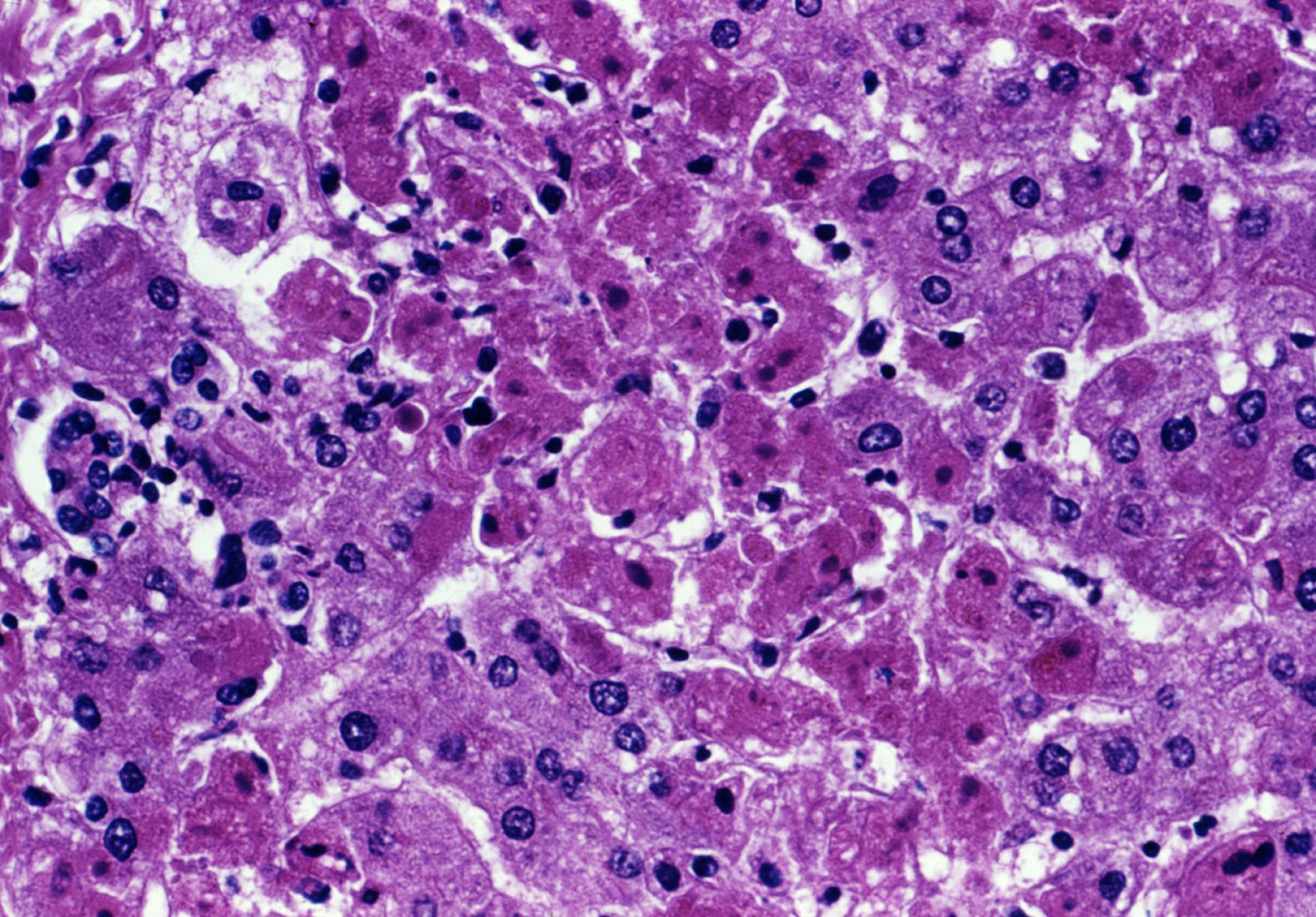


(ALF) is an acute -predominant syndrome in which severe hepatic injury causes hepatic synthetic failure with and impaired cerebral detoxification with clinically apparent , without pre-existing . [3] ALF is therefore primarily , not a primary , , , or vascular disorder; vascular insults such as and are etiologies that produce the hepatocellular failure phenotype. [3]
| Axis | Categories | Defining criterion | Clinical relevance |
|---|---|---|---|
| Etiology | ; ; toxin; ; and other ; ; ; pregnancy-related liver disease; malignant infiltration; indeterminate | Identify a specific acute hepatic insult; retain “indeterminate” only after comprehensive etiologic evaluation fails to establish a cause. [3] | Etiologic classification directs specific therapy and can prevent unnecessary . [3] |
| Biochemical injury pattern | Hepatocellular; cholestatic; mixed | Calculate R = (alanine aminotransferase ÷ alanine aminotransferase ULN) ÷ (alkaline phosphatase ÷ alkaline phosphatase ULN): hepatocellular >5, mixed 2–5, cholestatic <2. [7] | ALF is a hepatocellular clinical syndrome; a cholestatic or mixed biochemical profile should prompt reassessment for obstruction, infiltrative disease, or an alternative diagnosis. [3] |
| Chronicity | Acute ; ; chronic liver failure | ALF requires acute dysfunction without underlying chronic liver disease; acute deterioration superimposed on chronic liver disease defines ACLF. [3] | Do not label acute decompensation in as ALF; ACLF definitions differ substantially among expert societies, with diagnostic overlap of 7.7%–80.2%. [2] |
| Compensation state | No underlying chronic disease; compensated chronic liver disease; decompensated chronic liver disease | Compensation status applies to the underlying chronic liver disease, not to isolated ALF; acute deterioration in either compensated or decompensated chronic disease belongs to the ACLF spectrum. [2][3] | Separates transplant evaluation and prognostic cohorts for ALF from those for ACLF. [3] |
| Neurological and synthetic failure | Acute liver injury; acute liver failure | ALF requires hepatic coagulopathy plus clinically apparent altered consciousness from hepatic encephalopathy; acute liver injury without these defining features is not ALF. [3] | Prevents overcalling severe acute hepatitis or acute liver injury as ALF. [3] |
Nomenclature box — Use as the preferred current term for the syndrome defined by acute liver-test abnormality, hepatic coagulopathy, and hepatic encephalopathy in a person without chronic liver disease. [3] “ ,” “fulminant liver failure,” and “fulminant hepatitis” are legacy or context-dependent terms and should not replace ALF in contemporary documentation. [3] Do not use ALF as a synonym for ; ACLF requires acute deterioration on chronic liver disease and has heterogeneous society-specific definitions. [2][3] “Indeterminate ALF” means that no specific cause was established after evaluation; “undetermined ALF” is vague and should be consolidated under indeterminate ALF. [3] No disease-specific eponym supersedes ALF. ICD coding should document the syndrome, hepatic encephalopathy, coagulopathy, and established etiology separately according to the applicable national coding modification; a nonspecific liver-failure code does not establish ALF. [3]
Pathophysiology & Mechanism
begins when a viral, toxic, immune, or vascular insult overwhelms hepatocyte survival pathways; vascular obstruction may result from thrombosis, inflammation, or congestion.[17] The initiating lesion causes hepatocyte death and, in selected etiologies, death, producing the stereotyped acute liver-failure phenotype.[17]
Dying hepatocytes release , which proteolytically injures neighboring cells and permits injury to progress after the initiating hepatotoxicant has dissipated.[19] Cellular injury activates ; and inflammatory-cell activation generates , , , and further necrosis.[17][19] adds antibody-mediated and antigen-specific cellular attack against hepatic cells.[17]
Persistent necroinflammation activates s; experimental acute liver failure models show stellate-cell activation alongside hepatocyte apoptosis, , and upregulation.[19] Activated stellate cells deposit through and related fibrogenic signaling, causing and architectural distortion; this is a remodeling pathway rather than the defining acute lesion of ALF.[19]
Architectural distortion and sinusoidal microvascular obstruction increase intrahepatic vascular resistance, which can produce ; vascular obstruction is also a late common pathway of hepatic injury.[17] Increased portal pressure and endothelial dysfunction promote splanchnic pooling, -mediated systemic vasodilation, reduced effective arterial blood volume, and a hyperdynamic circulatory state; systemic inflammation and circulatory impairment intensify as advanced liver disease decompensates.[20] This portal-hypertensive cascade is clinically dominant in chronic remodeling and ACLF, whereas ALF is dominated by rapid hepatocyte loss, inflammatory amplification, and cerebral toxicity.
Mechanism-to-manifestation map
| Mechanistic node | Downstream lesion/physiology | Clinical sign or lab it explains | Section where it reappears |
|---|---|---|---|
| Hepatocyte death | Loss of viable hepatic mass and membrane integrity [17] | Marked aminotransferase release and acute hepatic dysfunction [19] | Diagnosis and classification |
| Loss of hepatic metabolic capacity | Accumulation of neuroactive nitrogenous compounds | and hyperammonemia | Neurologic complications and management |
| Loss of hepatocyte synthetic function | Reduced production of coagulation proteins | Prolonged and elevated | Diagnosis and prognostication |
| and inflammatory-cell activation | , , and amplify apoptosis and necrosis [17][19] | Worsening aminotransferases, systemic inflammation, and multiorgan injury | Etiology-directed and intensive care management |
| activation | deposition and [19] | Architectural distortion and, if remodeling persists, increased intrahepatic resistance | Chronic sequelae and portal-hypertension complications |
| Sinusoidal vascular obstruction and distortion | Increased intrahepatic resistance and [17] | Collaterals, varices, ascites, and thrombocytopenia when the portal-hypertensive pathway is established | Portal-hypertension complications |
| Portal hypertension with systemic vasodilation | Reduced effective arterial blood volume, circulatory dysfunction, and hyperdynamic flow [20] | Hypotension, renal hypoperfusion, and vasoconstrictor activation | Hemodynamic and renal complications |
Pearl: In ALF, hepatocyte loss and inflammatory amplification explain the immediate syndrome; stellate-cell activation, fibrogenesis, architectural distortion, and portal hypertension represent a secondary or chronic remodeling trajectory rather than the primary acute mechanism.
Epidemiology, Etiology & Risk Factors
Regional population data show a pediatric ALF incidence of 16.75 per 100,000 live births in California during 2012–2018; this approximates 500–600 US pediatric cases annually. [21] In the California cohort spanning 1990–2018, 49.8% of patients were aged ≥10 years, 49.3% were female, and 95.2% of patients with available residence data lived in urban areas. [21] Temporal incidence and cause-mix trends were not reported, but transplant and waitlist mortality improved over time. [21]
Etiologies
The following distribution applies to 2,270 Californian patients aged <18 years and should not be extrapolated to adult ALF. [21]
| Etiology | Approx. share of cases | Key mechanistic link | Diagnostic flag |
|---|---|---|---|
| Indeterminate | 55.4% | or occult | Retain only after comprehensive viral, toxic, autoimmune, metabolic, vascular, and malignant evaluation |
| Other: neoplasm, Budd–Chiari syndrome, hepatic infarction, sepsis, shock, and non-acetaminophen drugs or toxins | 27.3% | , , or | Search for malignancy, hemodynamic collapse, hepatic-vein obstruction, and non-acetaminophen exposure |
| Viral hepatitis | 7.8% | Test for hepatotropic viruses and, when clinically compatible, disseminated | |
| Acetaminophen toxicity | 6.1% | Obtain a timed ingestion history, serum acetaminophen concentration, and collateral medication history | |
| Other immune-related: autoimmune hepatitis and hemophagocytic lymphohistiocytosis | 2.2% | Check autoimmune serology, immunoglobulins, cytopenias, ferritin, and systemic inflammatory features | |
| Metabolic | 1.2% | Evaluate age-specific inherited and metabolic disorders, especially in infants and recurrent episodes |
Acetaminophen accounted for 6.1% of this pediatric cohort, versus 14% in comparable North American estimates. [21] In Western countries, antibiotics lead clinically significant , while herbal and dietary supplements are increasingly implicated worldwide; ALF-specific shares were not reported. [22] mushroom poisoning and bongkrekic acid poisoning are rare toxic causes that can progress to ALF. [26][27] is a relevant precipitant of acute decompensation and ACLF in cirrhosis, not isolated ALF. [37]
Risk factors
Effect sizes for developing ALF were generally not reported; available hazard ratios describe mortality or transplant outcomes after pediatric ALF has occurred.
| Risk factor | Modifiable? | Effect size (RR/OR/HR, verbatim) | Source [N] |
|---|---|---|---|
| Acetaminophen exposure, especially intentional overdose | Yes | not reported | [21][25] |
| Prescription hepatotoxins, antibiotics, or herbal and dietary supplements | Usually | not reported | [22] |
| Viral exposure, including sexual exposure relevant to disseminated HSV | Yes | not reported | [24] |
| Immunosuppressive therapy, biologic therapy, transplantation, or hematologic malignancy | Partly | not reported | [24] |
| Pregnancy, particularly the second or third trimester | No | not reported | [24][36] |
| Age <2 years at presentation | No | sHR: 1.73 [1.03–2.91] | [21] |
| Age 5–10 years at presentation | No | sHR: 0.72 [0.54–0.96] | [21] |
| Female sex | No | sHR: 0.80 [95% CI: 0.64–0.99] | [21] |
| Metabolic or genetic etiology treated at a transplant center | No | sHR: 6.4 [1.84-22.26] | [21] |
Pediatric ALF is disproportionately indeterminate, and indeterminate disease comprised 55.4% of the California cohort. [21] Children with acetaminophen-induced ALF had lower mortality than those with indeterminate ALF, with sHR: 0.43 [0.19–0.98]. [21] “Other” etiologies had the highest mortality and lower transplant likelihood, with sHR: 0.51 [0.32–0.8] for transplant. [21] HSV hepatitis occurs in <1% of ALF cases, but approximately 24% of reported cases occurred in patients considered immunocompetent at presentation. [24] HSV hepatitis is increasingly recognized in pregnancy, older age, cirrhosis, postoperative states, critical illness, remote transplantation, and biologic immunomodulation. [24]
Pearl: Ask first about acetaminophen-containing products, dose, timing, repeated supratherapeutic use, and intentional ingestion; a positive exposure history immediately changes management toward urgent , while unexplained anicteric hepatitis with cytopenias warrants sexual-exposure and immunosuppression history for possible HSV. [21][24][30]
Clinical Presentation
The dominant clinical fork is neurological deterioration: usually presents with rapidly evolving , constitutional symptoms, and , whereas chronic “compensated versus decompensated” staging does not apply because ALF occurs without pre-existing chronic liver disease. [46] Early hepatocyte injury may produce , , , , , , or ; these symptoms are nonspecific and may precede jaundice. [43][44]
and arise when injured hepatocytes cannot adequately conjugate and excrete bilirubin; bilirubin may continue rising despite falling aminotransferases as hepatocyte mass declines. [43][44] may reflect acute inflammatory swelling, whereas a small or nonpalpable liver suggests extensive hepatocyte loss; ultrasonography showed hepatomegaly in a patient progressing from hepatitis A to ALF. [44]
is the defining clinical manifestation of cerebral involvement in ALF. Hepatocyte loss reduces ammonia clearance; hyperammonemia, systemic inflammation, cerebral hemodynamic dysregulation, metabolic failure, and osmotic imbalance cause astrocyte swelling, blood–brain barrier disruption, cerebral edema, and intracranial hypertension. [39] Early findings include , , , , and ; progression produces , disorientation, somnolence, , , and loss of airway protection. [39][43] Grade 2 or higher encephalopathy identifies a substantially higher-risk phenotype; in one severe acute liver injury/ALF cohort, 90-day transplant-free survival was 78.38% with grade <2 versus 20.00% with grade ≥2. [42]
Synthetic failure produces , reflected clinically by , , or gastrointestinal hemorrhage, although abnormal INR alone does not predict spontaneous bleeding reliably. [45] Impaired hepatic glucose, lactate, and ammonia handling can cause , , worsening encephalopathy, and hemodynamic instability. [56] Systemic inflammation and circulatory dysfunction may progress to , , , , and multiorgan dysfunction. [43][46]
The chronic stigmata of — , , , marked , and established —should not be used to diagnose ALF because they imply chronic architectural or portal-hypertensive remodeling. In a documented ALF presentation, palmar erythema, spider angiomas, shifting dullness, and liver enlargement were absent, supporting the distinction from chronic liver disease. [43] , , and can occur when portal hypertension or systemic organ failure develops, but prominent pre-existing stigmata favor acute-on-chronic liver failure rather than ALF. [46]
| Sign / symptom | Mechanism | Sensitivity | Specificity | Source [N] |
|---|---|---|---|---|
| Impaired bilirubin conjugation and excretion from hepatocyte injury | not reported | not reported | [44] | |
| Increased urinary bilirubin during acute hepatocellular dysfunction | not reported | not reported | [43][44] | |
| Systemic inflammatory and metabolic consequences of acute hepatocyte injury | not reported | not reported | [43] | |
| or | Acute hepatic inflammation and metabolic disturbance | not reported | not reported | [43] |
| or | Inflammatory swelling and capsular stretch | not reported | not reported | [43] |
| Acute hepatic swelling or congestion | not reported | not reported | [44] | |
| or | Hyperammonemia, astrocyte swelling, cerebral edema, and inflammation | not reported | not reported | [39][43] |
| Fluctuating cortical and motor control from hepatic encephalopathy | not reported | not reported | [39] | |
| Advanced hepatic encephalopathy with severe cerebral dysfunction | not reported | not reported | [39][43] | |
| Portal-hypertensive or systemic circulatory dysfunction | not reported | not reported | [46][47] | |
| Portosystemic collateralization from portal hypertension | not reported | not reported | [46] | |
| , , or | Chronic hyperestrogenemia or portosystemic shunting; their presence suggests chronic liver disease rather than isolated ALF | not reported | not reported | [43][46] |
Presentation by acuity and severity
Early ALF may present with isolated constitutional symptoms, jaundice, or dark urine before encephalopathy becomes apparent; reassess mental status serially because neurological deterioration can occur within hours to days. [39][44] Established ALF combines hepatic dysfunction with clinically apparent encephalopathy and may rapidly acquire cerebral edema, intracranial hypertension, coagulopathy, hypoglycemia, renal failure, shock, and multiorgan dysfunction. [39][43][56]
| Phenotype | Clinical presentation | Immediate severity signal |
|---|---|---|
| Early or milder | , , , , , , , or with preserved orientation | New or worsening indicates progression to encephalopathy [43][44] |
| Overt ALF | with , ranging from sleep–wake disturbance and inattention to , , or | Grade ≥2 encephalopathy; 90-day transplant-free survival was 20.00% in one cohort [39][42] |
| Critical ALF | Advanced encephalopathy with , , , , , , or multiorgan dysfunction | Loss of airway protection, shock, renal failure, or progressive neurological decline [39][43][56] |
Pearl: In a patient with acute liver injury, new , , or reduced consciousness is an emergency signal for ALF, even when jaundice is modest or aminotransferases are already falling. [39][43]
Diagnosis & Workup
Begin with the : R = (ALT ÷ ALT ULN) ÷ (alkaline phosphatase ÷ alkaline phosphatase ULN). Classify injury as hepatocellular when R >5, mixed when R is 2–5, and cholestatic when R <2. [57] A hepatocellular pattern prioritizes toxic, viral, autoimmune, metabolic, and ischemic causes; mixed or cholestatic injury prioritizes biliary obstruction, infiltrative disease, vascular disease, and alternative diagnoses.
Obtain serial , , , , direct and total , , , glucose, creatinine, lactate, phosphate, and ammonia. Marked aminotransferase elevation with subsequent decline does not establish recovery; worsening bilirubin or INR requires continued assessment. Use to document synthetic failure and serial and mental-status examinations to detect neurologic deterioration.
| Test | Expected finding | Sensitivity | Specificity | PPV | NPV |
|---|---|---|---|---|---|
| and | Hepatocellular injury; AST may exceed ALT in ischemic or toxin-related injury | Not reported | Not reported | Not reported | Not reported |
| and | Disproportionate elevation indicates cholestatic or mixed injury | Not reported | Not reported | Not reported | Not reported |
| Predominantly conjugated hyperbilirubinemia in severe hepatic dysfunction or cholestasis | Not reported | Not reported | Not reported | Not reported | |
| Preserved early in acute injury; low values suggest chronic disease, inflammation, malnutrition, or severe synthetic impairment | Not reported | Not reported | Not reported | Not reported | |
| Prolonged coagulation time from impaired hepatic synthesis; repeat after parenteral vitamin K when deficiency is plausible | Not reported | Not reported | Not reported | Not reported | |
| Positive in acute HAV infection | Not reported | Not reported | Not reported | Not reported | |
| , , | HBsAg and anti-HBc IgM support acute HBV; HBV DNA identifies active replication | Not reported | Not reported | Not reported | Not reported |
| and | HCV RNA supports acute or active HCV; antibody may be absent early | Not reported | Not reported | Not reported | Not reported |
| and | Positive IgM or detectable RNA supports acute HEV | Not reported | Not reported | Not reported | Not reported |
| Detectable HSV DNA supports HSV hepatitis, particularly with anicteric hepatocellular injury or cytopenias | Not reported | Not reported | Not reported | Not reported | |
| and | Positive results support autoimmune hepatitis; interpret with IgG and exclusion of competing causes | Not reported | Not reported | Not reported | Not reported |
| Supports primary biliary cholangitis when cholestasis predominates; it does not establish autoimmune hepatitis | Not reported | Not reported | Not reported | Not reported | |
| , , fibrinogen, and soluble | Marked hyperferritinemia, hypertriglyceridemia, hypofibrinogenemia, or elevated soluble IL-2 receptor suggests HLH or severe systemic inflammation | Not reported | Not reported | Not reported | Not reported |
| , , and | Increased transferrin saturation supports iron overload; confirm hereditary hemochromatosis genetically when appropriate | Not reported | Not reported | Not reported | Not reported |
| , serum copper, 24-hour urinary copper, and hepatic copper | Low ceruloplasmin, abnormal urinary copper, hemolysis, or high hepatic copper supports Wilson disease; use a Leipzig score and genetic testing | 84.8% for ceruloplasmin; 85.6% for total copper; 88.4% for REC | 80.0% for ceruloplasmin; 73.8% for total copper; 91.7% for REC | Not reported | Not reported |
| level and phenotype/genotype | Low level or pathogenic genotype supports alpha-1-antitrypsin deficiency | Not reported | Not reported | Not reported | Not reported |
| and | Usually uninterpretable for acute fibrosis staging because aminotransferases and platelets change rapidly | Not reported | Not reported | Not reported | Not reported |
| /VCTE | Increased stiffness may reflect acute inflammation, congestion, cholestasis, or fibrosis | Not reported | Not reported | Not reported | Not reported |
| Increased liver stiffness suggests fibrosis but lacks validated ALF-specific performance in the supplied evidence | Not reported | Not reported | Not reported | Not reported | |
| Increased extracellular-matrix markers suggest advanced fibrosis; acute inflammatory distortion limits interpretation | Not reported | Not reported | Not reported | Not reported | |
| with Doppler | Assesses biliary dilation, hepatic and portal veins, portal flow, ascites, and gross parenchymal change | Not reported | Not reported | Not reported | Not reported |
| Multiphasic or | Detects obstruction, vascular occlusion, infiltrative disease, masses, and hepatic morphology | Not reported | Not reported | Not reported | Not reported |
| Apply only when hepatocellular carcinoma is clinically relevant and an observation requires standardized categorization | Not reported | Not reported | Not reported | Not reported | |
| (REC) | Increased REC supports Wilson disease; a cutoff ≥10.6% yielded AUC 0.955 in a mixed cohort | 88.4% | 91.7% | Not reported | Not reported |
Interpret and total copper cautiously in ALF because acute hepatic failure can distort both measurements. REC >15% has been associated with Wilson disease, whereas the cited cohort’s optimal threshold was ≥10.6%; confirm the result with clinical findings, urinary copper, hepatic copper, and testing. [57]
Use with Doppler first when obstruction or vascular disease is plausible. Proceed to multiphasic or when ultrasound is nondiagnostic or when vascular, infiltrative, or malignant disease remains possible. Apply only to patients with a relevant HCC risk context and an indeterminate or suspicious liver observation.
Reserve for unresolved etiologies in which histology will change treatment, including suspected autoimmune hepatitis, drug-induced liver injury, infiltrative disease, malignant infiltration, or indeterminate ALF. Prefer when coagulopathy or ascites makes percutaneous biopsy hazardous; in a liver-failure cohort, TJLB had no serious adverse events and remained feasible despite coagulation abnormalities or severe ascites. [54]
Fibrosis staging
| Stage | METAVIR | Ishak | VCTE cutoff (kPa, cited) | Interpretation |
|---|---|---|---|---|
| 0 | F0 | 0 | Not reported | No fibrosis |
| 1 | F1 | 1–2 | Not reported | Portal fibrosis without septa |
| 2 | F2 | 3–4 | Not reported | Portal fibrosis with few septa |
| 3 | F3 | 5 | Not reported | Bridging fibrosis |
| 4 | F4 | 6 | Not reported | Cirrhosis |
Do not use fibrosis scores or elastography alone to label ALF as chronic liver disease. Establish chronicity from prior records, imaging, platelet trajectory, portal-hypertension features, and biopsy when the distinction changes diagnosis or transplant assessment.
Severity, Staging & Risk Stratification
Use scores as longitudinal decision aids, not as substitutes for serial neurological examination, INR, bilirubin, creatinine, lactate, ammonia, and organ-support requirements. The and family were developed for advanced chronic liver disease, and neither alone reliably stages acute liver failure or determines emergency transplantation. [71]
Apply cautiously when chronicity is uncertain; acute inflammation, fluid shifts, encephalopathy, and rapidly changing synthetic function can distort its components. The score contains , , , , and , with total classes A 5–6, B 7–9, and C 10–15. [71]
| Parameter | 1 point | 2 points | 3 points |
|---|---|---|---|
| <2 mg/dL | 2–3 mg/dL | >3 mg/dL | |
| >3.5 g/dL | 2.8–3.5 g/dL | <2.8 g/dL | |
| or prothrombin-time prolongation | INR <1.7 or <4 seconds | INR 1.7–2.3 or 4–6 seconds | INR >2.3 or >6 seconds |
| None | Mild or diuretic-responsive | Moderate–severe or refractory | |
| None | Grade I–II | Grade III–IV | |
| Total | Class A: 5–6 | Class B: 7–9 | Class C: 10–15 |
| Class survival estimate | Not reported in supplied evidence | Not reported in supplied evidence | Not reported in supplied evidence |
Child-Pugh class A–C is useful for communicating chronic liver reserve and for selected HCC treatment decisions, but it performs poorly for acute decompensation and ACLF mortality discrimination. [71] Do not use Child-Pugh class to defer intensive monitoring or transplant-center referral in ALF.
family
Use , , and as objective biochemical measures of bilirubin, coagulation, renal function, sodium, albumin, and sex-related allocation effects; interpret them alongside encephalopathy and extrahepatic organ failure. The original MELD was developed to predict mortality after elective insertion, and MELD variants are used for liver-allocation prioritization. [71]
| Score | Components | Use case | Threshold/range |
|---|---|---|---|
| , , | Biochemical mortality estimation and transplant-list prioritization; limited ALF specificity | Formula coefficients and allocation thresholds were not reported in the supplied evidence. | |
| MELD plus | Adds hyponatremia-related wait-list risk to MELD | Sodium limits of 125–140 mmol/L are reported for the widely accepted formulation. [71] | |
| MELD variables plus and terms | Current allocation model designed to reduce sex-related wait-list disparity | Formula coefficients and allocation thresholds were not reported in the supplied evidence. [71] |
Do not recompute MELD-family scores from an unverified coefficient set; use the current institutional, national, or allocation-authority calculator. The supplied evidence identifies UNOS adoption of MELD 3.0 but does not reproduce the governing formula or allocation thresholds verbatim. [71]
ALF-specific transplant risk
Prioritize dynamic transplant assessment over static chronic-liver scores. and were developed to guide urgent liver transplantation, but contemporary intensive care can produce substantial transplant-free recovery despite historical criteria fulfillment. [72] Refer every patient with ALF to a transplant center early, reassess mental status and organ failure serially, and escalate from medical therapy to urgent listing when neurological deterioration, worsening coagulopathy, renal failure, lactate elevation, shock, or multiorgan failure indicates declining spontaneous recovery. [72]
Grade serially with the ; altered consciousness remains a major prognostic feature, and progression is more actionable than a single MELD value. [72] Treat cerebral edema, hypoglycemia, infection, renal dysfunction, and shock immediately while the transplant team evaluates reversibility and contraindications. [72]
Disease-specific and complication scores
Use the and only for alcohol-associated hepatitis, because they quantify corticosteroid-treatment eligibility and early response rather than ALF severity; the supplied evidence supports MELD as superior to Maddrey’s discriminant function for grading alcohol-associated hepatitis but does not provide their formulas or thresholds. [71]
Use for acute-on-chronic liver failure, not isolated ALF. It integrates organ failures with age and leukocyte count to estimate short-term mortality, and it outperformed MELD, MELD-Na, and Child-Pugh in the cited ACLF validation. [71]
Use staging for hepatocellular carcinoma, combining tumor burden, liver function, and performance status; Child-Pugh contributes to treatment selection, including resection and systemic therapy. [71] Do not apply BCLC to unexplained acute hepatocellular failure without established HCC.
Partition patients into three operational tiers: continue intensive medical therapy with close serial reassessment when organ dysfunction is improving; maintain transplant-center surveillance when dysfunction persists or scores rise; and pursue urgent transplant evaluation or listing when neurological or multiorgan deterioration indicates low likelihood of spontaneous recovery. Static scores support these tiers but do not replace trajectory, etiology, reversibility, or multidisciplinary transplant judgment. [72]
Acute Management & Decompensation Events
Admit every patient with to an ICU-capable tertiary center with immediate access; INASL recommends close monitoring, early complication treatment, and transplant counseling as first-line management (2020, consensus grade not stated). [89] [98]
Treat the precipitant while supporting airway, circulation, glucose, temperature, renal function, and cerebral perfusion. [89] Search immediately for infection, gastrointestinal bleeding, constipation, sedatives, hypoglycemia, electrolyte disturbance, hypoxemia, shock, renal failure, and hepatotoxic exposure because hepatic encephalopathy and cerebral edema dominate early mortality. [89]
| Drug | Indication | Dose & route | Source |
|---|---|---|---|
| Suspected or confirmed acetaminophen toxicity; consider empiric treatment in indeterminate ALF | 150 mg/kg IV over 1 hour, then 50 mg/kg IV over 4 hours, then 100 mg/kg IV over 16 hours; continue beyond 21 hours until acetaminophen is undetectable, INR improves, and aminotransferases decline | Standard protocol; INASL 2020 [89] | |
| Suspected HSV hepatitis | 10 mg/kg IV every 8 hours for 7–10 days; adjust for renal function | Standard regimen; INASL 2020 [89] | |
| HBV-associated ALF or severe acute HBV with detectable replication | 0.5 mg orally once daily; continue until transplant or durable virologic suppression | Standard regimen; APASL 2019 [94] | |
| HBV-associated ALF or severe acute HBV with detectable replication | 300 mg orally once daily; continue until transplant or durable virologic suppression | Standard regimen; APASL 2019 [94] | |
| Intracranial hypertension with intracranial pressure ≥25 mm Hg | 0.5–1 g/kg IV bolus; repeat for recurrent pressure elevation while maintaining serum osmolality below 320 mOsm/kg | U.S. Acute Liver Failure Study Group 2007 [90] | |
| Intracranial hypertension refractory to mannitol | 3% saline IV, titrated to serum sodium 145–155 mmol/L | U.S. Acute Liver Failure Study Group 2007 [90] |
Variceal hemorrhage
If hematemesis or melena occurs with portal-hypertensive features, start vasoactive therapy before urgent , give prophylactic antibiotic therapy, and perform ; use for uncontrolled bleeding or selected early-TIPS patients. [92] These pathways indicate portal hypertension and should trigger reassessment for ACLF or decompensated cirrhosis rather than isolated ALF. [94]
| Scenario | Management of choice | Drug of choice (wikilinked) | Dose/timing | CEBM level | Guideline class |
|---|---|---|---|---|---|
| Acute variceal hemorrhage | Resuscitation, urgent endoscopic band ligation, and vasoactive therapy; TIPS for failure of endoscopic and pharmacologic control | 50 micrograms IV bolus, then 50 micrograms/hour IV infusion for 2–5 days | Not stated | EASL 2018, class not stated [92] | |
| Acute variceal hemorrhage | Alternative vasoactive therapy | 2 mg IV every 4 hours for 24–48 hours, then 1 mg IV every 4 hours for 2–5 days | Not stated | EASL 2018, class not stated [92] | |
| Acute variceal hemorrhage | Infection prophylaxis | 1 g IV every 24 hours for up to 7 days | Not stated | EASL 2018, class not stated [92] | |
| Refractory or early high-risk variceal bleeding | Rescue or pre-emptive TIPS | Perform urgently after failed endoscopic control; timing and eligibility require transplant-center assessment | Not stated | EASL 2018, class not stated [92] | |
| Ascites with suspected SBP | Diagnostic paracentesis, culture, empiric antibiotics, and albumin | plus | Cefotaxime 2 g IV every 8 hours for 5 days; albumin 1.5 g/kg IV on day 1 and 1 g/kg IV on day 3 | Not stated | EASL 2018, class not stated [92] |
| Hepatic encephalopathy | Protect the airway when consciousness declines, search for precipitants, and remove precipitating drugs | 25 mL orally or by nasogastric tube every 1–2 hours until bowel movement, then titrate to 2–3 soft stools/day; rectal administration if enteral delivery is unsafe | Not stated | EASL 2018, class not stated [92] | |
| Persistent or recurrent hepatic encephalopathy | Add nonabsorbable antibiotic after lactulose | 550 mg orally twice daily; continue while risk persists | Not stated | EASL 2018, class not stated [92] | |
| HRS-AKI | Stop diuretics and nephrotoxins, expand with albumin, then give a vasoconstrictor; evaluate urgently for transplantation | plus | Terlipressin 1 mg IV every 6 hours; increase to 2 mg every 6 hours after 24 hours if creatinine falls <30%; albumin 1 g/kg IV on day 1, maximum 100 g, then 20–40 g/day; treat through response or 14 days | Low-quality indirect evidence overall | AASLD/EASL, first-line recommendation; grade not stated [91] [101] |
Encephalopathy and cerebral edema
Intubate for grade III–IV encephalopathy, coma, recurrent emesis, or loss of airway protection; avoid benzodiazepines, opioids, and unnecessary sedation. [89] Elevate the head 30 degrees, maintain normoxia, normocapnia, normoglycemia, and high-normal serum sodium, and use when intracranial pressure reaches 25 mm Hg or higher. [90] Maintain serum sodium at 145–155 mmol/L with when intracranial hypertension persists despite mannitol. [90] Give empiric broad-spectrum antibiotics when systemic inflammatory response syndrome, unexplained encephalopathy progression, or suspected infection develops; SCCM issued mostly conditional recommendations based on low-quality indirect evidence (2020). [90] [91]
Do not correct the INR routinely with plasma because INR does not measure global hemostasis in ALF; give , cryoprecipitate, plasma, or platelets only for active bleeding, invasive procedures, or clinically significant viscoelastic-test abnormalities. [89] Avoid prophylactic platelet or plasma transfusion when no bleeding or procedure indication exists. [91]
Renal failure and shock
Stop diuretics, NSAIDs, nephrotoxins, and iodinated contrast; obtain cultures and urine studies, assess volume responsiveness, and use balanced crystalloid or albumin according to intravascular status. [91] Start for refractory hyperkalemia, severe acidosis, pulmonary edema, uremic complications, or progressive azotemia; consider earlier continuous therapy for severe hyperammonemia, cerebral edema, or fluid-management failure. [99]
Use for persistent vasodilatory shock after volume assessment; target a mean arterial pressure adequate for cerebral and renal perfusion rather than a fixed pressure endpoint. [91] Treat HRS-AKI with plus as first-line therapy according to AASLD and EASL; avoid terlipressin in patients with ACLF grade 3 or serum creatinine ≥5 mg/dL because respiratory-failure risk and treatment failure increase. [101]
Definitive rescue
Refer every patient early for emergency transplant assessment; INASL identifies liver transplantation as the only effective therapy shown to improve survival in patients with poor prognostic factors (2020, recommendation grade not stated). [89] Use serial neurological examinations, INR, bilirubin, creatinine, lactate, ammonia, glucose, phosphate, vasopressor requirement, and respiratory or renal support needs to determine trajectory rather than relying on one score. [89] [91]
Pearl: In ALF, worsening encephalopathy, cerebral edema, shock, hypoglycemia, renal failure, or multiorgan dysfunction requires simultaneous organ support and transplant-center escalation; waiting for biochemical certainty can forfeit reversibility. [89]
Long-term & Definitive Management
is the definitive therapy when ALF fails to recover with etiology-directed treatment; refer every patient urgently to a transplant center, because AASLD/AST 2025 gives this a strong recommendation with Oxford level-2 evidence. [106] Reassess transplant candidacy continuously rather than waiting for a single score, because contemporary intensive care can produce transplant-free survival despite fulfillment of historical or . [72]
Evidence ladder
| Rung | Mechanism node | Etiology-directed treatment | Escalation trigger |
|---|---|---|---|
| 1. Remove the insult | Ongoing toxic, viral, or immune hepatocyte injury | Stop the offending drug or toxin; give for acetaminophen and consider it in indeterminate ALF; start for suspected HSV hepatitis; start or for HBV-associated ALF; start promptly for probable autoimmune hepatitis | INR, bilirubin, encephalopathy, lactate, renal function, or organ failure worsens despite treatment |
| 2. Bridge and reassess | Persistent inflammatory mediator, toxin, ammonia, or copper burden | Use in selected severe ALF with a transplant project; use for severe hyperammonemia, cerebral edema, or renal indications; use copper chelation with or for Wilson disease when clinically feasible | Grade 2 or greater encephalopathy, progressive coagulopathy, shock, renal failure, or multiorgan failure |
| 3. Emergency replacement | Irreversible loss of hepatic synthetic and detoxification capacity | Perform emergency orthotopic ; consider only in carefully selected pediatric patients with potential native-liver regeneration | Failure of recovery or worsening neurologic and multiorgan trajectory |
| 4. Salvage | No timely graft or uncertain reversibility | Continue intensive organ support and selected plasma-exchange or albumin-dialysis bridging only at experienced transplant centers; do not allow bridging therapy to delay listing | Irreversible neurologic injury, uncontrolled sepsis, or prohibitive operative risk |
Etiology-directed dosing
| Drug | Indication | Dose & route | Source |
|---|---|---|---|
| Acetaminophen-associated or indeterminate ALF | 150 mg/kg IV over 1 hour, then 50 mg/kg IV over 4 hours, then 100 mg/kg IV over 16 hours; continue until acetaminophen is undetectable, INR improves, and aminotransferases decline | AASLD-based ALF practice; [89] | |
| Suspected HSV hepatitis | 10 mg/kg IV every 8 hours for 7–10 days; adjust for renal function | [107] | |
| HBV-associated ALF or severe HBV reactivation | 0.5 mg PO once daily; continue through transplant or virologic control | [111] | |
| HBV-associated ALF or severe HBV reactivation | 300 mg PO once daily; continue through transplant or virologic control | [111] | |
| Probable acute severe autoimmune hepatitis | Use an early systemic corticosteroid regimen; the optimal dose remains debated, and the supplied evidence does not specify a standardized dose or duration | [107] | |
| or | Wilson disease with significant liver disease | Use chelation rather than zinc monotherapy; the supplied evidence does not specify an ALF dose or duration | [108] |
AASLD/AST recommends urgent transplant-center referral for all ALF patients, with a strong recommendation and Oxford level-2 evidence. [106] INASL states that transplantation is the only effective therapy demonstrated to improve survival in patients with poor prognostic factors. [89] These recommendations agree on early referral; neither supports delaying evaluation until historical criteria are fully met. [89][106]
Etiology-directed map
| Etiology | Disease-modifying treatment | Long-term risk-factor modification |
|---|---|---|
| Acetaminophen toxicity | ; avoid acetaminophen re-exposure and combination products | Medication reconciliation, overdose-prevention counseling, and assessment of intentional ingestion |
| HSV hepatitis | Empiric IV while PCR is pending; treat 7–10 days | Evaluate immunosuppression and pregnancy-associated risk before future immunomodulation |
| HBV-associated ALF | or ; prevent graft reinfection with post-transplant antiviral therapy and when indicated | Test and vaccinate susceptible household and sexual contacts; avoid hepatotoxic exposures |
| Autoimmune hepatitis | first-line; add for maintenance when recovery occurs and cytopenias or infection permit; expedite transplant evaluation in nonresponders | Long-term biochemical monitoring and relapse surveillance are required; the supplied evidence does not define an ALF-specific maintenance duration [109] |
| Wilson disease | or ; zinc alone is insufficient for significant liver disease; urgent transplantation is often required | Lifelong copper control after recovery or transplantation and family evaluation [108] |
| Drug-induced liver injury | Stop the culprit drug permanently; avoid rechallenge | Record the agent as a permanent drug allergy or adverse reaction and review supplements and herbal products |
| Ischemic hepatitis | Correct shock, hypoxemia, arrhythmia, or cardiac failure; revascularize treatable vascular disease | Manage the underlying cardiovascular or thrombotic disorder |
| Malignant infiltration | Treat the malignancy only if clinically feasible; transplant is generally not a rescue strategy | Oncology-directed surveillance and goals-of-care planning |
| Indeterminate ALF | Continue and transplant evaluation after comprehensive exclusion of viral, toxic, autoimmune, metabolic, vascular, and malignant causes | Avoid unnecessary hepatotoxic drugs and document the exposure review |
Therapy effect sizes
| Therapy (wikilinked) | Indication | Effect size (verbatim from trial) | NNT/NNH | CEBM sub-level | Guideline class |
|---|---|---|---|---|---|
| Acute severe autoimmune hepatitis | “Corticosteroids remain first-line therapy, with response rates of 70%-80%.” | not derivable from reported data | Oxford level not reported; review evidence | EASL 2025 recommendation class not reported [107][109] | |
| Severe ALF as bridge to recovery or transplantation | “Recent studies paint a mixed picture of plasma exchange's role in the current armamentarium for the management of acute liver failure.” | not derivable from reported data | Oxford level not reported; heterogeneous evidence | INASL 2020 consensus; strength not reported [113] | |
| ALF with poor prognostic trajectory or failed medical recovery | “In those with poor prognostic factors, LT is the only effective therapy that has been shown to improve survival.” | not derivable from reported data | Oxford level 2 | AASLD/AST 2025: strong [89][106] | |
| Selected pediatric ALF with regenerative potential | “Of the survivors (n = 35), 68.6% achieved complete withdrawal from the immunosuppression regimen.” | not derivable from reported data | Systematic review of case reports and case series; Oxford level 4 | ISPGHAN 2024 recommendation class not reported [115] |
After spontaneous recovery, document the culprit etiology, repeat liver tests and synthetic function until normalization, and assess residual fibrosis only after acute inflammation resolves. After transplantation, maintain transplant-center follow-up, immunosuppression monitoring, infection prophylaxis, vaccination review, renal-risk reduction, and recurrence surveillance tailored to etiology. AASLD/AST describes transplantation as a lifesaving treatment for selected patients with a reasonable prospect of benefit. [106]
Pearl: Grade 2 or greater encephalopathy with worsening INR, lactate, renal function, shock, or multiorgan failure is a transplant-escalation signal; continue disease-specific therapy, but do not delay emergency listing. [89][106]
Portal Hypertension & Decompensation Management
Portal-hypertension management belongs to or (ACLF), not uncomplicated ; prominent pre-existing varices, ascites, splenomegaly, or thrombocytopenia should trigger reassessment of chronicity. APASL defines ACLF by acute hepatic insult, bilirubin ≥5 mg/dL, INR ≥1.5, and ascites and/or within 4 weeks in chronic liver disease or cirrhosis (grade I, A). [94]
| Complication | First-line chronic management | Drug/procedure | Escalation | CEBM level | Guideline class |
|---|---|---|---|---|---|
| Varices: primary prophylaxis | Screen with when noninvasive criteria do not exclude clinically significant varices; use a nonselective beta-blocker for clinically significant portal hypertension | , , or ; if beta-blockers are contraindicated or not tolerated | Consider pre-emptive only for selected high-risk acute bleeding, not routine primary prophylaxis | II | AASLD 2021: conditional recommendation; low-quality evidence |
| Varices: secondary prophylaxis | Combine a nonselective beta-blocker with serial endoscopic band ligation until eradication | , , or plus | for recurrent bleeding despite combined pharmacological and endoscopic therapy; assess transplant candidacy | I | Baveno VII 2022: strong recommendation; consensus evidence |
| Ascites | Restrict sodium to <2 g/day; use dual diuretics; monitor weight, creatinine, sodium, and potassium | plus ; large-volume for tense or symptomatic ascites | Refractory ascites: repeated large-volume paracentesis with ; consider only after cardiac, renal, hepatic, and encephalopathy assessment | I | AASLD 2021/EASL 2018: strong recommendation; moderate-quality evidence |
| Refractory ascites | Repeated large-volume paracentesis with albumin replacement; discontinue or reduce diuretics when renal dysfunction, severe hyponatremia, hypotension, or recurrent encephalopathy develops | plus | Evaluate for or transplantation; avoid routine because a randomized ACLF trial found no transplant-free-survival benefit [125] | I | AASLD 2021: conditional recommendation; low-quality evidence |
| Hepatic encephalopathy: recurrence prevention | Prevent constipation, infection, dehydration, gastrointestinal bleeding, sedative exposure, and excessive diuresis; titrate nonabsorbable disaccharide to regular soft stools | ; add after recurrence or persistent symptoms | Reassess spontaneous or iatrogenic portosystemic shunts; consider reduction or shunt embolization for refractory post-TIPS encephalopathy | I | AASLD/EASL 2014: strong recommendation; moderate-quality evidence |
| Spontaneous bacterial peritonitis: recurrence prevention | After an episode of SBP, provide continuous antibiotic prophylaxis; also prophylax selected patients with low ascitic protein plus advanced liver or renal dysfunction | , , or | Investigate every breakthrough infection for resistant organisms and reassess transplant eligibility | I | AASLD 2021/EASL 2018: strong recommendation; moderate-quality evidence |
| HRS-AKI prevention and chronic renal protection | Avoid NSAIDs, aminoglycosides, unnecessary contrast, and overdiuresis; treat infection promptly; give albumin after large-volume paracentesis | ; stop diuretics during AKI or hypovolemia | HRS-AKI: plus albumin; use in ICU when terlipressin is unavailable; initiate renal replacement therapy for standard indications while pursuing transplantation | I | International Club of Ascites 2015/AASLD 2021: strong recommendation; moderate-quality evidence |
Use these standard regimens when chronic management requires pharmacological therapy; adjust for blood pressure, renal function, sodium, potassium, infection risk, and encephalopathy.
| Drug | Indication | Dose & route | Source |
|---|---|---|---|
| Primary or secondary variceal prophylaxis | 6.25 mg PO once daily; increase to 6.25 mg PO twice daily if tolerated; continue long term | Baveno VII 2022; AASLD 2021 | |
| Primary or secondary variceal prophylaxis | 20 mg PO twice daily; increase every 2–3 days to the maximum tolerated dose, targeting resting heart rate 55–60/min; continue long term | Baveno VII 2022; AASLD 2021 | |
| Primary or secondary variceal prophylaxis | 20–40 mg PO once daily; titrate every 2–3 days to resting heart rate 55–60/min; continue long term | Baveno VII 2022; AASLD 2021 | |
| plus | Recurrent or moderate-to-severe ascites | 100 mg PO plus 40 mg PO once daily; titrate in a 100:40-mg ratio up to 400:160 mg/day; continue until ascites resolves or adverse effects require reduction | AASLD 2021; EASL 2018 |
| Large-volume paracentesis | 6–8 g IV per liter of ascites removed when >5 L is removed; give immediately after the procedure | AASLD 2021; EASL 2018 | |
| Recurrent hepatic encephalopathy prevention | 25 mL PO two to four times daily, titrated to 2–3 soft stools/day; continue long term | AASLD/EASL 2014 | |
| Recurrent hepatic encephalopathy despite lactulose | 550 mg PO twice daily; continue long term | AASLD/EASL 2014 | |
| Secondary SBP prophylaxis | 400 mg PO once daily; continue until transplantation or death | AASLD 2021; EASL 2018 | |
| SBP prophylaxis when norfloxacin is unavailable | 500 mg PO once daily; continue until transplantation or death | AASLD 2021; EASL 2018 | |
| SBP prophylaxis alternative | One double-strength tablet PO once daily; continue until transplantation or death | AASLD 2021; EASL 2018 | |
| plus | HRS-AKI | 1 mg IV every 6 hours; increase to 2 mg IV every 6 hours after 24 hours if serum creatinine falls <30%; give albumin 1 g/kg IV on day 1, maximum 100 g, then 20–40 g IV/day until response or treatment failure | International Club of Ascites 2015; AASLD 2021 |
Do not start or continue nonselective beta-blockers during shock, severe hypotension, severe hyponatremia, or progressive AKI; restart only after circulatory and renal recovery. Use serial blood pressure, creatinine, sodium, potassium, weight, stool frequency, and mental-status assessments to titrate therapy. [103]
Use selectively. Assess echocardiography, pulmonary pressures, bilirubin, renal function, sodium, prior encephalopathy, infection, and transplant strategy before placement. Follow TIPS with clinical review, laboratory testing, and Doppler surveillance; symptomatic dysfunction may require dilation or recanalization, whereas refractory post-TIPS encephalopathy may require shunt reduction. [124] A 2025 cohort found 28.9% of patients required TIPS revision, with post-TIPS pressure gradient >8 mm Hg, prior HRS, and prior encephalopathy predicting dilation or recanalization. [124]
Treat HRS-AKI as a transplant-threatening complication rather than isolated renal disease. The International Club of Ascites and AASLD recommend vasoconstrictor therapy with albumin after exclusion of hypovolemia, shock, nephrotoxins, and structural kidney disease. improved HRS reversal versus placebo in patients without ACLF grade 3 or serum creatinine ≥5 mg/dL, but respiratory-failure risk requires strict selection and monitoring. [101] The 2025 CONFIRM post-hoc analysis reported HRS reversal in 43% with terlipressin versus 17% with placebo. [101]
APASL identifies extrahepatic organ failure as a late event that should not be required before ACLF recognition; apply early infection control, organ support, and transplant-center referral during the therapeutic window. [94] AASLD/AST 2025 strongly recommends urgent transplant-center referral for every ALF patient; portal-hypertensive interventions must not delay definitive transplant assessment.
Pearl: In a patient labeled ALF, ascites, varices, or chronic hepatic encephalopathy should prompt an immediate search for previously unrecognized cirrhosis or ACLF before initiating chronic portal-hypertension algorithms.
History and Evolution of Treatment
Treatment evolved from supportive intensive care to cause-specific antidotes, extracorporeal bridging, and urgent transplantation. Before transplantation, tertiary-center intensive medical management was the rational strategy because cerebral edema, infection, and multiorgan failure determined survival; transplantation became the only therapy shown to improve survival in patients with poor prognostic factors. [89]
| Era / year | Standard of the day | Pivotal evidence | What changed and why |
|---|---|---|---|
| 1963–1980s | Intensive supportive care; experimental for irreversible hepatic failure | The first human liver transplant occurred in 1963. [106] | Transplantation established a rescue pathway for patients unlikely to recover, replacing purely supportive care when native-liver recovery failed. [106] |
| 1980s–2010s | Etiology-directed medical therapy plus ICU support; transplantation for nonrecovering ALF | Acetylcysteine became the mainstay for paracetamol poisoning, while most ALF recommendations remained expert opinion because large randomized trials were uncommon. [98][131] | Cause-specific therapy moved earlier in the course, but no medical therapy displaced transplantation for established irreversible failure. [89][98] |
| 2016–2019 | Plasma exchange and other extracorporeal therapies as bridges to recovery or transplantation | Larsen et al. (2016) randomized 182 adults to standard care or high-volume plasma exchange; survival to discharge was 58.7% versus 47.8%, with HR 0.56, 95% CI 0.36–0.86, and p=0.0083. [133] | EASL incorporated early high-volume plasma exchange into its 2017 ALF guidance, and the American Society for Apheresis recommended high-volume plasma exchange as first-line therapy in 2019. [133] The intervention remained selective because dose, timing, etiology, and replacement fluid were not standardized. [133] |
| 2019–2022 | Selective extracorporeal support; transplantation remained definitive rescue | A 2019 meta-analysis of 25 randomized trials involving 1,796 patients found extracorporeal liver support associated with lower mortality, RR 0.84, 95% CI 0.74–0.96, but the evidence had risk of bias and imprecision. [132] Albumin-dialysis experts reported improved encephalopathy and biochemical measures without clear overall-survival benefit. [100] | Routine albumin dialysis and other devices were not adopted as universal standards because survival benefit remained uncertain; use was restricted to experienced transplant centers with a defined transplant plan. [100] |
| 2023–2025 | Early transfer, cause-specific therapy, CRRT for hyperammonemia, selected plasma exchange, and emergency transplantation | SCCM 2023 issued 28 ICU recommendations: five strong, 21 conditional, two best-practice statements, and no recommendation for five questions; most evidence was low quality or indirect. [129] A 2025 review identifies early CRRT for hyperammonemia as an important standard of care and plasma exchange as a possible treatment for the sickest patients. [112] | AASLD/AST 2025 recommends urgent referral of every ALF patient to a transplant center, strongly with Oxford level 2 evidence; referral should occur within the first hours, before complications make transfer unsafe. [106] |
Use current cause-specific regimens while arranging transplantation; treatment must not delay transfer. [89][106]
| Drug | Indication | Dose & route | Source |
|---|---|---|---|
| Acetaminophen-associated or indeterminate ALF | 150 mg/kg IV over 1 hour, then 50 mg/kg IV over 4 hours, then 100 mg/kg IV over 16 hours; continue beyond 21 hours until acetaminophen is undetectable, INR improves, and aminotransferases decline | AASLD/EASL standard regimen [89][131] | |
| Suspected HSV hepatitis | 10 mg/kg IV every 8 hours for 7–10 days | AASLD/EASL standard regimen [89] | |
| HBV-associated ALF | 0.5 mg orally once daily; continue through virologic suppression and transplant-center reassessment | AASLD/EASL standard regimen [89] | |
| Alternative HBV-associated ALF therapy | 300 mg orally once daily; continue through virologic suppression and transplant-center reassessment | AASLD/EASL standard regimen [89] |
The acetylcysteine regimen itself is being simplified rather than abandoned. A 2025 systematic review found the two-bag regimen—200 mg/kg IV over 4 hours followed by 100 mg/kg IV over 16 hours—noninferior to the traditional three-bag regimen for hepatotoxicity, with fewer adverse events; definitive randomized comparison remains needed. [131]
Do not equate biochemical improvement during extracorporeal therapy with hepatic recovery. Plasma exchange can remove inflammatory mediators and replace clotting factors, but its reported benefit varies with timing, volume, etiology, and patient selection; current reviews describe the evidence as mixed. [113] Do not substitute albumin dialysis for transplantation when poor prognostic features persist, because expert consensus reports no clear overall-survival benefit. [100]
Pearl: The historical failure of nonspecific support to rescue irreversible ALF explains the modern rule: start antidotal therapy immediately, use CRRT or plasma exchange only as a bridge in an experienced center, and refer every patient urgently for transplantation before deterioration makes recovery or safe transfer less likely. [89][106][112]
Liver Transplantation & MELD-Based Candidacy
Refer every patient with to a transplant center for urgent evaluation within the first few hours; do not wait for fulfillment of prognostic criteria. [106][137] ALF receives highest allocation priority as when policy criteria are met, including intensive-care admission with renal failure requiring hemodialysis, respiratory failure requiring mechanical ventilation, or INR >2 with hepatic encephalopathy onset within 8 weeks. [137]
Referral and listing thresholds
| Trigger | Threshold / criterion | Timing |
|---|---|---|
| All patients | Urgent referral; first few hours after presentation [106] | |
| referral without portal-hypertensive complications | MELD score of 15 remains a reasonable threshold; no absolute contemporary threshold is established | Refer when threshold is reached; do not use a lower score to block referral [106] |
| or with portal-hypertensive complications | Any score with uncontrolled ascites, hepatic encephalopathy, or variceal hemorrhage | Refer immediately [106] |
| Refractory ascites | Uncontrolled ascites | Refer immediately [106] |
| Recurrent hepatic encephalopathy | Hepatic encephalopathy as a decompensating event | Refer immediately [106] |
| Recurrent variceal bleeding | Variceal hemorrhage as a decompensating event | Refer immediately [106] |
| Liver–lung syndrome requiring exception consideration | Refer for transplant-center assessment; MELD may not characterize prognosis [106] | |
| No extrahepatic metastases; use as the listing guide; AFP <1000 ng/mL, or <500 ng/mL if previously >1000 ng/mL | Refer at diagnosis; maintain serial transplant-center staging [106] |
Formal waitlisting requires transplant-center assessment of medical benefit, reversibility, extrahepatic organ failure, surgical risk, infection, malignancy, and psychosocial barriers; MELD alone must not bar referral. [106] In ALF, listing decisions require serial neurological examination and reassessment of INR, bilirubin, lactate, renal failure, shock, and multiorgan failure because some patients recover without transplantation. [137]
MELD-based allocation
| Score / exception | Components | Use | Standard or non-standard exception points |
|---|---|---|---|
| Bilirubin, creatinine, and INR | Objective biochemical mortality estimate and sickest-first allocation for chronic liver disease | Standard allocation metric; do not use as the sole ALF prognostic or listing tool [149][142] | |
| MELD components plus serum sodium | Incorporates hyponatremia-associated mortality into allocation | Standard allocation metric; exact policy formula and point limits require the current allocation calculator [106] | |
| MELD components plus albumin and sex terms | Current MELD-family allocation metric; sex and malnutrition-related risk are incorporated | Standard allocation metric; exact coefficients require the current allocation calculator [106] | |
| for ALF | ALF with policy-defined encephalopathy, INR, renal or respiratory failure criteria | Highest-priority emergency allocation | Non-standard emergency priority; policy criteria must be verified before listing [137] |
| exception | HCC within Milan criteria, without macrovascular invasion or extrahepatic disease; AFP requirement applies | Exception pathway for mortality risk not captured by MELD | Current policy requires a 6-month waitlist observation before an HCC exception; recurrent T1/T2 HCC after complete response within 6–60 months may qualify without that waiting period after National Liver Review Board review [106] |
| exception | Liver–lung syndrome | Exception pathway for mortality risk not well characterized by MELD | Exception consideration through transplant-center and allocation-policy review [106] |
Do not recompute , , or manually when allocation depends on the result; use the current national or institutional calculator because coefficients and policy rules change. [106] Apply MELD-family scores as allocation tools, not as stand-alone ALF prognostic criteria; ALF-specific emergency prioritization and trajectory-based assessment remain necessary. [142][137]
Pearl: Refer every ALF patient immediately, activate evaluation when criteria are met, and never delay transplant-center transfer while awaiting a MELD threshold. [106][137]
Complications (Non-Portal-Hypertensive & Multi-Organ Sequelae)
Prioritize , infection, renal injury, and shock because ALF can evolve into multiorgan failure within hours. Hepatic dysfunction affects up to 20%–40% of ICU patients, and even mild liver-test abnormalities correlate with greater morbidity, longer ICU stay, and higher mortality [46].
| Complication | Mechanistic origin | Approx. incidence (cited) | Detection/surveillance | Management cross-ref |
|---|---|---|---|---|
| and | Hyperammonemia, neuroinflammation, astrocyte swelling, and impaired cerebral perfusion | Intracranial hypertension declined from 13% in 2009 to 3% in 2018 [153] | Perform serial neurological examinations and measure ammonia; peak arterial ammonia strongly associates with intracranial hypertension and cerebral death [153] | Acute Management & Decompensation Management; Long-term & Definitive Management |
| and | Hepatocyte-necrosis–driven hyperinflammation followed by immune paresis, bacterial translocation, and nosocomial exposure | Infections occur in most ALF patients; an exact percentage was not reported [28] | Obtain cultures and evaluate fever, leukocytosis, hypotension, hypoxemia, and organ deterioration; sterile inflammation can mimic sepsis and cultures may be negative [28] | Acute Management & Decompensation Management |
| Sepsis, systemic inflammation, hypotension, renal hypoperfusion, nephrotoxins, and hyperbilirubinemic tubular injury | 44% in an adult hepatitis-A ALF cohort [38] | Monitor urine output, creatinine, potassium, acid–base status, and fluid balance at least daily; assess infection and shock | Acute Management & Decompensation Management | |
| Loss of hepatocyte urea-cycle capacity and reduced ammonia clearance | Incidence was not reported; ammonia remains central to cerebral-edema risk stratification [153] | Measure serial ammonia with concurrent mental-status examinations; rising values or neurological progression require immediate escalation | Acute Management & Decompensation Management | |
| Aspiration, pulmonary edema, sepsis, inflammatory lung injury, and cerebral-edema–related loss of airway protection | ALF-specific incidence was not reported; respiratory failure is a recognized component of critical-illness multiorgan failure [46] | Continuously monitor oxygen saturation, respiratory rate, work of breathing, and blood gases; intubate for grade III–IV encephalopathy or loss of airway protection | Acute Management & Decompensation Management | |
| Systemic inflammatory vasodilation, reduced effective arterial volume, myocardial depression, sepsis, and hypovolemia | ALF-specific incidence was not reported; multiorgan failure is a central feature of critical-illness liver dysfunction [46] | Track mean arterial pressure, lactate, capillary refill, urine output, and vasopressor requirement; search urgently for infection, bleeding, and hypovolemia | Acute Management & Decompensation Management | |
| and | Reduced hepatic synthesis of clotting proteins, consumption during systemic inflammation, thrombocytopenia, and endothelial activation | ALF-specific incidence was not reported | Follow serial INR, fibrinogen, platelet count, hemoglobin, and clinical bleeding; do not use INR alone to predict spontaneous bleeding | Acute Management & Decompensation Management |
| Loss of hepatic glycogenolysis and gluconeogenesis | ALF-specific incidence was not reported | Check bedside glucose frequently and during any neurological or hemodynamic change | Acute Management & Decompensation Management | |
| and pancreatic injury | Systemic toxic injury, ischemia, inflammation, or acetaminophen-associated extrahepatic toxicity | Pancreatic involvement is reported as less common with paracetamol toxicity; a percentage was not reported [164] | Measure lipase and perform abdominal imaging for new epigastric pain, ileus, unexplained shock, or worsening inflammation | Acute Management & Decompensation Management |
, , , , , and are chronic-liver-disease complications rather than expected sequelae of uncomplicated ALF; malignant infiltration may instead be an underlying cause requiring imaging and biopsy evaluation [46].
Prognosis & Natural History
The compensated→decompensated trajectory belongs to , not acute liver failure (ALF); ALF instead follows rapid recovery, transplantation, or death. [165] The principal prognostic fork in chronic liver disease is compensated versus decompensated disease. [166]
Natural history stages
| Stage | Defining event | Transition or mortality |
|---|---|---|
| No ascites, variceal bleeding, or hepatic encephalopathy | In a prospective cohort, 13% developed first decompensation by 24 months; 2.8% developed further decompensation or (ACLF), and 1.9% experienced liver-related death. [165] | |
| Ascites, variceal bleeding, or hepatic encephalopathy | Among decompensated patients, 19% developed further decompensation or ACLF and 6.1% experienced liver-related death during follow-up. [165] | |
| Further decompensation/ | Recurrent or progressive hepatic decompensation with organ failure | Among patients with further decompensation at baseline, 33% experienced liver-related death at 12 months. [165] |
| Death or | Irreversible hepatic or multiorgan failure | Transplantation becomes the definitive survival pathway when spontaneous recovery fails; ALF requires serial reassessment rather than a fixed stage score. [174] |
The survival gap is clinically decisive: in a real-world MASH cohort, 13.1% of patients with compensated cirrhosis died versus 29.4% with decompensated cirrhosis during median follow-up of 66.0 and 62.0 months, respectively. [166] Death incidence was 24.6 per 1000 person-years with compensated cirrhosis and 58.0 per 1000 person-years with decompensated cirrhosis. [166]
Survival by severity
| Stratum (Child-Pugh / MELD / etiology) | Survival estimate |
|---|---|
| Compensated MASH cirrhosis | “For cF4 patients, 13.1% (n=104) died, while 29.7% (n=236) progressed to any new decompensation event over an mFU period of 66.0 months.” [166] |
| Compensated MASH cirrhosis with clinically significant portal hypertension | “In all, 35% (n=180) of cF4 patients with CSPH progressed to a new decompensation event, with 13.6% (n=70) dying over an mFU period of 66.8 months.” [166] |
| Compensated MASH cirrhosis without clinically significant portal hypertension | “Of the cF4 patients without CSPH, 20.0% (n=56) progressed to a new decompensation event, and 12.1% (n=34) died over an mFU period of 64.6 months.” [166] |
| Decompensated MASH cirrhosis | “Of the dF4 patients, 29.4% (n=116) died over an mFU period of 62.0 months.” [166] |
Do not use or alone to predict ALF survival; serial encephalopathy, INR, lactate, renal failure, shock, and multiorgan failure determine whether recovery remains plausible. [174]
Prognostic modifiers
- Etiologic control: Immunosuppression can produce recompensation in autoimmune-hepatitis cirrhosis; 54% achieved recompensation over a median 29-month follow-up, and biochemical response at 6 months was the strongest predictor. [167]
- Recompensation: After recompensation in autoimmune-hepatitis cirrhosis, further decompensation occurred in 3.4% at 1 year and 8.5% at 2 years; recompensation was associated with lower mortality. [167]
- Alcohol abstinence and metabolic control: In MASLD/MetALD cirrhosis, alcohol abstinence, weight loss of at least 10%, and glycemic control were associated with recompensation, whereas ongoing alcohol consumption was associated with mortality. [182]
- Etiology: Recompensation prevalence differed by cause: 49% with HBV, 38% with HCV, 27% with autoimmune liver disease, and 19% with alcohol-related liver disease. [181]
- Fibrosis regression: The cited MASH cohort did not assess disease regression, so no effect size for fibrosis regression is available. [166]
- HCC development: HCC incidence was 4.1, 4.4, and 9.2 per 1000 person-years in compensated cirrhosis, compensated cirrhosis with portal hypertension, and decompensated cirrhosis, respectively. [166]
Pearl: First hepatic decompensation is the sharpest prognostic inflection point; subsequent decompensation or ACLF carries the highest near-term mortality, reaching 33% at 12 months in the cited cohort. [165]
Special Populations & Pregnancy
| Population | Key modification | Rationale | Drug/dose caveat (wikilinked) |
|---|---|---|---|
| Pregnancy | Treat suspected HSV hepatitis empirically while PCR is pending; monitor closely for HEV, particularly during the third trimester. [24][36] | HSV hepatitis is catastrophic when antiviral therapy is delayed, and HEV causes disproportionate maternal morbidity and mortality in late pregnancy. [24][36] | Stop promptly if drug-induced liver injury is suspected; progression to ALF during pregnancy has been reported. [190] avoidance, HBV-specific continuation, and pregnancy-specific dose substitutions are not reported in the supplied ALF evidence. [36][190] |
| Lactation | Obtain transplant-hepatology and neonatal-pharmacology review before continuing or initiating etiology-directed drugs. [36] | Lactation-specific ALF safety and dose data are not reported in the supplied evidence. [36] | Drug-specific substitutions and dose adjustments are not reported. [36] |
| Paediatrics | Transfer early to a paediatric transplant centre; interpret coagulation tests by age and avoid prophylactic plasma or platelet correction without bleeding or a procedure. [21][186] | Neonates have developmentally prolonged PT/APTT, and conventional tests do not capture rebalanced haemostasis; unnecessary correction can cause harm. [186] | does not have demonstrated overall-survival or transplant-free-survival benefit for non-paracetamol paediatric ALF; dose substitution is not reported. [183] |
| Elderly/frail | Review every medication and supplement for hepatotoxicity, particularly , and refer early because frailty and comorbidity increase procedural and transplant risk. [43][21] | Severe orlistat-associated liver injury was concentrated in older patients, while cardiac disease and other comorbidities can contraindicate transplantation. [43][21] | Avoid when suspected as the precipitant; dose adjustment for frailty or impaired hepatic clearance is not reported. [43] |
| Renal impairment | Monitor creatinine and urine output closely; involve nephrology early and use renal replacement therapy for renal indications or severe hyperammonaemia/cerebral oedema. [38][159] | AKI occurred in 44% of adults with hepatitis-A ALF and was associated with dialysis and adverse outcomes; earlier CRRT reduced early mortality in ALF with cerebral oedema. [38][159] | Renal dose adjustments for ALF-specific drugs, including , , and , are not reported in the supplied evidence. [24][36] Use renal-protective imaging and avoid contrast when a noncontrast study answers the question; ALF-specific contrast thresholds are not reported. |
| Significant cardiac comorbidity | Obtain formal cardiology and transplant-risk assessment before listing; treat shock without delaying transplant-centre referral. [21] | Concomitant cardiac disease was identified among contraindications associated with mortality in paediatric ALF. [21] | No ALF-specific cardiac dose substitutions or contraindication thresholds are reported. Beta-blocker selection and dosing are therefore not reported for this population. |
Pregnancy requires prenatal viral screening and cause-directed management; hepatitis B antiviral therapy and neonatal immunoprophylaxis reduce vertical transmission. [36] In the first and second trimesters, continue only agents with an established maternal–fetal indication and stop suspected hepatotoxins; in the third trimester, intensify surveillance because HEV and HSV can cause severe maternal disease, but trimester-specific drug substitutions and variceal-intervention thresholds are not reported. [24][36] Mode of delivery for pregnancy complicated by varices or portal hypertension is not reported in the supplied ALF evidence and requires individualized obstetric, hepatology, anaesthetic, and transplant-centre planning. [36]
Pearl: In pregnancy, unexplained anicteric hepatitis with cytopenias warrants immediate HSV PCR and empiric IV ; in children, renal failure, cardiac disease, or suspected drug toxicity should accelerate paediatric transplant-centre referral. [24][21]
Prevention, Screening & Surveillance
Primary prevention reduces the causes that can precipitate ; the supplied evidence does not provide guideline classes or intervals for these interventions. [34][36]
Prevention and screening
| Strategy | Type (primary/secondary) | Target population | Modality / interval | Evidence / guideline class | Source |
|---|---|---|---|---|---|
| Primary | Children and adults without immunity, particularly those at increased exposure risk | Routine age- and risk-based vaccination; interval not reported in supplied evidence | Guideline class not reported; universal pediatric immunization reduced HAV incidence by over 95% in the United States [34] | [34] | |
| Primary | Susceptible children, adolescents, adults, healthcare workers, household or sexual contacts of infected persons, and pregnant patients without immunity | Complete the recommended vaccine series; interval not reported in supplied evidence | Guideline class not reported; prenatal screening, antiviral therapy, and neonatal immunoprophylaxis reduce vertical transmission [36] | [36] | |
| and | Primary | Persons with alcohol exposure, obesity, diabetes, or metabolic dysfunction | Alcohol abstinence or reduction, weight management, physical activity, and glycemic control; interval not reported in supplied evidence | Guideline class not reported; ALF-specific effect size not reported | — |
| Primary | Persons who inject drugs or have blood, sexual, or healthcare exposure risks | Sterile injection equipment, opioid-use treatment, and safer-sex practices; interval not reported in supplied evidence | Guideline class not reported; ALF-specific effect size not reported | — | |
| Secondary | Persons with current or past injection-drug exposure, HIV, hemodialysis, transfusion or transplant exposure before implementation of blood-product screening, or other guideline-defined risk | Anti-HCV antibody with reflex HCV RNA; interval not reported in supplied evidence | Guideline class not reported | — | |
| Secondary | Pregnant patients and persons with household, sexual, injection, migration, immunosuppression, or other guideline-defined risk | HBsAg with anti-HBs and total anti-HBc; interval not reported in supplied evidence | Guideline class not reported; prenatal screening is described as central to early identification and risk stratification [36] | [36] | |
| / case-finding | Secondary | Persons with diabetes, obesity, or metabolic risk factors | Liver tests plus fibrosis-risk assessment; interval not reported in supplied evidence | Guideline class not reported; no ALF-specific screening performance data supplied | — |
| Safe use and medication reconciliation | Primary | Children, caregivers, and patients using combination analgesics or hepatotoxic medications | Weight-based dosing, avoid duplicate acetaminophen products, and review prescription, over-the-counter, herbal, and dietary-supplement exposure at each medication encounter [188][22] | Guideline class not reported; early recognition and treatment are emphasized after suspected overdose [188] | [188][22] |
| Avoidance of unregulated | Primary | Patients with liver disease or prior drug-induced liver injury | Avoid nonessential supplements; stop turmeric/curcuminoid products if abdominal pain, dark urine, or jaundice develops [191] | Guideline class not reported; cautionary labeling is recommended for turmeric and curcuminoids [191] | [191] |
Surveillance of the established patient
Uncomplicated ALF does not establish a chronic HCC-risk state; after native-liver recovery, pediatric follow-up found no long-term liver-related comorbidities in patients surviving with their native liver [21]. HCC surveillance therefore applies only when cirrhosis, chronic HBV, or another established high-risk state is documented. The supplied evidence does not state ultrasound, , interval, or guideline-class recommendations; do not infer a local surveillance schedule from these data.
| At-risk state | Surveillance modality | Interval (cited guideline) | What escalates it | Source |
|---|---|---|---|---|
| Established cirrhosis or other guideline-defined high-risk state for | with or without | Not reported in supplied evidence; guideline class not reported | New or enlarging lesion, abnormal AFP, or suspicious imaging requires multiphasic liver imaging and specialist review | — |
| Chronic with HCC risk | Ultrasound with or without AFP | Not reported in supplied evidence; guideline class not reported | Rising viral burden, cirrhosis, family history, or suspicious imaging requires specialist reassessment | [193] |
| Recovered ALF with no chronic liver disease or malignancy risk | Clinical review and liver biochemistry until recovery is documented | Post-recovery interval not reported in supplied evidence; guideline class not reported | Persistent or recurrent aminotransferase, bilirubin, INR, or symptom abnormalities requires renewed etiologic evaluation | [21] |
| Cirrhosis or chronic liver disease after acute exposure | Symptom-triggered liver tests and HEV testing during acute deterioration | Routine interval not reported in supplied evidence; guideline class not reported | Jaundice, ascites, encephalopathy, or coagulopathy warrants HEV RNA or anti-HEV IgM testing and urgent assessment; acute HEV was linked to 4.4% of hospitalizations for acute decompensation in one cohort [37] | [37] |
Pearl: Prevent vaccine-preventable viral hepatitis, prevent medication and supplement toxicity, and reserve HCC surveillance for a documented chronic-risk state rather than ALF alone. [34][22][191][21]
References
- [1]
Biswas S, Shalimar. “Definitions, etiopathogenesis and epidemiology of ALF.” Best practice & research. Clinical gastroenterology (2024). PMID: 39709214 ↗
Journal Article, ReviewCited in: Definition, Classification & Nomenclature - [2]
Aggarwal A, Biswas S, Arora U et al.. “Definitions, Etiologies, and Outcomes of Acute on Chronic Liver Failure: A Systematic Review and Meta-analysis.” Clinical gastroenterology and hepatology : the official clinical practice journal of the American Gastroenterological Association (2024). PMID: 38750869 ↗
Journal Article, Systematic Review, Meta-AnalysisCited in: Definition, Classification & Nomenclature - [3]
Teschke R, Eickhoff A. “Acute Liver Failure with Determinate rather than Indeterminate Etiology Facilitates Therapy and May Avoid Liver Transplantation: A Critical Analysis.” Journal of clinical and translational hepatology (2025). PMID: 40862282 ↗
Journal Article, ReviewCited in: Definition, Classification & Nomenclature - [4]
Uchida H, Inui A, Sakamoto S et al.. “Pediatric Acute Liver Failure in Japan: Nationwide Survey Based on a National Classification Framework.” Hepatology research : the official journal of the Japan Society of Hepatology (2025). PMID: 41459738 ↗
Journal ArticleCited in: Definition, Classification & Nomenclature, Clinical Presentation - [5]
Nakayama N, Nakao M, Uchida Y et al.. “Nationwide survey of patients with acute liver failure and late-onset hepatic failure in Japan seen between 2016 and 2021.” Hepatology research : the official journal of the Japan Society of Hepatology (2025). PMID: 40317595 ↗
Journal ArticleCited in: Definition, Classification & Nomenclature - [6]
Lal BB, Khanna R, Sood V et al.. “Diagnosis and management of pediatric acute liver failure: consensus recommendations of the Indian Society of Pediatric Gastroenterology, Hepatology, and Nutrition (ISPGHAN).” Hepatology international (2024). PMID: 39212863 ↗
Journal Article, Review, Consensus StatementCited in: Definition, Classification & Nomenclature, Acute Management & Decompensation Events, Long-term & Definitive Management, History and Evolution of Treatment - [7]
Clouston AD, Gouw ASH, Tiniakos D et al.. “Severe acute liver disease in adults: Contemporary role of histopathology.” Histopathology (2024). PMID: 38773813 ↗
Journal Article, ReviewCited in: Definition, Classification & Nomenclature - [8]
Tanaka A, Harada K. “Acute presentation of autoimmune hepatitis -from acute hepatitis to ALF and ACLF.” Hepatology international (2024). PMID: 39127981 ↗
Journal Article, ReviewCited in: Definition, Classification & Nomenclature - [9]
Sarin SK, Choudhury A, Kumar A et al.. “Acute-on-chronic liver failure: pathophysiological mechanisms and clinical management.” Nature reviews. Gastroenterology & hepatology (2026). PMID: 41486194 ↗
Journal Article, ReviewCited in: Definition, Classification & Nomenclature, Portal Hypertension & Decompensation Management - [10]
Xu Y, Liu J, Shang D et al.. “Acute-on-chronic liver failure: From definition to pathogenesis and therapy.” Chinese medical journal (2026). PMID: 42002875 ↗
Journal Article, ReviewCited in: Definition, Classification & Nomenclature - [11]
Choudhury A, Kulkarni AV, Arora V et al.. “Acute-on-chronic liver failure (ACLF): the 'Kyoto Consensus'-steps from Asia.” Hepatology international (2025). PMID: 39961976 ↗
Journal Article, Review, Consensus StatementCited in: Definition, Classification & Nomenclature - [12]
Hu M, Luo J, Wu Y et al.. “Integrating prior decompensation into ACLF definition to enhance clinical management.” Hepatology international (2025). PMID: 40164854 ↗
Journal ArticleCited in: Definition, Classification & Nomenclature - [13]
Ge J, Kim WR, Kwong AJ. “Common definitions and variables are needed for the United States to join the conversation on acute-on-chronic liver failure.” American journal of transplantation : official journal of the American Society of Transplantation and the American Society of Transplant Surgeons (2024). PMID: 38977243 ↗
Journal ArticleCited in: Definition, Classification & Nomenclature - [14]
Im GY. “Liver Failure from Alcohol Takes on Several Forms: Decompensated Cirrhosis, Acute-on-Chronic Liver Failure, and Alcohol-Related Hepatitis.” Clinics in liver disease (2025). PMID: 41266022 ↗
Journal Article, ReviewCited in: Definition, Classification & Nomenclature - [15]
Choudhury A, Rajaram R, Sarin SK. “Acute-on-chronic liver failure in metabolic dysfunction-associated fatty liver disease patients: a disease multiplier.” Hepatology international (2024). PMID: 39107615 ↗
Journal Article, ReviewCited in: Definition, Classification & Nomenclature - [16]
Aller MA, Arias N, Blanco-Rivero J et al.. “Metabolism in Acute-On-Chronic Liver Failure: The Solution More than the Problem.” Archives of medical research (2019). PMID: 31593852 ↗
Journal Article, Research Support, Non-U.S. Gov't, ReviewCited in: Pathophysiology & Mechanism - [17]
Edwards L, Wanless IR. “Mechanisms of liver involvement in systemic disease.” Best practice & research. Clinical gastroenterology (2013). PMID: 24090936 ↗
Journal Article, ReviewCited in: Pathophysiology & Mechanism - [18]
Jachs M, Carvalho T, Simbrunner B et al.. “Indocyanine Green Clearance Correlates With Biomarkers Reflecting Key Disease-Driving Mechanisms in Advanced Chronic Liver Disease and Predicts Acute-on-Chronic Liver Failure and Death.” Alimentary pharmacology & therapeutics (2025). PMID: 41194563 ↗
Journal ArticleCited in: Pathophysiology & Mechanism - [19]
Wang CH, Chen YJ, Lee TH et al.. “Protective effect of MDL28170 against thioacetamide-induced acute liver failure in mice.” Journal of biomedical science (2004). PMID: 15316131 ↗
Journal ArticleCited in: Pathophysiology & Mechanism - [20]
Tripathi DM, Vilaseca M, Lafoz E et al.. “Simvastatin Prevents Progression of Acute on Chronic Liver Failure in Rats With Cirrhosis and Portal Hypertension.” Gastroenterology (2018). PMID: 30055171 ↗
Journal Article, Research Support, Non-U.S. Gov'tCited in: Pathophysiology & Mechanism - [21]
Lee JTC, Barbetta A, Ascher Bartlett J et al.. “The incidence, frequency of late liver-related complications, and transplant likelihood in pediatric acute liver failure in Californian children.” Hepatology communications (2026). PMID: 42275577 ↗
Journal ArticleCited in: Epidemiology, Etiology & Risk Factors, Special Populations & Pregnancy, Prevention, Screening & Surveillance - [22]
Swanson L, Fontana RJ. “The contemporary epidemiology, causes, and management of drug-induced liver injury.” Hepatology communications (2026). PMID: 42475234 ↗
Journal Article, ReviewCited in: Epidemiology, Etiology & Risk Factors, Prevention, Screening & Surveillance - [23]
Farci P, Battista D, Engle RE et al.. “Role of viral and host factors in determining the outcome of HBV-associated acute liver failure.” Journal of translational medicine (2026). PMID: 42351169 ↗
Journal ArticleCited in: Epidemiology, Etiology & Risk Factors - [24]
Mondelli MU, Ludovisi S, Di Matteo A et al.. “Herpes Simplex Virus Hepatitis: An Overlooked Cause of Acute Liver Failure Across a Broad Spectrum of Immunocompromise.” Liver international : official journal of the International Association for the Study of the Liver (2026). PMID: 42324722 ↗
Journal Article, Case Reports, ReviewCited in: Epidemiology, Etiology & Risk Factors, Clinical Presentation, Special Populations & Pregnancy, Prevention, Screening & Surveillance - [25]
Chidiac AS, Buckley NA, Noghrehchi F et al.. “A comprehensive overview of paracetamol poisoning admissions and long-term outcomes in New South Wales, Australia: a retrospective linked data cohort (PAVLOVA-3).” The Lancet regional health. Western Pacific (2026). PMID: 42256487 ↗
Journal ArticleCited in: Epidemiology, Etiology & Risk Factors - [26]
Ma X, Han B, Yue W et al.. “Bile Drainage Improves Survival in Amatoxin-induced Severe Liver Injury: A Prospective Pilot Cohort Study.” Journal of clinical and translational hepatology (2026). PMID: 42273384 ↗
Journal ArticleCited in: Epidemiology, Etiology & Risk Factors - [27]
Ong HN, Wang IT, Lai KS et al.. “A bongkrekic acid incident in Taiwan, and a proposed nomogram for determining clinical severity.” Clinical toxicology (Philadelphia, Pa.) (2026). PMID: 42227675 ↗
Journal ArticleCited in: Epidemiology, Etiology & Risk Factors - [28]
Cremascoli L, Puppo M, Martini S et al.. “Infections and Antimicrobial Management in Patients With Acute Liver Failure.” Journal of intensive care medicine (2026). PMID: 42267874 ↗
Journal ArticleCited in: Epidemiology, Etiology & Risk Factors, Complications (Non-Portal-Hypertensive & Multi-Organ Sequelae) - [29]
Rudra OS, Poyekar S, Nagral A. “Pediatric Budd-Chiari Syndrome: A Systematic Review of Etiology, Diagnosis, and Management.” Journal of clinical and experimental hepatology (2026). PMID: 42232136 ↗
Journal Article, ReviewCited in: Epidemiology, Etiology & Risk Factors - [30]
Sun T, Hammann N, Leghlam L et al.. “Pathomechanism of Fever-Induced Liver Failure in NBAS Deficiency and Treatment Effect of NAC-Observations In Vitro and In Vivo.” Liver international : official journal of the International Association for the Study of the Liver (2026). PMID: 42358045 ↗
Journal ArticleCited in: Epidemiology, Etiology & Risk Factors, Special Populations & Pregnancy - [31]
Garattini S, Romani L, Coltella L et al.. “Fulminant Hepatitis Due to Enterovirus E25 Systemic Infection in a Pediatric Patient.” Pathogens (Basel, Switzerland) (2026). PMID: 42514993 ↗
Case Reports, Journal ArticleCited in: Epidemiology, Etiology & Risk Factors - [32]
Smirne C, Romano G, Ravanini P et al.. “Phylogenetic and Genomic Characterization of Whole Genome Sequences of a Herpes Simplex Virus Type 1 Isolate Identified Genomic Variant Characteristics in a Human Subject with Fulminant Hepatitis.” International journal of molecular sciences (2026). PMID: 42449918 ↗
Journal ArticleCited in: Epidemiology, Etiology & Risk Factors - [33]
Ogawa E, Mizutani H, Okumura T et al.. “Prolonged cholestasis following severe neonatal echovirus 11 (genotype D5, new lineage 1) infection diagnosed by serum detection.” Journal of infection and chemotherapy : official journal of the Japan Society of Chemotherapy (2026). PMID: 42302993 ↗
Case Reports, Journal ArticleCited in: Epidemiology, Etiology & Risk Factors, Diagnosis & Workup, Complications (Non-Portal-Hypertensive & Multi-Organ Sequelae) - [34]
Delle Cave V, Di Dato F, Spagnuolo MI et al.. “Hepatitis A resurgence: time to reconsider routine pediatric immunization.” International journal of infectious diseases : IJID : official publication of the International Society for Infectious Diseases (2026). PMID: 42392524 ↗
Journal ArticleCited in: Epidemiology, Etiology & Risk Factors, Prevention, Screening & Surveillance - [35]
Kalaycik Sengul O, Akyuz SZ, Aktas I et al.. “Influenza as the Predominant Cause of Severe Hepatic Involvement in Children Hospitalized with Acute Respiratory Infections: A Post-COVID-19 Era Analysis.” Viruses (2026). PMID: 42515543 ↗
Journal ArticleCited in: Epidemiology, Etiology & Risk Factors, Diagnosis & Workup, Prevention, Screening & Surveillance - [36]
Santos AAD, Lemos AO, Rosolen BB et al.. “Viral hepatitis in pregnancy: integrating clinical management, perinatal outcomes, and long-term health impact.” The journal of maternal-fetal & neonatal medicine : the official journal of the European Association of Perinatal Medicine, the Federation of Asia and Oceania Perinatal Societies, the International Society of Perinatal Obstetricians (2026). PMID: 42366154 ↗
Journal Article, ReviewCited in: Epidemiology, Etiology & Risk Factors, Special Populations & Pregnancy, Prevention, Screening & Surveillance - [37]
Dinkelborg K, Niehaus C, Bremer B et al.. “Acute HEV Infection Is a Relevant Cause of Decompensation and ACLF in Patients With Liver Cirrhosis.” Liver international : official journal of the International Association for the Study of the Liver (2026). PMID: 42261201 ↗
Journal Article, Observational StudyCited in: Epidemiology, Etiology & Risk Factors, Prevention, Screening & Surveillance - [38]
Singh KA, Saraf N, Choudhary NS et al.. “Acute Kidney Injury After Acute Viral Hepatitis A in Adults: Incidence, Predictors, and Impact on Outcomes.” Journal of clinical and experimental hepatology (2026). PMID: 42438591 ↗
Journal ArticleCited in: Epidemiology, Etiology & Risk Factors, Complications (Non-Portal-Hypertensive & Multi-Organ Sequelae), Special Populations & Pregnancy - [39]
Xiong HF, Zhang WT, Zhu ZJ et al.. “Assessment and Protection of Cerebral Function in Patients with Acute Liver Failure.” Journal of intensive care medicine (2026). PMID: 42334328 ↗
Journal ArticleCited in: Clinical Presentation - [40]
Patrick N, Rose C, Karvellas CJ. “Diagnosis and Management of Intracranial Hypertension in Acute Liver Failure.” The Canadian journal of neurological sciences. Le journal canadien des sciences neurologiques (2026). PMID: 42298823 ↗
Journal Article, ReviewCited in: Clinical Presentation, Acute Management & Decompensation Events - [41]
Charmode JS, Das S, Aishwarya V et al.. “Optimal Timing of Therapeutic Plasma Exchange and Hepatic Encephalopathy Severity as Predictors of Clinical Outcome in Liver Failure: A Retrospective Observational Study.” Journal of clinical apheresis (2026). PMID: 42120342 ↗
Journal Article, Observational StudyCited in: Clinical Presentation - [42]
Ren Y, Xu M, Wang W et al.. “A Novel Simplified Prognostic Model for 90-day Transplant-free Survival in Patients with Severe Acute Liver Injury/Acute Liver Failure.” Journal of clinical and translational hepatology (2026). PMID: 42273382 ↗
Journal ArticleCited in: Clinical Presentation, Severity, Staging & Risk Stratification, Prevention, Screening & Surveillance - [43]
Ma Z, Niu Z, Yu A et al.. “Severe hepatotoxicity associated with orlistat: clinical presentation, risk factors and outcomes.” Frontiers in pharmacology (2026). PMID: 42465996 ↗
Journal ArticleCited in: Clinical Presentation, Special Populations & Pregnancy, Prevention, Screening & Surveillance - [44]
Dorante ICP, Rodríguez-Sánchez DA, Manzanillo MGZ et al.. “From hepatitis A to acute liver failure in a resource-limited setting: a case report.” IJID regions (2026). PMID: 42099666 ↗
Case Reports, Journal ArticleCited in: Clinical Presentation, Prevention, Screening & Surveillance - [45]
Czempik PF, Gałuszewski M, Olszewski J et al.. “Hemostasis in Liver Disease Within Patient Blood Management: A Scoping Review of the Current Literature.” Journal of clinical medicine (2026). PMID: 42123029 ↗
Journal Article, ReviewCited in: Clinical Presentation - [46]
Meersseman P, Wilmer A, Langouche L. “Abnormalities of liver function during critical illness.” Current opinion in critical care (2026). PMID: 41581002 ↗
Journal Article, ReviewCited in: Clinical Presentation, Diagnosis & Workup, Complications (Non-Portal-Hypertensive & Multi-Organ Sequelae) - [47]
Alghamdi S, Raptis DA, Alomar I et al.. “Liver transplantation for Wilson disease: a spectrum from acute liver failure to Neuro-Wilson.” BMC gastroenterology (2026). PMID: 42070021 ↗
Journal ArticleCited in: Clinical Presentation, Diagnosis & Workup, Special Populations & Pregnancy - [48]
Li J, Hou L, Liu Q et al.. “A case report of acute liver failure caused by biliary ascariasis in children.” Frontiers in pediatrics (2026). PMID: 42063445 ↗
Case Reports, Journal ArticleCited in: Clinical Presentation - [49]
Ni H, Chen B, Huang A et al.. “Heme arginate improves acute liver failure secondary to erythropoietic protoporphyria: a case report.” Frontiers in medicine (2026). PMID: 42110442 ↗
Case Reports, Journal ArticleCited in: Clinical Presentation - [50]
Giri S, Praharaj DL, Anand AC. “Tsutsugamushi Hepatopathy: A Scoping Review.” Journal of clinical and experimental hepatology (2026). PMID: 41852660 ↗
Journal Article, ReviewCited in: Clinical Presentation - [51]
Karabacak B, Özaydın E. “Clinical characteristics and outcomes of pediatric paracetamol poisoning presenting to the emergency department.” BMC pediatrics (2026). PMID: 41998668 ↗
Journal ArticleCited in: Clinical Presentation, Diagnosis & Workup - [52]
Jain V, Patel A, Feilding I et al.. “Paediatric diabetic ketoacidosis-associated acute liver failure in the post-COVID era: A case series.” Journal of pediatric gastroenterology and nutrition (2026). PMID: 41804799 ↗
Journal Article, Case ReportsCited in: Clinical Presentation - [53]
Horvath VB, Tsiakas K, Brennenstuhl H et al.. “Transaldolase deficiency - natural disease course towards adulthood.” Molecular genetics and metabolism (2026). PMID: 41806563 ↗
Journal Article, Case ReportsCited in: Clinical Presentation - [54]
Jiao J, Zhao R, Zhang Y et al.. “Clinical value and safety of liver biopsy in patients with liver failure.” BMC gastroenterology (2026). PMID: 42069533 ↗
Journal ArticleCited in: Clinical Presentation, Diagnosis & Workup, Special Populations & Pregnancy - [55]
Doughmi D, Daoudi I, Benlamkaddem S et al.. “Therapeutic Plasma Exchange as a Bridge to Spontaneous Recovery in Pediatric Acute Liver Failure in a Resource-Limited Setting: A Prospective Single-Center Experience in Morocco.” Journal of clinical apheresis (2026). PMID: 42493812 ↗
Journal ArticleCited in: Clinical Presentation, Special Populations & Pregnancy - [56]
Deana C, De Gasperi A, Alessandri F et al.. “Artificial Nutrition Support in Acute Liver Failure in Intensive Care Unit: A Practical Approach.” Journal of intensive care medicine (2026). PMID: 42012253 ↗
Journal ArticleCited in: Clinical Presentation - [57]
Köhrer S, Rusev A, Zimmer H et al.. “Relative Exchangeable and Exchangeable Copper: Emerging New Biomarkers for Diagnosis and Therapy Monitoring in Wilson's Disease.” Liver international : official journal of the International Association for the Study of the Liver (2026). PMID: 42083149 ↗
Journal ArticleCited in: Diagnosis & Workup, Special Populations & Pregnancy, Prevention, Screening & Surveillance - [58]
Lim SG, Buti M, Feld JJ et al.. “Severe hepatitis B flare and liver failure: current assessment and management.” Clinical and molecular hepatology (2026). PMID: 41846518 ↗
Journal Article, ReviewCited in: Diagnosis & Workup, Long-term & Definitive Management - [59]
Kumar K, Shaileshbhai Shah H, Mehta NN et al.. “Clinical Profile and Prognostic Predictors in Hepatitis A Virus-Induced Acute Liver Failure.” Journal of clinical and experimental hepatology (2026). PMID: 41778216 ↗
Journal ArticleCited in: Diagnosis & Workup, Severity, Staging & Risk Stratification - [60]
Parfieniuk-Kowerda A, Jaroszewicz J, Grabarczyk P et al.. “Clinical characteristics of hospitalized patients with hepatitis E virus infection in Poland: a multi-centre retrospective study.” Advances in medical sciences (2026). PMID: 41748069 ↗
Journal Article, Multicenter StudyCited in: Diagnosis & Workup - [61]
Dai Y, Zhang L, Zhong X et al.. “Case Report: Hemophagocytic lymphohistiocytosis masquerading as drug-induced liver injury: successful treatment with low-dose ruxolitinib and glucocorticoids.” Frontiers in immunology (2026). PMID: 42292459 ↗
Case Reports, Journal ArticleCited in: Diagnosis & Workup - [62]
Straub BK, Dries V, Breuhahn K et al.. “Characteristic histopathology of phenprocoumon-induced liver injury: correlation with clinical presentation and outcome.” Virchows Archiv : an international journal of pathology (2026). PMID: 41949784 ↗
Journal ArticleCited in: Diagnosis & Workup - [63]
Tanimura S, Ide K, Matsumoto S et al.. “A Case of Refractory Hyperammonemia due to Pediatric Acute Liver Failure Treated With Two-Site Blood Purification Devices Prior to Liver Transplantation.” Pediatric transplantation (2026). PMID: 41928383 ↗
Case Reports, Journal ArticleCited in: Diagnosis & Workup, Special Populations & Pregnancy - [64]
Marianello D, De Matteis FL, Sanfilippo F et al.. “Postcardiotomy Acute Liver Injury: A Retrospective Cohort.” Journal of cardiothoracic and vascular anesthesia (2026). PMID: 42242990 ↗
Journal Article, Observational StudyCited in: Diagnosis & Workup - [65]
Rivero-García P, García-Juárez I, Peñafort-Zamora JC et al.. “Spectrum of Pathogenic Variants in ATP7B Gene Causing Wilson Disease in Mexican Patients.” Archives of medical research (2026). PMID: 41844444 ↗
Journal ArticleCited in: Diagnosis & Workup - [66]
Liu Q, Kang T, Zeng W et al.. “Acute liver failure and secondary TMA-like phenomenon following SARS-CoV-2 and Mycoplasma pneumoniae co-detection in a child: a case report.” Frontiers in medicine (2026). PMID: 42292280 ↗
Case Reports, Journal ArticleCited in: Diagnosis & Workup - [67]
Elalfy A, Grahovac D, Dumic I et al.. “A lethal combination: fulminant liver failure due to Babesia microti and Borrelia burgdorferi co-infection.” Therapeutic advances in infectious disease (2026). PMID: 41602096 ↗
Case Reports, Journal ArticleCited in: Diagnosis & Workup - [68]
Zhang SY, Shi JB. “Clinical implications of a dynamic nomogram for predicting sepsis in acute liver failure.” World journal of gastroenterology (2026). PMID: 41640865 ↗
LetterCited in: Diagnosis & Workup, Complications (Non-Portal-Hypertensive & Multi-Organ Sequelae) - [69]
Ji XF, Zhou Q, Li J et al.. “Efficacy of glucocorticoid therapy for severe jaundice patients with drug-induced liver injury or hepatitis B virus-related acute-on-chronic liver failure: a respectively observational study.” BMC infectious diseases (2026). PMID: 41667974 ↗
Journal Article, Observational StudyCited in: Diagnosis & Workup - [70]
Castaneda C, Gulliver J, Furuya K et al.. “Regenerative Nodule as a Diagnostic Dilemma in the Neonate With Acute Liver Failure and a Focal Liver Lesion.” Pediatric and developmental pathology : the official journal of the Society for Pediatric Pathology and the Paediatric Pathology Society (2026). PMID: 41858078 ↗
Journal ArticleCited in: Diagnosis & Workup - [71]
Moore O, Ma WS, Read S et al.. “The unwell patient with advanced chronic liver disease: when to use each score?” BMC medicine (2025). PMID: 40629399 ↗
Journal Article, ReviewCited in: Severity, Staging & Risk Stratification - [72]
Monet C, Fusi L, Aarab Y et al.. “Are King's College and Clichy-Villejuif criteria used for liver transplantation still appropriate? A retrospective study over a 25-year period.” Annals of intensive care (2026). PMID: 42058022 ↗
Journal ArticleCited in: Severity, Staging & Risk Stratification, Long-term & Definitive Management - [73]
McGill MR. “From fructose to the future: liver disease biomarkers and their prognostic value in acute liver failure.” Critical reviews in clinical laboratory sciences (2025). PMID: 40150908 ↗
Journal Article, ReviewCited in: Severity, Staging & Risk Stratification - [74]
Galasso L, Esposto G, Mignini I et al.. “Decoding prognosis in dengue-induced hepatitis: Model for end-stage liver disease vs albumin-bilirubin for predicting liver failure and survival.” World journal of gastroenterology (2025). PMID: 40308803 ↗
LetterCited in: Severity, Staging & Risk Stratification - [75]
Kakisaka K, Nakayama N, Sasaki T et al.. “Liver Volumetry Enhances Prediction of Acute Pancreatitis in Acute Liver Failure: A Nationwide Registry Study.” Hepatology research : the official journal of the Japan Society of Hepatology (2025). PMID: 41066139 ↗
Journal ArticleCited in: Severity, Staging & Risk Stratification - [76]
Likhitsup A, Su Z, Rule JA et al.. “The DILI-Inpt Prognostic Score to Identify Hospitalized Idiosyncratic DILI Patients at Risk for Adverse Outcomes.” Clinical gastroenterology and hepatology : the official clinical practice journal of the American Gastroenterological Association (2025). PMID: 41270879 ↗
Journal Article, Observational StudyCited in: Severity, Staging & Risk Stratification - [77]
Cardoso FS, Lee WM, Karvellas CJ. “Brain CT Scan Diagnostic and Prognostic Value in Patients With Acute Liver Failure and Cerebral Edema: A Multicenter Cohort Study.” Critical care explorations (2025). PMID: 40232229 ↗
Journal Article, Multicenter StudyCited in: Severity, Staging & Risk Stratification - [78]
Remih K, Hufnagel FM, Karl AS et al.. “Serum proteomics of adults with acute liver failure provides mechanistic insights and attractive prognostic biomarkers.” JHEP reports : innovation in hepatology (2025). PMID: 40242314 ↗
Journal ArticleCited in: Severity, Staging & Risk Stratification - [79]
Liu Y, Deng JL, Qiu SX et al.. “Low-Volume Plasma Exchange Combined With a Double Plasma Molecular Adsorption System is Superior to Standard-Volume Plasma Exchange in improving the MELD Score and Reducing Plasma Consumption in Adult Patients With Acute Liver Failure: A Multicenter Retrospective Cohort Study From Heilongjiang Province.” Canadian journal of gastroenterology & hepatology (2026). PMID: 42444256 ↗
Journal Article, Multicenter StudyCited in: Severity, Staging & Risk Stratification - [80]
Jiang H, Zhao Z, Cui S et al.. “Prognostic factors for mortality in patients with acute-on-chronic liver failure.” European journal of gastroenterology & hepatology (2025). PMID: 40207511 ↗
Journal ArticleCited in: Severity, Staging & Risk Stratification - [81]
Yeo YH, Zhang M, McCoy MS et al.. “Predictive machine learning model in intensive care unit patients with acute-on-chronic liver failure and two or more organ failures.” Clinical and molecular hepatology (2025). PMID: 40889809 ↗
Journal ArticleCited in: Severity, Staging & Risk Stratification - [82]
Friebus-Kardash J, Louzi A, Kribben A et al.. “Comparison of Open Albumin Dialysis (OPAL) With Prometheus Fractionated Plasma Separation and Adsorption (FPSA) and Standard Medical Treatment for Acute-On-Chronic Liver Failure.” Artificial organs (2025). PMID: 39995389 ↗
Journal Article, Comparative StudyCited in: Severity, Staging & Risk Stratification - [83]
Nedunchezhian S, Shetty A, Bhat G et al.. “Role of procalcitonin in identifying systemic inflammatory response syndrome and sepsis in acute-on-chronic liver failure and its impact on survival.” BMC gastroenterology (2025). PMID: 41219740 ↗
Journal ArticleCited in: Severity, Staging & Risk Stratification - [84]
Xu Y, Li F, Liu B et al.. “A short-term predictive model for disease progression in acute-on-chronic liver failure: integrating spectral CT extracellular liver volume and clinical characteristics.” BMC medical imaging (2025). PMID: 40033256 ↗
Journal ArticleCited in: Severity, Staging & Risk Stratification - [85]
Liu Y, Xiao Y, Ai LF et al.. “Serum metabolomic characteristics and their predictive value for ninety-day prognosis in patients with acute-on-chronic liver failure.” World journal of gastroenterology (2025). PMID: 40904887 ↗
Journal Article, Observational StudyCited in: Severity, Staging & Risk Stratification - [86]
Zhu X, Wang M, Ma Y et al.. “Development and validation of a prognostic model for acute-on-chronic liver failure.” Frontiers in cellular and infection microbiology (2026). PMID: 41736796 ↗
Journal Article, Validation StudyCited in: Severity, Staging & Risk Stratification - [87]
Xie J, Pei X, Wang L et al.. “Association between albumin-bilirubin score, model for end-stage liver disease score, platelet-albumin-bilirubin score, and acute-on-chronic liver failure complications: a cross-sectional study in a Chinese population.” European journal of gastroenterology & hepatology (2026). PMID: 42335426 ↗
Journal ArticleCited in: Severity, Staging & Risk Stratification, Prognosis & Natural History, Prevention, Screening & Surveillance - [88]
Taru V, Kramer G, Hofer BS et al.. “Impact of Underlying Portal Hypertension on Severity and Course of Acute-On-Chronic Liver Failure.” Liver international : official journal of the International Association for the Study of the Liver (2025). PMID: 40985691 ↗
Journal Article, Research Support, Non-U.S. Gov'tCited in: Severity, Staging & Risk Stratification, Portal Hypertension & Decompensation Management - [89]
Anand AC, Nandi B, Acharya SK et al.. “Indian National Association for the Study of Liver Consensus Statement on Acute Liver Failure (Part-2): Management of Acute Liver Failure.” Journal of clinical and experimental hepatology (2020). PMID: 33029057 ↗
Journal Article, ReviewCited in: Acute Management & Decompensation Events, Long-term & Definitive Management, History and Evolution of Treatment, Liver Transplantation & MELD-Based Candidacy - [90]
Stravitz RT, Kramer AH, Davern T et al.. “Intensive care of patients with acute liver failure: recommendations of the U.S. Acute Liver Failure Study Group.” Critical care medicine (2007). PMID: 17901832 ↗
Journal Article, Practice Guideline, Research Support, N.I.H., ExtramuralCited in: Acute Management & Decompensation Events - [91]
Nanchal R, Subramanian R, Karvellas CJ et al.. “Guidelines for the Management of Adult Acute and Acute-on-Chronic Liver Failure in the ICU: Cardiovascular, Endocrine, Hematologic, Pulmonary, and Renal Considerations.” Critical care medicine (2020). PMID: 32058387 ↗
Journal Article, Research Support, Non-U.S. Gov'tCited in: Acute Management & Decompensation Events - [92]
. “EASL Clinical Practice Guidelines for the management of patients with decompensated cirrhosis.” Journal of hepatology (2018). PMID: 29653741 ↗
Journal Article, Practice GuidelineCited in: Acute Management & Decompensation Events - [93]
. “EASL Clinical Practice Guidelines on acute-on-chronic liver failure.” Journal of hepatology (2023). PMID: 37364789 ↗
Practice Guideline, Journal Article, Research Support, Non-U.S. Gov'tCited in: Acute Management & Decompensation Events - [94]
Sarin SK, Choudhury A, Sharma MK et al.. “Acute-on-chronic liver failure: consensus recommendations of the Asian Pacific association for the study of the liver (APASL): an update.” Hepatology international (2019). PMID: 31172417 ↗
Consensus Statement, Journal ArticleCited in: Acute Management & Decompensation Events, Portal Hypertension & Decompensation Management - [95]
Maiwall R, Singh SP, Angeli P et al.. “APASL clinical practice guidelines on the management of acute kidney injury in acute-on-chronic liver failure.” Hepatology international (2024). PMID: 38578541 ↗
Journal Article, Practice GuidelineCited in: Acute Management & Decompensation Events, Portal Hypertension & Decompensation Management - [96]
Walabh P, Karvellas CJ. “What's new in the critical care management of acute liver failure: a focus on global accessibility.” Expert review of gastroenterology & hepatology (2025). PMID: 40883866 ↗
Journal Article, ReviewCited in: Acute Management & Decompensation Events - [97]
Miranda-Zazueta G, León-Garduño LAP, Aguirre-Valadez J et al.. “Bacterial infections in cirrhosis: Current treatment.” Annals of hepatology (2019). PMID: 32317149 ↗
Journal Article, ReviewCited in: Acute Management & Decompensation Events, Portal Hypertension & Decompensation Management - [98]
Stravitz RT, Lee WM. “Acute liver failure.” Lancet (London, England) (2019). PMID: 31498101 ↗
Journal Article, ReviewCited in: Acute Management & Decompensation Events, History and Evolution of Treatment - [99]
Roy A, Kulkarni AV, Tiwary I et al.. “Continuous Renal Replacement Therapy in Acute Liver Failure: Rationale, Evidence, and Evolving Practice.” Journal of clinical and experimental hepatology (2025). PMID: 41322016 ↗
Journal Article, ReviewCited in: Acute Management & Decompensation Events, Complications (Non-Portal-Hypertensive & Multi-Organ Sequelae) - [100]
Saliba F, Bañares R, Larsen FS et al.. “Artificial liver support in patients with liver failure: a modified DELPHI consensus of international experts.” Intensive care medicine (2022). PMID: 36066598 ↗
Journal Article, Review, Consensus StatementCited in: Acute Management & Decompensation Events, Long-term & Definitive Management, History and Evolution of Treatment - [101]
Rockey DC, Gordon F, Thuluvath PJ et al.. “Terlipressin for Hepatorenal Syndrome in Patients With Early-Stage Acute-on-Chronic Liver Failure.” Liver international : official journal of the International Association for the Study of the Liver (2025). PMID: 41200852 ↗
Journal Article, Randomized Controlled TrialCited in: Acute Management & Decompensation Events, Portal Hypertension & Decompensation Management - [102]
Zuidema MJ, Reimerink E, Akhoundzadeh D et al.. “Acute complications and treatment in critically ill patients with 3,4-methylenedioxymetamfetamine intoxication: a 10-year retrospective observational study in an intensive care unit in an Amsterdam hospital.” Clinical toxicology (Philadelphia, Pa.) (2025). PMID: 39977237 ↗
Journal Article, Observational StudyCited in: Acute Management & Decompensation Events - [103]
Sarin SK, Choudhury A. “Management of acute-on-chronic liver failure: an algorithmic approach.” Hepatology international (2018). PMID: 30116993 ↗
Journal Article, ReviewCited in: Acute Management & Decompensation Events, Portal Hypertension & Decompensation Management - [104]
Sarin SK, Kedarisetty CK, Abbas Z et al.. “Acute-on-chronic liver failure: consensus recommendations of the Asian Pacific Association for the Study of the Liver (APASL) 2014.” Hepatology international (2014). PMID: 26202751 ↗
Journal ArticleCited in: Acute Management & Decompensation Events, Portal Hypertension & Decompensation Management - [105]
Salerno F, Gerbes A, Ginès P et al.. “Diagnosis, prevention and treatment of hepatorenal syndrome in cirrhosis.” Postgraduate medical journal (2008). PMID: 19201943 ↗
Journal ArticleCited in: Acute Management & Decompensation Events, Portal Hypertension & Decompensation Management - [106]
Dove L, Chadha RM, Lai JC et al.. “AASLD AST Practice Guideline on adult liver transplantation: Candidate evaluation.” Hepatology (Baltimore, Md.) (2025). PMID: 41405234 ↗
Journal Article, Practice GuidelineCited in: Long-term & Definitive Management, History and Evolution of Treatment, Liver Transplantation & MELD-Based Candidacy - [107]
Saracco M, Strona S, Manuli C et al.. “Specific Therapies For ALF: Viral, Autoimmune and Wilson Disease.” Journal of intensive care medicine (2026). PMID: 41984025 ↗
Journal ArticleCited in: Long-term & Definitive Management - [108]
. “EASL-ERN Clinical Practice Guidelines on Wilson's disease.” Journal of hepatology (2025). PMID: 40089450 ↗
Journal Article, Practice GuidelineCited in: Long-term & Definitive Management - [109]
. “EASL Clinical Practice Guidelines on the management of autoimmune hepatitis.” Journal of hepatology (2025). PMID: 40348684 ↗
Journal Article, Practice GuidelineCited in: Long-term & Definitive Management - [110]
Khanna R, Lal BB, Sood V et al.. “Autoimmune hepatitis in children: Guidelines of the Indian Society of Pediatric Gastroenterology, Hepatology, and Nutrition (ISPGHAN).” Hepatology international (2025). PMID: 41264209 ↗
Journal Article, Practice GuidelineCited in: Long-term & Definitive Management - [111]
Ichai P, Samuel D. “Management of Fulminant Hepatitis B.” Current infectious disease reports (2019). PMID: 31165271 ↗
Journal Article, ReviewCited in: Long-term & Definitive Management - [112]
Nilsen O, Fisher C, Warrillow S. “Update on the management of acute liver failure.” Current opinion in critical care (2025). PMID: 39991852 ↗
Journal Article, ReviewCited in: Long-term & Definitive Management, History and Evolution of Treatment - [113]
Sasser HB, Koch DG. “Plasma exchange in acute liver failure.” Current opinion in gastroenterology (2026). PMID: 41782400 ↗
Journal Article, ReviewCited in: Long-term & Definitive Management, History and Evolution of Treatment - [114]
Reddy MS, Rajakumar A, Mathew JS et al.. “Liver Transplantation Society of India Guidelines for the Management of Acute Liver Injury Secondary to Yellow Phosphorus-Containing Rodenticide Poisoning Using the Modified Delphi Technique of Consensus Development.” Journal of clinical and experimental hepatology (2020). PMID: 34276154 ↗
Journal ArticleCited in: Long-term & Definitive Management - [115]
Quadros J, Piedade C, Lopes MF. “Auxiliary liver transplantation for management of acute liver failure in children - Systematic review.” Transplantation reviews (Orlando, Fla.) (2021). PMID: 34098491 ↗
Journal Article, Systematic ReviewCited in: Long-term & Definitive Management, History and Evolution of Treatment - [116]
Kandiah PA, Olson JC, Subramanian RM. “Emerging strategies for the treatment of patients with acute hepatic failure.” Current opinion in critical care (2016). PMID: 26849251 ↗
Journal Article, ReviewCited in: Long-term & Definitive Management - [117]
Crabb DW, Im GY, Szabo G et al.. “Diagnosis and Treatment of Alcohol-Associated Liver Diseases: 2019 Practice Guidance From the American Association for the Study of Liver Diseases.” Hepatology (Baltimore, Md.) (2020). PMID: 31314133 ↗
Journal Article, Practice Guideline, Research Support, N.I.H., Extramural, Research Support, Non-U.S. Gov'tCited in: Long-term & Definitive Management - [118]
Conde Amiel I, Martínez Delgado S, Bosca Robledo A et al.. “Trends in Liver Transplantation for Acute Liver Failure in a Spanish Multicenter Cohort.” Transplant international : official journal of the European Society for Organ Transplantation (2025). PMID: 41477112 ↗
Journal Article, Multicenter Study, Research Support, Non-U.S. Gov'tCited in: Long-term & Definitive Management - [119]
Simonetto DA, Singal AK, Garcia-Tsao G et al.. “ACG Clinical Guideline: Disorders of the Hepatic and Mesenteric Circulation.” The American journal of gastroenterology (2020). PMID: 31895720 ↗
Journal Article, ReviewCited in: Portal Hypertension & Decompensation Management - [120]
AlSowaiegh RM, Yusuf KA, Freemantle N et al.. “A systematic review and meta-analysis of the use of human albumin solution for treating the complications of liver cirrhosis.” Hepatology communications (2026). PMID: 41543475 ↗
Journal Article, Systematic Review, Meta-AnalysisCited in: Portal Hypertension & Decompensation Management - [121]
Angeli P, Garcia-Tsao G, Nadim MK et al.. “News in pathophysiology, definition and classification of hepatorenal syndrome: A step beyond the International Club of Ascites (ICA) consensus document.” Journal of hepatology (2019). PMID: 31302175 ↗
Journal Article, ReviewCited in: Portal Hypertension & Decompensation Management - [122]
Sharma S, Roy A. “Recompensation in Cirrhosis: Current Evidence and Future Directions.” Journal of clinical and experimental hepatology (2022). PMID: 36950490 ↗
Journal Article, ReviewCited in: Portal Hypertension & Decompensation Management - [123]
Heger LA, Chang J, Rohrer C et al.. “Right Ventricular Contractility Predicts Clearance of Ascites After Transjugular Intrahepatic Portosystemic Shunt.” Liver international : official journal of the International Association for the Study of the Liver (2025). PMID: 41204773 ↗
Journal Article, Multicenter StudyCited in: Portal Hypertension & Decompensation Management - [124]
Pitton MB, Müller L, Stoehr F et al.. “Transjugular intrahepatic portosystemic shunt with ePTFE-covered stentgrafts: incidence and predictors of shunt dysfunction.” Insights into imaging (2025). PMID: 41191197 ↗
Journal ArticleCited in: Portal Hypertension & Decompensation Management - [125]
Kulkarni AV, Venishetty S, Prasanna S et al.. “Midodrine versus placebo in patients with acute-on-chronic liver failure with ascites-A randomized trial (MIDAS trial).” Hepatology communications (2026). PMID: 42172504 ↗
Journal Article, Randomized Controlled TrialCited in: Portal Hypertension & Decompensation Management - [126]
Uschner FE, McCoy M, Tyc O et al.. “Safety, pharmacokinetics, and preliminary efficacy of VS-01, an intraperitoneal liposomal infusion, in patients with decompensated liver cirrhosis, ascites, and covert hepatic encephalopathy: a phase 1b, first-in-human, open-label, non-randomised, single ascending and multiple dose study.” The lancet. Gastroenterology & hepatology (2026). PMID: 41720142 ↗
Journal Article, Clinical Trial, Phase ICited in: Portal Hypertension & Decompensation Management - [127]
Amjad W, Thuluvath PJ. “Budd-Chiari Syndrome: Presentation, Management, and Prognosis.” The American journal of gastroenterology (2025). PMID: 41384820 ↗
Journal Article, ReviewCited in: Portal Hypertension & Decompensation Management - [128]
Giri S, Malakar S, Sahoo S et al.. “Budd-Chiari Syndrome and Pregnancy-A Review.” Journal of clinical and experimental hepatology (2025). PMID: 41019147 ↗
Journal Article, ReviewCited in: Portal Hypertension & Decompensation Management - [129]
Nanchal R, Subramanian R, Alhazzani W et al.. “Guidelines for the Management of Adult Acute and Acute-on-Chronic Liver Failure in the ICU: Neurology, Peri-Transplant Medicine, Infectious Disease, and Gastroenterology Considerations.” Critical care medicine (2023). PMID: 37052436 ↗
Journal Article, Practice GuidelineCited in: History and Evolution of Treatment - [130]
Paugam-Burtz C, Levesque E, Louvet A et al.. “Management of liver failure in general intensive care unit.” Anaesthesia, critical care & pain medicine (2019). PMID: 31525507 ↗
Journal Article, Practice Guideline, Research Support, Non-U.S. Gov't, ReviewCited in: History and Evolution of Treatment - [131]
Nakatsu L, Lopez JR, Garcia CM et al.. “Comparison of two-bag and three-bag acetylcysteine regimens in the treatment of paracetamol poisoning: a systematic review and meta-analysis.” Clinical toxicology (Philadelphia, Pa.) (2025). PMID: 40013897 ↗
Systematic Review, Journal Article, Meta-Analysis, Comparative StudyCited in: History and Evolution of Treatment - [132]
Alshamsi F, Alshammari K, Belley-Cote E et al.. “Extracorporeal liver support in patients with liver failure: a systematic review and meta-analysis of randomized trials.” Intensive care medicine (2019). PMID: 31588983 ↗
Journal Article, Meta-Analysis, Systematic ReviewCited in: History and Evolution of Treatment - [133]
Alexander EC, Deep A. “Therapeutic plasma exchange in children with acute liver failure (ALF): is it time for incorporation into the ALF armamentarium?” Pediatric nephrology (Berlin, Germany) (2021). PMID: 34647173 ↗
Journal Article, ReviewCited in: History and Evolution of Treatment - [134]
Doulberis M, Kotronis G, Gialamprinou D et al.. “Acute Liver Failure: From Textbook to Emergency Room and Intensive Care Unit With Concomitant Established and Modern Novel Therapies.” Journal of clinical gastroenterology (2019). PMID: 30575637 ↗
Journal Article, ReviewCited in: History and Evolution of Treatment, Liver Transplantation & MELD-Based Candidacy - [135]
Weiss N, Thabut D. “Neurological Complications Occurring After Liver Transplantation: Role of Risk Factors, Hepatic Encephalopathy, and Acute (on Chronic) Brain Injury.” Liver transplantation : official publication of the American Association for the Study of Liver Diseases and the International Liver Transplantation Society (2019). PMID: 30697911 ↗
Journal Article, Research Support, Non-U.S. Gov't, ReviewCited in: History and Evolution of Treatment - [136]
Mainardi V, Pages J, Menendez J et al.. “Latin American association for the study of the liver (ALEH) guidance on preoperative care in liver transplantation: referral criteria, patient assessment, and waiting list management.” Annals of hepatology (2025). PMID: 40588034 ↗
Journal Article, Practice GuidelineCited in: Liver Transplantation & MELD-Based Candidacy - [137]
Biswas S, Shalimar. “Liver Transplantation for Acute Liver Failure- Indication, Prioritization, Timing, and Referral.” Journal of clinical and experimental hepatology (2023). PMID: 37693253 ↗
Journal Article, ReviewCited in: Liver Transplantation & MELD-Based Candidacy - [138]
So BN, Reddy KR. “Liver Transplantation for the Nonhepatologist.” The Medical clinics of North America (2023). PMID: 37001956 ↗
Journal Article, ReviewCited in: Liver Transplantation & MELD-Based Candidacy - [139]
Fatima I, Jahagirdar V, Kulkarni AV et al.. “Liver Transplantation: Protocol for Recipient Selection, Evaluation, and Assessment.” Journal of clinical and experimental hepatology (2023). PMID: 37693258 ↗
Journal Article, ReviewCited in: Liver Transplantation & MELD-Based Candidacy - [140]
Bernal W, Williams R. “Beyond KCH selection and options in acute liver failure.” Hepatology international (2018). PMID: 29858744 ↗
Journal Article, ReviewCited in: Liver Transplantation & MELD-Based Candidacy - [141]
Khan R, Koppe S. “Modern Management of Acute Liver Failure.” Gastroenterology clinics of North America (2018). PMID: 29735026 ↗
Journal Article, ReviewCited in: Liver Transplantation & MELD-Based Candidacy - [142]
McPhail MJ, Farne H, Senvar N et al.. “Ability of King's College Criteria and Model for End-Stage Liver Disease Scores to Predict Mortality of Patients With Acute Liver Failure: A Meta-analysis.” Clinical gastroenterology and hepatology : the official clinical practice journal of the American Gastroenterological Association (2015). PMID: 26499930 ↗
Comparative Study, Evaluation Study, Journal Article, Meta-Analysis, ReviewCited in: Liver Transplantation & MELD-Based Candidacy - [143]
Donnelly MC, Hayes PC, Simpson KJ. “The changing face of liver transplantation for acute liver failure: Assessment of current status and implications for future practice.” Liver transplantation : official publication of the American Association for the Study of Liver Diseases and the International Liver Transplantation Society (2016). PMID: 26823231 ↗
Journal Article, ReviewCited in: Liver Transplantation & MELD-Based Candidacy - [144]
Mendizabal M, Silva MO. “Liver transplantation in acute liver failure: A challenging scenario.” World journal of gastroenterology (2016). PMID: 26819519 ↗
Journal Article, ReviewCited in: Liver Transplantation & MELD-Based Candidacy - [145]
Willars C. “Update in intensive care medicine: acute liver failure. Initial management, supportive treatment and who to transplant.” Current opinion in critical care (2014). PMID: 24584170 ↗
Journal Article, ReviewCited in: Liver Transplantation & MELD-Based Candidacy - [146]
Jayalakshmi VT, Bernal W. “Update on the management of acute liver failure.” Current opinion in critical care (2020). PMID: 32068578 ↗
Journal Article, ReviewCited in: Liver Transplantation & MELD-Based Candidacy - [147]
McPhail MJ, Kriese S, Heneghan MA. “Current management of acute liver failure.” Current opinion in gastroenterology (2015). PMID: 25850347 ↗
Journal Article, Research Support, Non-U.S. Gov't, ReviewCited in: Liver Transplantation & MELD-Based Candidacy - [148]
Reddy MS, Rajalingam R, Rela M. “Liver transplantation in acute-on-chronic liver failure: lessons learnt from acute liver failure setting.” Hepatology international (2015). PMID: 25788191 ↗
Journal Article, ReviewCited in: Liver Transplantation & MELD-Based Candidacy - [149]
Singal AK, Kamath PS. “Model for End-stage Liver Disease.” Journal of clinical and experimental hepatology (2012). PMID: 25755471 ↗
Journal Article, ReviewCited in: Liver Transplantation & MELD-Based Candidacy - [150]
Price JR, Hagrass H, Filip AB et al.. “LDH and the MELD-LDH in Severe Acute Liver Injury and Acute Liver Failure: Preliminary Confirmation of a Novel Prognostic Score for Risk Stratification.” The journal of applied laboratory medicine (2023). PMID: 36759930 ↗
Review, Journal Article, Research Support, Non-U.S. Gov'tCited in: Liver Transplantation & MELD-Based Candidacy - [151]
Biswas S, Kumar R, Acharya SK et al.. “Prognostic Scores in Acute Liver Failure Due to Viral Hepatitis.” Diagnostics (Basel, Switzerland) (2023). PMID: 36980341 ↗
Journal Article, ReviewCited in: Liver Transplantation & MELD-Based Candidacy - [152]
Xu MM, Brown RS. “Liver transplantation for the referring physician.” Clinics in liver disease (2014). PMID: 25454301 ↗
Journal Article, ReviewCited in: Liver Transplantation & MELD-Based Candidacy - [153]
Murphy N, El-Dalil P, Patel S et al.. “Use of intracranial pressure monitoring and risk factors for the development of intracranial hypertension in acute liver failure.” Journal of hepatology (2025). PMID: 41418845 ↗
Journal Article, Multicenter StudyCited in: Complications (Non-Portal-Hypertensive & Multi-Organ Sequelae) - [154]
Gu W, Artzner T, Gluud LL et al.. “The burden of extrahepatic organ failures in European patients with cirrhosis.” Hepatology communications (2025). PMID: 41985063 ↗
Journal ArticleCited in: Complications (Non-Portal-Hypertensive & Multi-Organ Sequelae) - [155]
Kramer G, Taru V, Simbrunner B et al.. “Pancreatic involvement and its prognostic impact in acute-on-chronic liver failure.” Annals of hepatology (2025). PMID: 41314391 ↗
Journal ArticleCited in: Complications (Non-Portal-Hypertensive & Multi-Organ Sequelae) - [156]
Engelmann C, Verma N, Qi T et al.. “Development and validation of the A-TANGO organ failure score for acute-on-chronic liver failure in global cohorts.” Journal of hepatology (2026). PMID: 41730386 ↗
Journal Article, Validation Study, Observational StudyCited in: Complications (Non-Portal-Hypertensive & Multi-Organ Sequelae) - [157]
Cadoli C, Müller V, Welsch C et al.. “Role of Gram-Negative Bacterial Infections in Acute-On-Chronic Liver Failure.” Liver international : official journal of the International Association for the Study of the Liver (2026). PMID: 42188459 ↗
Journal Article, ReviewCited in: Complications (Non-Portal-Hypertensive & Multi-Organ Sequelae) - [158]
Mukherjee S, Malemnganba T, Acharya P. “Neutrophil immunometabolism in ACLF and sepsis: mechanisms, dysfunction, and therapeutic opportunities.” Frontiers in immunology (2026). PMID: 42254015 ↗
Journal Article, ReviewCited in: Complications (Non-Portal-Hypertensive & Multi-Organ Sequelae) - [159]
Maiwall R, Bajpai M, Pasupuleti SSR et al.. “Pre-Emptive Initiation of Continuous Renal Replacement Therapy in Patients With Acute Liver Failure With Cerebral Edema Improves Outcomes: A Randomized Controlled Trial.” Alimentary pharmacology & therapeutics (2026). PMID: 42332991 ↗
Journal ArticleCited in: Complications (Non-Portal-Hypertensive & Multi-Organ Sequelae), Special Populations & Pregnancy - [160]
Campello E, Zanetto A, Ferdinande K et al.. “Extracellular Vesicles Reflect Thrombo-Inflammatory, Endothelial and Tissue-Remodelling Changes in Cirrhosis.” Liver international : official journal of the International Association for the Study of the Liver (2026). PMID: 42249626 ↗
Journal ArticleCited in: Complications (Non-Portal-Hypertensive & Multi-Organ Sequelae), Prevention, Screening & Surveillance - [161]
Wallace FK, Rattan P, Lennon RJ et al.. “Beyond the INR: Thromboelastography Carries Prognostic Information in Critically Ill Patients With Cirrhosis.” Canadian journal of gastroenterology & hepatology (2026). PMID: 42478066 ↗
Journal ArticleCited in: Complications (Non-Portal-Hypertensive & Multi-Organ Sequelae), Prognosis & Natural History - [162]
Shirode P, Beck T, Fuhrman DY et al.. “Tandem Extracorporeal Blood Purification/Support Therapies in Critically Ill Children: A Literature Review.” Critical care medicine (2025). PMID: 41489340 ↗
Journal Article, ReviewCited in: Complications (Non-Portal-Hypertensive & Multi-Organ Sequelae) - [163]
Koca TG, Elmas A, Altuğ Ü et al.. “Secondary Hepatic Dysfunction in Critically Ill Children: Prognostic Associations Beyond PRISM III and PELOD-2 Scores.” Journal of clinical medicine (2026). PMID: 41682814 ↗
Journal ArticleCited in: Complications (Non-Portal-Hypertensive & Multi-Organ Sequelae) - [164]
Athbhaiya G, Tiwari A, Choudhary R et al.. “Pharmacological and toxicological effects of paracetamol: current knowledge and a review.” Drug and chemical toxicology (2026). PMID: 41492720 ↗
Journal Article, ReviewCited in: Complications (Non-Portal-Hypertensive & Multi-Organ Sequelae) - [165]
Simbrunner B, Semmler G, Bofill Roig M et al.. “Stage-Specific Drivers of Clinical Progression in Advanced Chronic Liver Disease.” Clinical gastroenterology and hepatology : the official clinical practice journal of the American Gastroenterological Association (2026). PMID: 42309430 ↗
Journal ArticleCited in: Prognosis & Natural History - [166]
Newsome PN, Sartini C, Morris HL et al.. “Progression of MASH to cirrhosis, decompensation, and mortality, and the utility of NITs for detection and risk stratification.” Hepatology communications (2026). PMID: 42319114 ↗
Journal ArticleCited in: Prognosis & Natural History - [167]
Aggarwal A, Biswas S, Saxena S et al.. “Recompensation and Further Decompensation After Index Decompensation in Patients with Autoimmune Hepatitis: A Real-World Study.” Digestive diseases and sciences (2026). PMID: 42332158 ↗
Journal ArticleCited in: Prognosis & Natural History - [168]
Nakatani T, Namisaki T, Takaya H et al.. “Impact of the Number of Remaining Natural Teeth on Decompensation and Survival in Patients With Compensated Liver Cirrhosis.” Hepatology research : the official journal of the Japan Society of Hepatology (2026). PMID: 42438897 ↗
Journal ArticleCited in: Prognosis & Natural History - [169]
Au M, Mah XJ, Yeoh SW et al.. “A prospective study of 12-month survival of patients with cirrhosis admitted to intensive care.” Internal medicine journal (2026). PMID: 42333749 ↗
Journal ArticleCited in: Prognosis & Natural History - [170]
Zanetto A, Ferdinande K, Pinto E et al.. “Increased thrombin generation is linked to first hepatic decompensation in patients with compensated cirrhosis.” Hepatology communications (2026). PMID: 42475229 ↗
Journal ArticleCited in: Prognosis & Natural History - [171]
Kramer G, Hildeman A, Tozzi C et al.. “A machine learning approach to non-invasive prediction of hepatic decompensation in compensated advanced chronic liver disease: the CIRI model.” Journal of hepatology (2026). PMID: 42462822 ↗
Journal ArticleCited in: Prognosis & Natural History - [172]
Stanciu BI, Iojiban M, Procopeț B et al.. “Prognostic value of CEUS-derived intrahepatic transit times for predicting short-term decompensation in compensated cirrhosis.” Medical ultrasonography (2026). PMID: 42313665 ↗
Journal ArticleCited in: Prognosis & Natural History - [173]
Lee J, Yang H, Bae SH et al.. “Shear Wave Elastography Combined with ALBI Score Enhances Prediction of Hepatic Decompensation in Chronic Liver Disease.” JHEP reports : innovation in hepatology (2026). PMID: 42486349 ↗
Journal ArticleCited in: Prognosis & Natural History - [174]
Song T, Zhao J, Jiang B et al.. “Prediction models for mortality in patients with acute on chronic liver failure: systematic review and critical appraisal.” Frontiers in medicine (2026). PMID: 42383064 ↗
Journal Article, Systematic ReviewCited in: Prognosis & Natural History - [175]
Knop-Chodyła K, Kasztelan-Szczerbinska B, Cichoż-Lach H. “Acute-on-Chronic Liver Failure: An Eroded Cliff Hit by a Storm-A Narrative Review.” International journal of molecular sciences (2026). PMID: 42511757 ↗
Journal Article, ReviewCited in: Prognosis & Natural History, Prevention, Screening & Surveillance - [176]
Poetter-Lang S, Balcar L, Ba-Ssalamah A et al.. “Functional liver imaging score (FLIS): A prognostic biomarker for acute-on-chronic liver failure and liver-related mortality.” JHEP reports : innovation in hepatology (2026). PMID: 42309241 ↗
Journal ArticleCited in: Prognosis & Natural History - [177]
Zhang Y, Li C, Su S et al.. “A machine learning model for 90-day mortality prediction in hepatitis B virus-related acute-on-chronic liver failure: the pivotal role of CALLY index.” Frontiers in medicine (2026). PMID: 42490873 ↗
Journal ArticleCited in: Prognosis & Natural History - [178]
Wang X, Shen J, Guo J et al.. “Inflammatory mediators are predictors of clinical outcomes in cirrhotic patients with non-acute decompensation.” BMC gastroenterology (2026). PMID: 42469666 ↗
Journal ArticleCited in: Prognosis & Natural History - [179]
Bălăceanu LA, Iacobescu CG, Grigorescu IV et al.. “Changing Etiological Patterns and Predictors of In-Hospital Mortality in Decompensated Cirrhosis: A 10-Year Cohort Study Before and After COVID-19.” Diseases (Basel, Switzerland) (2026). PMID: 42346295 ↗
Journal ArticleCited in: Prognosis & Natural History - [180]
Golubović S, Dejanović B, Damjanov D et al.. “Renal Dysfunction and Serum Sodium-Based Risk Stratification for In-Hospital Mortality in Liver Cirrhosis.” Medicina (Kaunas, Lithuania) (2026). PMID: 42512816 ↗
Journal ArticleCited in: Prognosis & Natural History - [181]
Wang JY, Zhang MX, Su SH et al.. “Etiology-related differences in hepatic recompensation in decompensated cirrhosis under Baveno VII criteria: a systematic review and meta-analysis.” BMC gastroenterology (2026). PMID: 42420862 ↗
Journal Article, Systematic ReviewCited in: Prognosis & Natural History - [182]
Premkumar M, Sandhu A, Sharma P et al.. “Recompensation of decompensated cirrhosis in a spectrum of metabolic-dysfunction-related steatotic liver disease, with PEth-corroborated alcohol abstinence and modification of cardiometabolic risk factors.” Hepatology (Baltimore, Md.) (2026). PMID: 42467948 ↗
Journal ArticleCited in: Prognosis & Natural History - [183]
de Groot ADE, Stoppels DM, Bourgonje AR et al.. “N-acetylcysteine for non-paracetamol-induced acute liver failure in children: A systematic review and meta-analysis.” British journal of clinical pharmacology (2026). PMID: 42397304 ↗
Journal Article, ReviewCited in: Special Populations & Pregnancy - [184]
Fernando M, Tillakaratne S, Gunathilake B et al.. “Liver transplant for paediatric acute liver failure: insights from a newly established paediatric liver transplant program in a developing country.” BMC pediatrics (2026). PMID: 42374355 ↗
Journal ArticleCited in: Special Populations & Pregnancy - [185]
Kimberger K, Blacklock-Lumb C, Armitage E. “Plasmapheresis in Low Body Weight Infant With Acute Liver Failure.” Journal of clinical apheresis (2026). PMID: 42152244 ↗
Case Reports, Journal ArticleCited in: Special Populations & Pregnancy - [186]
Huang J, Ye M, Duan Q et al.. “Case Report: Managing coagulopathy in neonatal acute liver failure: insights from a case of rebalanced hemostasis and thromboelastography monitoring.” Frontiers in pediatrics (2026). PMID: 41971729 ↗
Case Reports, Journal ArticleCited in: Special Populations & Pregnancy - [187]
Mero C, Haan R, Tamimi SA et al.. “High Risk Acetaminophen Ingestion in a Nine-Month-Old Requiring Hemodialysis: A Case Report.” Pediatric emergency care (2026). PMID: 41947576 ↗
Journal Article, Case ReportsCited in: Special Populations & Pregnancy - [188]
Hassan WM. “Paracetamol Overdose in Somali Children Under Five: An Emerging Public Health Concern.” Drug, healthcare and patient safety (2026). PMID: 42181901 ↗
Journal ArticleCited in: Special Populations & Pregnancy, Prevention, Screening & Surveillance - [189]
Eldredge JA, Dhawan A, Deheragoda M et al.. “Sudden Acute Liver Failure in Citrullinemia Type 1: An Argument for Earlier Liver Transplantation?” The Journal of pediatrics (2026). PMID: 42235881 ↗
Journal ArticleCited in: Special Populations & Pregnancy, Prevention, Screening & Surveillance - [190]
Hendriksen ED, Rieder M, Urbantke E. “Hepatotoxicity Associated with Labetalol Use: A Case Report with Systematic Review and Disproportionality Analysis Using FAERS.” Journal of clinical pharmacology (2026). PMID: 42030085 ↗
Journal Article, Systematic Review, Case ReportsCited in: Special Populations & Pregnancy - [191]
Akhtar N, Barnes J, Gardiner P et al.. “Rarely reported cases of hepatotoxicity associated with turmeric- and curcuminoid-containing dietary supplements: a comprehensive review by USP.” Pharmaceutical biology (2026). PMID: 42364655 ↗
Journal Article, ReviewCited in: Prevention, Screening & Surveillance - [192]
Ayouni K, Gdoura M, Allègue R et al.. “Prevalence of Hepatitis E Virus Infection Among Pregnant Women in Tunisia: Findings from a Large Cohort Study.” Pathogens (Basel, Switzerland) (2026). PMID: 42198675 ↗
Journal ArticleCited in: Prevention, Screening & Surveillance - [193]
Bienvenue I, Roux O, Coilly A et al.. “Liver Transplantation for HBV-Related Disease in France: NUC Type Before LT Is Associated With Patient Survival.” Liver international : official journal of the International Association for the Study of the Liver (2026). PMID: 42274284 ↗
Journal ArticleCited in: Prevention, Screening & Surveillance - [194]
Hu Y, Zhang F, Zhang F et al.. “Association between metabolic syndrome and 90-day mortality in acute-on-chronic liver failure patients based on propensity score matching and prognostic model construction.” BMC gastroenterology (2026). PMID: 42157040 ↗
Journal ArticleCited in: Prevention, Screening & Surveillance