On this page
Quick Reference
Overview and Recommendations
Background
- •Acute coronary syndromes (ACS) represent a spectrum of myocardial ischemia from unstable angina to ST-elevation myocardial infarction (STEMI) and non-ST-elevation myocardial infarction (NSTEMI), classified by initial ECG and cardiac troponin. STEMI requires emergent reperfusion within 90 minutes of first medical contact, while NSTE-ACS is managed based on risk stratification.
- •Plaque disruption is the inciting event, with two distinct pathways: plaque rupture (75.4% of ACS) characterized by thin-cap fibroatheroma and macrophage activation, and intact fibrous cap erosion (24.6%) driven by CD8+ T-cell-mediated endothelial denudation near coronary bifurcations. This immune signature may guide future tailored antithrombotic therapy.
- •Risk factors for type 1 (plaque rupture) and type 2 (supply-demand mismatch) MI overlap: age, hyperlipidemia, diabetes, renal dysfunction, and known coronary disease. A prior type 2 MI is the strongest predictor of future type 2 events (adjusted HR 6.18). Non-atherosclerotic causes include spontaneous coronary artery dissection (SCAD), which predominates in young women, and Takotsubo syndrome (2-3% of ACS), a catecholamine-mediated transient left ventricular ballooning triggered by emotional or physical stress.
- •High-risk plaque features on coronary CTA, positive remodeling, low attenuation, spotty calcification, napkin-ring sign, identify patients at elevated risk beyond stenosis severity. More than 65% of ACS patients had nonobstructive coronary artery disease at baseline, emphasizing that plaque composition, not just stenosis, drives events.
- •Microvascular dysfunction plays a pivotal role in myocardial infarction with non-obstructive coronary arteries (MINOCA) and Takotsubo syndrome, contributing to persistent angina after successful revascularization. The 2025 ACC/AHA guideline provides the contemporary framework for ACS management, incorporating new evidence on antiplatelet de-escalation, lipid targets, and anti-inflammatory therapy.
Evaluation
- •Suspect ACS in any patient with acute chest pain, dyspnea, diaphoresis, or unexplained fatigue, especially with risk factors. Obtain a 12-lead ECG within 10 minutes of first medical contact, ST-segment elevation at the J point in two contiguous leads (≥1 mm limb, ≥2 mm precordial) defines STEMI and mandates immediate reperfusion.
- •Measure high-sensitivity cardiac troponin (hs-cTn) at presentation and repeat at 1-3 hours. A rise and/or fall above the 99th percentile upper reference limit, with evidence of myocardial ischemia (symptoms, ECG changes, imaging, or pathology), confirms acute MI. Use 0/1-hour or 0/2-hour algorithms for rapid rule-out.
- •For low-risk patients (HEAR score ≤3), a single pre-hospital point-of-care troponin measurement can safely rule out NSTE-ACS, with 30-day MACE of 0.5% vs 1.0% in the ED strategy (risk difference -0.5%, 95% CI -1.6% to 0.7%), reducing healthcare costs.
- •For low-to-intermediate-risk patients (TIMI risk score 0-2), coronary CT angiography (CCTA) is recommended. A negative CCTA (no stenosis ≥50%) carries a 30-day MACE rate of 0% (95% CI 0-0.57), allowing safe discharge and shorter length of stay (18.0 vs 24.8 hours).
- •Risk stratify all NSTE-ACS patients using the GRACE risk score. A score >140 identifies those who derive mortality benefit from an early invasive strategy (HR 0.70, 95% CI 0.52-0.95). Additional risk scores include KID-ACS (predicts in-hospital AKI and 30-day mortality, AUC 0.91) and ABC-ACS ischemia (C-index 0.71-0.72 for 1-year CV death/MI).
- •Assess for hemodynamic instability, pulmonary edema, or cardiogenic shock, these signal the need for emergent revascularization. Examine for signs of heart failure (jugular venous distension, S3 gallop, crackles) and arrhythmias (atrial fibrillation is common and increases thromboembolic risk).
- •Consider alternative diagnoses: spontaneous coronary artery dissection (SCAD) in young women with few risk factors, Takotsubo syndrome with emotional trigger, myocarditis, pulmonary embolism, aortic dissection, and pericarditis. SCAD requires conservative management; aggressive revascularization may cause propagation.
- •Order basic labs: complete blood count, renal function (eGFR), electrolytes, coagulation profile, and lipid panel. Assess bleeding risk (e.g., HAS-BLED) before initiating DAPT. In patients with prior CABG, a conservative approach is reasonable unless high-risk features are present.
Management
- •Immediately administer aspirin 162-325 mg chewed, followed by a P2Y12 inhibitor loading dose: ticagrelor 180 mg or prasugrel 60 mg (for those undergoing PCI). Add anticoagulation: unfractionated heparin 60 IU/kg bolus (max 4000 IU) then 12 IU/kg/h infusion (target aPTT 1.5-2.0× control), or enoxaparin 1 mg/kg SC every 12 h, or bivalirudin 0.75 mg/kg bolus then 1.75 mg/kg/h during PCI.
- •For STEMI, activate the catheterization laboratory and perform primary PCI within 90 minutes of first medical contact. For NSTEMI, proceed with early invasive strategy (≤24 h) if high-risk features: refractory ischemia, hemodynamic instability, ventricular arrhythmia, or GRACE >140. Intermediate-risk patients may undergo early invasive within 24-72 h; low-risk patients can be managed selectively with stress testing.
- •Initiate high-intensity statin therapy immediately: atorvastatin 40-80 mg daily or rosuvastatin 20-40 mg daily, regardless of baseline LDL-C. Add ezetimibe 10 mg daily if LDL-C remains ≥55 mg/dL at 4-8 weeks. If still above target, add a PCSK9 inhibitor (evolocumab 420 mg SC monthly or alirocumab 75-150 mg SC every 2 weeks).
- •Continue DAPT (aspirin 81-100 mg daily plus P2Y12 inhibitor) for 12 months after ACS, unless bleeding risk is prohibitive. After 12 months, switch to clopidogrel 75 mg daily monotherapy, HOST-EXAM showed superiority over aspirin for the composite of death, MI, stroke, ACS readmission, and major bleeding (12.8% vs 16.9%; HR 0.74; NNT=24 over 5.8 years).
- •Consider de-escalation of P2Y12 inhibitor or early aspirin cessation to reduce bleeding. The T-PASS trial demonstrated that ticagrelor 90 mg twice daily monotherapy after <1 month of DAPT reduced major bleeding (1.2% vs 3.4%; HR 0.35; NNT=46) without increasing ischemic events. Guided de-escalation (e.g., by CYP2C19 genotyping) also reduces both ischemic and bleeding events.
- •Add colchicine 0.5 mg daily for long-term secondary prevention in stable CAD after the acute phase. The LoDoCo trial showed a reduction in the composite of ACS, cardiac arrest, or stroke (5.3% vs 16.0%; HR 0.33; NNT=11). Do NOT initiate colchicine during acute ACS, the COPS trial found higher all-cause mortality (8 vs 1 death; P=0.017), driven by noncardiovascular deaths.
- •Avoid an aspirin-free strategy with prasugrel monotherapy early after PCI, STOPDAPT-3 showed excess subacute stent thrombosis (0.58% vs 0.17%; HR 3.40). Avoid routine addition of bempedoic acid early after ACS; ES-BempedACS found no improvement in LDL-C goal attainment at 8 weeks (59.4% vs 53.1%; P=0.376).
- •Manage contrast-induced nephropathy in at-risk patients (e.g., age >70, CKD) with a 5-day course of inorganic nitrate 12 mmol daily, which reduced CIN from 30.5% to 9.1% (OR 0.21; NNT≈5) and also lowered procedural MI and 1-year MACE.
- •For elderly patients (>74 years), intensive blood pressure lowering to 110-<130 mm Hg systolic reduces cardiovascular events (STEP trial: HR 0.82). Prasugrel 5 mg daily offers no net benefit over clopidogrel 75 mg daily in this age group (Elderly ACS 2: primary composite 17% vs 16.6%; P=0.955).
- •In patients with spontaneous coronary artery dissection (SCAD), adopt a conservative approach, avoid PCI unless ongoing ischemia or hemodynamic instability, as PCI carries risk of propagation. Manage Takotsubo syndrome with supportive care and trigger avoidance; no evidence-based pharmacotherapy exists.
- •Refer patients for cardiac rehabilitation, smoking cessation counseling, and lifestyle modification. Influenza vaccination reduces cardiovascular events in patients with ischemic heart disease (HR 0.74). Text message-based programs (TEXTMEDS) did not improve medication adherence but had small effects on lifestyle factors.
Board Review — High Yield
- •STEMI vs NSTEMI, STEMI: ST-elevation on ECG, emergent PCI within 90 min. NSTEMI: no ST-elevation, troponin elevated, early invasive if GRACE >140.
- •Plaque rupture vs erosion, Rupture (75%): thin-cap fibroatheroma, macrophage activation. Erosion (25%): CD8+ T-cell-mediated, near bifurcations, thicker fibrous cap.
- •GRACE score >140, Identifies patients who benefit from early invasive strategy (HR 0.70 for mortality).
- •CCTA in low-intermediate risk, Negative CCTA (no stenosis ≥50%) yields 0% 30-day MACE, allowing safe discharge.
- •HOST-EXAM, Clopidogrel 75 mg daily superior to aspirin 100 mg daily for long-term monotherapy after DAPT (NNT=24 over 5.8 years).
- •T-PASS, Ticagrelor monotherapy after <1 month DAPT reduces major bleeding (NNT=46) without increasing ischemia.
- •STOPDAPT-3, Aspirin-free prasugrel monotherapy early after PCI increases subacute stent thrombosis (0.58% vs 0.17%; HR 3.40).
- •COPS trial, Colchicine in acute ACS increases all-cause mortality (8 vs 1 death; P=0.017); do not use.
- •LoDoCo trial, Colchicine 0.5 mg/day in stable CAD reduces events (NNT=11); use for secondary prevention after acute phase.
- •Inorganic nitrate for CIN, 12 mmol daily for 5 days reduces contrast-induced nephropathy (NNT≈5) and 1-year MACE.
Deep Dive — Evidence Details
Definition, Classification and Nomenclature
- ▸ACS is a spectrum from unstable angina (no biomarker elevation) to STEMI (ST elevation with biomarker elevation), with NSTEMI occupying the middle ground.
- ▸Classification by ECG and biomarkers dictates the urgency of reperfusion: STEMI requires emergent primary PCI, while NSTE-ACS allows time for risk stratification.
- ▸Non-atherosclerotic causes such as SCAD and Takotsubo syndrome must be considered, especially in young women and patients without typical risk factors.
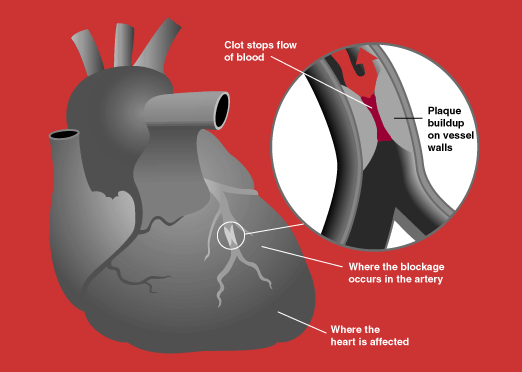


Acute coronary syndromes (ACS) encompass a spectrum of myocardial ischemia ranging from unstable angina to ST-elevation myocardial infarction (STEMI) and non-ST-elevation myocardial infarction (NSTEMI) [1]A1c[6]A1c. The term ACS is used to describe patients presenting with acute chest pain or other symptoms due to reduced blood flow to the heart.
Also Called
- Acute coronary syndrome (ACS)
- Coronary thrombosis (historical term)
Classification
The classification of ACS is based on the initial electrocardiogram (ECG) and cardiac biomarkers. The 2025 ACC/AHA guideline [1]A1c and the ROMIAE study [20]B2b define the following subtypes:
| Subtype | ECG Finding | Cardiac Biomarker | Key Management Implication |
|---|---|---|---|
| STEMI | ST-segment elevation | Elevated (troponin) | Emergent reperfusion (primary PCI) |
| NSTEMI | No ST-segment elevation | Elevated (troponin) | Early invasive strategy |
| Unstable Angina | No ST-segment elevation | Normal | Medical management; risk stratification |
STEMI indicates transmural ischemia requiring immediate reperfusion. NSTEMI and unstable angina are grouped as non-ST-elevation ACS (NSTE-ACS) [14]A1b. The distinction between NSTEMI and unstable angina rests solely on biomarker evidence of myocardial necrosis.
Other Causes of ACS Presentation
(SCAD) has emerged as an important cause of ACS, myocardial infarction, and sudden death, particularly among young women and individuals with few conventional atherosclerotic risk factors [5]D5. , characterized by acute transient left ventricular systolic dysfunction, can mimic ACS and is challenging to distinguish from acute myocardial infarction at presentation [10]D5. These non-atherosclerotic etiologies require different diagnostic and therapeutic approaches.
Pearl: The initial ECG within 10 minutes of arrival is critical to differentiate STEMI from NSTE-ACS, as the need for emergent reperfusion is time-sensitive and drives the entire management pathway [1]A1c.
Epidemiology and Risk Factors
- ▸Risk factors for type 1 and type 2 myocardial infarction are similar, including age, hyperlipidaemia, diabetes, abnormal renal function, and known coronary disease.
- ▸Prior type 2 myocardial infarction is the strongest predictor of future type 2 events (aHR 6.18).
- ▸SCAD is an important cause of ACS in young women with few traditional risk factors, linked to pregnancy, stress, and fibromuscular dysplasia.


Building on the classification into STEMI, NSTEMI, and unstable angina, the epidemiology of acute coronary syndromes (ACS) reveals distinct patterns of incidence across populations and a well-defined set of modifiable and non-modifiable risk factors. Although precise global incidence rates for ACS are not reported in the available evidence, the condition remains a leading cause of morbidity and mortality worldwide, with particularly high burden in older adults and those with established atherosclerotic disease.
Demographic Distribution
ACS disproportionately affects men, but women account for a greater proportion of type 2 myocardial infarction (MI), though after adjustment for other risk factors, sex is not an independent predictor (adjusted hazard ratio [aHR] 0.82, 95% CI 0.66-1.01) [29]B2b. (SCAD), an important cause of ACS, occurs predominantly in young women and individuals with few conventional atherosclerotic risk factors, and is associated with pregnancy, physical and emotional stress triggers, and concurrent systemic arteriopathies such as [5]D5. Age is a strong predictor: among patients enrolled in lipid-lowering trials, 8.8% of 244 090 participants were aged ≥75 years, and LDL cholesterol lowering reduced major vascular events by 26% per 1 mmol/L reduction in this older group (RR 0.74, 95% CI 0.61-0.89) [32]A1a.
Risk Factors for Type 1 and Type 2 Myocardial Infarction
Risk factors for both type 1 (plaque rupture) and type 2 (supply-demand mismatch) MI are similar, with age, hyperlipidaemia, diabetes, abnormal renal function, and known coronary disease predicting both (P < 0.05 for all) [29]B2b. The strongest predictor of a future type 2 MI is a prior history of type 2 events (aHR 6.18, 95% CI 4.70-8.12) [29]B2b. Beyond traditional risk factors, sex-specific factors are increasingly recognized: hormonal changes, pregnancy-related complications, autoimmune diseases, and treatments for transgender individuals and cancer contribute to the risk profile in women, who also experience higher rates of microvascular disease and endothelial dysfunction [13]D5.
| Risk Factor | Association with ACS | Evidence Level |
|---|---|---|
| Age | Continuous predictor (type 1 and type 2) | [29]B2b |
| Hyperlipidaemia | Predicts both type 1 and type 2 MI | [29]B2b |
| Diabetes mellitus | Predicts both type 1 and type 2 MI | [29]B2b |
| Abnormal renal function | Predicts both type 1 and type 2 MI | [29]B2b |
| Known coronary disease | Predicts both type 1 and type 2 MI | [29]B2b |
| Prior type 2 MI | Strongest predictor of future type 2 MI (aHR 6.18) | [29]B2b |
| Female sex (for SCAD) | SCAD predominates in young women | [5]D5 |
| Pregnancy, stress triggers | Associated with SCAD | [5]D5 |
Protective Interventions
Influenza vaccination in patients with ischaemic heart disease or heart failure reduces the composite of cardiovascular death, ACS, stent thrombosis, revascularization, stroke, or heart failure hospitalization (random effects HR 0.74, 95% CI 0.63-0.88, p < 0.001; NNT not calculable from reported data) [35]A1a. This suggests that infection prevention is a modifiable factor in ACS risk.
Pearl: The risk factors for type 2 MI mirror those for type 1 MI, but a prior history of type 2 events is the strongest predictor, a sixfold increased hazard, highlighting the importance of identifying and managing these patients after an initial episode [29]B2b.
Pathophysiology and Mechanism
- ▸Plaque erosion (IFC-ACS) accounts for ~25% of acute coronary syndromes and is driven by CD8+ T-lymphocyte-mediated endothelial cell death, distinct from the macrophage-driven rupture pathway [44].
- ▸Most ACS arise from nonobstructive plaques (<50% stenosis); necrotic core volume and high-risk plaque features on CTA identify patients at elevated risk beyond stenosis severity [45].
- ▸Takotsubo syndrome is a catecholamine-mediated acute cardiac condition that mimics ACS, accounting for 2-3% of all ACS presentations, with transient LV ballooning and contraction band necrosis [10,46].


The inciting event in acute coronary syndromes is plaque disruption, but the specific mechanism, rupture versus erosion, dictates the subsequent thrombotic and inflammatory response and carries distinct pathophysiological signatures [44]B2b.
Plaque Rupture and Erosion: Two Distinct Pathways
Among 170 consecutive ACS patients studied by optical coherence tomography, plaque rupture (RFC-ACS) caused 75.4% of events and intact fibrous cap erosion (IFC-ACS) caused 24.6% [44]B2b. Ruptured plaques are typically thin-cap fibroatheromas with a large necrotic core, abundant macrophages, and intraplaque hemorrhage. In contrast, eroded plaques have a thicker overlying fibrous cap, lower lipid content, less calcification, and are most often located near a coronary bifurcation [44]B2b.
At the microenvironment level, IFC-ACS culprit lesions show selective enrichment of CD4+ and CD8+ T-lymphocytes (+8.1% and +11.2%, respectively) and increased levels of the cytotoxic effector molecules granzyme A (+22.4%), perforin (+58.8%), and granulysin (+75.4%) compared with RFC plaques [44]B2b. These T-cells and their effector molecules cause endothelial cell death, a key mechanism in erosion. Disturbed laminar flow near bifurcations promotes CD8+ T-cell adhesion to endothelial cells, providing a mechanistic link to the predilection site [44]B2b.
Plaque Burden and High-Risk Features
Although ACS risk increases with percent diameter stenosis, more than 65% of patients with ACS had nonobstructive coronary artery disease at baseline [45]B3b. Among 129 culprit lesion precursors identified by coronary CTA, three-fourths exhibited <50% stenosis [45]B3b. Plaque composition matters: per mm³ increase in necrotic core volume, the adjusted hazard ratio for ACS was 1.593 (95% CI 1.219-2.082) [45]B3b. High-risk plaque features (positive remodeling, low attenuation, spotty calcification, napkin-ring sign) on CTA identify patients at elevated risk beyond stenosis severity and aggregate plaque burden [45]B3b.
Thrombosis and Myocardial Ischemia
Plaque disruption exposes subendothelial collagen and tissue factor, triggering platelet adhesion, activation, and aggregation, followed by the coagulation cascade. The resulting thrombus may cause complete occlusion (typically ST-elevation MI), subtotal occlusion (non-ST-elevation MI), or transient occlusion with spontaneous lysis (unstable angina). The downstream myocardial ischemia-reperfusion injury amplifies inflammation and can lead to microvascular obstruction, further impairing tissue perfusion.
Microvascular Dysfunction
Coronary microvascular dysfunction (CMD) plays a pivotal pathogenic role in ACS, particularly in patients with myocardial infarction with non-obstructive coronary arteries (MINOCA) and [47]D5. Functional and structural mechanisms, including abnormal dilatory responses, microvascular spasm, and extravascular compressive forces, can cause myocardial ischemia even in the absence of obstructive epicardial stenoses [47]D5. CMD also contributes to persistent angina after successful revascularization [47]D5.
Takotsubo Syndrome: A Catecholamine-Mediated Mimic
Takotsubo syndrome accounts for approximately 2-3% of all and 5-6% of female patients presenting with ACS [10]D5. It is precipitated by an endogenous catecholamine surge (epinephrine, norepinephrine) from emotional or physical stress, acting through the hypothalamic-pituitary-adrenal axis and local sympathetic nerve terminals [10]D5. The catecholamine excess leads to direct myocardial toxicity, beta-adrenoceptor-mediated damage, epicardial and microvascular vasoconstriction, and increased cardiac workload, resulting in transient apical left ventricular ballooning [46]D5. Contraction band necrosis is a histological hallmark, also seen in pheochromocytoma and [10]D5. Estrogen deprivation in postmenopausal women may facilitate the syndrome via endothelial dysfunction [46]D5.
Inflammatory and Immune Activation
Beyond the acute event, persistent immune activation influences prognosis. Neopterin, a marker of monocyte activation, is an independent predictor of heart failure hospitalization after ACS; per 1-SD increment in log(neopterin), the adjusted risk of HF increased by 34% (HR 1.34, 95% CI 1.10-1.64) [38]B2b. In Takotsubo syndrome, both pro-inflammatory (interleukin-2, interleukin-4, interleukin-8, interferon-γ, tumor necrosis factor-α) and anti-inflammatory (interleukin-10) cytokines are elevated at presentation and can remain elevated for months [10]D5.
Pearl: The distinct immune signature of plaque erosion (CD8+ T-cell cytotoxicity) versus rupture (macrophage-driven inflammation) may eventually guide tailored antithrombotic therapy; differentiation requires intravascular imaging (OCT) at the time of angiography [37]D5[44]B2b.
Clinical Presentation
- ▸ACS presents across a spectrum from unstable angina to STEMI, each requiring different urgency of intervention [1].
- ▸SCAD and Takotsubo syndrome are important mimics of atherosclerotic ACS, particularly in young women and those with emotional triggers [5][10].
- ▸Type 2 MI occurs during acute illness and is predicted by prior type 2 events, not by sex after adjustment [29].


From the pathophysiologic mechanisms of plaque rupture and erosion, the clinical presentation of acute coronary syndromes spans a spectrum of myocardial ischemia from unstable angina to ST-elevation myocardial infarction, each with distinct implications for urgent management [1]A1c.
Presenting Symptoms
The 2025 ACC/AHA guideline defines ACS as encompassing ST-elevation myocardial infarction, non-ST-elevation myocardial infarction, and unstable angina [1]A1c. The 2021 AHA/ACC chest pain guideline provides an evidence-based approach to risk stratification for patients presenting with chest pain, emphasizing that the initial evaluation must promptly identify those with suspected ACS [3]A1c. (SCAD) has emerged as an important cause of ACS, particularly among young women and individuals with few conventional atherosclerotic risk factors [5]D5. presents with acute transient left ventricular systolic dysfunction, often triggered by emotional or physical stress, and can be challenging to distinguish from acute myocardial infarction at presentation [10]D5.
Phenotypic Variants
The table below summarizes the key phenotypic variants of ACS and their distinguishing features.
| Variant | Key Features | Frequency |
|---|---|---|
| STEMI | ST-elevation on ECG, transmural ischemia, requires emergent reperfusion [1]A1c | Not reported in provided evidence |
| NSTEMI | No ST-elevation, subendocardial injury, troponin elevation [1]A1c | Not reported |
| Unstable angina | No troponin elevation, rest or accelerating symptoms [1]A1c | Not reported |
| SCAD | Young women, few risk factors, physical/emotional stress triggers [5]D5 | Not reported |
| Takotsubo syndrome | Acute LV dysfunction, emotional trigger, often mimics STEMI [10]D5 | Not reported |
| Type 2 MI | Occurs during acute illness, similar risk factors as type 1 MI, strongest predictor is prior type 2 MI [29]B2b | Not reported |
Red Flags
In patients with suspected ACS, the presence of hemodynamic instability, pulmonary edema, or signals the need for emergent revascularization. The 2025 ACC/AHA guideline provides updated recommendations for the management of these high-risk presentations [1]A1c. Additionally, the 2023 AHA/ACC guideline notes that atrial fibrillation is a common sustained arrhythmia and may complicate ACS, increasing the risk of thromboembolic events [4]A1c.
Atypical Presentations
Atypical presentations are common in certain populations. SCAD should be considered in young women, especially those with few conventional risk factors, pregnancy, or a history of [5]D5. Takotsubo syndrome often presents with chest pain and dyspnea mimicking STEMI, but with a characteristic emotional or physical stress trigger [10]D5. Type 2 myocardial infarction, triggered by acute illness, is more common in women and older patients; its strongest predictor is a prior history of type 2 events (aHR 6.18, 95% CI 4.70-8.12) [29]B2b. The 2025 ACC/AHA guideline emphasizes that recognition of these variants is critical for appropriate management [1]A1c.
Pearl: In a young woman presenting with chest pain and few atherosclerotic risk factors, consider SCAD as the cause of ACS, especially if there is a history of peripartum or emotional stress [5]D5.
Diagnosis and Workup
- ▸Diagnosis of ACS hinges on rapid ECG and serial high-sensitivity troponin; ST-elevation mandates immediate reperfusion.
- ▸In low-risk patients (HEAR ≤3), a single pre-hospital point-of-care troponin can safely rule out NSTE-ACS, reducing costs [14].
- ▸CCTA is safe and effective for low-to-intermediate-risk patients (TIMI 0-2), with a negative study conferring 0% 30-day MACE [19].


The clinical presentation of ACS, chest pain, dyspnea, diaphoresis, triggers a diagnostic pathway that must rapidly differentiate STEMI from NSTEMI and unstable angina, as the need for emergent reperfusion differs fundamentally. The workup hinges on two parallel pillars: the 12-lead ECG and serial cardiac troponin measurement, with coronary angiography serving as the definitive anatomic reference when indicated.
Electrocardiogram
A 12-lead ECG should be obtained and interpreted within 10 minutes of first medical contact. ST-segment elevation at the J point in two contiguous leads (≥1 mm in limb leads, ≥2 mm in precordial leads V2-V3) defines STEMI and mandates immediate reperfusion. The absence of ST-elevation does not exclude ischemia; dynamic ST-depression or T-wave inversion may signal NSTEMI or unstable angina. The 2025 ACC/AHA guideline emphasizes that ECG interpretation must be integrated with clinical context and serial tracings [1]A1c[6]A1c.
Cardiac Troponin
Cardiac troponin (I or T) is the gold-standard biomarker for myocardial injury. The diagnosis of acute myocardial infarction requires a rise and/or fall of troponin with at least one value above the 99th percentile upper reference limit, accompanied by evidence of myocardial ischemia (symptoms, ECG changes, imaging, or pathology). High-sensitivity troponin (hs-cTn) assays enable rapid rule-out algorithms (0/1-hour or 0/2-hour). In low-risk patients (HEAR score ≤3), a single pre-hospital point-of-care troponin measurement can safely rule out NSTE-ACS, reducing healthcare costs without increasing 30-day major adverse cardiac events (MACE: 0.5% vs 1.0% in the pre-hospital vs ED strategy; risk difference -0.5%, 95% CI -1.6% to 0.7%) [14]A1b.
Diagnostic Test Performance
| Test | Sensitivity | Specificity | PPV | NPV | Reference |
|---|---|---|---|---|---|
| Coronary CT angiography (CCTA) for 30-day MACE in low-to-intermediate-risk patients ( 0-2) | Not reported | Not reported | Not reported | 100% (0% MACE; 95% CI 0-0.57) | [19]A1b |
Imaging
Coronary CT angiography (CCTA) is recommended for low-to-intermediate-risk patients (TIMI risk score 0-2) presenting with possible ACS. In the ROMICAT II trial, a CCTA-based strategy allowed safe discharge from the emergency department in 49.6% of patients vs 22.7% with traditional care (difference 26.8 percentage points), with a shorter median length of stay (18.0 vs 24.8 hours) and higher detection of coronary disease (9.0% vs 3.5%) [19]A1b. A negative CCTA (no coronary stenosis ≥50%) carries a 30-day MACE rate of 0% (95% CI 0-0.57), supporting expedited discharge [19]A1b.
Diagnostic Algorithm
Step 1: Obtain ECG within 10 minutes. If ST-elevation, proceed to STEMI pathway. Step 2: Measure serial hs-cTn. If elevated, diagnose NSTEMI and risk-stratify ( , TIMI). Step 3: If troponin negative, assess clinical risk. Low-risk patients (HEAR ≤3) may be ruled out with a single pre-hospital POC troponin [14]A1b. Low-to-intermediate-risk patients (TIMI 0-2) benefit from CCTA; a negative study permits safe discharge [19]A1b. High-risk features (hemodynamic instability, recurrent pain, GRACE >140) warrant invasive angiography.
Differential Diagnosis
Several conditions mimic ACS and must be distinguished, particularly when troponin is elevated or ECG is abnormal:
- (SCAD): An important cause of ACS in young women and those without traditional risk factors; requires conservative management rather than aggressive revascularization [5]D5.
- : Acute transient left ventricular systolic dysfunction triggered by emotional or physical stress, often with apical ballooning; catecholamine-induced myocardial injury is the leading hypothesis [10]D5.
- : Diffuse or focal myocardial inflammation, often viral, with troponin elevation and ECG changes that may simulate infarction.
- Pulmonary embolism: Can cause chest pain, dyspnea, and troponin elevation due to right ventricular strain.
- Aortic dissection: Severe tearing chest pain radiating to the back, with possible coronary ostial involvement causing secondary ACS.
- Pericarditis: Pleuritic chest pain, diffuse ST-elevation (concave upward), PR depression, and often a pericardial rub.
Pearl: A normal hs-cTn at presentation does not exclude unstable angina or NSTEMI if symptoms are ongoing, repeat troponin at 1-3 hours is essential, and the ECG must be scrutinized for dynamic changes that may precede biomarker elevation.
Severity Staging and Risk Stratification
- ▸GRACE score >140 identifies patients who benefit from early invasive strategy.
- ▸Novel biomarkers (proenkephalin, GDF-15, ceramides) improve risk prediction beyond traditional scores.
- ▸Machine learning-based ECG analysis may outperform clinical risk scores for mortality stratification.
Following diagnosis, the next critical step is to stratify the patient's risk to guide the intensity and timing of therapy. The , with a threshold >140, identifies patients who derive mortality benefit from an early invasive strategy (HR 0.70, 95% CI 0.52-0.95) [34]A1a. Low-risk patients ( 0-2) can be safely managed with coronary computed tomographic angiography; a negative study yields 0% major adverse cardiac events at 30 days [19]A1b. The ≤3 identifies low-risk patients suitable for pre-hospital rule-out, with major adverse cardiac events of only 0.5% [14]A1b. However, an electrocardiogram-based machine learning model outperforms the HEART score, with a negative predictive value of 93.4% and sensitivity of 85.9% vs 89.0% and 75.0%, respectively [59]B2b.
Novel biomarkers refine risk prediction. The ceramide ratio Cer(d18:1/16:0)/Cer(d18:1/24:0) improves the score (net reclassification improvement 0.17, ΔAUC 0.09) [57]B2b. The KID-ACS score, integrating , predicts in-hospital acute kidney injury (AUC 0.72) and 30-day mortality (AUC 0.91) [58]B2b. The ABC-ACS ischemia score, incorporating and , has a C-index of 0.71-0.72 for 1-year cardiovascular death or myocardial infarction [56]B2b.
| Risk Score | Key Components | Outcome Predicted | Performance |
|---|---|---|---|
| KID-ACS | Age, cardiac arrest, proenkephalin, NT-proBNP, leucocyte count, glucose | In-hospital AKI, 30-day mortality | AKI AUC 0.72, mortality AUC 0.91 [58]B2b |
| ABC-ACS ischemia | Age, GDF-15, NT-proBNP, extent of CAD, previous vascular disease, Killip class, ACS type, P2Y12 inhibitor | 1-year CV death/MI | C-index 0.71-0.72 [56]B2b |
confers a >2-fold adjusted risk of coronary event recurrence within 1 year [55]B2b. A prior type 2 myocardial infarction is the strongest predictor of future type 2 events (adjusted HR 6.18) [29]B2b. The Thrombolysis In Myocardial Infarction Risk Score for Secondary Prevention and DAPT score stratify risk for antiplatelet monotherapy, but 's benefit over is consistent across risk groups [52]B2b.
Pearl: The KID-ACS score, with just six variables, simultaneously predicts in-hospital acute kidney injury and 30-day mortality, outperforming established scores.
Acute and Initial Management
- ▸Immediate DAPT (aspirin + ticagrelor or prasugrel) is the cornerstone; aspirin-free strategy is not recommended due to excess stent thrombosis.
- ▸Revascularization strategy is dictated by ECG (STEMI → primary PCI within 90 min) and risk stratification (NSTEMI → early invasive for high-risk).
- ▸High-intensity statin and ezetimibe should be started early; adding bempedoic acid in the acute phase does not improve LDL-C goal attainment.
Risk stratification immediately directs the next decision: the need for and timing of invasive coronary angiography. The 2025 ACC/AHA/ACEP/NAEMSP/SCAI guideline on ACS provides the contemporary framework for this pathway [1]A1c[6]A1c. The following algorithm outlines the acute management sequence from the moment of diagnosis.
Step 1: Immediate Pharmacotherapy
All patients with suspected ACS receive 162-325 mg chewed immediately, followed by a P2Y12 inhibitor. The 2025 guideline recommends 180 mg oral loading dose or 60 mg oral loading dose (for those undergoing PCI) as first-line agents [1]A1c[6]A1c. The STOPDAPT-3 trial (N=6002) compared an aspirin-free strategy using low-dose prasugrel (loading 20 mg, maintenance 3.75 mg/day) versus DAPT (aspirin 81-100 mg + prasugrel 3.75 mg/day) in patients with ACS or high bleeding risk undergoing PCI. At 1 month, the no-aspirin group was not superior for major bleeding (4.47% vs 4.71%; HR 0.95, 95% CI 0.75-1.20; P=0.66) and was noninferior for cardiovascular events (4.12% vs 3.69%; HR 1.12, 95% CI 0.87-1.45; Pnoninferiority=0.01), but showed an excess of subacute stent thrombosis (0.58% vs 0.17%; HR 3.40, 95% CI 1.26-9.23) [22]A1b. Therefore, DAPT with aspirin plus a P2Y12 inhibitor remains the standard of care; an aspirin-free strategy is not recommended in the acute phase.
Anticoagulation is added to DAPT in the acute setting. Choose either:
- Unfractionated (UFH) 60 IU/kg bolus (max 4000 IU) then 12 IU/kg/h infusion (max 1000 IU/h), titrated to aPTT 1.5-2.0 times control, or
- 1 mg/kg subcutaneous every 12 h (preferred for NSTEMI), or
- Bivalirudin 0.75 mg/kg bolus then 1.75 mg/kg/h for the duration of PCI (alternative for patients at high bleeding risk).
Step 2: Revascularization Strategy
For STEMI, primary PCI is the definitive therapy and should be performed within 90 minutes of first medical contact [1]A1c[6]A1c. For NSTEMI, the decision for early invasive versus selective invasive management is guided by risk stratification. The pre-hospital rule-out strategy using a point-of-care troponin measurement in low-risk patients (HEAR score ≤3) was shown to reduce healthcare costs (€1349 vs €1960; mean difference €611, 95% CI 353-869) with very low MACE in the ruled-out group (0.5% vs 1.0%; risk difference -0.5%, 95% CI -1.6%-0.7%) [14]A1b. This supports a risk-based approach to avoid unnecessary ED evaluation in low-risk patients.
Step 3: Lipid-Lowering Therapy Initiation
High-intensity statin therapy (e.g., 80 mg daily) should be started as soon as possible after ACS, regardless of baseline LDL-C. The ES-BempedACS trial (N=206) evaluated triple lipid-lowering therapy (high-intensity statin + + bempedoic acid) versus dual therapy (statin + ezetimibe) initiated within 72 hours of ACS. At 8 weeks, the proportion achieving LDL-C <55 mg/dL was 59.4% in the triple group vs 53.1% in the dual group (P=0.376); adding bempedoic acid did not improve LDL-C goal attainment [60]A1b. Therefore, initiation of high-intensity statin plus ezetimibe is recommended; bempedoic acid is not indicated in the acute phase.
Step 4: What NOT to Do in the Acute Phase
Colchicine should not be started for acute ACS. The COPS trial (N=795) randomized patients with ACS to colchicine 0.5 mg twice daily for 1 month then 0.5 mg daily for 11 months versus placebo. The primary composite outcome (all-cause mortality, ACS, urgent revascularization, stroke) occurred in 24 colchicine vs 38 placebo patients (P=0.09). Notably, all-cause death was higher in the colchicine group (8 vs 1; P=0.017), driven by noncardiovascular deaths (5 vs 0; P=0.024) [11]A1b. The 2025 guideline does not recommend colchicine for acute management.
Drug Comparison Table: Antiplatelet Options for ACS
| Drug | Loading dose | Maintenance dose | Key trial | Outcome | Evidence level |
|---|---|---|---|---|---|
| Aspirin | 162-325 mg chewed | 81-100 mg daily | Standard | Reduces early mortality | 1c (guideline) |
| Ticagrelor | 180 mg | 90 mg twice daily | PLATO | Reduced CV death vs | 1b |
| Prasugrel | 60 mg (or 20 mg in Japanese) | 10 mg daily (or 3.75 mg) | TRITON- 38; STOPDAPT-3 | Reduced ischemic events vs clopidogrel; excess stent thrombosis with aspirin-free strategy | 1b |
Controversies and Guideline Disagreement
| Question | Position A | Position B | Strength of disagreement | Implication for practice |
|---|---|---|---|---|
| Aspirin-free strategy in ACS | 2025 ACC/AHA guideline - recommends DAPT with aspirin plus P2Y12 inhibitor [1]A1c[6]A1c | STOPDAPT-3 trial - suggests low-dose prasugrel monotherapy may be noninferior for CV events but with excess stent thrombosis [22]A1b | Moderate (trial results not yet incorporated into guideline; safety signal prevents routine use) | DAPT remains standard; aspirin-free strategy is not recommended for ACS |
| Colchicine for ACS | 2025 ACC/AHA guideline - no recommendation for colchicine in acute ACS | COPS trial - no benefit and higher mortality [11]A1b | Strong (negative trial with safety concern) | Do not initiate colchicine for ACS |
Pearl: For every patient with ACS, start aspirin and a P2Y12 inhibitor (ticagrelor or prasugrel) immediately, proceed to revascularization based on ECG and risk score, and initiate high-intensity statin plus ezetimibe; do not use colchicine in the acute phase [1]A1c[6]A1c[11]A1b[22]A1b[60]A1b.
Long-term Guideline-Directed Therapy
- ▸Long-term antiplatelet therapy after ACS should transition from DAPT to clopidogrel monotherapy after 12 months; aspirin-free strategies early after PCI are not recommended due to excess stent thrombosis.
- ▸Lipid-lowering should follow a stepwise approach: high-intensity statin, add ezetimibe, then PCSK9 inhibitor if LDL-C remains ≥55 mg/dL; bempedoic acid has no early benefit.
- ▸Colchicine 0.5 mg/day reduces cardiovascular events by >30% and should be considered for all stable post-ACS patients without contraindications.
After the acute phase is stabilized, the focus shifts to long-term secondary prevention with guideline-directed medical therapy to reduce recurrent ischemic events and mortality. The 2025 ACC/AHA/ACEP/NAEMSP/SCAI Guideline for the Management of Patients With Acute Coronary Syndromes provides the framework for this chronic phase [1]A1c[6]A1c. The following steps outline the evidence-based ladder for antiplatelet, lipid-lowering, and anti-inflammatory therapy.
Step 1: Antiplatelet Therapy, DAPT Duration and Monotherapy Choice
Dual antiplatelet therapy (DAPT) with and a P2Y12 inhibitor is standard for the first 12 months after ACS, unless bleeding risk is prohibitive. After DAPT, single antiplatelet therapy is continued indefinitely. The 2025 guideline updates recommendations on DAPT duration [1]A1c[6]A1c.
- monotherapy after DAPT is an attractive alternative to aspirin. In the STOPDAPT-2 trial, clopidogrel monotherapy following 1 month of DAPT was noninferior to aspirin monotherapy following 12 months of DAPT for the primary composite endpoint (11.75% vs 13.57%; HR 0.85, 95% CI 0.70-1.05; Pnoninferiority<0.001) and superior for cardiovascular outcomes (8.61% vs 11.05%; HR 0.77, 95% CI 0.61-0.97; P=0.03) [62]A1b.
- Aspirin-free strategy with monotherapy early after PCI failed to show superiority for bleeding and was associated with excess subacute stent thrombosis (0.58% vs 0.17%; HR 3.40, 95% CI 1.26-9.23) in the STOPDAPT-3 trial [22]A1b. Therefore, initial DAPT remains mandatory.
Step 2: Lipid-Lowering Therapy, Intensive LDL-C Reduction
High-intensity statin therapy is the cornerstone. The EVOPACS trial demonstrated that adding evolocumab 420 mg SC to 40 mg in-hospital after ACS reduced LDL-C from 3.61 to 0.79 mmol/L at 8 weeks, with 95.7% of patients achieving LDL-C <1.8 mmol/L [63]A1b.
- First-line: High-intensity statin (e.g., atorvastatin 40 mg) [63]A1b.
- Second-line: Add if LDL-C remains ≥55 mg/dL.
- Third-line: Add a PCSK9 inhibitor (evolocumab or alirocumab). In ODYSSEY Outcomes, alirocumab reduced MACE (HR 0.85, 95% CI 0.78-0.93) and lowering lipoprotein(a) independently contributed to risk reduction (HR 0.994 per 1 mg/dL reduction; P=0.0081) [26]A1b. Alirocumab also reduced oxidized phospholipids on apolipoprotein B-100 (OxPL-apoB) by 13.0% and Lp(a) by 26.2%, abrogating the risk associated with elevated OxPL-apoB [12]B2b.
- Bempedoic acid: Adding bempedoic acid to statin+ezetimibe early after ACS did not improve the proportion achieving LDL-C <55 mg/dL at 8 weeks (59.4% vs 53.1%; P=0.376) [60]A1b. Its role may be reserved for later intensification.
Figure 1: Stepwise lipid-lowering algorithm after ACS (adapted from [1]A1c[6]A1c).
Step 3: Anti-Inflammatory Therapy, Colchicine
Colchicine 0.5 mg/day reduces cardiovascular events in patients with stable coronary disease. In the LoDoCo trial, colchicine reduced the primary composite outcome (ACS, out-of-hospital cardiac arrest, or noncardioembolic ischemic stroke) from 16.0% to 5.3% (HR 0.33, 95% CI 0.18-0.59; NNT=11) [25]A1b. A meta-analysis of >11,000 patients reported a >30% reduction in CV death, MI, ischemic stroke, and ischemia-driven revascularization (RR 0.63, 95% CI 0.49-0.81) [61]D5. Initiate after the acute phase once the patient is stable. Gastrointestinal intolerance occurs in ~10% of patients but is usually transient [61]D5.
Step 4: Other Risk Factor Management
- Sex-specific care: Women are less likely to receive guideline-directed therapy and have higher risk of adverse outcomes after ACS [13]D5. Ensure equitable treatment and consider microvascular disease.
- Special populations: (SCAD) requires different management, avoid aggressive antiplatelet therapy and revascularization unless necessary [5]D5. lacks evidence-based interventions; supportive care and trigger avoidance are mainstays [10]D5.
What NOT to Do
- Do not use an aspirin-free strategy with prasugrel monotherapy early after PCI; it increases stent thrombosis without reducing bleeding [22]A1b.
- Do not start colchicine in patients with advanced renal or liver disease without dose adjustment [61]D5.
- Do not routinely add bempedoic acid early after ACS; it did not improve LDL-C goal attainment [60]A1b.
Controversies and Guideline Disagreement
No major guideline disagreements were identified in the reviewed evidence. The 2025 ACC/AHA guideline [1]A1c[6]A1c provides updated recommendations that supersede prior guidelines.
Dosing Table
| Drug | Dose (from evidence) | Notes |
|---|---|---|
| Aspirin | 81-100 mg/day [22]A1b | Used in DAPT |
| Prasugrel | 3.75 mg/day [22]A1b | Japanese low dose; standard dose 10 mg not in evidence |
| Clopidogrel | Dose not specified in evidence | Standard 75 mg/day |
| Atorvastatin | 40 mg [63]A1b | High-intensity statin |
| Evolocumab | 420 mg SC [63]A1b | Every 2 weeks or monthly |
| Colchicine | 0.5 mg/day [25]A1b[61]D5 | Long-term secondary prevention |
Pearl: After ACS, initiate high-intensity statin and DAPT, then step down to clopidogrel monotherapy after 12 months; add colchicine 0.5 mg/day for anti-inflammatory benefit, and escalate to PCSK9 inhibitor if LDL-C remains above 55 mg/dL despite statin+ezetimibe.
Interventional and Device Therapy
- ▸Early invasive strategy for NSTE-ACS reduces recurrent ischemia but not mortality; conservative approach is reasonable in patients with prior CABG.
- ▸FFR-guided PCI for intermediate lesions reduces cardiac death or MI compared to medical therapy.
- ▸Post-PCI antiplatelet de-escalation and early aspirin cessation reduce bleeding without increasing ischemic events in selected patients.
While guideline-directed medical therapy provides the long-term foundation, the management of ACS is defined by procedural decisions on revascularization, who, when, and how.
Step 1: Revascularization Decision
The 2025 ACC/AHA/ACEP/NAEMSP/SCAI guideline recommends immediate primary PCI for STEMI with a goal of ≤120 minutes from first medical contact [1]A1c. For NSTE-ACS, an early invasive strategy (≤24 hours) is indicated for high-risk patients (refractory ischemia, hemodynamic instability, score >140). A meta-analysis of 17 RCTs (n=10,209) found that early invasive strategy did not reduce all-cause mortality (RR 0.90, 95% CI 0.78-1.04) or MI, but reduced recurrent ischemia (RR 0.57, 95% CI 0.40-0.81) and length of stay (median difference -22 hours) [68]A1a.
In patients with prior , a meta-analysis of 11 RCTs (n=897) found no benefit of routine invasive over conservative strategy for all-cause mortality (RR 1.12, 95% CI 0.97-1.29) or cardiac mortality (RR 1.05, 95% CI 0.70-1.58) [67]A1a. A conservative approach is reasonable in this subgroup unless high-risk features are present.
Step 2: Percutaneous Coronary Intervention (PCI), Technique and Timing
For intermediate coronary lesions, fractional flow reserve (FFR)-guided PCI reduces the composite of cardiac death or MI compared to medical therapy (HR 0.72, 95% CI 0.54-0.96; driven by MI reduction; NNT not calculable from reported data) [69]A1a. In selected patients undergoing elective PCI, same-day discharge is safe: a meta-analysis of 37 studies (n=12,803) showed no difference in death/MI/TLR (OR 0.90, 95% CI 0.43-1.87) or major bleeding (OR 1.69, 95% CI 0.84-3.40) compared to overnight observation [65]B2a.
Step 3: Antiplatelet Therapy After PCI
Post-PCI antiplatelet strategy is integral to the interventional plan. The Academic Research Consortium defines modulation strategies, de-escalation, escalation, and monotherapy [64]D5. An individual patient meta-analysis of 4 RCTs (n=10,133) showed that de-escalation of potent P2Y12 inhibitor reduced ischemic (2.3% vs 3.0%, HR 0.761, 95% CI 0.597-0.972) and bleeding events (6.5% vs 9.1%, HR 0.701, 95% CI 0.606-0.811) [66]A1a.
Early cessation is supported by the T-PASS trial (n=2850), which demonstrated that stopping aspirin within 1 month (median 16 days) for 90 mg twice daily monotherapy was superior to 12-month DAPT for net clinical benefit (2.8% vs 5.2%, HR 0.54, 95% CI 0.37-0.80; NNT = 42), primarily due to reduced major bleeding (1.2% vs 3.4%, HR 0.35, 95% CI 0.20-0.61; NNT = 46) [70]A1b.
For long-term monotherapy, the HOST-EXAM Extended study (n=5438) showed that 75 mg daily was superior to aspirin 100 mg daily for the composite of death, MI, stroke, ACS readmission, and major bleeding (12.8% vs 16.9%, HR 0.74, 95% CI 0.63-0.86; NNT = 24) over 5.8 years [24]A1b. This benefit was consistent across risk subgroups [52]B2b. However, the STOPDAPT-3 trial (n=6002) found that an aspirin-free strategy with 3.75 mg/day followed by clopidogrel monotherapy was associated with excess stent thrombosis (0.58% vs 0.17%, HR 3.40, 95% CI 1.26-9.23) compared to DAPT [22]A1b. At 1 year, aspirin vs clopidogrel monotherapy after 1-month DAPT showed similar outcomes (HR 1.00 for cardiovascular, 1.02 for bleeding) [31]A1b.
Step 4: (CABG)
For multivessel disease, especially with left main or proximal LAD involvement, CABG may be preferred over PCI. Hybrid revascularization (culprit PCI followed by CABG for non-culprit vessels) is an option but requires careful management of DAPT interruption [71]D5.
Special Populations: (SCAD)
SCAD accounts for up to 4% of ACS, particularly in young women. Conservative management is preferred; PCI carries risk of propagation. Revascularization is reserved for ongoing ischemia or hemodynamic instability [5]D5.
What NOT to Do
Do not routinely use colchicine in ACS; the COPS trial (n=795) showed no significant benefit and higher all-cause mortality (8 vs 1 death, P=0.017) [11]A1b. Do not use an aspirin-free strategy with prasugrel alone due to increased stent thrombosis [22]A1b.
No major guideline disagreements identified in the reviewed evidence.
Pearl: For NSTE-ACS, early invasive strategy reduces recurrent ischemia but not mortality; in patients with prior CABG, a conservative approach is reasonable. After PCI, consider de-escalation or early aspirin cessation to reduce bleeding, the T-PASS trial supports ticagrelor monotherapy after 1 month, and HOST-EXAM supports clopidogrel monotherapy long-term.
| Strategy | Regimen | Key Trial | Outcome | Evidence Level |
|---|---|---|---|---|
| De-escalation | Switch from potent P2Y12 inhibitor to clopidogrel | Meta-analysis (n=10,133) [66]A1a | Ischemic: 2.3% vs 3.0% (HR 0.761); Bleeding: 6.5% vs 9.1% (HR 0.701) | 1a |
| Early aspirin cessation | Ticagrelor 90 mg BID after ≤1 month DAPT | T-PASS (n=2850) [70]A1b | Net clinical benefit: 2.8% vs 5.2% (HR 0.54); Major bleeding: 1.2% vs 3.4% (HR 0.35) | 1b |
| Long-term monotherapy | Clopidogrel 75 mg daily vs aspirin 100 mg daily | HOST-EXAM (n=5438) [24]A1b | Primary endpoint: 12.8% vs 16.9% (HR 0.74); NNT=24 | 1b |
| Aspirin-free prasugrel | Prasugrel 3.75 mg/day monotherapy after 1 month | STOPDAPT-3 (n=6002) [22]A1b | No superiority for bleeding; excess stent thrombosis (HR 3.40) | 1b |
History and Evolution of Treatment
- ▸Early PCSK9 inhibition with evolocumab achieves LDL-C <1.8 mmol/L in >95% of ACS patients by 8 weeks [63].
- ▸Colchicine is not recommended for routine use in ACS due to lack of clinical benefit and excess mortality in the COPS trial [11], despite plaque-stabilizing effects on OCT [48].
The evolution of pharmacotherapy for ACS has paralleled advances in revascularization, with landmark trials progressively refining antiplatelet, lipid-lowering, and anti-inflammatory strategies. The 2025 ACC/AHA/ACEP/NAEMSP/SCAI Guideline for the Management of Patients With Acute Coronary Syndromes incorporates new evidence since the 2013 STEMI guideline, the 2014 NSTE-ACS guideline, and the 2015 focused update on primary PCI, and retires the 2016 focused update on dual antiplatelet therapy (DAPT) duration [1]A1c[6]A1c. This section traces the evidentiary origin of current standards and highlights therapies that were abandoned or refined.
Antiplatelet Therapy: From to DAPT and Beyond
Aspirin was the historical cornerstone. The addition of a P2Y12 inhibitor ( , , ) became standard after trials showing reduced ischemic events. The optimal duration and composition of DAPT have been intensely studied. The STOPDAPT-3 trial tested an aspirin-free strategy using low-dose prasugrel (3.75 mg/day) monotherapy versus DAPT with aspirin plus prasugrel in 6002 patients with ACS or high bleeding risk. At 1 month, the no-aspirin group was not superior for major bleeding (4.47% vs 4.71%; HR 0.95, 95% CI 0.75-1.20; P=0.66) and was noninferior for cardiovascular events (4.12% vs 3.69%; HR 1.12, 95% CI 0.87-1.45; Pnoninferiority=0.01). However, there was an excess of subacute stent thrombosis (0.58% vs 0.17%; HR 3.40, 95% CI 1.26-9.23) and unplanned revascularization [22]A1b. This safety signal prevented adoption of an aspirin-free strategy early after PCI.
Long-term monotherapy choices have shifted. The HOST-EXAM Extended study followed 5438 patients who had completed 12±6 months of DAPT without events and were randomized to clopidogrel 75 mg once daily or aspirin 100 mg once daily. Over a median 5.8 years, the primary composite endpoint occurred in 12.8% of the clopidogrel group vs 16.9% of the aspirin group (HR 0.74, 95% CI 0.63-0.86; P<0.001; NNT=24). Clopidogrel also reduced thrombotic events (7.9% vs 11.9%; HR 0.66, 95% CI 0.55-0.79) and bleeding (4.5% vs 6.1%; HR 0.74, 95% CI 0.57-0.94) [24]A1b. Similarly, STOPDAPT-2 compared clopidogrel monotherapy after 1 month of DAPT versus aspirin monotherapy after 12 months of DAPT; over 5 years, clopidogrel was noninferior and superior for cardiovascular outcomes (8.61% vs 11.05%; HR 0.77, 95% CI 0.61-0.97; P=0.03) [62]A1b. These trials support clopidogrel as the preferred long-term monotherapy over aspirin.
Lipid-Lowering Therapy: , , and
High-intensity statin therapy became standard after ACS. The 2025 guideline recommends an LDL-C target <55 mg/dL [1]A1c[6]A1c. The EVOPACS trial randomized 308 patients hospitalized for ACS to evolocumab 420 mg subcutaneously or placebo, on top of 40 mg. At 8 weeks, mean LDL-C fell from 3.61 to 0.79 mmol/L in the evolocumab group vs 3.42 to 2.06 mmol/L in placebo (difference -; 95% CI -45.2 to -36.2; P<0.001). 95.7% of evolocumab-treated patients achieved LDL-C <1.8 mmol/L vs 37.6% with placebo [63]A1b. This established the feasibility and safety of early PCSK9 inhibition.
The ODYSSEY OUTCOMES trial (18,924 patients) showed that alirocumab reduced major adverse cardiovascular events (MACE) by 15% (HR 0.85, 95% CI 0.78-0.93) over a median 2.8 years [26]A1b. Alirocumab also lowered lipoprotein(a) by 5.0 mg/dL (IQR 0-13.5), and each 1 mg/dL reduction in Lp(a) independently predicted lower MACE risk (HR 0.994, 95% CI 0.990-0.999; P=0.0081) [26]A1b. Furthermore, achieved apolipoprotein B levels ≤35 mg/dL were associated with lower residual risk, even after adjusting for LDL-C [23]B2b.
In contrast, the ES-BempedACS trial tested triple lipid-lowering therapy (high-intensity statin + ezetimibe + bempedoic acid) versus dual therapy (statin + ezetimibe) in 206 patients within 72 hours of ACS. At 8 weeks, the proportion achieving LDL-C <55 mg/dL was 59.4% vs 53.1% (P=0.376), and the percentage change in LDL-C was similar (57.5% vs 56.9%; P=0.823) [60]A1b. Adding bempedoic acid did not improve goal attainment, though it was safe.
Anti-Inflammatory Therapy: Colchicine
Colchicine emerged from the observation that neutrophil activation contributes to plaque instability. In stable coronary disease, the LoDoCo trial (532 patients) showed that colchicine 0.5 mg/day reduced the composite of ACS, cardiac arrest, or stroke from 16.0% to 5.3% (HR 0.33, 95% CI 0.18-0.59; P<0.001; NNT=11) [25]A1b. However, in the acute setting, the COPS trial (795 patients with ACS) found no significant reduction in the primary composite endpoint (24 events vs 38; P=0.09) and a higher rate of total death (8 vs 1; P=0.017) and noncardiovascular death (5 vs 0; P=0.024) with colchicine 0.5 mg twice daily for 1 month then 0.5 mg daily [11]A1b. This safety concern tempered enthusiasm for routine use in ACS. Mechanistically, the COLOCT trial (128 patients) demonstrated that colchicine 0.5 mg daily for 12 months increased minimal fibrous cap thickness by 34.2 μm (95% CI 9.7-58.6; P=0.006) and reduced lipid arc and macrophage extension on optical coherence tomography [48]A1b, providing a plausible plaque-stabilizing effect.
Controversies and Guideline Disagreement
| Question | Position A | Position B | Strength | Implication |
|---|---|---|---|---|
| Aspirin-free strategy early after PCI | STOPDAPT-3: not superior for bleeding, excess stent thrombosis [22]A1b | Some observational data support prasugrel monotherapy | Moderate | Aspirin-free strategy not recommended early after PCI |
| Colchicine in ACS | COPS: no benefit, higher mortality [11]A1b | COLOCT: plaque stabilization [48]A1b; LoDoCo: benefit in stable CAD [25]A1b | Weak | Colchicine not routinely indicated in ACS; may have role in stable CAD |
| Triple vs dual LLT early after ACS | ES-BempedACS: no difference in LDL-C goal [60]A1b | Guideline recommends stepwise intensification [1]A1c[6]A1c | Moderate | Bempedoic acid not first-line early after ACS |
Pearl: The evolution of ACS pharmacotherapy is marked by the shift from aspirin monotherapy to clopidogrel monotherapy for long-term prevention (NNT=24 over 5.8 years) [24]A1b, the early use of PCSK9 inhibitors to achieve LDL-C <55 mg/dL [63]A1b, and the abandonment of routine aspirin-free strategies early after PCI due to excess stent thrombosis [22]A1b.
| Trial | Population | Intervention | Key Result | Impact on Practice |
|---|---|---|---|---|
| STOPDAPT-3 [22]A1b | 6002 ACS or high bleeding risk | Prasugrel monotherapy vs DAPT | No superiority for bleeding; excess stent thrombosis (HR 3.40) | Aspirin-free strategy not adopted early after PCI |
| HOST-EXAM Extended [24]A1b | 5438 post-PCI, event-free after 12±6 mo DAPT | Clopidogrel vs aspirin monotherapy | Primary endpoint 12.8% vs 16.9% (HR 0.74; NNT=24) | Clopidogrel preferred over aspirin for long-term monotherapy |
| EVOPACS [63]A1b | 308 ACS patients | Evolocumab 420 mg SC vs placebo + atorvastatin 40 mg | LDL-C 0.79 vs 2.06 mmol/L at 8 wk; 95.7% achieved target | Early PCSK9 inhibitor use feasible and effective |
| ODYSSEY OUTCOMES [26]A1b | 18,924 post-ACS | Alirocumab vs placebo | MACE HR 0.85; Lp(a) reduction independently predictive | PCSK9 inhibitors reduce MACE and Lp(a) |
| COPS [11]A1b | 795 ACS | Colchicine 0.5 mg BID→daily vs placebo | No significant benefit; higher total death (8 vs 1) | Colchicine not recommended in ACS |
| COLOCT [48]A1b | 128 ACS with lipid-rich plaque | Colchicine 0.5 mg daily vs placebo | Increased fibrous cap thickness by 34.2 μm | Mechanistic support but clinical benefit unproven |
| ES-BempedACS [60]A1b | 206 ACS | Triple LLT vs dual LLT | LDL-C <55 mg/dL: 59.4% vs 53.1% (P=0.376) | Bempedoic acid not superior early after ACS |
Complications
- ▸Major bleeding after ACS revascularization is reduced by ticagrelor monotherapy after <1 month DAPT (NNT ≈ 45 for preventing one major bleed) [70].
- ▸Contrast-induced nephropathy complicates 30.5% of angiograms in at-risk patients; a 5-day course of inorganic nitrate 12 mmol daily reduces this to 9.1% (NNT ≈ 5) [73].
- ▸Colchicine 0.5 mg/day is not recommended in ACS due to increased mortality [11]; its benefit in stable CAD (NNT=11) does not apply [25].

Advances in antithrombotic and revascularization strategies have shifted the complication profile of ACS from exclusive focus on ischemic events to a dual burden of ischemia and iatrogenic harm, particularly bleeding and contrast-associated kidney injury.
Bleeding Complications
Major bleeding remains the most common iatrogenic complication after ACS revascularization. In the T-PASS trial, monotherapy after <1 month of dual antiplatelet therapy (DAPT) reduced major bleeding from 3.4% to 1.2% (HR 0.35, 95% CI 0.20-0.61; P<0.001; NNT ≈ 45) [70]A1b. Conversely, an -free strategy with monotherapy in STOPDAPT-3 failed to reduce major bleeding (4.47% vs 4.71%; P=0.66) and was associated with excess subacute stent thrombosis (0.58% vs 0.17%; HR 3.40, 95% CI 1.26-9.23) [22]A1b. Twice-daily aspirin dosing in patients with diabetes or high-risk aspirin resistance did not lower MACE (7.7% vs 8.8%; HR 0.90, 95% CI 0.69-1.19) and did not increase major bleeding (1.9% vs 2.1%) [74]A1b.
Contrast-Induced Nephropathy
Contrast-induced nephropathy (CIN) complicates 30.5% of coronary angiograms in at-risk ACS patients (mean age 71 years, 56% with CKD). In the NITRATE-CIN trial, a 5-day course of inorganic nitrate 12 mmol daily reduced CIN to 9.1% (OR 0.21, 95% CI 0.13-0.34; P<0.001; NNT ≈ 5) and also lowered procedural myocardial infarction (2.7% vs 12.5%) and 1-year MACE (9.1% vs 18.1%) [73]A1b.
Pharmacotherapy Adverse Effects
Colchicine 0.5 mg twice daily then 0.5 mg daily in ACS was associated with a higher rate of total death (8 vs 1; P=0.017) and noncardiovascular death (5 vs 0; P=0.024) compared with placebo [11]A1b. In stable CAD, colchicine 0.5 mg/day reduced cardiovascular events (5.3% vs 16.0%; HR 0.33, 95% CI 0.18-0.59; NNT = 11) but 11% of patients withdrew within 30 days due to intestinal intolerance [25]A1b. These data underscore that colchicine should not be used in the acute phase of ACS.
The 2025 ACC/AHA guideline provides comprehensive recommendations for respiratory monitoring, autonomic complications, DVT/PE prophylaxis, pain management, rehabilitation, and hospital-acquired complications (pneumonia, pressure injury, UTI) [1]A1c[6]A1c; the evidence available here focuses on the most common iatrogenic complications.
| Complication | Frequency | Prevention | Management |
|---|---|---|---|
| Major bleeding (DAPT) | 3.4% at 1 year [70]A1b | Ticagrelor monotherapy after <1 month DAPT reduced to 1.2% [70]A1b; prasugrel monotherapy not superior [22]A1b | Hold antiplatelet, transfuse per guidelines |
| Contrast-induced nephropathy | 30.5% in at-risk patients [73]A1b | Inorganic nitrate 12 mmol daily for 5 days reduced to 9.1% [73]A1b | IV fluids, monitor creatinine |
| Colchicine GI intolerance | 11% withdrawal [25]A1b | Avoid colchicine in ACS; higher mortality [11]A1b | Discontinue |
| Stent thrombosis (aspirin-free) | 0.58% vs 0.17% with DAPT [22]A1b | Maintain DAPT unless high bleeding risk [22]A1b | Urgent revascularization |
Pearl: The most impactful modifiable complication is contrast-induced nephropathy, a 5-day course of inorganic nitrate cuts risk by two-thirds, with an NNT of 5 [73]A1b.
Prognosis and Natural History
- ▸Achieved apoB ≤35 mg/dL and sustained intensive BP control (SBP <130 mm Hg) are key modifiable predictors of lower long-term MACE risk after ACS.
- ▸Antiplatelet de-escalation (guided or unguided) reduces both ischaemic and bleeding endpoints; early ticagrelor monotherapy after <1 month DAPT reduces net clinical events primarily by lowering major bleeding.
- ▸Women, patients with SCAD, and those with high-risk OSA (heart rate acceleration >9.4 bpm or hypoxic burden >87.1% min/h) represent subgroups with distinct prognostic trajectories requiring tailored management.
Despite advances in acute management, the long-term prognosis after ACS remains shaped by residual ischaemic and bleeding risks, as well as the effectiveness of secondary prevention. Without treatment, ACS carries high mortality, but contemporary data focus on risk reduction with guideline-directed therapy.
Long-Term Outcomes After Guideline-Directed Therapy
With optimal medical therapy, event rates are substantially reduced but residual risk persists. The absolute risk reduction depends on the agent and patient profile:
| Intervention | Outcome | Absolute Risk Reduction (ARR) | HR (95% CI) | NNT |
|---|---|---|---|---|
| / vs simvastatin (IMPROVE-IT) [21]A1a | Primary composite at 7 years | 1.8% | 0.90 (0.84-0.96) | 56 |
| Evolocumab vs placebo (FOURIER) [21]A1a | Primary composite at 2.2 years | 1.5% | 0.80 (0.73-0.88) | 67 |
| Alirocumab vs placebo (ODYSSEY OUTCOMES) [21]A1a | Primary composite at 2.8 years | 1.6% | 0.86 (0.79-0.93) | 63 |
| vs monotherapy (HOST-EXAM) [24]A1b | Primary composite at 5.8 years | 4.1% | 0.74 (0.63-0.86) | 24 |
Antiplatelet de-escalation (guided or unguided) reduced both ischaemic (2.3% vs 3.0%, HR 0.76) and bleeding events (6.5% vs 9.1%, HR 0.70) at 1 year [66]A1a. Early invasive strategy in NSTE-ACS reduced recurrent ischaemia (RR 0.57) but not mortality or MI [68]A1a.
Predictors of Outcomes
- Apolipoprotein B: Baseline and achieved apoB levels predict MACE independently of LDL-C. Achieving apoB ≤35 mg/dL is associated with lowest risk [23]B2b.
- Lipoprotein(a): Baseline Lp(a) and on-treatment reductions independently predict MACE; a 1 mg/dL reduction with alirocumab gave HR 0.994 (95% CI 0.990-0.999) [26]A1b.
- score: High-risk patients (≥140) may benefit from early invasive strategy, though data remain limited [68]A1a.
- OSA phenotype: High-risk OSA (heart rate acceleration >9.4 bpm or hypoxic burden >87.1% min/h) identifies patients who benefit from CPAP for cardiovascular prevention [30]A1a.
- Sex: Women, especially young women, have worse prognosis due to underdiagnosis, less guideline-directed therapy, and differences in pathophysiology [13]D5.
- SCAD: High rates of recurrent SCAD, associated with , pregnancy, and emotional stress [5]D5.
Bleeding Risk and Net Clinical Benefit
De-escalation strategies consistently reduce bleeding without increasing ischaemic events [66]A1a[70]A1b. Twice-daily aspirin did not reduce MACE in patients with diabetes or high risk of aspirin resistance (7.7% vs 8.8%, HR 0.90) [74]A1b. Colchicine 0.5 mg/day for secondary prevention in stable CAD reduced events (HR 0.33) [25]A1b but was associated with higher mortality in acute ACS [11]A1b.
Pearl: The strongest modifiable predictors of long-term outcome after ACS are achieved apoB ≤35 mg/dL, sustained intensive BP control (SBP <130 mm Hg) [28]A1b, and an antiplatelet regimen that balances ischaemic and bleeding risk, guided de-escalation or early monotherapy can achieve this.
Special Populations and Prevention
- ▸Elderly patients benefit from intensive BP targets (<130 mm Hg) but prasugrel 5 mg does not improve outcomes over clopidogrel and may increase bleeding.
- ▸SCAD is a common cause of ACS in pregnancy and the postpartum period; conservative management is preferred over PCI.
- ▸Influenza vaccination, colchicine 0.5 mg/day, and extended DAPT with ticagrelor 60 mg BID or rivaroxaban 2.5 mg BID reduce recurrent cardiovascular events in secondary prevention.
Following the natural history of ACS, management must be tailored in populations where presentation, risk-benefit calculus, and treatment thresholds differ. The 2023 AHA/ACC Guideline for Chronic Coronary Disease provides recommendations for special populations [2]A1c[8]A1c.
Elderly Patients
The STEP trial of 8511 hypertensive patients demonstrated that intensive SBP lowering to 110-<130 mm Hg reduced the primary composite outcome (stroke, ACS, heart failure, revascularization, , or CV death) compared with standard target 130-<150 mm Hg, with an incidence of 1.12% vs 1.33% per year (HR 0.82, 95% CI 0.71-0.96) over 6.1 years [28]A1b. Hypotension occurred more frequently with intensive treatment [28]A1b.
For antiplatelet therapy, the Elderly ACS 2 trial compared 5 mg daily with 75 mg daily in 1443 patients >74 years (mean age 80) undergoing PCI after ACS. The primary composite (mortality, MI, disabling stroke, rehospitalization for CV causes or bleeding) occurred in 17% vs 16.6% (HR 1.007, P=0.955), but stent thrombosis trended lower with prasugrel (0.7% vs 1.9%, OR 0.36, P=0.06) [79]A1b. Bleeding (BARC ≥2) was numerically higher with prasugrel (4.1% vs 2.7%, P=0.18) [79]A1b. Thus, prasugrel 5 mg offers no net benefit over clopidogrel in this age group.
Pregnancy and Postpartum
(SCAD) is a leading cause of ACS in young women, particularly during pregnancy and the postpartum period [5]D5. SCAD is associated with and emotional stress triggers [5]D5. Management differs from atherosclerotic ACS: conservative therapy is preferred in stable patients, as PCI carries high risk of propagation [5]D5. Women with SCAD have high rates of recurrent dissection [5]D5. Sex-specific differences in ACS presentation are well documented: women are more prone to microvascular disease and endothelial dysfunction, receive less guideline-directed therapy, and have worse outcomes at young age [13]D5.
Immunocompromised Patients
Data on ACS management in immunocompromised patients are limited. Autoimmune diseases contribute to sex-specific risk [13]D5. Standard guideline-directed therapy should be applied, with attention to drug interactions and atypical presentations.
Secondary Prevention
| Strategy | Dose | Efficacy | Safety | Key Trial |
|---|---|---|---|---|
| Influenza vaccine | Single dose inactivated | Major CV events 9.5% vs 19.3% (unadjusted HR 0.70, 95% CI 0.57-0.86) [82]A1b | No significant adverse events [82]A1b | Phrommintikul 2011 [82]A1b |
| Colchicine | 0.5 mg/day | Primary composite 5.3% vs 16.0% (HR 0.33, 95% CI 0.18-0.59; NNT=11) [25]A1b | Intestinal intolerance leading to withdrawal in 11% [25]A1b | LoDoCo [25]A1b |
| 60 mg twice daily | CV death/MI/stroke 7.77% vs 9.04% (HR 0.84, 95% CI 0.74-0.95) [84]A1b | major bleeding 2.30% vs 1.06% (P<0.001) [84]A1b | PEGASUS-TIMI 54 [84]A1b | |
| 2.5 mg twice daily | CV death 2.7% vs 4.1% (P=0.002); all-cause death 2.9% vs 4.5% (P=0.002) [85]A1b | Major bleeding 2.1% vs 0.6% (P<0.001); intracranial hemorrhage 0.6% vs 0.2% (P=0.009) [85]A1b | ATLAS ACS 2-TIMI 51 [85]A1b | |
| DAPT ≤30 days | + clopidogrel | Recurrent stroke RR 0.71 (95% CI 0.63-0.81) [75]A1a | Major bleeding RR 2.17 (95% CI 1.45-3.25); if ≤30 days and no ticagrelor, bleeding comparable to monotherapy (RR 1.42, 95% CI 0.77-2.60) [75]A1a | Trifan meta-analysis [75]A1a |
Text message-based programs (TEXTMEDS) did not improve medication adherence (RR 0.93, P=0.15) but had small effects on lifestyle factors [77]A1b.
Pearl: In elderly patients, intensive BP control to <130 mm Hg systolic improves outcomes, but prasugrel 5 mg offers no advantage over clopidogrel; for secondary prevention, influenza vaccination, colchicine 0.5 mg/day, and extended DAPT with ticagrelor or rivaroxaban reduce events at the cost of increased bleeding.
References
- [1]
Rao SV, O'Donoghue ML, Ruel M et al.. “2025 ACC/AHA/ACEP/NAEMSP/SCAI Guideline for the Management of Patients With Acute Coronary Syndromes: A Report of the American College of Cardiology/American Heart Association Joint Committee on Clinical Practice Guidelines.” Circulation (2025). PMID: 40014670 ↗
L1GUIDELINECited in: Definition, Classification and Nomenclature, Clinical Presentation, Diagnosis and Workup, Acute and Initial Management, Long-term Guideline-Directed Therapy, Interventional and Device Therapy, History and Evolution of Treatment, Complications, Prognosis and Natural History - [2]
Virani SS, Newby LK, Arnold SV et al.. “2023 AHA/ACC/ACCP/ASPC/NLA/PCNA Guideline for the Management of Patients With Chronic Coronary Disease: A Report of the American Heart Association/American College of Cardiology Joint Committee on Clinical Practice Guidelines.” Circulation (2023). PMID: 37471501 ↗
L1GUIDELINECited in: Definition, Classification and Nomenclature, Clinical Presentation, Diagnosis and Workup, Acute and Initial Management, Long-term Guideline-Directed Therapy, History and Evolution of Treatment, Prognosis and Natural History, Special Populations and Prevention - [3]
Gulati M, Levy PD, Mukherjee D et al.. “2021 AHA/ACC/ASE/CHEST/SAEM/SCCT/SCMR Guideline for the Evaluation and Diagnosis of Chest Pain: A Report of the American College of Cardiology/American Heart Association Joint Committee on Clinical Practice Guidelines.” Circulation (2021). PMID: 34709879 ↗
L1GUIDELINECited in: Definition, Classification and Nomenclature, Pathophysiology and Mechanism, Clinical Presentation, Diagnosis and Workup, Acute and Initial Management, Long-term Guideline-Directed Therapy, History and Evolution of Treatment - [4]
Joglar JA, Chung MK, Armbruster AL et al.. “2023 ACC/AHA/ACCP/HRS Guideline for the Diagnosis and Management of Atrial Fibrillation: A Report of the American College of Cardiology/American Heart Association Joint Committee on Clinical Practice Guidelines.” Circulation (2023). PMID: 38033089 ↗
L1GUIDELINECited in: Definition, Classification and Nomenclature, Epidemiology and Risk Factors, Clinical Presentation, Diagnosis and Workup, Acute and Initial Management, Long-term Guideline-Directed Therapy, Interventional and Device Therapy, History and Evolution of Treatment - [5]
Hayes SN, Kim ESH, Saw J et al.. “Spontaneous Coronary Artery Dissection: Current State of the Science: A Scientific Statement From the American Heart Association.” Circulation (2018). PMID: 29472380 ↗
L5GUIDELINECited in: Definition, Classification and Nomenclature, Epidemiology and Risk Factors, Clinical Presentation, Diagnosis and Workup, Severity Staging and Risk Stratification, Acute and Initial Management, Long-term Guideline-Directed Therapy, Interventional and Device Therapy, History and Evolution of Treatment, Prognosis and Natural History, Special Populations and Prevention - [6]
Rao SV, O'Donoghue ML, Ruel M et al.. “2025 ACC/AHA/ACEP/NAEMSP/SCAI Guideline for the Management of Patients With Acute Coronary Syndromes: A Report of the American College of Cardiology/American Heart Association Joint Committee on Clinical Practice Guidelines.” Journal of the American College of Cardiology (2025). PMID: 40013746 ↗
L1GUIDELINECited in: Definition, Classification and Nomenclature, Clinical Presentation, Diagnosis and Workup, Acute and Initial Management, Long-term Guideline-Directed Therapy, Interventional and Device Therapy, History and Evolution of Treatment, Complications, Prognosis and Natural History - [7]
Joglar JA, Chung MK, Armbruster AL et al.. “2023 ACC/AHA/ACCP/HRS Guideline for the Diagnosis and Management of Atrial Fibrillation: A Report of the American College of Cardiology/American Heart Association Joint Committee on Clinical Practice Guidelines.” Journal of the American College of Cardiology (2023). PMID: 38043043 ↗
L1GUIDELINECited in: Definition, Classification and Nomenclature, Epidemiology and Risk Factors, Clinical Presentation, Diagnosis and Workup, Acute and Initial Management, Long-term Guideline-Directed Therapy, Interventional and Device Therapy, History and Evolution of Treatment - [8]
Virani SS, Newby LK, Arnold SV et al.. “2023 AHA/ACC/ACCP/ASPC/NLA/PCNA Guideline for the Management of Patients With Chronic Coronary Disease: A Report of the American Heart Association/American College of Cardiology Joint Committee on Clinical Practice Guidelines.” Journal of the American College of Cardiology (2023). PMID: 37480922 ↗
L1GUIDELINECited in: Definition, Classification and Nomenclature, Acute and Initial Management, Long-term Guideline-Directed Therapy, History and Evolution of Treatment, Prognosis and Natural History, Special Populations and Prevention - [9]
Gulati M, Levy PD, Mukherjee D et al.. “2021 AHA/ACC/ASE/CHEST/SAEM/SCCT/SCMR Guideline for the Evaluation and Diagnosis of Chest Pain: A Report of the American College of Cardiology/American Heart Association Joint Committee on Clinical Practice Guidelines.” Journal of the American College of Cardiology (2021). PMID: 34756653 ↗
L1GUIDELINECited in: Definition, Classification and Nomenclature, Clinical Presentation, Diagnosis and Workup, Acute and Initial Management, Long-term Guideline-Directed Therapy, History and Evolution of Treatment - [10]
Singh T, Khan H, Gamble DT et al.. “Takotsubo Syndrome: Pathophysiology, Emerging Concepts, and Clinical Implications.” Circulation (2022). PMID: 35344411 ↗
L5RCTCited in: Definition, Classification and Nomenclature, Pathophysiology and Mechanism, Clinical Presentation, Diagnosis and Workup, Acute and Initial Management, Long-term Guideline-Directed Therapy, Complications - [11]
Tong DC, Quinn S, Nasis A et al.. “Colchicine in Patients With Acute Coronary Syndrome: The Australian COPS Randomized Clinical Trial.” Circulation (2020). PMID: 32862667 ↗
L1RCTCited in: Definition, Classification and Nomenclature, Clinical Presentation, Diagnosis and Workup, Acute and Initial Management, Interventional and Device Therapy, History and Evolution of Treatment, Complications, Prognosis and Natural History - [12]
Tsimikas S, Szarek M, Cobbaert CM et al.. “Oxidized Phospholipids, Lipoprotein(a), and Cardiovascular Outcomes After Acute Coronary Syndrome.” Circulation (2025). PMID: 41321238 ↗
L2RCTCited in: Definition, Classification and Nomenclature, Clinical Presentation, Diagnosis and Workup, Long-term Guideline-Directed Therapy, History and Evolution of Treatment, Complications - [13]
Manfrini O, Tousoulis D, Antoniades C et al.. “Sex and gender differences in coronary pathophysiology and ischaemic heart disease.” European heart journal (2026). PMID: 41571335 ↗
L5RCTCited in: Definition, Classification and Nomenclature, Epidemiology and Risk Factors, Pathophysiology and Mechanism, Severity Staging and Risk Stratification, Acute and Initial Management, Long-term Guideline-Directed Therapy, Prognosis and Natural History, Special Populations and Prevention - [14]
Camaro C, Aarts GWA, Adang EMM et al.. “Rule-out of non-ST-segment elevation acute coronary syndrome by a single, pre-hospital troponin measurement: a randomized trial.” European heart journal (2023). PMID: 36755110 ↗
L1RCTCited in: Definition, Classification and Nomenclature, Epidemiology and Risk Factors, Clinical Presentation, Diagnosis and Workup, Severity Staging and Risk Stratification, Acute and Initial Management, Complications, Prognosis and Natural History - [15]
Willems S, Borof K, Brandes A et al.. “Systematic, early rhythm control strategy for atrial fibrillation in patients with or without symptoms: the EAST-AFNET 4 trial.” European heart journal (2022). PMID: 34447995 ↗
L2RCTCited in: Definition, Classification and Nomenclature, Clinical Presentation, Diagnosis and Workup, Interventional and Device Therapy, Prognosis and Natural History, Special Populations and Prevention - [16]
Diletti R, Daemen J, Faurie B et al.. “Intravascular Ultrasound-Guided or Angiography-Guided Complex High-Risk PCI.” The New England journal of medicine (2026). PMID: 41911016 ↗
L1RCTCited in: Definition, Classification and Nomenclature, Clinical Presentation, Diagnosis and Workup - [17]
Daemen J, van der Eijk JA, Barbierato M et al.. “Angiography-Based Physiology to Guide Coronary Revascularization.” The New England journal of medicine (2026). PMID: 41910382 ↗
L1RCTCited in: Definition, Classification and Nomenclature, Pathophysiology and Mechanism, Diagnosis and Workup - [18]
Götberg M, Christiansen EH, Gudmundsdottir IJ et al.. “Instantaneous Wave-free Ratio versus Fractional Flow Reserve to Guide PCI.” The New England journal of medicine (2017). PMID: 28317438 ↗
L1RCTCited in: Definition, Classification and Nomenclature, Pathophysiology and Mechanism, Diagnosis and Workup, Severity Staging and Risk Stratification - [19]
Litt HI, Gatsonis C, Snyder B et al.. “CT angiography for safe discharge of patients with possible acute coronary syndromes.” The New England journal of medicine (2012). PMID: 22449295 ↗
L1RCTCited in: Definition, Classification and Nomenclature, Diagnosis and Workup, Severity Staging and Risk Stratification - [20]
Lee MS, Shin TG, Lee Y et al.. “Artificial intelligence applied to electrocardiogram to rule out acute myocardial infarction: the ROMIAE multicentre study.” European heart journal (2025). PMID: 39992309 ↗
L2PROSPECTIVE_COHORTCited in: Definition, Classification and Nomenclature - [21]
Wilson PWF, Polonsky TS, Miedema MD et al.. “Systematic Review for the 2018 AHA/ACC/AACVPR/AAPA/ABC/ACPM/ADA/AGS/APhA/ASPC/NLA/PCNA Guideline on the Management of Blood Cholesterol: A Report of the American College of Cardiology/American Heart Association Task Force on Clinical Practice Guidelines.” Circulation (2018). PMID: 30586775 ↗
L1SR_MA_RCTCited in: Epidemiology and Risk Factors, Severity Staging and Risk Stratification, Prognosis and Natural History - [22]
Natsuaki M, Watanabe H, Morimoto T et al.. “An Aspirin-Free Versus Dual Antiplatelet Strategy for Coronary Stenting: STOPDAPT-3 Randomized Trial.” Circulation (2023). PMID: 37994553 ↗
L1RCTCited in: Epidemiology and Risk Factors, Acute and Initial Management, Long-term Guideline-Directed Therapy, Interventional and Device Therapy, History and Evolution of Treatment, Complications - [23]
Hagström E, Steg PG, Szarek M et al.. “Apolipoprotein B, Residual Cardiovascular Risk After Acute Coronary Syndrome, and Effects of Alirocumab.” Circulation (2022). PMID: 35770629 ↗
L2RCTCited in: Epidemiology and Risk Factors, History and Evolution of Treatment, Complications, Prognosis and Natural History - [24]
Kang J, Park KW, Lee H et al.. “Aspirin Versus Clopidogrel for Long-Term Maintenance Monotherapy After Percutaneous Coronary Intervention: The HOST-EXAM Extended Study.” Circulation (2022). PMID: 36342475 ↗
L1RCTCited in: Epidemiology and Risk Factors, Interventional and Device Therapy, History and Evolution of Treatment, Prognosis and Natural History - [25]
Nidorf SM, Eikelboom JW, Budgeon CA et al.. “Low-dose colchicine for secondary prevention of cardiovascular disease.” Journal of the American College of Cardiology (2012). PMID: 23265346 ↗
L1RCTCited in: Epidemiology and Risk Factors, Pathophysiology and Mechanism, Severity Staging and Risk Stratification, Acute and Initial Management, Long-term Guideline-Directed Therapy, History and Evolution of Treatment, Complications, Prognosis and Natural History, Special Populations and Prevention - [26]
Bittner VA, Szarek M, Aylward PE et al.. “Effect of Alirocumab on Lipoprotein(a) and Cardiovascular Risk After Acute Coronary Syndrome.” Journal of the American College of Cardiology (2020). PMID: 31948641 ↗
L1RCTCited in: Epidemiology and Risk Factors, Acute and Initial Management, Long-term Guideline-Directed Therapy, History and Evolution of Treatment, Complications, Prognosis and Natural History - [27]
Zahger D, Schwartz GG, Du W et al.. “Triglyceride Levels, Alirocumab Treatment, and Cardiovascular Outcomes After an Acute Coronary Syndrome.” Journal of the American College of Cardiology (2024). PMID: 39232634 ↗
L1RCTCited in: Epidemiology and Risk Factors, Complications - [28]
Song Q, Peng X, Bai J et al.. “Intensive Blood Pressure Control in Older Patients With Hypertension: 6-Year Results of the STEP Trial.” Journal of the American College of Cardiology (2025). PMID: 41105077 ↗
L1RCTCited in: Epidemiology and Risk Factors, Pathophysiology and Mechanism, Clinical Presentation, Prognosis and Natural History, Special Populations and Prevention - [29]
Wereski R, Kimenai DM, Bularga A et al.. “Risk factors for type 1 and type 2 myocardial infarction.” European heart journal (2022). PMID: 34431993 ↗
L2RCTCited in: Epidemiology and Risk Factors, Clinical Presentation, Severity Staging and Risk Stratification, Acute and Initial Management, Complications - [30]
Azarbarzin A, Vena D, Esmaeili N et al.. “Cardiovascular benefit of continuous positive airway pressure according to high-risk obstructive sleep apnoea: a multi-trial analysis.” European heart journal (2026). PMID: 40794640 ↗
L1RCTCited in: Epidemiology and Risk Factors, Pathophysiology and Mechanism, Clinical Presentation, Acute and Initial Management, Long-term Guideline-Directed Therapy, Complications, Prognosis and Natural History - [31]
Watanabe H, Natsuaki M, Morimoto T et al.. “Aspirin vs. clopidogrel monotherapy after percutaneous coronary intervention: 1-year follow-up of the STOPDAPT-3 trial.” European heart journal (2024). PMID: 39215959 ↗
L1RCTCited in: Epidemiology and Risk Factors, Interventional and Device Therapy - [32]
Gencer B, Marston NA, Im K et al.. “Efficacy and safety of lowering LDL cholesterol in older patients: a systematic review and meta-analysis of randomised controlled trials.” Lancet (London, England) (2020). PMID: 33186535 ↗
L1SR_MA_RCTCited in: Epidemiology and Risk Factors - [33]
Rossignol P, Zannad F, Massy Z et al.. “Spironolactone in patients on chronic haemodialysis at high risk of adverse cardiovascular outcomes (ALCHEMIST): a multicentre, double-blind, randomised, placebo-controlled trial and updated meta-analysis.” Lancet (London, England) (2025). PMID: 40818851 ↗
L1SR_MA_RCTCited in: Epidemiology and Risk Factors, Severity Staging and Risk Stratification - [34]
Jobs A, Mehta SR, Montalescot G et al.. “Optimal timing of an invasive strategy in patients with non-ST-elevation acute coronary syndrome: a meta-analysis of randomised trials.” Lancet (London, England) (2017). PMID: 28778541 ↗
L1SR_MA_RCTCited in: Epidemiology and Risk Factors, Diagnosis and Workup, Severity Staging and Risk Stratification - [35]
Modin D, Lassen MCH, Claggett B et al.. “Influenza vaccination and cardiovascular events in patients with ischaemic heart disease and heart failure: A meta-analysis.” European journal of heart failure (2023). PMID: 37370193 ↗
L1SR_MA_RCTCited in: Epidemiology and Risk Factors - [36]
Gulati M, Levy PD, Mukherjee D et al.. “2021 AHA/ACC/ASE/CHEST/SAEM/SCCT/SCMR Guideline for the Evaluation and Diagnosis of Chest Pain: Executive Summary: A Report of the American College of Cardiology/American Heart Association Joint Committee on Clinical Practice Guidelines.” Circulation (2021). PMID: 34709928 ↗
L1GUIDELINECited in: Pathophysiology and Mechanism - [37]
Johnson TW, Räber L, di Mario C et al.. “Clinical use of intracoronary imaging. Part 2: acute coronary syndromes, ambiguous coronary angiography findings, and guiding interventional decision-making: an expert consensus document of the European Association of Percutaneous Cardiovascular Interventions.” European heart journal (2019). PMID: 31112213 ↗
L5GUIDELINECited in: Pathophysiology and Mechanism - [38]
Nazer B, Ray KK, Sloan S et al.. “Prognostic utility of neopterin and risk of heart failure hospitalization after an acute coronary syndrome.” European heart journal (2011). PMID: 21345849 ↗
L2RCTCited in: Pathophysiology and Mechanism - [39]
Rothenbühler M, Valgimigli M, Odutayo A et al.. “Association of acute kidney injury and bleeding events with mortality after radial or femoral access in patients with acute coronary syndrome undergoing invasive management: secondary analysis of a randomized clinical trial.” European heart journal (2019). PMID: 30689825 ↗
L2RCTCited in: Pathophysiology and Mechanism - [40]
Wang Z, Du X, Hua C et al.. “The Effect of Frailty on the Efficacy and Safety of Intensive Blood Pressure Control: A Post Hoc Analysis of the SPRINT Trial.” Circulation (2023). PMID: 37401465 ↗
L2NON_RANDOMIZED_TRIALCited in: Pathophysiology and Mechanism - [41]
Shuvy M, Atar D, Gabriel Steg P et al.. “Oxygen therapy in acute coronary syndrome: are the benefits worth the risk?” European heart journal (2013). PMID: 23554440 ↗
L5SR_COHORTCited in: Pathophysiology and Mechanism - [42]
Zhang W, Zhang S, Deng Y et al.. “Trial of Intensive Blood-Pressure Control in Older Patients with Hypertension.” The New England journal of medicine (2021). PMID: 34491661 ↗
L1RCTCited in: Pathophysiology and Mechanism, Clinical Presentation - [43]
Schwartz GG, Olsson AG, Abt M et al.. “Effects of dalcetrapib in patients with a recent acute coronary syndrome.” The New England journal of medicine (2012). PMID: 23126252 ↗
L1RCTCited in: Pathophysiology and Mechanism, Clinical Presentation, Special Populations and Prevention - [44]
Leistner DM, Kränkel N, Meteva D et al.. “Differential immunological signature at the culprit site distinguishes acute coronary syndrome with intact from acute coronary syndrome with ruptured fibrous cap: results from the prospective translational OPTICO-ACS study.” European heart journal (2020). PMID: 33080003 ↗
L2PROSPECTIVE_COHORTCited in: Pathophysiology and Mechanism - [45]
Chang HJ, Lin FY, Lee SE et al.. “Coronary Atherosclerotic Precursors of Acute Coronary Syndromes.” Journal of the American College of Cardiology (2018). PMID: 29852975 ↗
L3COHORTCited in: Pathophysiology and Mechanism - [46]
Pelliccia F, Kaski JC, Crea F et al.. “Pathophysiology of Takotsubo Syndrome.” Circulation (2017). PMID: 28606950 ↗
L5NARRATIVE_REVIEWCited in: Pathophysiology and Mechanism - [47]
Kaski JC, Crea F, Gersh BJ et al.. “Reappraisal of Ischemic Heart Disease.” Circulation (2018). PMID: 30354347 ↗
L5NARRATIVE_REVIEWCited in: Pathophysiology and Mechanism - [48]
Yu M, Yang Y, Dong SL et al.. “Effect of Colchicine on Coronary Plaque Stability in Acute Coronary Syndrome as Assessed by Optical Coherence Tomography: The COLOCT Randomized Clinical Trial.” Circulation (2024). PMID: 39166327 ↗
L1RCTCited in: Clinical Presentation, Diagnosis and Workup, History and Evolution of Treatment - [49]
Lincoff AM, Nicholls SJ, Riesmeyer JS et al.. “Evacetrapib and Cardiovascular Outcomes in High-Risk Vascular Disease.” The New England journal of medicine (2017). PMID: 28514624 ↗
L1RCTCited in: Diagnosis and Workup - [50]
Chapman AR, Adamson PD, Shah ASV et al.. “High-Sensitivity Cardiac Troponin and the Universal Definition of Myocardial Infarction.” Circulation (2019). PMID: 31587565 ↗
L1RCTCited in: Severity Staging and Risk Stratification - [51]
Rillig A, Borof K, Breithardt G et al.. “Early Rhythm Control in Patients With Atrial Fibrillation and High Comorbidity Burden.” Circulation (2022). PMID: 35968706 ↗
L2RCTCited in: Severity Staging and Risk Stratification - [52]
Yang S, Kang J, Park KW et al.. “Comparison of Antiplatelet Monotherapies After Percutaneous Coronary Intervention According to Clinical, Ischemic, and Bleeding Risks.” Journal of the American College of Cardiology (2023). PMID: 37821166 ↗
L2RCTCited in: Severity Staging and Risk Stratification, Interventional and Device Therapy - [53]
Marston NA, Gurmu Y, Melloni GEM et al.. “The Effect of PCSK9 (Proprotein Convertase Subtilisin/Kexin Type 9) Inhibition on the Risk of Venous Thromboembolism.” Circulation (2020). PMID: 32223429 ↗
L2SR_COHORTCited in: Severity Staging and Risk Stratification - [54]
Lichtman JH, Froelicher ES, Blumenthal JA et al.. “Depression as a risk factor for poor prognosis among patients with acute coronary syndrome: systematic review and recommendations: a scientific statement from the American Heart Association.” Circulation (2014). PMID: 24566200 ↗
L1SR_COHORTCited in: Severity Staging and Risk Stratification - [55]
Nanchen D, Gencer B, Muller O et al.. “Prognosis of Patients With Familial Hypercholesterolemia After Acute Coronary Syndromes.” Circulation (2016). PMID: 27462068 ↗
L2PROSPECTIVE_COHORTCited in: Severity Staging and Risk Stratification - [56]
Batra G, Lindbäck J, Becker RC et al.. “Biomarker-Based Prediction of Recurrent Ischemic Events in Patients With Acute Coronary Syndromes.” Journal of the American College of Cardiology (2022). PMID: 36302586 ↗
L2NON_RANDOMIZED_TRIALCited in: Severity Staging and Risk Stratification - [57]
Laaksonen R, Ekroos K, Sysi-Aho M et al.. “Plasma ceramides predict cardiovascular death in patients with stable coronary artery disease and acute coronary syndromes beyond LDL-cholesterol.” European heart journal (2016). PMID: 27125947 ↗
L2PROSPECTIVE_COHORTCited in: Severity Staging and Risk Stratification - [58]
Wenzl FA, Wang P, Arrigo M et al.. “Proenkephalin improves cardio-renal risk prediction in acute coronary syndromes: the KID-ACS score.” European heart journal (2025). PMID: 39215600 ↗
L2PROSPECTIVE_COHORTCited in: Severity Staging and Risk Stratification - [59]
Bouzid Z, Sejdic E, Martin-Gill C et al.. “Electrocardiogram-based machine learning for risk stratification of patients with suspected acute coronary syndrome.” European heart journal (2025). PMID: 39804231 ↗
L2PROSPECTIVE_COHORTCited in: Severity Staging and Risk Stratification - [60]
Raposeiras-Roubín S, Abu Assi E, Jiménez Méndez C et al.. “Triple Versus Dual Lipid-Lowering Therapy in Acute Coronary Syndrome: The ES-BempedACS Randomized Clinical Trial.” Circulation (2025). PMID: 41200807 ↗
L1RCTCited in: Acute and Initial Management, Long-term Guideline-Directed Therapy, History and Evolution of Treatment, Complications - [61]
Imazio M, Nidorf M. “Colchicine and the heart.” European heart journal (2021). PMID: 33961006 ↗
L5RCTCited in: Acute and Initial Management, Long-term Guideline-Directed Therapy - [62]
Watanabe H, Morimoto T, Natsuaki M et al.. “Clopidogrel vs Aspirin Monotherapy Beyond 1 Year After Percutaneous Coronary Intervention.” Journal of the American College of Cardiology (2023). PMID: 37879491 ↗
L1RCTCited in: Long-term Guideline-Directed Therapy, Interventional and Device Therapy, History and Evolution of Treatment - [63]
Koskinas KC, Windecker S, Pedrazzini G et al.. “Evolocumab for Early Reduction of LDL Cholesterol Levels in Patients With Acute Coronary Syndromes (EVOPACS).” Journal of the American College of Cardiology (2019). PMID: 31479722 ↗
L1RCTCited in: Long-term Guideline-Directed Therapy, History and Evolution of Treatment, Complications - [64]
Capodanno D, Mehran R, Krucoff MW et al.. “Defining Strategies of Modulation of Antiplatelet Therapy in Patients With Coronary Artery Disease: A Consensus Document from the Academic Research Consortium.” Circulation (2023). PMID: 37335828 ↗
L5GUIDELINECited in: Interventional and Device Therapy, Complications - [65]
Brayton KM, Patel VG, Stave C et al.. “Same-day discharge after percutaneous coronary intervention: a meta-analysis.” Journal of the American College of Cardiology (2013). PMID: 23623905 ↗
L2SR_MA_RCTCited in: Interventional and Device Therapy - [66]
Kang J, Rizas KD, Park KW et al.. “Dual antiplatelet therapy de-escalation in acute coronary syndrome: an individual patient meta-analysis.” European heart journal (2023). PMID: 36883613 ↗
L1SR_MA_RCTCited in: Interventional and Device Therapy, Prognosis and Natural History - [67]
Kelham M, Vyas R, Ramaseshan R et al.. “Non-ST-elevation acute coronary syndromes with previous coronary artery bypass grafting: a meta-analysis of invasive vs. conservative management.” European heart journal (2024). PMID: 38805681 ↗
L1SR_MA_RCTCited in: Interventional and Device Therapy - [68]
Kite TA, Kurmani SA, Bountziouka V et al.. “Timing of invasive strategy in non-ST-elevation acute coronary syndrome: a meta-analysis of randomized controlled trials.” European heart journal (2022). PMID: 35514079 ↗
L1SR_MA_RCTCited in: Interventional and Device Therapy, Prognosis and Natural History - [69]
Zimmermann FM, Omerovic E, Fournier S et al.. “Fractional flow reserve-guided percutaneous coronary intervention vs. medical therapy for patients with stable coronary lesions: meta-analysis of individual patient data.” European heart journal (2019). PMID: 30596995 ↗
L1SR_MA_RCTCited in: Interventional and Device Therapy - [70]
Hong SJ, Lee SJ, Suh Y et al.. “Stopping Aspirin Within 1 Month After Stenting for Ticagrelor Monotherapy in Acute Coronary Syndrome: The T-PASS Randomized Noninferiority Trial.” Circulation (2023). PMID: 37878786 ↗
L1RCTCited in: Interventional and Device Therapy, Complications, Prognosis and Natural History - [71]
Besola L, Colli A, De Caterina R. “Coronary bypass surgery for multivessel disease after percutaneous coronary intervention in acute coronary syndromes: why, for whom, how early?” European heart journal (2024). PMID: 39056269 ↗
L5RCTCited in: Interventional and Device Therapy - [72]
Schwartz GG, Szarek M, Bittner VA et al.. “Lipoprotein(a) and Benefit of PCSK9 Inhibition in Patients With Nominally Controlled LDL Cholesterol.” Journal of the American College of Cardiology (2021). PMID: 34325831 ↗
L2RCTCited in: Complications - [73]
Jones DA, Beirne AM, Kelham M et al.. “Inorganic nitrate benefits contrast-induced nephropathy after coronary angiography for acute coronary syndromes: the NITRATE-CIN trial.” European heart journal (2024). PMID: 38513060 ↗
L1RCTCited in: Complications, Special Populations and Prevention - [74]
Dillinger JG, Pezel T, Batias L et al.. “Aspirin dosing after acute coronary syndrome with suspected aspirin resistance: the ANDAMAN trial.” European heart journal (2026). PMID: 40884757 ↗
L1RCTCited in: Complications, Prognosis and Natural History - [75]
Trifan G, Gorelick PB, Testai FD. “Efficacy and Safety of Using Dual Versus Monotherapy Antiplatelet Agents in Secondary Stroke Prevention: Systematic Review and Meta-Analysis of Randomized Controlled Clinical Trials.” Circulation (2021). PMID: 33926204 ↗
L1SR_MA_RCTCited in: Special Populations and Prevention - [76]
Arora S, Shemisa K, Vaduganathan M et al.. “Premature Ticagrelor Discontinuation in Secondary Prevention of Atherosclerotic CVD: JACC Review Topic of the Week.” Journal of the American College of Cardiology (2019). PMID: 31097167 ↗
L1SR_MA_RCTCited in: Special Populations and Prevention - [77]
Chow CK, Klimis H, Thiagalingam A et al.. “Text Messages to Improve Medication Adherence and Secondary Prevention After Acute Coronary Syndrome: The TEXTMEDS Randomized Clinical Trial.” Circulation (2022). PMID: 35533220 ↗
L1RCTCited in: Special Populations and Prevention - [78]
Rillig A, Magnussen C, Ozga AK et al.. “Early Rhythm Control Therapy in Patients With Atrial Fibrillation and Heart Failure.” Circulation (2021). PMID: 34328366 ↗
L2RCTCited in: Special Populations and Prevention - [79]
Savonitto S, Ferri LA, Piatti L et al.. “Comparison of Reduced-Dose Prasugrel and Standard-Dose Clopidogrel in Elderly Patients With Acute Coronary Syndromes Undergoing Early Percutaneous Revascularization.” Circulation (2018). PMID: 29459361 ↗
L1RCTCited in: Special Populations and Prevention - [80]
Murphy SA, Gibson CM, Morrow DA et al.. “Efficacy and safety of the low-molecular weight heparin enoxaparin compared with unfractionated heparin across the acute coronary syndrome spectrum: a meta-analysis.” European heart journal (2007). PMID: 17600038 ↗
L1SR_MA_RCTCited in: Special Populations and Prevention - [81]
Fonseca HAR, Furtado RHM, Zimerman A et al.. “Influenza vaccination strategy in acute coronary syndromes: the VIP-ACS trial.” European heart journal (2022). PMID: 36030400 ↗
L1RCTCited in: Special Populations and Prevention - [82]
Phrommintikul A, Kuanprasert S, Wongcharoen W et al.. “Influenza vaccination reduces cardiovascular events in patients with acute coronary syndrome.” European heart journal (2011). PMID: 21289042 ↗
L1RCTCited in: Special Populations and Prevention - [83]
Kirchhof P, Camm AJ, Goette A et al.. “Early Rhythm-Control Therapy in Patients with Atrial Fibrillation.” The New England journal of medicine (2020). PMID: 32865375 ↗
L1RCTCited in: Special Populations and Prevention - [84]
Bonaca MP, Bhatt DL, Cohen M et al.. “Long-term use of ticagrelor in patients with prior myocardial infarction.” The New England journal of medicine (2015). PMID: 25773268 ↗
L1RCTCited in: Special Populations and Prevention - [85]
Mega JL, Braunwald E, Wiviott SD et al.. “Rivaroxaban in patients with a recent acute coronary syndrome.” The New England journal of medicine (2011). PMID: 22077192 ↗
L1RCTCited in: Special Populations and Prevention